24 hours in Marin County where Gorillas led me to a Bobcat

So – I had an incredible 24 hours from Tuesday about noon to Wednesday about noon and going to provide some details here.

First, I went in to Marin County on Tuesday AM. I headed there because there was a reception in the evening for “Gorilla Doctors“. Gorilla Doctors is an absolutely incredible organization that I have become involved in over the last 1.5 years. What is the Gorilla Doctors group? Well, this is the summary from their website:

Gorilla Doctors is the only organization in the world dedicated to saving the mountain and eastern lowland (Grauer’s) gorilla species one gorilla patient at a time using veterinary medicine and science with a One Health approach. Our international veterinary team provides hands-on medical care to ill and injured mountain and Grauer’s gorillas living in the national parks of Rwanda, Uganda, and the Democratic Republic of Congo (DRC). With only 1,063 mountain gorillas, and an ever decreasing number of Grauer’s gorillas left in the world today, the health and well-being of every individual gorilla is vital to the species’ survival. Our veterinary team regularly monitors the health of mountain and Grauer’s gorillas and intervenes to treat individuals with life-threatening illness or injury whenever possible.

And I have now been working with them to help plan some microbial studies and to help train some of their people in microbial studies. This started with an email from Dr. Tierra Smiley Evans who is their Chief Veterinary and Scientific Officer and who was at UC Davis at the time (she is now on the faculty at UC Berkeley). Together we got a grant from UC Davis to run a microbiome workshop in Rwanda (which happened in October last year). I will write MUCH MUCH more about Gorilla Doctors soon. But for the purposes of this post, what is key is that I have gotten involved in this incredible group and I am fully committed to helping with their mission of protecting mountain gorillas. And I recently was appointed to their Advisory Council. I was invited to this reception due to my role on this council and as I am new to the group I was very excited to go to it and meet many of the people involved.

As the event was in the evening in Marin County and as I really did not want to drive back in the evening from their to Davis, I decided to stay overnight. And so I headed out in the mid morning towards Marin and decided to go to Pt. Reyes on the way there. As part of my “getting in the mood” and learning more about mountain gorillas, I bought the audiobook version of the “Walking with Gorillas” book by Dr. Gladys Kalema-Zikusoka. And I put it on and headed out.

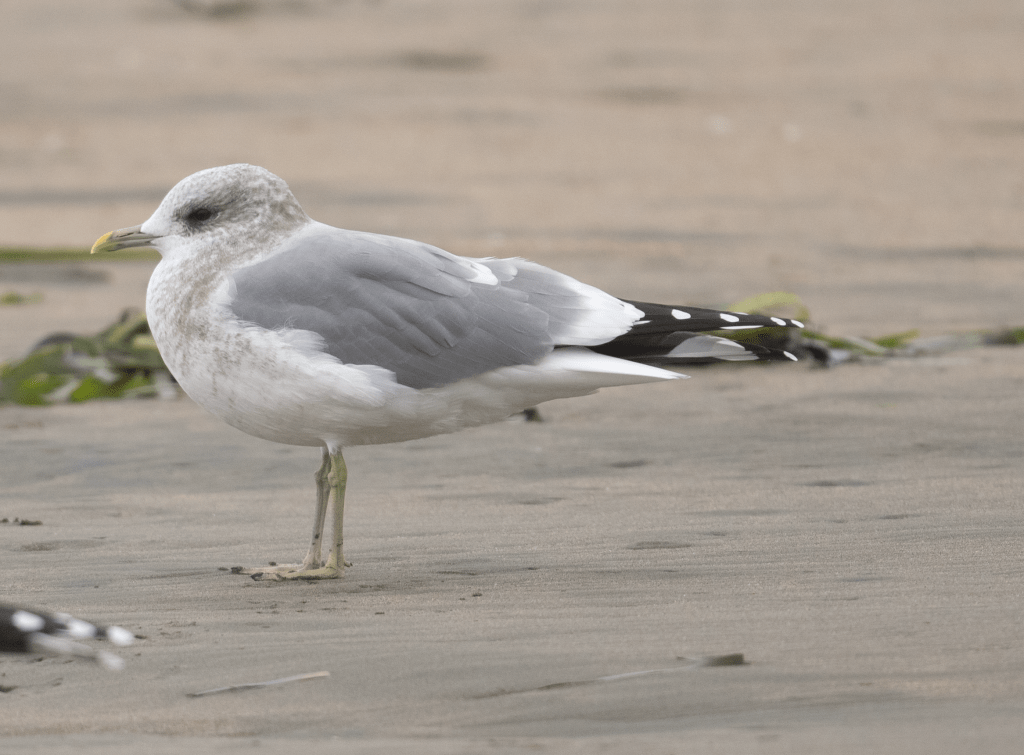
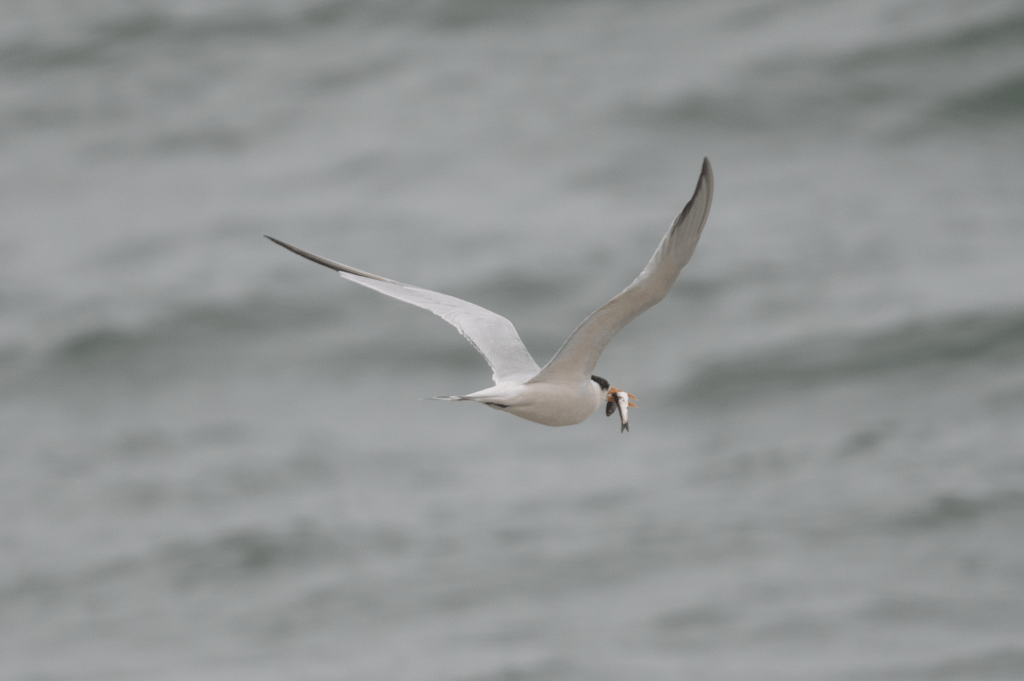
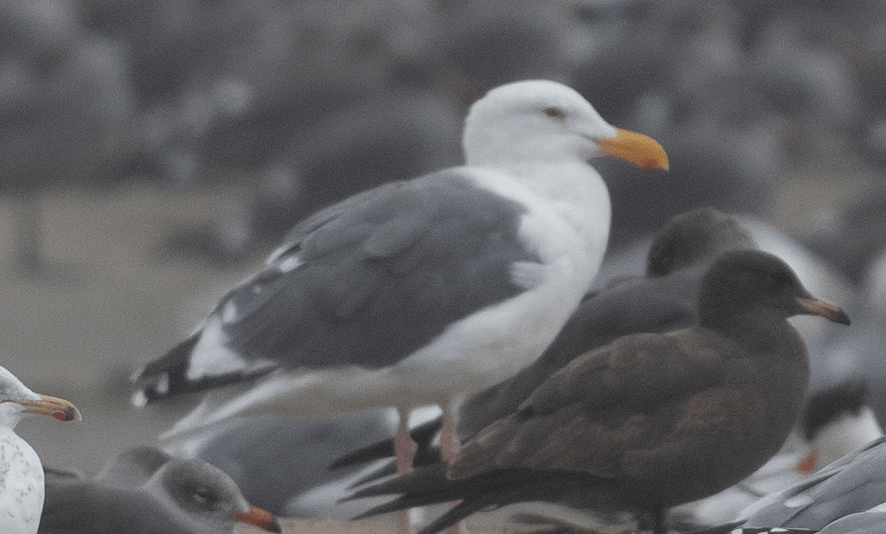
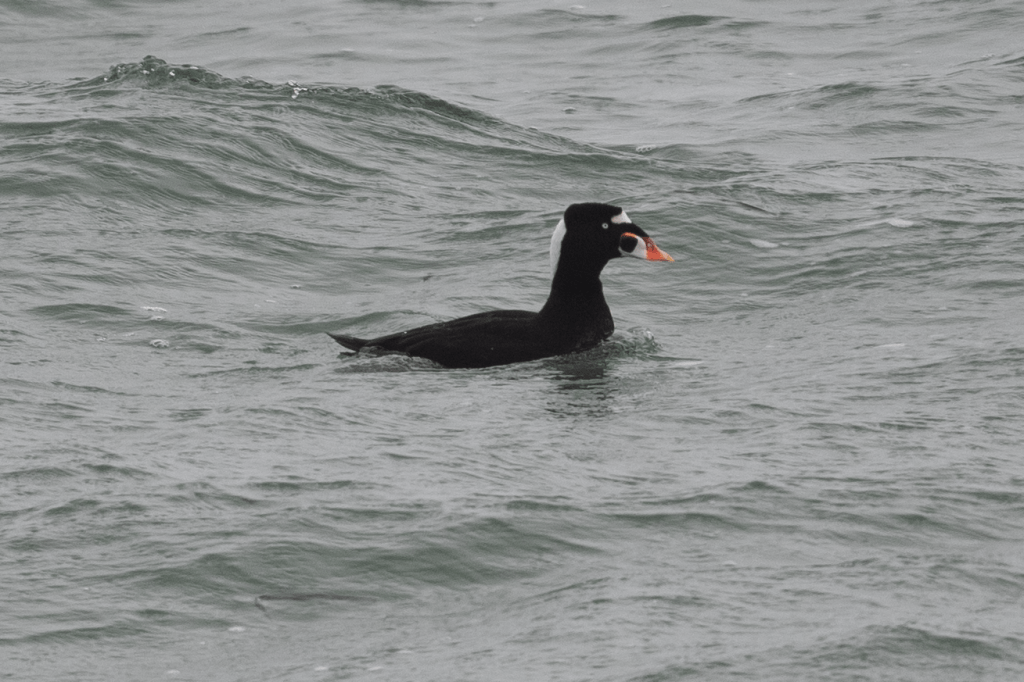
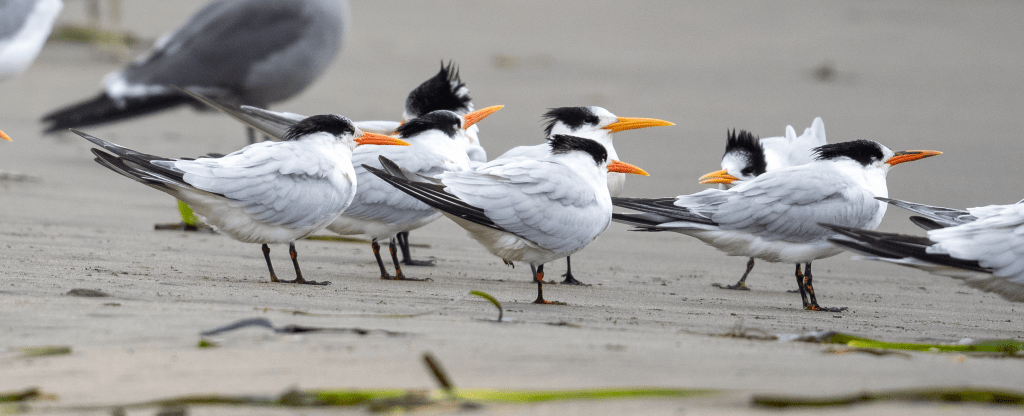
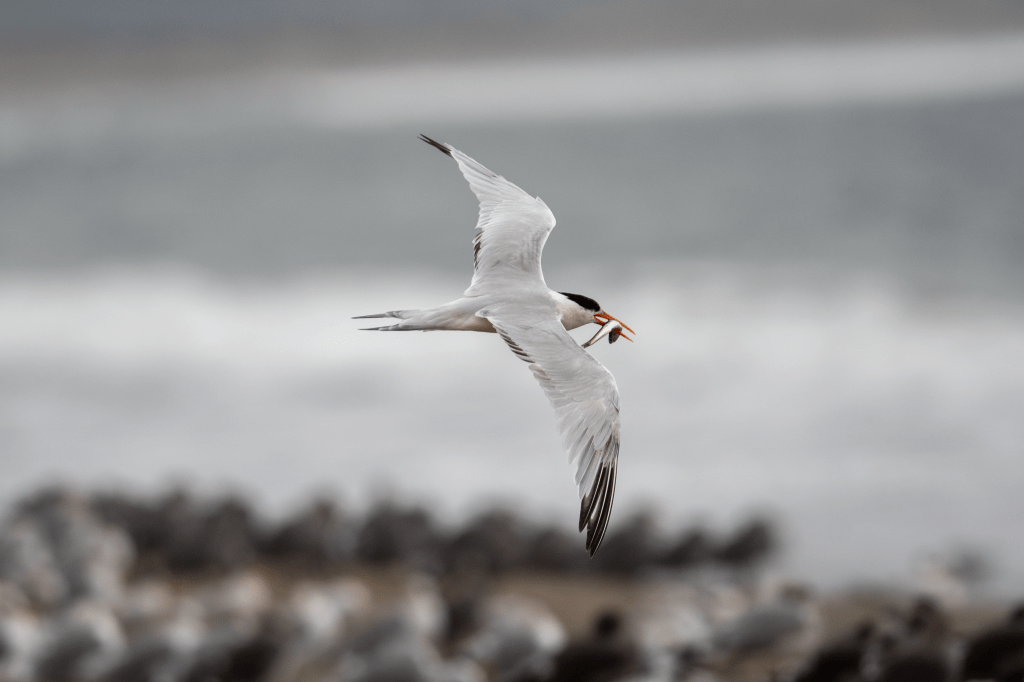
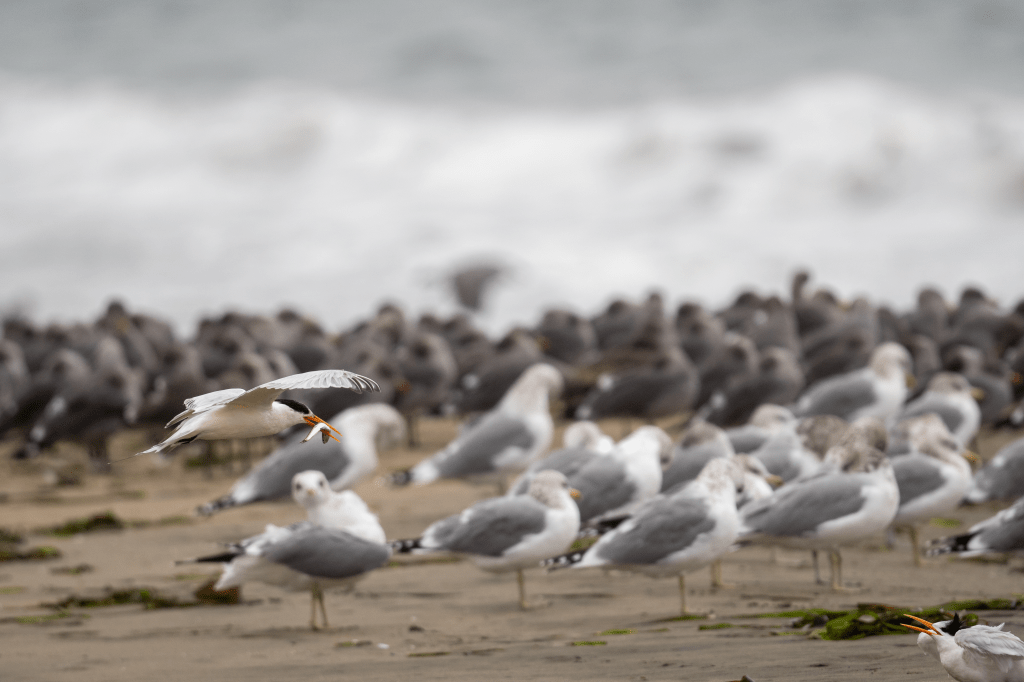
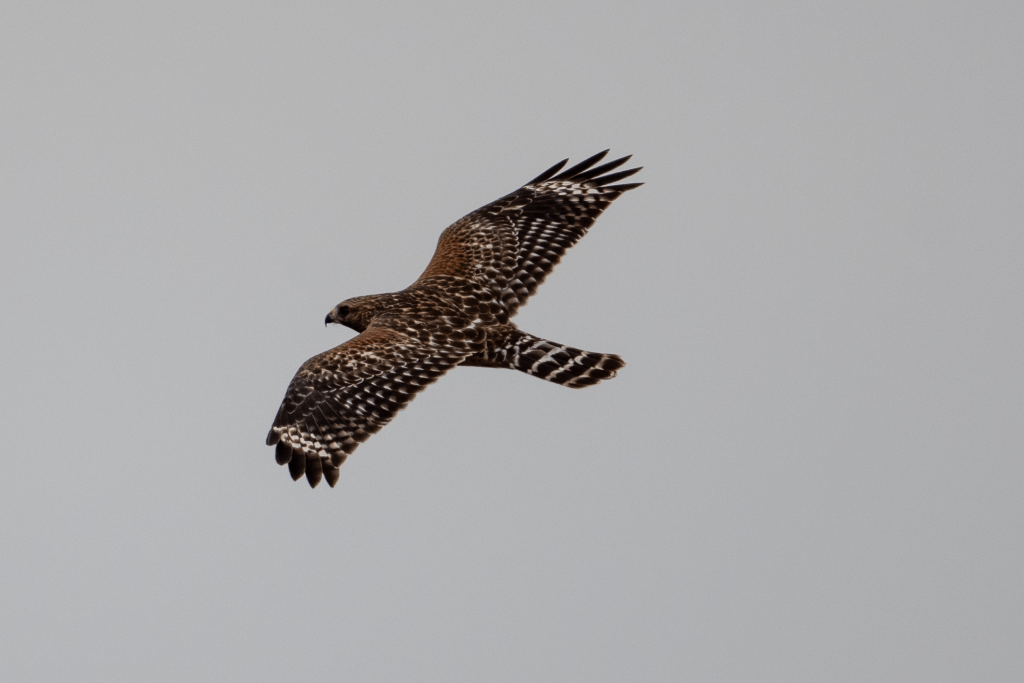
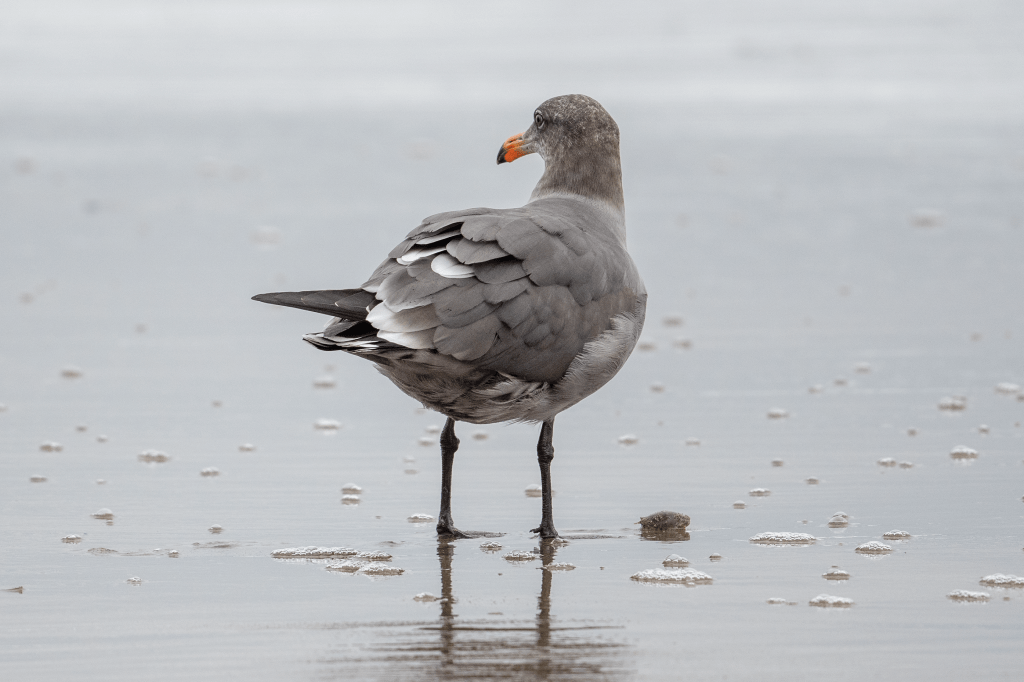
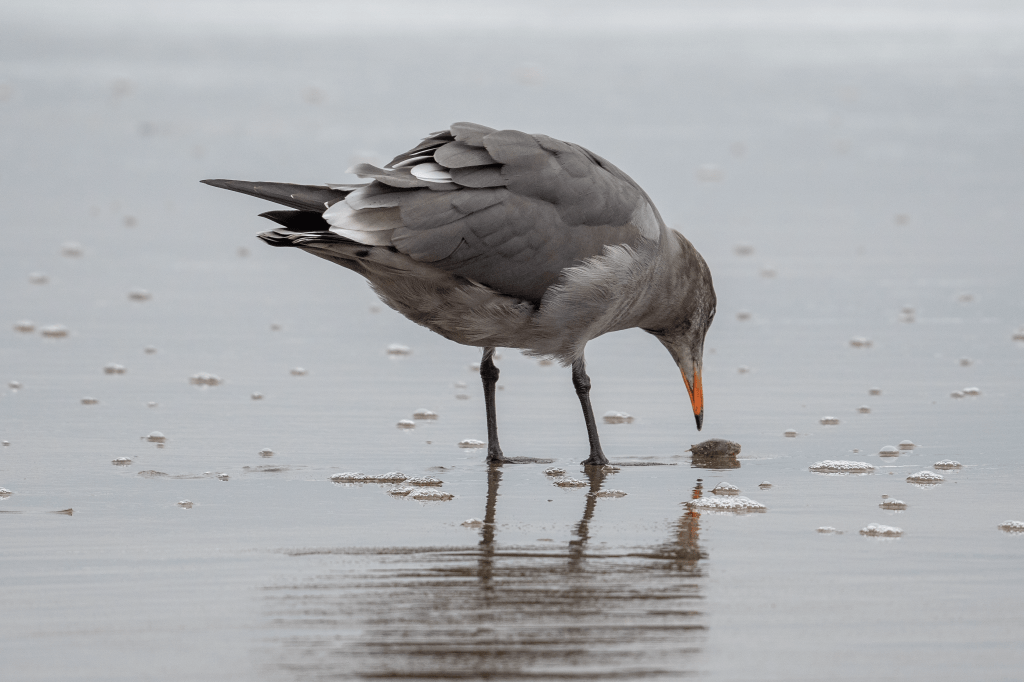
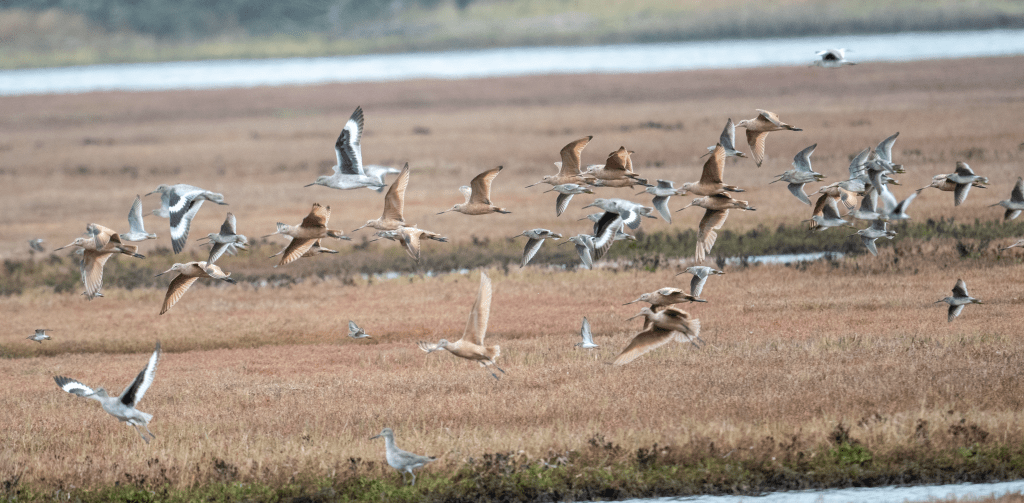
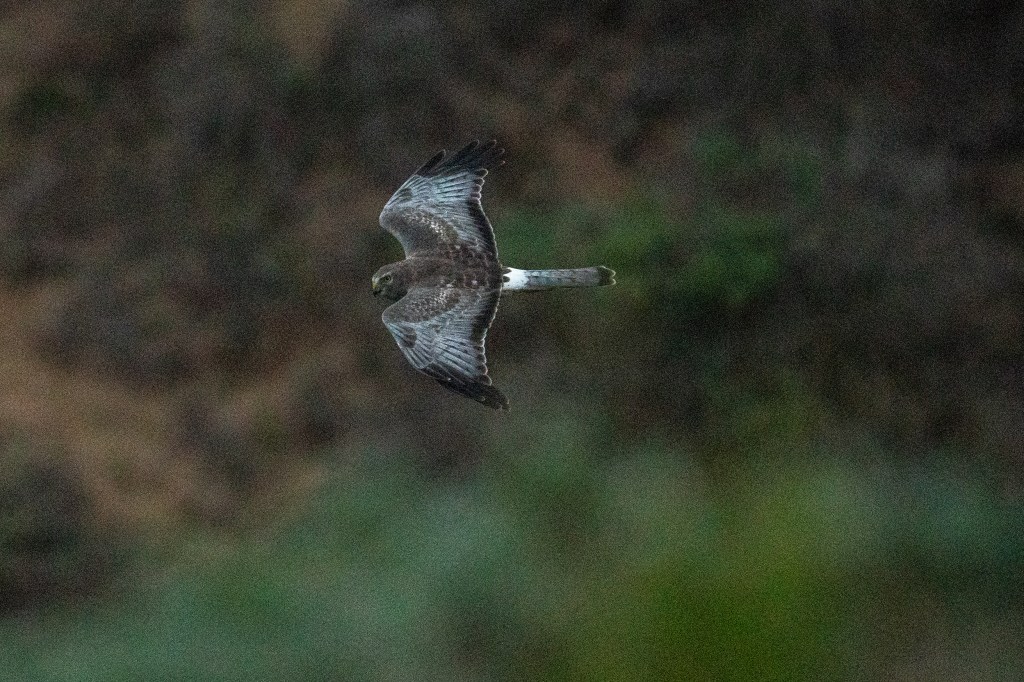
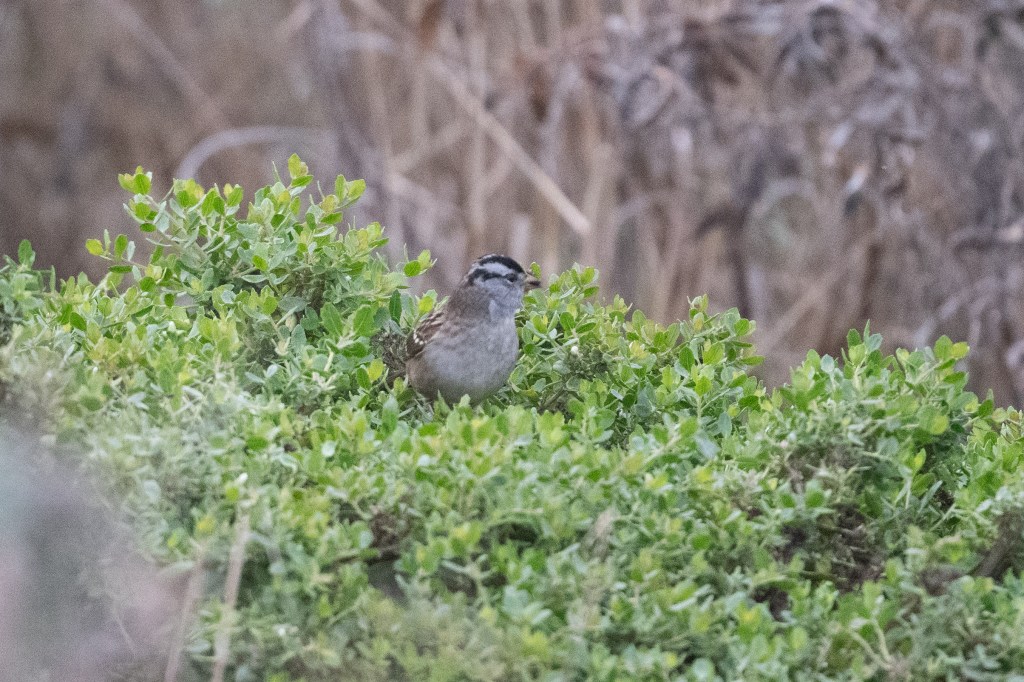
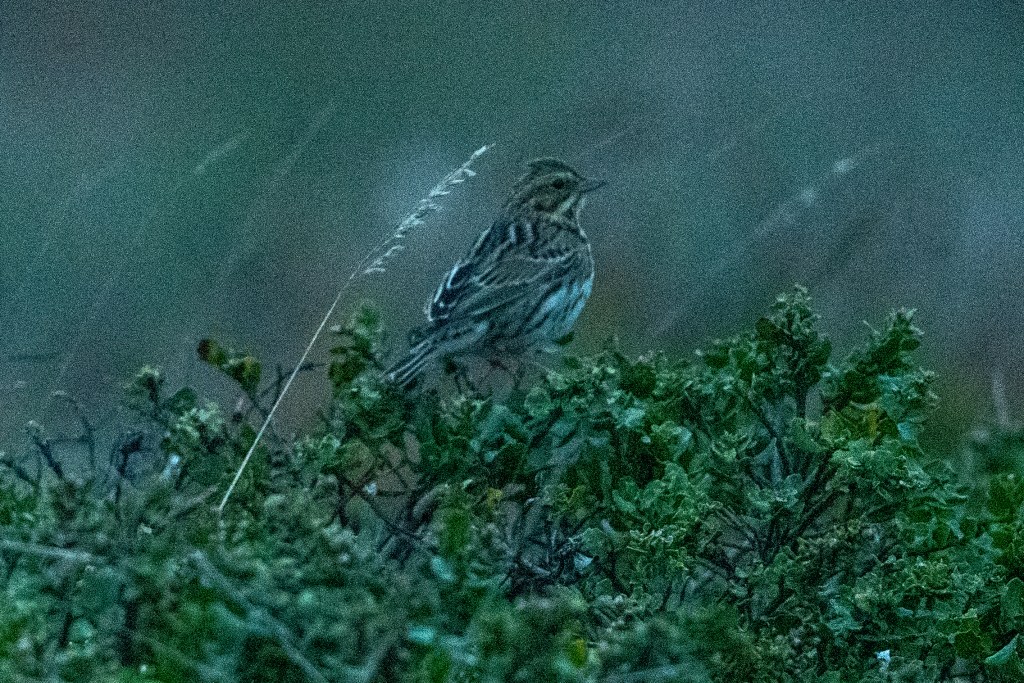
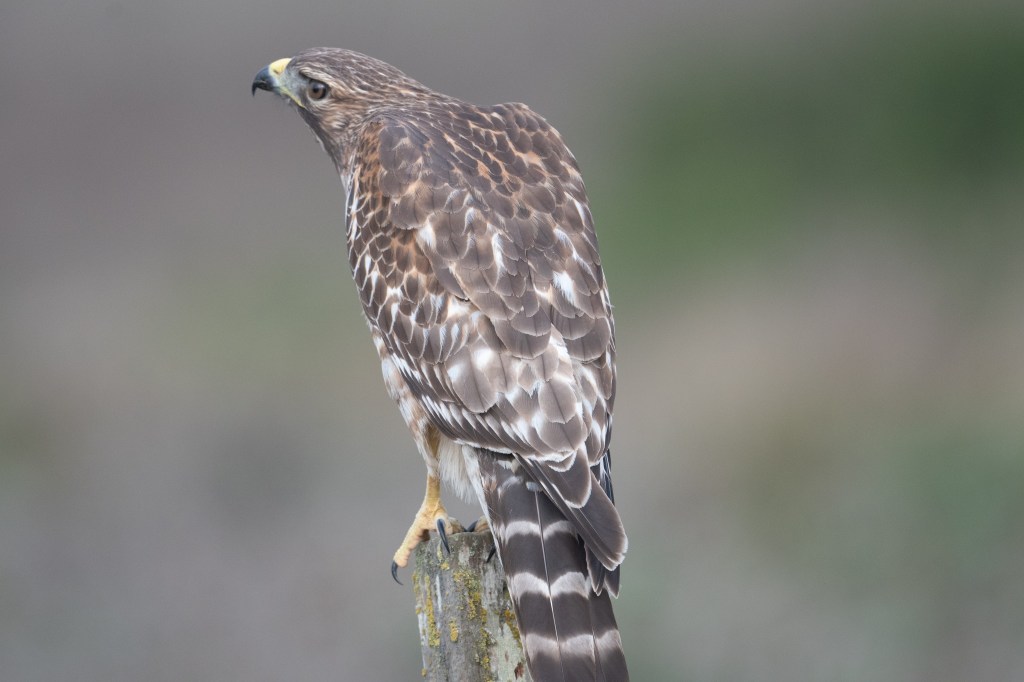
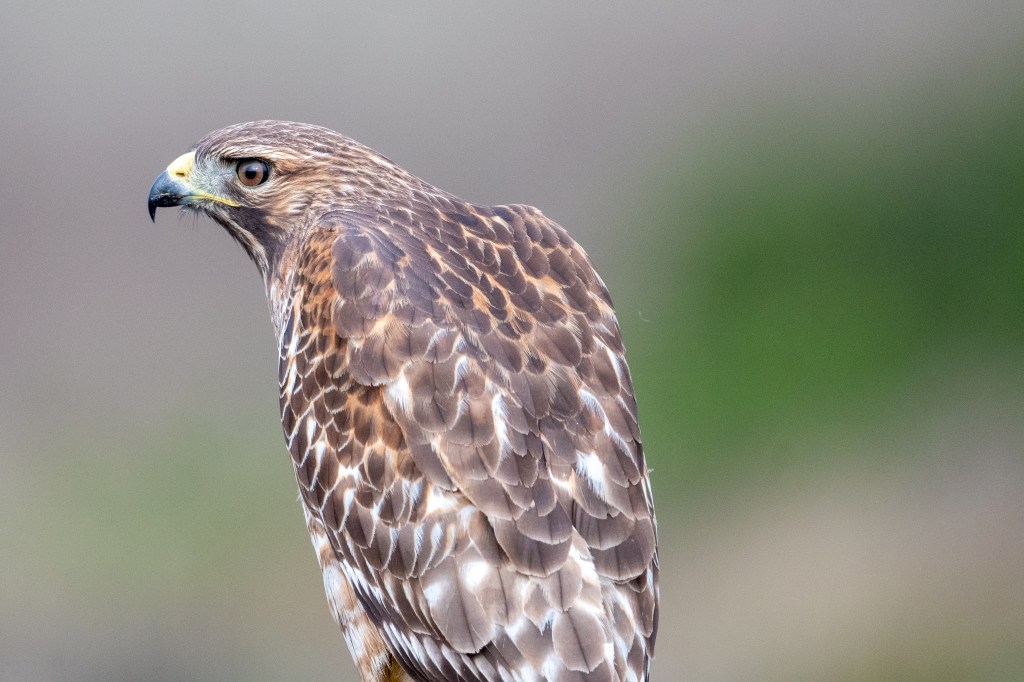
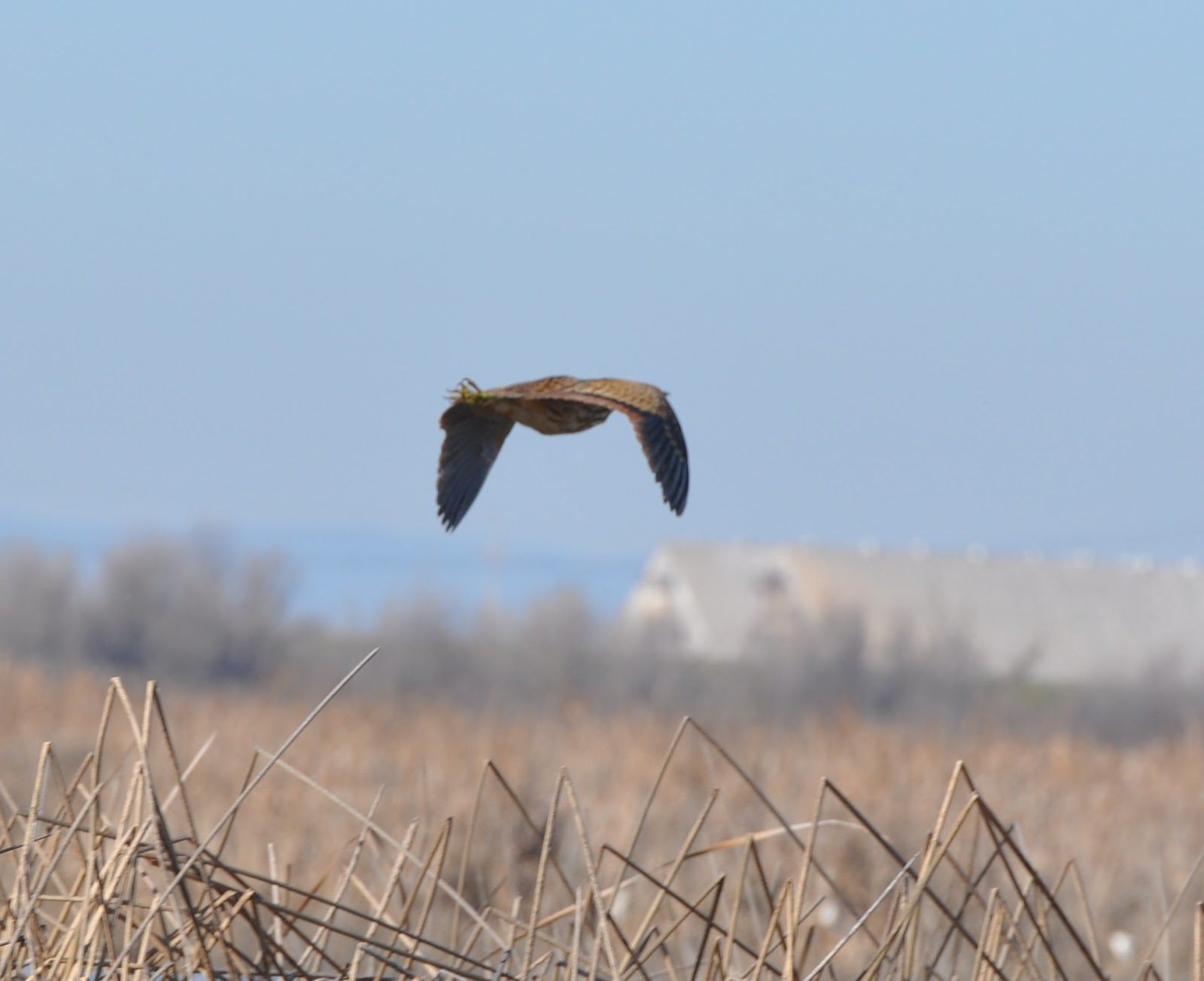
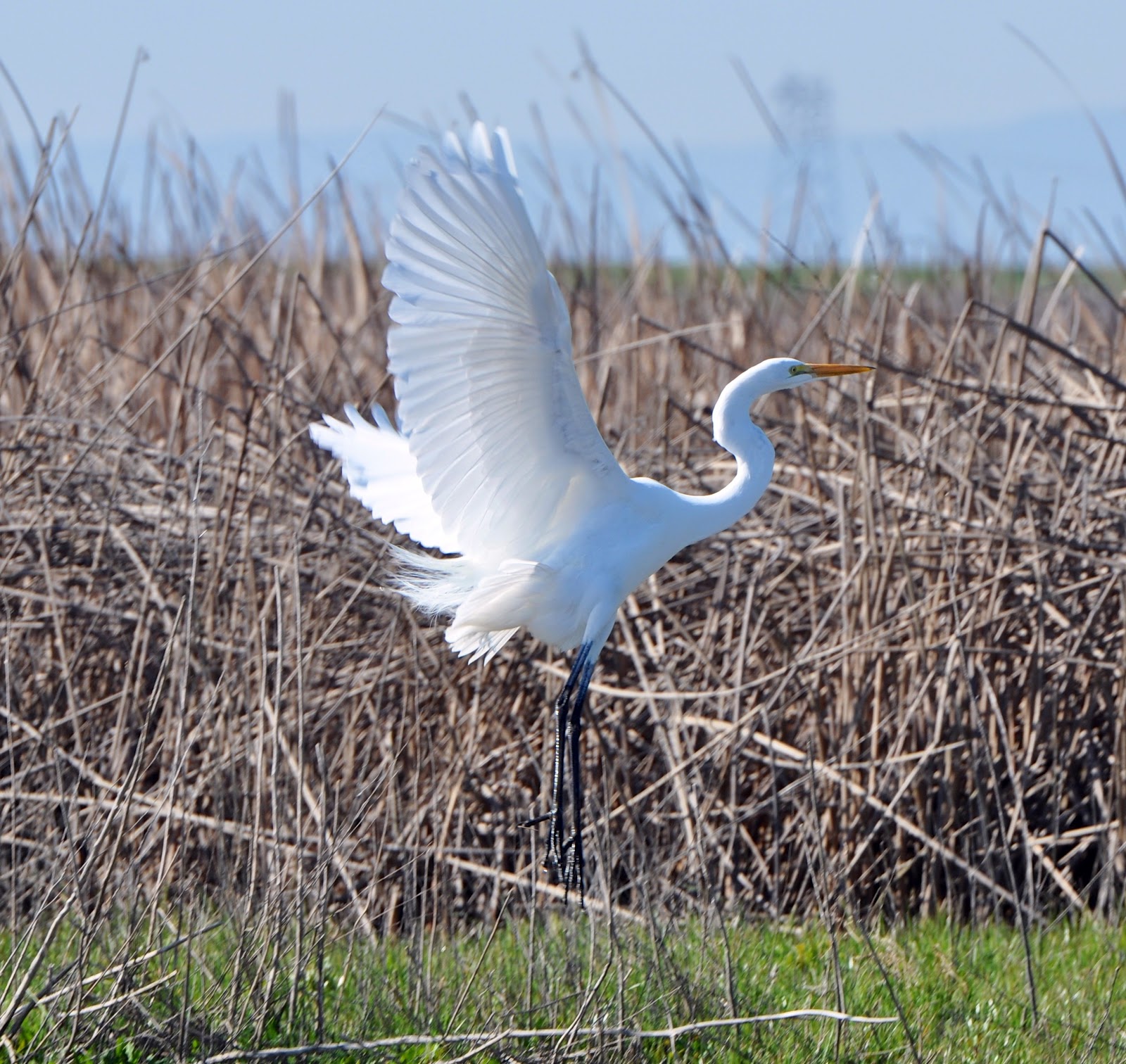
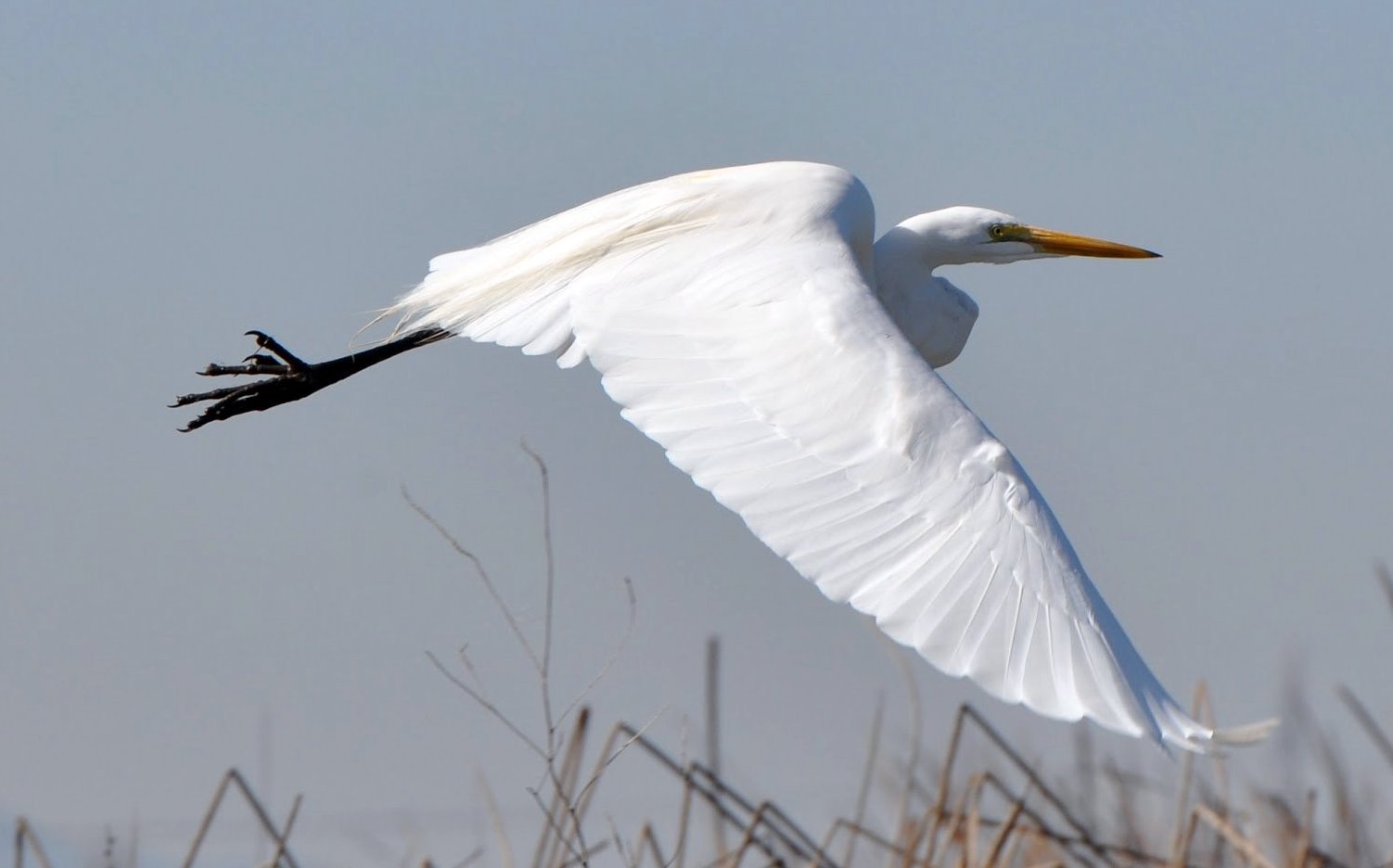
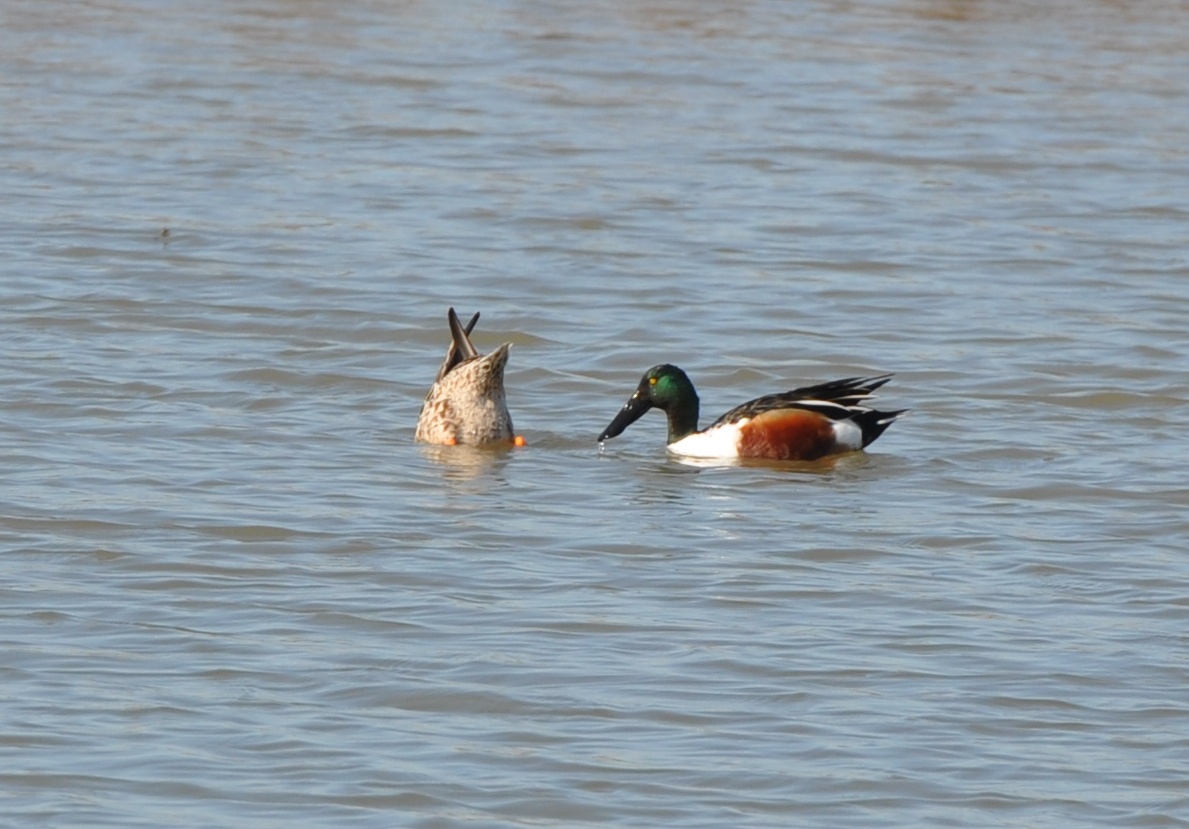
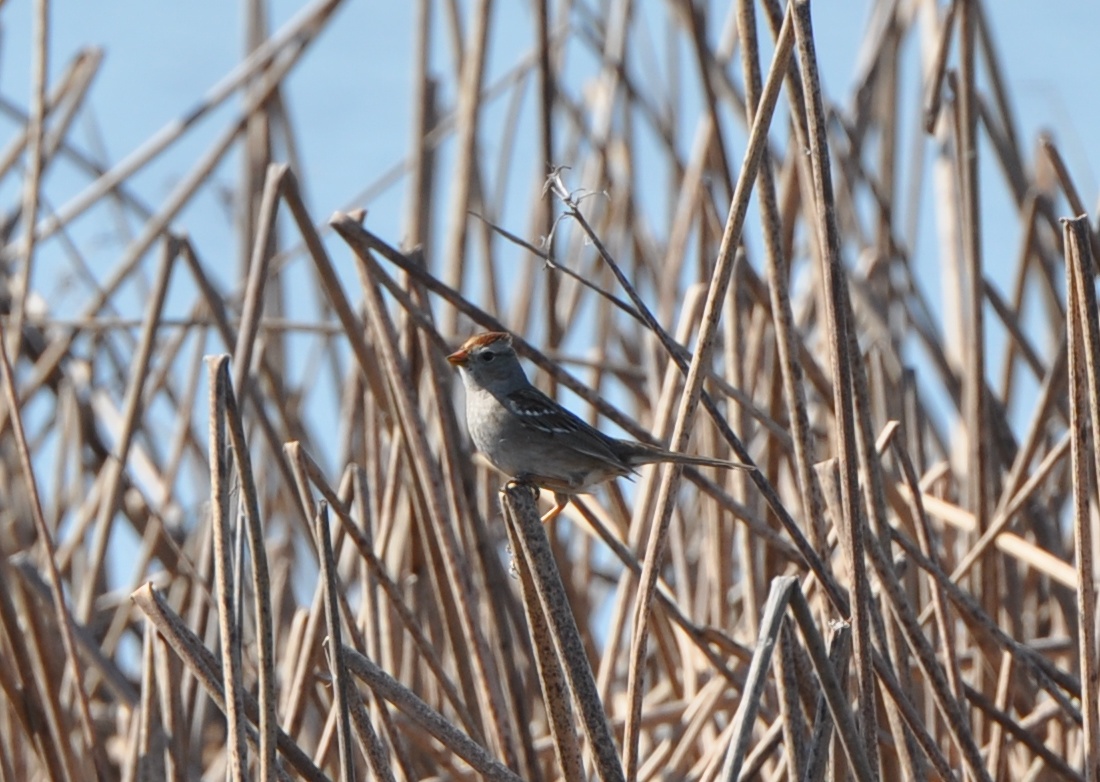
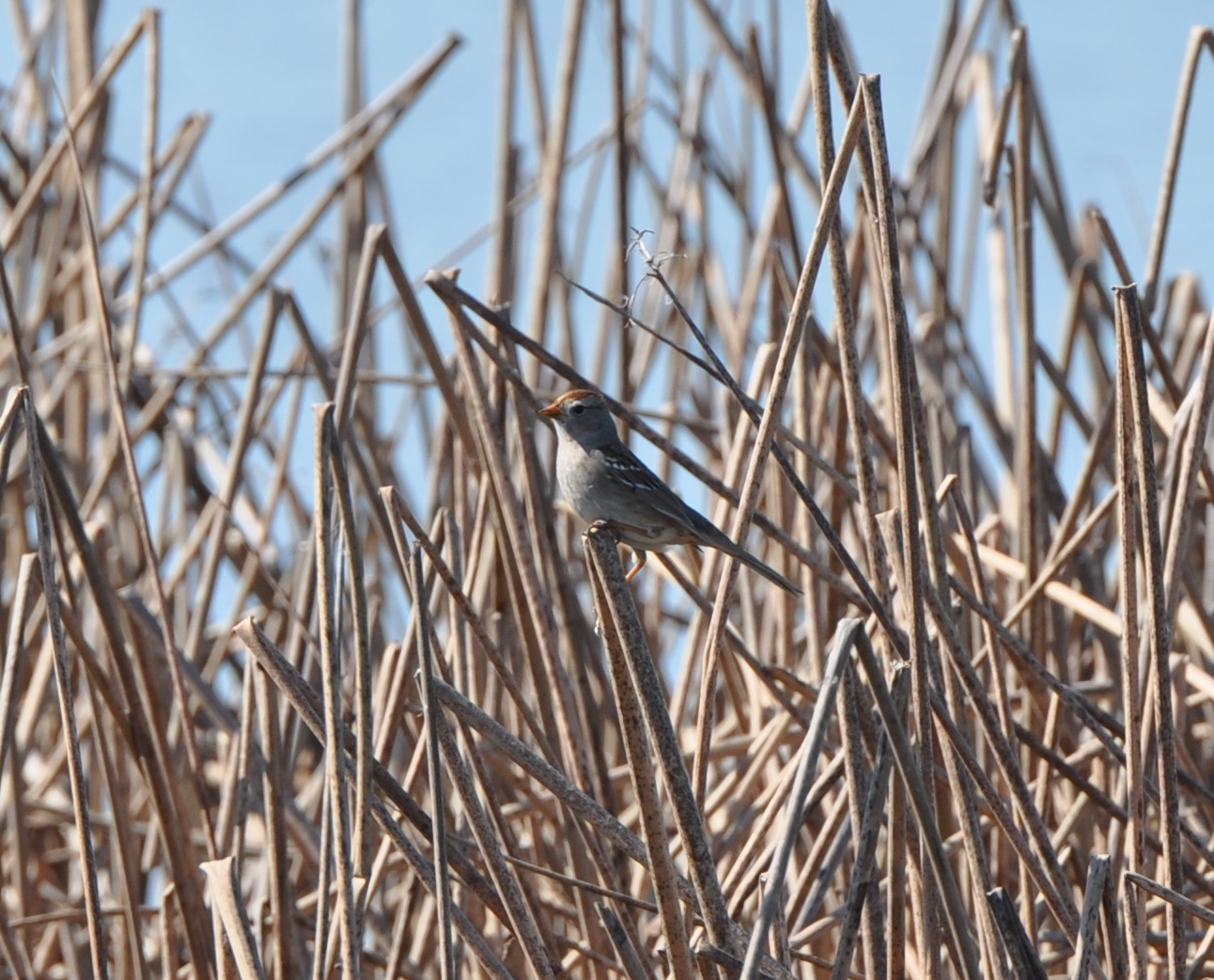
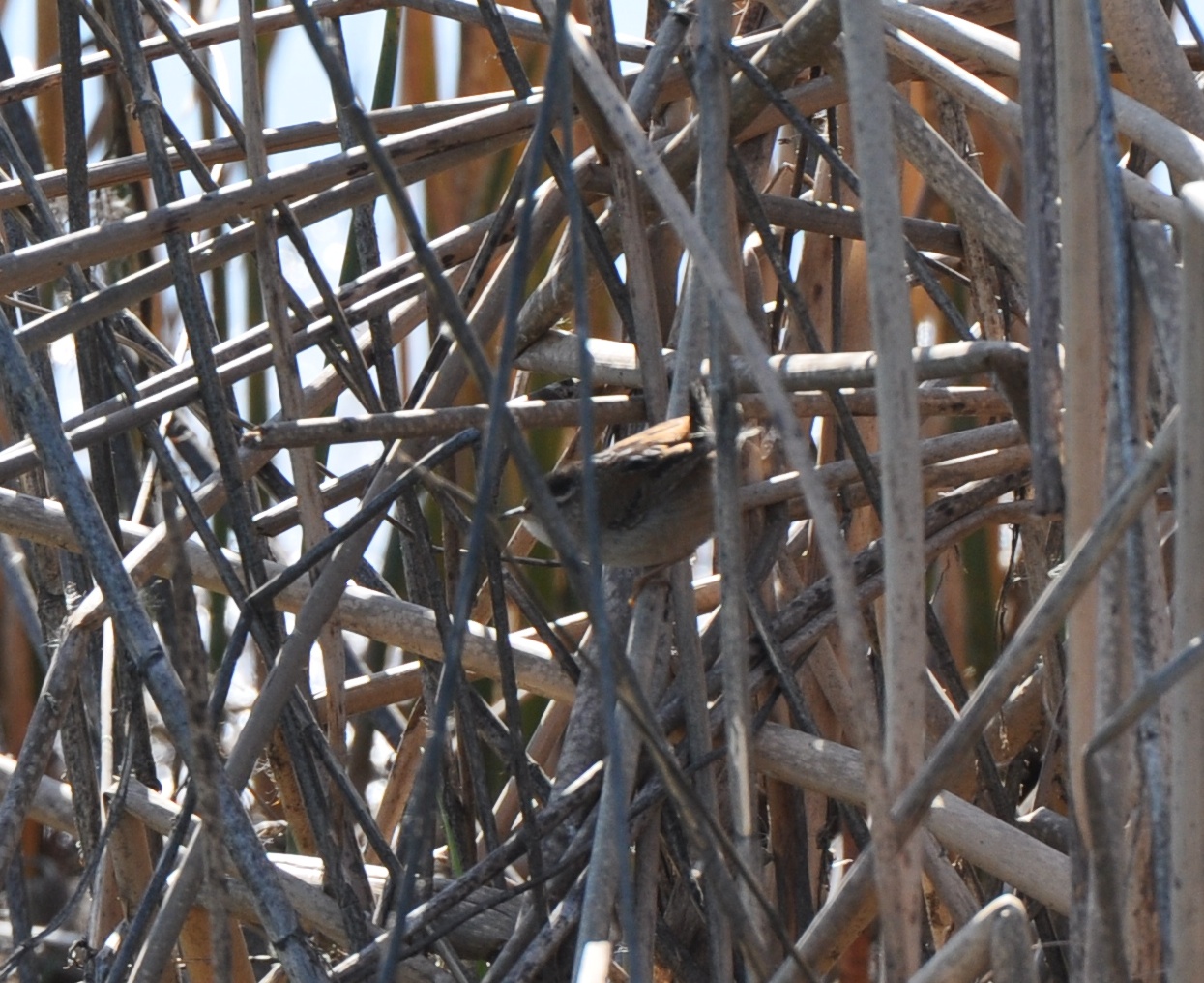
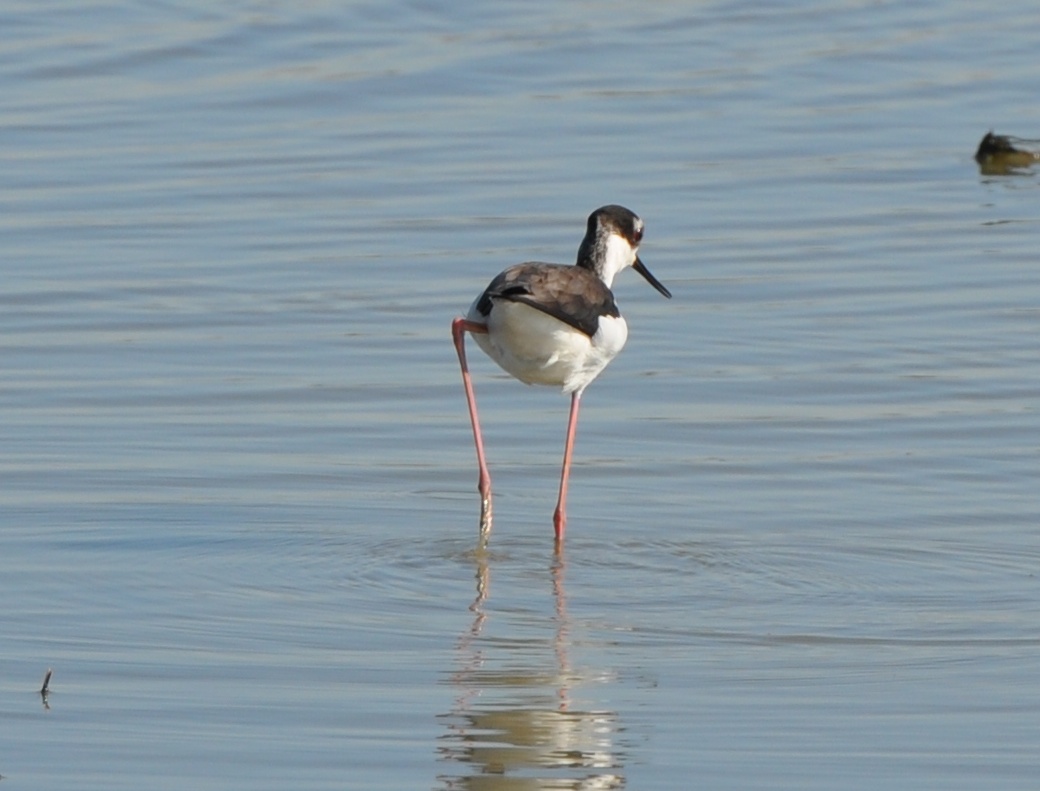
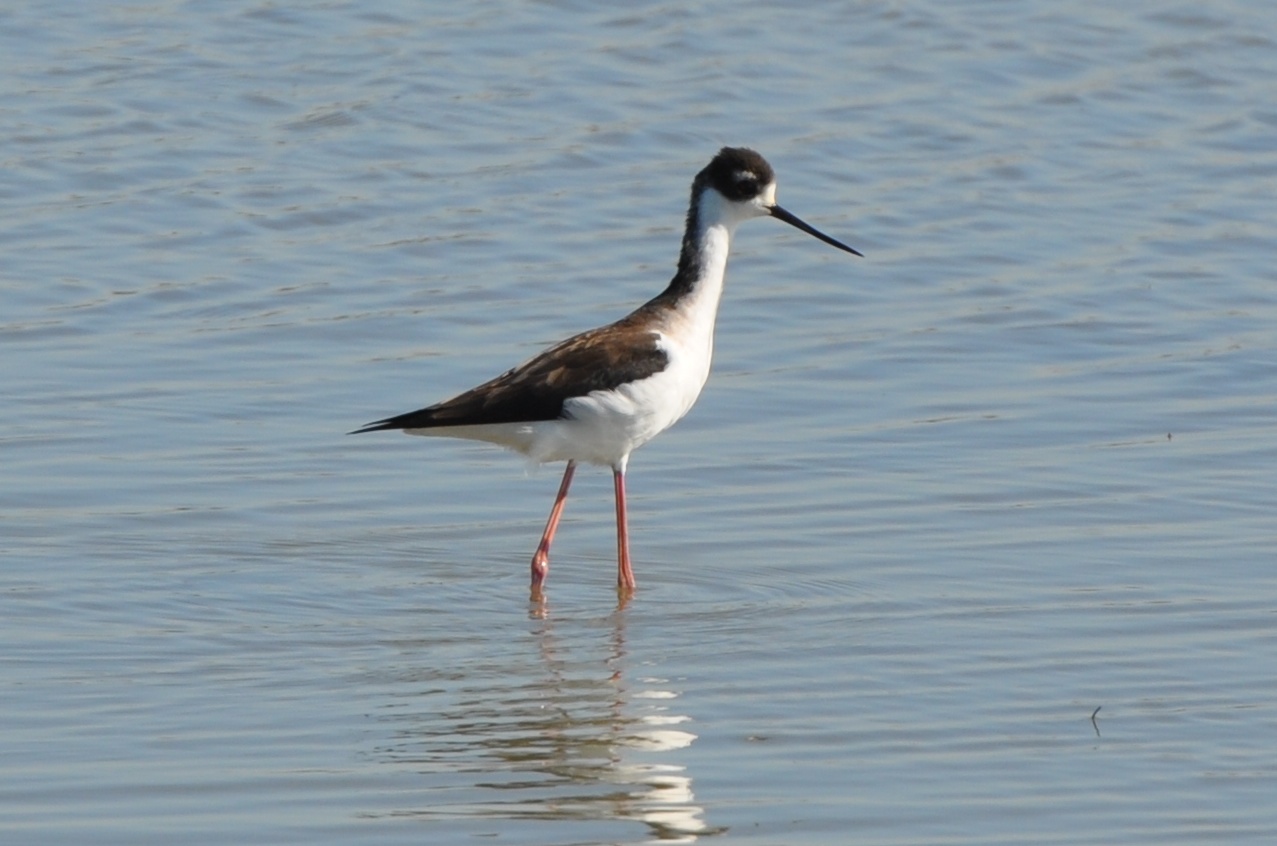
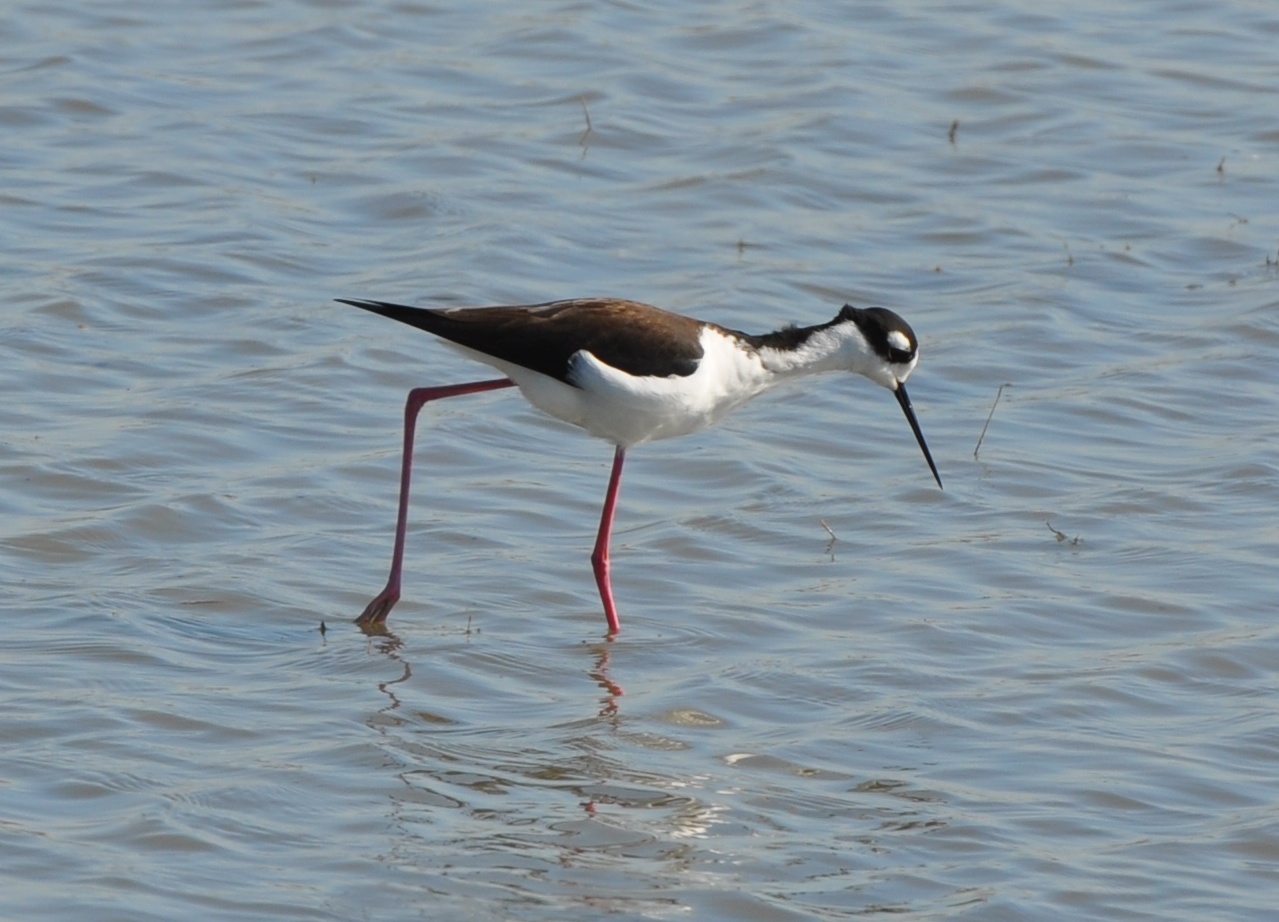
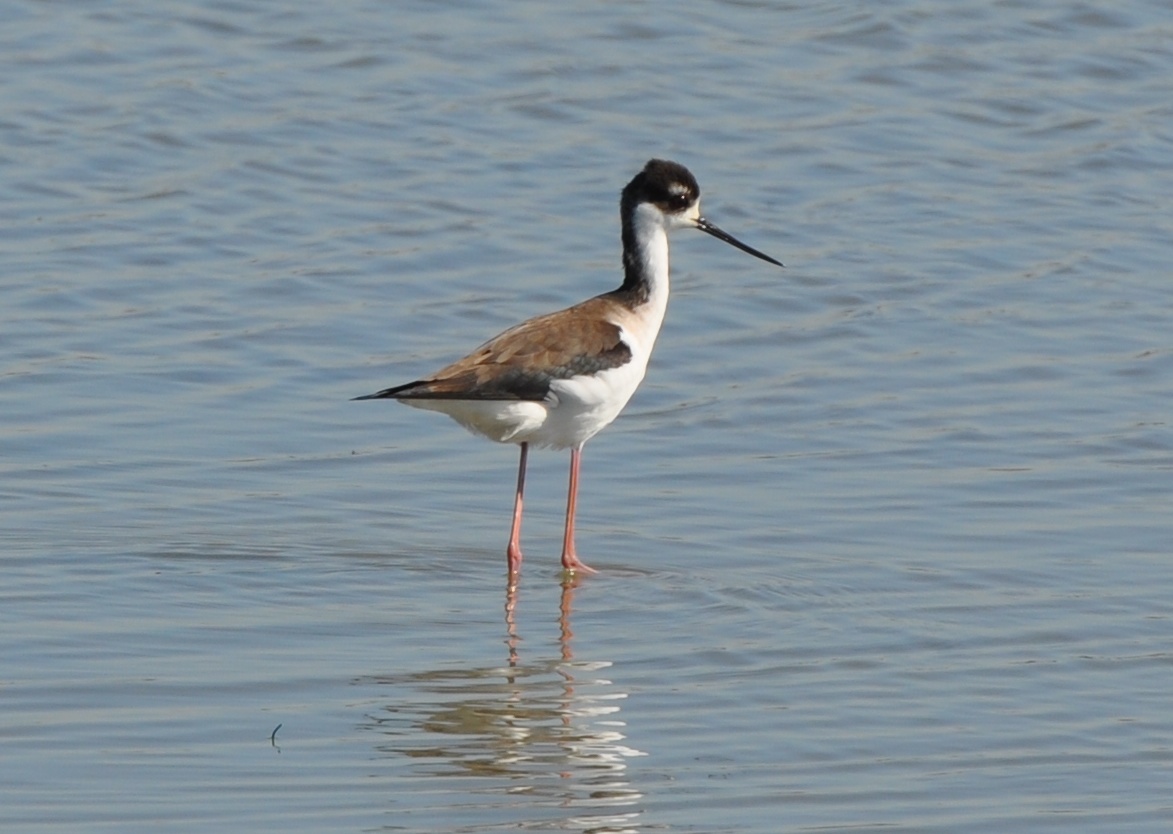
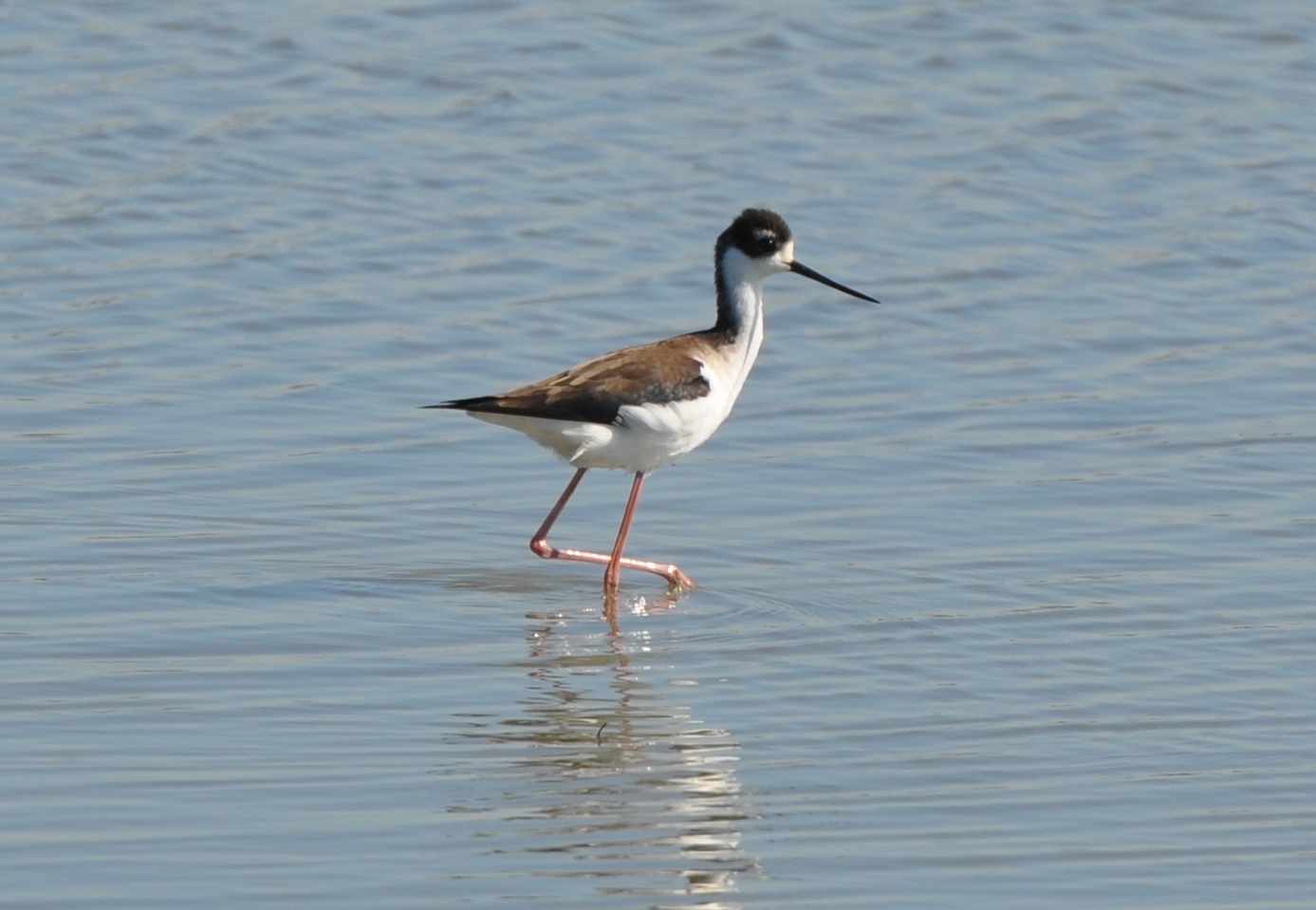
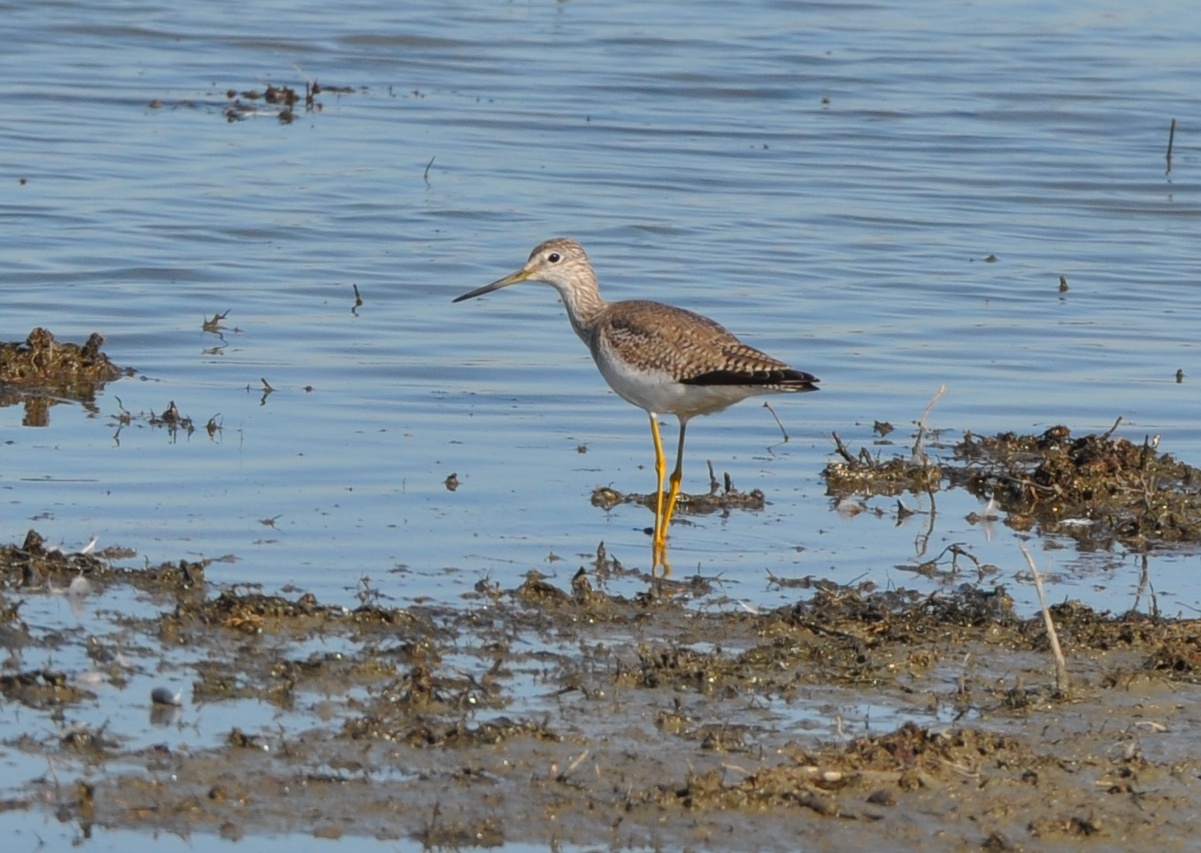
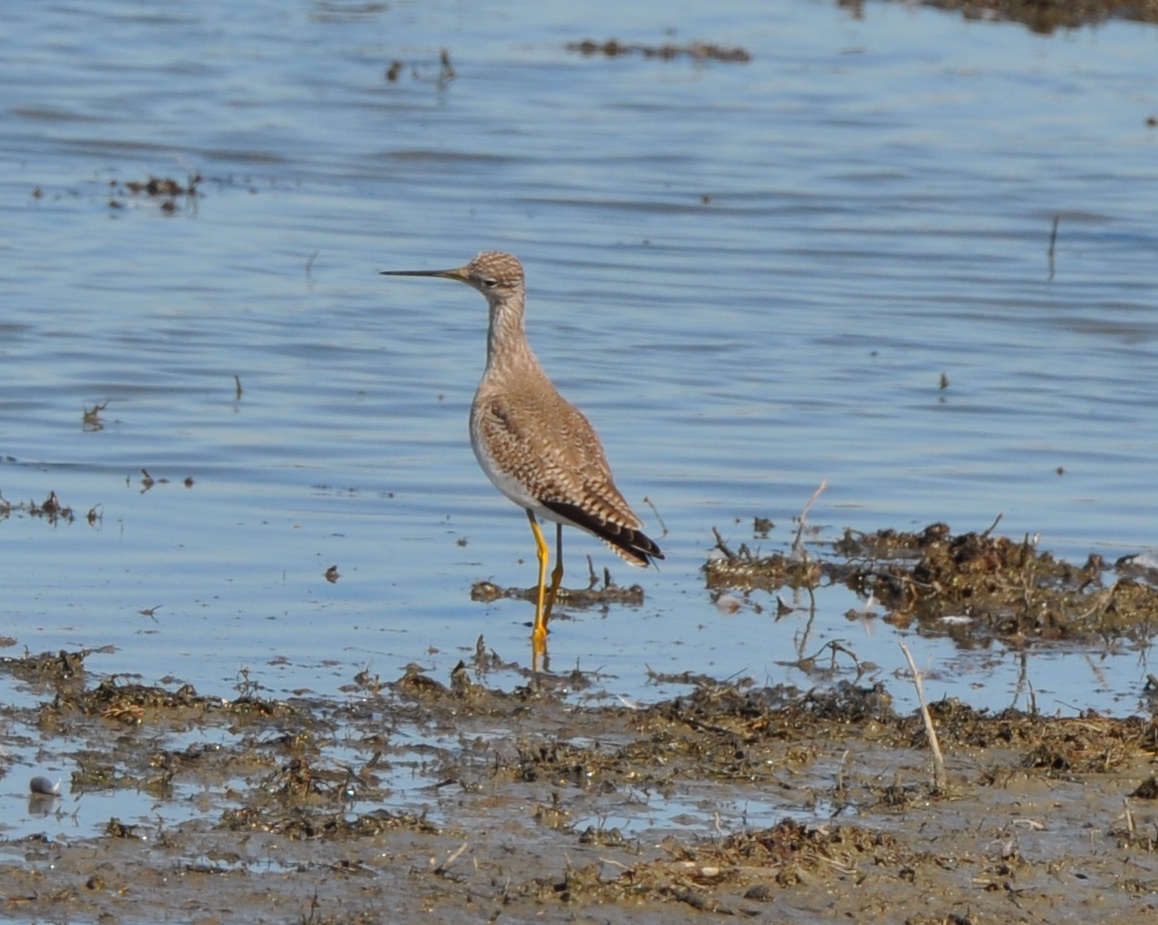
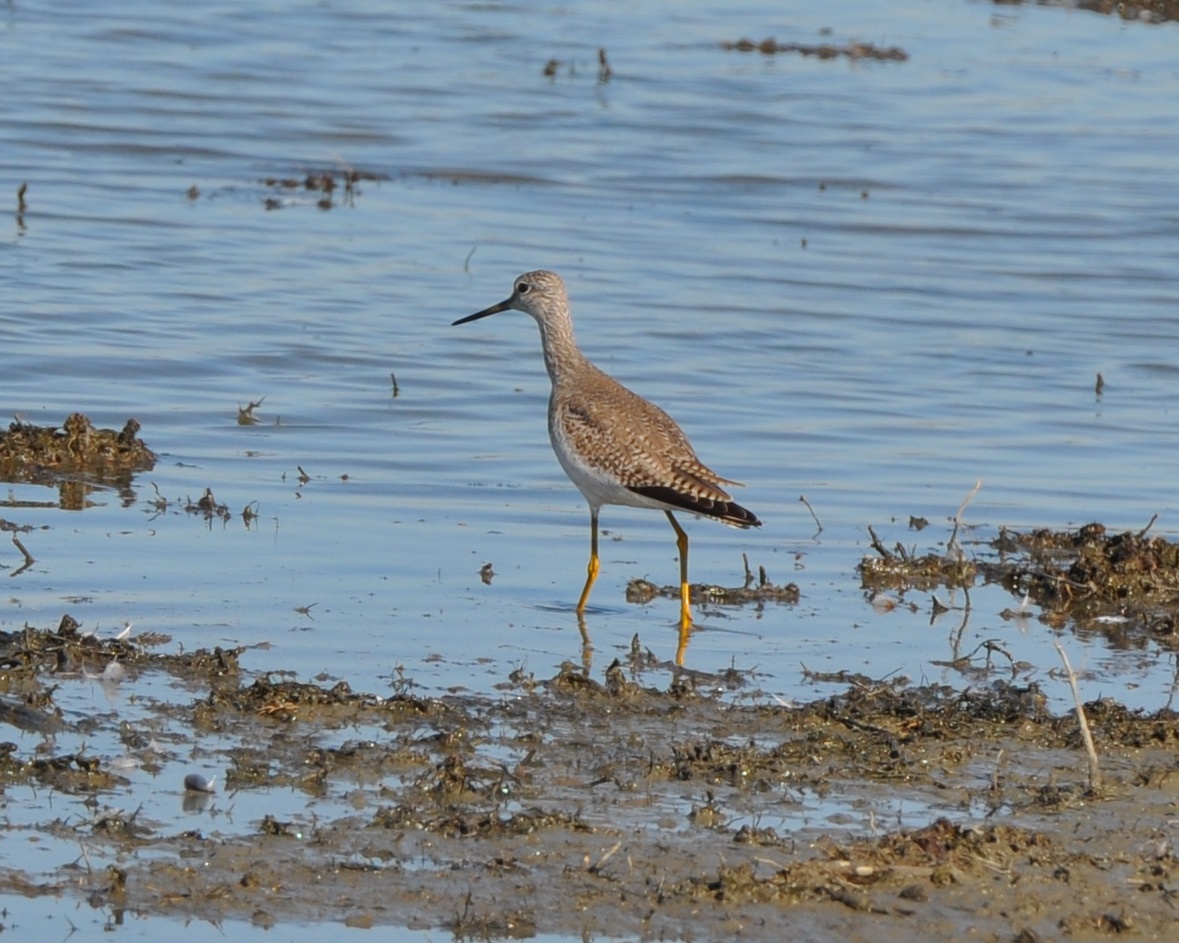
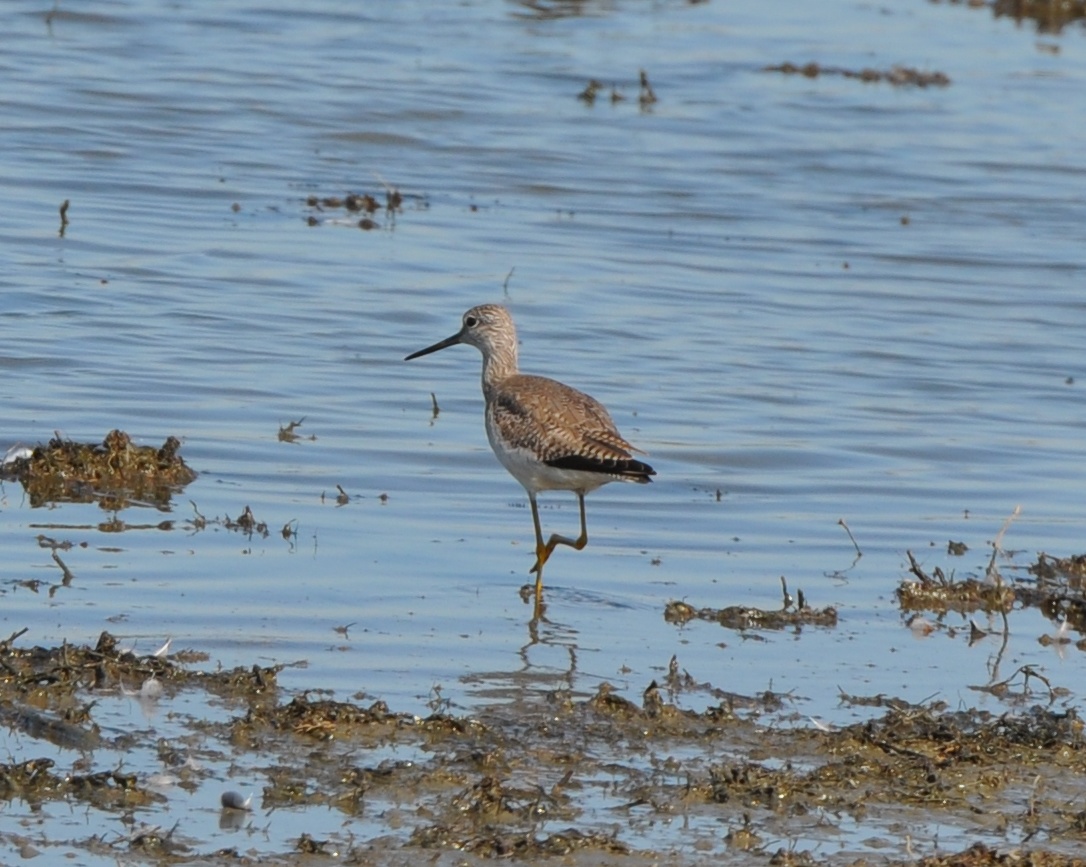
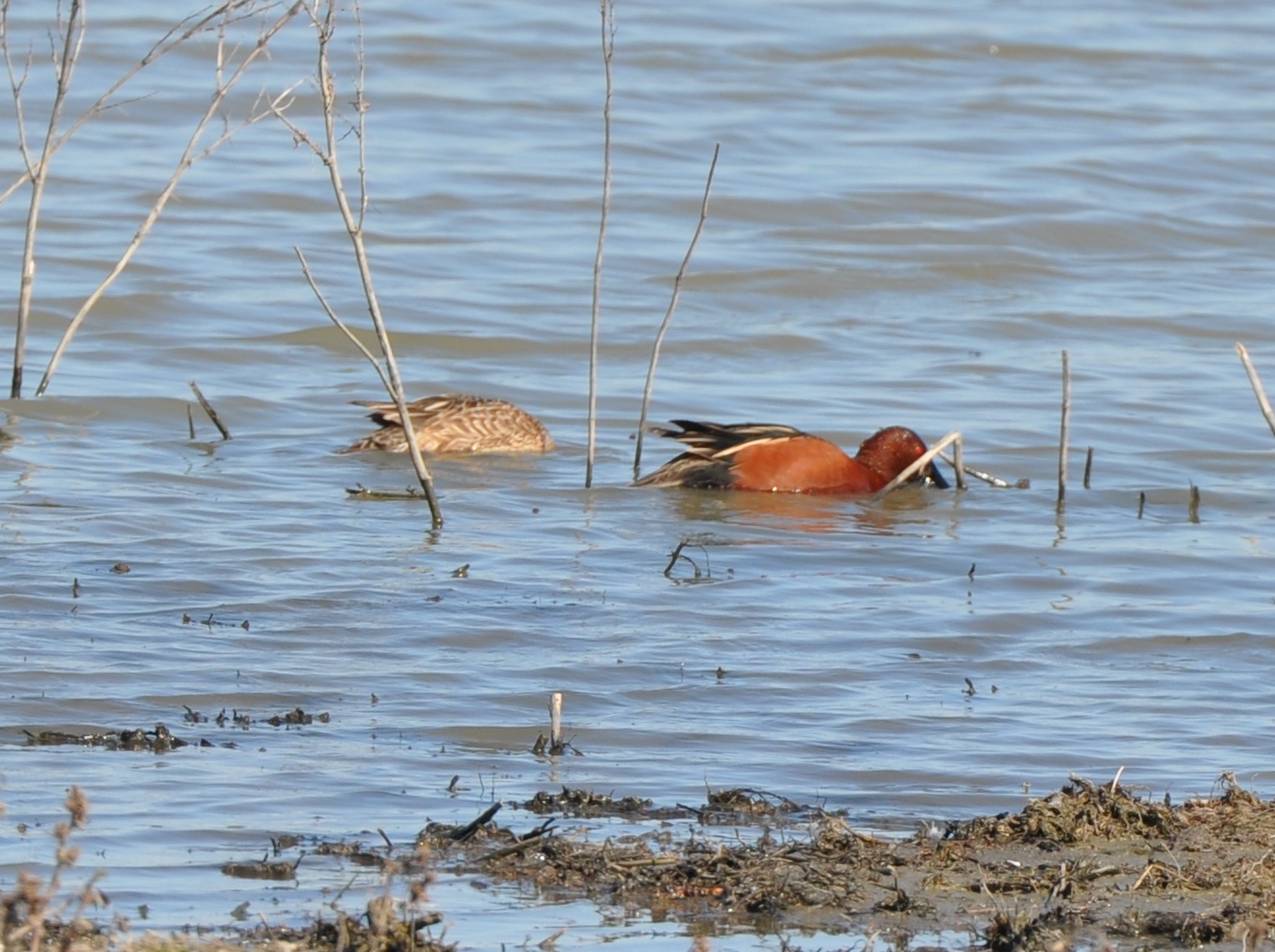
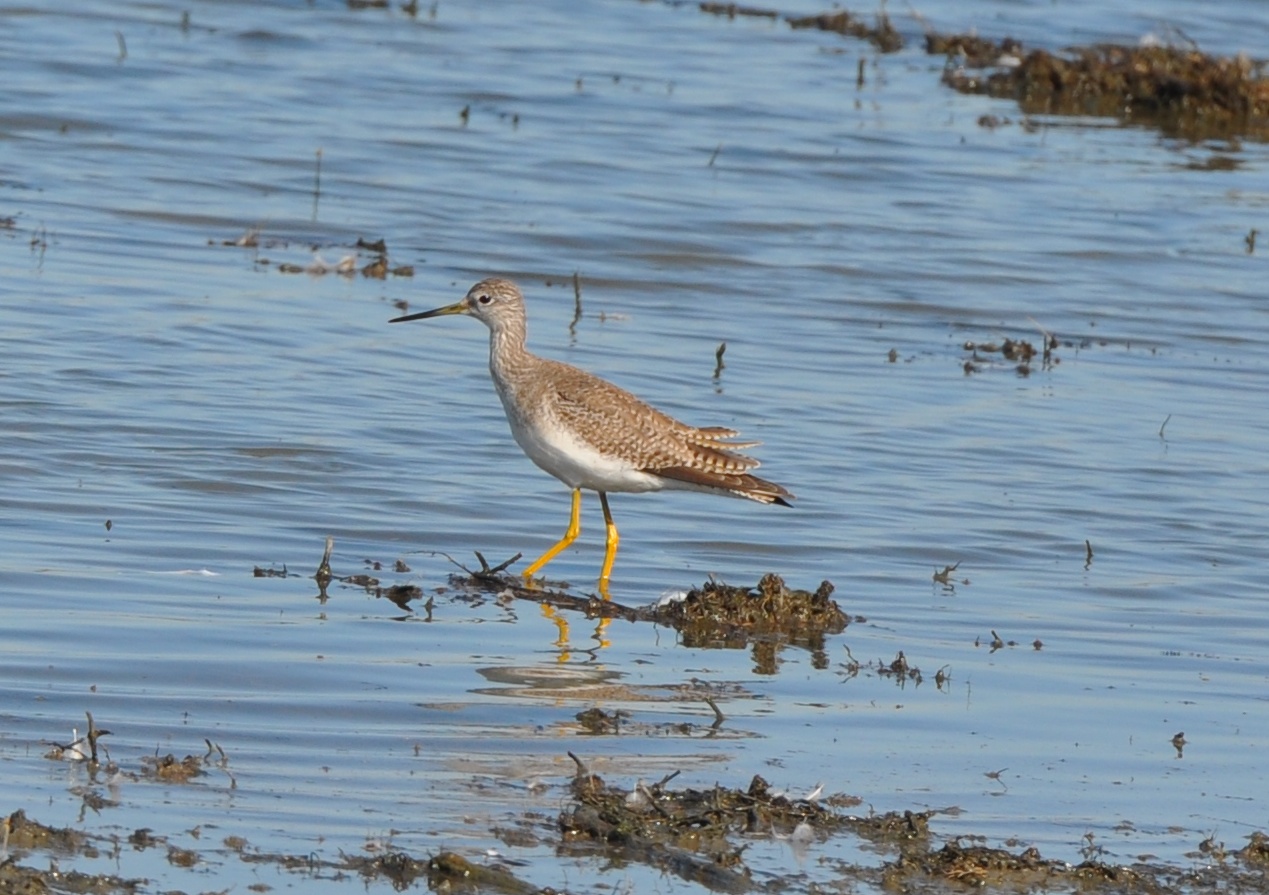
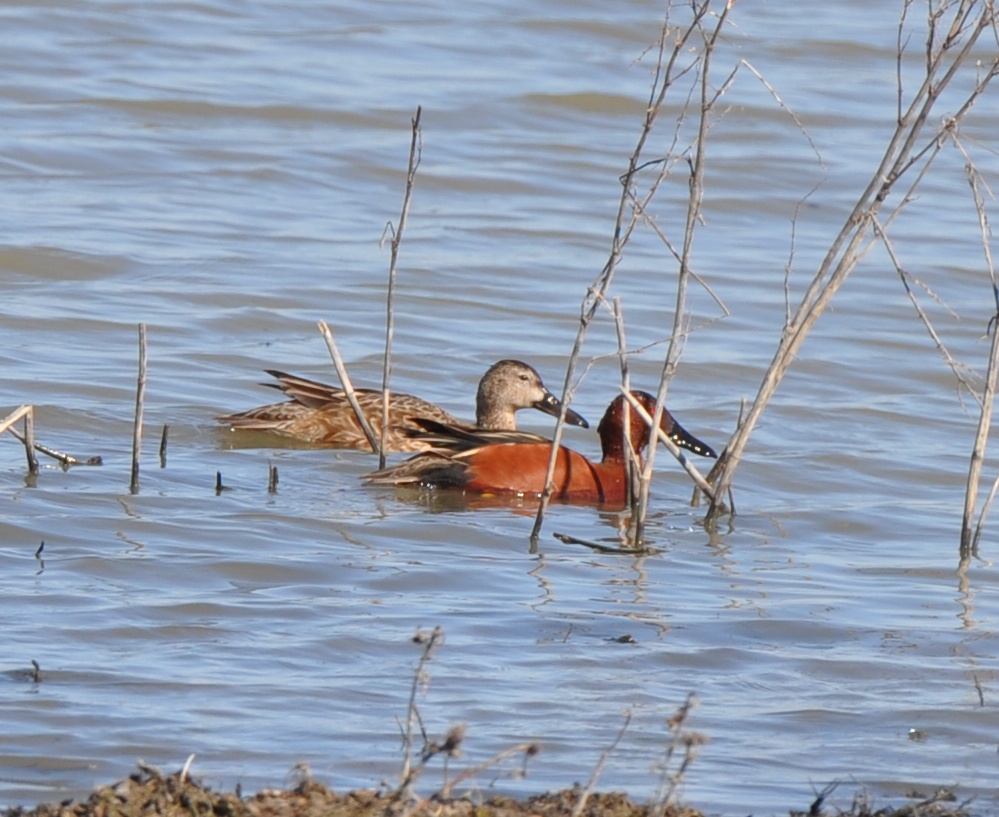
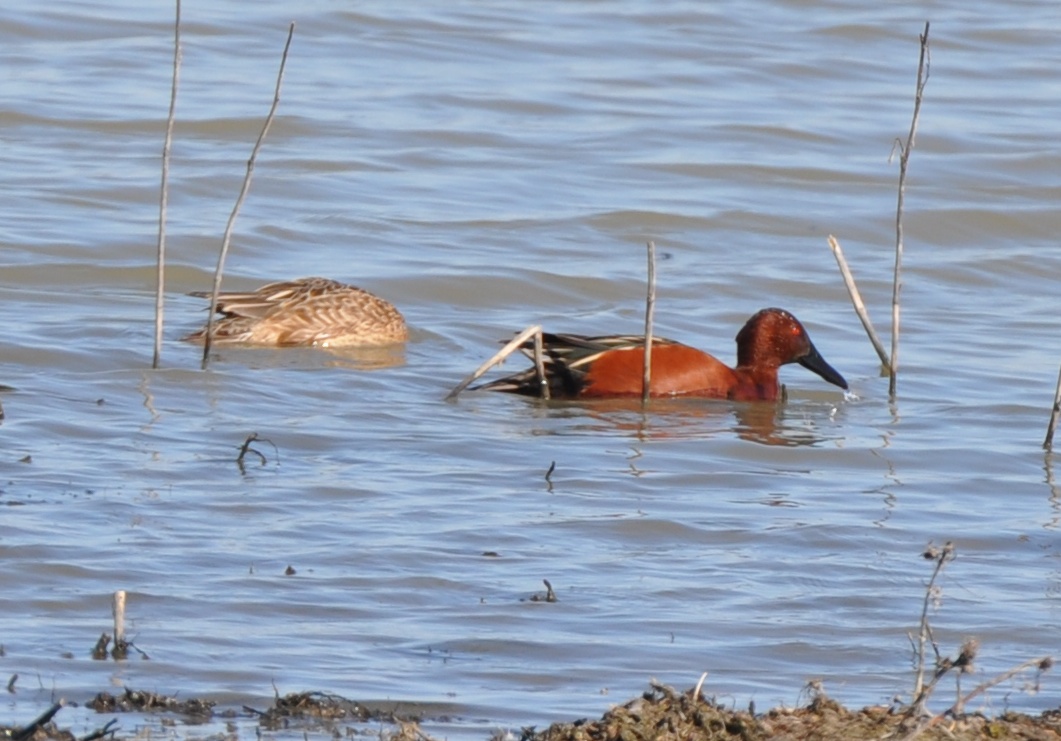
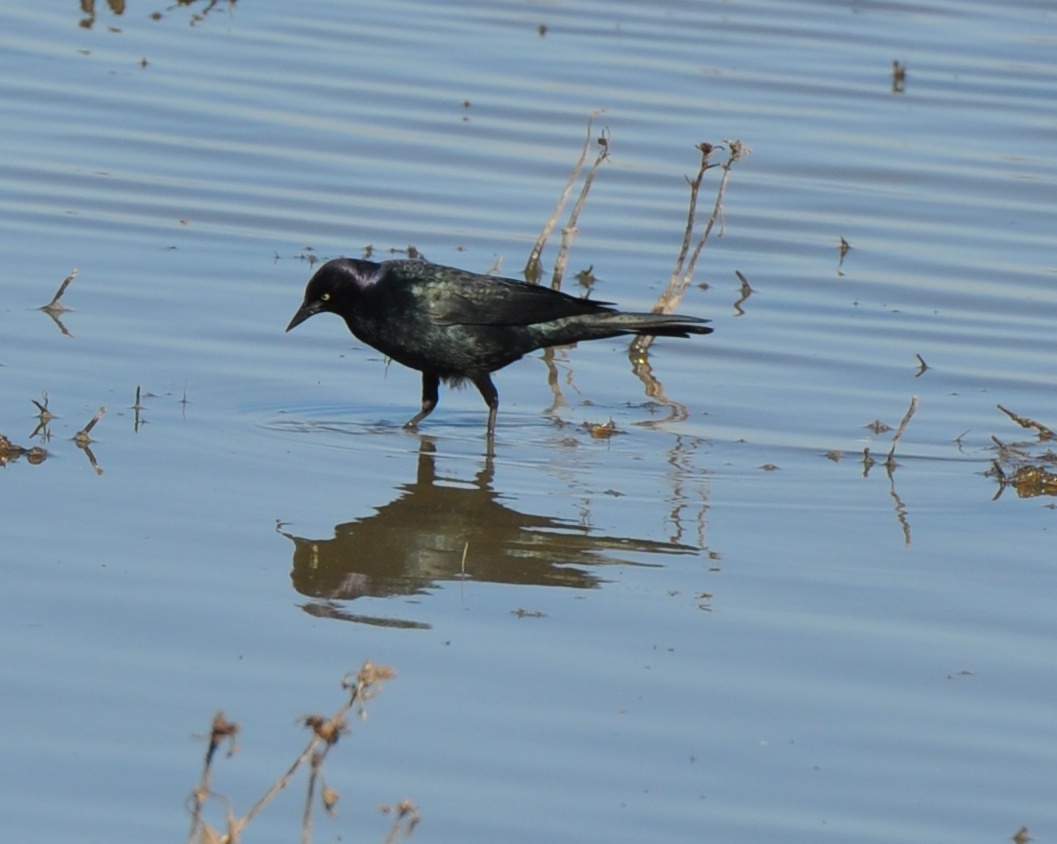
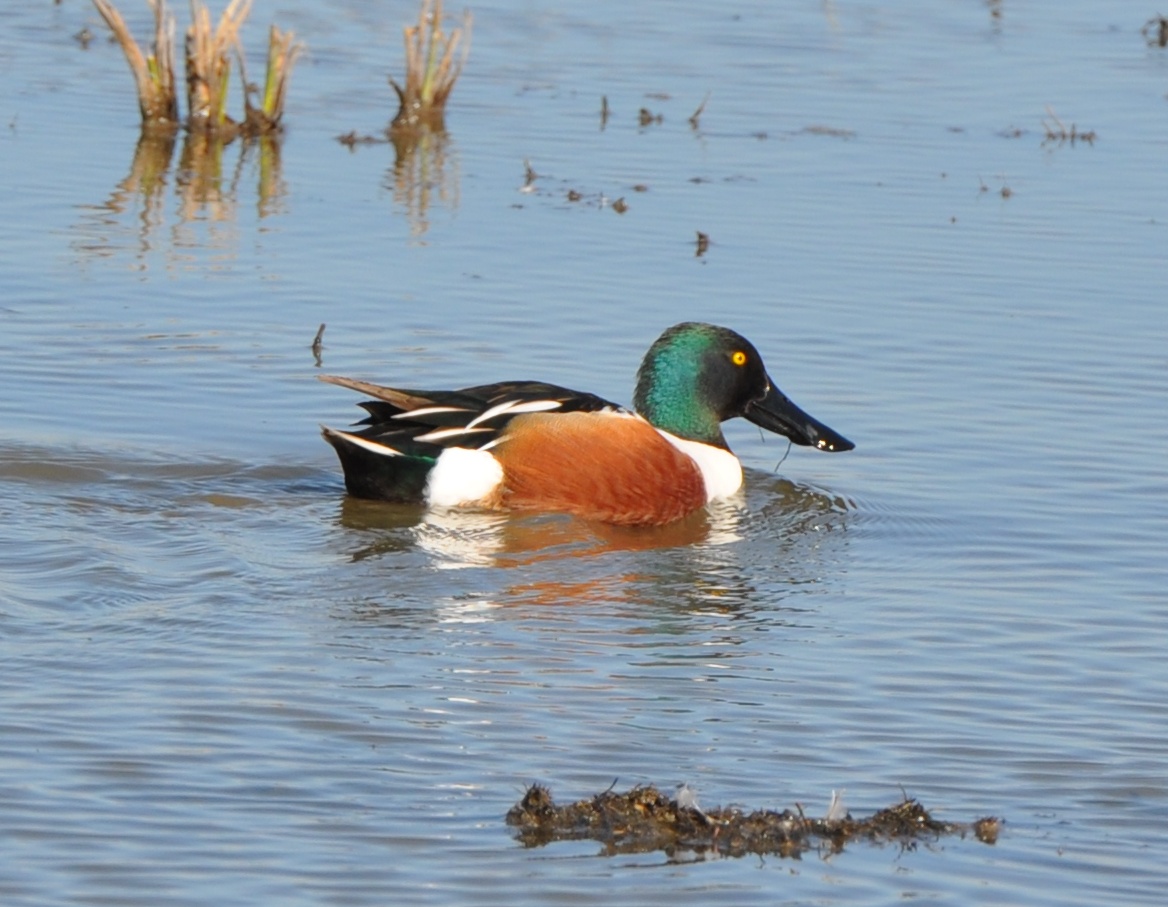
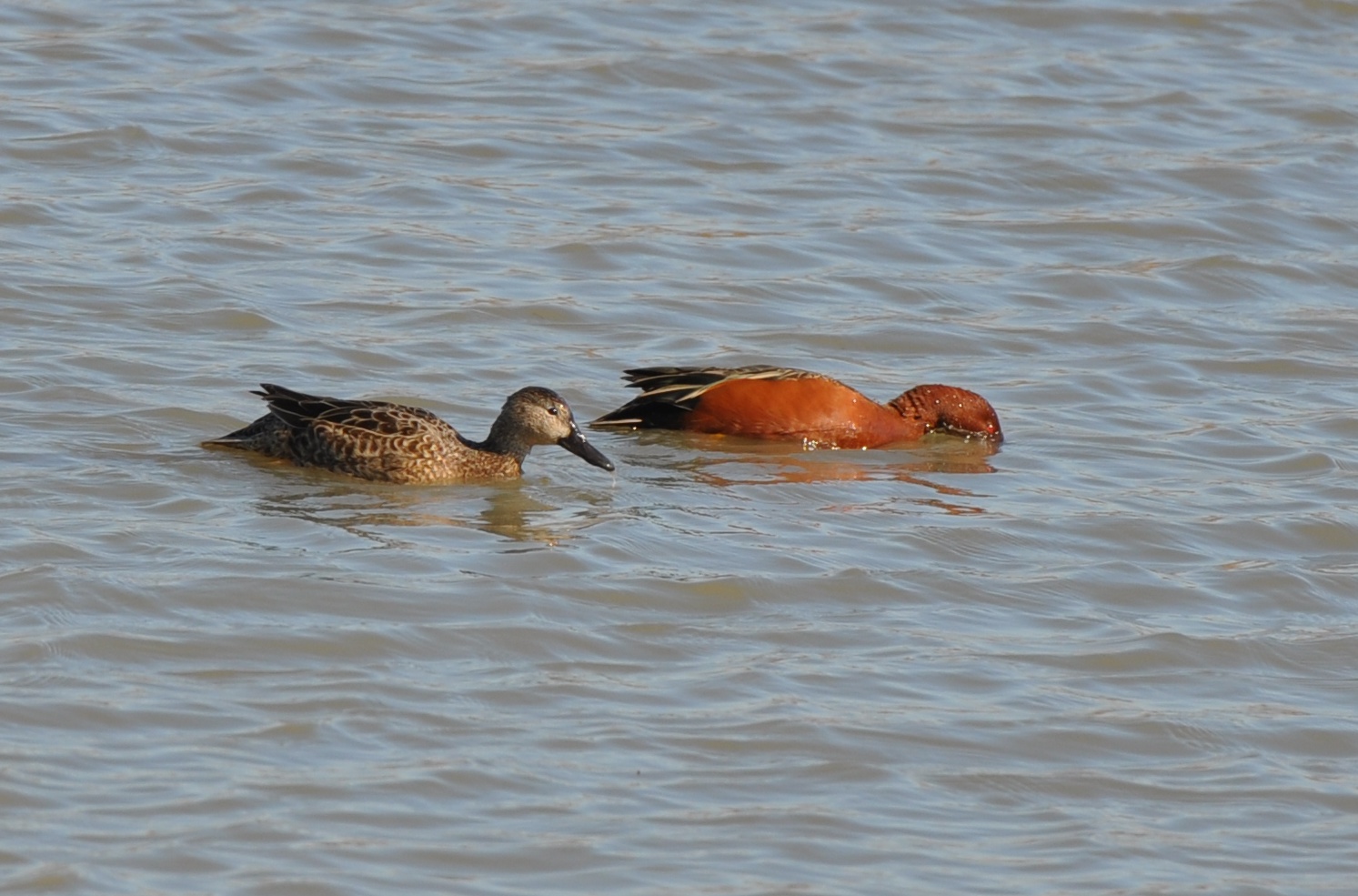
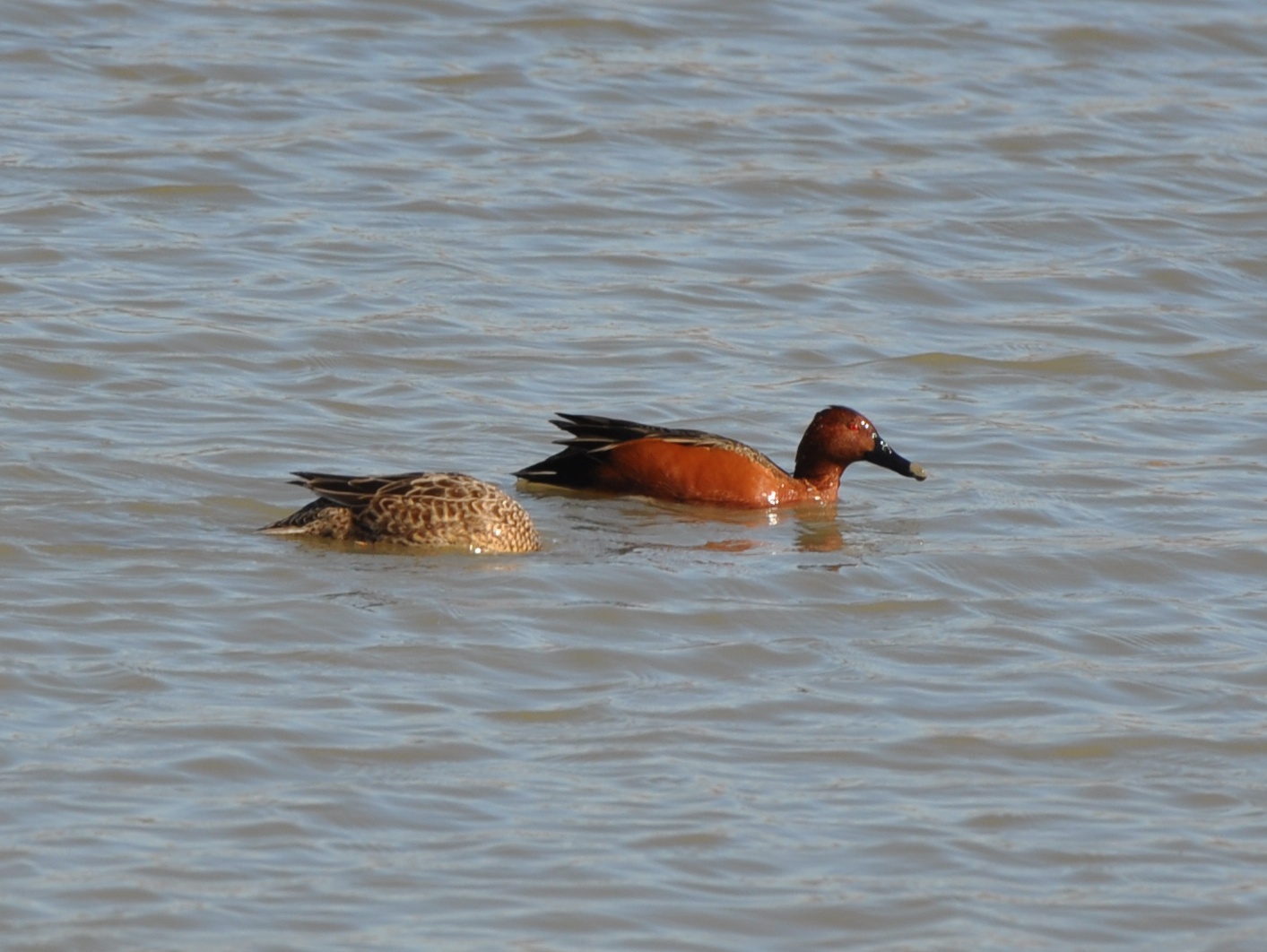
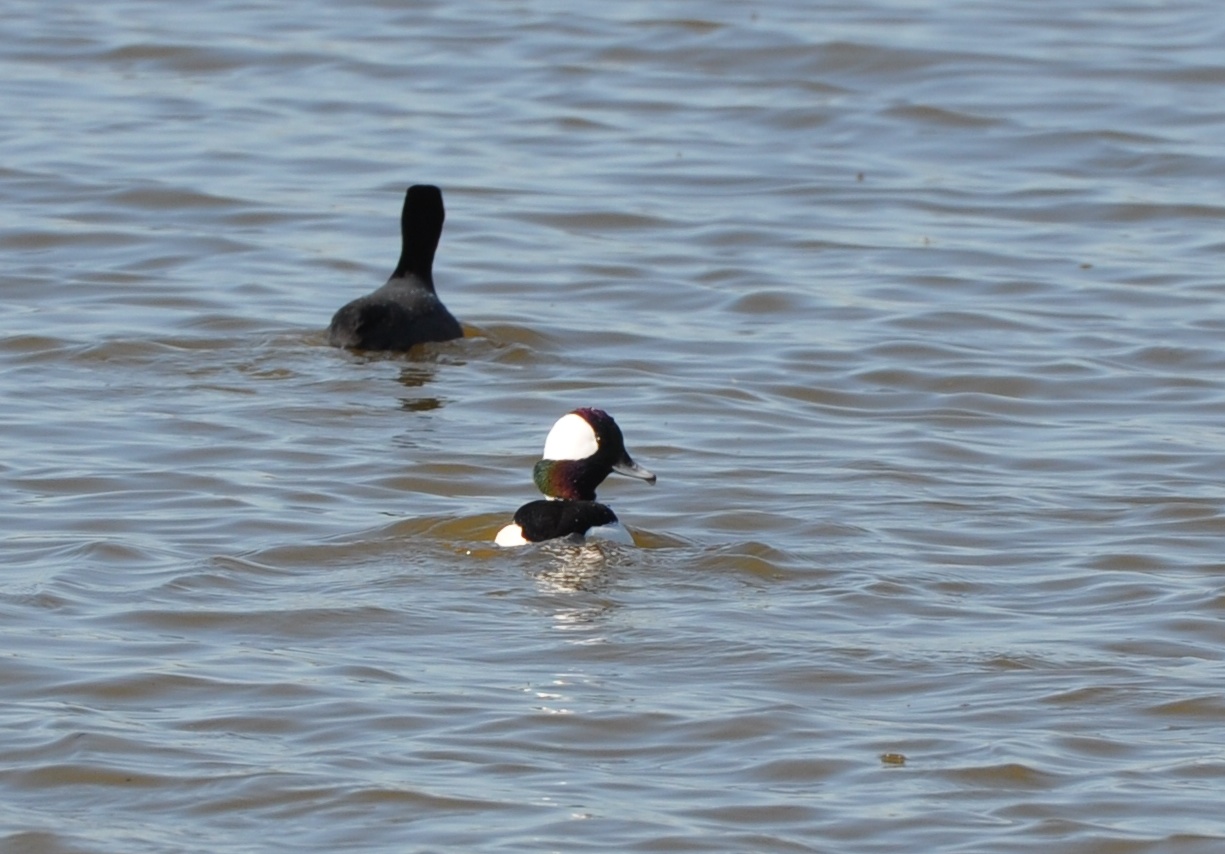
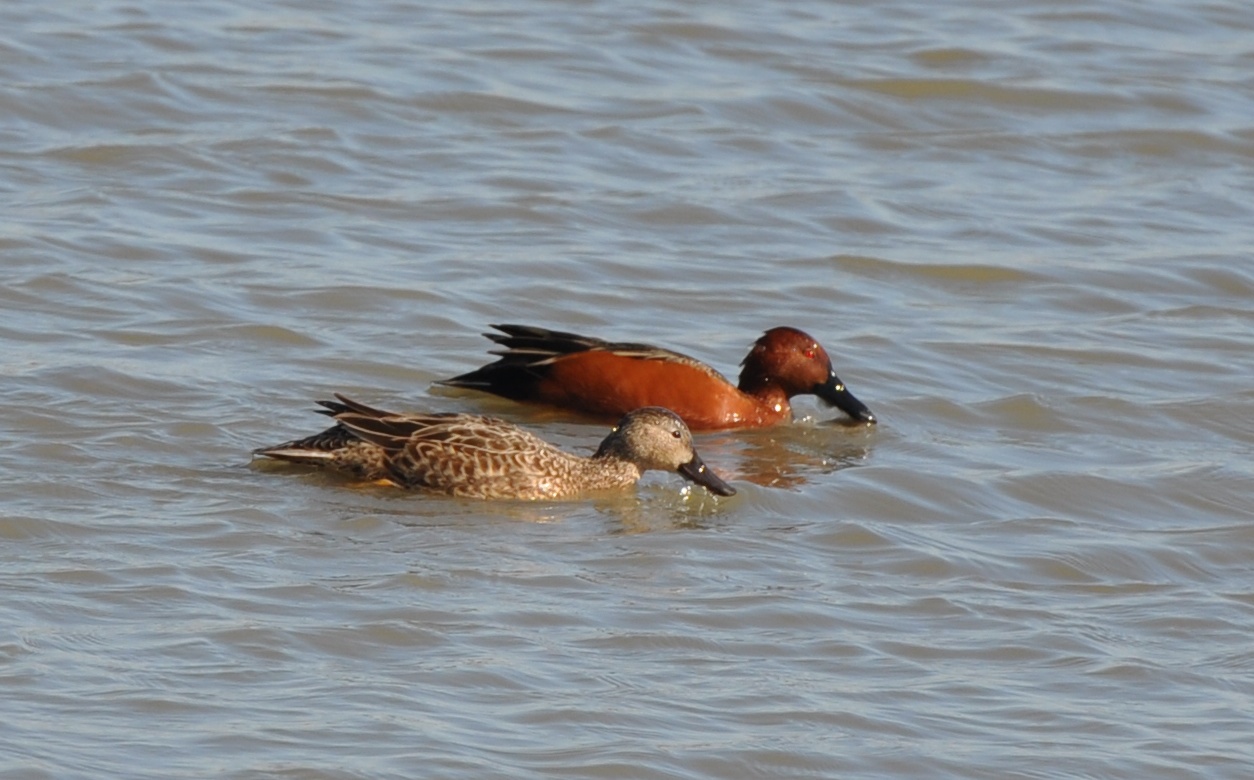
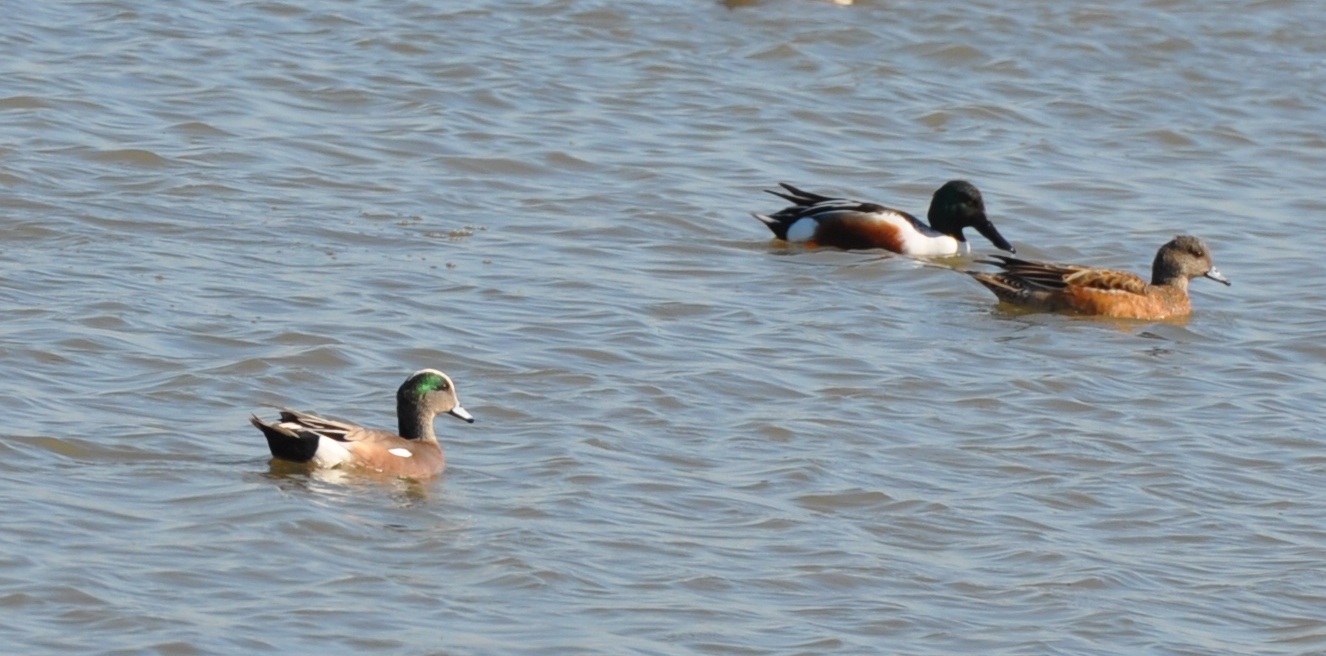
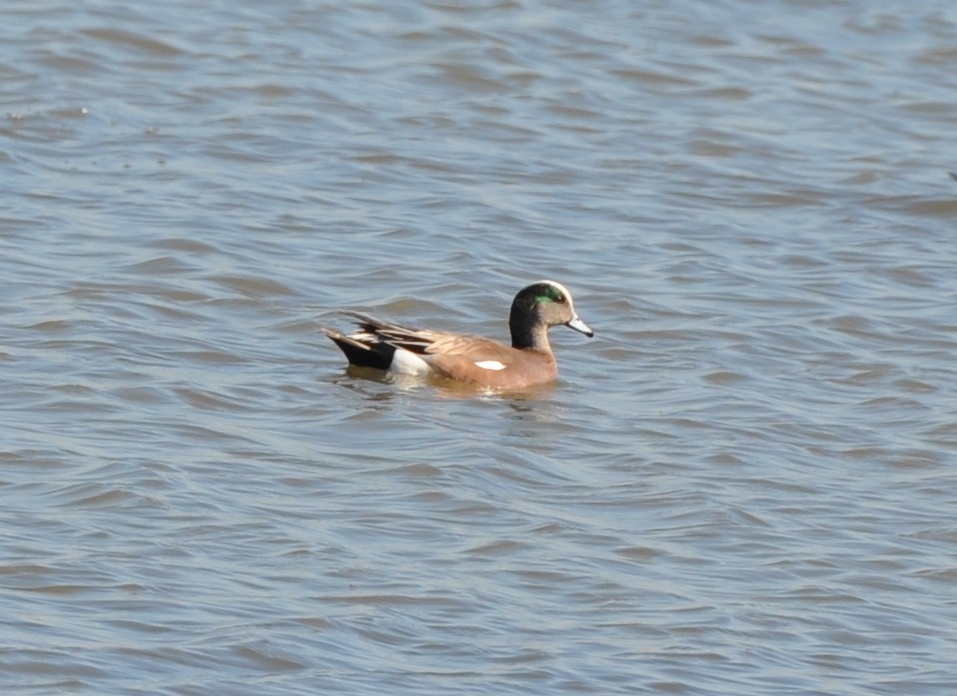
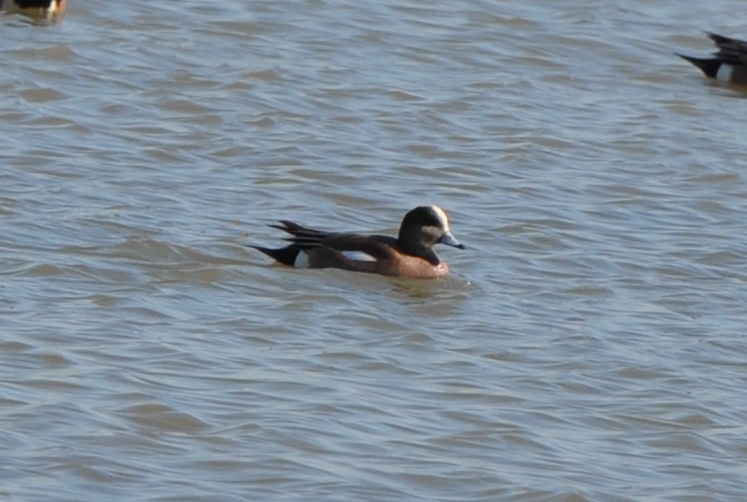
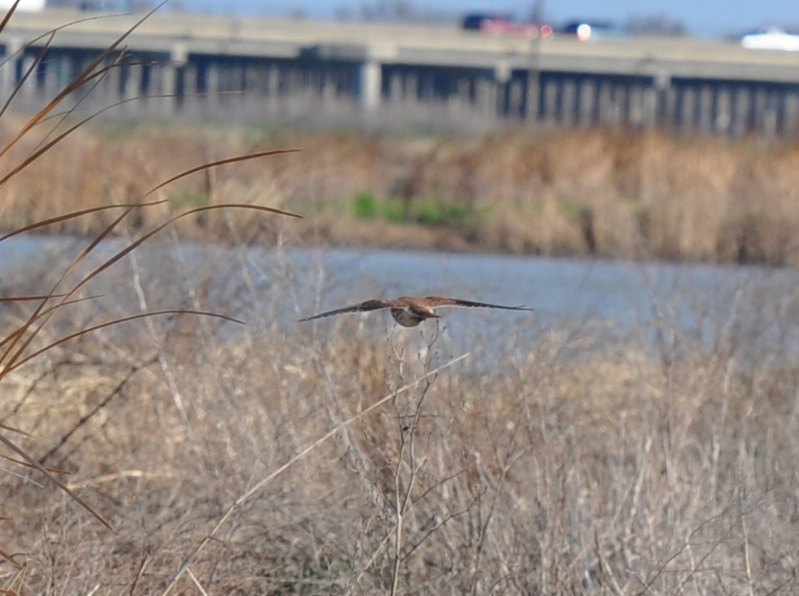
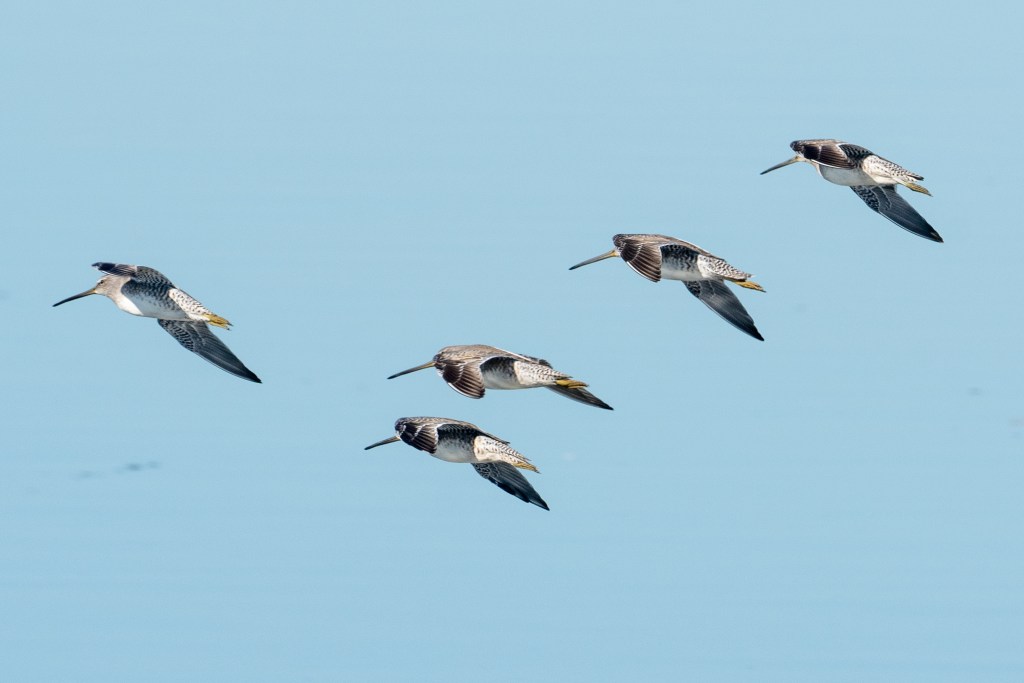
On the way there, I pulled over on highway 37 in the San Pablo Wildlife Refuge to stretch and took some bird pics. Here are a few.
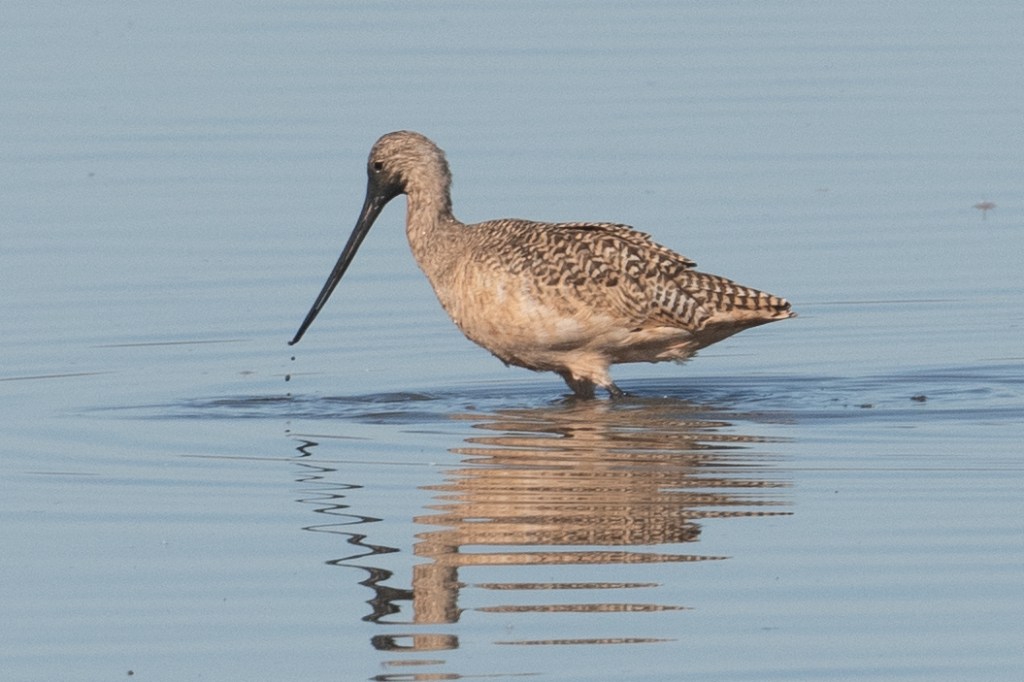
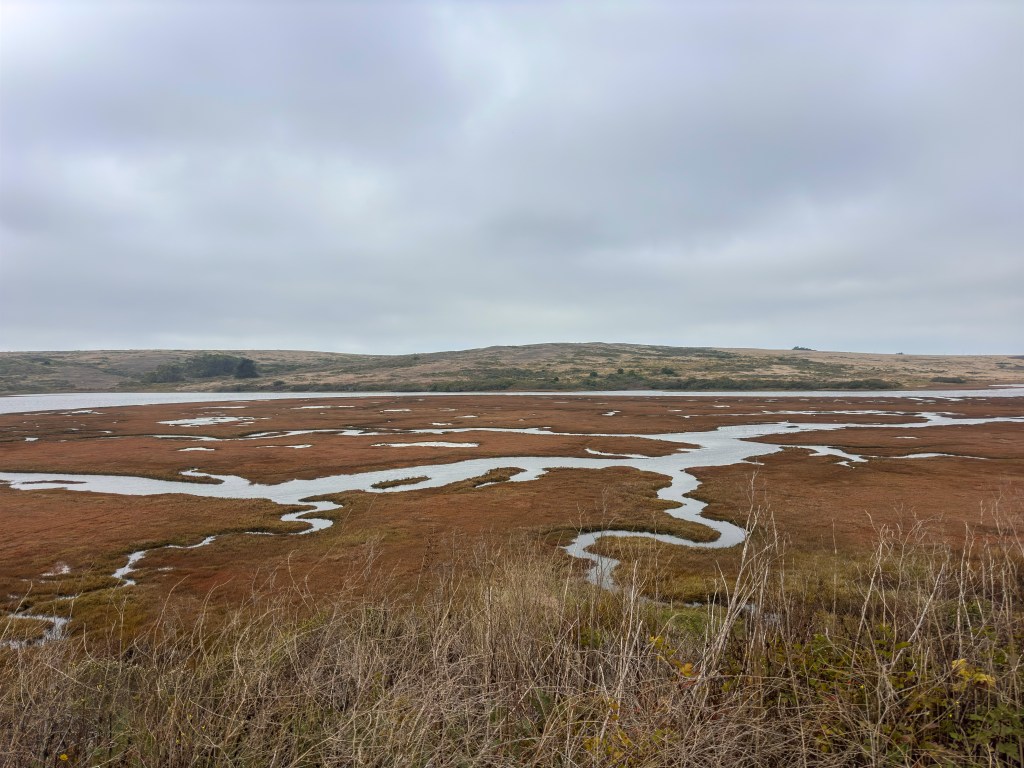
I got back in my car, put the book back on, and continued the drive. I note – the book was quite excellent. More on that perhaps another time. I had this great plan to go to Pt. Reyes and maybe go to the Visitor Center there and sit down and do my Zoom calls. So I pulled in to the Visitor Center parking area, got out my laptop and headset and walked on over to the Center. Well, it was VERY VERY dark. And closed. Oops. I had forgotten about the Government Shutdown. Grr. I had also hoped to use their Wifi for my call and that was not on. Alas, when I tried to connect via my phone, that did not work because, well, my coverage barely had a pulse. So instead I drove around Pt. Reyes and looked for another place to hang out for my Zoom calls. The drive around was very nice. Lots of nice scenes like this:

Eventually I went to Lighthouse Beach and tried to connect there too. But still did not work. So I went for a short walk and took more pics. Here are some.
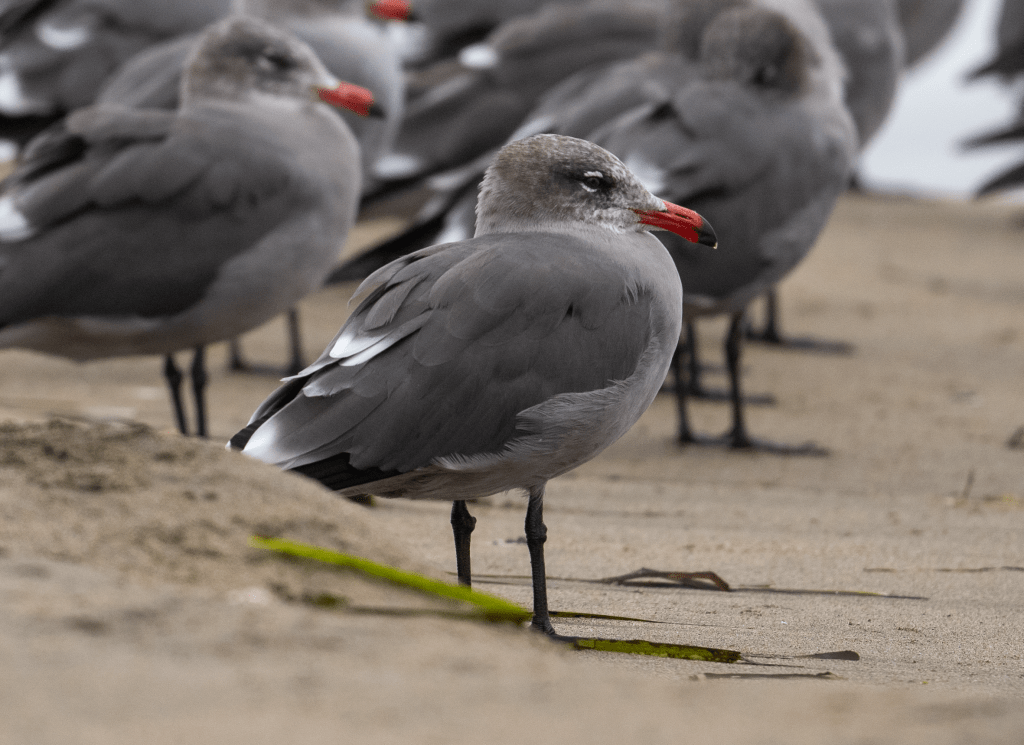
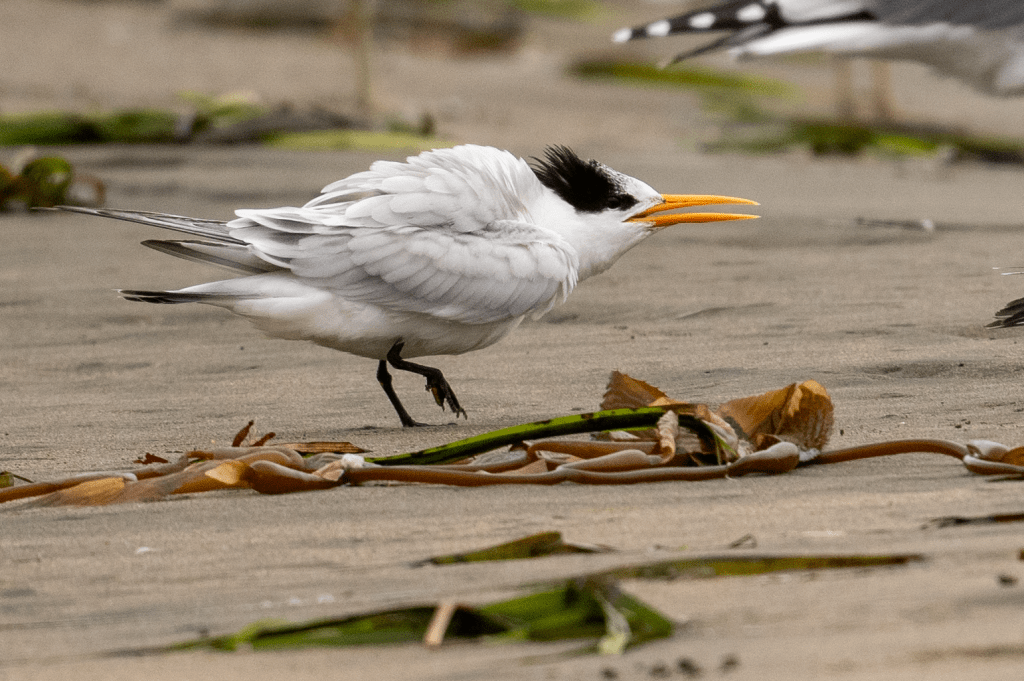
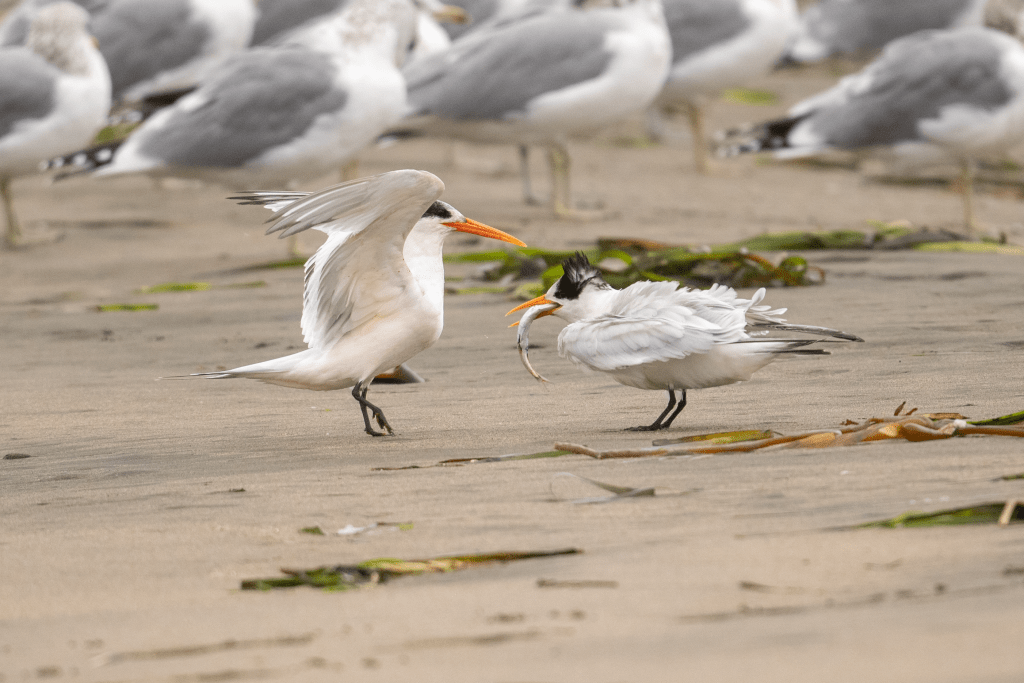
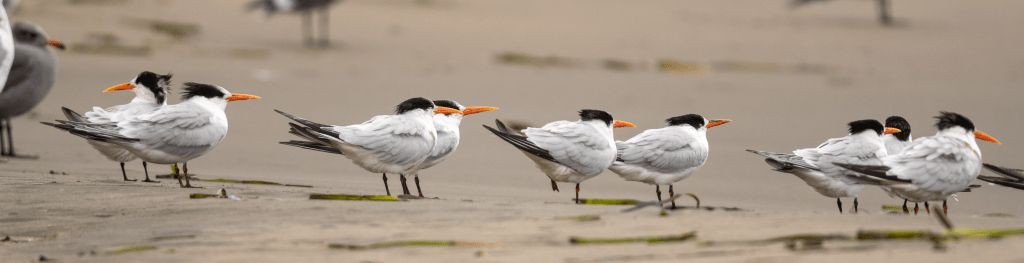
So my great plan of doing my Zoom calls from the road had failed but, well, onward. I then headed to the place I was staying, the Sand Piper, checked in, and headed over to the reception which was nearby.

The reception was really nice and also incredibly valuable to me. I have seen online many of the people involved in Gorilla Doctors but have not met most of them. And so I got to meet members of the Board, Technical Advisors, and people working for Gorilla Doctors. And I got to see Dr. Sonia Ghose, who is now working in Tierra Smiley Evans’ lab at Berkeley. Sonia was a PhD student in my lab who had worked on frog microbiomes and many issues relating to conservation of frogs. And again, I will write a lot more about Gorilla Doctors at other times. I will note, I told everyone that I was going to go to Pt. Reyes early in the AM Wednesday before heading back to UC Davis for afternoon meetings and that my main goal was to see a bobcat.

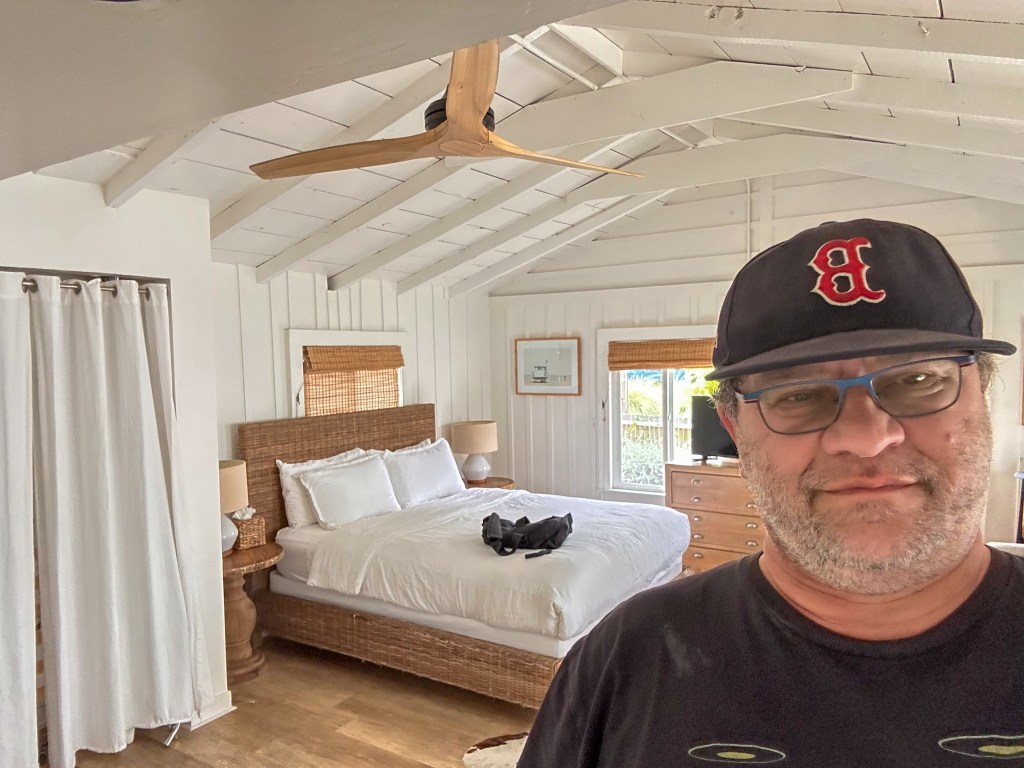
Then I headed back to the Sandpiper. It was a nice place. Here are a few pics.
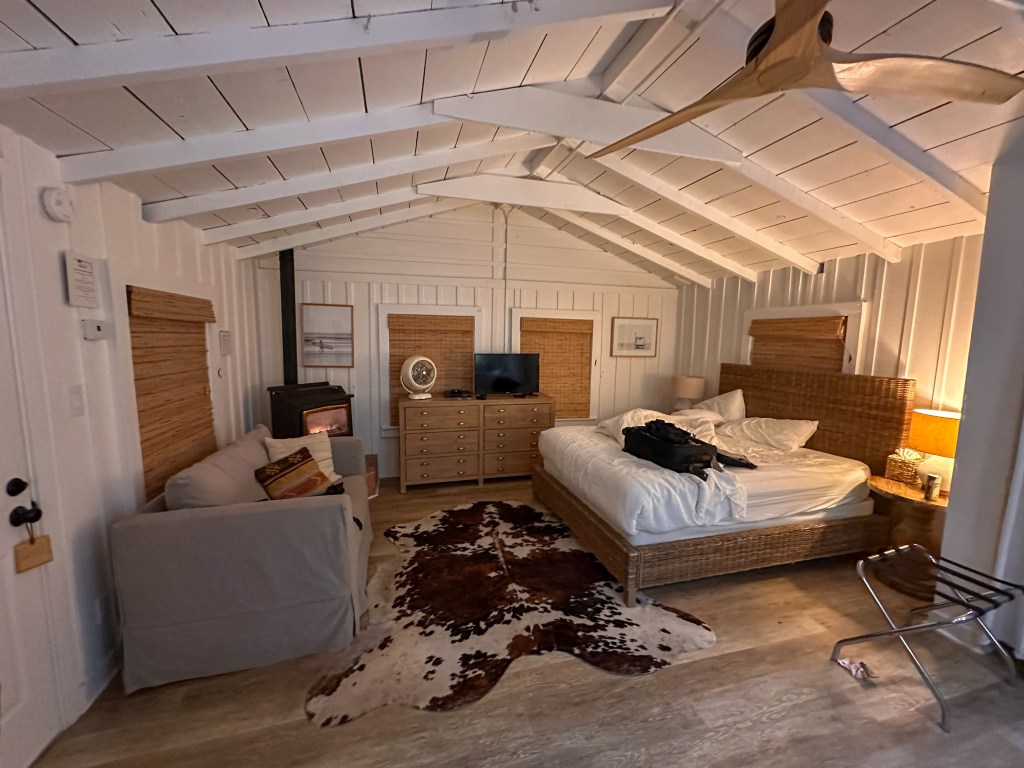
I then set an alarm for very early and went to sleep.

I got up at 6:00 AM or so, packed up my stuff, and then dropped off my key in the dark office area.
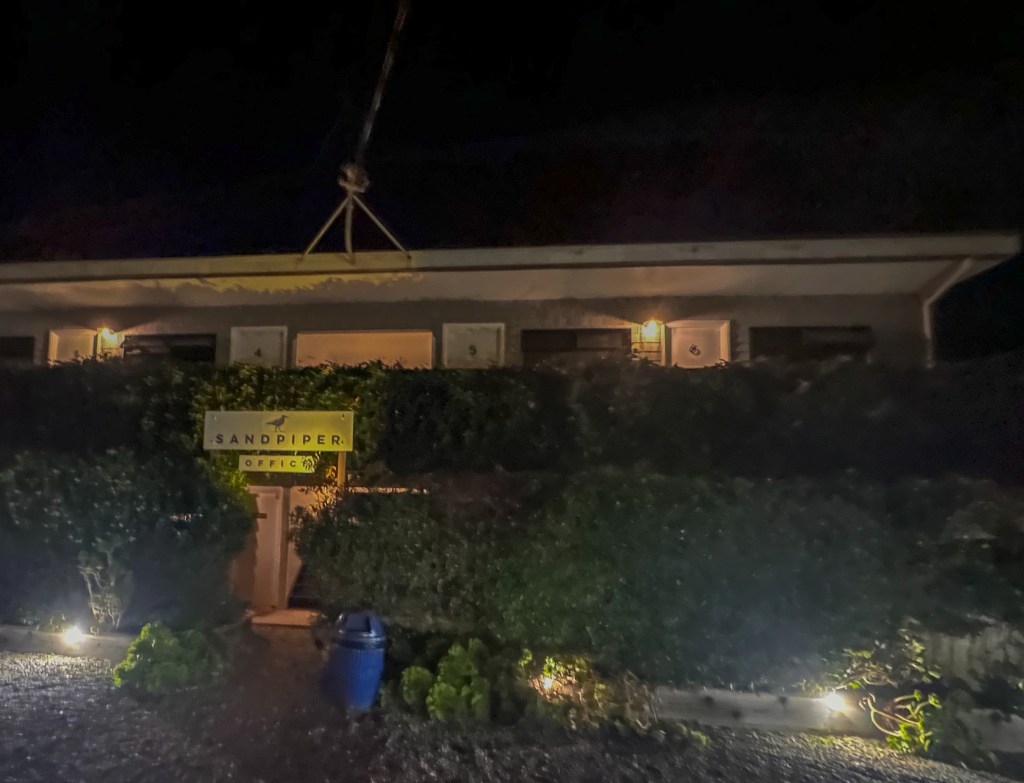
And I headed out to Pt. Reyes. Tuesday night I had googled looking for where people recommended going to possibly see bobcats and most sites said to head to the Northern part of Pt. Reyes towards Tomales Point. So I drove slowly through Olema and then through Inverness and eventually headed out towards Tomales Point (heading towards the blue circle on the map below). For most of the drive I was listening to the Walking with Gorillas book …
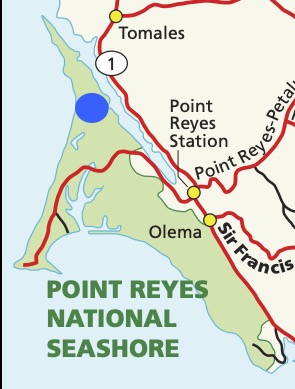
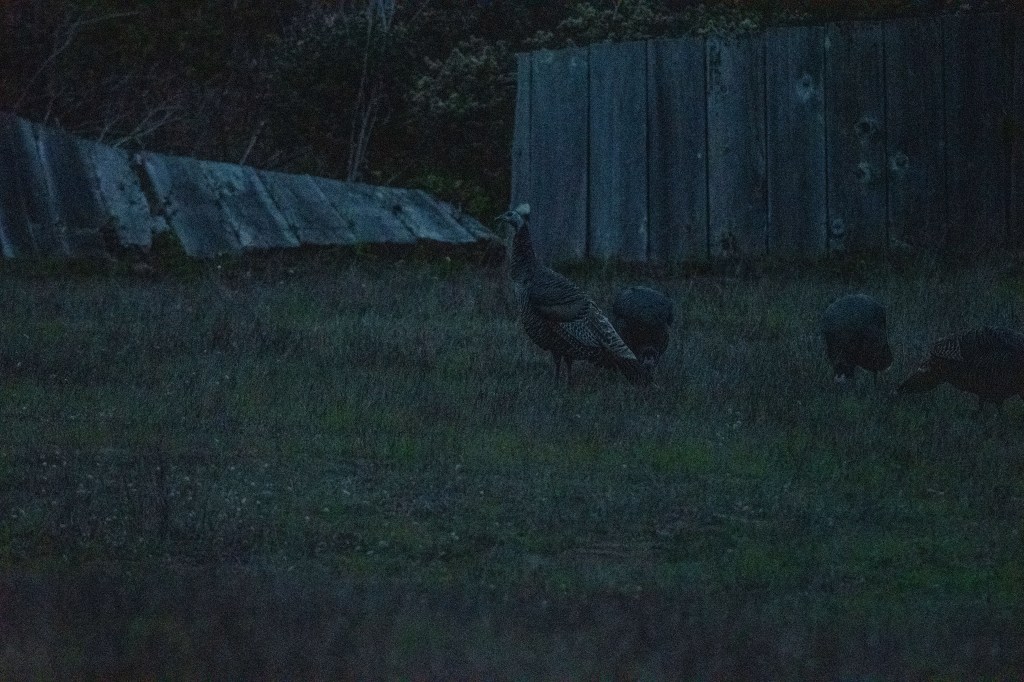
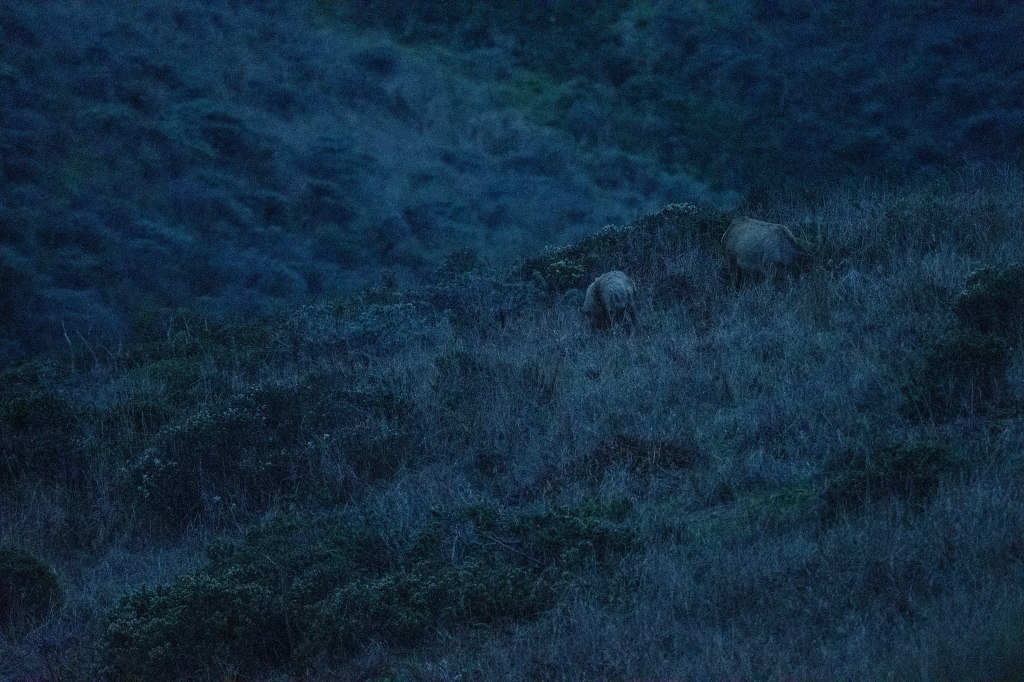
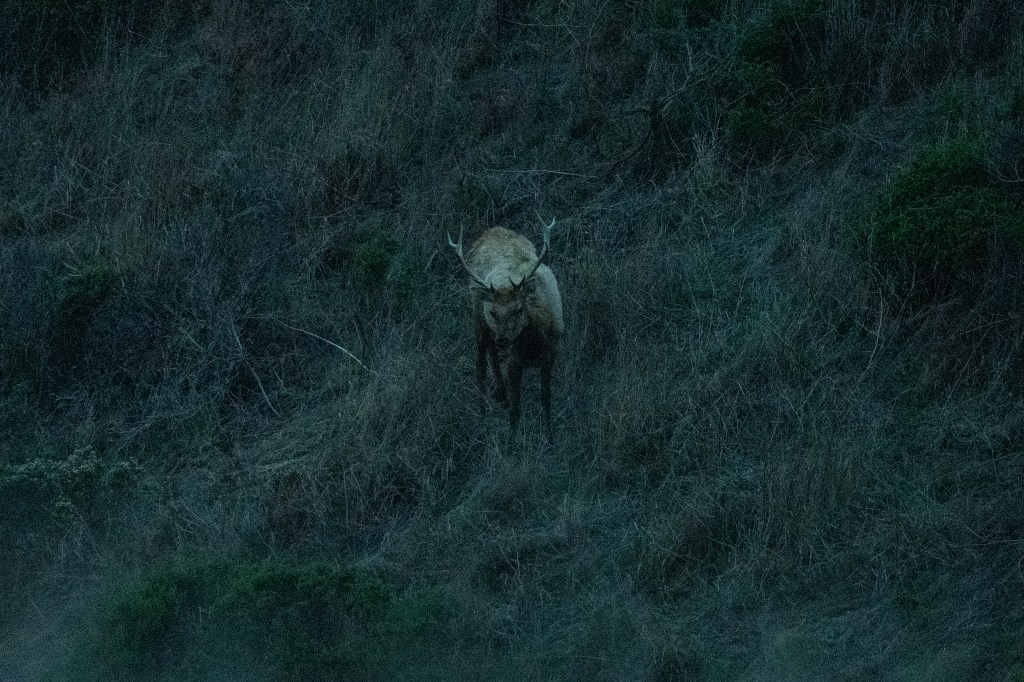
It was still pretty dark when I was heading through Pt. Reyes and I saw a few interesting things and took some pics but I note – my camera is not really set up to get good pics when it is dark out. But here are a few from dawn at Pt. Reyes.
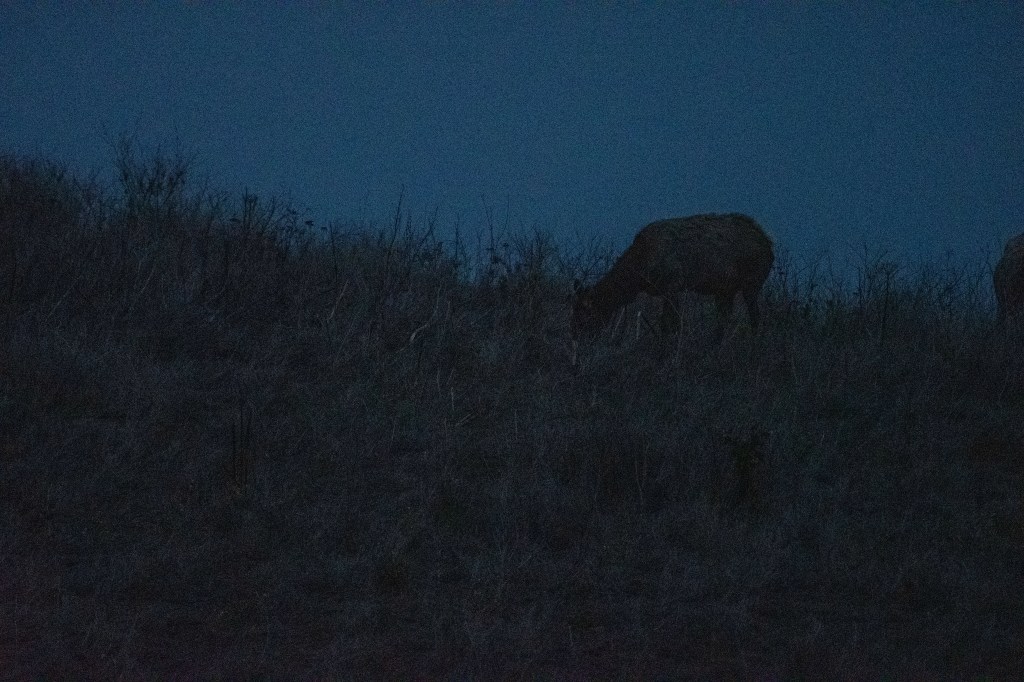
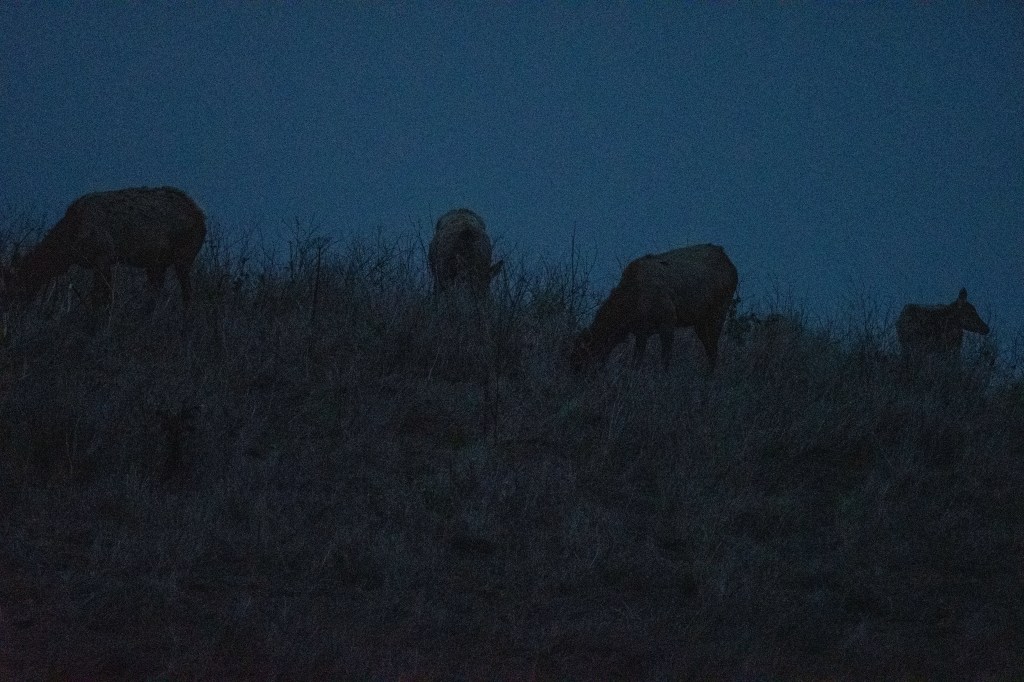
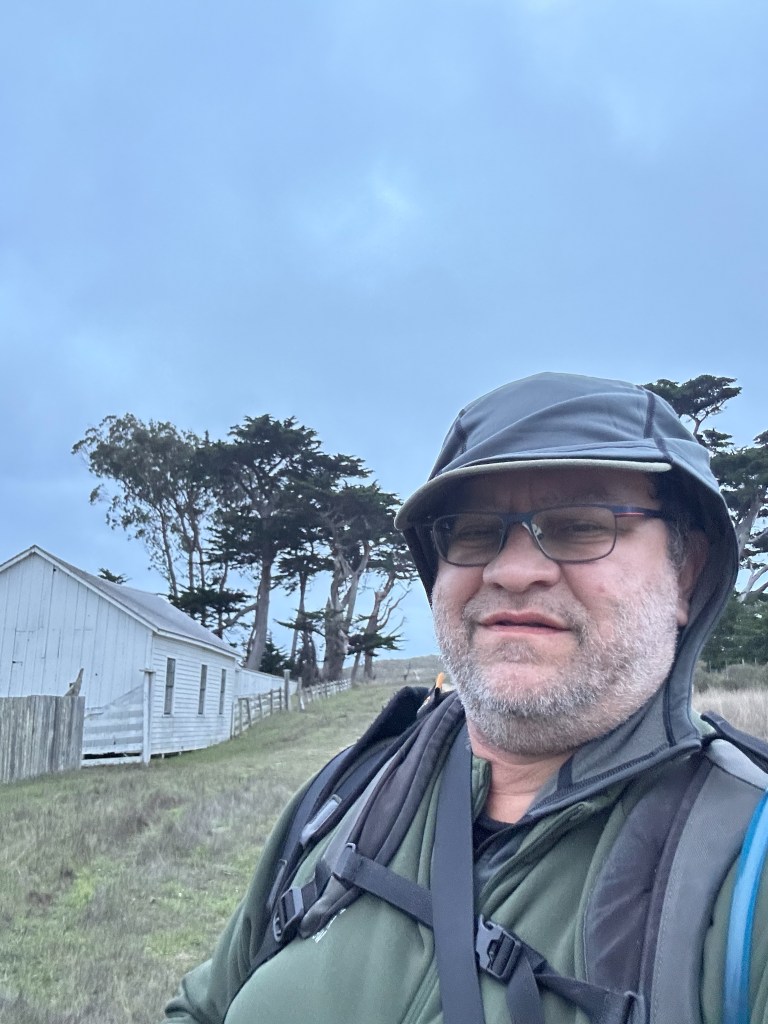
Then I got to the end of the road at Pierce Point Ranch decided to go for a walk on the Inverness Point Trail.
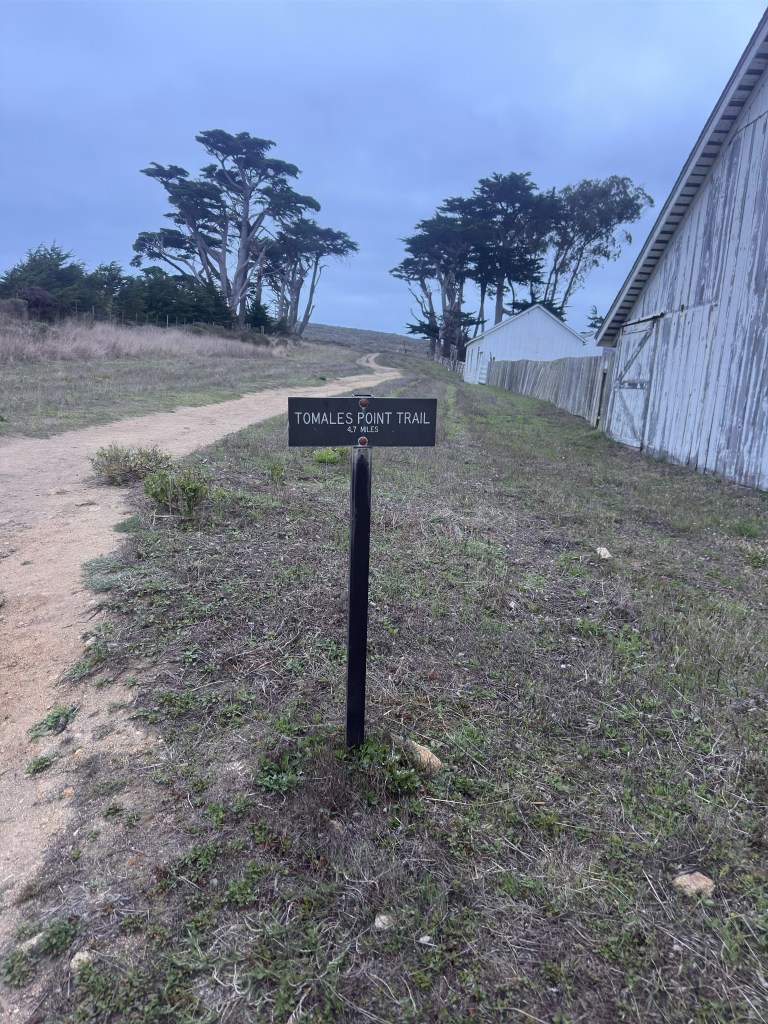
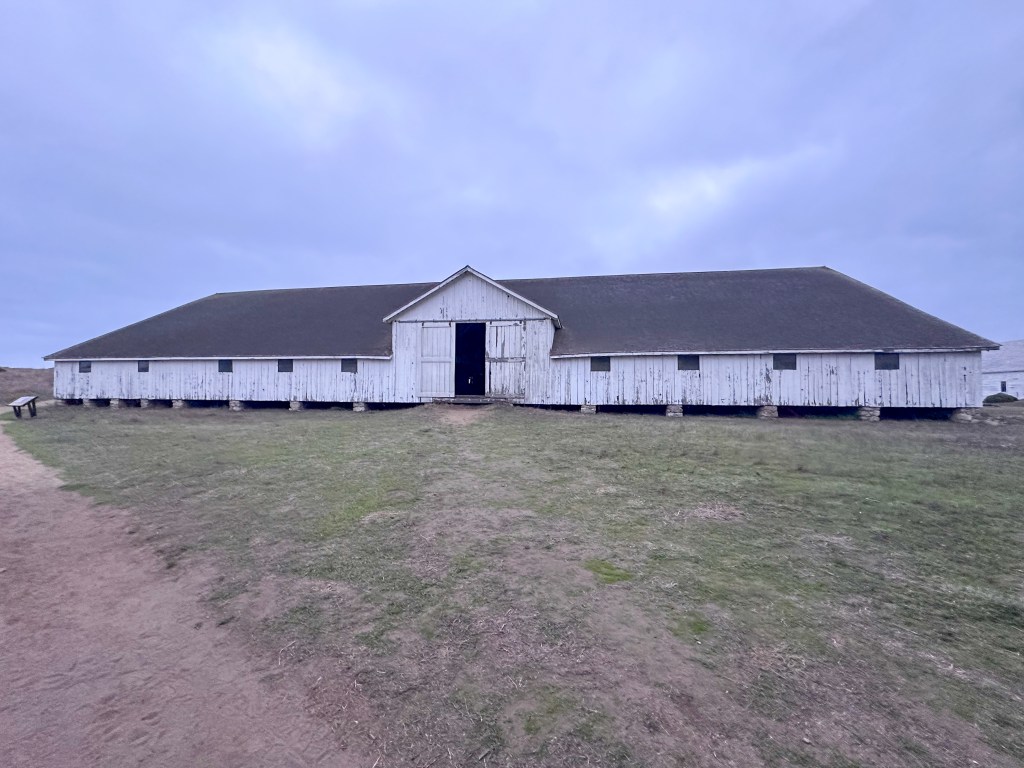
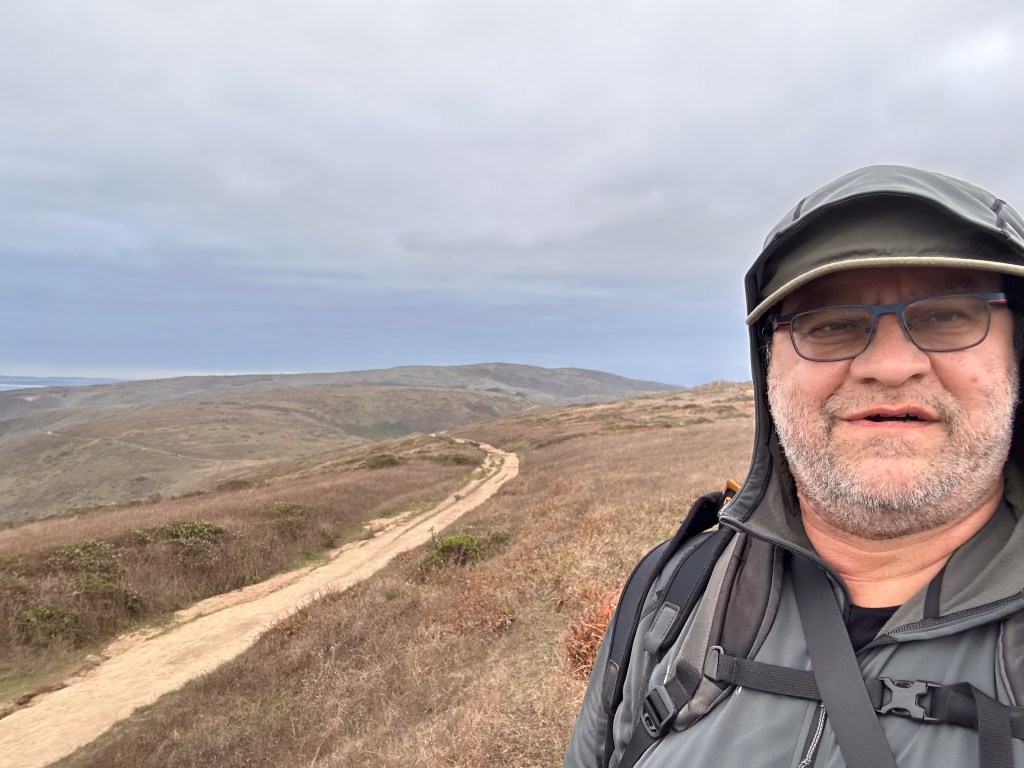
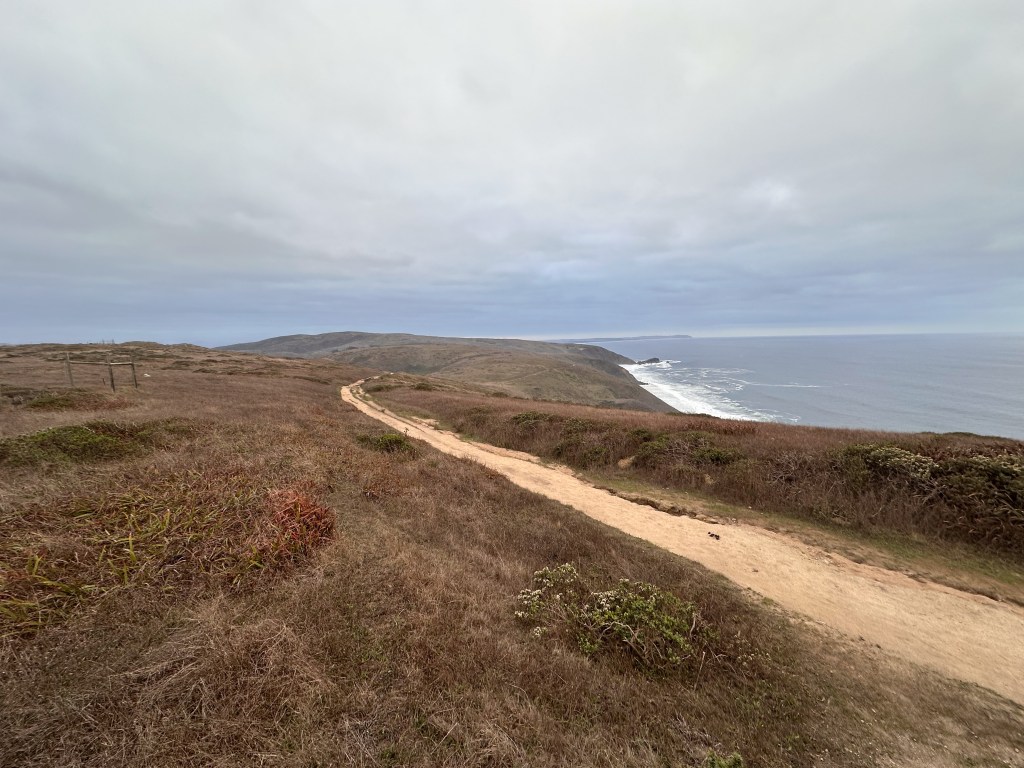
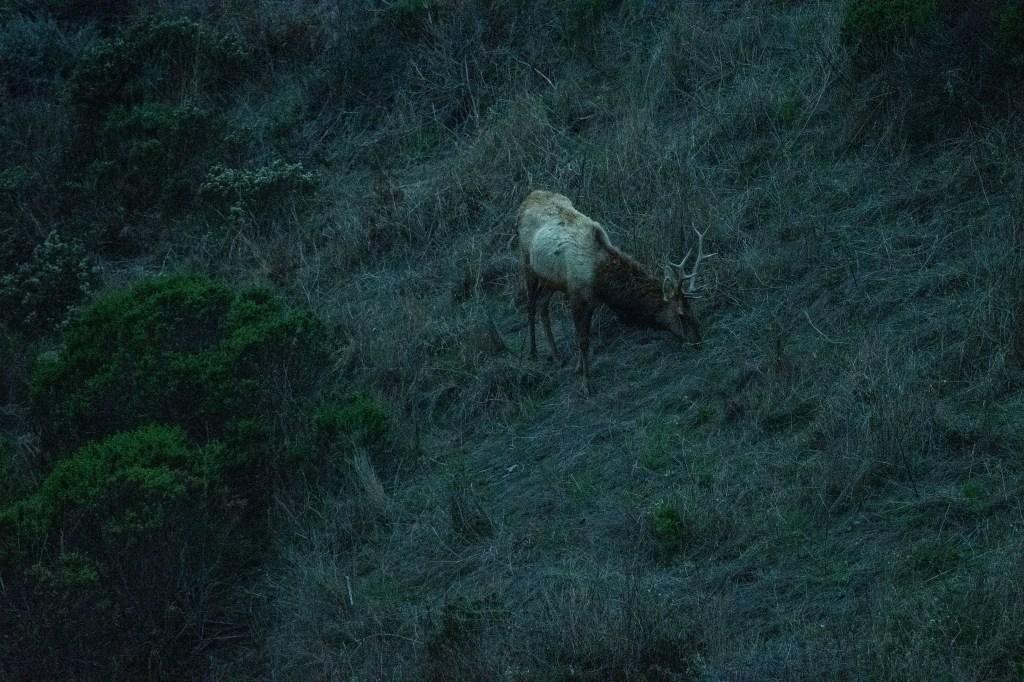
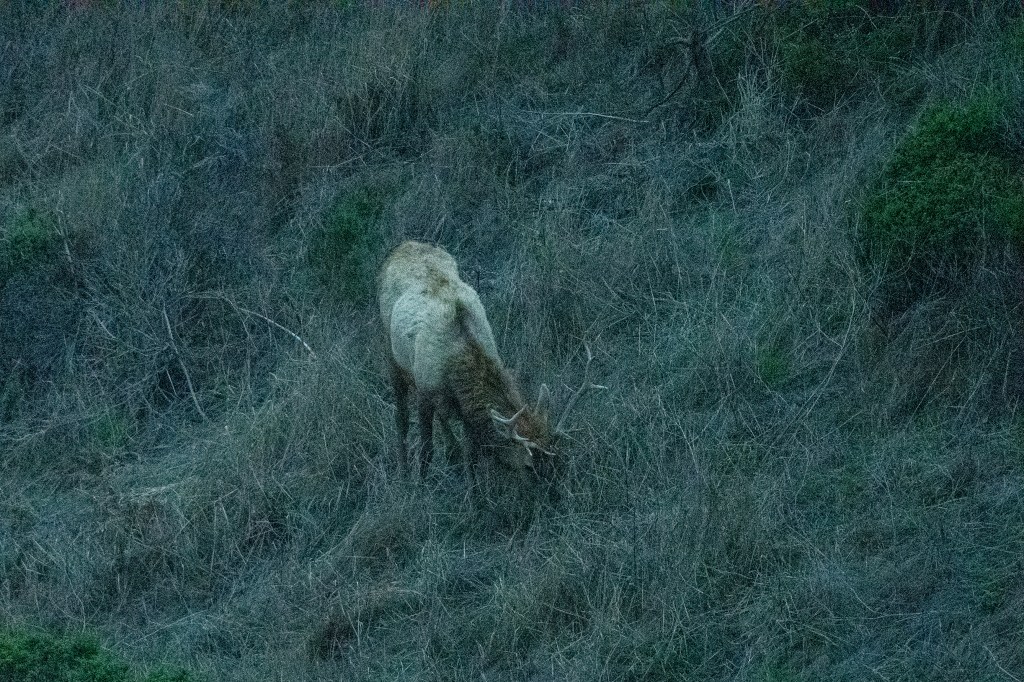
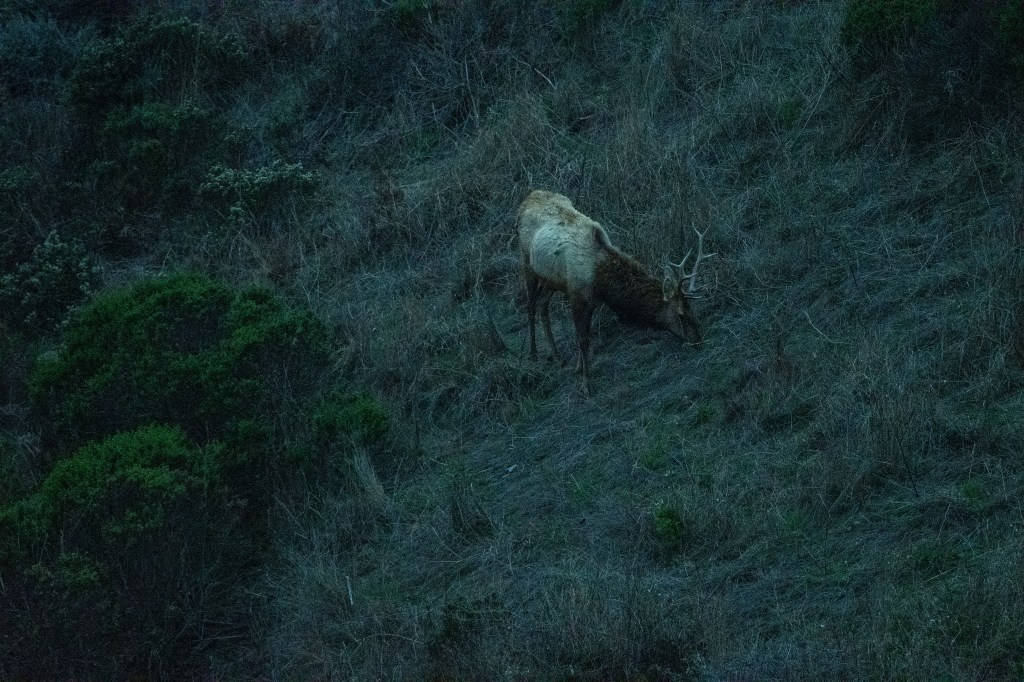
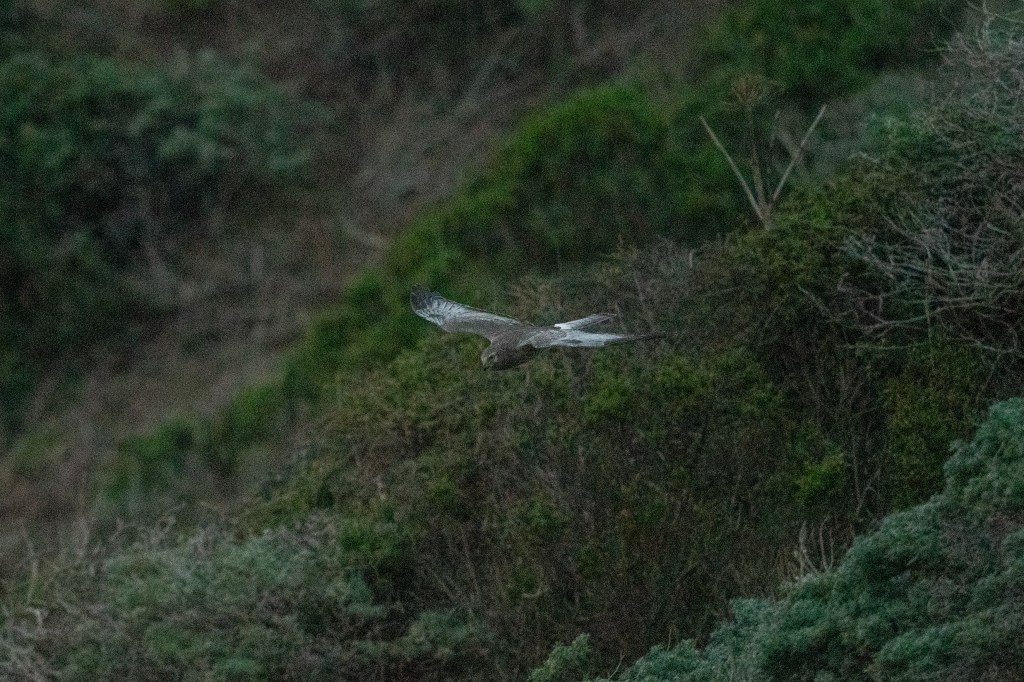
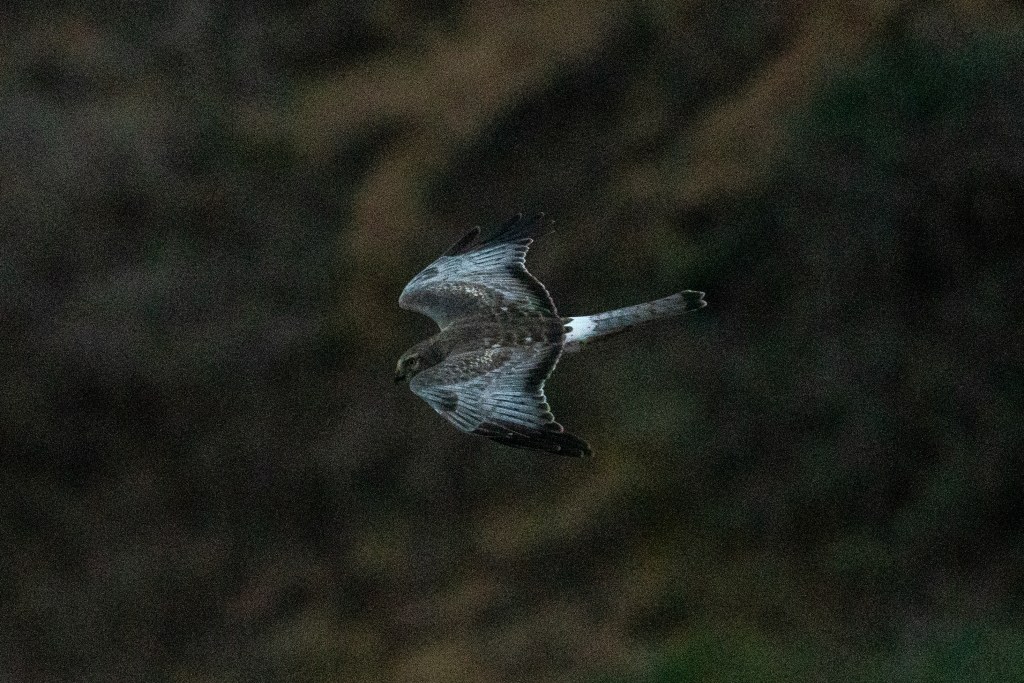
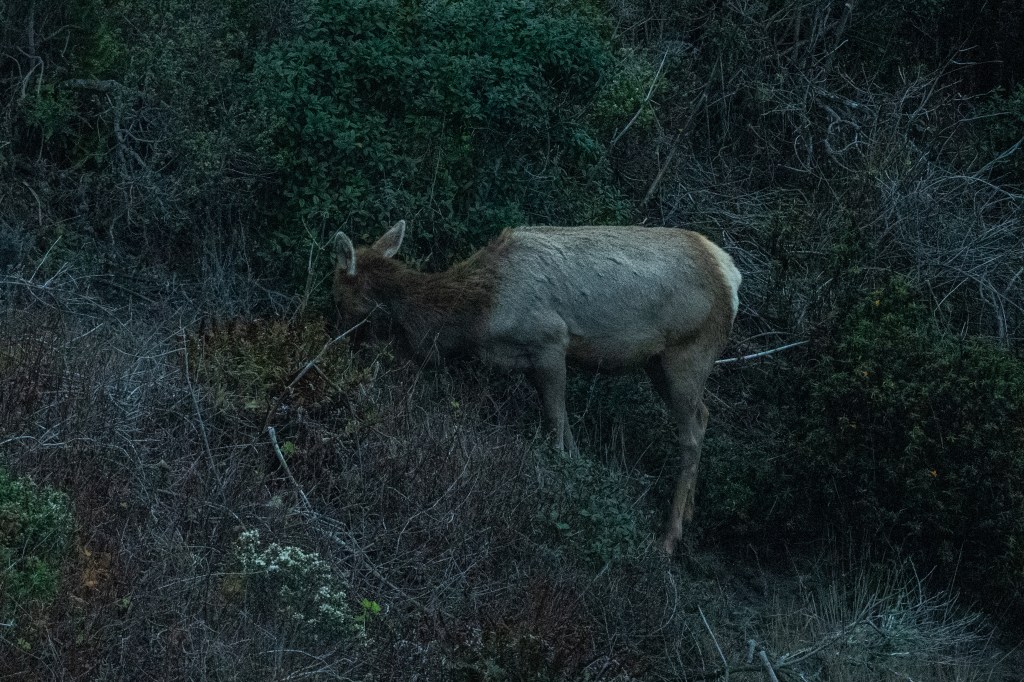
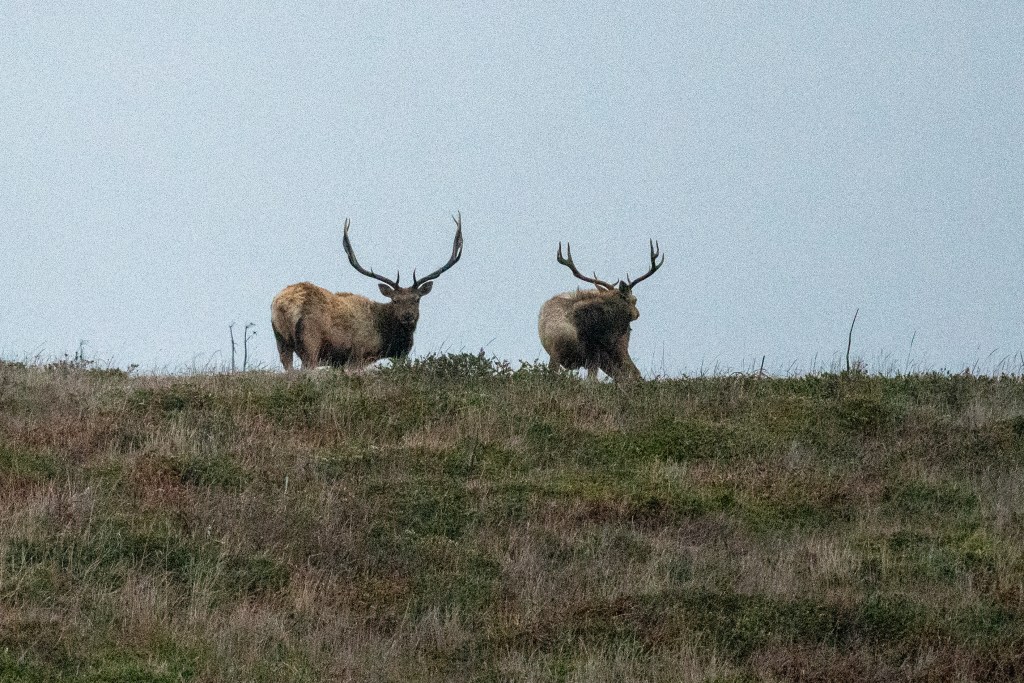
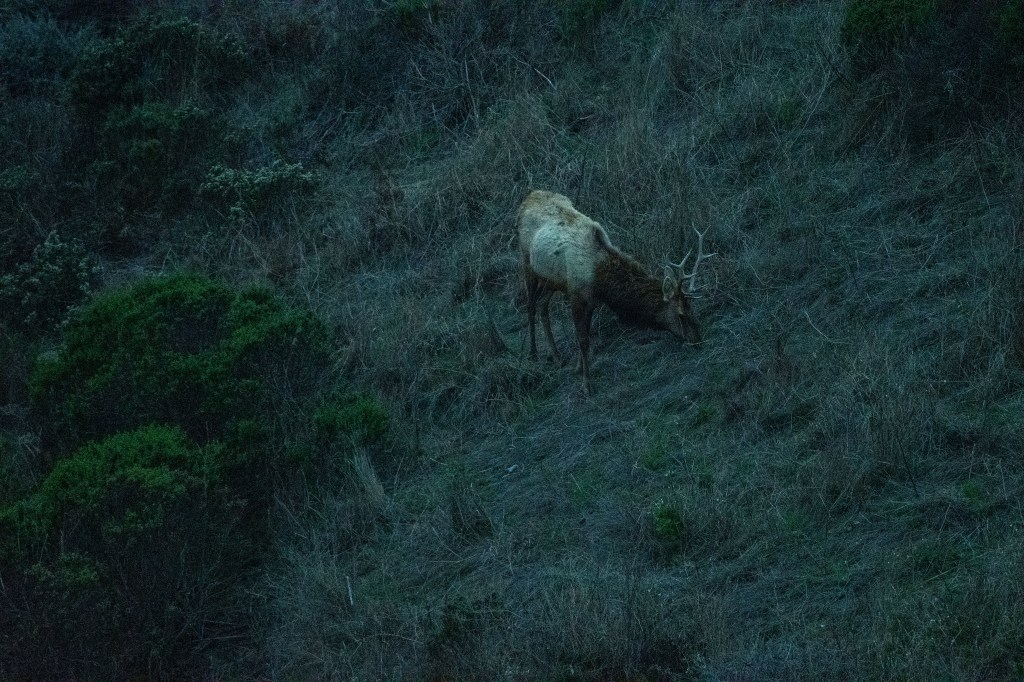
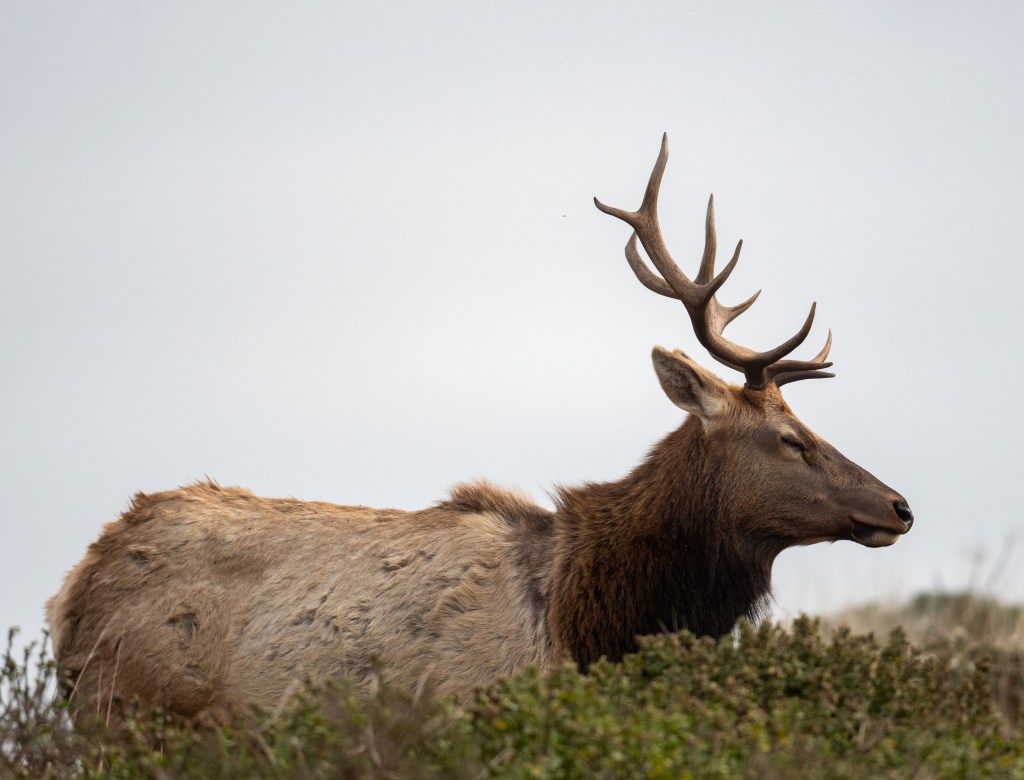
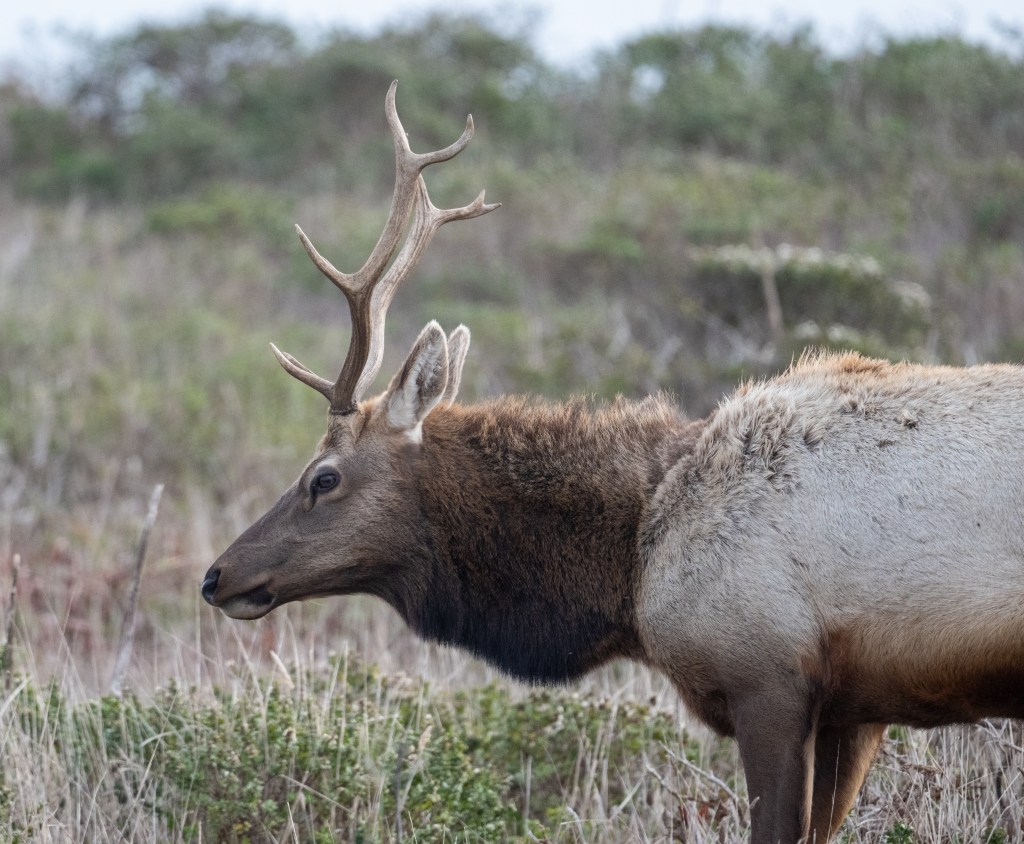
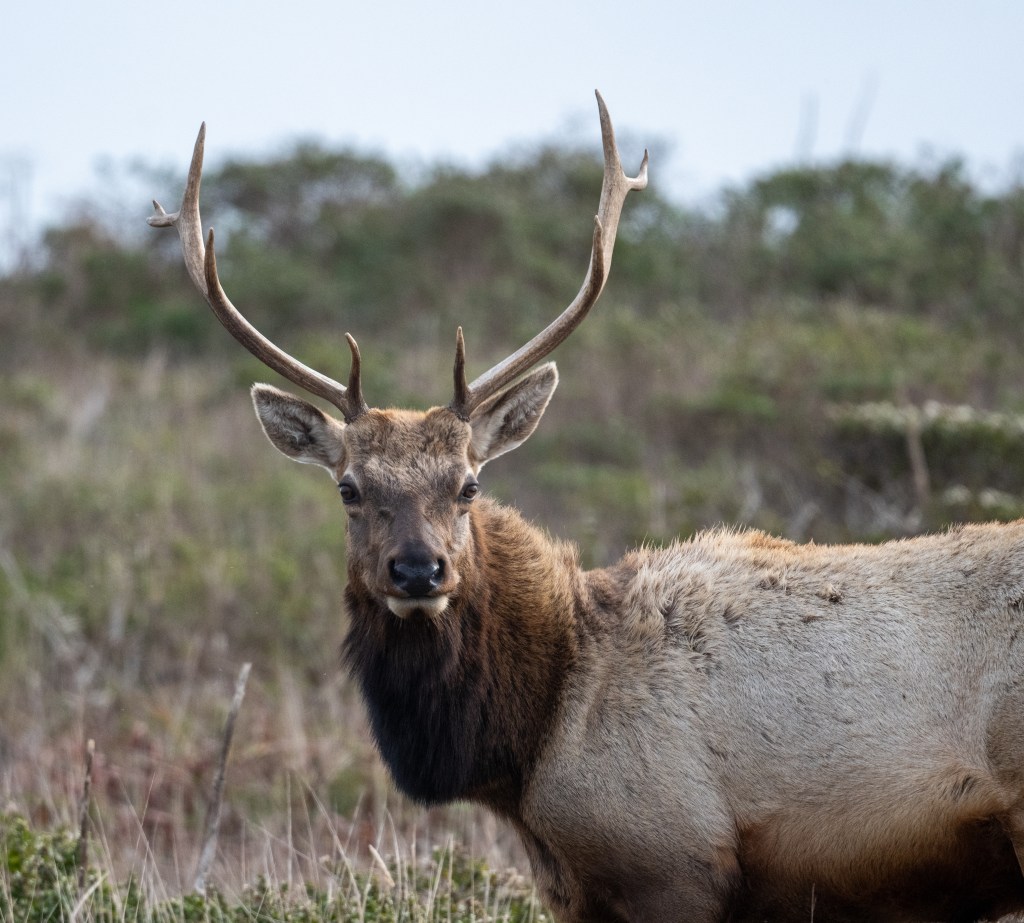
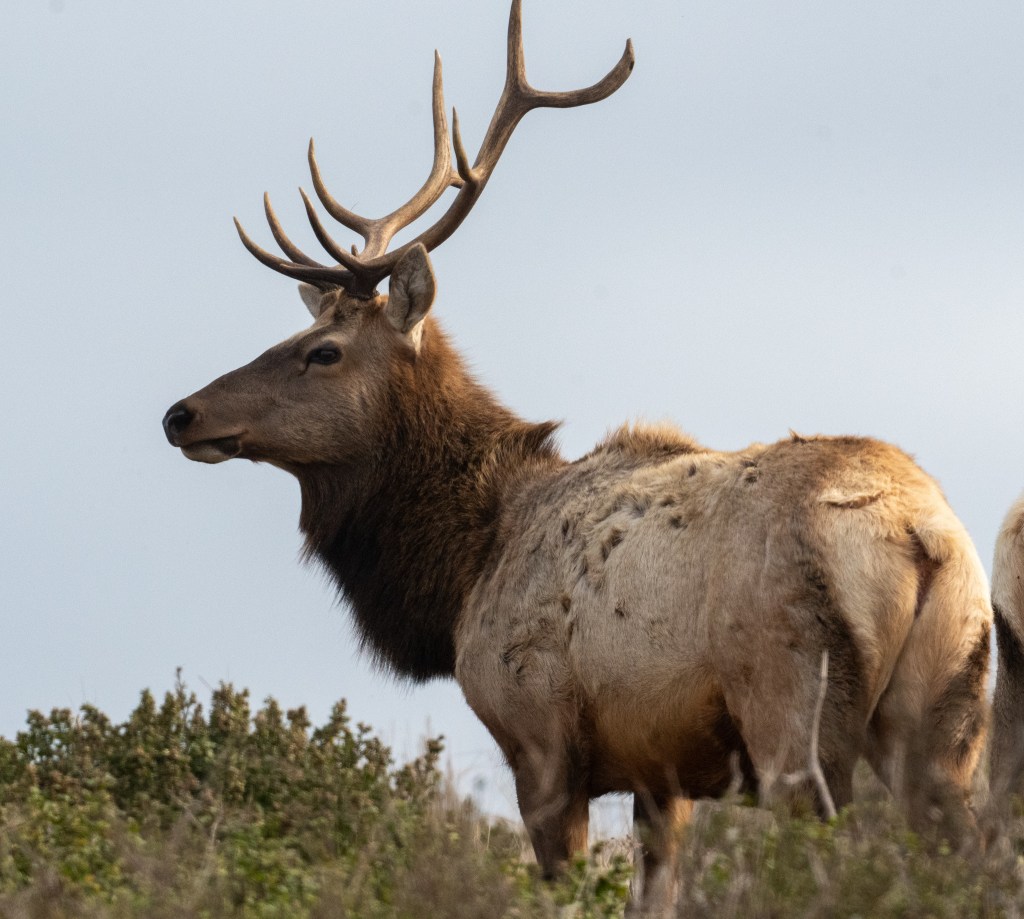
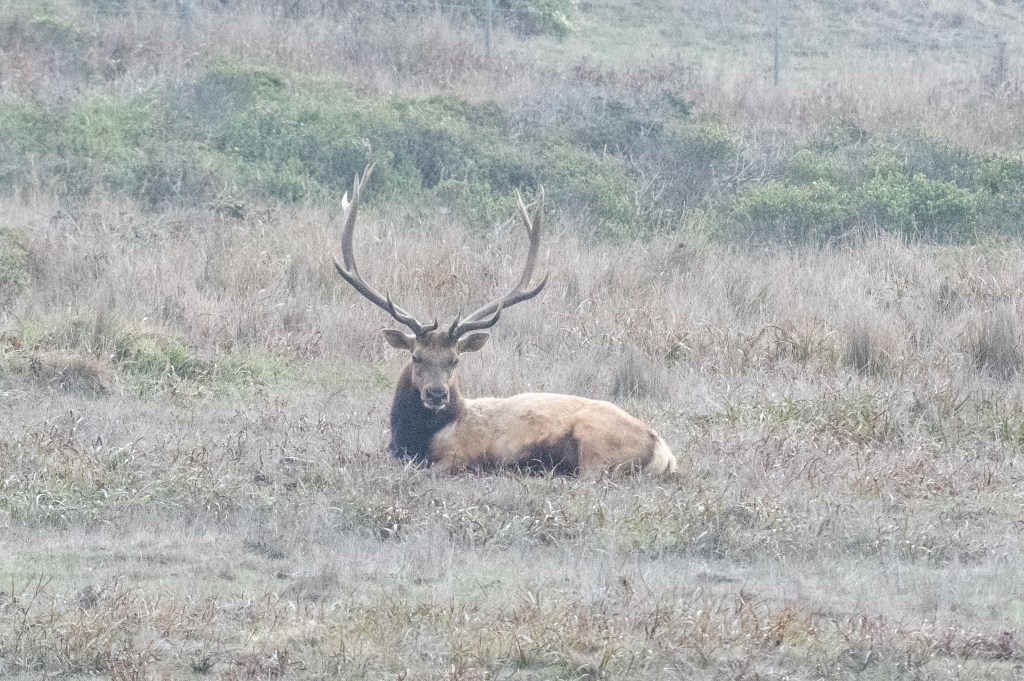
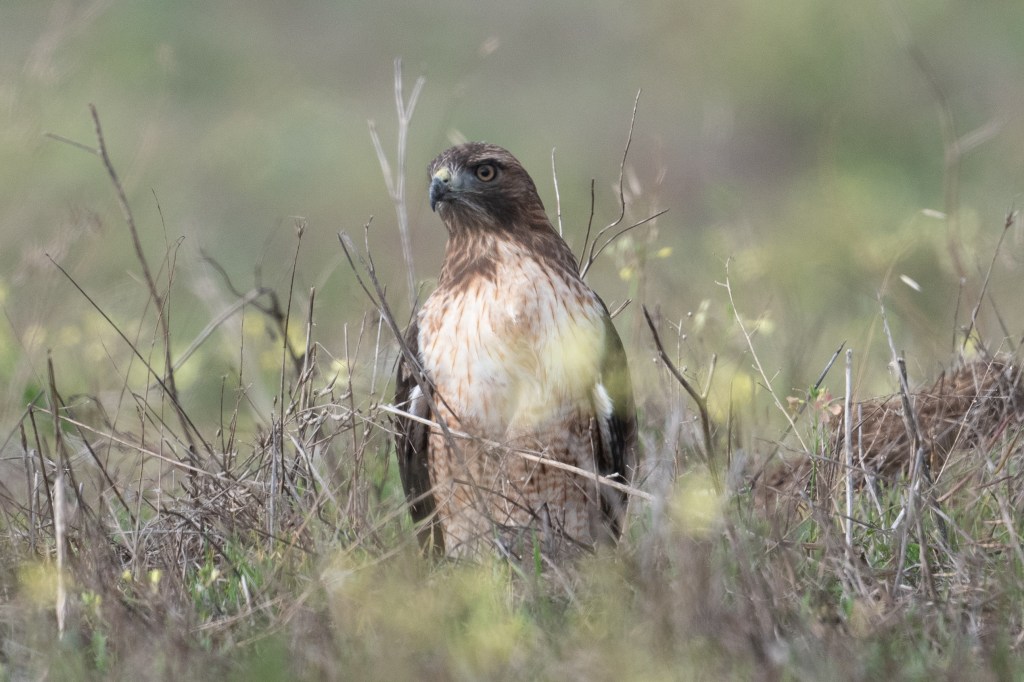
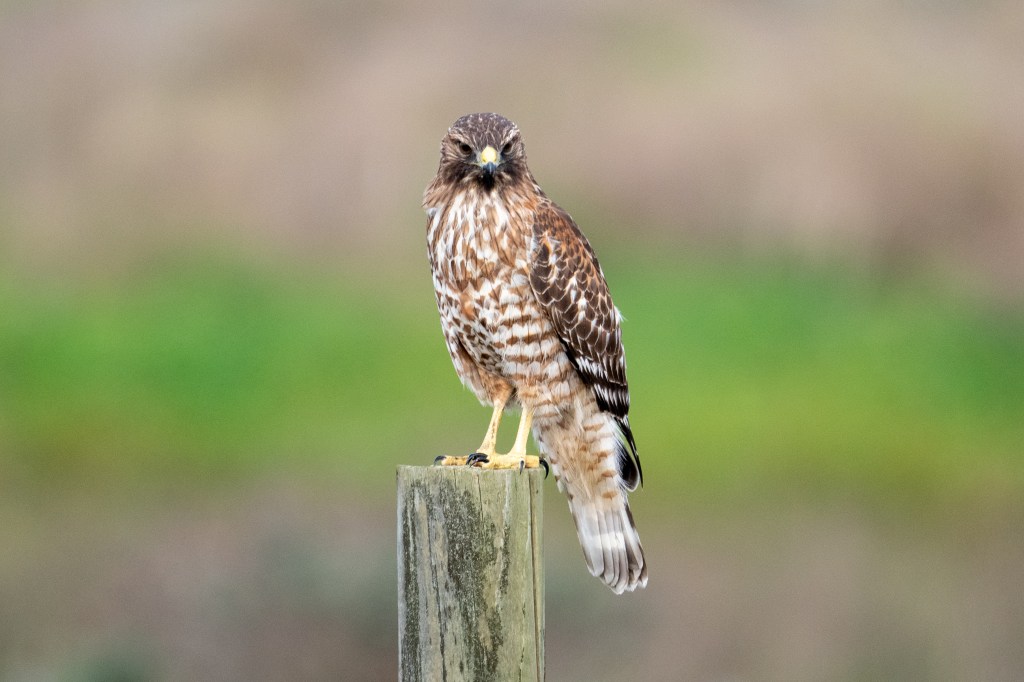
I did not have a TON of time as I had to get back to UC Davis mid PM, but I ended up going to a maybe 1 hour walk. And of course, I kept hoping I would see a bobcat. Alas, no. I did see a lot of elk and some nice raptors. But no bobcat. But the scenery was very nice.
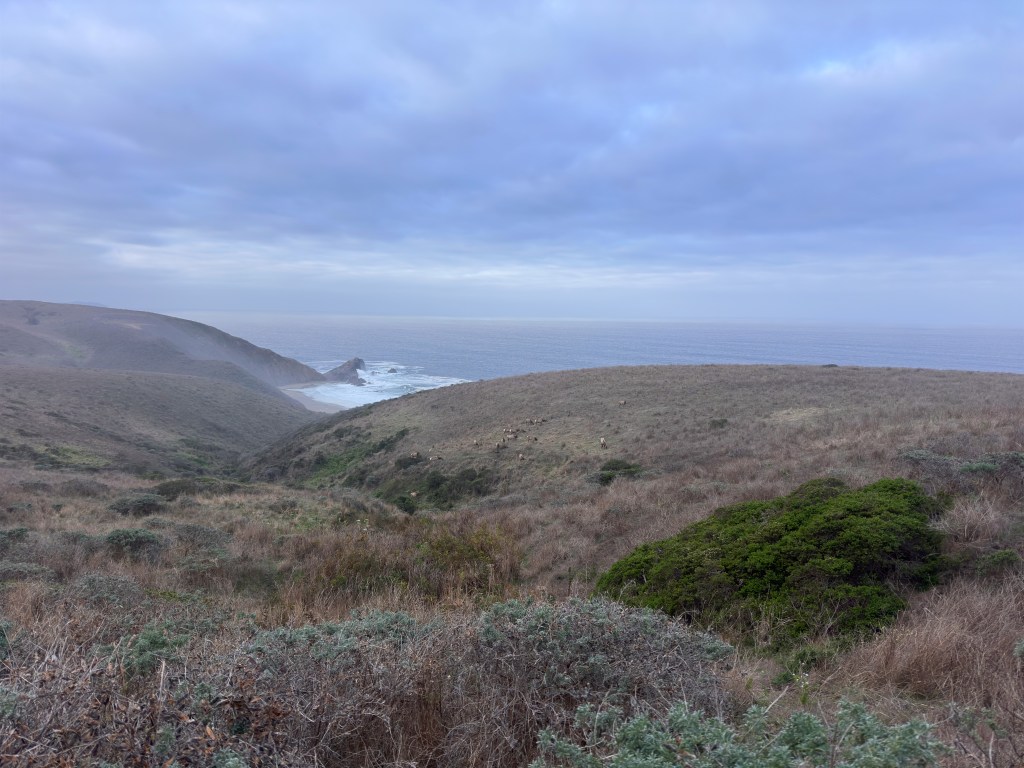
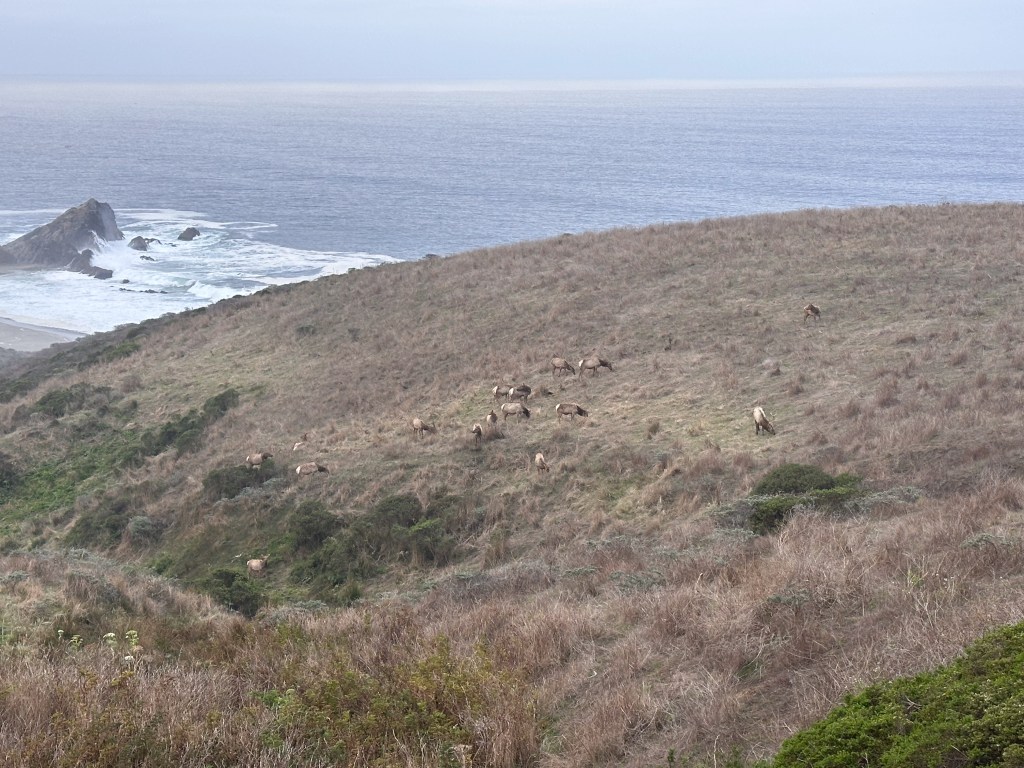
And I took a bunch of pics with my good camera (Nikon D500, Nikkor 500 mm f / 5.6). As mentioned above, it does not do great in low light so the first pics were sitll a bit rough as it was still barely light out.
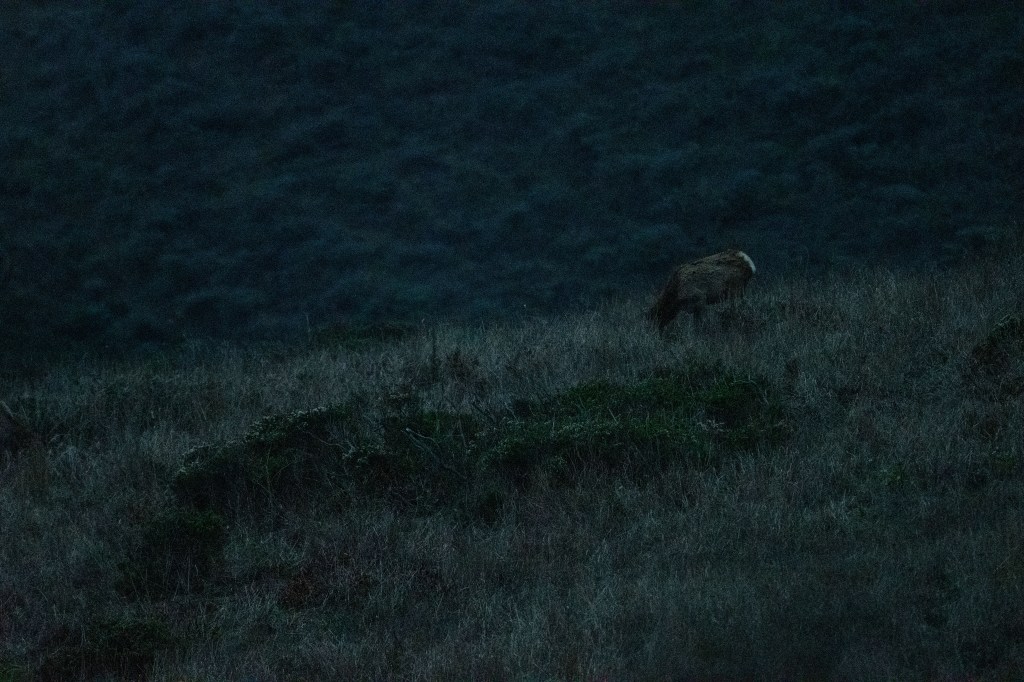
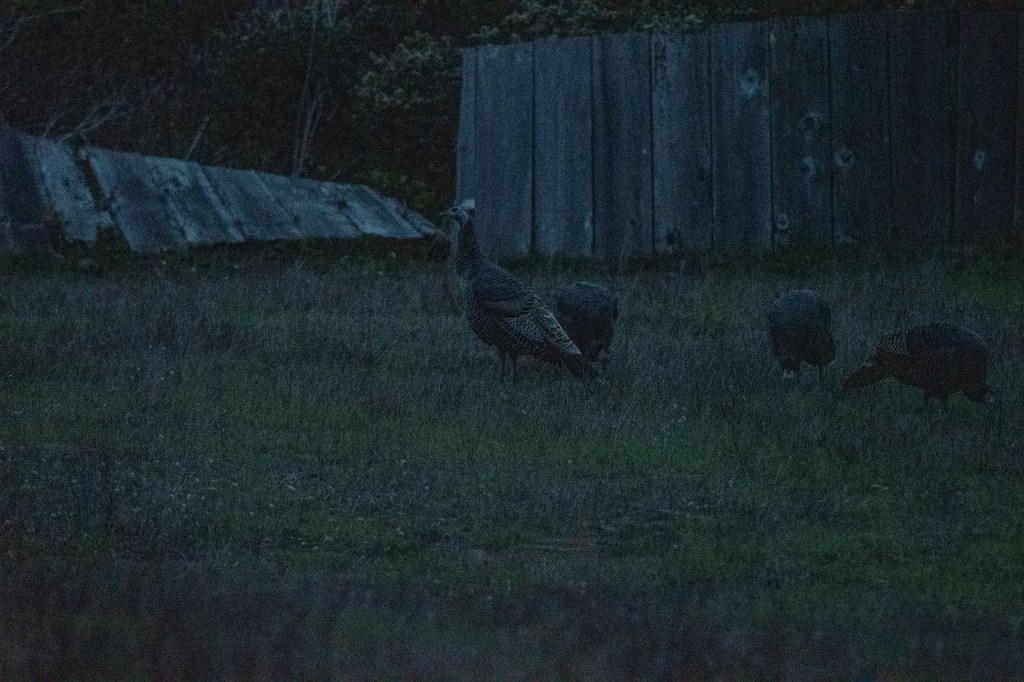
But as it got lighter my pics got a bit better.
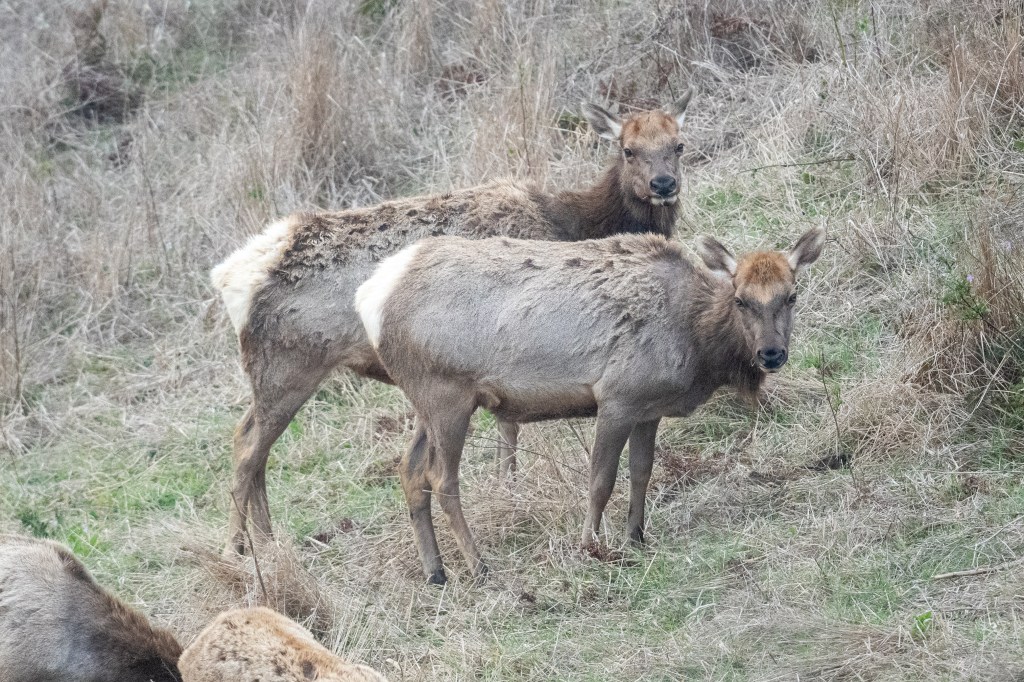
And eventually I had made it back to the parking lot but not after a rough little stretch where I had massively low blood sugar and had to sit for a bit and eat glucose tablets. So I was sad I had not seen a bobcat. But it was beautiful. And now it was time to at least start heading back out of the park and towards UC Davis for my meetings.

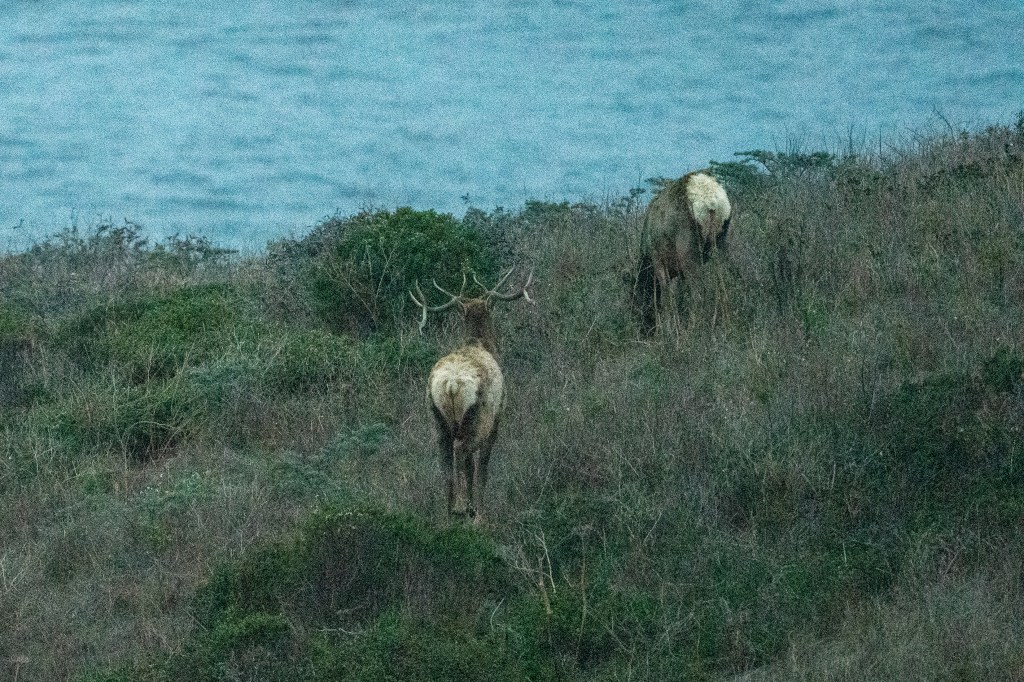
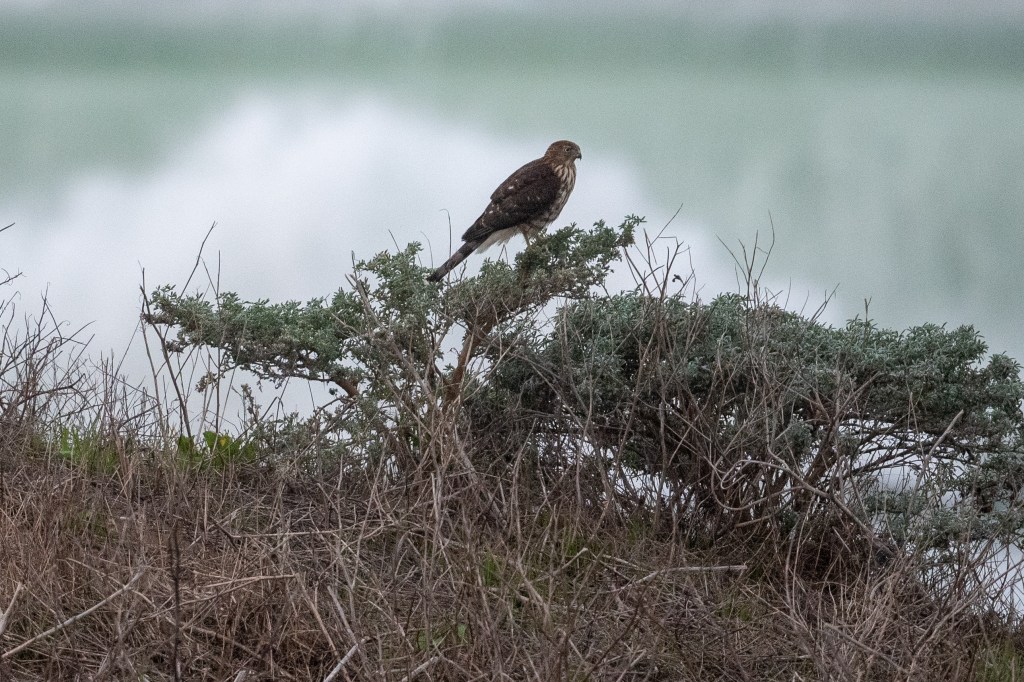
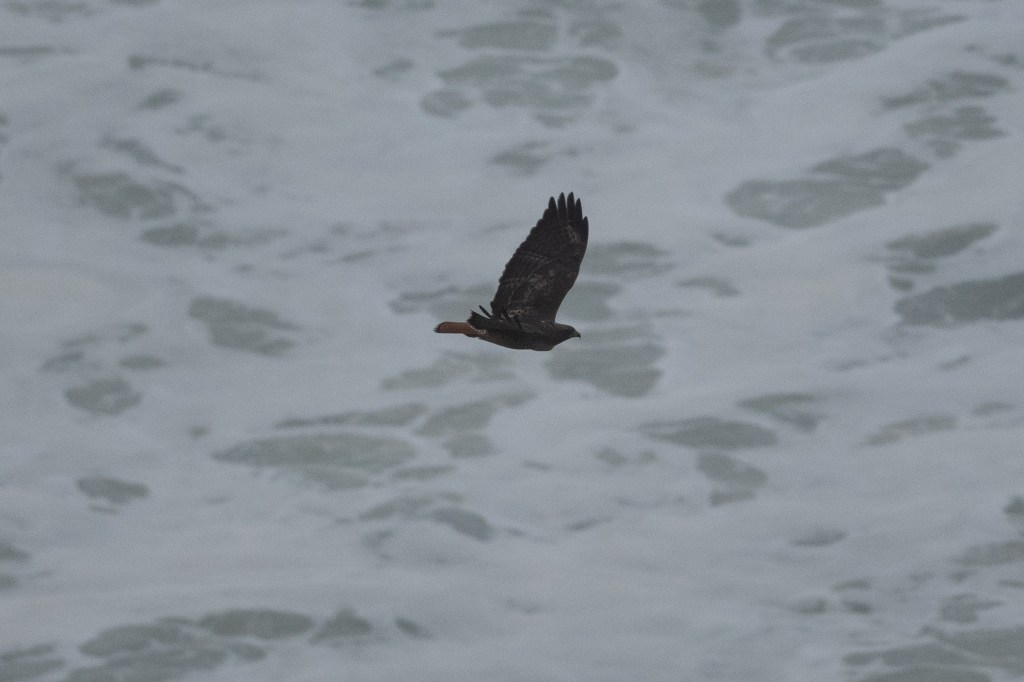
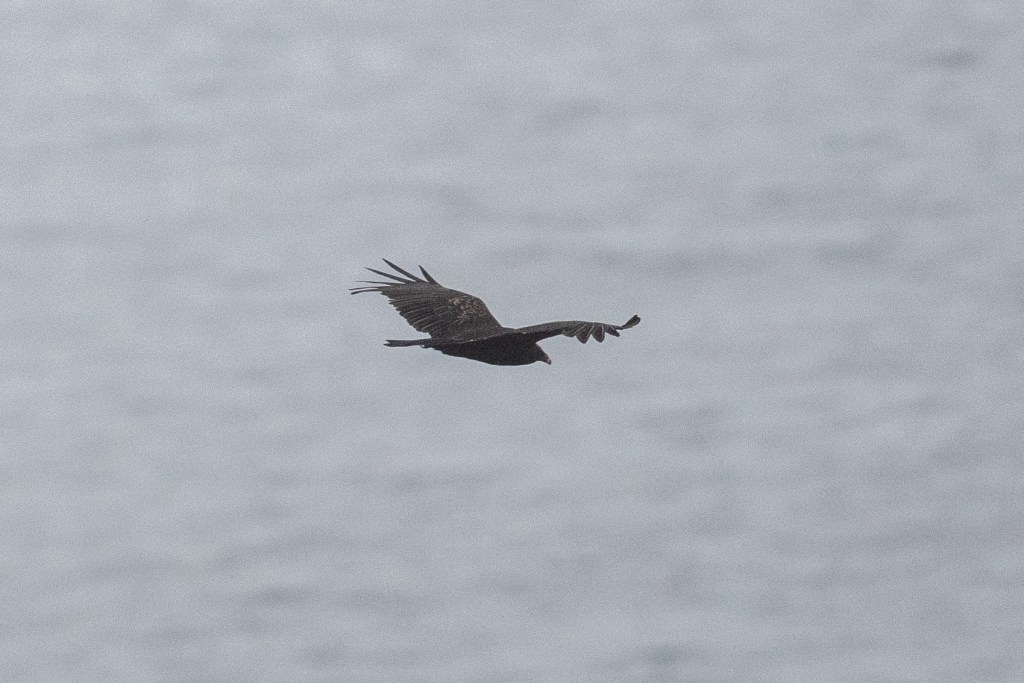
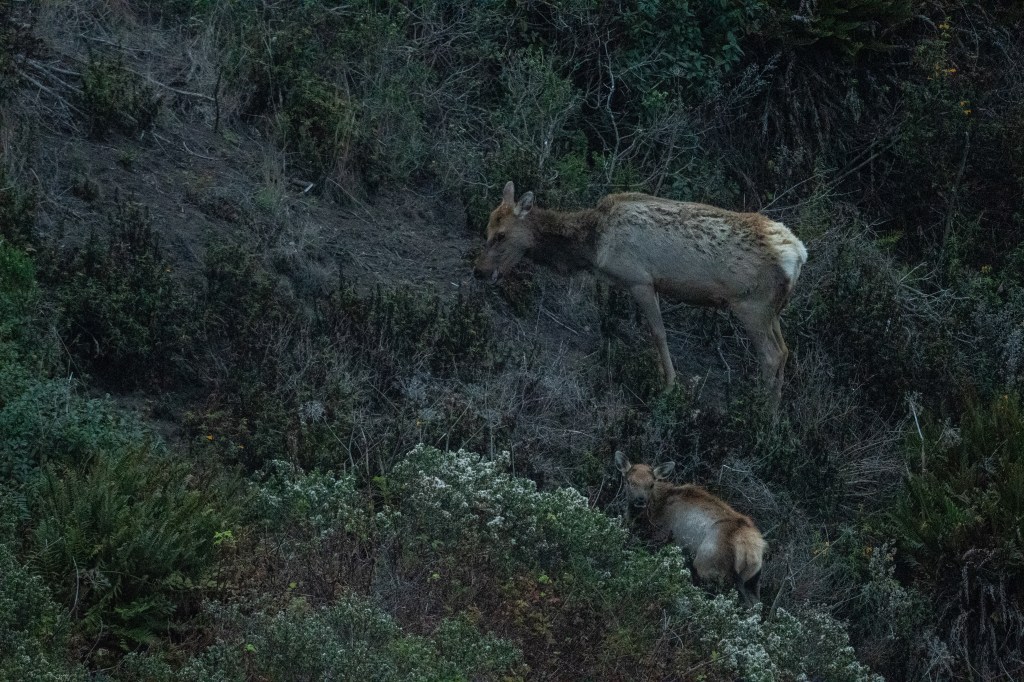
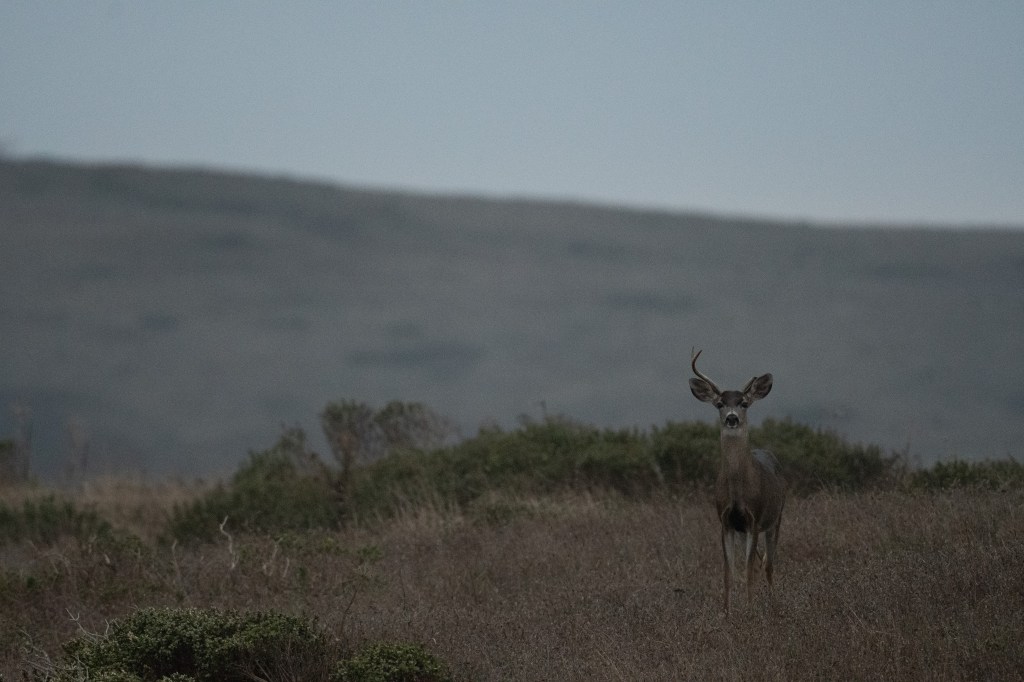
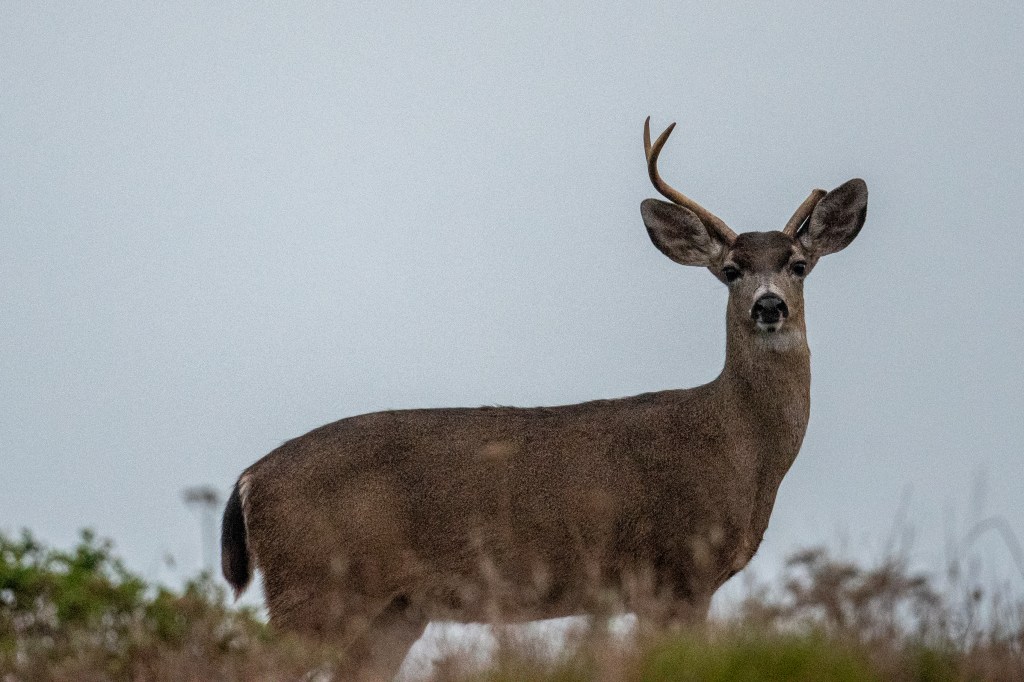
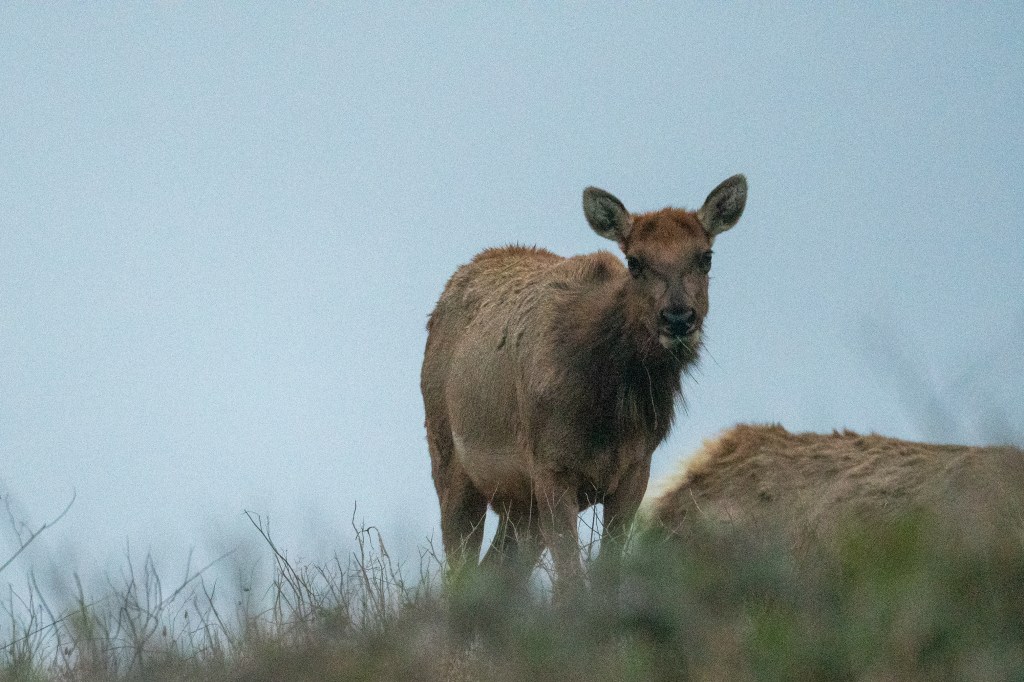
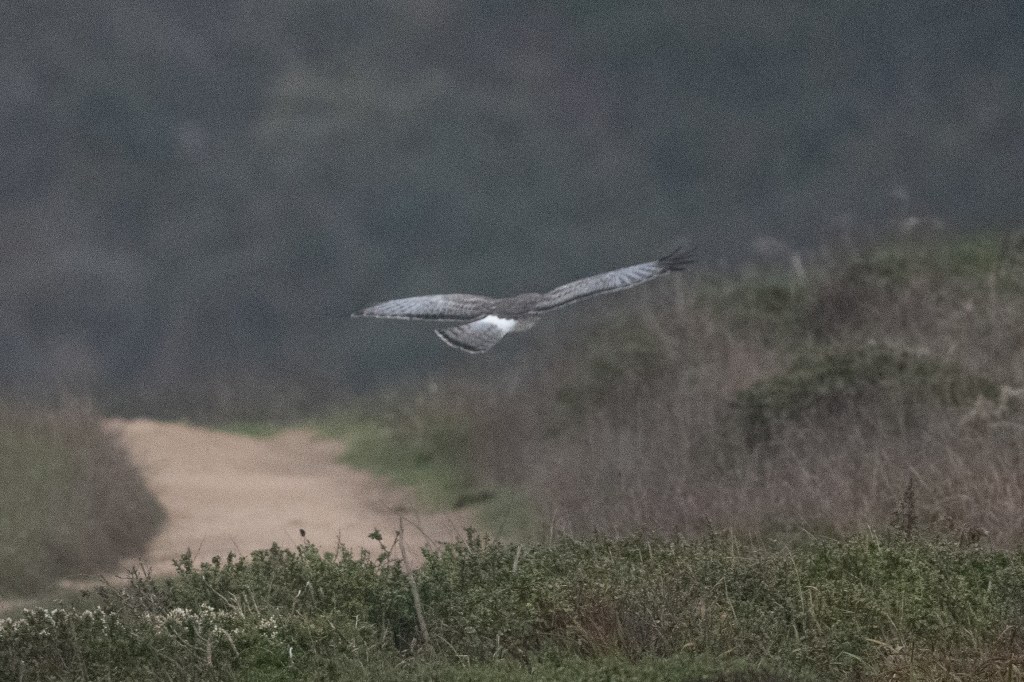
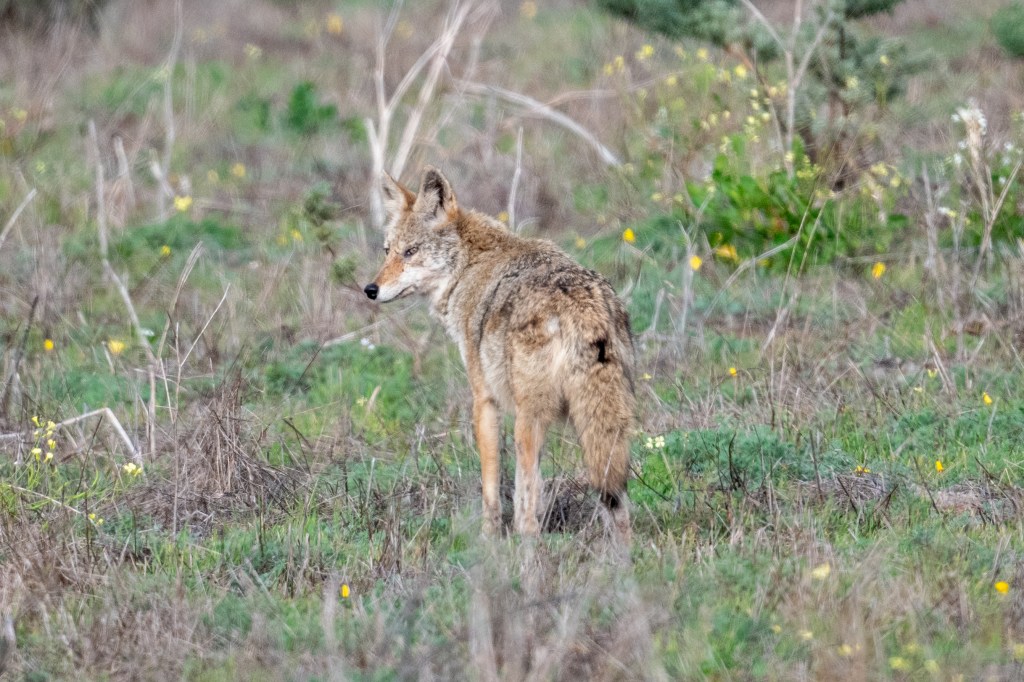
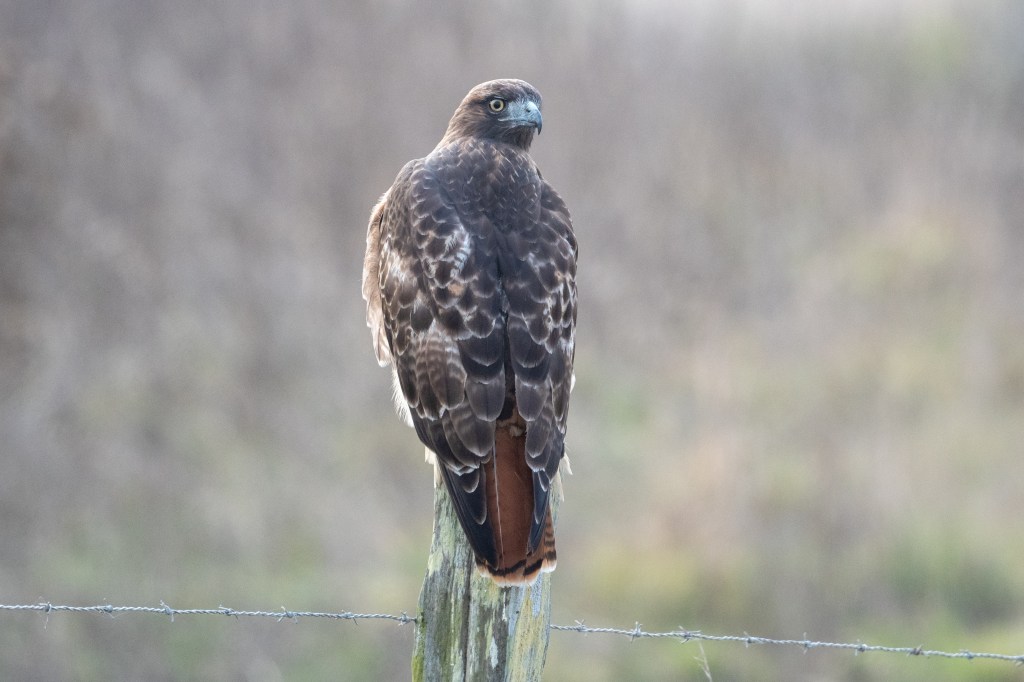
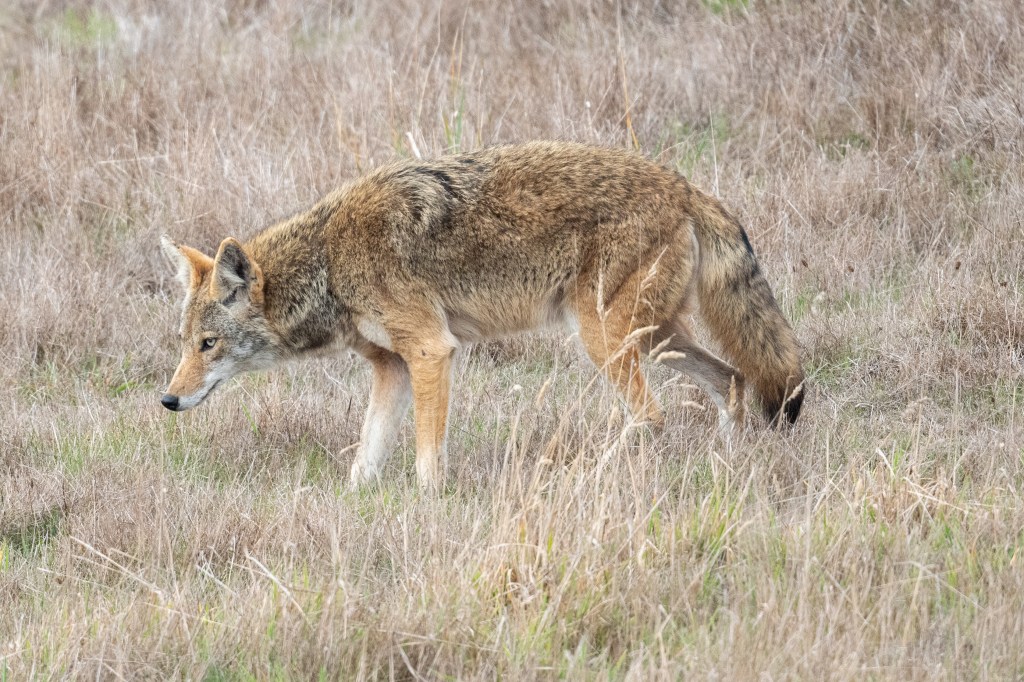
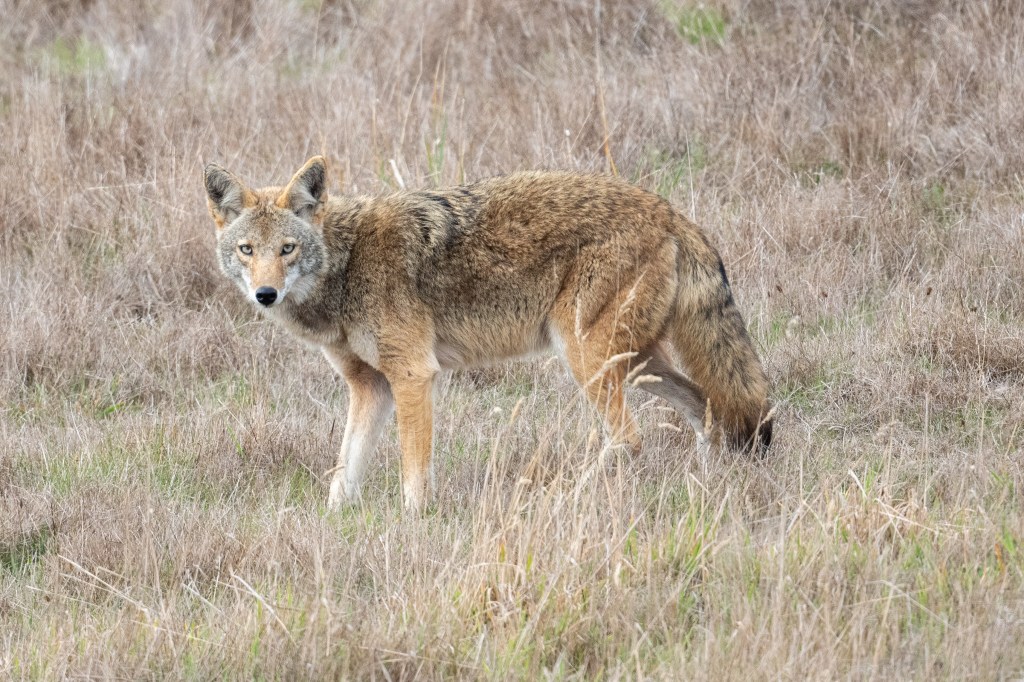
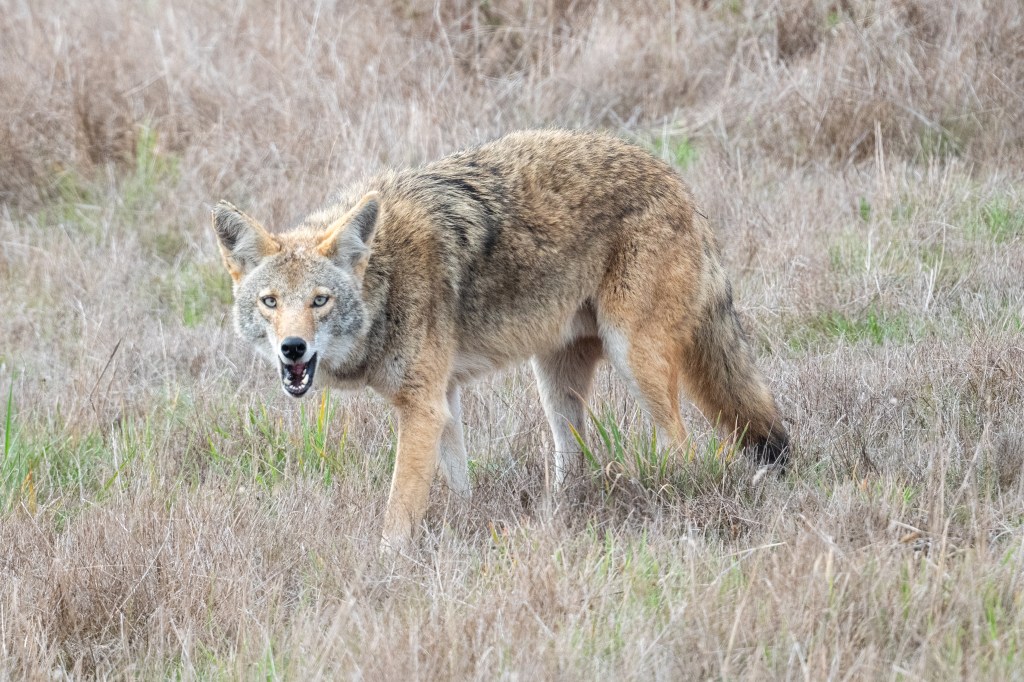
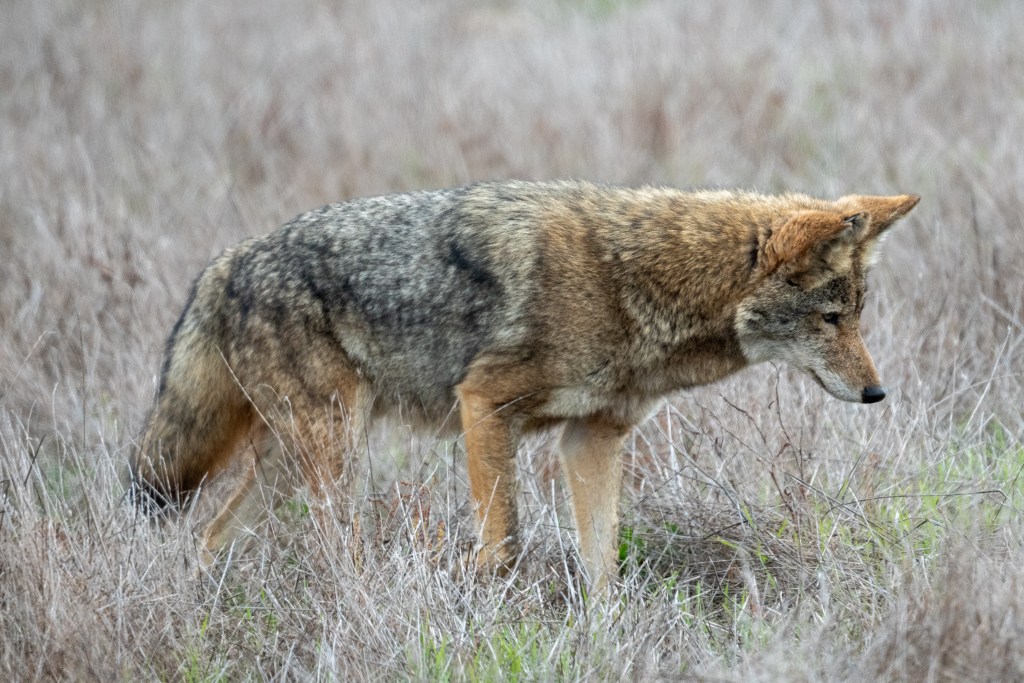
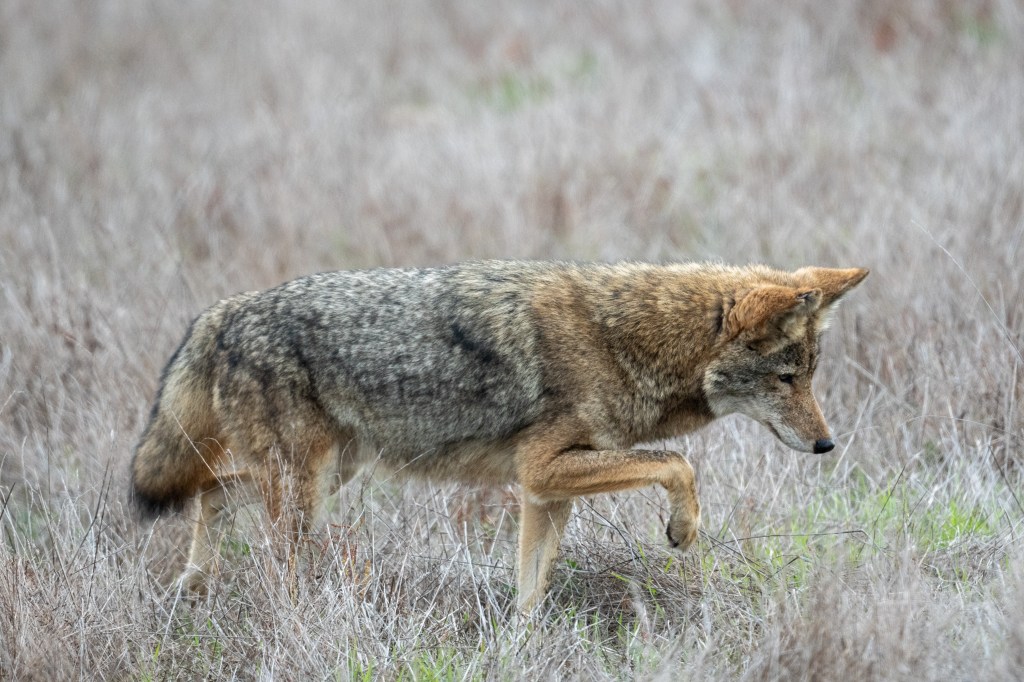
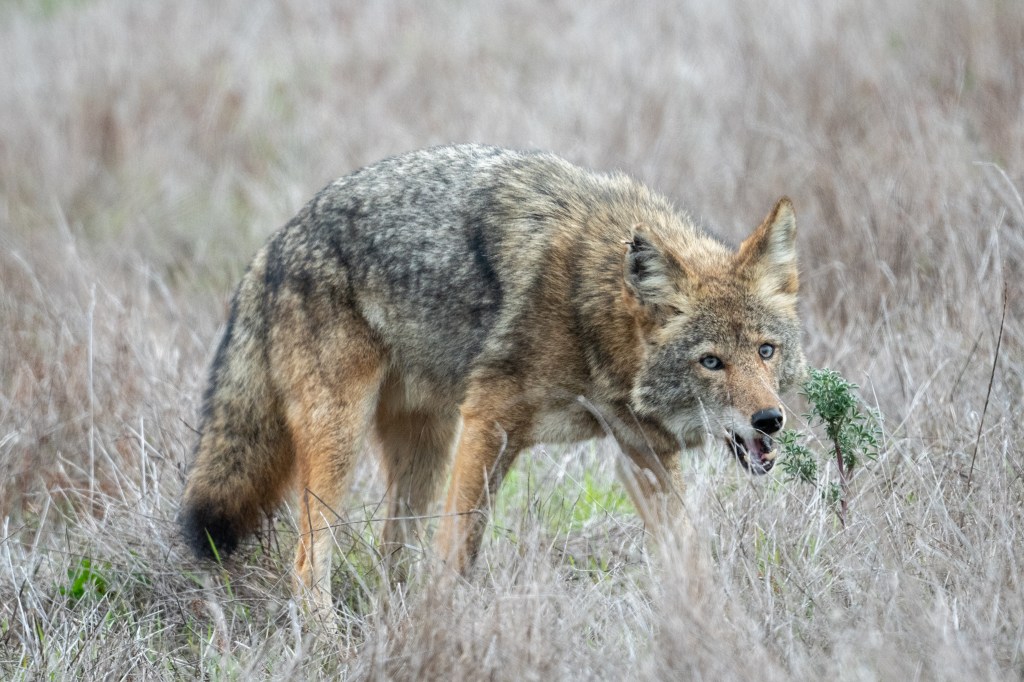
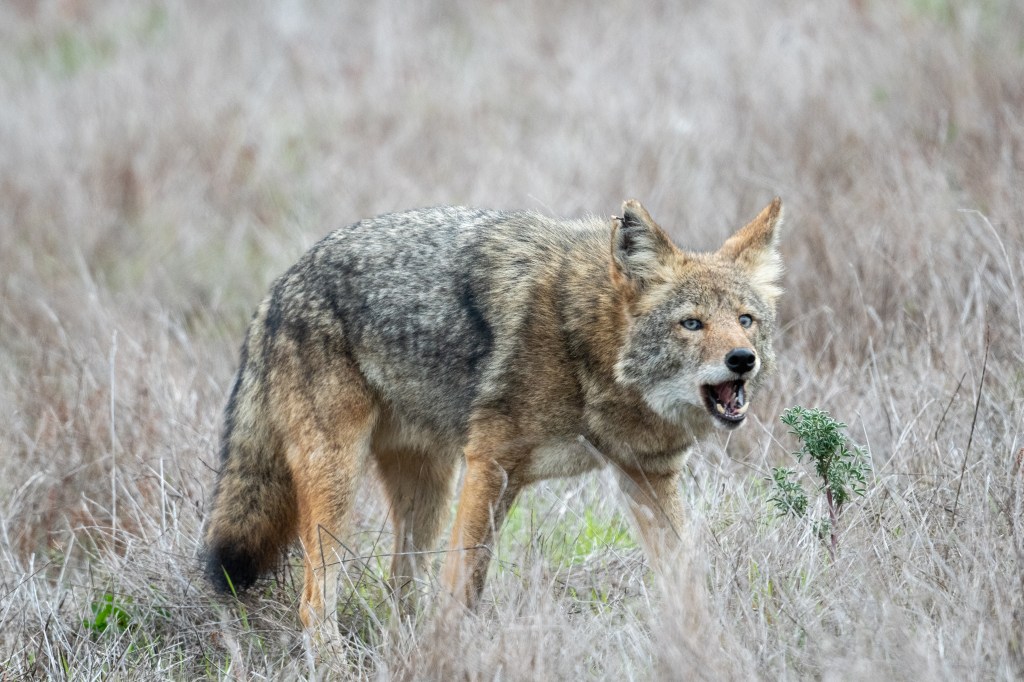
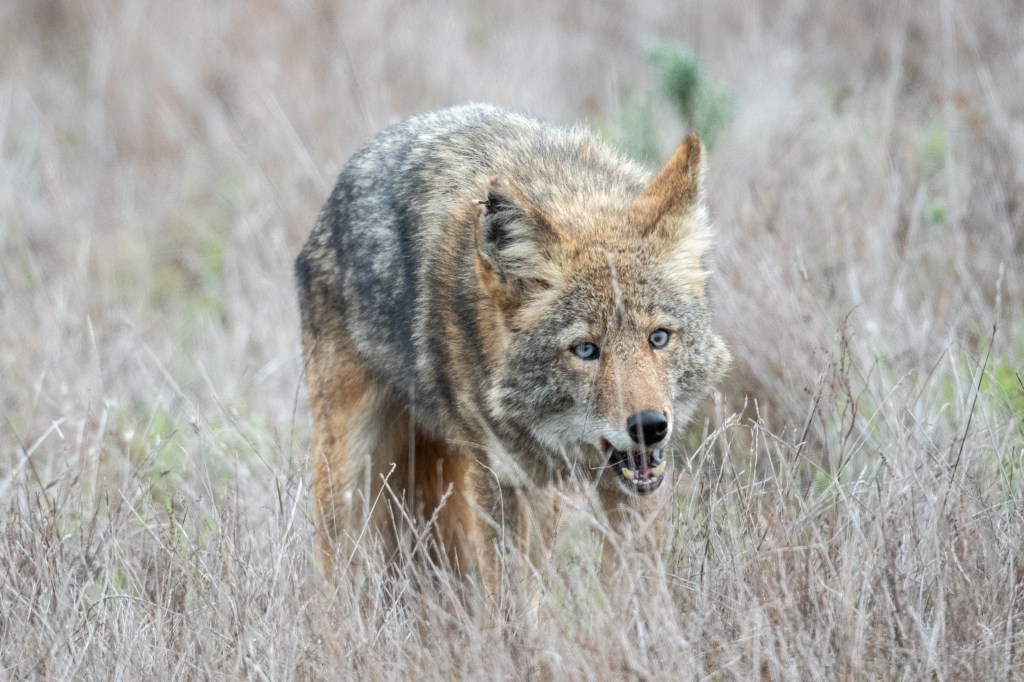
I drove slowly and pulled over a few times as I saw cool things. There were a TON of elk and quite a few coyotes out and lots of raptors. Here are some of the pics I got during my slow drive.
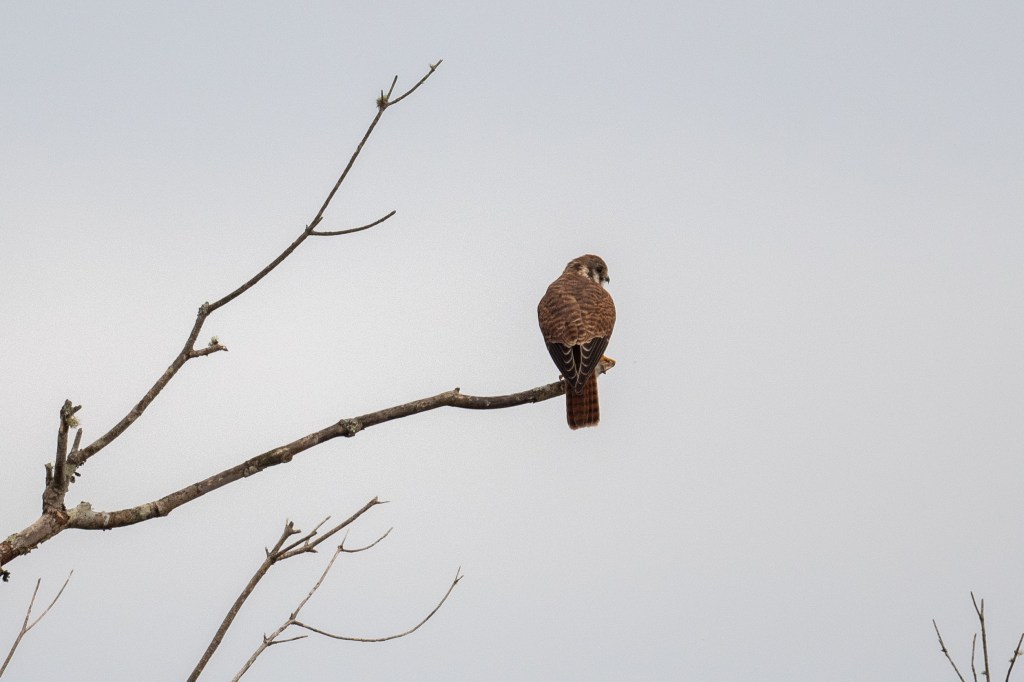
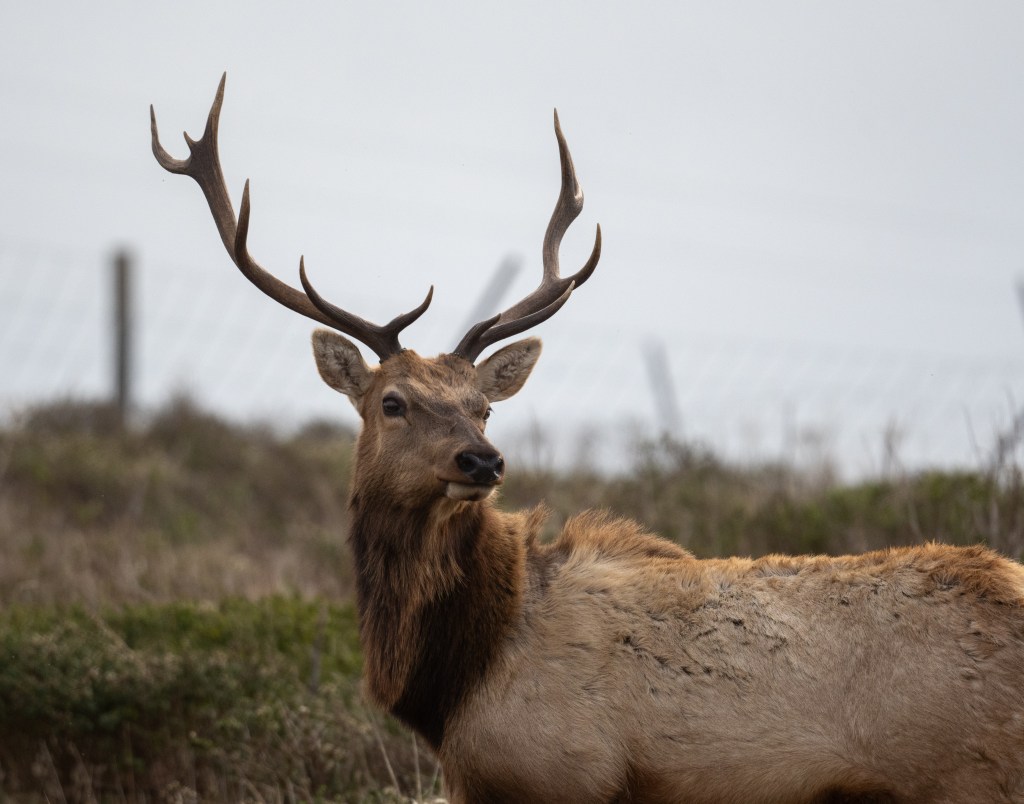
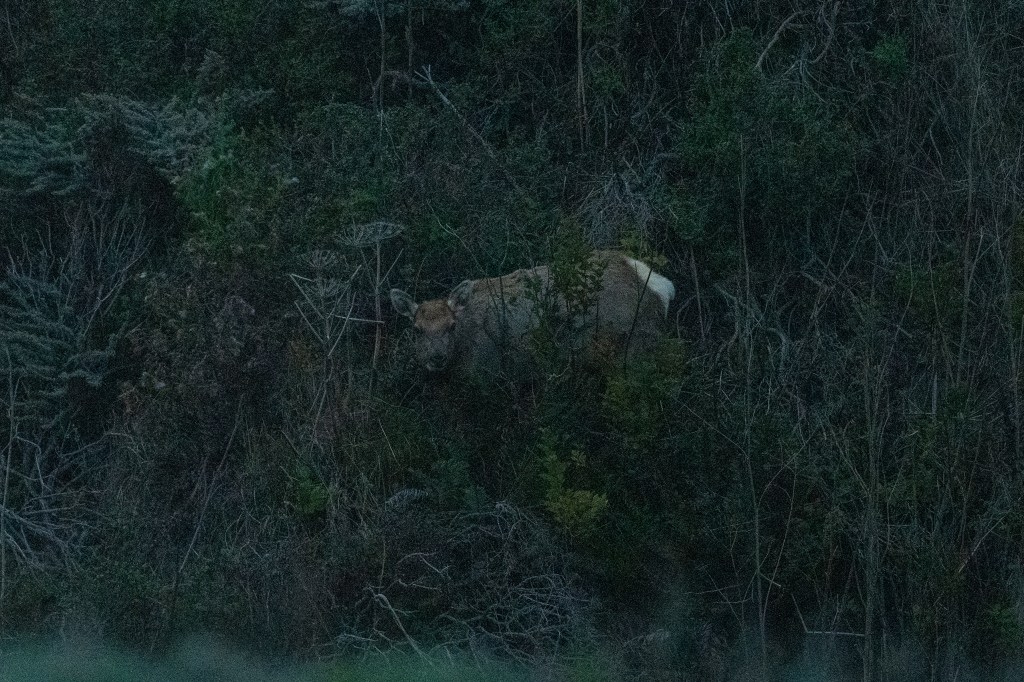
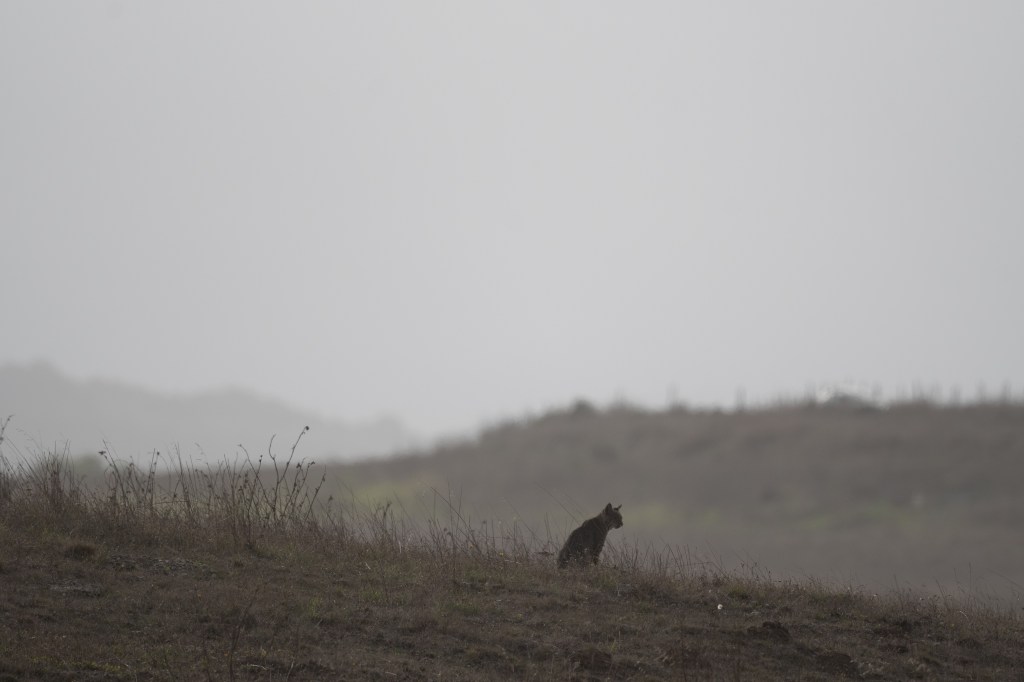
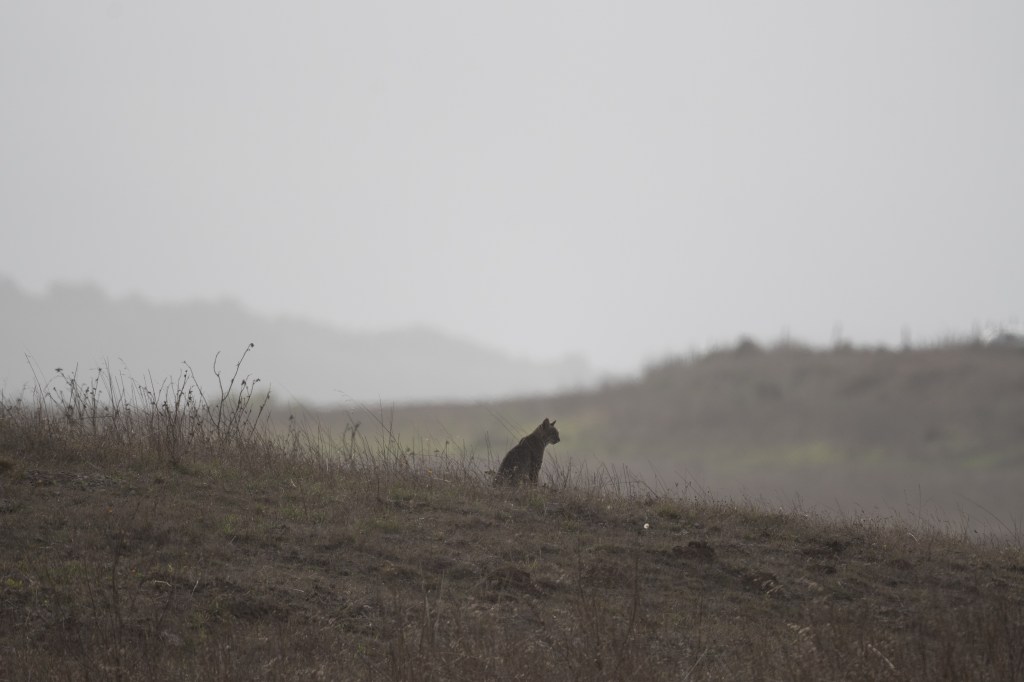
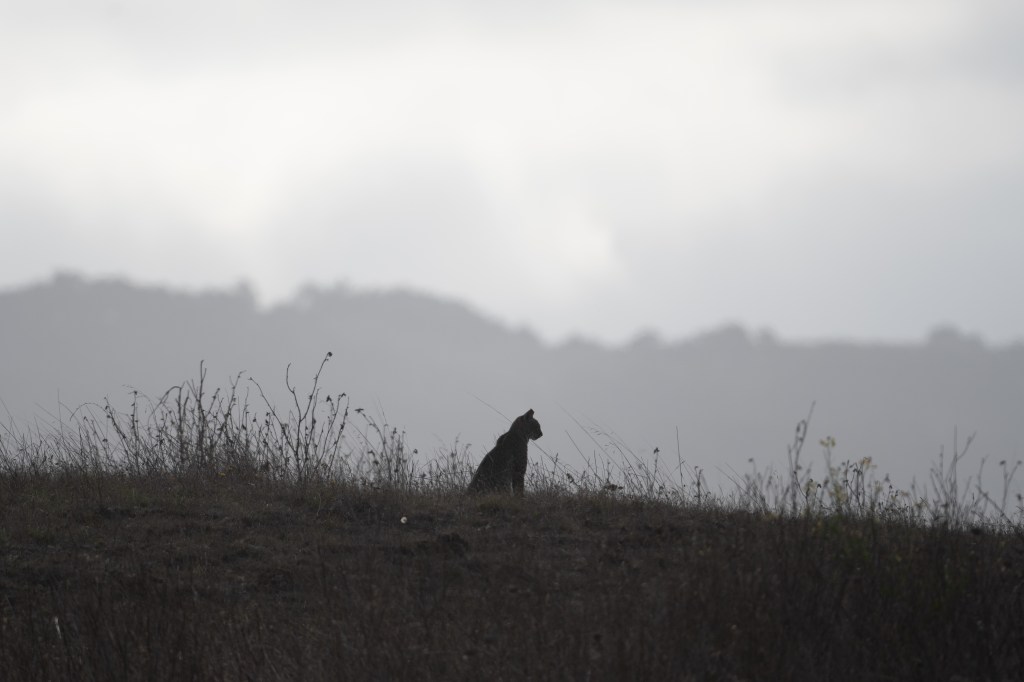
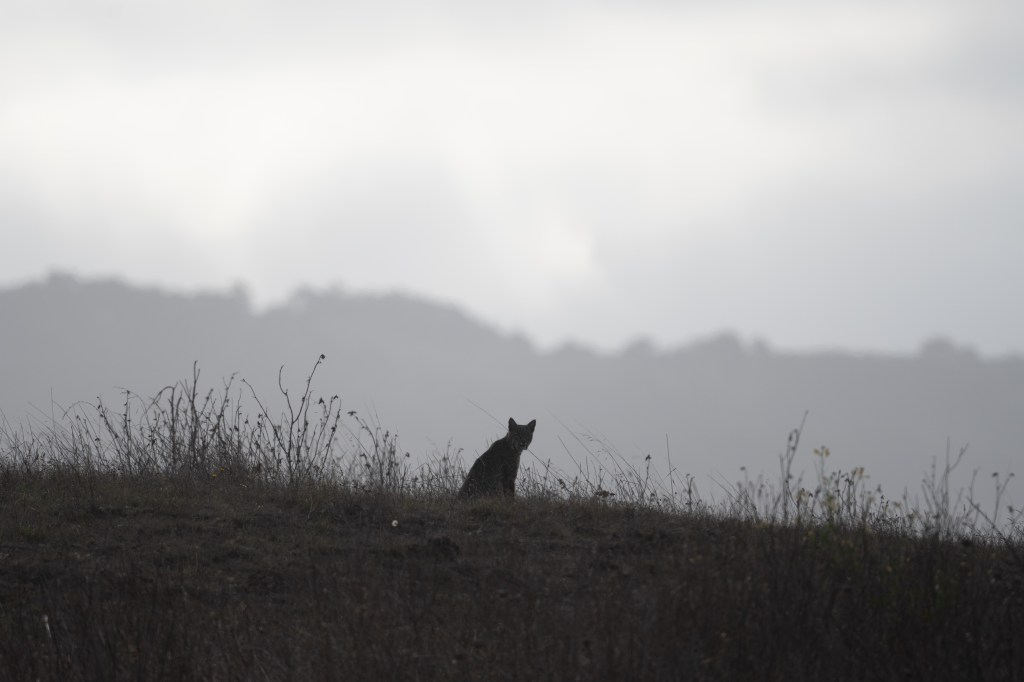
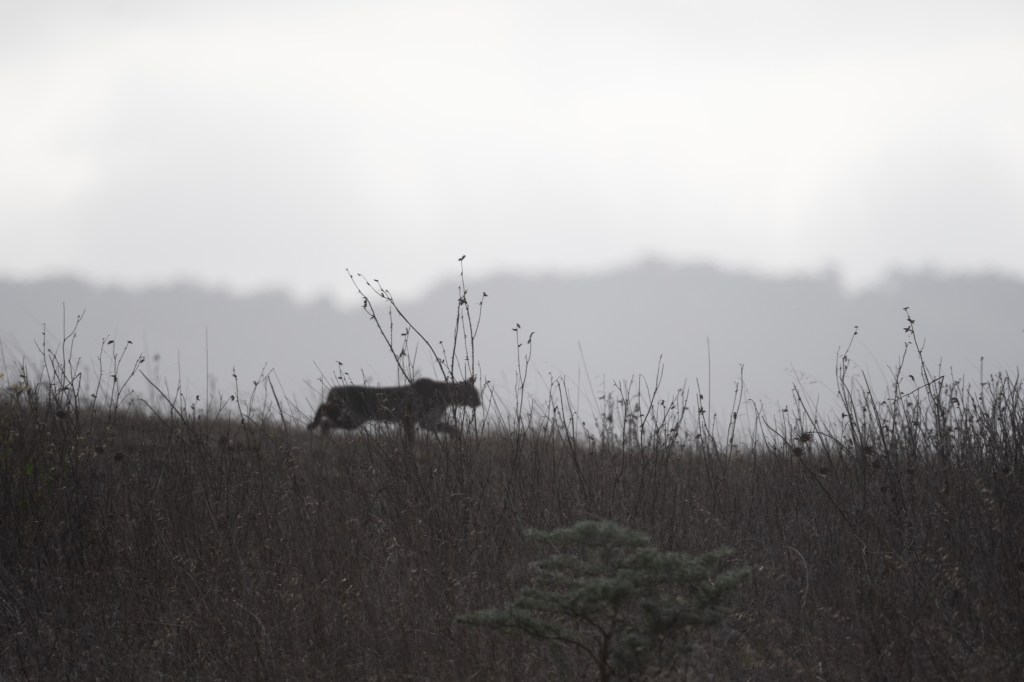
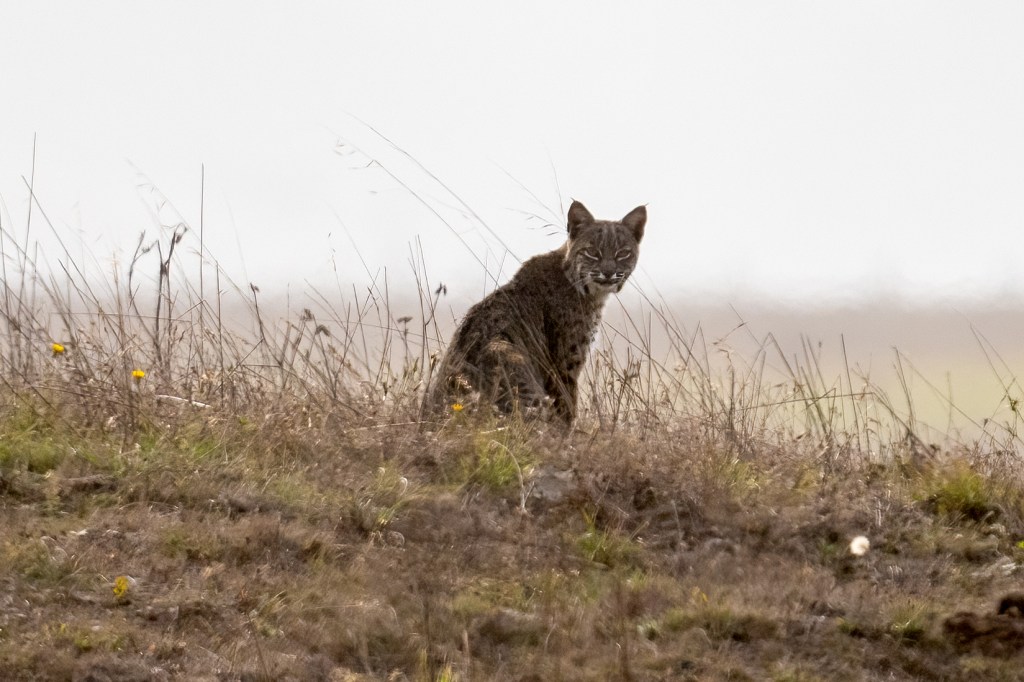
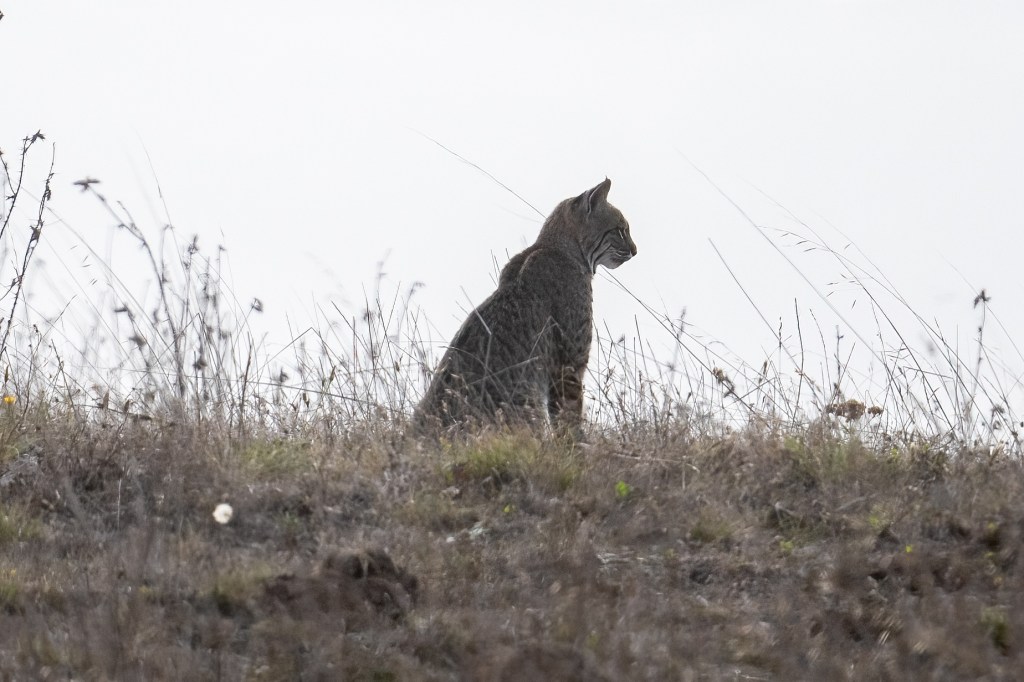
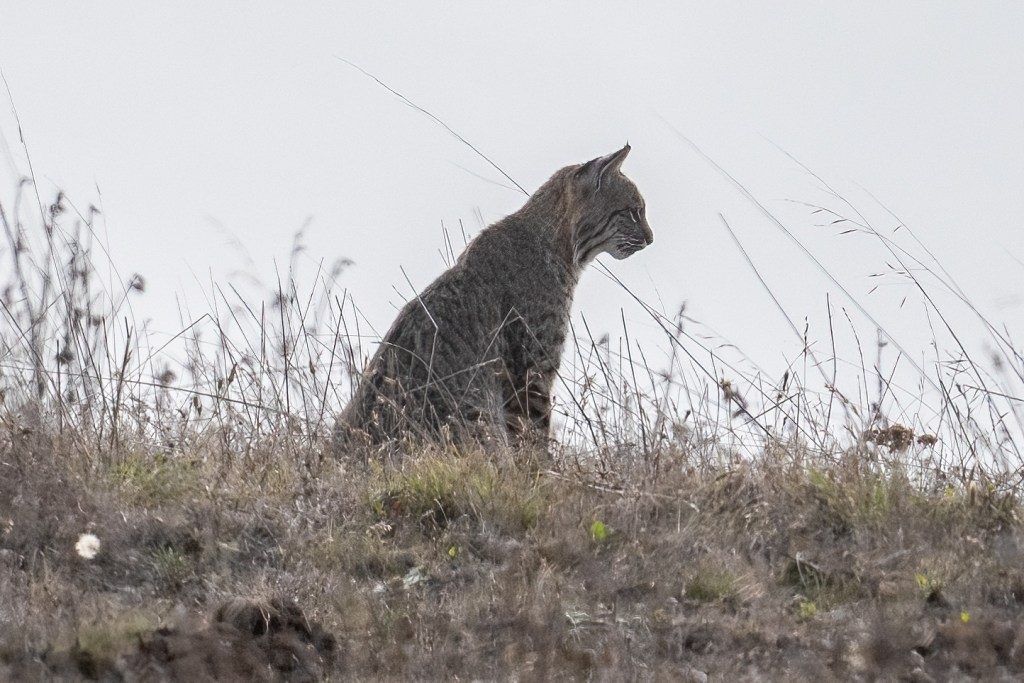
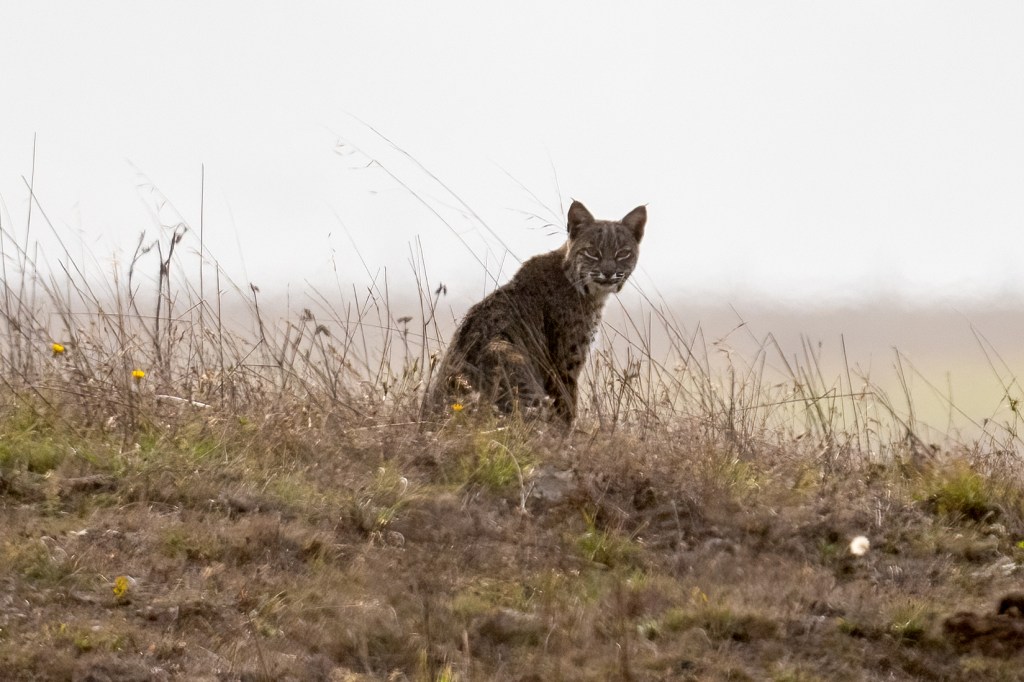
It was pretty spectacular to be honest. And alas time was running out. And then, on a ridge I saw something as I was driving slowly. I pulled over and took some pics.
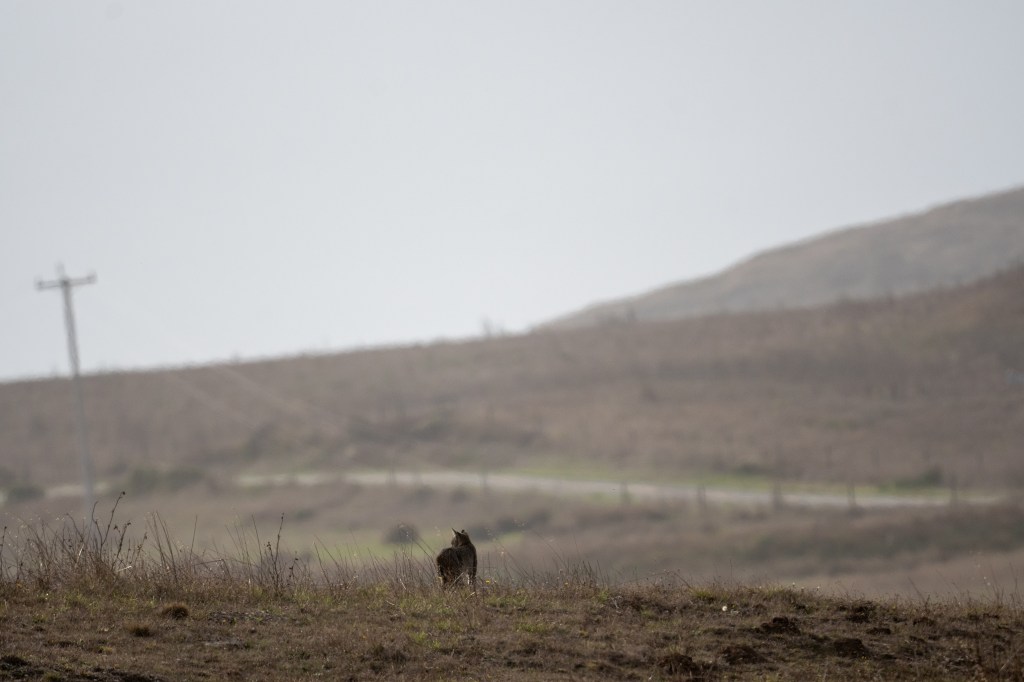
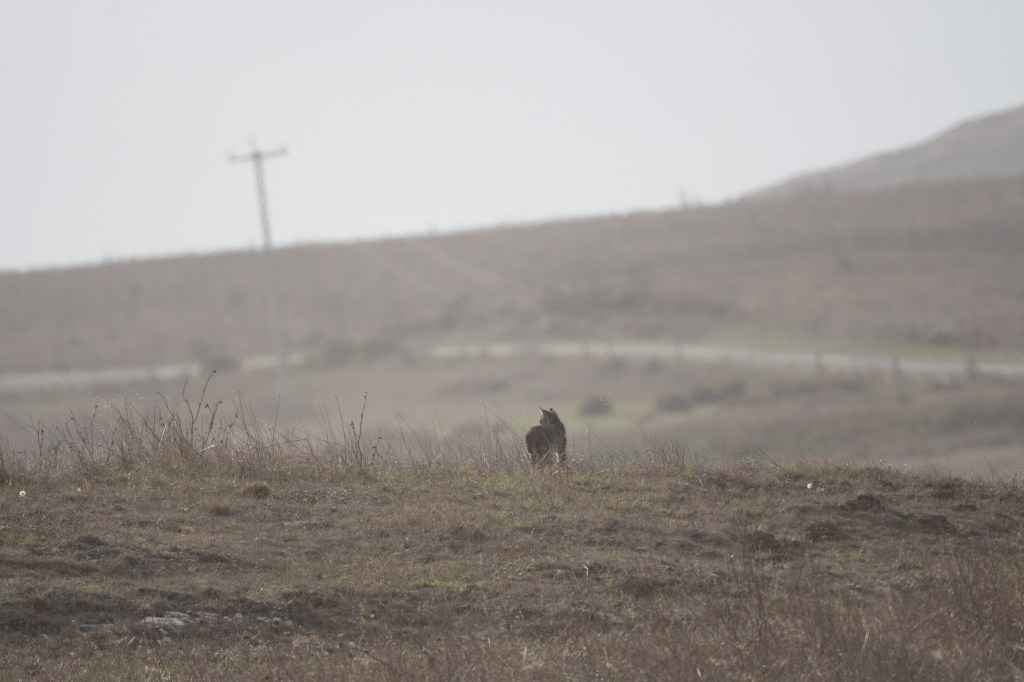
I was pretty sure it was a cat … but I just kept firing away rather than look in more detail.
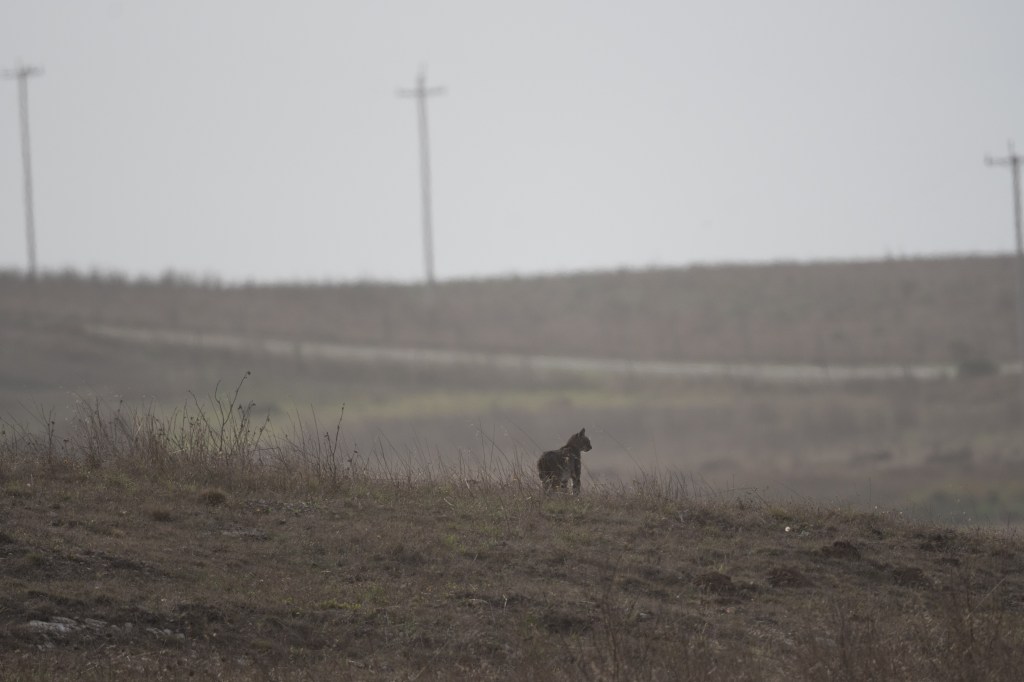
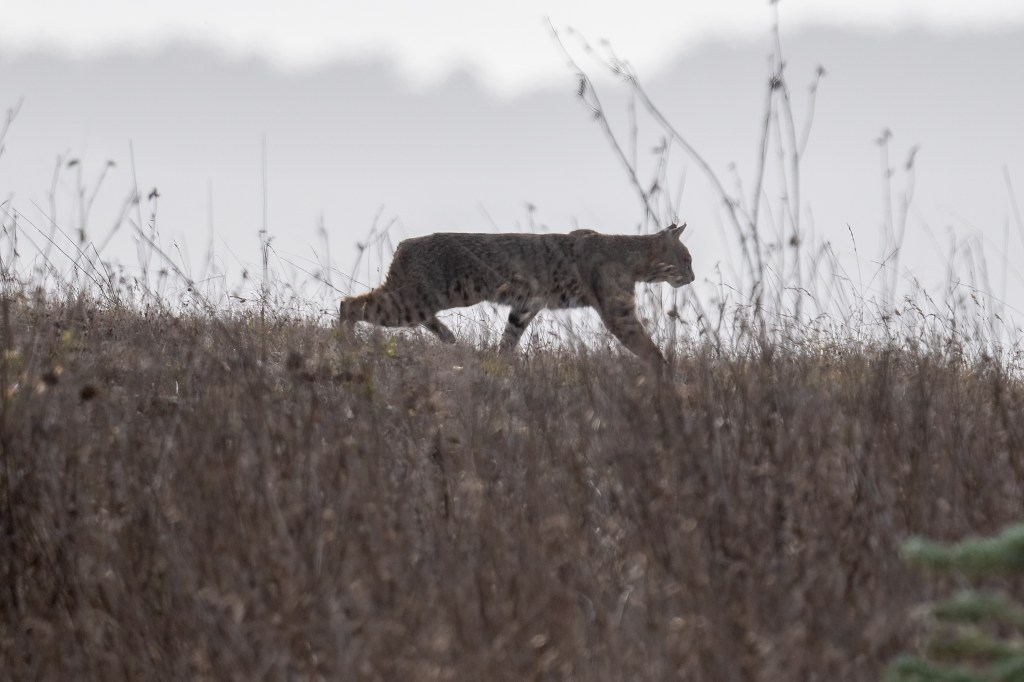
Yes, definitely a cat. A bobcat. I could not believe my luck. Here are some of the pics zoomed in a bit …
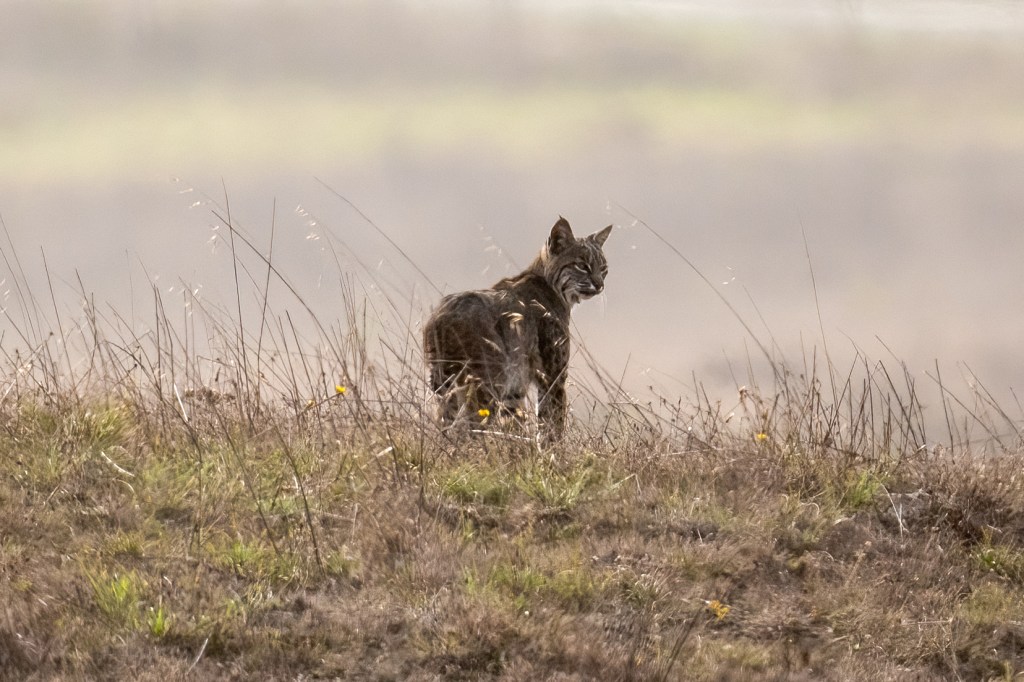
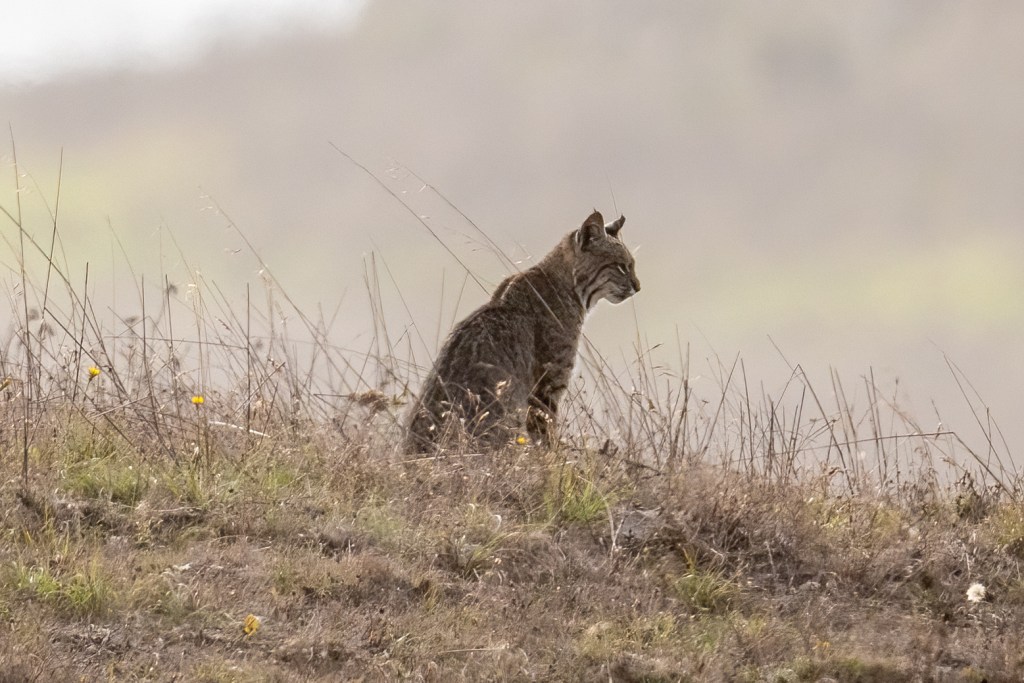
I saw it walk over the ridge and I drove forward a bit to see if I could find it again but never did. But what a blessing. Only the 5th bobcat I have ever seen. I will cherish this for a long long time.

Am I too gullible?

So I posted a week or so ago about how I wanted to learn how to ID white headed gulls this year. And I asked for suggestions / advice on how to learn and got some useful tips so I am sharing them here.

Here are some of the posts and responses I got:

Posted to BlueSky

OK I know this will be one of the craziest things I have ever posted, but in 2025 I have decided I really want to learn how to identify seagulls. Suggestions for best places to start learning would be welcome. #birds
Jonathan Eisen (@phylogenomics.bsky.social) 2025-01-19T17:57:16.596Z

I think out on the west coast of the US that’s a particularly tricky challenge! There’s an excellent new photographic guide for N. American gulls – press.princeton.edu/books/paperb…. Also @alvarosadventures.bsky.social is based out there and runs excellent gull ID workshops!

Liam Langley (@liamlangley1.bsky.social) 2025-01-20T09:18:59.489Z

nice! for one, the best NA field guide ever was recently published here: http://www.amazon.com/Gull-Guide-N…As for process, pick the 1-3 most common species in your area and study them exhaustively, when something odd shows up, it will stick out.

Andy Boyce (@andyjboyce.bsky.social) 2025-01-19T18:07:20.650Z

And Also Posted to X

And on Facebook got some really good suggestions

A friend from high school pointed me to Jack Laws and all his amaxzing materials including https://johnmuirlaws.com/gull-identification-guide-free-download/

Another person pointed me to this book: https://www.amazon.com/Gulls-Simplified-Comparative-Approach-Identification/dp/0691156948

And someone else pointed me to this: https://thecottonwoodpost.net/2023/10/12/gull-identification-in-puget-sound/

Nice timing: Our paper on the Darwin’s Finch genome is out today on Darwin’s birthday

Birthday party for Darwin in 2009

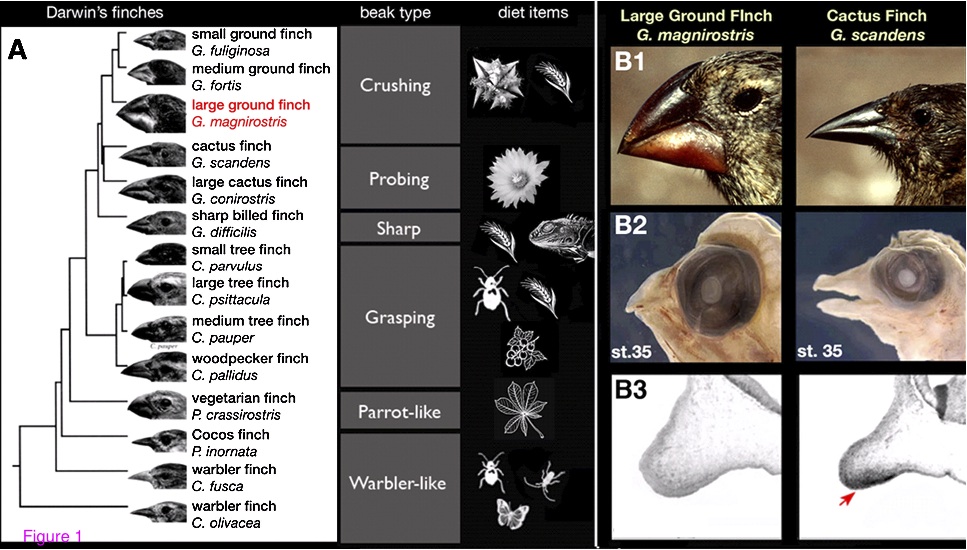
Well, I assume this was on purpose from the folks at Biomed Central but not sure.  Our paper on the genome of one of Darwin’s Finches is out today in BMC Genomics: BMC Genomics | Abstract | Insights into the evolution of Darwin’s finches from comparative analysis of the Geospiza magnirostris genome sequence.
Abstract of the paper:

Background
A classical example of repeated speciation coupled with ecological diversification is the evolution of 14 closely related species of Darwin’s (Galápagos) finches (Thraupidae, Passeriformes). Their adaptive radiation in the Galápagos archipelago took place in the last 2–3 million years and some of the molecular mechanisms that led to their diversification are now being elucidated. Here we report evolutionary analyses of genome of the large ground finch, Geospiza magnirostris.
Results
13,291 protein-coding genes were predicted from a 991.0 Mb G. magnirostris genome assembly. We then defined gene orthology relationships and constructed whole genome alignments between the G. magnirostris and other vertebrate genomes. We estimate that 15% of genomic sequence is functionally constrained between G. magnirostris and zebra finch. Genic evolutionary rate comparisons indicate that similar selective pressures acted along the G. magnirostris and zebra finch lineages suggesting that historical effective population size values have been similar in both lineages. 21 otherwise highly conserved genes were identified that each show evidence for positive selection on amino acid changes in the Darwin’s finch lineage. Two of these genes (Igf2r and Pou1f1) have been implicated in beak morphology changes in Darwin’s finches. Five of 47 genes showing evidence of positive selection in early passerine evolution have cilia related functions, and may be examples of adaptively evolving reproductive proteins.
Conclusions
These results provide insights into past evolutionary processes that have shaped G. magnirostris genes and its genome, and provide the necessary foundation upon which to build population genomics resources that will shed light on more contemporaneous adaptive and non-adaptive processes that have contributed to the evolution of the Darwin’s finches.

Figure 1

There is a long long long story behind this paper.  Too long for me to write up right now.  I wrote up some of the story for a Figshare posting of the genome data last year.

“Darwin’s Finches” are a model system for the study of various aspects of evolution and development.  In 2008 we commenced on a project to sequence the genomes of some of these species – inspired by the (then) upcoming celebration of the 200th anniversary of the birth of Charles Darwin (which was in February 2009).  The project started with a brief discussion at the AGBT meeting in 2008 and then via an email conversation between Jonathan Eisen and Jason Affourtit about the possibility of a collaboration involving the 454 company (which was looking for projects to highlight the power of it’s then relatively new 454 sequencing machines).  After further discussions between Jonathan Eisen, his brother Michael Eisen (who separately had become interested in Darwin’s finches) and people from 454 it was decided that this was a potentially good project for a scientific and marketing collaboration.  

In these conversations it was determined that the most likely limiting factor would be access to DNA from the finches.  This was largely an issue due to the fact that the Galapagos Islands (where the finches reside) are a National Park in Ecuador and also a World Heritage site.  Collection of samples there for any type of research is highly regulated.  Thus, Jonathan Eisen made contact with Peter and Rosemary Grant – the most prominent researchers working on the finches – and who Eisen had discussed sequencing the finch genomes in the early 2000s.  In that previous conversation it was determined that the sequencing would be too expensive to carry out without a major fundraising effort.  However, with the advent of “next generation” sequencing methods such as 454 the total costs of such a project would be much lower.   

In the conversations with the Grants, the Grants offered to ask around to see if anyone had sufficient amounts of DNA (or access to samples), which would be needed for genome library construction.  Subsequently they identified Arkhat Abzhanov from Harvard as someone who likely had samples as well as permission to do DNA-based work on them, from many of the finch species. Abzhanov offered to provide samples from three key species (large ground finch Geospiza magnirostris, large cactus finch G. conirostris and sharp-billed finch G. difficilis) and DNA was sent to Roche-454 for sequencing in July of 2008.  In August, the first “test” sequence data was provided from Geospiza magnirostris.  A plan was then made to generate additional data and Roche offered to do the sequencing at their center at a steep discount.  Funds were raised by Jonathan Eisen, Greg Wray, Monica Riley, and others to pay for the sequencing and over the next year or so, three sequencing bursts were conducted at Roche-454. “

That is a decent summary of the background.  The details on the science are in the paper.  What the background does not say is that the project languished for years as we did not have funds to support the actual analysis of the genomes and it was kind of out of my normal area of expertise.  Along the way, I did a poor job of communicating with some of the initial parties in the project (e.g., I did a really bad job of communicating with Greg Wray – who had provide some of the funds – and I will forever be trying to make things up to him).  Anyway, thankfully Arhat eventually pulled together a group of people led by Chris Ponting to help analyze the genome and Chris led the way to the paper that is out today.  Only four years after our original goal.

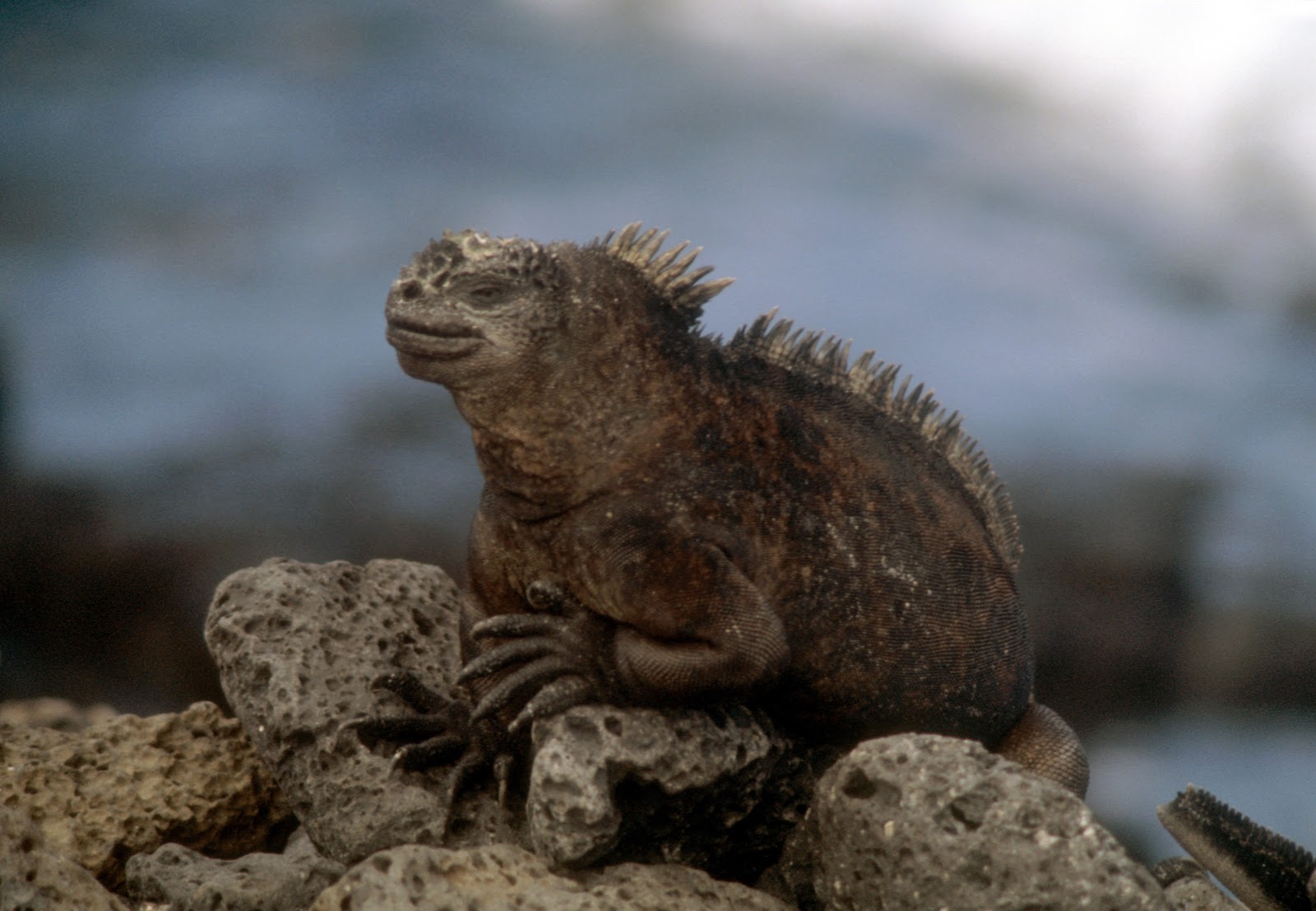
I have been a birder and an evolutionary biologist for many many many years. Thus this is kind of a cool project for me.  When I was in the Galapagos in 2002 I dreamed of doing a project like this – and even started doodling Darwin’s finches all over the place – including on some of the styrofoam cups we sent down to the bottom of the ocean on the outside of the Alvin sub as part of a deep sea research cruise I went on.  See below:
https://picasaweb.google.com/s/c/bin/slideshow.swf

Add caption

Some related posts:
From 2002

From 2002

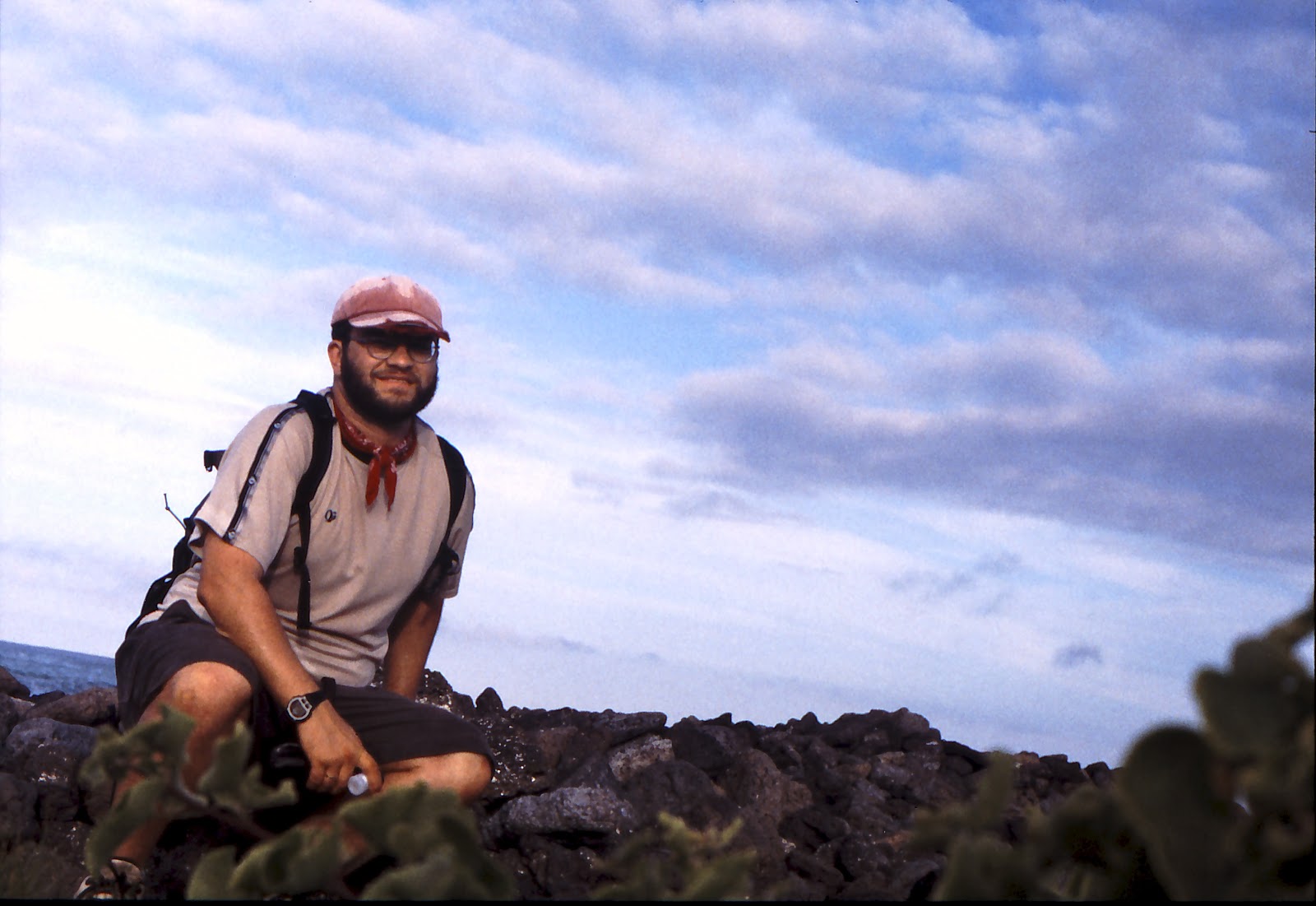
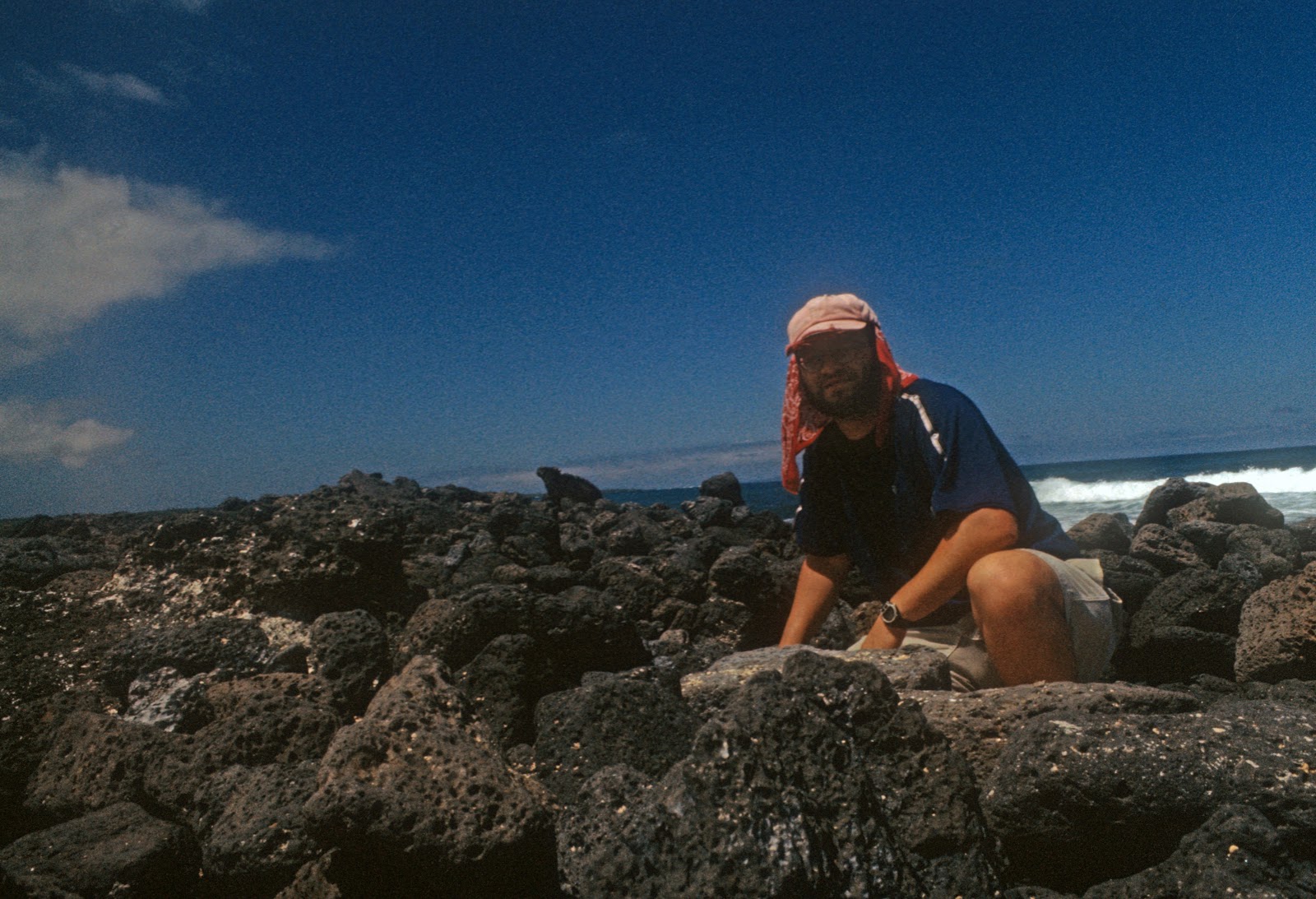
Me, in the Galapagos in 2002

Me in the Galapagos in 2002

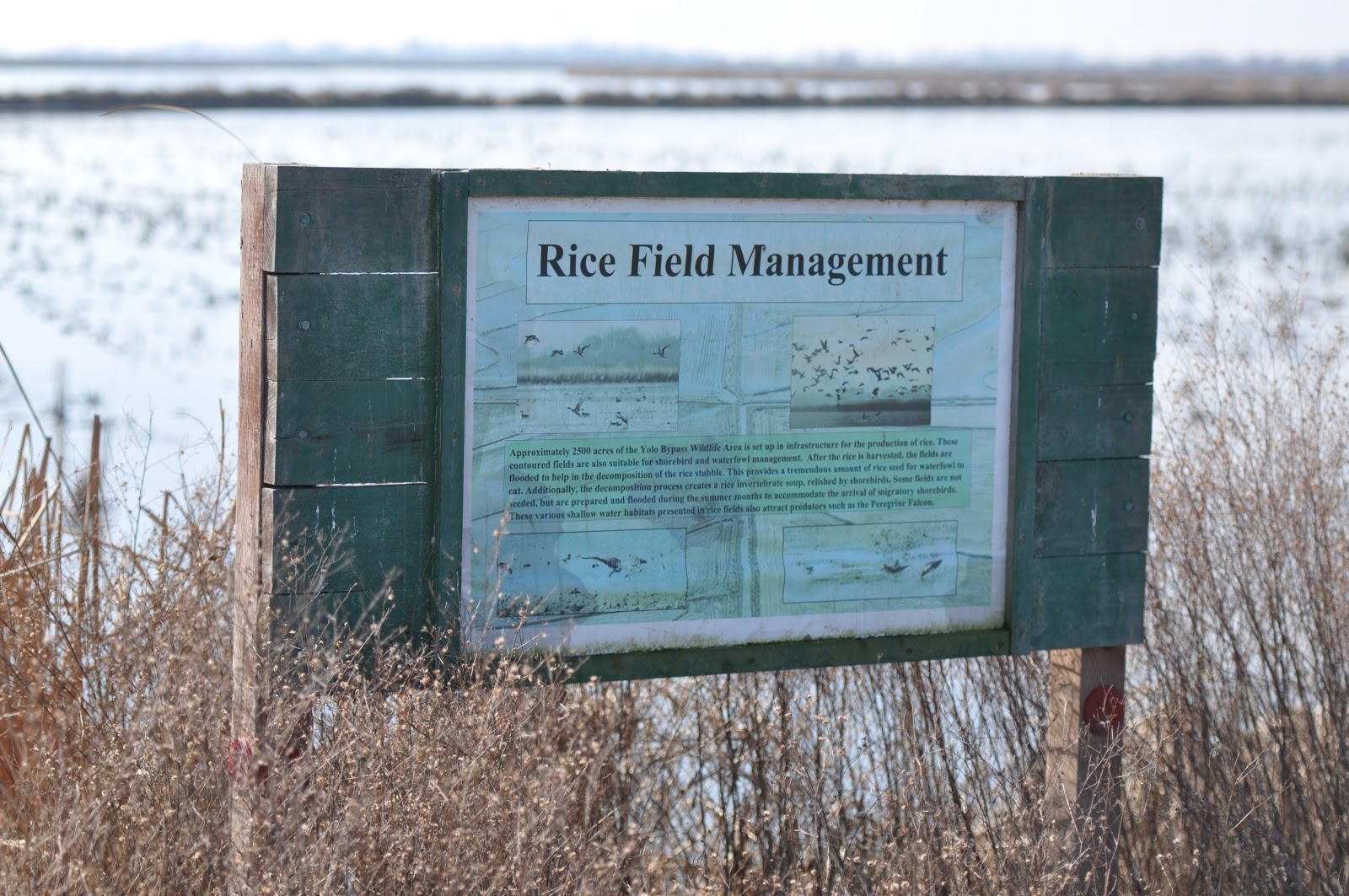
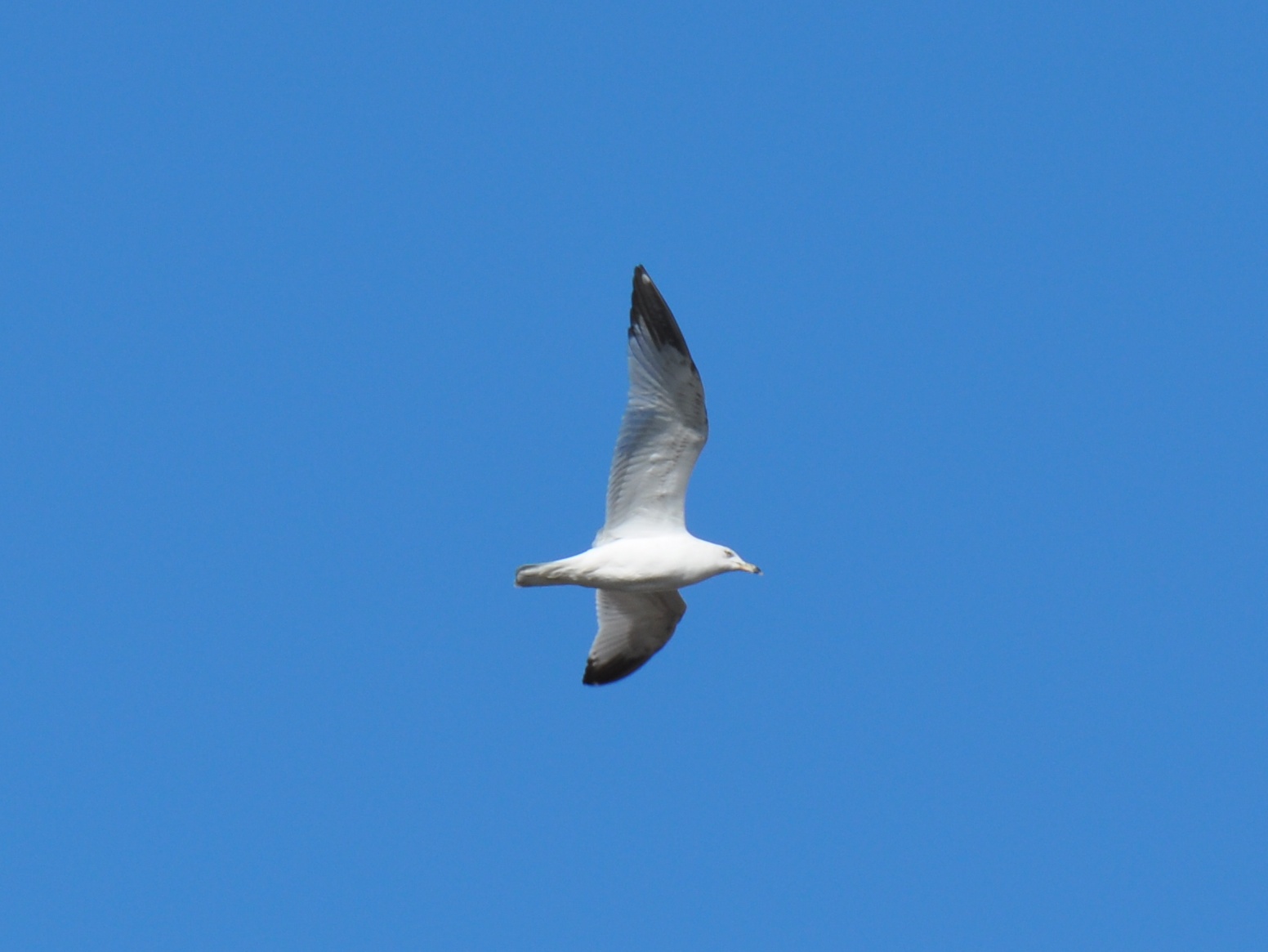
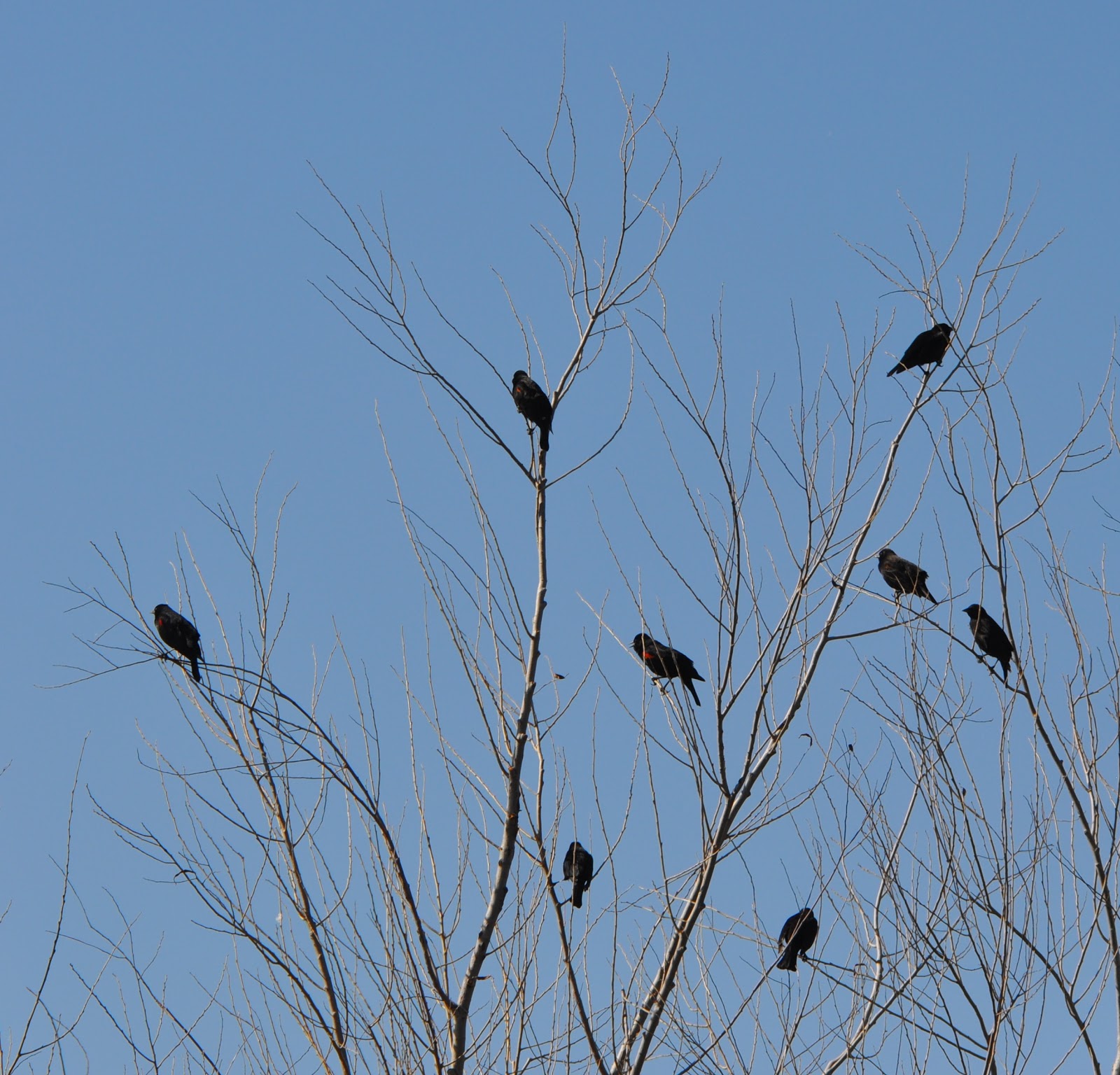
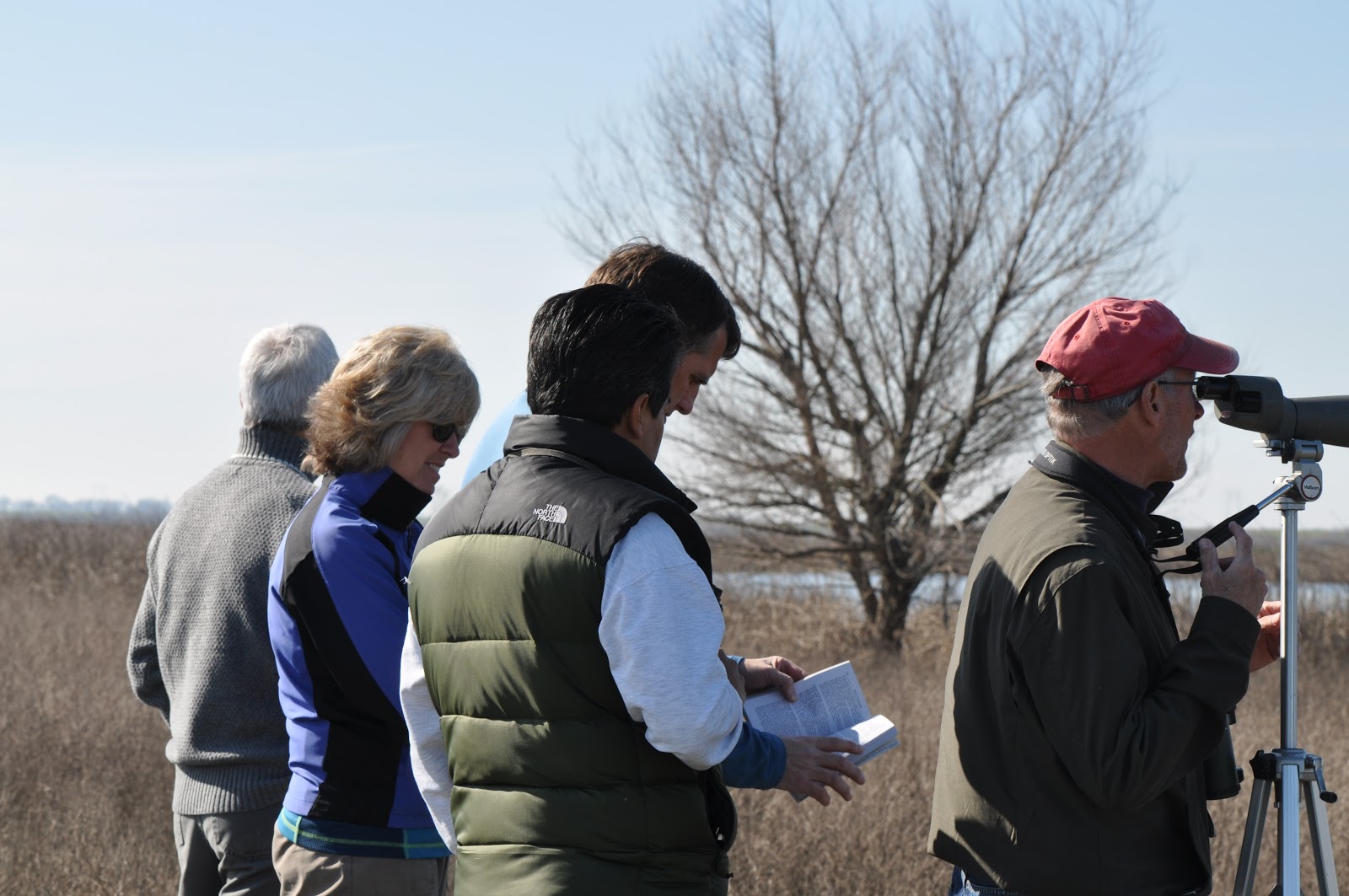
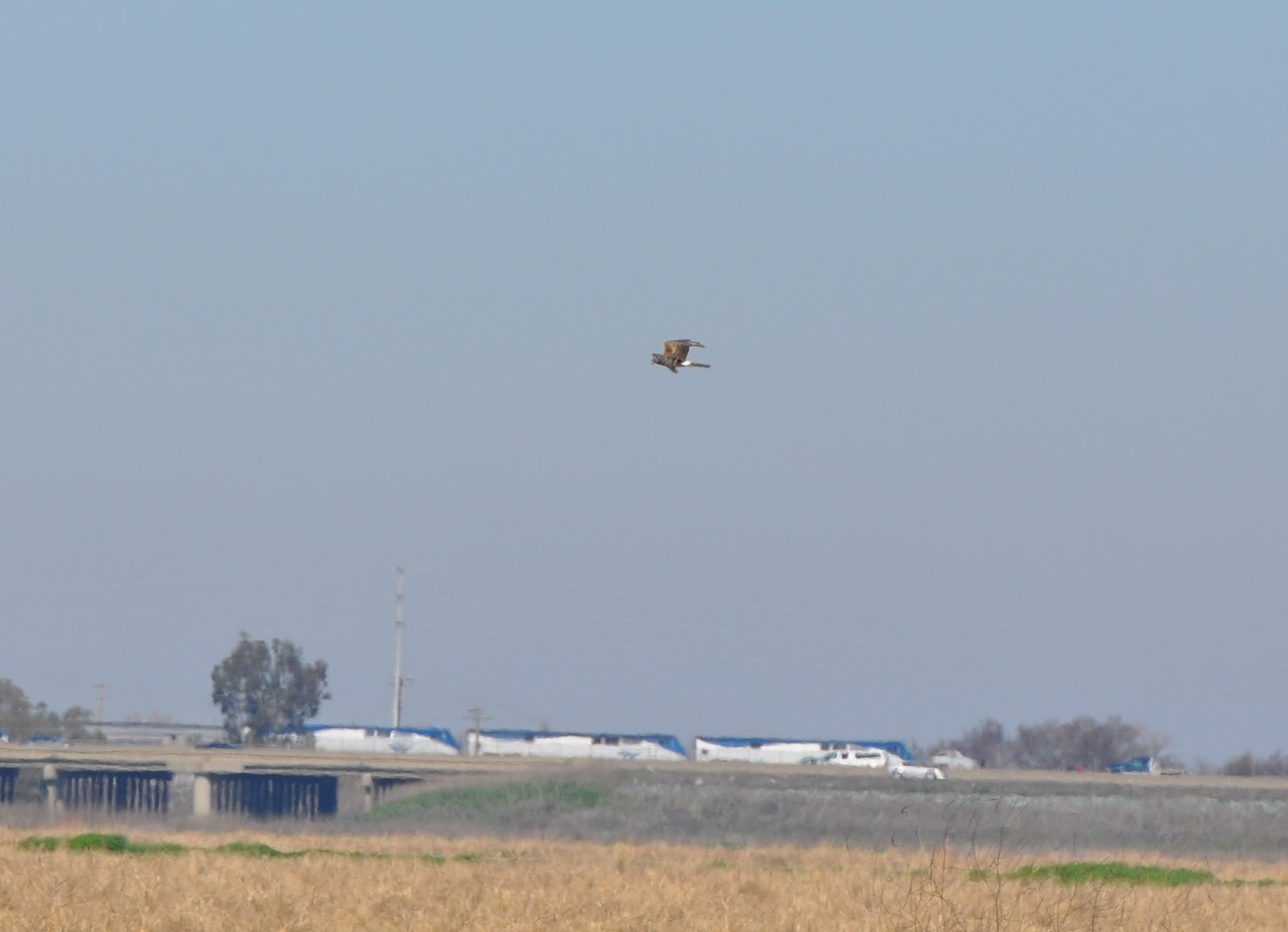
Harvard Club of Sacramento outing to Yolo Basin #Birds #Birds #MoreBirds

Had a good outing today with the Harvard Club of Sacramento to Yolo Basin.  Some pics and notes are below.

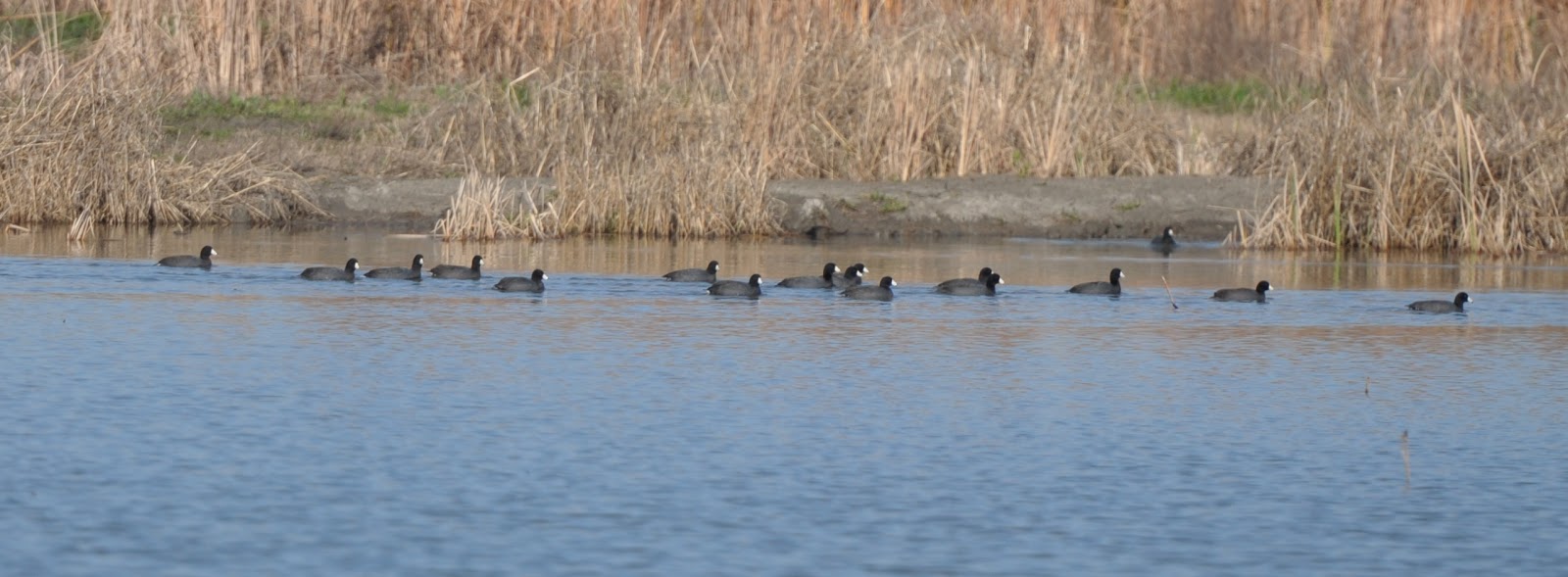
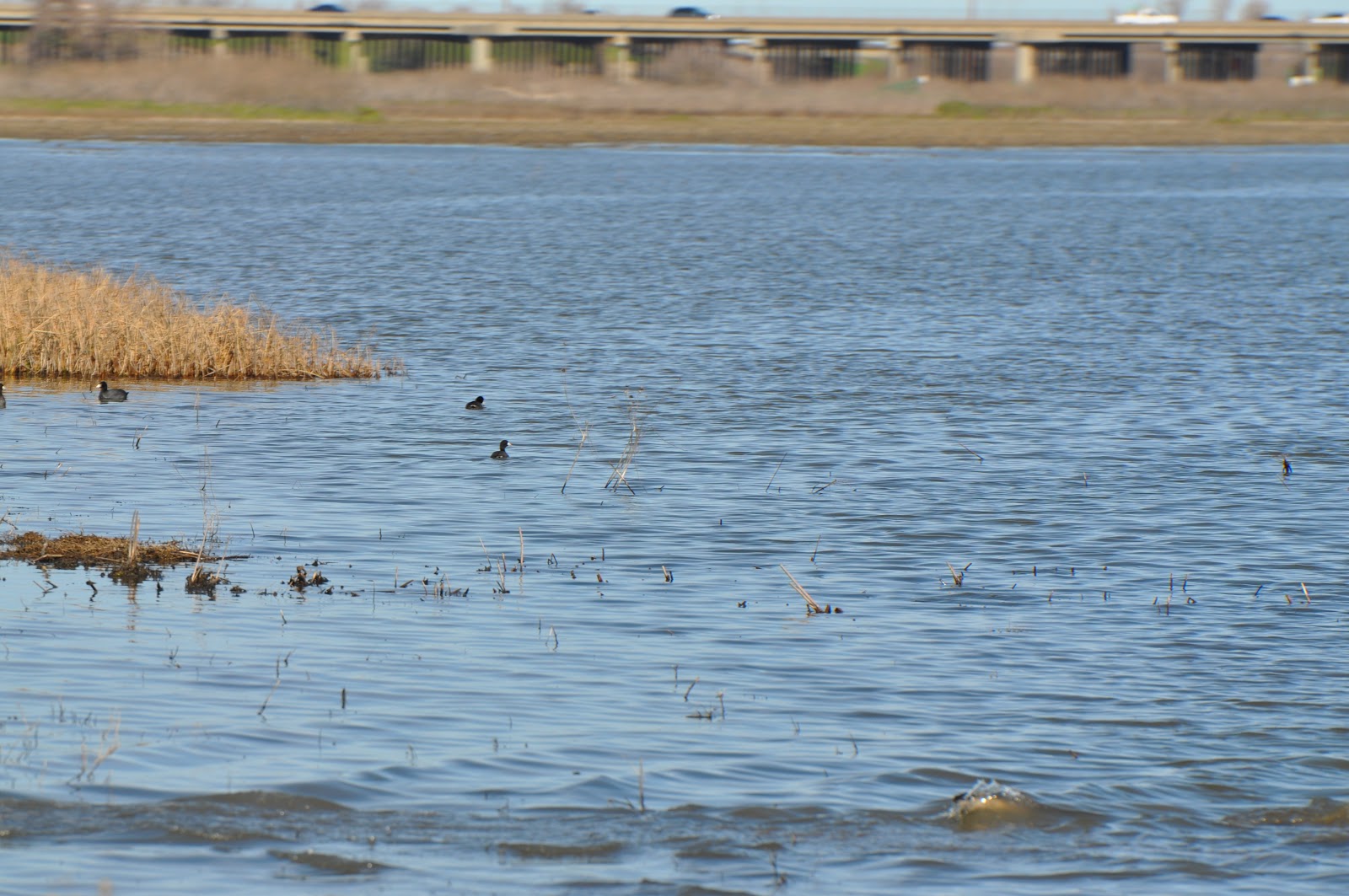
Coots

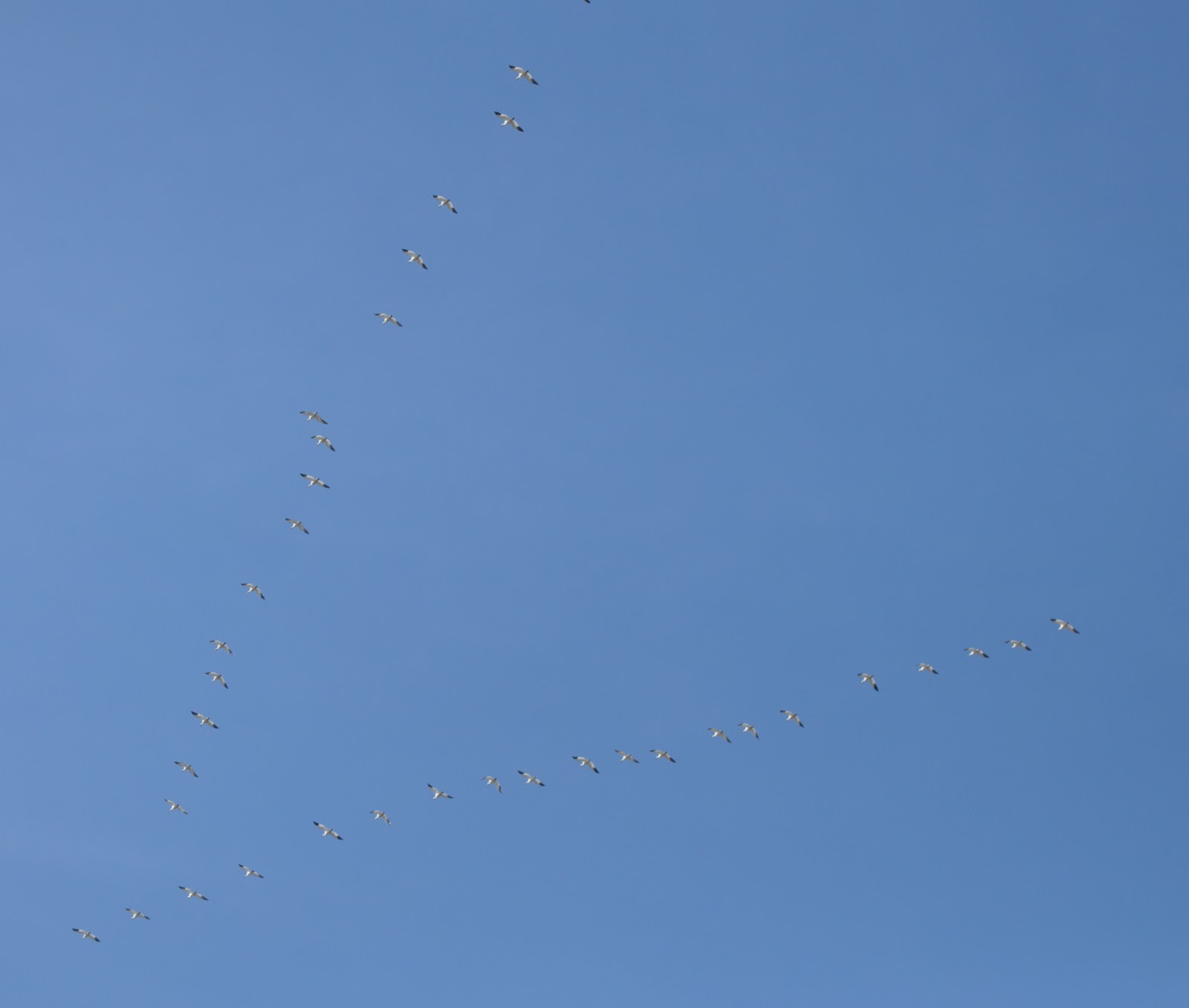
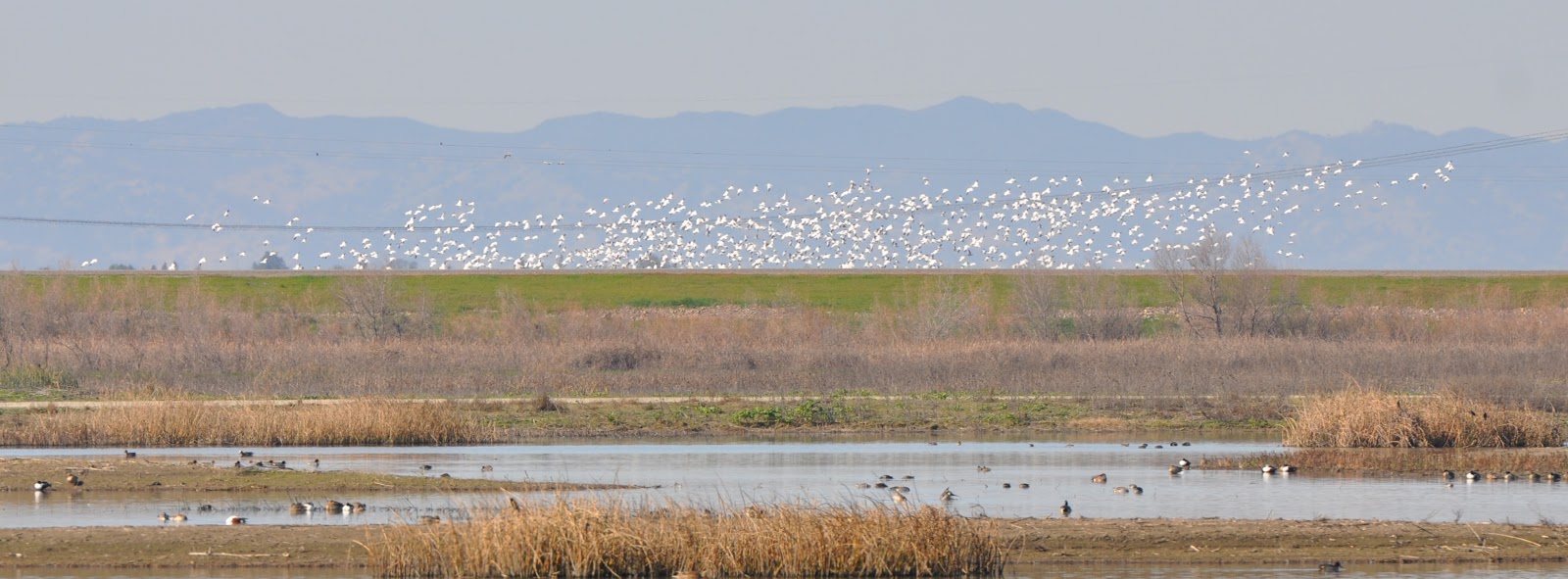
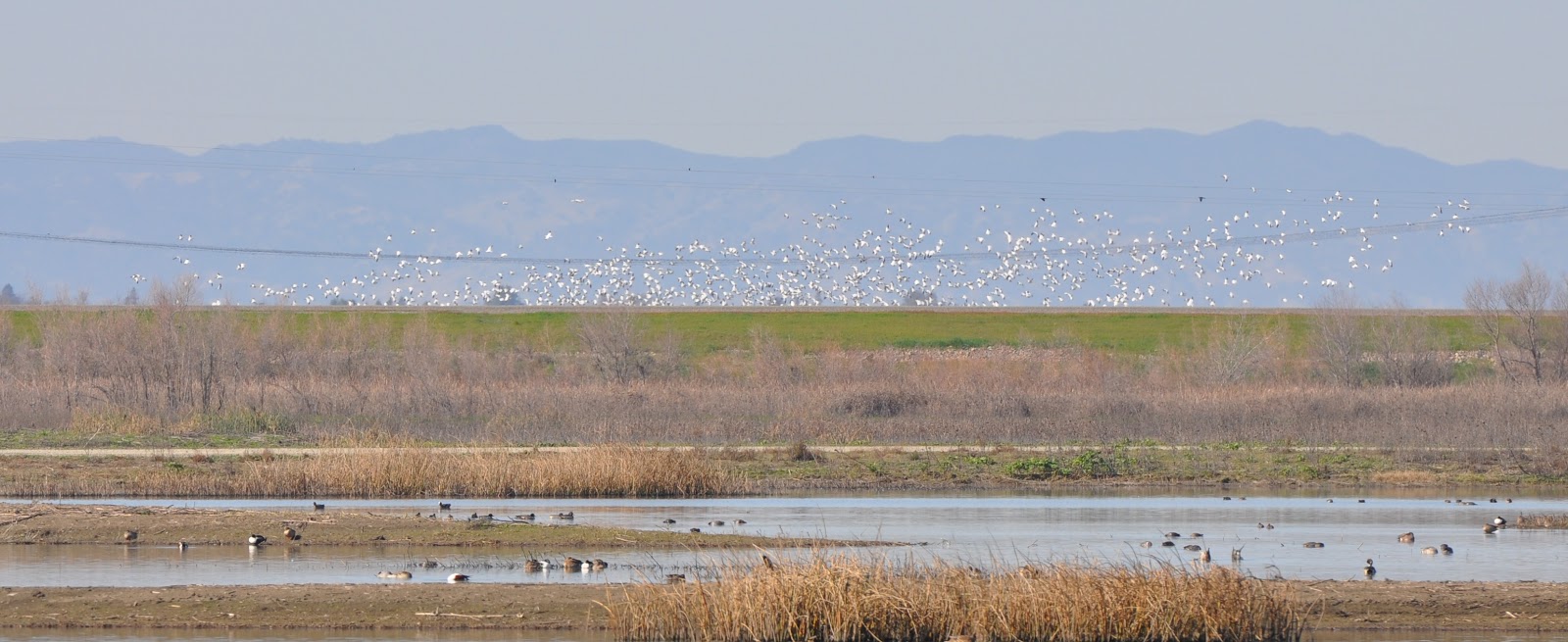
Geese way way up high

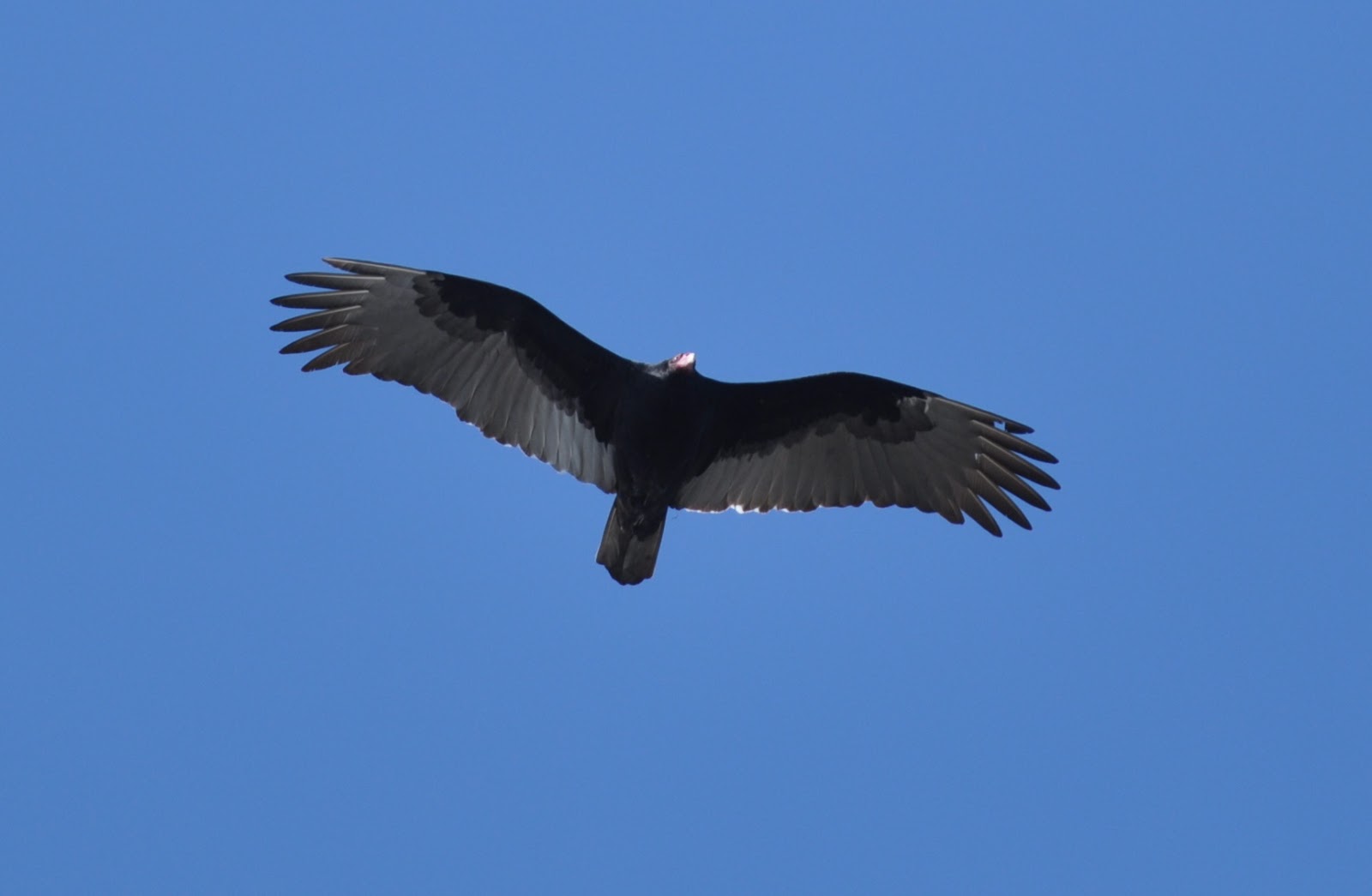
Turkey vulture

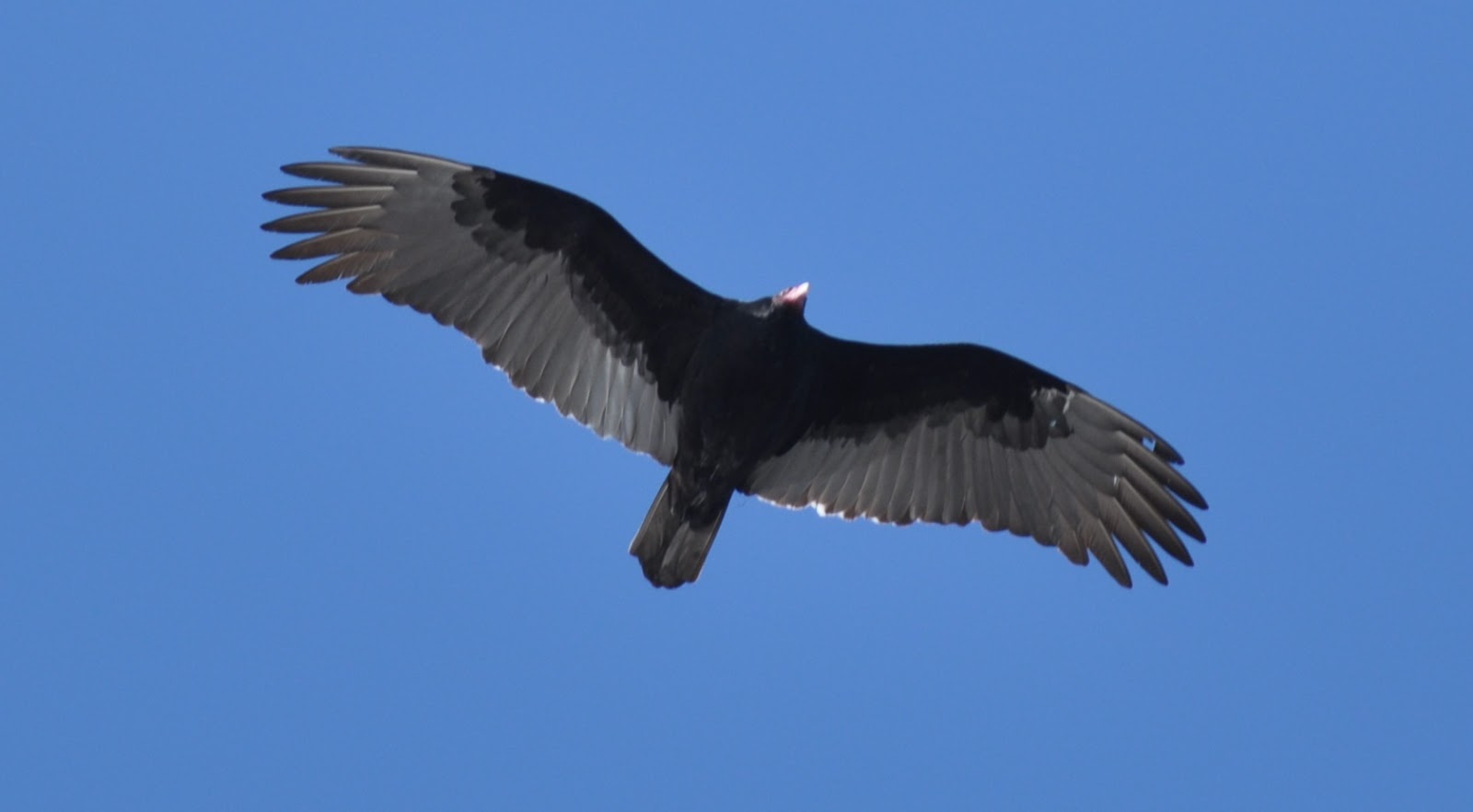
Turkey vulture

Add caption

Add caption

Add caption

Add caption

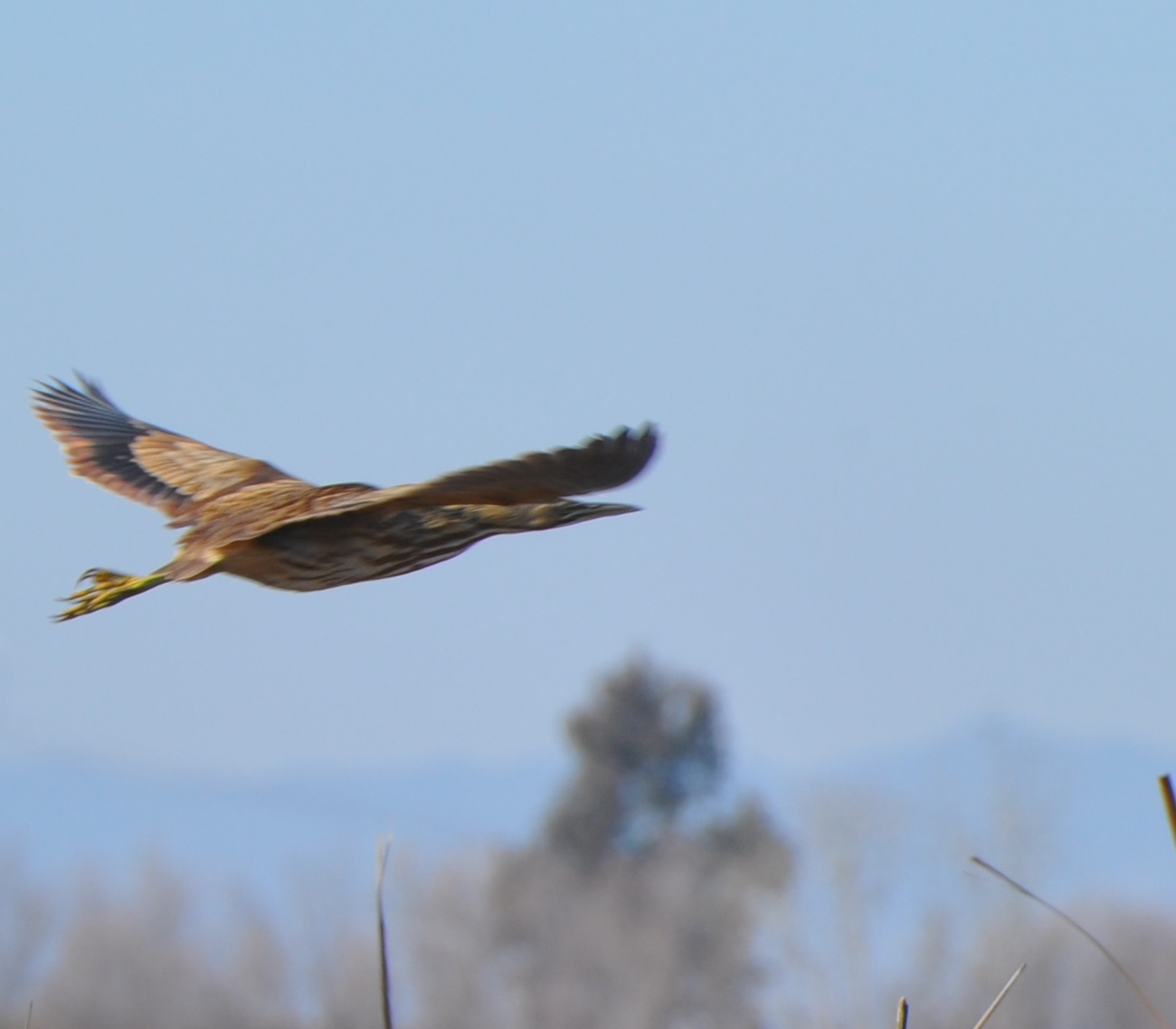
American bittern .. a bit out of focus

Bittern again

Great egret

Great egret

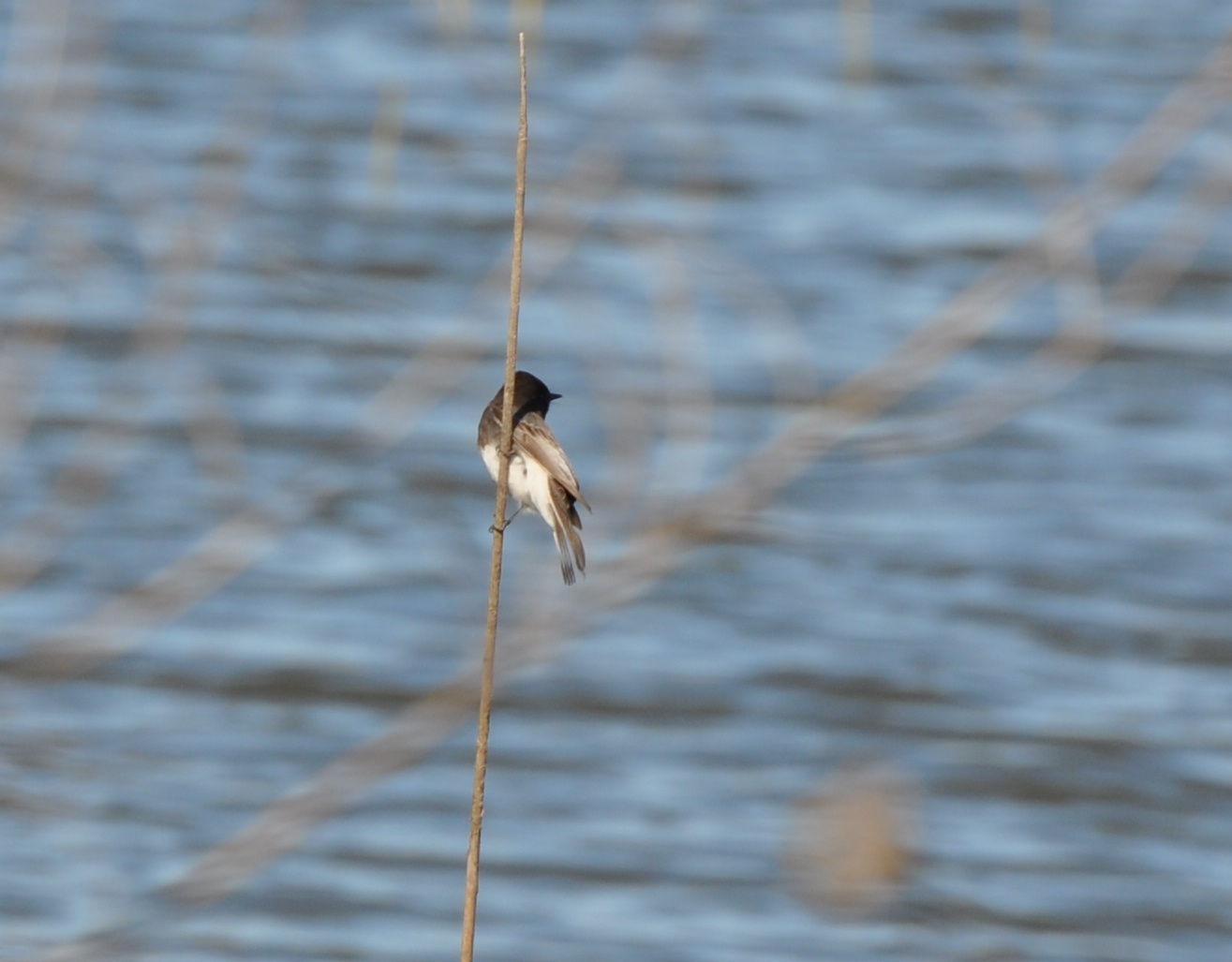
Black phoebe

Good day at Yolo Basin – Birds, Otters and more

I love Yolo Basin Wildlife Area. Only a 5-10 minute drive from Davis or a 20-30 minute bike ride.  It is phenomenal.  For more about it see the links below:
I drove over there there yesterday as a way of clearing my head after a bit of a rough day the day before.  Drove around the gravel roads in the park for a bit and got out a few times to look around.

First sighting of something of interest – off in the distance
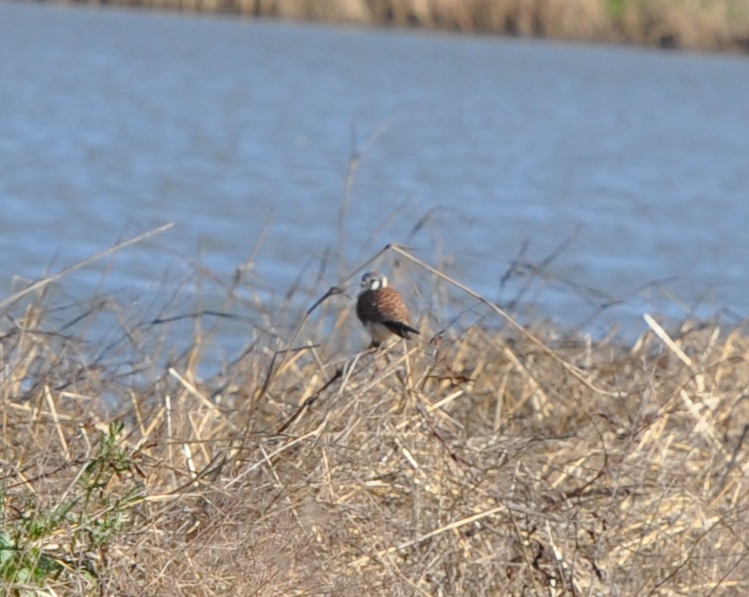
A little far away for a good pic – but nice American Kestrel

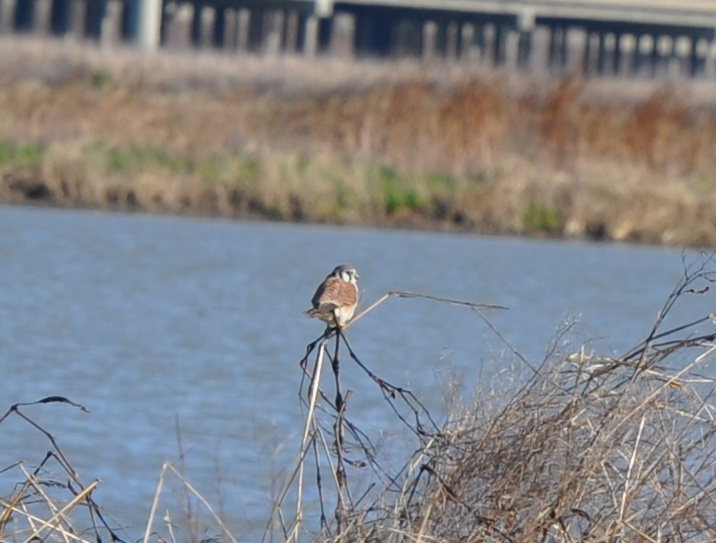
Kestrel again
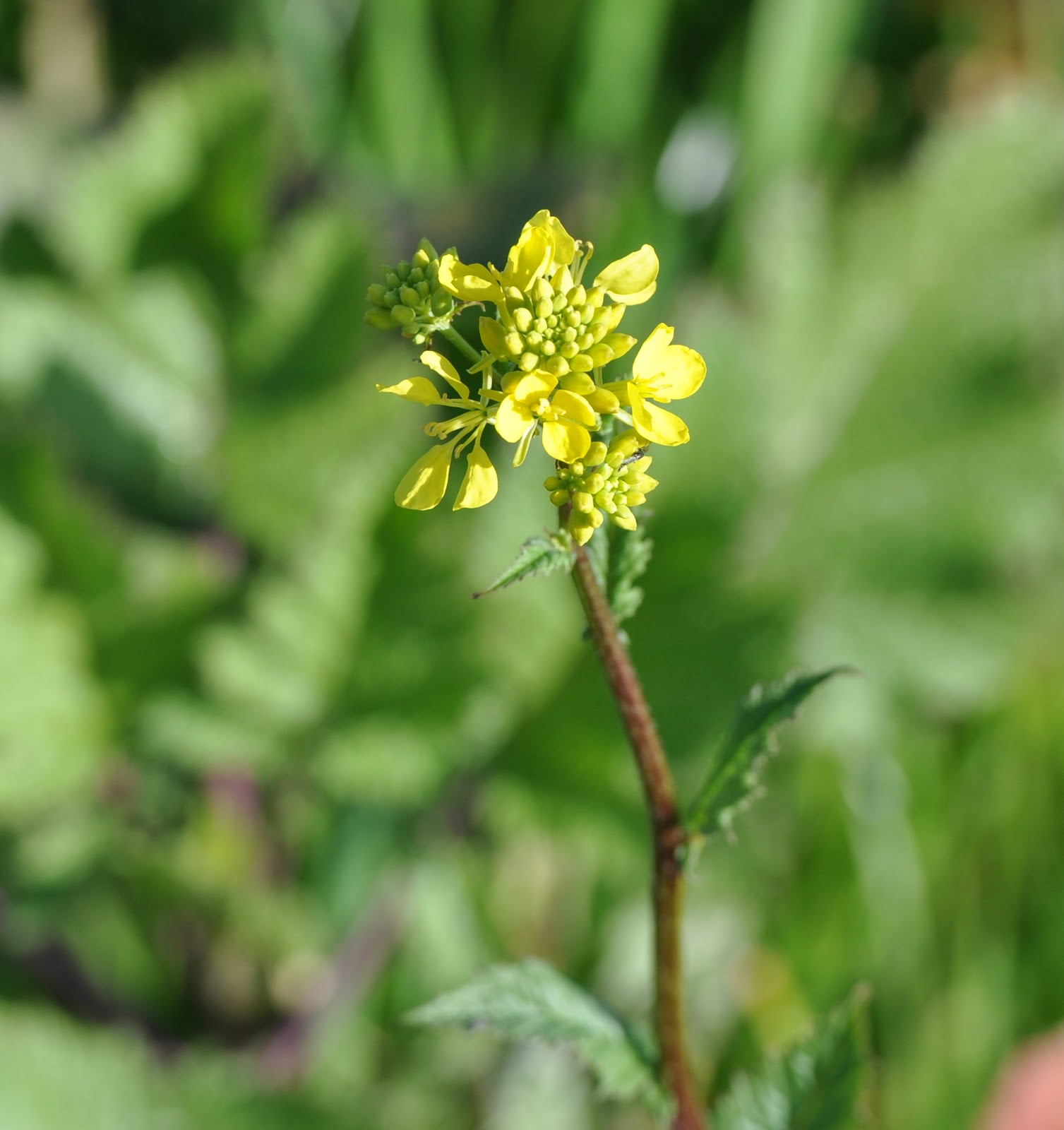
Some flowers out

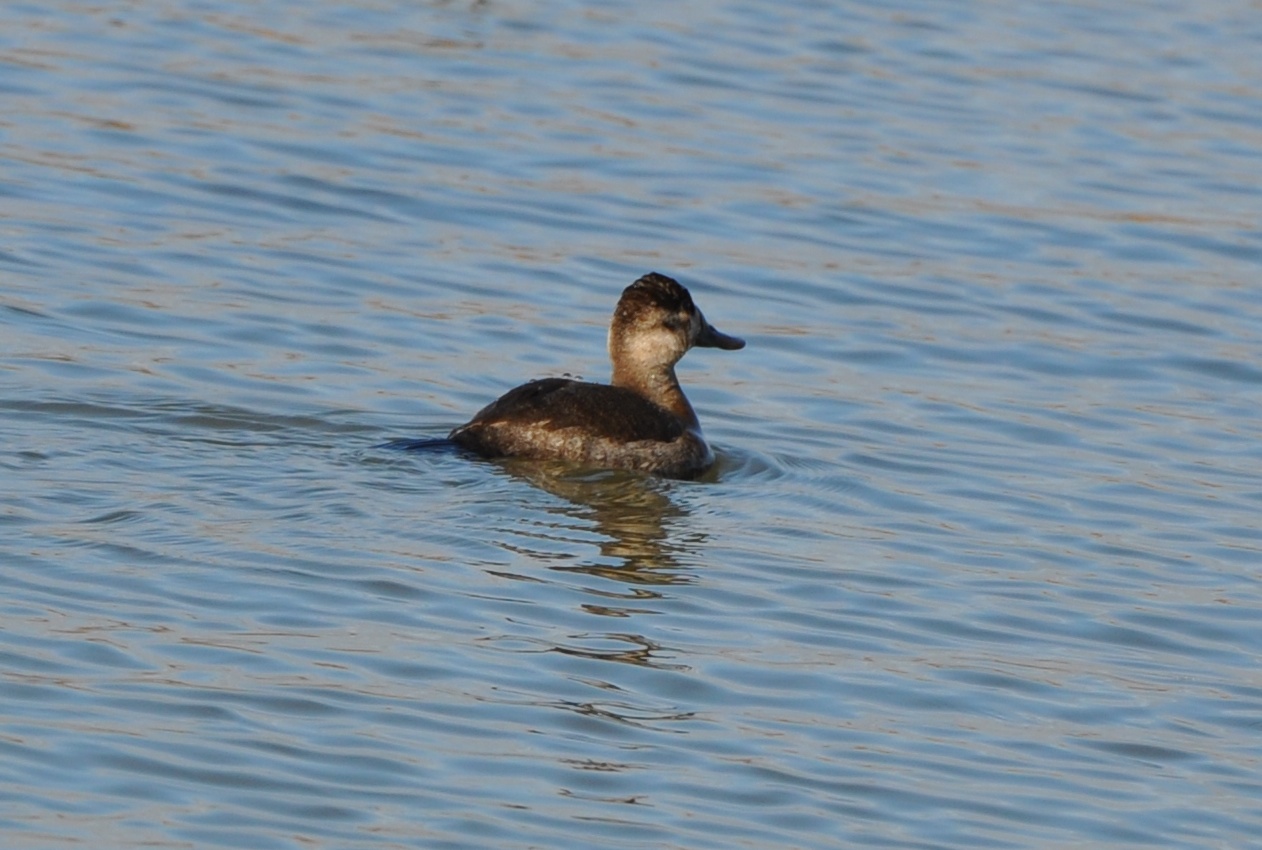
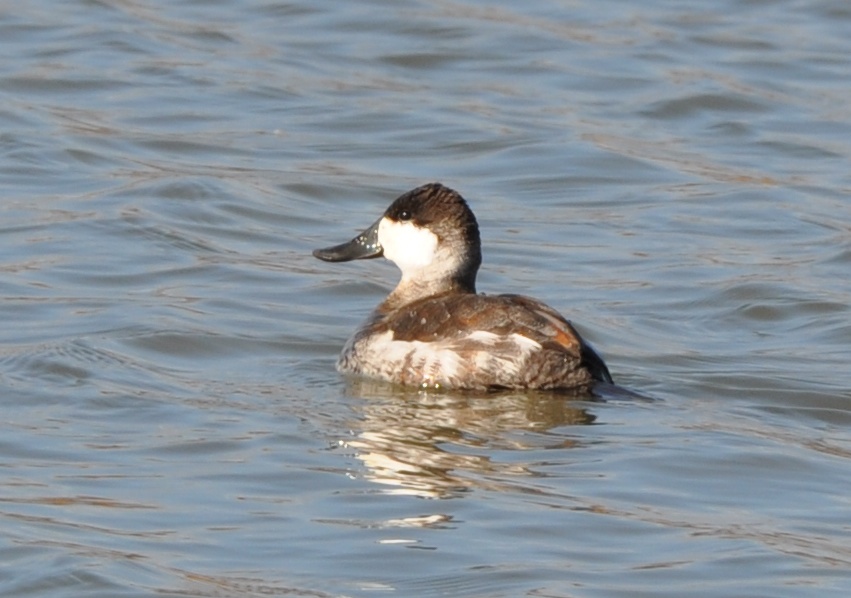
Ruddy duck just off the road

Another ruddy duck

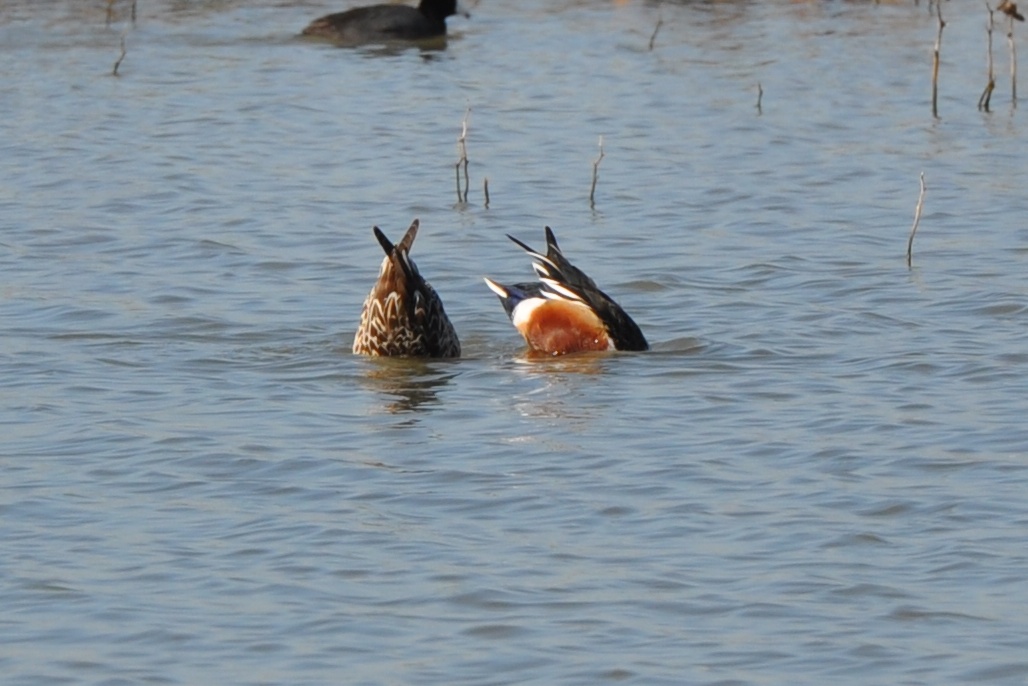
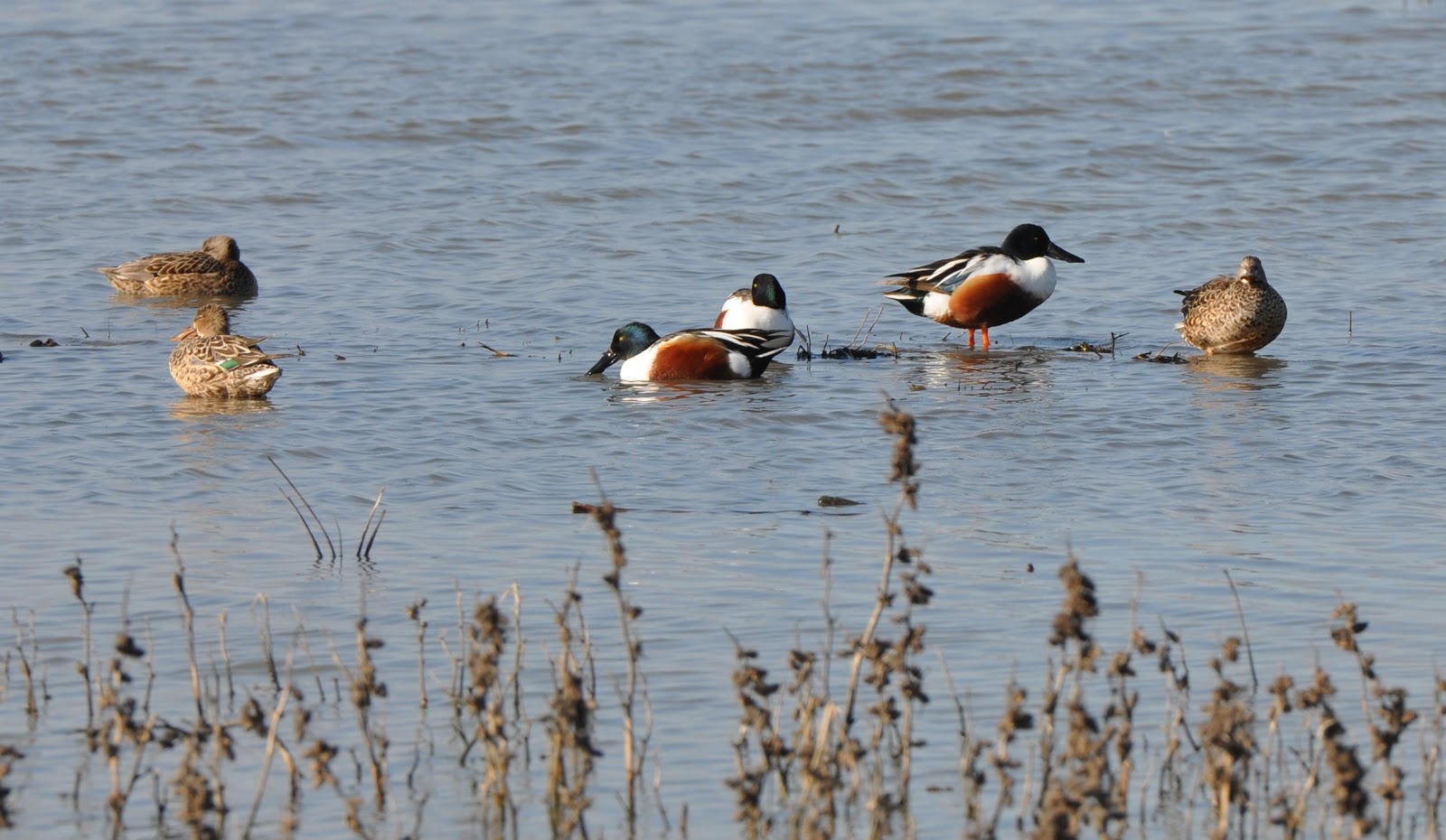
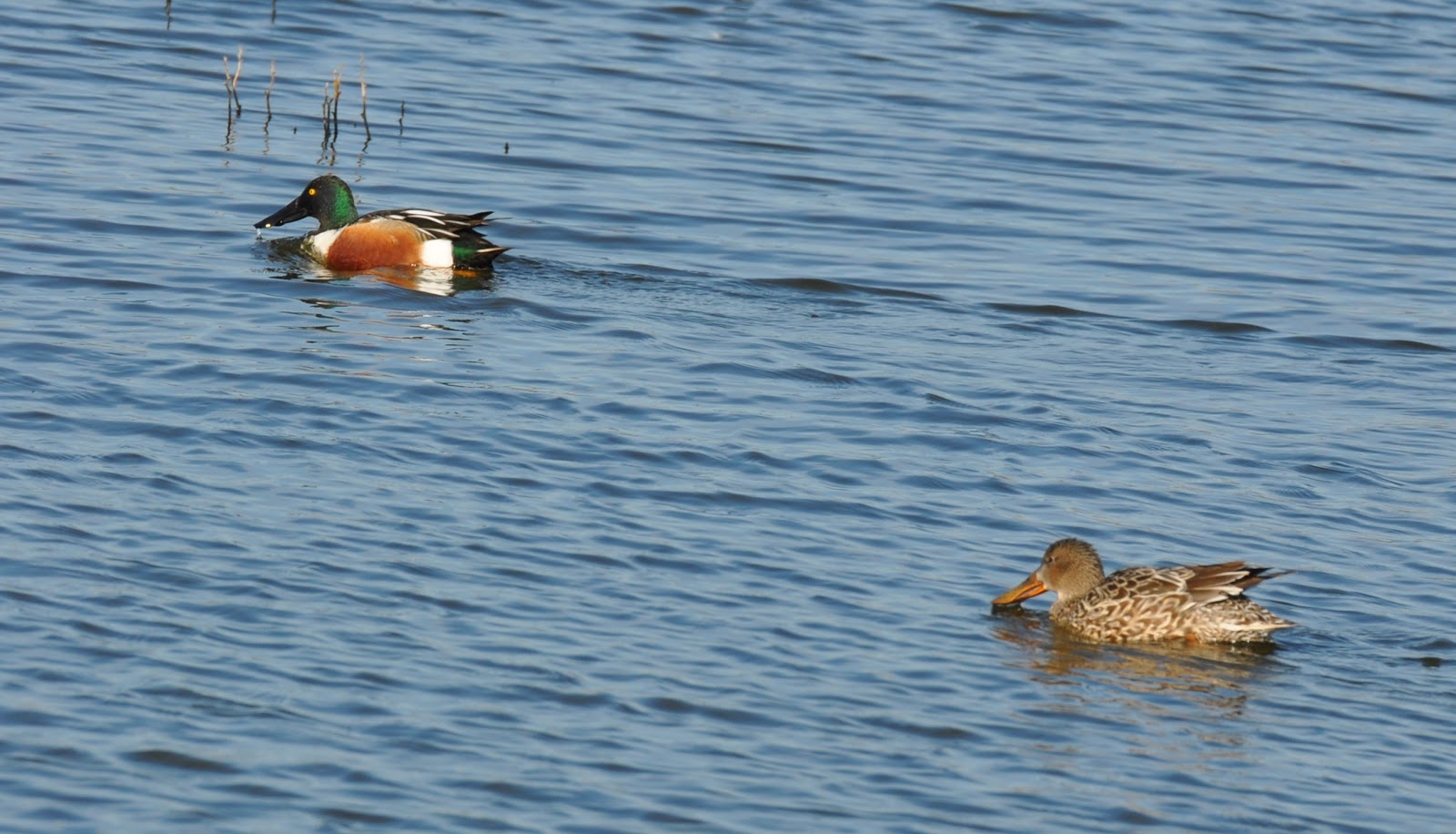
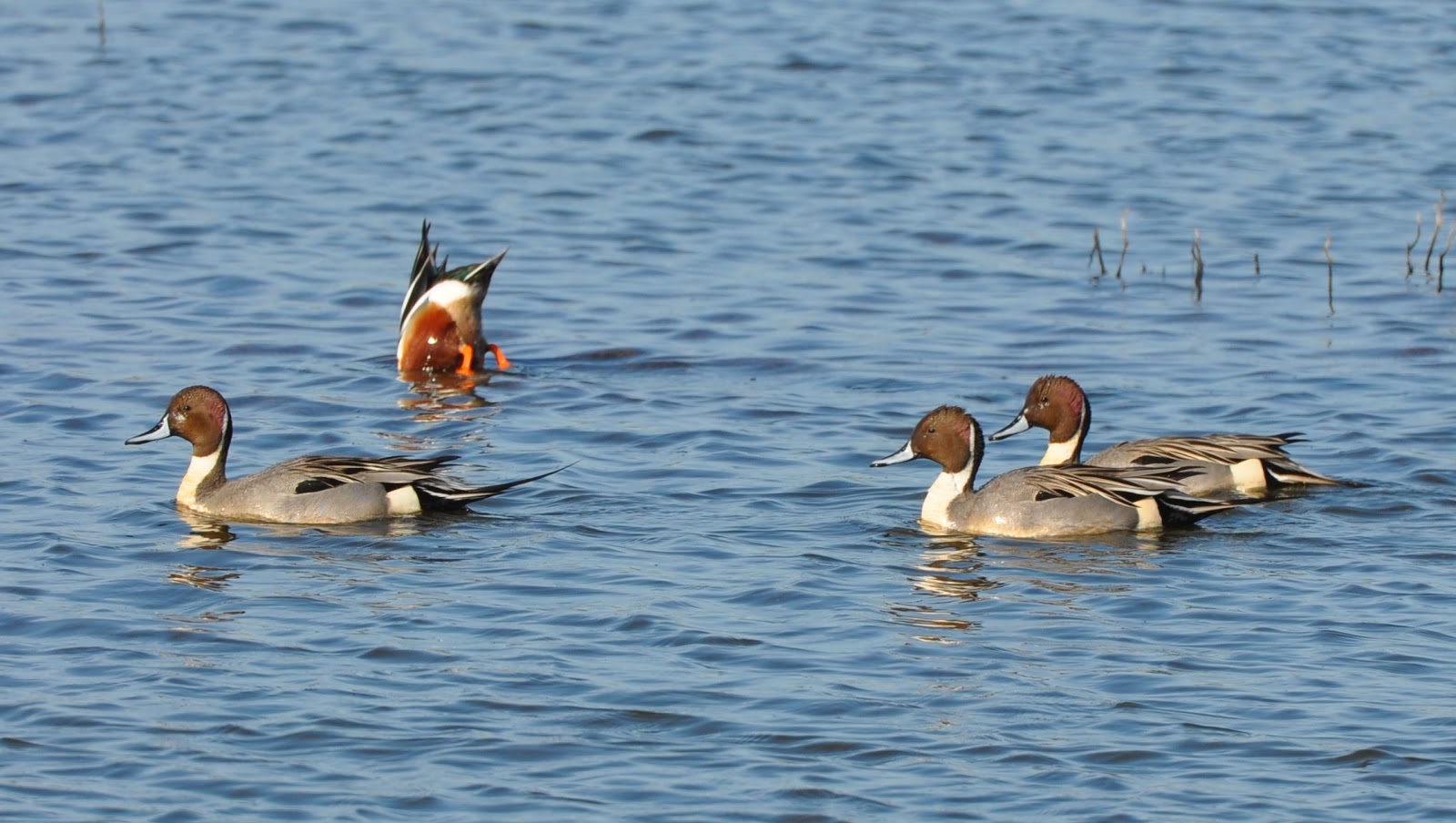
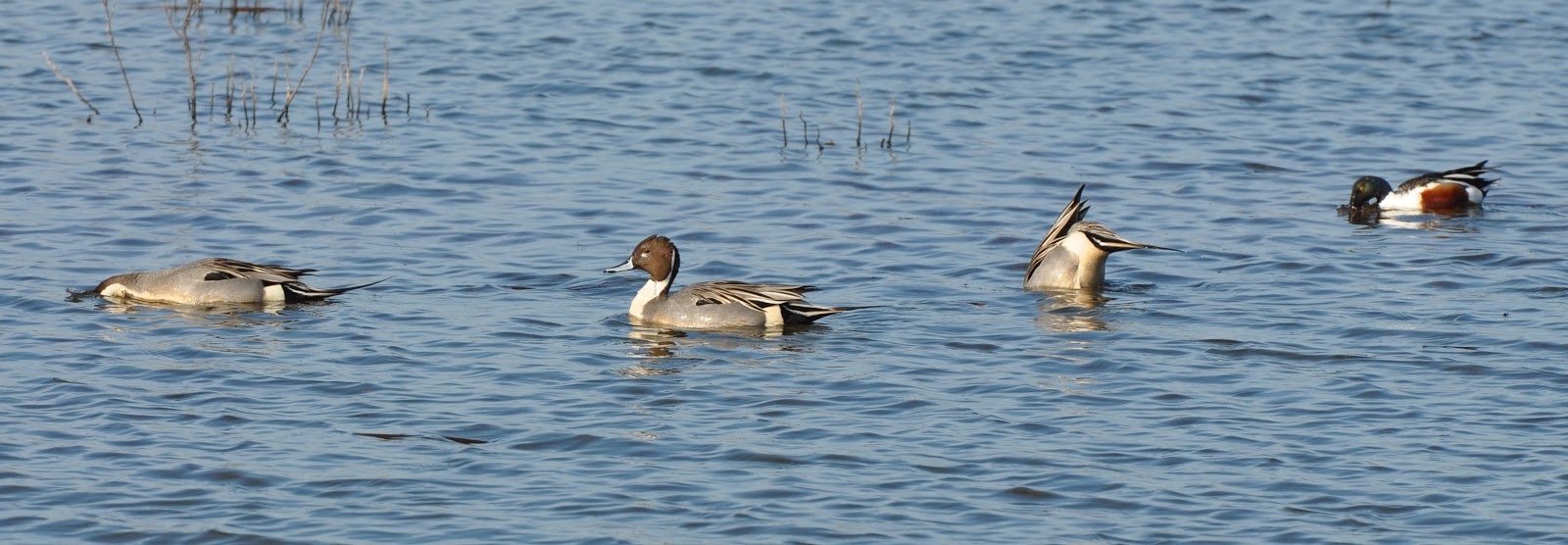
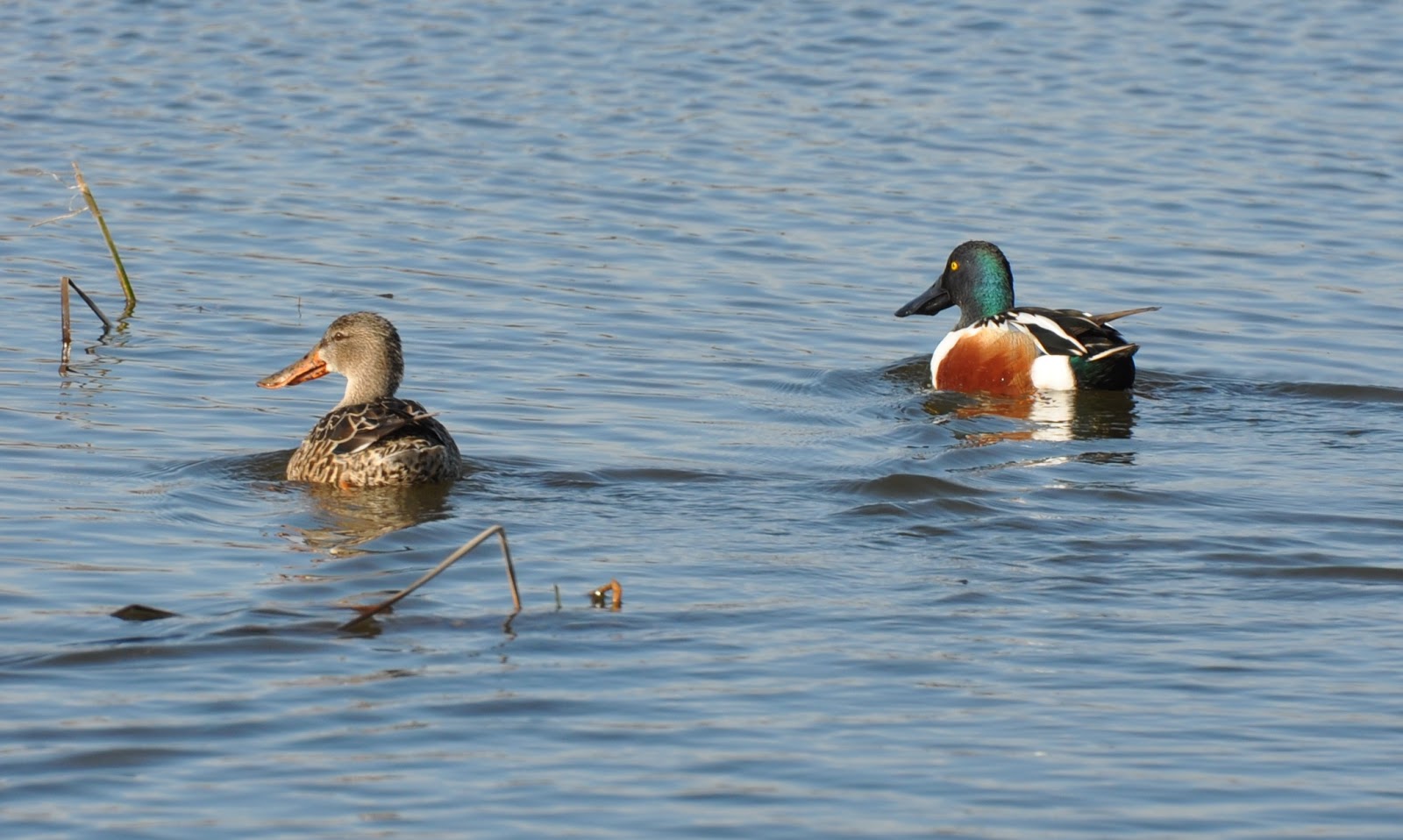
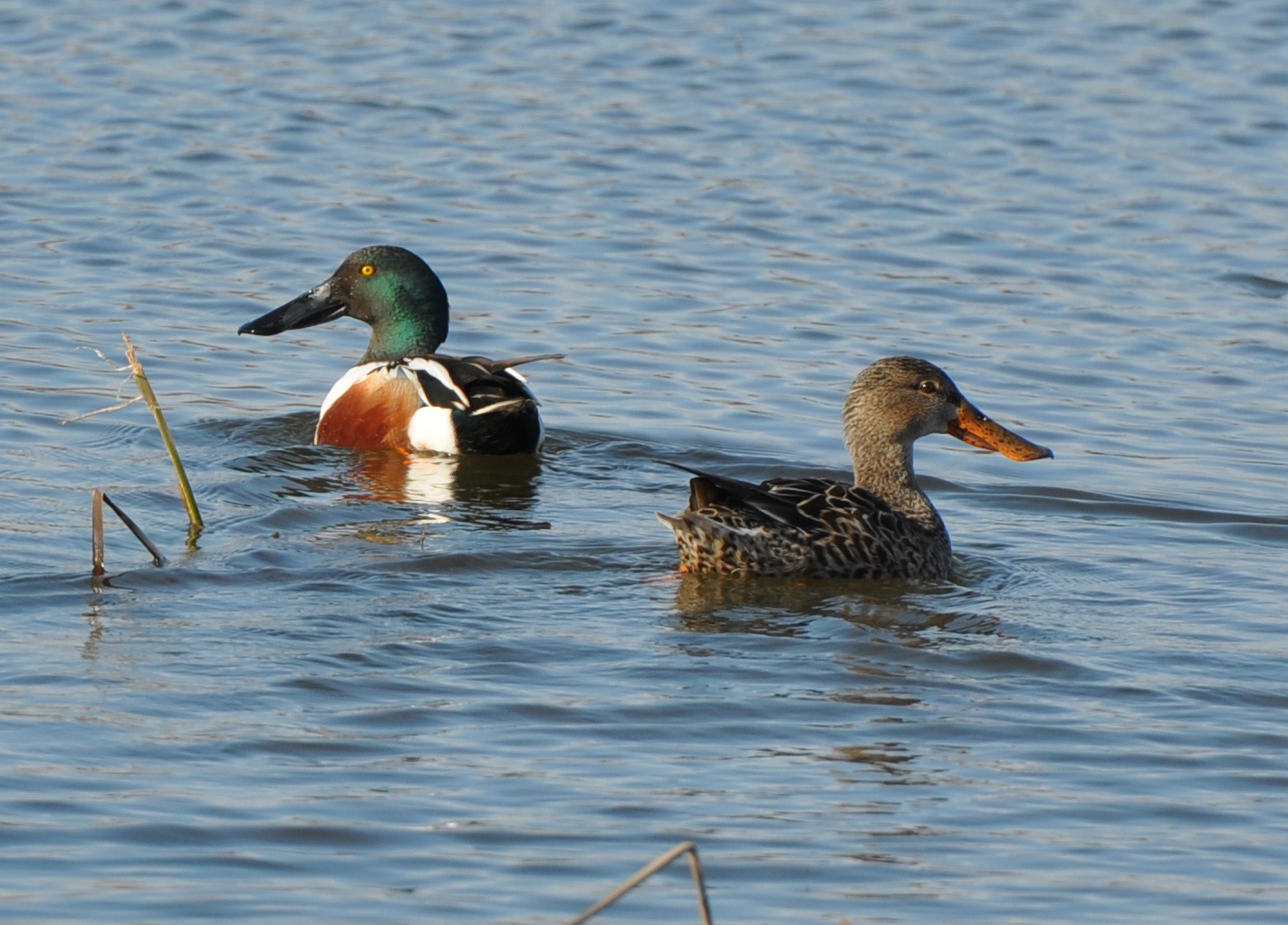
A group of Northern shovelers

More Northern Shovelers

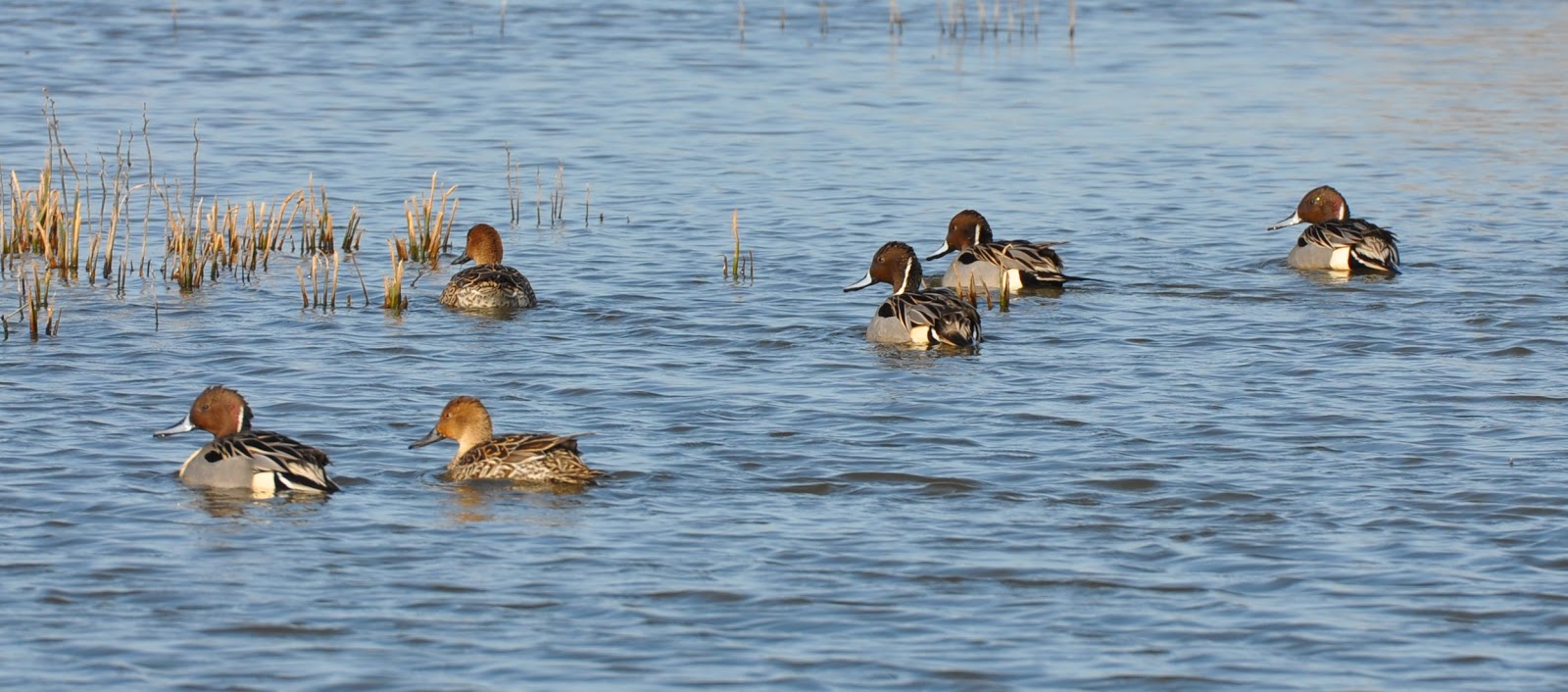
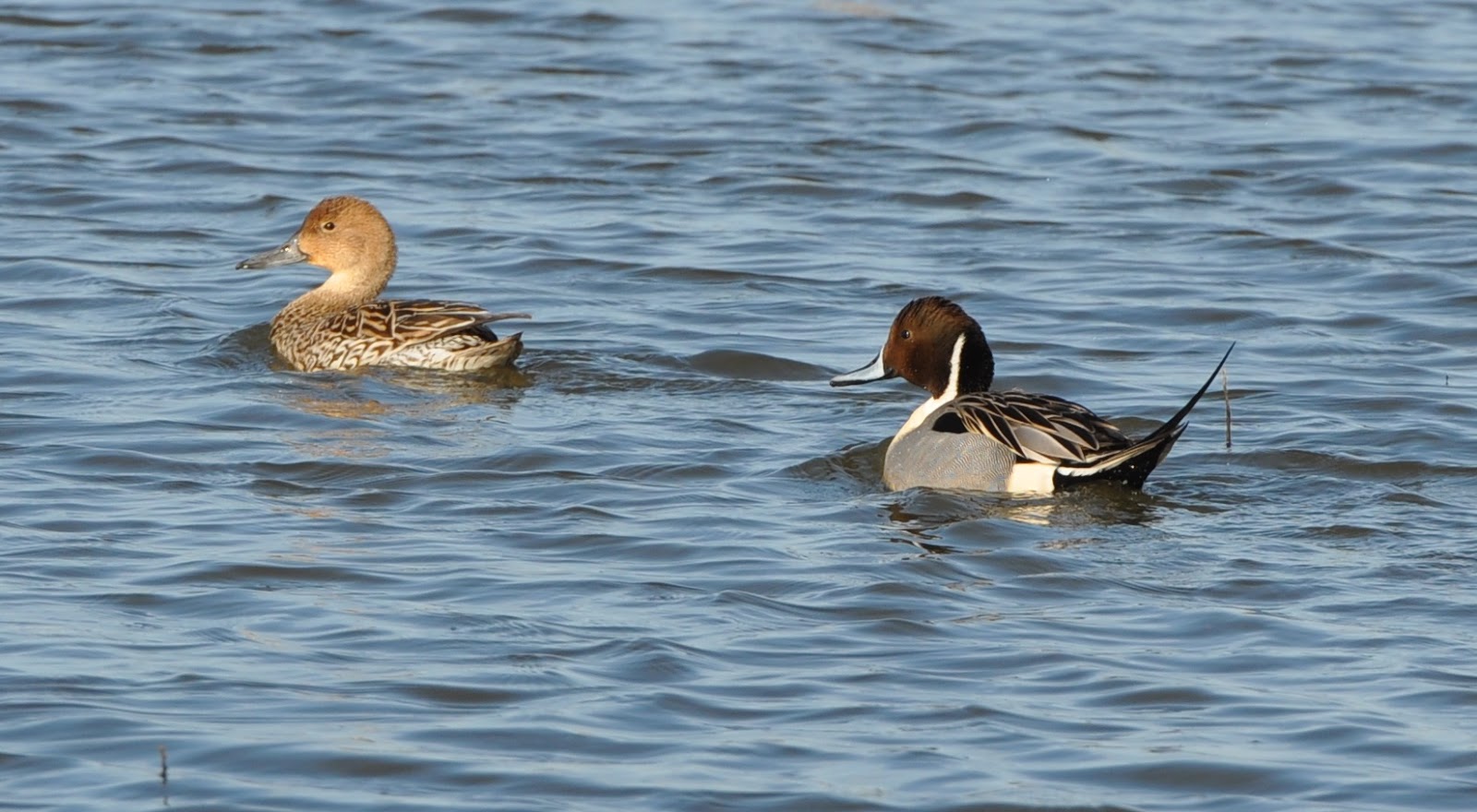
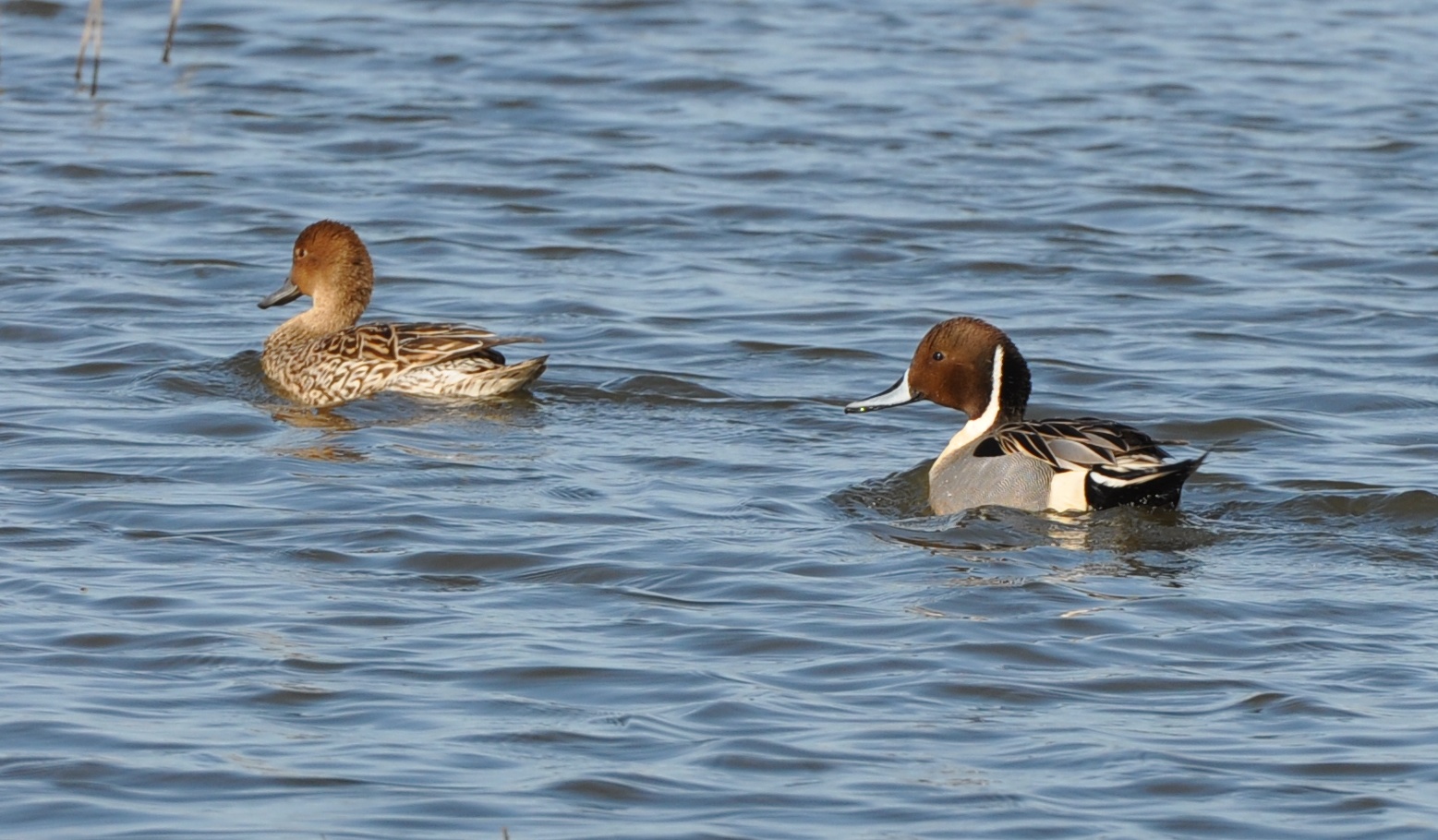
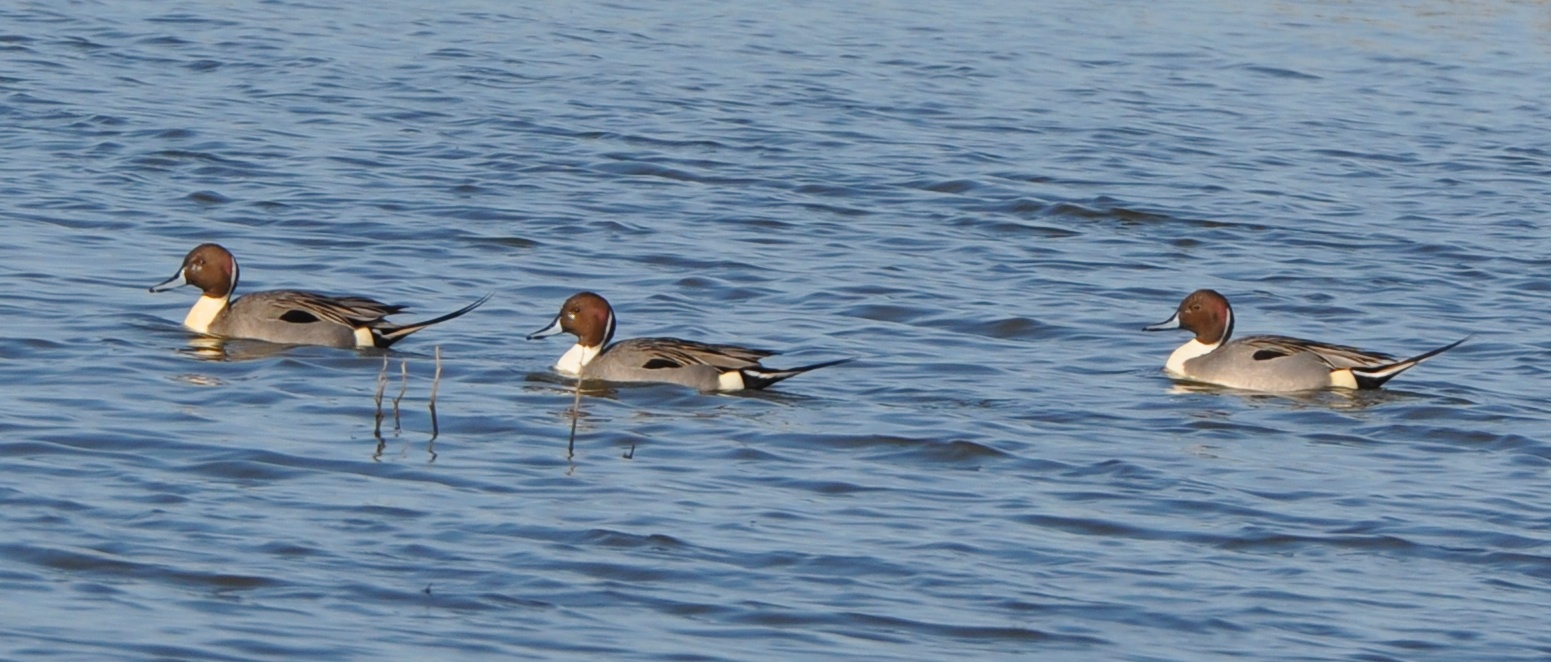
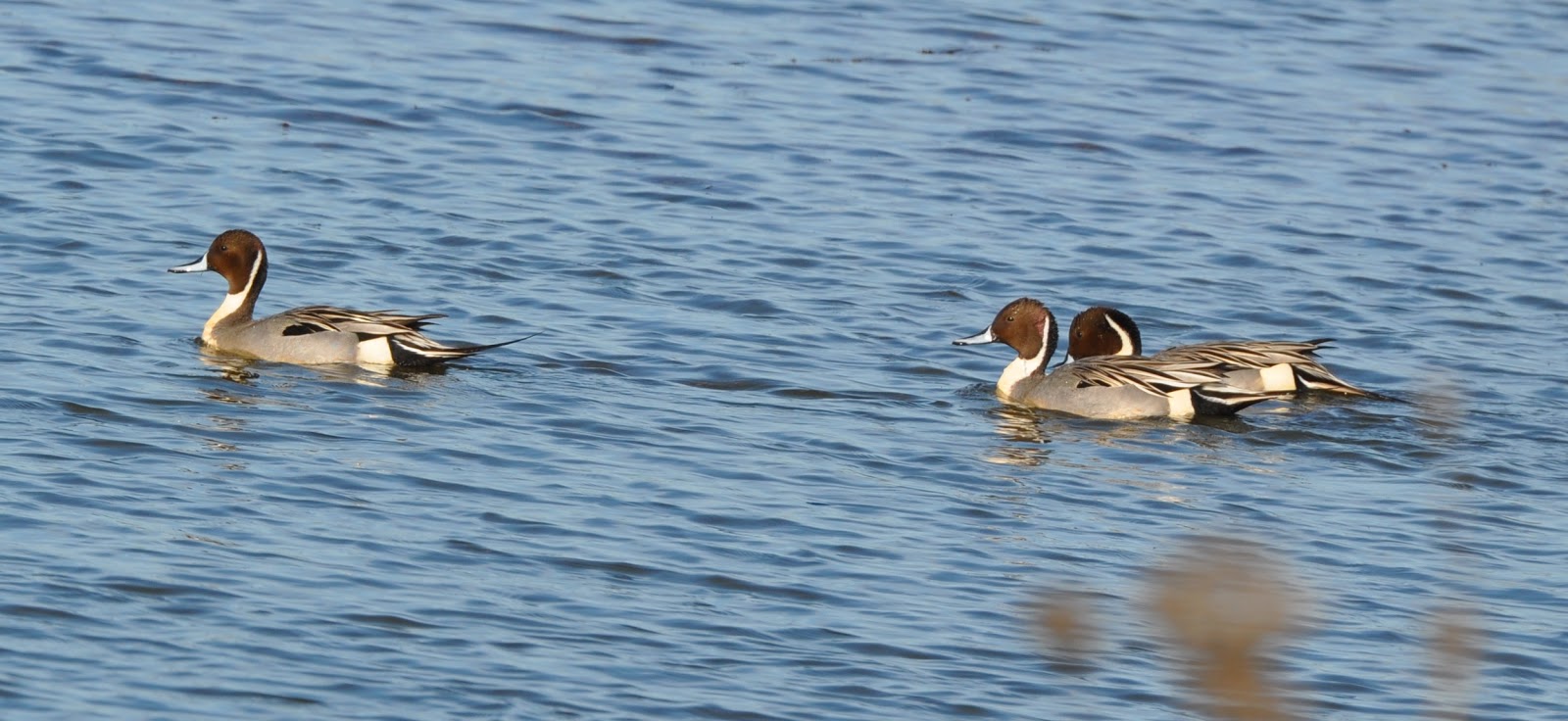
Northern Pintails

Northern Pintails

Northern Pintails
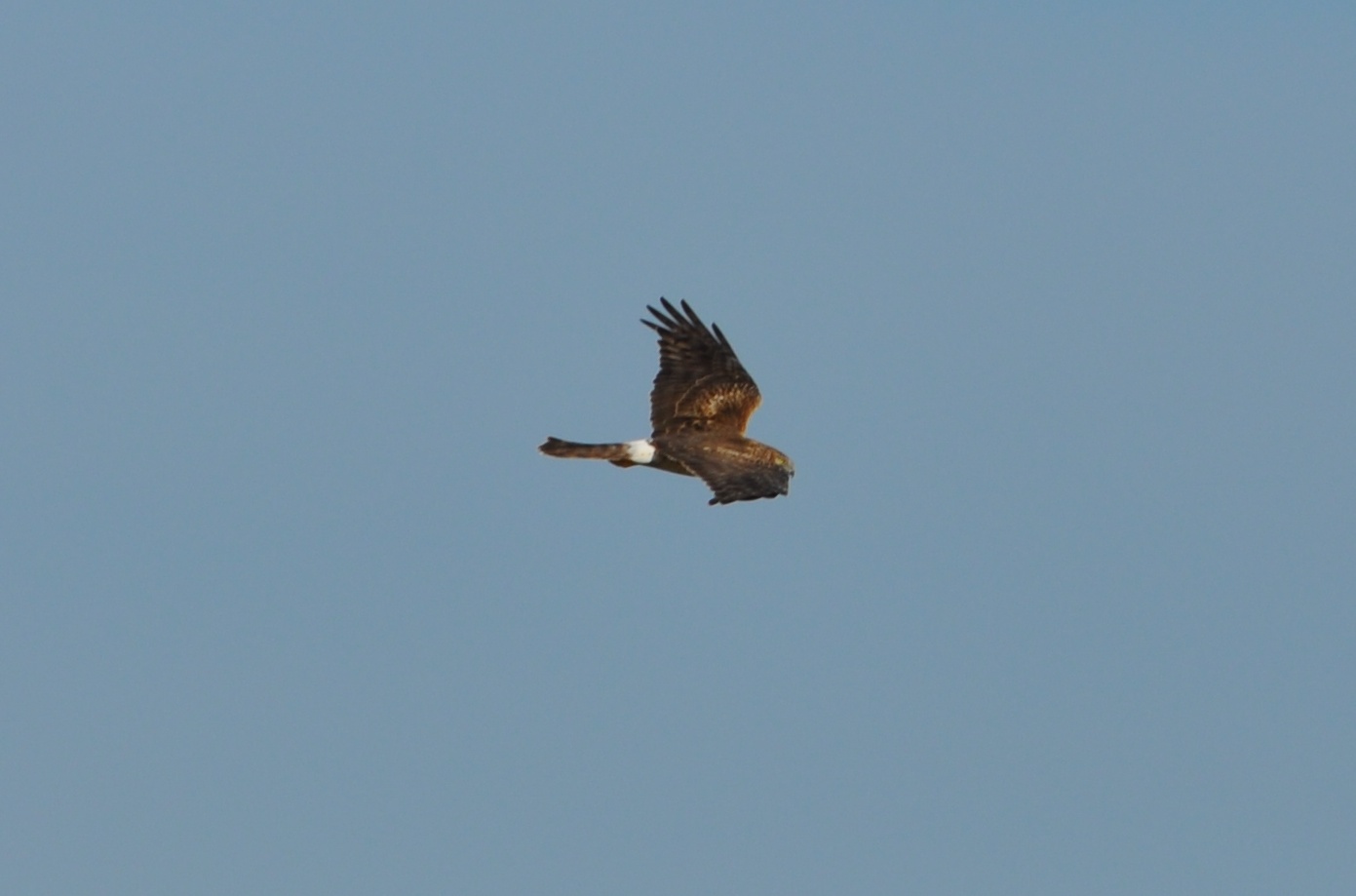
Northern Harrier (a lot of Northern things I guess)

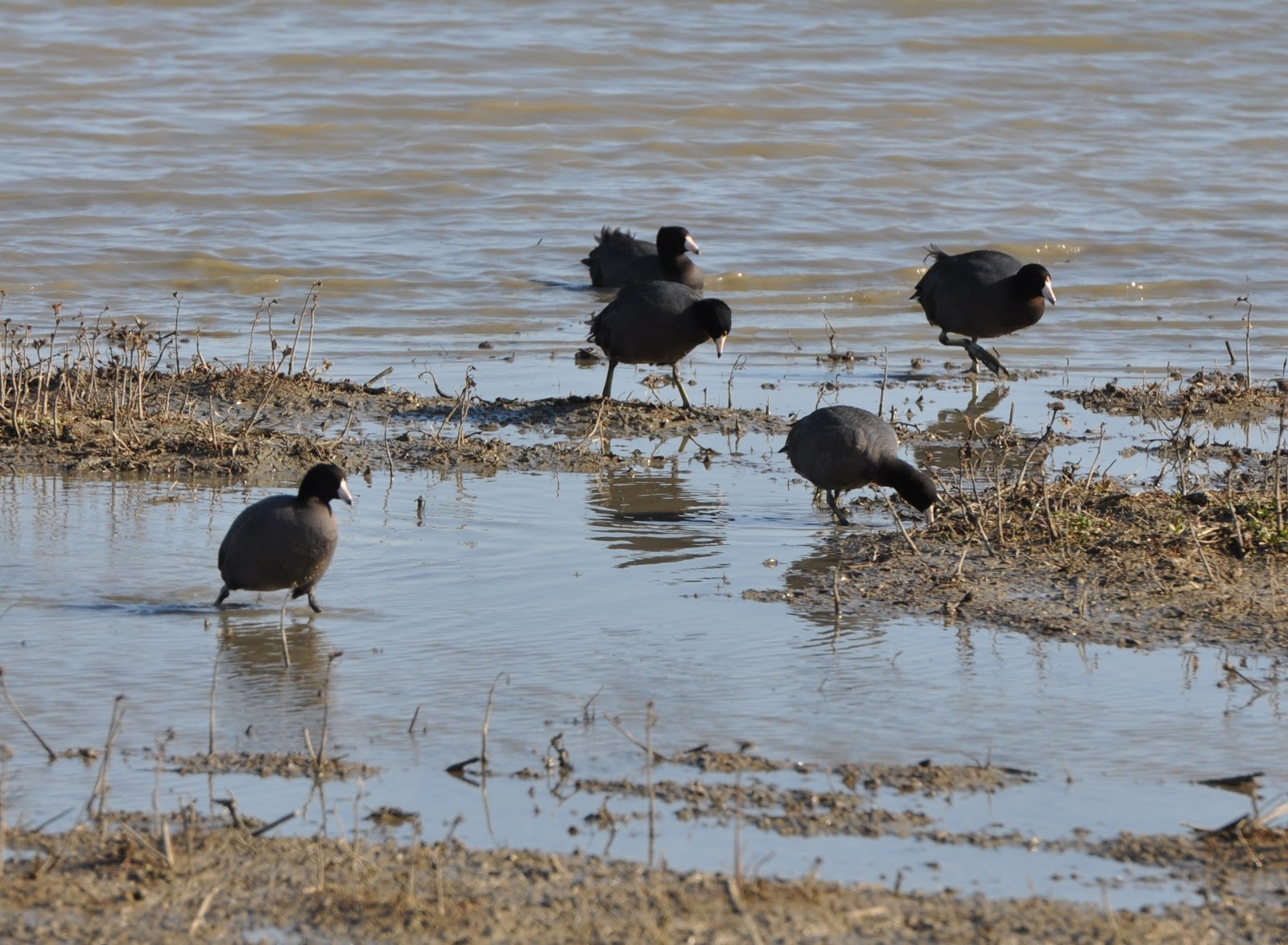
Coots (they are everywhere in the park)

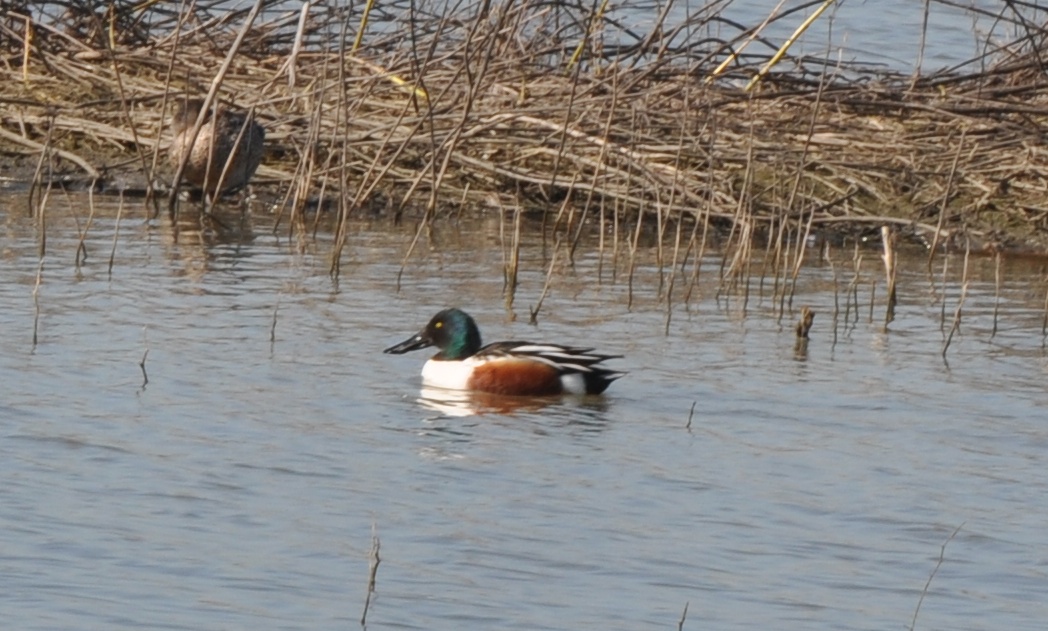
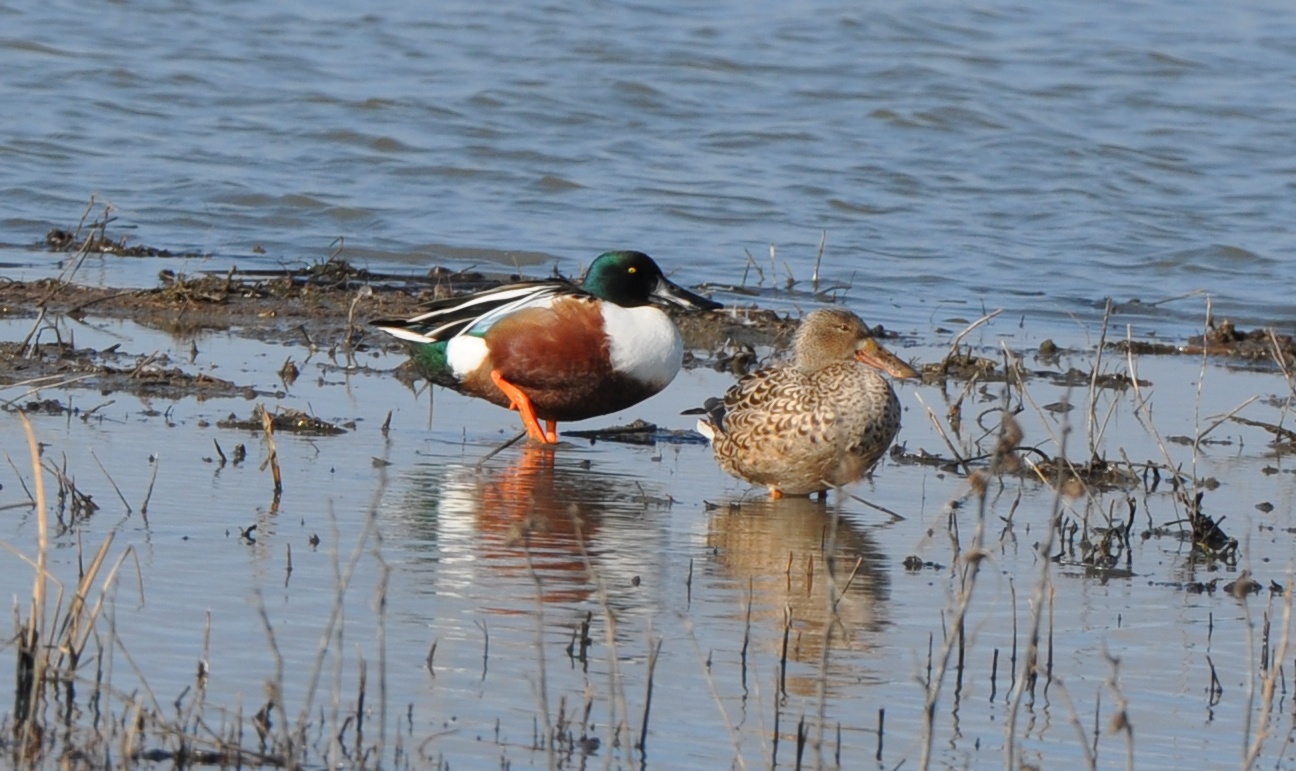
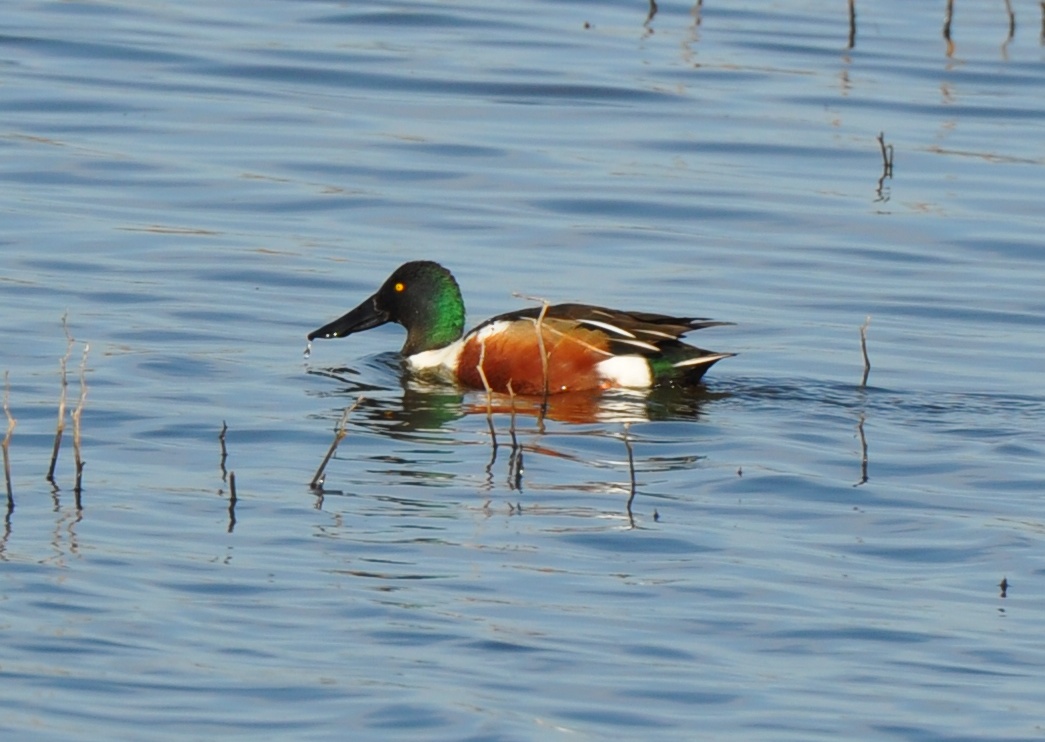
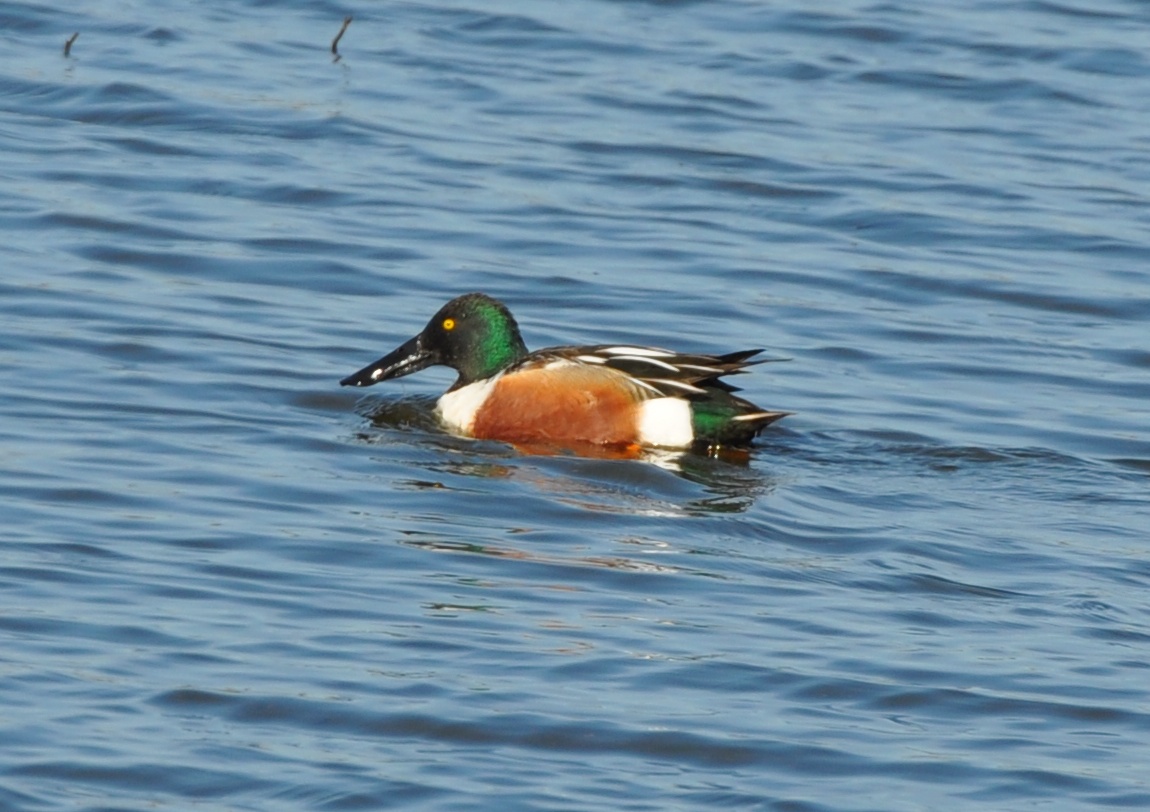
Northern shoveler

More pintails

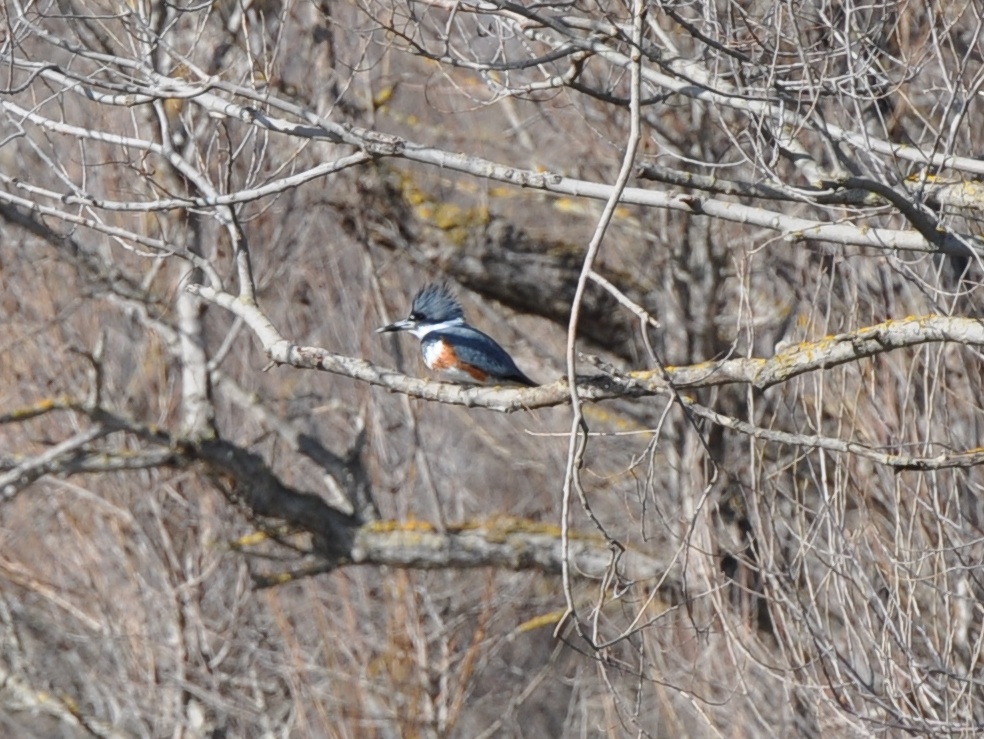
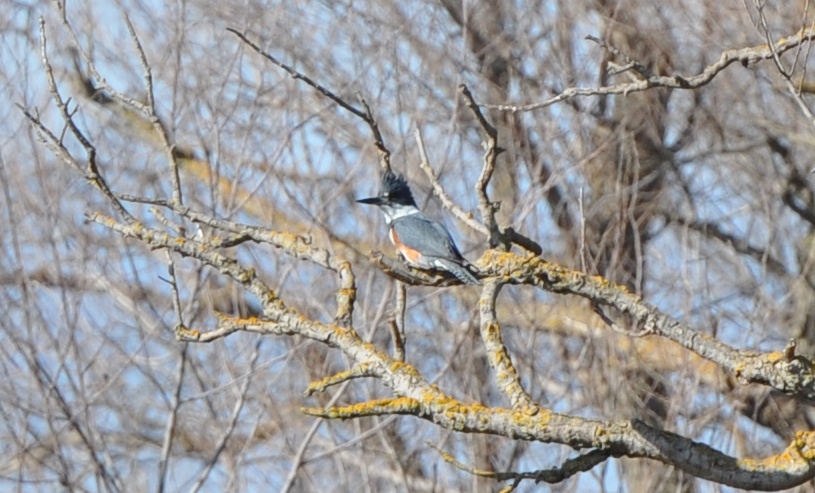
Kingfisher off in the distance 

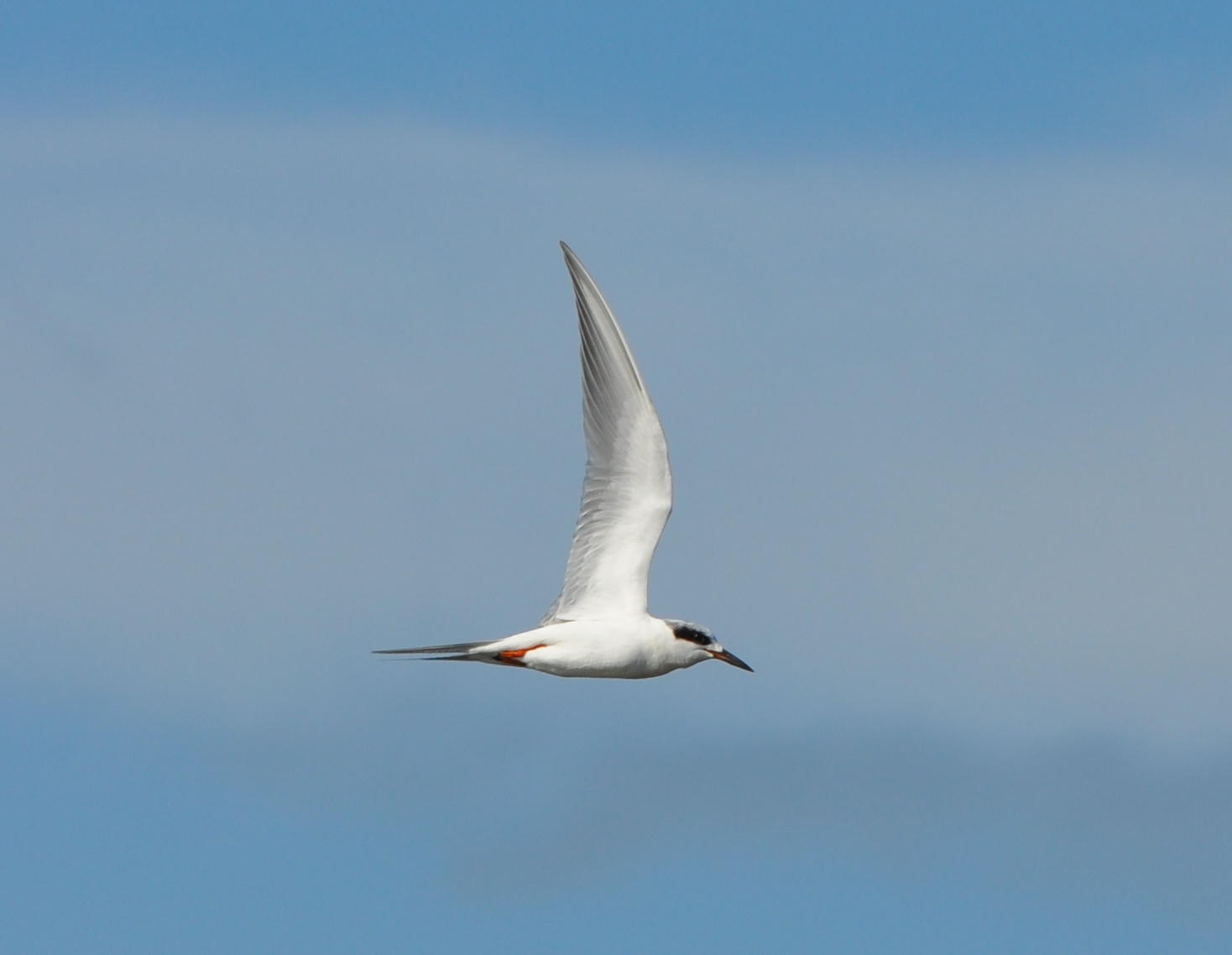
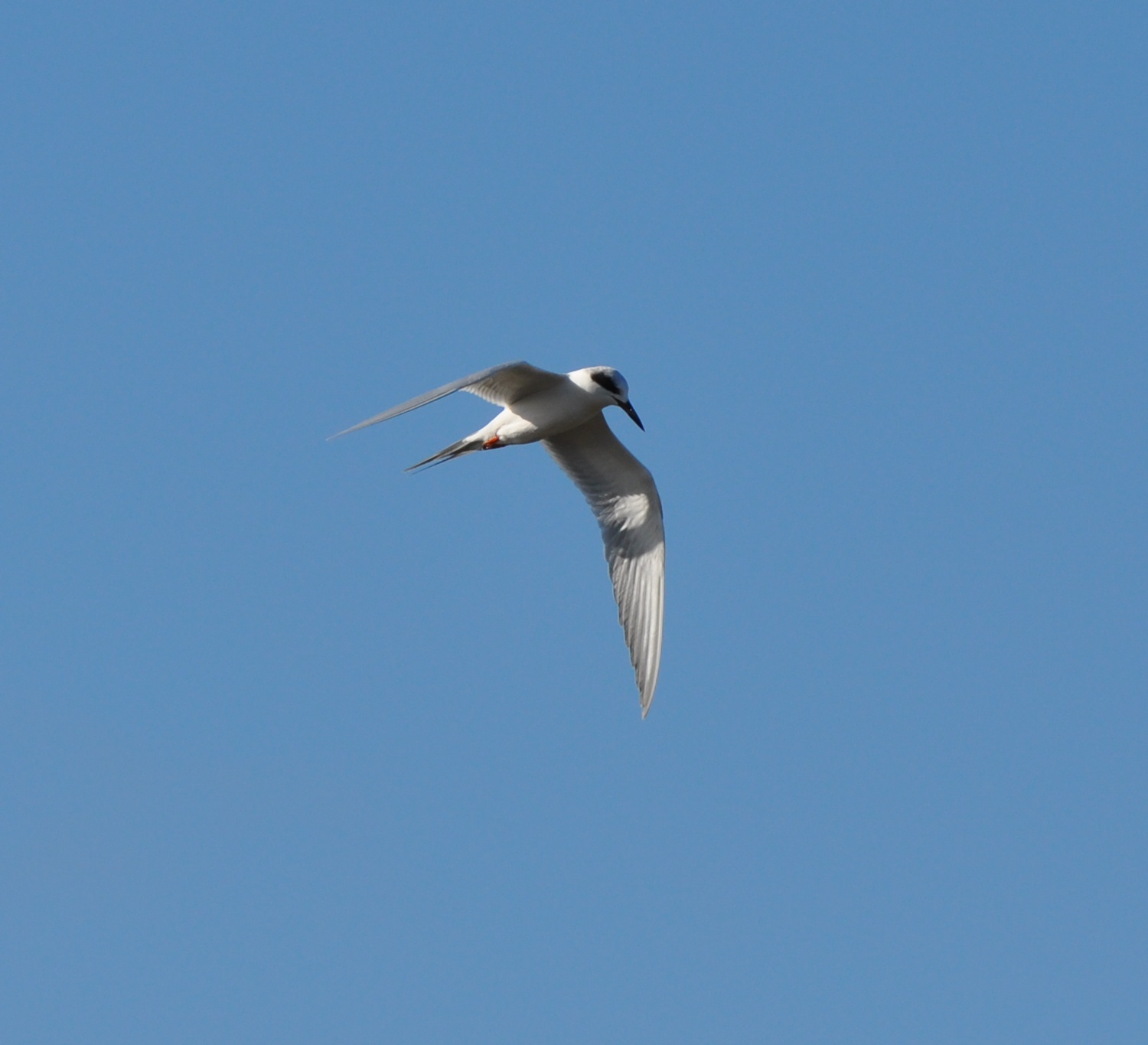
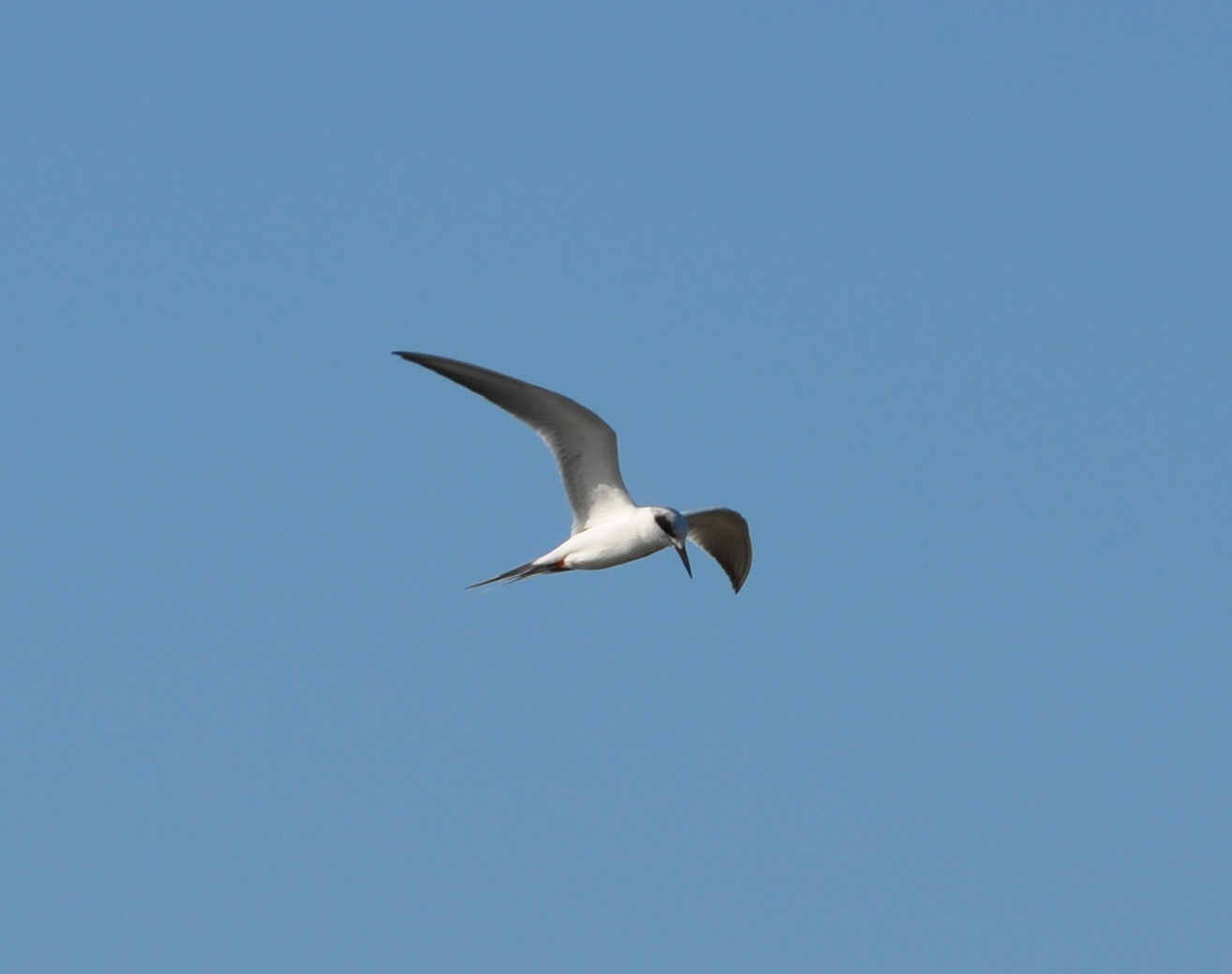
Forster’s tern (I think)

Forster’s tern (I think)

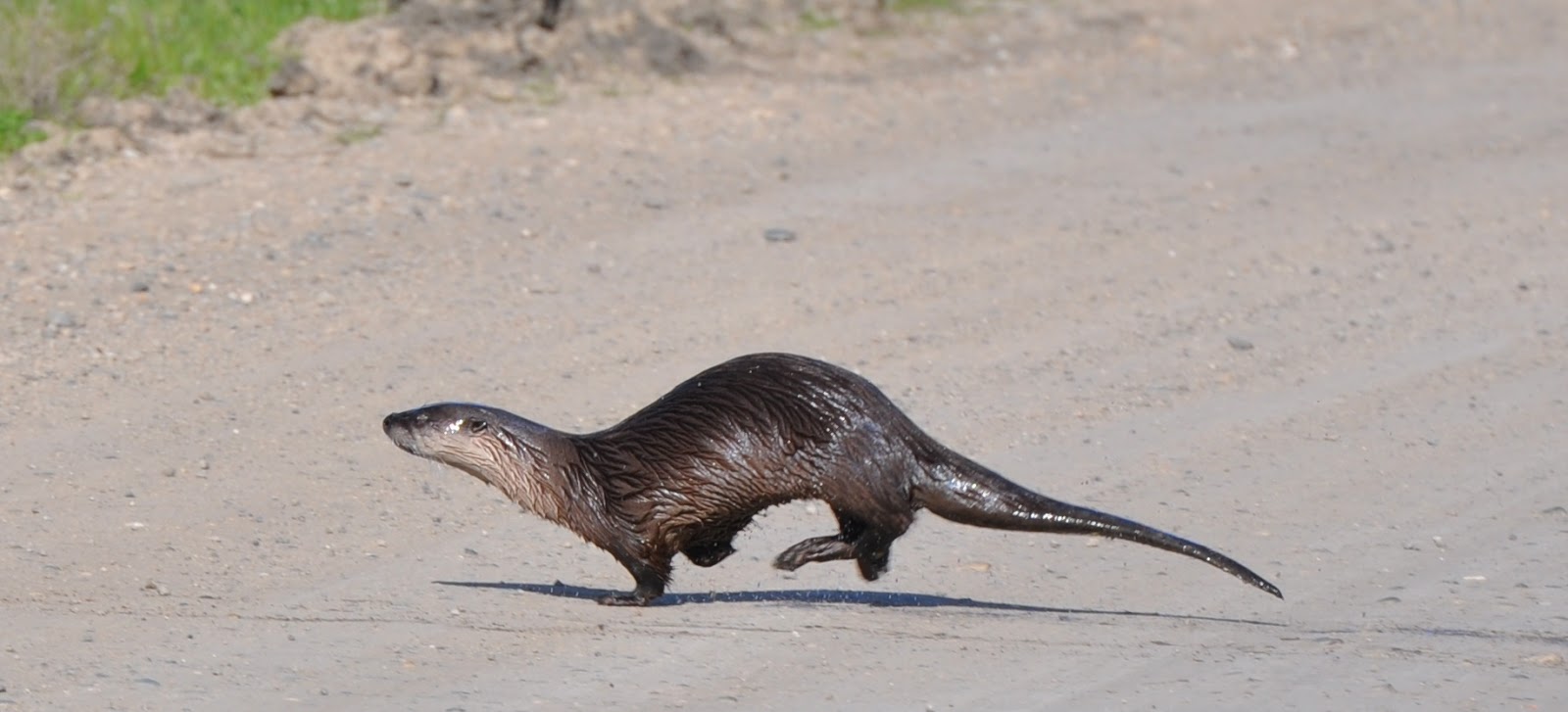
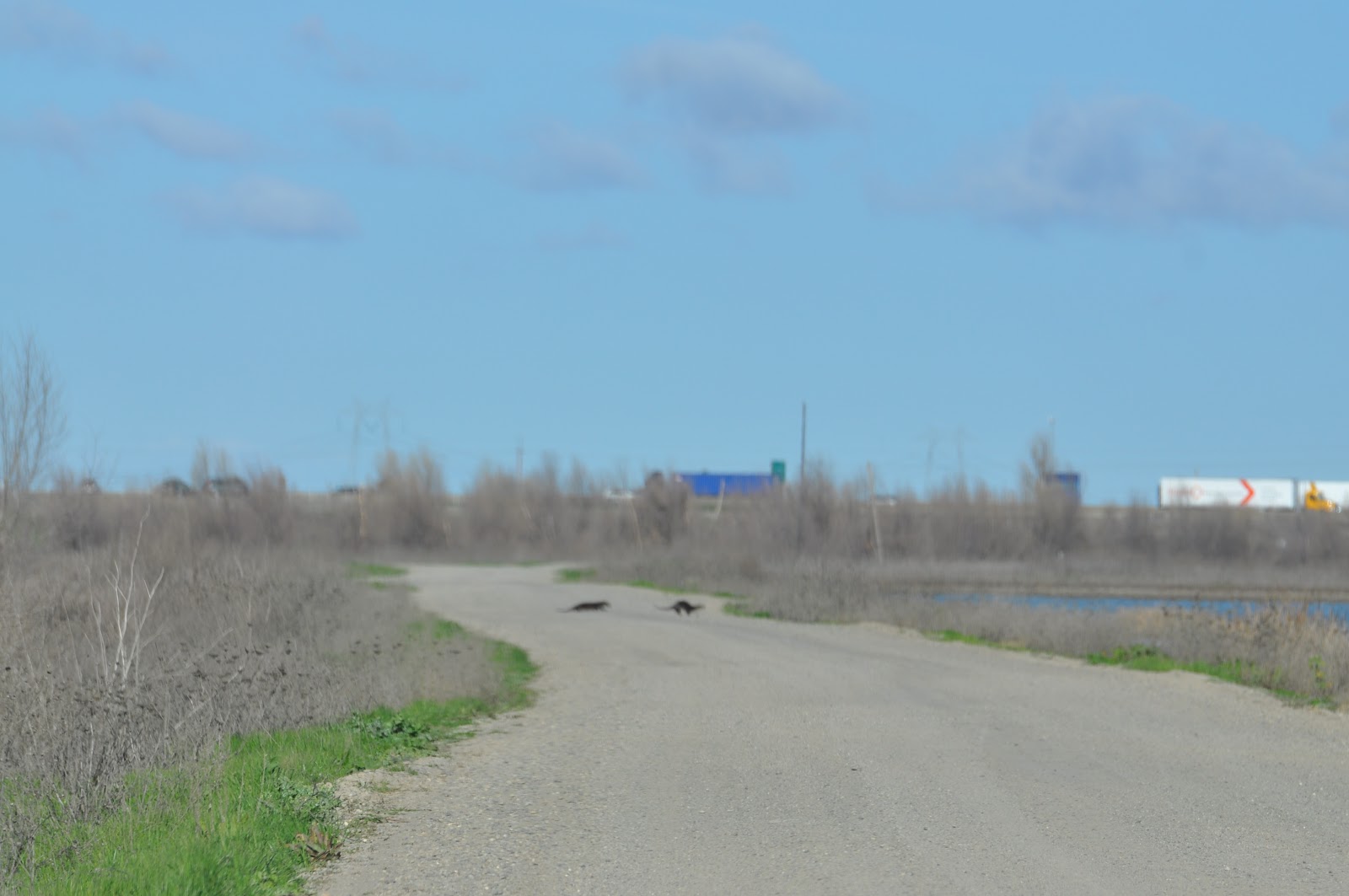
And then the best moment – there in front of me, running across the road – river otters. They
caught me by surprise but I got this pic through my windshield.  Six of them in total.

I went to where they crossed and looked around for 3-4 minutes
and saw nothing.  As I was getting ready to go I saw
some rippling in the water.  And then ..

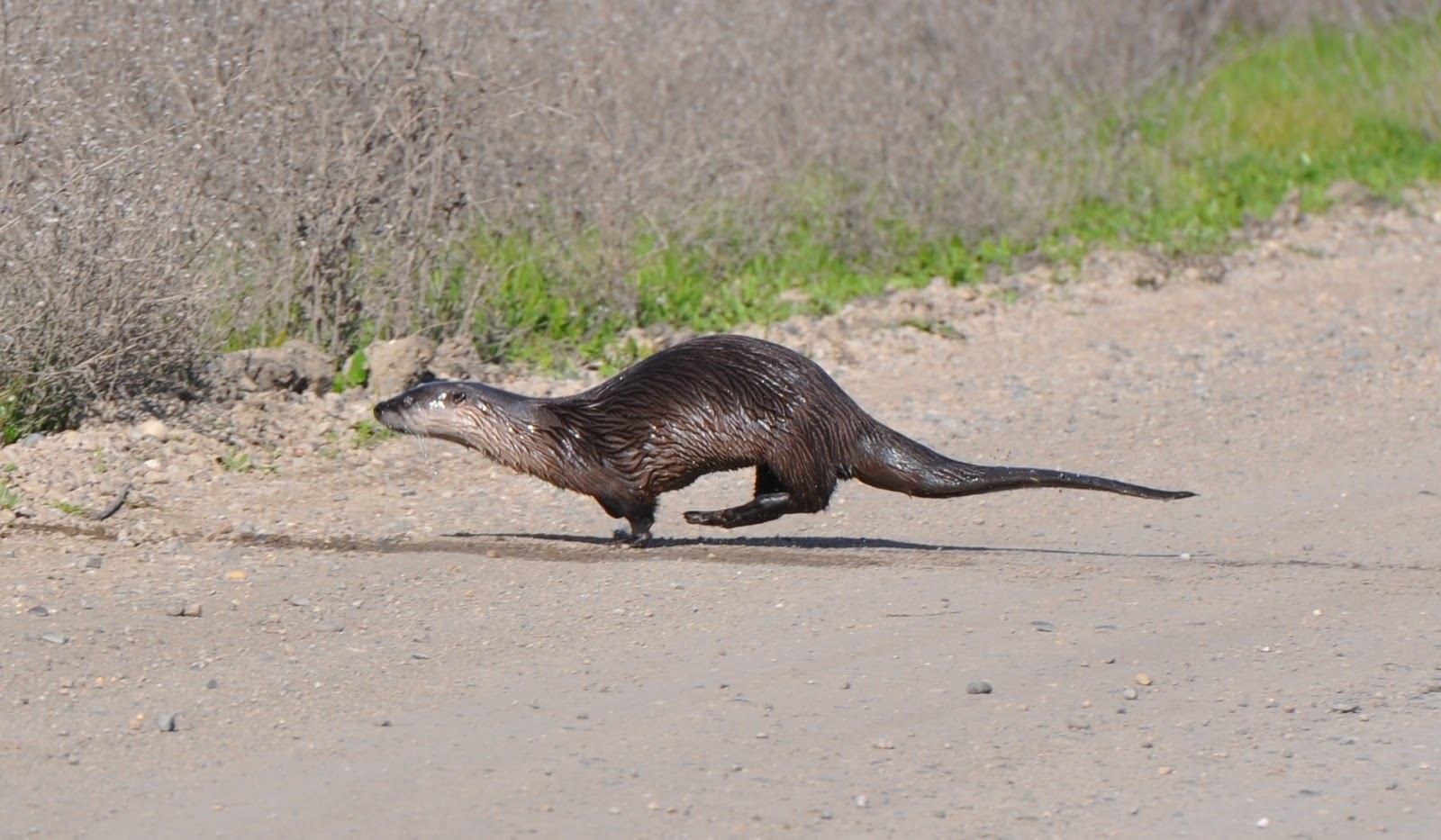
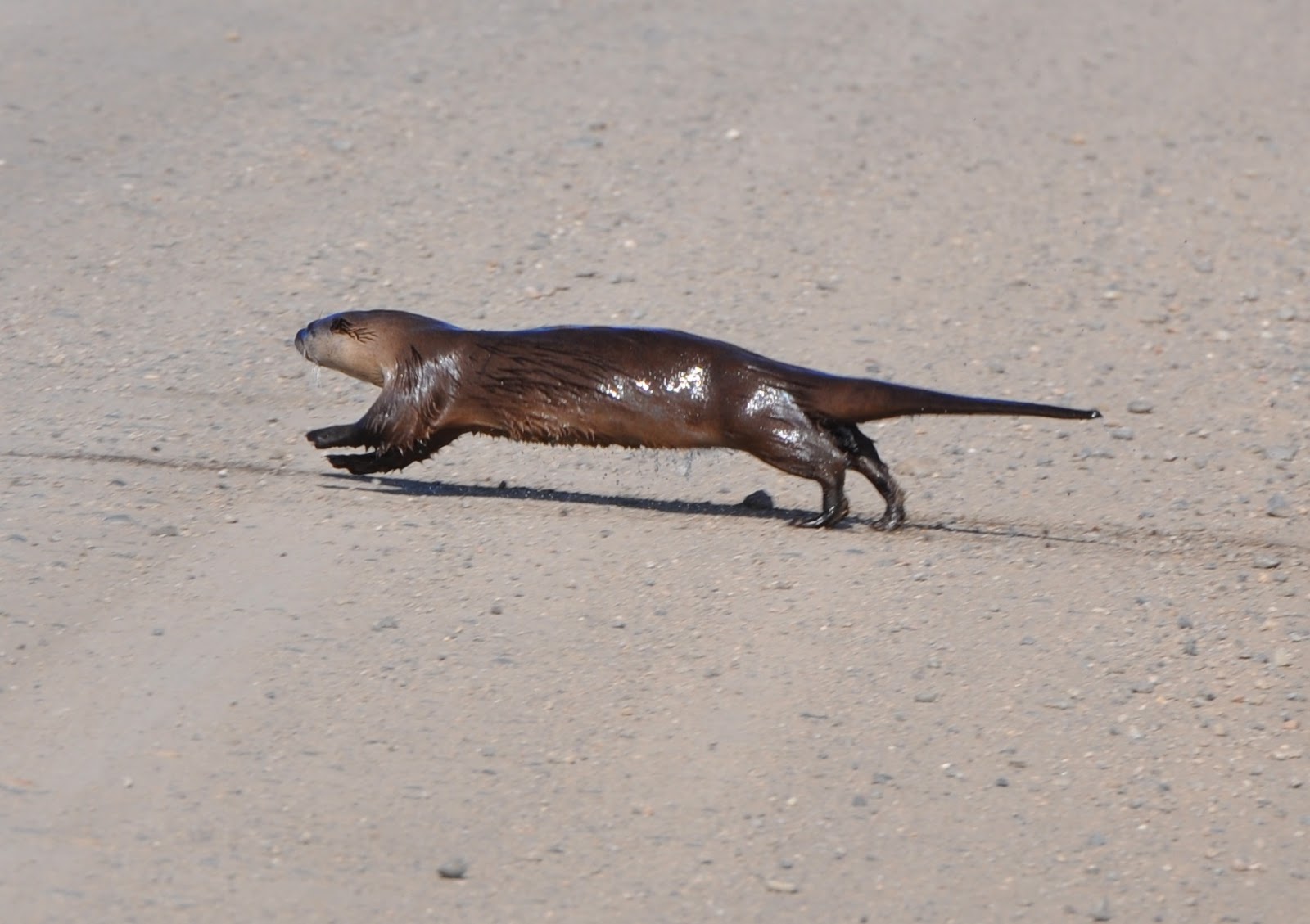
One crossed the road.

And off to the other side.

There was a little trail of water in the road.

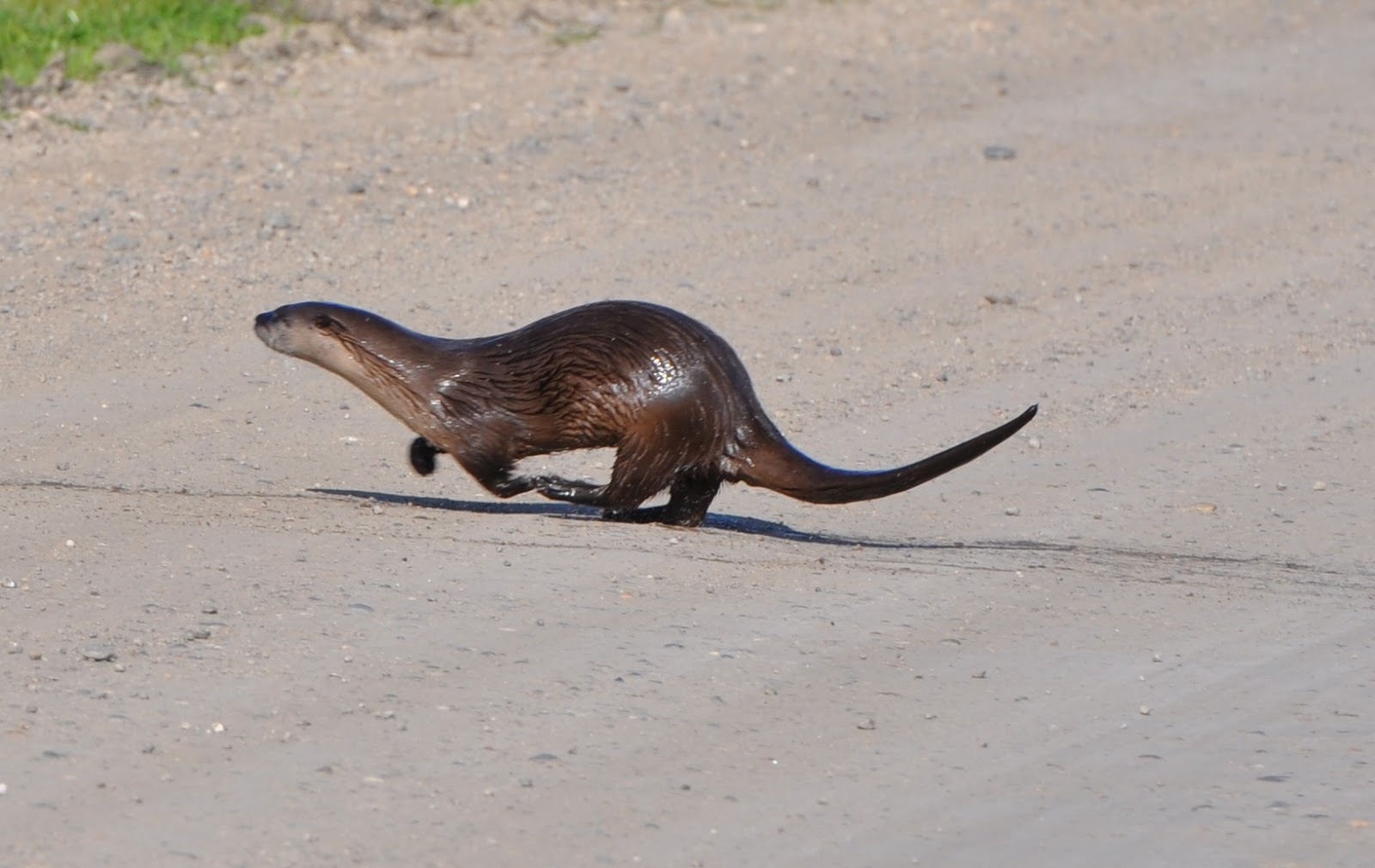
And then another crossed.

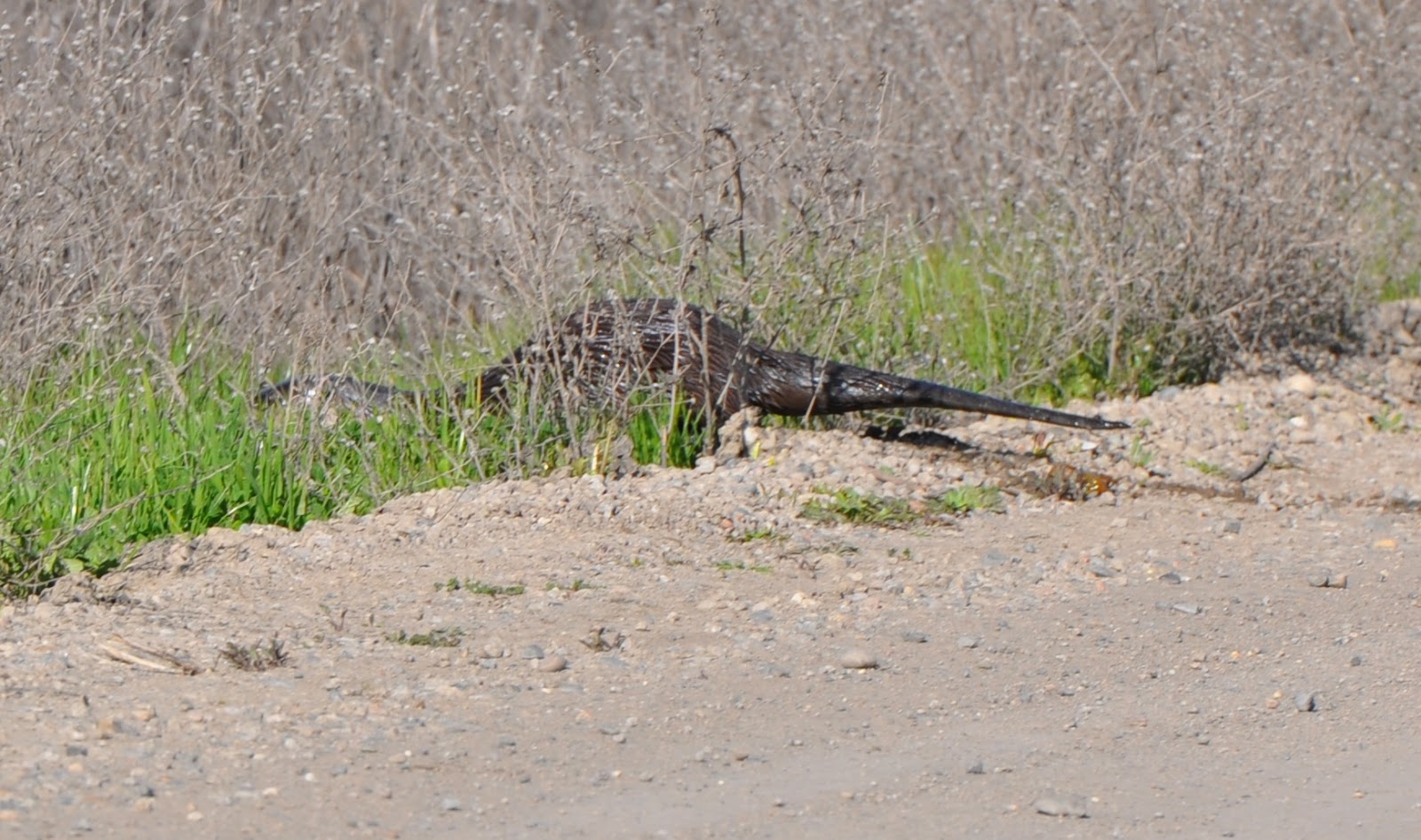
And another

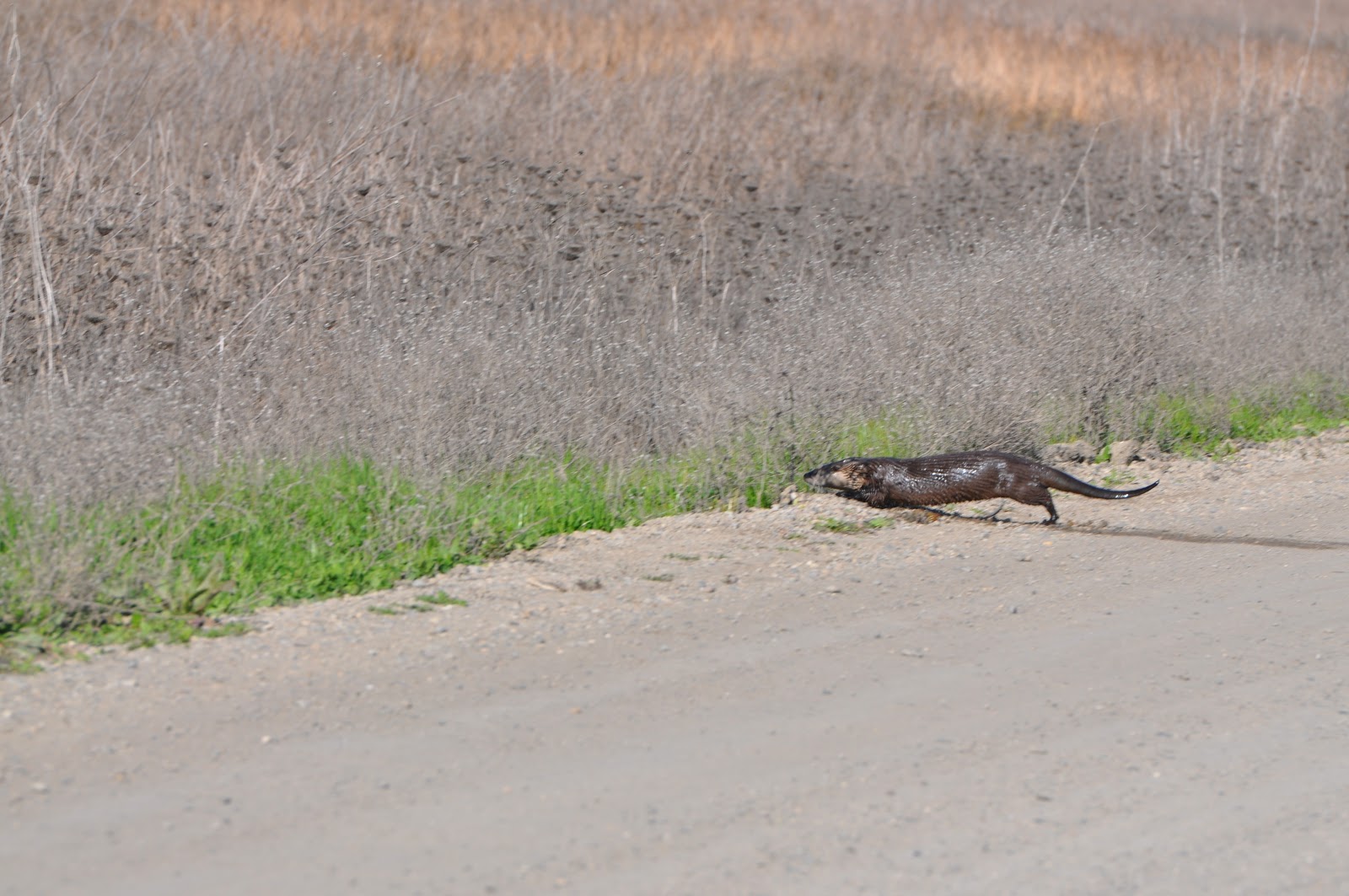
And off into the bushes to the water.

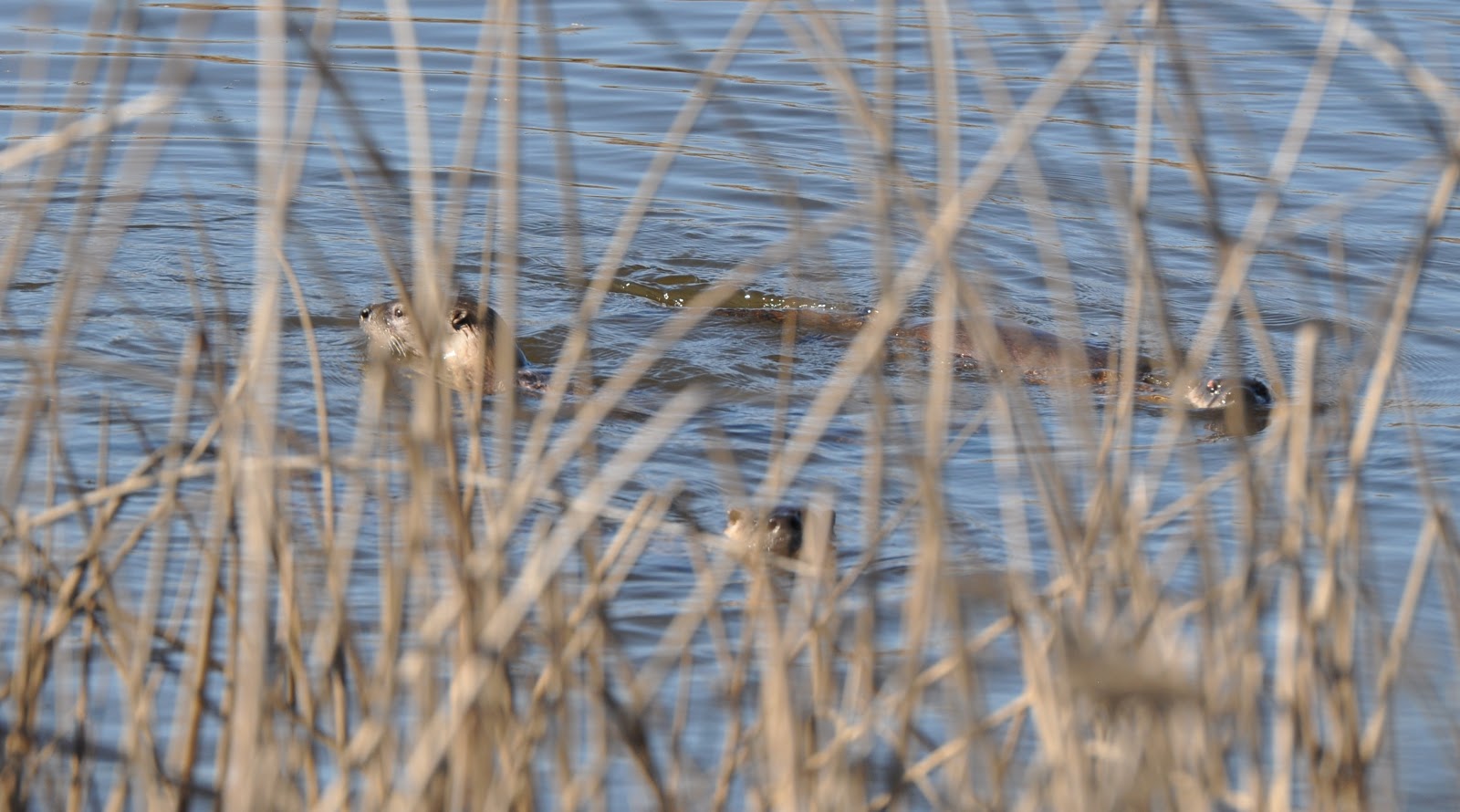
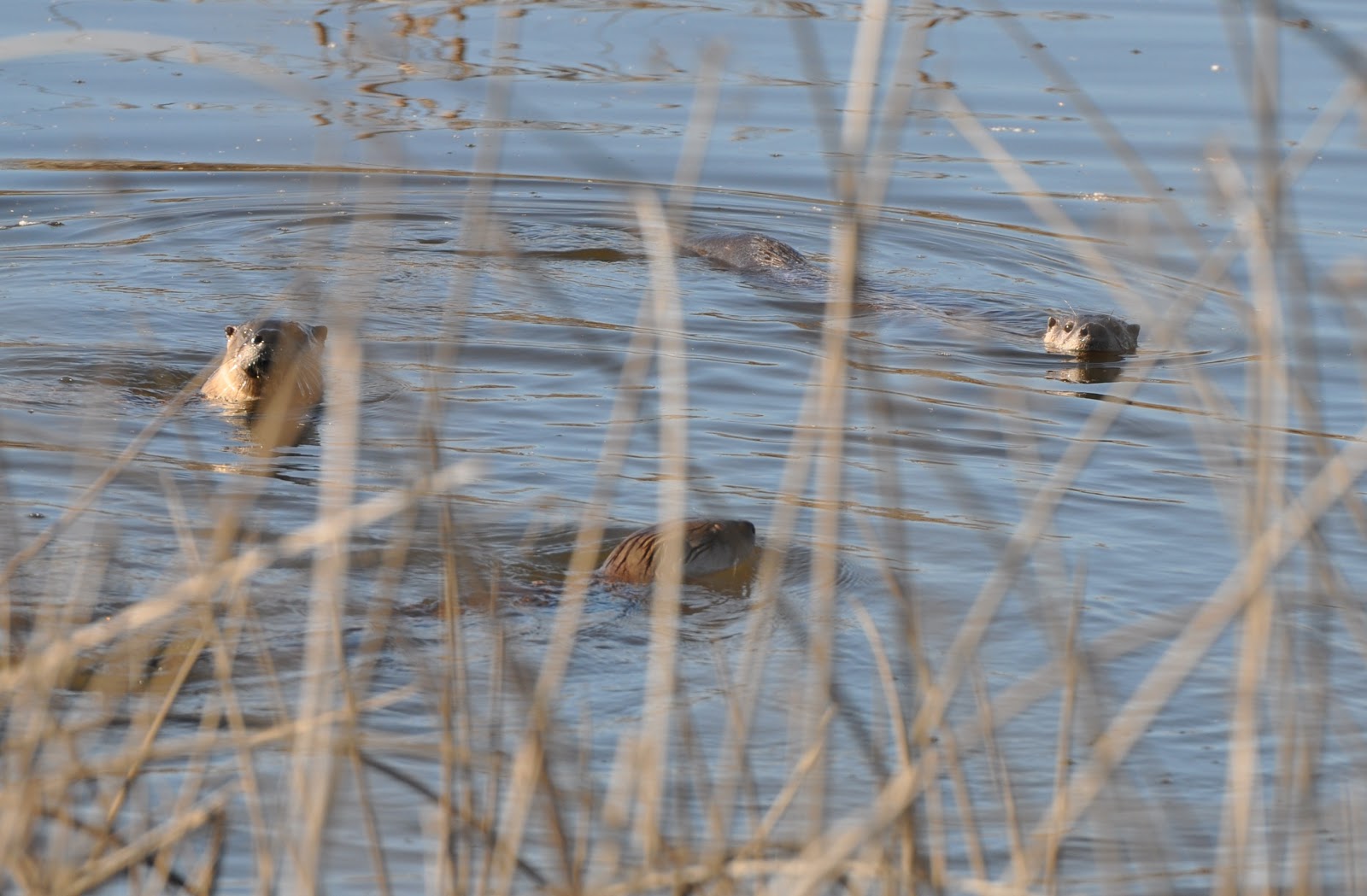
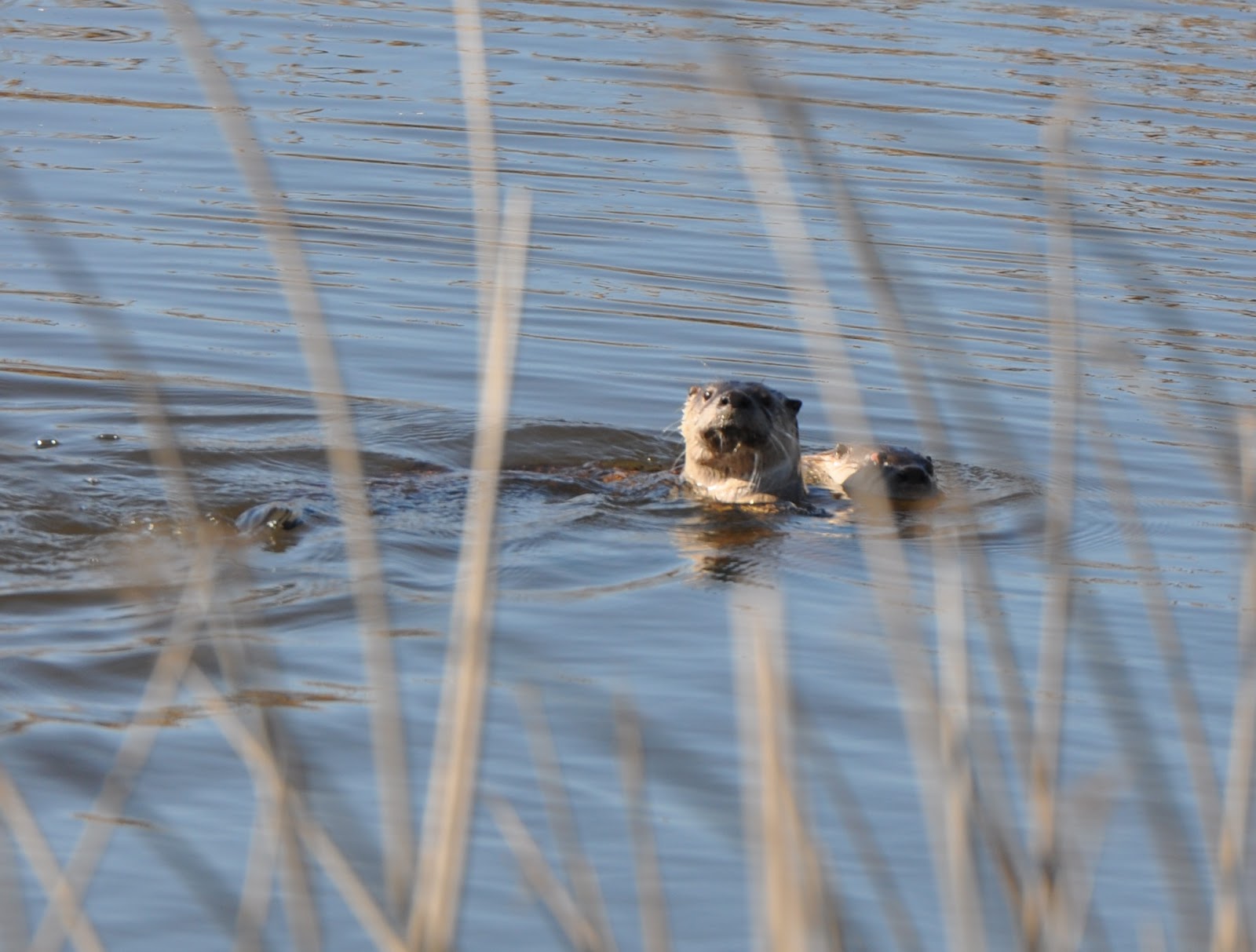
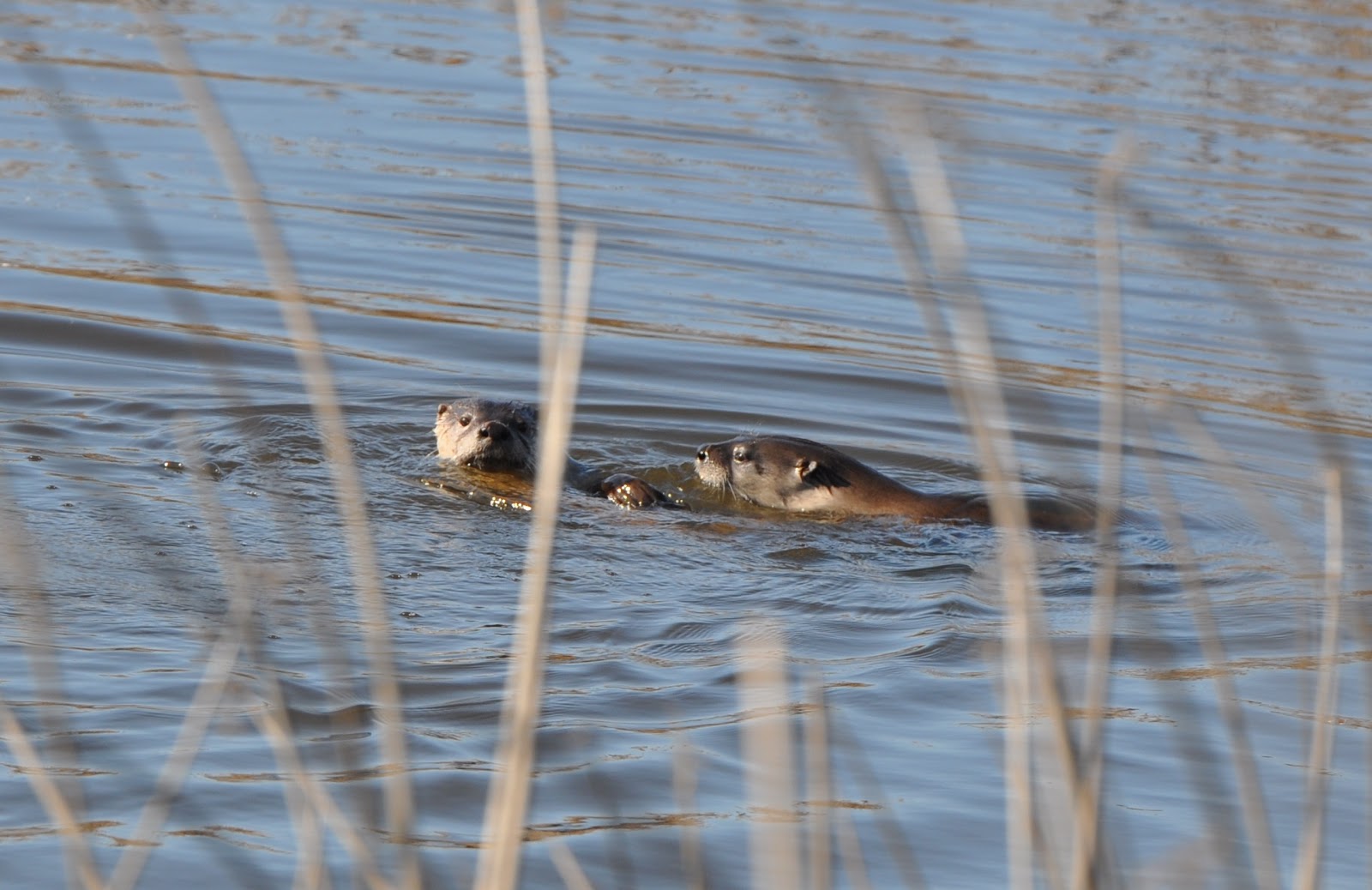
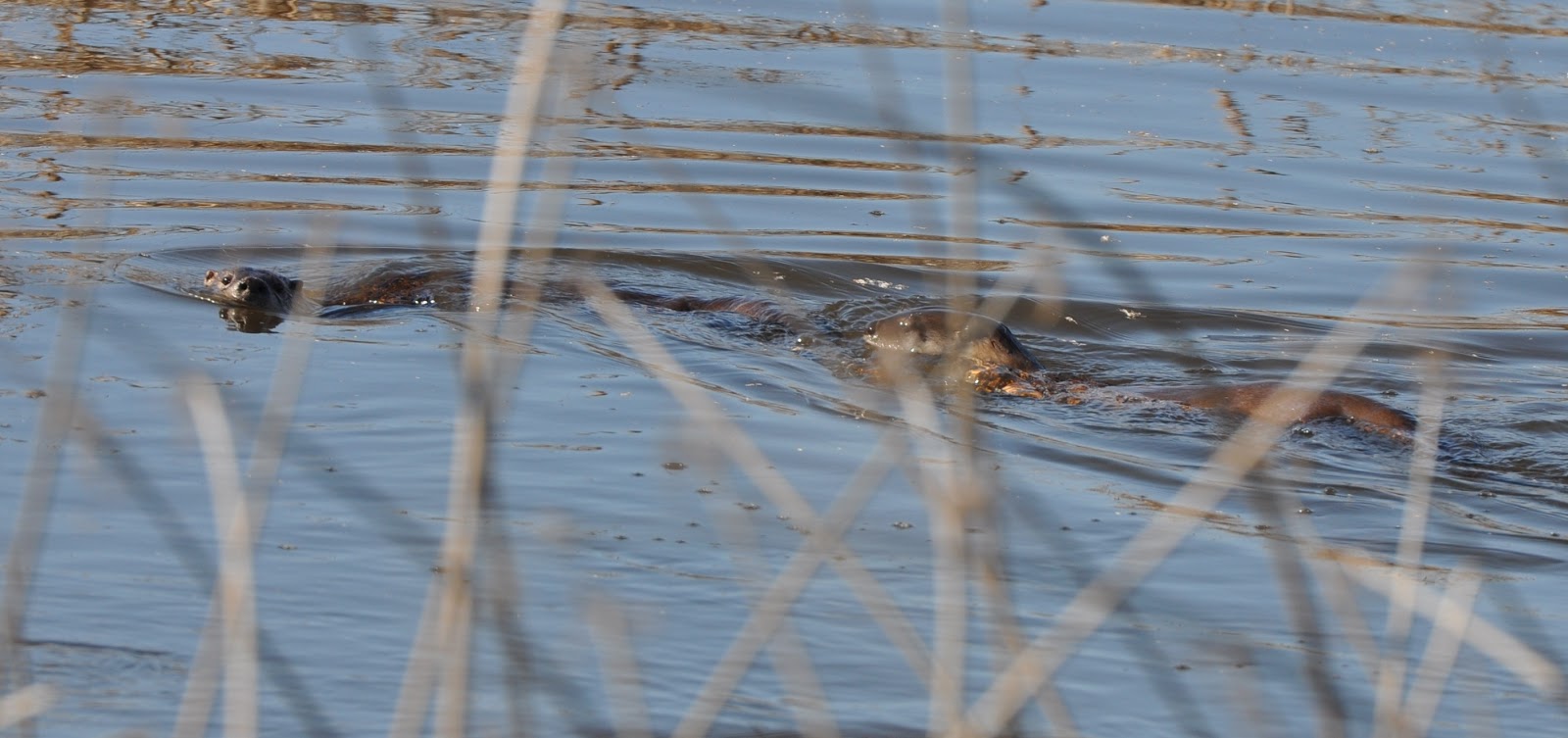
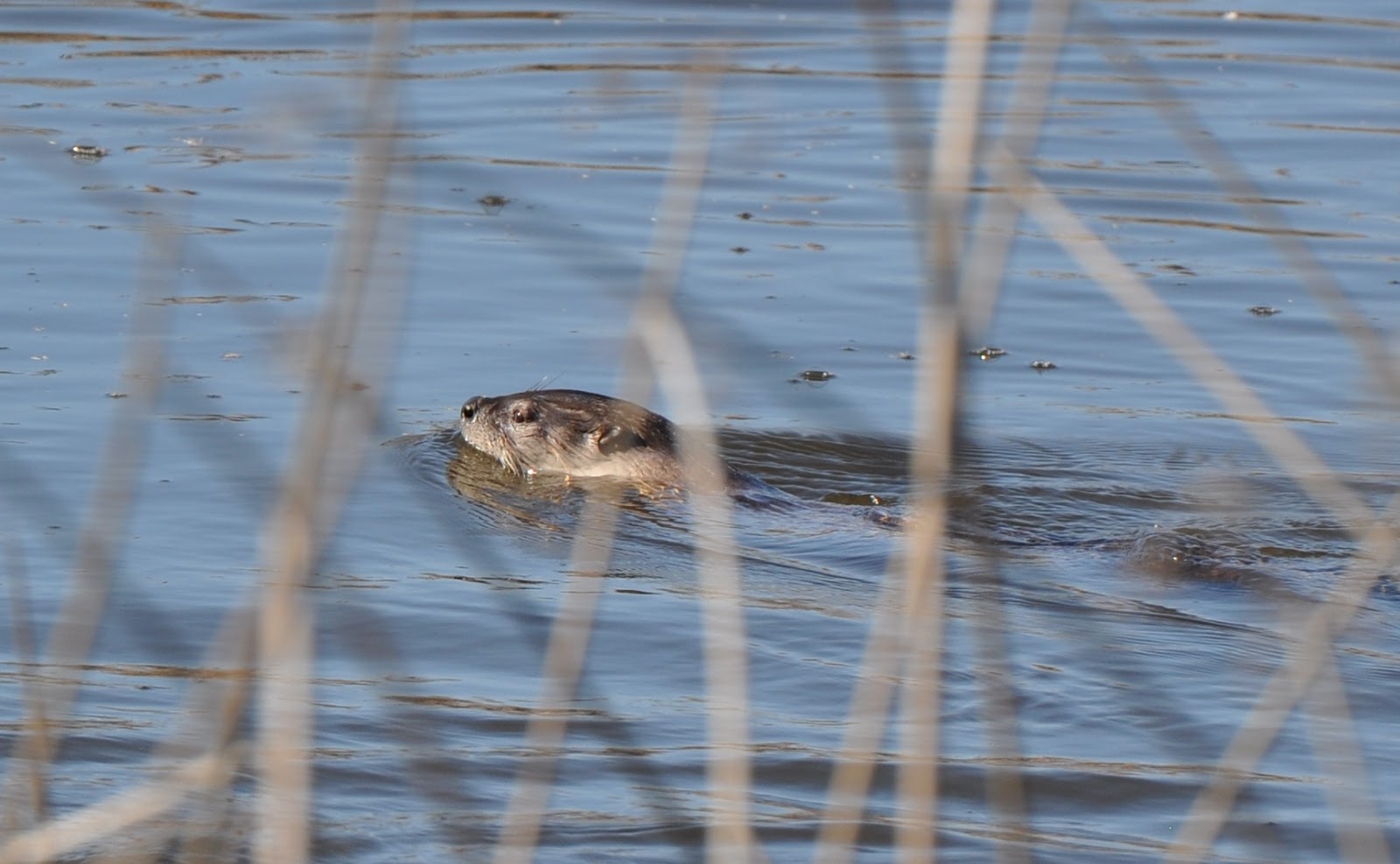
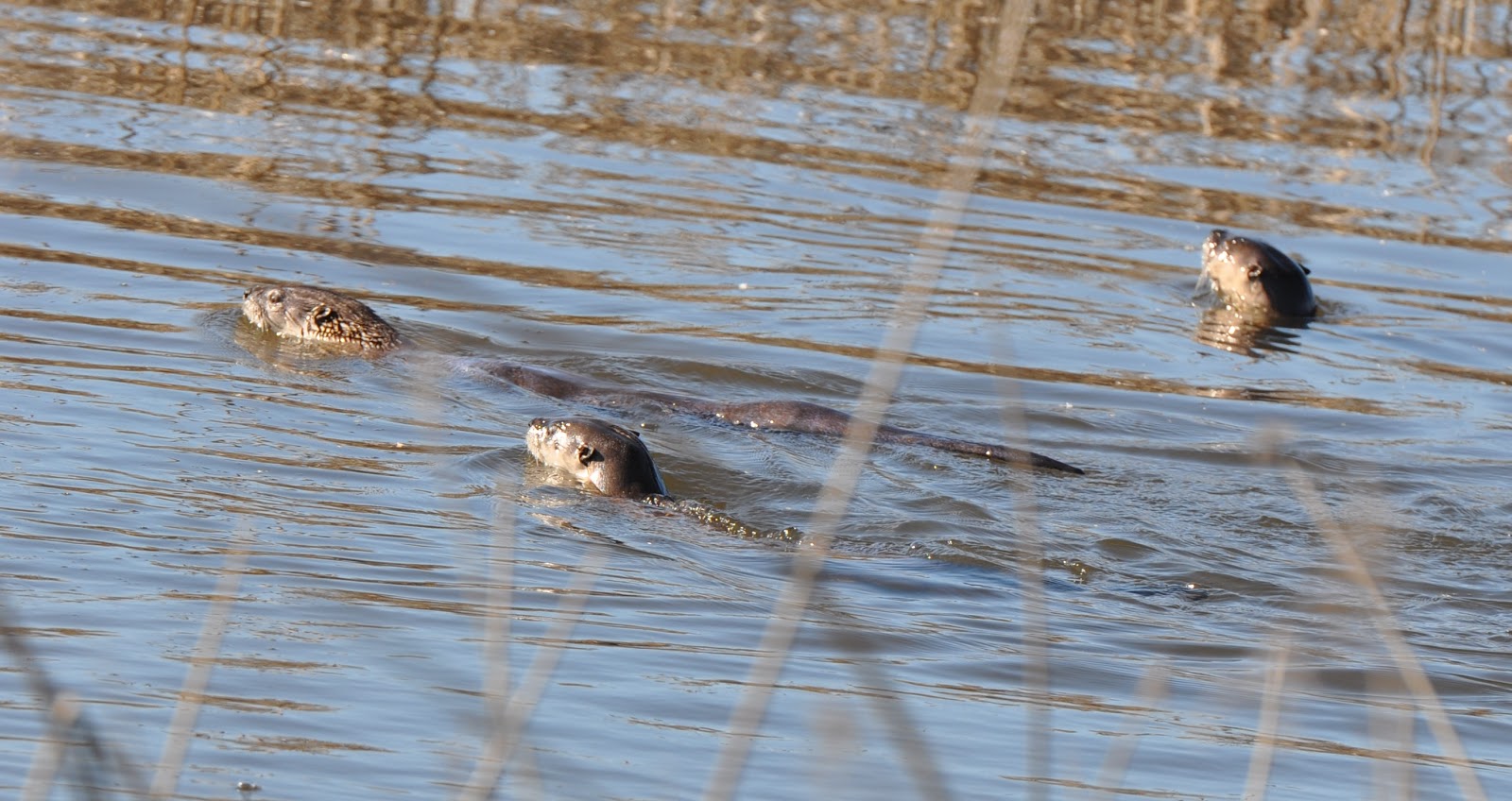
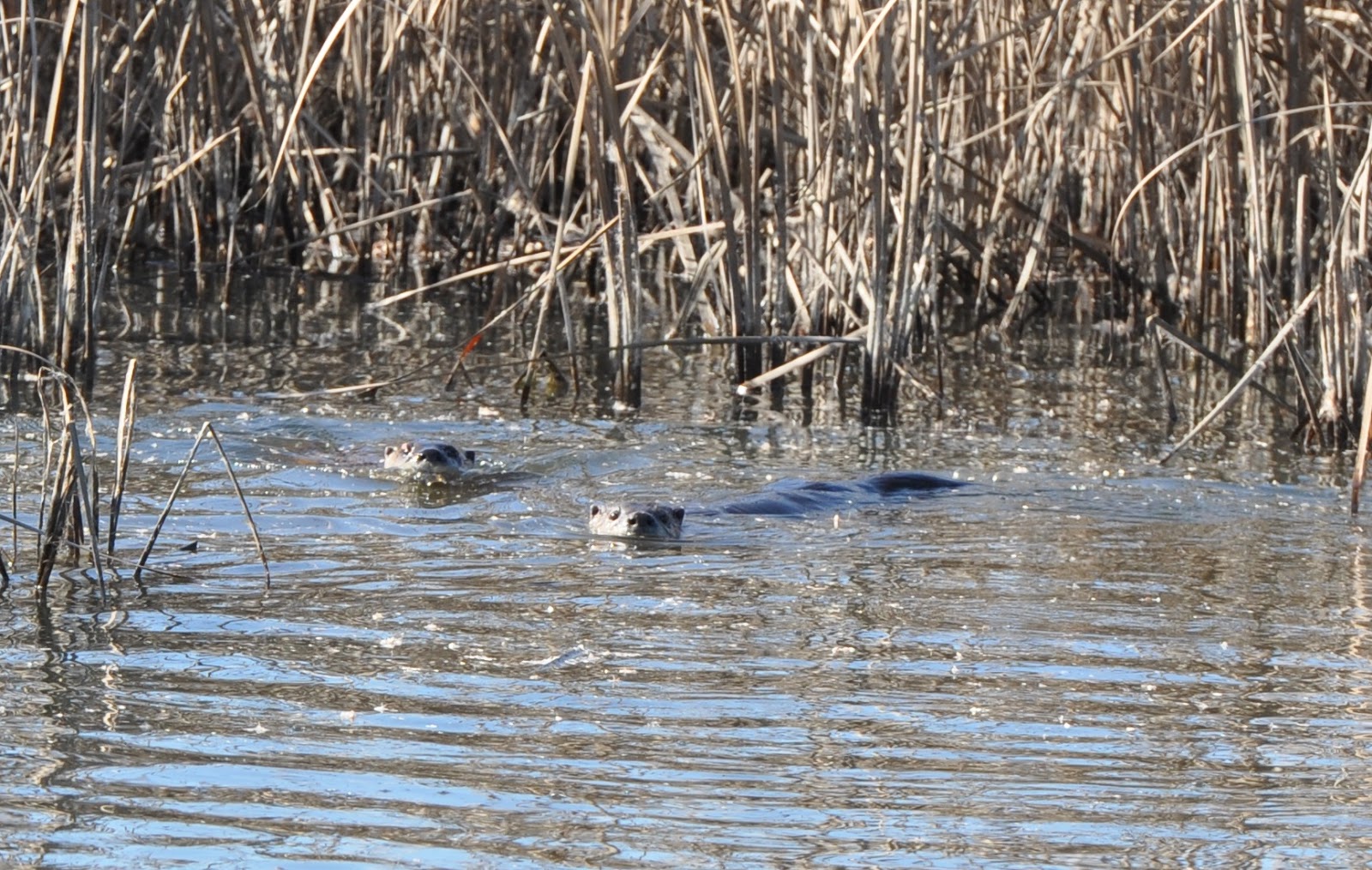
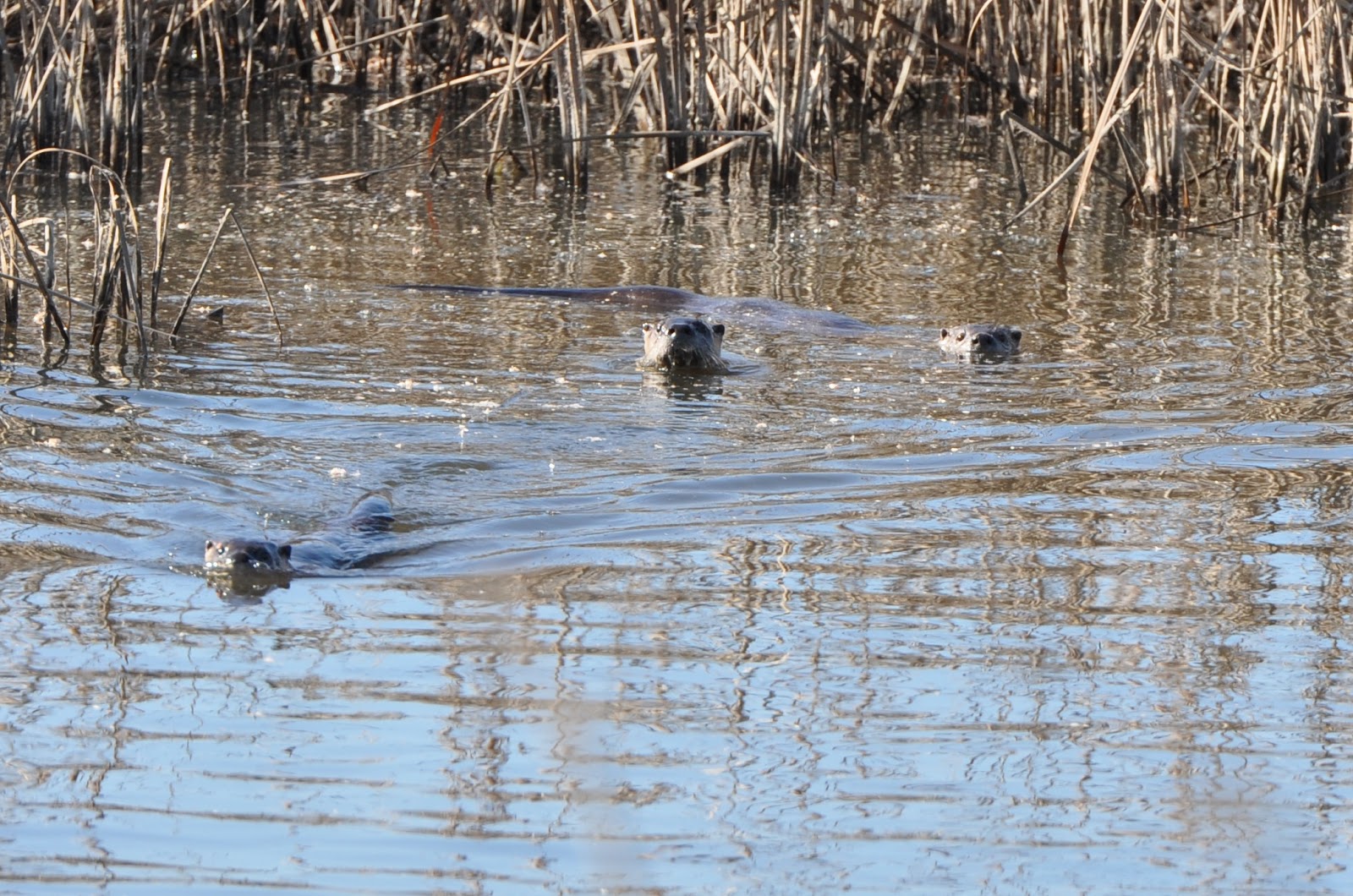
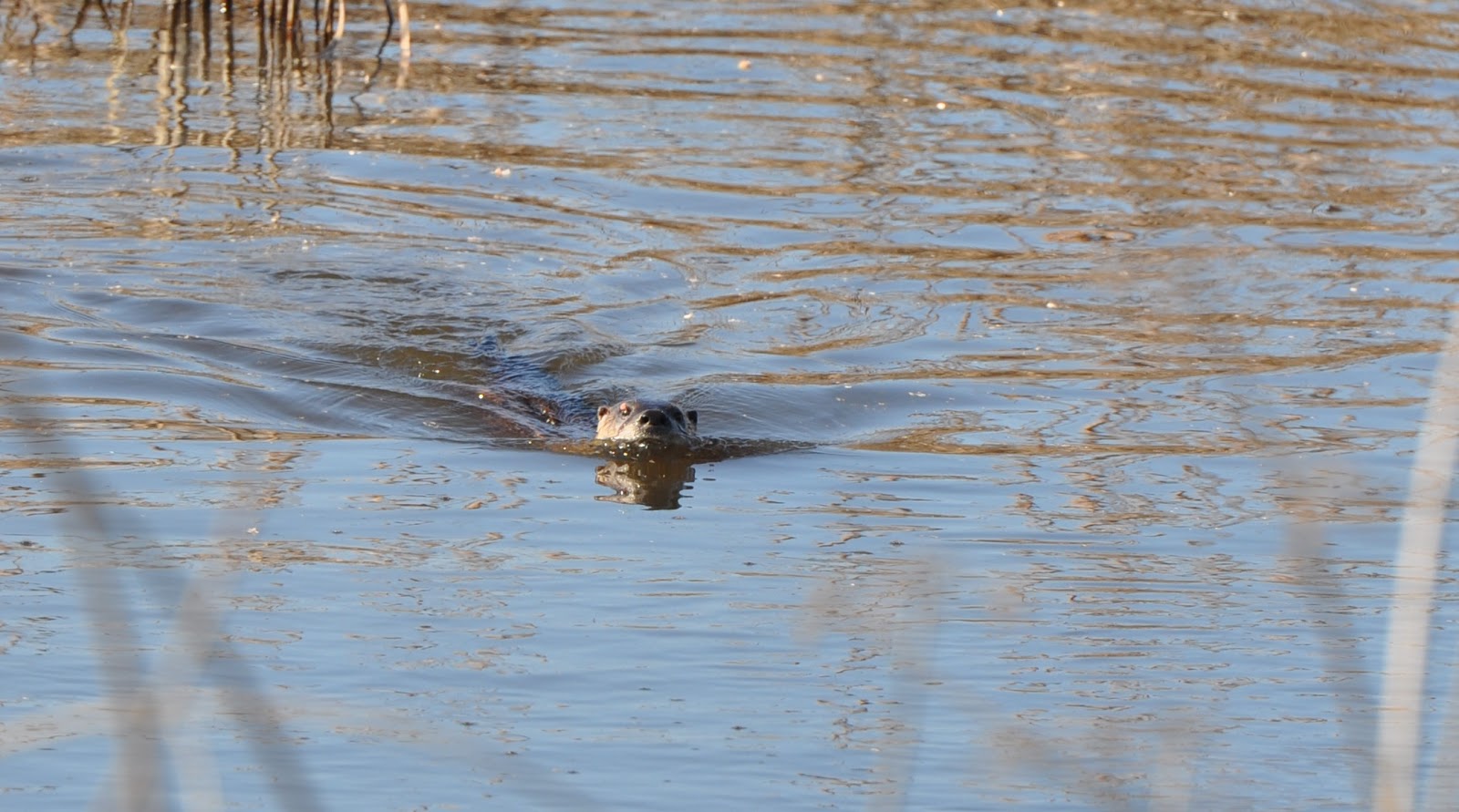
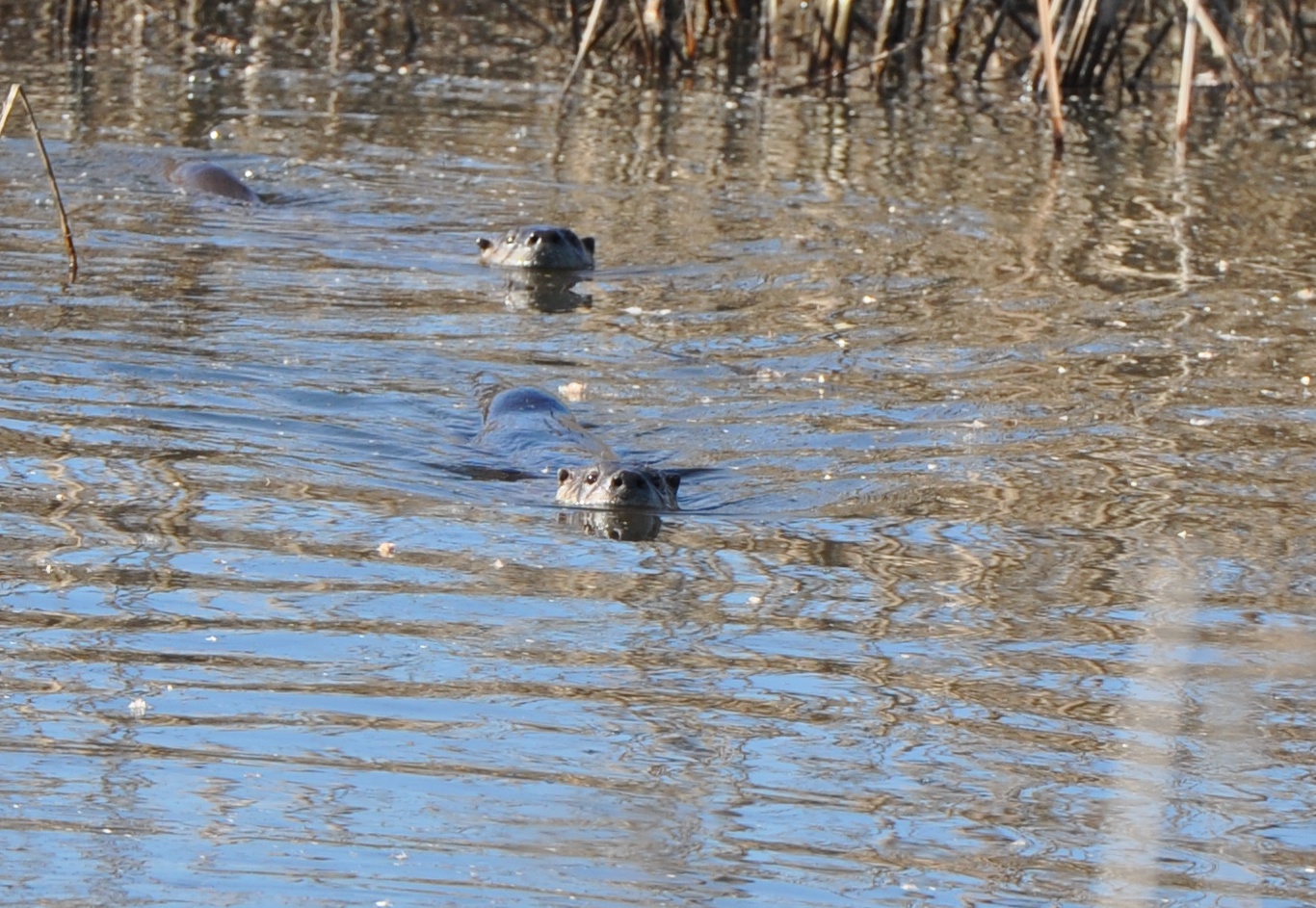
And they then hung out clicking at each other and maybe at me.

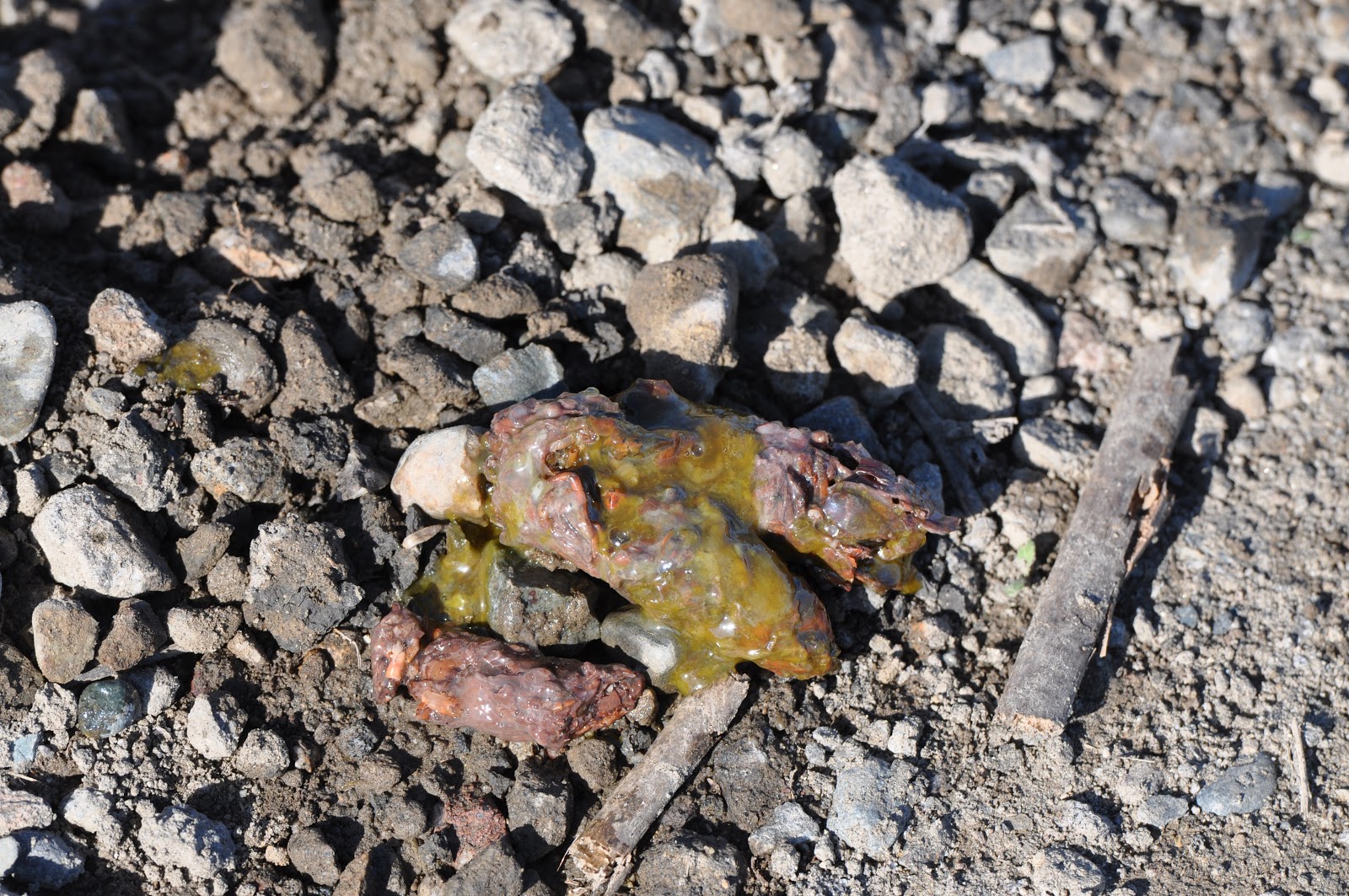
They had left a little gift by the side of the road. 
I kept watching 

And then I realized maybe they were waiting for the other three. So
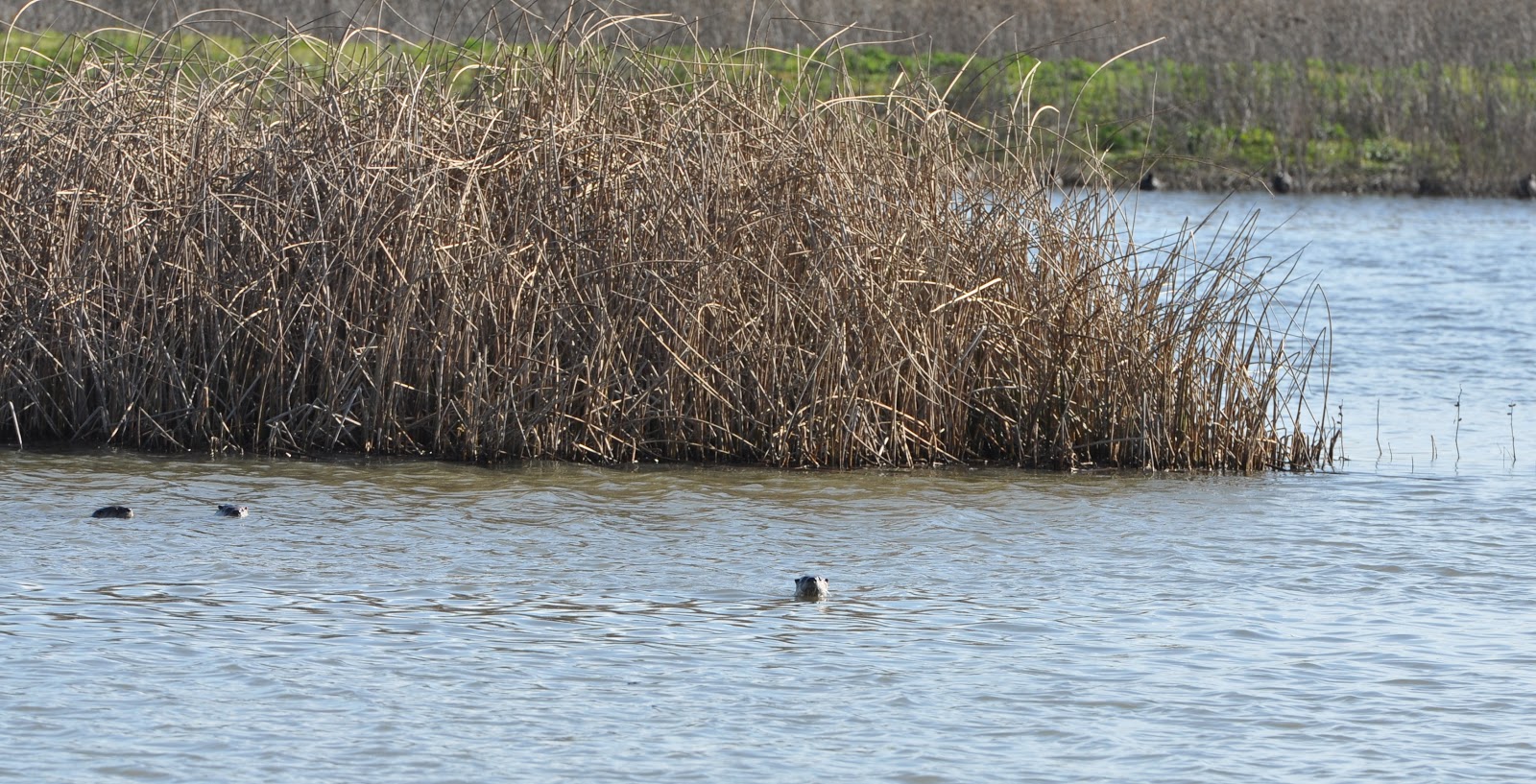
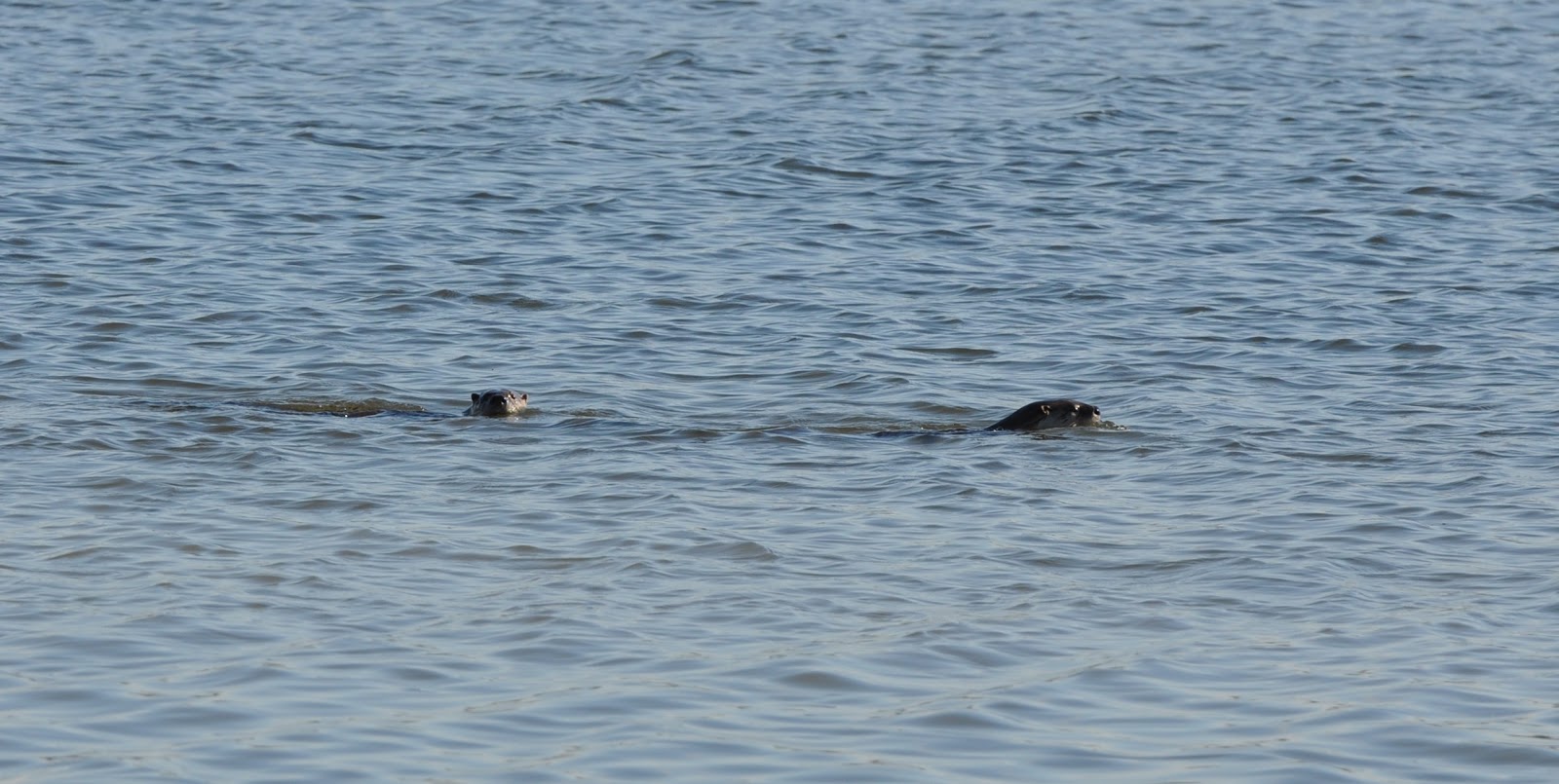
I backed away and looked across in the water on the other side and there they were.

Add caption

Overall a good day at the Basin.