All microbes, all the time. May the microbes be ever in your favor.
Author: Jonathan Eisen
I am an evolutionary biologist and a Professor at U. C. Davis. (see my lab site here). My research focuses on the origin of novelty (how new processes and functions originate). To study this I focus on sequencing and analyzing genomes of organisms, especially microbes and using phylogenomic analysis
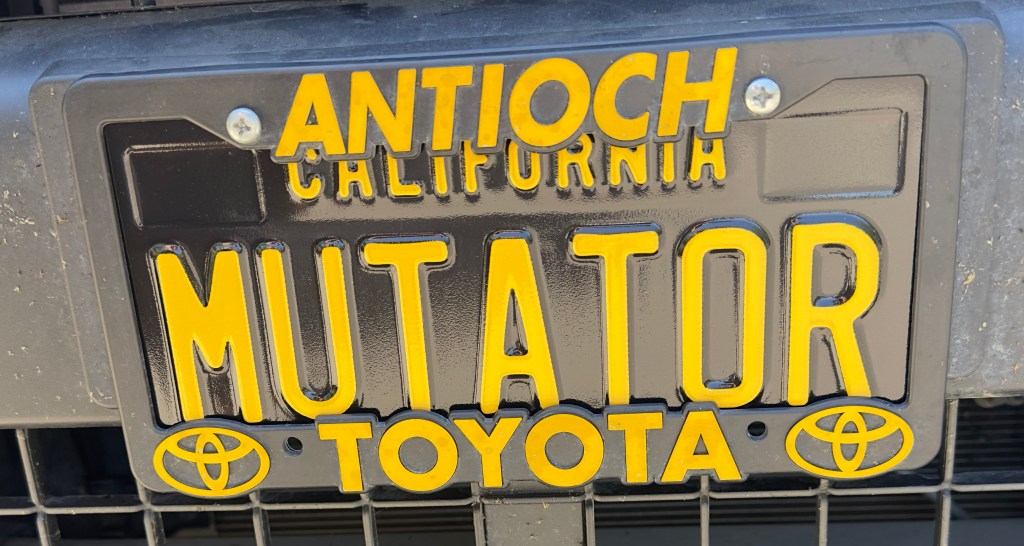
Well, so I got a new car a little while ago. And though I had had personalized plates for my previous vehicle (“PLOS ORG”), I was not planning to get ones for this vehicle. And then I had a conversation in the hall about personalized plates that a colleague of mine has, and I was intrigued.
So I went to the California site where you can search for whether or not specific personalized plates are available, and I searched for a variety of possibilities. Some were available. Some were not. And then I decided to try one that I just figured would not be available. But amazingly, it was.
This personalized plate, which some call “vanity” plates, is a perfect way for me to acknowledge some people who have played very very important roles in my life and career.
The plate reads “MUTATOR”. And this is really quite good for me to pay tribute to many people including
4. Jeffrey H. Miller who did pioneering work on mutator genes in E. coli and other organisms (see some detail here) and who also helped build my career in various ways including by organizing and then eventually inviting me to co-organize the Lake Arrowhead Microbial Genomes meeting.
5. Richard Lenski who has done spectacular work on microbial evolution and on the role that mutator strains / mutations play in such evolution. In addition to being a great colleague over the years, he helped transform my PhD work via an interaction at a Gordon Conference when I was working on adaptive mutation in E. coli.
So, yes, the “MUTATOR” license plate is a bit about vanity for me. I think it is cool. I like to think of myself as a “MUTATOR” in various ways and I also have done work on and off again on mutation processes and mutator strains and genes. But really, the best part for me is that it pays tribute to my wife and a collection of great scientists who helped shape my career.
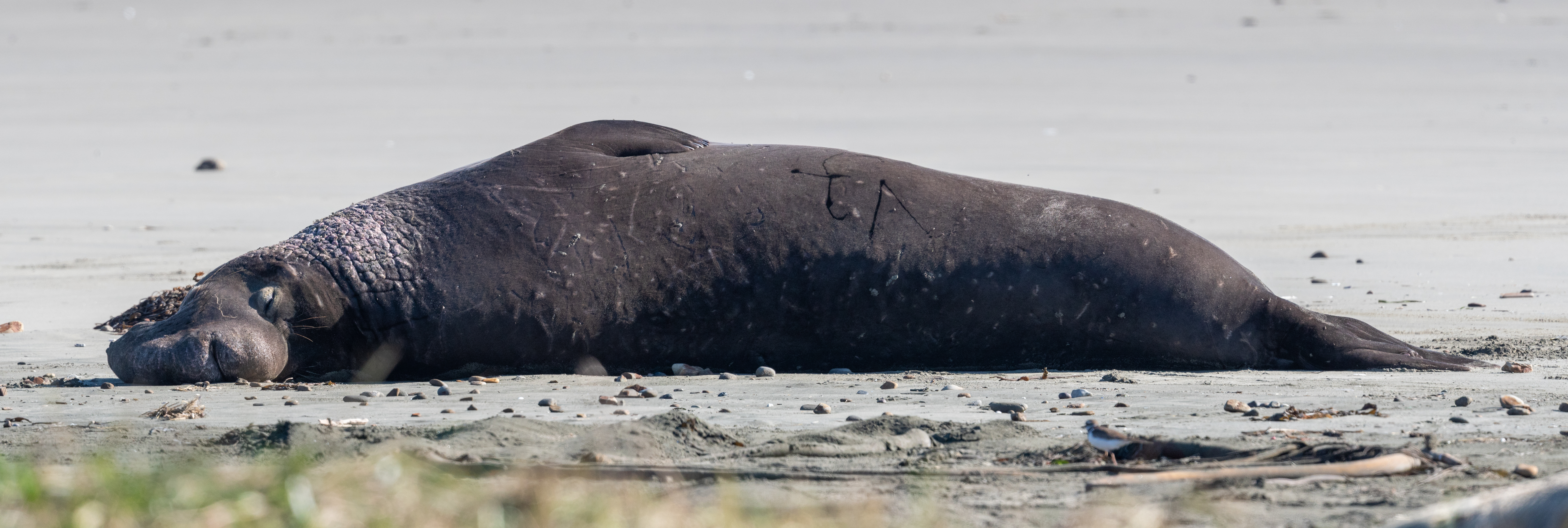
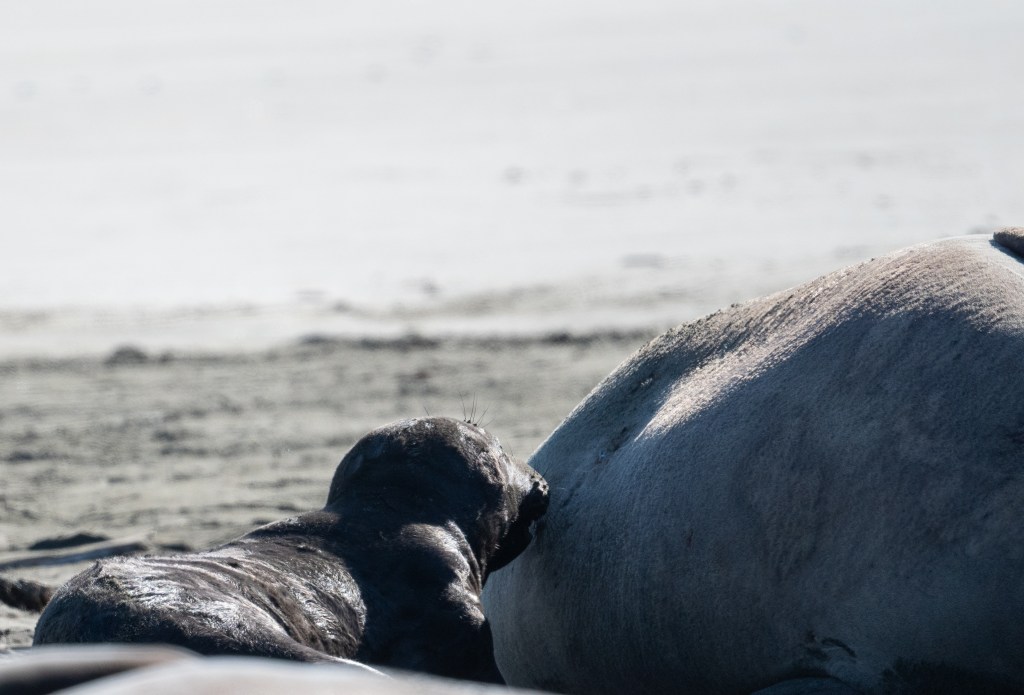
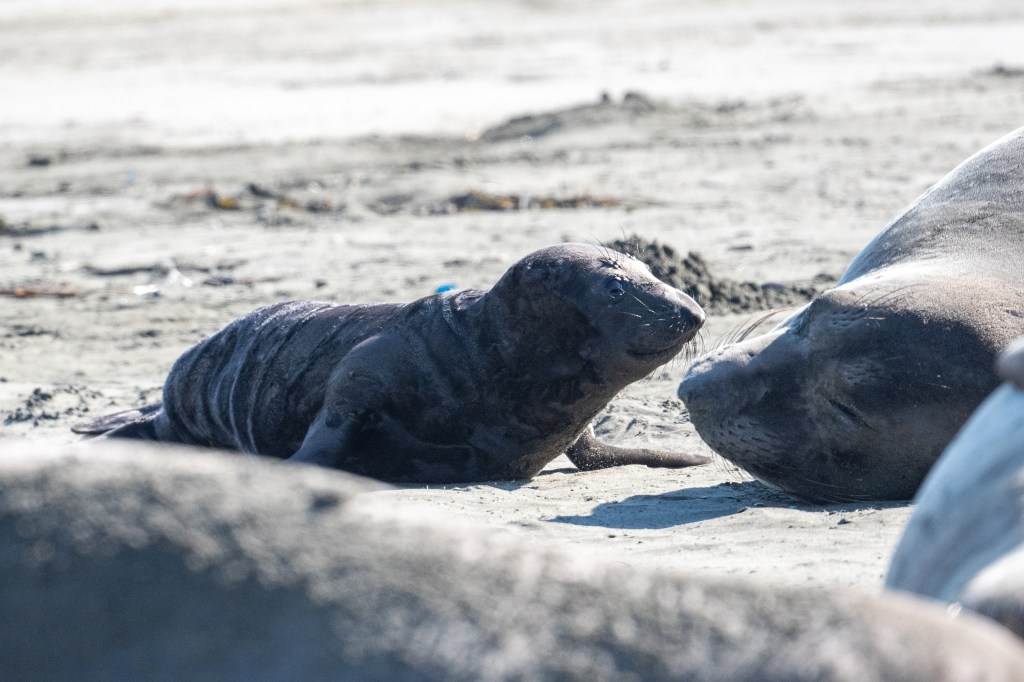
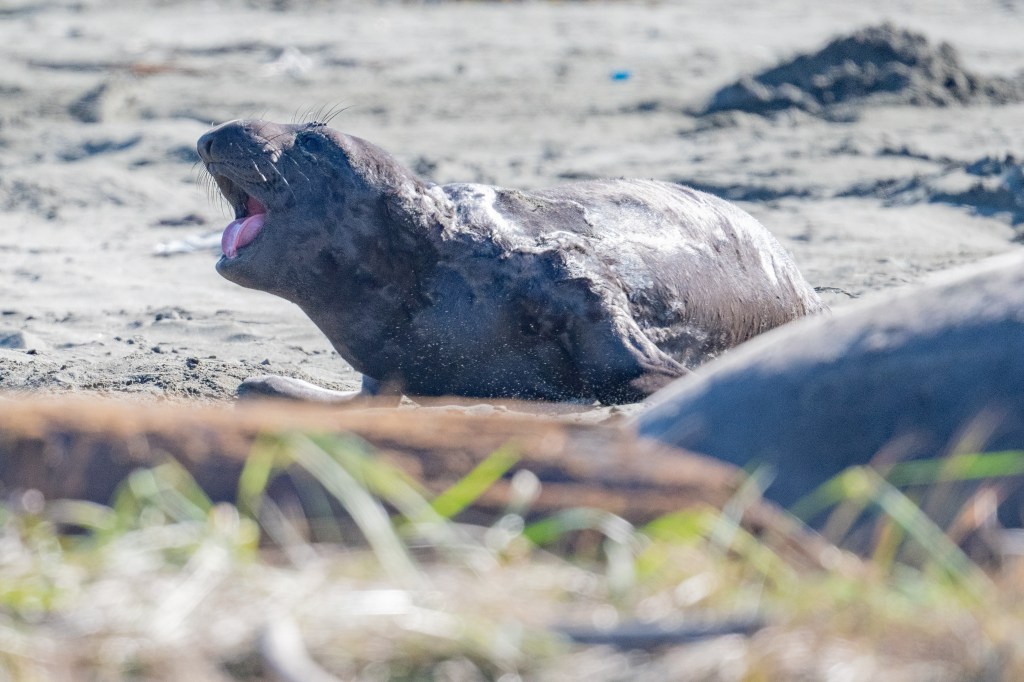
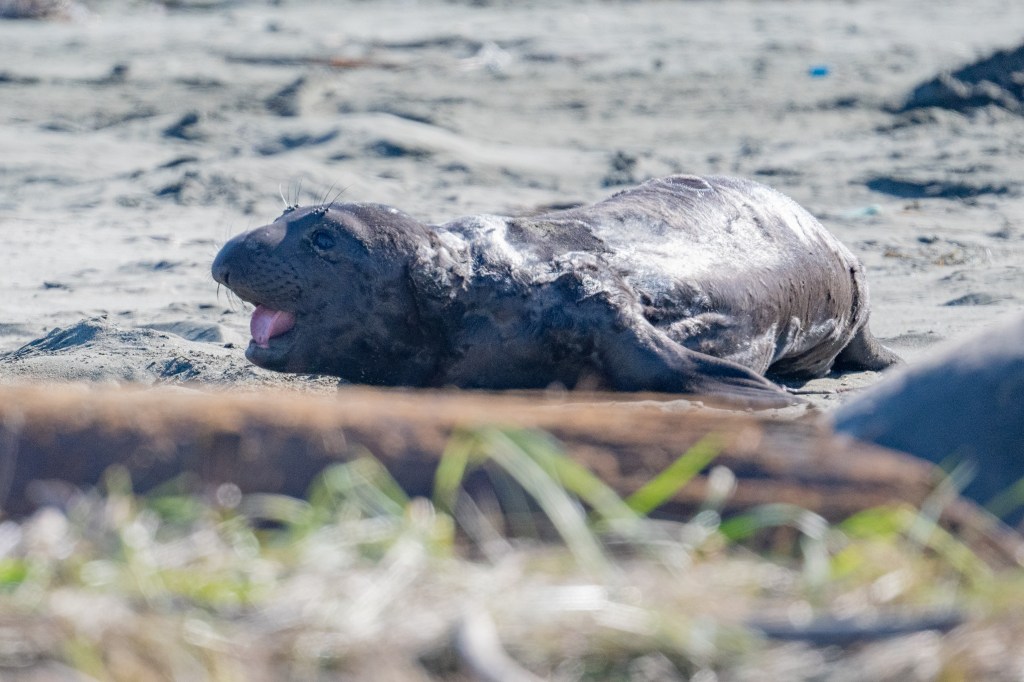
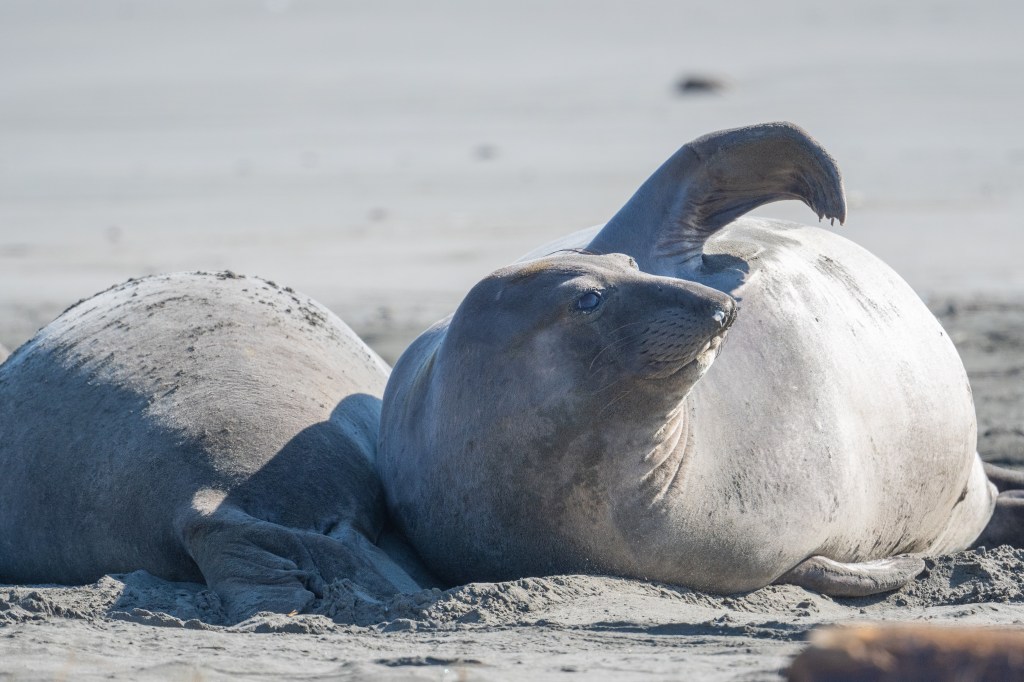
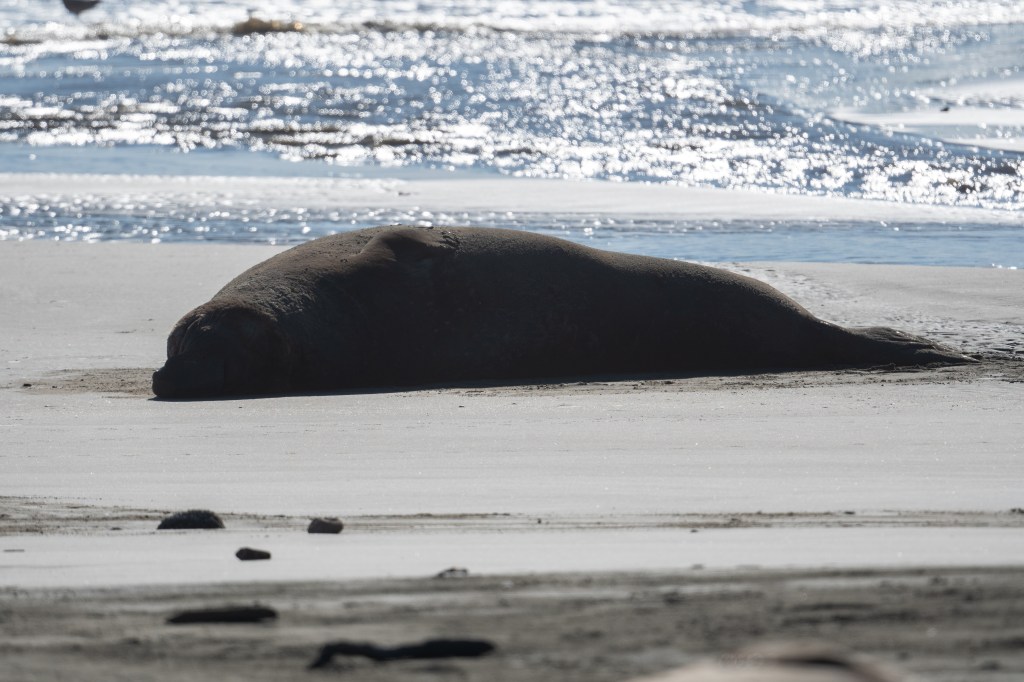
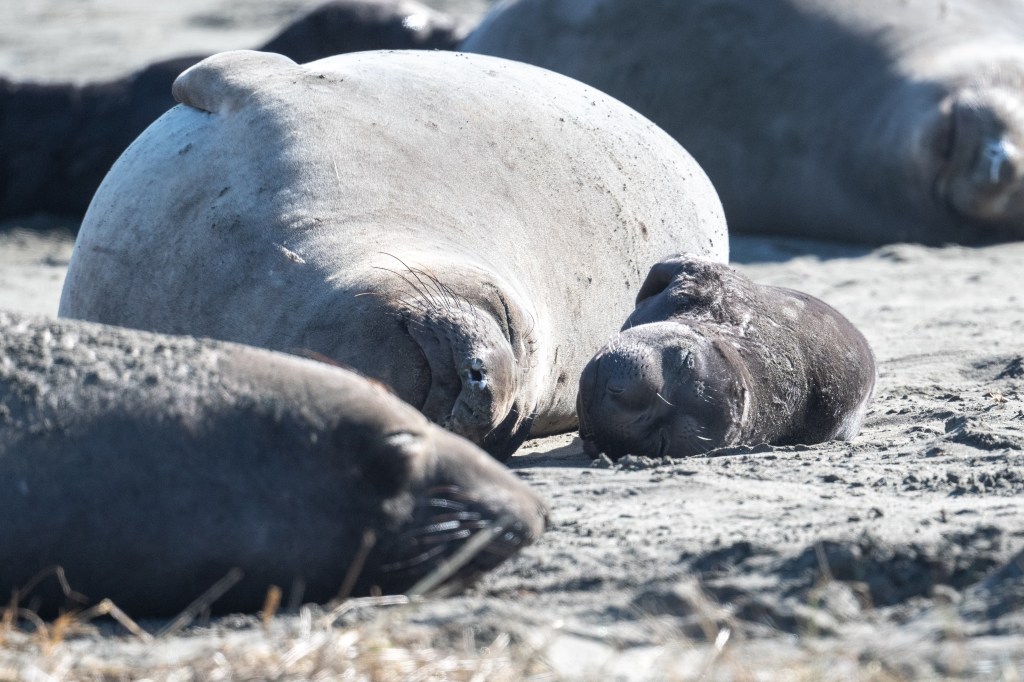
So I wrote about going out to Pt. Reyes a few weeks ago and focused on seeing elephant seals on January 10. See my post about this here https://phylogenomics.me/2026/01/13/elephant-seals-at-point-reyes/. But the trip yielded much much more wildlife viewing / nature viewing than elephant seals and that is what I am writing up here.
The plan was to meet up with two colleagues / friends (Deanna Beatty and Kjiersten Fagnan) on the 10th but my daughter and I decided it would be better for us to stay the night in the area on the 9th so that we could get going reasonably early on the 10th. So my daughter and I headed towards Inverness on the 9th and checked in to the Tomales Bay Resort in Inverness mid PM. We went for a walk to stretch our legs, went to our room for a bit and then decicded we had time for a brief outing to Pt. Reyes that afternoon. This was not in our original plan but we had gotten there a bit earlier than we had anticipated and, well, we were right there near Pt. Reyes so we headed on in. And it ended up being amazing.
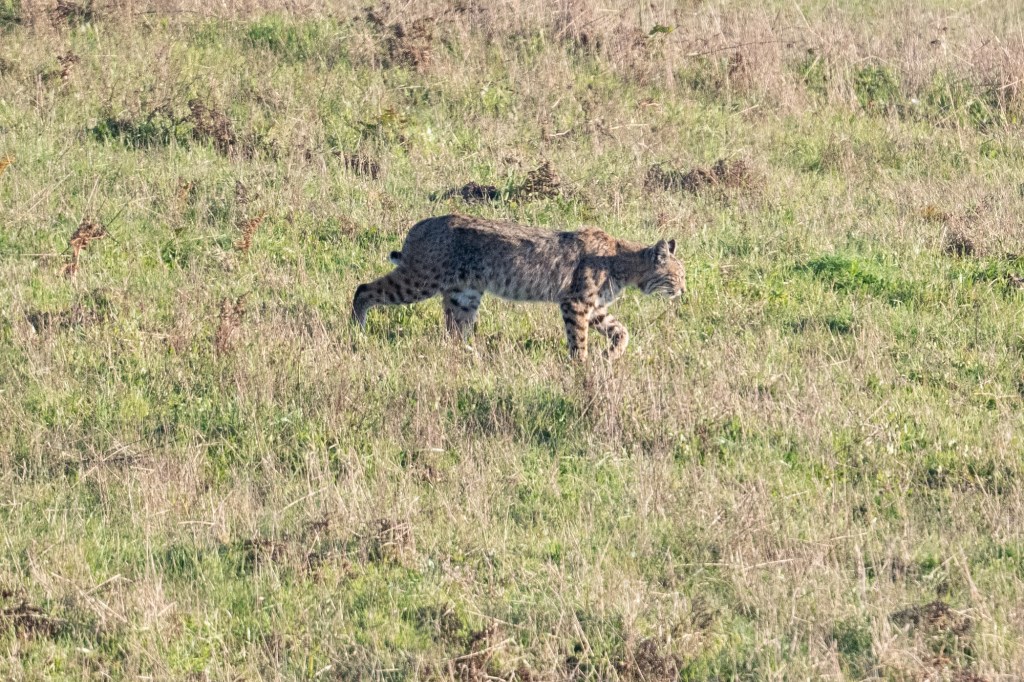
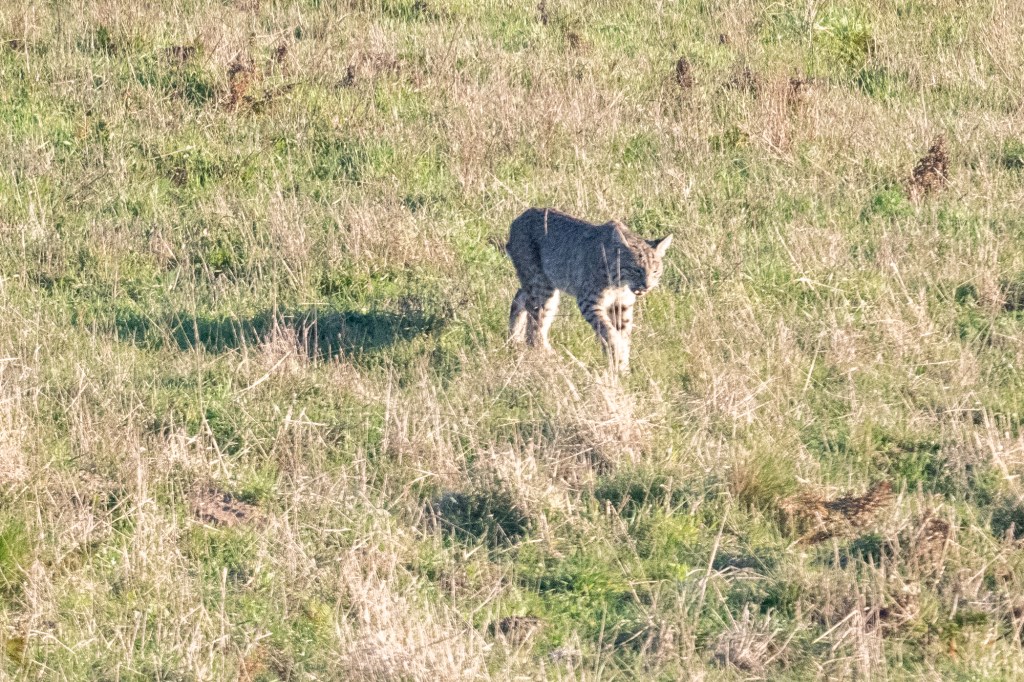
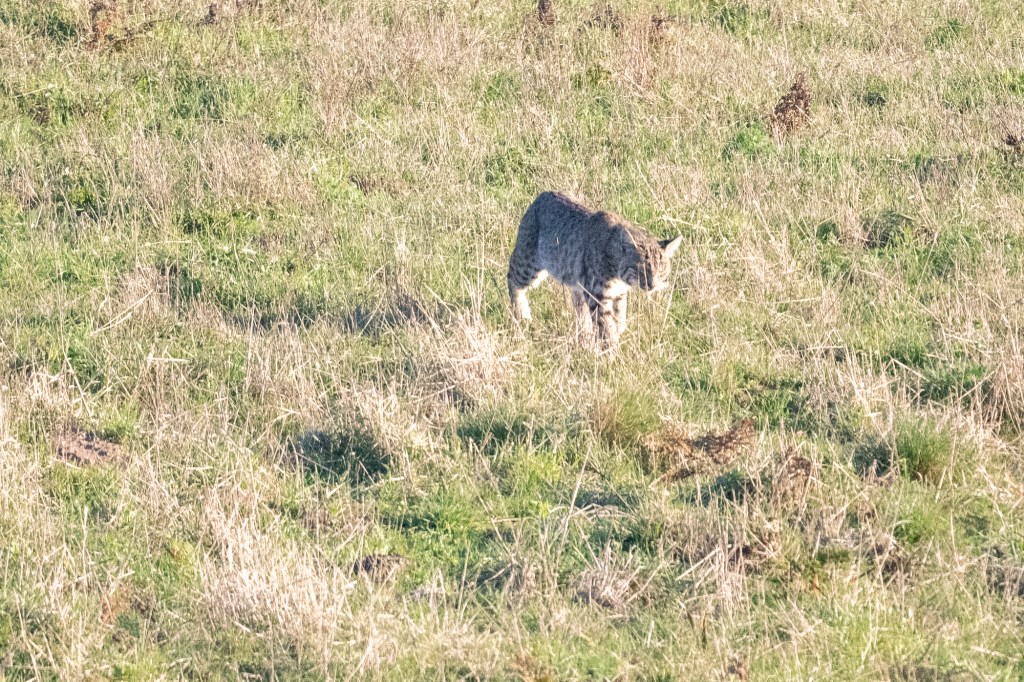
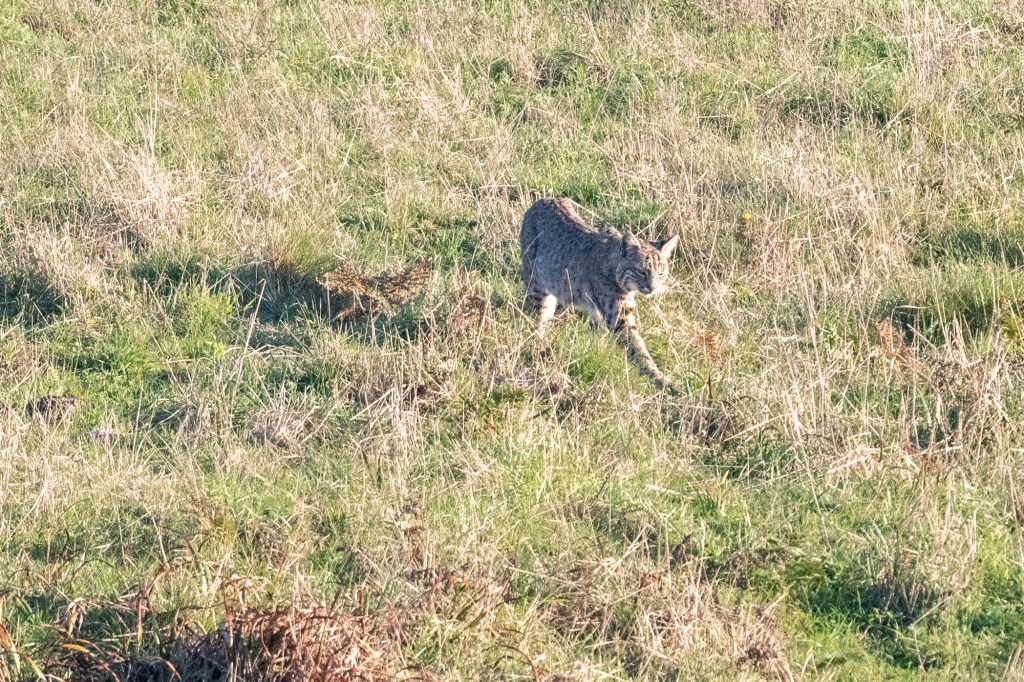
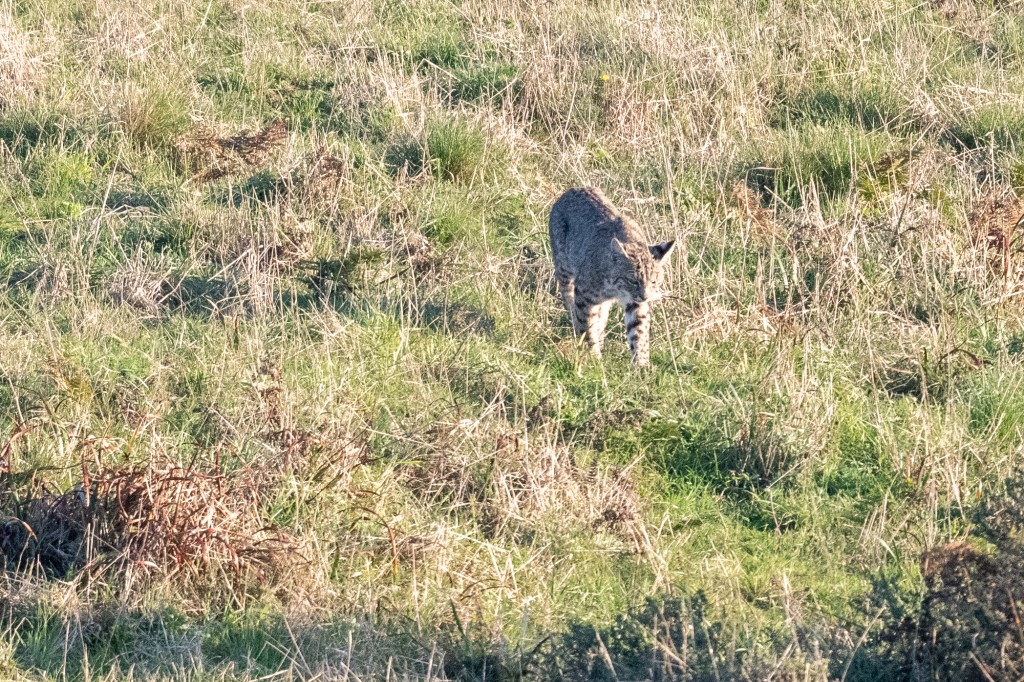
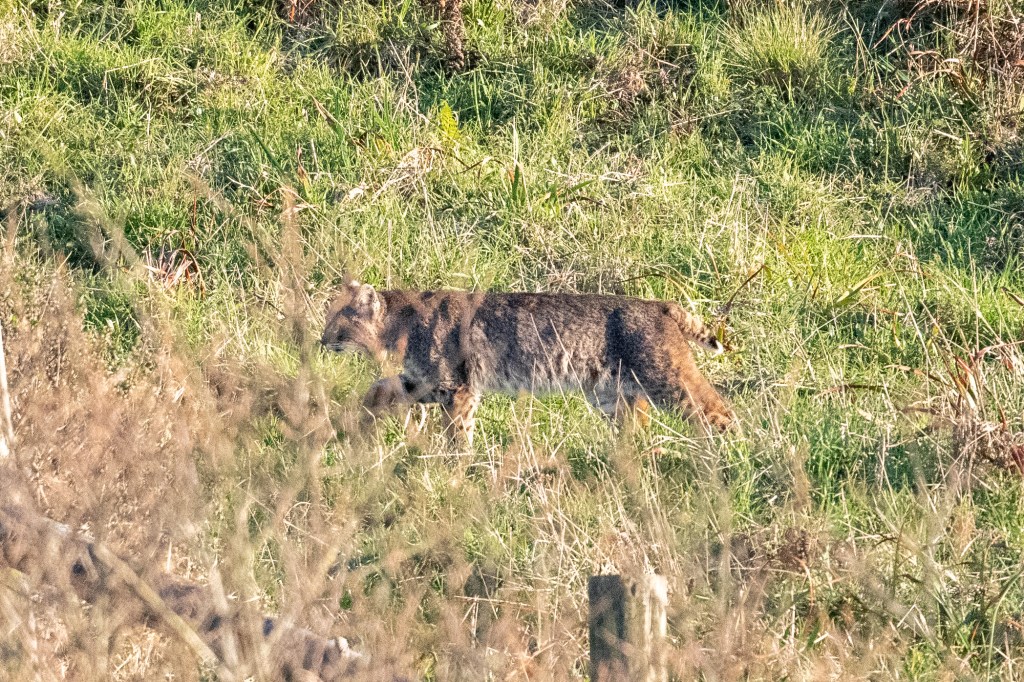
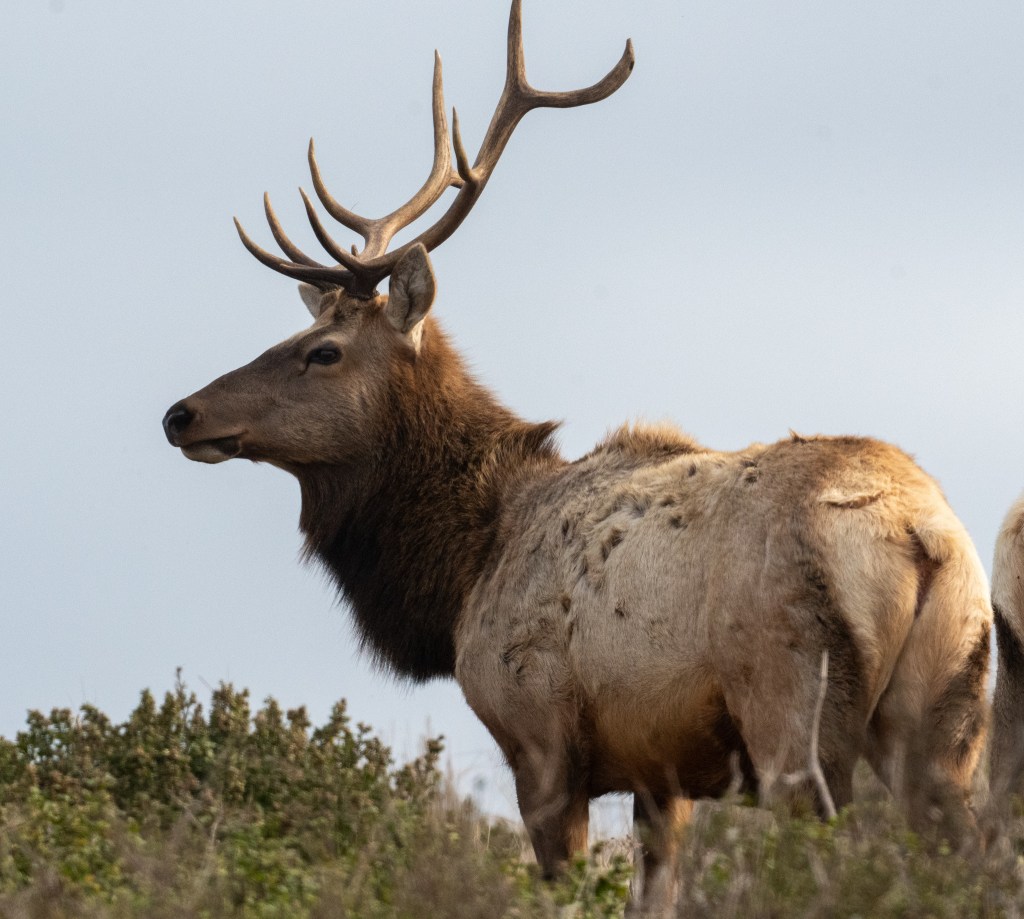
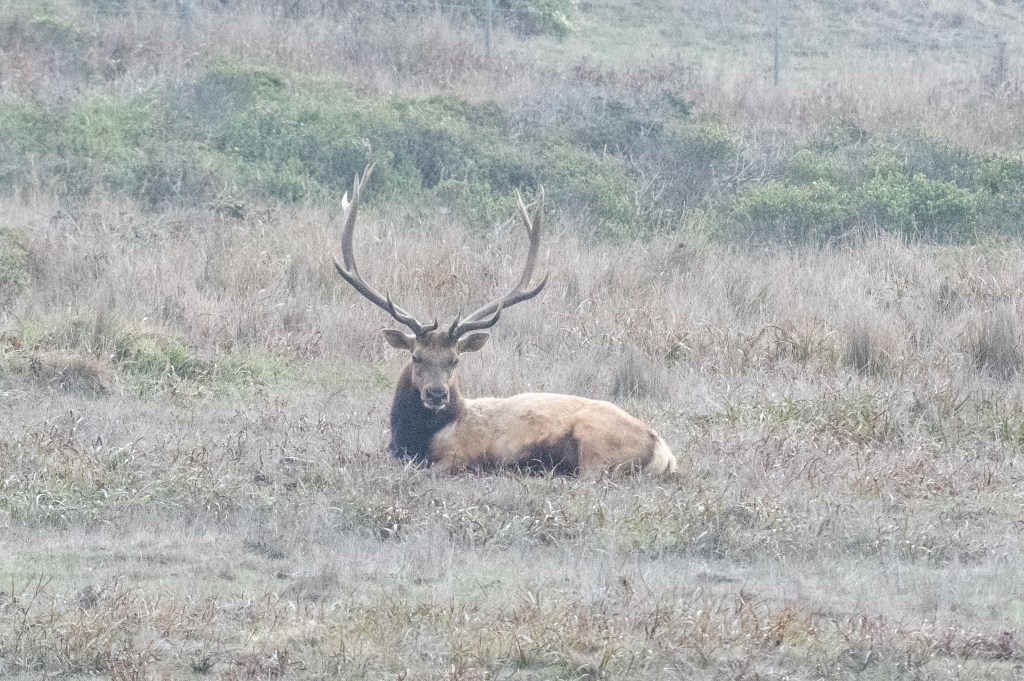
Basically, we drove to Pierce Ranch in the Northern part of Pt. Reyes and then drove back. But on the way there and back we saw some amazing things, including three different bobcats, a bunch of coyotes, and lots of elk. Below are some more details.
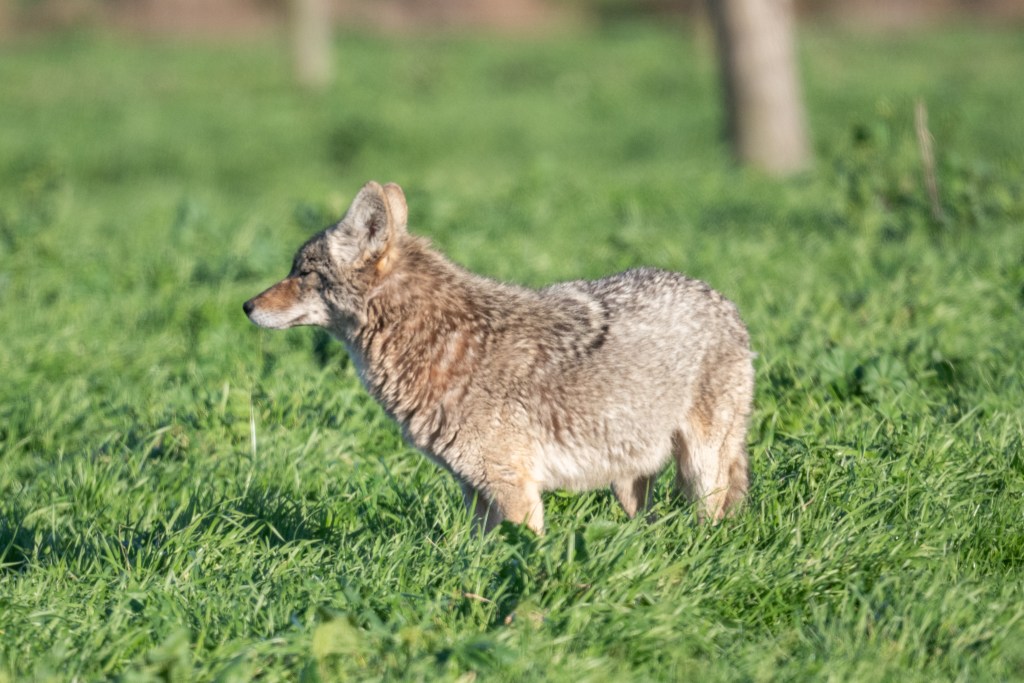
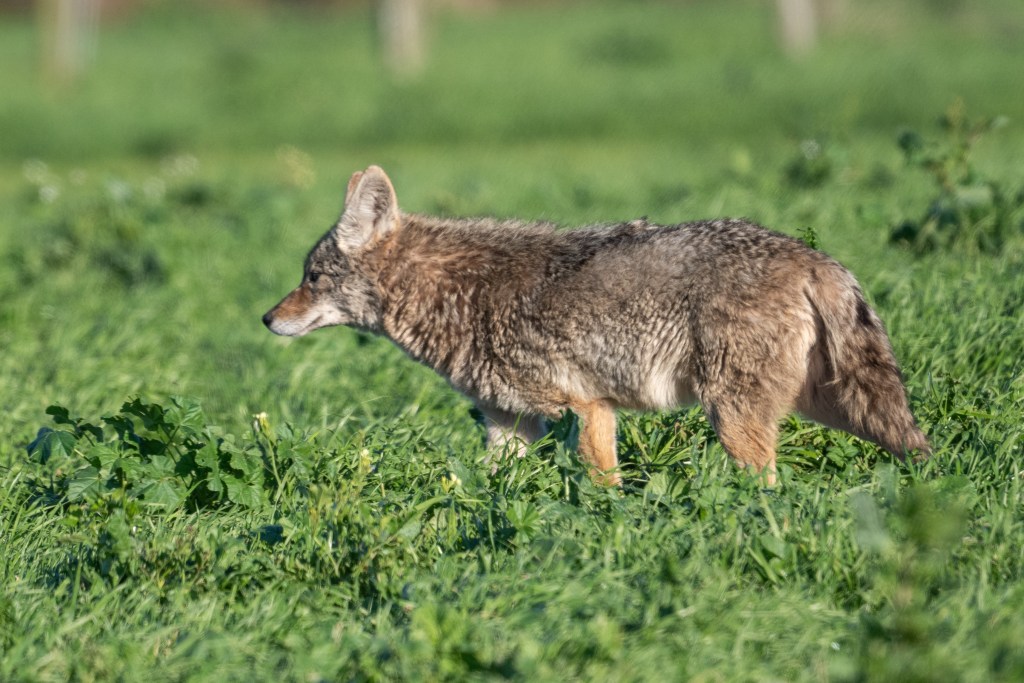
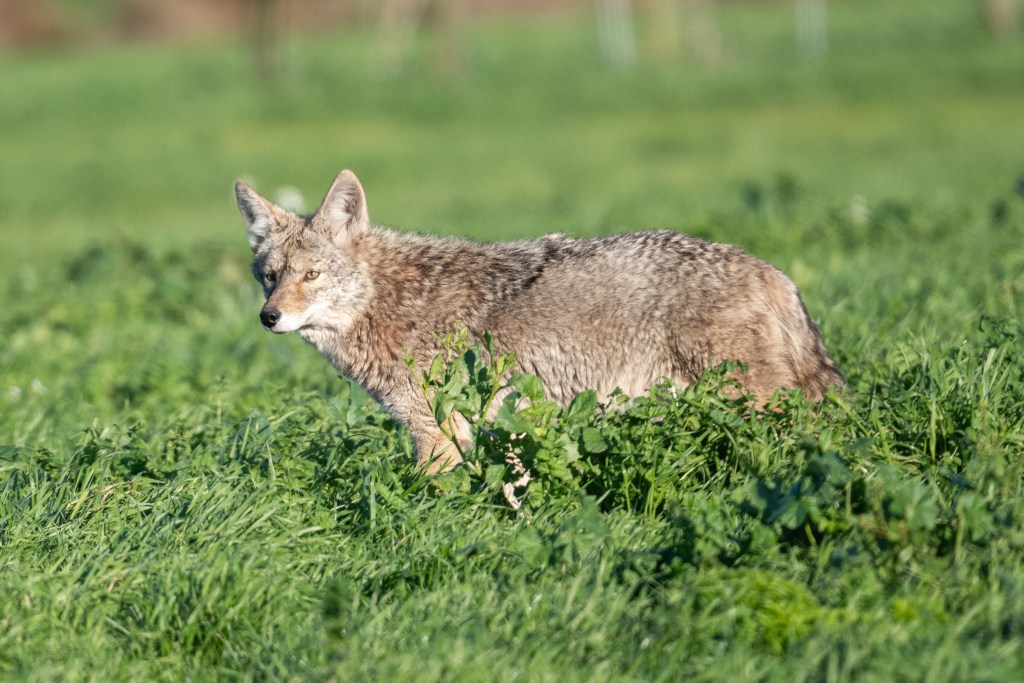
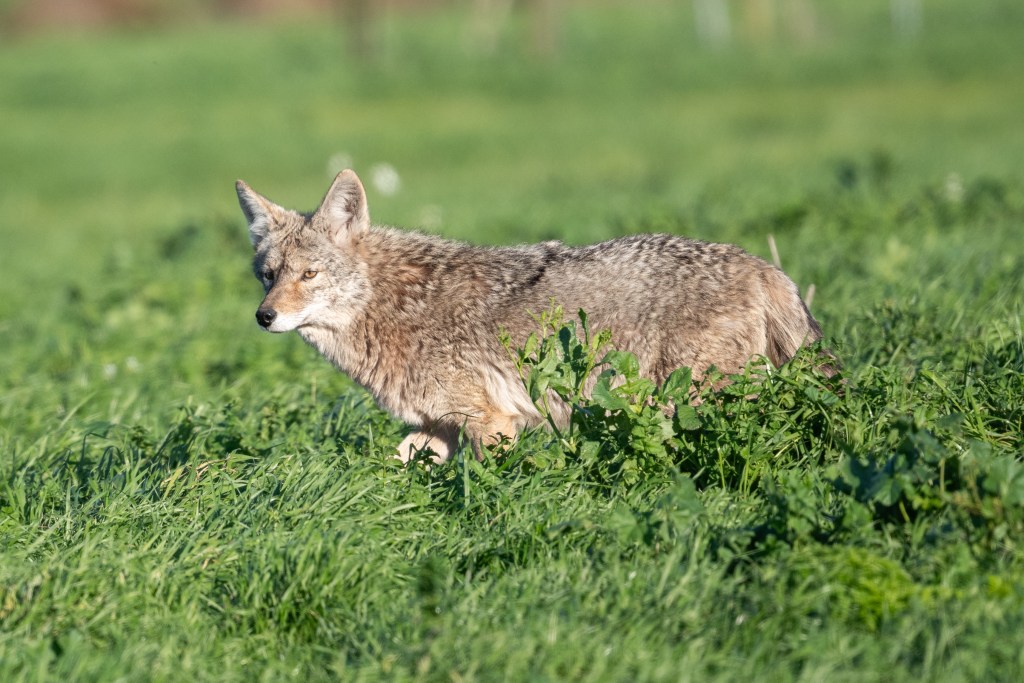
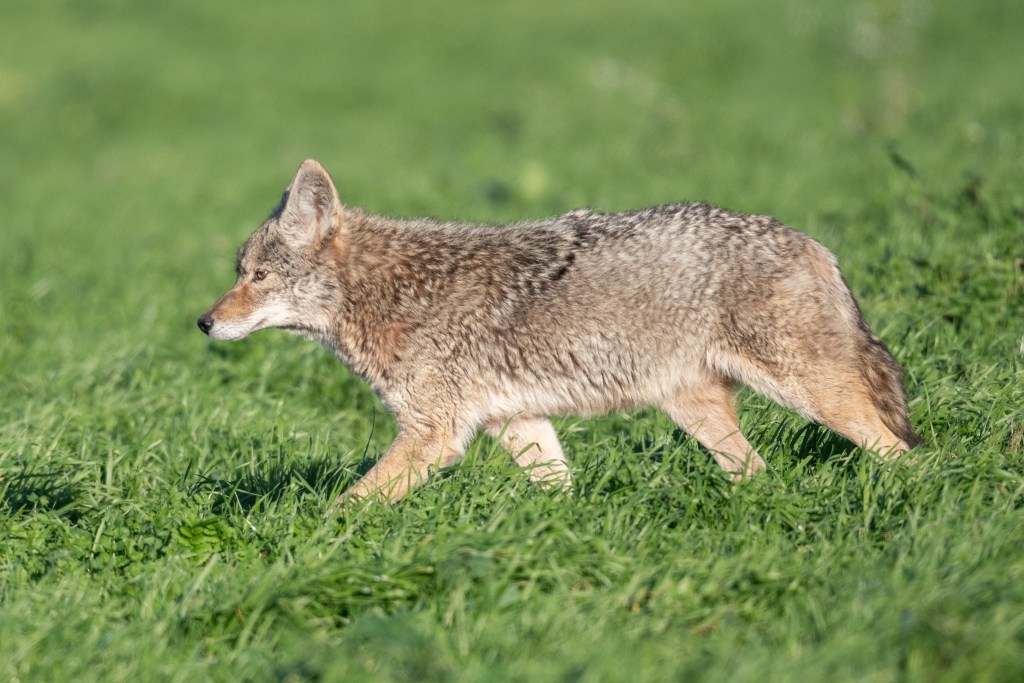
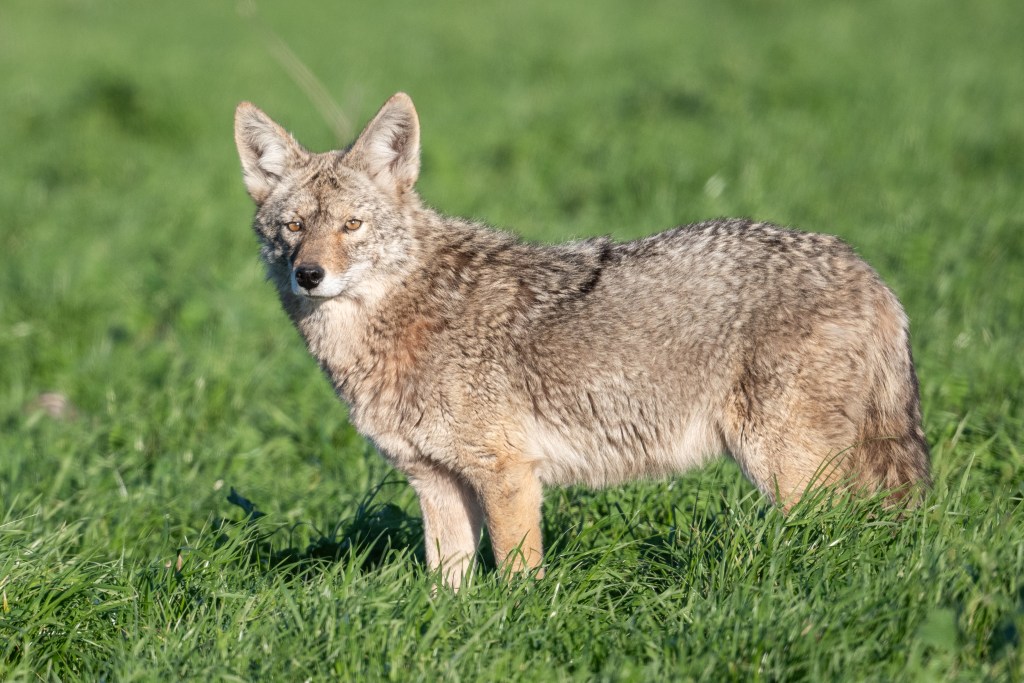
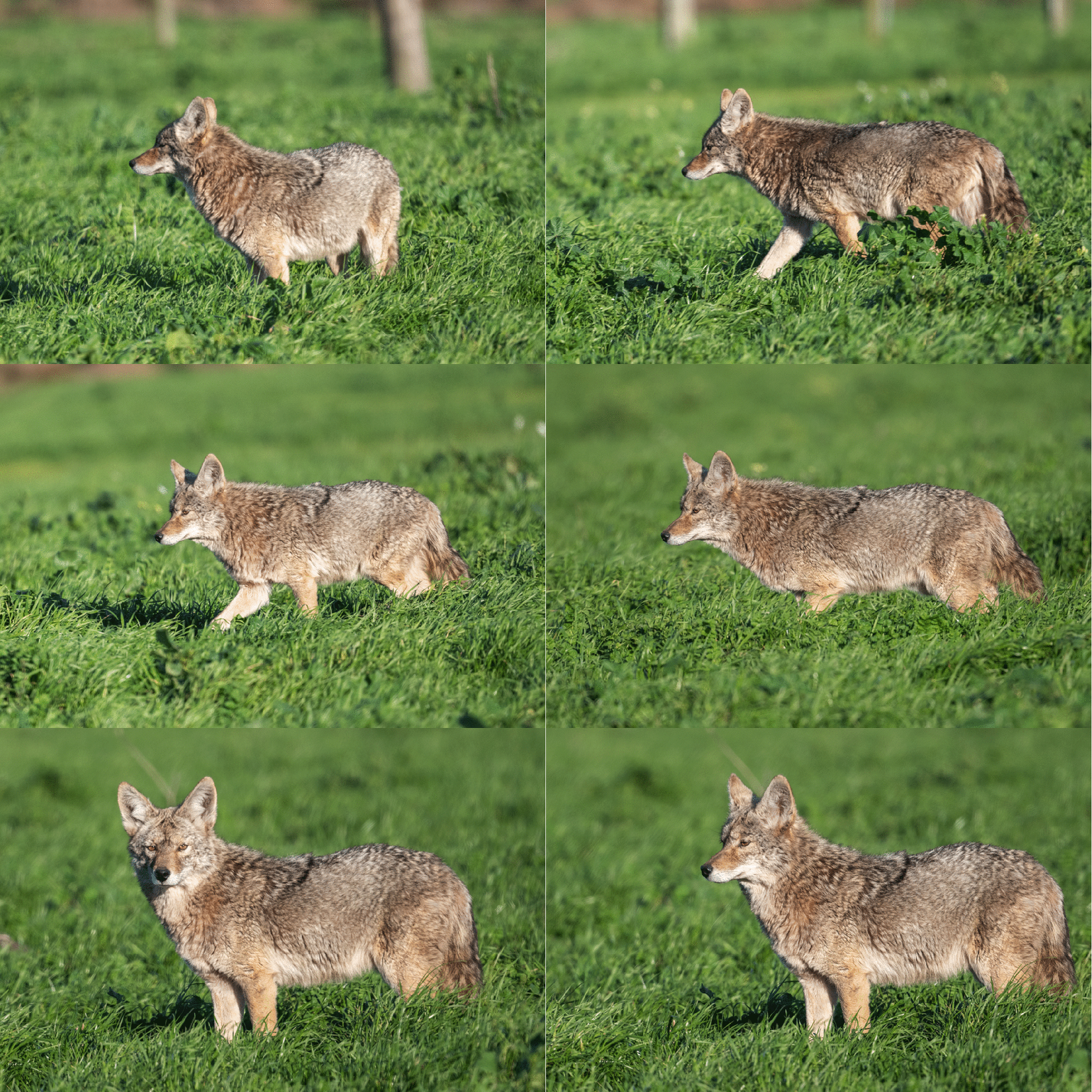
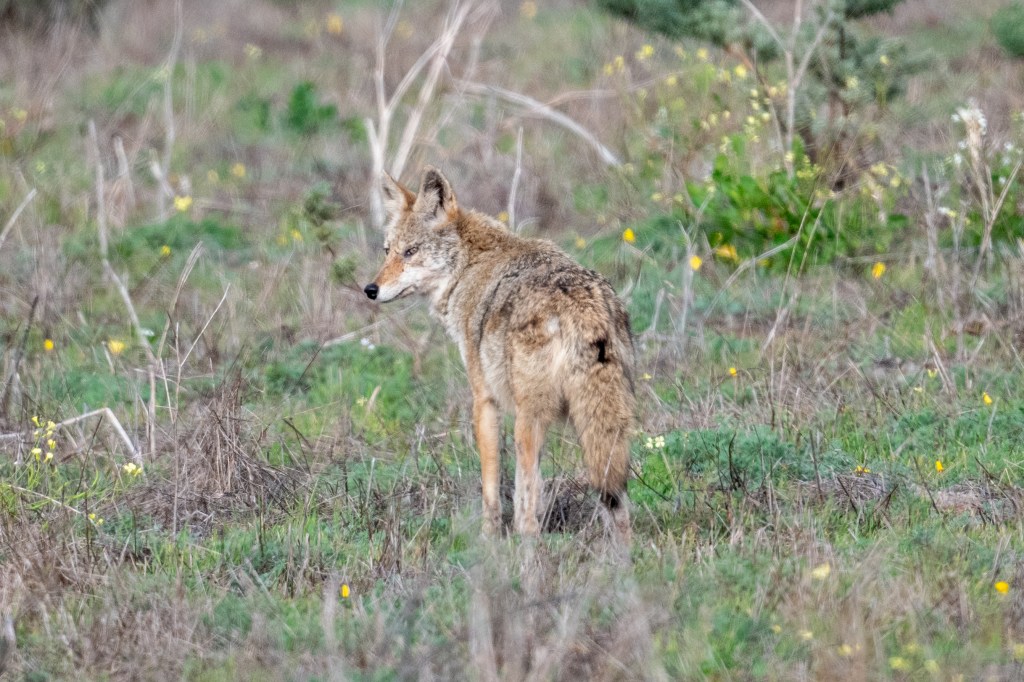
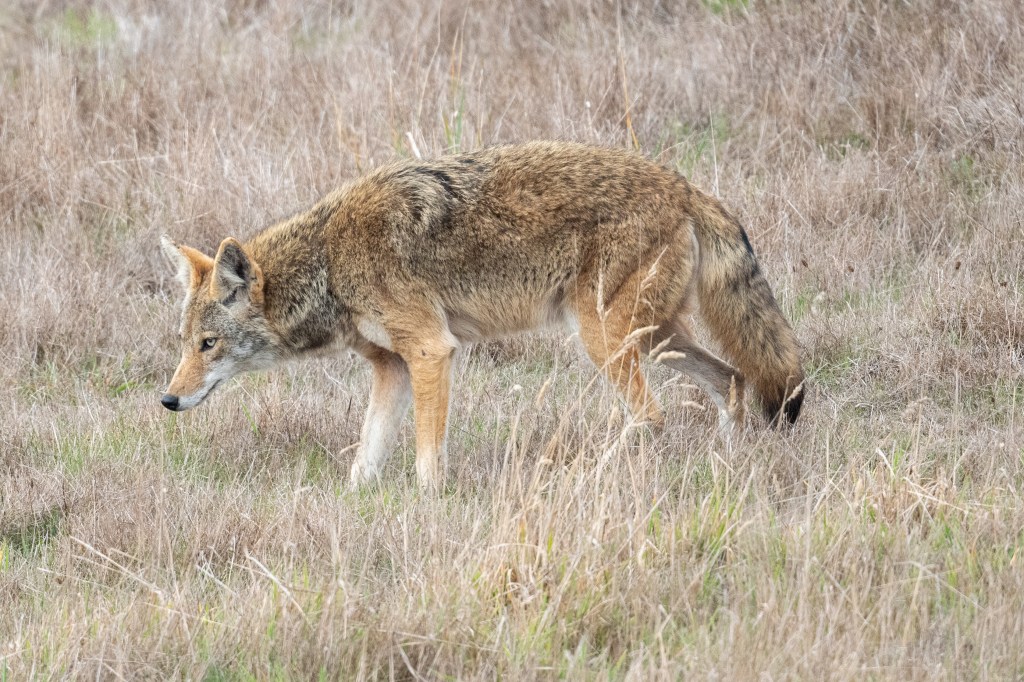
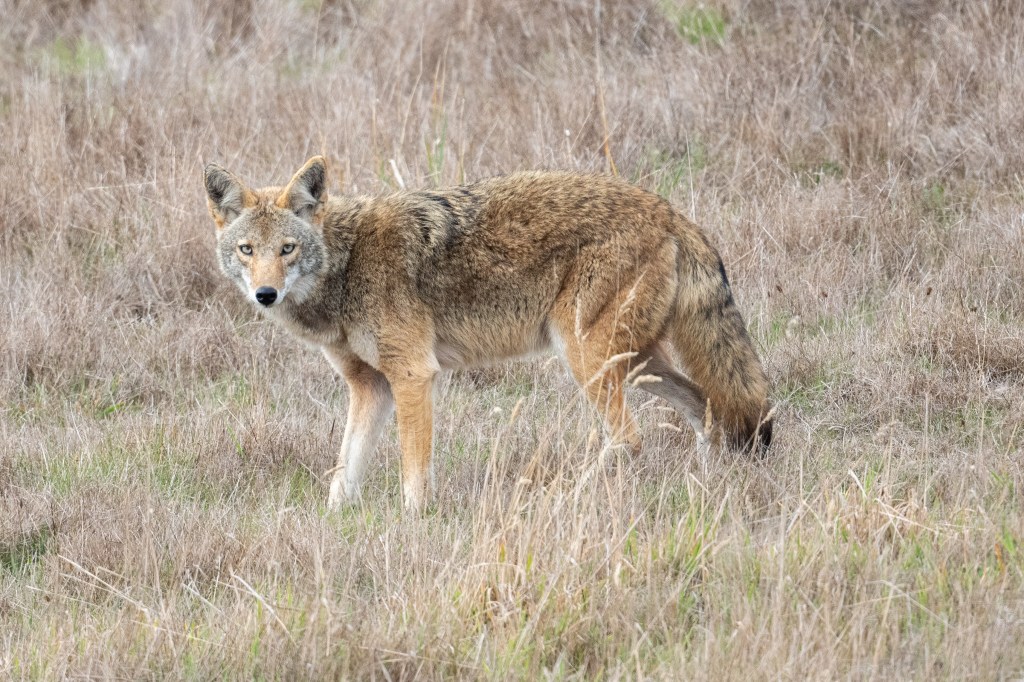
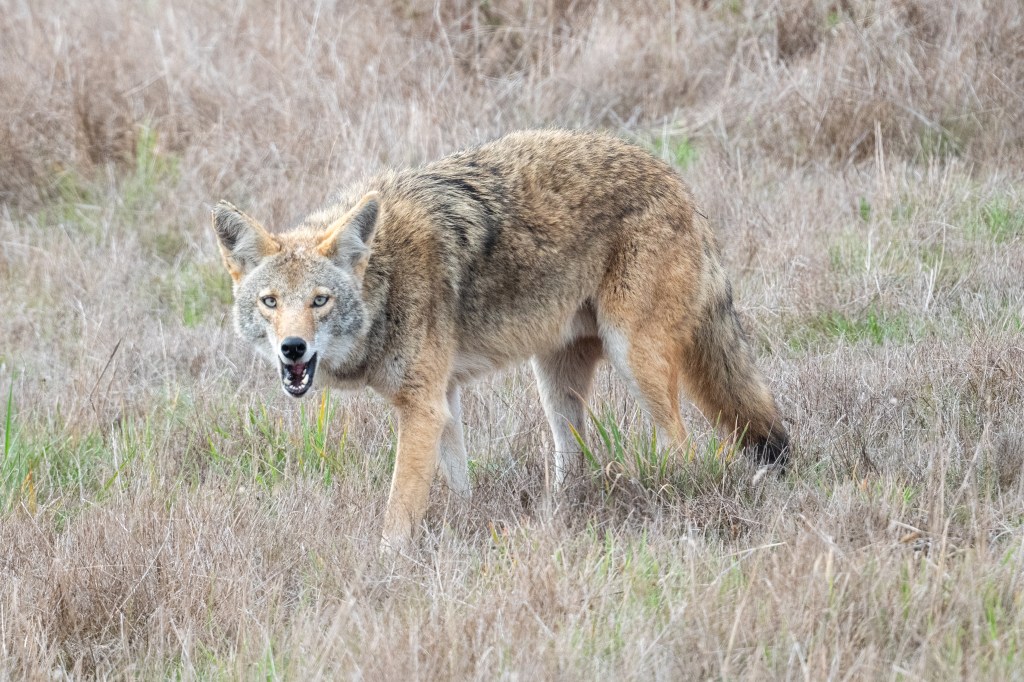
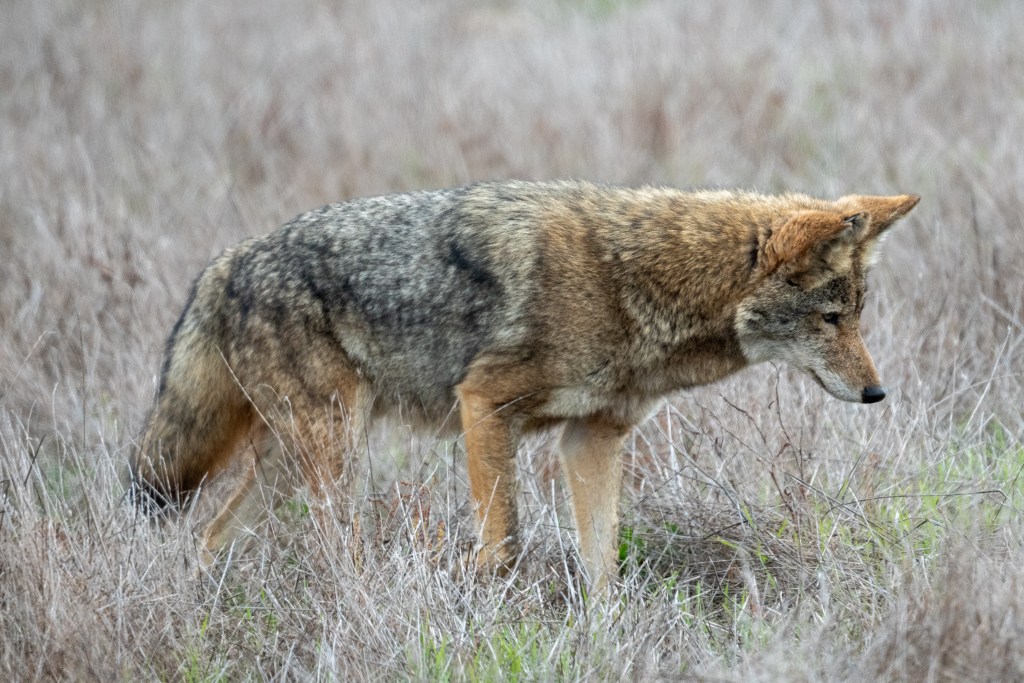
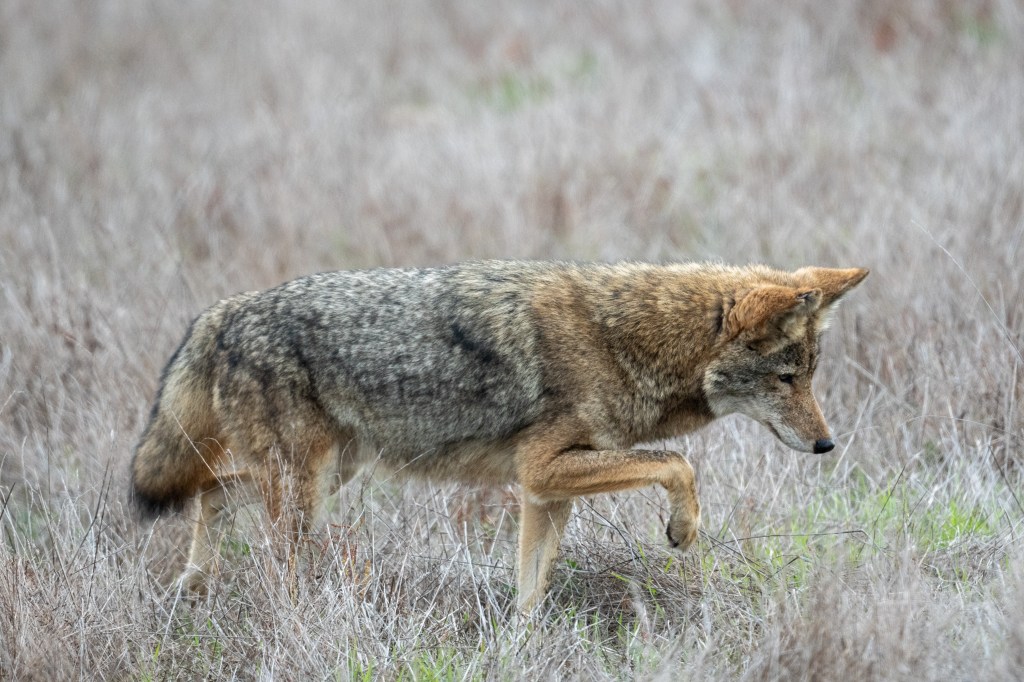
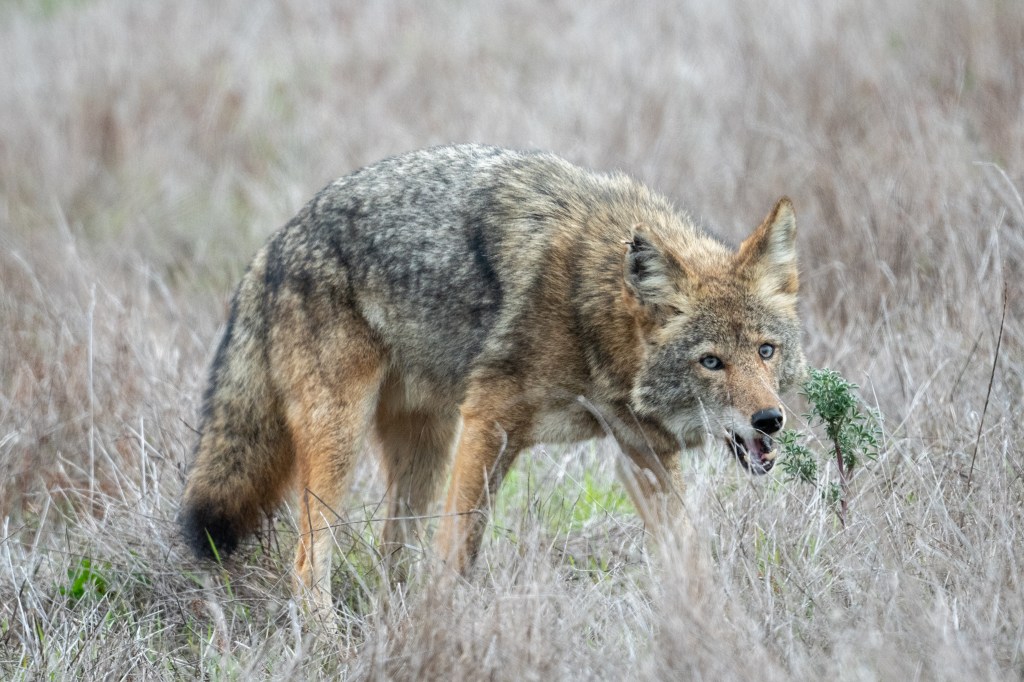
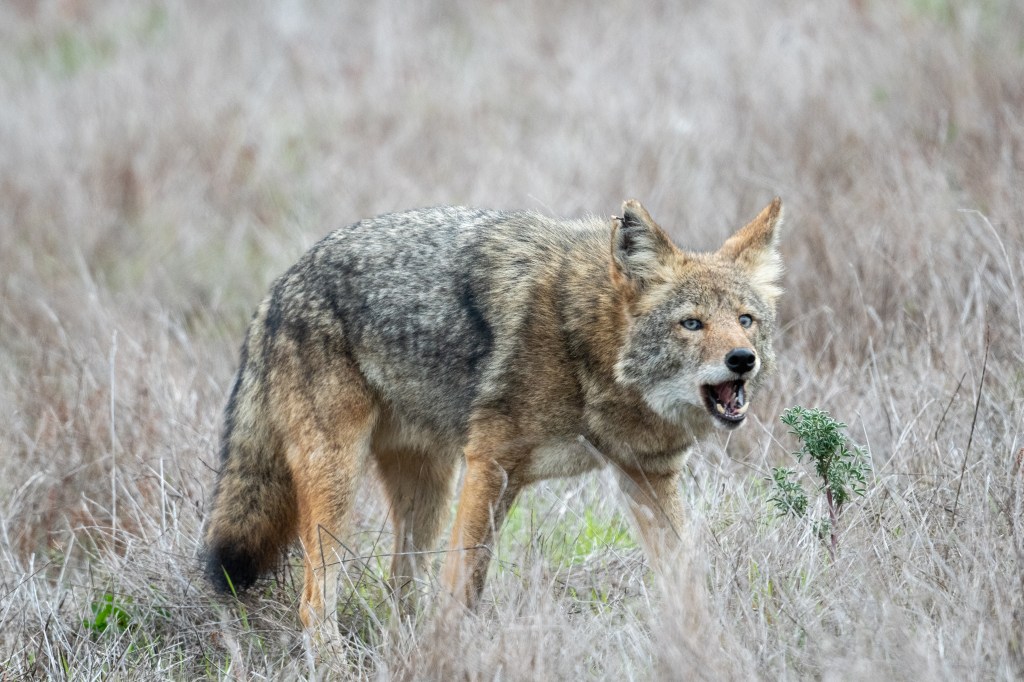
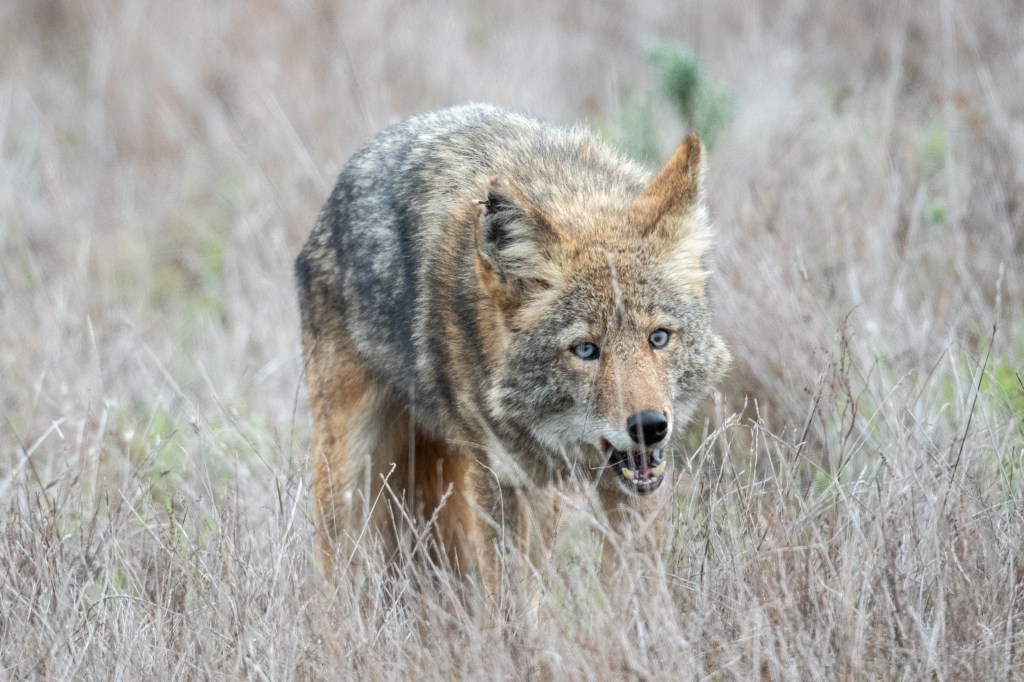
The first interesting wildlife we saw was a very happy and healthy looking coyote on the side of the road as we headed towards Pierce Ranch in the North East region of Pt. Reyes.
And my favorite
I also made a gif from the series of pics I took. See below
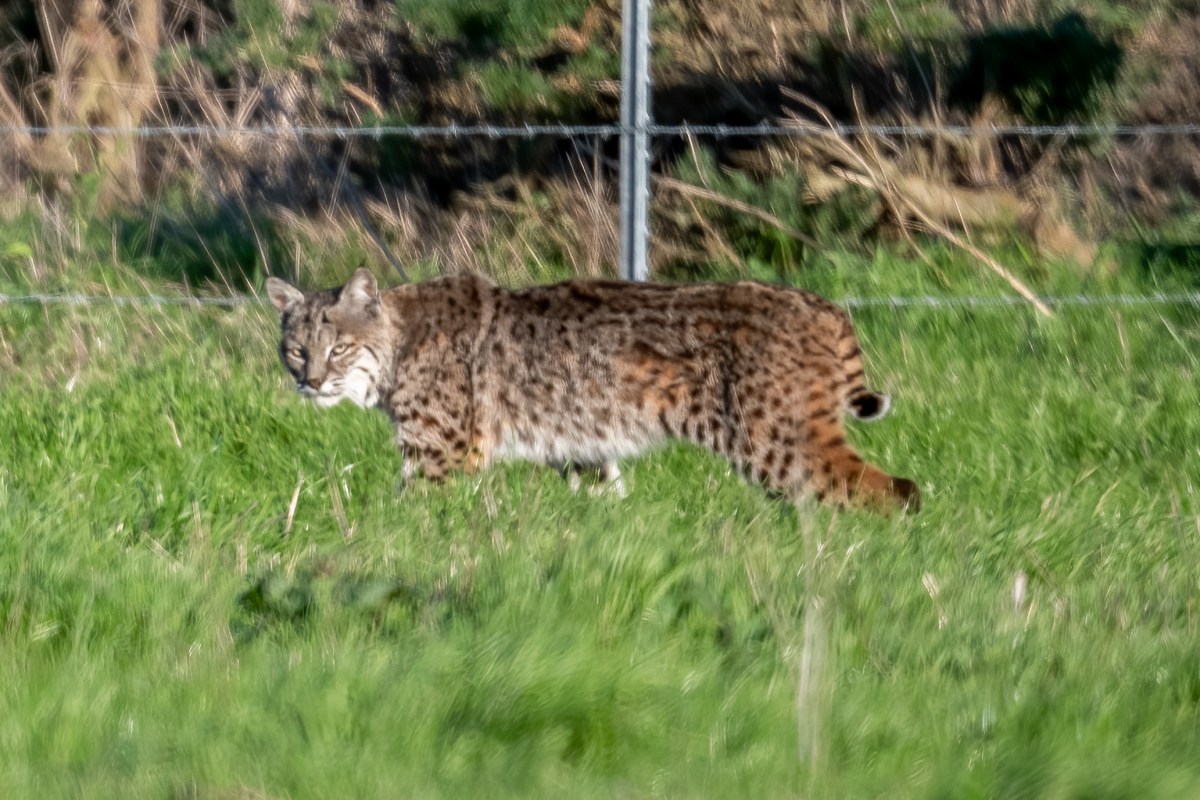
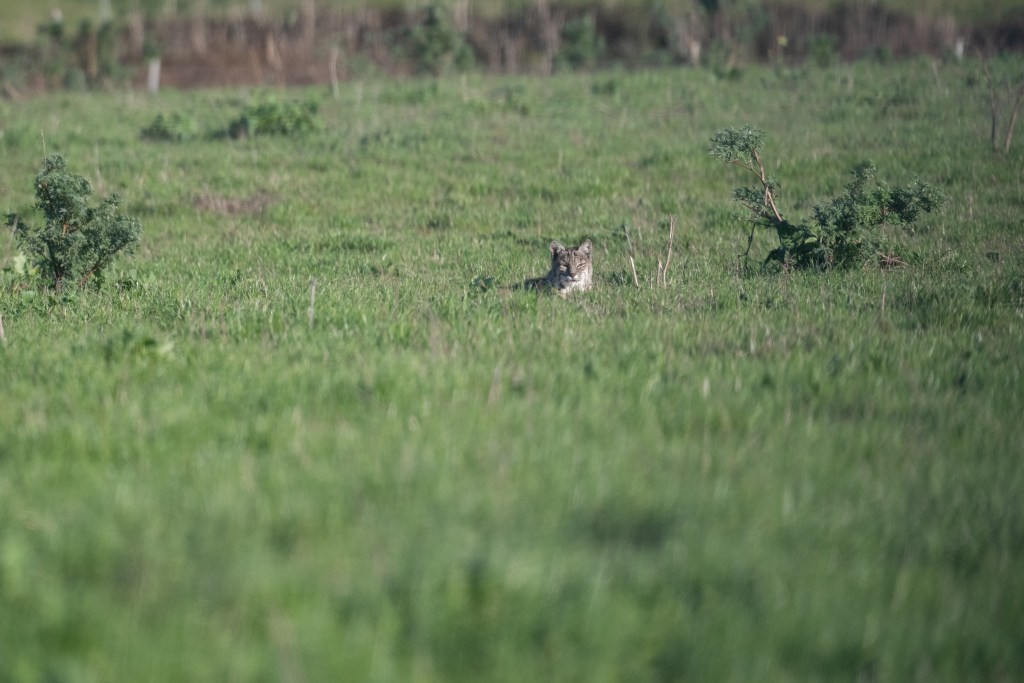
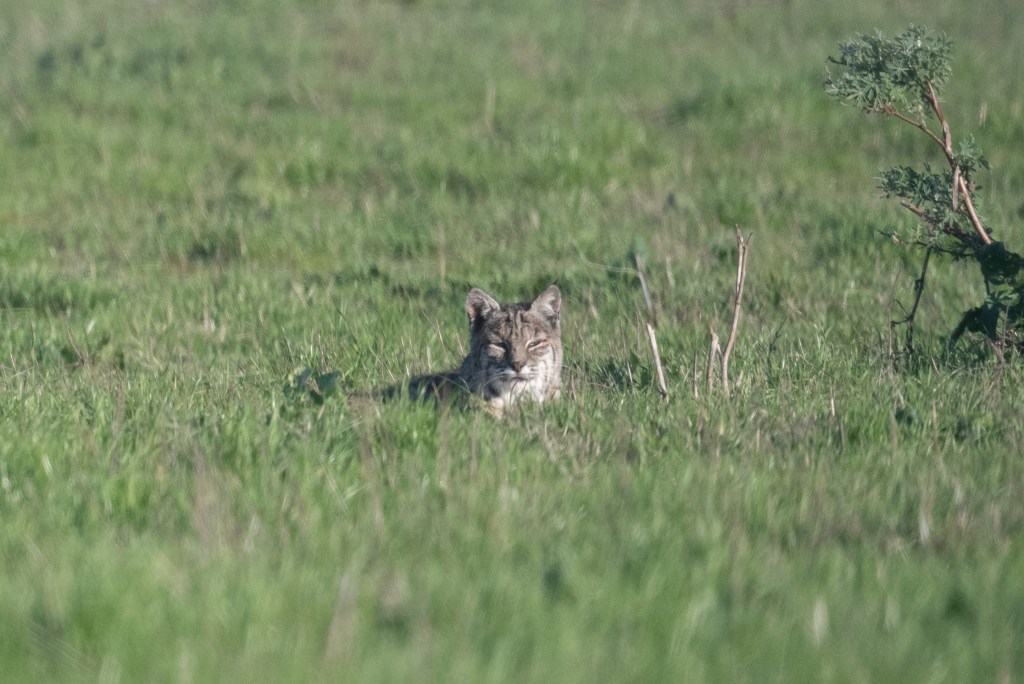
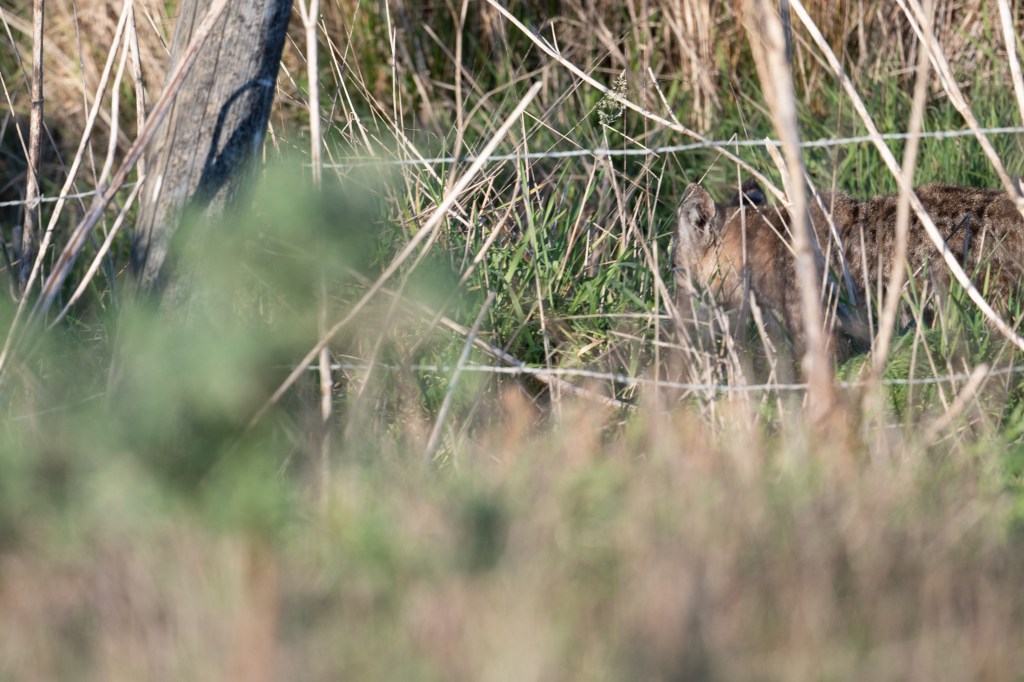
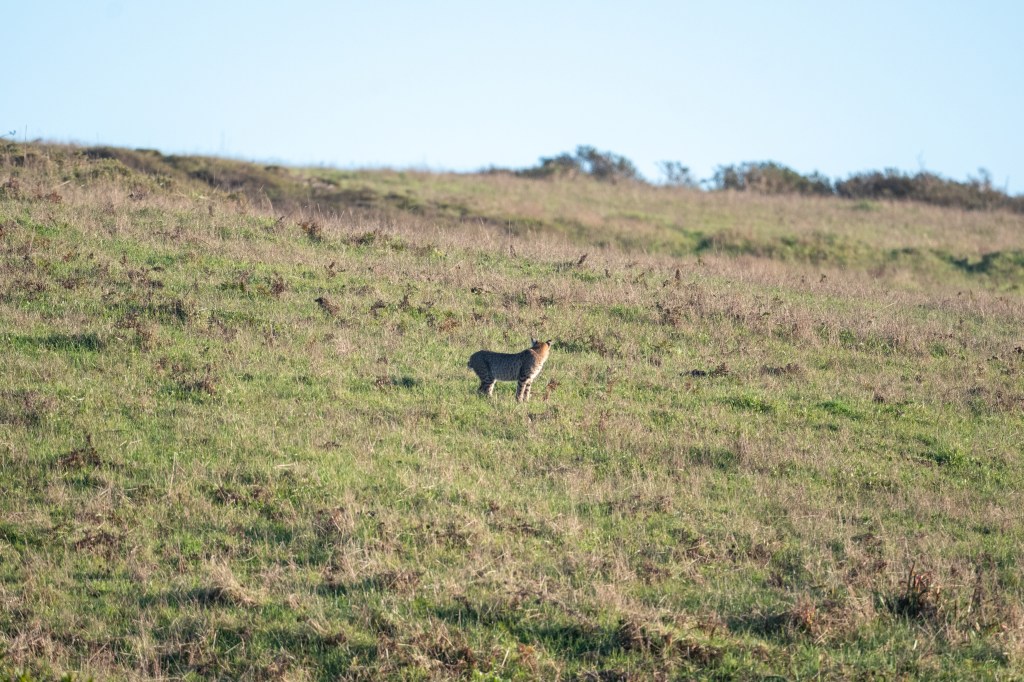
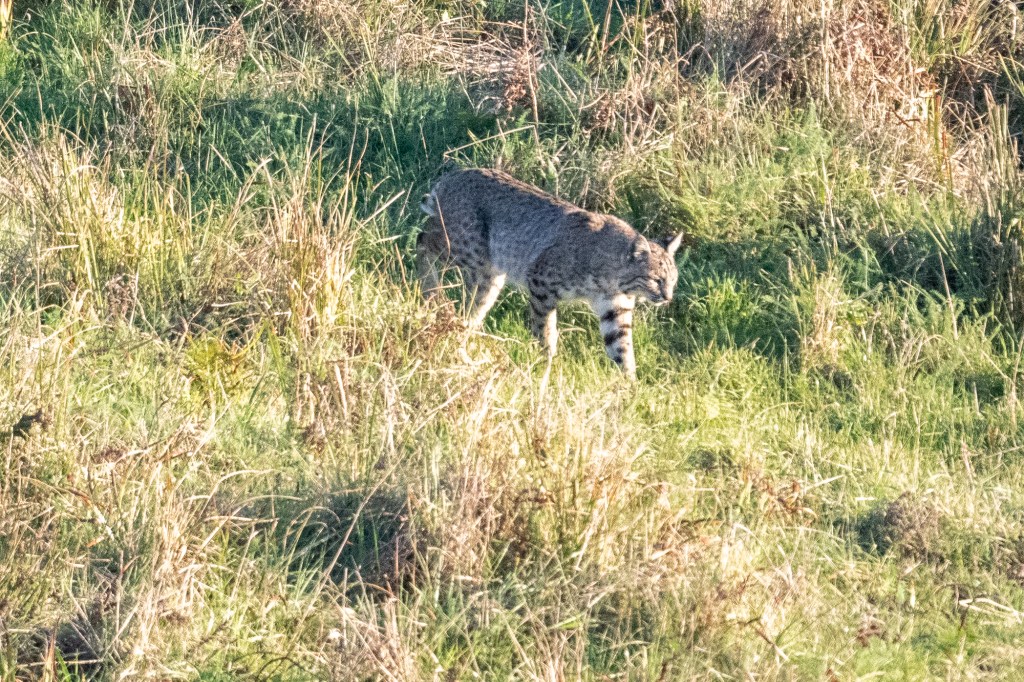
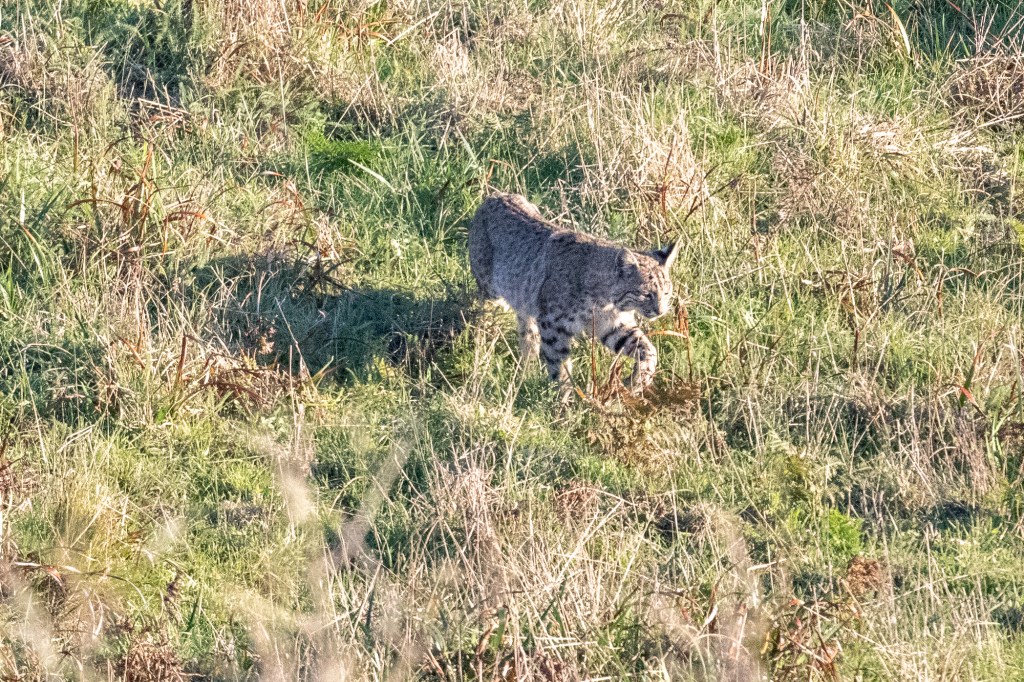
After the coyote we continued driving North on the road towards Pierce Ranch. Along the way we saw a person pulled over on the side of the road taking pictures of something in a field to the right. And off in the field I could see a lightly colored object. We pulled over and got out of our car and off in the distance, was Bobcat #1.
Zoomed in pic:
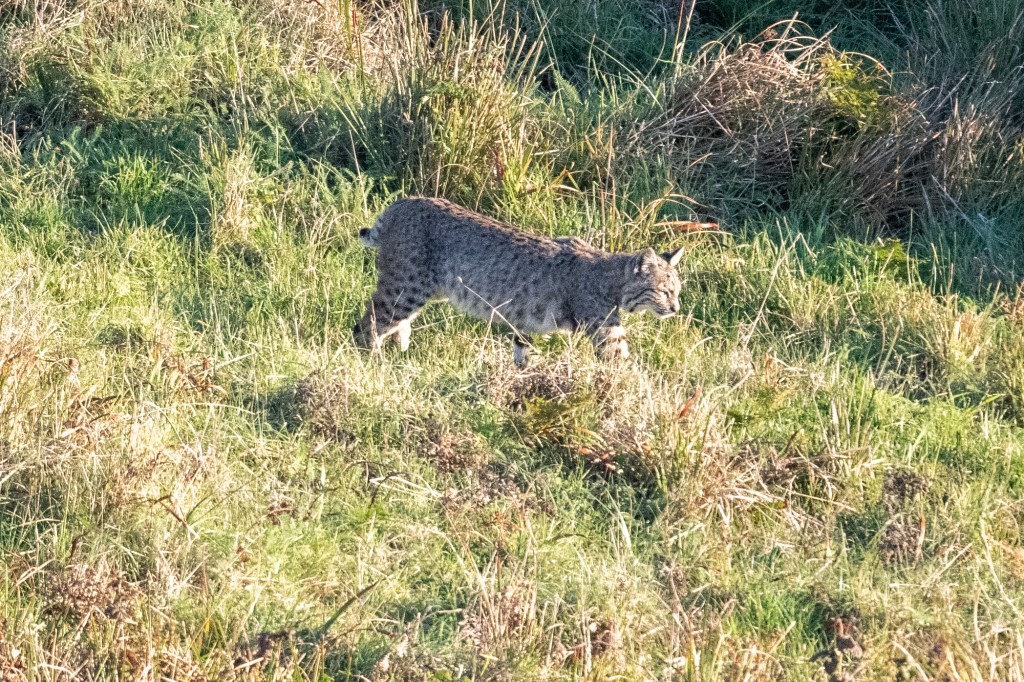
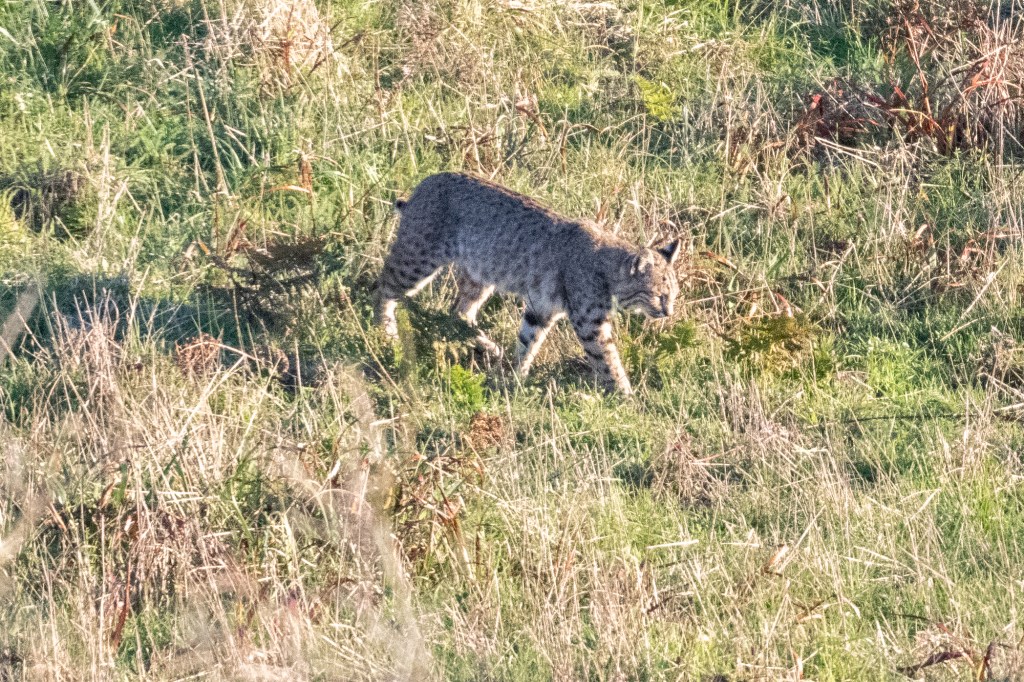
The bobcat then got up and walked towards some bursh and I got a few more pics.
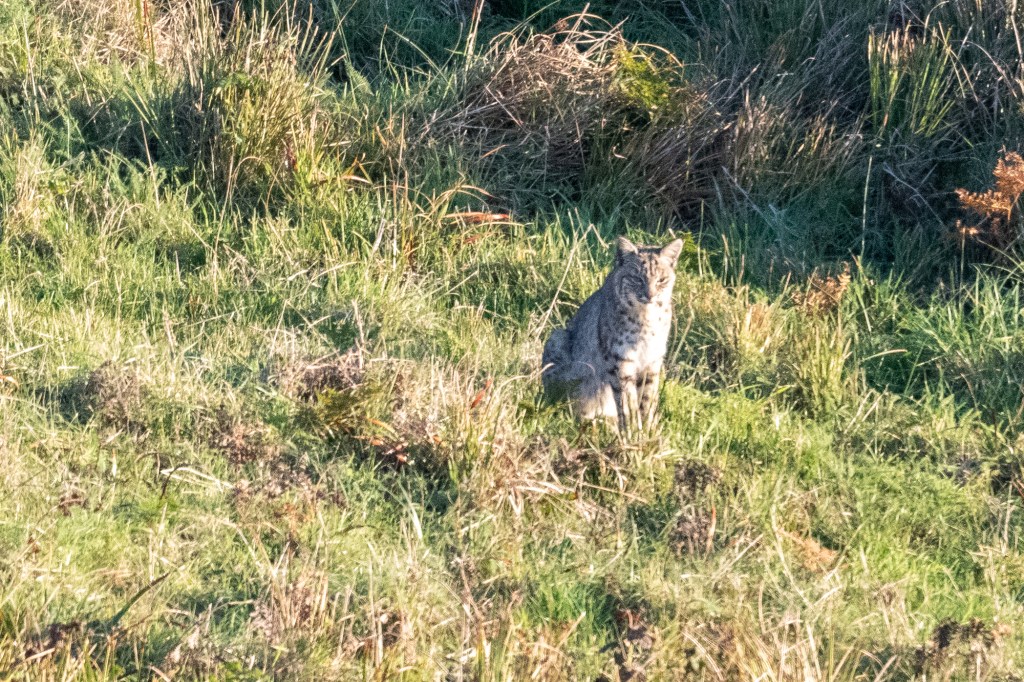
And then it took a look in my direction.
And then it was into the bushes and was gone.
Absolutely amazing. It was the first good look my daughter has ever gotten of a bobcat. We were giddy.
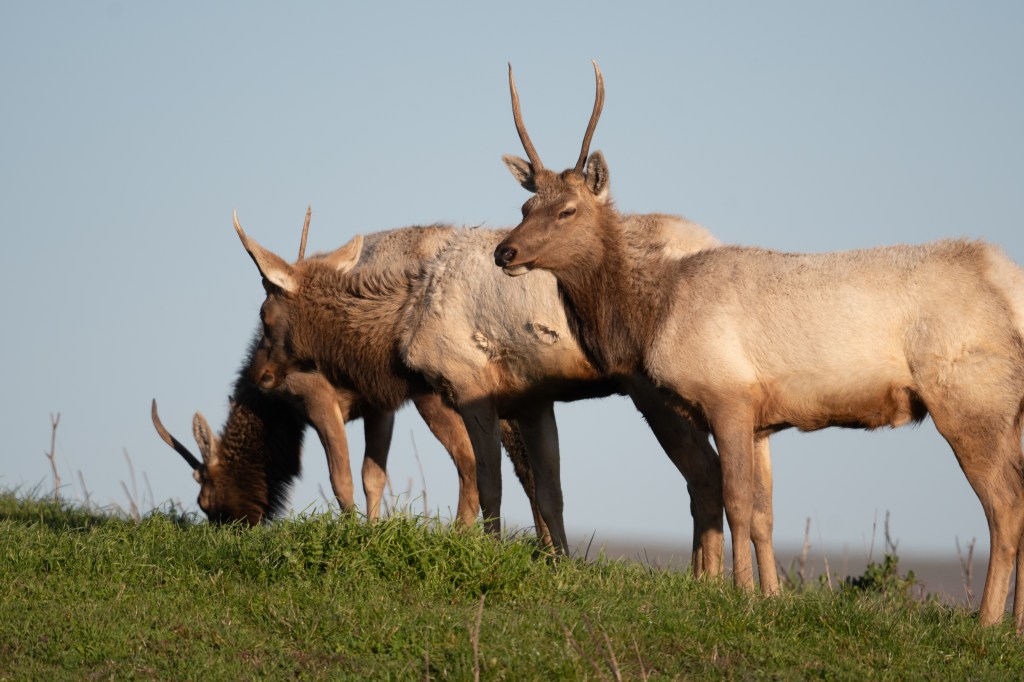
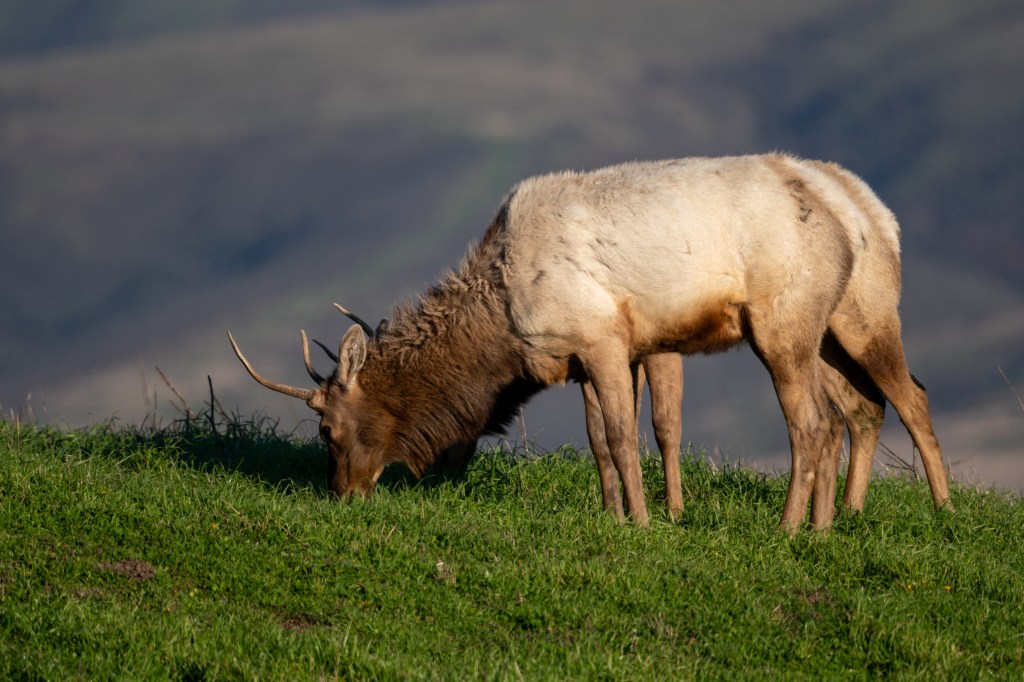
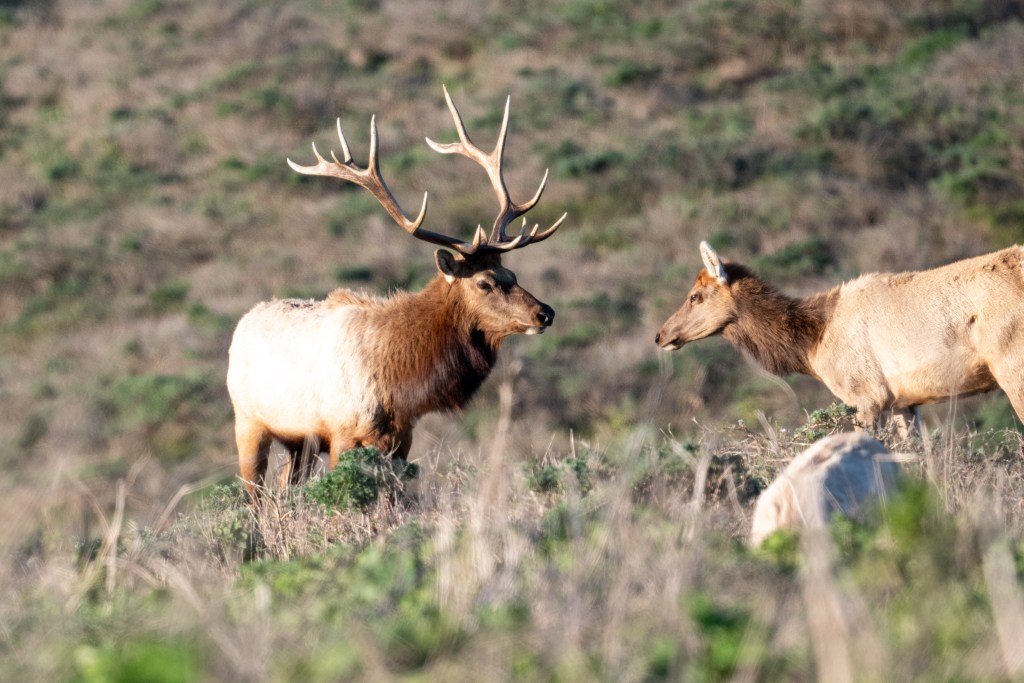
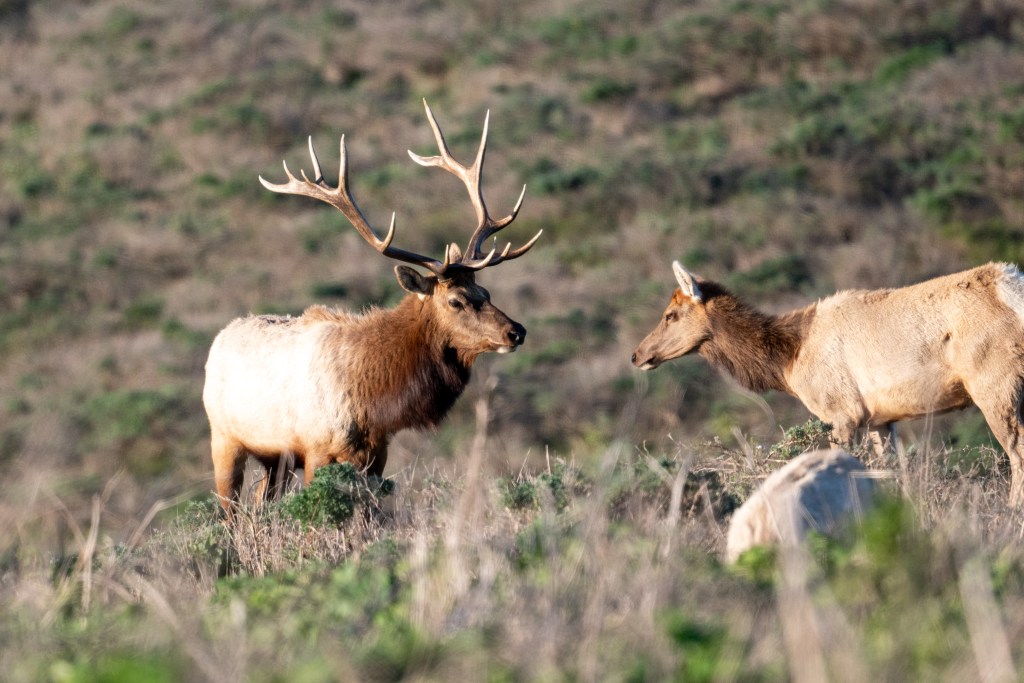
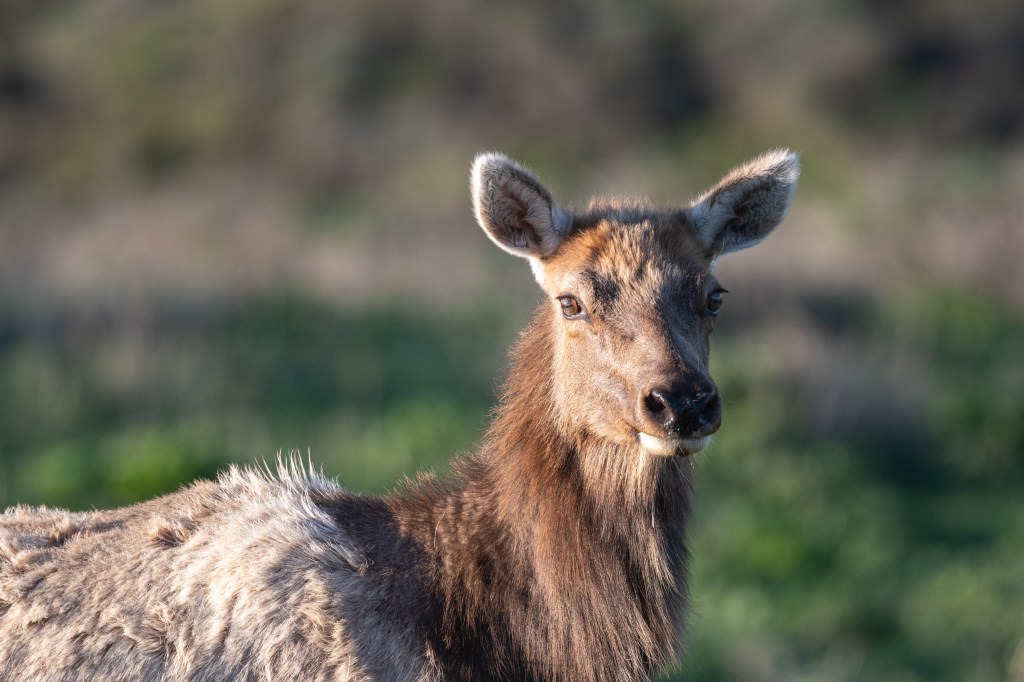
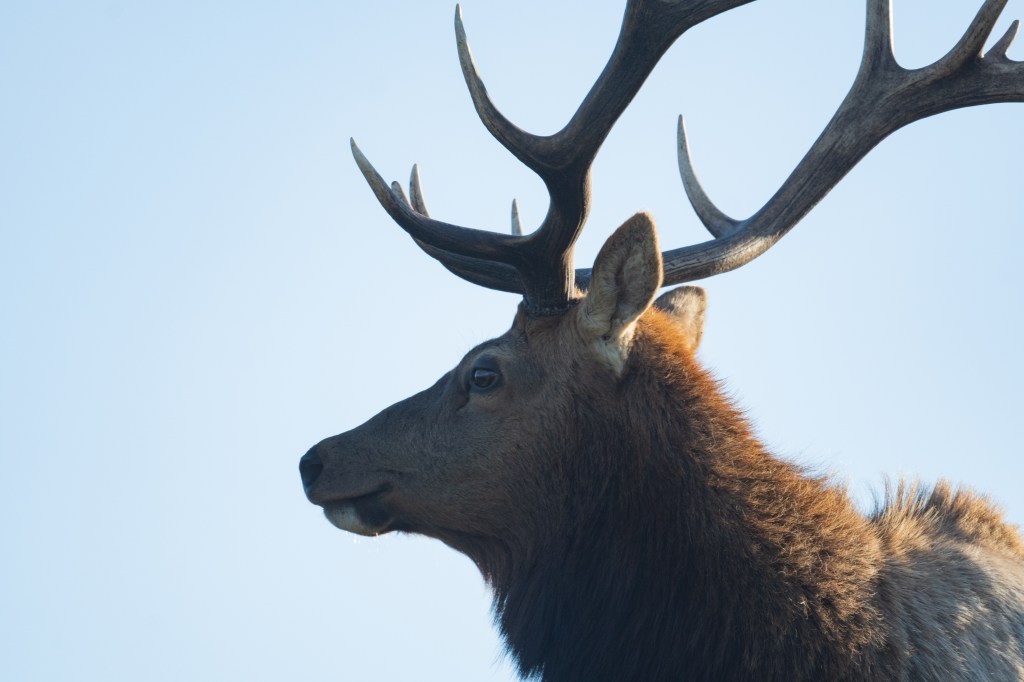
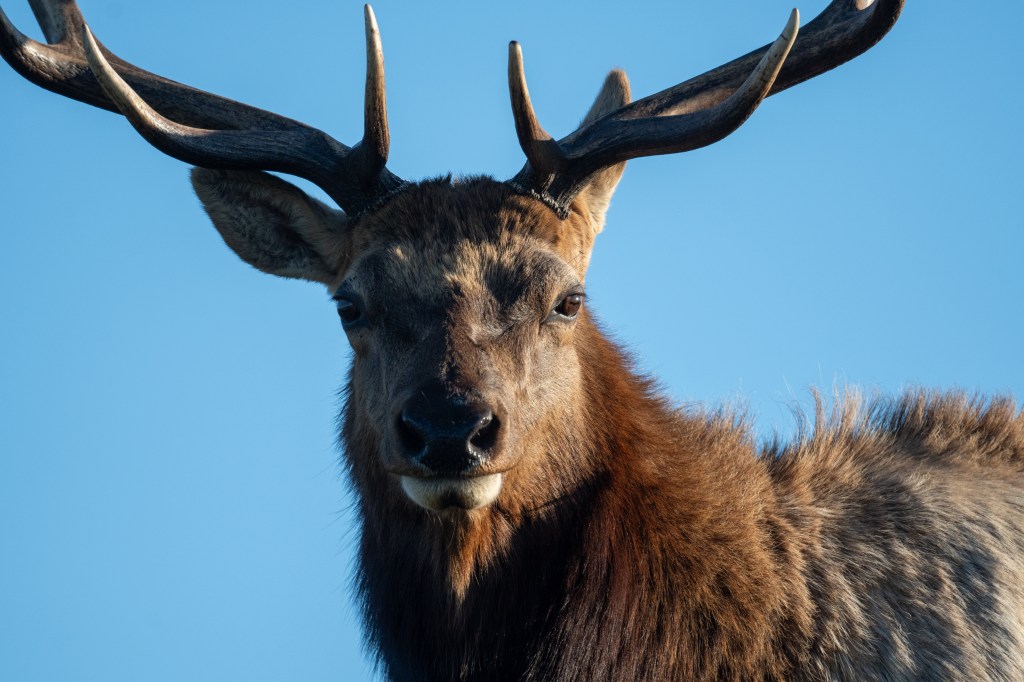
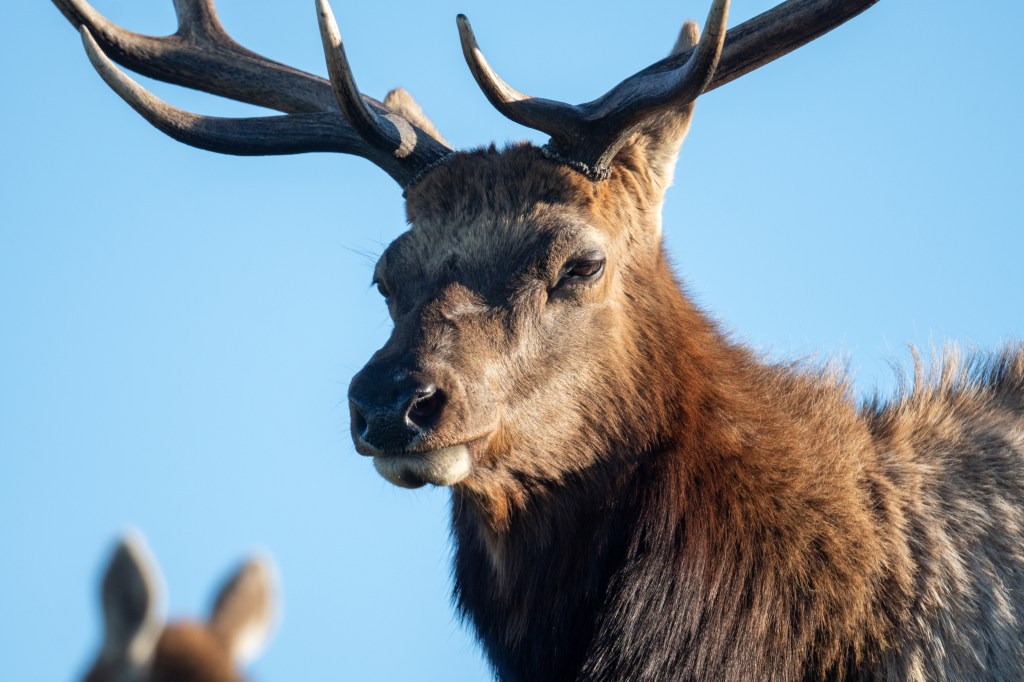
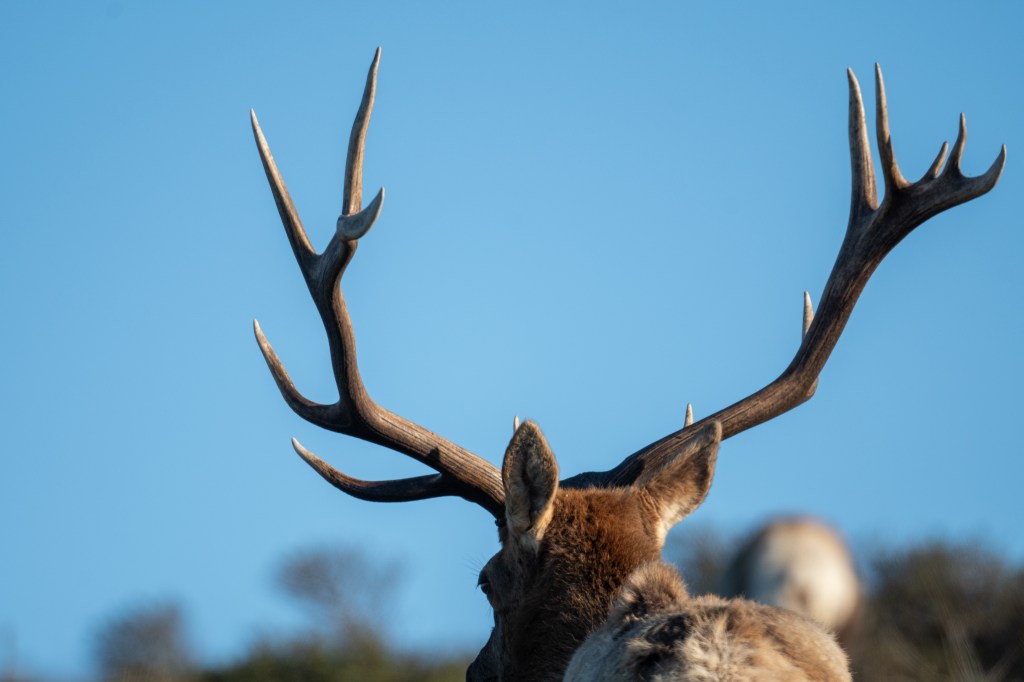
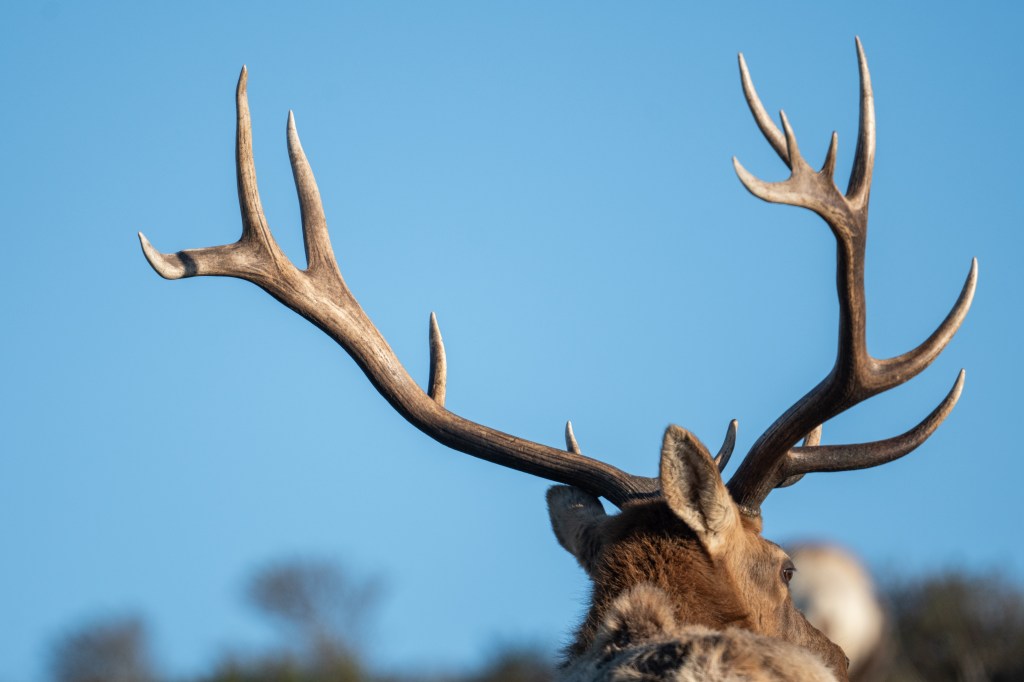
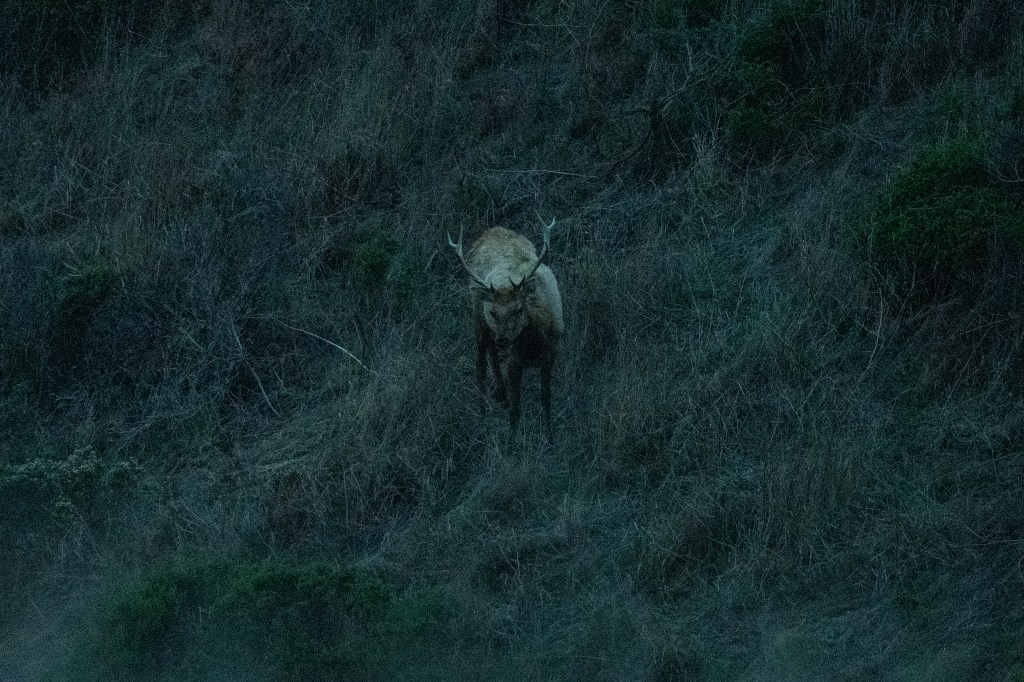
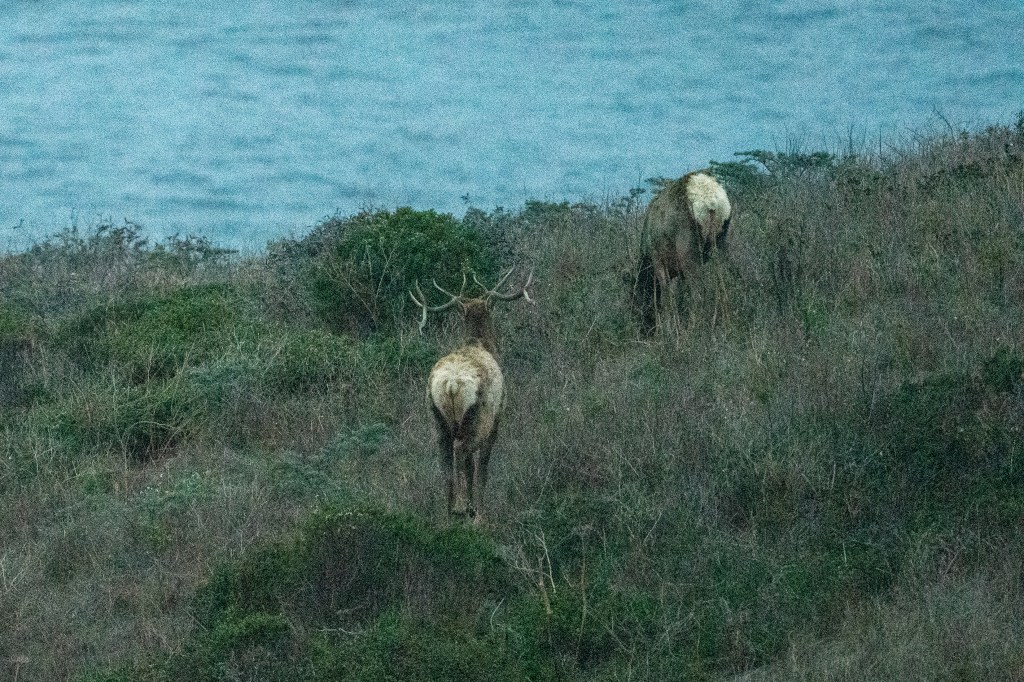
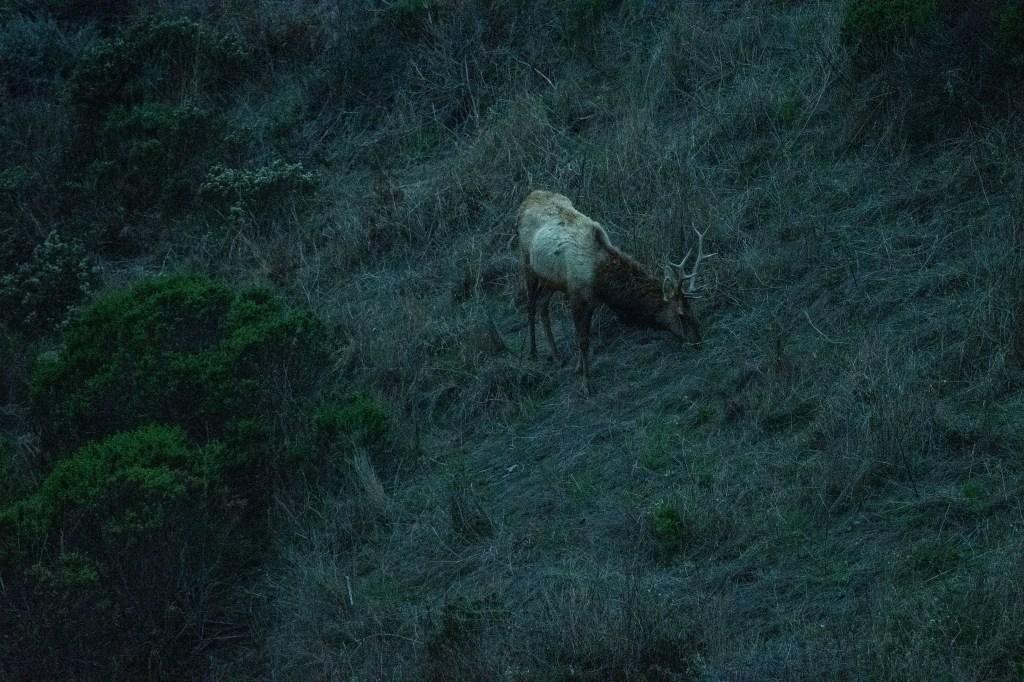
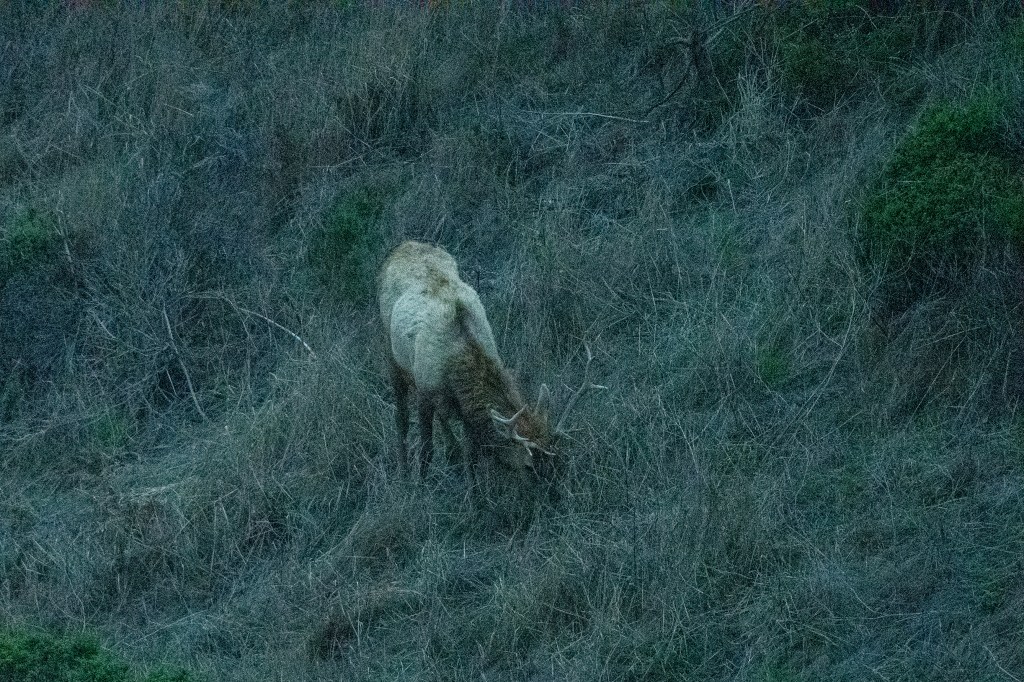
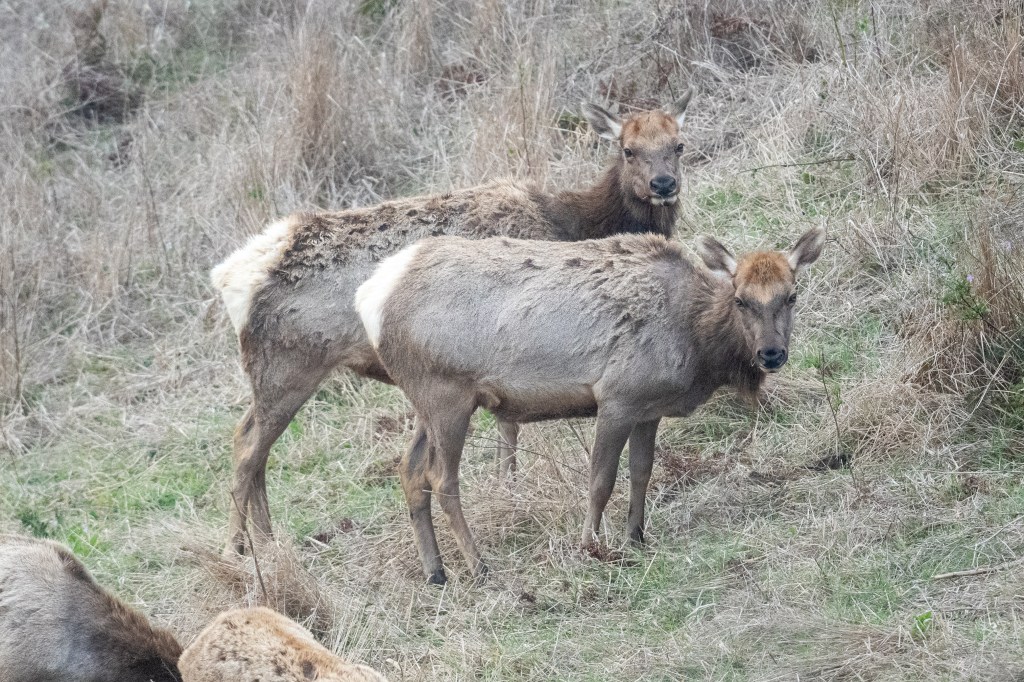
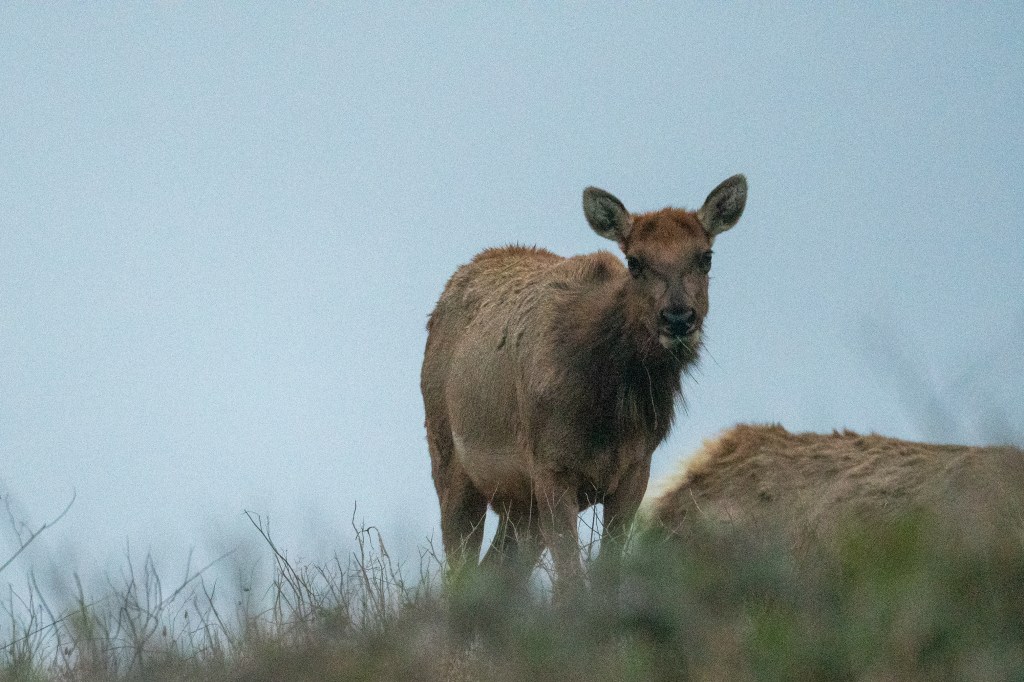
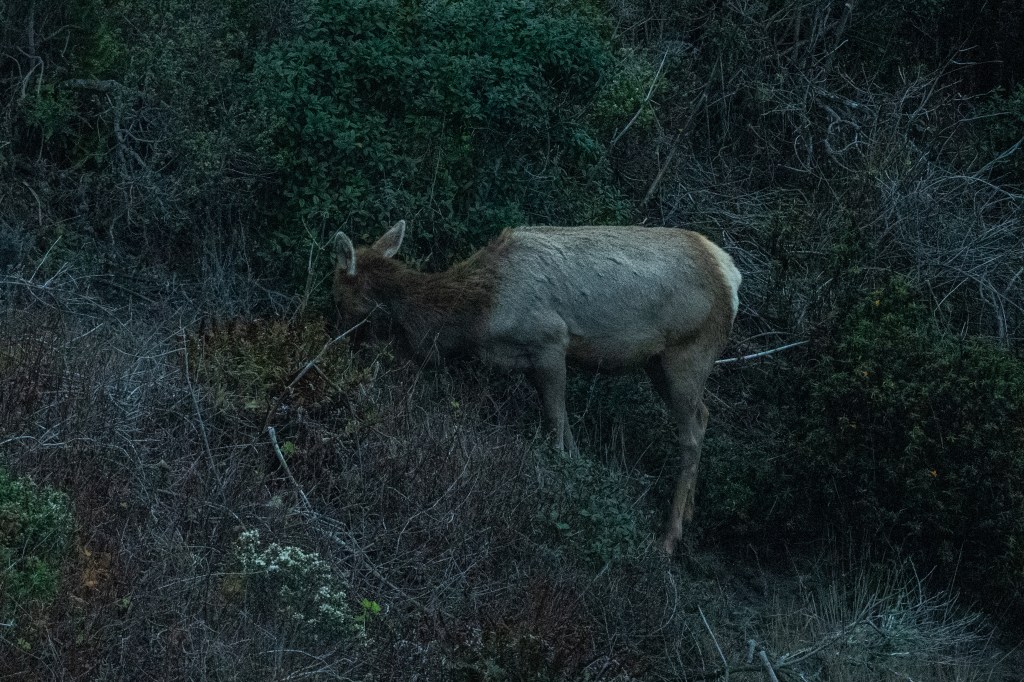
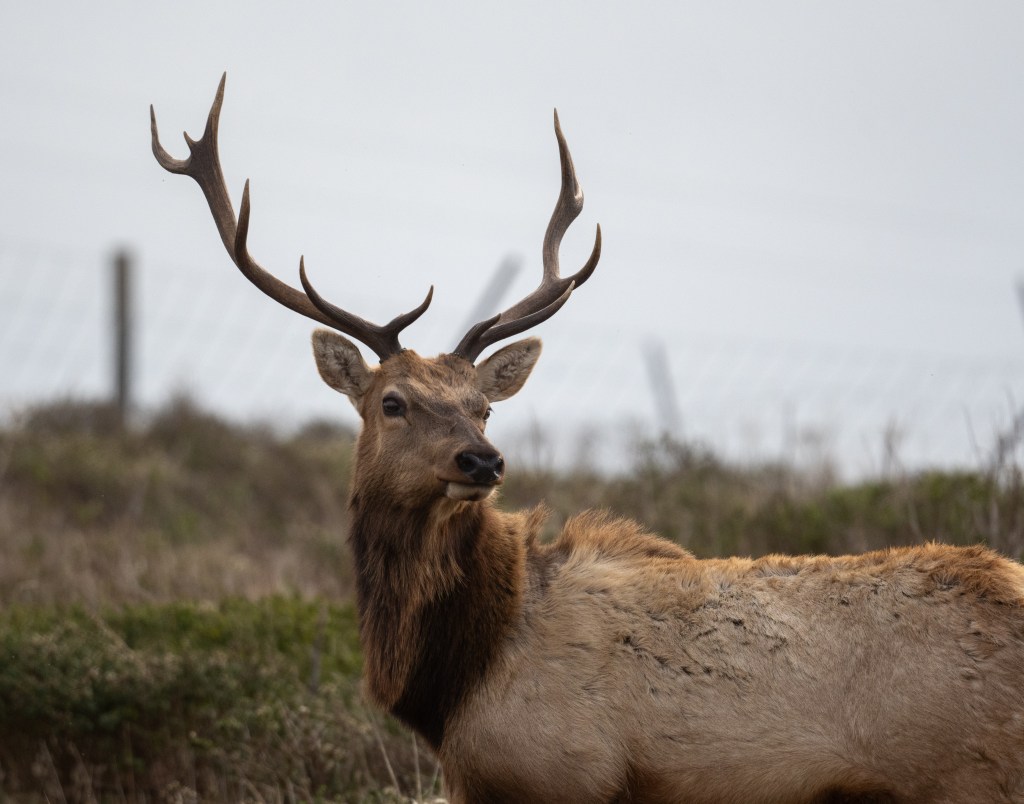
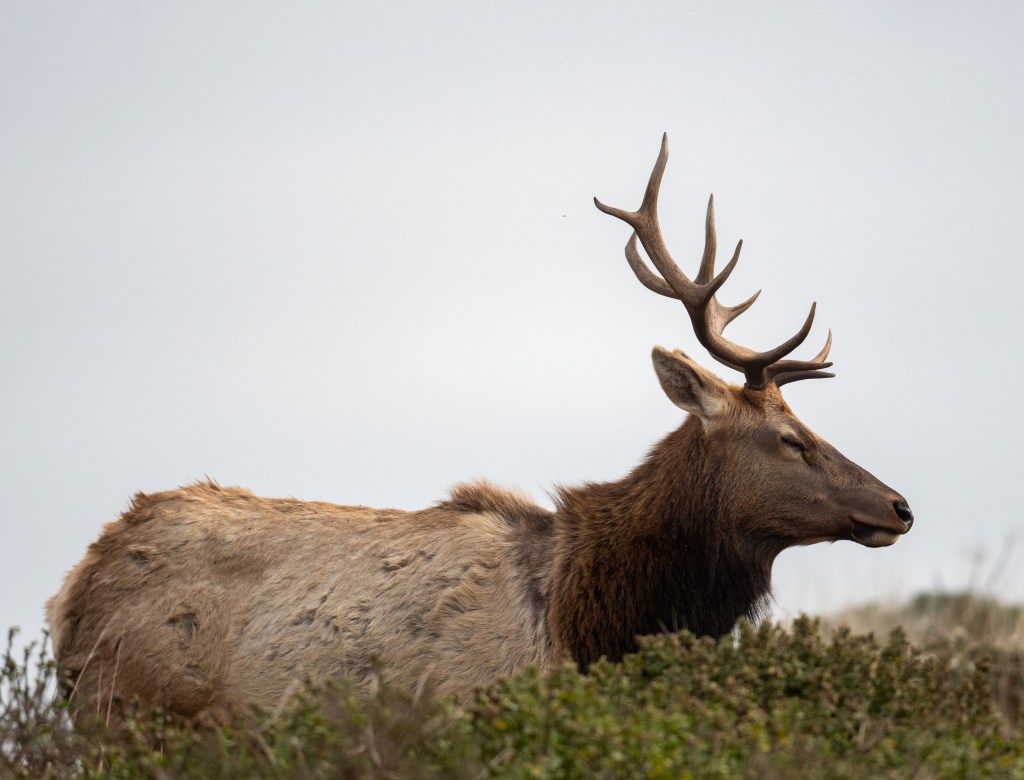
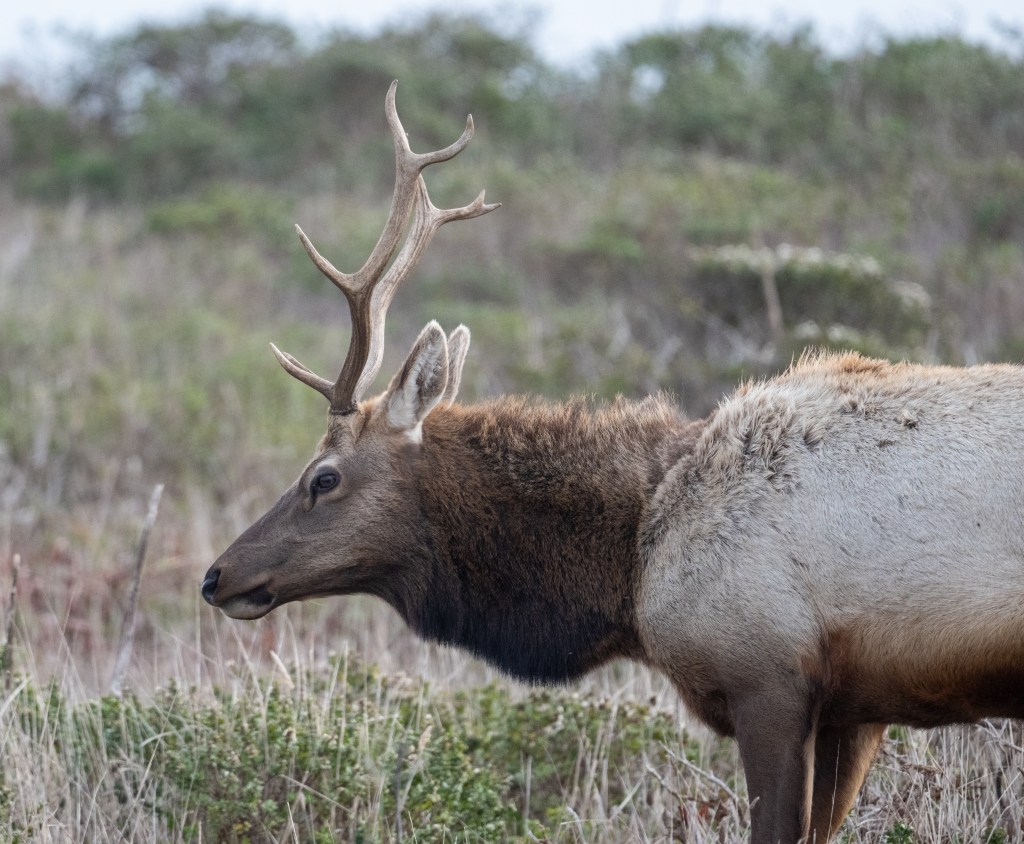
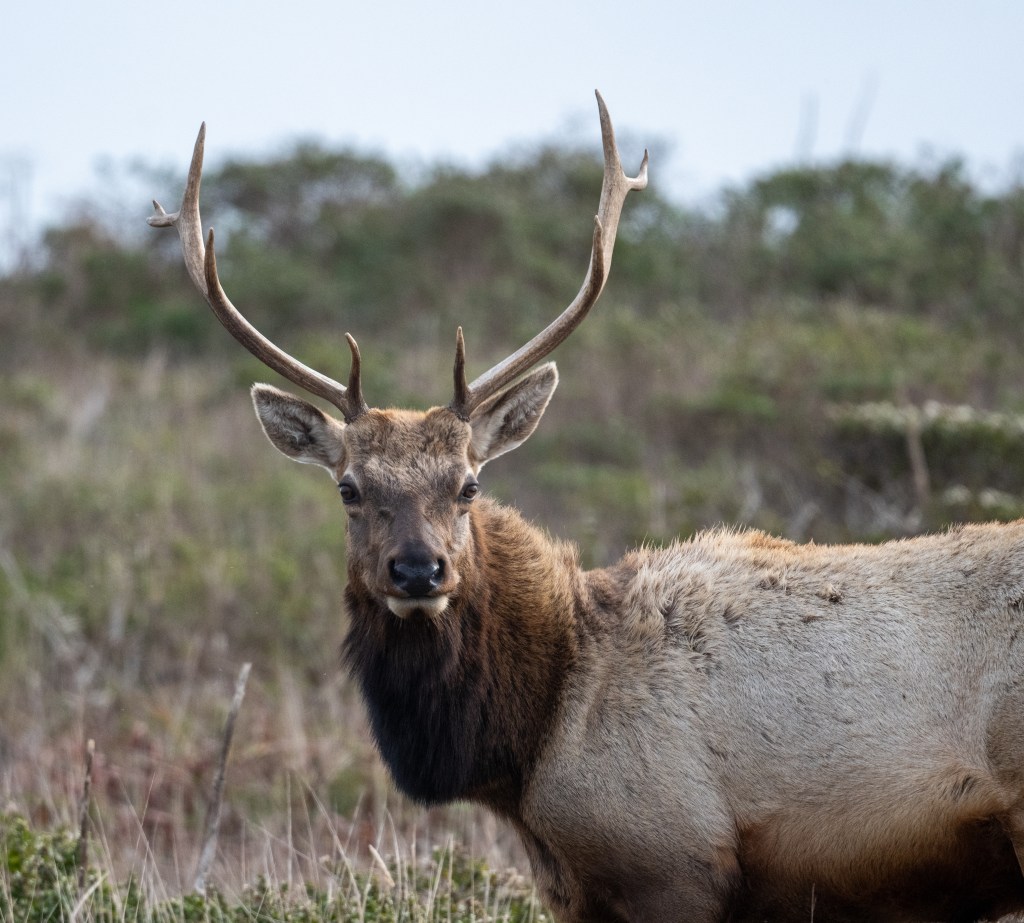
Basically our entire trip could have just ended and we would be happy. But this was just a taste … We got back in my car and headed off again – still going towards Pierce Ranch. On the way to and then from Pierce Ranch we got to see a few more coyotes and tons of elk. Here are some pics of the elk.
I also got a video of the big male elk leading his group across the road.
So this was amazing right? Nice bobcat sighting. Nice coyote sighting. A ton of elk. And some birds (which I am not adding here since I did not get any really good pics of them). But little did we know that there was more to come.
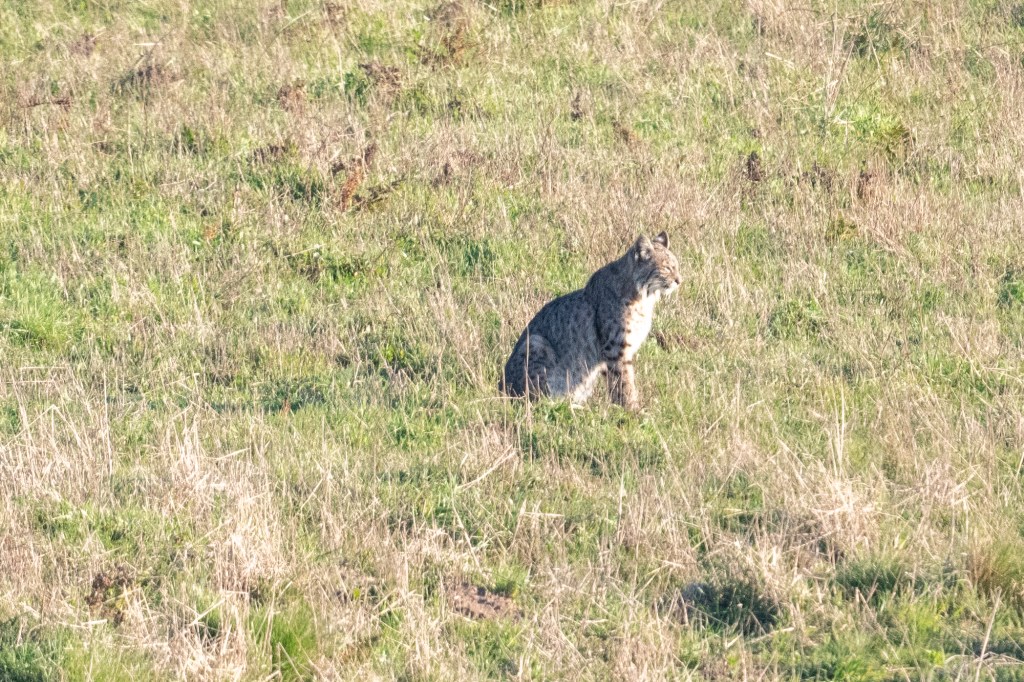
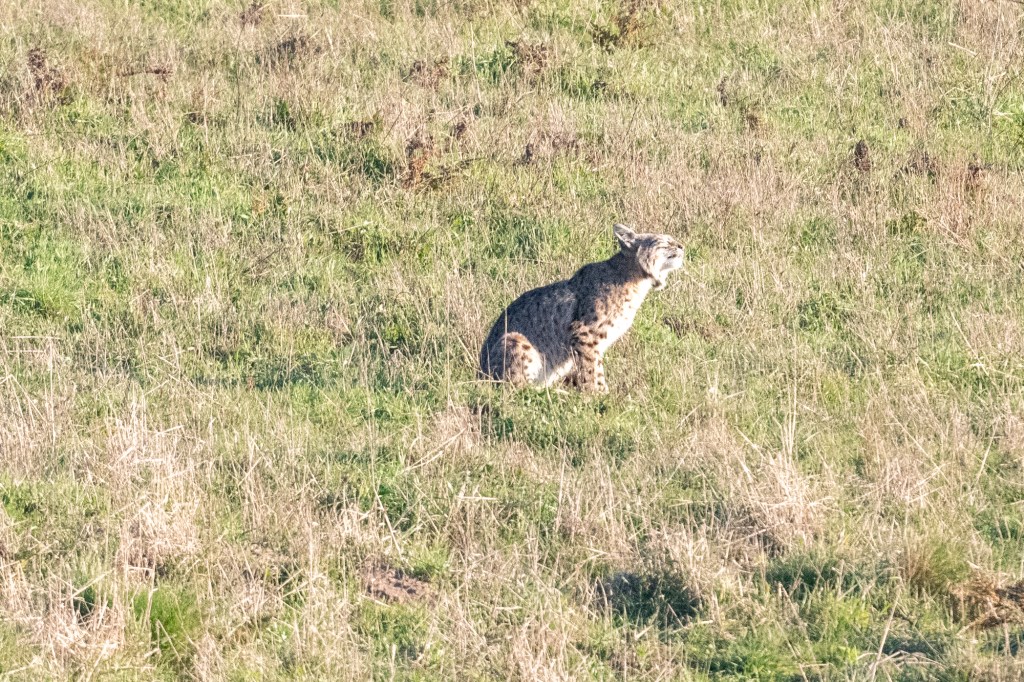
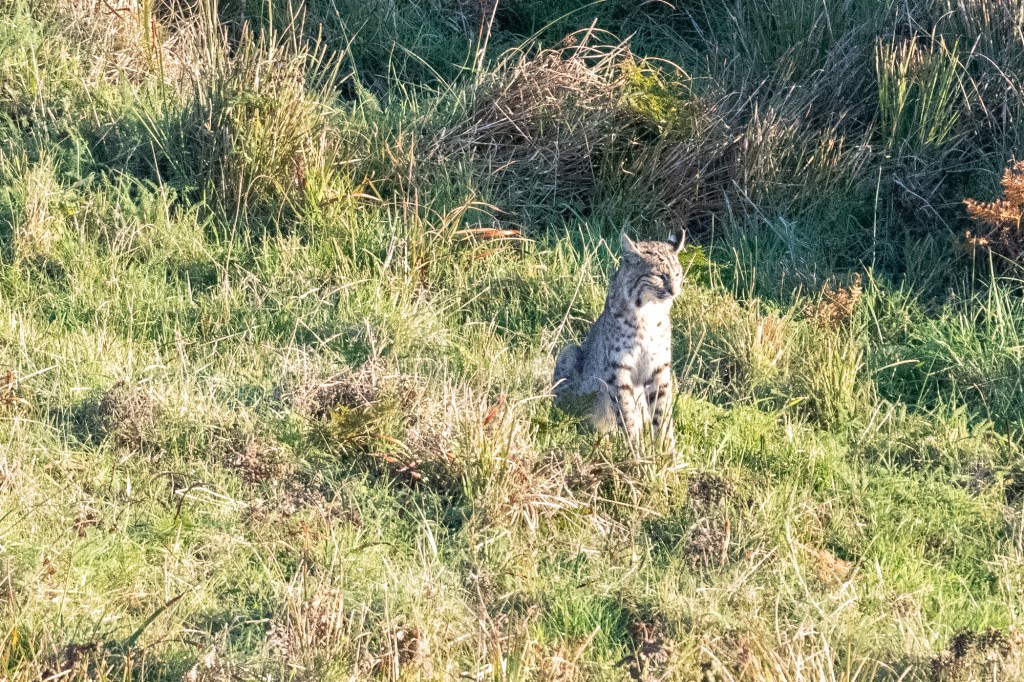
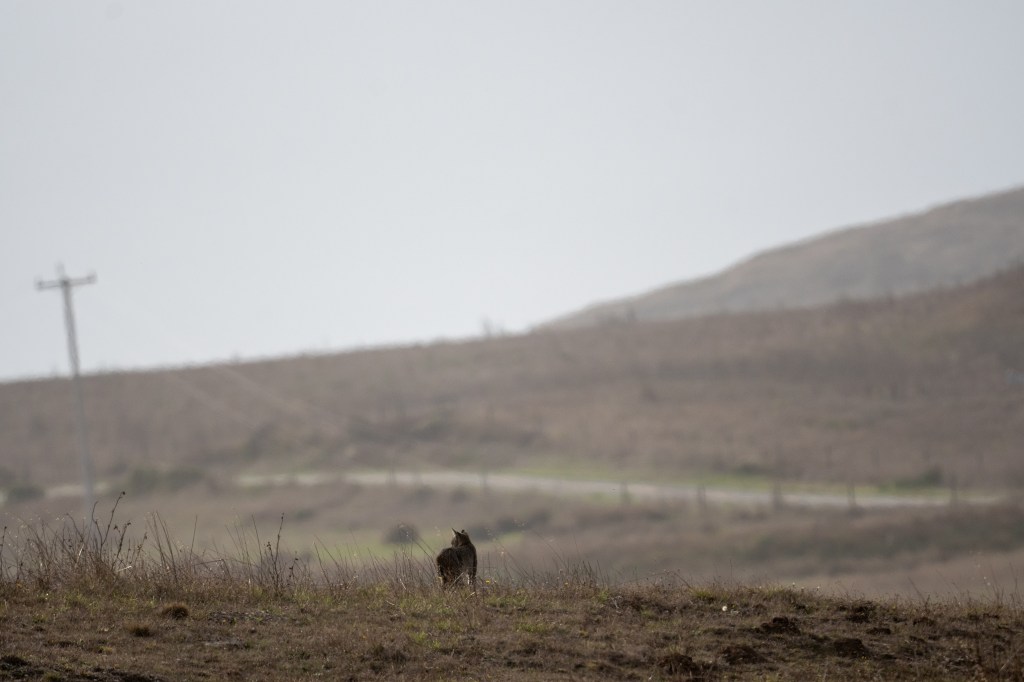
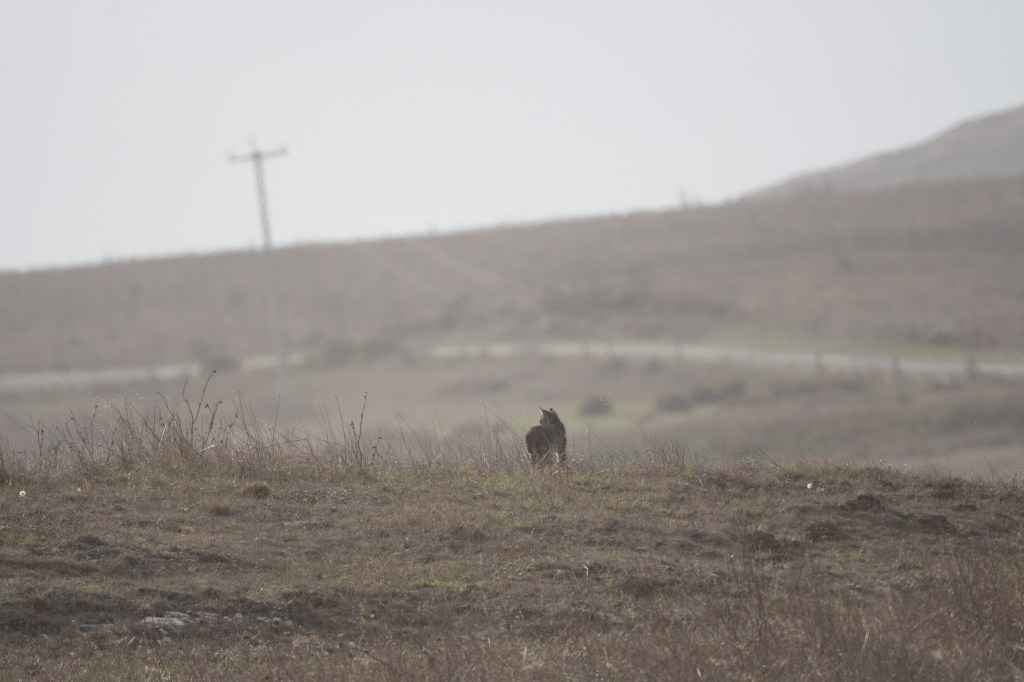
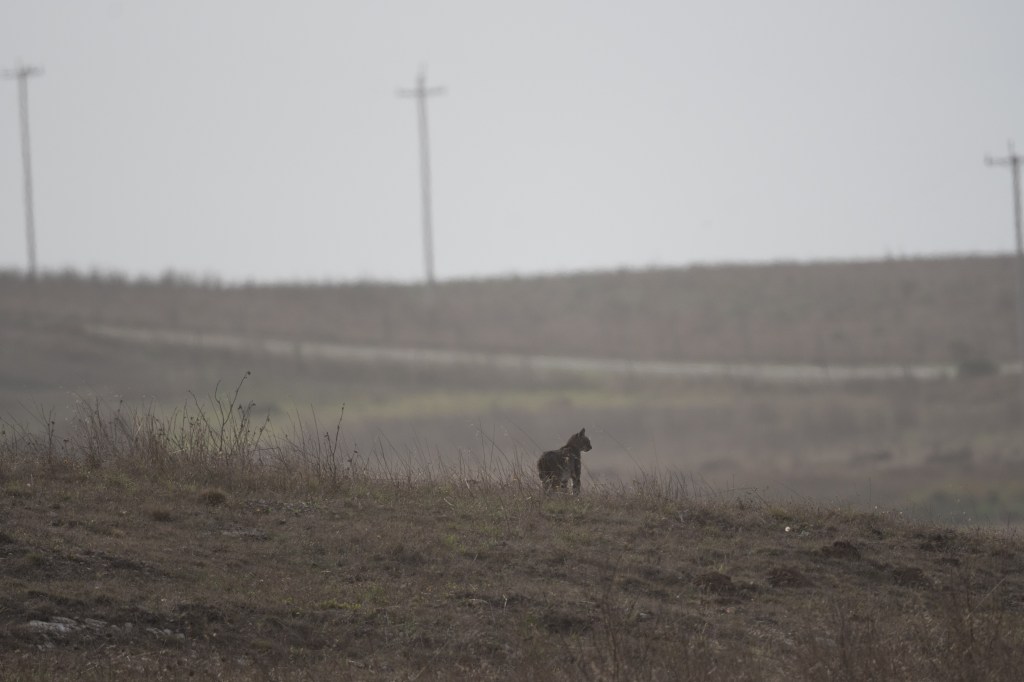
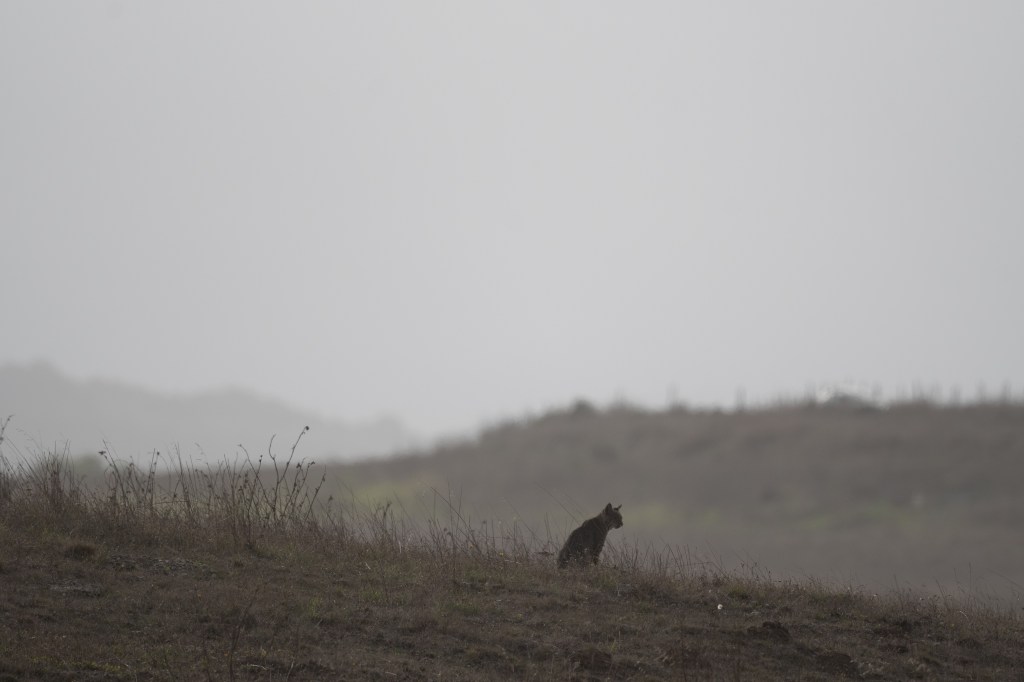
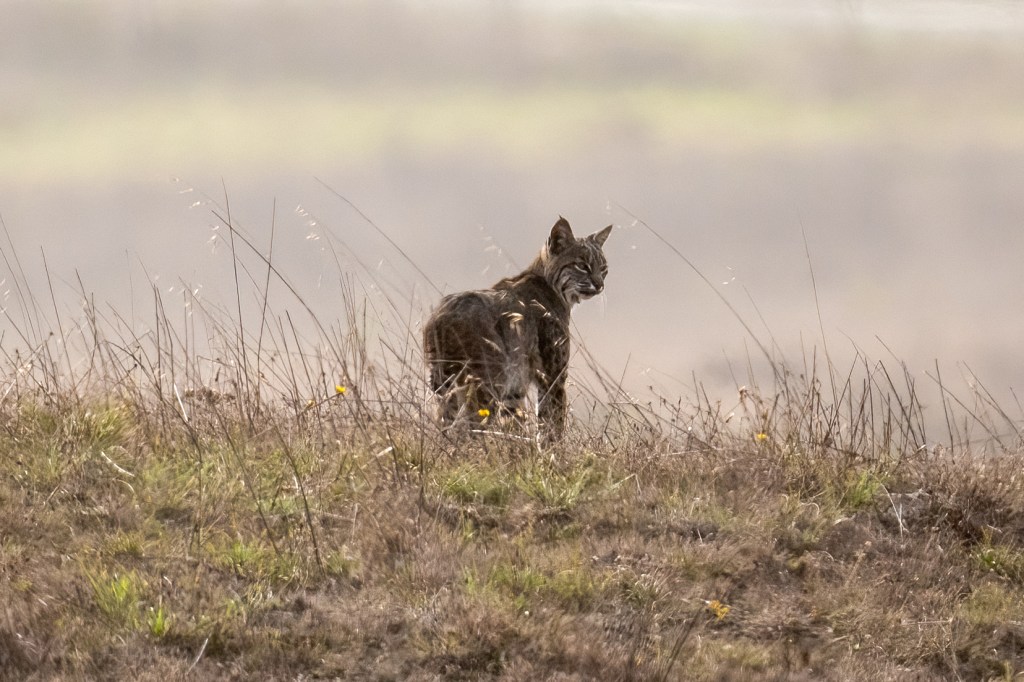
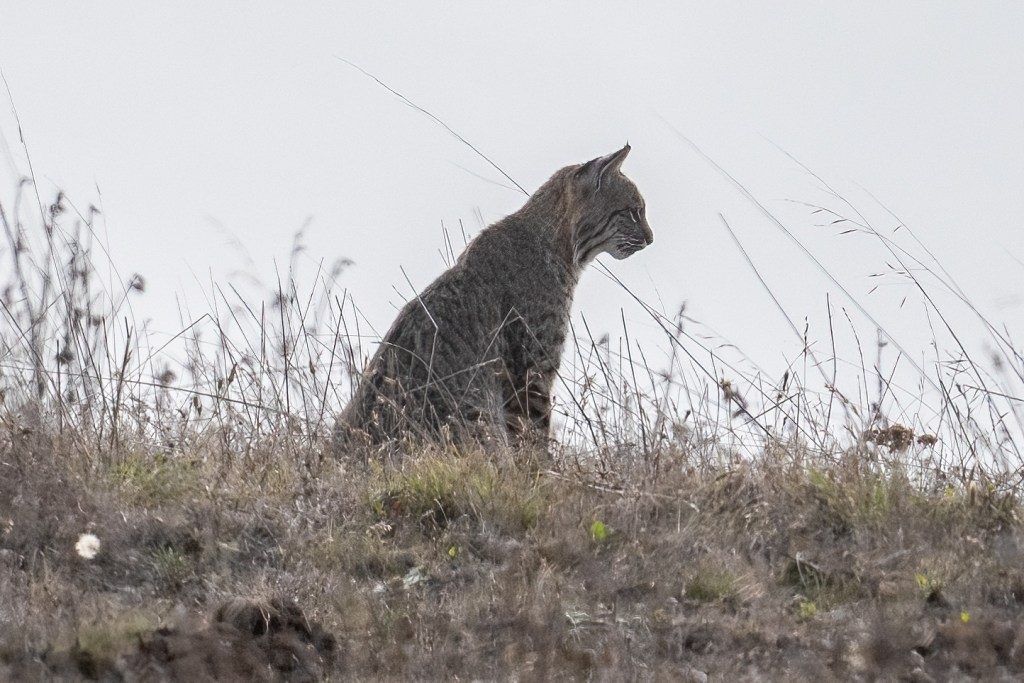
As we were driving back towards Inverness, close to where we saw the first bobcat, we saw a yellow / brown creature up on a hill. I pulled over, grabbed my camera (mostly to use the telephoto) and lo and behold it was another bobcat.
It then started walking down the hill towards us.
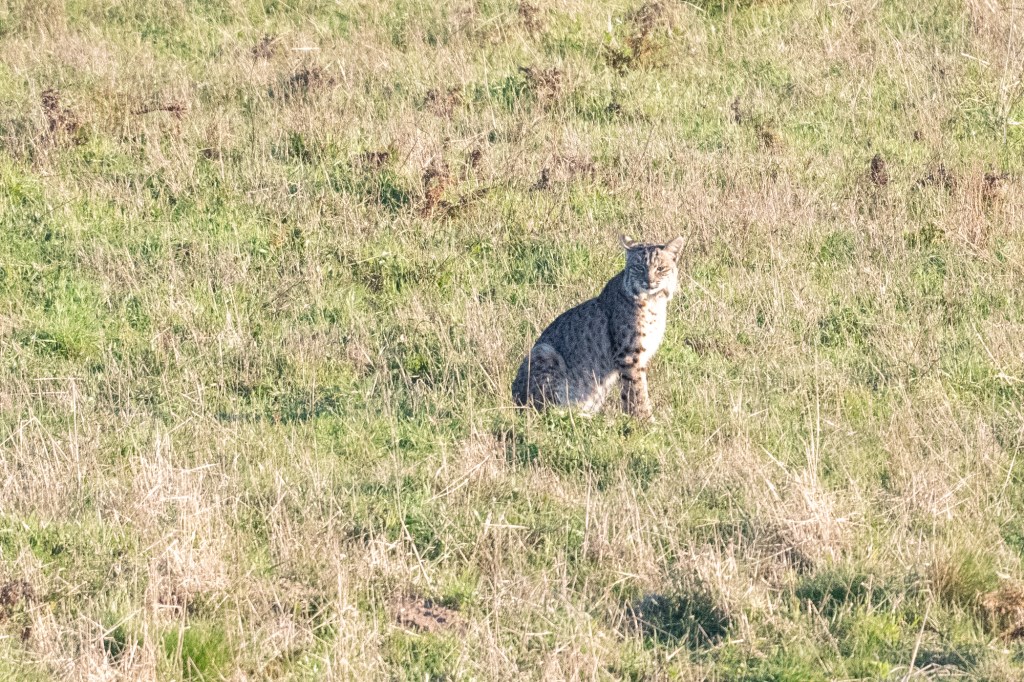
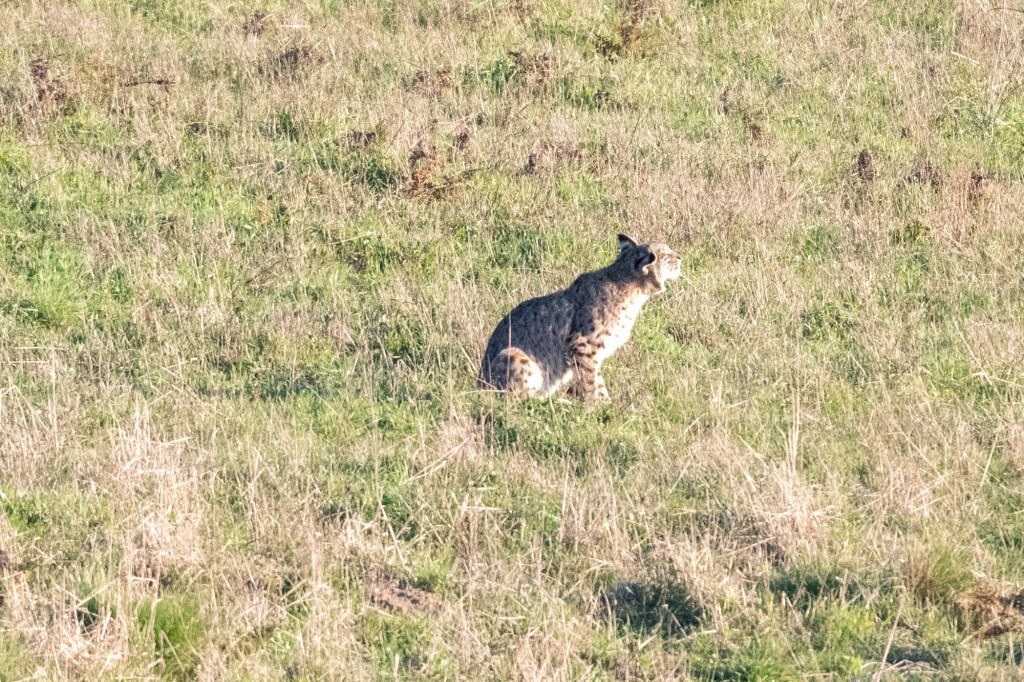
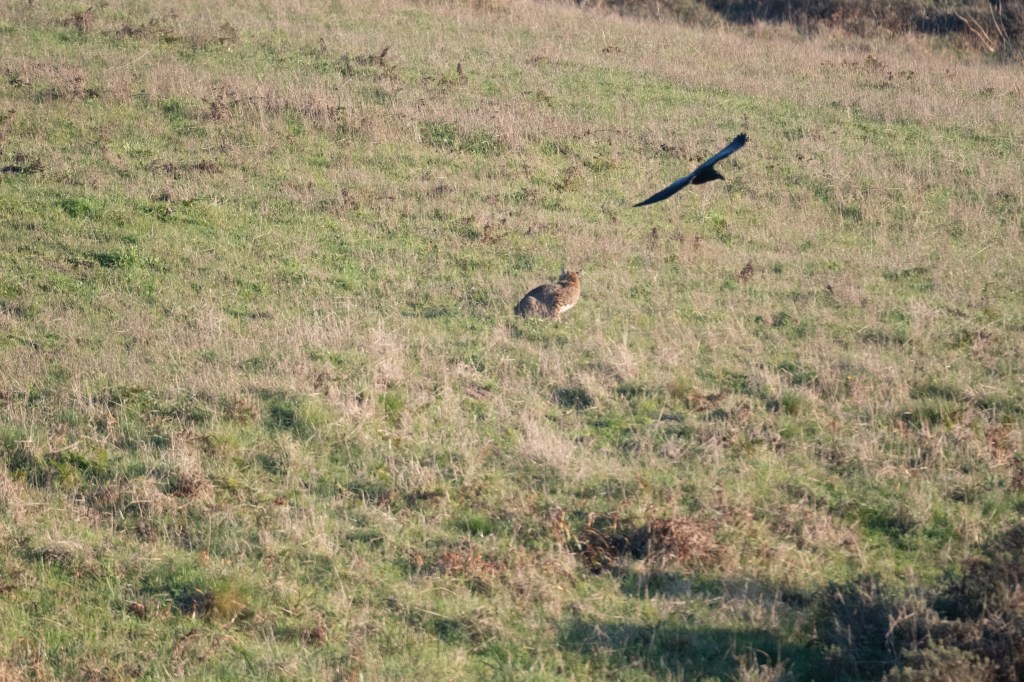
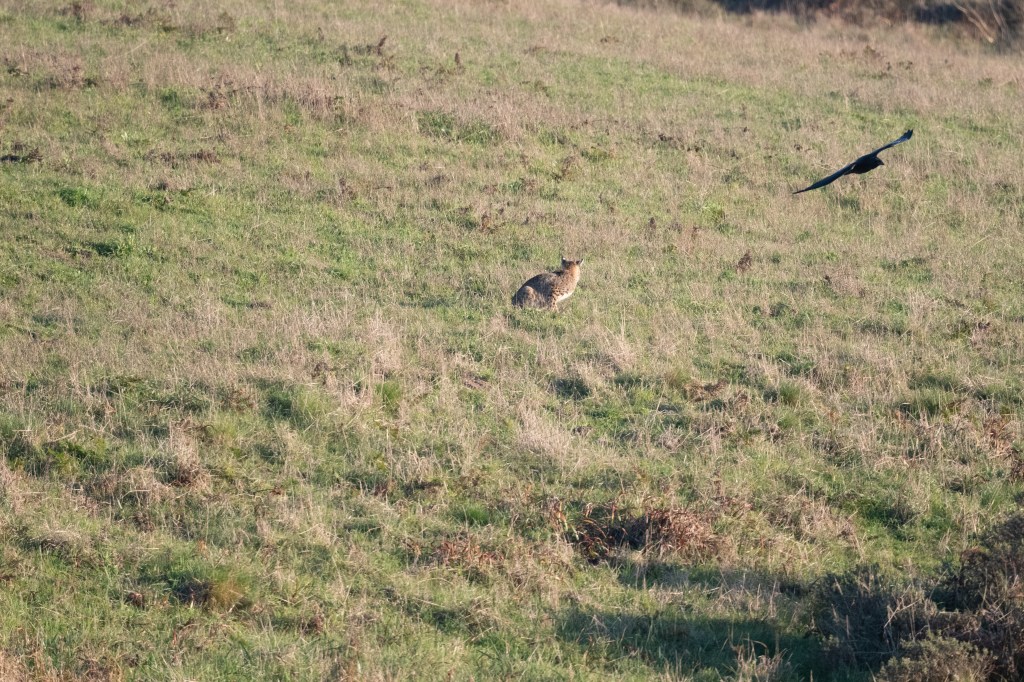
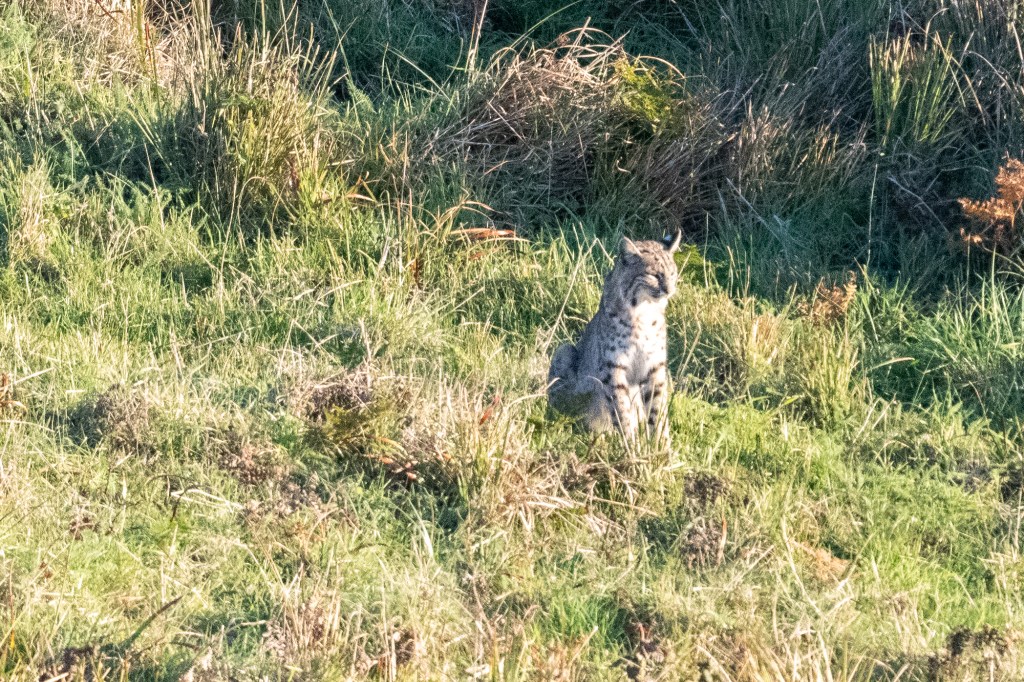
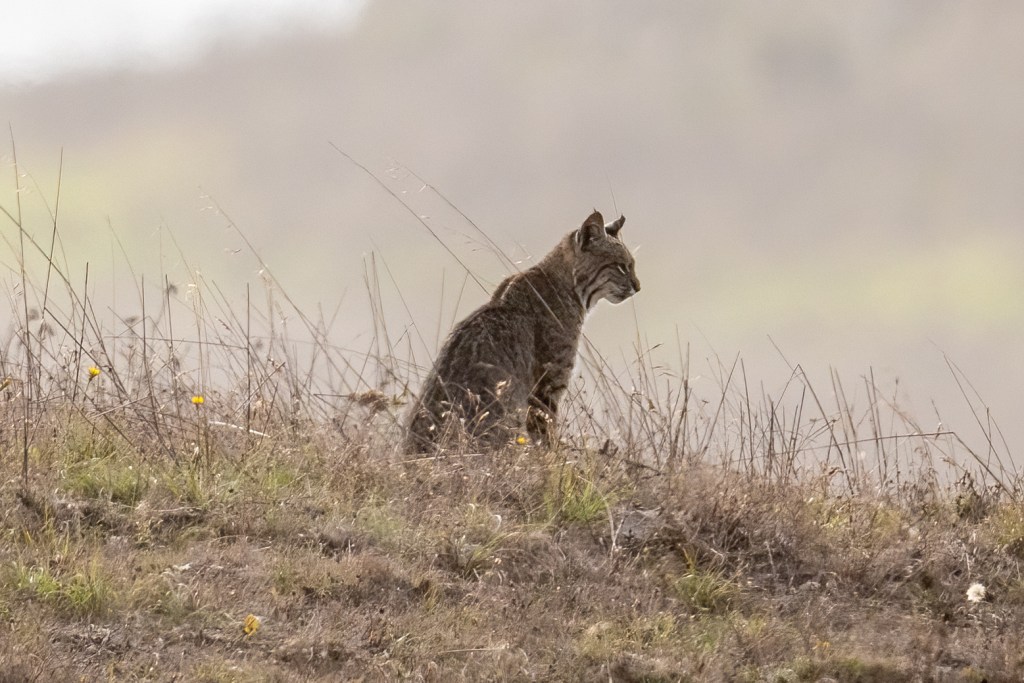
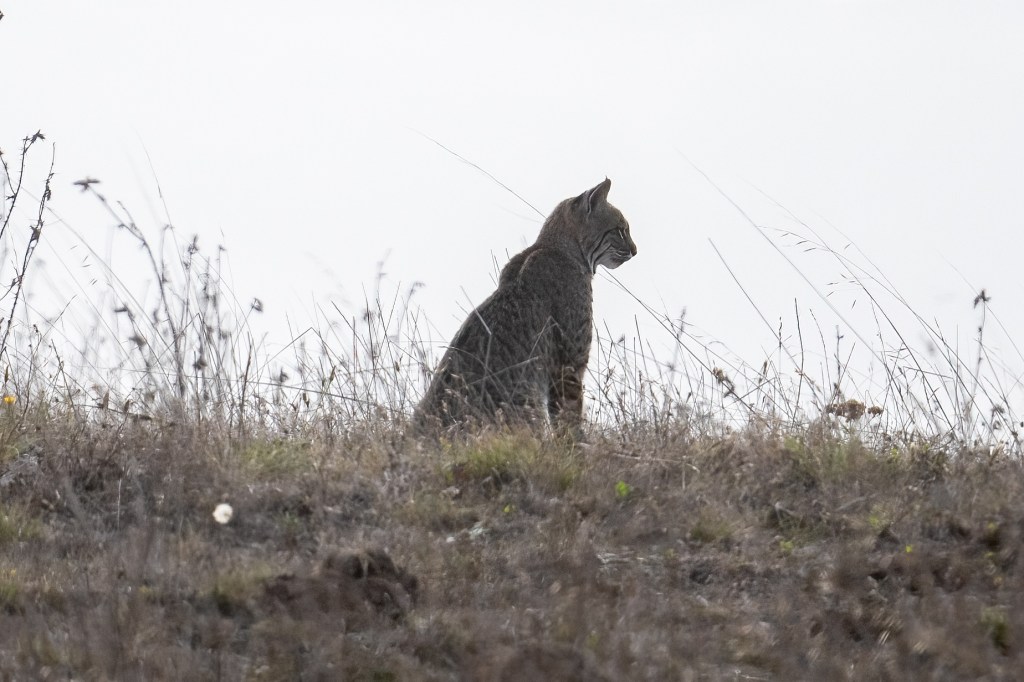
It then took a break and sat down for a while, groomed, sniffed a bit, and was even divebombed by a raven or crow.
And then it headed down the hill getting a bit closer to us.
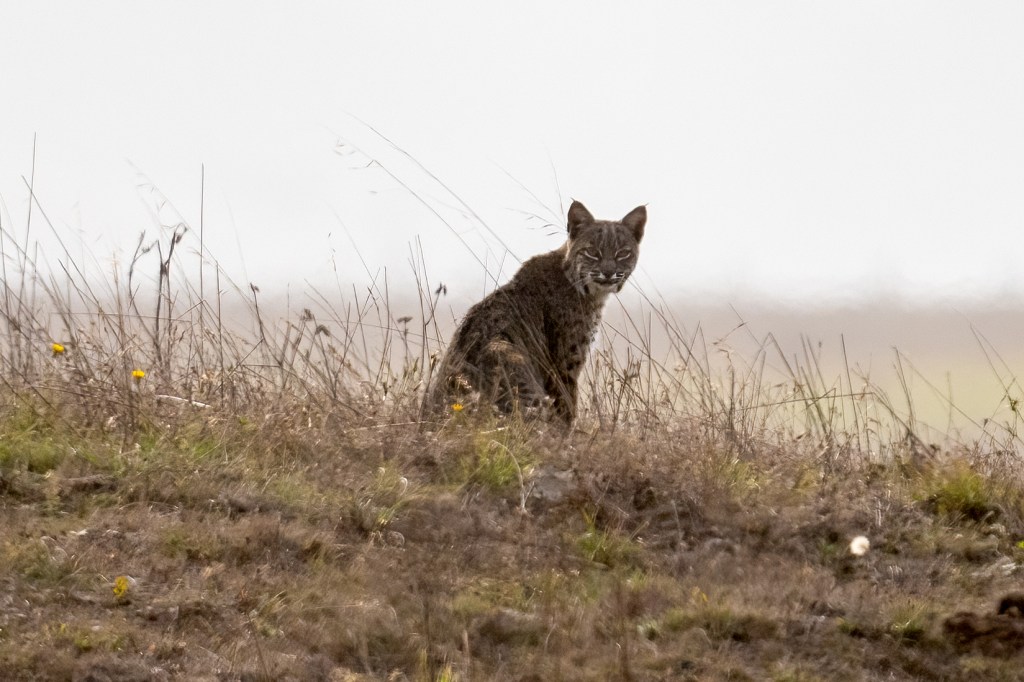
And then it sat down again.
And I guess it could have stopped here. But this was not by any means the end of our bobcat encounter. Right then my daughter said, excitedly, something like “Oh my god – there is another bobcat.” And she pointed out where it was a bit down the hill from this one. Maybe 30 feet away or so. So I then took some pics of that one.
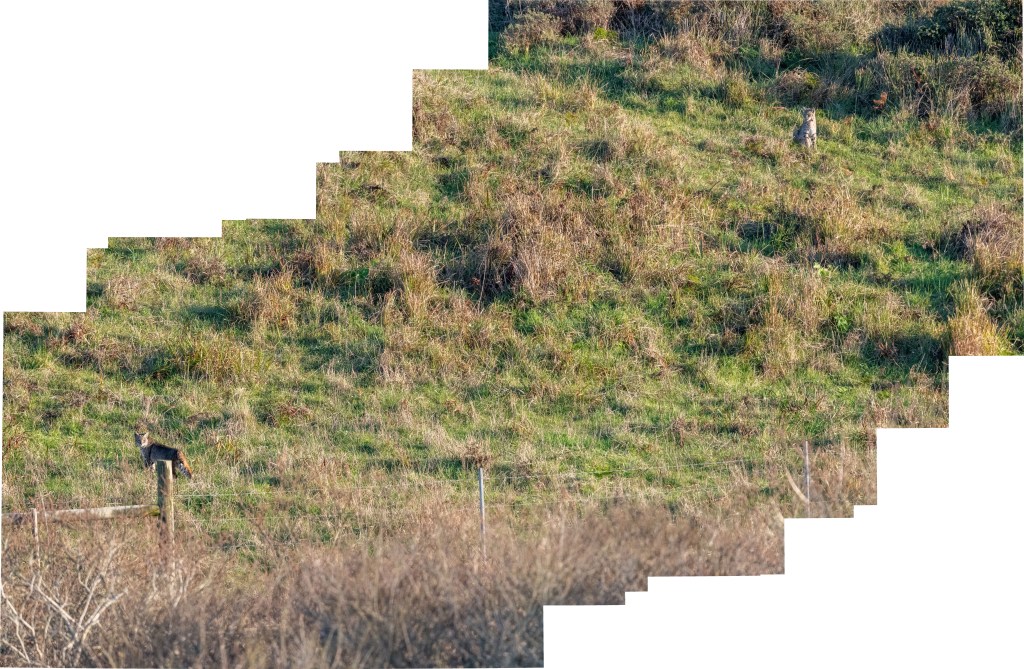
I then thought – I should try to get a pic with both of them in it – but my 500 mm lens was too large for that. So I deciced to take a bunch of pics panning from one bobcat to the other. I then stitched them together in Adobe Lightroom and this is what I got.
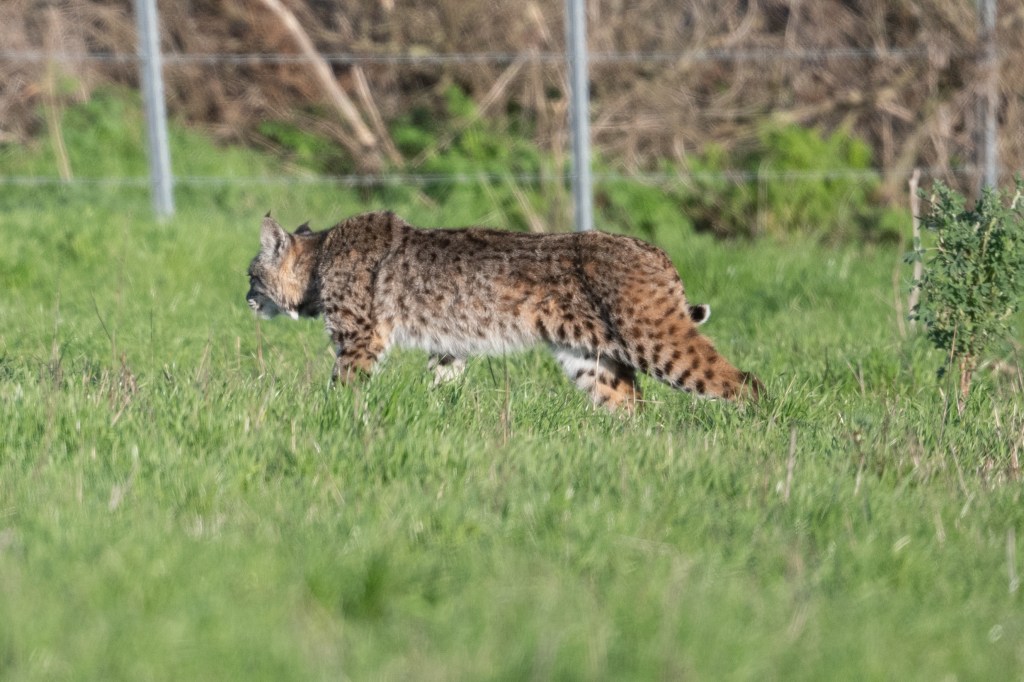
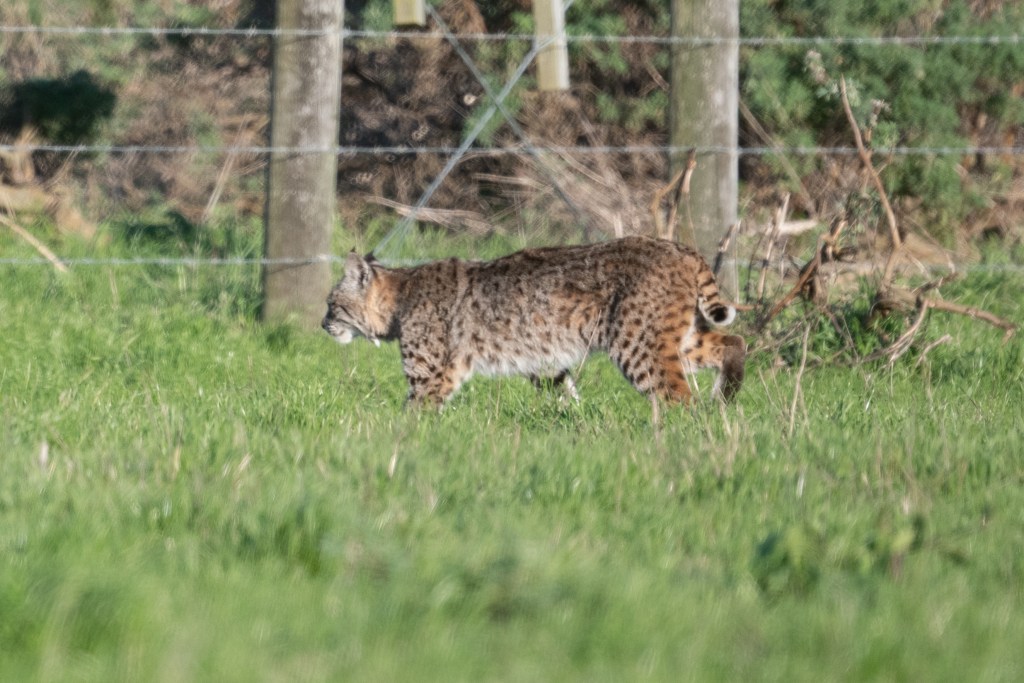
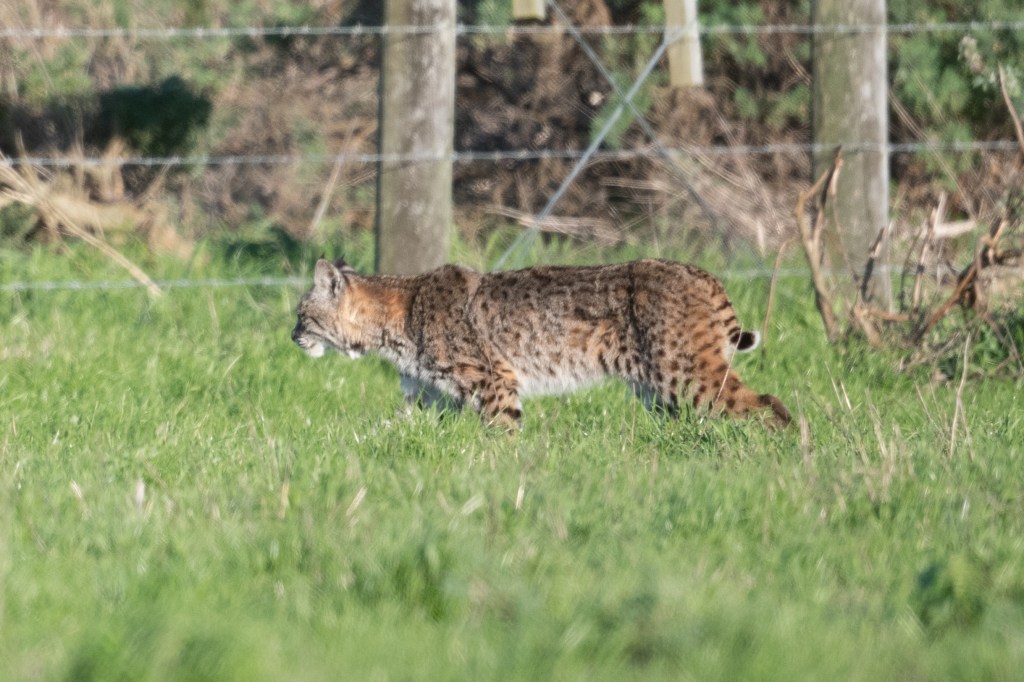
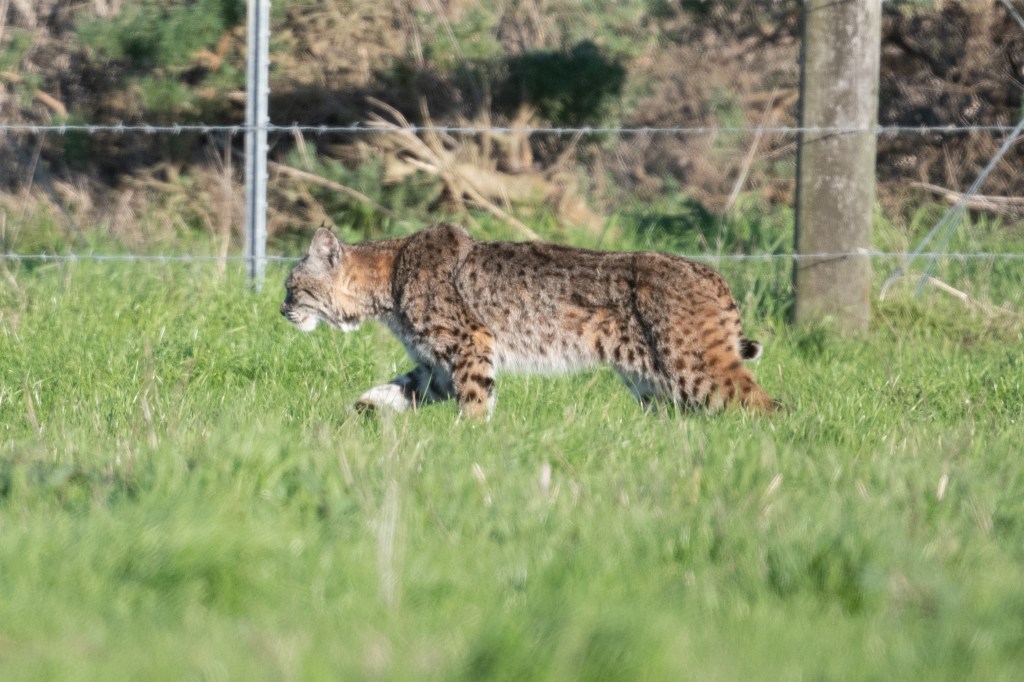
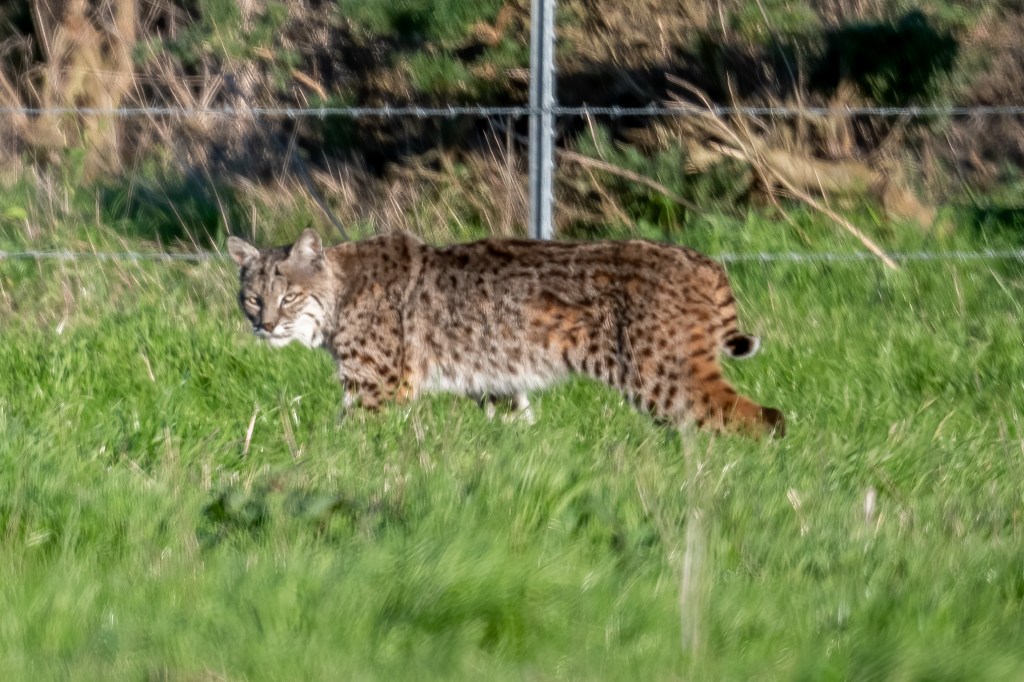
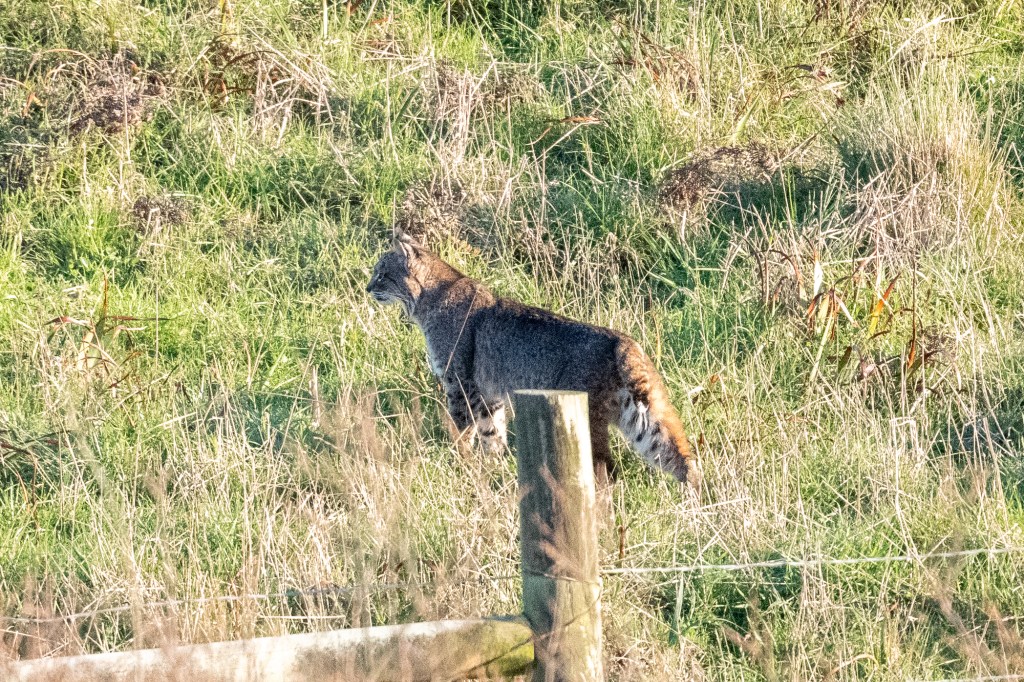
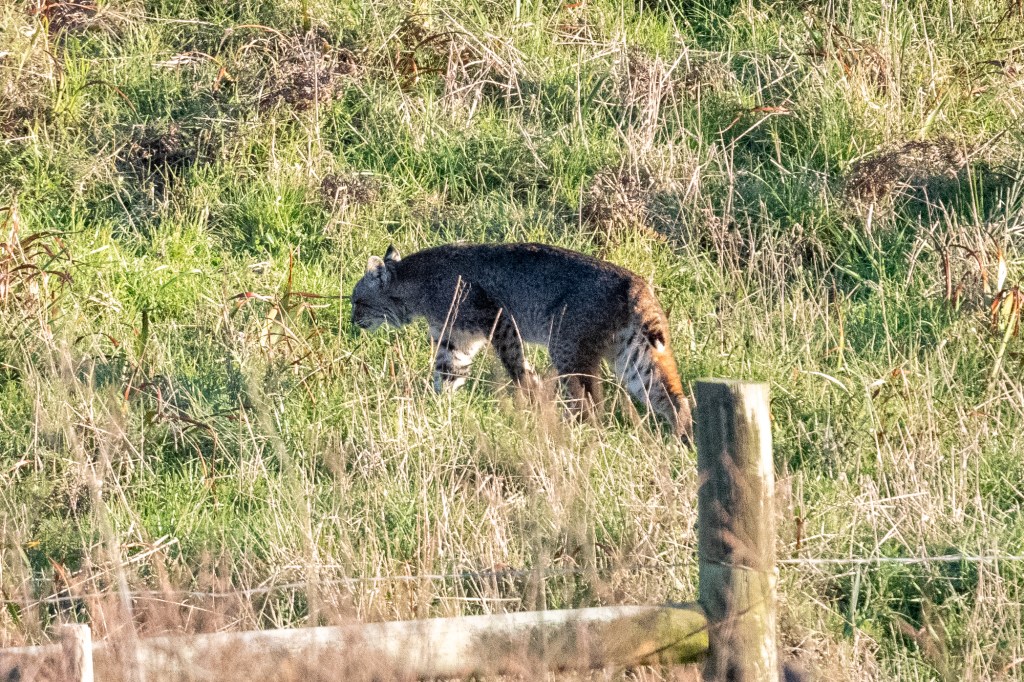
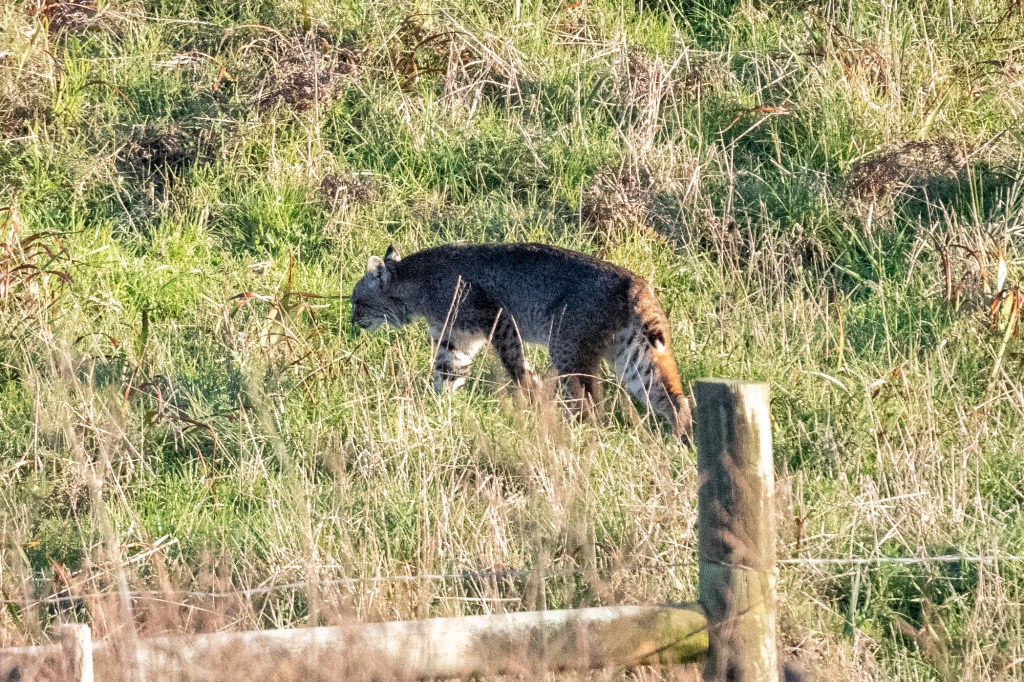
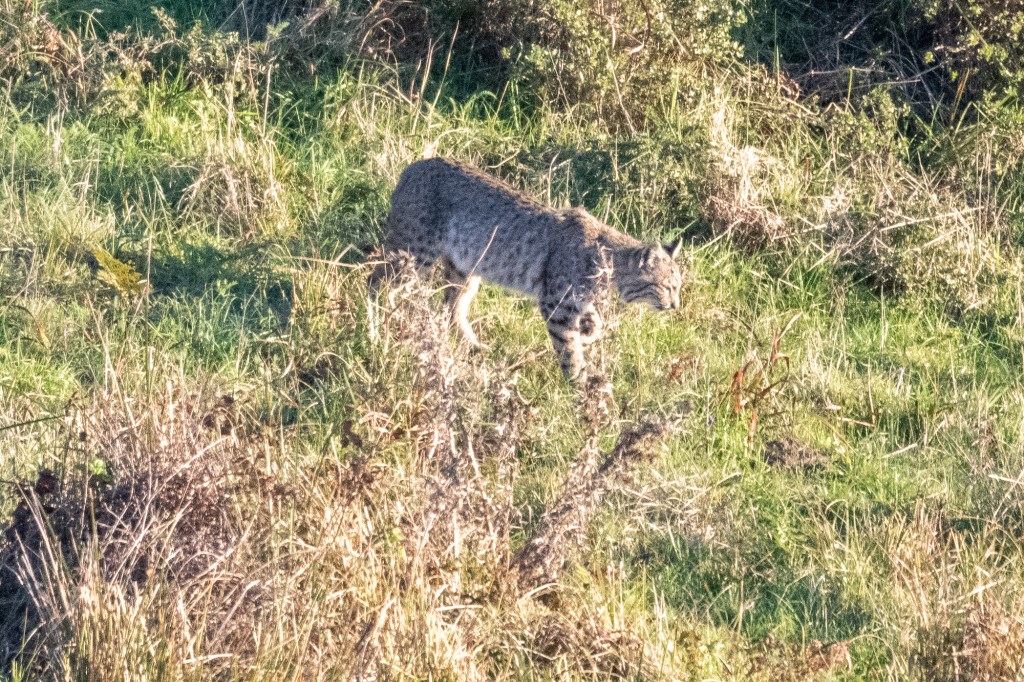
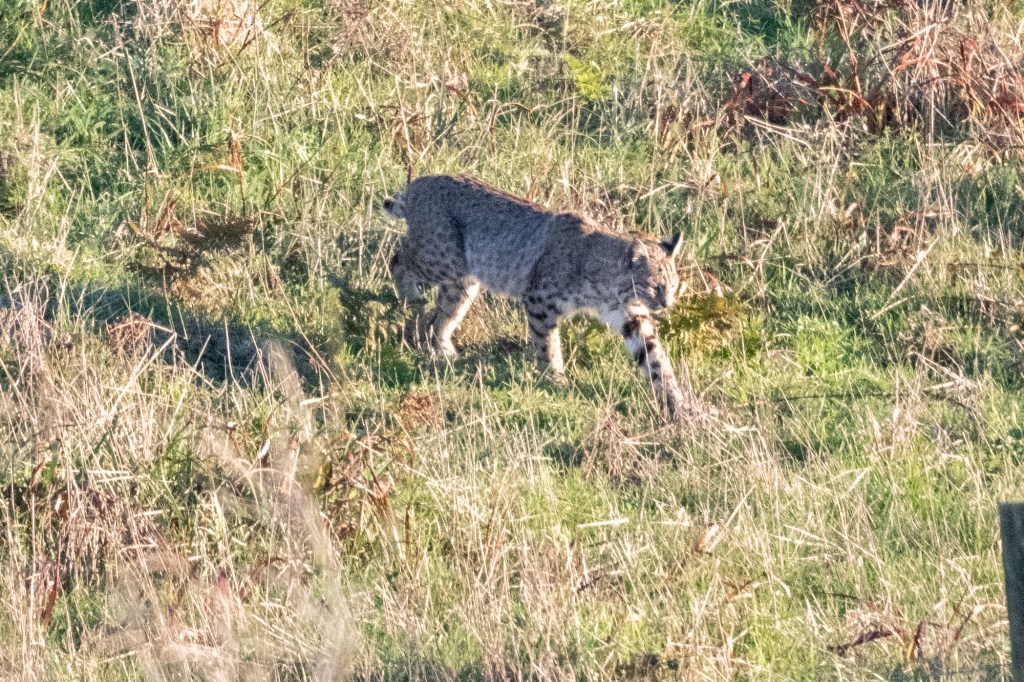
The third bobcat (the one below) started to move so I took some pics of it as it headed off into the brush.
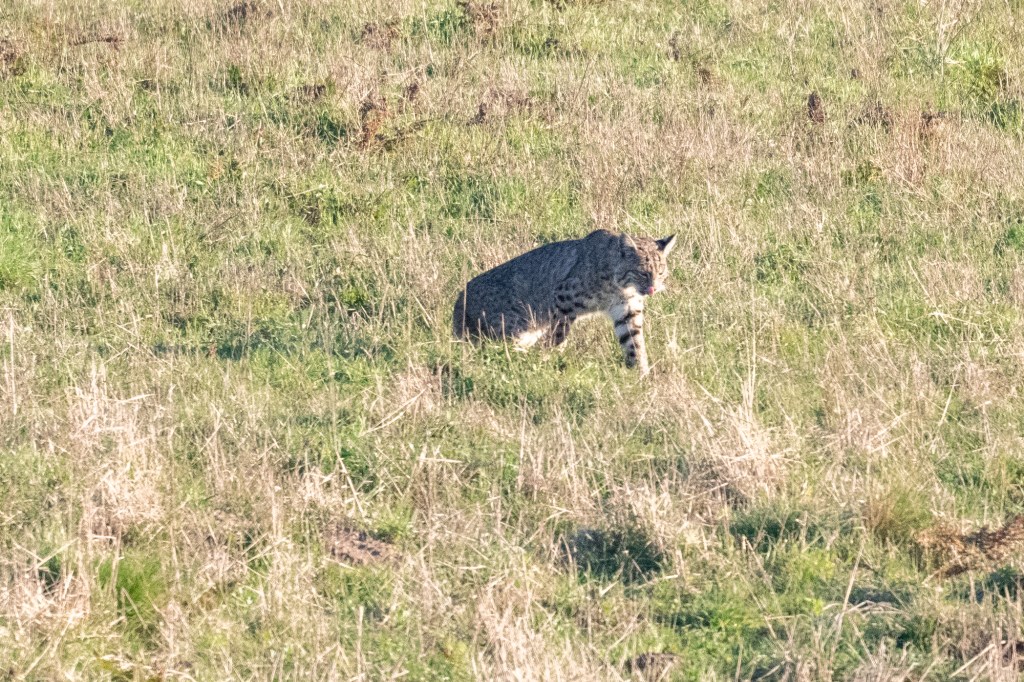
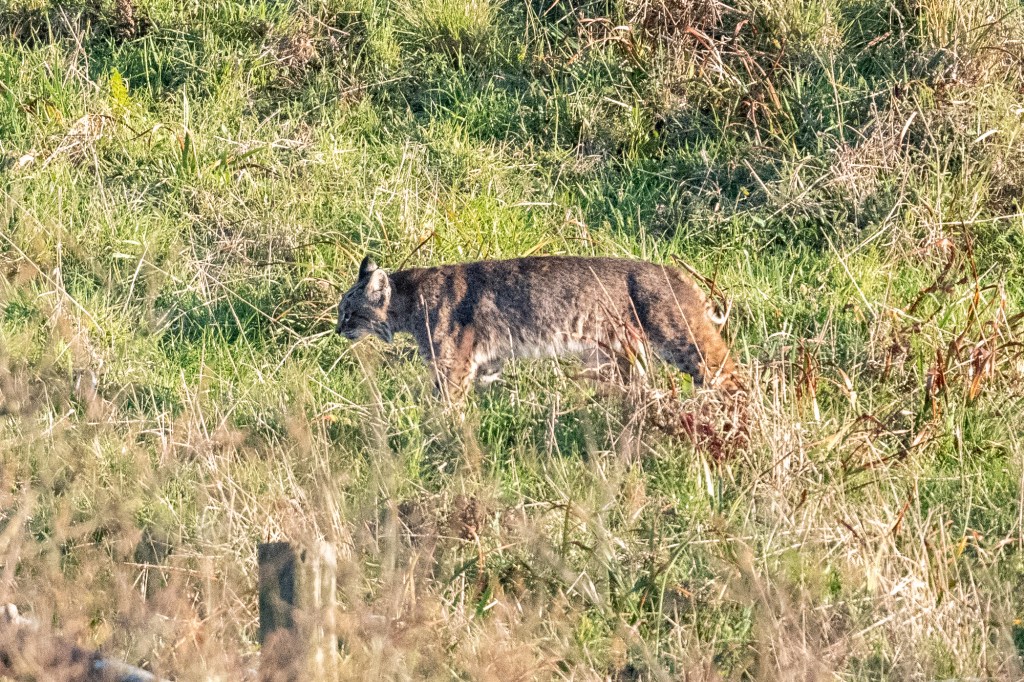
And then the other bobcat started moving again. It was not clear if they were “together” but they clearly were aware of each other. So I took some more pics of course.
And then it disappeared into the brush
Oh and I made a gif showing the entire transit of this bobcat from my 300 or so pics.
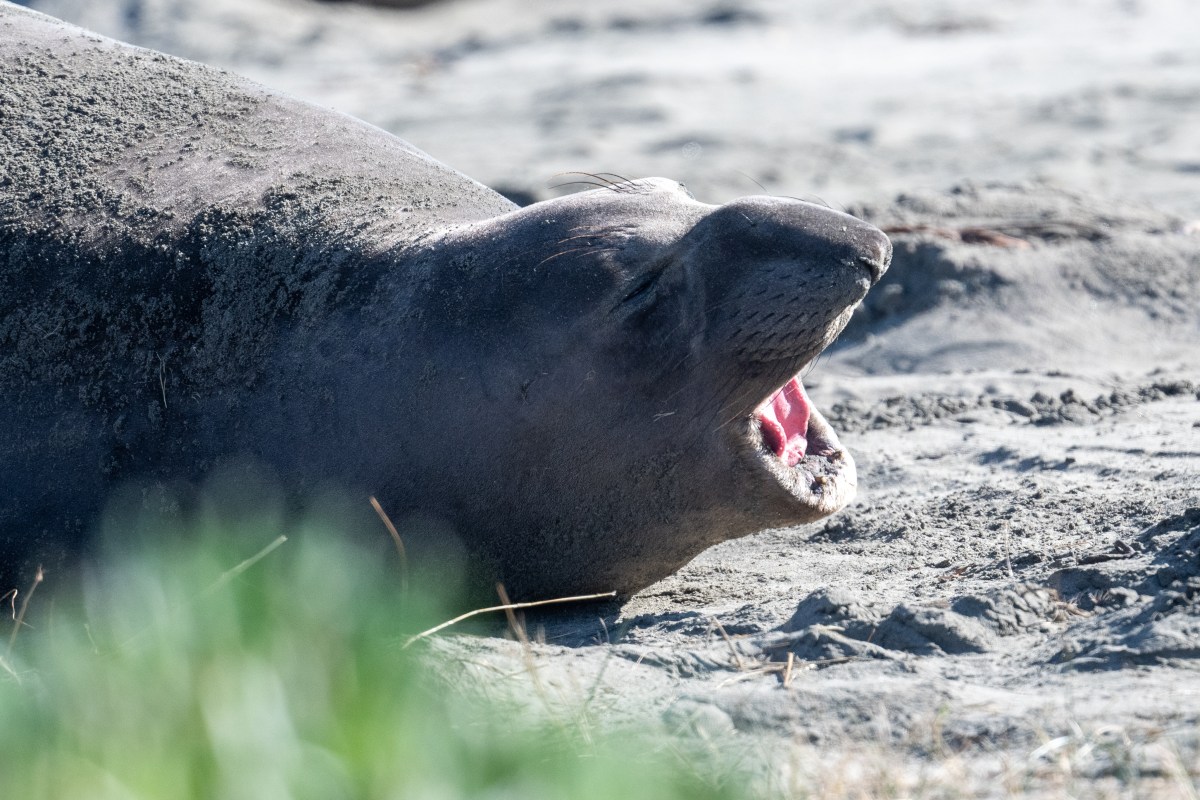
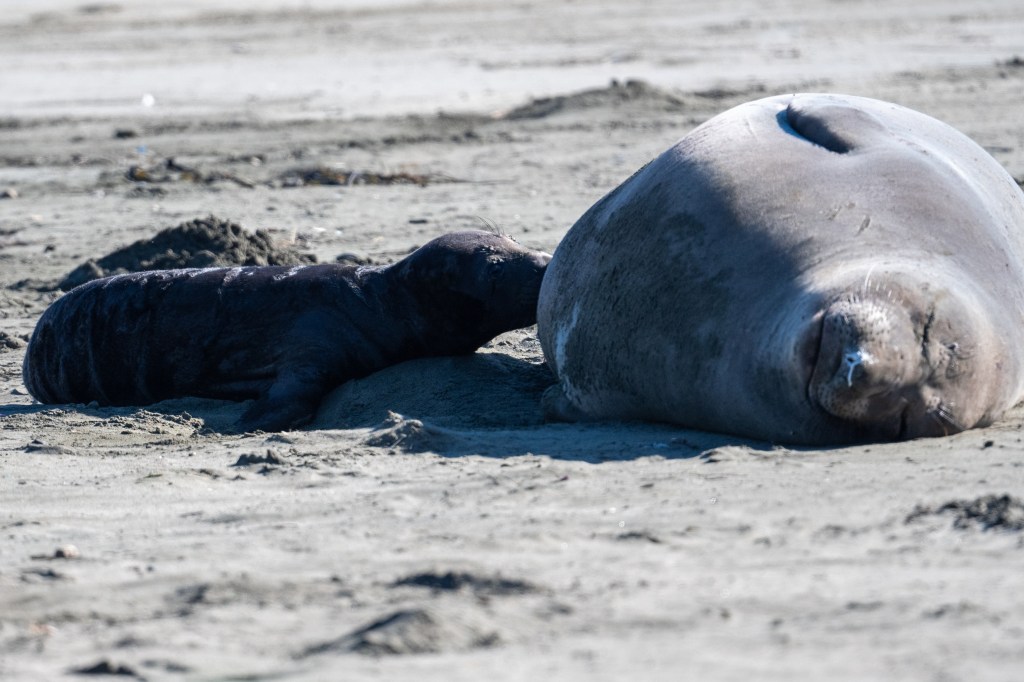
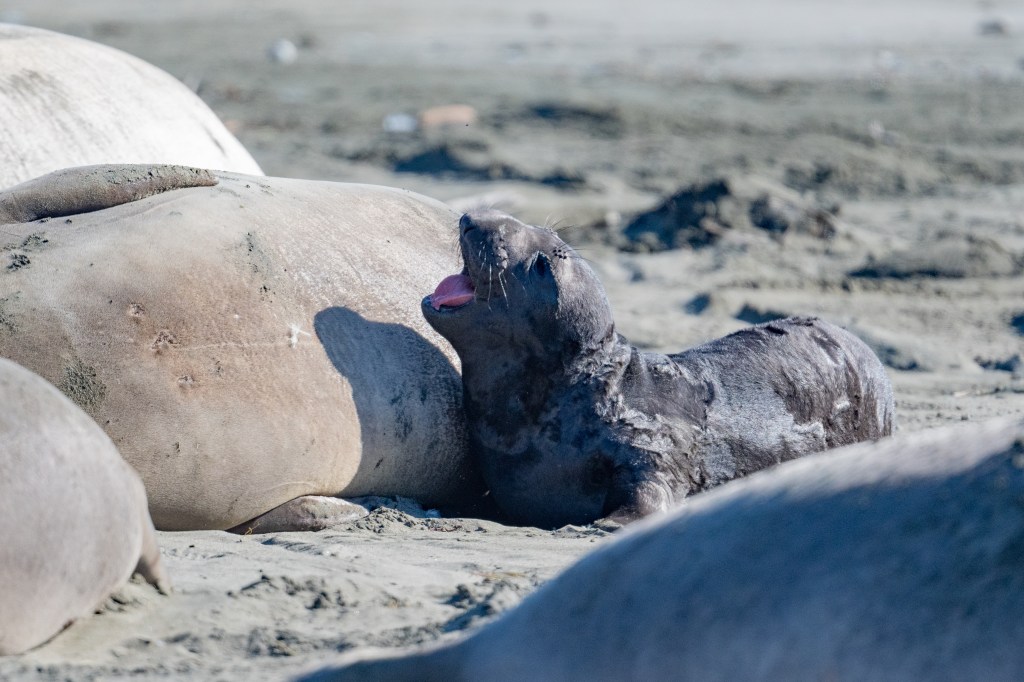
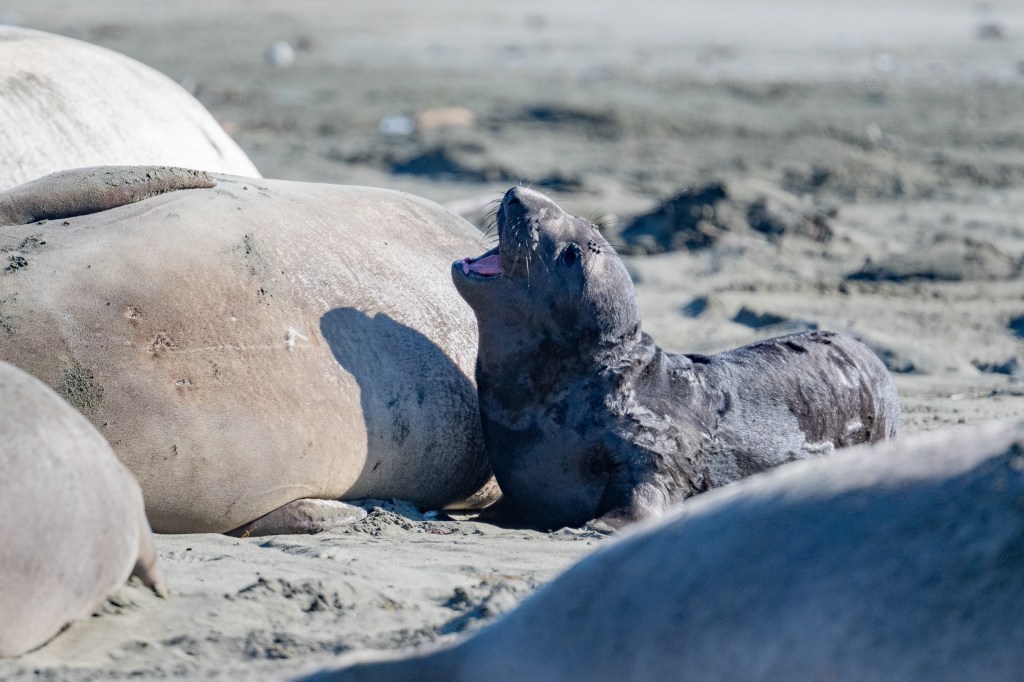
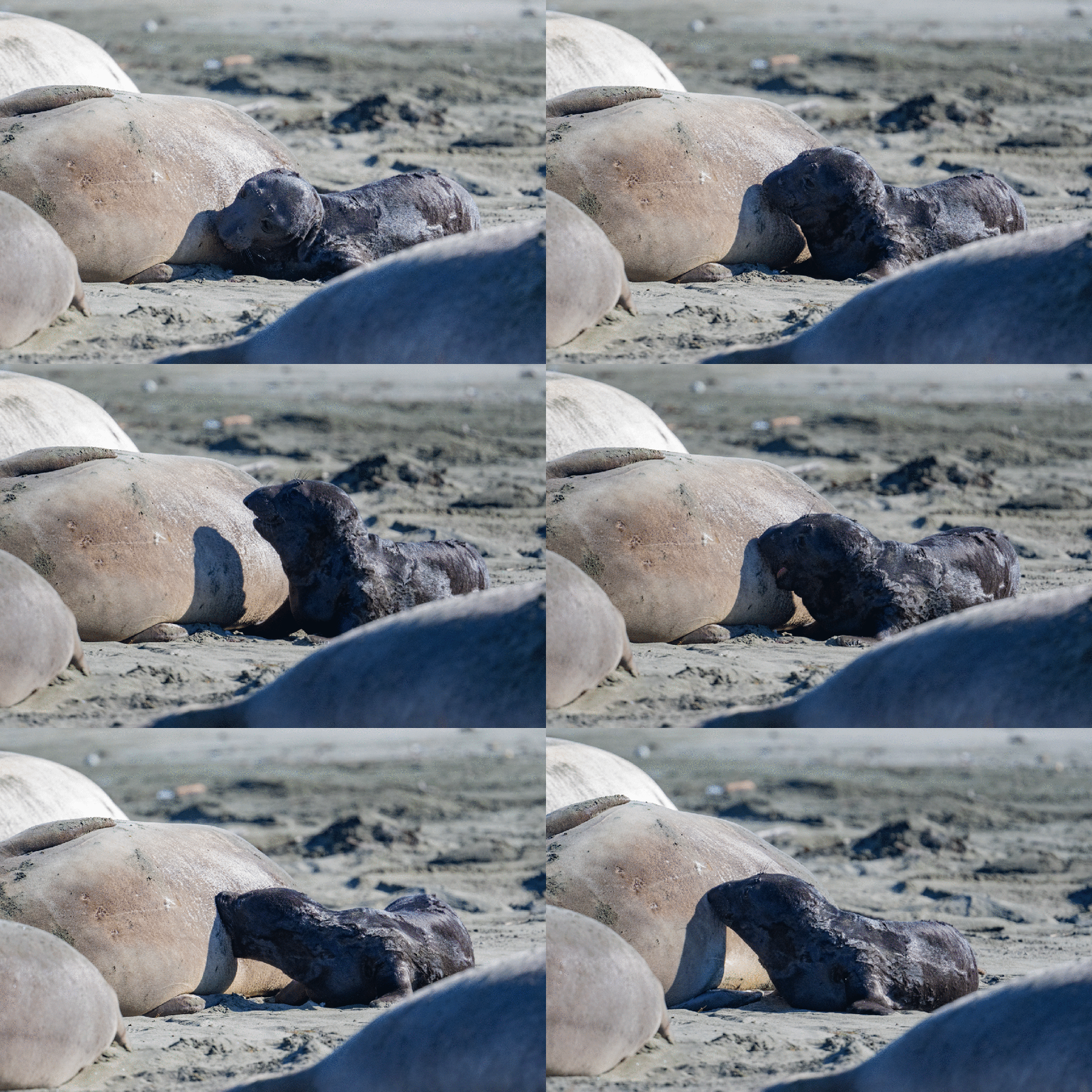
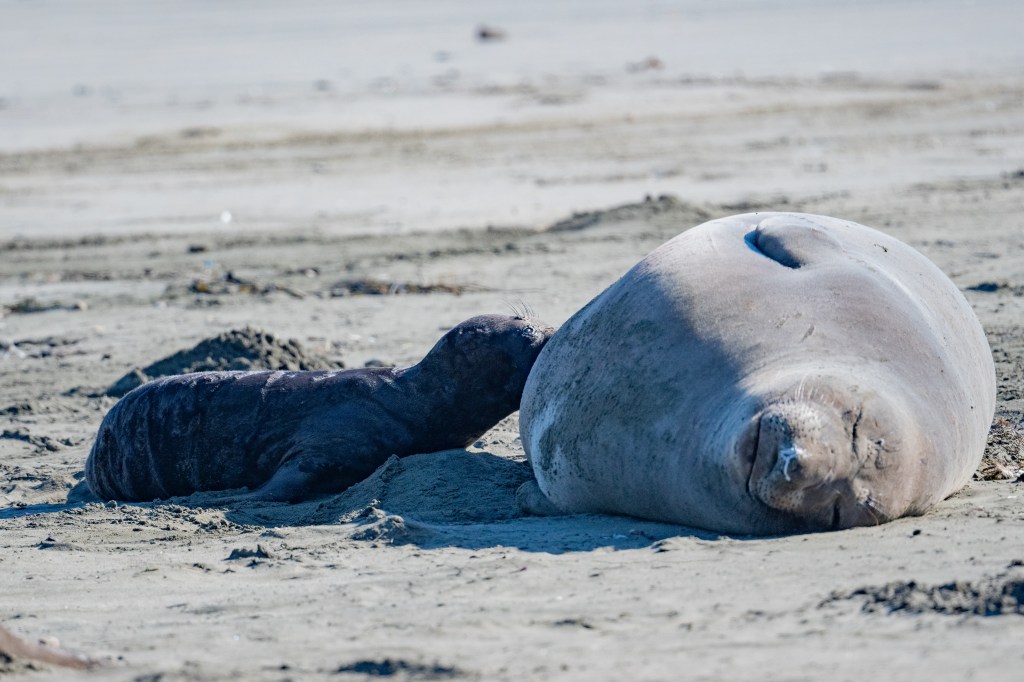
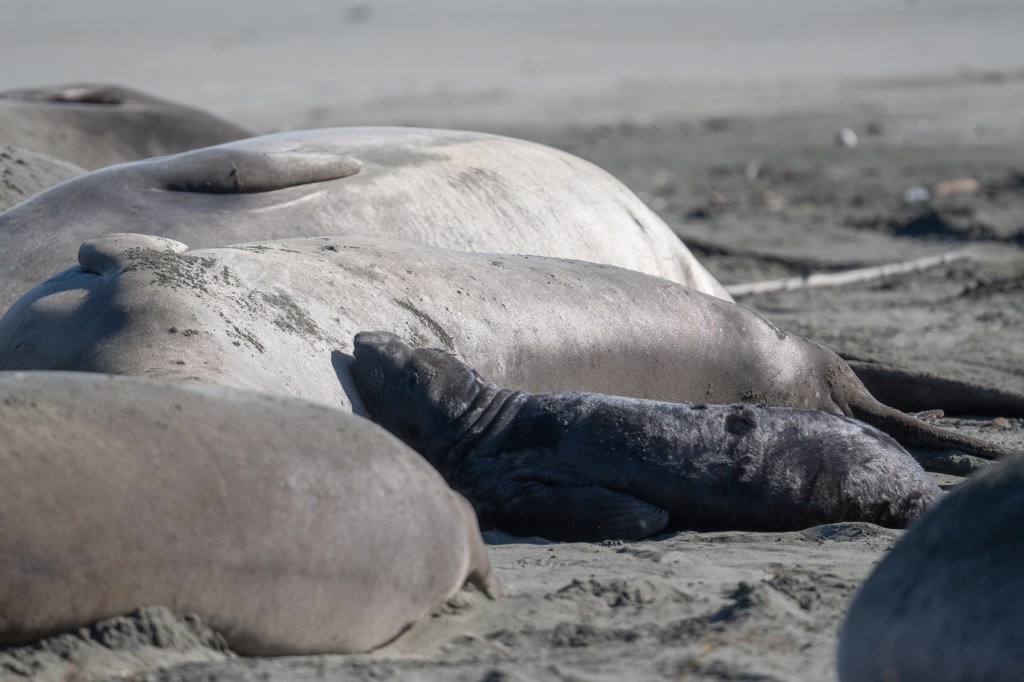
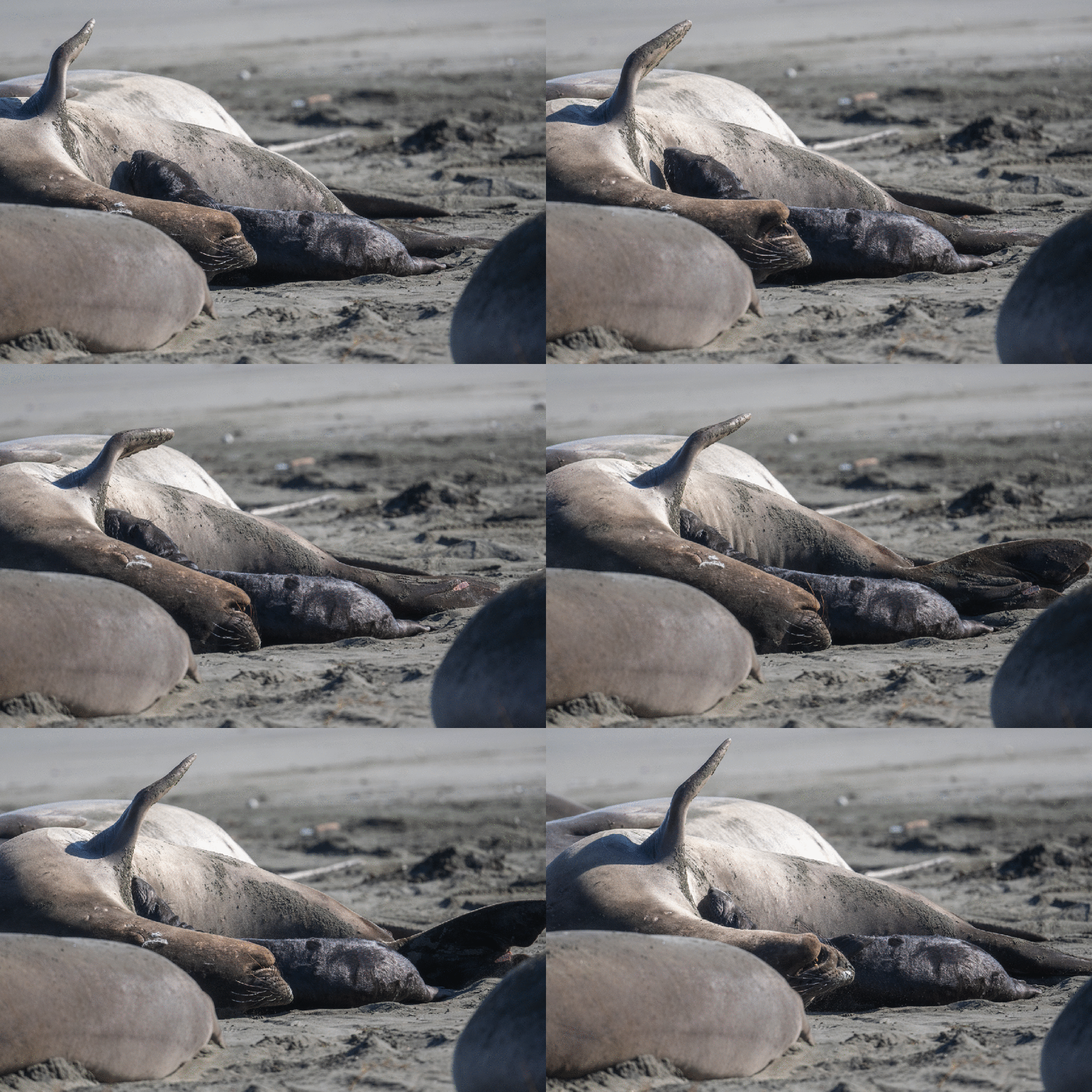
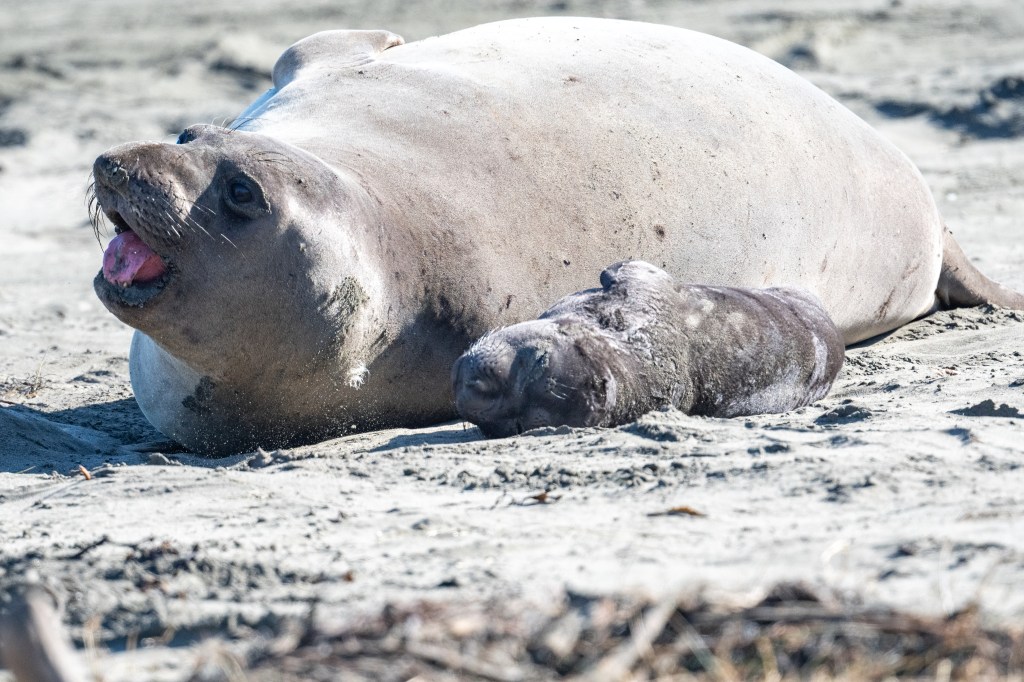
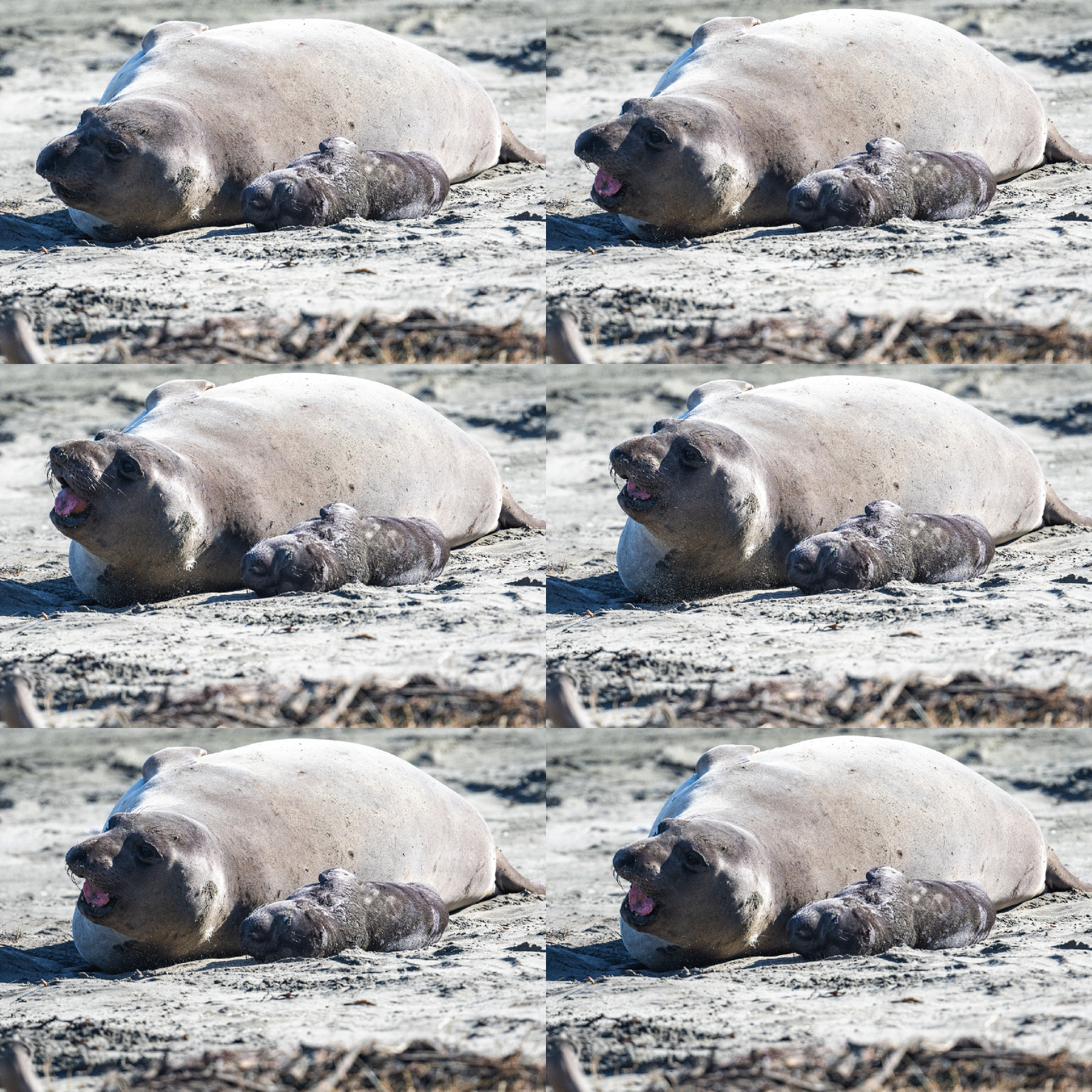
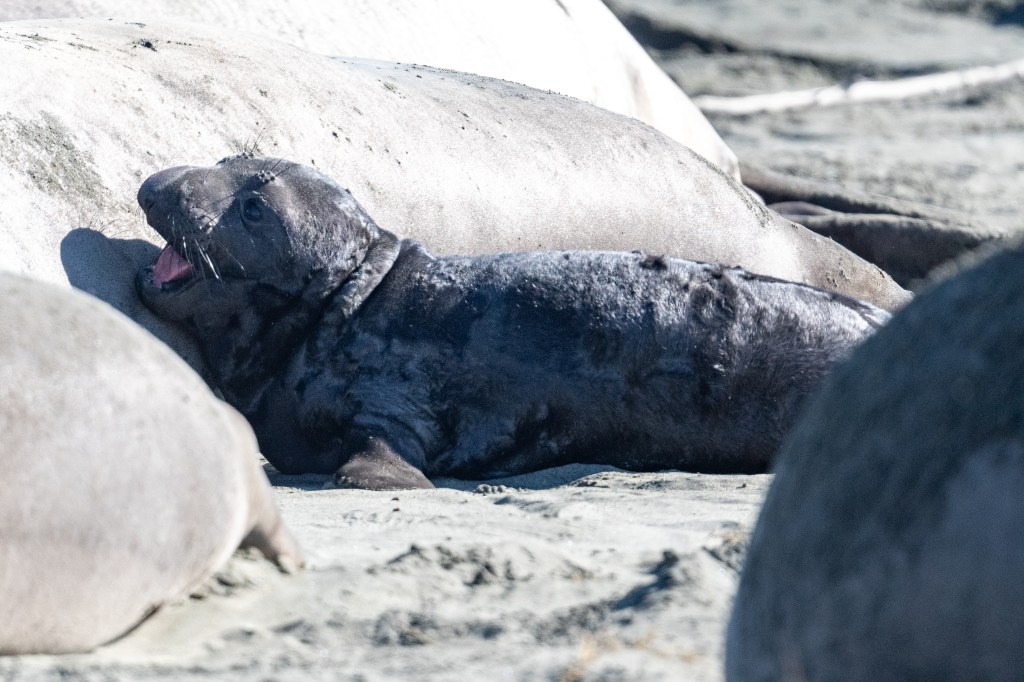
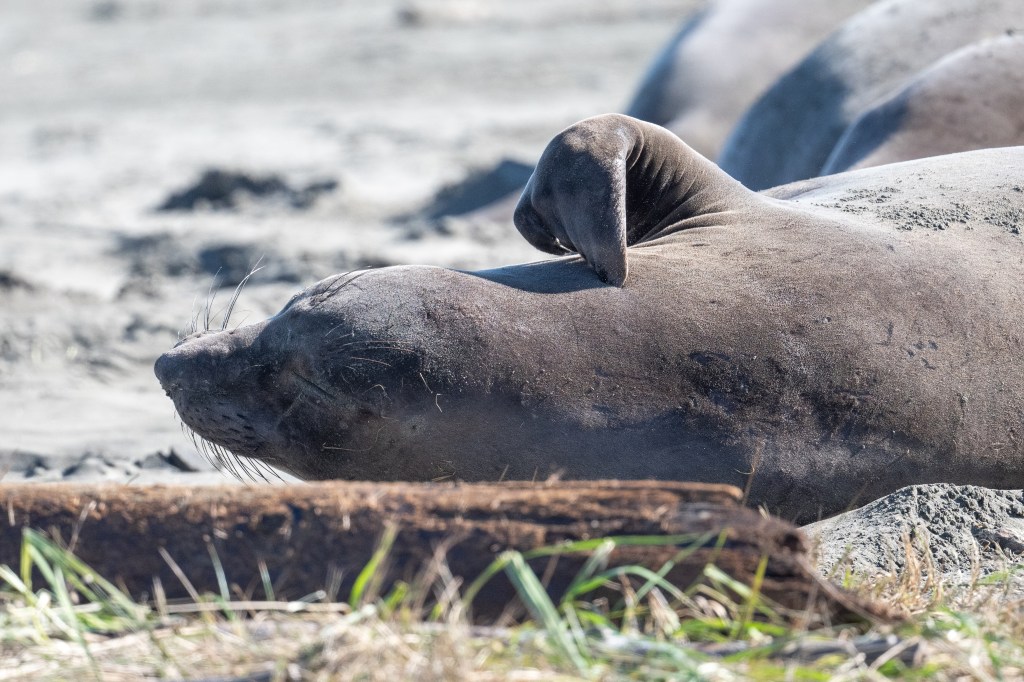
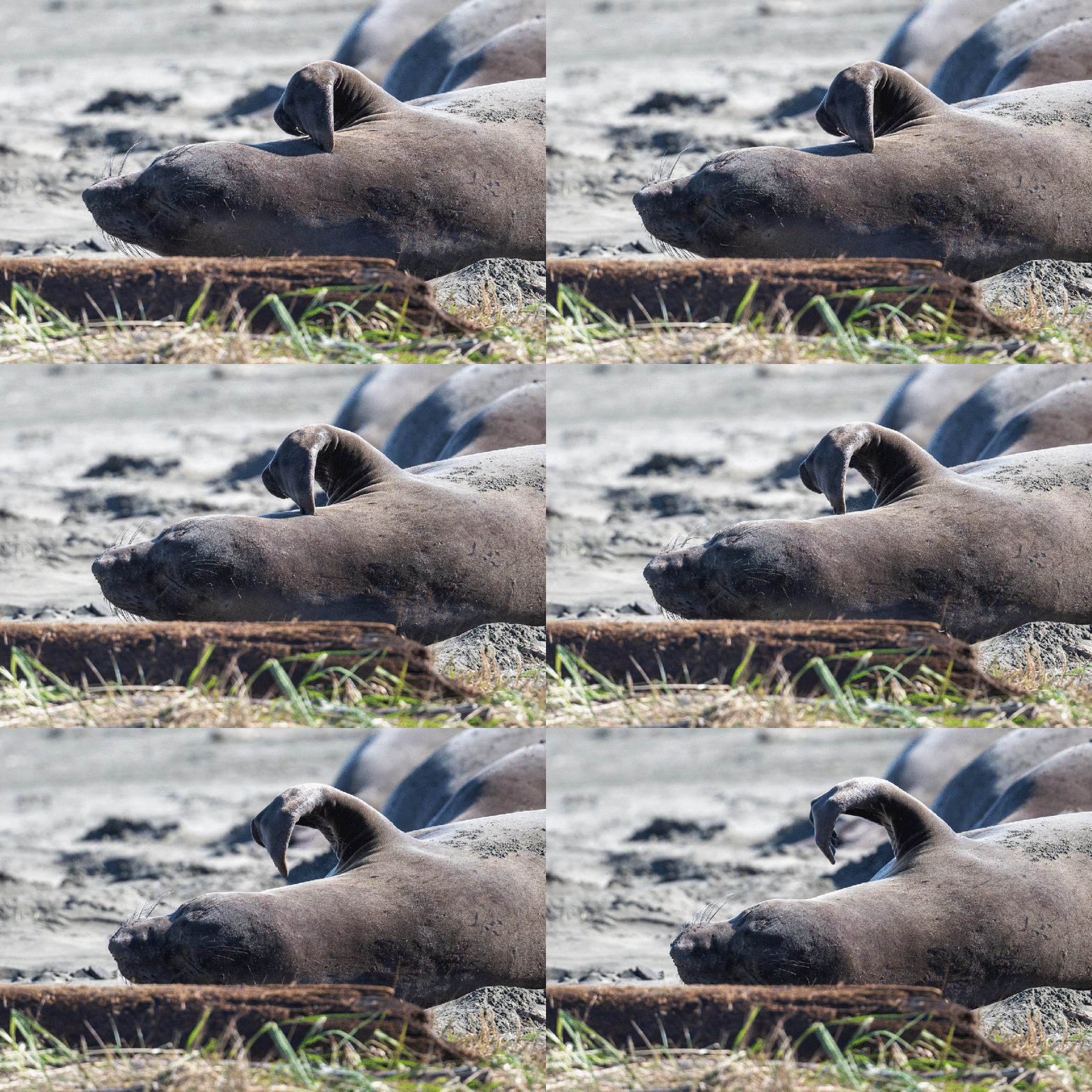
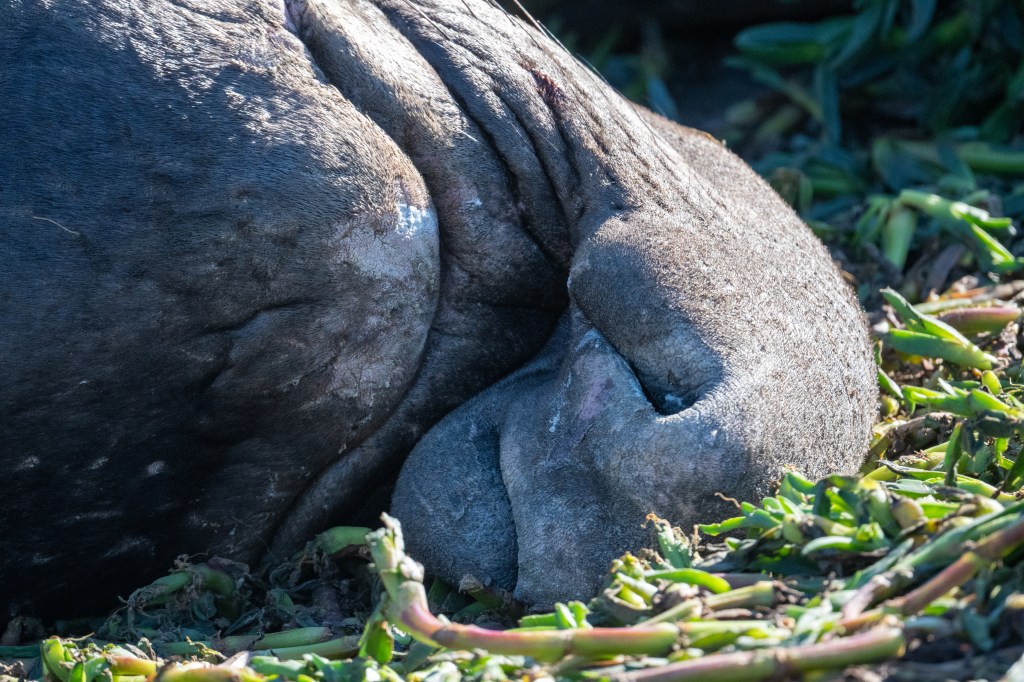
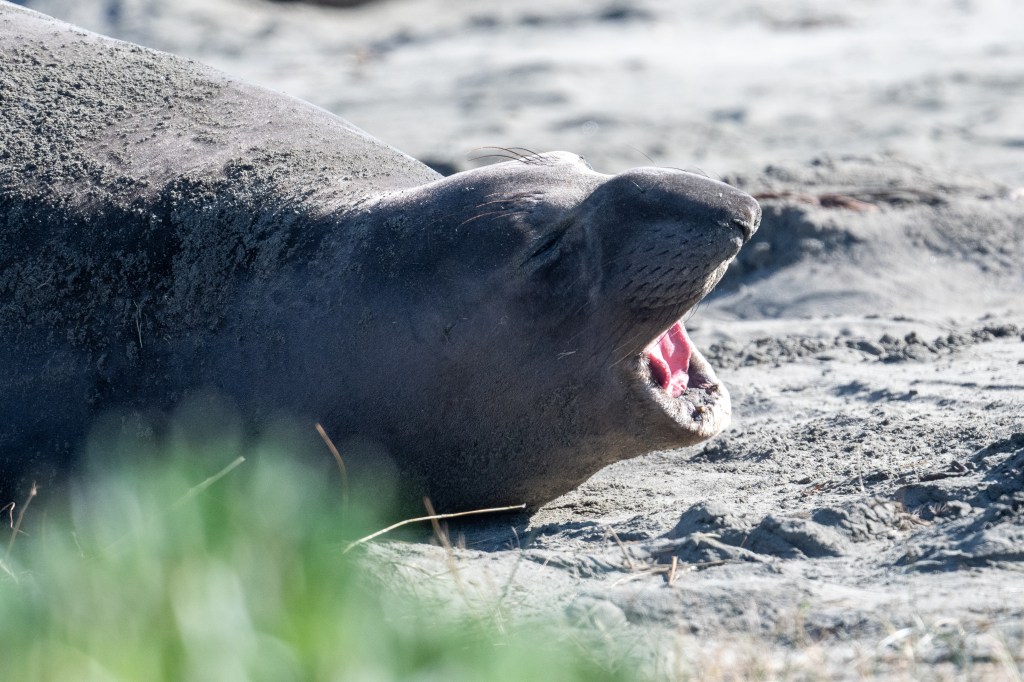
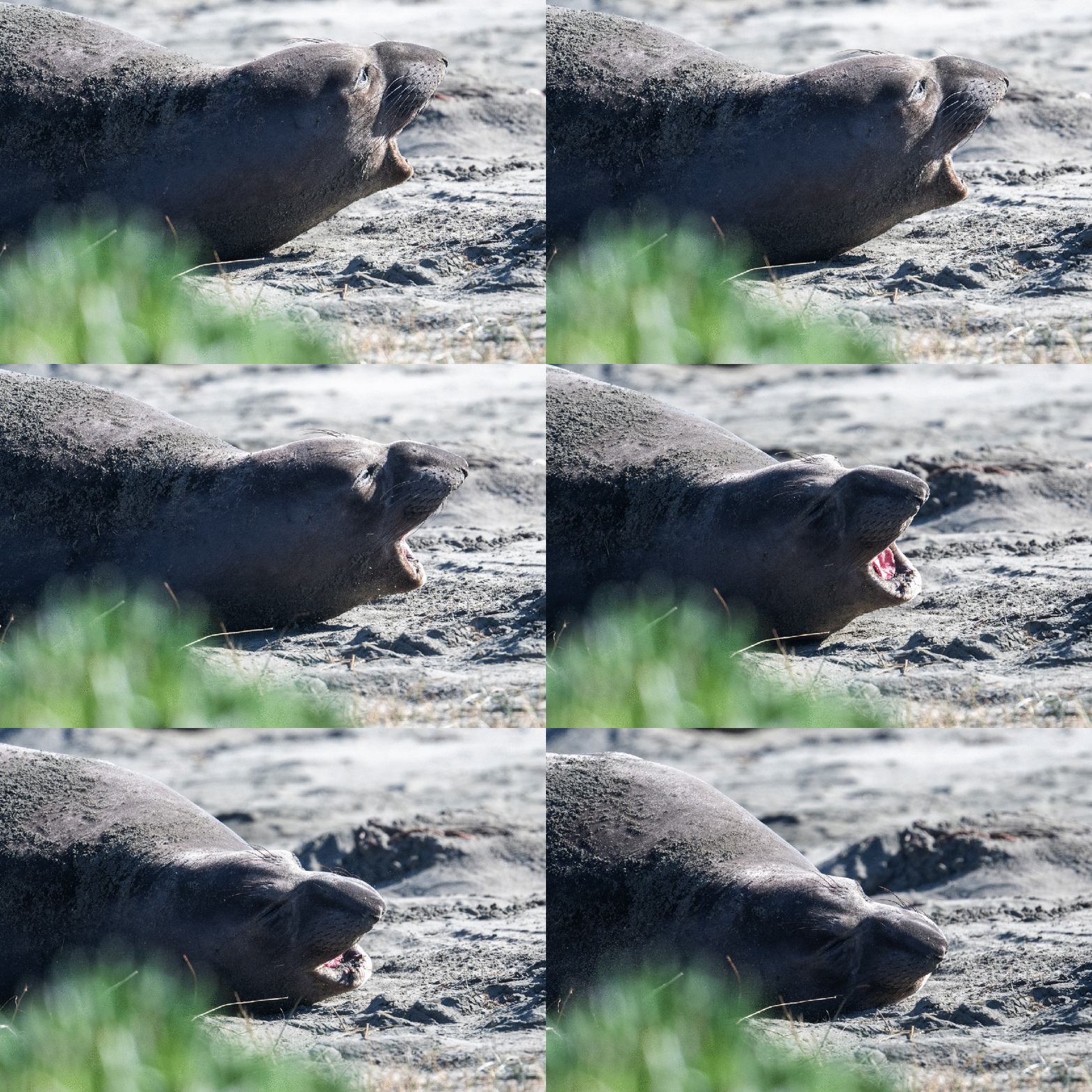
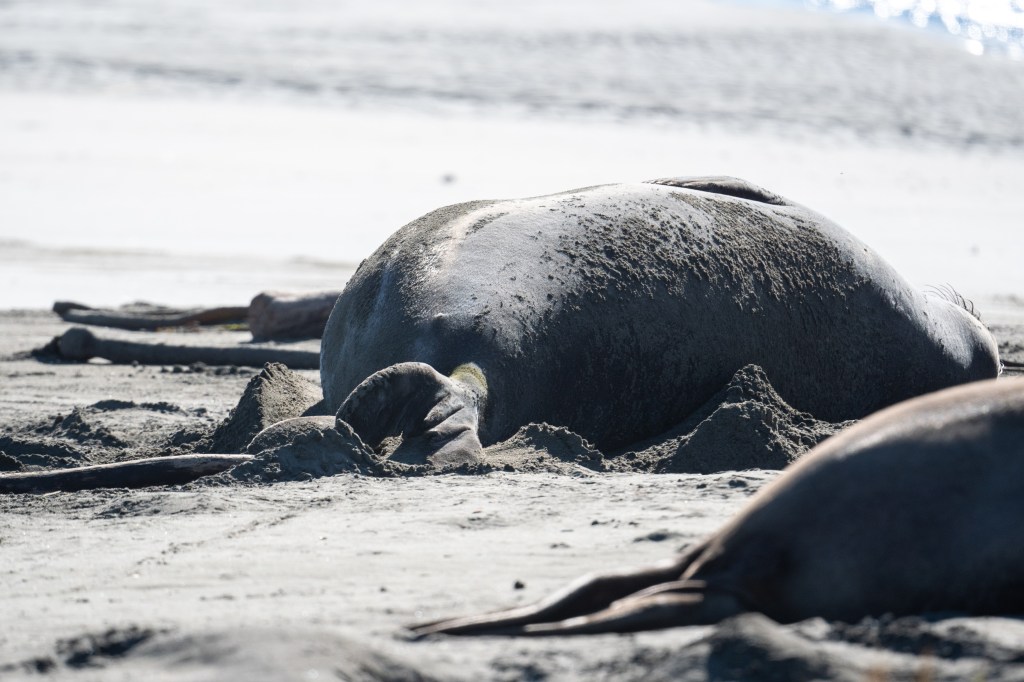
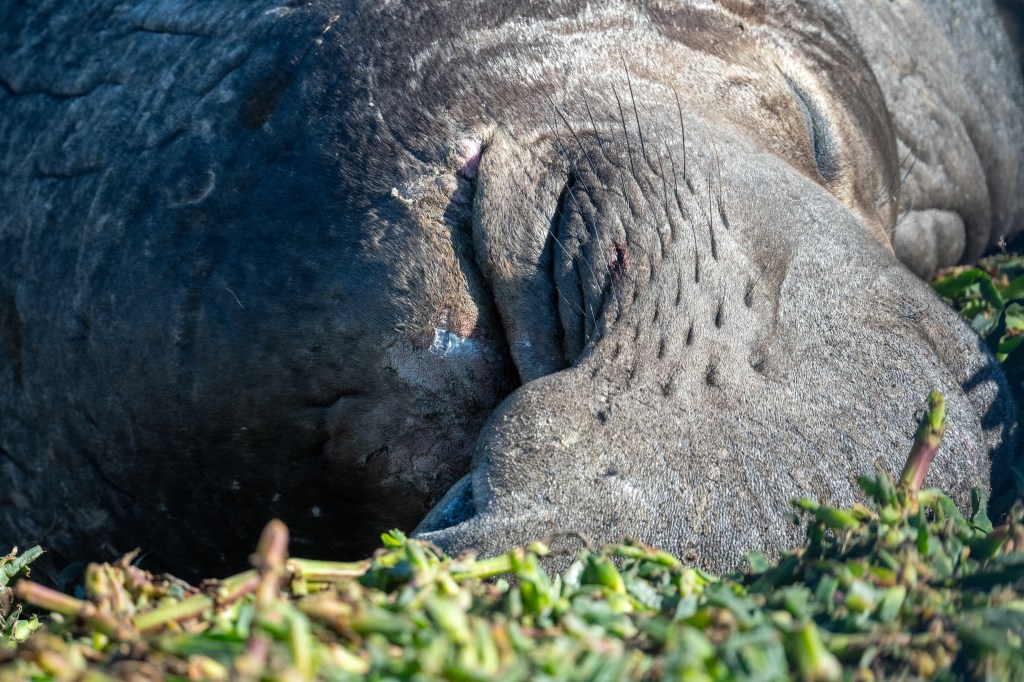
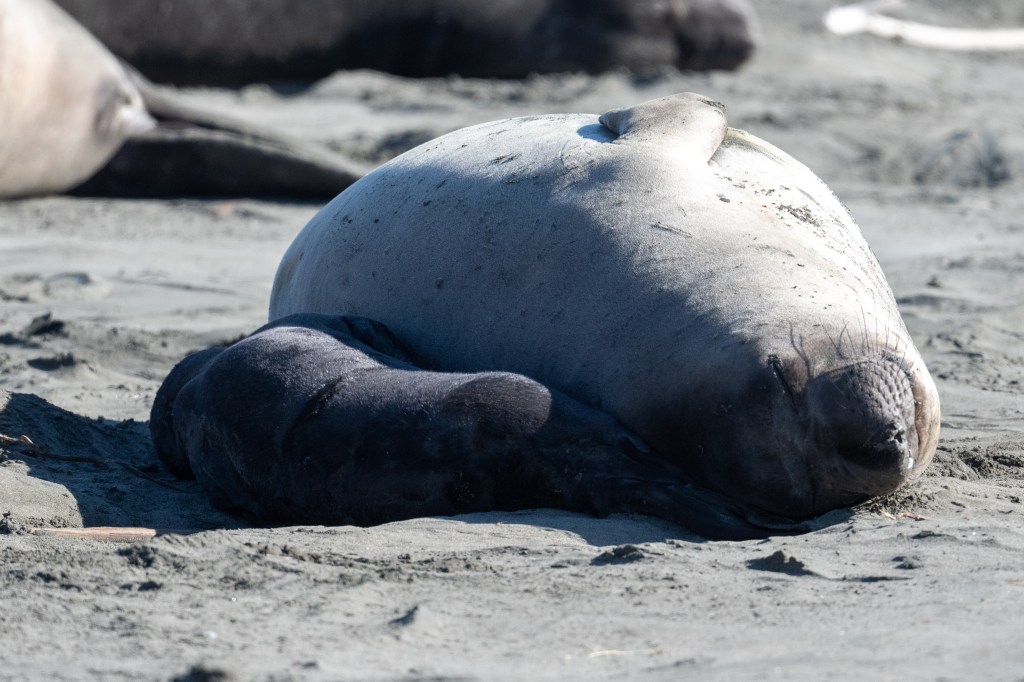
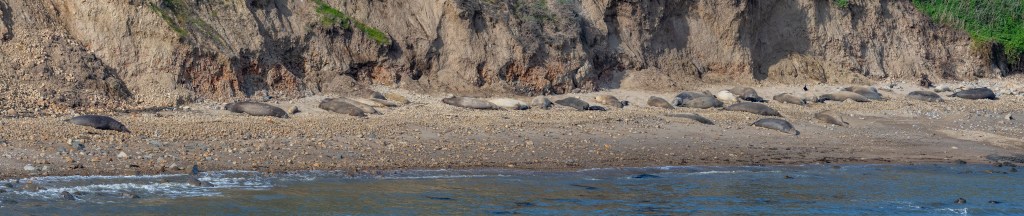
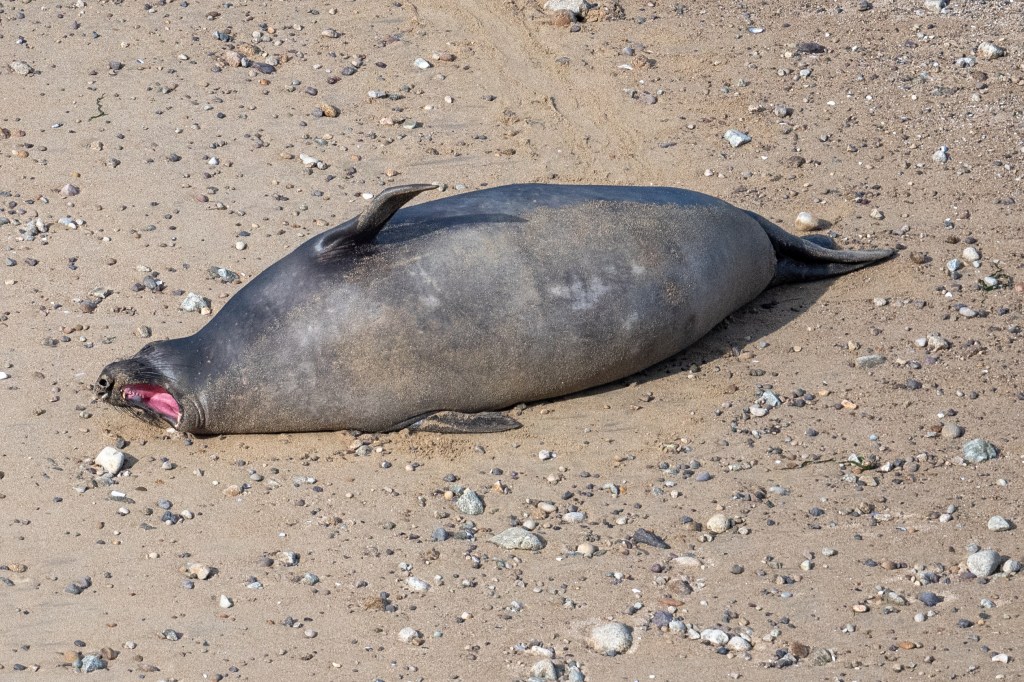
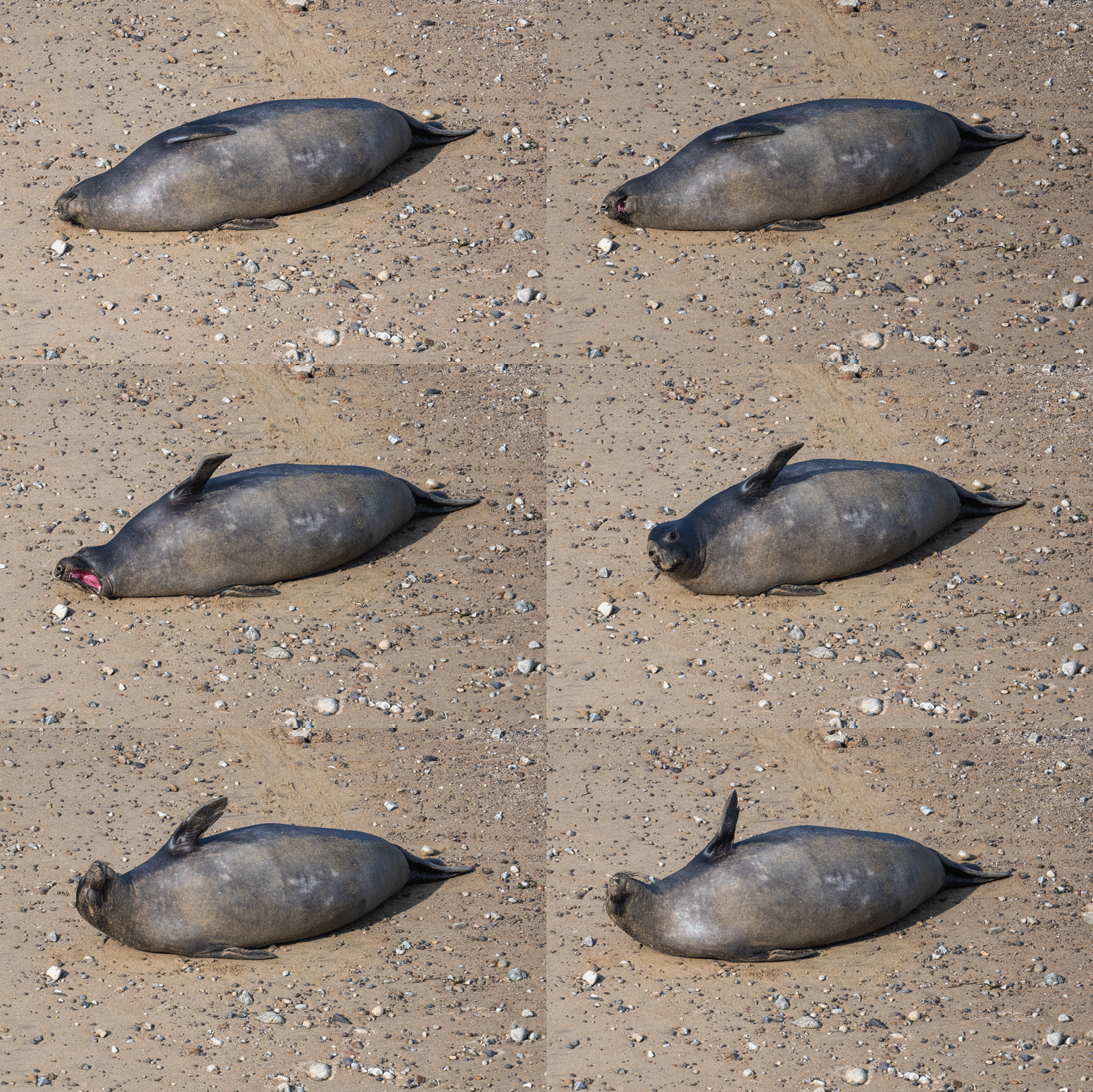
So I went to Pt. Reyes this past weekend. And among many things I got to see elephant seals for the first time in my life. They were mesmerizing. I took a lot of pics. Here are some, all from the Drake’s Beach area.
For some of the “Scenes” I made gifs from a series of pics to show some motion …
So – I had an incredible 24 hours from Tuesday about noon to Wednesday about noon and going to provide some details here.
First, I went in to Marin County on Tuesday AM. I headed there because there was a reception in the evening for “Gorilla Doctors“. Gorilla Doctors is an absolutely incredible organization that I have become involved in over the last 1.5 years. What is the Gorilla Doctors group? Well, this is the summary from their website:
Gorilla Doctors is the only organization in the world dedicated to saving the mountain and eastern lowland (Grauer’s) gorilla species one gorilla patient at a time using veterinary medicine and science with a One Health approach. Our international veterinary team provides hands-on medical care to ill and injured mountain and Grauer’s gorillas living in the national parks of Rwanda, Uganda, and the Democratic Republic of Congo (DRC). With only 1,063 mountain gorillas, and an ever decreasing number of Grauer’s gorillas left in the world today, the health and well-being of every individual gorilla is vital to the species’ survival. Our veterinary team regularly monitors the health of mountain and Grauer’s gorillas and intervenes to treat individuals with life-threatening illness or injury whenever possible.
And I have now been working with them to help plan some microbial studies and to help train some of their people in microbial studies. This started with an email from Dr. Tierra Smiley Evans who is their Chief Veterinary and Scientific Officer and who was at UC Davis at the time (she is now on the faculty at UC Berkeley). Together we got a grant from UC Davis to run a microbiome workshop in Rwanda (which happened in October last year). I will write MUCH MUCH more about Gorilla Doctors soon. But for the purposes of this post, what is key is that I have gotten involved in this incredible group and I am fully committed to helping with their mission of protecting mountain gorillas. And I recently was appointed to their Advisory Council. I was invited to this reception due to my role on this council and as I am new to the group I was very excited to go to it and meet many of the people involved.
As the event was in the evening in Marin County and as I really did not want to drive back in the evening from their to Davis, I decided to stay overnight. And so I headed out in the mid morning towards Marin and decided to go to Pt. Reyes on the way there. As part of my “getting in the mood” and learning more about mountain gorillas, I bought the audiobook version of the “Walking with Gorillas” book by Dr. Gladys Kalema-Zikusoka. And I put it on and headed out.
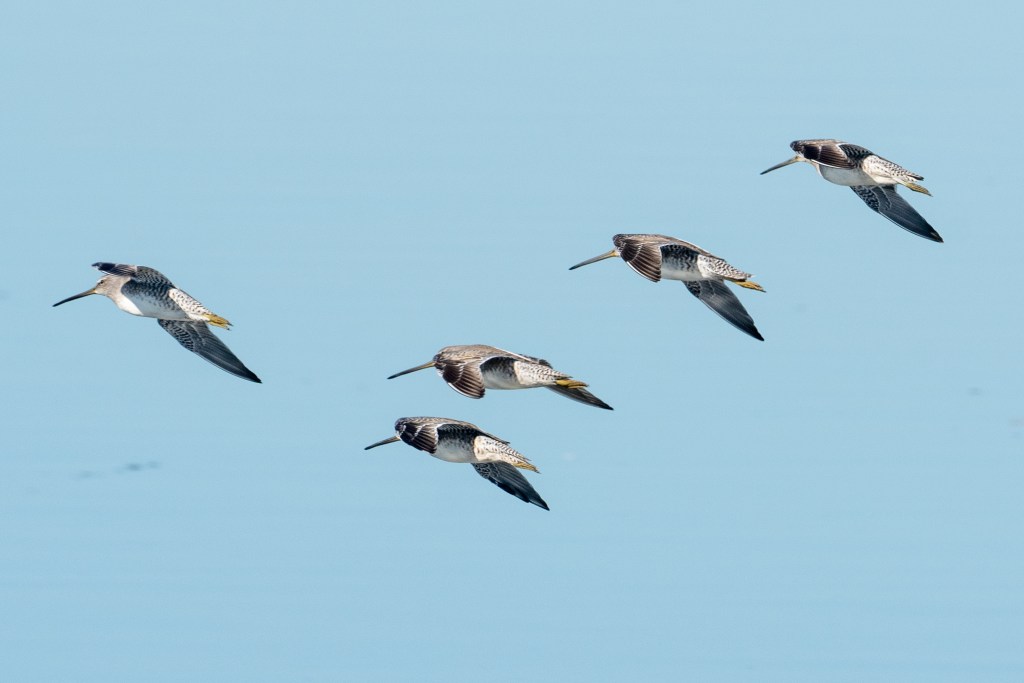
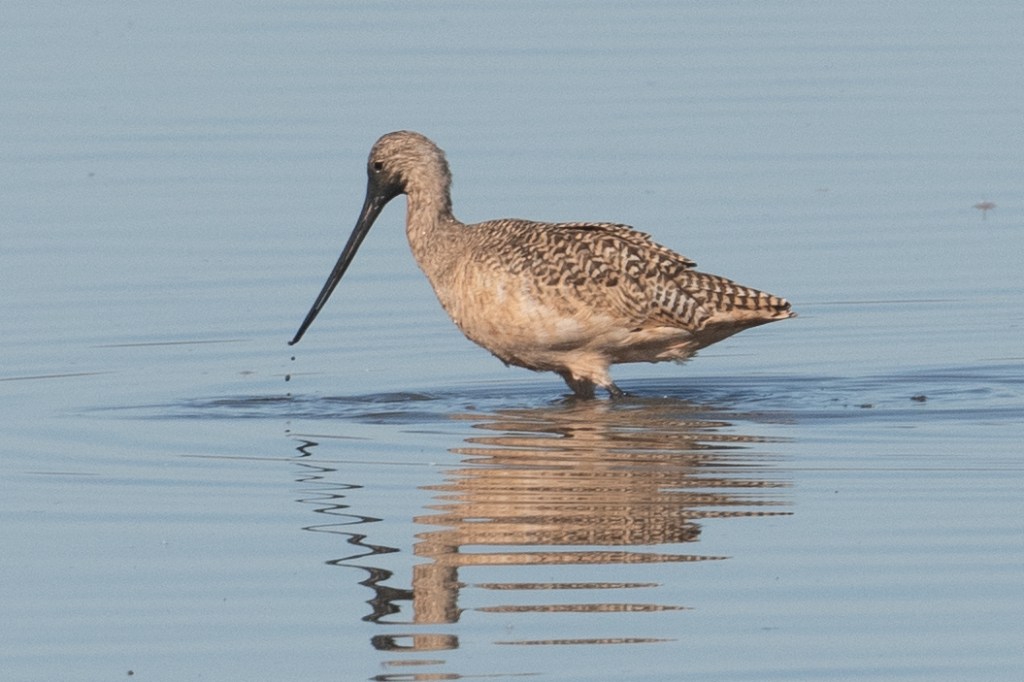
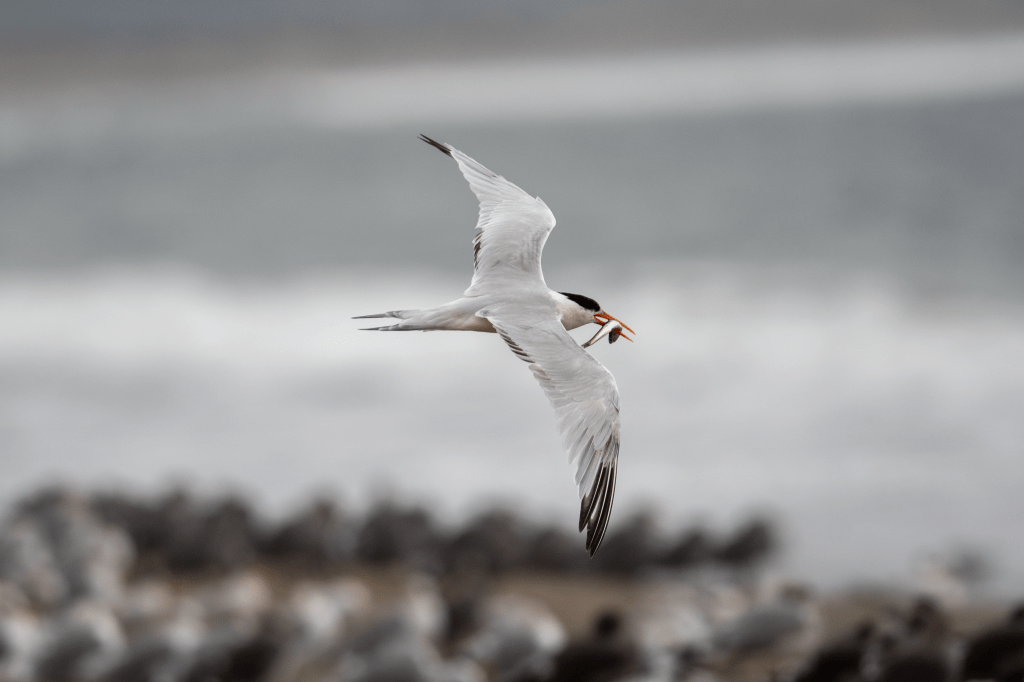
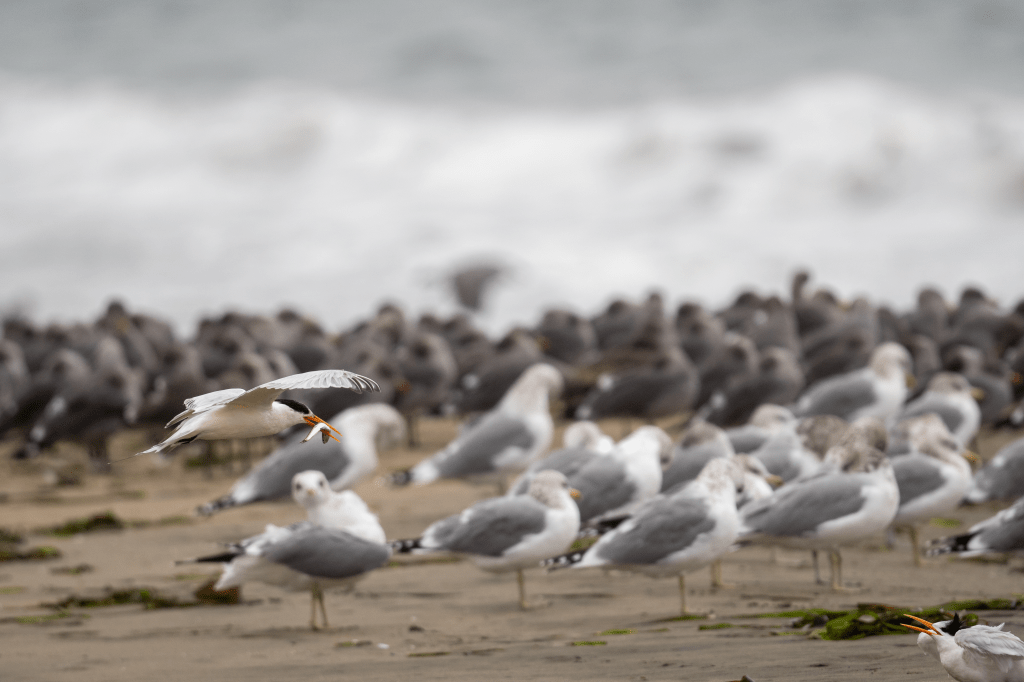
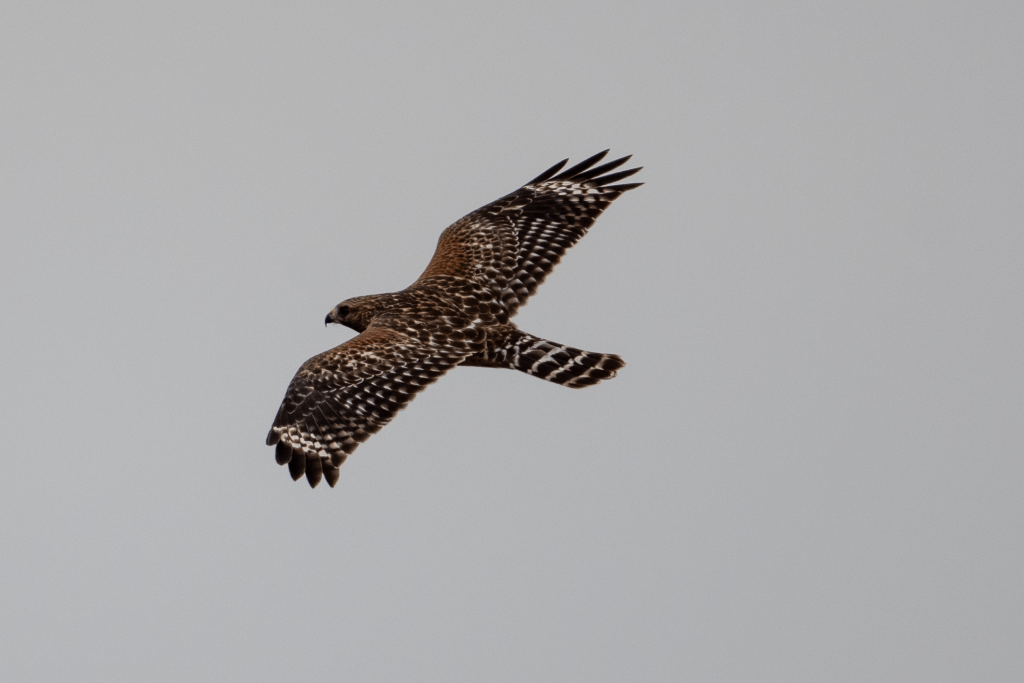
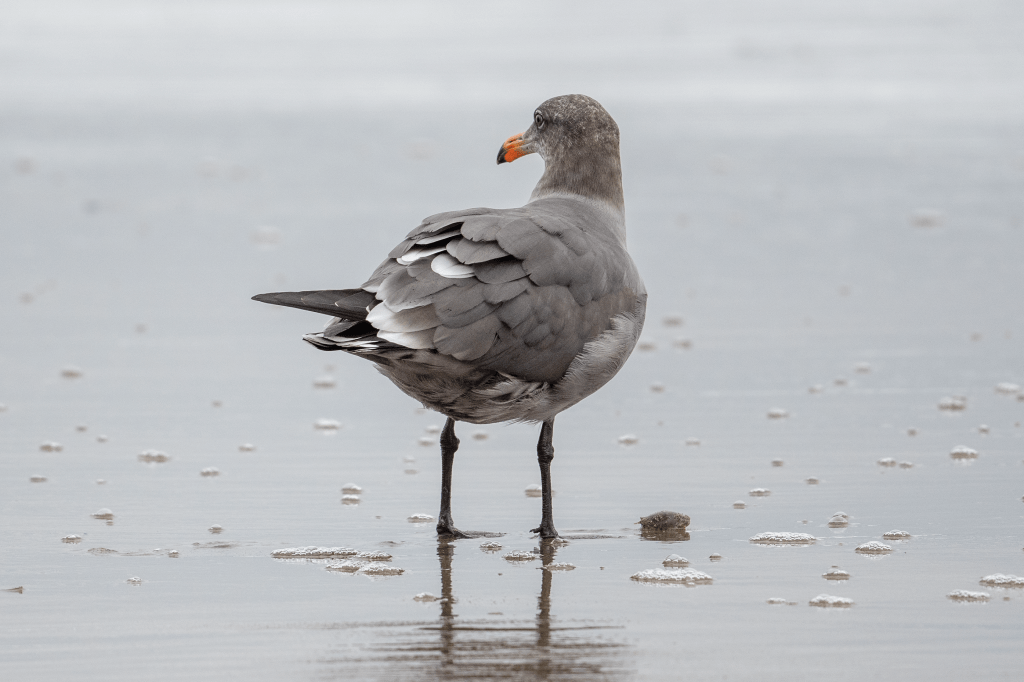
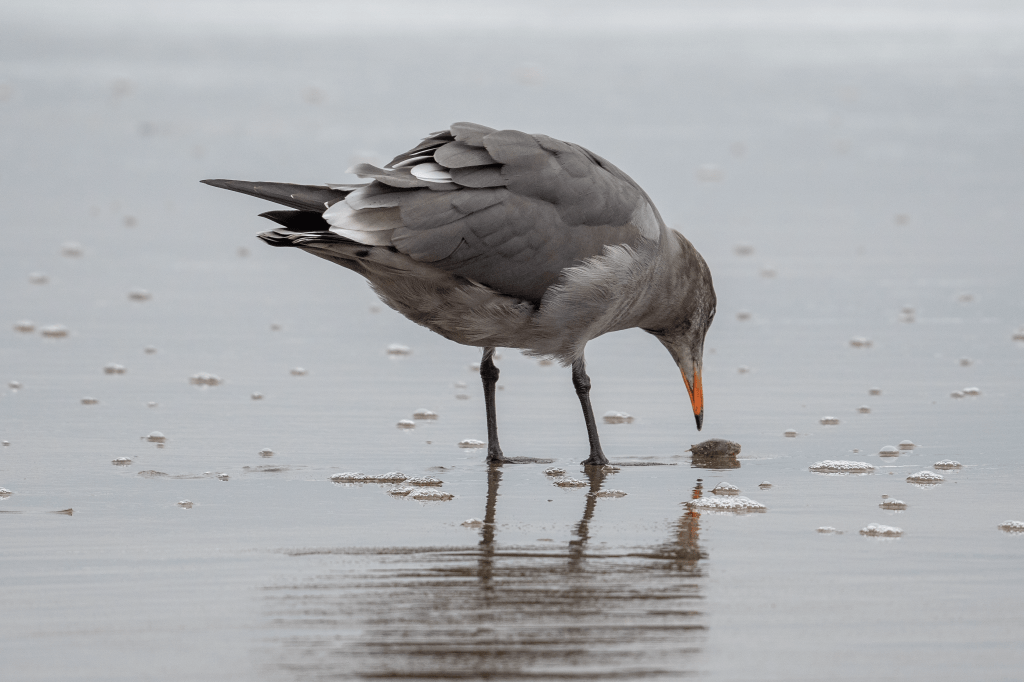
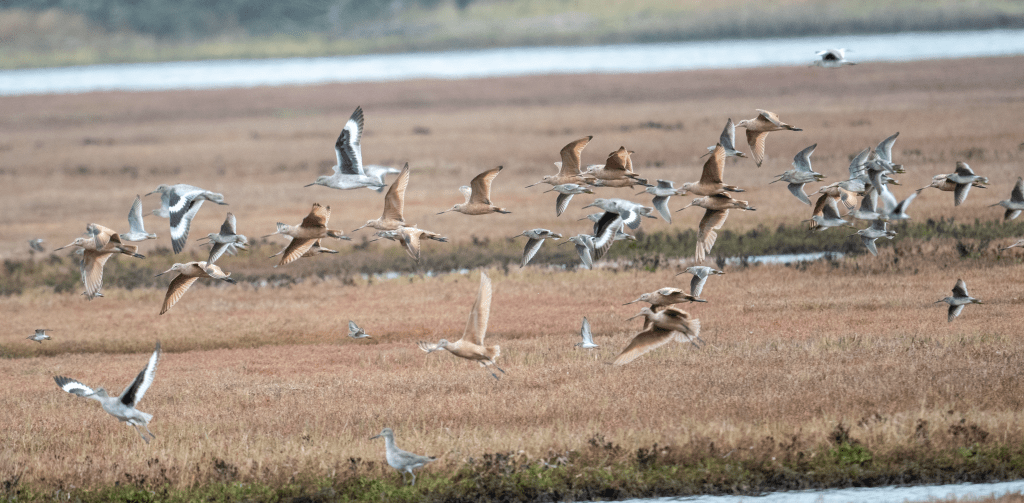
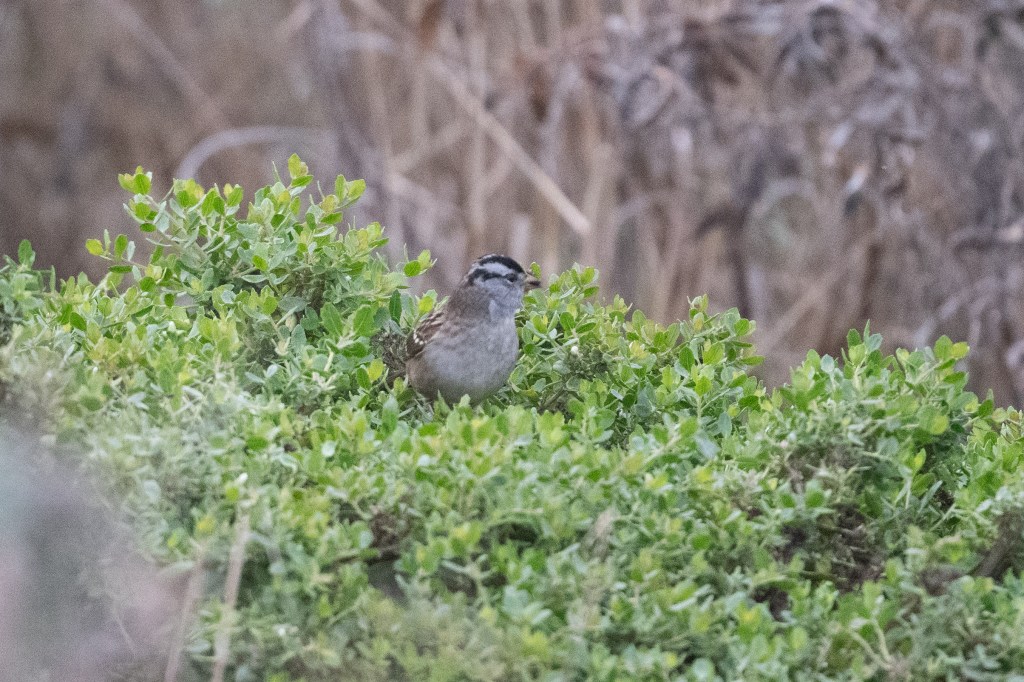
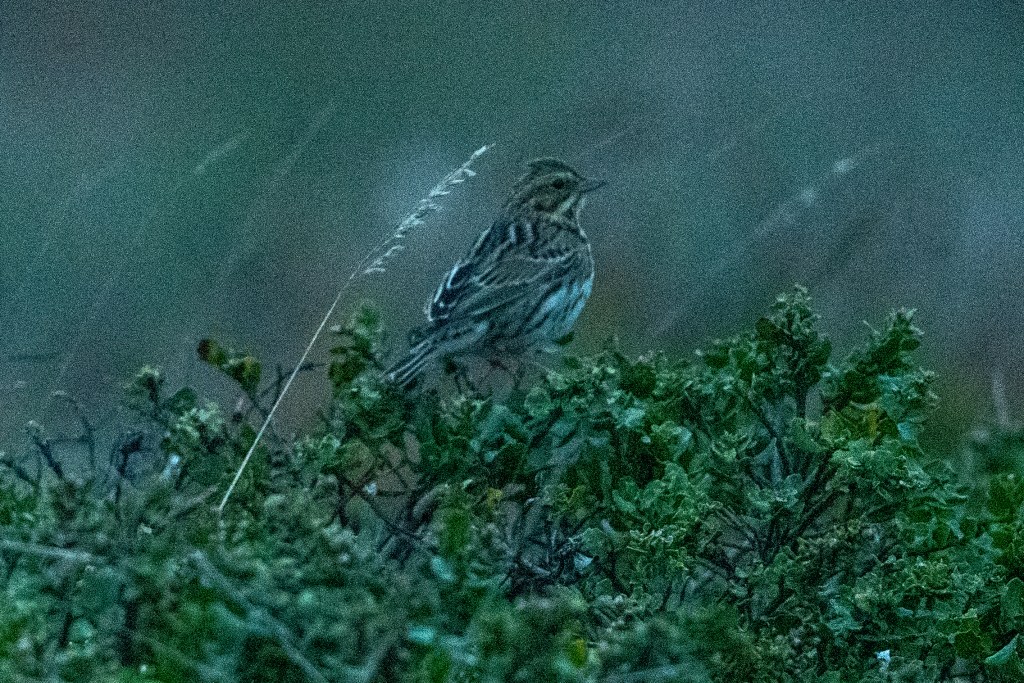
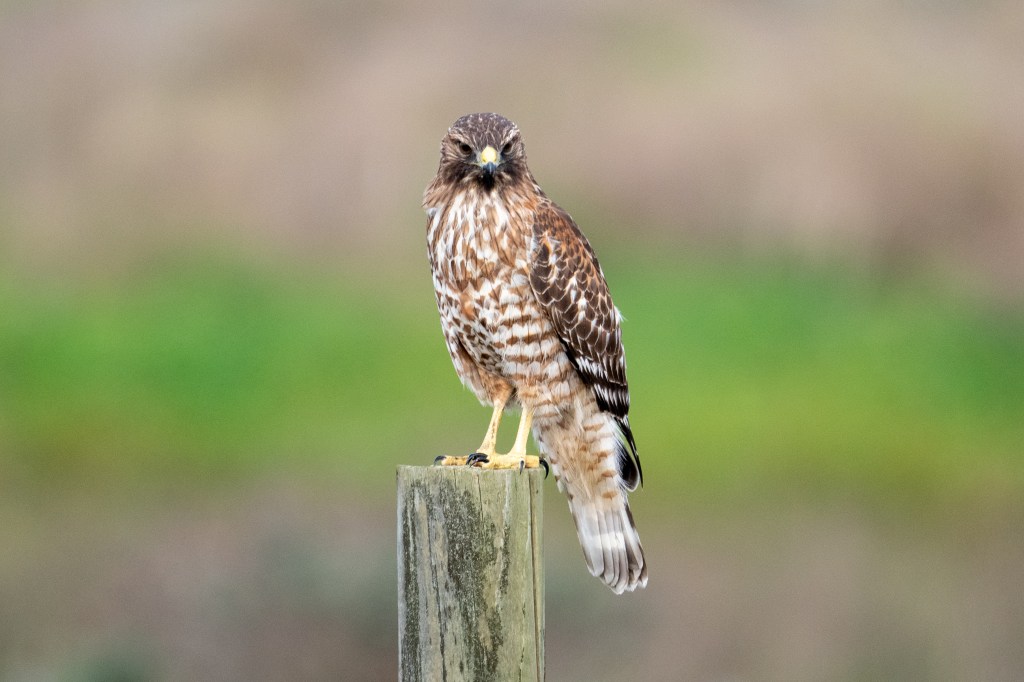
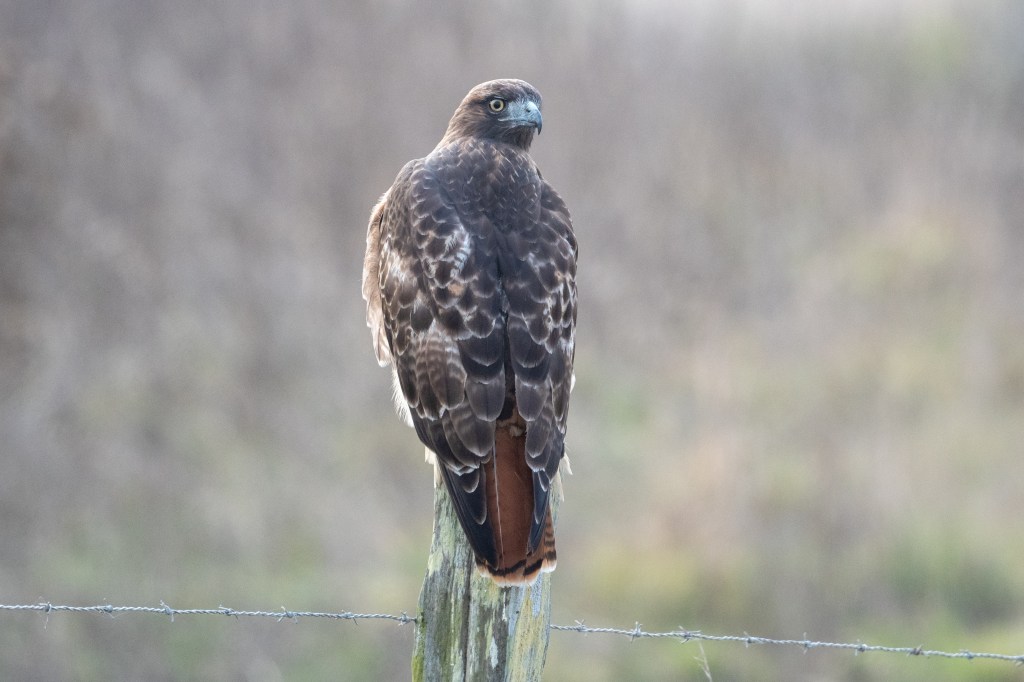
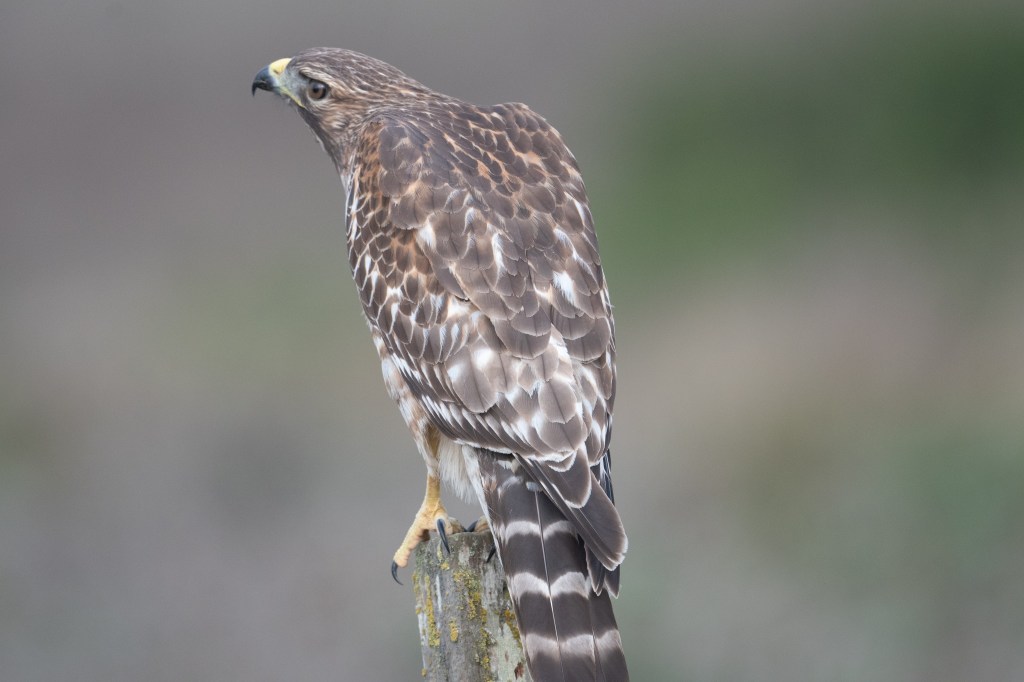
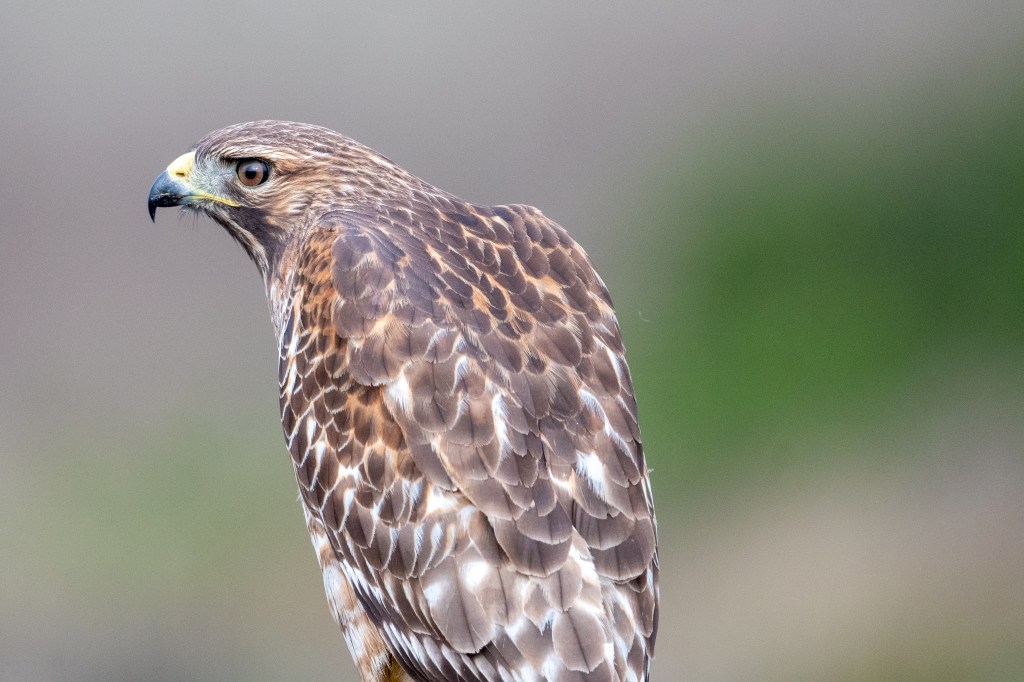
On the way there, I pulled over on highway 37 in the San Pablo Wildlife Refuge to stretch and took some bird pics. Here are a few.
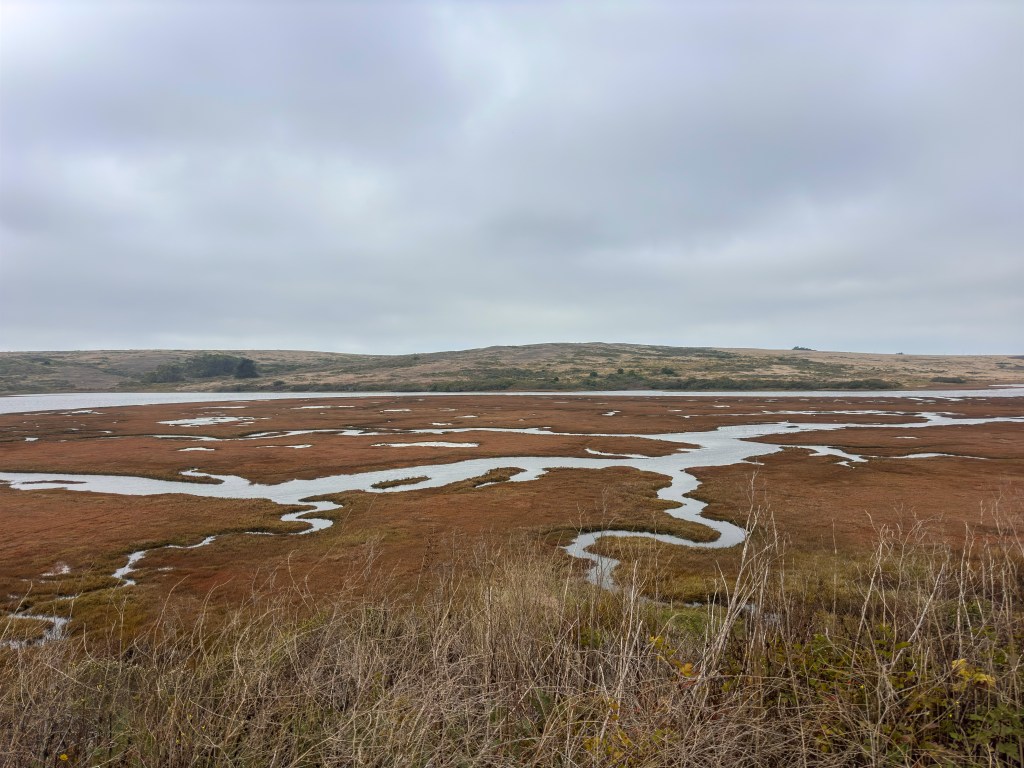
I got back in my car, put the book back on, and continued the drive. I note – the book was quite excellent. More on that perhaps another time. I had this great plan to go to Pt. Reyes and maybe go to the Visitor Center there and sit down and do my Zoom calls. So I pulled in to the Visitor Center parking area, got out my laptop and headset and walked on over to the Center. Well, it was VERY VERY dark. And closed. Oops. I had forgotten about the Government Shutdown. Grr. I had also hoped to use their Wifi for my call and that was not on. Alas, when I tried to connect via my phone, that did not work because, well, my coverage barely had a pulse. So instead I drove around Pt. Reyes and looked for another place to hang out for my Zoom calls. The drive around was very nice. Lots of nice scenes like this:
Eventually I went to Lighthouse Beach and tried to connect there too. But still did not work. So I went for a short walk and took more pics. Here are some.
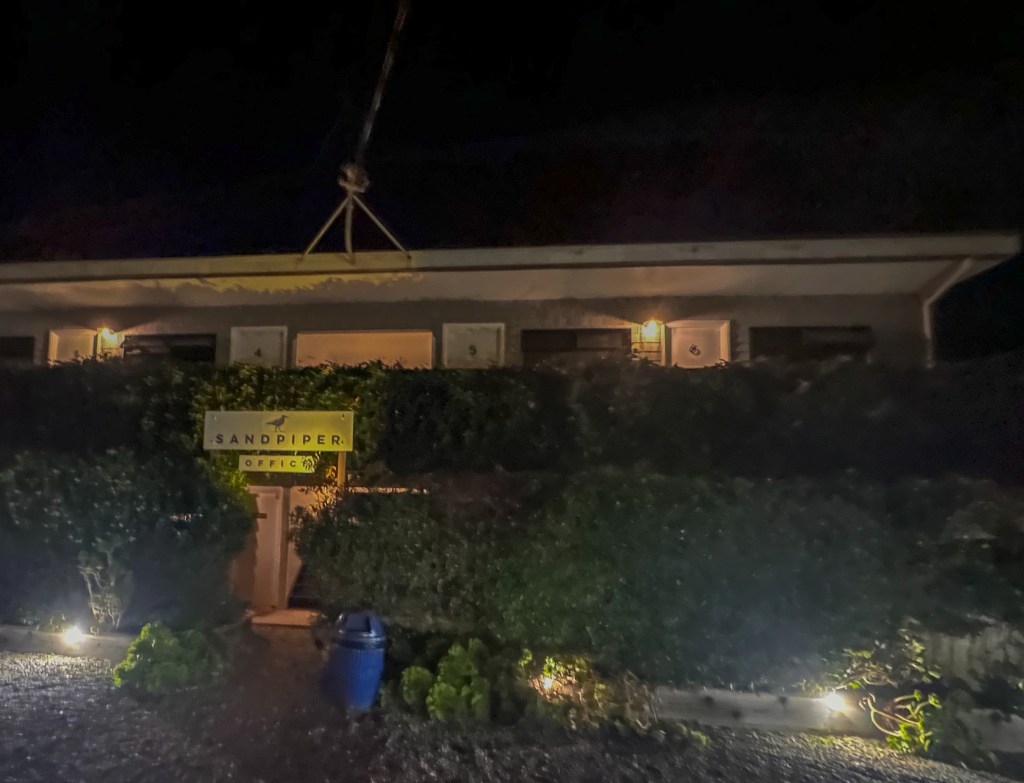
So my great plan of doing my Zoom calls from the road had failed but, well, onward. I then headed to the place I was staying, the Sand Piper, checked in, and headed over to the reception which was nearby.
The reception was really nice and also incredibly valuable to me. I have seen online many of the people involved in Gorilla Doctors but have not met most of them. And so I got to meet members of the Board, Technical Advisors, and people working for Gorilla Doctors. And I got to see Dr. Sonia Ghose, who is now working in Tierra Smiley Evans’ lab at Berkeley. Sonia was a PhD student in my lab who had worked on frog microbiomes and many issues relating to conservation of frogs. And again, I will write a lot more about Gorilla Doctors at other times. I will note, I told everyone that I was going to go to Pt. Reyes early in the AM Wednesday before heading back to UC Davis for afternoon meetings and that my main goal was to see a bobcat.
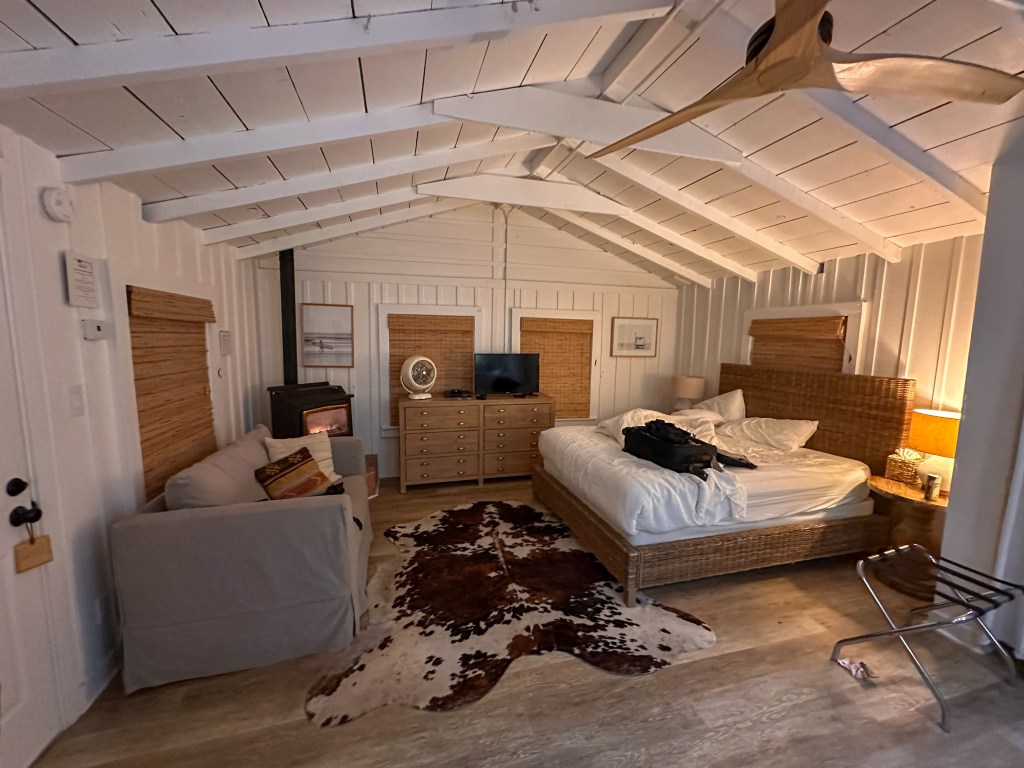
Then I headed back to the Sandpiper. It was a nice place. Here are a few pics.
I then set an alarm for very early and went to sleep.
I got up at 6:00 AM or so, packed up my stuff, and then dropped off my key in the dark office area.
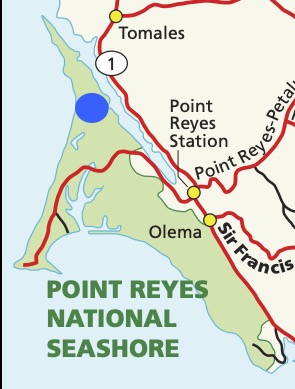
And I headed out to Pt. Reyes. Tuesday night I had googled looking for where people recommended going to possibly see bobcats and most sites said to head to the Northern part of Pt. Reyes towards Tomales Point. So I drove slowly through Olema and then through Inverness and eventually headed out towards Tomales Point (heading towards the blue circle on the map below). For most of the drive I was listening to the Walking with Gorillas book …
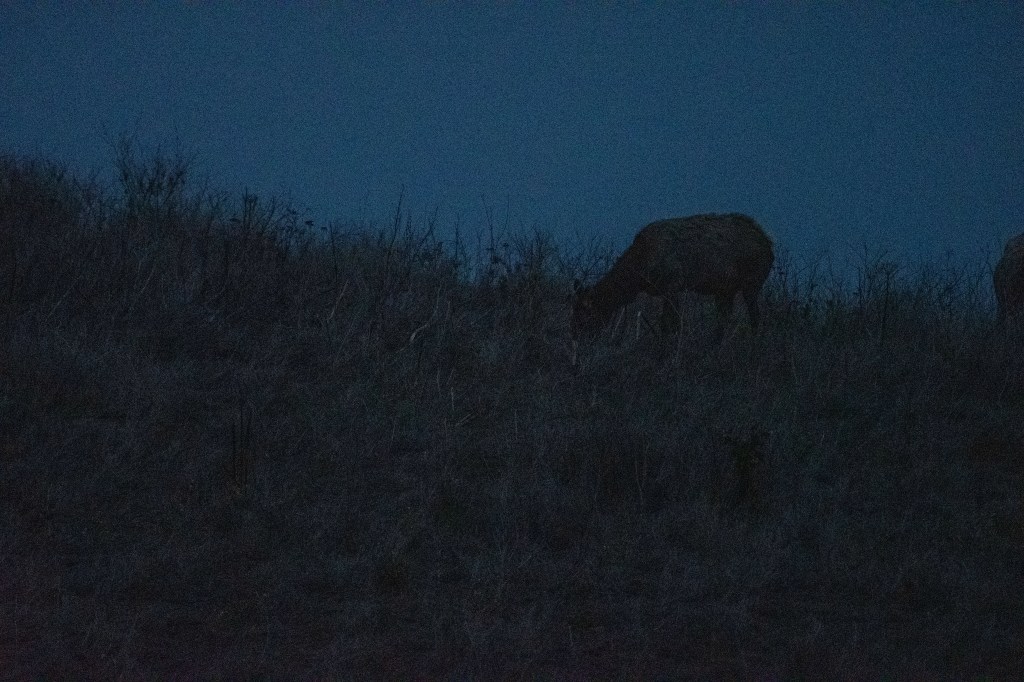
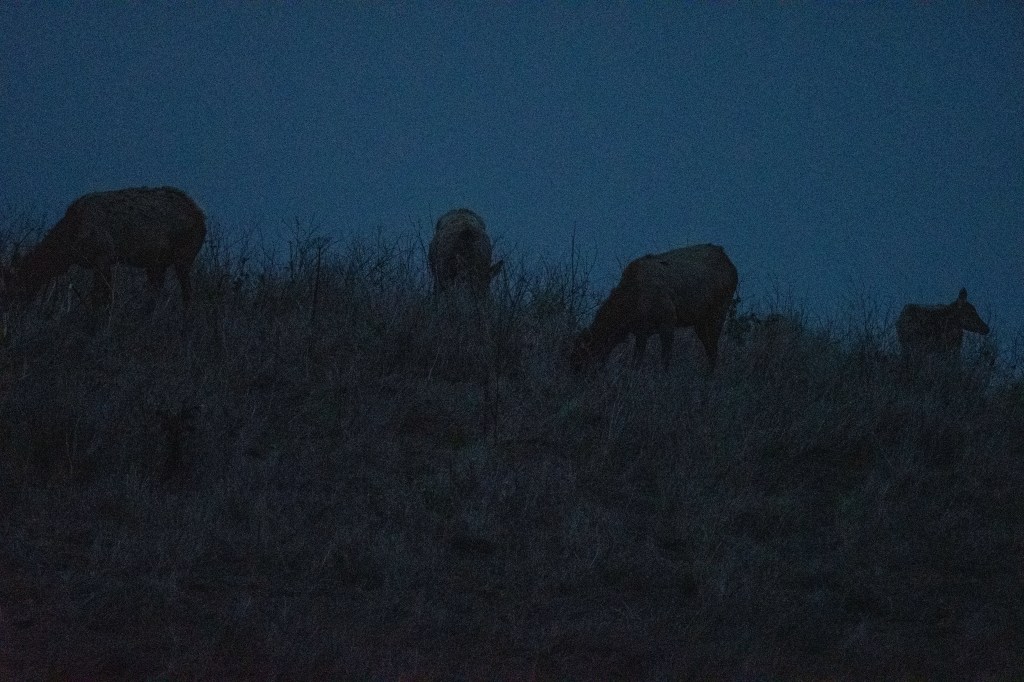
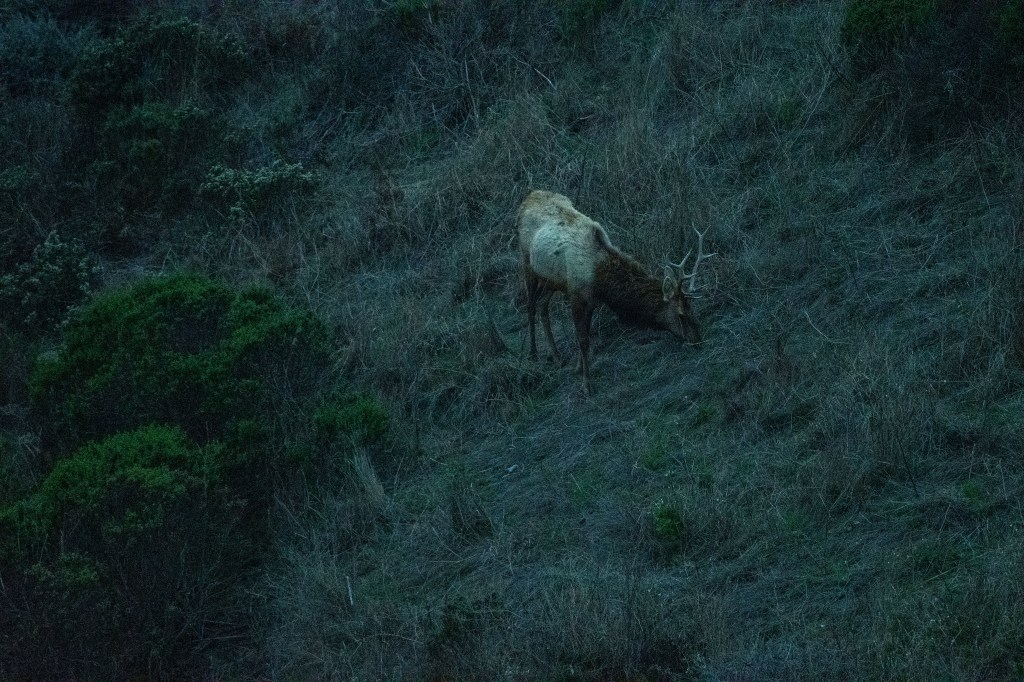
It was still pretty dark when I was heading through Pt. Reyes and I saw a few interesting things and took some pics but I note – my camera is not really set up to get good pics when it is dark out. But here are a few from dawn at Pt. Reyes.
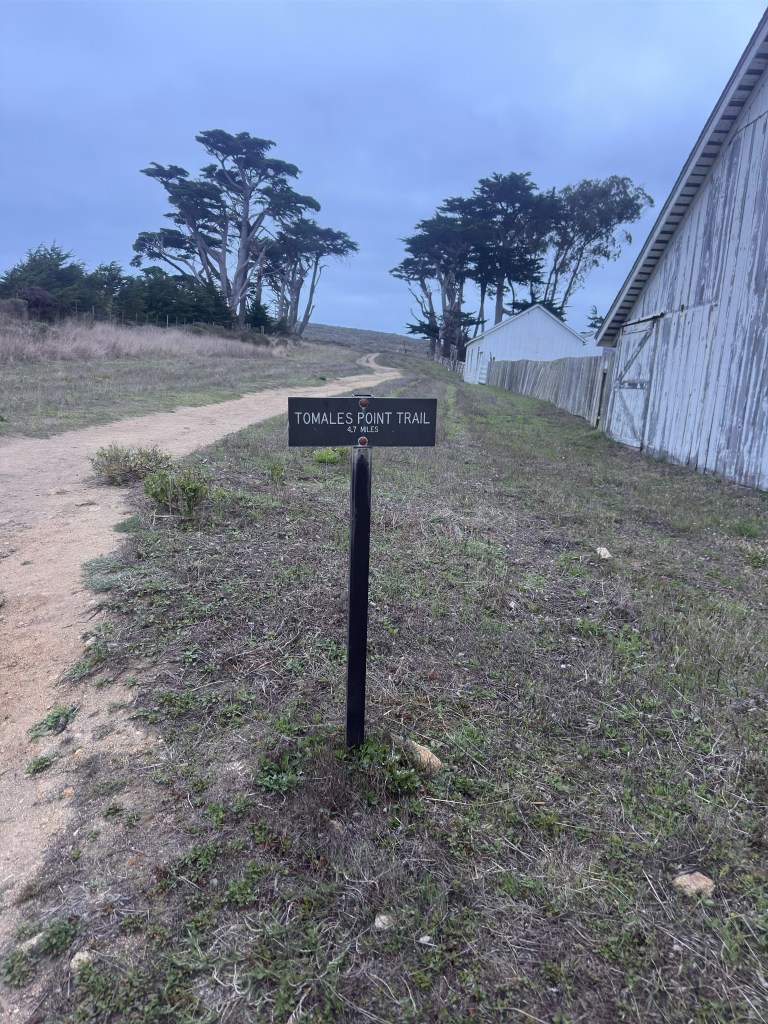
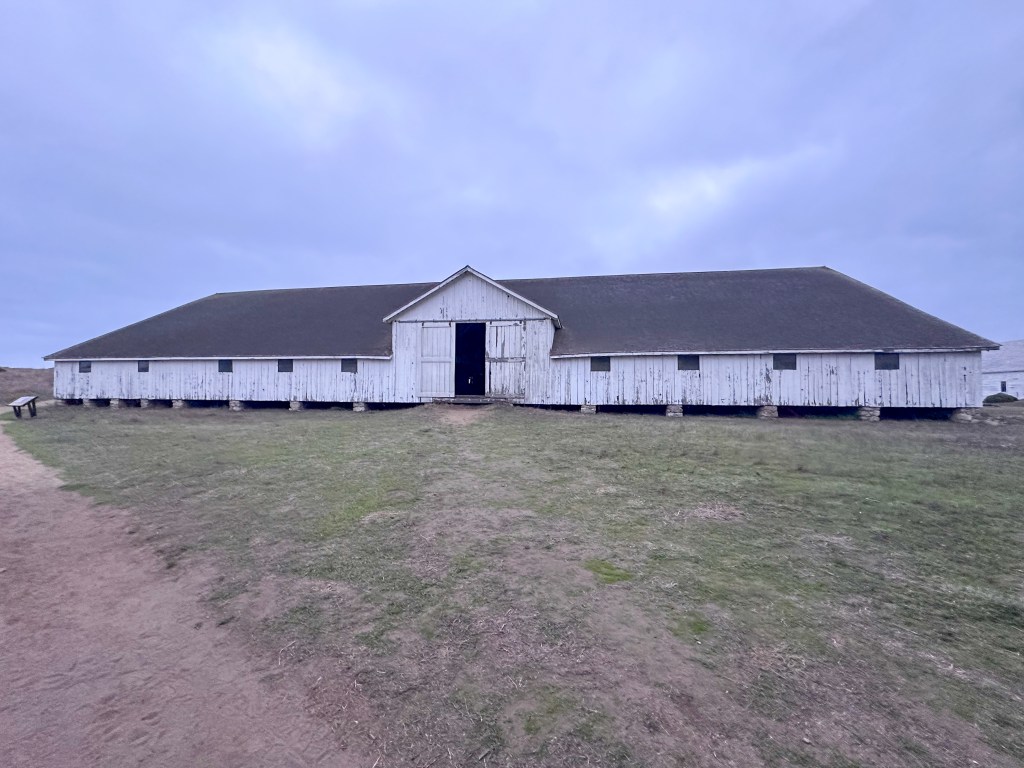
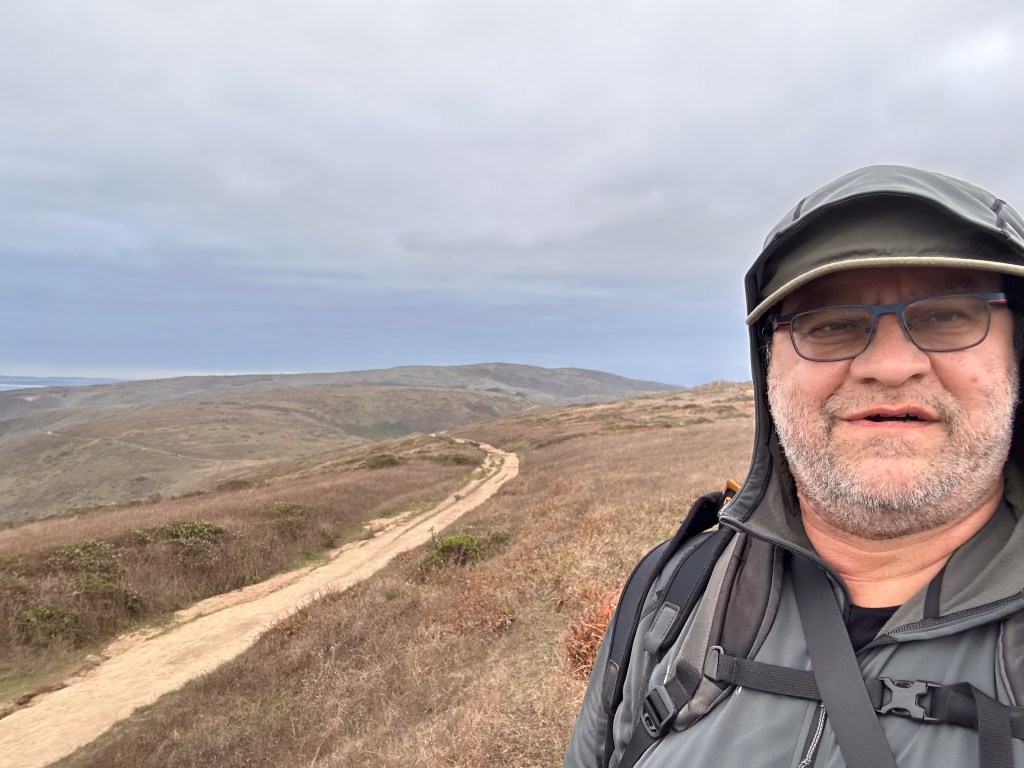
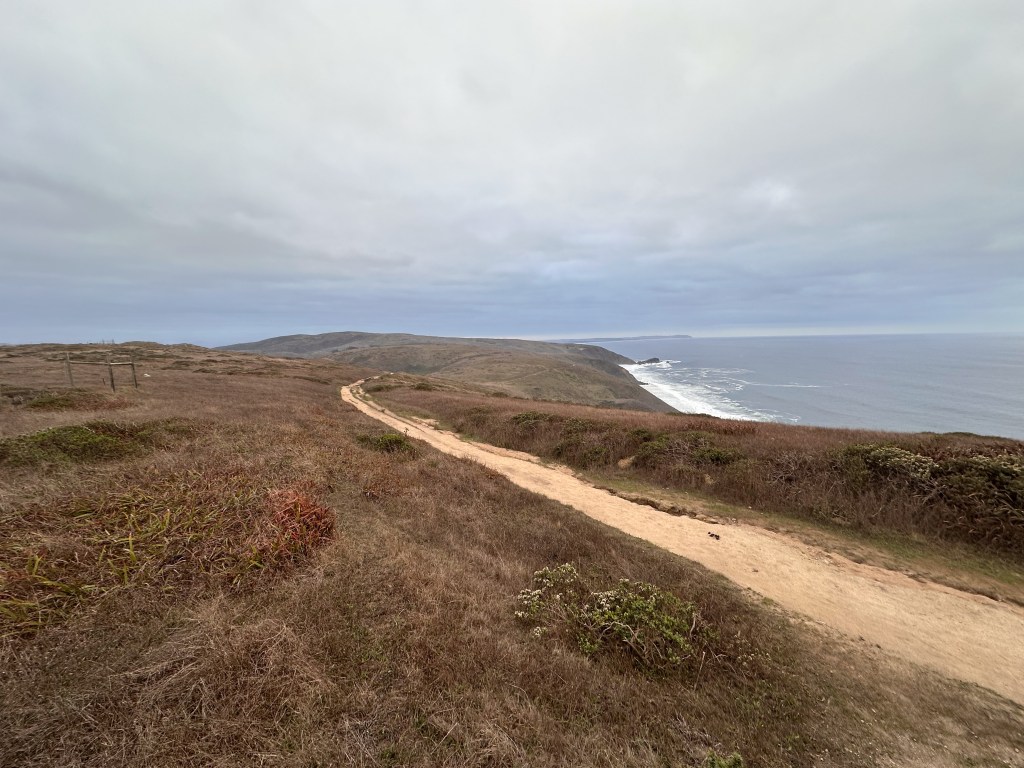
Then I got to the end of the road at Pierce Point Ranch decided to go for a walk on the Inverness Point Trail.
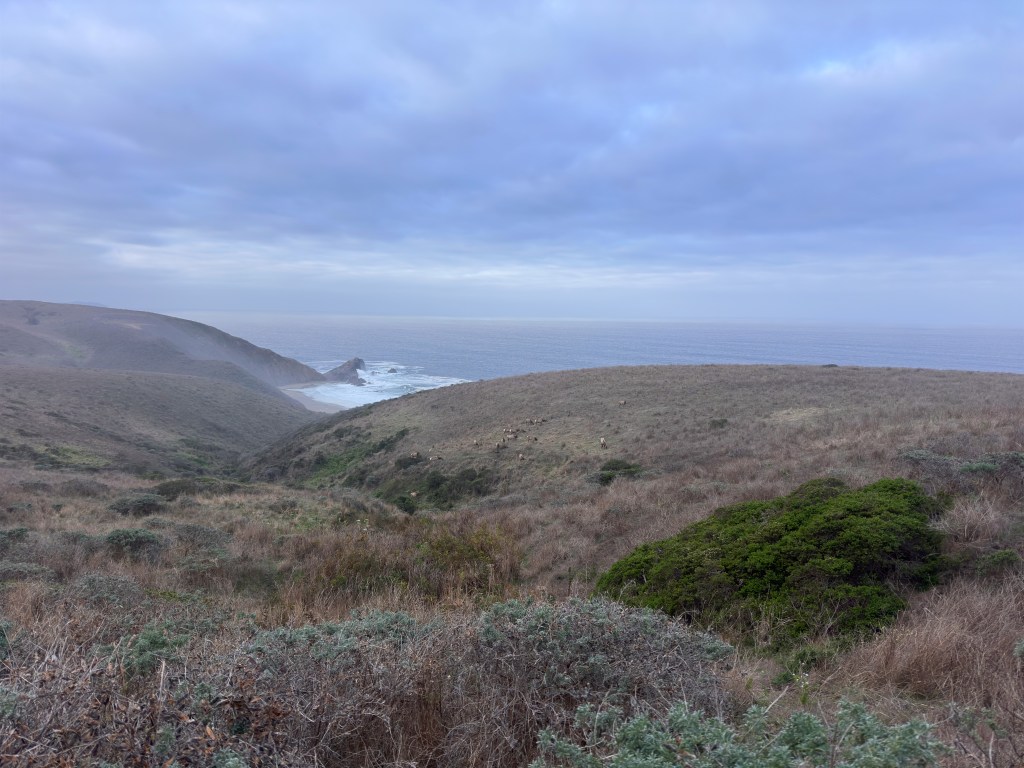
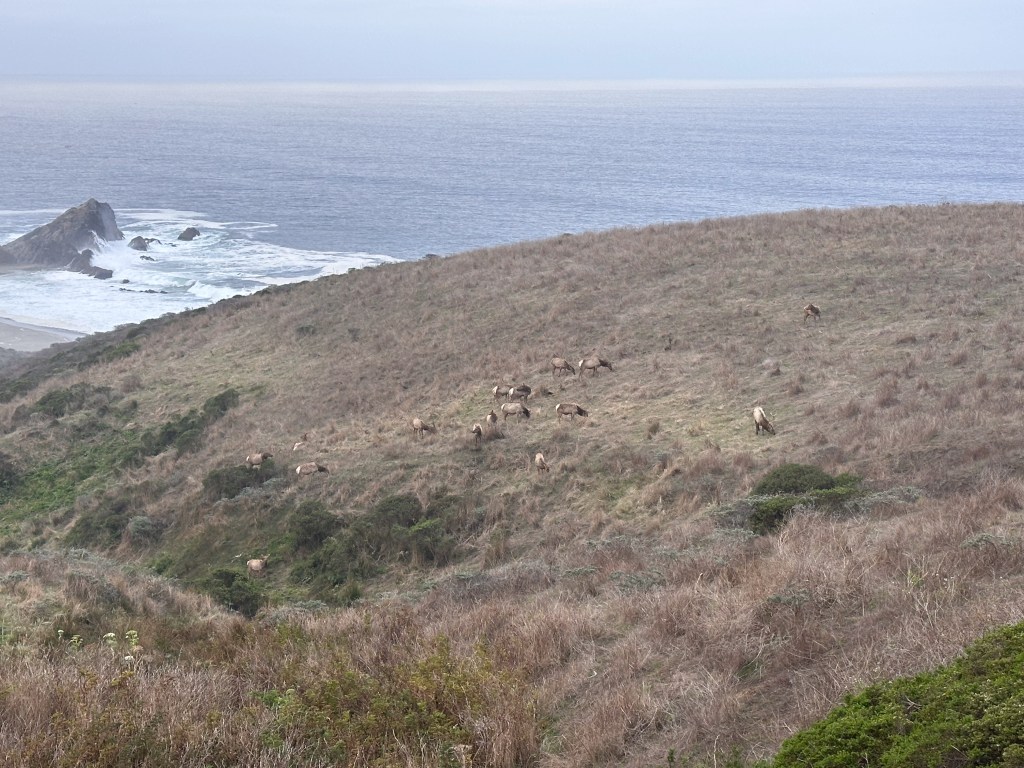
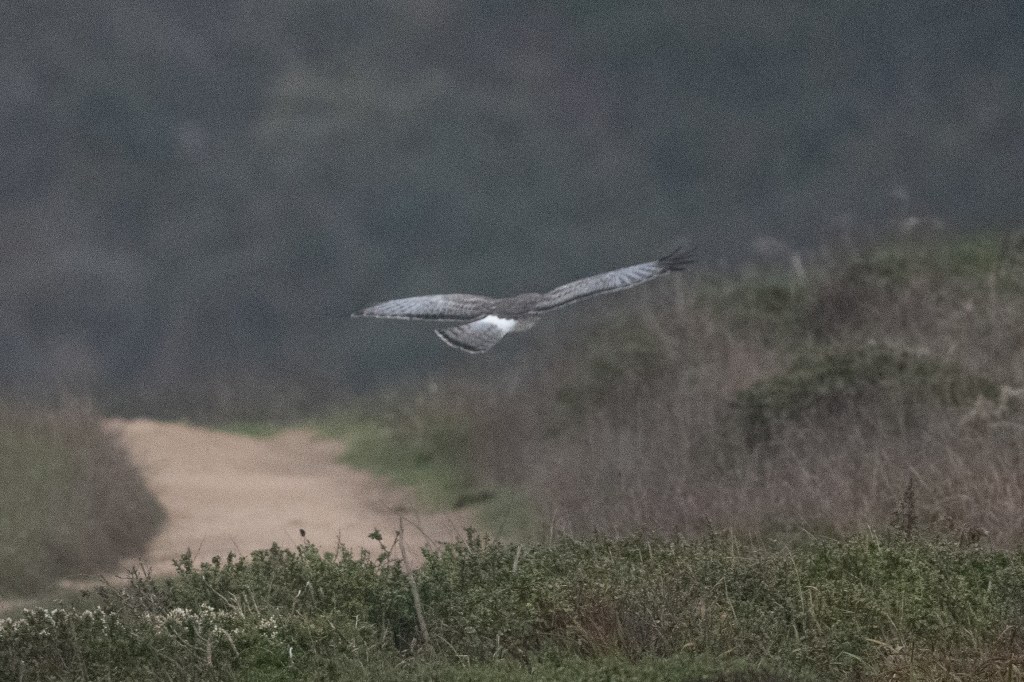
I did not have a TON of time as I had to get back to UC Davis mid PM, but I ended up going to a maybe 1 hour walk. And of course, I kept hoping I would see a bobcat. Alas, no. I did see a lot of elk and some nice raptors. But no bobcat. But the scenery was very nice.
And I took a bunch of pics with my good camera (Nikon D500, Nikkor 500 mm f / 5.6). As mentioned above, it does not do great in low light so the first pics were sitll a bit rough as it was still barely light out.
But as it got lighter my pics got a bit better.
And eventually I had made it back to the parking lot but not after a rough little stretch where I had massively low blood sugar and had to sit for a bit and eat glucose tablets. So I was sad I had not seen a bobcat. But it was beautiful. And now it was time to at least start heading back out of the park and towards UC Davis for my meetings.
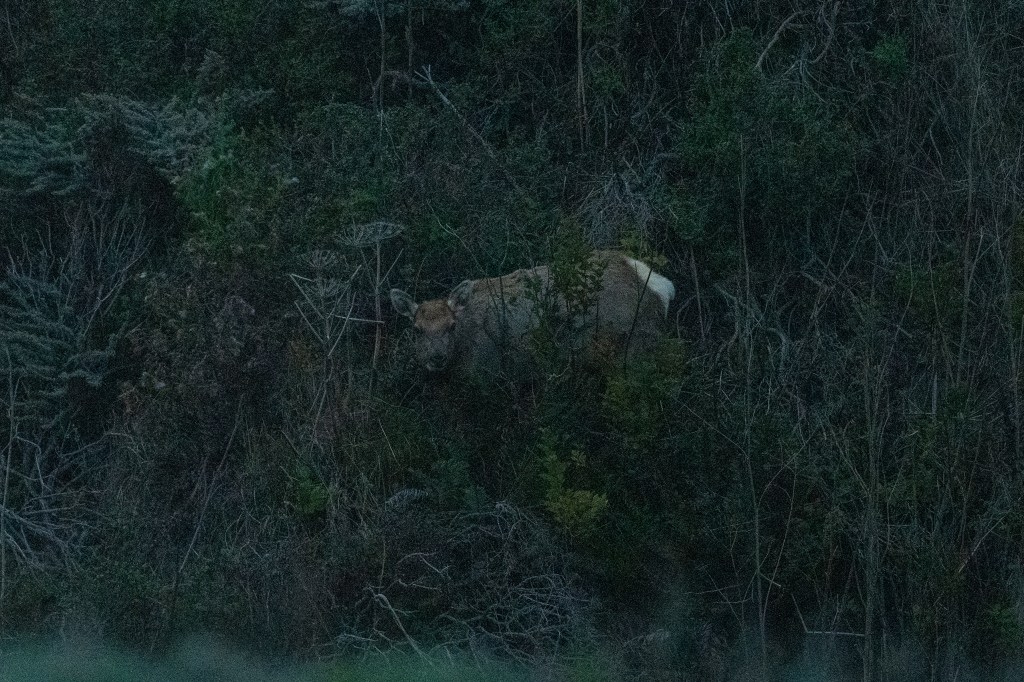
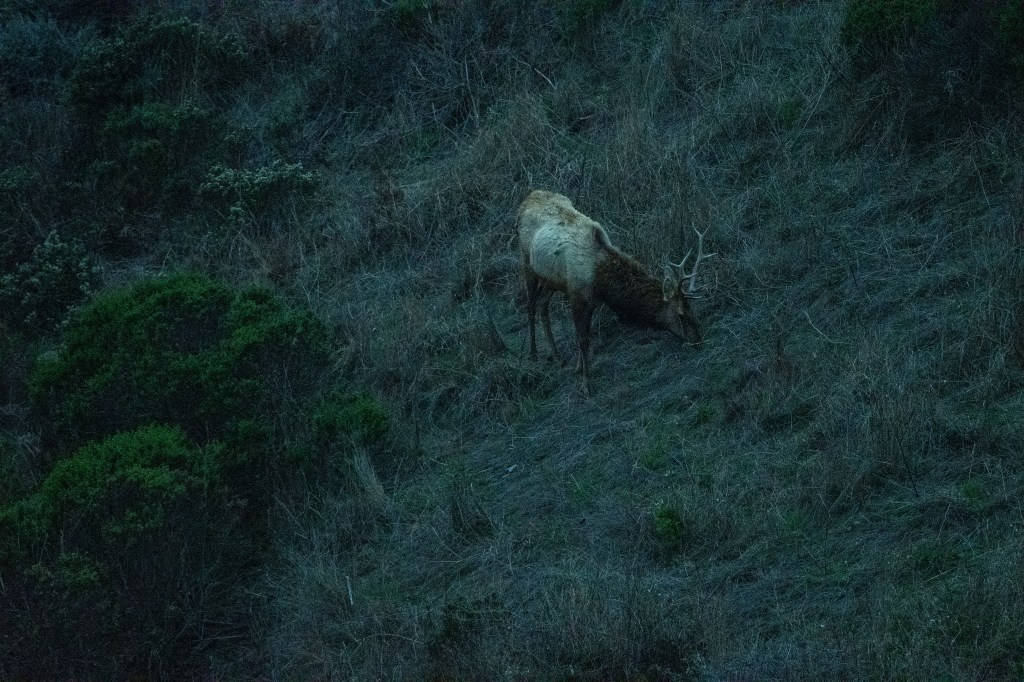
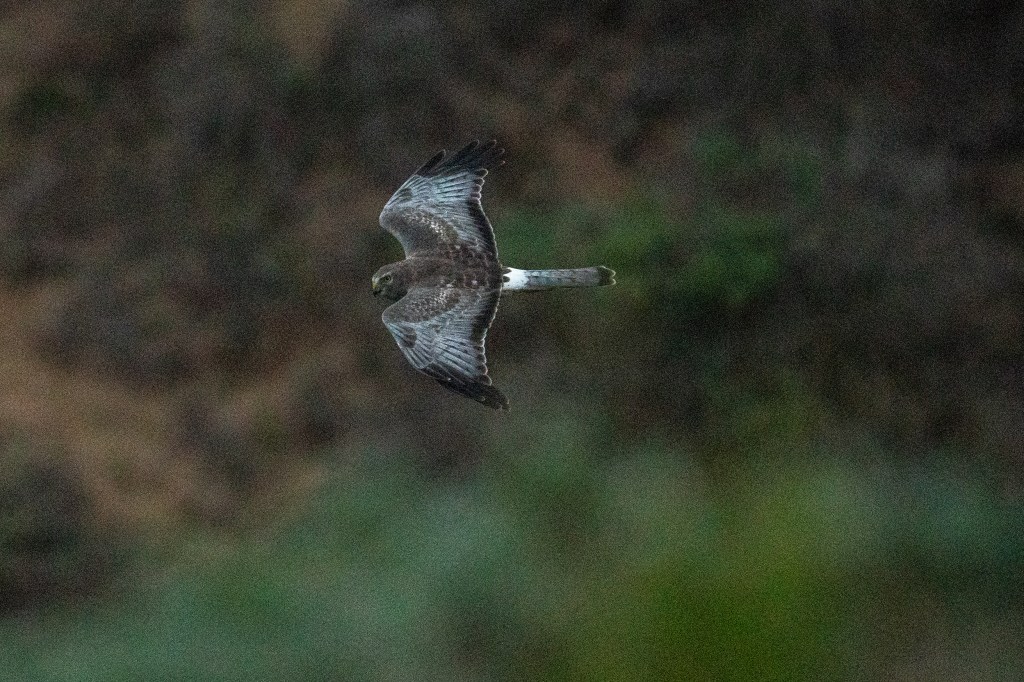
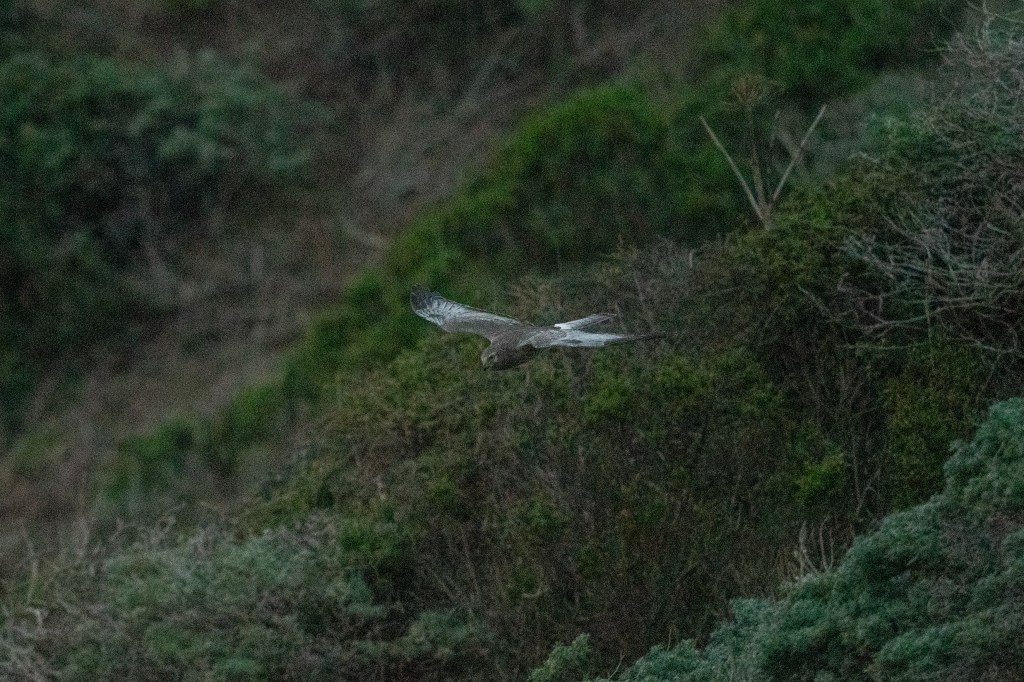
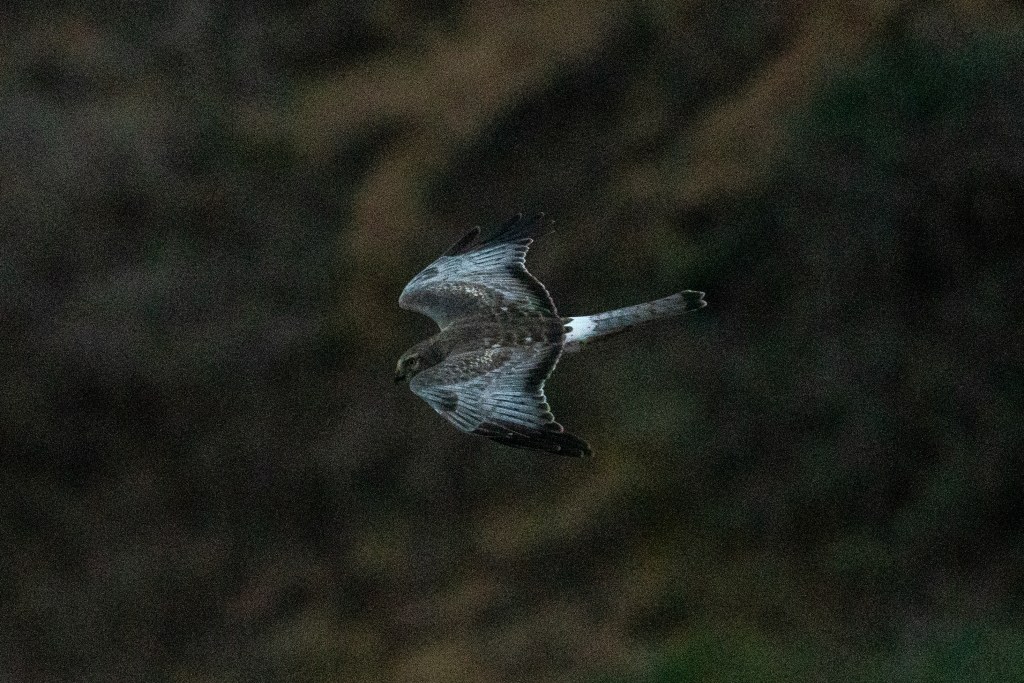
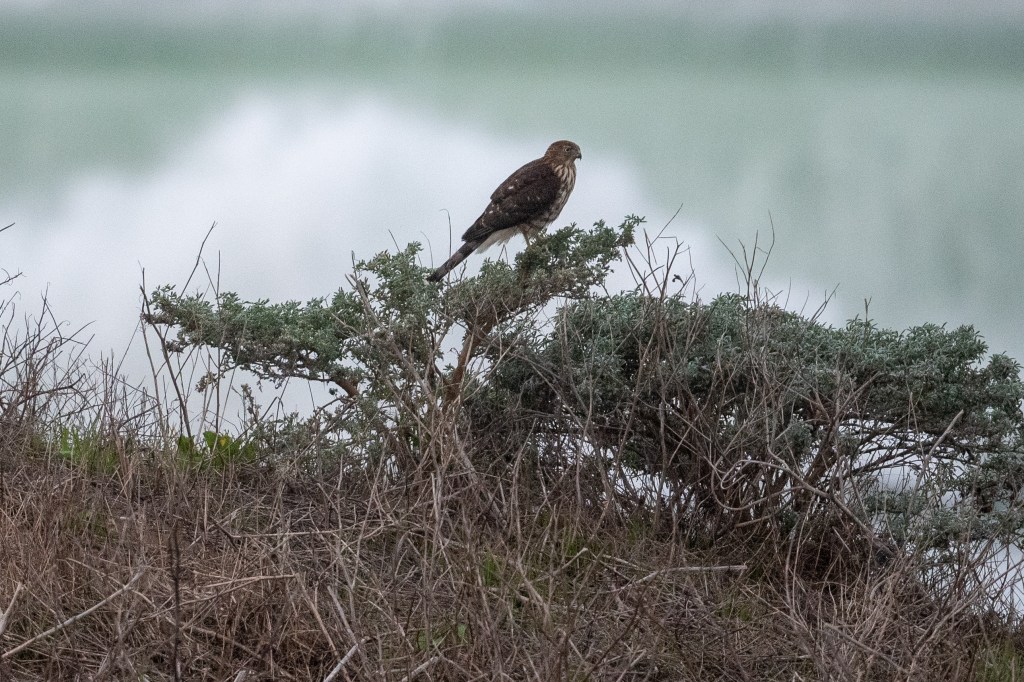
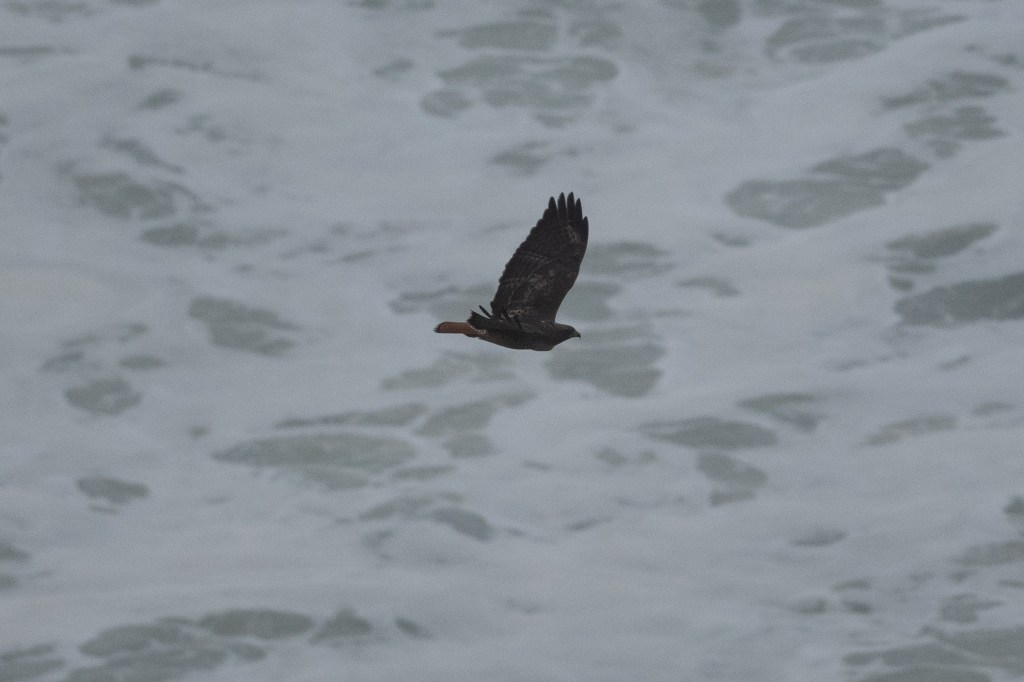
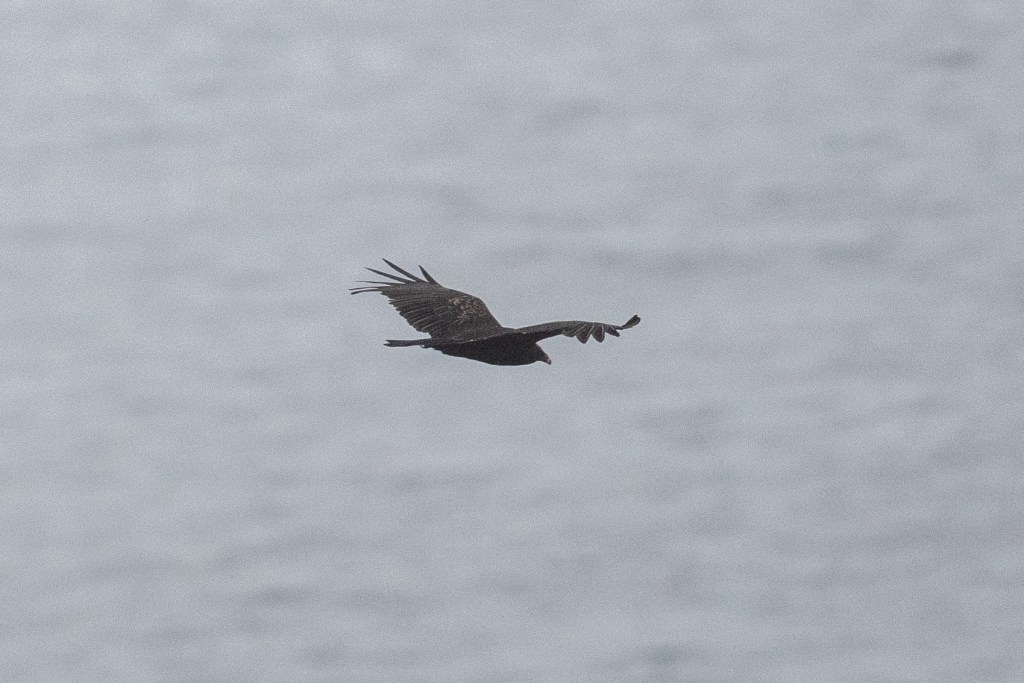
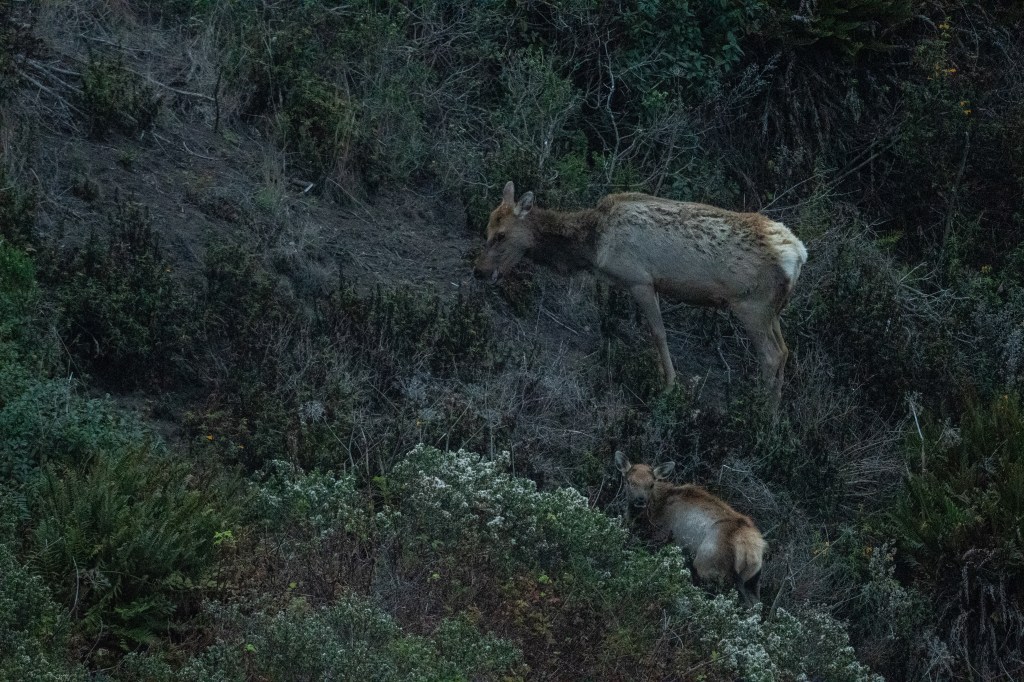
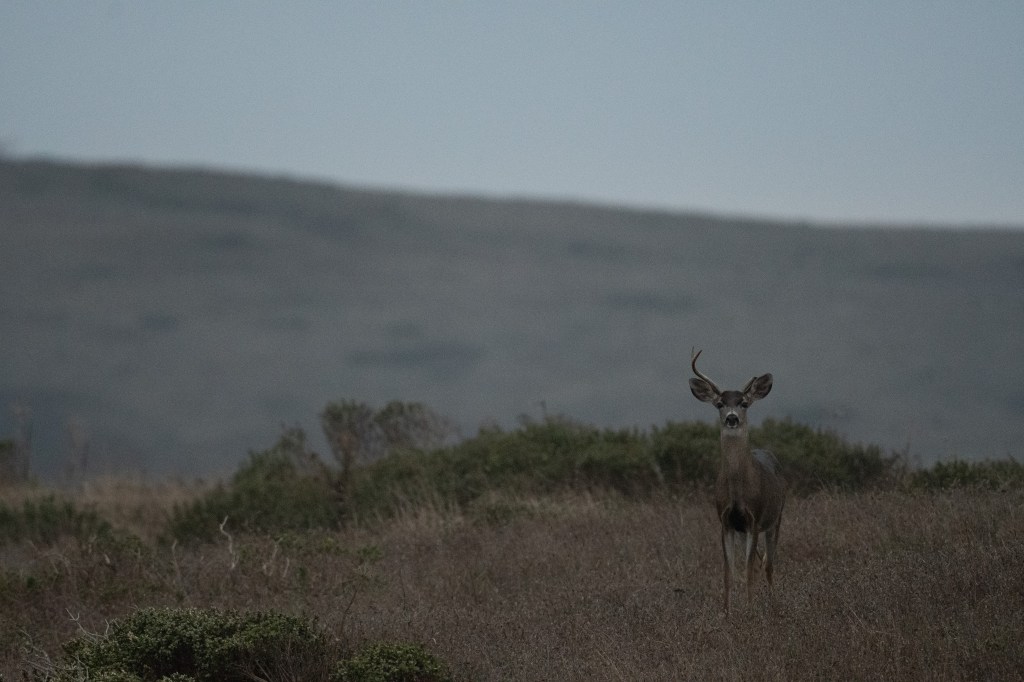
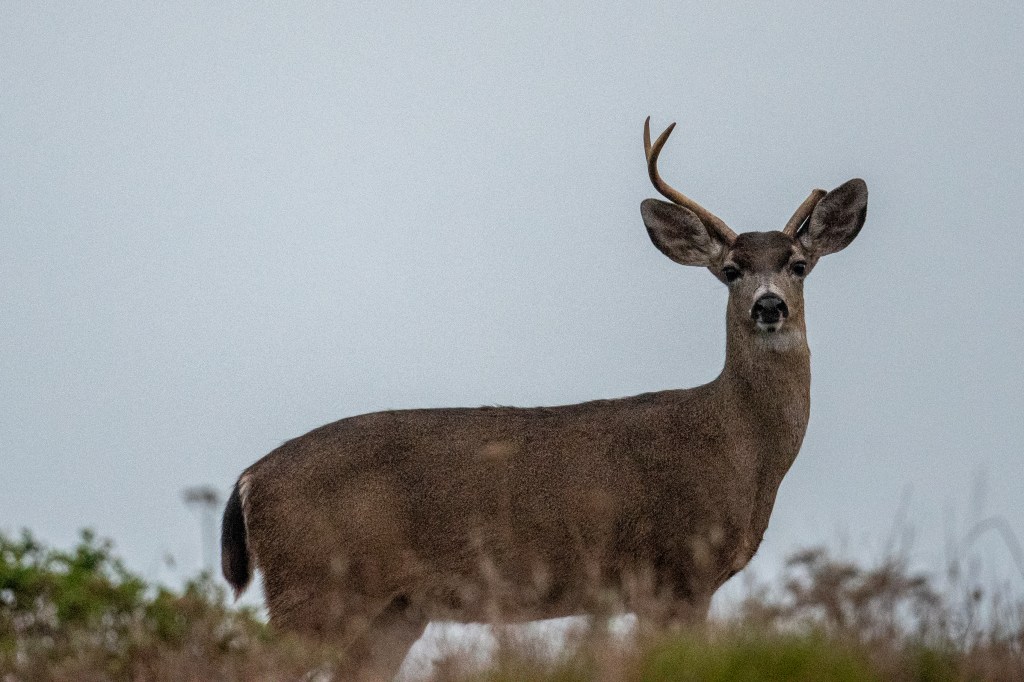
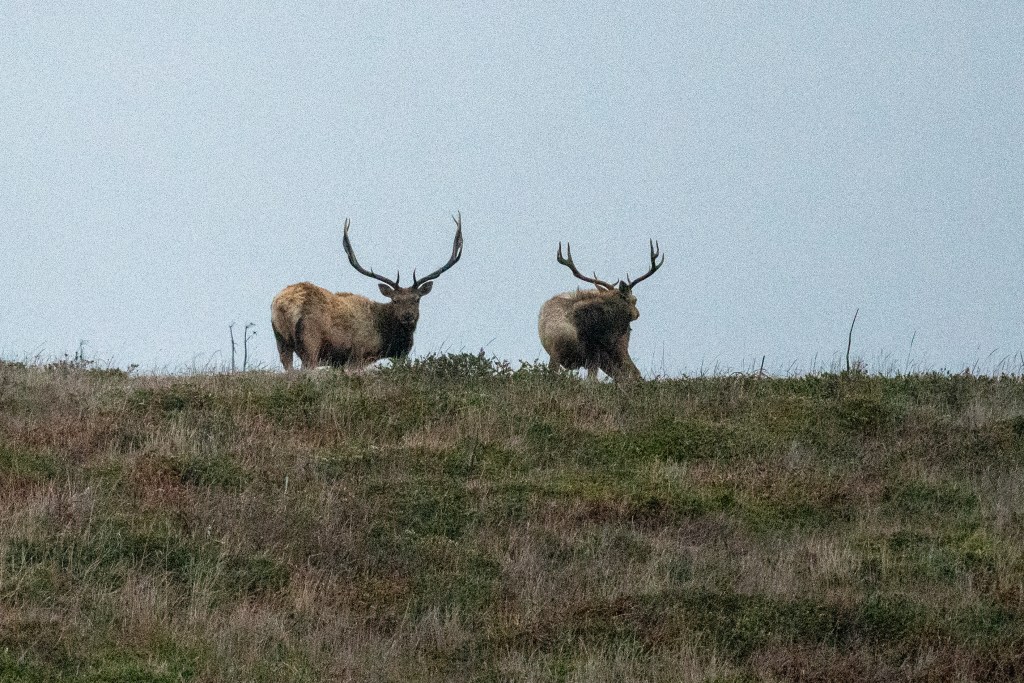
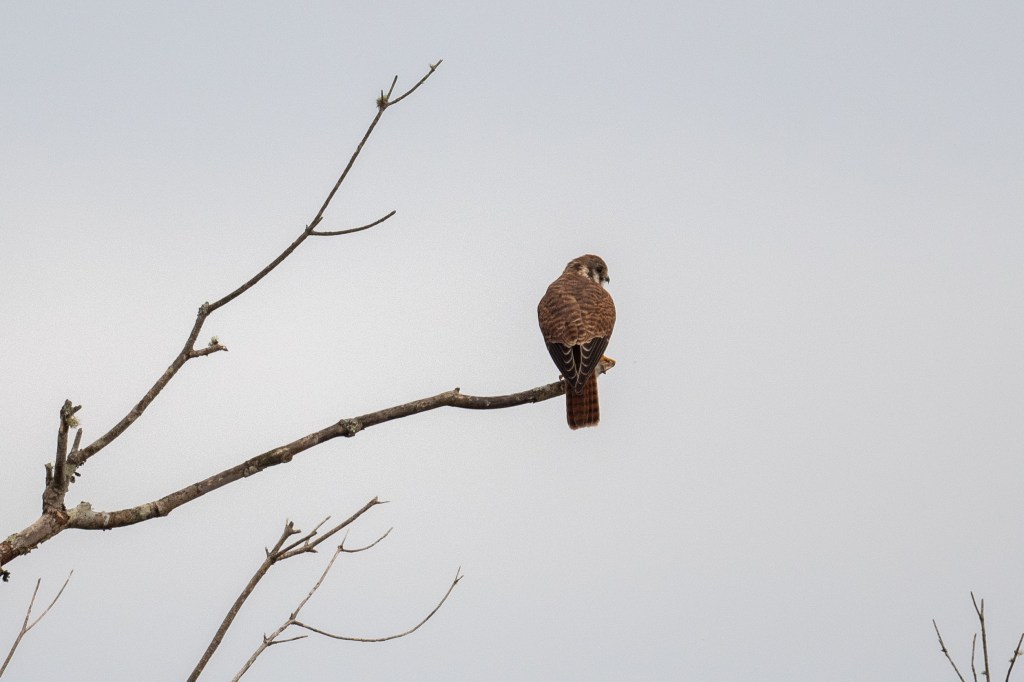
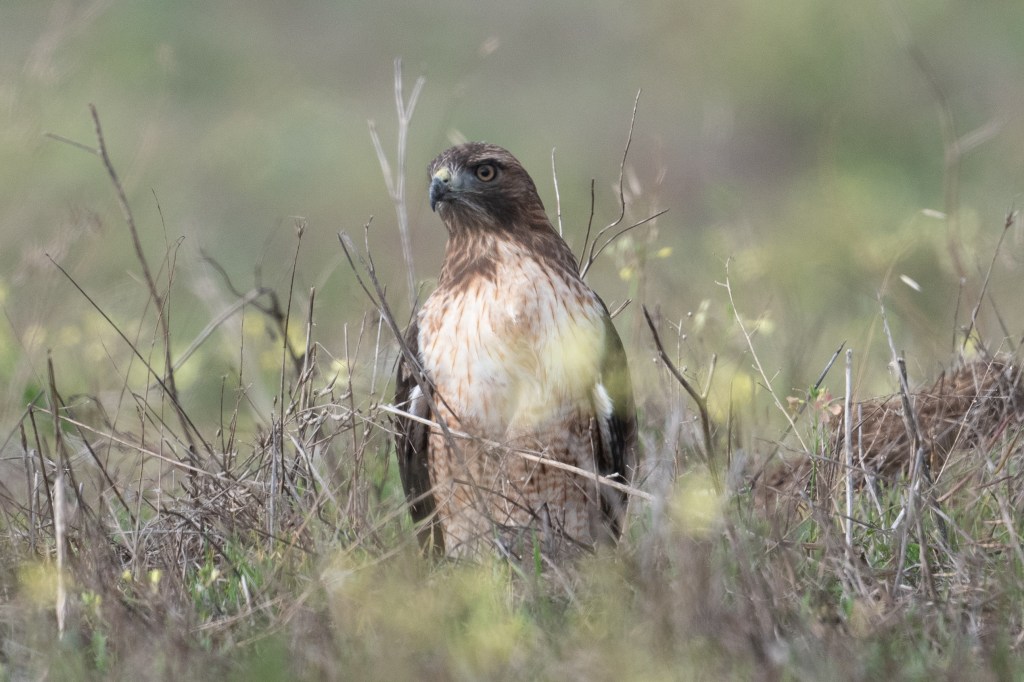
I drove slowly and pulled over a few times as I saw cool things. There were a TON of elk and quite a few coyotes out and lots of raptors. Here are some of the pics I got during my slow drive.
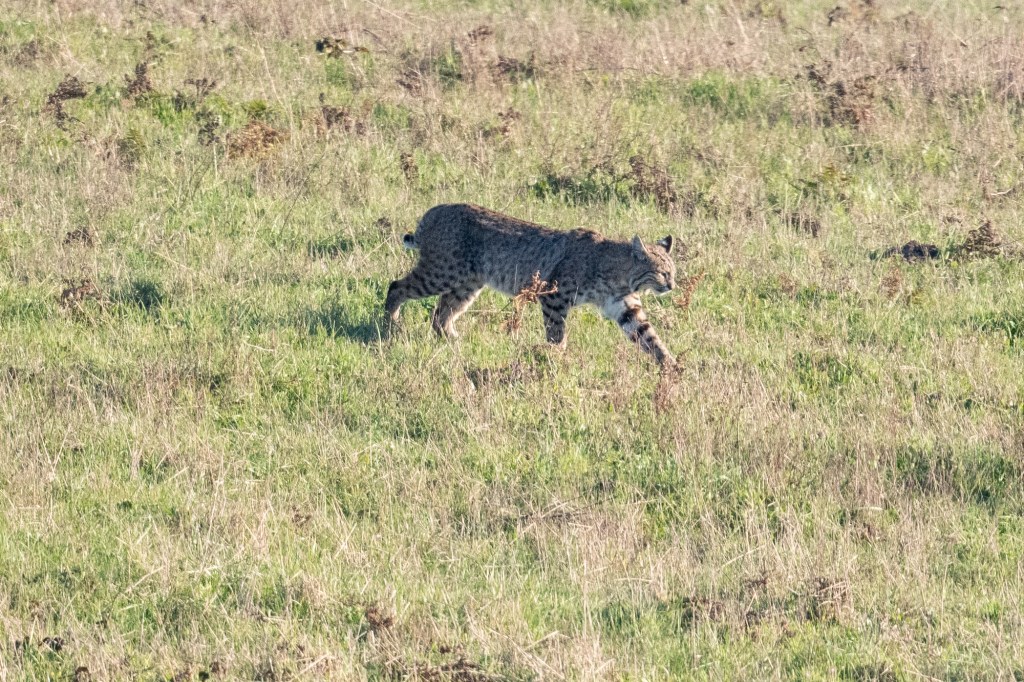
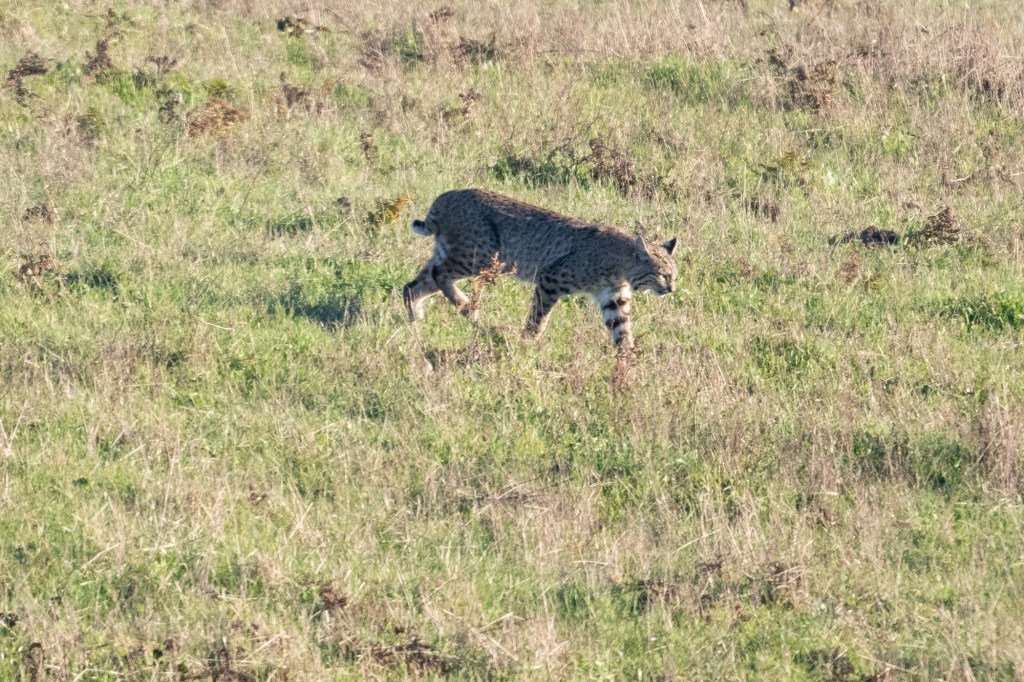
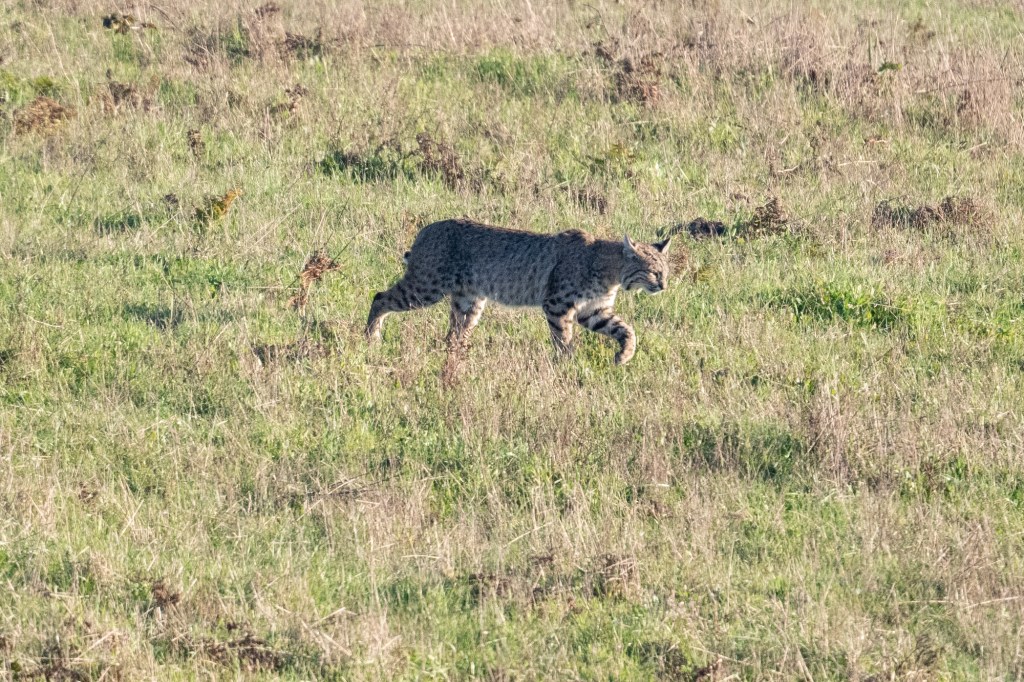
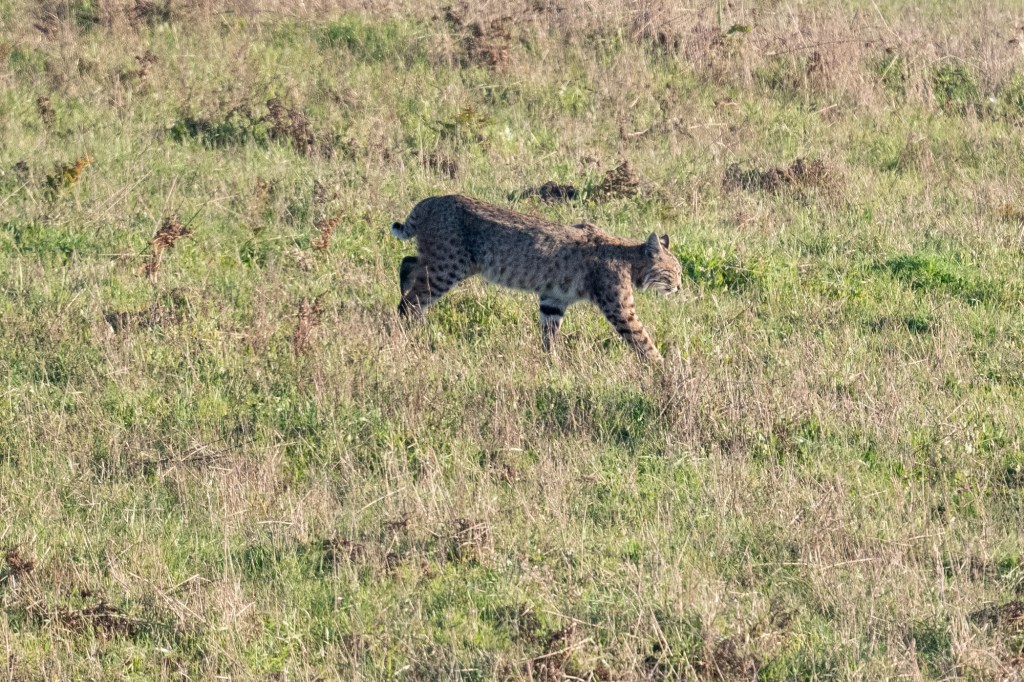
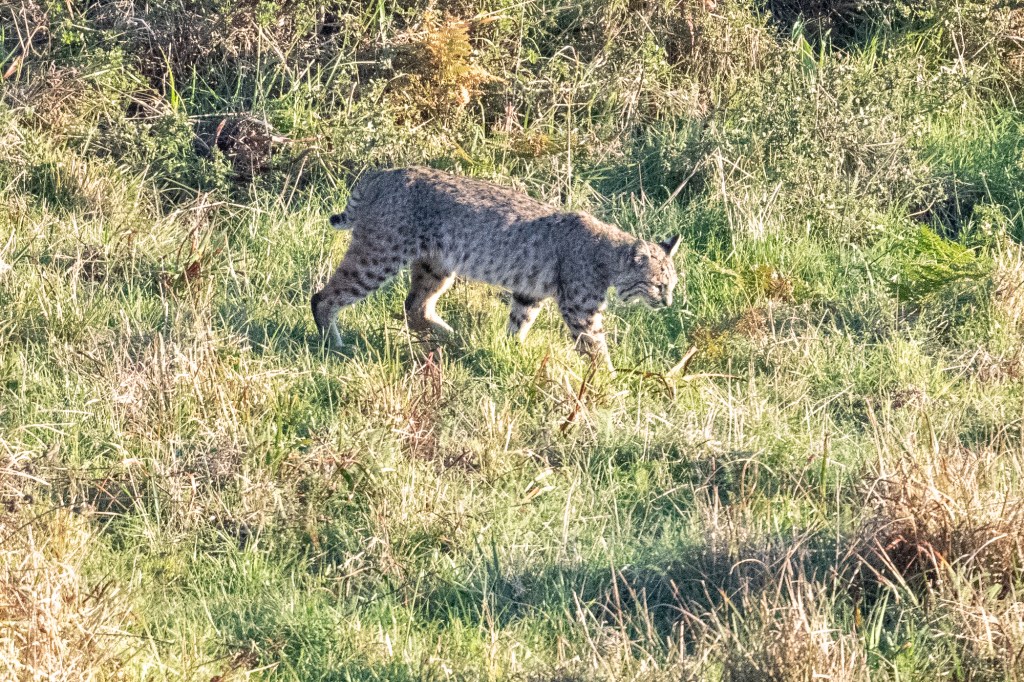
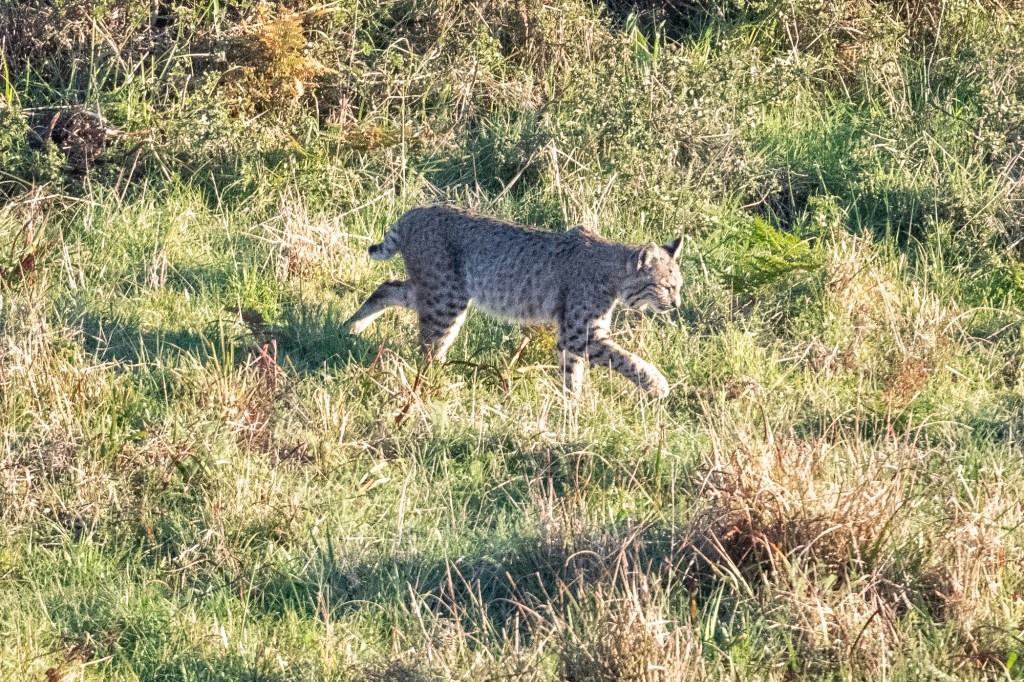
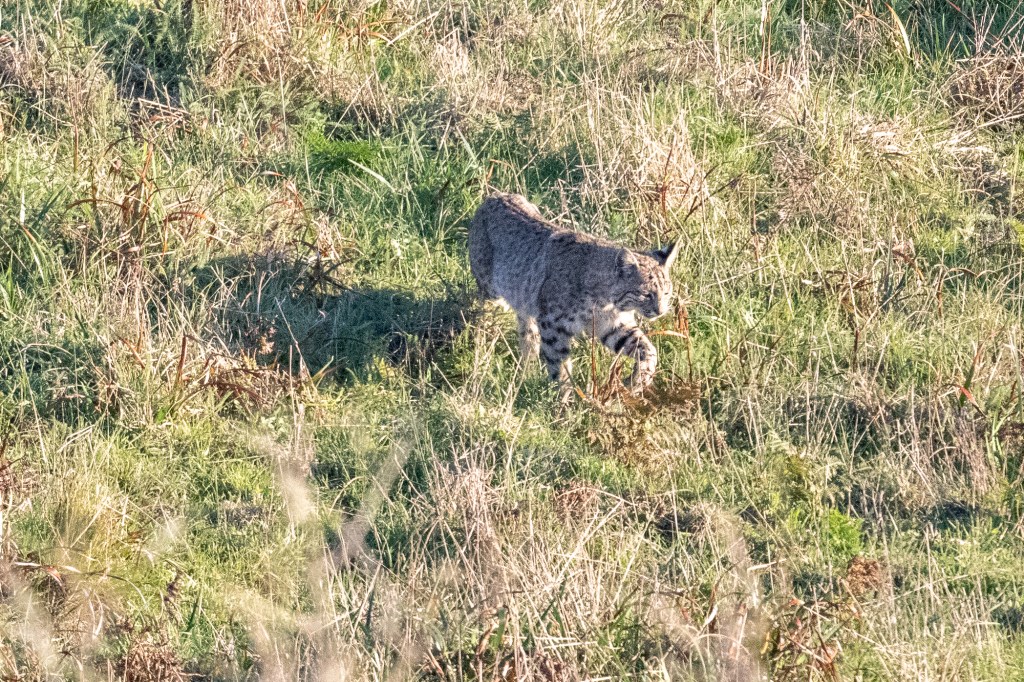
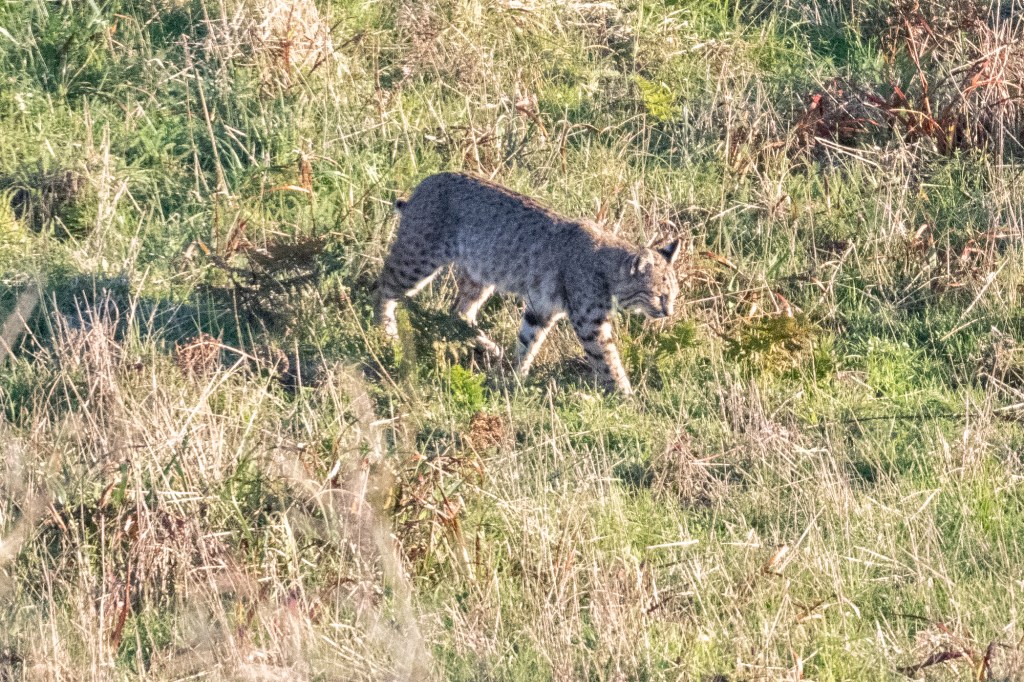
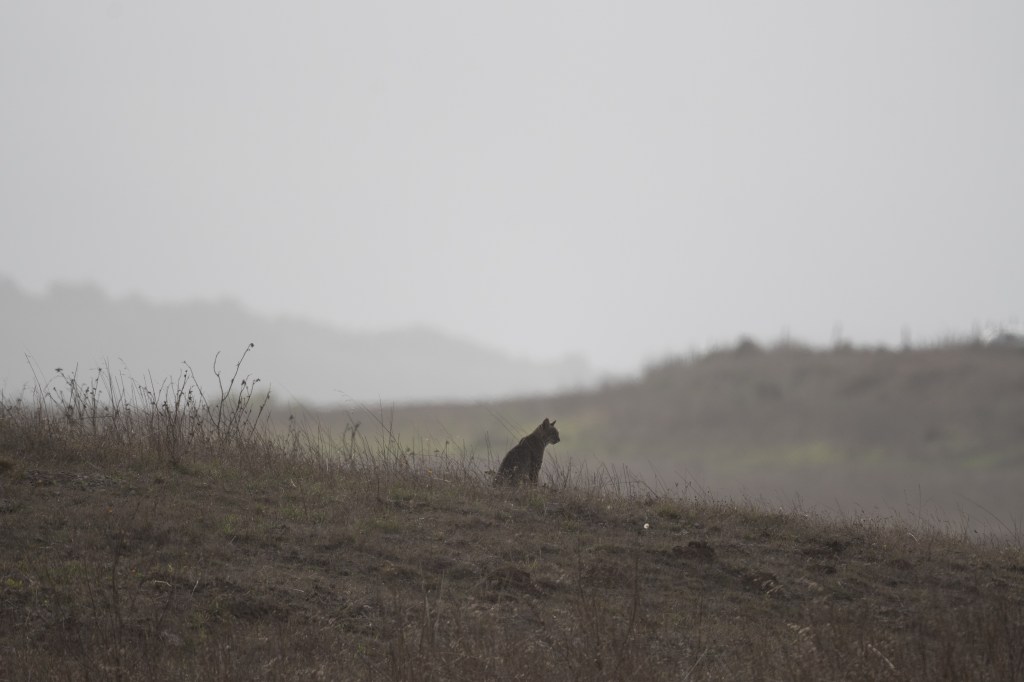
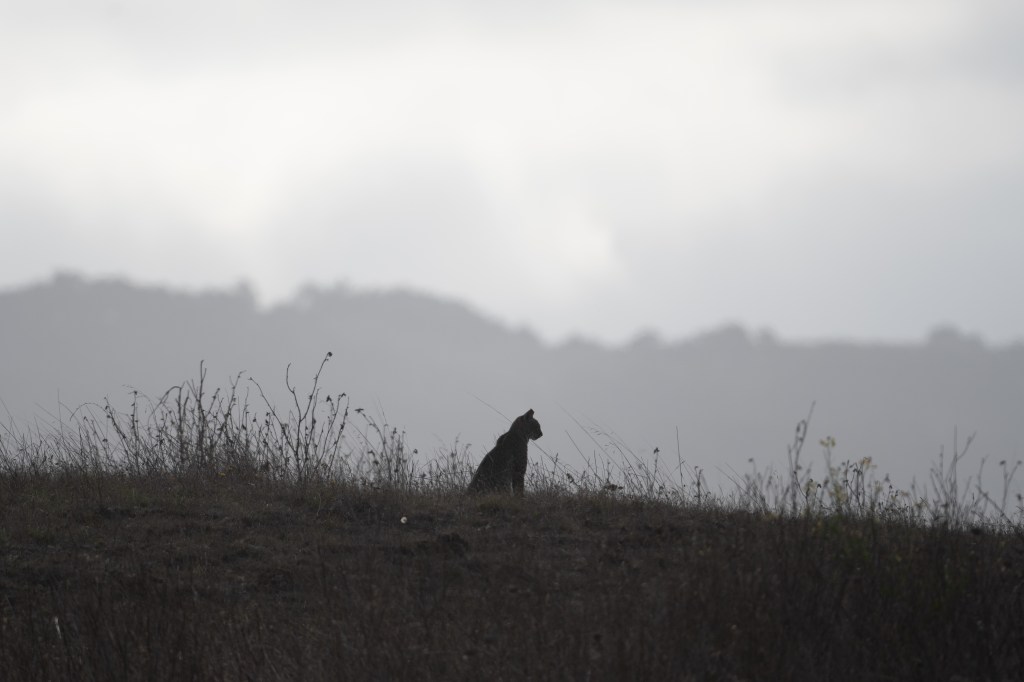
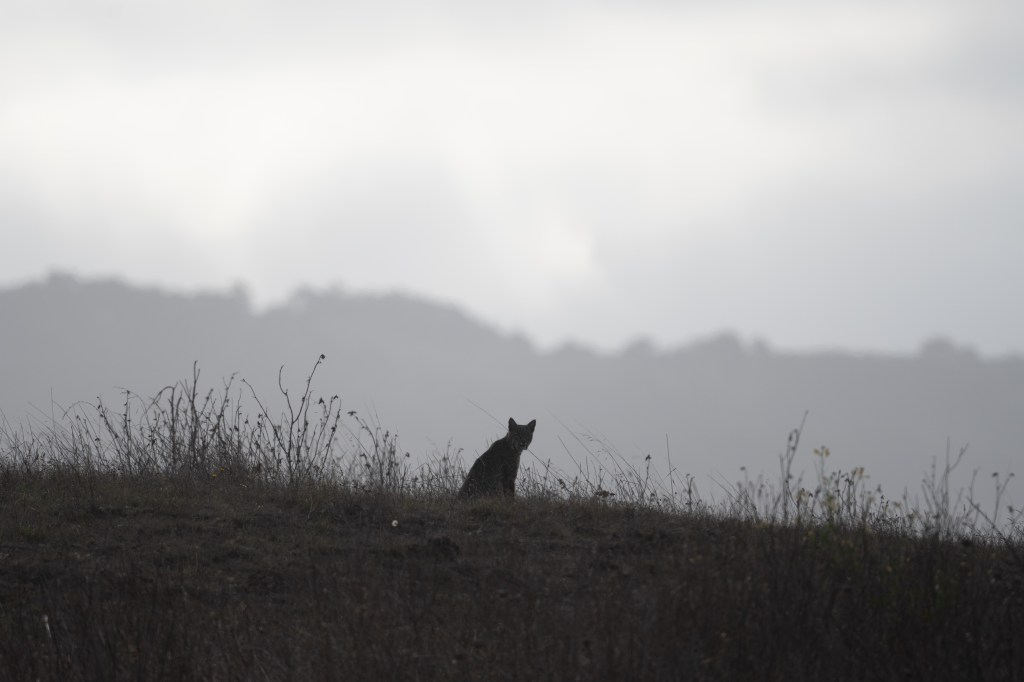
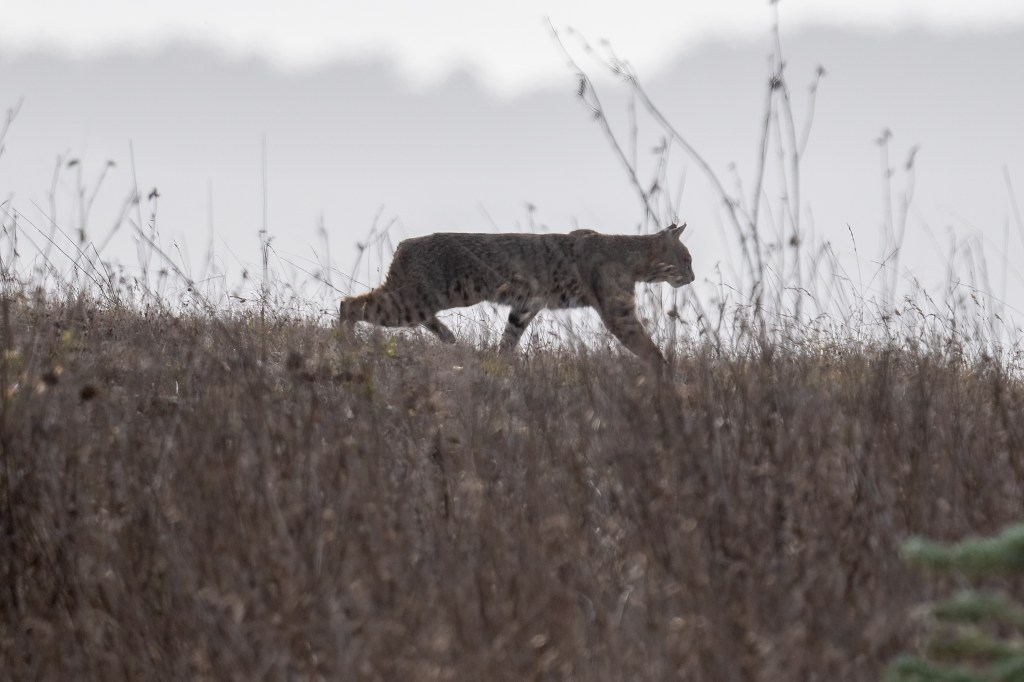
It was pretty spectacular to be honest. And alas time was running out. And then, on a ridge I saw something as I was driving slowly. I pulled over and took some pics.
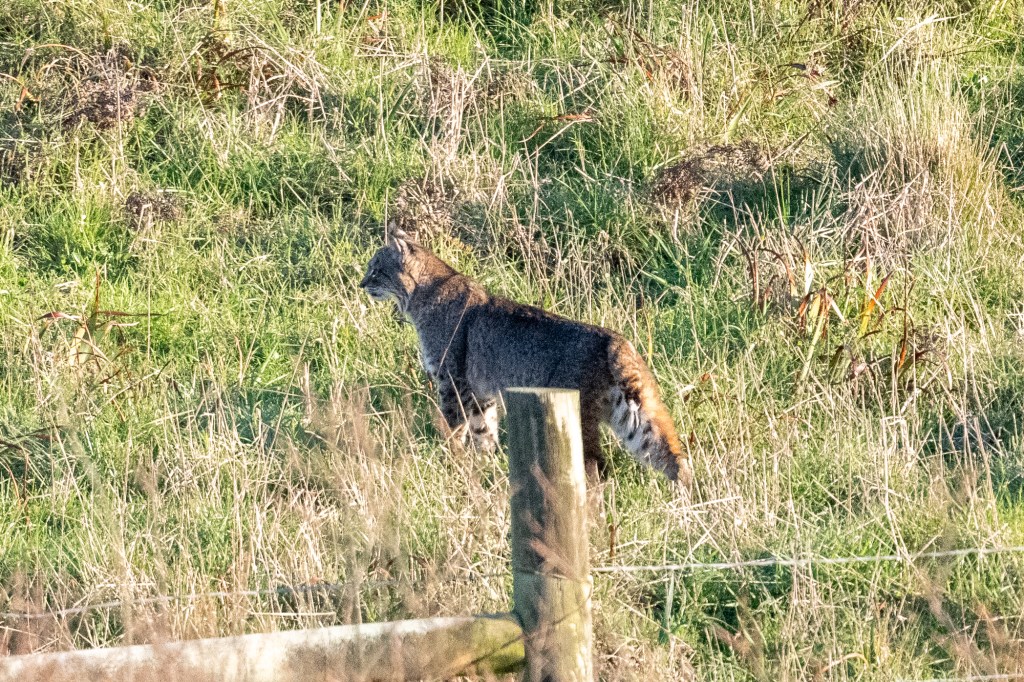
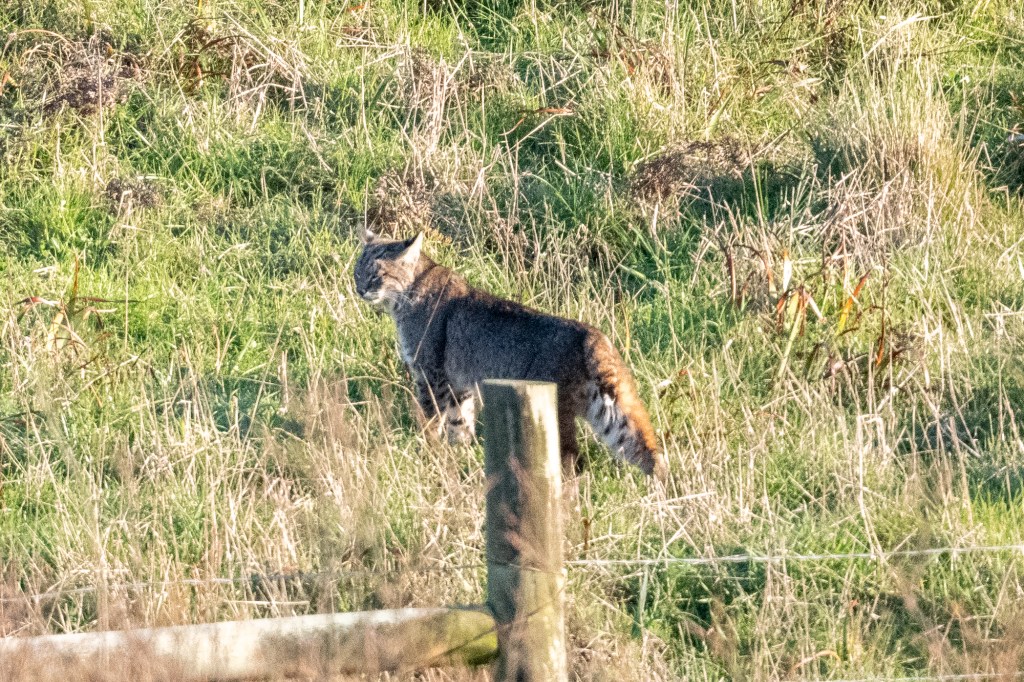
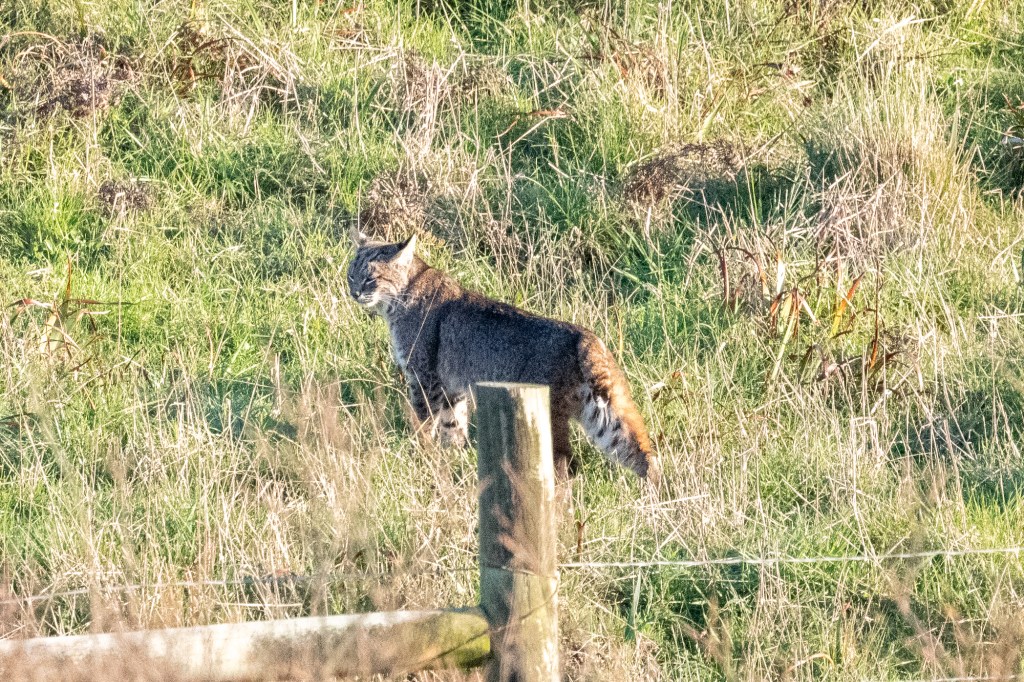
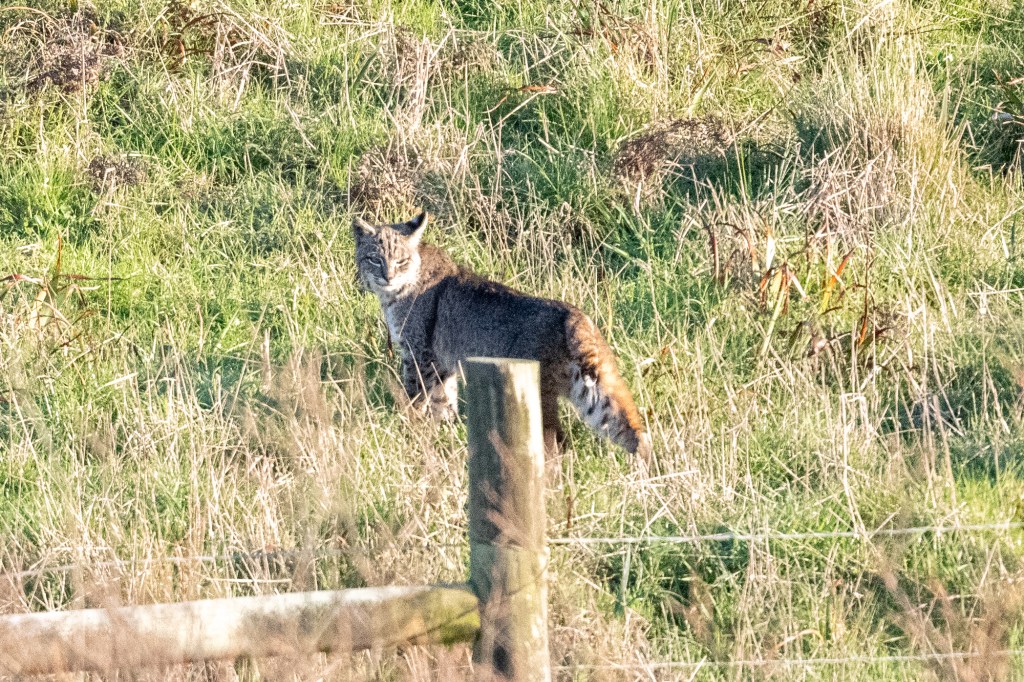
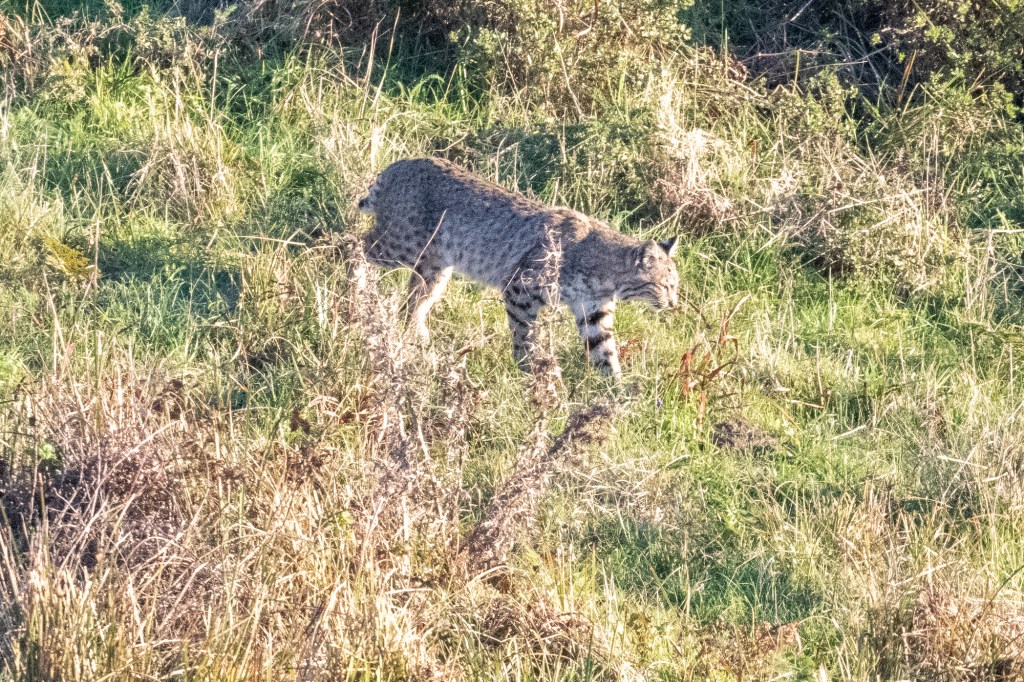
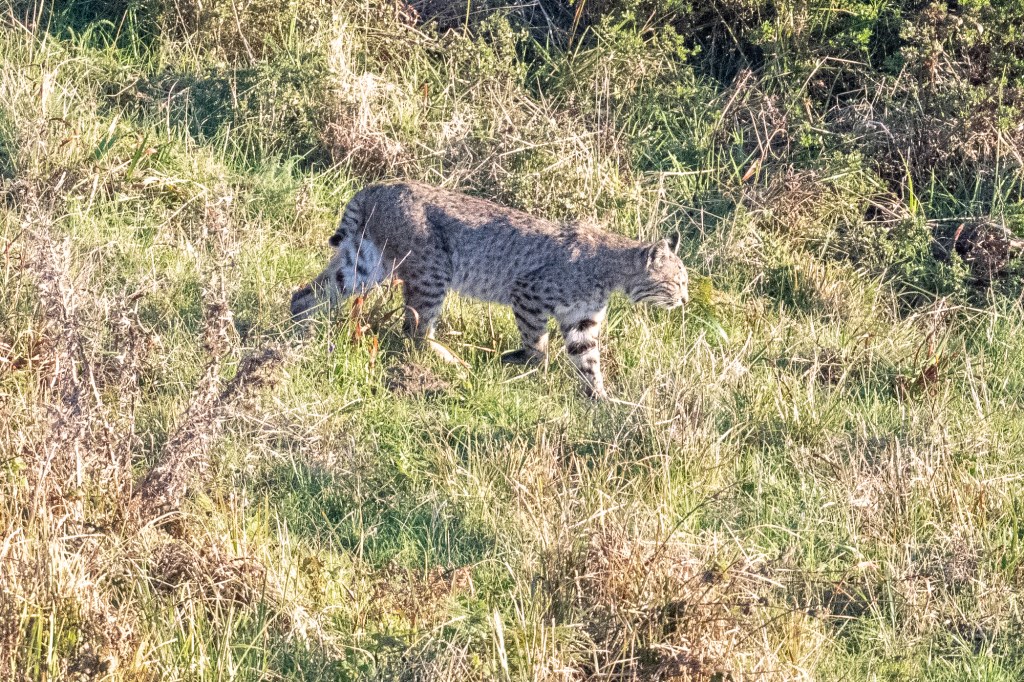
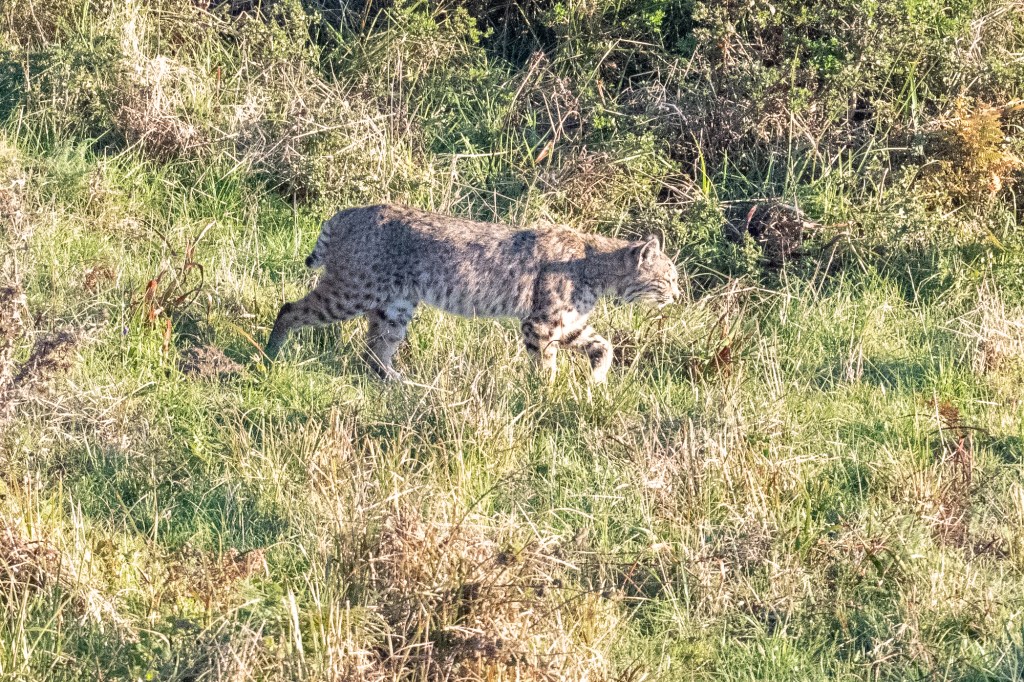
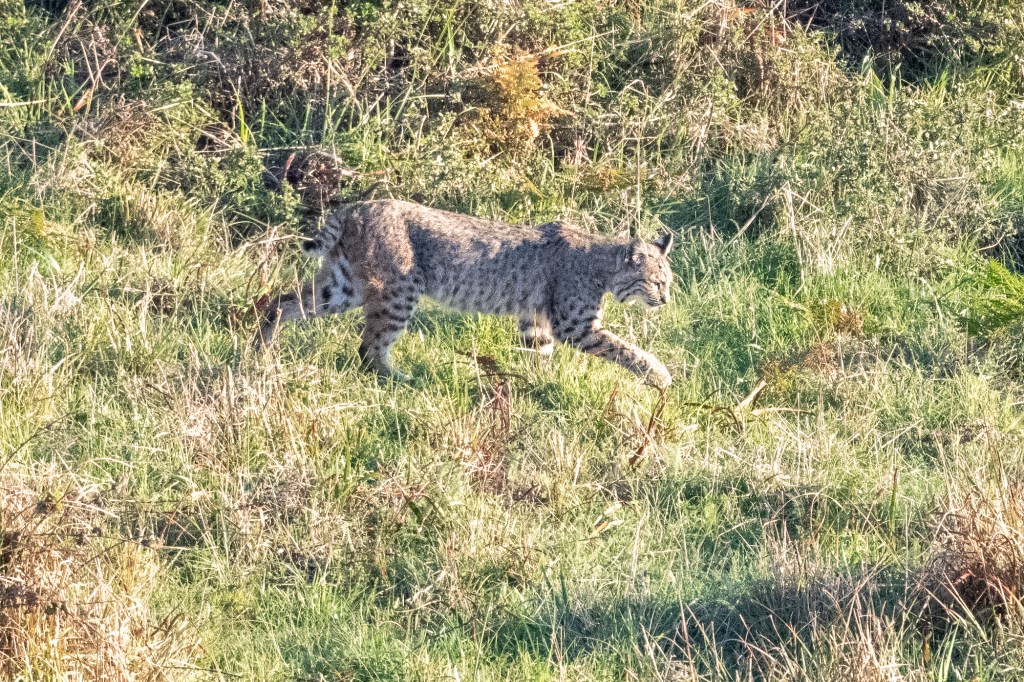
I was pretty sure it was a cat … but I just kept firing away rather than look in more detail.
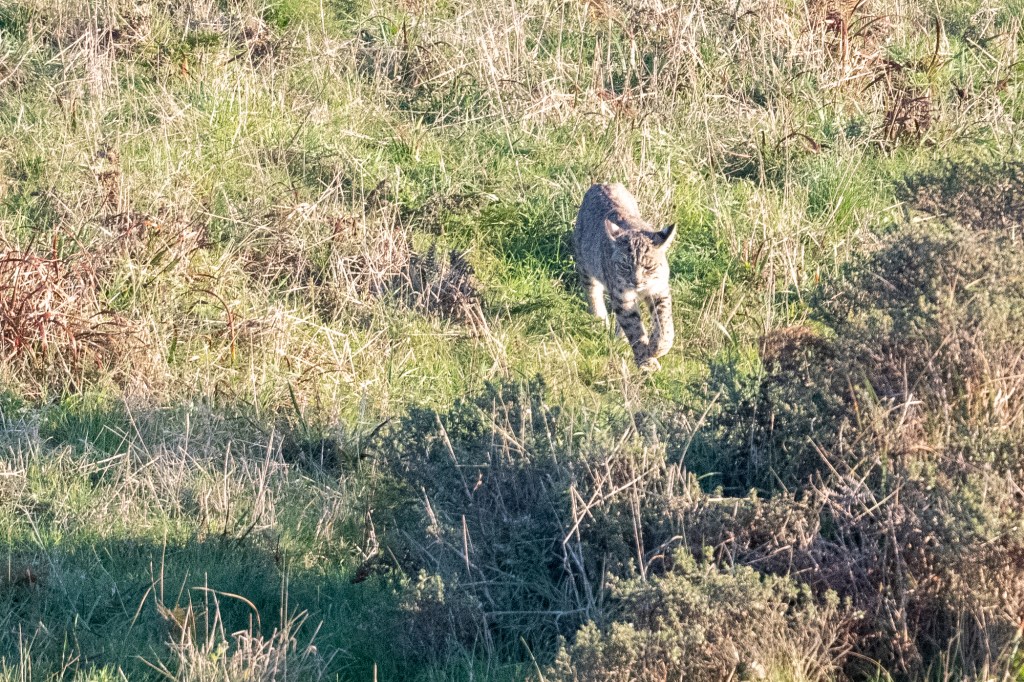
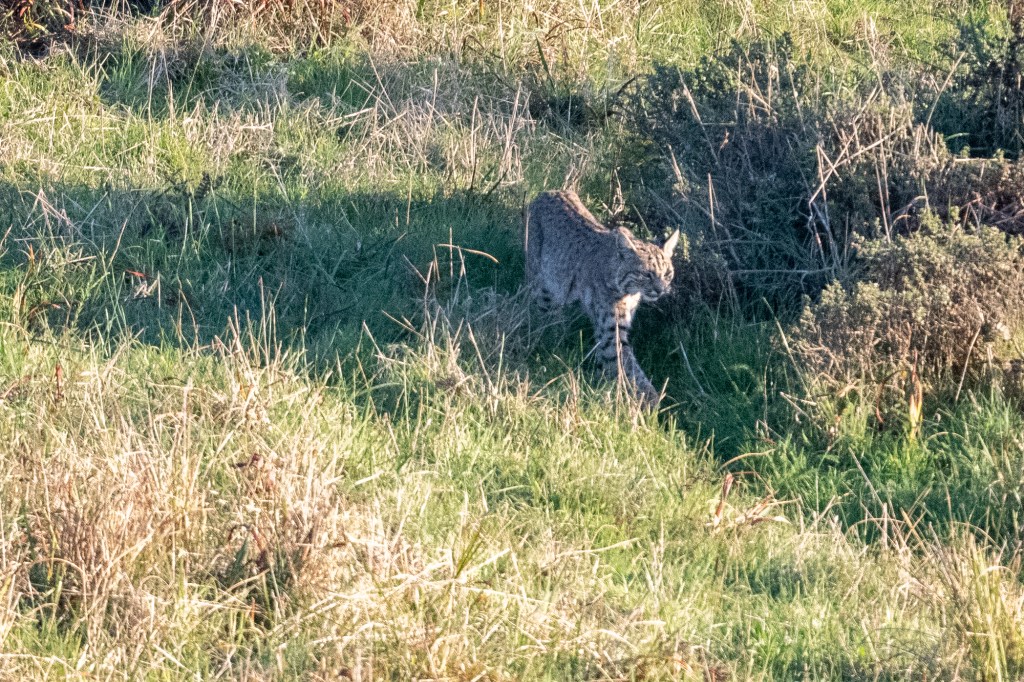
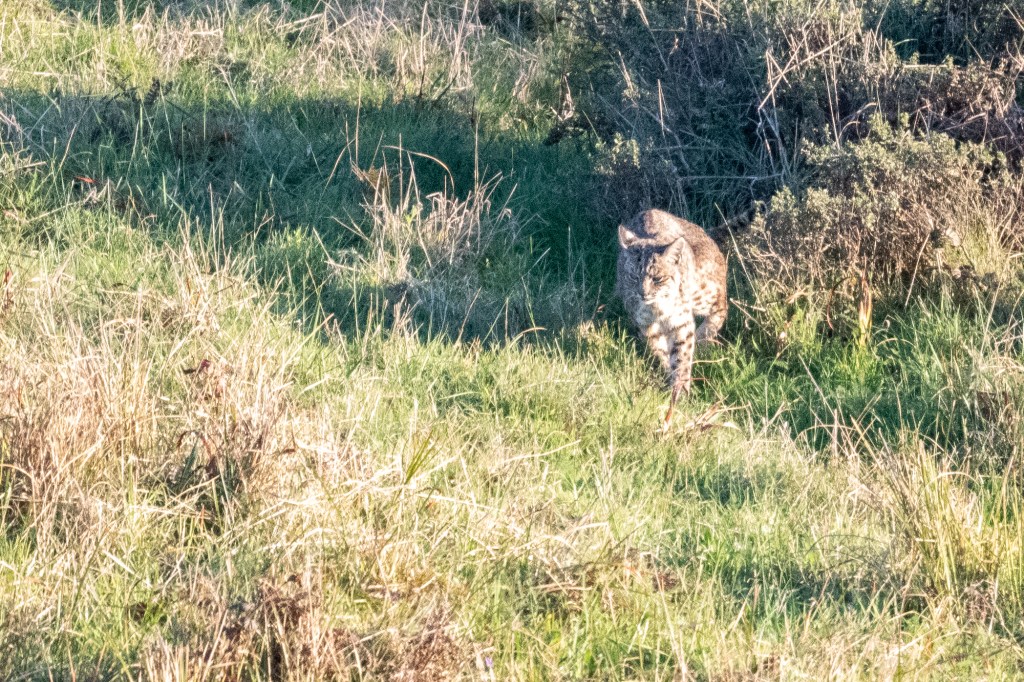
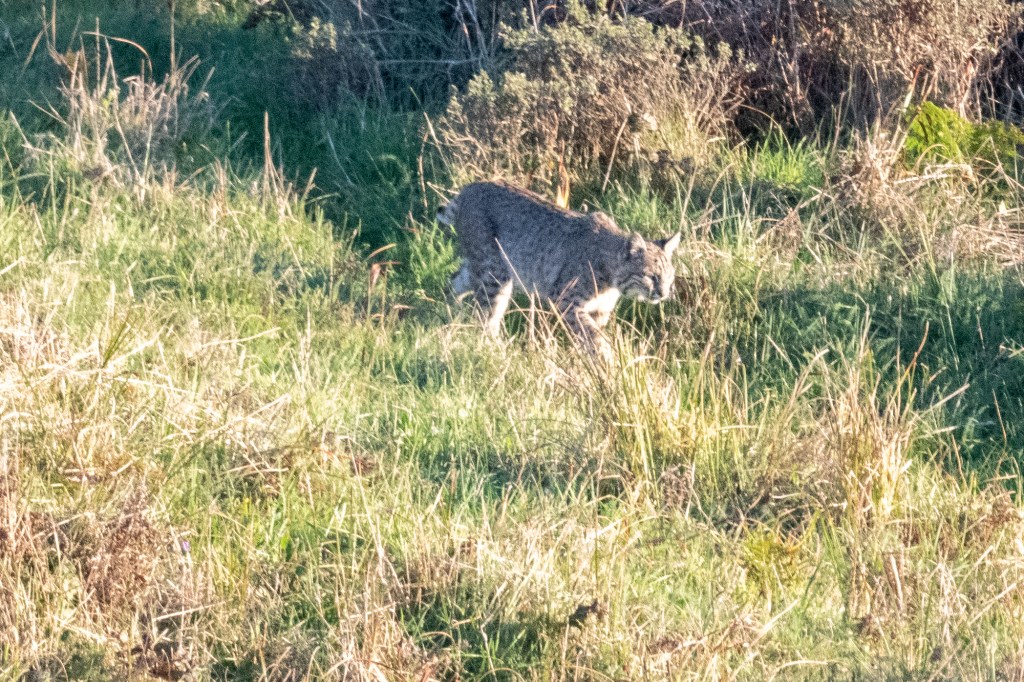
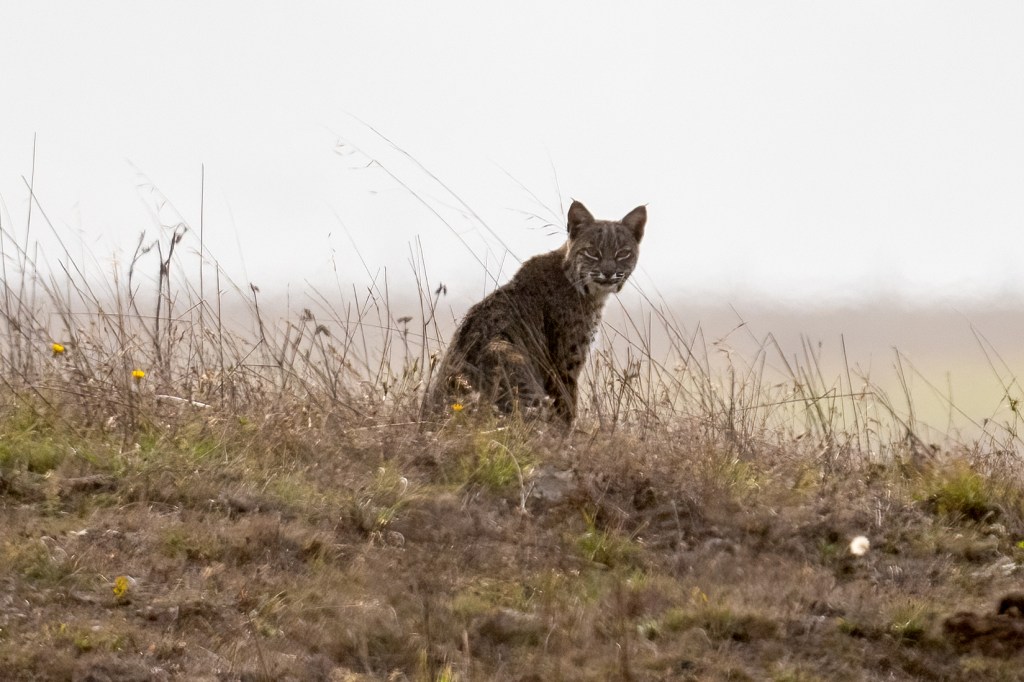
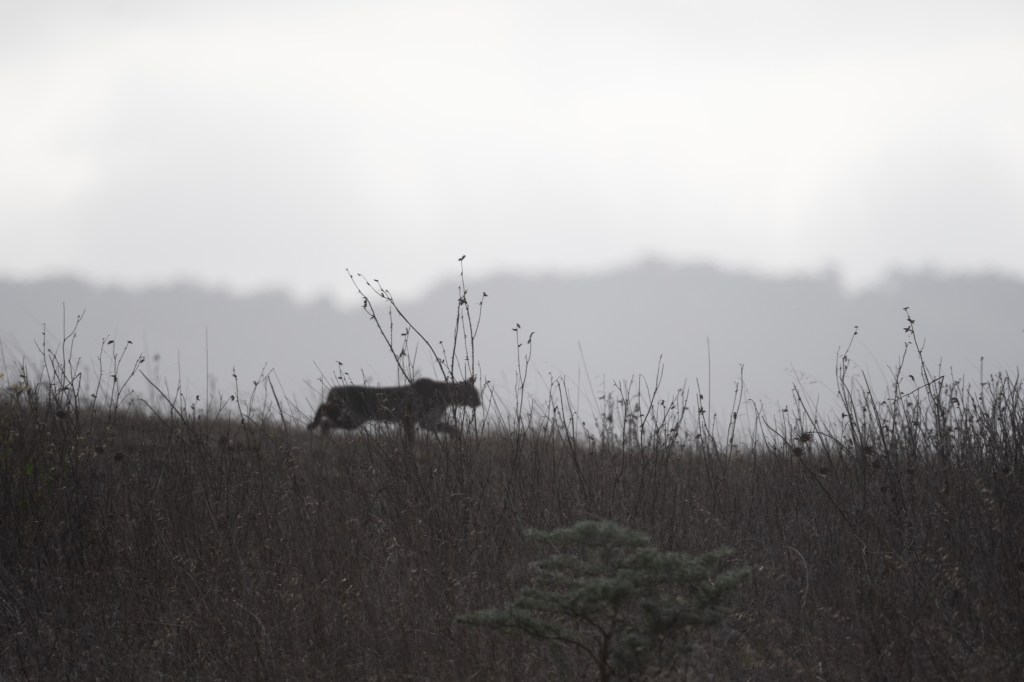
Yes, definitely a cat. A bobcat. I could not believe my luck. Here are some of the pics zoomed in a bit …
I saw it walk over the ridge and I drove forward a bit to see if I could find it again but never did. But what a blessing. Only the 5th bobcat I have ever seen. I will cherish this for a long long time.
Compiling some posts of mine from a few years back where I dug into some of the ties between Jeffrey Epstein, Harvard, and some scientists. There have been lots of really good articles and posts about the sordid connections involving Epstein. I am compiling this simply because I spent a lot of time digging into the Internet Archive and Papers and Website of Epstein and others at the time and want to make a record of this information.
August 22, 2019
When, if ever, will @DrMANowak and @harvard do something about their unethical association with rapist Jeffrey Epstein – they took his money, propped up his reputation, and now? crickets – read more from @xeni about this: https://t.co/deoSQ7HbT2
Over the last few days, I have spent some time digging into the sordid connections between rapist / pedophile Jeffrey Epstein and various groups at @harvard e.g., https://t.co/UAwjqbhh6t
Two months ago the president of @harvard put out a self-serving statement about ties to #JeffreyEpstein promising all sorts of "reviews" of those connections – and since then – nothing – what a joke – clearly plan is to try to wash this away https://t.co/vatvjrJo7Mpic.twitter.com/5OZrj7ICe1
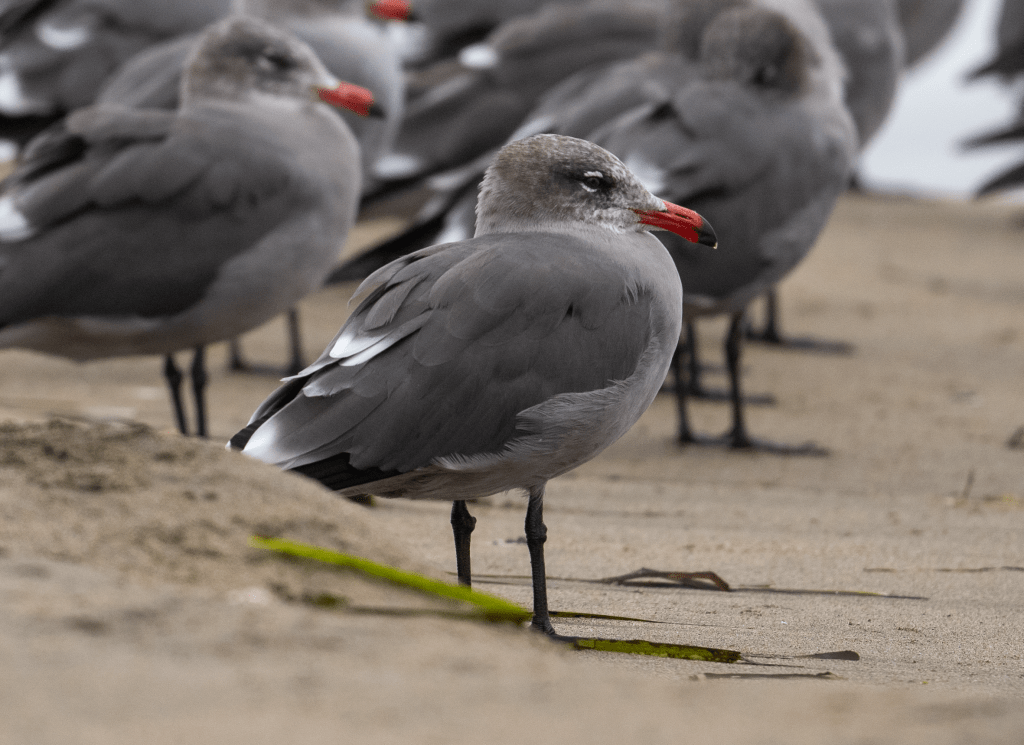
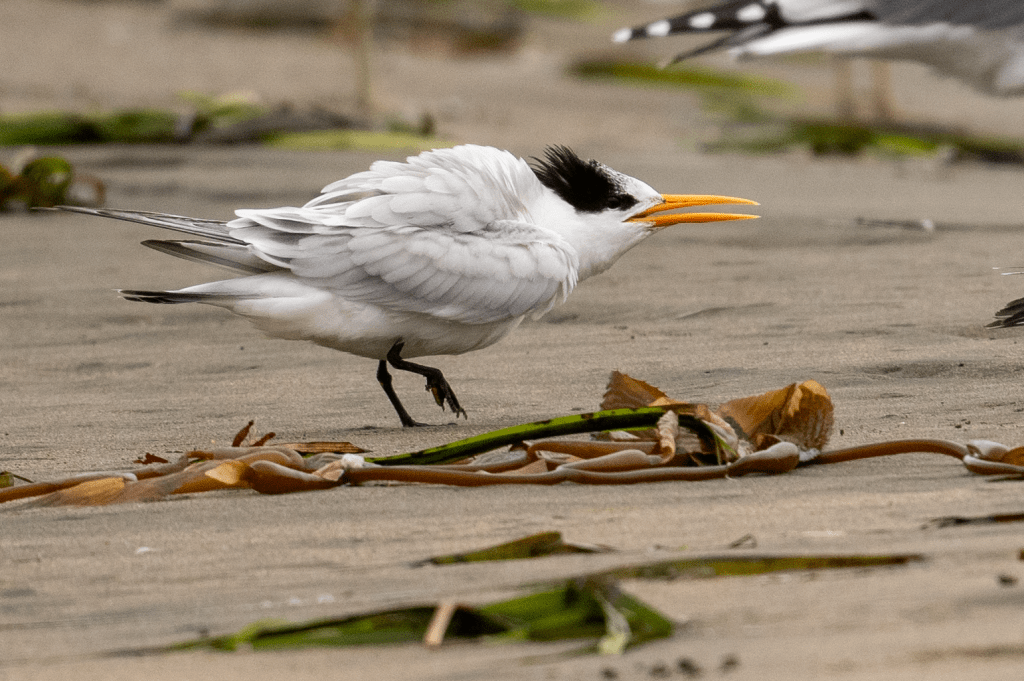
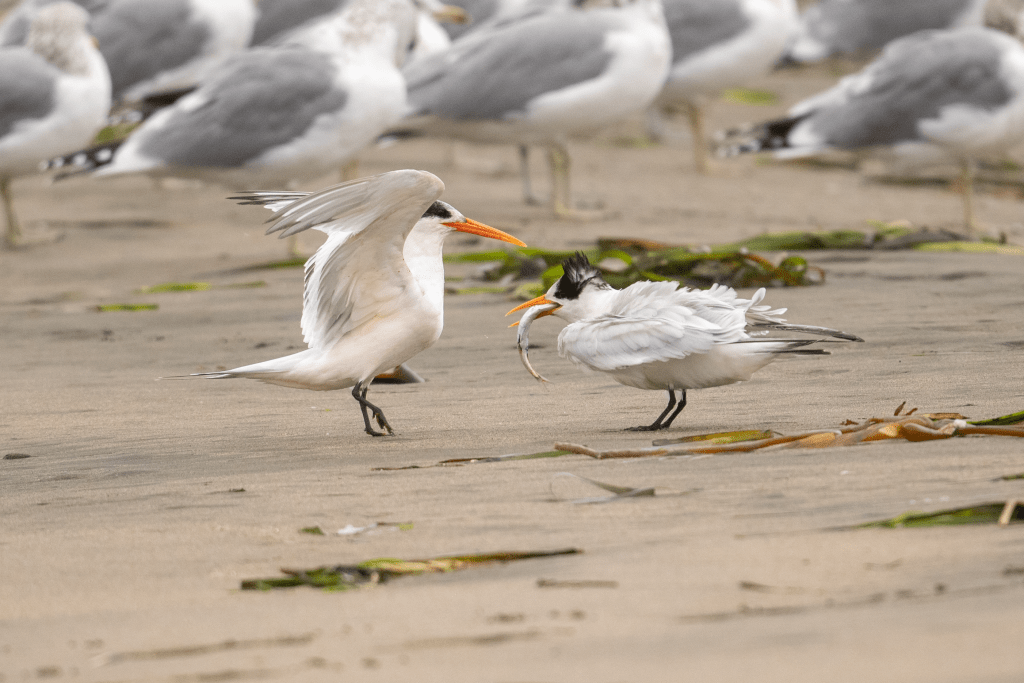
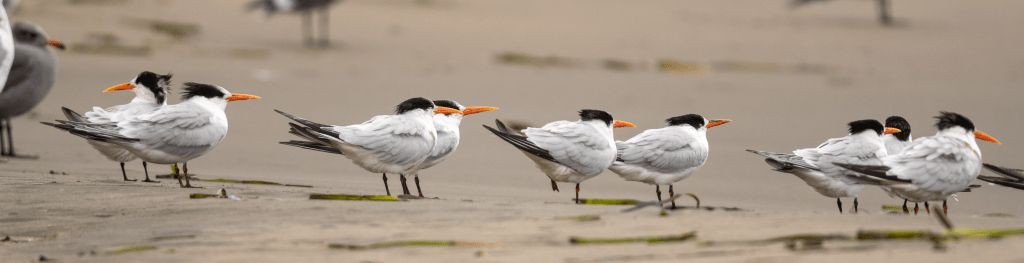
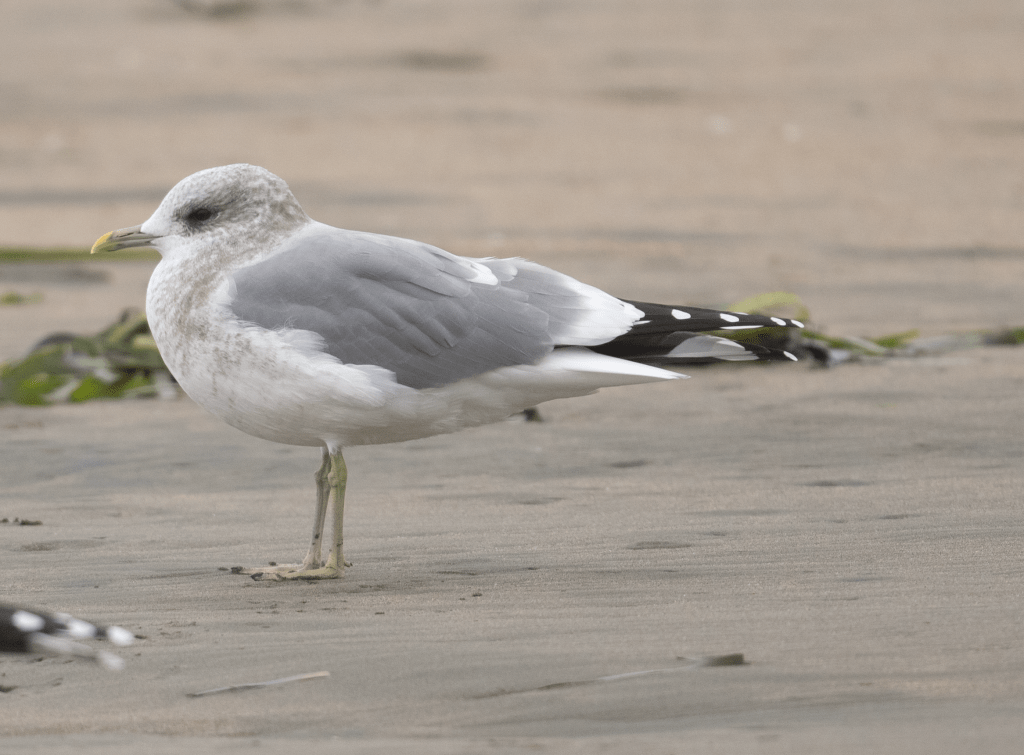
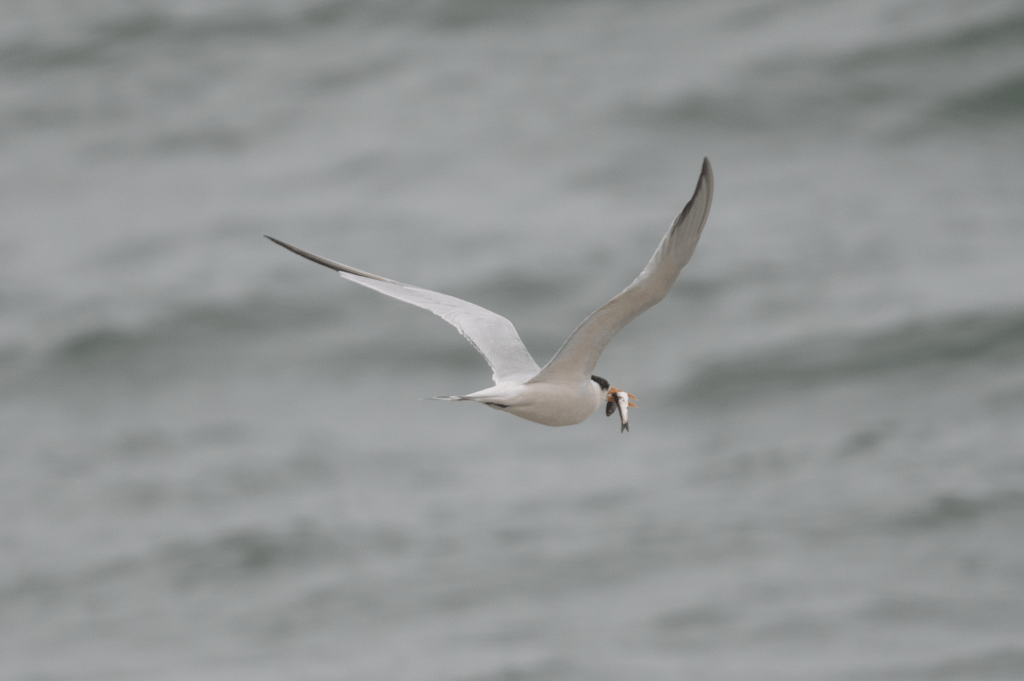
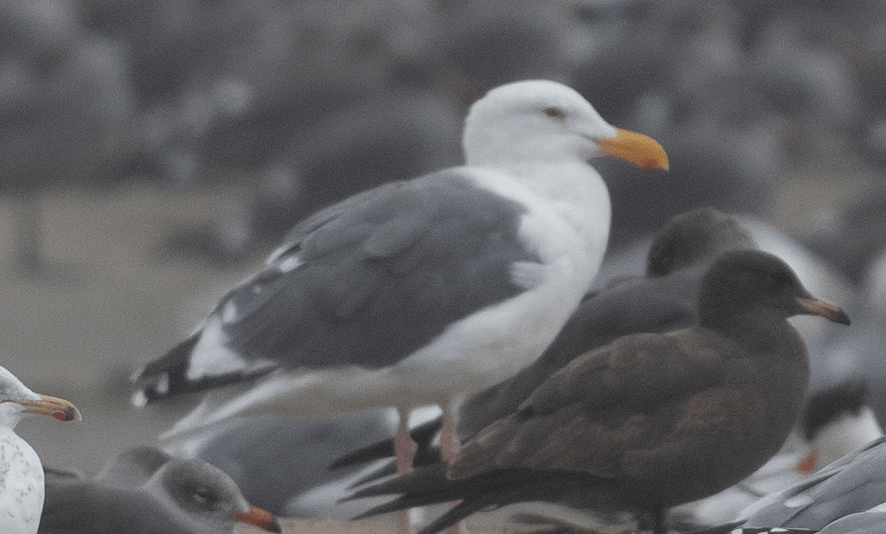
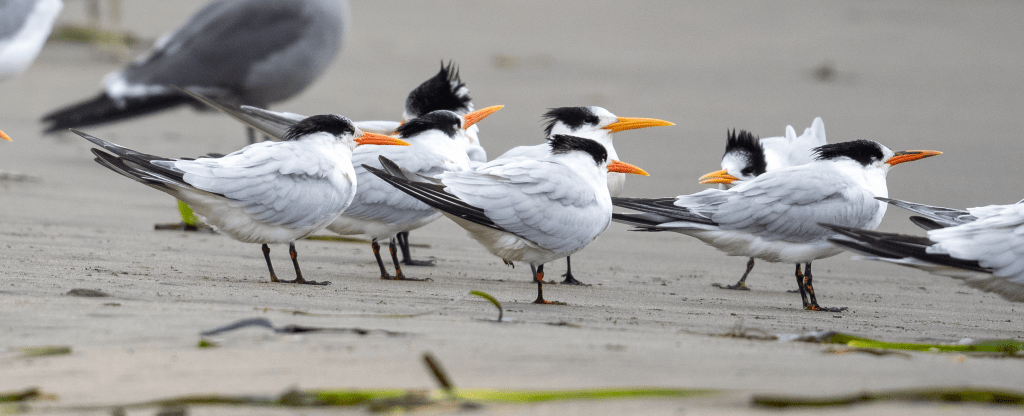
So I posted a week or so ago about how I wanted to learn how to ID white headed gulls this year. And I asked for suggestions / advice on how to learn and got some useful tips so I am sharing them here.
Here are some of the posts and responses I got:
Posted to BlueSky
OK I know this will be one of the craziest things I have ever posted, but in 2025 I have decided I really want to learn how to identify seagulls. Suggestions for best places to start learning would be welcome. #birds
I think out on the west coast of the US that’s a particularly tricky challenge! There’s an excellent new photographic guide for N. American gulls – press.princeton.edu/books/paperb…. Also @alvarosadventures.bsky.social is based out there and runs excellent gull ID workshops!
nice! for one, the best NA field guide ever was recently published here: http://www.amazon.com/Gull-Guide-N…As for process, pick the 1-3 most common species in your area and study them exhaustively, when something odd shows up, it will stick out.
OK I know this will be one of the craziest things I have ever posted, but in 2025 I have decicded I really want to learn how to identify seagulls. Suggestions for best places to start learning would be welcome. #birds
Best example of the sea gulls at Disney #birds I don’t advocate feeding them yet that is their behavior. They also deal with heavy fireworks daily and have resilient lungs https://t.co/FTnSMyOwI4
https://t.co/kEnDp4v6Ov has all the sea gulls. From a behavioral standpoint, go to Disney World in Florida or any beach. They will attack you for French fries 🤣
This came from a long ago collaboration in which I was involved with the lab of Craig Cary, who very sadly passed away recently. I got to know Craig from working with him (and Barbara Campbell and others) on a genome project in the late 2000s (see Adaptations to Submarine Hydrothermal Environments Exemplified by the Genome of Nautilia profundicola. PLoS Genet 5(2): e1000362). While we were working on that project, Craig and Ian McDonald contacted me about a proposal they were putting together to do some sequence based studies of microbes from Mt. Erebus in Antarctica. I became a collaborator on their project and their grant was funded in late 2008. Anyway – long long story. Eventually, Craig and others planned a trip to Erebus and alas I was unable to go but a post doc in my lab Morgan Langille was able to join them. And around that time Craig (Cary) hired Craig (Herbold) to work on the project. And the Craigs did multiple things but the part of the project in which I was to be involved did not happen immediately.
But then Craig Herbold moved to New Zealand in the beginning of 2024 and he and Craig Cary resurrected the project. And Craig H. and others (with a little bit of input from me here and there) wrote up the paper that I describe above.
Very sadly, in March Craig Cary passed away. For me, this paper is in his honor. Craig Cary was one of the people who really got me interested in broad studies of microbial diversity from all environments.
I recently gave a talk where I combined what are normally two distinct topics – the Evolution of DNA Sequencing, and the use of Sequencing to Study Microbial Diversity.
So – I went to Rwanda for two weeks. More about the trip later. I wanted to post one thing now. Right before I left on 9/27 for a two week trip to Rwanda, Sonia Palmer-Ghose, who I was travelling with, told me she had found out that no plastic bags were allowed to be brought into Rwanda.
So I had to repack a ton of my stuff as I had used Ziploc bags to sort all sorts of things. I just got home last night and decided to take a pic of the bags and other containers I had used on this trip.
First, one of these things does not belong here. Yes, I found one single plastic bag I had accidentally brought, carrying some insulin pen needles. And most of the rest of these bags were ones my wife and son helped me find as I scrambled to repack.
In retrospect, given the massive number of plastic bags I was going to bring in I am really glad they have this policy as it forced me to bring things I would not throw away.
On side part of this story – just a few hours after I left, my family was added to with two cats we adopted via the UC Davis Orphan Kitten project. And one of them took a liking to the display of bags I put out.
Lessons learned: (1). It is feasible to not use plastic bags when travelling and (2) cats are both unpredictable and predictable.
So I have a talk last night as part of thr introduction to the Lake Arrowhead Microbial Genomics 2024 meeting (aka #LAMG2024). It was kind of a comedic rendition of the history of the meeting with some comments on this years meeting.