
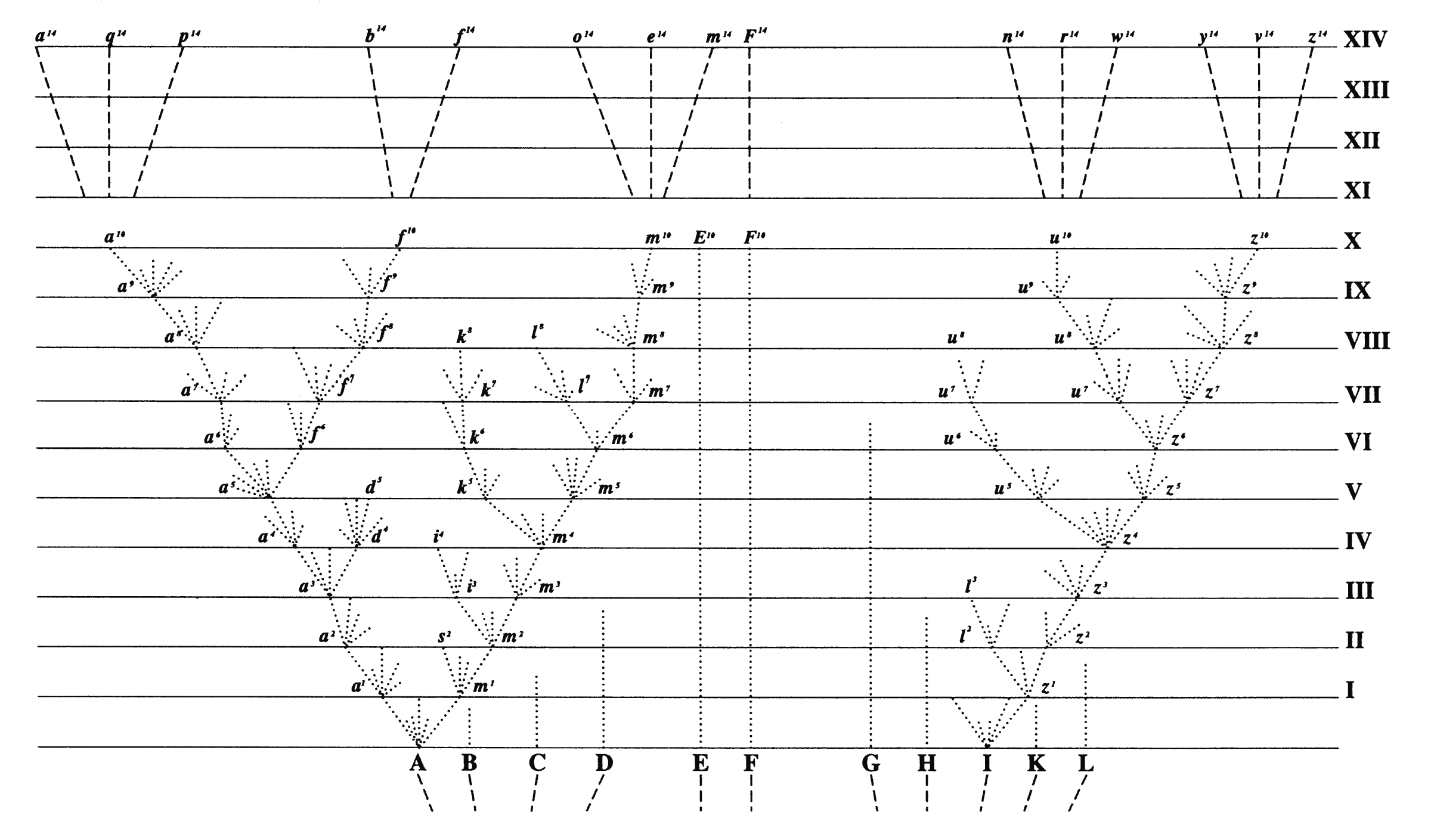
Well, as I am desperately trying to prevent Hollywood from corrupting the term “Tree of Life” and I got to thinking. Why did Darwin and others have to use the metaphor of a tree to represent the branching history of organisms through evolutionary time? Why did other metaphors not get used? Well, thanks to a little research I did by communicating with Darwin directly (as I did when he announced his endorsement of Obama), I have found out that Darwin went through many other metaphors before settling on the “Tree of Life.” (note the tree-like figure here which is based on the one figure in the Origin of Species).
And here are the top 5 other such metaphors for what is now known as “The Tree of Life”
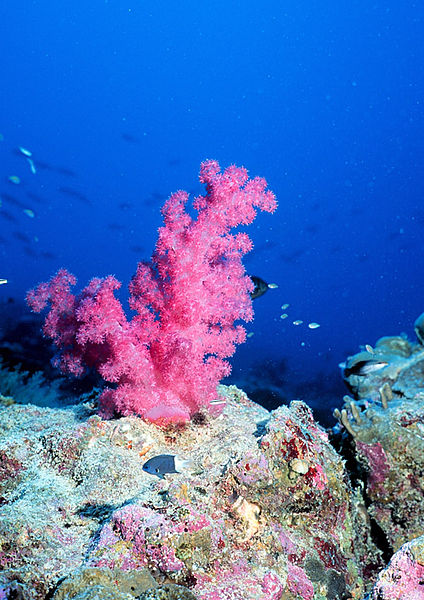
 The coral of life. Darwin particularly liked this one as he did some work on marine organisms. But ultimately he rejected it because he was worried about anti-evolutionists killing coral to get back at Darwin.
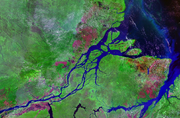
 The watershed of life. Rivers exhibit branching patterns much like trees. The big problem Darwin saw was that sometimes separate river branches reconnect to each other, which did not follow his model for descent. If only Darwin knew about lateral gene transfer.
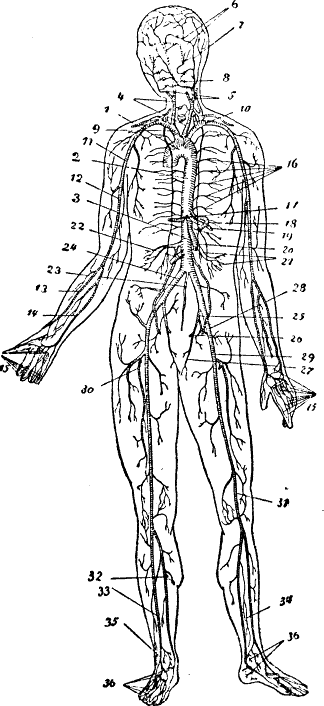
 The blood vessels of life. Darwin was desperate to find visceral connections for people to evolution. This one would have been great. The big problem here was the “going” and “coming” nature of arteries and veins.
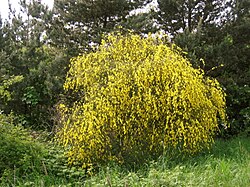
 The shrub of life. Thus turns out to have been one of Darwin’s favorites because it captures the richness of diversity more than a sparsely branching tree. However, shrub, even then, was used as a derogatory term to refer to height challenged individuals. And Darwin did not want to upset this key constituency so he avoided this term.
 The lungs of life. While this has some positive features (e.g., it is unidirectional like a tree), thankfully Darwin did not stick to this or we would have competition from “LOL” for all the domain names.
Other possibilities included “the Plumbing System of Life” and “the Highway Map of Life”. If you know of others Darwin may have considered, let me know.

Share this:


 Jonathan Eisen's Lab
Tree 2.0? Oh wait….
LikeLike
“But ultimately he rejected it because he was worried about anti-evolutionists killing coral to get back at Darwin.”This happened anyway – it’s a sad world where ‘dynamite’ and ‘fishing’ are used in the same sentence.The Coral of Life has been resurrected (by Peter Gogarten?) as an analogy to (1) a massive network of reticulations due to sharing of information; and (2) a structure where only recent history is observable.
LikeLike
The “Tree of Life” has a deep formative meaning in Western Culture long before Darwin. I am talking about the one in Genesis:2. the symbolisms associated with it are very strong and prevalent. It might be that Darwin chose this metaphor since it was so firmly entrenched in his, and his culture’s psyche.Personally I would take a Python-esque / Gould-ish view, and adopt “the Shrubbery of Life”.
LikeLike
Iddo Next time I chat with Darwin I will ask him but I have always assumed that he picked the metaphor because of its historical uses too. The shrubbery of life would be great though.
LikeLike
Hiyour blog very fasinating…thanks for passing on this useful info…
LikeLike
Some of these trees are very similar to fractals caused by chaos simulations. Now, formation of rivers are not evolution. And maybe not even the branching shape per se of the blood vessel system. The tree of life, agree this is not a great metaphor, is however shaped by selection, variation and genetic change. Are fractals are involved in shaping this too? Maybe.
LikeLike
Tracheal system of life.
Salivary gland of life.
Mammary ducts of life.
Kidney of life.
LikeLike
Bring me a shrubbery!
LikeLike
he most likely rejected the watershed of life because “watershed” sounds a lot like “woodshed” and well, you just DON'T want to go there…
LikeLike
Can you eventually give me a reference? Was it really Peter Gogarten? Or someone else?
LikeLike
This comment has been removed by the author.
LikeLike
See Gogarten's paper in the Phikosophical Transactions from 2009 “Horizontal gene transfer from extinct and extant lineages: biological innovation and the coral of life.”
LikeLike