Twisted tree of Life Award #13: Press release from U. Oslo on new protozoan

Wow.  Just got pointed to this press release Rare protozoan from sludge in Norwegian lake does not fit on main branches of tree of life (hat tip to Bill Hooker).  It is a long PR.  And it is riddled with many examples of evolutionary mumbo jumbo – each of which on their own could win a Twisted Tree of Life Award here.  And together, well, I am just going to give it one award – the Twisted Tree of Life Award #14.

Here are some statements that are, well, dubious, and/or painful.

  • Biologists all over the world have been eagerly awaiting the results of the genetic analysis of one of the world’s smallest known species, hereafter called the protozoan, from a little lake 30 kilometer south of Oslo in Norway.
    • Wow – really?  All over the world?
    • And why not tell us what the F#&$# it is?  Where is the name of the organism?  WTF?
  • When researchers from the University of Oslo, Norway compared its genes with all other known species in the world, they saw that the protozoan did not fit on any of the main branches of the tree of life. The protozoan is not a fungus, alga, parasite, plant or animal.
    • That is right.  There are five main branches on the tree of life.  Fungi.  Alga.  Parasites.  Plants. And animals.  Uggh.
  • His research group studies tiny organisms hoping to find answers to large, biological questions within ecology and evolutionary biology, and works across such different fields as biology, genetics, bioinformatics, molecular biology and statistics
    • Yes, and I study tiny organisms to answer small questions.
  • Life on Earth can be divided up into two main groups of species, prokaryotes and eukaryotes. The prokaryote species, such as bacteria, are the simplest form of living organisms on Earth. 
    • Yup, two main groups.  As of 40 f3$*@# years ago.
  • The micro-organism is among the oldest, currently living eukaryote organisms we know of. It evolved around one billion years ago, plus or minus a few hundred million years.
    • OMG.  This is a MODERN ORGANISM.  It did not evolve a billion years ago.  It is no older than ANYTHING ELSE ON THE PLANET.  AAAAAARRRGH.
  • The tree of life can be divided into organisms with one or two flagella
    • What?
    • The tree of life can also be divided into organisms with one or two penises.  
  • Just like all other mammals, human sperm cells have only one flagellum. Therefore, humankind belongs to the same single flagellum group as fungi and amoebae.
    • I don’t even know what to say here.
  • The protozoan from Ås has four flagella. The family it belongs to is somewhere between excavates, the oldest group with two flagella, and some amoebae, which is the oldest group with only one flagellum.
    • Wow – no prior description of the major groups of eukaryotes and now we use excavates (kind of technical) and amoebae (not technical).  Translation error?
    • But even w/ translation issues still very strange.
  • Were we to reconstruct the oldest, eukaryote cell in the world, we believe it would resemble our species. To calculate how much our species has changed since primordial times, we have to compare its genes with its nearest relatives, amoebae and excavates,” says Shalchian-Tabrizi.
    • What?  Their species has been around since primordial times?  What?  That is one really old cell. 
  • The protozoan lives off algae, but the researchers still do not know what eats the protozoan. 
    • Why does something have to eat it?
  • The protozoan was discovered as early as 1865, but it is only now that, thanks to very advanced genetic analyses, researchers understand how important the species is to the history of life on Earth
    • Very advanced?  Like, what? Sequencing?  
  • The problem is that DNA sequences change a lot over time. Parts of the DNA may have been wiped away during the passing of the years. Since the protozoan is a very old species, an extra large amount of gene information is required
    • What?  Since it is old they need more DNA? What?
I could go on and on.  I won’t.  But I will say one last thing that drives me crazy.  There is no paper attached to the press release in any way I can tell.  So all we are left with is this very very very very bad PR.  Ugh.

Stajich seminar today on fungal population genomics

Genetics Seminar

“Population genomics of Batrachochytrium dendrobatidis, a fungal pathogen of amphibians”

Speaker: Dr. Jason Stajich

University of California, Riverside | Department Plant Pathology and Microbiology

Monday, April 23, 2012

4:10 PM

1022 Life Sciences

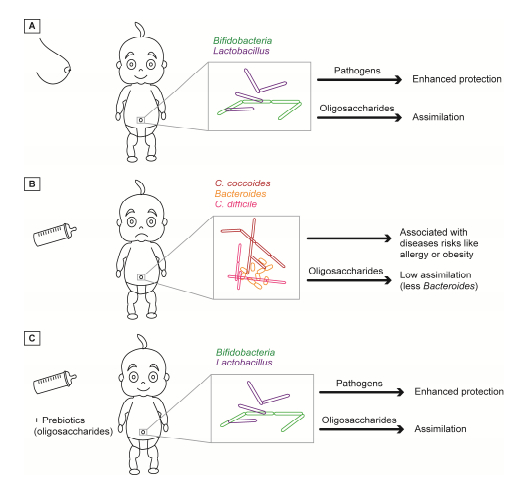
Best #openaccess figures: happy baby, sad baby

From J. Integrated Omics. DOI: 10.5584/jiomics.v2012i2012.76

One of the greatest things about open access papers in my mind is the ability to use the figures for blogs, classes, etc, without having to consult lawyers and other paper pushers. So I am starting a new series here where I highlight some fun/good figures from various open access papers.

The one shown above is from “How has the recent high-throughput sequencing revolution improved our knowledge of infant microbial colonization and health. J. Integrated Omics. DOI: 10.5584/jiomics.v2012i2012.76. By Adrien Fischer, Katrine Whiteson, Vladimir Lazarevic, Jonathan Hibbs, Patrice Francois, Jacques Schrenzel

BGI@UC Davis: Researcher Information Seminars May 2 and May 3

***Informational Seminar***

BGI@UC Davis – Information on partnership capabilities and sample submission

Presented by: Bart Weimer, Ph.D.

Professor, Department of Population Health and Reproduction, School of Veterinary Medicine

Co-director of BGI@UCDavis

Dates/Locations: Wednesday, May 2

Davis: Genome Center, Auditorium, Rm. 1005

3:00-3:45 pm

Thursday, May 3

Sacramento: Education Building, Lecture Hall 2222

4:00-4:45 pm

Abstract: Dr. Weimer will be presenting an information seminar to all interested researchers regarding the BGI@UC Davis partnership. Through BGI, campus researchers will have access to the capabilities and expertise of one of the world’s premier genomics and bioinformatics institutes, while BGI researchers will have the ability to collaborate with UC Davis researchers, thereby benefiting from the university’s diverse resources and expertise, especially in biology, medical sciences, agriculture, the environment and education. There will be two seminars available, one in Sacramento and one in Davis – everyone is welcome.

Ilkka Hanski seminars 4/25 & 4/26 at #UCDavis: Environmental biodiversity, human microbiota and allergy

Public Lecture:

Title: “Environmental biodiversity, human microbiota and allergy”
Time: Wednesday, April 25, 4:10 to 5:30 pm

Place: 1005 Genome

Evolution & Ecology Seminar:

Title: “Eco-evolutionary spatial dynamics”
Time: Thursday, April 26, 4:10 to 5:30 pm

Place: 1003 Giedt

Background:

Professor Hanski was awarded the Crafoord Prize in Biosciences by Royal Swedish Academy of Sciences in 2011 “for his pioneering studies on how spatial variation affects the dynamics of animal and plant populations”. He has established himself, in his more than 30-year career, as one of the world´s most eminent ecologists for developing a range of new analytical methods and mathematical models in ecology. Today, these are widely used to help scientists investigate how animal and plant species are affected when their habitats undergo splitting owing, for example, to urbanization, deforestation and climate change. Further, Hanski is recognized as a tireless advocate of the translational application of his research to public issues involving nature and biodiversity through his popular writings and public speaking. Among his many other honors, he is an elected Fellow of the Finnish Academy of Science and Letters, and a Foreign Member of the Royal Society (UK), the American Academy of Arts and Sciences and the National Academy of Sciences (US).

EVE 198 – Genome assembly

Well, doing some sequencing and genome assembly and analysis for my EVE 198 class and thought I would post notes here.

Step 1. Make Illumina libraries and generate sequence data.  Ideally PE but not 100% necessary

Step 2. Process data.

Raw data is here

Some test data for blast and trees


Step 3. Make 1st pass assembly using A5

Download an install

Running A5 on test data

Ran on Ruthia data

Step 4 View Results

Step 5 Gene finding

  • PhiX test
  • Practice on the web: Use NCBI ORF Finder
  • Phix Scaffold (test.final.scaffolds.fasta)
  • >scaffold1.1|size5470
    CGATAACAATACTGTAGGCATGGGTGATGCTGGTATTAAATCTGCCATTCAAGGCTCTAATGTTCCTAACCCTGATGAGGCCGCCCCTAGTTTTGTTTCTGGTGCTATGGCTAAAGCTGGTAAAGGACTTCTTGAAGGTACGTTGCAGGCTGGCACTTCTGCCGTTTCTGATAAGTTGCTTGATTTGGTTGGACTTGGTGGCAAGTCTGCCGCTGATAAAGGAAAGGATACTCGTGATTATCTTGCTGCTGCATTTCCTGAGCTTAATGCTTGGGAGCGTGCTGGTGCTGATGCTTCCTCTGCTGGTATGGTTGACGCCGGATTTGAGAATCAAAAAGAGCTTACTAAAATGCAACTGGACAATCAGAAAGAGATTGCCGAGATGCAAAATGAGACTCAAAAAGAGATTGCTGGCATTCAGTCGGCGACTTCACGCCAGAATACGAAAGACCAGGTATATGCACAAAATGAGATGCTTGCTTATCAACAGAAGGAGTCTACTGCTCGCGTTGCGTCTATTATGGAAAACACCAATCTTTCCAAGCAACAGCAGGTTTCCGAGATTATGCGCCAAATGCTTACTCAAGCTCAAACGGCTGGTCAGTATTTTACCAATGACCAAATCAAAGAAATGACTCGCAAGGTTAGTGCTGAGGTTGACTTAGTTCATCAGCAAACGCAGAATCAGCGGTATGGCTCTTCTCATATTGGCGCTACTGCAAAGGATATTTCTAATGTCGTCACTGATGCTGCTTCTGGTGTGGTTGATATTTTTCATGGTATTGATAAAGCTGTTGCCGATACTTGGAACAATTTCTGGAAAGACGGTAAAGCTGATGGTATTGGCTCTAATTTGTCTAGGAAATAACCGTCAGGATTGACACCCTCCCAATTGTATGTTTTCATGCCTCCAAATCTTGGAGGCTTTTTTATGGTTCGTTCTTATTACCCTTCTGAATGTCACGCTGATTATTTTGACTTTGAGCGTATCGAGGCTCTTAAACCTGCTATTGAGGCTTGTGGCATTTCTACTCTTTCTCAATCCCCAATGCTTGGCTTCCATAAGCAGATGGATAACCGCATCAAGCTCTTGGAAGAGATTCTGTCTTTTCGTATGCAGGGCGTTGAGTTCGATAATGGTGATATGTATGTTGACGGCCATAAGGCTGCTTCTGACGTTCGTGATGAGTTTGTATCTGTTACTGAGAAGTTAATGGATGAATTGGCACAATGCTACAATGTGCTCCCCCAACTTGATATTAATAACACTATAGACCACCGCCCCGAAGGGGACGAAAAATGGTTTTTAGAGAACGAGAAGACGGTTACGCAGTTTTGCCGCAAGCTGGCTGCTGAACGCCCTCTTAAGGATATTCGCGATGAGTATAATTACCCCAAAAAGAAAGGTATTAAGGATGAGTGTTCAAGATTGCTGGAGGCCTCCACTATGAAATCGCGTAGAGGCTTTGCTATTCAGCGTTTGATGAATGCAATGCGACAGGCTCATGCTGATGGTTGGTTTATCGTTTTTGACACTCTCACGTTGGCTGACGACCGATTAGAGGCGTTTTATGATAATCCCAATGCTTTGCGTGACTATTTTCGTGATATTGGTCGTATGGTTCTTGCTGCCGAGGGTCGCAAGGCTAATGATTCACACGCCGACTGCTATCAGTATTTTTGTGTGCCTGAGTATGGTACAGCTAATGGCCGTCTTCATTTCCATGCGGTGCACTTTATGCGGACACTTCCTACAGGTAGCGTTGACCCTAATTTTGGTCGTCGGGTACGCAATCGCCGCCAGTTAAATAGCTTGCAAAATACGTGGCCTTATGGTTACAGTATGCCCATCGCAGTTCGCTACACGCAGGACGCTTTTTCACGTTCTGGTTGGTTGTGGCCTGTTGATGCTAAAGGTGAGCCGCTTAAAGCTACCAGTTATATGGCTGTTGGTTTCTATGTGGCTAAATACGTTAACAAAAAGTCAGATATGGACCTTGCTGCTAAAGGTCTAGGAGCTAAAGAATGGAACAACTCACTAAAAACCAAGCTGTCGCTACTTCCCAAGAAGCTGTTCAGAATCAGAATGAGCCGCAACTTCGGGATGAAAATGCTCACAATGACAAATCTGTCCACGGAGTGCTTAATCCAACTTACCAAGCTGGGTTACGACGCGACGCCGTTCAACCAGATATTGAAGCAGAACGCAAAAAGAGAGATGAGATTGAGGCTGGGAAAAGTTACTGTAGCCGACGTTTTGGCGGCGCAACCTGTGACGACAAATCTGCTCAAATTTATGCGCGCTTCGATAAAAATGATTGGCGTATCCAACCTGCAGAGTTTTATCGCTTCCATGACGCAGAAGTTAACACTTTCGGATATTTCTGATGAGTCGAAAAATTATCTTGATAAAGCAGGAATTACTACTGCTTGTTTACGAATTAAATCGAAGTGGACTGCTGGCGGAAAATGAGAAAATTCGACCTATCCTTGCGCAGCTCGAGAAGCTCTTACTTTGCGACCTTTCGCCATCAACTAACGATTCTGTCAAAAACTGACGCGTTGGATGAGGAGAAGTGGCTTAATATGCTTGGCACGTTCGTCAAGGACTGGTTTAGATATGAGTCACATTTTGTTCATGGTAGAGATTCTCTTGTTGACATTTTAAAAGAGCGTGGATTACTATCTGAGTCCGATGCTGTTCAACCACTAATAGGTAAGAAATCATGAGTCAAGTTACTGAACAATCCGTACGTTTCCAGACCGCTTTGGCCTCTATTAAGCTCATTCAGGCTTCTGCCGTTTTGGATTTAACCGAAGATGATTTCGATTTTCTGACGAGTAACAAAGTTTGGATTGCTACTGACCGCTCTCGTGCTCGTCGCTGCGTTGAGGCTTGCGTTTATGGTACGCTGGACTTTGTAGGATACCCTCGCTTTCCTGCTCCTGTTGAGTTTATTGCTGCCGTCATTGCTTATTATGTTCATCCCGTCAACATTCAAACGGCCTGTCTCATCATGGAAGGCGCTGAATTTACGGAAAACATTATTAATGGCGTCGAGCGTCCGGTTAAAGCCGCTGAATTGTTCGCGTTTACCTTGCGTGTACGCGCAGGAAACACTGACGTTCTTACTGACGCAGAAGAAAACGTGCGTCAAAAATTACGTGCAGAAGGAGTGATGTAATGTCTAAAGGTAAAAAACGTTCTGGCGCTCGCCCTGGTCGTCCGCAGCCGTTGCGAGGTACTAAAGGCAAGCGTAAAGGCGCTCGTCTTTGGTATGTAGGTGGTCAACAATTTTAATTGCAGGGGCTTCGGCCCCTTACTTGAGGATAAATTATGTCTAATATTCAAACTGGCGCCGAGCGTATGCCGCATGACCTTTCCCATCTTGGCTTCCTTGCTGGTCAGATTGGTCGTCTTATTACCATTTCAACTACTCCGGTTATCGCTGGCGACTCCTTCGAGATGGACGCCGTTGGCGCTCTCCGTCTTTCTCCATTGCGTCGTGGCCTTGCTATTGACTCTACTGTAGACATTTTTACTTTTTATGTCCCTCATCGTCACGTTTATGGTGAACAGTGGATTAAGTTCATGAAGGATGGTGTTAATGCCACTCCTCTCCCGACTGTTAACACTACTGGTTATATTGACCATGCCGCTTTTCTTGGCACGATTAACCCTGATACCAATAAAATCCCTAAGCATTTGTTTCAGGGTTATTTGAATATCTATAACAACTATTTTAAAGCGCCGTGGATGCCTGACCGTACCGAGGCTAACCCTAATGAGCTTAATCAAGATGATGCTCGTTATGGTTTCCGTTGCTGCCATCTCAAAAACATTTGGACTGCTCCGCTTCCTCCTGAGACTGAGCTTTCTCGCCAAATGACGACTTCTACCACATCTATTGACATTATGGGTCTGCAAGCTGCTTATGCTAATTTGCATACTGACCAAGAACGTGATTACTTCATGCAGCGTTACCATGATGTTATTTCTTCATTTGGAGGTAAAACCTCTTATGACGCTGACAACCGTCCTTTACTTGTCATGCGCTCTAATCTCTGGGCATCTGGCTATGATGTTGATGGAACTGACCAAACGTCGTTAGGCCAGTTTTCTGGTCGTGTTCAACAGACCTATAAACATTCTGTGCCGCGTTTCTTTGTTCCTGAGCATGGCACTATGTTTACTCTTGCGCTTGTTCGTTTTCCGCCTACTGCGACTAAAGAGATTCAGTACCTTAACGCTAAAGGTGCTTTGACTTATACCGATATTGCTGGCGACCCTGTTTTGTATGGCAACTTGCCGCCGCGTGAAATTTCTATGAAGGATGTTTTCCGTTCTGGTGATTCGTCTAAGAAGTTTAAGATTGCTGAGGGTCAGTGGTATCGTTATGCGCCTTCGTATGTTTCTCCTGCTTATCACCTTCTTGAAGGCTTCCCATTCATTCAGGAACCGCCTTCTGGTGATTTGCAAGAACGCGTACTTATTCGCCACCATGATTATGACCAGTGTTTCCAGTCCGTTCAGTTGTTGCAGTGGAATAGTCAGGTTAAATTTAATGTGACCGTTTATCGCAATCTGCCGACCACTCGCGATTCAATCATGACTTCGTGATAAAAGATTGAGTGTGAGGTTATAACGCCGAAGCGGTAAAAATTTTAATTTTTGCCGCTGAGGGGTTGACCAAGCGAAGCGCGGTAGGTTTTCTGCTTAGGAGTTTAATCATGTTTCAGACTTTTATTTCTCGCCATAATTCAAACTTTTTTTCTGATAAGCTGGTTCTCACTTCTGTTACTCCAGCTTCTTCGGCACCTGTTTTACAGACACCTAAAGCTACATCGTCAACGTTATATTTTGATAGTTTGACGGTTAATGCTGGTAATGGTGGTTTTCTTCATTGCATTCAGATGGATACATCTGTCAACGCCGCTAATCAGGTTGTTTCTGTTGGTGCTGATATTGCTTTTGATGCCGACCCTAAATTTTTTGCCTGTTTGGTTCGCTTTGAGTCTTCTTCGGTTCCGACTACCCTCCCGACTGCCTATGATGTTTATCCTTTGGATGGTCGCCATGATGGTGGTTATTATACCGTCAAGGACTGTGTGACTATTGACGTCCTTCCTCGTACGCCGGGCAATAATGTTTATGTTGGTTTCATGGTTTGGTCTAACTTTACCGCTACTAAATGCCGCGGATTGGTTTCGCTGAATCAGGTTATTAAAGAGATTATTTGTCTCCAGCCACTTAAGTGAGGTGATTTATGTTTGGTGCTATTGCTGGCGGTATTGCTTCTGCTCTTGCTGGTGGCGCCATGTCTAAATTGTTTGGAGGCGGTCAAAAAGCCGCCTCCGGTGGCATTCAAGGTGATGTGCTTGCTACCGATAACAATACTGTAGGCATGGGTGATGCTGGTATTAAATCTGCCATTCAAGGCTCTAATGTTCCTAACCCTGATGAGGCCGC
  • Find ORFs at NCBI
  • http://www.ncbi.nlm.nih.gov/gorf/orfig.cgi
  • Also uploaded to RAST http://rast.nmpdr.org/rast.cgi
  • Job finished http://rast.nmpdr.org/?page=JobDetails&job=48263

EVE Faculty Recruitment Seminar – Luke Harmon – Thursday, April 19th

DEPARTMENT OF EVOLUTION AND ECOLOGY

RECRUITMENT SEMINAR

EVOLUTION OF ORGANISMAL DIVERSITY

Luke Harmon

Assistant Professor

Department of Biological Sciences

University of Idaho

“Detecting the signature of species interactions in the tree of life”

Thursday, April 19th, 2012

1:10pm

1022 Life Sciences Building

Faculty Host: Professor Michael Turelli, Department of Evolution and Ecology

Harmon Seminar Flyer.doc

Davis Community Church Nursery School (DCCNS) Annual Rummage Sale 4/28 8 AM – noon

One giant tweet for @MishaAngrist talk at #UCDavis from 3/8

When Misha Angrist visited in March I took notes for his talk on … paper … because my phone was dead … so here is one big tweet for his talk. https://picasaweb.google.com/s/c/bin/slideshow.swf

Sept. 16-20, Lake Arrowhead Microbial Genomics Conference

This is the first announcement for the 2012 Microbial Genomics Conference, which will take place at the UCLA Conference Center, Lake Arrowhead, California, September 16-20, 2012.

Ashlee Earl, Jonathan Eisen, Elisabeth Raleigh and myself, this years co-organizers, have put together a partial program (see attached) for the 2012 Arrowhead Microbial Genomics meeting, which is part of a continuing series of interdisciplinary meetings centered on microbial genomics. The following link to the last meeting’s program gives information about the conference site and history: http://www.mimg.ucla.edu/arrowhead2010/ We hope to have the website for the new meeting up soon. This year’s registration fee for registering participants (excluding invited speakers) is $900, which covers all meals, lodging, and a chartered bus to and from LAX to the meeting site. The information on the website for the previous meeting is still valid for how to pay the registration fees, except that the amount is different from this year’s amount, due to increases in Arrowhead’s room rates.

I think this year’s meeting will be very exciting, and the preliminary program of invited speakers lists 30 of the total of 40 speakers. All but 2 (in asterisks) have accepted so far.

This conference is part of a yearly meeting initiated in 1991 to bring together genome sequencers, bioinformatics specialists, and biologists and geneticists, to forge interactions that would result in meaningful functional genomics. The goal of the meeting is to translate the influx of new genome sequencing information into useful biological studies. The Lake Arrowhead 2012 meeting will have a major focus on genomic and other studies of microbial communities and biodiversity, and in particular the human microbiome, comparative and functional genomics of pathogens, modeling and designing of circuits and pathways and bioenergetics.

Sincerely yours,

Jeffrey H. Miller

Arrowhead2012draft1A.doc