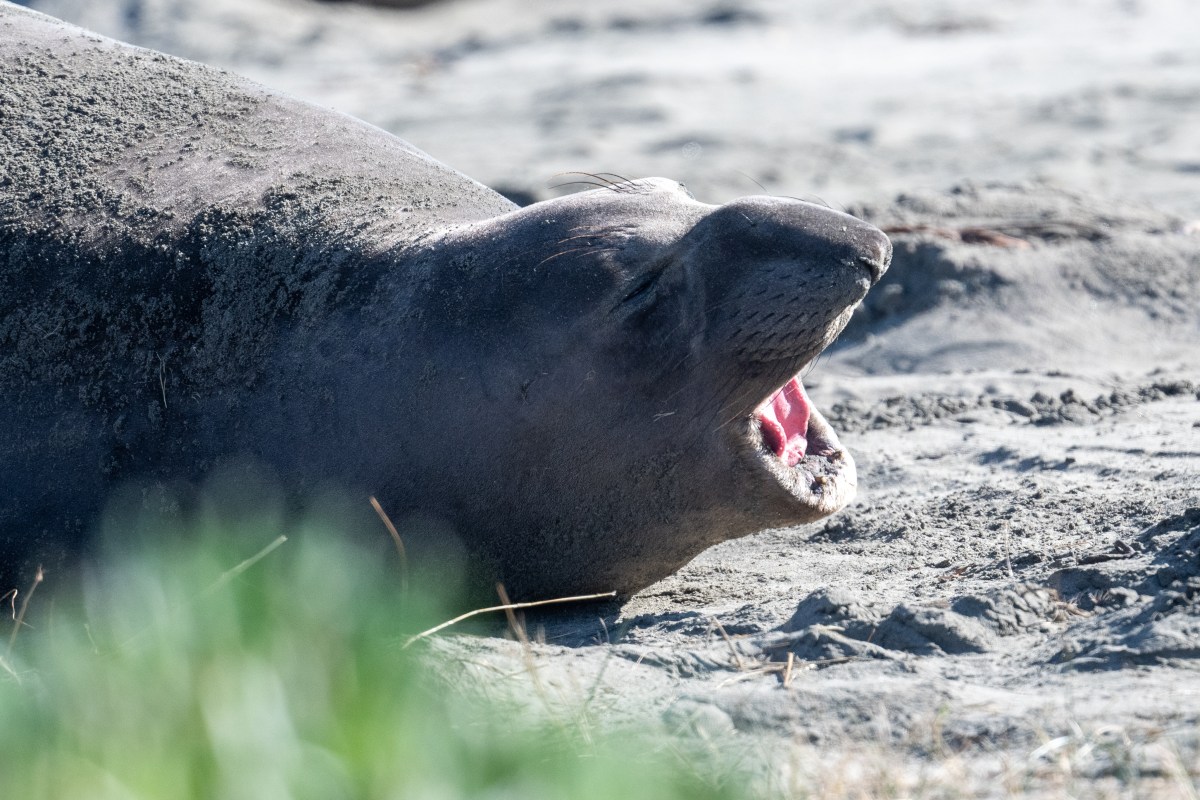
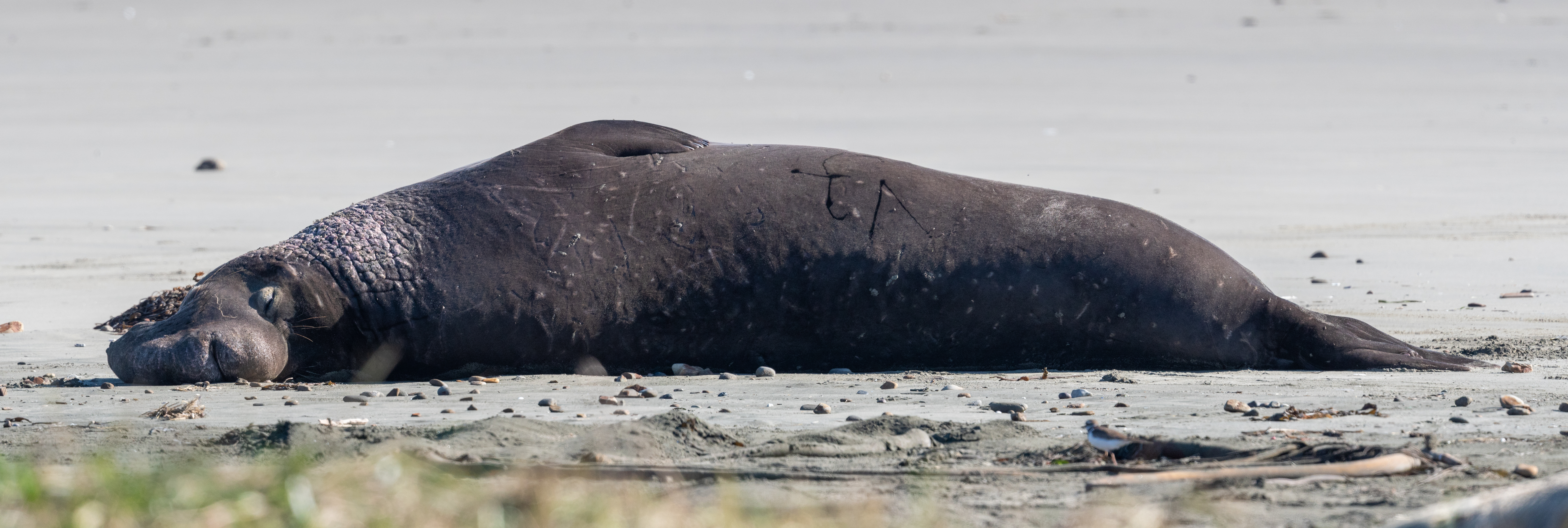
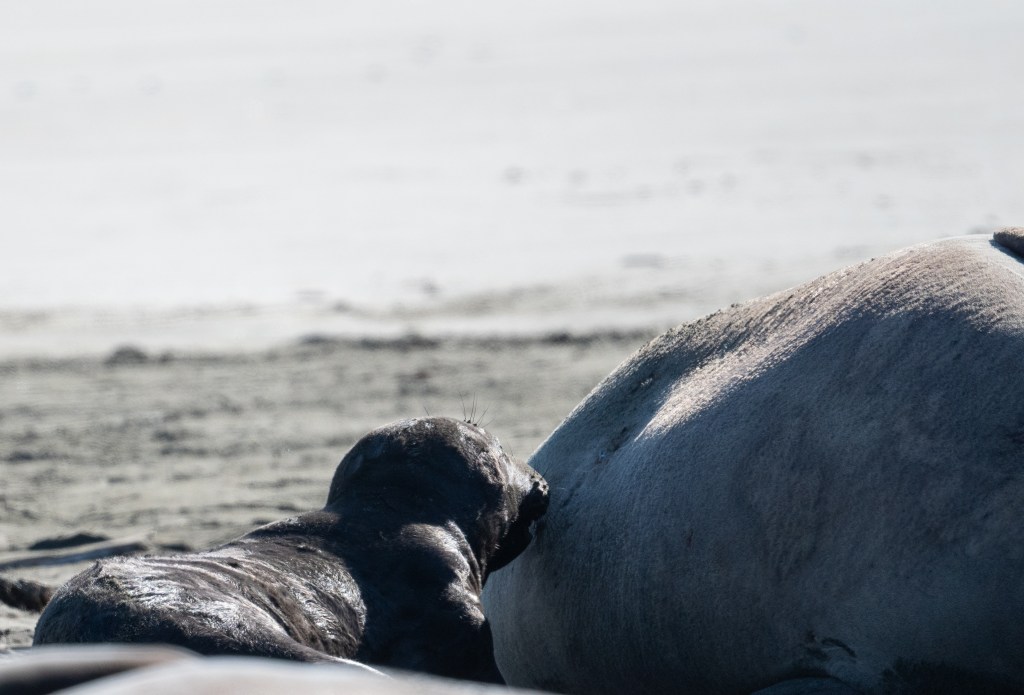
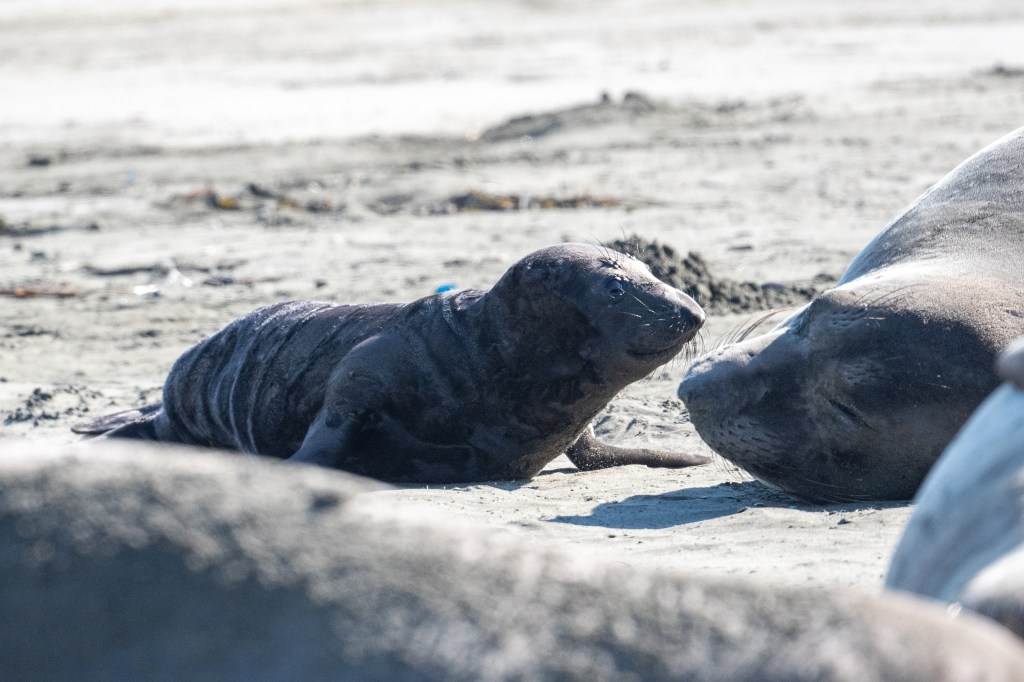
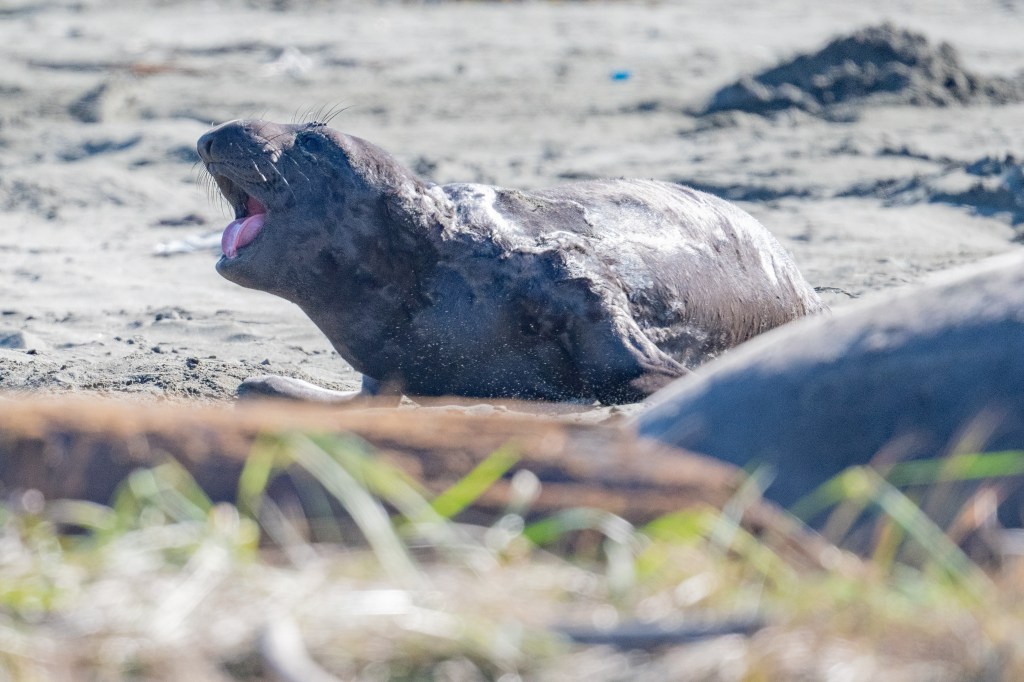
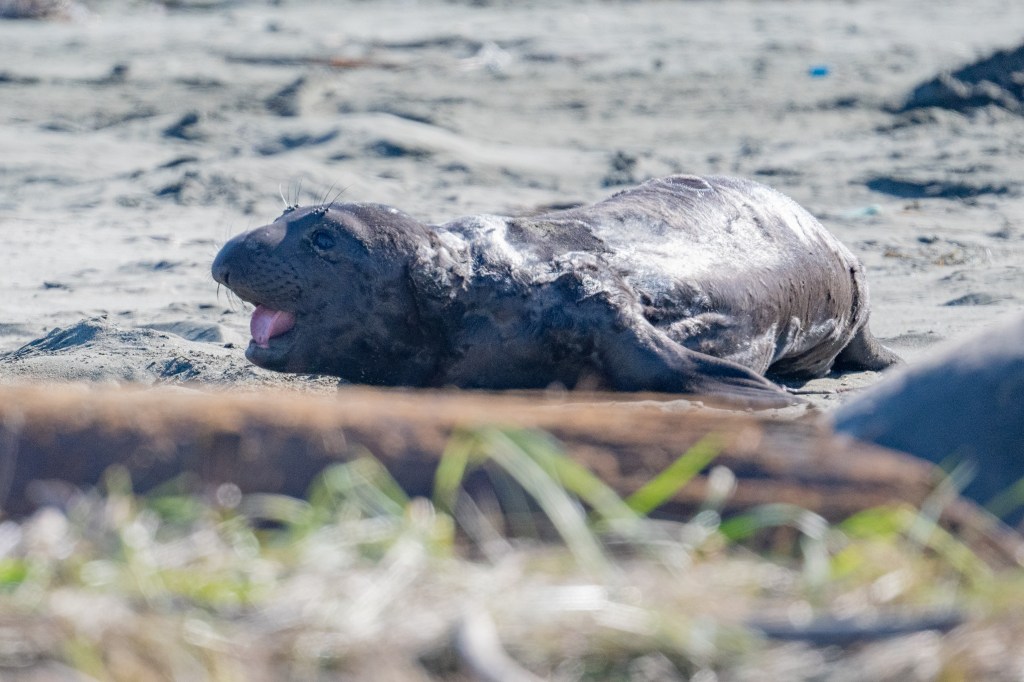
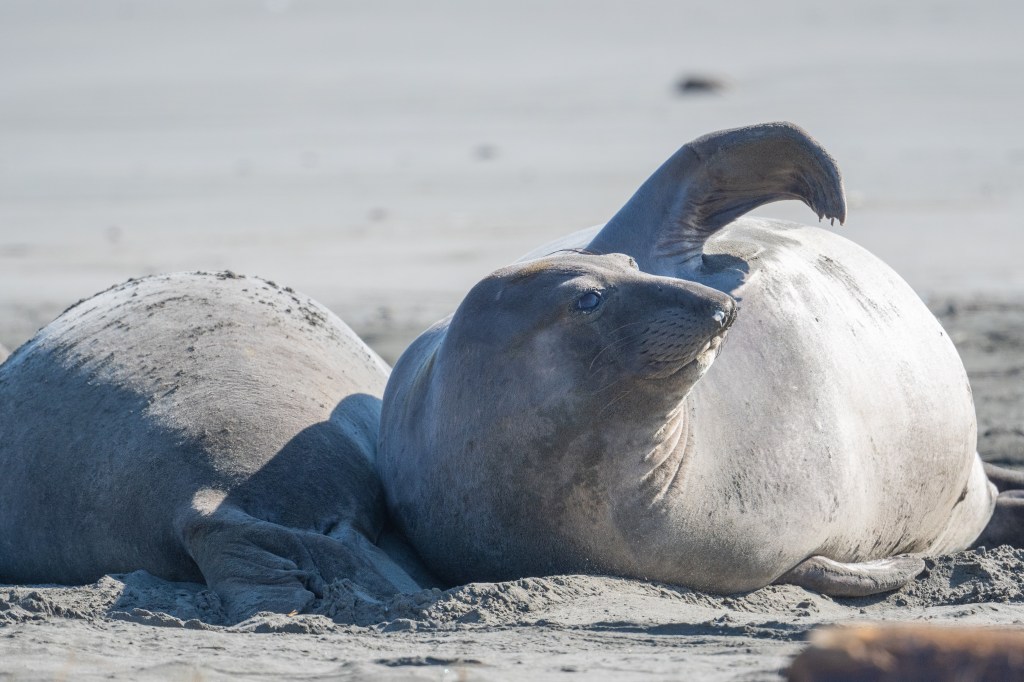
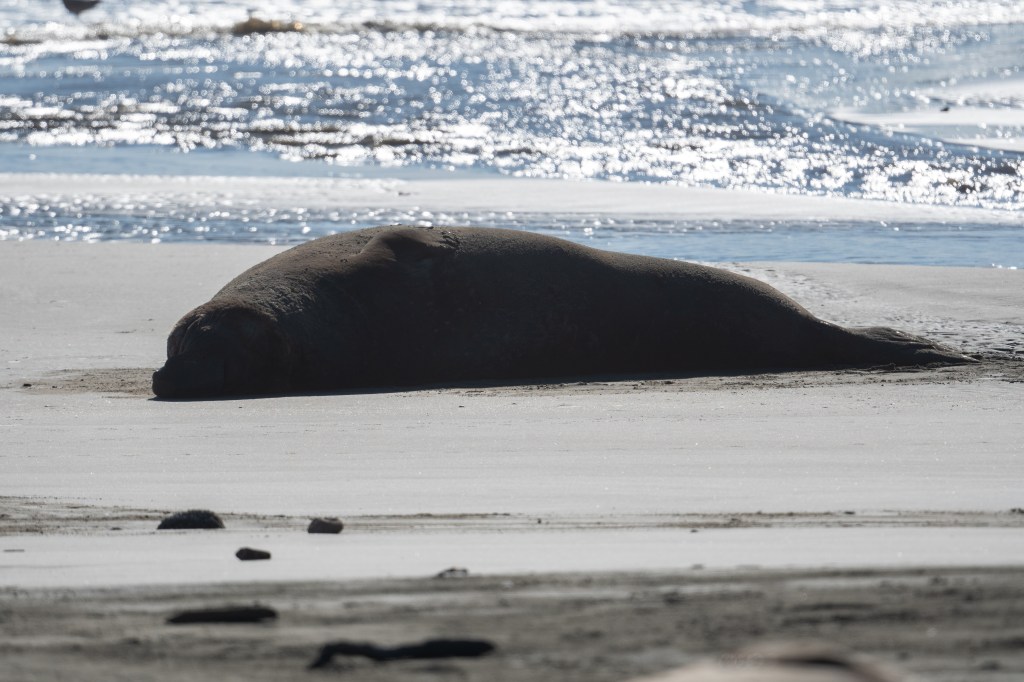
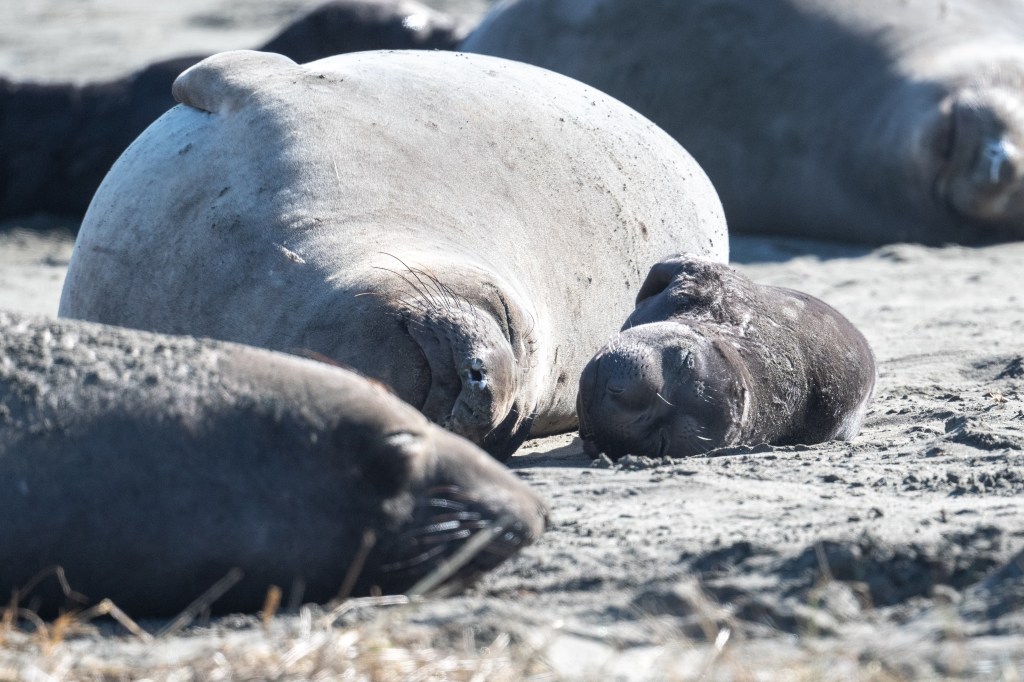
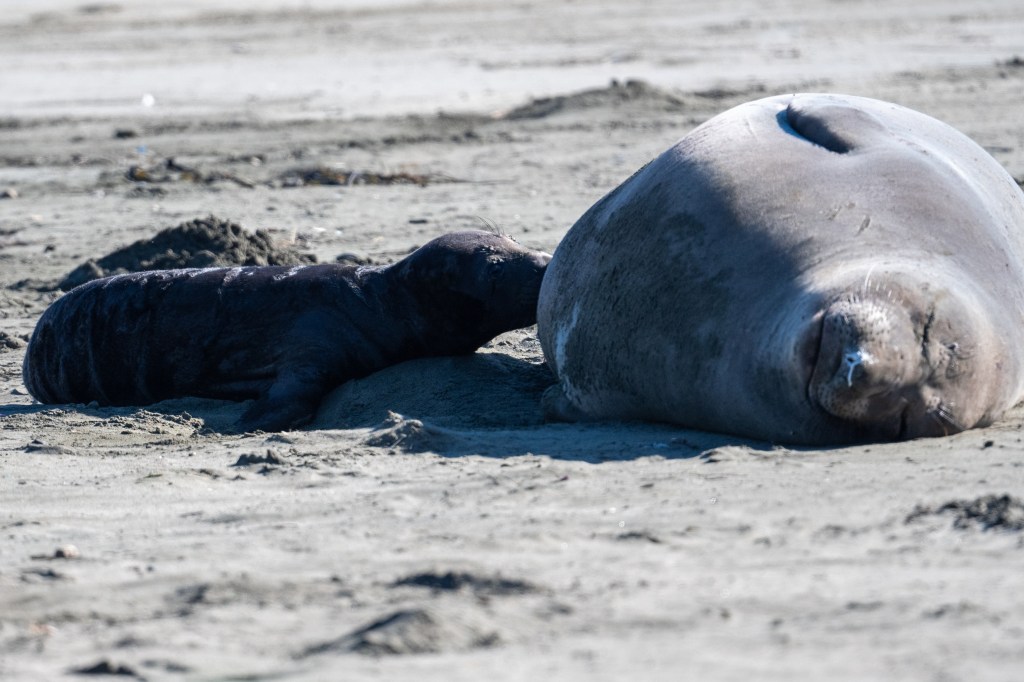
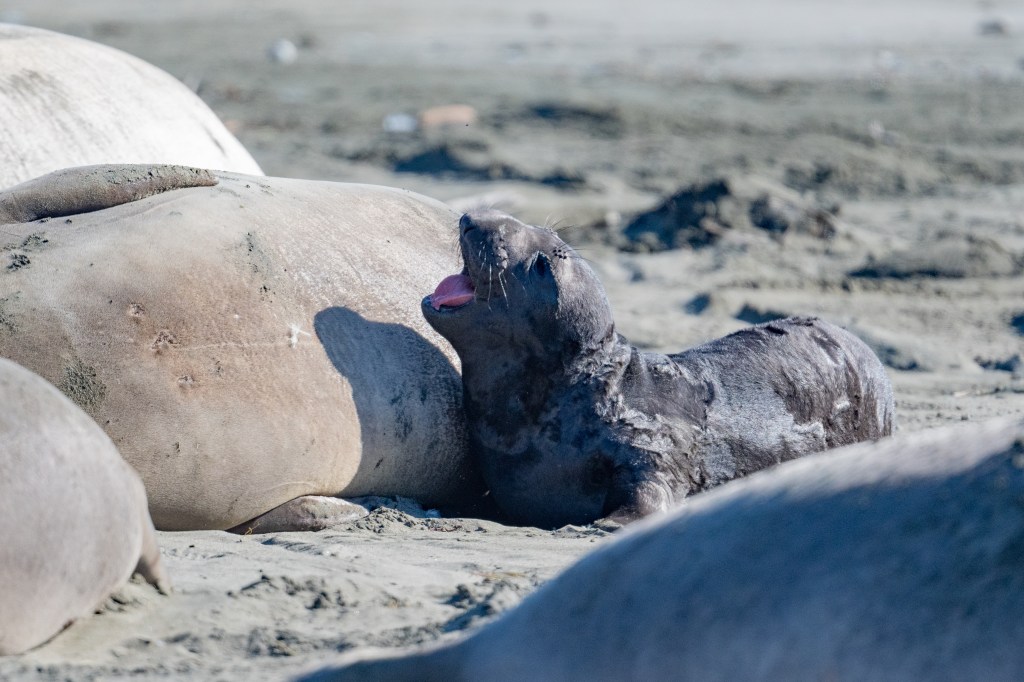
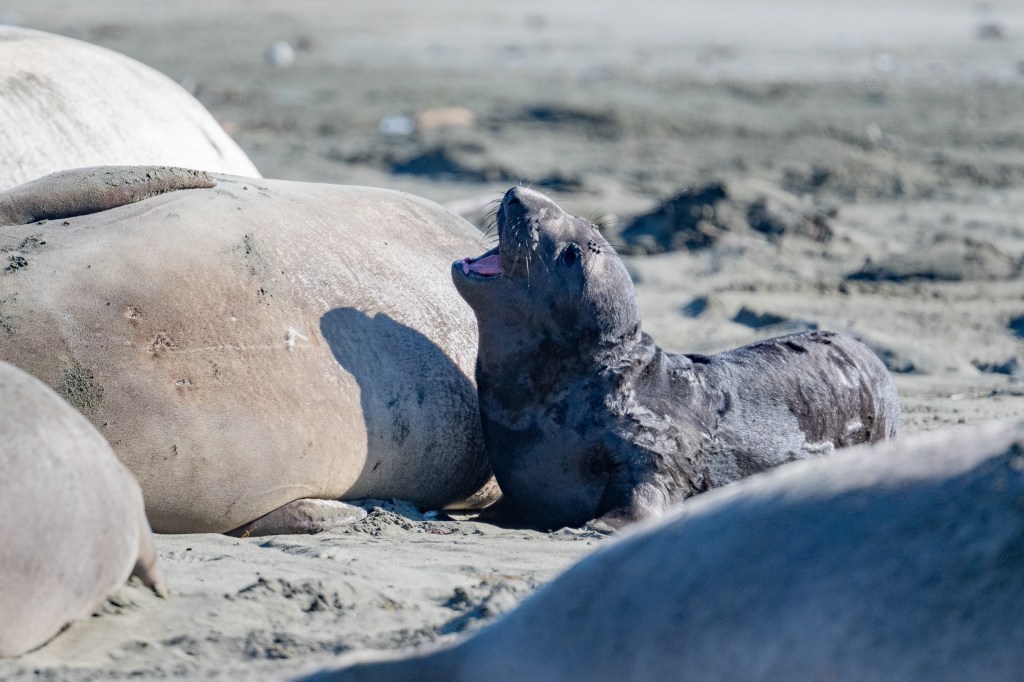
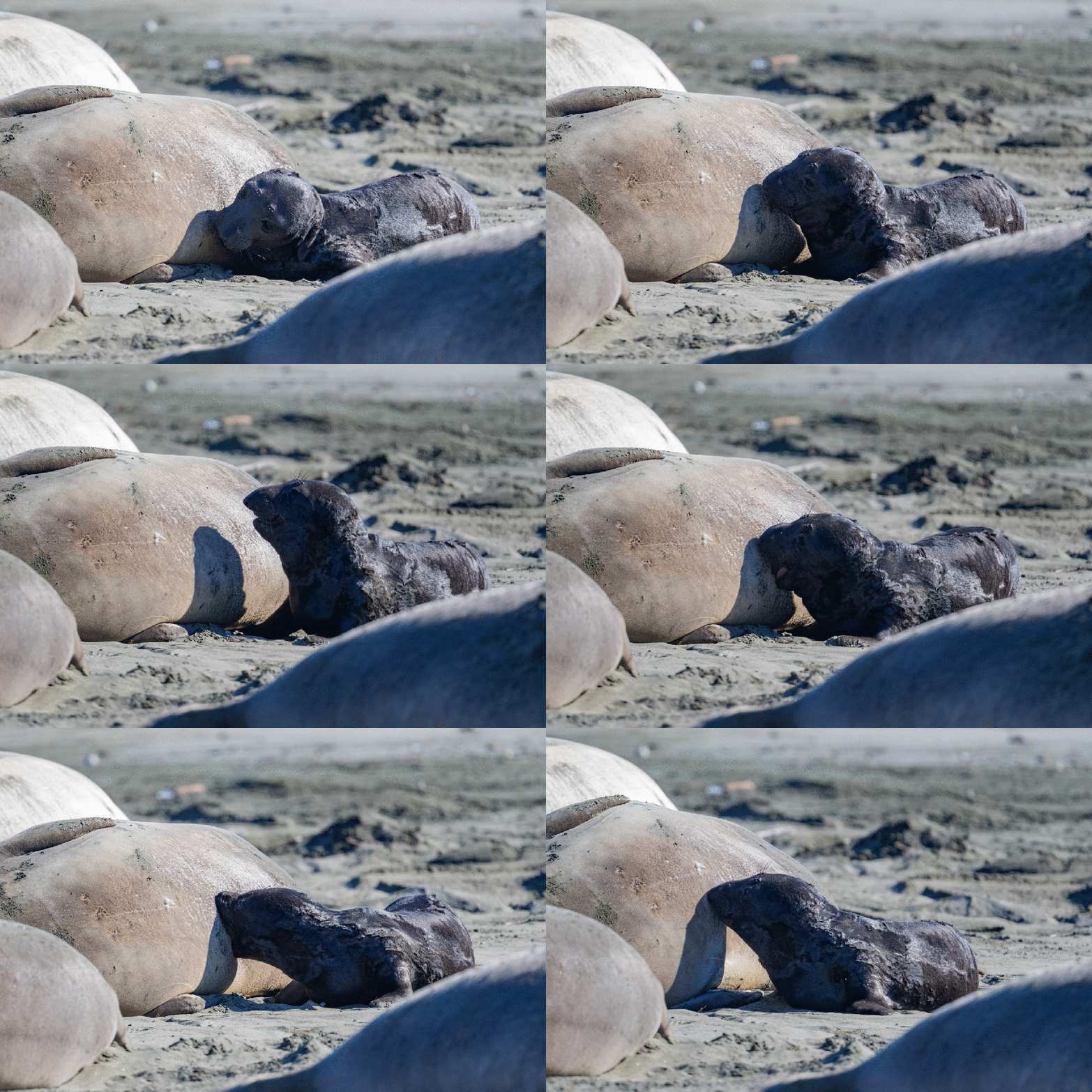
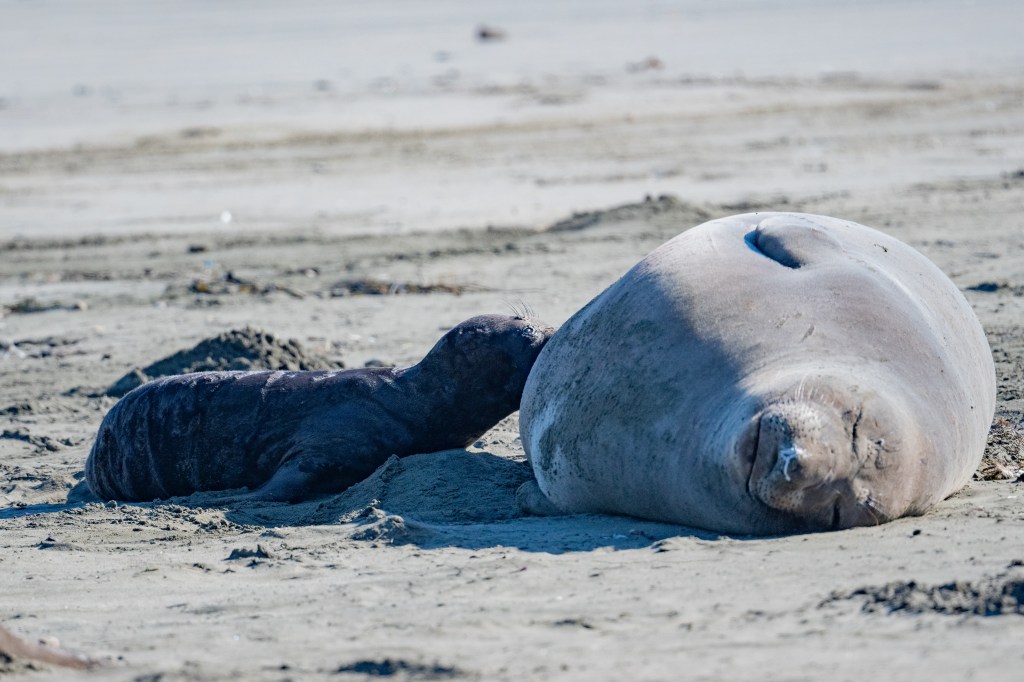
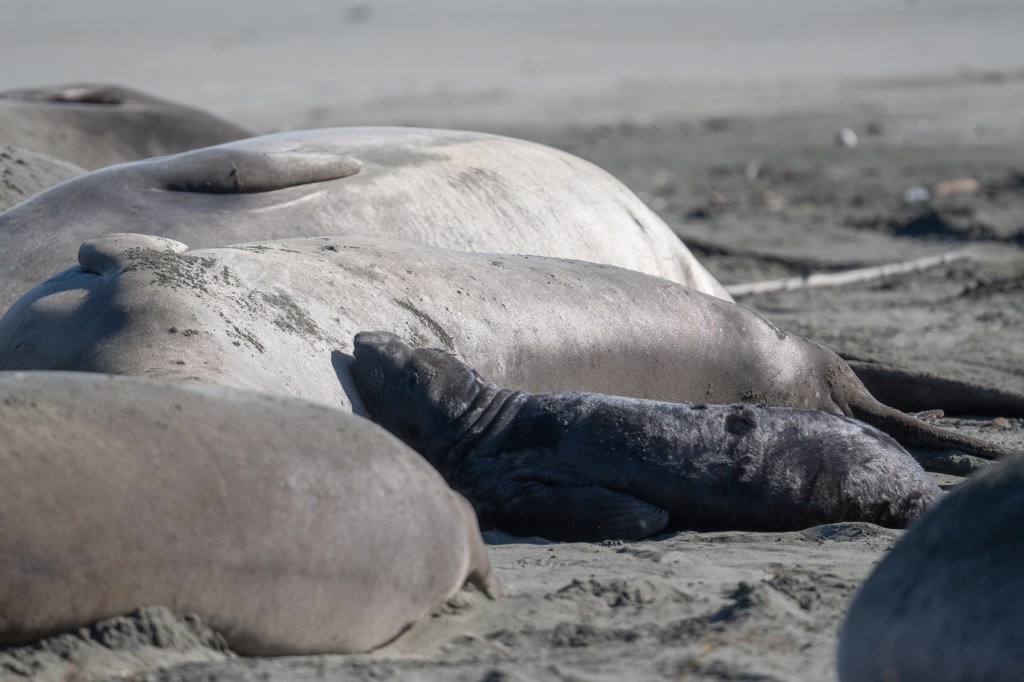
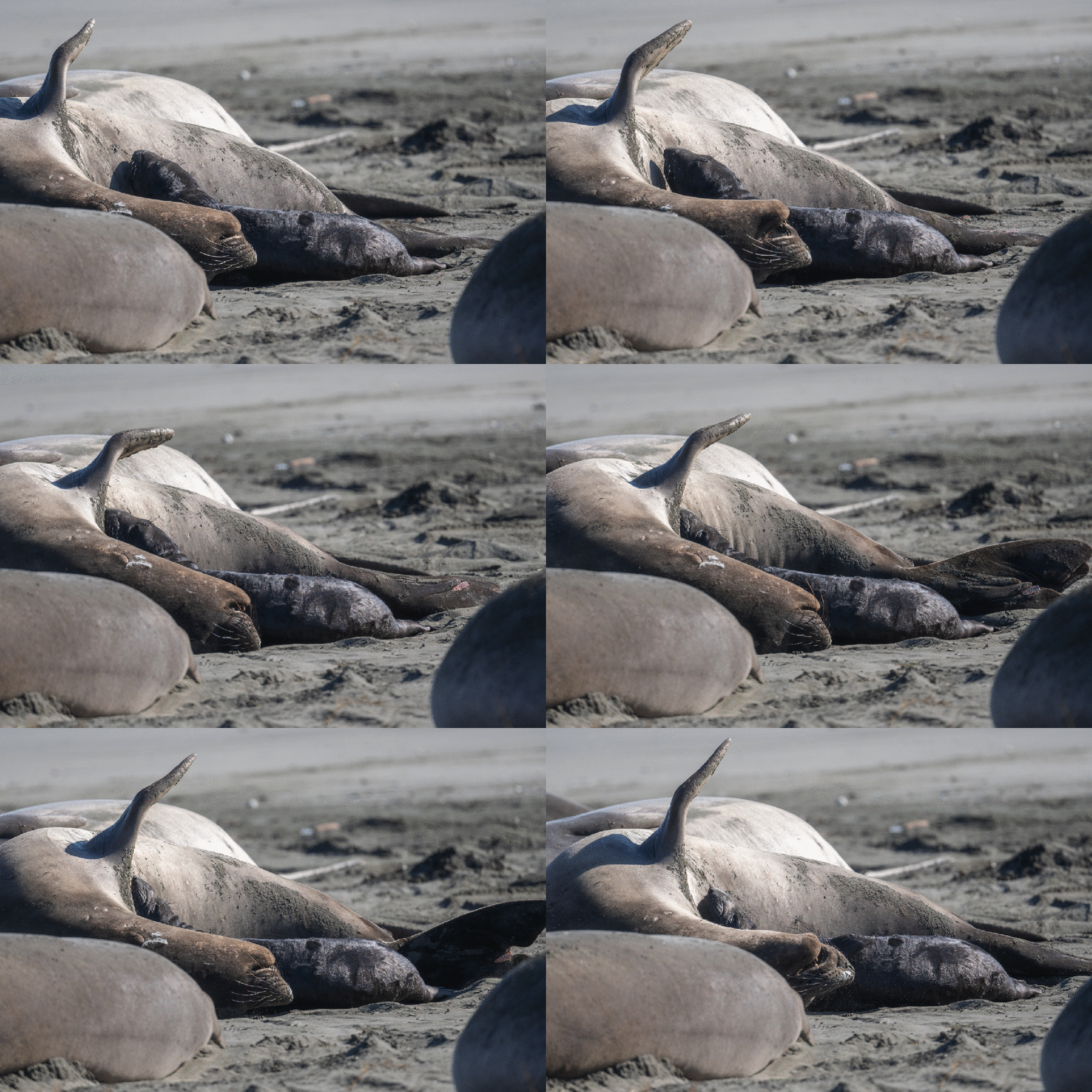
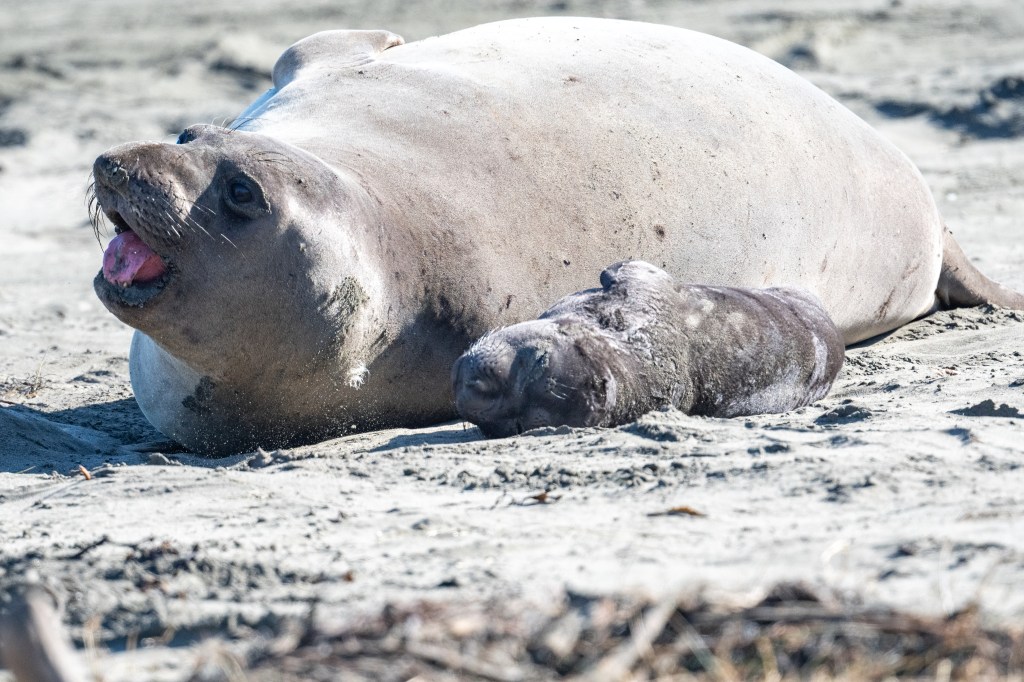
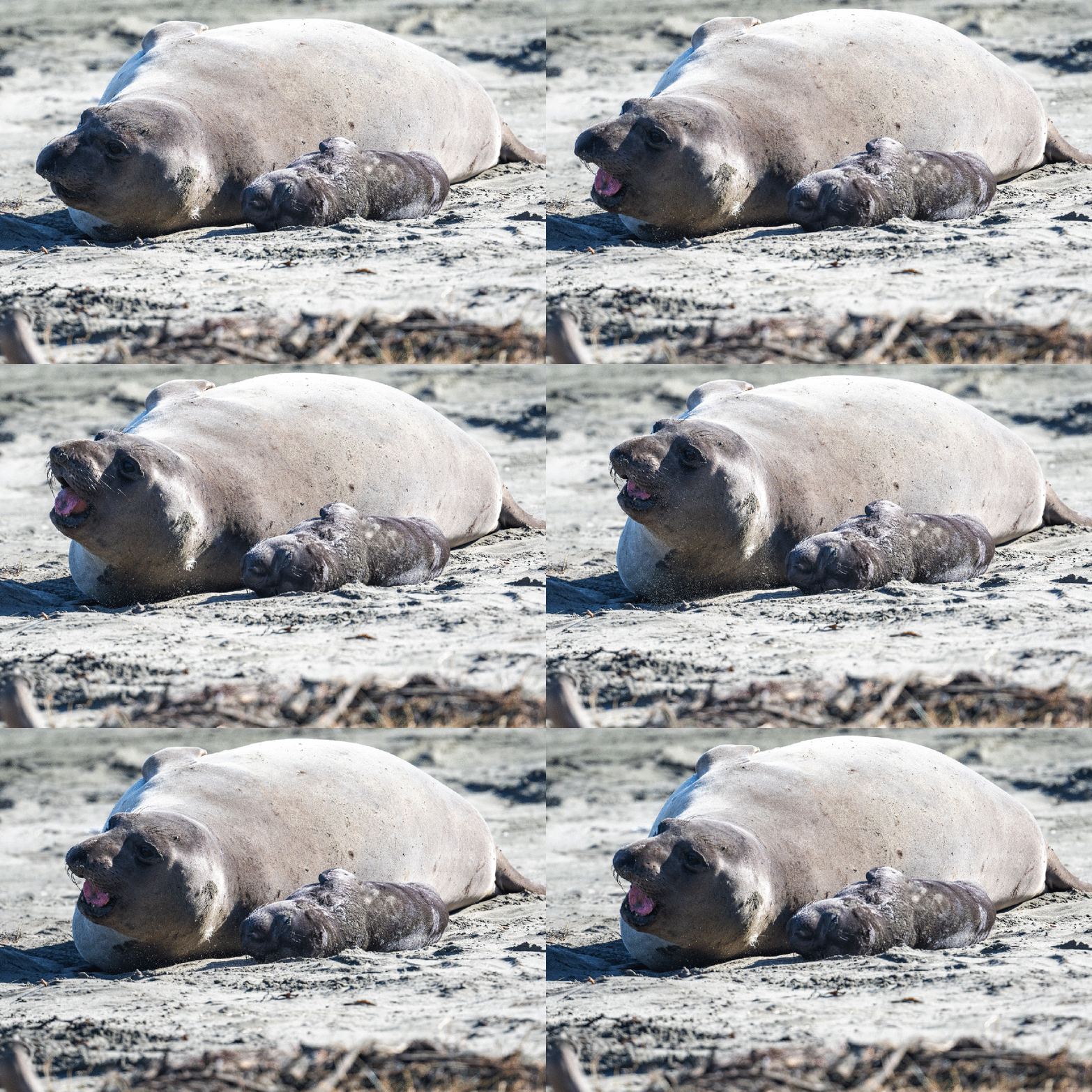
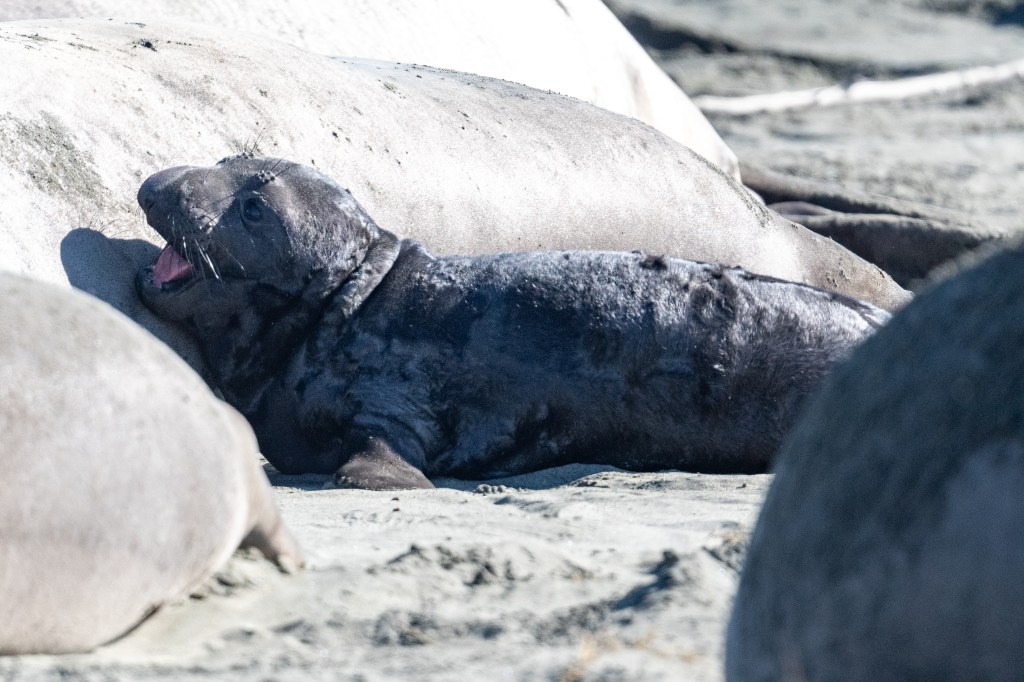
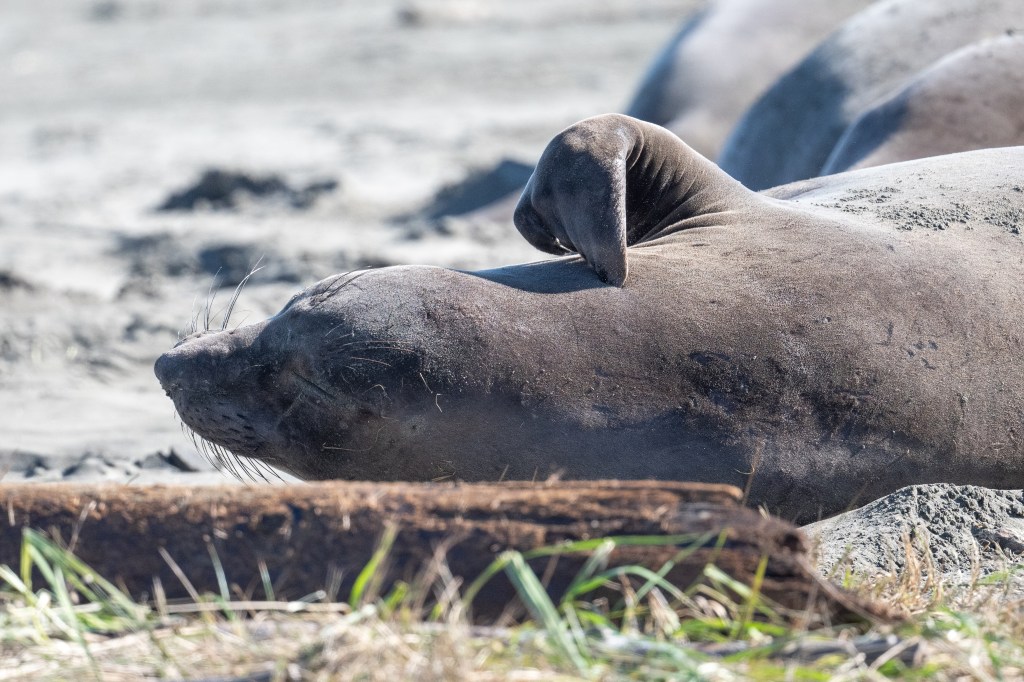
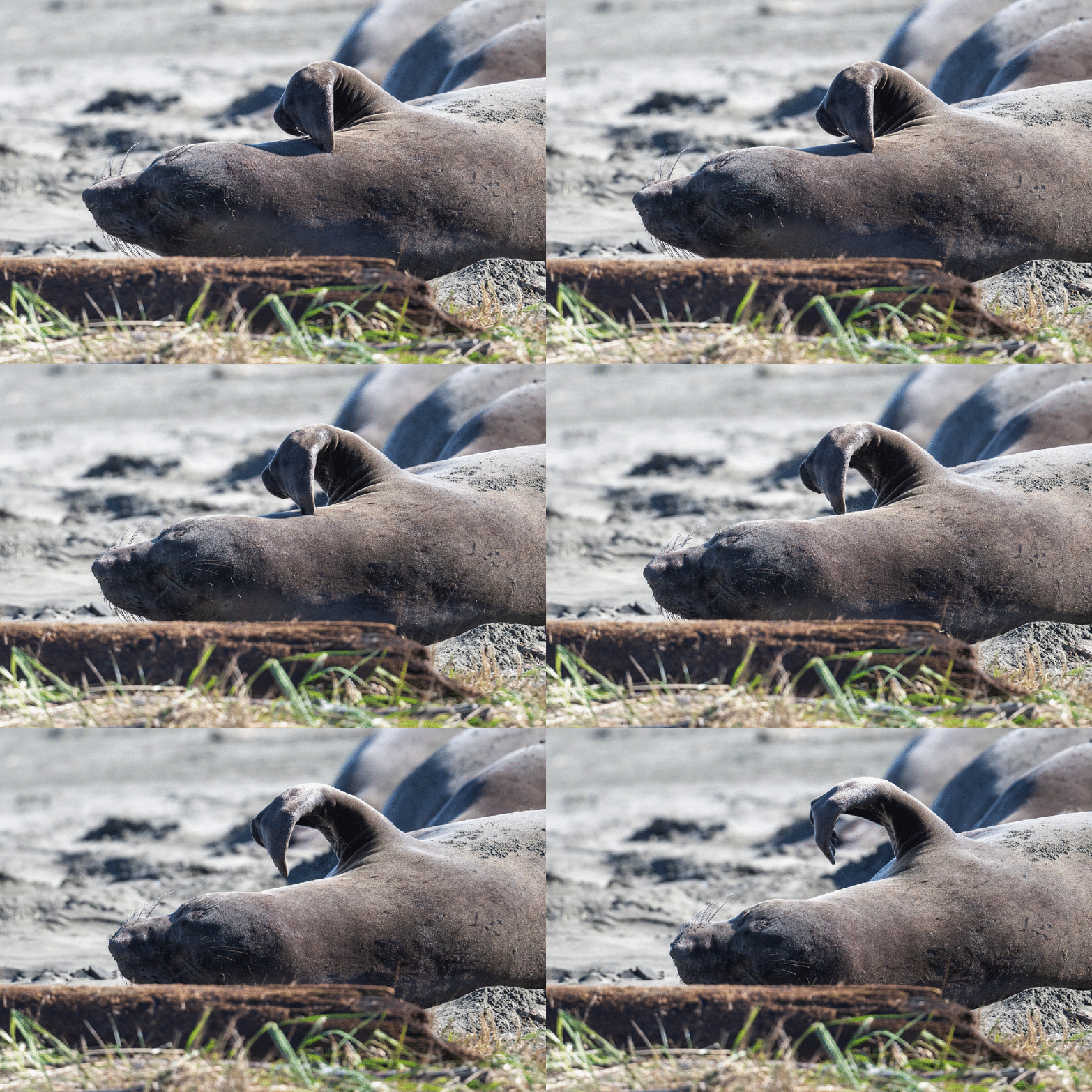
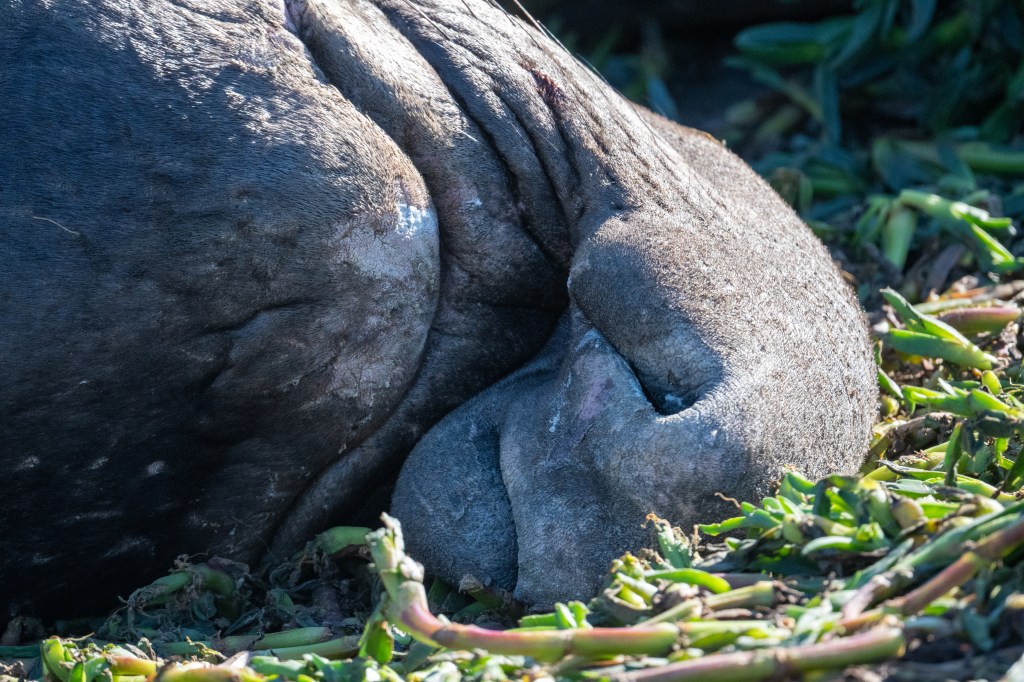
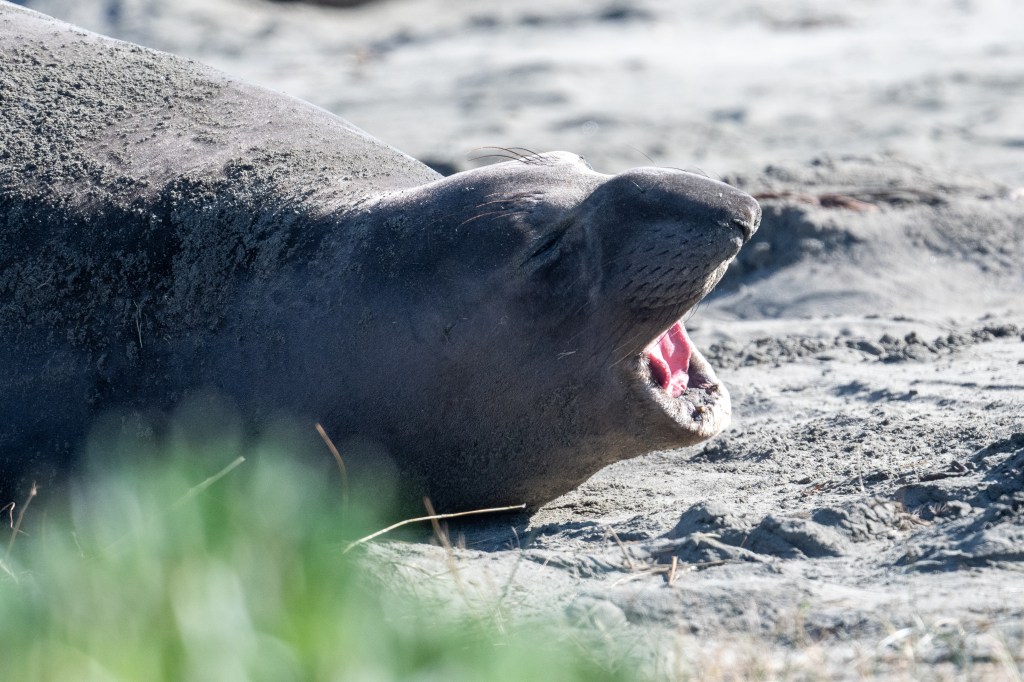
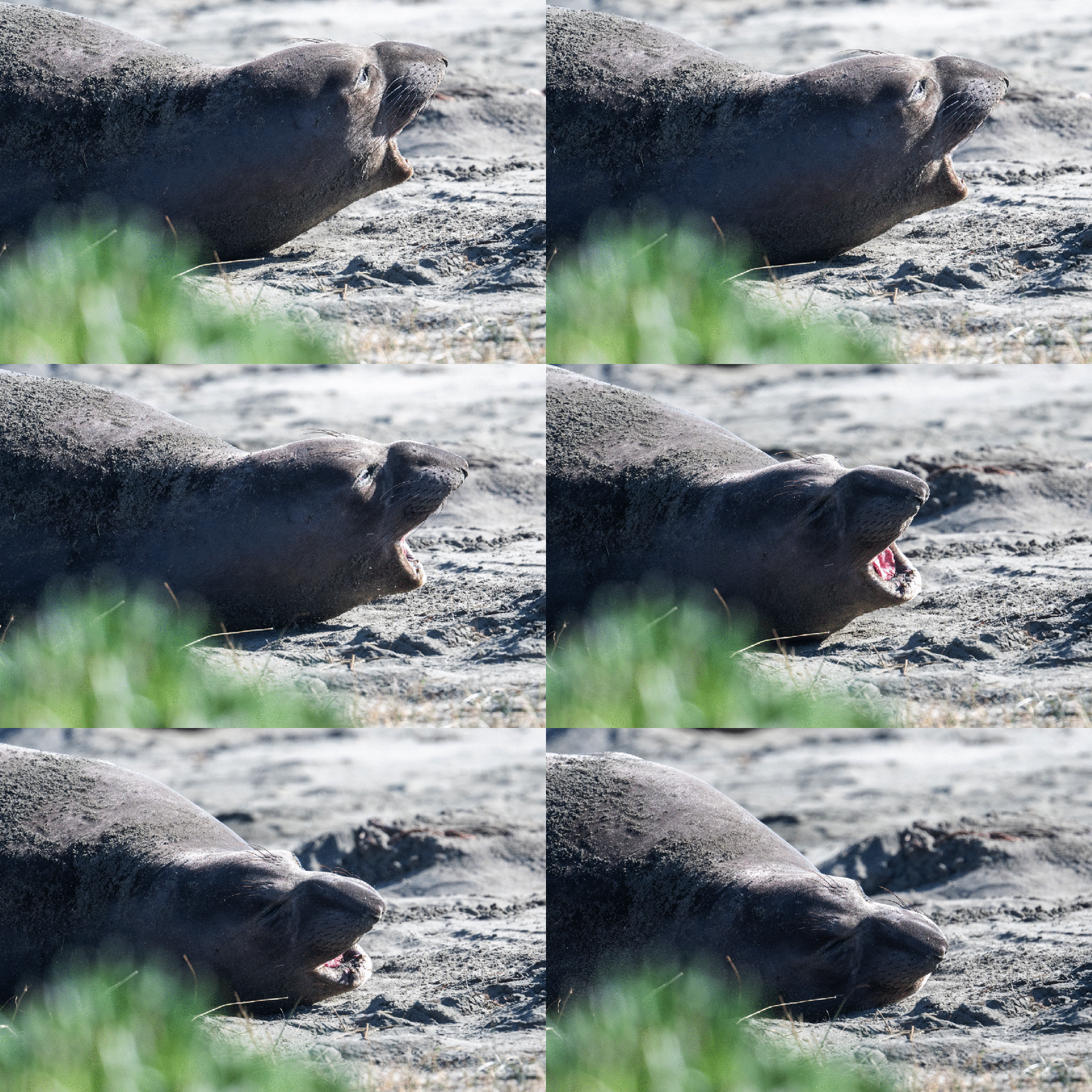
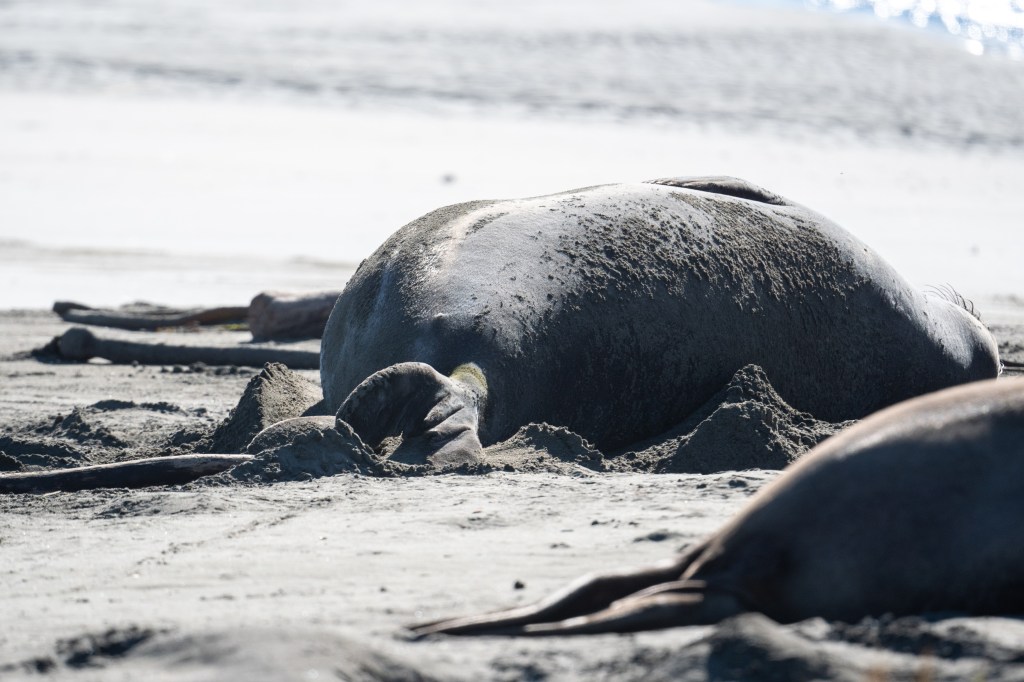
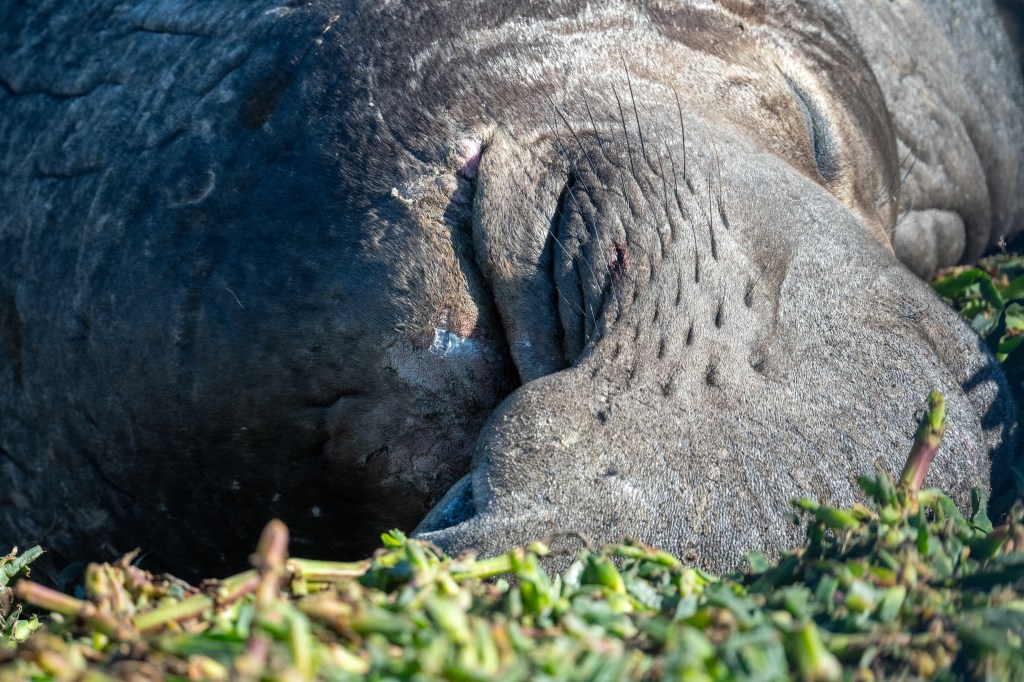
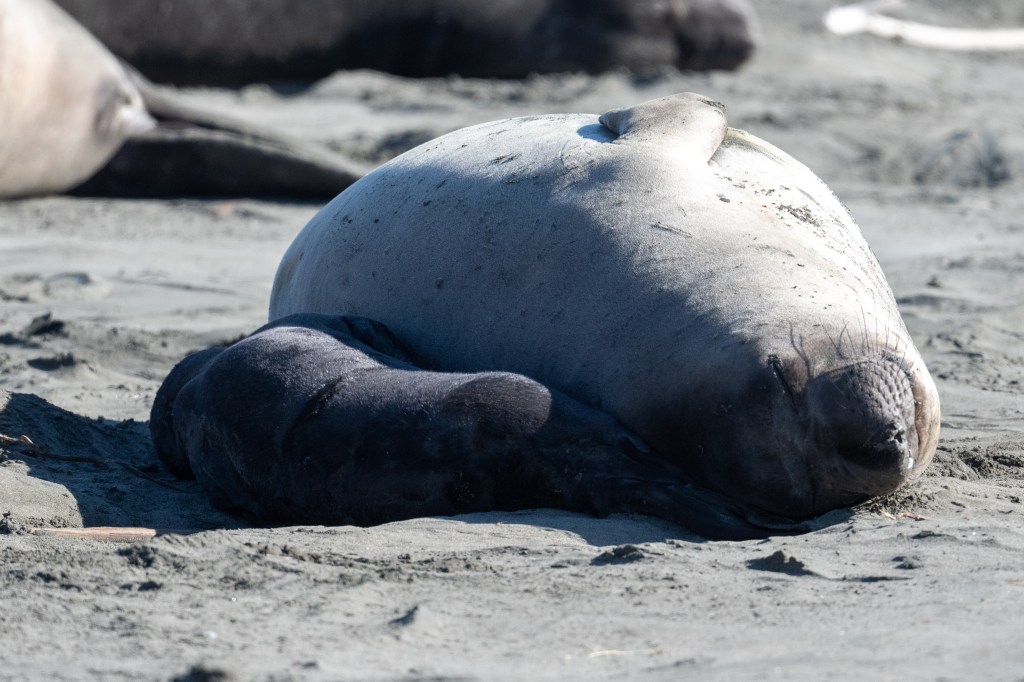
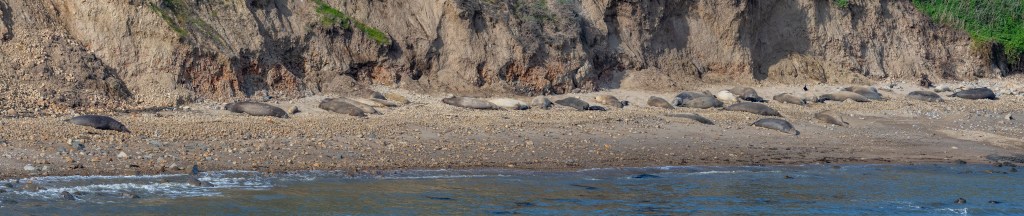
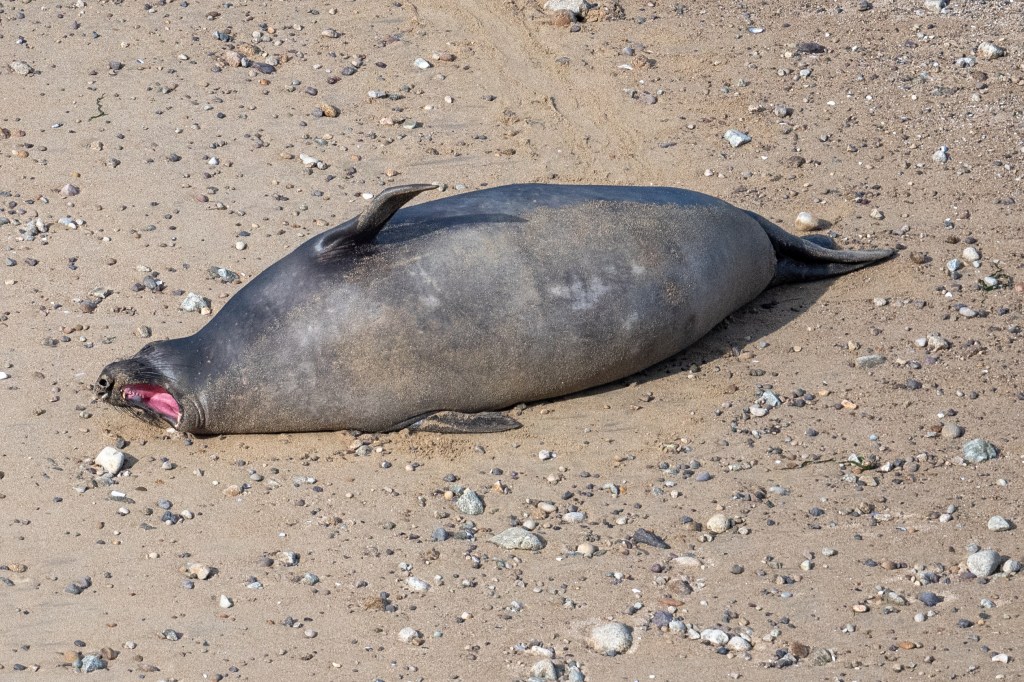
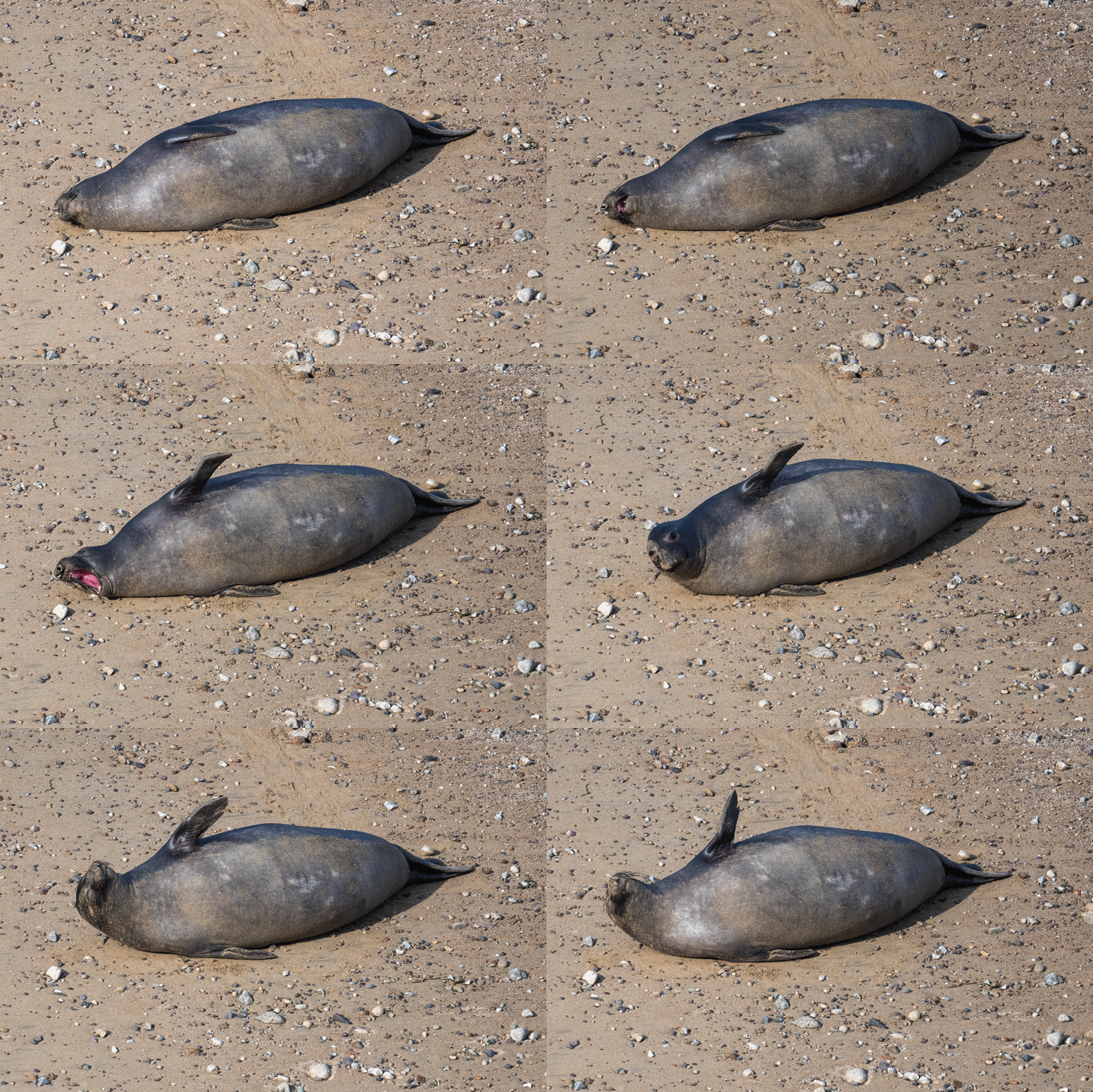
So I went to Pt. Reyes this past weekend. And among many things I got to see elephant seals for the first time in my life. They were mesmerizing. I took a lot of pics. Here are some, all from the Drake’s Beach area.
For some of the “Scenes” I made gifs from a series of pics to show some motion …
Compiling some posts of mine from a few years back where I dug into some of the ties between Jeffrey Epstein, Harvard, and some scientists. There have been lots of really good articles and posts about the sordid connections involving Epstein. I am compiling this simply because I spent a lot of time digging into the Internet Archive and Papers and Website of Epstein and others at the time and want to make a record of this information.
August 22, 2019
When, if ever, will @DrMANowak and @harvard do something about their unethical association with rapist Jeffrey Epstein – they took his money, propped up his reputation, and now? crickets – read more from @xeni about this: https://t.co/deoSQ7HbT2
Over the last few days, I have spent some time digging into the sordid connections between rapist / pedophile Jeffrey Epstein and various groups at @harvard e.g., https://t.co/UAwjqbhh6t
Two months ago the president of @harvard put out a self-serving statement about ties to #JeffreyEpstein promising all sorts of "reviews" of those connections – and since then – nothing – what a joke – clearly plan is to try to wash this away https://t.co/vatvjrJo7Mpic.twitter.com/5OZrj7ICe1
So I posted a week or so ago about how I wanted to learn how to ID white headed gulls this year. And I asked for suggestions / advice on how to learn and got some useful tips so I am sharing them here.
Here are some of the posts and responses I got:
Posted to BlueSky
OK I know this will be one of the craziest things I have ever posted, but in 2025 I have decided I really want to learn how to identify seagulls. Suggestions for best places to start learning would be welcome. #birds
I think out on the west coast of the US that’s a particularly tricky challenge! There’s an excellent new photographic guide for N. American gulls – press.princeton.edu/books/paperb…. Also @alvarosadventures.bsky.social is based out there and runs excellent gull ID workshops!
nice! for one, the best NA field guide ever was recently published here: http://www.amazon.com/Gull-Guide-N…As for process, pick the 1-3 most common species in your area and study them exhaustively, when something odd shows up, it will stick out.
OK I know this will be one of the craziest things I have ever posted, but in 2025 I have decicded I really want to learn how to identify seagulls. Suggestions for best places to start learning would be welcome. #birds
Best example of the sea gulls at Disney #birds I don’t advocate feeding them yet that is their behavior. They also deal with heavy fireworks daily and have resilient lungs https://t.co/FTnSMyOwI4
https://t.co/kEnDp4v6Ov has all the sea gulls. From a behavioral standpoint, go to Disney World in Florida or any beach. They will attack you for French fries 🤣
This came from a long ago collaboration in which I was involved with the lab of Craig Cary, who very sadly passed away recently. I got to know Craig from working with him (and Barbara Campbell and others) on a genome project in the late 2000s (see Adaptations to Submarine Hydrothermal Environments Exemplified by the Genome of Nautilia profundicola. PLoS Genet 5(2): e1000362). While we were working on that project, Craig and Ian McDonald contacted me about a proposal they were putting together to do some sequence based studies of microbes from Mt. Erebus in Antarctica. I became a collaborator on their project and their grant was funded in late 2008. Anyway – long long story. Eventually, Craig and others planned a trip to Erebus and alas I was unable to go but a post doc in my lab Morgan Langille was able to join them. And around that time Craig (Cary) hired Craig (Herbold) to work on the project. And the Craigs did multiple things but the part of the project in which I was to be involved did not happen immediately.
But then Craig Herbold moved to New Zealand in the beginning of 2024 and he and Craig Cary resurrected the project. And Craig H. and others (with a little bit of input from me here and there) wrote up the paper that I describe above.
Very sadly, in March Craig Cary passed away. For me, this paper is in his honor. Craig Cary was one of the people who really got me interested in broad studies of microbial diversity from all environments.
I recently gave a talk where I combined what are normally two distinct topics – the Evolution of DNA Sequencing, and the use of Sequencing to Study Microbial Diversity.
So I have a talk last night as part of thr introduction to the Lake Arrowhead Microbial Genomics 2024 meeting (aka #LAMG2024). It was kind of a comedic rendition of the history of the meeting with some comments on this years meeting.
Was at the end of a bike ride to work yesterday and was biking by the UC Davis Vet School when I heard a screeching bird. I was not sure what it was but I knew I had heard something like it before and also that it was not common.
So (1) got off my bike (2) got out my iPhone (3) opened the Merlin App and (4) starting the “Start New Recording” option and very quickly it IDd the bird as a Cooper’s hawk.
So then I got out my camera (I had brought a relatively new travel camera – a Nikon CoolPix) with me on my ride and had been taking pics along the way but put it in my backpack when I got near the Vet School – assuming incoorectly I would not want to take any more pics now that I was close to my office).
And I tried to figure out where the call was coming from. It took a bit but I found the bird and first made a video with my phoen and then took some pics. They are below.
So I got up really early on July 12th to get out and go to Yolo Bypass to go for a hike before it got too hot. The weather prediction was for it to get to above 110 °F so I really wanted to get out early. And I was really looking forward to see what creatures were out early in the AM
I left my house jsut before 6 and the sun had already risen but was quite orange still.
Possibly A Blue Grosbeak Seen on the Way to Yolo Bypass
And then when I got there, alas, the gate was closed, even though it is supposed to be opened at sunrise.
Gate at Yolo Bypass Closed
There was also a woman there in her car waiting to get in. We chatted a bit. She was an artist, from Canada, and was hoping to get in early because the lighting would be nice. She told me about her dogs (that were not with her) and her family. We say a few interesting critters from the levee road outside the gate including a mink. I did not get a picture of the mink alas. But I did get a pic of a hawk.
We saw some pickup trucks driving by that we hoped would be someone to open the gate but after 20 or so minutes I decided I wanted to go SOMEWHERE to go for a hike and was not going to wait for the key person. So I headed off to the Davis Wetlands. Not as much shade there and not really where I wanted to go. But I felt like it was the next best option.
On the drive in to the Wetlands I saw an otter family cross the road (no pics of them). But it seemed to be a good omen. I parked, got my stuff together and headed out for a walk. It was not about 7 AM. And it was already getting pretty warm. And lo and behold, just five minutes into the walk I got a nice sighting of a muskrat, swimming towards me.
And got a little video
And then continued on my walk and got to see some nice birds and got a few good pics of some including these:
My apple watch kept getting annoyed when I stopped to look at birds.
I took a few selfies too …
And on the way back I stopped by the spot where I had seen the muskrat and before I could get my camera ready I startled a beaver (no pics alas). And a few minutes later the muskrat came out.
And then I was off to my car to head home. But on the way out of the wetlands I also saw some deer.
Overall I would say that this was a pretty nice outing. More mammals than I was used to seeing in a day. Mink, otter, muskrat, beaver, and deer. Cool.
And then I headed home. But this was not the end of the story. Because just around sunset my wife said our daugther was a bit bored and had not gotten out all day and I asked if I might be able to take her out to do a quick shopping run. I said sure, espeically since I knew that my daughter was likely willing to do a little drive to look for wildlife afterwards. So we headed out, made a stop to do some quick shopping, and then I asked my daughter if she wanted to drive by the entrance of Yolo Bypass to see if we could catch the bats coming up form under the causeway. See a post I wrote about these bats from 2014 here: https://phylogenomics.me/2014/07/26/bat-tour-at-yolo-basin-wetlands/.
So we headed over to Yolo Bypass, with some trpidation because of the earlier locked gate. But now the gate was not locked although it was likely to be locked shortly since they close up at sunset. And it was just getting to be sunset. So we parked on the little levee road where I had parked in the morning, got out, and lo and behold got to see the bats flying out from the causeway. I made a short video and then my phone battery died so alas I did not make others. Here is that video. My phone makes it look lighter than it was out — it was actually quite dark.
And then when we had enough of the bats we decided to do a little drive around rural areas to see if we could see any wildlife. We do this often, although never before had we done this after sunset. And we did what we always do on drives. We guess what mammal species we might see. I chose opoosum. She chose coyote. And then changed her mind thinking that was too unlikely so she chose skunk. We drove around slowly on some rural roads and saw a lot of bunnies but no other mammals (we see so many bunnies and their relatives around here that we no longer allow them as one of the guesses).
And then on a rural road between Davis and Woodland we hit the jackpot. Juveniles coyotes. OMG. OMG. OMG.. They were so cutre. Got some videos and a few pics (with my cell phone – my real camera does not do well in low light). Actually fumbled quite a bit and missed a lot of the scene but at least caputred some of it. Here are some pics and videos.
We were SO excited about this. Just amazing to see these juvenile coyotes. And even though my daughter had originally picked coyote but then changed her pick to skunk, we both agreed she deserved credit for the original pick. And though we wanted to stay and see if the coyotes came back, we decided to head back home. And then a few minutes later we struck gold.
A mother and juvenile fox. I have never seen a fox around here. And these two were not exceptionally shy so we got good looks.
Made a few movies – the juvenile headed into the brush.
After the juvenile headed into the shrubs the adult stayed around and just sat there. So amazing.
What a day. It went from a possible disaster with Yolo Bypass being closed to a day where I saw a slew of mammals – a mink, two otters, a muskrat, a beaver, two deer, many bats, two juvenile coyotes and a juvenile and adult fox. Just amazing. And my daughter was beyond thrillled.
Post-Doc Position available in Ecology of Emerging Infectious Disease
The Epicenter for Disease Dynamics at the One Health Institute in the School of Veterinary Medicine at UC Davis is seeking a post-doctoral researcher interested in the impacts of environmental change on the epidemiology, ecology and evolution of zoonotic diseases. Activities will focus on a new National Science Foundation Ecology and Evolution of Infectious Diseases project “Impacts of Rapid Landscape Change and Biodiversity on Virus Host Specificity”.
Primary responsibilities relate to both theoretical and data-informed modeling of virus evolution and transmission across landscape changes in Southeast Asia. This is a 3-year post-doctoral position, expected to begin January 2022 based at UC Davis with opportunities for collaboration and co-mentorship across the PIs on this project including Christine Kreuder Johnson (UCD), Tierra Smiley Evans (UCD), Lark Coffey (UCD), Michael Boots (UC Berkeley), and Rebekah Kading (CSU).
Project Overview:
This study investigates the impacts of deforestation, landscape change, and biodiversity on virus characteristics that determine zoonotic potential, including virus “host plasticity”, which is the diversity of host species a virus can infect in nature. Findings from this research will contribute to ecological theory on the impact of environmental changes on microbial adaptation, with practical implications for management of ecosystems at high risk for pathogen spillover. Investigations will evaluate host range of bat-borne coronaviruses and mosquito- borne arboviruses (flaviviruses, alphaviruses and bunyaviruses) in the biodiverse tropical forests of Southeast Asia. Activities will include theoretical and computational modeling, underpinned by field investigations and in vitro experiments, to develop data and model driven insights into the role that mosquito vectors play in constraining or expanding virus host plasticity and genetic diversity. Characterization of bat-borne coronaviruses and host affinities in an ecosystem with SARS-CoV-related viruses will further inform on coronavirus evolution and emergence of zoonotic potential. This position will conduct research in a team science setting that is especially relevant to development of an evidence-base on the relationship between environmental change, biodiversity, disease outbreaks, and pandemics to underpin public policy.
65% SCIENTIFIC RESEARCH
Contribute to designing field studies to investigate virus host plasticity, evolution and transmission across forest gradients in Southeast Asia;
Develop methods and analyses to evaluate surveillance strategies to detect zoonotic pathogens at high-risk interfaces for disease emergence;
Analyze metadata on emerging zoonotic diseases, high-risk human-animal contact, and ecological risk and conduct data analyses needed to train models for emerging disease prediction;
Develop advanced analytical techniques and associated programming capabilities for infectious disease modeling, predictive frameworks, and social network analyses;
Conduct independent research and produce high quality scientific manuscripts related to biosurveillance and the ecology of emerging infectious disease.
35% PROJECT IMPLEMENTATION
Provide disease expertise, technical support, data analyses, and data-sharing tools for zoonotic disease prediction and biosurveillance projects;
Provide epidemiologic expertise to field staff in other countries on study design, data collection, data management, data analysis and interpretation, and publication preparation;
Contribute to regular summaries of surveillance data, assist in development of data collection and data management tools; and ensure open communication and coordination with international partners in project implementation;
Travel to international field sites to work with field staff, participate in field activities, and attend scientific meetings as needed.
Skills needed:
Background in infectious disease epidemiology or disease ecology and strong quantitative skills in biostatistics, epidemiology, and mathematical modeling with knowledge of animal health and wildlife disease. Experience with statistical software including R and STATA, as well as ability to write code for programming, including Python. Experience conducting independent, applied scientific research on infectious diseases with a promising publication track record.
Education:
PhD in biology, ecology, epidemiology, or related life-science (required)
Application:
Please email cover letter and CV by September 30th to:
Tierra Smiley Evans, DVM, PhD and Christine Kreuder Johnson, VMD, PhD EpiCenter for Disease Dynamics | One Health Institute
School of Veterinary Medicine
University of California
Davis, CA 95616
530-752-1238







 Jonathan Eisen's Lab