ASUCD (Associated Students, #UCDavis) Excellence in Education Awards

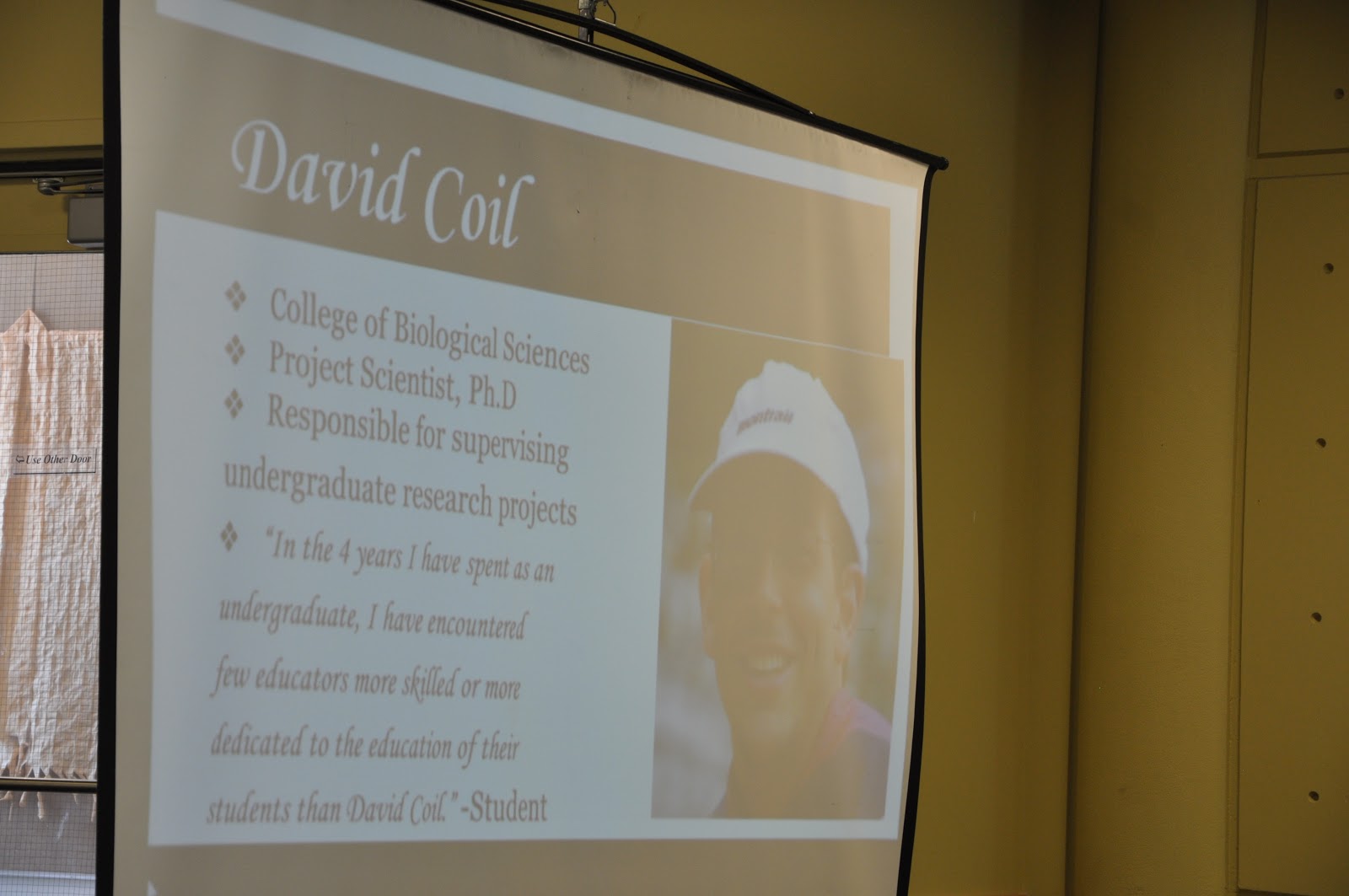
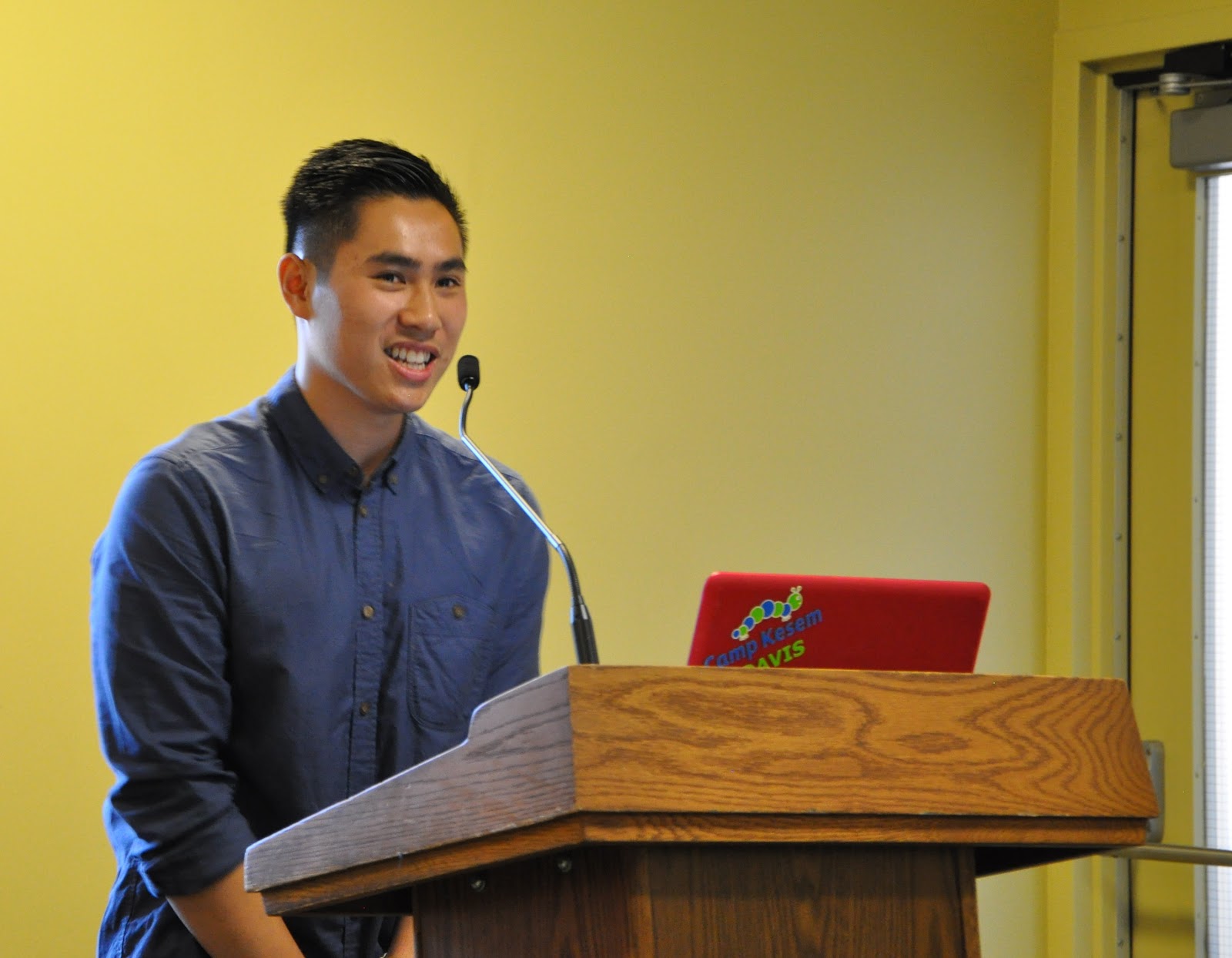
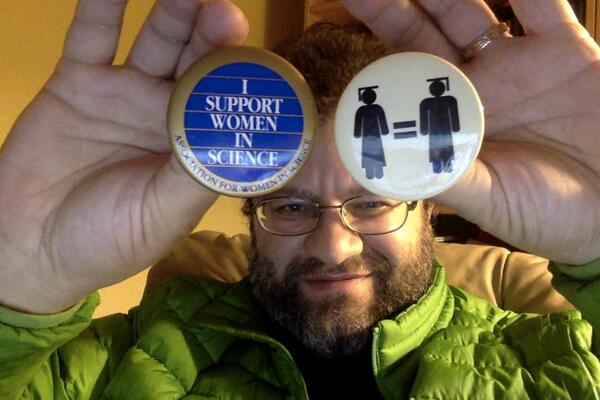
Very proud of this.  I was a finalist in the “Excellence in Education” awards given out by the UC Davis Undergraduate group ASUCD Associated Students, University of California, Davis. And David Coil, Project Scientist in my lba was another finalist. The award for my college (College of Biological Sciences) went to Jay Rosenheim, who is a great teacher, so no shame in losing to him.

//platform.twitter.com/widgets.js

//platform.twitter.com/widgets.js

//platform.twitter.com/widgets.js
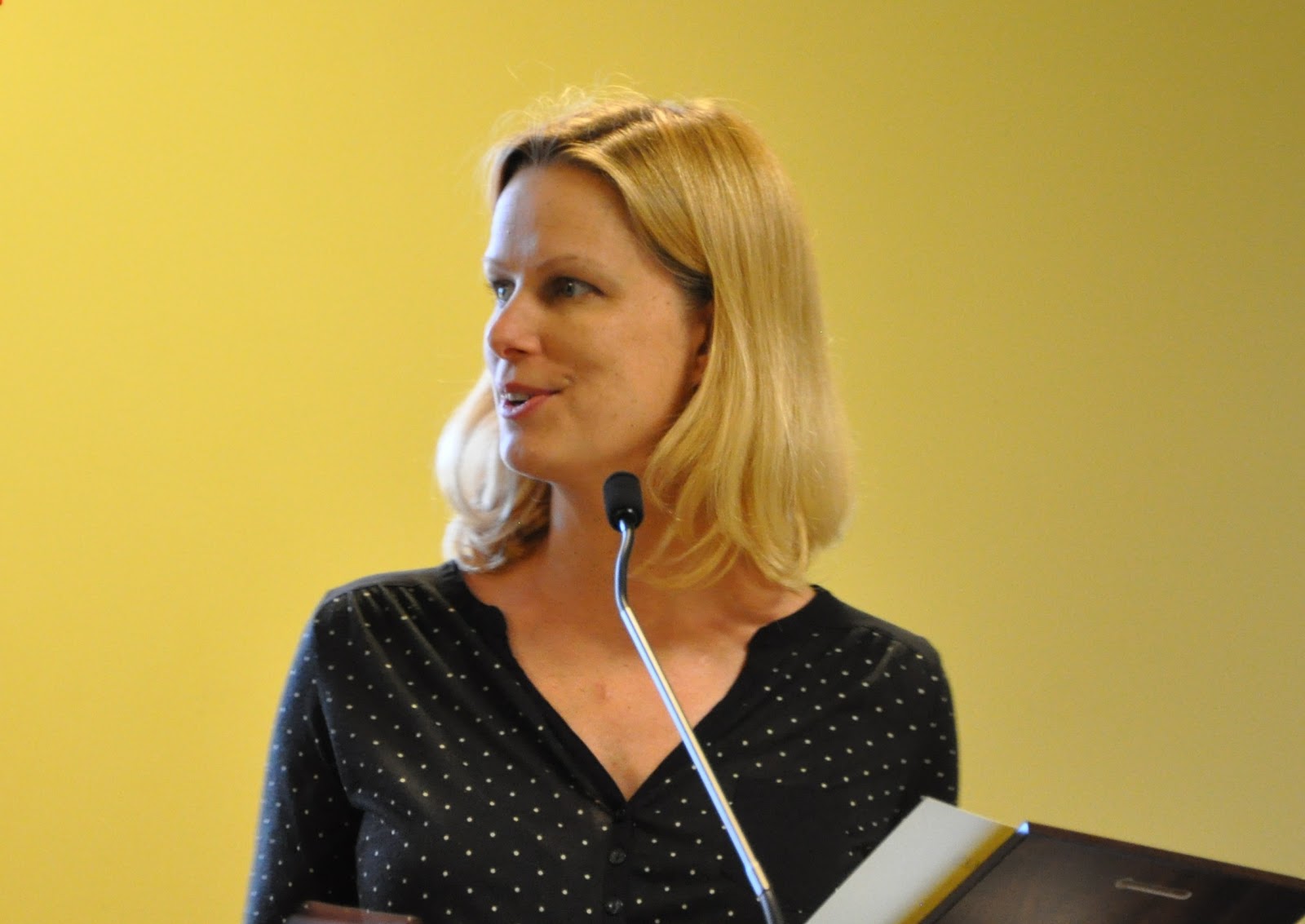
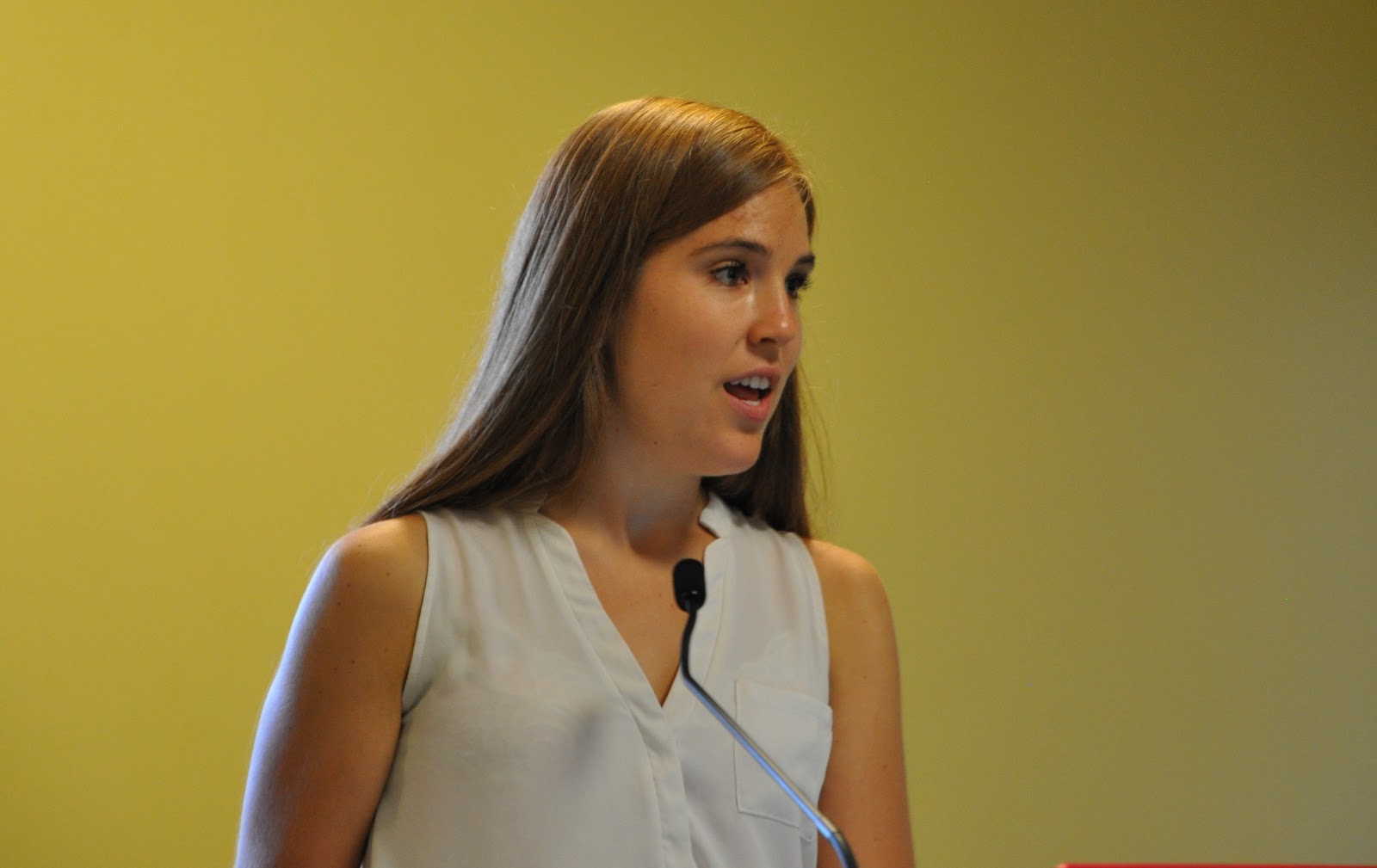
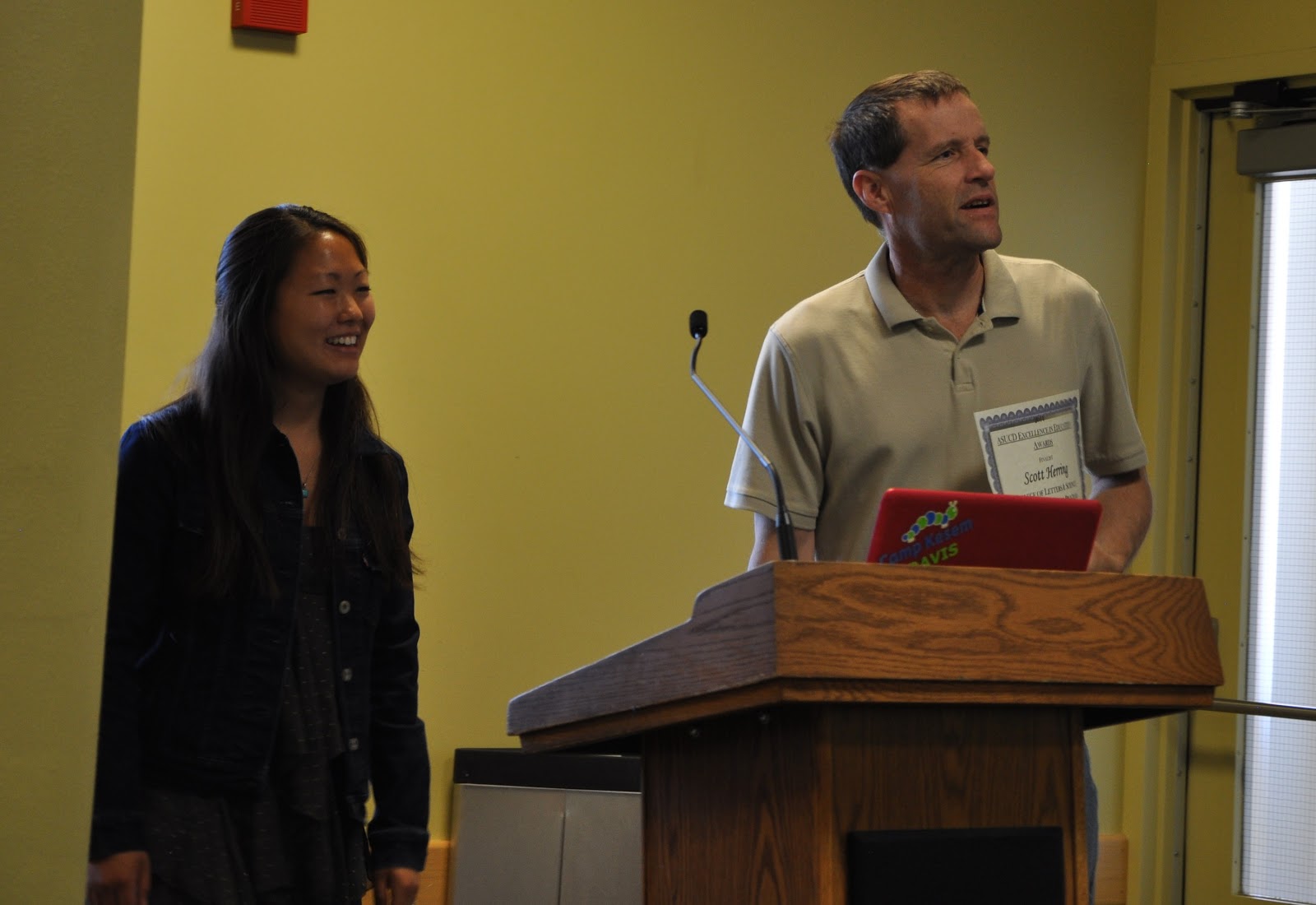
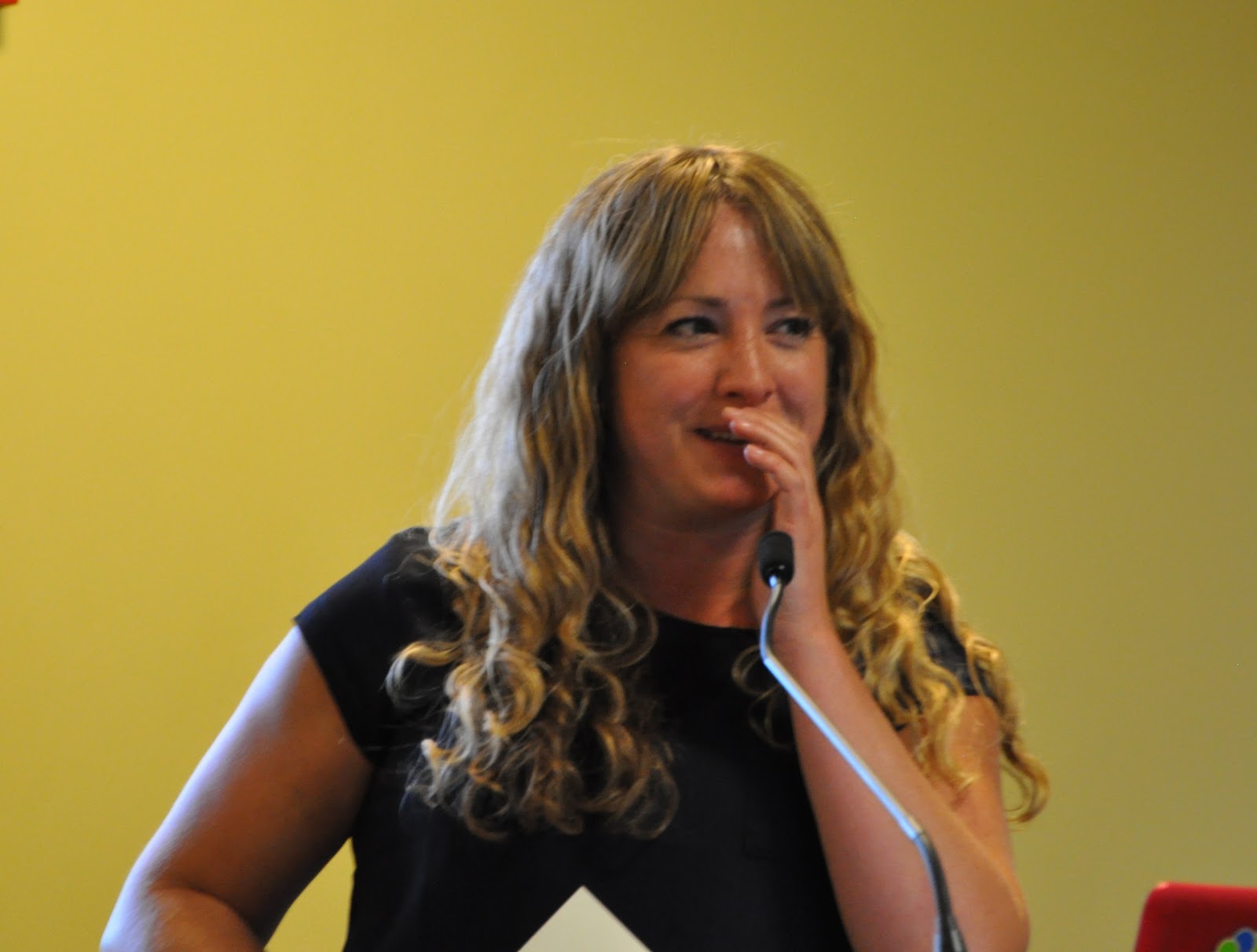
 Anyway – here are some pics.

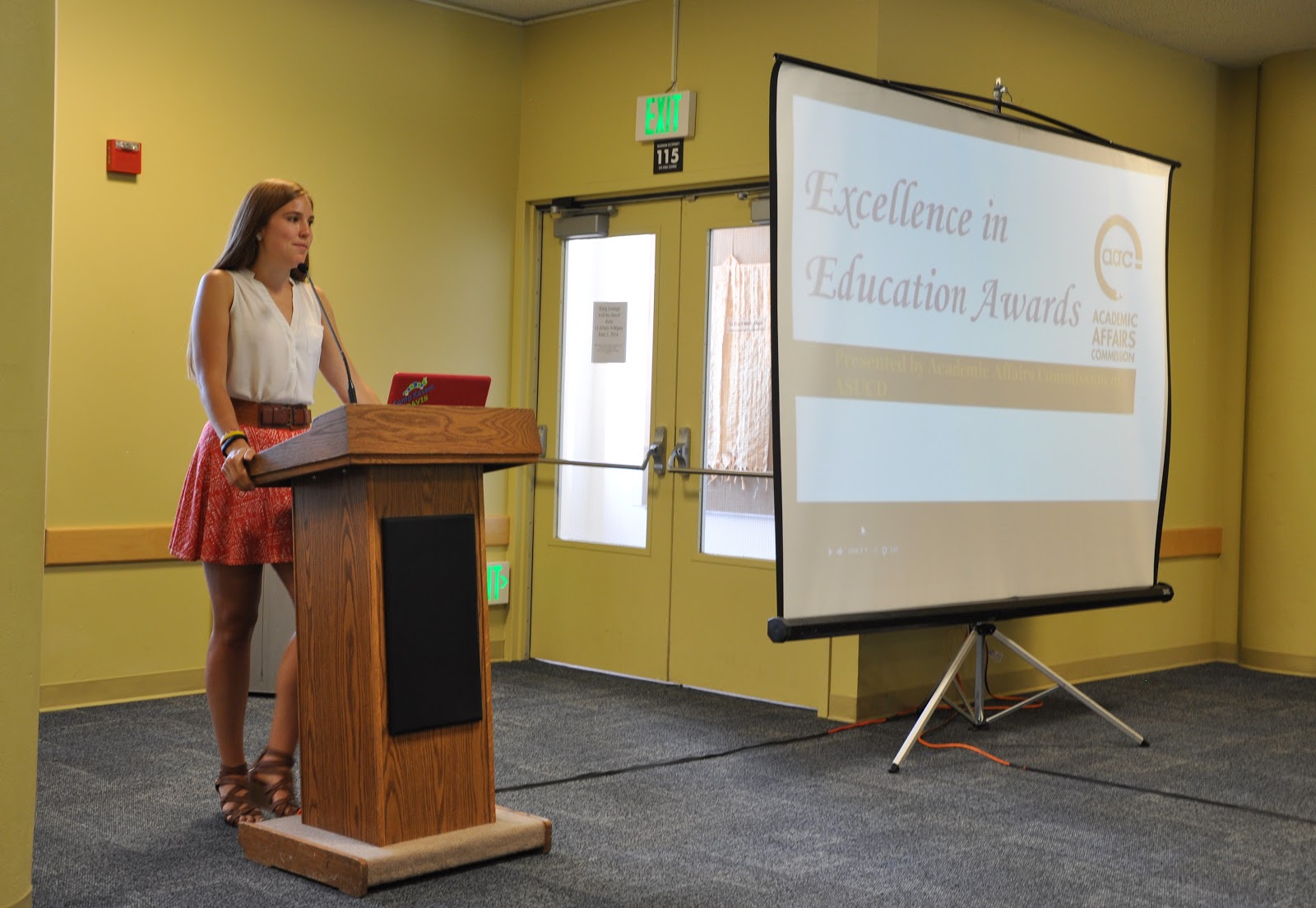
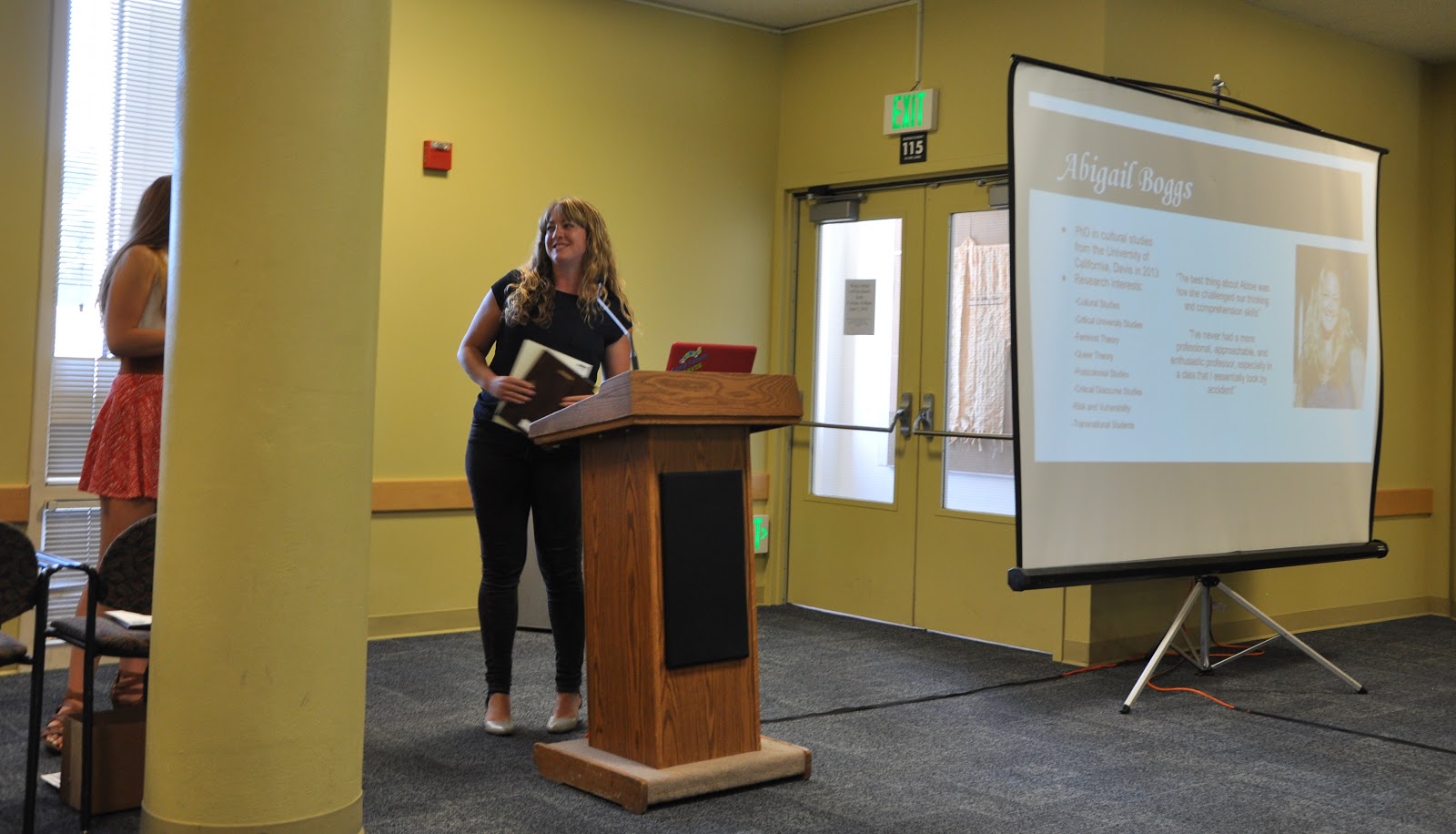
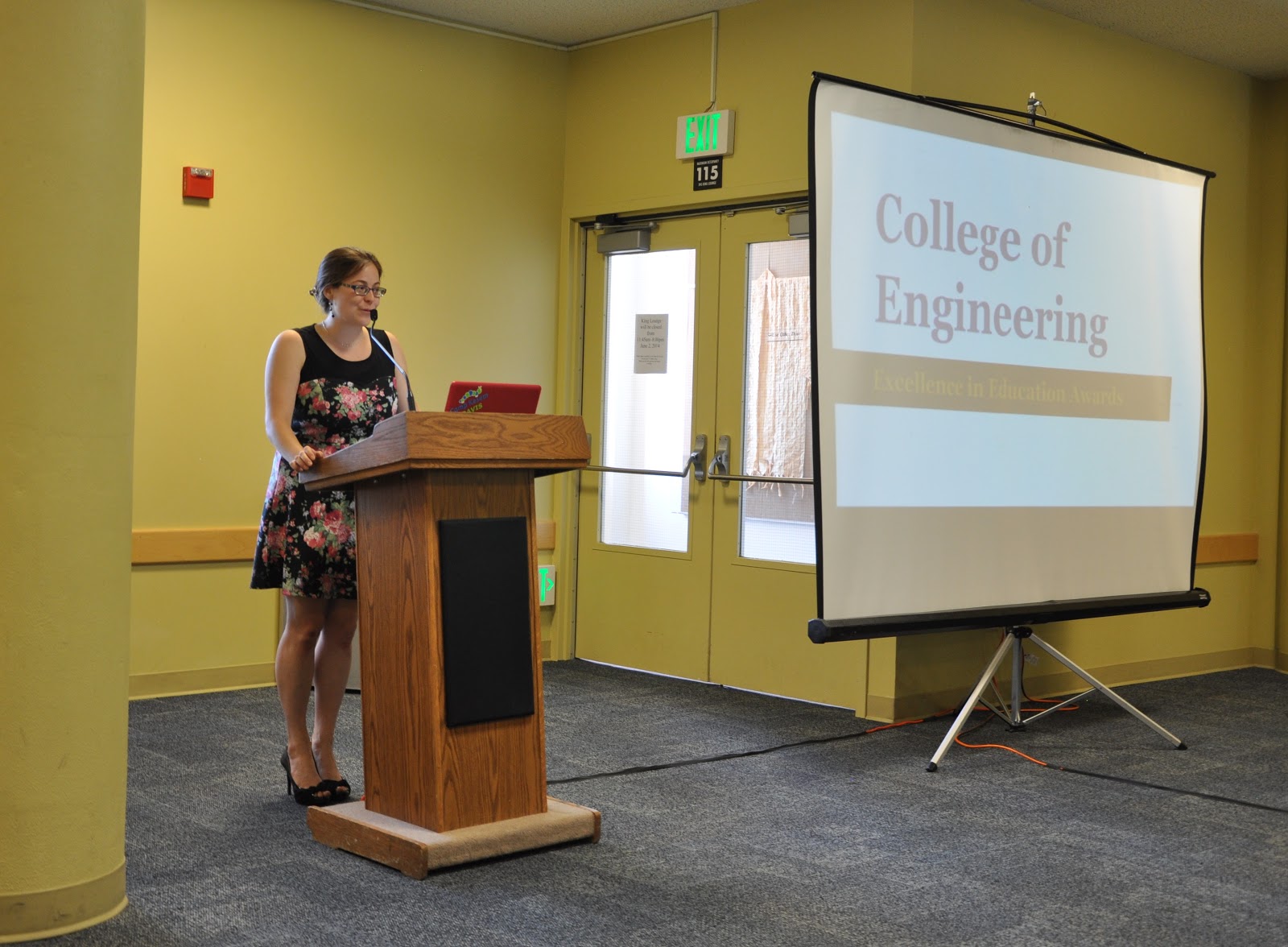
One of the ASUCD members doing introductions
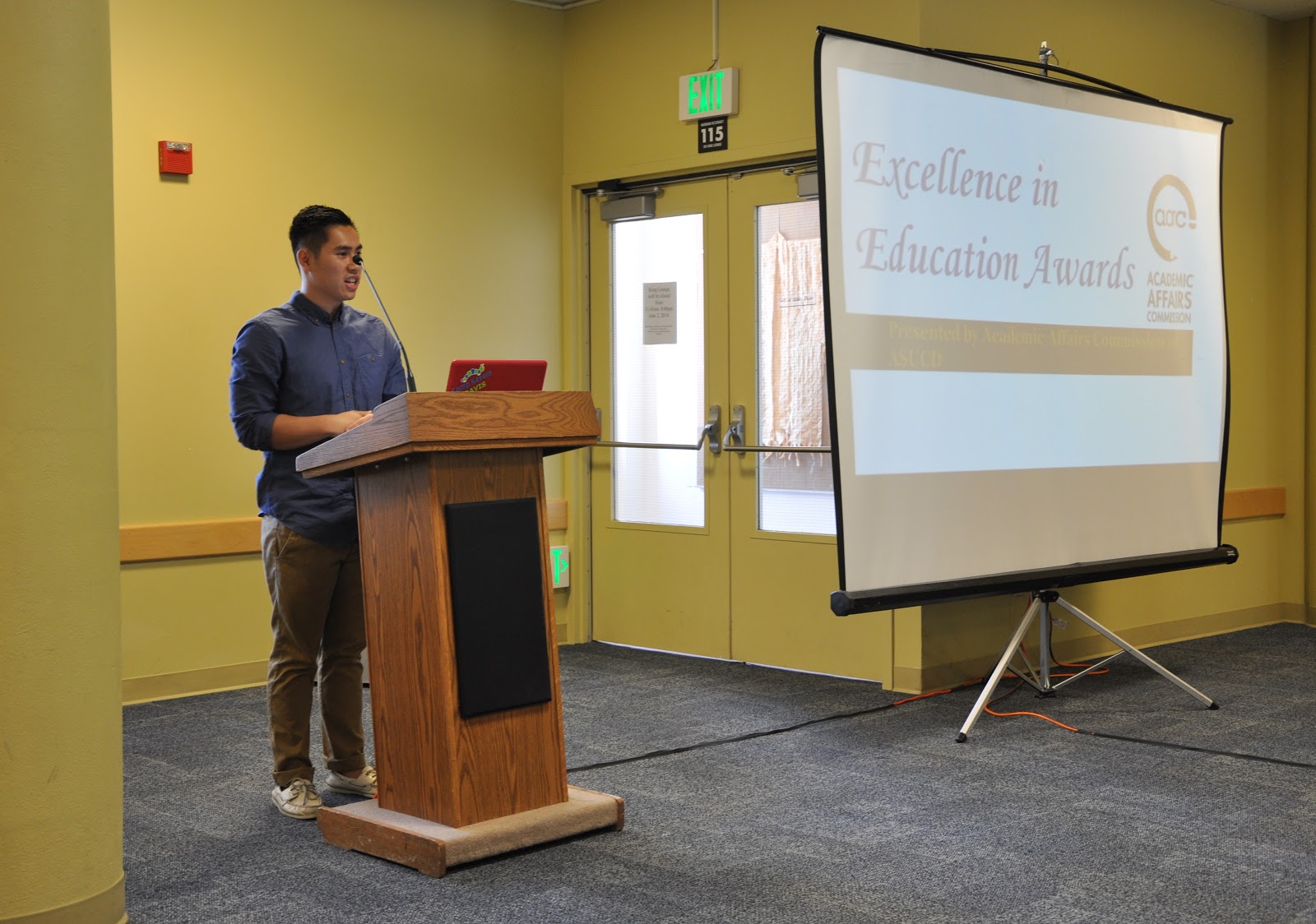
Another ASUCD
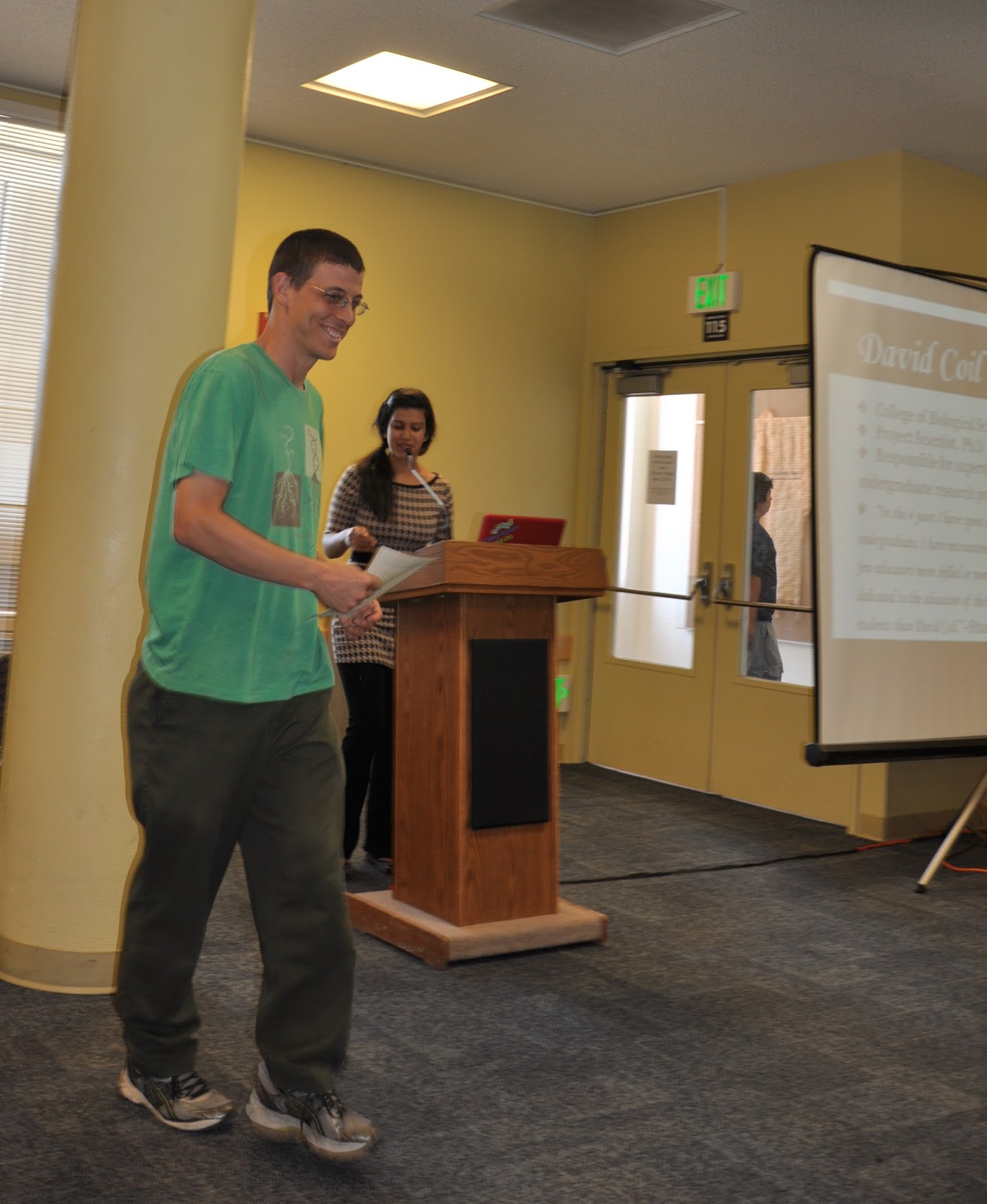
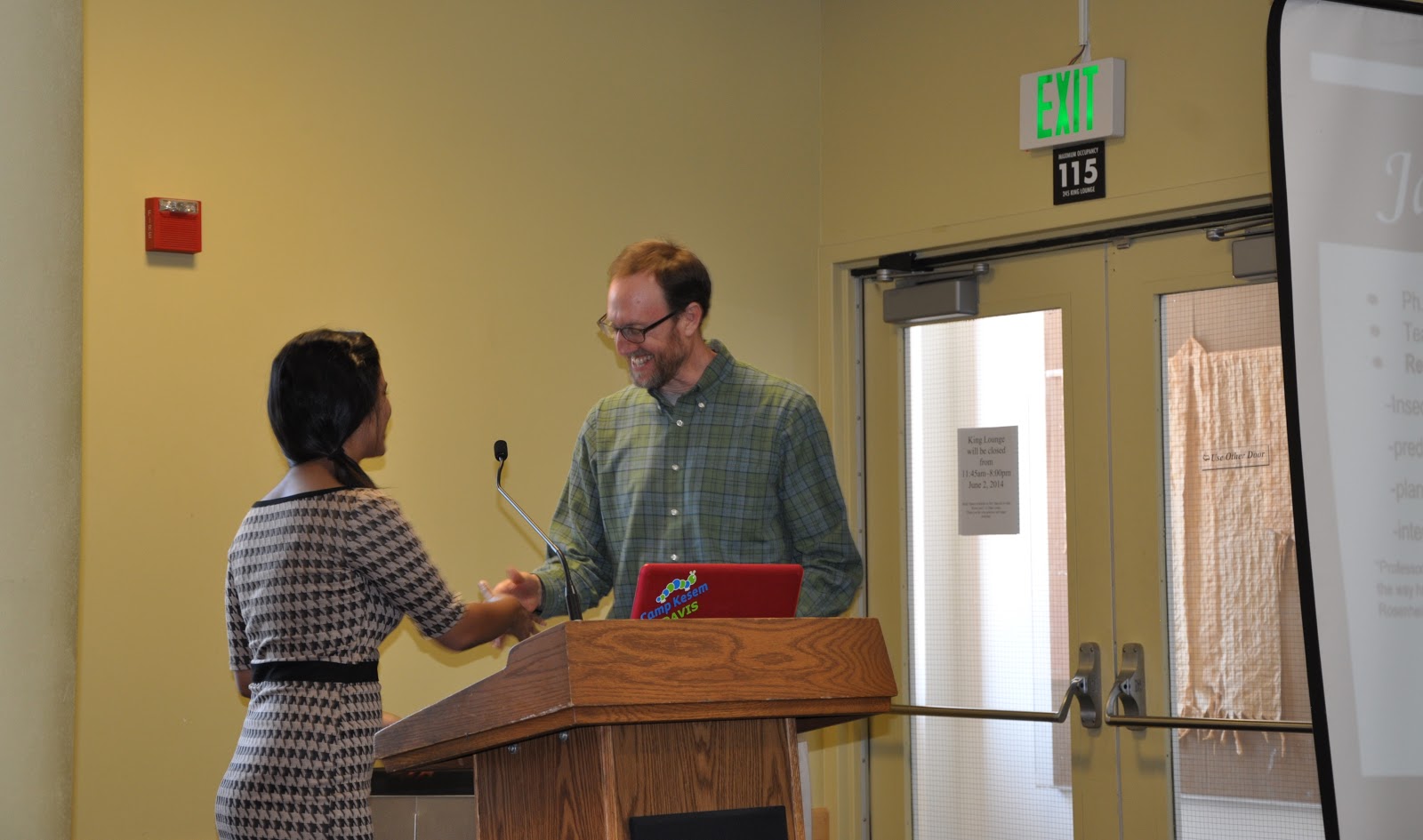
David Coil getting is certificate
Hey, that’s me
Jay Rosenheim getting his certificate

Love this – The Aggie Transcript #UCDavis Undergraduate Life Sciences Journal

I just love things like this: The Aggie Transcript | An undergraduate life sciences journal at UC Davis.  From their site:

The Aggie Transcript is is a forum for undergraduate UC Davis students to share news, original writing, and art related to the life sciences.

Here are some recent posts:

What a great idea.

Everything (or, at least a lot) about Microbiology at UC Davis

Note – written in 2014 – in need of update

So – getting lots of calls and emails and having local meetings with people interested in microbiology at UC Davis.  Rather than continuing to answer each person separately I am just going to put everything together on this page. Departments and groups with a major focus on microbiology.

Departments with a lot of people working on microbiology

Continue reading “Everything (or, at least a lot) about Microbiology at UC Davis”

CAMERA metagenomics resource is shutting down

Just got this email and thought it would be of interest to many out there.

Thank you for being a CAMERA user during its operation as a resource for
environmental genomics. During the past few years, CAMERA has been able to
offer a number of important community resources, including an exceptionally
well curated environmental genomic database, the ability for researchers to
deposit molecular sequence datasets with associated environmental
parameters (metadata), open access to computational resources to enable
metagenomic comparisons, educational resources, and helpdesk services.
These efforts have been funded through the Gordon and Betty Moore
Foundation (GBMF) Marine Microbiology Initiative and the National Science
Foundation to serve the needs of the marine microbiology community and
other users.
In particular, the CAMERA compute resources, which include large-scale
BLAST capabilities and other workflow-enabled analysis capabilities
(RAMMCAP), were generously supported by the GBMF, the San Diego
Supercomputer Center, the NSF XSEDE program, and commercial Cloud computing
resource providers (CODONiS).
Due to the termination of GBMF support, CAMERA can no longer accommodate
the computational needs of the community. Therefore, starting July 1, 2014,
CAMERA will begin to shut down the CAMERA portal and will no longer accept
any new workflow submissions. The results of workflows submitted by July 1,
2014 will be available to users through July 15th. Urgent requests for the
temporary use of CAMERA workflow resources beyond July 1, 2014 will be
considered on a case-by-case basis.
If you are a current or prior CAMERA user and would like to retrieve
personal data from the system, we strongly encourage you to do so now.
As announced earlier this year, CAMERA will continue to maintain free and
open access to its rich collection of curated data and metadata via the
CAMERA Data Distribution Center (DDC), which includes links to the Marine
Microbial Eukaryote Transcriptome Sequencing Project. In conjunction with
the portal shutdown, CAMERA will also no longer accept user data
submissions past July 1st (but data submissions currently in progress will
be completed and made available via the DDC).
Please contact us at camera-info@calit2.net regarding matters pertaining to
the use of CAMERA.
Thank you so much for your support and participation!

What the fungi do I do with my ITS library? (Part 2)

What the fungi do I do with my ITS library (Part 2)
Originally posted on jennomics.com on May 22, 2014

Previously, I expressed some concern about size variation in my environmental fungal ITS PCR libraries. I’m still concerned about that, but I have an additional concern. The ITS region can’t be aligned, and I’m partial to phylogenetic approaches to pretty much everything. So maybe ITS is not for me?

So, I asked Twitter again…

In summary, I don’t think that I can use ITS given the size variation that I see, and I’m not sure that I want to, given the fact that you cannot align it to do phylogeny-based analyses.

28S (or LSU) is a reasonable alternative to ITS that has two big downsides: 1) the reference database is much smaller than the ITS reference database and 2) it does not provide the fine-scale taxonomic resolution that ITS does.

Rachel Adams referred me to Amend et al, in which they use both. I’ll have to look into this approach…

Quick Post – Interview of me is up on the Story Exchange re: #WomenInSTEM especially at conferences

Thanks to the Story Exchange and Candice Helfand for featuring me and the issue of Women in Science on their blog.  Here is a link to the interview she did with me a few days ago that she just posted:  Welcoming Women at STEM Conferences – and Beyond | The Story Exchange.  The interview discusses not only some of the reasons to care about diversity in science and at science meetings, but also how I got interested in the topic in the first place.

For some other background on my work and posts in this area see this page with a compilation of my Posts on diversity (gender, etc) in science.

Some selected ones are below:

May 23 at #UCDavis – Wikipedia editathon about women in science and academia

Phoebe Ayers, librarian extraordinaire at UC Davis is running another Wikipedia Editathon on women in science and academia.  See Wikipedia:GLAM/University of California Davis Libraries.  It will be May 23.  The last one went quite well.  I had posted a few announcements here and there (e.g., Wanted – participants and helpers for a “Women in Science Editathon) about the previous one that was inspired by Dawn Sumner and run by Phoebe.  These are good ways not only to help promote women in science but also to learn a bit about Wikipedia and about some female scientists.

What the fungi do I do with my ITS library?

Originally posted on jennomics.com May 21, 2014

It’s been about 8 years since I started working on my first 16S rRNA PCR survey (of Drosophila gut microbes). At that time, I was occasionally asked, “what about Archaea or what about microbial Eukayrotes?” Then, and ever since, my reply has been that it’s hard enough to get a handle on what’s going on with the bacteria – I don’t need to make my life more challenging by broadening my scope.

But, finally, this month, I’m making my life more challenging. As part of my new Seagrass Microbiome Project, I’ve decided to tackle the fungi. As far as I can tell, ITS is the “barcoding” marker of choice for fungal types. For many reasons, it’s best to follow the herd when doing this sort of thing: 1) someone else has already designed, tested, and published results with these primers, 2) there is a reasonably large database of ITS sequences available to compare my sequences to, and 3) I lack the interest and personnel to explore an alternative approach.

So, I just plunged right in. At first, I tried some new primers designed by Nick Bokulich, but he warned me that they were “finicky” and he was correct. I got no amplification with my seagrass samples, and the positive control I had only worked about half the time. I know some other fungi people, well, I know Jason Stajich (@hyphaltip), so I asked him which primers I should use, and I decided to go with the primers set used in a cool paper by Noah Fierer’s lab, in which they looked at fungi in rooftop gardens in New York City.

Those worked, and a few days ago I got word that my sequencing run was in. It looks like crap. We typically get about 12 million sequences from our MiSeq runs, but this time, I only got 4 million. I was also told that the reverse reads looked much better than the forward reads.

So, now, in addition to working with a new “barcode,” I have to troubleshoot a crappy sequencing run. In many ways, it’s nice to have undergrads and a technician in the lab who do all of my lab work for me these days, but it sucks when it’s time to troubleshoot because I’m so far removed from the bench that I have no idea what’s going on anymore.

So, the first thing I asked for was the Bioanalyzer trace that’s always run before the library goes on the machine. It looks like this:

Bioanalyzer trace for my first fungal ITS MiSeq run

I had been told that there was size variation. I had even seen some of the PCR gels. But, still this is not what I expected to see. Upon seeing this, I am concerned about two things. 1) If there is strong preferential amplification of smaller DNA molecules during the bridge PCR on the flow cell, then will I even see DNA from those larger peaks? 2) With our 300bp reads, for sure the amplicons in the peaks <400 will have overlapping forward and reverse reads, but for sure the 676bp amplicons will not. What effect will these two things have on my analysis? How do I accommodate this size variation? One of the reasons to follow the herd with these methods is that other people have probably already encountered and dealt with exactly this issue, so I turned to Twitter…

There are some great resources suggested here. I know what I’ll be reading this weekend…


Today at 4 at #UCDavis: Jonathan Pritchard on “Interpreting functional consequences of human genetic variation”

Jonathan Pritchard is will be giving the Ecology and Evolution seminar today on “Interpreting functional consequences of human genetic variation.”4:10-5:30PM; in 176 Everson Hall.

Jonathan’s work addresses basic questions in evolutionary biology and genomics using computational and statistical approaches.

From his website:
“Much of our work focuses on questions relating to genetic variation and evolution. What can we learn from DNA sequence data about population structure, population histories and natural selection? How does genetic variation impact phenotypic traits, both at the organismal and cellular level (including an emphasis on gene regulation)? ”
http://pritchardlab.stanford.edu/home.html

Right to be forgotten bill has grave implications for science

Yes, the web can be a quagmire of inaccurate, offensive libelous crap.  But wow – this new ruling about the “right to be forgotten bill” in Europe I think goes too far (e.g., see this story for more info on the bill Google gets ‘right to be forgotten’ requests hours after EU ruling – Telegraph).  (Quick summary – the ruling basically says that people have the right to request that search engines make it impossible to access   certain links – such as ones to stories the requestor does not like).

I am particularly concerned about how this bill will affect scientific discourse.  Suppose for example that Andrew Wakefield wants criticism of his fraduelent work on vaccines to be expunged from the links that come up in Google searches?  What should Google do there?  What about retracted papers in general?  What is the person behind the paper does not think that retracted papers should appear in searches for that person’s name?  This seems to be one of those cases of a very very slippery slope being created to solve a real problem but to solve it in the wrong way.

UPDATE – may not be as big a risk to Science as I thought …

//platform.twitter.com/widgets.js