Some great post doc opportunities at UC Davis

See these posts for more detail:

Another great post doc opportunity at #UCDavis
Great opportunity: Postdoc Fellowship at #UCDavis in Population Biology

And if you want to apply and want more information contact the people in the ads or me or comment here.  And furthermore if you are thinking of applying and want to work with me … well … definitely let me know.

Another great post doc opportunity at #UCDavis

New Biology Postdoctoral Fellowships

College of Biological Sciences

UC Davis

The College of Biological Science at UC Davis announces the New Biology Postdoctoral Fellowship program that will bring outstanding young researchers to campus to conduct highly integrative research addressing major societal challenges. Fellows will have a home in a sponsoring CBS laboratory and will conduct research that leverages the tools and approaches represented by at least one additional laboratory at UC Davis.

A 2011 report by the National Research Council champions the power of deep integration of traditionally distinct research approaches and methods. The essence of the New Biology, as defined by this report, is integration – re-integration of the many sub-disciplines of biology, and the integration into biology of physicists, chemists, computer scientists, engineers, and mathematicians to create a research community with the capacity to tackle a broad range of scientific and societal problems.

Application: Interested early career individuals should establish communications with at least one host laboratory in the UC Davis College of Biological Sciences
(http://biosci.ucdavis.edu/the_college/index.html) and a second bridge laboratory from throughout the UC Davis community that can be from CBS or any other campus department. Applicants should submit a cover letter that includes names and addresses of three letter writers, with their CV, statement of research accomplishments (1-2 pages) and a project summary of not more than 4 pages describing the research goals, the proposed integration of approaches, and explains how the work will lead to progress on a major societal challenge in nutrition, energy, health or the environment. Applications must be made electronically at: https://recruit.ucdavis.edu/apply/JPF00168.

Duration: Fellows are awarded a two year appointment.

Duties of the Fellow: In addition to conducting new research, the fellow would engage the community at UCD on three levels throughout the term of the fellowship:

The fellow would give a research seminar near the inception of their tenure as an introduction of themselves and their research to the life sciences community at UCD.
During the course of their tenure the fellow would offer a workshop or discussion series aimed at graduate students and others involving the transferal of new methods, tools, techniques or concepts to the UCD community. This might take the form of a focused workshop to demonstrate the utility of new analytical techniques or a more distributed discussion group that stretched over the course of fellow’s tenure. This activity will be defined in collaboration with the primary host PI and normally will take place during the second year of the postdoc.
The fellow would engage the non-academic community in some form of public outreach activity. This could be a lecture aimed at the general public, an outreach event at local schools, picnic day, etc.

Together with the development of a fellow’s research program these three activities will help prepare the fellow for the multiple demands of academic life: research, teaching, and outreach.

Salary and Research Support: Awardees will be paid a salary of $50,000 per year ($34K from CBS, $8K from the hosting department, and $4K from each of the two sponsoring faculty members plus 15.6039% for benefits and GAEL). While some research infrastructure will be supported by the host labs, to allow the scholar to pursue his or her research independent of grant funding from the host labs, a $10,000 per year research and travel budget will be provided by the college.

Selection Criteria:

Ph.D. in biological sciences or related field at the time of appointment (but not necessarily at the time of nomination, as we would want to consider very recent PhDs.)
Publication and prior research record that shows strong evidence of independent thinking and “superstar” potential
Proposed research agenda / project that capitalizes on different research strengths of the two sponsoring faculty at UC Davis.

EFFECTIVE: October 14, 2013

APPLICATION DEADLINE: January 6, 2014
NEW BIOLOGY POSTDOCTORAL FELLOWSHIP Ad Final.docx

Registration is Open for December Bioinformatics Bootcamps at #UCDavis

Forwarding this …

“Registration is now open for Bioinformatics Bootcamps in December!

We’re excited to announce our next offering of Bioinformatics Bootcamps, which will be held on the UC Davis campus December 10-13.

These focused one-day courses are perfect for the student, postdoc, faculty, or industry professional looking to get up to speed quickly on the latest technologies and techniques in bioinformatics. Students will work on their own laptops and have continued access to software and example data used in the exercises through our public Amazon Web Services virtual machine (details here). The first three bootcamps will use the Galaxy platform, and the final bootcamp will use both Galaxy and the command-line. The Alignment and Assembly bootcamps (Dec. 11th & 12th) require you to know Galaxy, so if you are unfamiliar with Galaxy, you should also take the Introduction bootcamp on Dec. 10th.

Tuesday, December 10:

Introduction to Next-Generation Sequence Analysis with Galaxy

Wednesday, December 11:

Next-Generation Sequence Alignment and Variant Discovery

Thursday, December 12:

Genome Assembly using Next-Generation Sequence Data

Friday, December 13:

Introduction to the Amazon Cloud for Galaxy and the Command-Line

Daily instruction will run from 9am until 5pm. Lunch, light breakfast, and snacks will be provided. Enrollment for each bootcamp will be capped at 24 students. Please enroll early to be assured of a seat, as these bootcamps usually fill up quickly!

More information, including full descriptions of each bootcamp can be found at https://training.bioinformatics.ucdavis.edu/bootcamps/

Pricing and Payment

The cost for each bootcamp is $200 (academic/government) or $250 (non-academic/industry). We now accept credit cards. UC Davis attendees can also charge their registration directly to a DaFis account.

Questions

If you have any questions, please don’t hesitate to contact us:

· Training email: training.ucdbio@gmail.com

· Core email: ucdbio@gmail.com

· Core main telephone line: 530-752-2698

We hope to see you in December!

– The UC Davis Bioinformatics Core Team

http://training.bioinformatics.ucdavis.edu

http://bioinformatics.ucdavis.edu/

“An Update for Google+ Page Owners and Managers” – or if you translate this it reads “F$*# You”

Uggh … now Google+ is taking a page out of the crappy parts of Facebook.

Google+

An Update for Google+ Page Owners and Managers

October 11, 2013

Hello,

We’re writing to let you know that we will be updating Google’s Terms of Service on November 11, 2013; you can read a summary of the coming changes here. We’ve also added a new setting that gives you more control over where your Page’s name, photo and actions appear on Google and across the web.

What’s Happening?

We’ve updated Google’s Terms of Service, including changes that apply to Google’s use of your Page’s name, photo and actions.

Google+ is designed to enable your content to be discovered, for example, by surfacing contextually relevant content or actions when they might be of interest to others. We call these recommendations ‘shared endorsements’. The changes to the Terms clarify details about how your Page’s name, photo and relevant activity may appear in shared endorsements. For example, if your Page publicly follows another Page, Google may surface this action with your Page’s name and photo when relevant and helpful to users, including in ads.

You’re in control of what you share on Google. Your Page sharing settings are not affected and, as always, if you’ve shared something with a limited audience, we respect that.

What Can I Do?

The new Shared Endorsements setting lets you control how your Page’s name, photo and the actions you take (such as +1’s, reviews you write, or comments you post) may appear in advertising. This setting does not affect other places your Page’s name and photo may appear. You can access this setting from your Page’s Dashboard and may change it any time. If you turn the setting off, you may not be able to use certain features until you re-enable it.

If you manage multiple Pages, each Page has its own setting.

The changes to the Terms will be effective as of November 11, 2013. If you do not take any action, the Shared Endorsements setting will be turned on.

Where Can I Learn More?

To learn more about these updates for Google+ Pages, you can review the updated Google Terms of Service as well as the Google+ Help Center.

Please also read the updated Google+ Pages Additional Terms of Service

Thanks,
The Google+ Team

© 2013 Google Inc. 1600 Amphitheatre Parkway, Mountain View, CA 94043

You have received this mandatory email service announcement to update you about important changes to your Google+ Page product or account.

a8cNyP-47wcqo2JSVJaEw2WAeqI=.gif

Victoria Schlesinger in Al Jazeera America on Open Data Pros and Cons

Got interviewed last week by Victoria Schlesinger about open science and open data issues and she has now posted her article: Scientists threatened by demands to share data | Al Jazeera America.  The article includes a discussion primarily about the push for more open release of data (and also a bit about papers) and some of the challenges associated with this push.  There are some good quotes in the article both from Schlesinger’s text and from some key players in the field of data access including:

  • Christopher Lortie:  “There will be fantastic discoveries, and that’s all that really matters,” says Lortie.
  • From Schlesigner (a quote I do not agree with all of but some may like the metaphor): Sharing the results of scientific research is a bit like unveiling a newly built house, and scientists generally want it widely viewed, so the growth in open access publishing is a boon for most. Sharing data, on the other hand, is comparable to handing over the architectural plans and building materials used to construct the house. Others can scrutinize the quality of work and reuse the basic components to build their own house. That raises fears about discovery of errors and theft of future research ideas.
  • Heather Piwowar: “I think the public thinks that we’re all learning from everyone else’s work. That’s not true, and furthermore, it’s not true in ways that are even worse than you might think,” says Piwowar=
  • Me: “People are busy,” says Jonathan Eisen, a genetics professor at the University of California, Davis. “Everyone is overwhelmed with life and email and, in academia, trying to get funding and write papers. Whether something is open or not open is not highest on the priority list. There’s still need for making people aware of open science issues and making it easy for them to participate if they want to.”
  • Titus Brown: “My general attitude about open science is that I’d much rather be relevant. In science, that’s harder than anything else,” says Titus Brown, an assistant professor at Michigan State University who runs a genomics, evolution and development lab and practices open science. “If I make my work available, I have a higher chance of being relevant.” 
  • It has transformed the way we do science across biological scales, from the molecular all the way up to studying whole ecosystems,” says Carl Boettiger, a postdoctoral student at UC Santa Cruz. “The value is in enabling science to progress faster.”
The article is worth a look …

Rob Desalle Talk at UC Davis – Storification of Twitter Notes

#UCDavis Phaff Yeast Collection & Kyria Boundy-Mills featured on Radio New Zealand

Cool story on Radio New Zealand featuring one of my favorite microbiologists (Kyria Boundy-Mills) and one of my favorite microbiology related things at UC Davis (the Phaff Yeast Collection).
  http://www.radionz.co.nz/audio/remote-player?id=2570012

It may have been a flawed #OpenAccess "Sting" but WE ROCKED IT so submit to our journal …

I suppose I knew this was coming … but did not expect it so soon … see the email I received below.  Focus in particular on the part highlighted in yellow …. 

Dear Colleague, 

British Biotechnology Journal (BBJ) is an OPEN peer-reviewed, OPEN access, INTERNATIONAL journal, inspired from the great OPEN Access Movement. We offer both Online publication as well as Reprints (Hard copy) options. Article Processing Charge is only 50 US$ as per present offer. This journal is at present publishing Volume 4 (i.e. Fourth year of operation). 

2. Transparent and High standard Peer review:
In order to maintain highest level of transparency and high standard of review, this journal presently follows highly respected and toughest Advanced OPEN peer-review system(Example Link1, Link2, Link3, Link4, Link5, Link6, Link7, Link8, Link9, Link10,Link11, etc). We hope that you will appreciate this Advanced OPEN peer-review system, which is expected to give doubtless scholarly benefit and impact to the authors in long run. Additionally we strongly encourage and promote “Post-publication Peer review” by ourcomment section. 

As per a recent report (Link) of Science journal (present Impact factor 31), one of our journal passed a stringent test of quality of Peer review by rejecting a fake article (Link1,Link2, Link3). We applaud the dedication and hard-work of our peer reviewers and editors to maintain the high standard of our journals. It was reported that only few journals (20), out of total 304 journals tested, rejected the fake article after substantial peer review. We are happy that our journal was among these few successful journals along with industry leaders like PLoS One, Hindawi, etc. We believe that the result of this experiment also proved the efficacy of our Advanced OPEN peer review and ‘post publication’ peer review system. Though the report is debated, as it did not include subscription journals, we normally support any effort to improve the quality and transparency of peer review. 

3. Proposed Time Schedule:
Submission to first editorial decision with review comments: 3 weeks
Submission to publication: 6 weeks
State-of-the-art ‘running issue’ concept gives authors the benefit of ‘Zero Waiting Time’ for the officially accepted manuscripts to be published.
4. Abstracting/indexing:
Many respected abstracting/indexing services covered our journals.

  • HINARI
  • (United Nation’s Database)

  • AGORA
  • (United Nation’s FAO database)

  • OARE
  • (United Nations Environment Programme (UNEP), Yale University, etc.)

5. Authors’ profile:
Considering high peer review standard, quality control, etc. our journals have been chosen by academicians of many famous universities, institutes, etc. A glimpse of authors’ profileis provided here

6. Testimonials:
Appreciation of our esteemed satisfied authors is the greatest inspiration behind the hard-work of our editorial team. Some of the testimonials are available here

7. Article Processing Charge (or Publication Charge):
Article Processing Charge (or Publication Charge): Manuscript submitted within 1st July, 13 — 30th September, 2013 will be eligible for 90% discount on normal Article Processing Charge (APC) of 500 USD. (i.e. Effective APC: 50 USD). For more information visit here

7.1. Reprints (Hard copy):
Reprints (Hard copy) are also available at extra cost. For detailed information please see here (Reprint information link). 

8. Sample papers:

  1. Antibacterial and Antiviral Activities of Essential Oils of Northern…..
  2. African Cassava: Biotechnology and Molecular Breeding to the Rescue
  3. Growth Inhibition of Some Phytopathogenic Bacteria by Cell-Free Extracts fromEnterococcus sp
  4. Primary Somatic Embryos from Axillary Meristems and Immature Leaf Lobes of Selected ..
  5. Effects of Initiating Antihypertensive Therapy with Amlodipine or Hydrochlorothiazide on Creatinine Clearance in Hypertensive Nigerians with Type 2 Diabetes Mellitus
  6. Preparation of Protein Extraction from Flower Buds of Solanum lycopersicum for Two-Dimensional Gel Electrophoresis
  7. Diversity of Bacterial Community in Fermentation of African Oil Bean Seeds (Pentaciethra macrophylla Benth) by comparison of 16S rRNA Gene Fragments
  8. The Application Development of Plant-Based Environmental Protection Plasticizer
  9. Genetic Variability, Heritability and Genetic Advance in Pearl Millet (Penisetum glaucum [L.] R. Br.) Genotypes

9. Highly qualified Editors:

  • Prof. Y. Dai,
  • Associate Director of Research, Revivicor Inc. Blacksburg, USA

  • Prof. Viroj Wiwanitkit, Department of Laboratory Medicine, Faculty of Medicine, Chulalongkorn University, Bangkok, Thailand
  • Dr. Jean-Marc Sabatier, Université de la Méditerranée-Ambrilia Biopharma inc., France
  • Dr. Robert L. Brown, Food and Feed Safety Research Unit, USDA-ARS-SRRC, New Orleans, USA
  • Dr. Giuseppe Novelli, Università di Roma Tor Vergata, Rome, Italy
  • Dr. Juan Pedro Navarro – Aviñó, Technical University of Valencia, Spain
  • Dr. Nikolaos Labrou, Department of Agr. Biotechnology, Agricultural University of Athens, Greece.

10. Manuscript submission 

Option 1:
Online submission (recommended): Subcentral (http://www.sciencedomain.org/login.php)
Option 2:
Email attachment to the editorial office at submission@sciencedomain.org.

General Guideline for Authors: http://www.sciencedomain.org/page.php?id=general-guideline-for-authors
To download MS word SDI paper template click here
To download SDI Manuscript Submission form click here
To download Latex paper template click here

with regards,
Ms. Samapika Mondal
British Biotechnology Journal : An OPEN peer reviewed journal
www.sciencedomain.org; E-mail: editor.60@sciencedomain.org
Reg. Office:
UK: SCIENCEDOMAIN international, Third Floor, 207 Regent Street, London, W1B 3HH,UK,Registered in England and Wales, Company Registration Number: 7794635, Fax: +44 20-3031-1429
USA: SCIENCEDOMAIN international, One Commerce Centre, 1201, Orange St. # 600, Wilmington, New Castle, Delaware, USA, Corporate File Number: 5049777, Fax: +1 302-397-2050
India: SCIENCEDOMAIN international, U GF, DLF City Phase-III, Gurgaon, 122001, Delhi NCR, Corp. Firm Registration Number: 255 (2010-11), Fax: +91 11-66173993

Who are the microbes in your neighborhood? Quite a few are from Melainabacteria – a new phylum sister to Cyanobacteria

I just love this paper … The human gut and groundwater harbor non-photosynthetic bacteria belonging to a new candidate phylum sibling to Cyanobacteria | eLife from the labs of Ruth Ley and Jill Banfield (1st author is the co-first authors are Sara C. Di Rienzi and Itai Sharon).  It represents a landmark study in something that has intrigued many microbial diversity / human microbiome researchers for many years.  Early in the history of sequencing rRNA genes from human microbiome samples, researchers discovered something a bit weird – quite a few sequences were coming from what appeared to be close relatives of Cyanobacteria.  This was weird because all known Cyanobacteria were thought to be photosynthetic and – well – there is not too much light in the human gut.

Now – one possible explanation for this was that these sequences were coming from photosynthetic bacteria but these bacteria were not residents of the human gut but came via consumable items (i.e., food and drink).  Perhaps they were actually from chloroplasts of something in the diet (after all – chloroplasts are derived versions of cyanobacteria). This idea was discussed at many meetings I attended.  But there was no evidence for this.  Another possibility was that there was in fact some light in the human gut – leaking through from the outside or being produced from the inside. And perhaps this was enough to do a little photosynthesis.  Sound crazy?  Well, not so crazy after reports of photosynthesis in the deep sea.  A third possibility was that these sequences were coming from residents of the human gut that were related to (or even within) cyanobacteria but were not photosynthetic.  More detail on possible explanations are in this new paper and in some of the material cited therein.

Anyway – Ruth Ley has been discussing these unusual sequences for years and now in this paper her group and the group of Jill Banfield at Berkeley (along with some others) has used metagenomics and detailed assembly and phylogenetic analysis to reveal many new insights into these sequences.  I could write much more about this.  But, I think the paper really speaks for itself.  And it is open access so anyone and everyone can check it out.  And you should.  It is wonderful.

Fig 2 from Di Rienzi et al.

UPDATED 10/9/2013 to correct that there were co-first authors

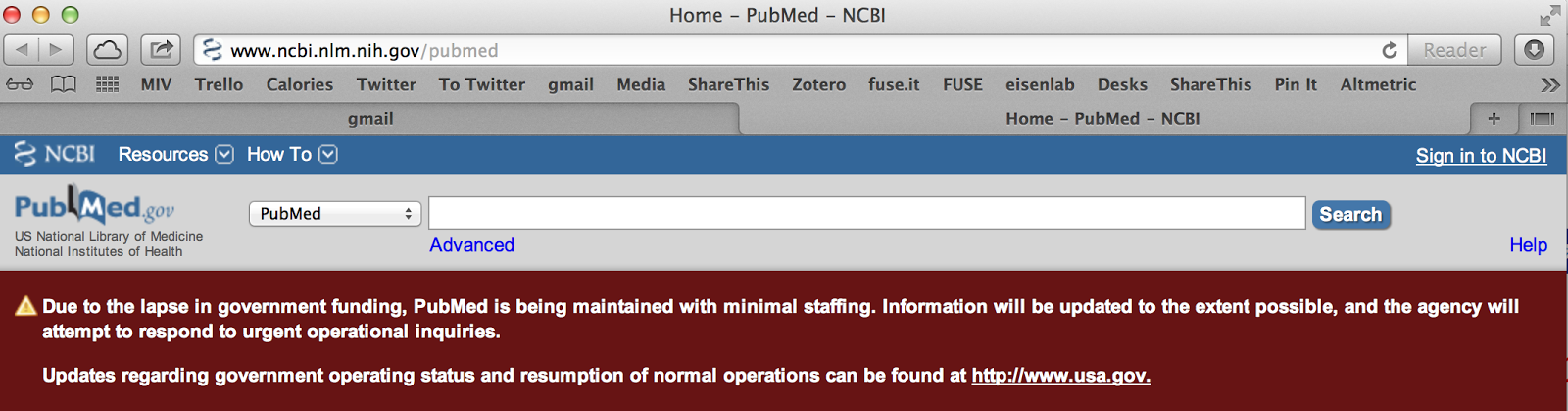
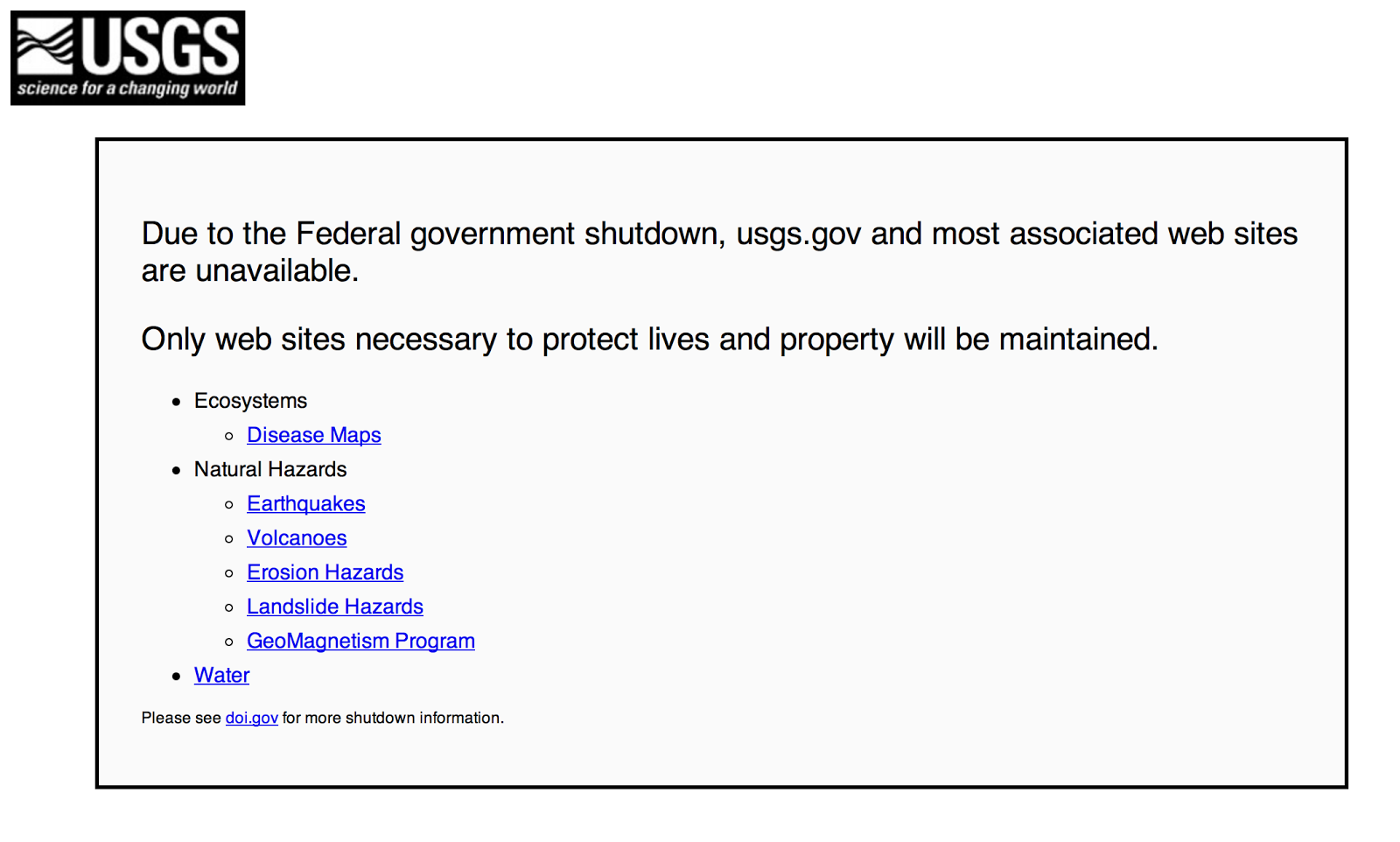
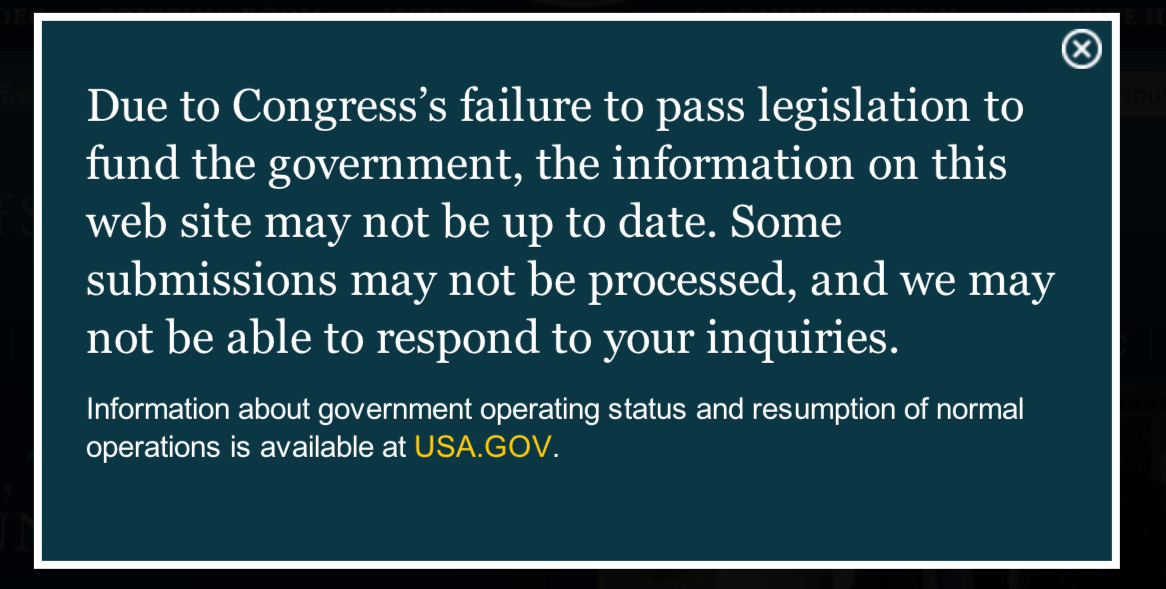
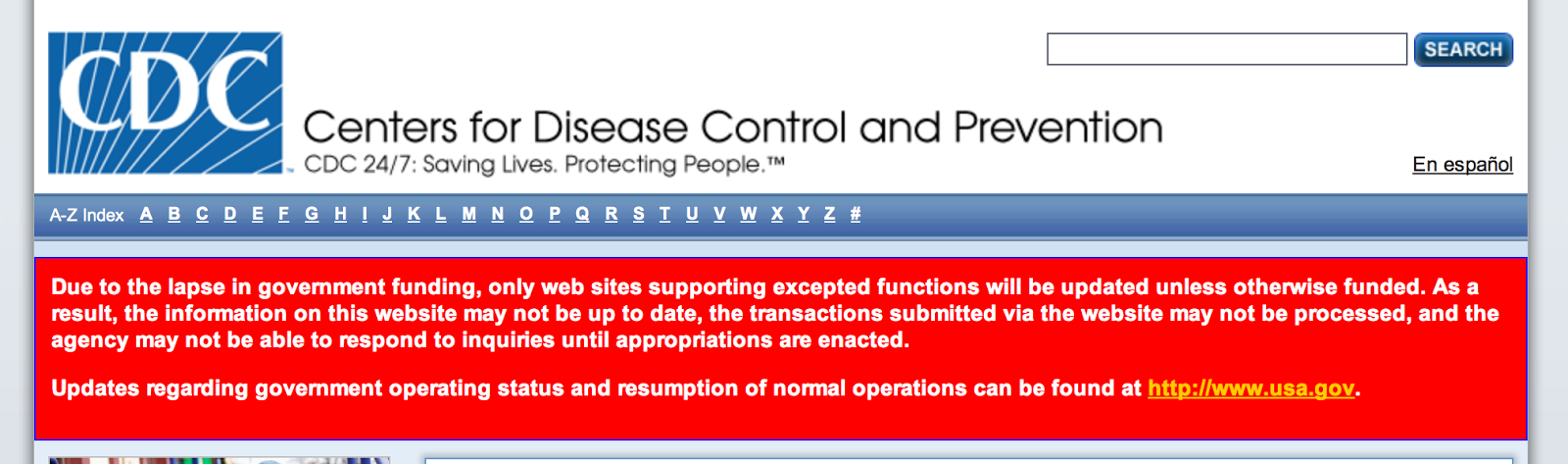
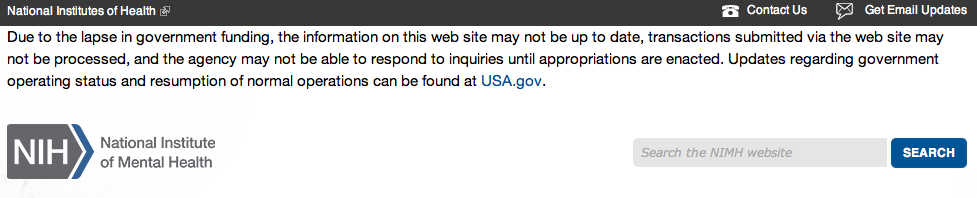
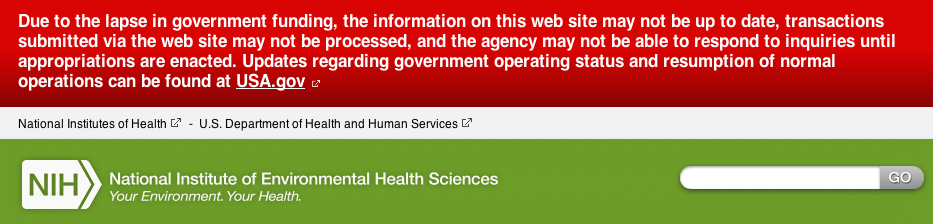
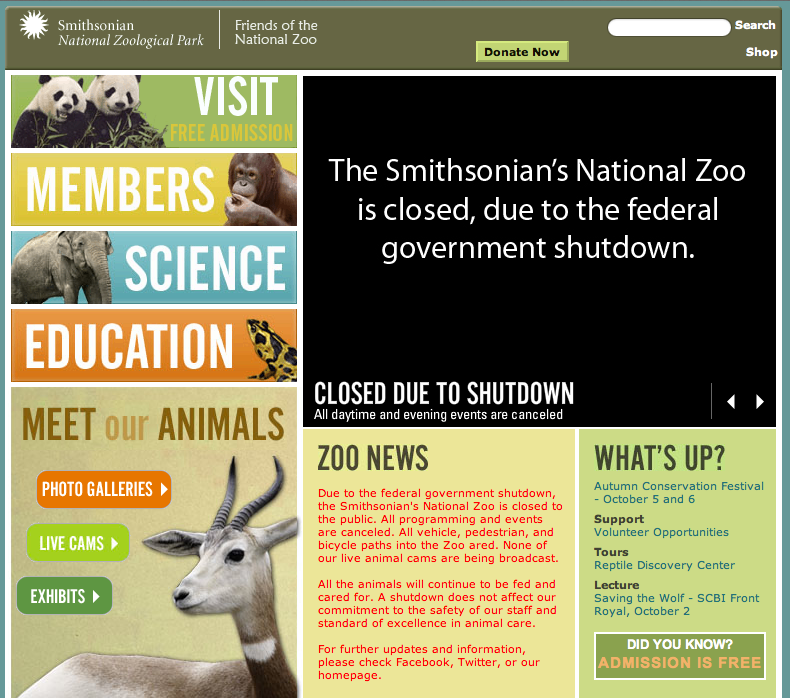
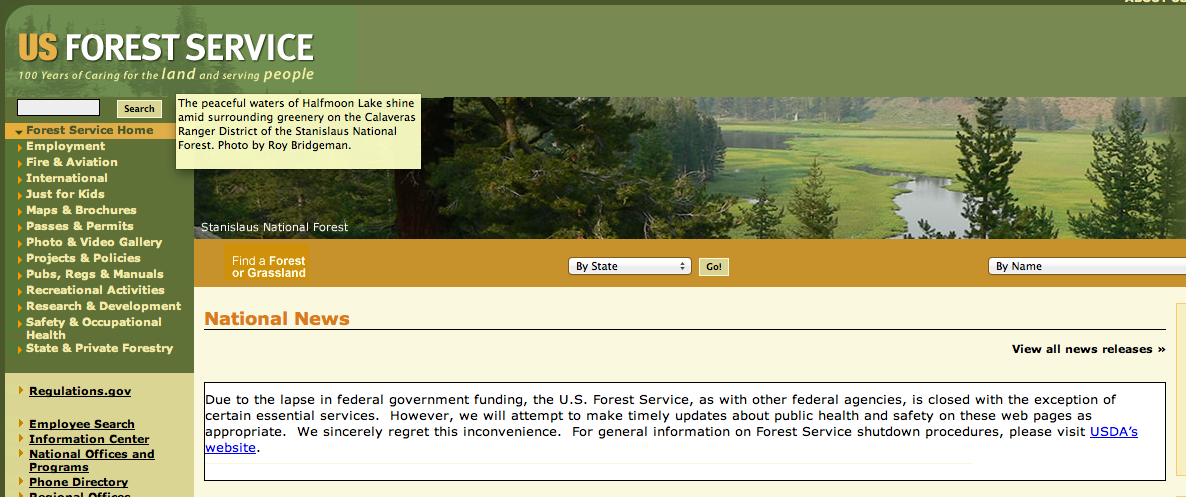
The government shutdown of science – a screenshot gallery

https://static.googleusercontent.com/external_content/picasaweb.googleusercontent.com/slideshow.swf


See full screen slideshow via Picasa here. Individual pics below: