Eisen Lab Blog

Job posting: Bodega Marine Reserve Manager #ecology #marine #UCDavis

Reserve Manager, Bodega Marine Reserve, Bodega Bay, California,
University of California – Davis

Principal Museum Scientist – Supervisor
Career position, 50% variable, full benefits
$4,024-$6,841/Mo. (minimum to midpoint of salary range)

For consideration, apply by November 10, 2009. Open until filled.

The Reserve Manager is responsible for all management of the University’s Bodega Marine Reserve and coordination and support of all field programs at the site. Facilitates and implements the research, education and public service missions of the Natural Reserve System and supports field programs of the Bodega Marine Laboratory. Reviews proposals, develops policies for use of both terrestrial and marine habitats, supervises staff, administers budgets, and develops management plans. Gives lectures and leads field trips for classes and the public. Develops monitoring programs and databases, initiates invasive species control and re-vegetation programs.

Seeks supplemental funding through grants and contracts. Coordinates with local, state and federal agencies in matters of permits, land management, conservation and land use policies. Represents the Reserve and the University at public meetings, government hearings, and scientific meetings at the local and national level.

Qualifications include:
Background in ecology or related field, experience in land stewardship, skills to make sound scientific decisions while developing Reserve use and management policies, skills to develop and maintain effective working relationships with neighboring landowners, resource agencies, campus departments, administrative offices, and faculty, staff and students, and knowledge of invasive plant species, control methods, and re-vegetation techniques. Supervisory experience, experience at a field station or marine lab and skills in writing, preparing proposals and verbal communication/presentation are preferred.

Application Procedure:
To view the position and to submit an application on-line visit
http://www.employment.ucdavis.edu/applicants/Central?quickFind=53986;
Requisition
Number #03001704

Microbes, art, science all rolled into one – yum


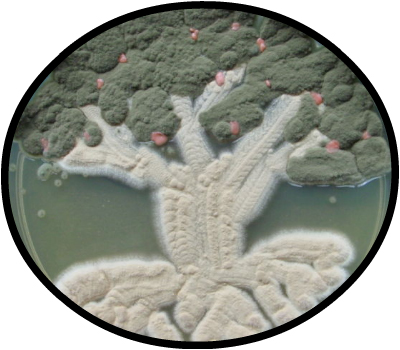
A quick one here. Just got sent a link to this site – Microbial Art. It includes work art with microbes from “Dr. Niall Hamilton (New Zealand), Dr. T. Ryan Gregory and his students (Canada), Dr. Jeff Tabor and colleagues (USA), Dr. Ben Wise and his students (USA), Dr. Eshel Ben-Jacob (Israel), and various other contributors.”

It has some nice stuff. Definitely worth checking out.

A field guide to the microbes?


Here is a link to an article in Microbe Magazine (Genomic Analyses Could Lead to “Field Guide to Microbes”) discussing in part a session from last years ASM Meeting on the “1$ Bacterial Genome”. The article includes a discussion of my proposal to create a “Field Guide to the Microbes.” Also the article has a link to an audio interview of me by the article author Jeffrey Fox.


Audio interview with Jonathan Eisen

The article does not quite capture what I mean by a Field Guide to the Microbes (not the authors fault – my talk did not capture this either). But I will be writing more on this soon. Very soon. Stay tuned. Also here are the slides from that talk, which I posted to slideshare

Also see this talk I gave at the JGI User Meeting where I ended with my call for a Field Guide to the Microbes …

http://www.scivee.tv/flash/embedCast.swf

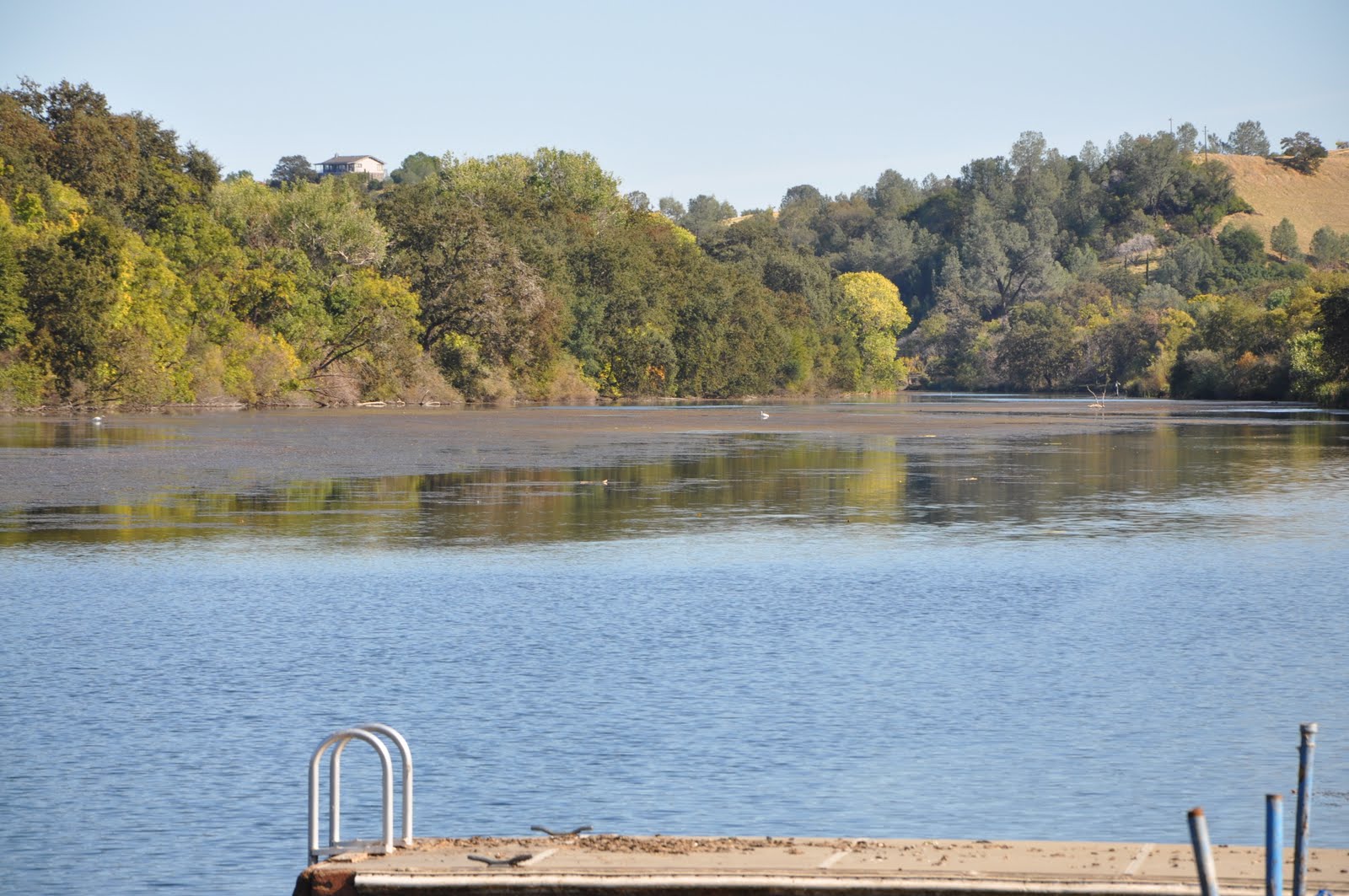
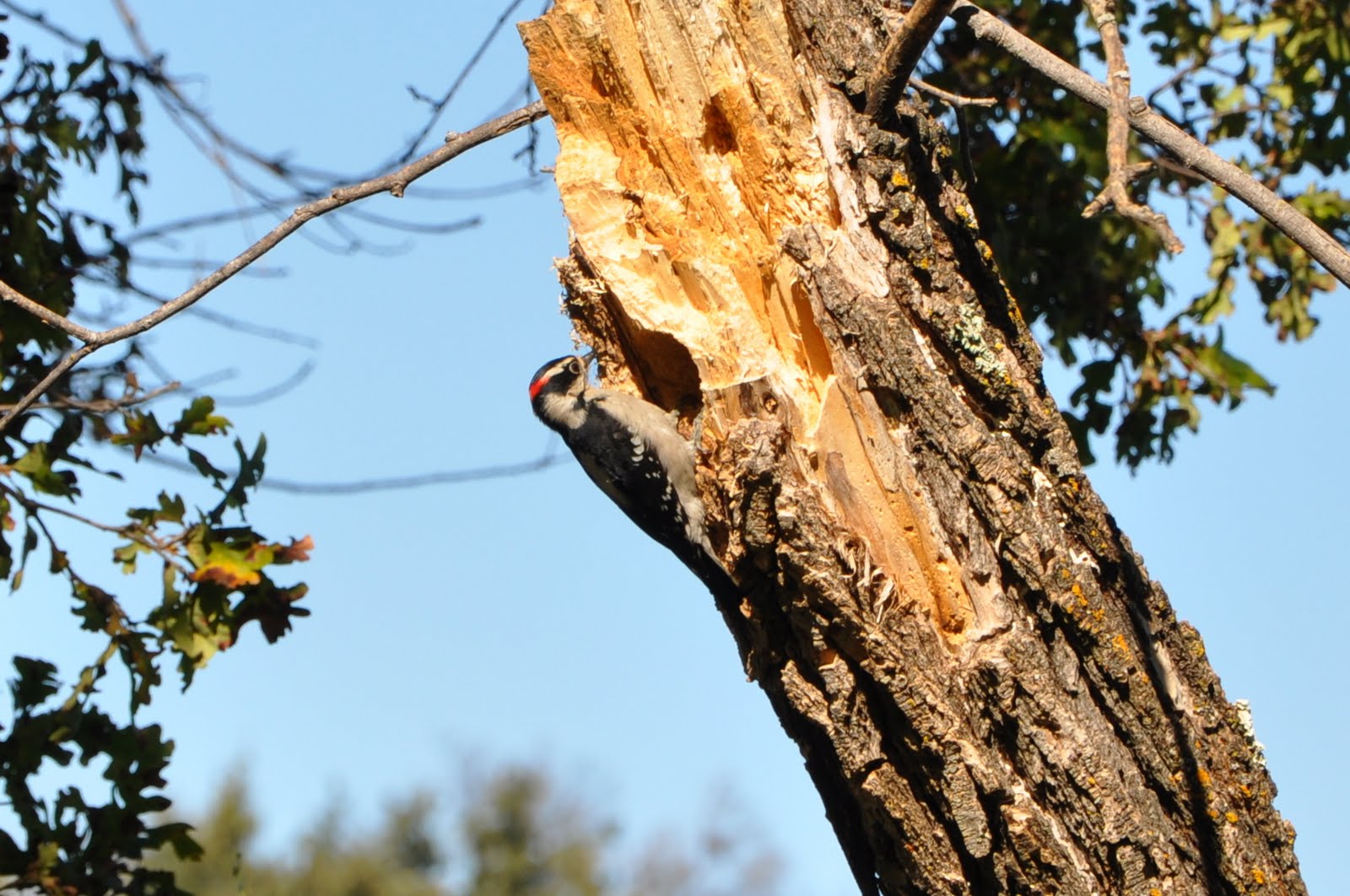
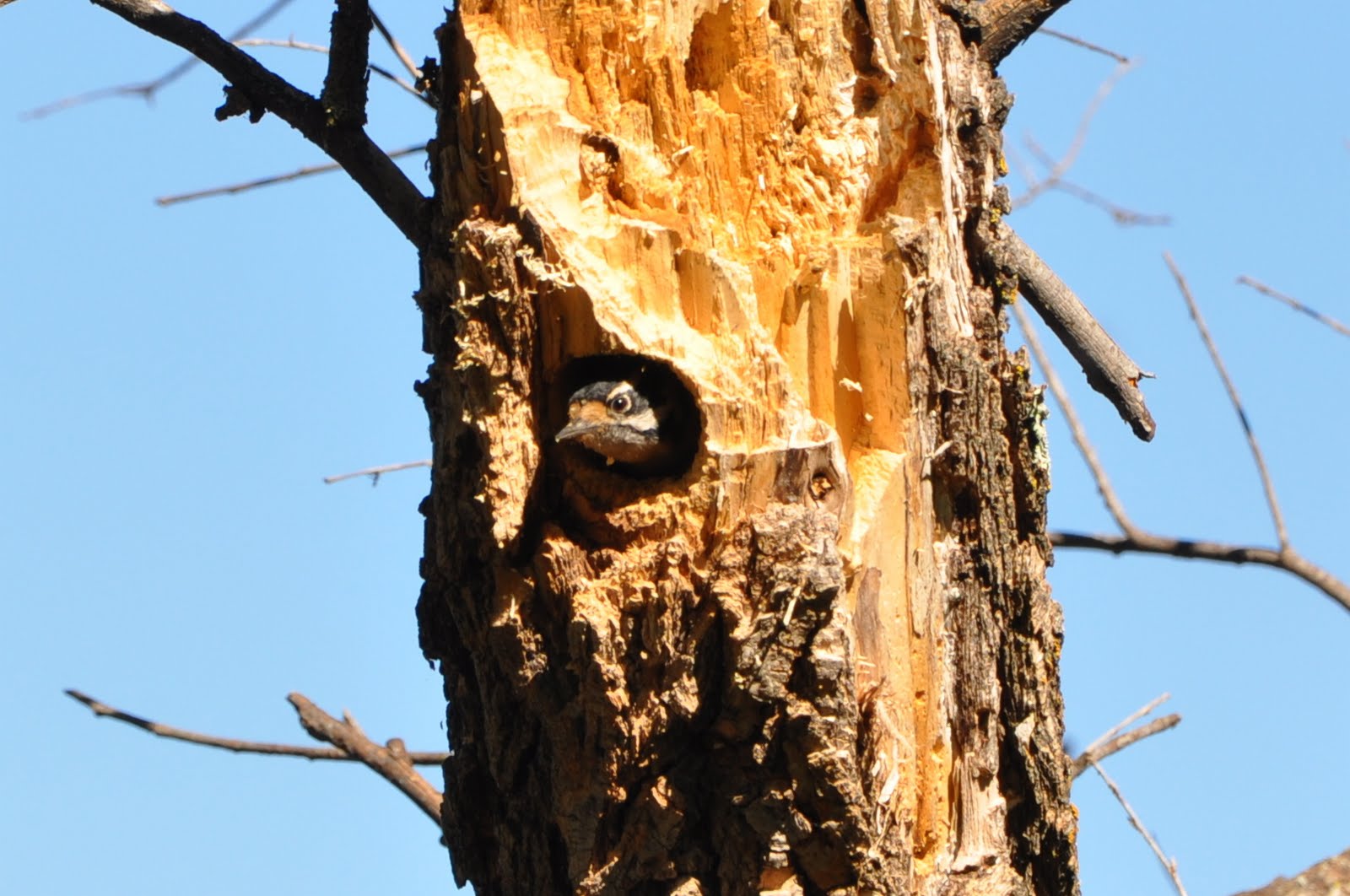
Lake Solano Trip – Creepers, Lizards, Woodpeckers and More


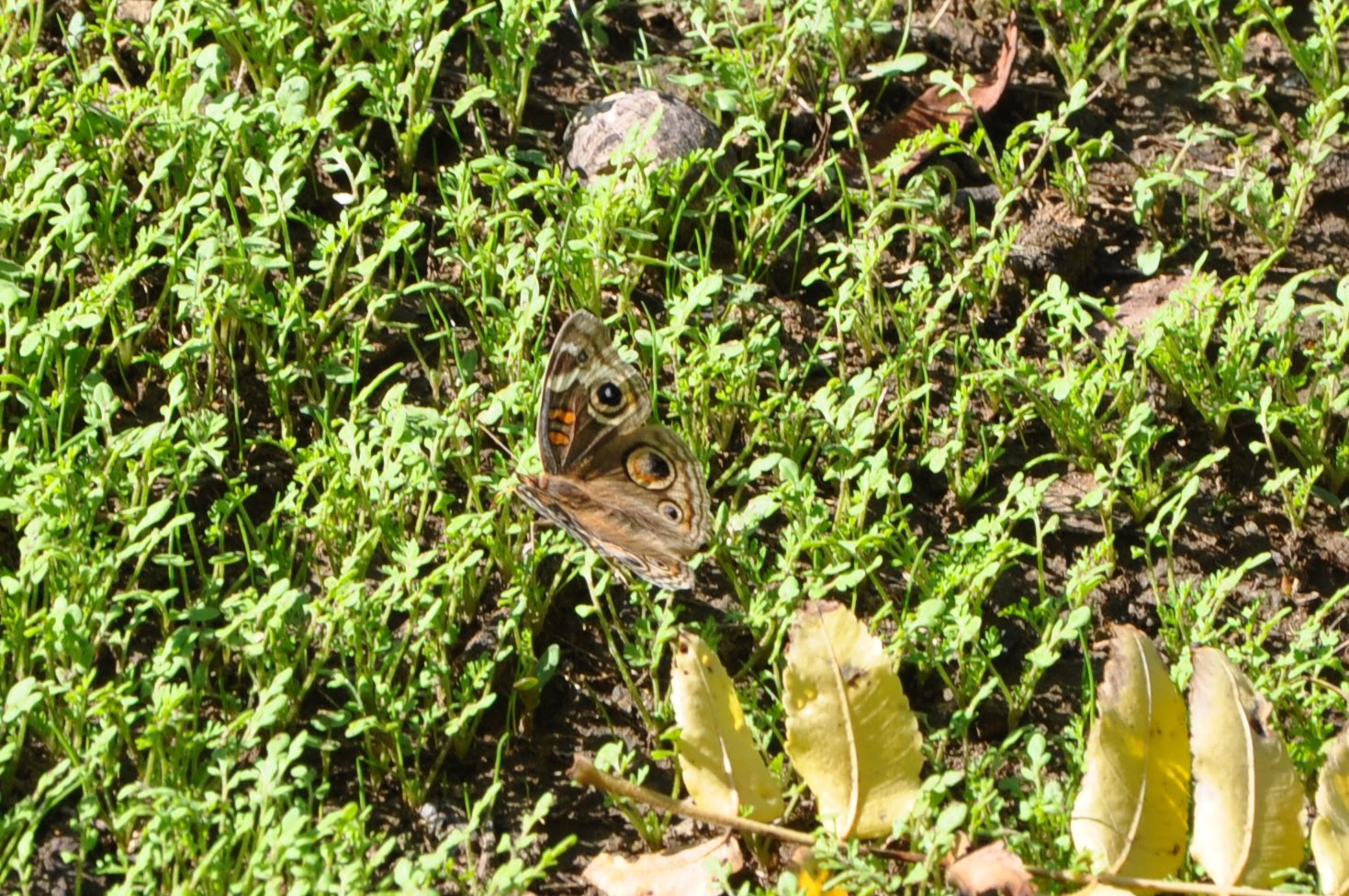
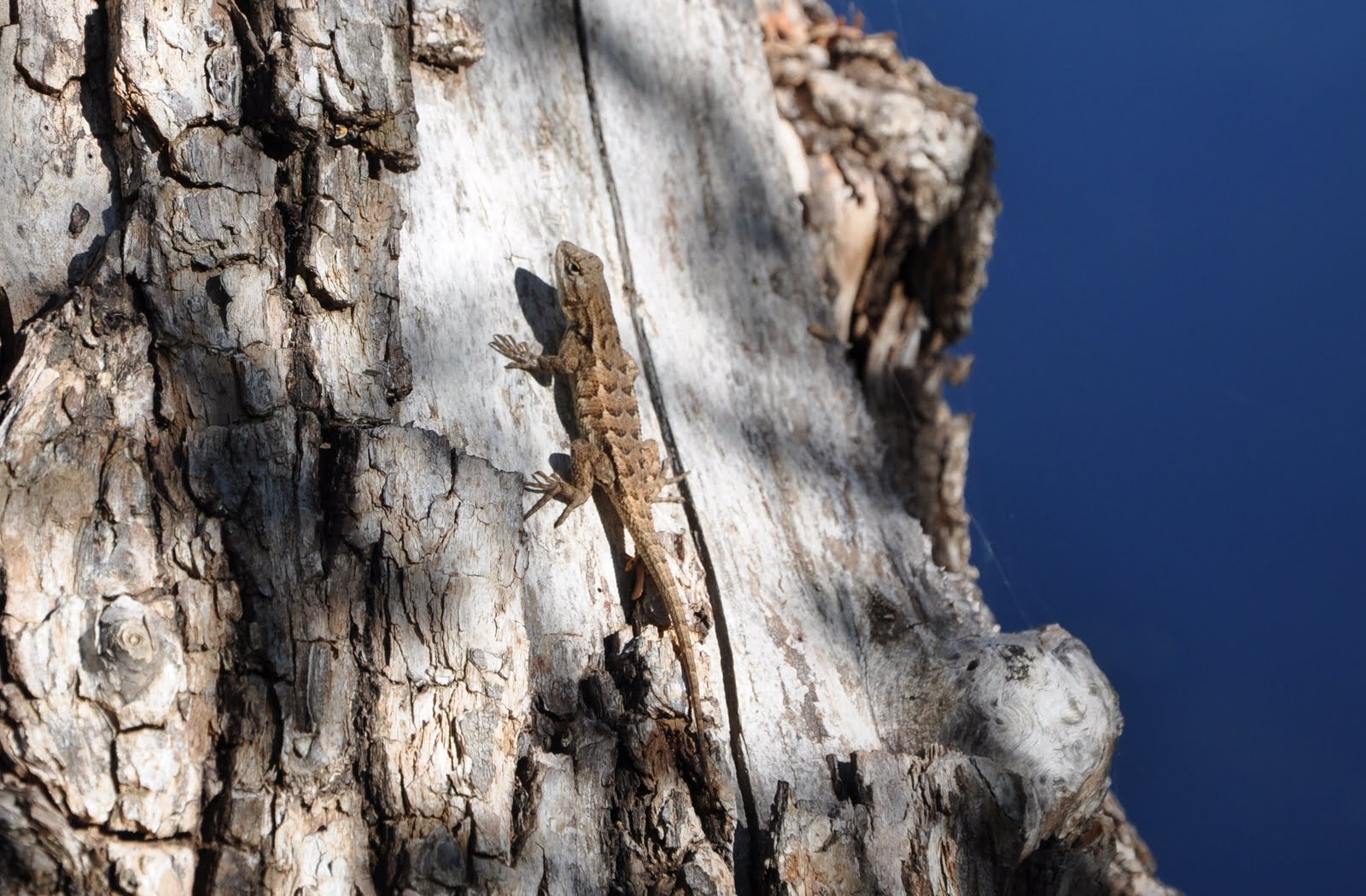
Had a lab outing to Lake Solano last week. Saw some nice creatures there – pictures below.


//www.youtube.com/get_player

Science journals: asking for concision-good, restricting # of refs-bad

Once again, I am being driven crazy by some aspect of scientific publishing. And today it is arbitrary (or silly) restrictions some journals place in the number of references allowed. I have been dealing with this because I have a paper in Press in one such journal (alas not an open access journal, and not my first choice of journals, but the paper will be published under a CC license …more on this in another post )

Anyway, on top of my own issues, I was reminded of the perils of length/reference restrictions by an email from Jean-Michel Claverie from CNRS. In the email he told me of a situation involving a recent paper in a high profile journal with a name that begins with the letter N. This paper did not cite some highly relevant earlier work of Claverie’s in PLoS One and when he wrote to the author to politely point this out, he was told that the reference was basically removed for space reasons. I have seen this happen many times with a variety of journals and the explanation for some lack of reference to relevant work is always something like “oh yes, of course we knew about that, but had to leave it out for space reasons” or “well, you know, they only allow 30 citations, so we had to leave some things out”.

Sure, in the past, when printing articles and keeping track of references was difficult, this may have made sense. But a HUGE part of science is giving and getting credit for work. And thus it baffles me why some journals enforce strict restrictions on the number of references allowed. Basically what this says is – it does not matter what type of work you did – it could only possibly have been built up the work of (insert # here) previous studies. This is just wrong in so many ways. One option to solve this would be for these journals to allow expanded reference lists in online material – and for these lists to somehow get picked up by citation indexing systems. But this is something they need to solve. And until then, people should be aware that by publishing in such journals you may indirectly be doing a disservice to the people whose work contributed to your own.

CSI-Miami could be renamed CSI Microbiology

The CSI shows have certainly done a lot for science, from the point of view of getting people to talk about science as it relates to forensics. Sure, much of the science in the show is a bit off kilter, but the show would basically suck if it showed the real science (e.g., things work really quickly in all the shows — unlike much of science). But if we compare the science in CSI versus in the latest CNN/Fox yelling matches or the latest wife swapping show, CSI rules the day.

And all of the CSI-like shows (which can be viewed as a form of convergent evolution in ways), also have a decent chunk of science here and there (e.g., NCIS). What is most remarkable to me about all of this has been the number of shows with something about microbes. And the latest CSI- Miami is an example of this (see the recap here:CSI: Miami Recap: Bad Seed – CBS.com)

This episode had a mix of DNA based forensics of E. coli infections, as well as a smattering of microbe associated anti-GMO sentiment when an evil biotech company made some GMO corn that was designed to be carrying a cellulytic gene from a Clostridium species but instead some of the corn carried a toxin gene from Clostridium botulinum. And the winner from a microbial point of view was the brief mention of lateral gene transfer that was responsible for the cellulolytic species of Clostridium picking up some genes from the botulism bug.

No the science they showed was not perfect. But when a TV show starts discussing mechanisms of lateral gene transfer – they will get my attention.

What a waste in #Davis – a whole election & associated material for one vote


Well, however you feel about the Wildhorse Ranch vote in Davis, this whole election just seems absurd. A whole election just to vote on this one thing? And do they really need a multi-page color sample ballot? So if I could, I would vote to require these “special” elections about rezoning to only happen if there already was another important election going on. Even if the pro-Ranch crown pays for the election, it just seems like a waste …

Walkscore – software for walkability of communities goes open source

Just got this email (see below) from WalkScore that I thought might be of interest to Davisites. Walk Score is one of several types of “software for civic life” from Frontseat. This systems allows one to evaluate the walkability of a community or address. And now they are looking to release the software for WalkScore at Walkscore.Org as an open source development. And they are trying to get more people involved in this – including asking for what new developments they should make. I have suggested previously that they should incorporate bikability. And if you agree, you should vote for it here.

Dear Jonathan,

You deserve a break. Take a sec to:

Also, we’re thrilled to announce our Rockefeller Foundation grant (see below).

— The Front Seat Team

Vote on Walk Score improvements


We just launched WalkScore.org — a new website where you can vote on Walk Score improvements. We’re also releasing open source code for Walk Score on this site.

Friends with benefits


Can you help us get to 100 fans on Facebook so we can claim a URL for our Facebook page?

Let’s create a Facebook group of people who support walkable neighborhoods.

Rockefeller Foundation grant


We’re using our new grant from the Rockefeller Foundation to improve Walk Score and make it open source. Sign up on WalkScore.org to get notified when the code is available.

#OPenAccess Week event at #UCDavis today 10/20: C. Mitchell from California Digital Library

“Take Control of Your Publications with eScholarship”

An Open Access Week Presentation

Catherine Mitchell

Director, CDL Publishing Group

University of California

Tuesday, October 20, 2009

1:00 p.m. – 2:30 p.m.

Shields Library, Second Floor Instruction Room

Want a qick $100,000 for infectious disease research – ask uncle Bill

Just got this email from Uncle Bill Gates

This is a reminder that the deadline for submissions to Round 4 of Grand Challenges Explorations is November 2, 2009, a $100 million initiative to encourage bold and unconventional global health solutions.

Anyone can apply, regardless of prior experience or institutional affiliation. Previous winners include graduate students, entrepreneurs at private companies, and creative thinkers from all fields of research.

Click here to apply now.

Initial grants will be $100,000 each, and projects showing promise will have the opportunity to receive additional funding of up to $1 million. Full descriptions of topics and application instructions are available at: http://www.grandchallenges.org/explorations

We look forward to receiving innovative ideas from scientists around the world and from all scientific disciplines. If you don’t submit a proposal yourself, we hope you will forward this message to someone else who might be interested.

Thank you for your commitment to solving the world’s greatest health challenges.

The topics are:

  • Create New Technologies for Contraception
  • Create New Ways to Induce and Measure Mucosal Immunity
  • Create Low-Cost Diagnostics for Priority Global Health Conditions
  • Create New Ways to Protect Against Infectious Disease