PLEASE POST AND DISTRIBUTE:
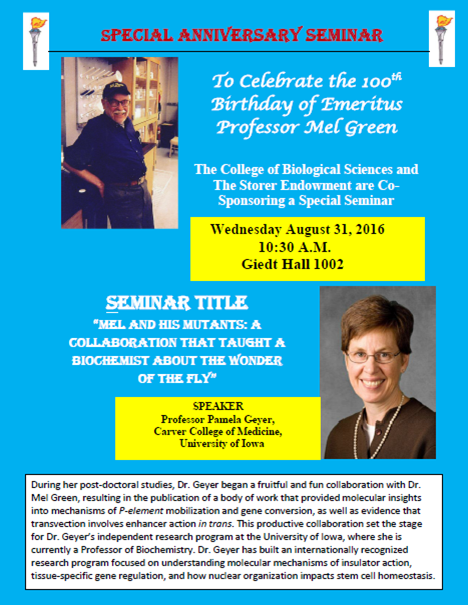


Just got this email and am sharing it here:
Dear Colleagues,
I received the attached letter from Chancellor Katehi in which she resigns as the Chancellor of UC Davis. The Divisional Senate admires and applauds her energetic advocacy for California public education and UC Davis in particular. She has been an effective leader in promoting the interests of UC Davis in the state, nation and globally.
Chancellor Katehi’s decision to resign as Chancellor today is understandable, given the recent interactions between the Chancellor and President Napolitano, including the investigation initiated by the President. These circumstances have had a negative effect on the Davis campus and make it impossible for Linda Katehi to be effective as a Chancellor.
The Davis Division is looking forward to a continuing relationship with Professor Katehi as a full-time faculty member. Last October she was hailed for her “visionary leadership in engineering research, entrepreneurship, and education, and for national advocacy of higher education as a major driver of the U.S. economy” by the National Academy of Engineering, when she received the Simon Ramo Founders Award. The Davis Division welcomes her anticipated contributions as a teacher, scholar, and member of the academic community.
Sincerely,

André Knoesen
Chair, Academic Senate
Professor: Electrical and Computer Engineering
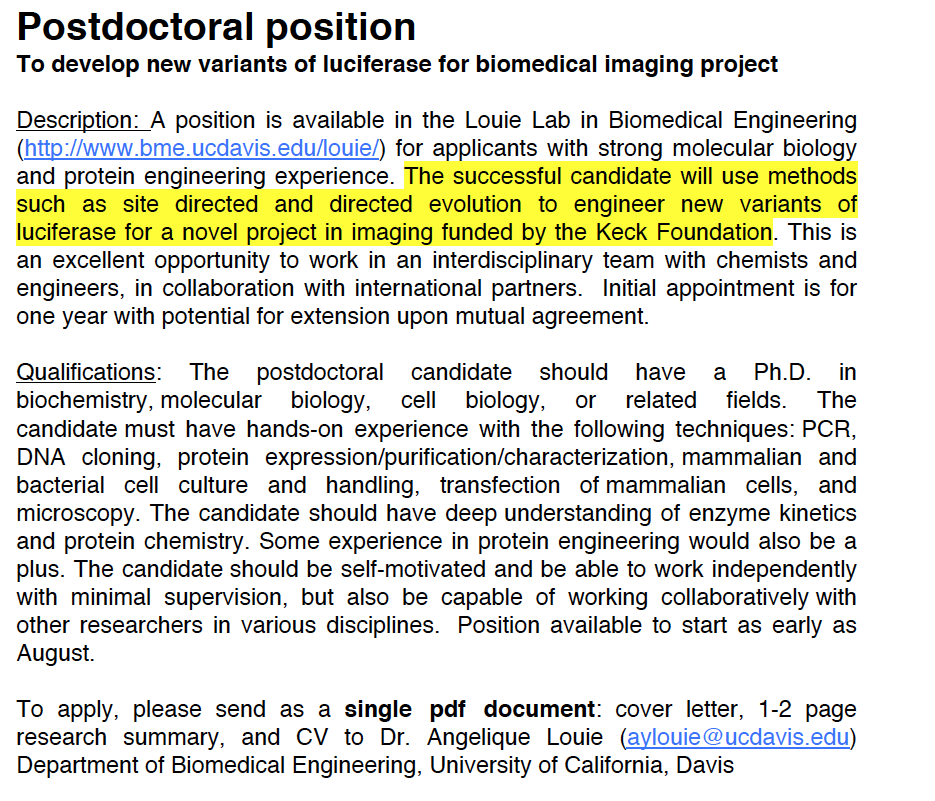
Postdoctoral position
To develop new variants of luciferase for biomedical imaging project
Description: A position is available in the Louie Lab in Biomedical Engineering (http://www.bme.ucdavis.edu/louie/) for applicants with strong molecular biology and protein engineering experience.
. This is an excellent opportunity to work in an interdisciplinary team with chemists and engineers, in collaboration with international partners. Initial appointment is for
one year with potential for extension upon mutual agreement.
Qualifications: The postdoctoral candidate should have a Ph.D. in biochemistry,molecular biology, cell biology, or related fields. The candidate must have hands-on experience with the following techniques: PCR, DNA cloning, protein expression/purification/characterization, mammalian and bacterial cell culture and handling, transfection ofmammalian cells, and microscopy. The candidate should have deep understanding of enzyme kinetics and protein chemistry. Some experience in protein engineering would also be a plus. The candidate should be self-motivated and be able to work independently with minimal supervision, but also be capable of working collaboratively with other researchers in various disciplines. Position available to start as early as August.
To apply, please send as a single pdf document: cover letter, 1-2 page research summary, and CV to Dr. Angelique Louie (aylouie) Department of Biomedical Engineering, University of California, Davis
About UC Davis: The Department of Biomedical Engineering at UC Davis has 32 faculty, and is a vibrant and multidisciplinary community of more than 120 researchers. The Department is internationally renowned for its research in biomedical imaging, enjoys strong institutional support, and is ranked #6 in the nation, and #1 in California, based on research expenditures by the National Science Foundation. UC Davis also has a School of Medicine (including an NCI- designated Comprehensive Cancer Center), a School of Veterinary Medicine, the California National Primate Research Center, and the Institute for Regenerative Cures offering unparalleled opportunities for collaborative and translational research. Davis is located within 1- 2 hours of San Francisco, Napa Valley, Lake Tahoe and the Northern California coast offering access to a wide range of outdoor and cultural activities and an excellent quality of life.
Yohei Postdoctoral position slk.pdf
REGISTER TODAY!: www.surveymonkey.com/r/JBWQJWW
SUBMIT ABSTRACT: Dr. Valentina Medici at vmedici
UCD 2nd ANNUAL LIVER RESEARCH DAY
Metabolic Pathways to Fatty Liver
Wednesday, October 5, 2016
8:00 AM – 3:45 PM
GBSF Building, Auditorium
451 Health Sciences Drive
Davis Campus
8:00-8:30 AM Registration and Continental Breakfast
8:30-8:40 AM Welcome
Christopher Bowlus, MD, Professor and Chief, Internal Medicine, Gastroenterology/Hepatology, UC Davis
Session I
9:00-9:20 AM “Sugar Consumption and Chronic Stress”
Kevin D. Laugero, PhD, Associate Adjunct Professor, Nutrition and USDA WHNRC, UC Davis
9:25-9:45 AM “FXR, Sleeve Gastrectomy and Fatty Liver”
Karen K. Ryan, PhD, Assistant Professor, Physiology and Membrane Biology, UC Davis
9:50-10:10 AM “Lipidomics, Nutrition and Fatty Liver”
Angela M. Zivkovic, PhD, Assistant Professor, Nutrition, UC Davis
10:15-10:35 AM “Methionine Metabolism in ASH and NASH”
Kusum Kharbanda, PhD, Associate Professor, Internal Medicine, Gastroenterology/Hepatology, University of Nebraska
10:40-10:55 AMCoffee Break
Session II
10:55-11:15 AM “Non-invasive Assessment of NAFLD”
Souvik Sarkar, MD, PhD, Assistant Professor, Internal Medicine, Gastroenterology/Hepatology, UC Davis
11:20-11:30 AM “Copper and Lipid Metabolism”
Valentia Medici, MD, Associate Professor, Internal Medicine, Gastroenterology/Hepatology, UC Davis
11:30-11:50 PM “Fructose as a Risk Factor for NAFLD”
Manal F. Abdelmalek, MD, Associate Professor, Gastroenterology, Duke University
11:55-12:55 PM Lunch (provided for the first 50 registrants) AND
Poster Judging (Poster Facilitators: Drs. Christopher Bowlus, Charles Halsted and James Tabibian)
Session III
1:00-1:30 PM “Advanced Glycation End Products in NASH Pathogenesis”
Natalie J. Torok, MD, MSc, Professor, Internal Medicine, Gastroenterology/Hepatology, UC Davis
1:35-1:55 PM “Mitochondria, Lipid Metabolism, Shcs and Fatty Liver”
Gino Cortopassi, PhD, Professor, Molecular Biosciences, UC Davis
2:00-2:20 PM “Fatty Liver and Risk of HCC in Different Populations”
Eric W. Chak, MD, MPH, Assistant Professor, Internal Medicine, Gastroenterology/Hepatology, UC Davis
2:25-2:45 PM Coffee Break
Session IV
2:45-3:05 PM “Emerging Therapies and Clinical Research in NAFLD”
Manal F. Abdelmalek, MD, Associate Professor, Medicine, Gastroenterology, Duke University
3:10-3:30 PM “Studies of Human Stem Cell-derived Hepatocyte-like Cells”
Jan A. Nolta, PhD, Professor, Internal Medicine and Director, Stem Cell Program, UC Davis
3:35-3:45 PM Poster Award Announcements and Closing Remarks

LiverDay_Agenda10-05-16.pdf
LiverDay_CallforAbstracts.pdf
From the inter tubes:
Dear Colleagues,
Davis Postdoc Entrepreneurship and Career group (DPEC) – Knowledge Exchange and Bioinformatics Core will co-host a seminar, “Careers in High-throughput Sequencing”, by Tony Dodge (MSc) and Drew Kebbel (MSc) of Illumina.
Careers in High-throughput Sequencing
Join us for a conversation with Illumina to learn about the future of High-throughput Sequencing in careers in research, emerging markets and entrepreneurship. Tony and Drew will discuss:
This talk is intended for anyone who is interested in high-throughput sequencing and entrepreneurship; all backgrounds are welcome!
Speakers: Tony Dodge (MSc), Executive Business Specialist at Illumina and Drew Kebbel (MSc), Sequencing Sales Specialist at Illumina
Date: Thursday, August 11, 2016 12:30 pm –2 pm (Networking and refreshments to follow)
Location: Auditorium 1005, Genome and Biomedical Sciences Facility (GBSF), UC Davis campus.
If you have any questions, contact us at dpec .
Illumina_Careers in Sequencing_July2016.pdf
 |
| USC/C-DEBI seeks a full-time Diversity Specialist [ advertisement PDF ] |
The USC Dornsife College of Letters, Arts and Sciences Center for Dark Energy Biosphere Investigations (C-DEBI) is seeking a full-time Diversity Specialist to join its team!
C-DEBI is a multi-institutional research and education center funded by the National Science Foundation Science and Technology Center (NSF-STC) program, headquartered at USC. Focused on the science of exploring microbial life beneath the seafloor, the Center also prioritizes the integration of deep sea research with education and diversity efforts to strengthen the STEM pipeline for future generations. The Diversity Specialist will help to create, coordinate, and lead our diversity efforts to serve our students, postdocs, faculty, and other participants at USC and across the nation. The Diversity Specialist will assist the C-DEBI Education, Outreach, and Diversity Managing Director who supervises the development and management of these programs.
The ideal candidate for the position of C-DEBI Diversity Specialist has:
Job responsibilities include:
Apply at http://jobs.usc.edu/postings/70927 (Requisition ID 1006784).
We will begin reviewing applications August 19.
The University of Southern California is an Equal Opportunity Employer that Values Diversity.
Professor Bonsai is looking for Pokémon trainers to participate in a new study on the Pokémon microbiome or the Pokébiome. The study is open to trainers who are Level 5 or above and preference will be given to trainers who have caught a larger variety of Pokémon.

The recent global discovery of Pokémon, adorable 2D animals, by the Nintendo Co., Ltd. may be the most important scientific finding of the century. Millions of Pokémon trainers have sprung up overnight and have begun rapidly sampling Pokémon from a multitude of geographic locations allowing for never before possible large scale citizen science opportunities. Prof. Bonsai hopes to swab and characterize the microbiomes of all 151 Pokémon that have been discovered (as well as any additional Pokémon that may be found in the future) and their tiny-homes (aka Pokéballs). He hopes that this research will help us better understand Pokémon disease and health as well as possibly revolutionize the way we store and transport our 2D friends.
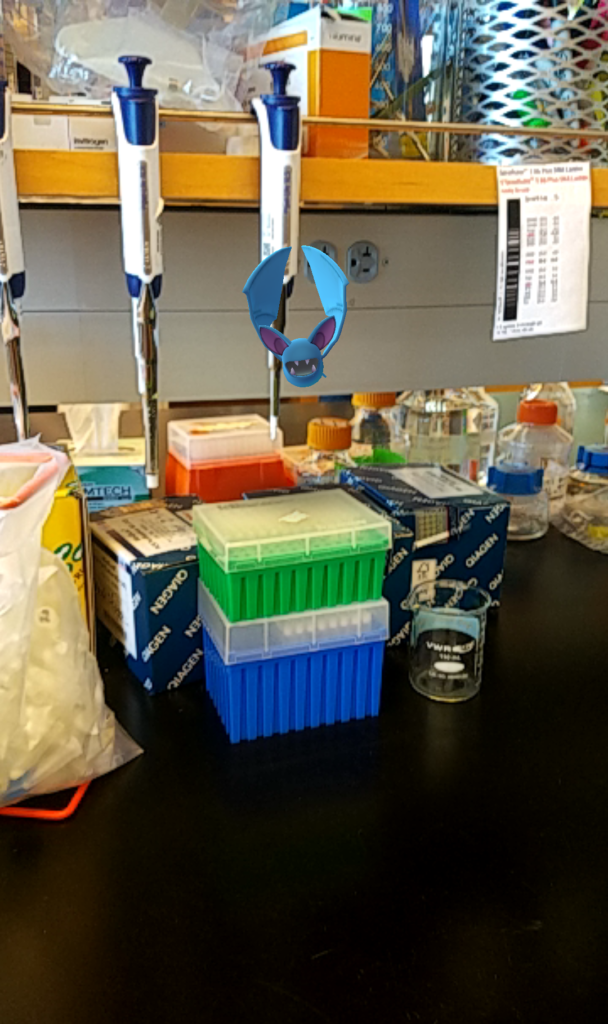
Additionally, Prof. Bonsai is hoping that he can utilize a 2012 study, A Phylogeny and Evolutionary History of the Pokémon, from the Annals of Improbable Research to study the co-evolution of microbes with their Pokémon hosts before, after and during their evolutions.

Unfortunately, this study is currently limited to Pokémon that are solid (e.g. no ghost Pokémon) and those that are not flammable (e.g. no fire types) due to sampling issues. Prof. Bonsai and his team are currently testing out alternative sampling methods and hope that these Pokémon will be able to be included soon. If you are interested in participating please contact Prof. Bonsai via mail using a flying-type Pokémon.
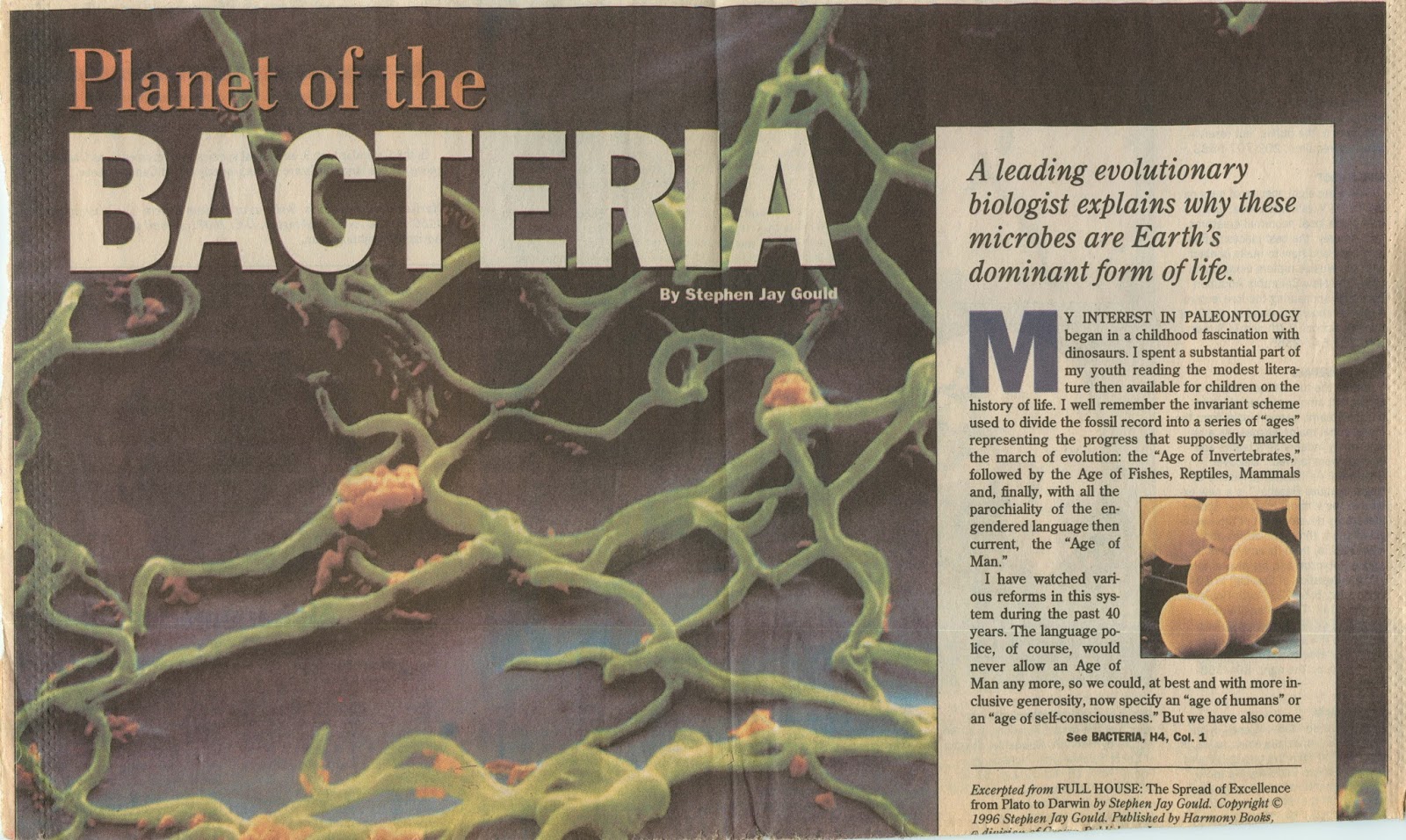
An influential article in my career development was this piece on the Washington Post in 1996 by Stephen Jay Gould. I was already convinced bacteria were important and interesting. But it was nice to see the person who got me interested in evolution (via his books and then a class I took from him in college) emphasizing the bacteria. Here is a link to the Post archive of it.
PLANET OF THE BACTERIA – The Washington Post
Well, my mom sent me a copy of it and I kept it all these years. Just scanned it so, I thought I would share what it looked like in the paper since this is VERY different from looking at the text on the Post archive site.



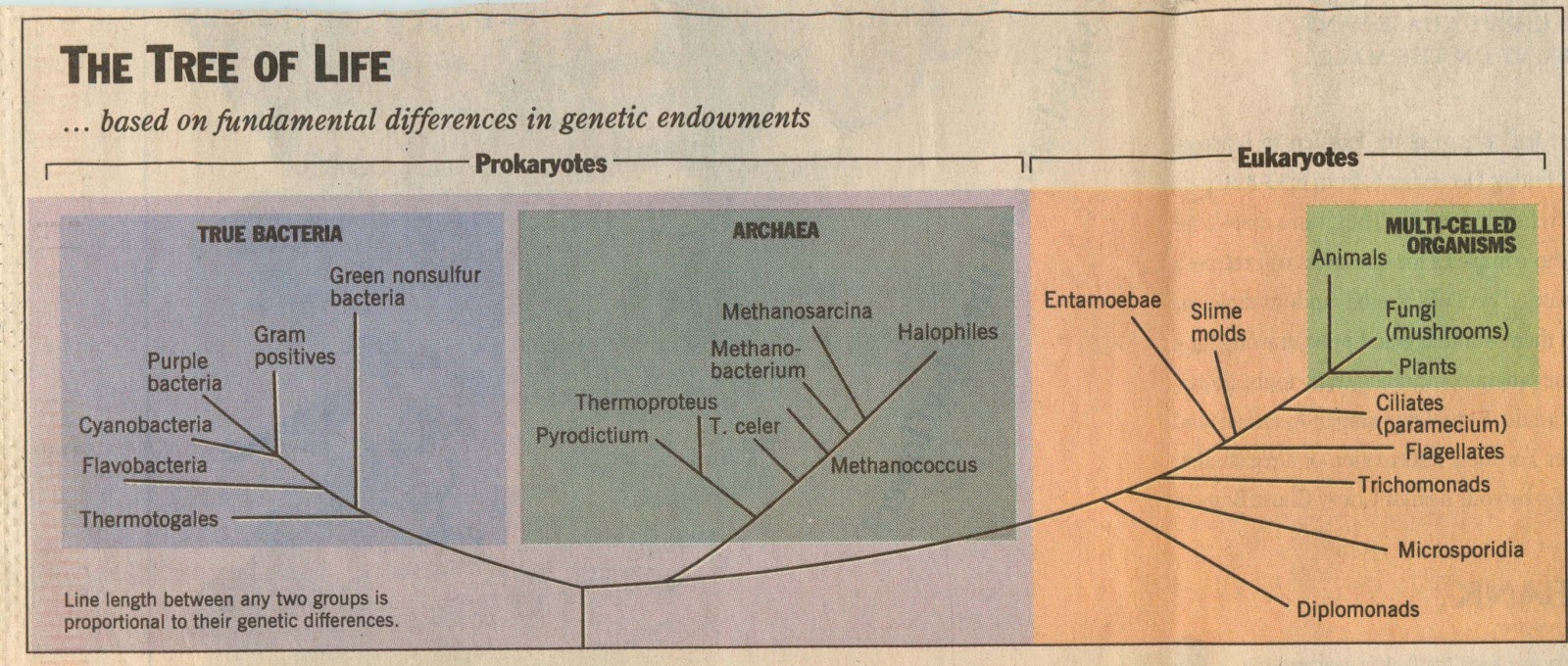
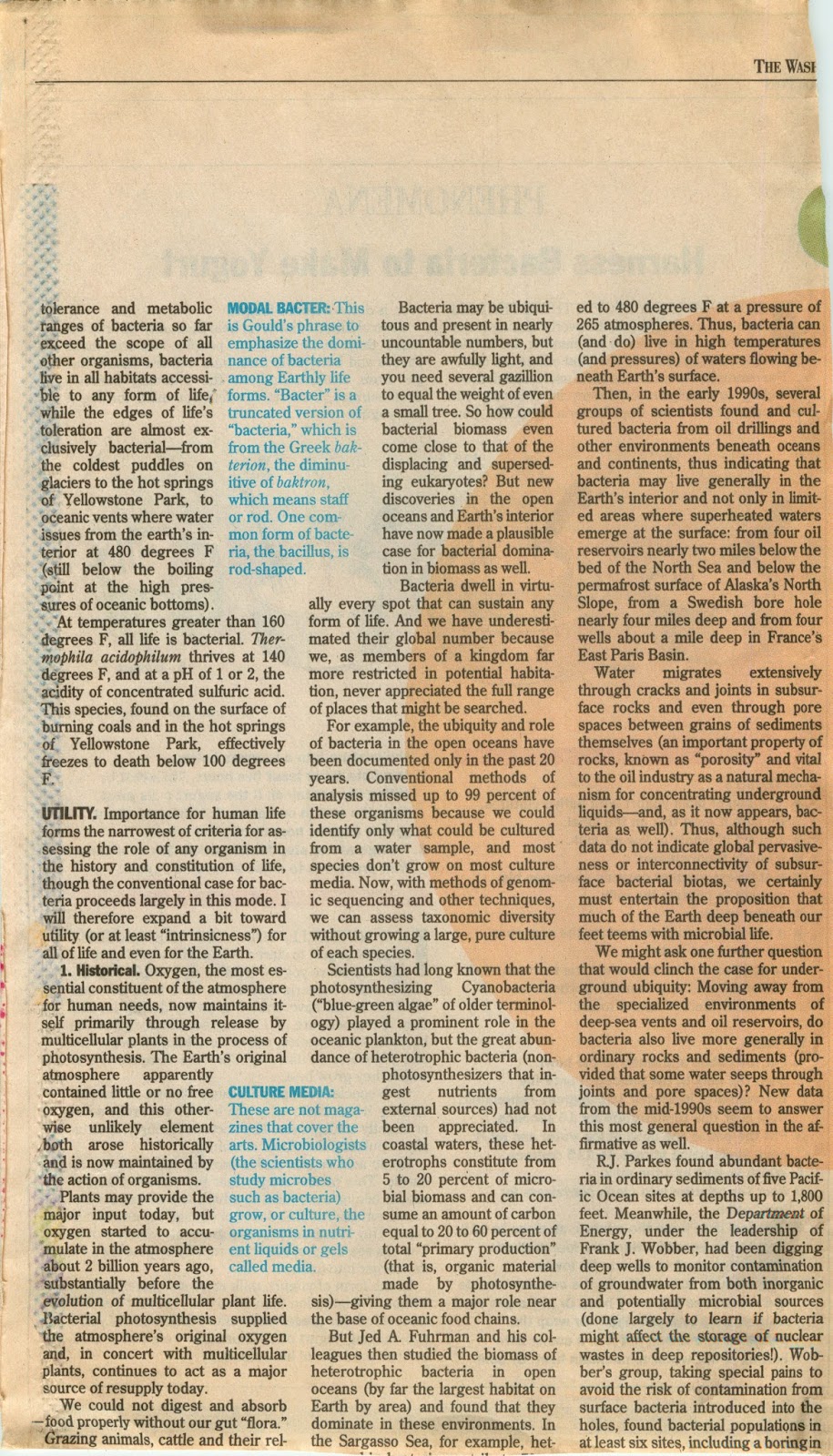
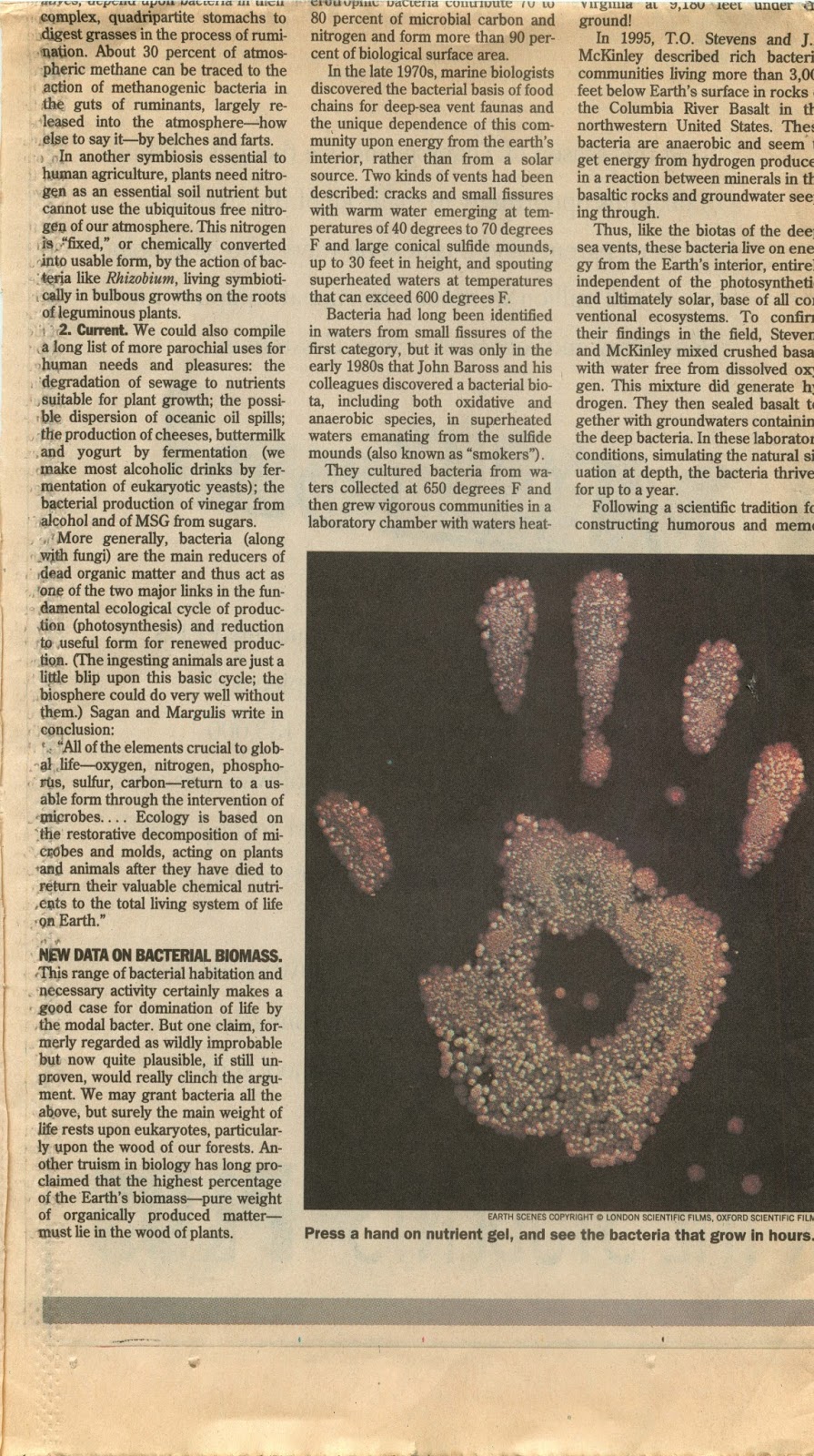

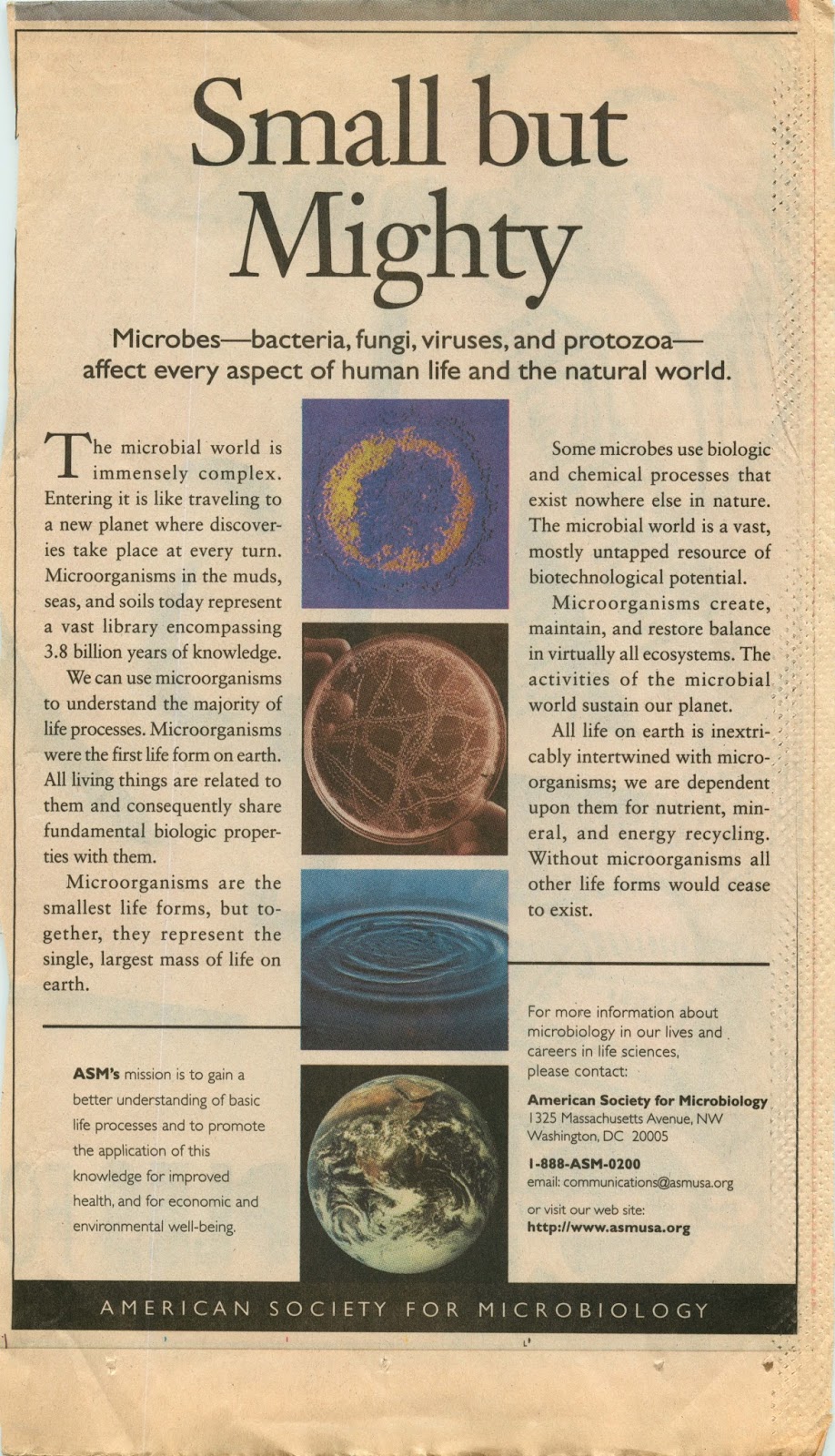
Interesting way of getting people to look at a paper. I am sure other places do this but I have not seen it too often (though this was in SPAM and I only found it by searching SPAM for some key words which I occasionally do to find mislabelled messages.
——— Forwarded message ———-
From: Gabriel Valiente / De Gruyter Open <metagenomics.editorial@degruyteropen.com>
Date: Thu, Jun 9, 2016 at 6:45 AM
Subject: Metagenomics-Mathematical, Statistical and Computational Methods
To:
Dear Colleague,
It is my pleasure to inform you that your paper has been cited in an article “Machine learning for metagenomics: methods and tools” published recently in Metagenomics – Mathematical, Statistical and Computational Methods (http://www.degruyter.com/view/j/metgen).
Here is the link to the article:
http://www.degruyter.com/view/j/metgen.2016.1.issue-1/metgen-2016-0001/metgen-2016-0001.xml
Metagenomics – Mathematical, Statistical and Computational Methods is a fully peer-reviewed, open access, electronic journal covering the emerging field of metagenomics. The scope of the journal covers mathematical, statistical and computational methods for metagenomics and their use in biomedical and biotechnological applications.
The journal is now free both for readers and authors. We publish research papers as well as surveys on the subject and all accepted papers are quickly published online. All manuscripts should be submitted to the Editorial Office via metagenomics.editorial@degruyteropen.com.
Using this opportunity, we would like to invite you to consider publishing your work in Metagenomics – Mathematical, Statistical and Computational Methods.
Best regards,
Gabriel Valiente
EiC, Metagenomics
http://www.degruyter.com/view/j/metgen
Introduction to Flow Cytometry for Aquatic Sciences
September 12-16, 2016
Bigelow Laboratory for Ocean Sciences, East Boothbay, Maine, USA
Course information and Registration:
https://www2.bigelow.org/services/fac/education
This course is organized by Dr. Nicole Poulton, Director of the J.J. MacIsaac Facility for Aquatic Cytometry (https://fac.bigelow.org) and will include additional lecturers who are experts within their fields. Registration is limited to 10 participants.
The 5-day course will include both lecture and laboratory sessions, and provides aquatic and environmental scientists and/or commercial entities an introduction to flow cytometry, including the theory of operation as well as an introduction to different flow cytometric instrumentation (analyzers and cells sorters) including imaging cytometry tools (FlowCAM). Both breakfast, coffee breaks and lunch are provided on all days and will also include one group dinner with the lecturers (Maine Lobster Bake). Lodging is not included.
Throughout the week topics will include discussions on the wide number of applications within the aquatic sciences including, but not limited to:
1. Culture & Environmental sample enumeration (viruses, bacteria, phytoplankton and heterotrophic protists), including preservation techniques.
2. Cell Sorting for Biogeochemical analyses (C, N, & P)
3. Cell sorting for isolation and cultivation.
4. Imaging Cytometry for Aquatic applications (using FlowCAM).
5. Single cell sorting for whole genome amplification (WGA) and genome analysis.
Guest lecturers will include:
Dr. Michael Lomas, Director of the National Center for Marine Microalgae (https://ncma.bigelow.org)
Dr. Ramunas Stepanauskas, Director of the Single Cell Genomics Center (https://scgc.bigelow.org)
With additional assistance from the following Facility & Bigelow Laboratory staff members:
Dr. Steven Baer
Laura Lubelczyk
Brian Thompson
Corporate Participants include:
BioRad
Fluid Imaging Technologies
Please forward this information on to anyone interested in learning aquatic flow cytometric techniques in a laboratory-intensive week-long course on the coast of Maine this fall. For questions or additional information, or specific aquatic application requests, please contact Nicole Poulton: npoulton
Thank you!


 Jonathan Eisen's Lab