
Phoebe Ayers, librarian extraordinaire at UC Davis is running another Wikipedia Editathon on women in science and academia. See Wikipedia:GLAM/University of California Davis Libraries. It will be May 23. The last one went quite well. I had posted a few announcements here and there (e.g., Wanted – participants and helpers for a “Women in Science Editathon) about the previous one that was inspired by Dawn Sumner and run by Phoebe. These are good ways not only to help promote women in science but also to learn a bit about Wikipedia and about some female scientists.
Month: May 2014

Not protesting this commencement address: Nancy Hopkins at BU on Gender Bias in STEM
Thank you Paula Olsiewski for pointing me to this: Boston University’s 141st Commencement Baccalaureate Address: Nancy Hopkins. It is the text of the commencement address that Nancy Hopkins gave at BU on Monday. And it is really worth reading. Or watching.
And fortunately BU has posted video of the talk
In the talk Hopkins discusses her work in biology and the subtle and overt gender bias she has seen. Hopkins is quite an amazing person. For more about her see
Also see a talk by Hopkins at U. Chicago from 2011 at a colloqiuium on advancing women in science and engineering.
Share this:
What the fungi do I do with my ITS library?
Originally posted on jennomics.com May 21, 2014
It’s been about 8 years since I started working on my first 16S rRNA PCR survey (of Drosophila gut microbes). At that time, I was occasionally asked, “what about Archaea or what about microbial Eukayrotes?” Then, and ever since, my reply has been that it’s hard enough to get a handle on what’s going on with the bacteria – I don’t need to make my life more challenging by broadening my scope.
But, finally, this month, I’m making my life more challenging. As part of my new Seagrass Microbiome Project, I’ve decided to tackle the fungi. As far as I can tell, ITS is the “barcoding” marker of choice for fungal types. For many reasons, it’s best to follow the herd when doing this sort of thing: 1) someone else has already designed, tested, and published results with these primers, 2) there is a reasonably large database of ITS sequences available to compare my sequences to, and 3) I lack the interest and personnel to explore an alternative approach.
So, I just plunged right in. At first, I tried some new primers designed by Nick Bokulich, but he warned me that they were “finicky” and he was correct. I got no amplification with my seagrass samples, and the positive control I had only worked about half the time. I know some other fungi people, well, I know Jason Stajich (@hyphaltip), so I asked him which primers I should use, and I decided to go with the primers set used in a cool paper by Noah Fierer’s lab, in which they looked at fungi in rooftop gardens in New York City.
Those worked, and a few days ago I got word that my sequencing run was in. It looks like crap. We typically get about 12 million sequences from our MiSeq runs, but this time, I only got 4 million. I was also told that the reverse reads looked much better than the forward reads.
So, now, in addition to working with a new “barcode,” I have to troubleshoot a crappy sequencing run. In many ways, it’s nice to have undergrads and a technician in the lab who do all of my lab work for me these days, but it sucks when it’s time to troubleshoot because I’m so far removed from the bench that I have no idea what’s going on anymore.
So, the first thing I asked for was the Bioanalyzer trace that’s always run before the library goes on the machine. It looks like this:

I had been told that there was size variation. I had even seen some of the PCR gels. But, still this is not what I expected to see. Upon seeing this, I am concerned about two things. 1) If there is strong preferential amplification of smaller DNA molecules during the bridge PCR on the flow cell, then will I even see DNA from those larger peaks? 2) With our 300bp reads, for sure the amplicons in the peaks <400 will have overlapping forward and reverse reads, but for sure the 676bp amplicons will not. What effect will these two things have on my analysis? How do I accommodate this size variation? One of the reasons to follow the herd with these methods is that other people have probably already encountered and dealt with exactly this issue, so I turned to Twitter…
There are some great resources suggested here. I know what I’ll be reading this weekend…
Share this:

Lab meeting at Yolo Basin – science should be fun …
Was both a very good and a very bad day yesterday. I will leave out the bad here other than to say that a close relative was diagnosed with a very bad cancer. Fortunately, I had already planned to have my lab meeting (in picnic format) out at Yolo Basin Wildlife area and so I had to soldier on. I scouted out the Yolo Basin in the early AM (after dropping my mom off at the airport). And during the scouting trip I saw all sorts of cool wildlife. Some of the pics are below:
 |
| Coyote hunting rodents off in the distance |
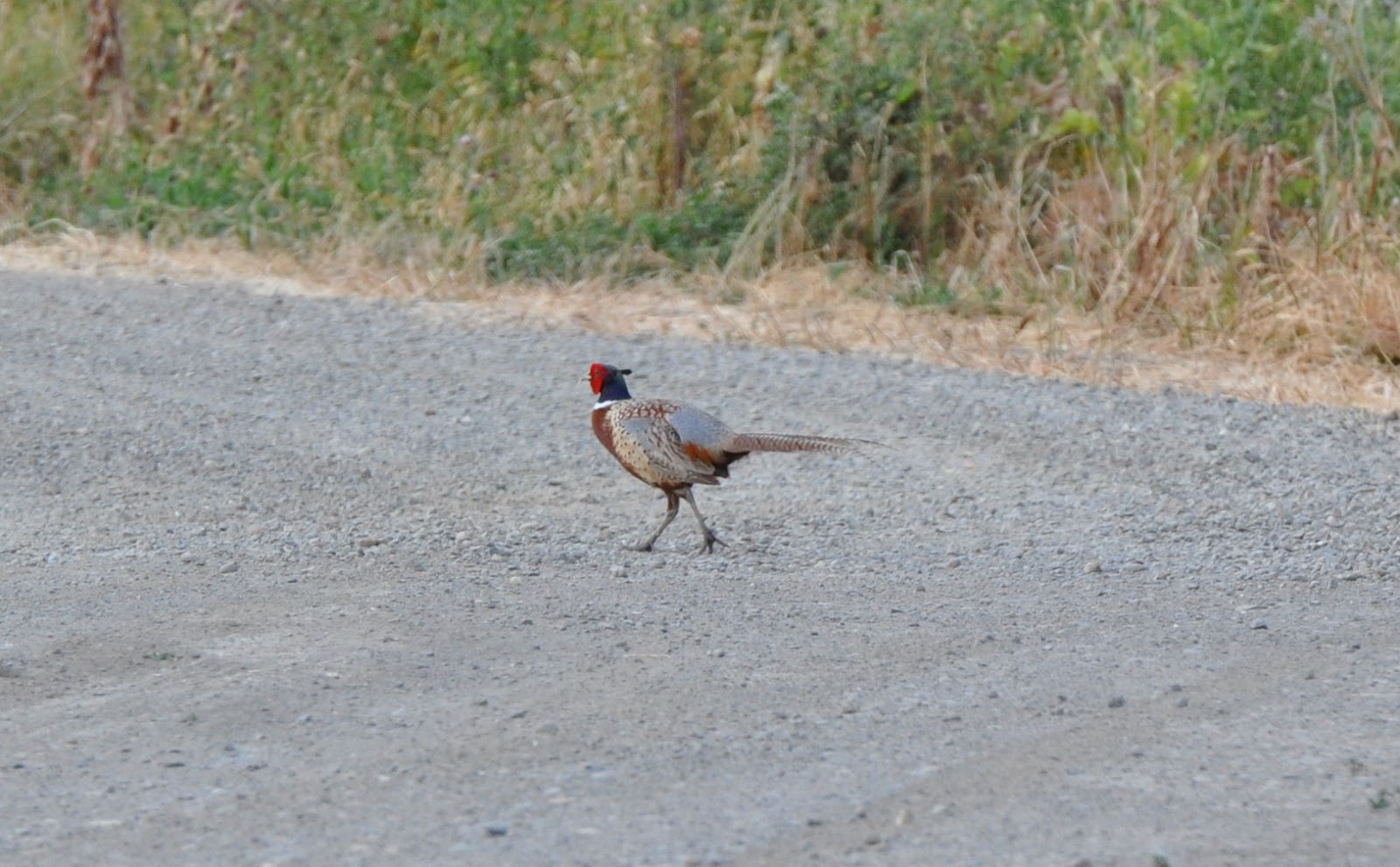 |
| Ring necked pheasant |
And then I headed on over to where we were going to have the picnic (to make sure they were not doing any construction work near there as I had seen trucks there a few days before). And on the way to the parking lot I saw some otter poop in the road. It seemed very very fresh. So I slowed down (to even less than the 15 MPH I was going) and then I saw them.

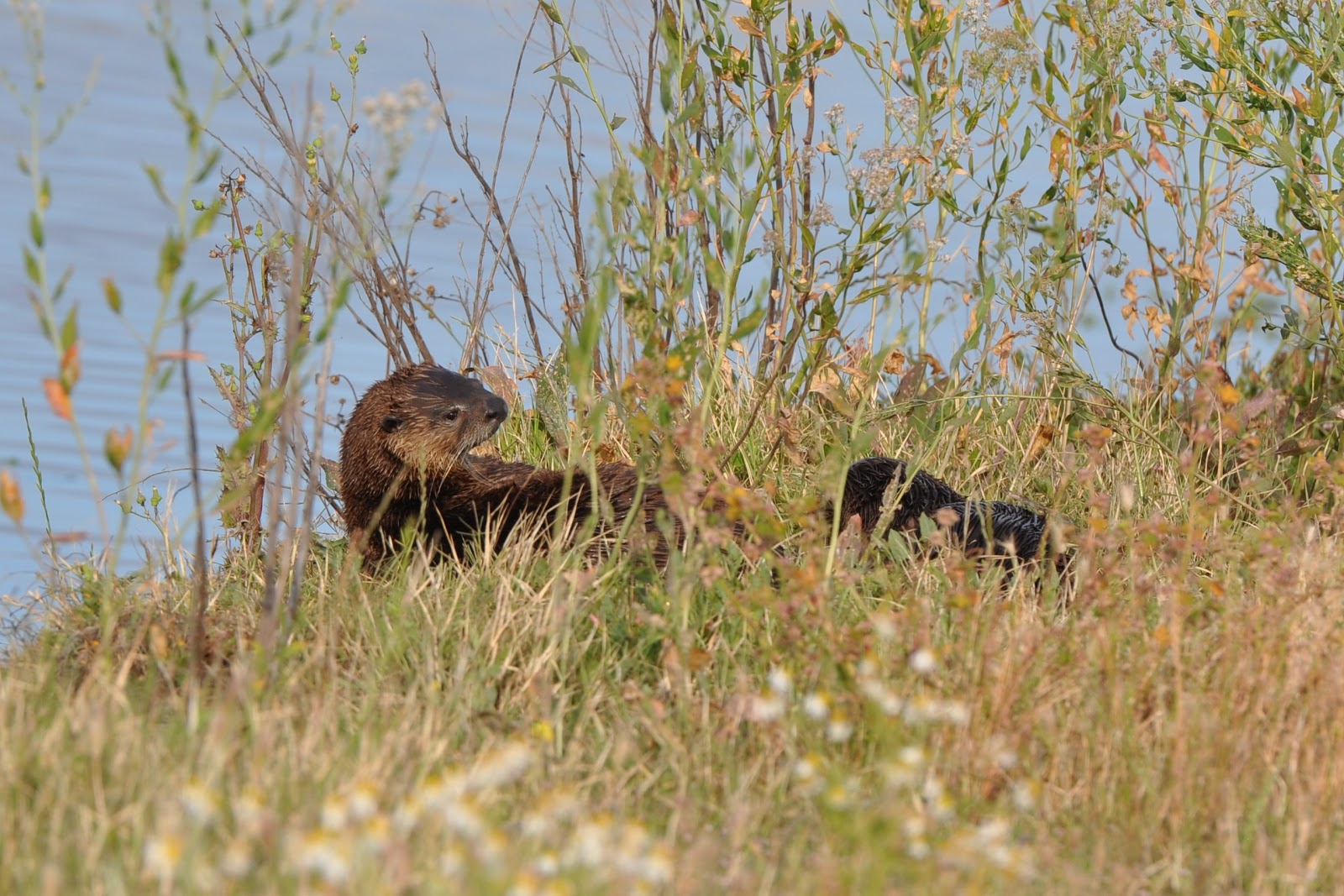
Two otters. Just a few feet in front of me. Playing. They eyed me suspiciously, and then headed into the little channel.


After a brief swim they headed out on the other side.


And then they eyed me from the safety of the other side and sniffed around, scratched, pooped and did many other things.
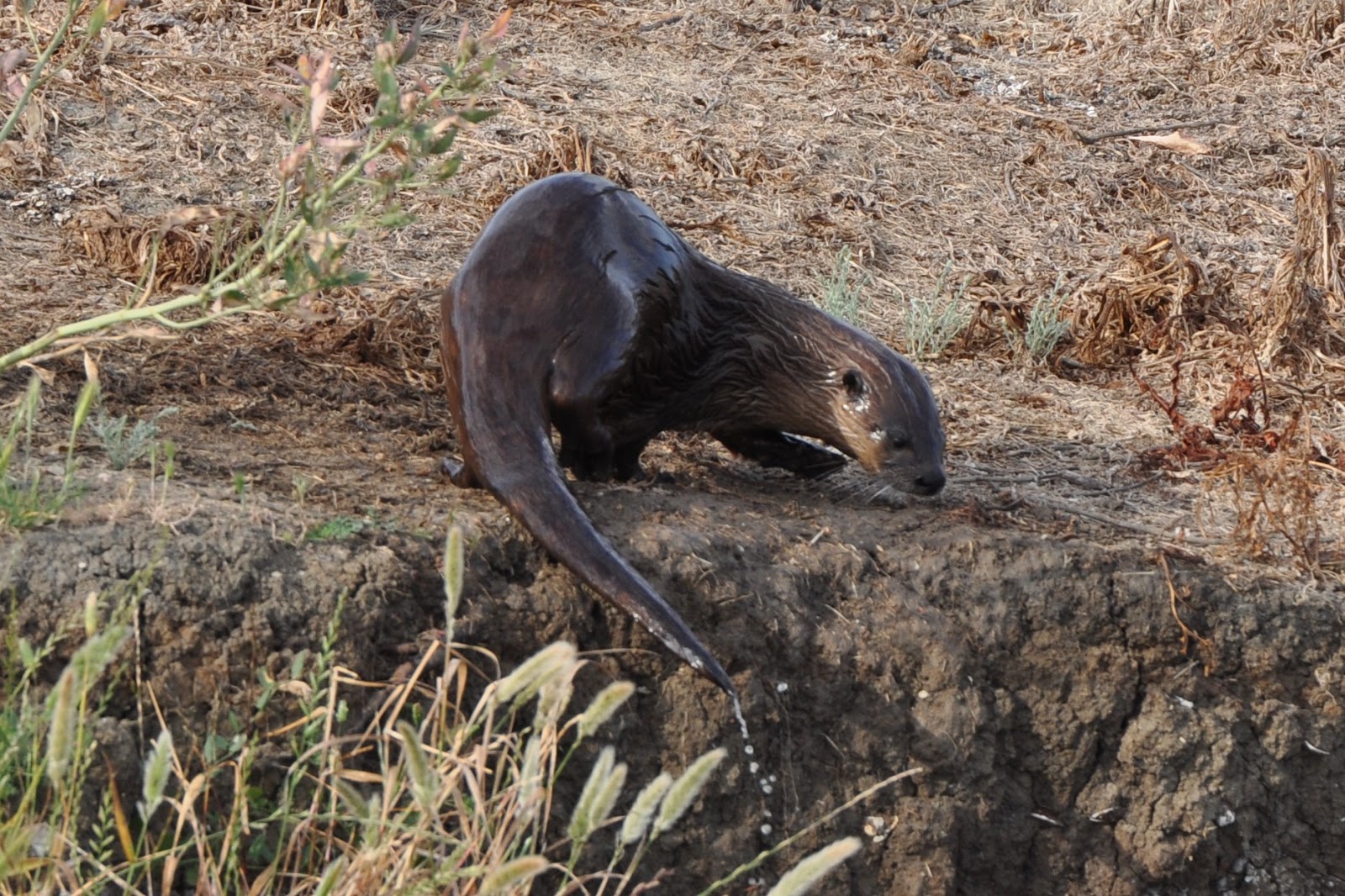
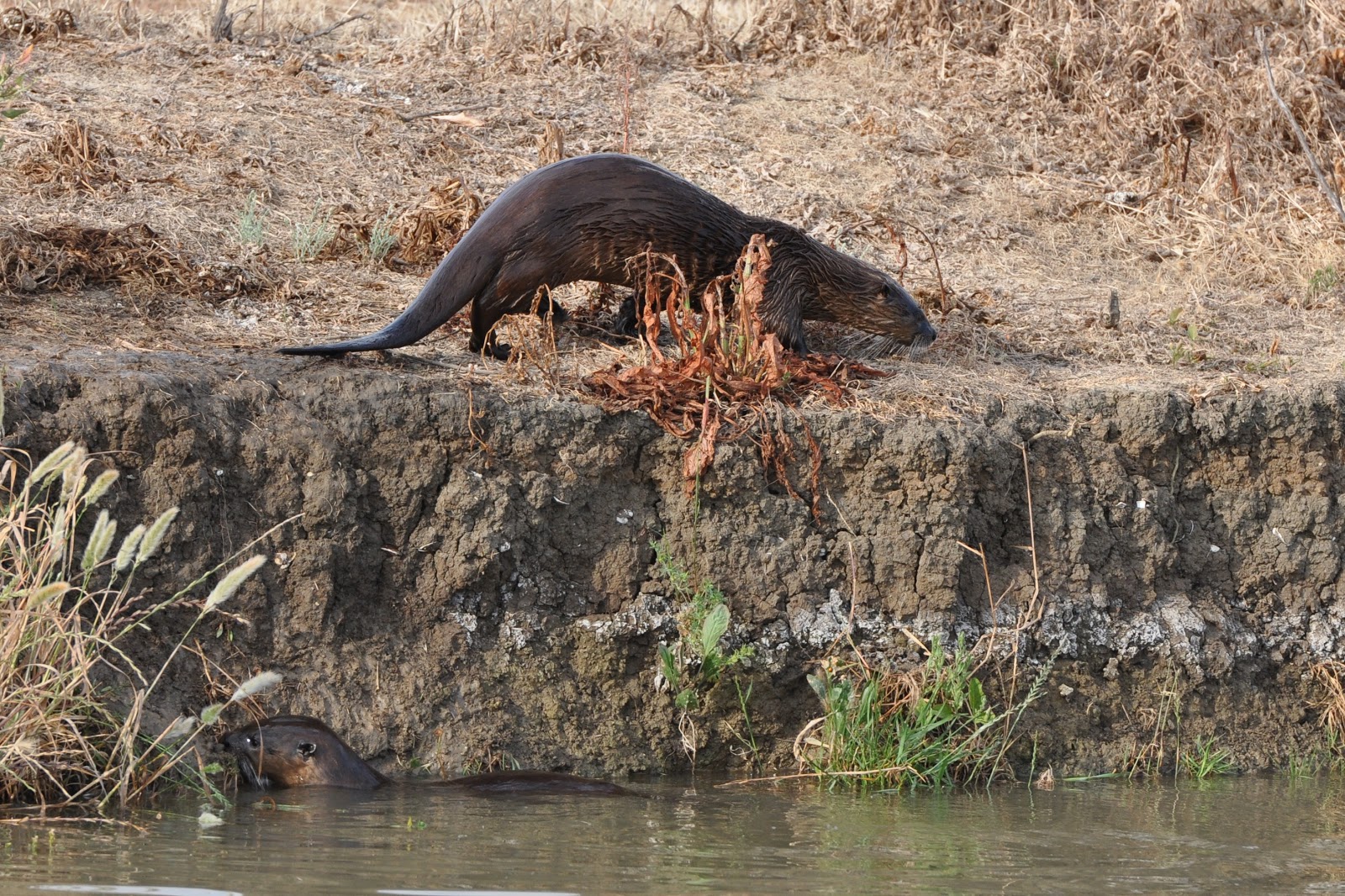
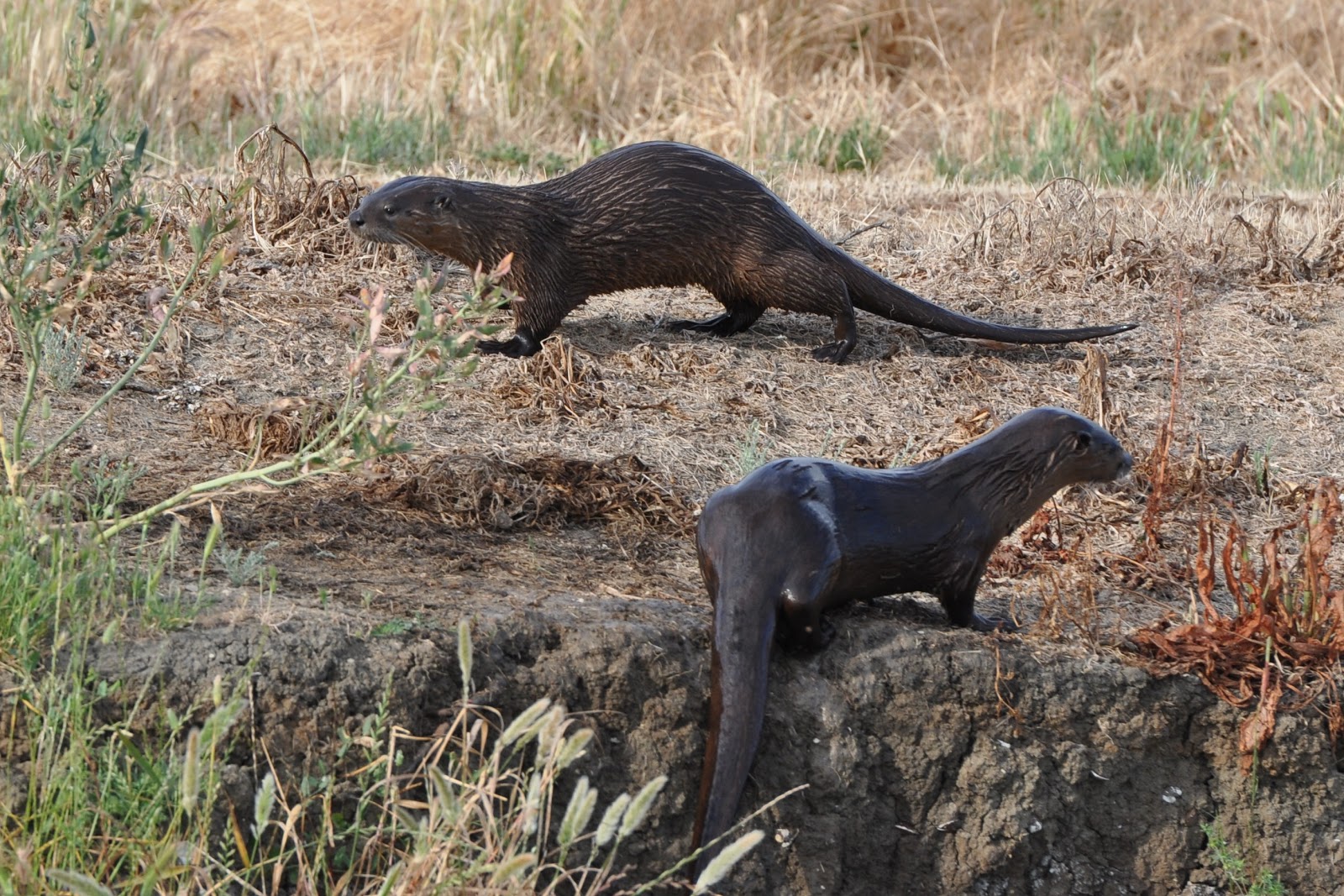


And then I guessed they decided it was time to go back in the water.
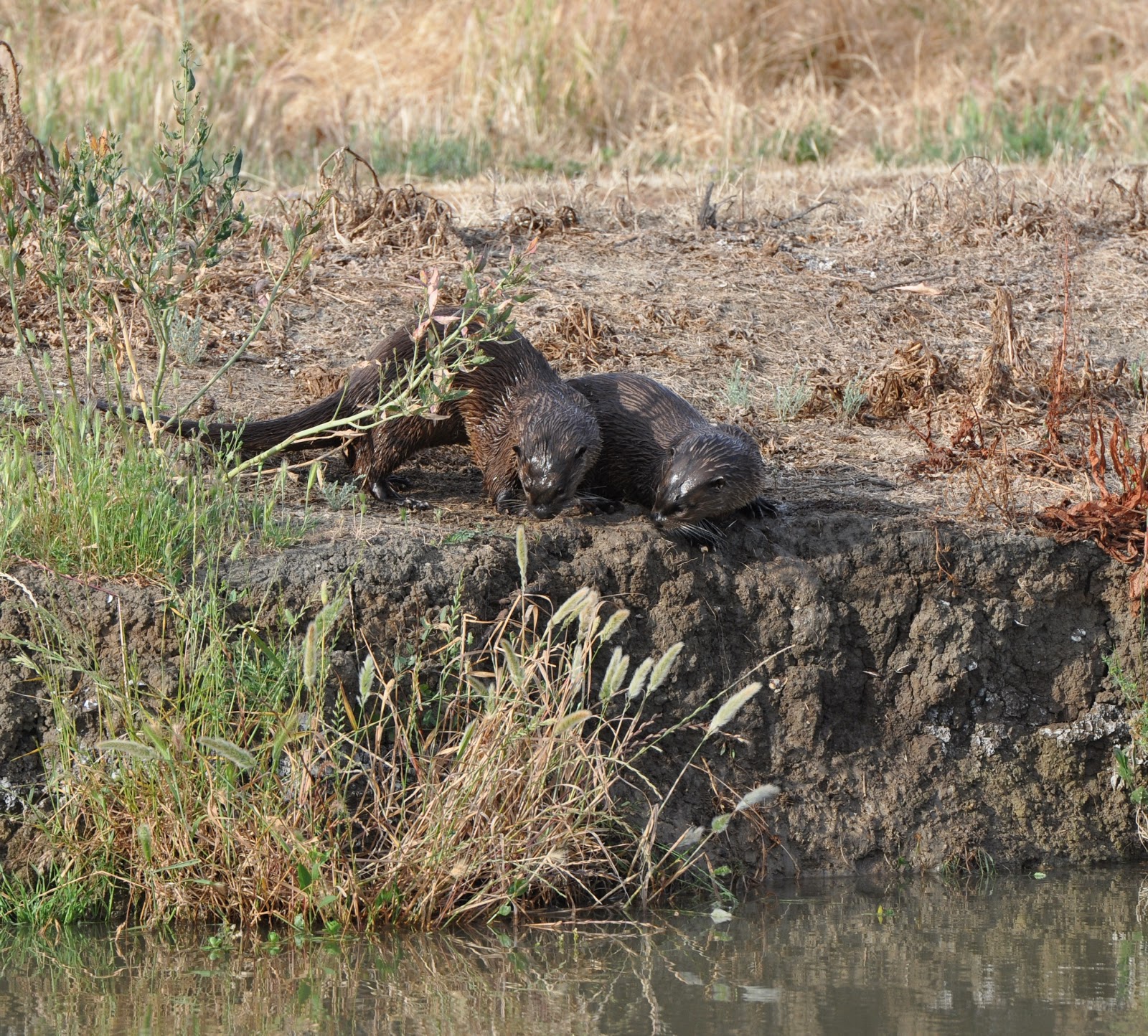
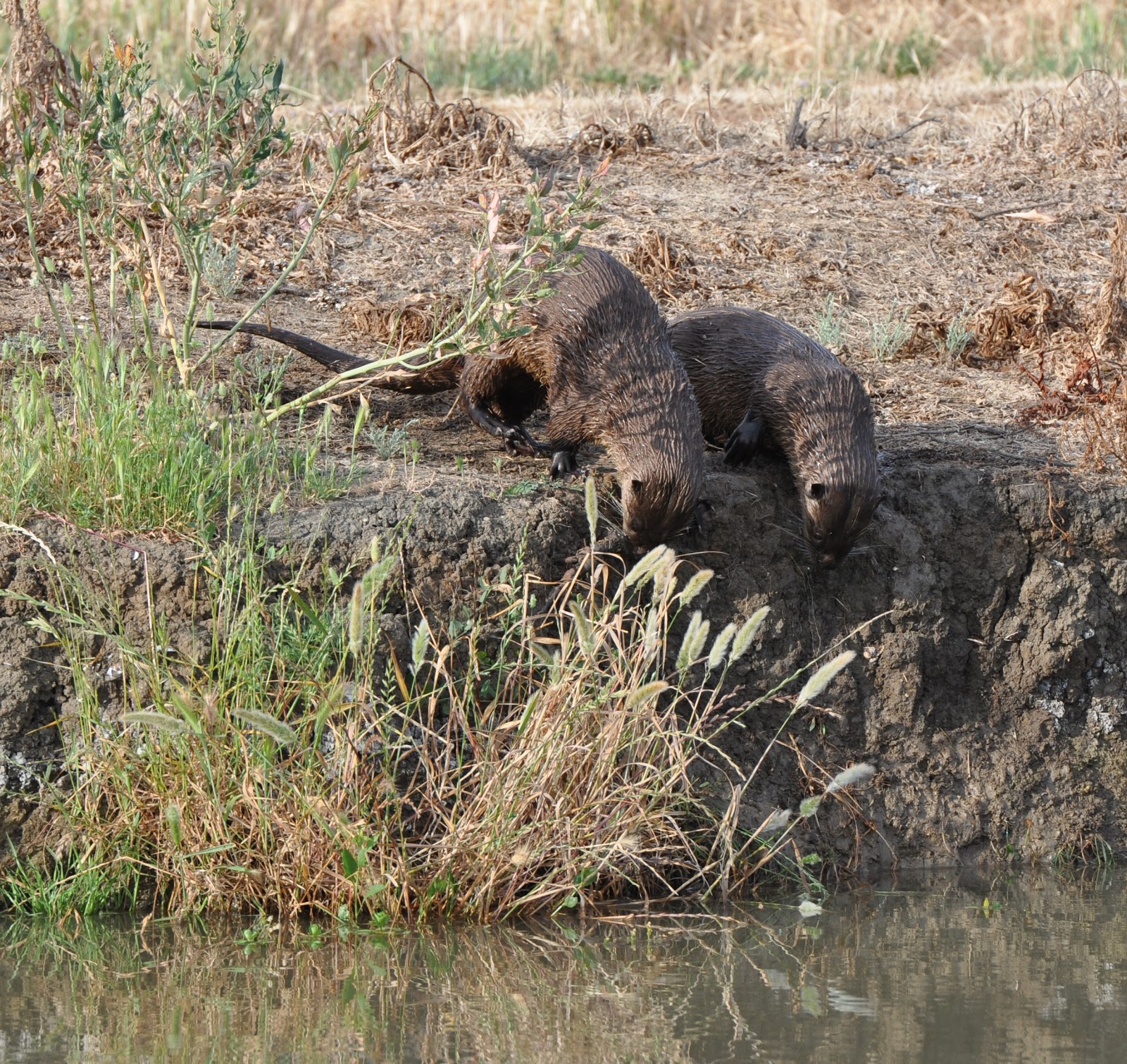

It seemed like they were egging each other on and then decided to both go in at the same time.
And then they swam around, mostly ignoring me and headed off.

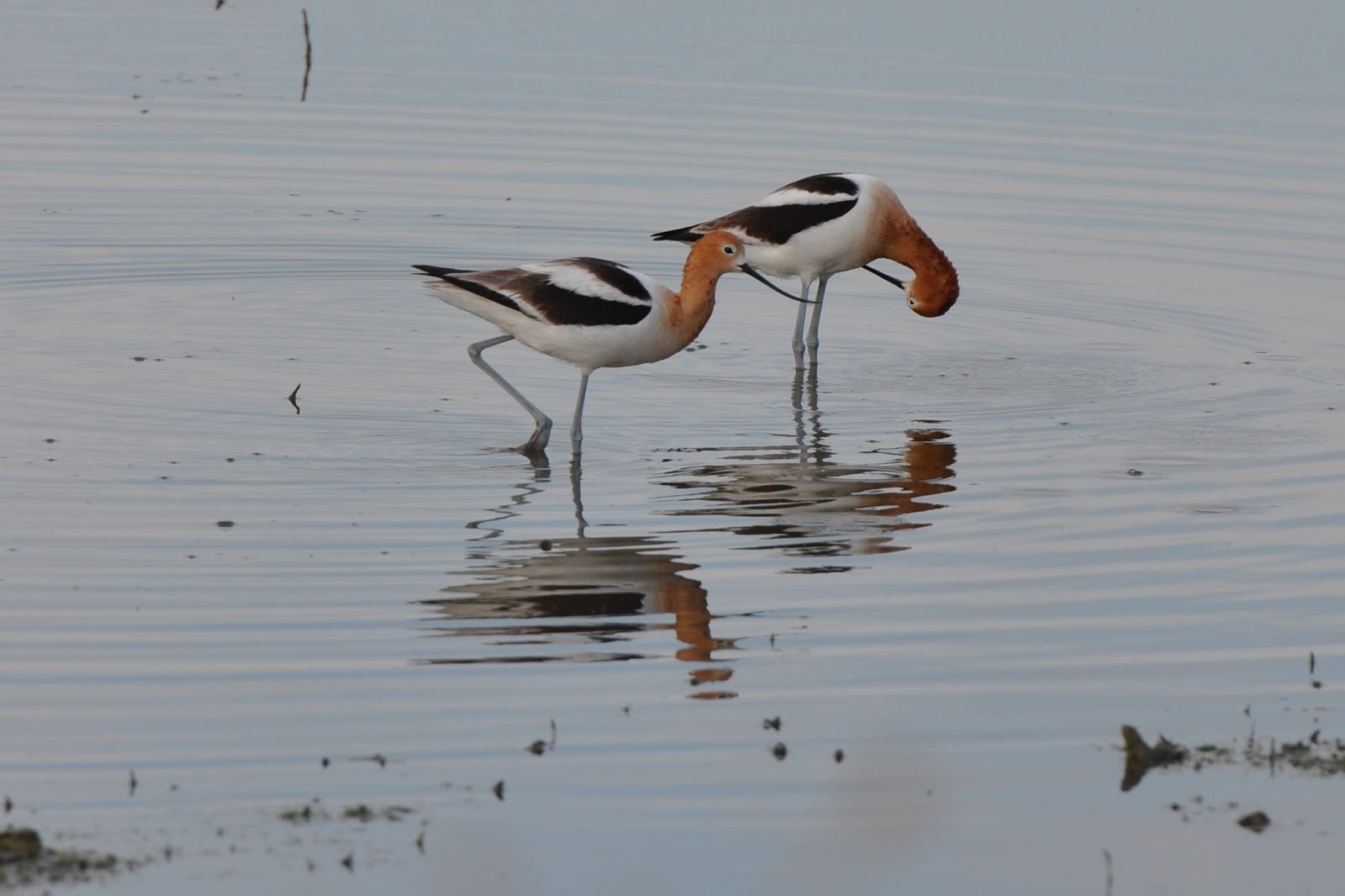
What a wonderful sighting. And then I headed on out of the park to get some picnic food. But I went slowly and took some bird pics along the way. Some very nice lighting as it was still early in the AM.
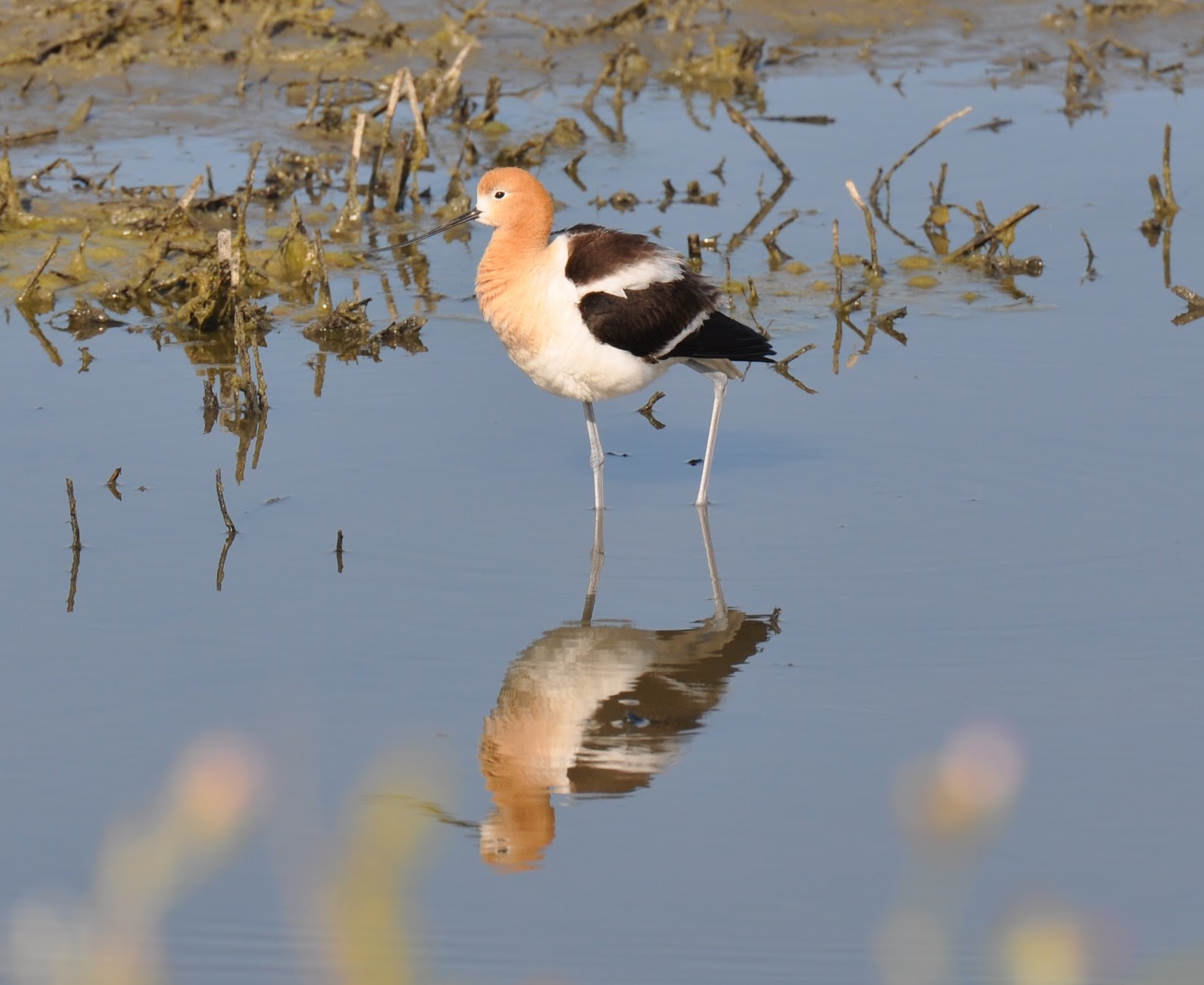
Lots of avocets, which are very photogenic



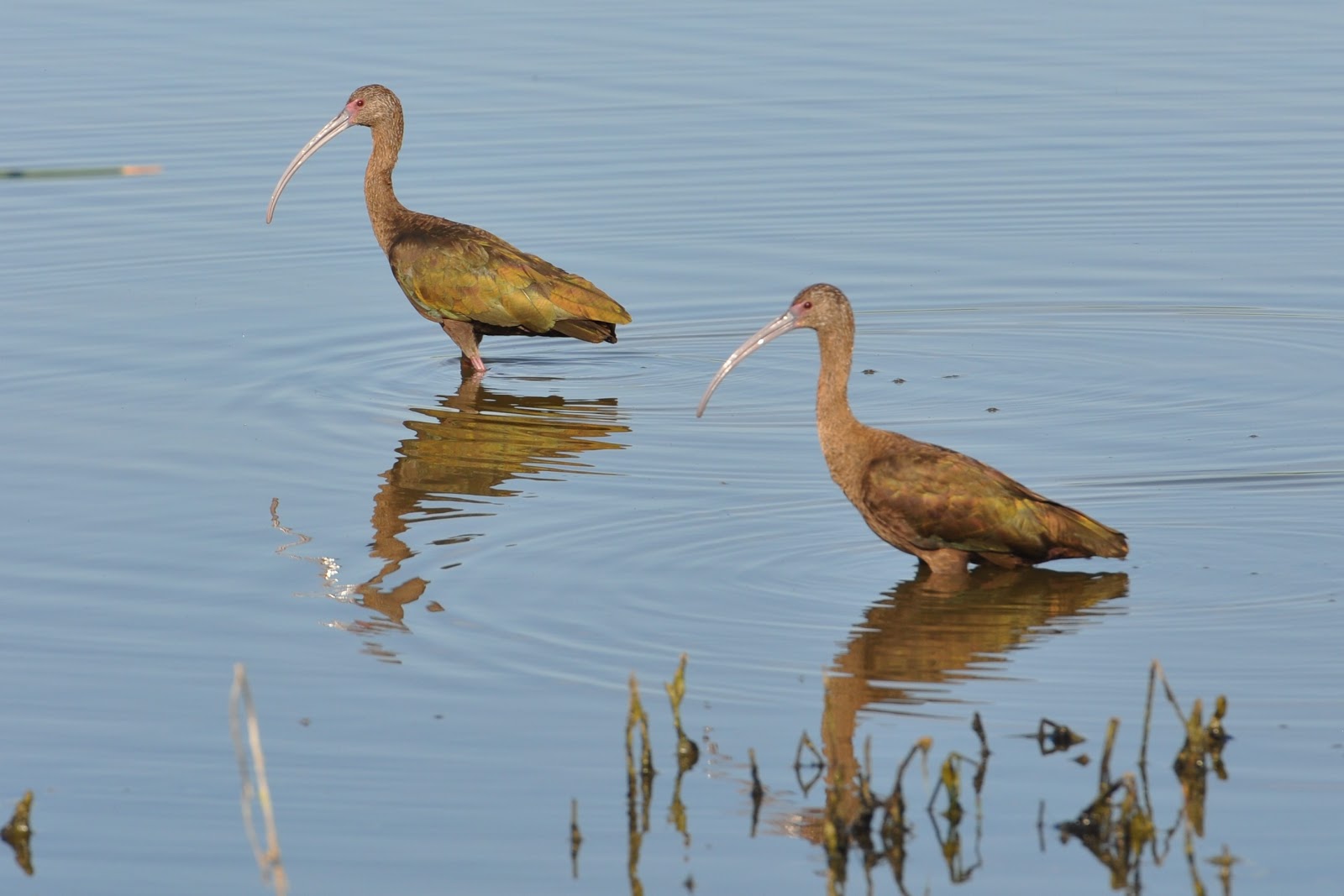
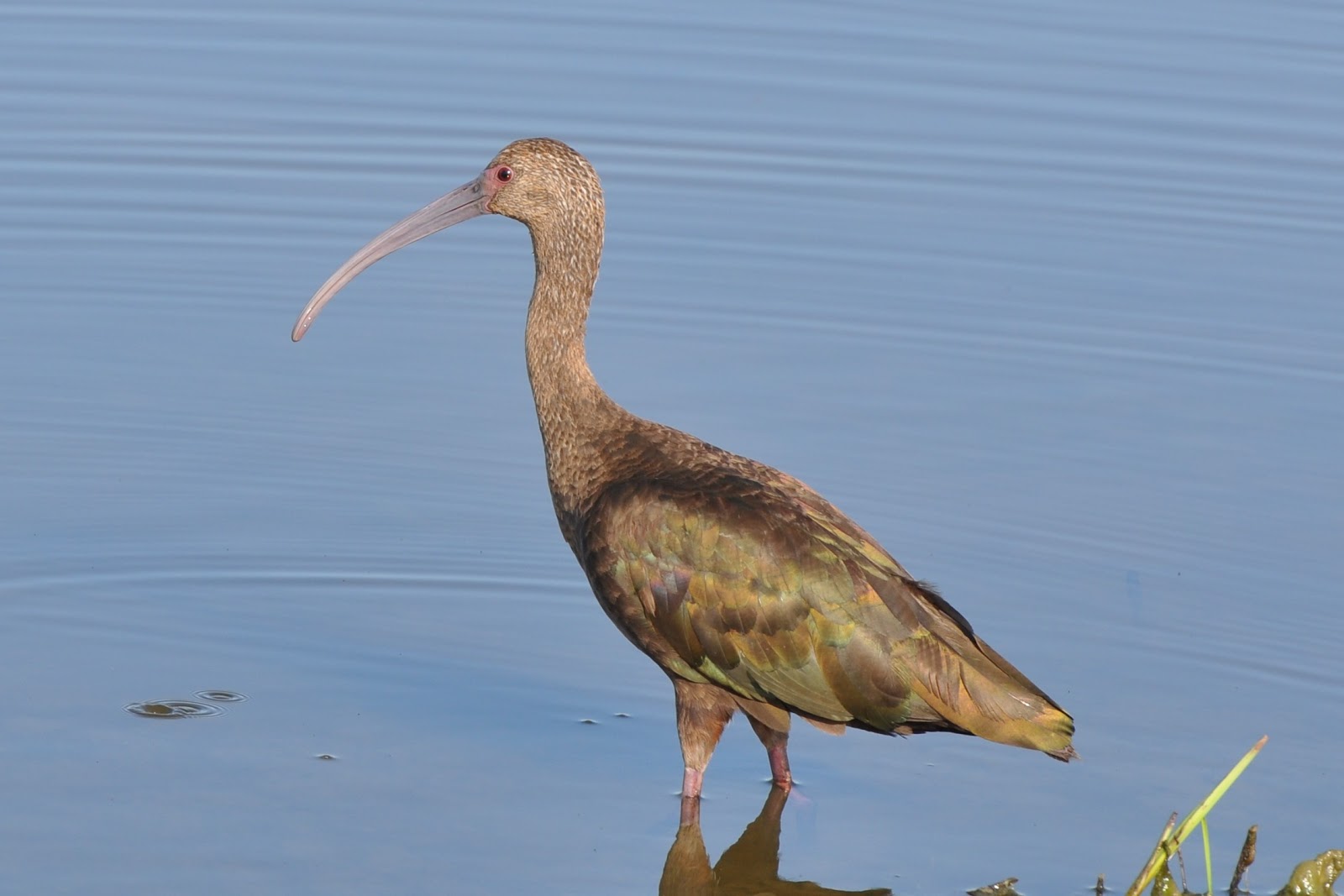
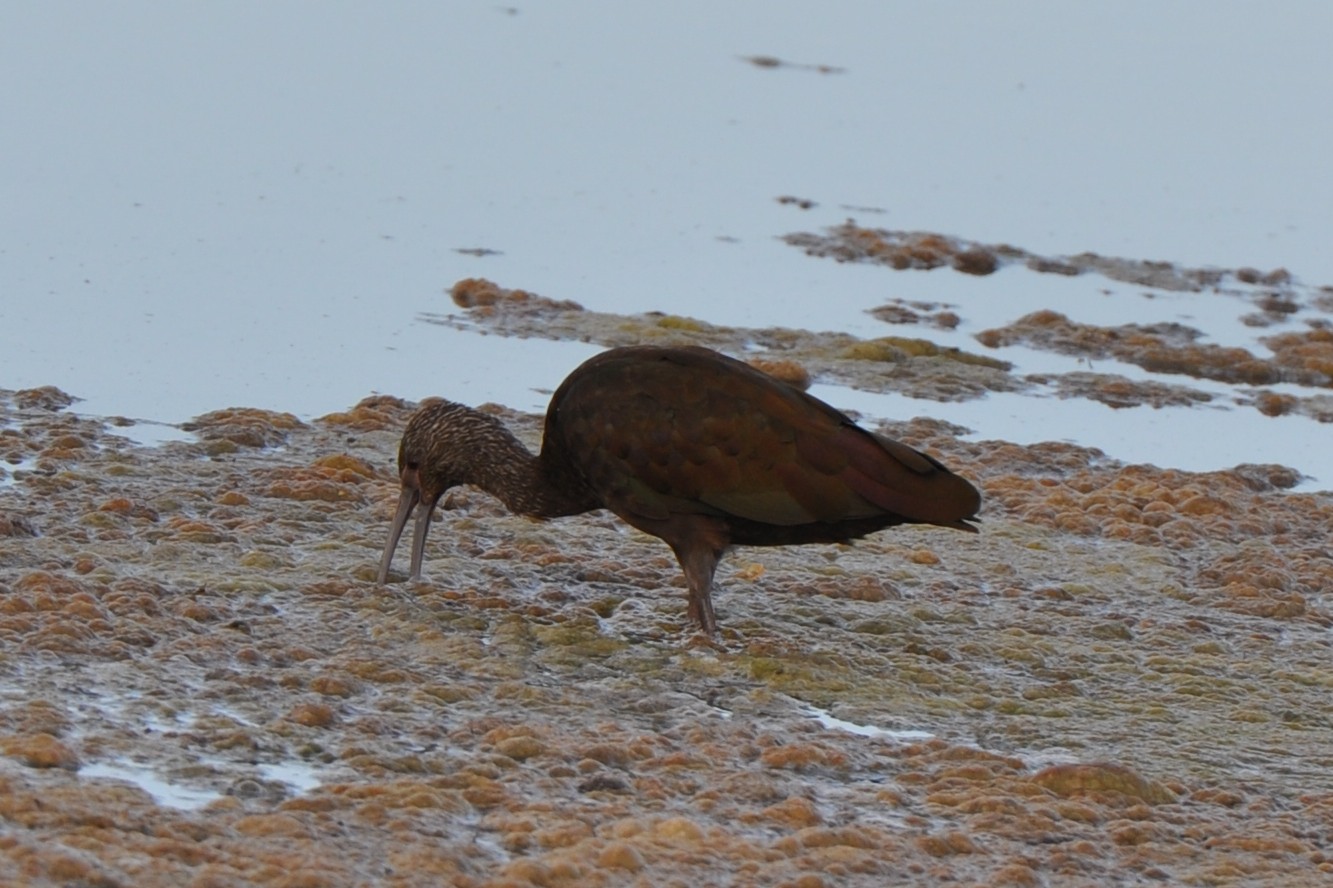
And lots of white faced ibises, which, depending on the angle relative to the sun can seem drab or glorious





And a slew of other birds including ducks, herons, etc. Here are some highlights
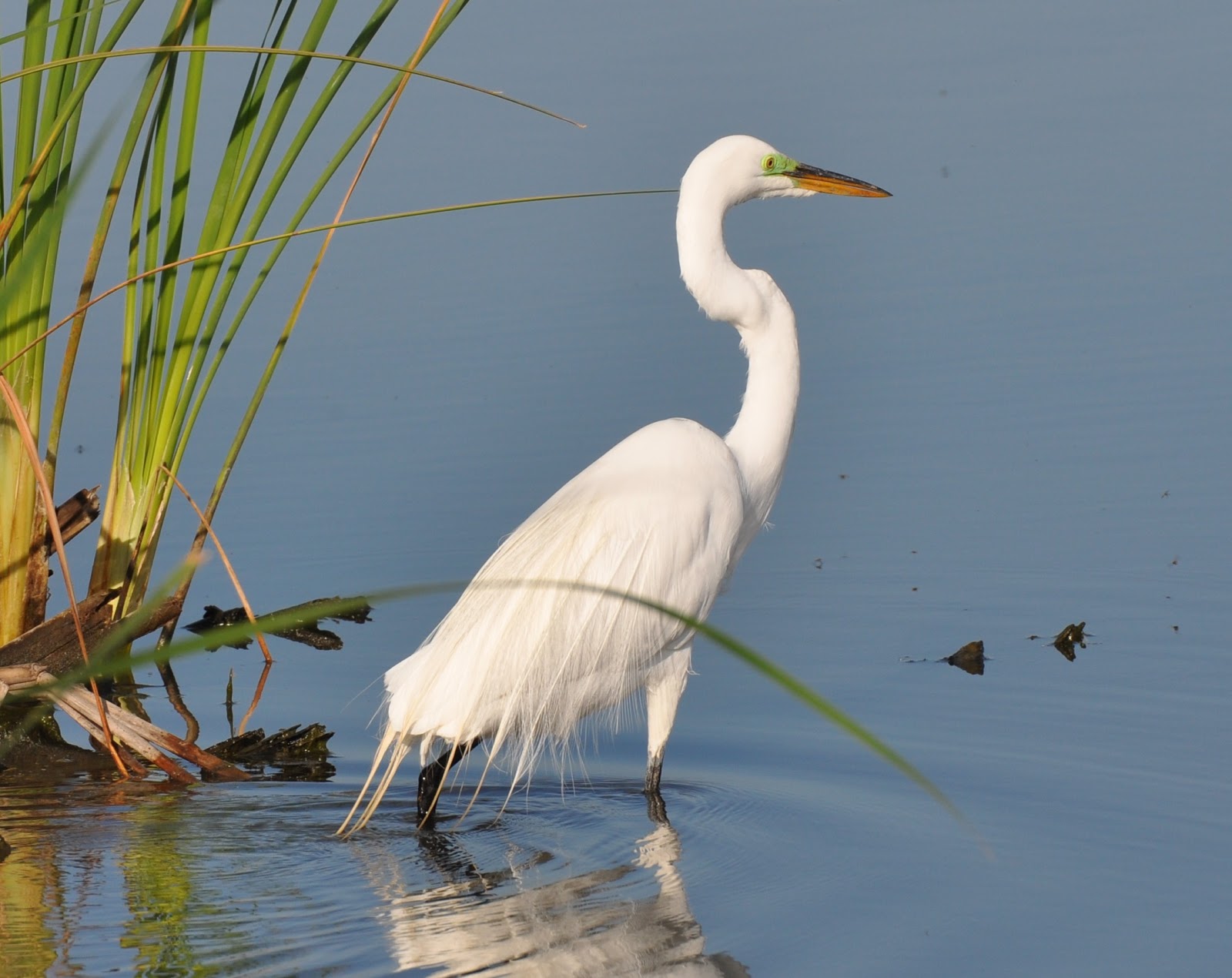
 |
| Breeding colors for egret (see green on nose) |



 |
| Pelicans |


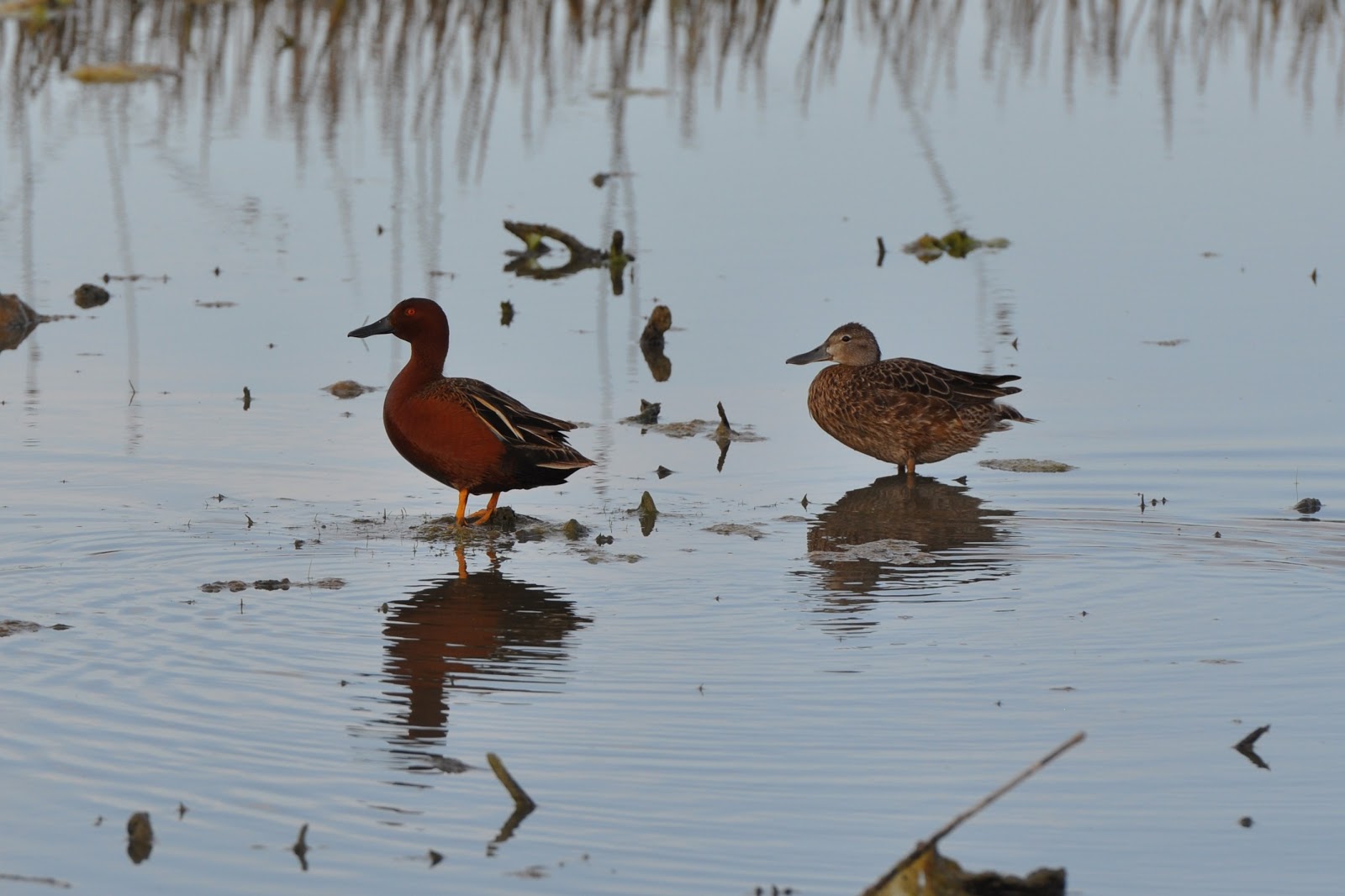
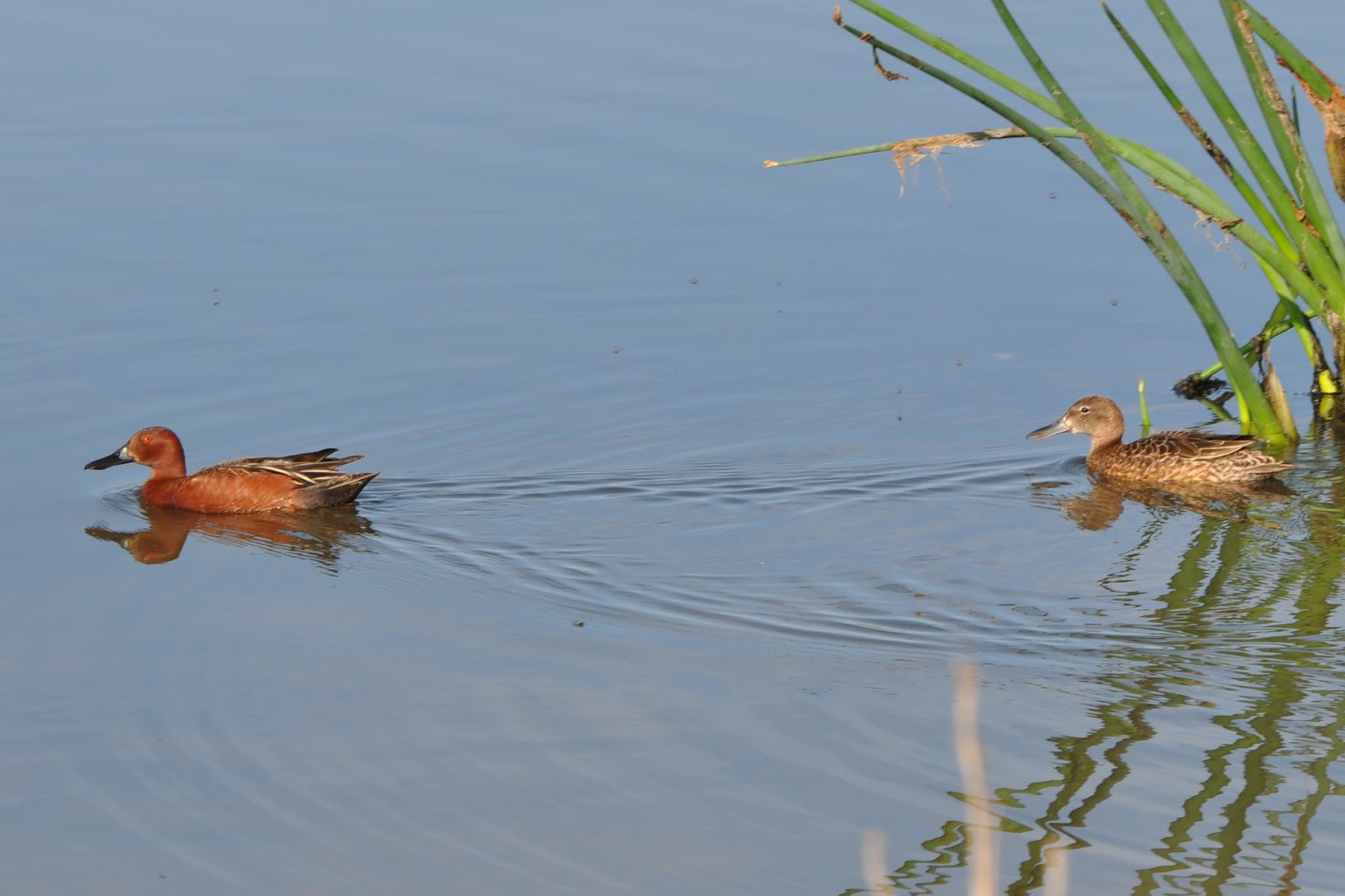 |
| Ruddy duck couple |
 |
| Ruddy duck couple |
And then off to buy food and then back to Yolo Basin to meet up with my lab.

We had a picnic. I was too distracted to take too many pics. Here are some I took. Will try to post some from people in the lab too.

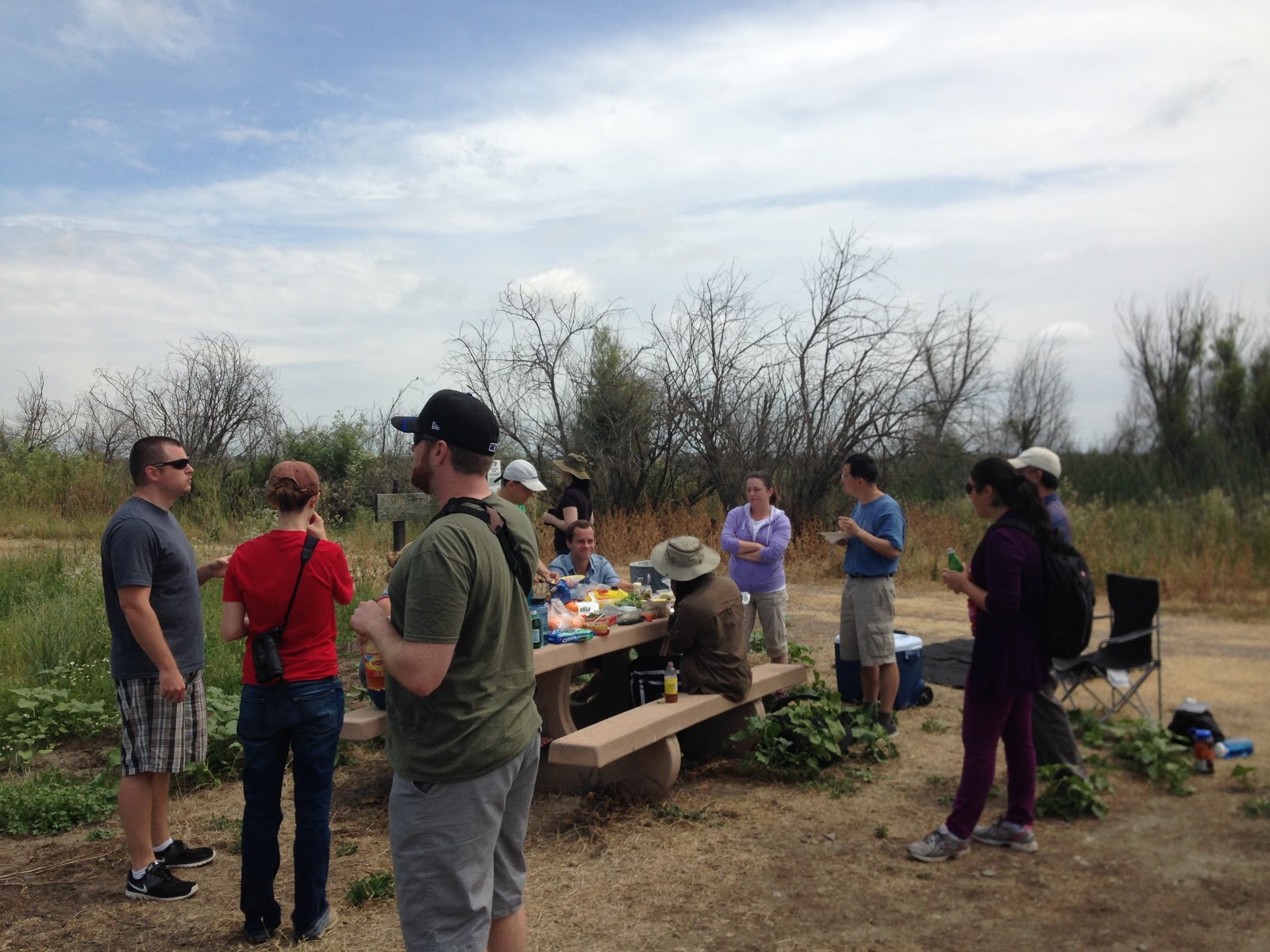
and then went for a hike. Didn’t take too many pictures of that but here are some. Good that


 |
| Otter prints |
 |
| Black shouldered kite |
And then headed out, not before taking some more pics on the way such as this one

Oh and of course, there was some chatter on Twitter about lab meeting … see the Storify here.
//storify.com/phylogenomics/lab-meeting-at-yolo-basin/embed?border=false//storify.com/phylogenomics/lab-meeting-at-yolo-basin.js?border=false[View the story “Lab meeting at Yolo Basin” on Storify]
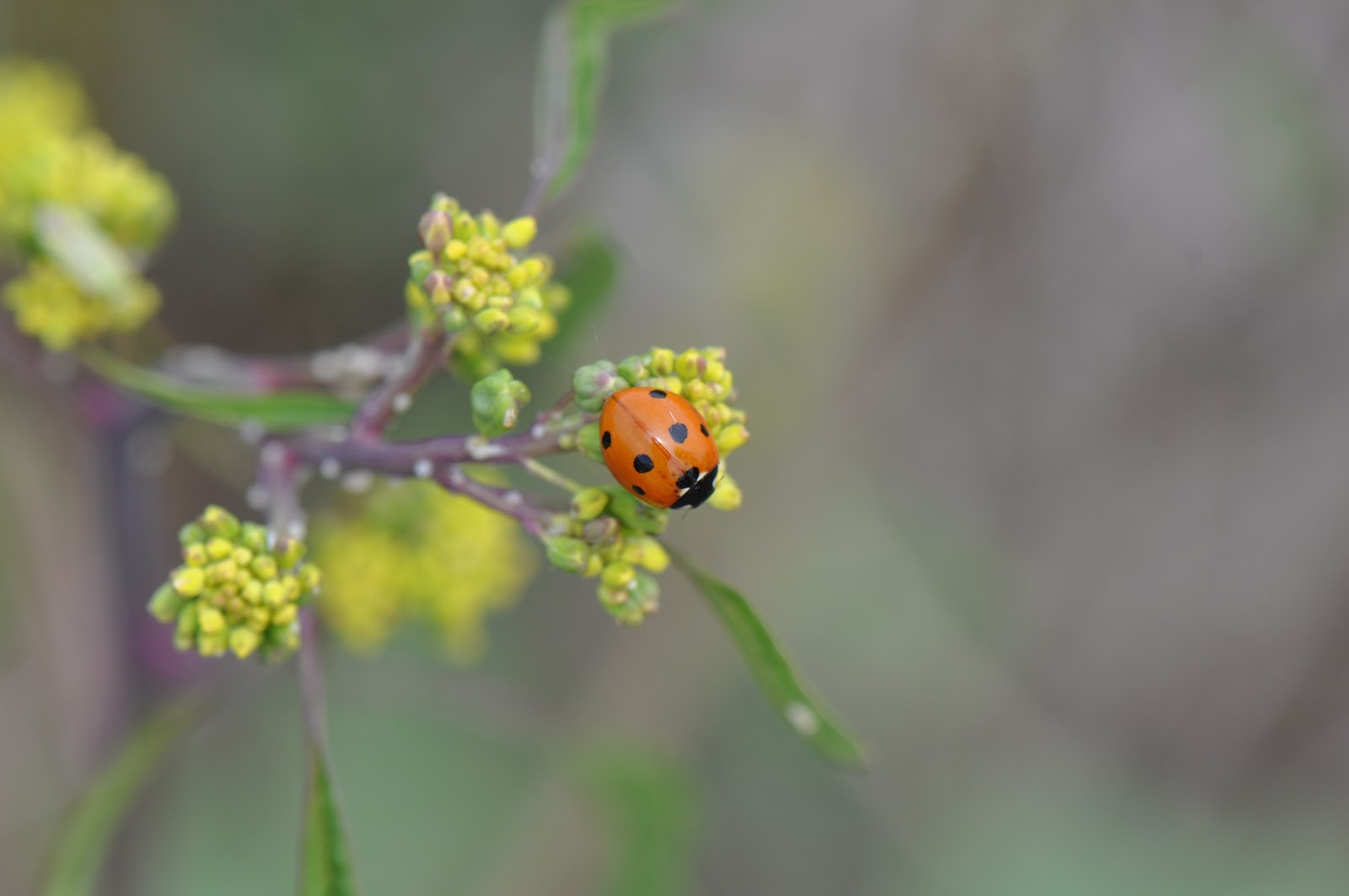
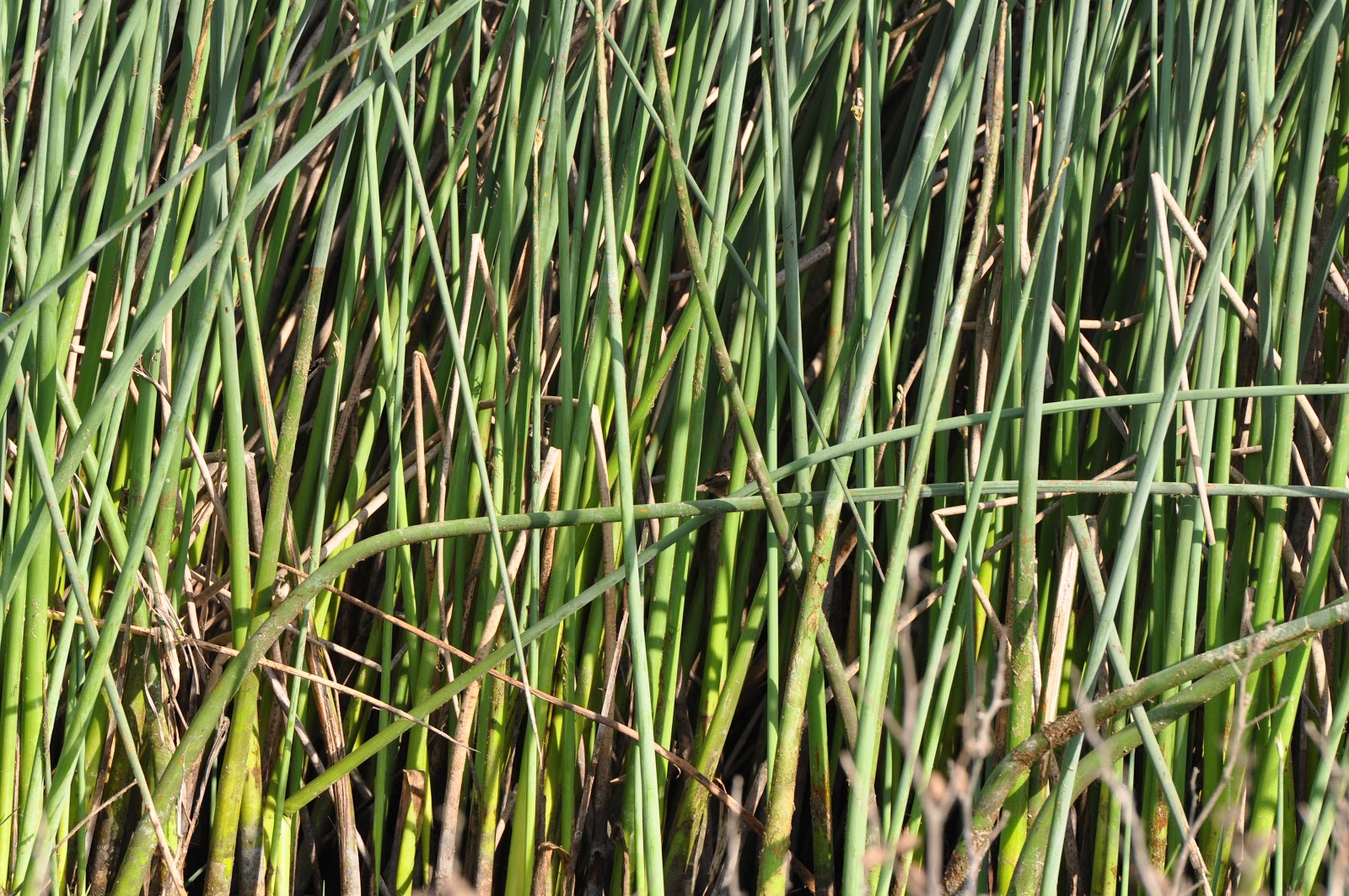
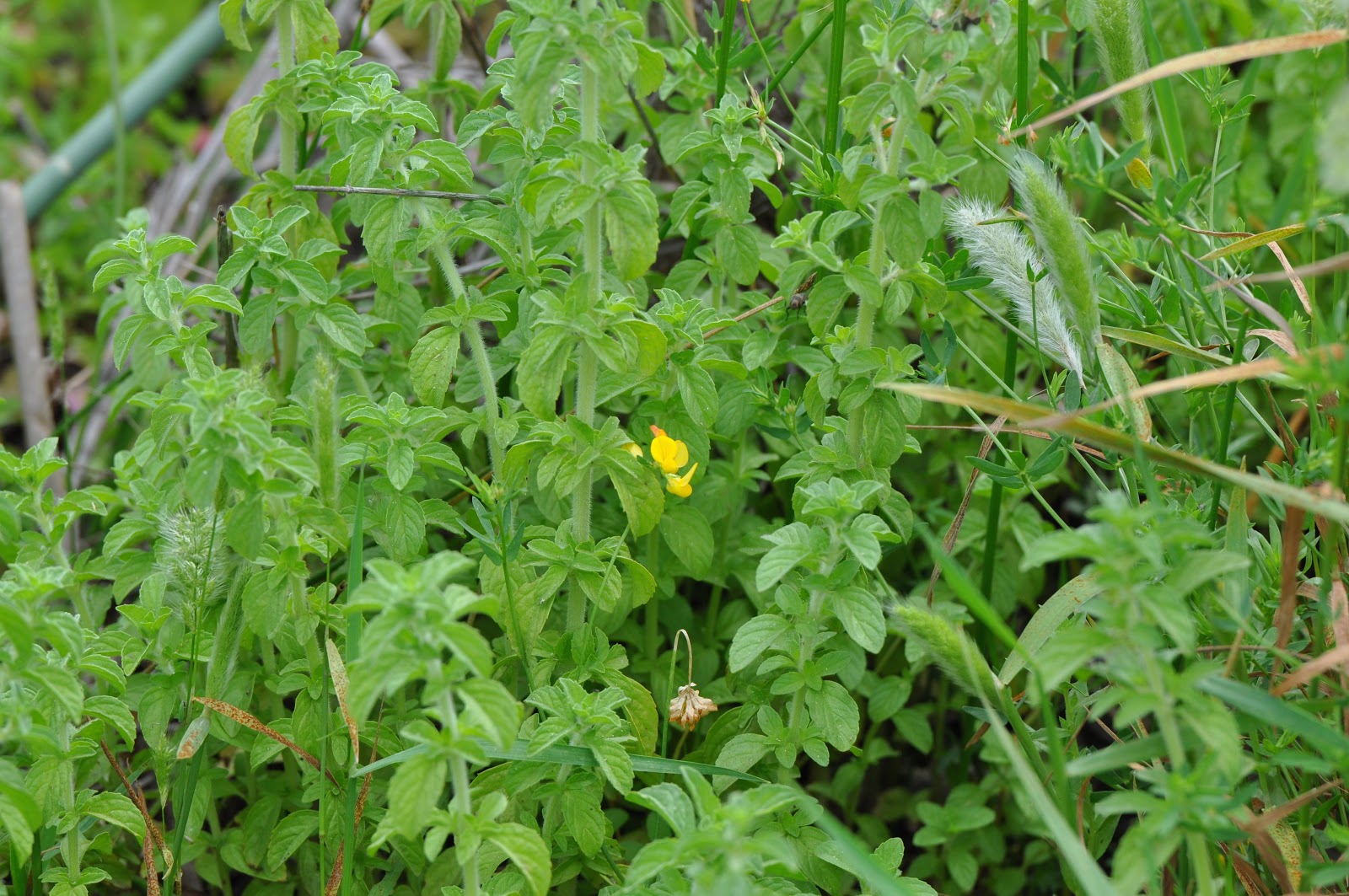
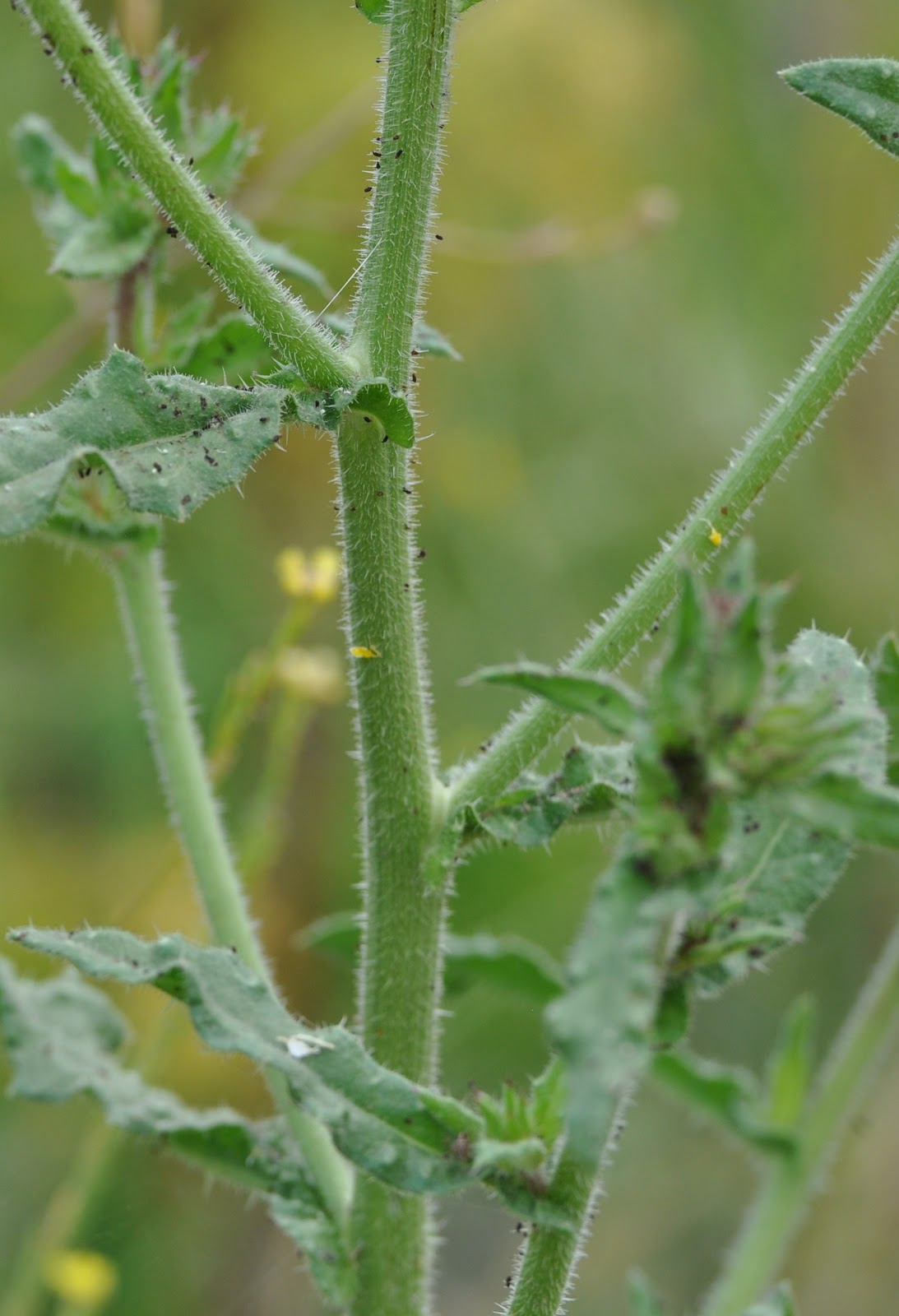
And in response to some comments on Twitter – here are a few pics with plants featured. Mostly, I note, I was focusing on animals because I had my telephoto lens on the camera and did not switch until the very end of the day to a macro lens.




Share this:

Today at 4 at #UCDavis: Jonathan Pritchard on “Interpreting functional consequences of human genetic variation”
Jonathan Pritchard is will be giving the Ecology and Evolution seminar today on “Interpreting functional consequences of human genetic variation.”4:10-5:30PM; in 176 Everson Hall.
Jonathan’s work addresses basic questions in evolutionary biology and genomics using computational and statistical approaches.
From his website:
“Much of our work focuses on questions relating to genetic variation and evolution. What can we learn from DNA sequence data about population structure, population histories and natural selection? How does genetic variation impact phenotypic traits, both at the organismal and cellular level (including an emphasis on gene regulation)? ”
http://pritchardlab.stanford.edu/home.html
Share this:
Right to be forgotten bill has grave implications for science
Yes, the web can be a quagmire of inaccurate, offensive libelous crap. But wow – this new ruling about the “right to be forgotten bill” in Europe I think goes too far (e.g., see this story for more info on the bill Google gets ‘right to be forgotten’ requests hours after EU ruling – Telegraph). (Quick summary – the ruling basically says that people have the right to request that search engines make it impossible to access certain links – such as ones to stories the requestor does not like).
I am particularly concerned about how this bill will affect scientific discourse. Suppose for example that Andrew Wakefield wants criticism of his fraduelent work on vaccines to be expunged from the links that come up in Google searches? What should Google do there? What about retracted papers in general? What is the person behind the paper does not think that retracted papers should appear in searches for that person’s name? This seems to be one of those cases of a very very slippery slope being created to solve a real problem but to solve it in the wrong way.
UPDATE – may not be as big a risk to Science as I thought …
@phylogenomics Information can’t be removed if it’s in the public interest. See: http://t.co/FcOKDttRn1
— Debbie Kennett (@DebbieKennett) May 15, 2014
//platform.twitter.com/widgets.js
Share this:
No overselling here – Martin Blaser on the Daily Show discussing Missing Microbes and the human microbiome
Martin Blaser does a good job on the Daily Show discussing the human microbiome and his new book Missing Microbes.
Share this:
USA Today article on "Your home’s odor may be making you sick"
Quick post – just saw this Tweet from the Airmid Healthgroup
Your home’s odor may be making you sick; microbial volatile organic compounds http://t.co/8M7U84L5Oi via @USATODAY
— Airmid Healthgroup (@AirmidHealth) May 13, 2014
//platform.twitter.com/widgets.js
It points to a story in USA Today that may be of interest – Your home’s odor may be making you sick. It is about the work on Joan Bennett and researchers from Rutgers and Emory. I don’t have time to dig into it right now but perhaps others do.
UPDATE 5 minutes later
Oops – posted to the wrong blog. First time I have done this. This was supposed to go to microBEnet. I have posted it there now.
Share this:
My beloved cat companion Annapurna passed away this AM; I will love and miss her forever
Bad days evaporate into nothingness with a warm cat pic.twitter.com/x5U8v9Z2Wj
— Jonathan Eisen (@phylogenomics) February 27, 2014
//platform.twitter.com/widgets.js https://photos.gstatic.com/media/slideshow.swf
Share this:
Well, crap – crap does a crappy job as a treatment sometimes (re: fecal trasnplants and IBD)
Well, this seems like seriously big news in the microbiome world: Fecal Tx Flunks IBD Test but Optimism High. Charles Bankhead reports on results presented at the “Digestive Disease Week” meeting. At the meeting Paul Moayyedi from McMaster University reported that a clinical trial of fecal microbial transplants (FMT for short) was stopped midway through the trial due to “lack of efficacy”. More specifically Bankhead reports
The investigators found no significant differences in the primary outcome or any of the secondary outcomes, which included the Inflammatory Bowel Disease Questionnaire and the EQ5D health status assessment
The researcher seems enthusiastic about FMT still but certainly this means that FMT for IBD is not going to be like FMT for CDiff (just wanted to make sure I got in a lot of abbreviations there). I am sure there will be much more to come on FMT and it would be good to see more detail on what was presented at the meeting (a paper, or poster, or such). But for now, this hopefully will temper some of the overselling of FMT that is going around (e.g., Overselling the microbiome award: Mercola/Perlmutter on fecal transplants for severe neurological dysfunction).
Related posts:
- Posts tageed “overselling the microbiome“
- Posts tagged “overselling the microbiome award“
- Posts tagged fecal transplants
- Posts tagged fecal bacteriotherapy
- Transfaunation and Fecal Transplants: What Goes Around Comes Around, Literally and Figuratively
- #PLoSOne paper on the “horse #microbiome” and colitis; wonder if they will study ‘poo tea’
- Human microbiome story of the month: OpenBiome fecal bank for fecal transplants
- Just in time for #ASM2013 – FDA adding regulations for fecal transplants #microbiome
- Must read microbiome paper of the month: defined microbioata treatment of Cdiff infections
- Got poo?: Clinical trial on fecal transplants (aka fecal bacteriotherapy) to treat C. difficile infections
- More (you know you wanted it) on fecal transplants and the microbiome
 Jonathan Eisen's Lab