Register for the 2013 CHAMMP Symposium at UC Davis w/ keynote by Jeffrey Gordon

Registration for the 2013 CHAMMP Symposium, "Mucosal Health, Tending the New Terrior" to be held on Monday, September 30, 2013 on the UC Davis campus is now open!

We invite you to attend this exciting one-day symposium on the gut mucosal health and development at the interface of microbiota and immune system. The symposium will feature presentations on the recent advances and novel strategies for healing and protecting intestine in chronic inflammatory infections and disease by leveraging the "world within" microbiota and glycobiology. Dynamic interactions between pathogens and microbiota and regulation of immune system will be discussed. Noted microbiome scientist, Dr. Jeffery Gordon (Washington University) will provide the keynote lecture for the symposium. The day of speaker presentations and discussions will be followed by a panel discussion to identify the future strategies for advancing mucosal health at the interface of microbiota and immune system.

Registration to the symposium is required but free. Space is limited so register for this event before September 13, 2013. Lunch and light refreshments at the reception will be provided.

Please visit registration website for additional information and to register: http://conferences.ucdavis.edu/chammp <http://conferences.ucdavis.edu/chammp>

Monday, September 30, 2013
8:00 AM – 5:00 PM
Walter A. Buehler Alumni & Visitor Center, University of California Davis

Symposium Focus:
“Advancing microbiome and mucosal protection in chronic inflammatory disease and development”

Keynote Speaker: Jeffrey I. Gordon, M.D.
School of Medicine, Washington University at St. Louis

Guest Speakers:
Yasmin Belkaid, Ph.D.
Mucosal Immunology Section, National Institute of Allergy and Infectious Diseases

Frederic D. Bushman, Ph.D.
Perelman School of Medicine, University of Pennsylvania

Andreas Bäumler, Ph.D.
Department of Medical Microbiology & Immunology, University of California – Davis

Satya Dandekar, Ph.D.
Department of Medical Microbiology & Immunology, University of California -Davis

Carlito Lebrilla, Ph.D.
Department of Chemistry, University of California – Davis

David Mills, Ph.D.
Department of Viticulture and Enology, University of California – Davis

Discussion Panel Co-Moderators:
J. Bruce German, Ph.D., Department of Food Science & Technology, University of California – Davis
Jonathan Eisen, Ph.D., Department of Medical Microbiology & Immunology, University of California – Davis

RECEPTION TO FOLLOW

For more information, contact Karryn Doyle at kddoyle

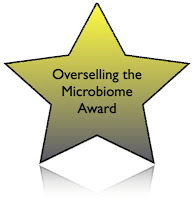
Overselling the microbiome award: Swiss National Science Foundation on smoking, weight gain and bacteria

Well, I guess I should thank Mark Martin for pointing me to this story: Weight gain in ex-smokers likely caused by changes in intestinal bacteria, not increased appetite | National Post.  It – and the Press Release it seems to be based on Why smokers gain weight when they quit smoking are a horrendous example of “Overselling the microbiome”. (The paper connected to the press release is in PLOS One and seems to not have oversold the findings in the same way).  I am so sick of these types of stories and PRs I am not going to go into this in much detail but here are some comments

National Post:

  • The title alone shows how badly they were misled by the authors: there is NO evidence that changes in bacteria caused anything here.
  • “Have you noticed that you gain weight every time you quit smoking?” … “you may be surprised to learn that it has little to do with your calorie intake.”  “Researchers attributed the weight gains to changes in the bacterial diversity of the intestine.”
  • Thanks “researchers” for misleading everyone about your study.

PR:

  • “Most smokers put on a couple of kilos when they quit smoking. This is not due to an increased calorie intake, but to a change in the composition of the intestinal flora after quitting smoking”
  • “attribute the cause to a changed composition of the bacterial diversity in the intestine.”

I can’t even go on.  The issue is simple.  The researchers did not show that the bacteria caused ANYTHING.  They just showed that the bacteria found in people after quitting smoking were different than before quitting.  And they also showed that these people had some other changes in their systems after quitting – like weight gain.  Does this mean the bacteria caused anything.  NOOOOOO. I am just going to give the Swiss National Science Foundation my coveted “Overselling the microbiome award” for a misleading and inaccurate and potentially dangerous press release.

The saga of my pancreas..feet..microbiome ..blood.. liver – part 1

Well, this just keeps going – on and on and on.  I thought I would be able to write a post when it was all done.  But clearly not.  So below is part 1 of an ongoing tale about me – my microbiome – my pancreas – my feet – my liver – my blood – and more.

Medical Record from my being admitted to
the hospital in 1984.

This particular saga started – I guess – in 1984.  That was when, at 15 years old, I came pretty close to dying before being diagnosed with type I diabetes.

My immune system had betrayed me by killing the beta cells in my pancreas. Thanks a lot immune system. Anyway – this is not supposed to be a post about diabetes. So – flash forward to a few weeks ago. Diabetes for almost 30 years and no major complications to note. Many annoyances. Some minor complications. But overall, I am doing OK.  Obsessive checking of my blood sugar and trying to keep my sugar in control and trying to regularly exercise seems to have kept the diabetes gods appeased. Eyes generally always have looked good. Feet HAD always checked out. Kidneys always seemed good.  Knock on wood – all was as good as I could hope for.

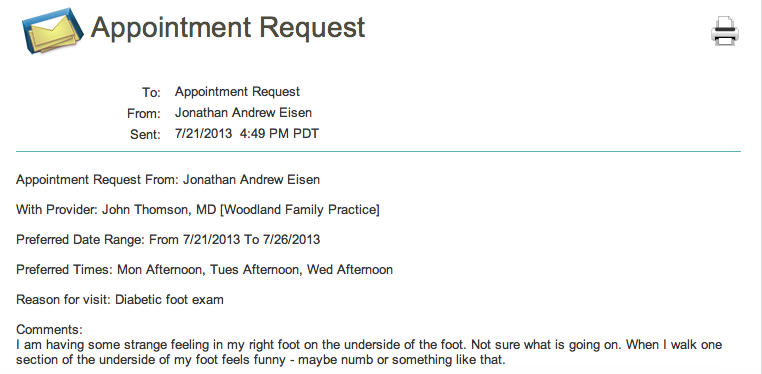
But then … something came up.  A month and a half or so ago I kept noticing this funny feeling on the bottom of my right foot. Near the toes. Exactly the same kind of feeling one gets when one has a bandaid or tape stuck to my foot (which, given I have two kids both of whom put bandaids on every minor scratch and then leave them lying all over the house and our pool deck – is not too rare).  I thought – maybe the feeling will go away. But it didn’t. It was lurking there. And after a week or so I decided I should get my doctor to check it out. So I put in an electronic request for an appointment on 7/21:
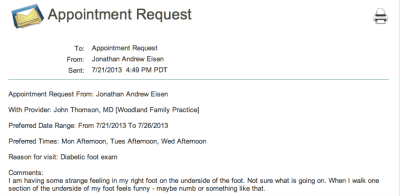
Appointment request.

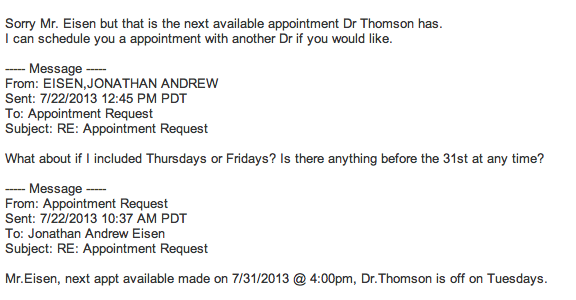
I love this MySutterOnline system. After a few messages back and forth I set up an appointment for 7/31. Seemed reasonable. Nothing here seemed urgent.

Appointment info.

I did not want to see another doctor since, well, my doctor is awesome.  Best doctor I have ever had.

And on 7/31 I headed on in.  First I saw my doc’s assistant.  She asked a lot of questions as always.  I tried to explain the feeling on my foot.  Not numb.  Not pain.  Just weird.  Like something was stuck there.  She did not quite get it.  Kept asking about whether it felt numb or not.  But eventually the doctor came in.  And he asked some questions with his assistant there and explained to her that what I was experiencing is actually a pretty common thing in diabetics – not pain – not numb – just weird.

So – on to the foot exam.  He did a series of tests of my feet – circulation – feeling – and more.  And all looked good.  No detectible issues.  Except one thing.  Dermatophytes.  Veritable bucketloads of them. One my toenails.  And in the cracks between toes.  And right at the spot where I was feeling the weird feeling.  Oh – I should explain.  Dermatophytes are a kind of fungus.  On one’s feet they are generally referred to as “Athlete’s Foot.”

Athlete’s Foot fungus.

And my doctor explained – I have a decent case of this Athlete’s Foot.  And the weird feeling I was having could be caused by these fungi rather than the thing I feared – diabetic neuropathy.  So he said – he recommended that we first try and treat the fungal infection and hopefully the weird feeling in my foot would go away.  And getting rid of the dermatophytes would probably be a good things anyway.

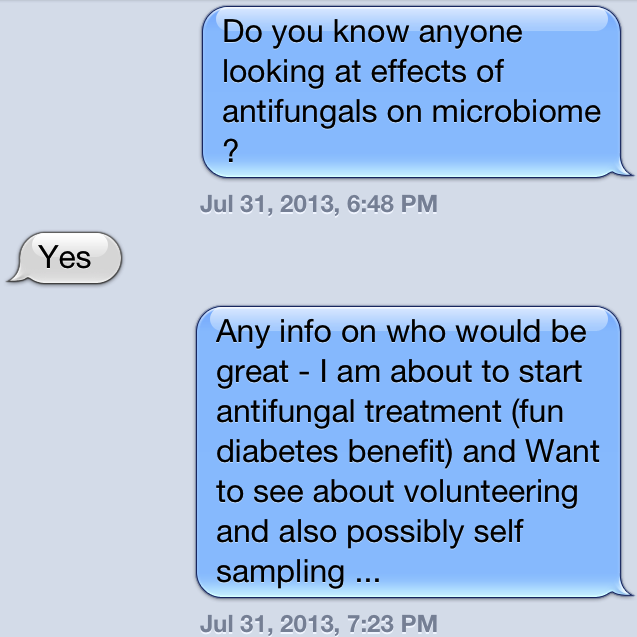
So – how to get rid of them?  Oral antifungals was what he recommended.  A long long dose – three months or so.  With one issue – the antifungals could damage my liver.  And thus it was a good idea to screen my liver before, during and after the treatment.  So he ordered a liver panel test and also sent off a prescription for the antifungal terbinafine.  So – I left the office and decided – this was not so bad.  If my foot issue was caused by the fungi then perhaps it could be eliminated.  But of course I was worried about the effects on my liver.  And I was also wondering – what happens to my microbiome (the fungi and the others) when one takes antifungal drugs.  So in the medical office parking lot I googled around looking for information on microbiome studies after antifungals.  And I could not find too much.  So I decided perhaps some microbiome researchers might want to study me while I went through the treatment.

So – I text messaged Rob Knight – the guru of all things related to the human microbiome and one of the key people behind the American Gut project.  And I asked:

Text messages with Rob Knight

And eventually he told me that there were some studied going on but unlikely to be able to enroll in them.  He then suggested perhaps I could sign up for the American Gut Project and collect some samples via them.  And so – after I series of emails I volunteered to sample my self.  All seemed good.

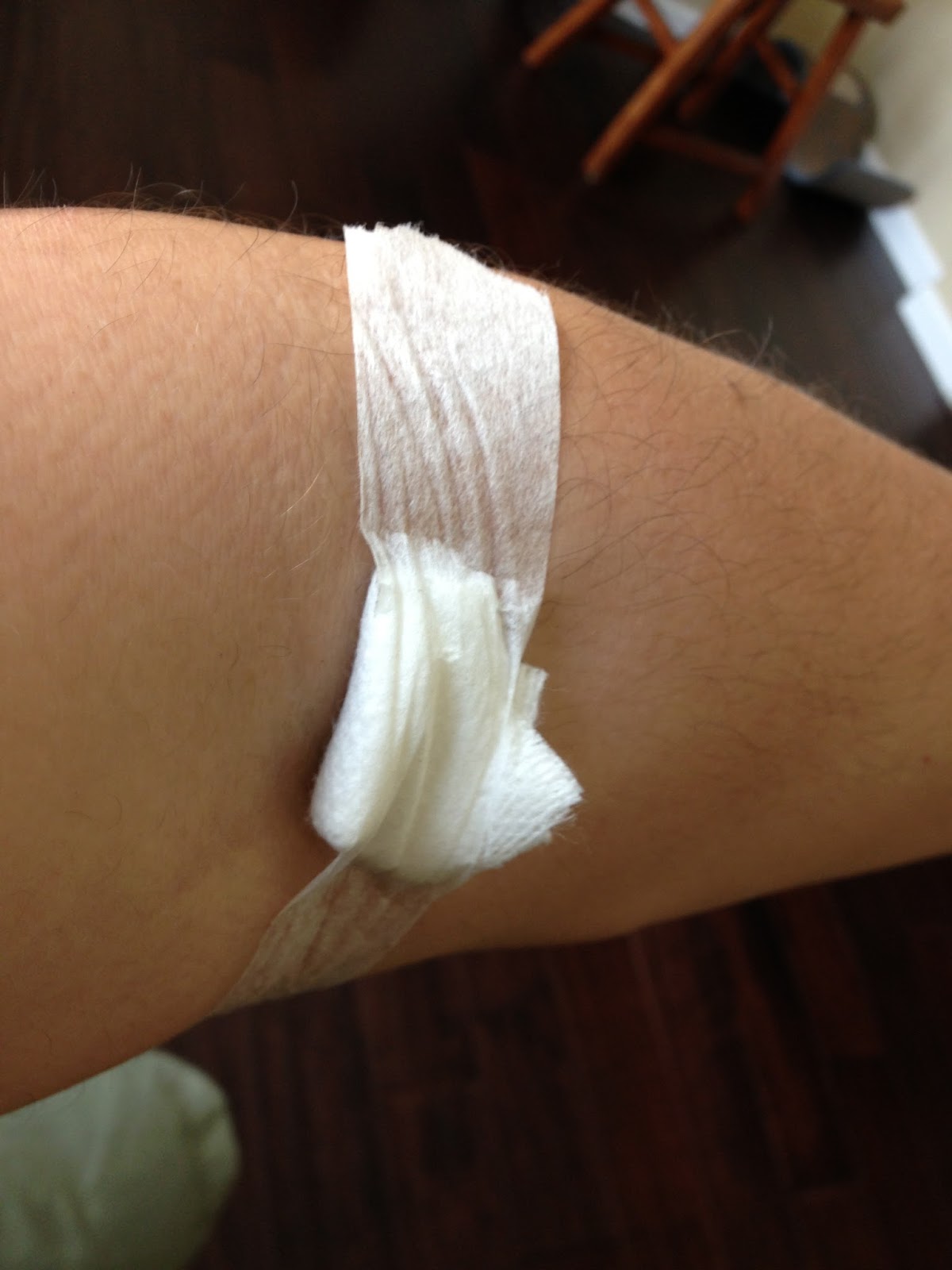
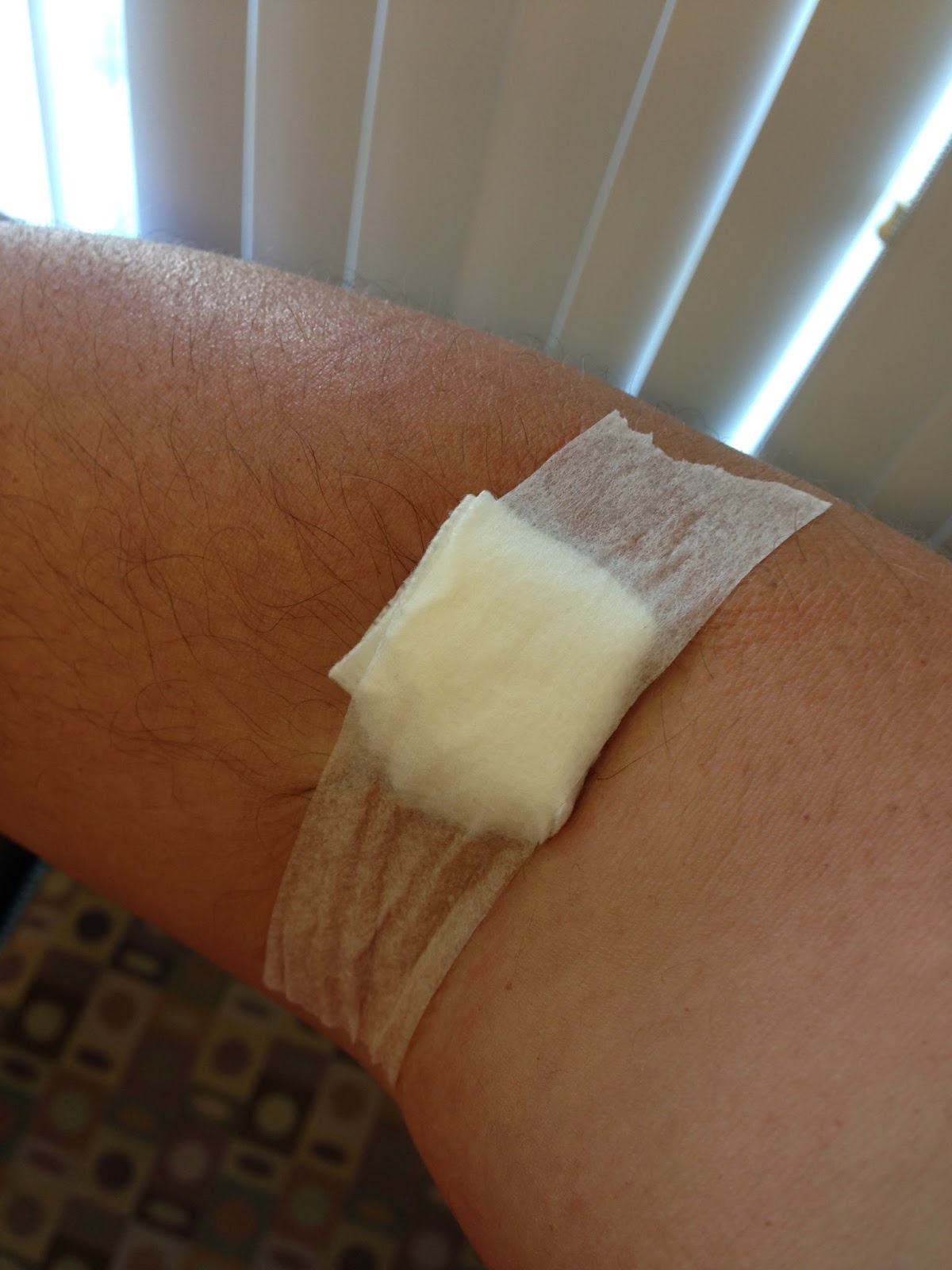
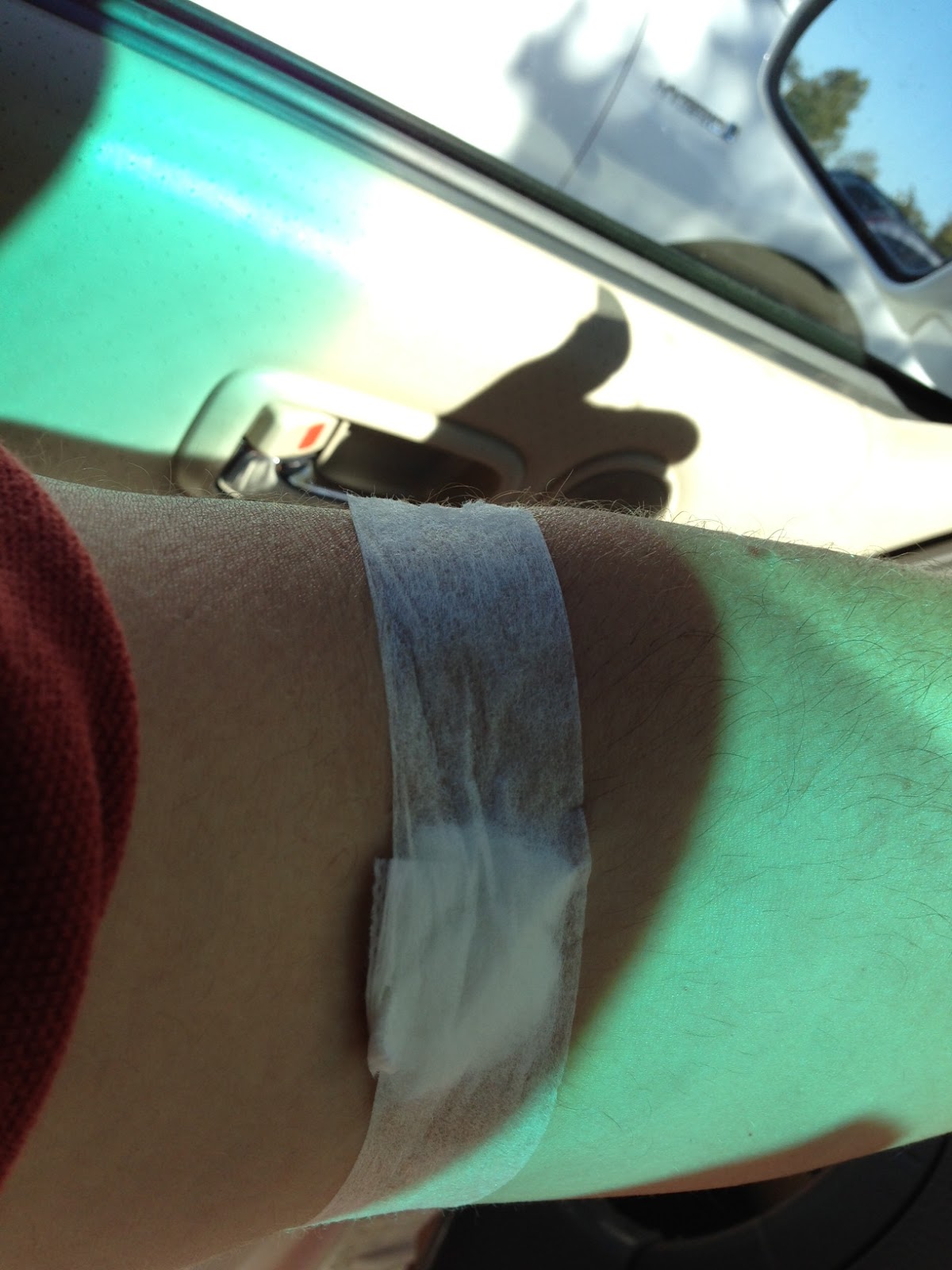
Finally got around to getting the blood drawn 8/8.
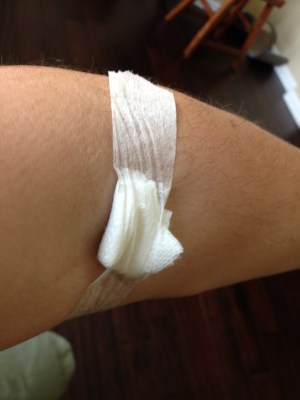
Yes, I had my blood drawn.

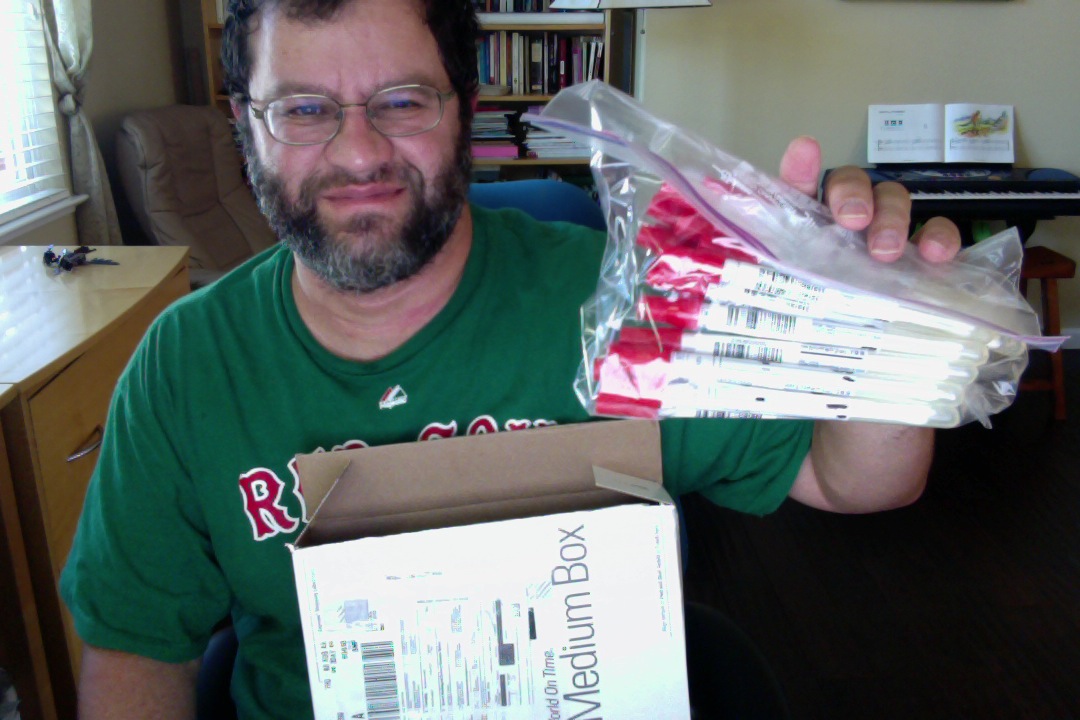
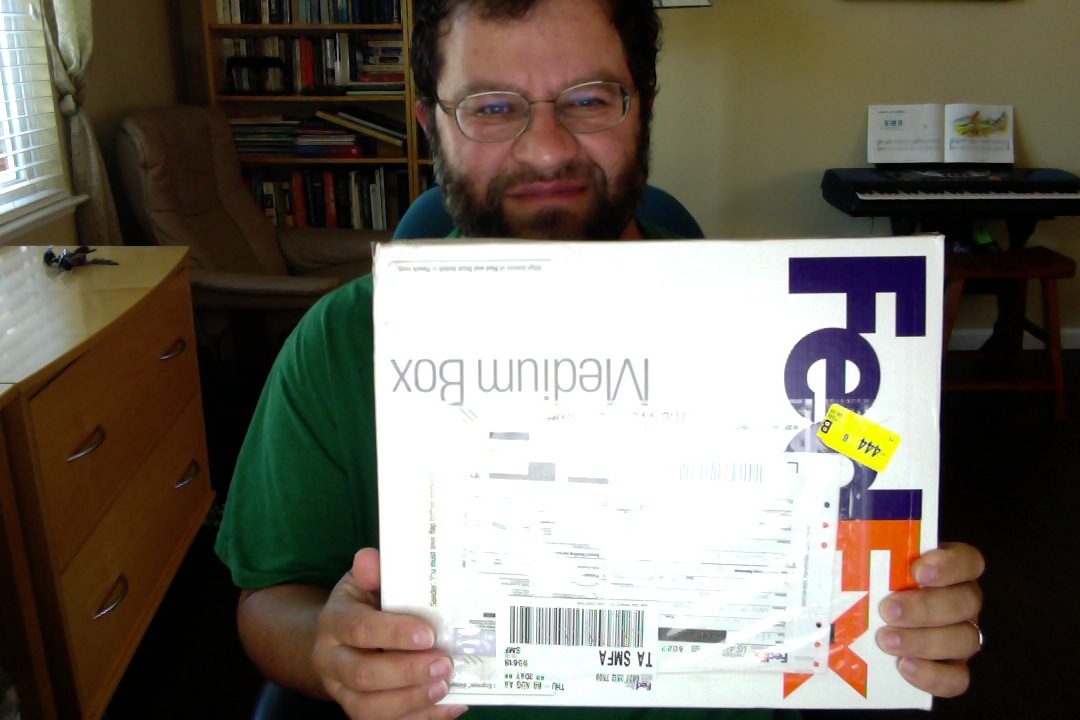
And when I got back from the lab I found a nice surprise waiting for me.  

Package from the American Gut project.

And I decided to post a bit about the whole saga.  I posted to FB rather than my blog for many reasons.  I did not yet feel comfortable making all of this fully public but I wanted friends and family to know.  And secretly I was hoping that one person who I knew – who was a family friend – who I knew read my FB posts – and who was a MD working on antimicrobial compounds – might see the post and offer some advice.  I did not want to ask directly I guess so this was a way of trying to get some input without asking.

Lemons to lemonade for summer 2013. 

Well, without making this a TMI post, let’s just say I am having some foot problems that I hope are NOT due to a serious type I diabetes complication (~30 years of type I and no known major complications – lots of minor annoyances but nothing major). So I am hoping that my issues are caused by athlete’s foot. And to try and deal with that I will be most likely be starting on a long term antifungal treatment next week. There are risks of side effects – such as liver damage – so I am getting some blood tests done first and will be monitored during the three months I will be on the AF.

So where you may ask is the lemonade? While on the way home from the doctor’s last week after deciding to do the AF treatment I volunteered to be considered to be a subject for a microbiome study of the effects of AFs on the microbiome. Still have to do some paperwork for that, go through informed consent, and such. But hopefully I will have my microbiome studied for the first time and with a real potential use other than microbiome gazing. Stay tuned for more details. Going to be documenting the whole thing.
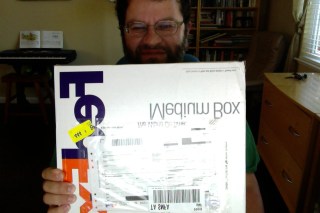

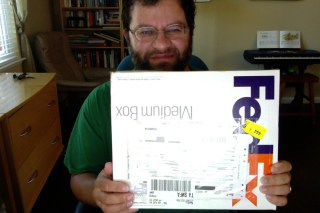
So – I was going to finally study my own microbiome.  And I could do it with a cool project – the American Gut Project.  Seemed like a good thing.  And it is … but one minor complication.  I wanted to not yet start sampling myself until after getting the liver test done.  Seemed like a formality.  Except of course … it wasn’t.

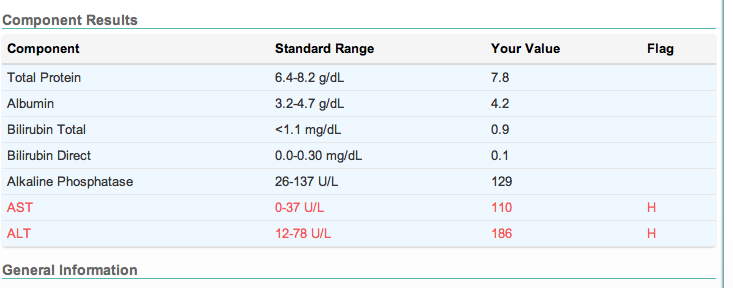
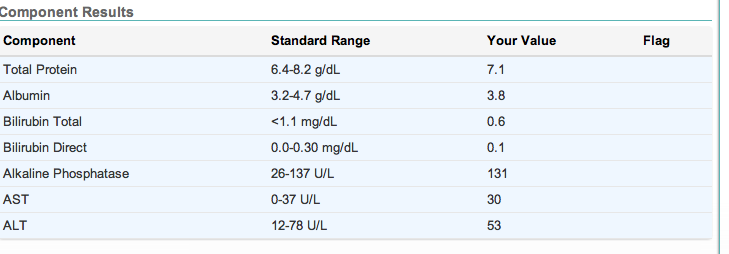
On 8/11 or 12 I got a message saying the test results were back.  I was busy and did not check until on 8/13. I logged in to see what they were.  Lipid profile looked OK (well, LDL cholesterol was a little high but not much).  But the liver panel was disconcerting:

Liver Panel #1

Uggh.  I have had many liver panels done over the years.  And none showed any abnormalities.  Until now.  So – I spent the whole night googling and learning about what elevated ALT and AST could mean and what could have caused that.  And was mostly freaking myself out.  But I realized this meant I should probably not start on the antifungal drugs.  Which was probably good since 8/14 I headed out with my family on a camping trip.

Just before heading out I sent a message to my doctor.

Messaging my Doc.

And I tried to ignore the liver thing.  But I admit that the few times I turned on my phone I used it to google about ALT and AST.  And also so a message back from my doc’s office.

Message back.

And when I returned from the camping trip I scheduled a follow up appointment with my doc and before the appointment he had me do some additional tests – based in part on email discussions between us.  One test was for hepatitis – which could have caused the elevated liver enzymes.  And the other test was to redo the liver panel.
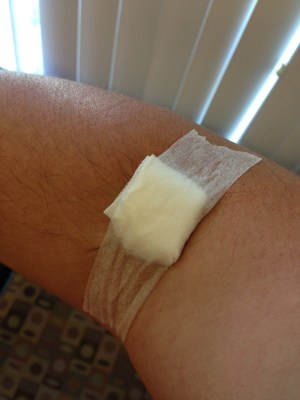
Yes .. had blood taken.

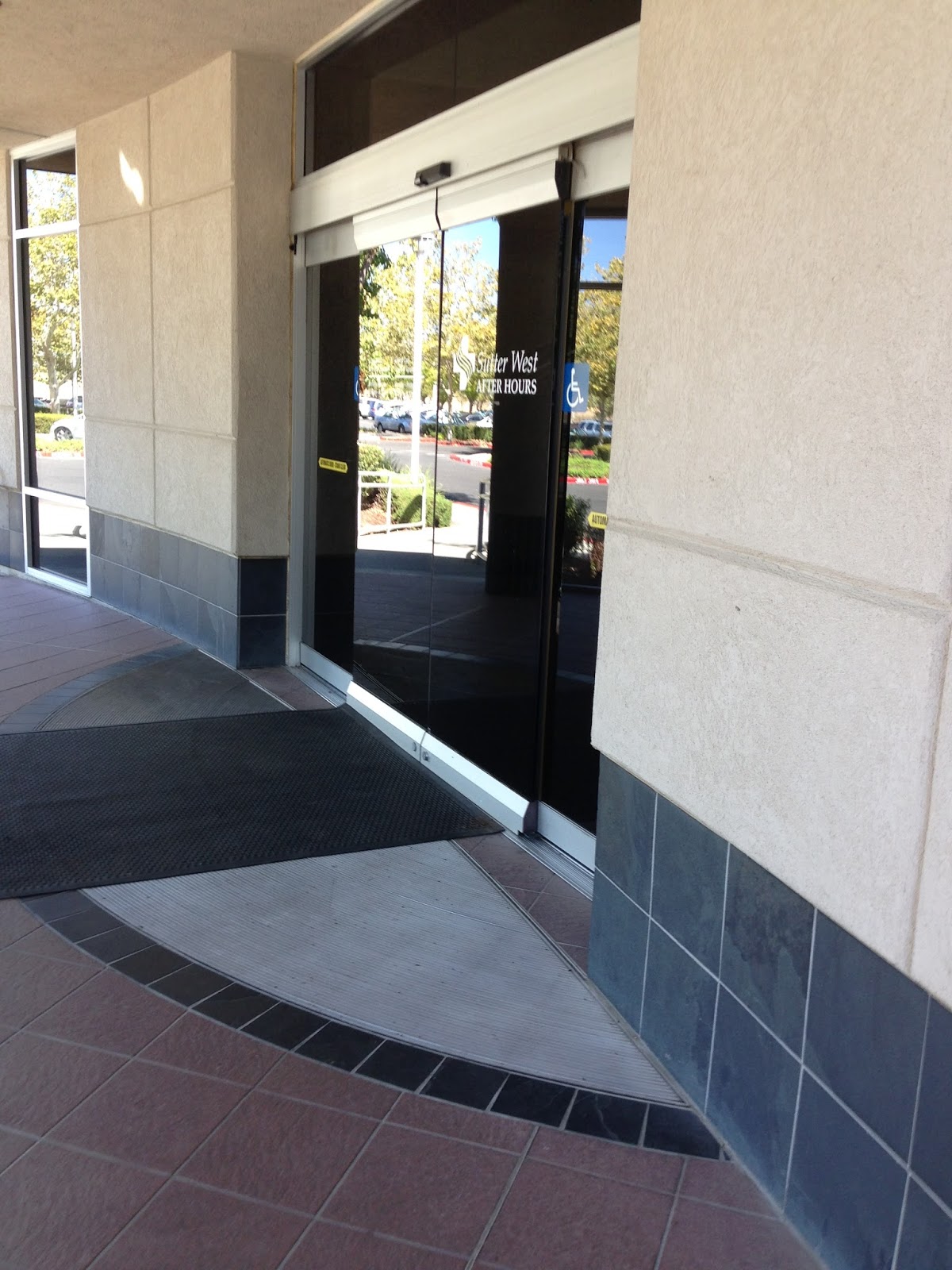
Outside of Sutter labs.

I had the tests done just before my appointment so we did not have results yet when I met him.  And at that appointment he also ordered an ultrasound test.  I scheduled that for 8/26 and went on in.
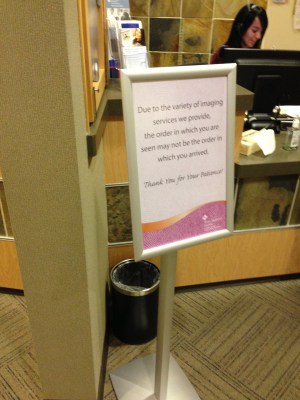
Waiting for the ultrasound.

I never had had an ultrasound done before.  It was weird in that it reminded me of all the ultrasounds my wife went through for pregnancies.  And I got that goo all over me and my clothing.  The technician was nice but would not give me any information on what she was seeing.  But she seemed so upbeat that all must be good right?

Then I got a bit of good news.  The hepatitis tests were all negative.  And strangely and nicely – the ALT and AST in the re-test were now in the normal range.
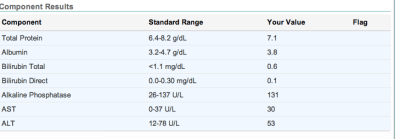
Liver Panel #2

Hmm.  Weird.  What did that mean?  Was it a bad test?  Or were my enzymes spiked temporarily?  So I spent a lot of time googling and looking around to try to understand the meaning of temporary increases in ALT and AST.  Not really helpful since I still did not know if the elevated levels were real or an error.  But I guess it was good news that the second test seemed normal and that the hepatitis tests were all negative.

But alas, the good news would not last. On 8/27 I got the following results: (with the text and the screen shot …)
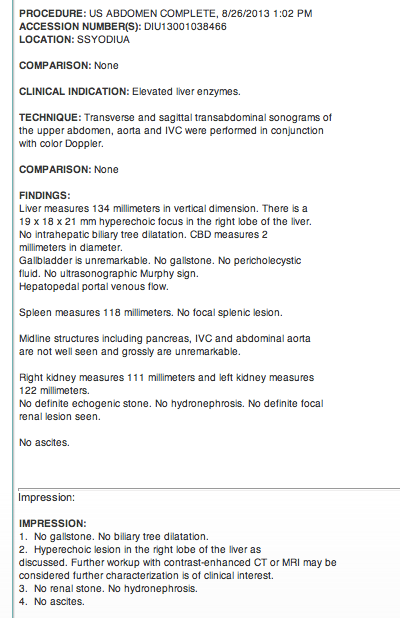
Ultrasound results


PROCEDURE: US ABDOMEN COMPLETE, 8/26/2013 1:02 PM

COMPARISON: None

CLINICAL INDICATION: Elevated liver enzymes. 

TECHNIQUE: Transverse and sagittal transabdominal sonograms of the upper abdomen, aorta and IVC were performed in conjunction with color Doppler.

COMPARISON: None 

FINDINGS

Liver measures 134 mm in vertical dimension. There is a 19 x 18 x 21 mm hyperechoic focus in the right lobe of the liver. No intrahepatic biliary tree dilatation. CBD measures 2 mm in diameter. Gallbladder is unremarkable. No gallstone. No pericholecystic fluid. No ultrasonographic Murphy sign. Hepatopedal portal venous flow.

Spleen measures 118 mm. No focal splenic lesion.

Midline structures including pancreas, IVC and abdominal aorta
are not well seen and grossly are unremarkable.

Right kidney measures 111 mm and left kidney measures 122 mm. No definite echogenic stone. No hydronephrosis. No definite focal renal lesion seen.

No ascites. 

IMPRESSION:
1. No gallstone. No biliary tree dilatation.
2. Hyperechoic lesion in the right lobe of the liver as discussed. Further workup with contrast-enhanced CT or MRI may be considered further characterization is of clinical interest.
3. No renal stone. No hydronephrosis.
4. No ascites.

Now I have never looked at ultrasound results before.  But certainly one thing in there caught my eye —  “There is a 19 x 18 x 21 mm hyperechoic focus in the right lobe of the liver.

Well that did not sound good.  And googling did not make me feel any better.  And so …  Liver enzymes might be off. Or might have been off.  And I have a focus / lesion on my liver.  Fuck.

Today I talked to my doc and emailed with and talked to few others.  And the plan now is for an MRI or CT scan to look at the focus / lesion more carefully.  Could be nothing.  Could be something but mostly harmless.  Could suck.

So – this PM I had to go in for another blood test to check my kidneys to make sure they can handle the “contrast” dye to be used.  I await the results and tomorrow will be scheduling the imaging …

Another blood draw.

Sutter Lab

And STILL I have not sampled my microbiome.  But in emails with the folks from American Gut we decided that getting a good baseline of “before” before I go on any antifungal would be a good thing.  So I am going to start sampling, maybe tomorrow.

Oh – and I forgot to mention the parallel track here. Just after I made the Facebook post discussed above I did indeed get contacted by the family friend MD who had amazingly useful things to say and to do about the fungal infection.  But more on that later.  Probably soon.  I am not having an easy time sleeping.  So I write …


UPDATE 9/11/2013

Well, I had my liver MRI today.  It was pretty freaky – have never had an MRI before.  First, I had to fast for four hours, which was OK.  As a diabetic, I frequently don’t eat for long periods of time if my blood sugar is too high.  And then I went in to the Sutter Clinic in Davis.  I had pondered taking some sort of anti-anxiety medication or sedative as I can get claustrophobic but when I called the clinic they suggested I wait to do that until I talk to the MRI people because they might not recommend it.  Big mistake.  But I will get to that.

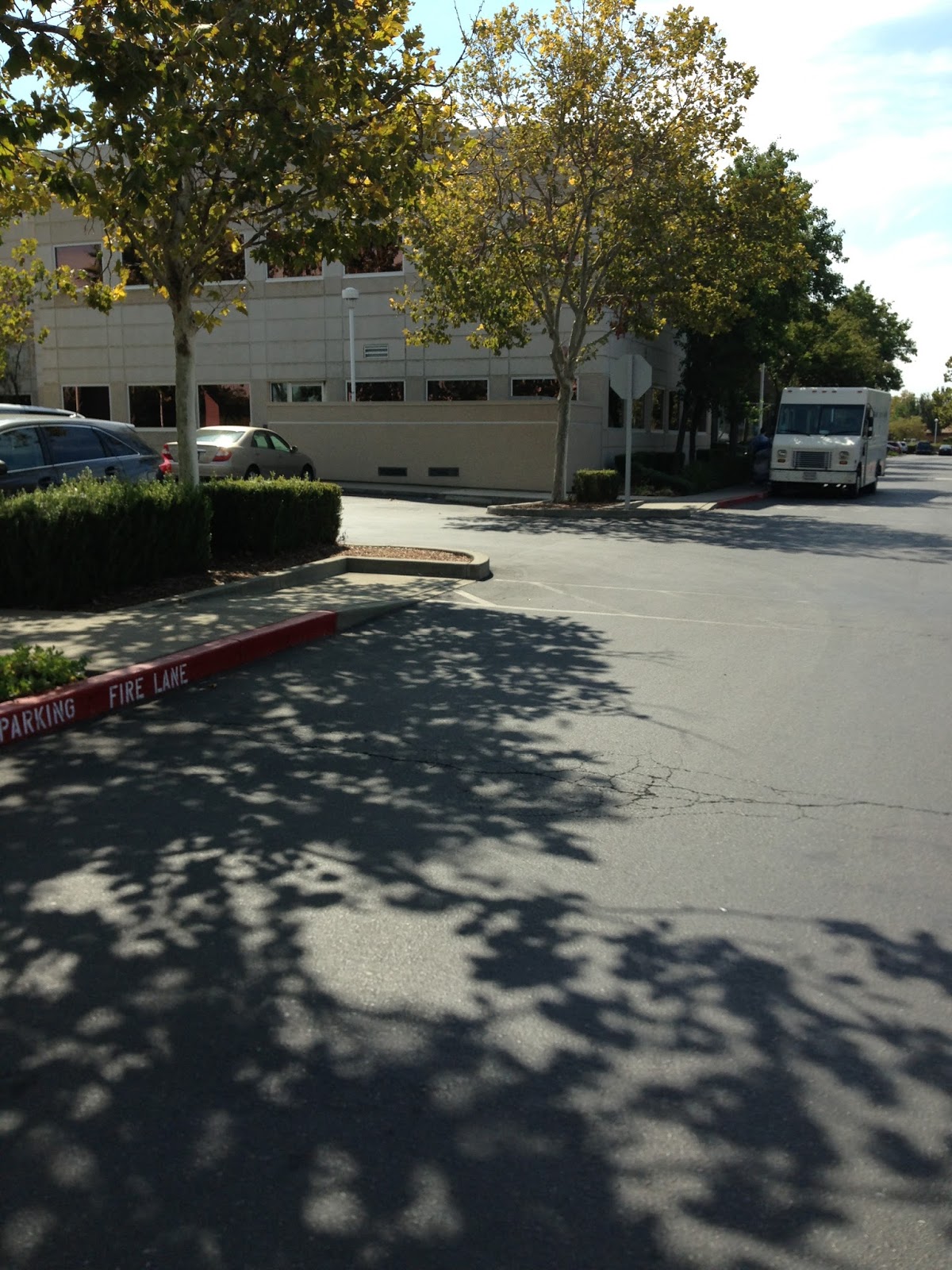
So I drove over to the clinic for my 11:40 AM appointment and parked and took a few pics on the way in.
Parking area at Sutter Davis

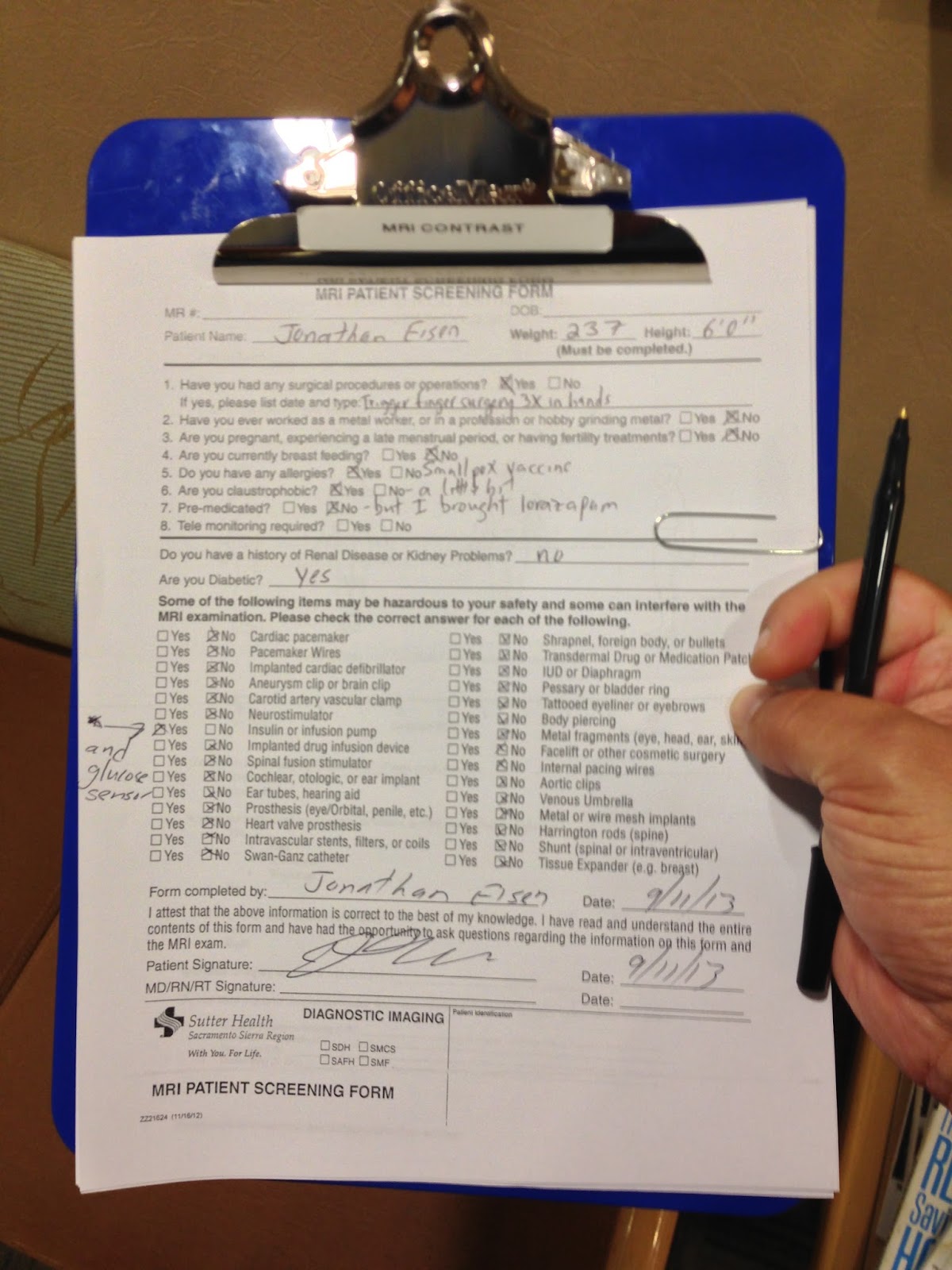
I had to fill out a collection of forms about medical background and whether I had any metal inside of me:
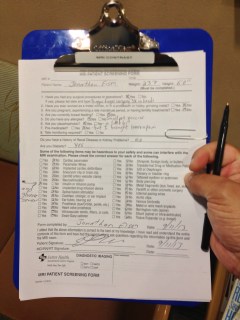
Forms

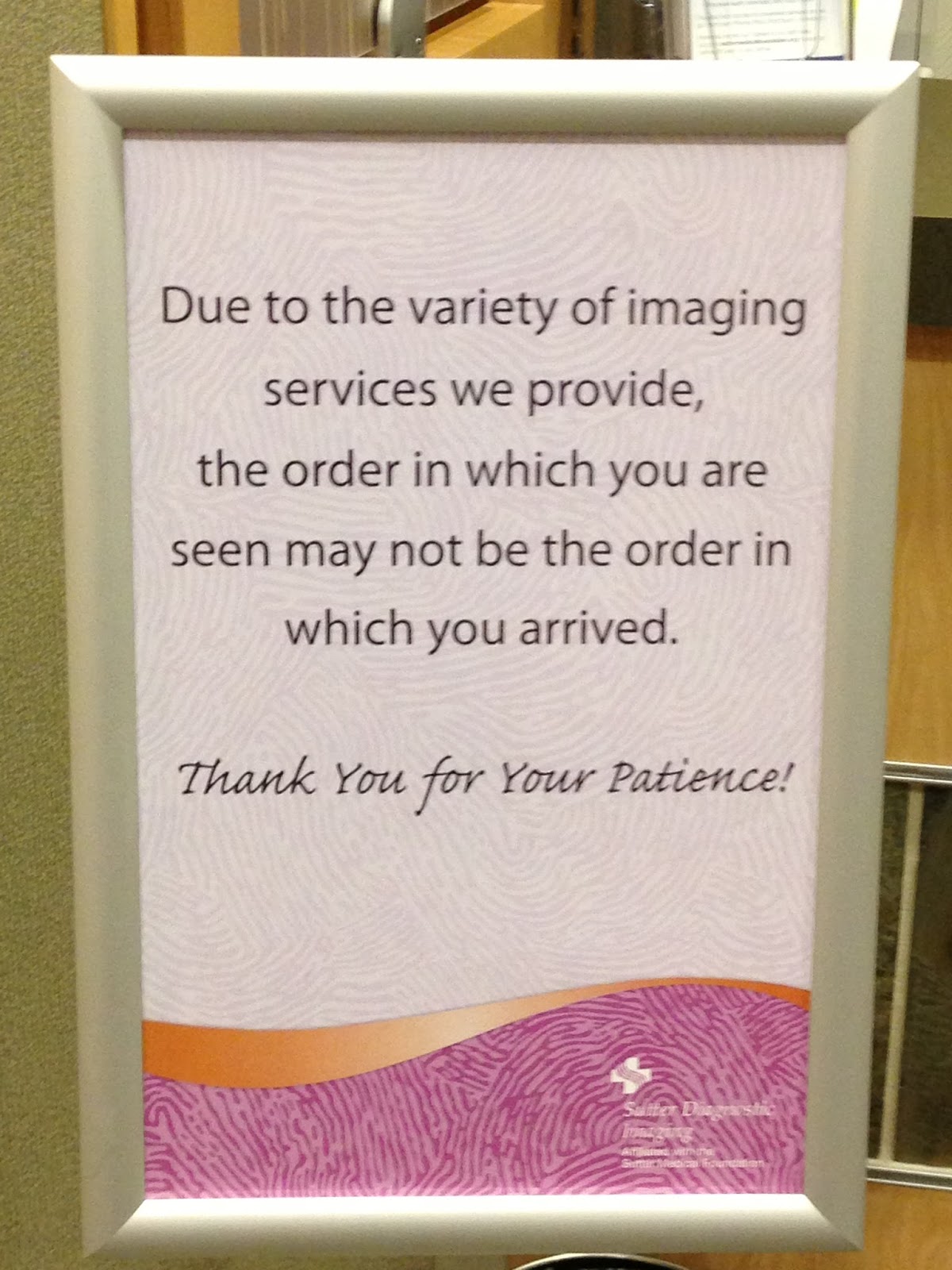
I asked again about the antianxiety meds at the front desk and they again said to wait until talking to the people doing the MRI.  As I pondered just taking something (I brought some lorazapam) anyway, I was called into the back within a minute or so.  Maybe I was out of order for the better:

Not everyone in order …

In the back they told me I could put on a gown and some very posh medical shorts in a little changing area and I could lock up all my stuff in a drawer in there.
In the MRI changing room

The MRI lockbox

And then I asked about the antianxiety meds and they said something like “well, you should have done that a while ago since they take thirty minutes to kick in and we are ready to go”. Hmm.  Then they told me that I would not be going completely into the machine – my arms would stick out.  And my head would be near the opening.  So it sounded OK.  So I lay on the table and they put in an IV (for the contrast dye) and they got me nice and comfy with all sorts of pillows.  And they gave me earplugs.  And then they slid me into the machine.  Something like what is in this picture (I did not take any pics in the machine …)

From http://www.hfmhealth.org/?id=2255&sid=1

but with my arms over my head and my head a bit further into the machine.  In one hand I had a little squeeze ball to use if I needed to come out or needed their attention.  I seemed fine and then made a big mistake.  I opened my eyes.  And I could see nothing but the inside of the tube.  I felt trapped.  I shut my eyes again.  I tried to think of something else.  Baseball.  Movies.  Homeland (I had watched an episode from Season 2 the night before).  Anything.  But all I could think about was how close the tunnel walls were.  So – I squeezed the ball.  It took a few seconds for them to start to get me out – which felt like an eternity.  And I said – I don’t think I can do it.  And they said, well it may not be possible to do it today since it would take a while for the drugs to kick in if I took them.  And so they tried putting me in again and I lasted seconds.  Back out.  Fuck.  I needed to get this done.  So I asked – what if I took the lorazapam and maybe they could fit me in if the schedule was light?  And kindly they said they would look into rearranging the schedule – and a few minutes later they came back and said that as long as I had someone who could pick me up afterwards, they should be able to “squeeze me in” (their words) in their schedule after 30 or so minutes (so the meds could kick in).

So I took the lorazapam, and then spent thirty minutes in a side waiting room reading Sports Illustrated and trying to relax.  Actually, the 30 minutes of relaxation was possibly as useful as the drugs.  And then we started over.  Reconnected the IV.  Set me up on the ned.  And rolled me into the machine.  And I kept my eyes shut.  I thought nice thoughts.  And I made it.  An hour or so in the machine.  Breathing in and out.  Holding breath.  Over and over.  The technician was completely awesome – perfect soothing voice and soothing style.  Always telling me what was going on and how long each image run would take and asking how I was doing.  And then, as my arms started to get sore (they were awkwardly positioned over my head) it was over.  Phew.

Except, not phew.  Now I had to worry about the results.  I went home.  I worried.  I faded in and out (the lorazapam really did have some effect).  I napped.  My kids came home.  We hung out (though I was asleep through much of it).  And life went on.

UPDATE on 9/13/2013

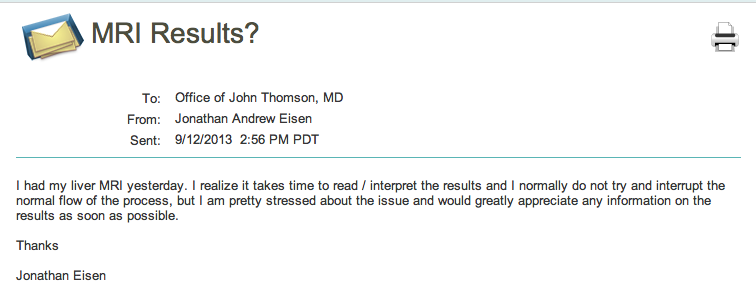
Thursday I spent most of the day working on a grant proposal and waiting for a phone call from my MDs.  It never came.  I called the imaging center, sniffing around to see if I could get the results sent directly to me.  Nope.  I emailed my primary care doc’s office … and wrote

Email to my docs

I then puttered around and hoped for a return message.  Nothing that day.  Uggh.  So I spent Thursday night a bit stressed, shall we say.

Friday 9/13/2013

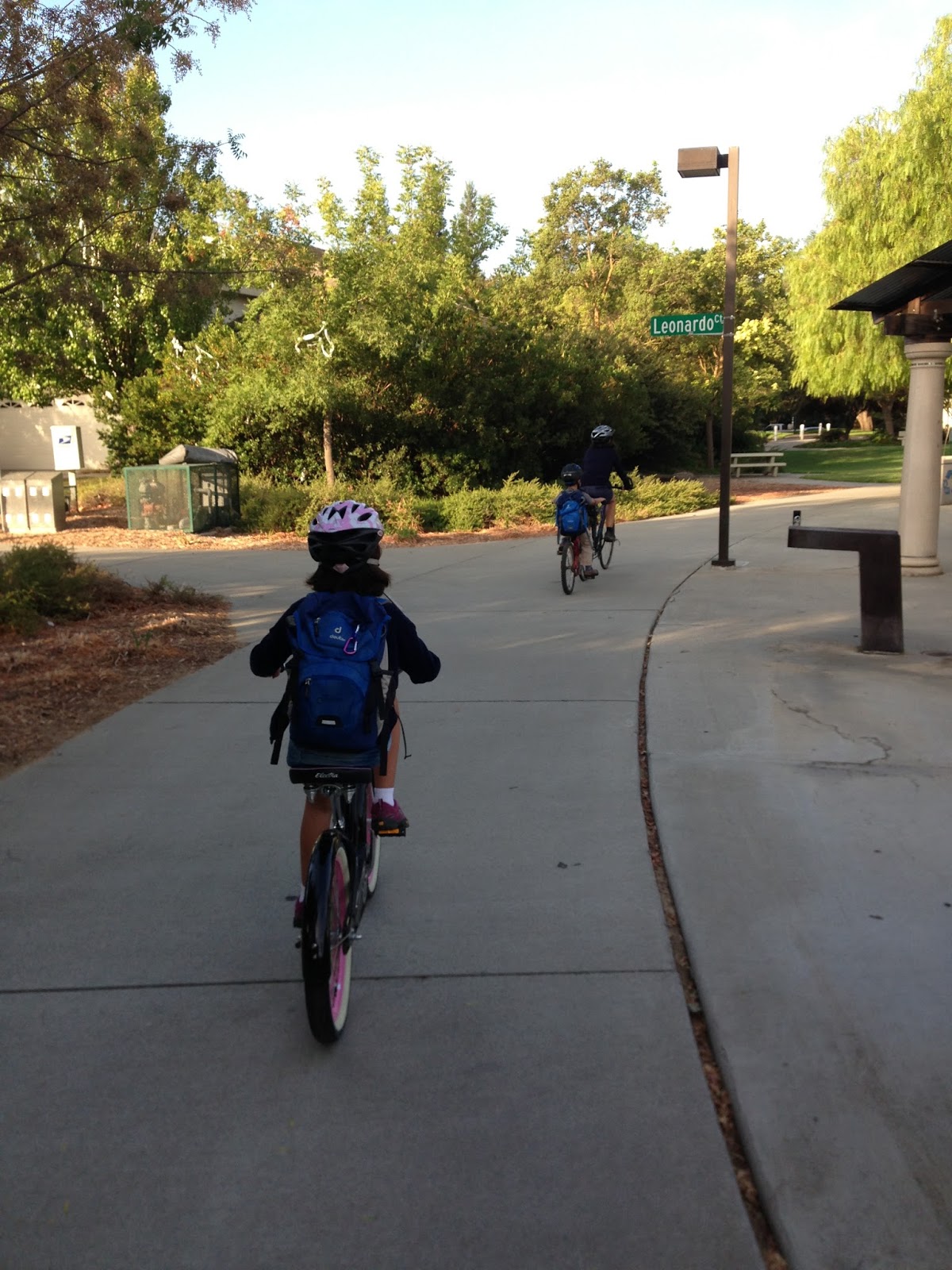
Tried to relax.  Biked with my kids to their school.  
Biking to school w/ kids & wife
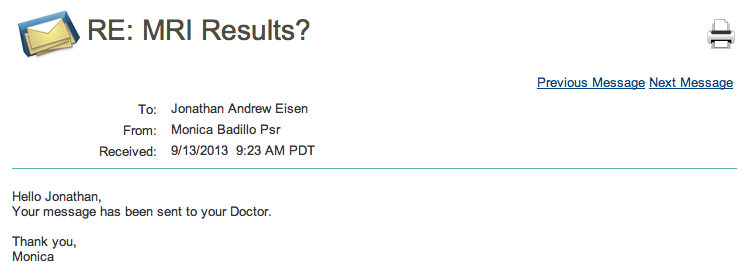
Came back to the house.  Was going to call my doctor.  And then I got an alert saying I had a message from the health care team online.  So I logged in and found this:
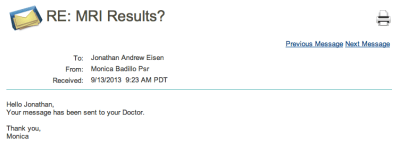
1st message back
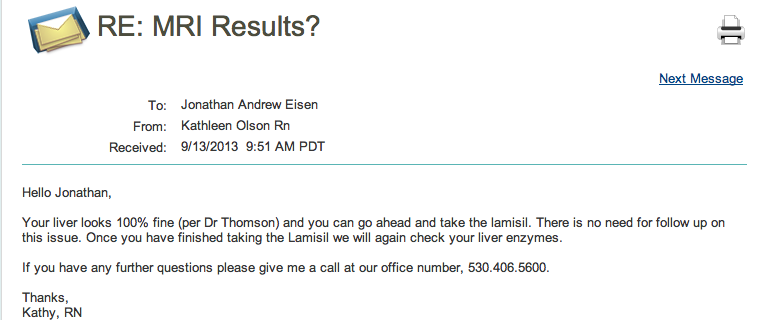
Not what I was looking for.  So I puttered around the house some more.  Pondered how to hack into the MRI database and download my results.  Decided that was a bad idea (for now).  And then I got another message a few minutes ago saying I had a notification online.  So I went and logged in again and got this:

The good news

Well.  WHEEEEEEEEEEEEEEEEEEEEEEEEEEEEEE.  Certainly is good news.  Apparently. the MRI showed nothing wrong with my liver.  Not sure what was going on.  But boy this was much better news than I expected.  I figured I had some sort of problem at the least.  Maybe I still do.  But at least nothing apparently showed up in the MRI.  And now I can get back to what began this whole saga.  My feet.  Stay tuned.  Going to start some microbiome sampling today for the “before.”


UPDATE Sept. 17, 2013

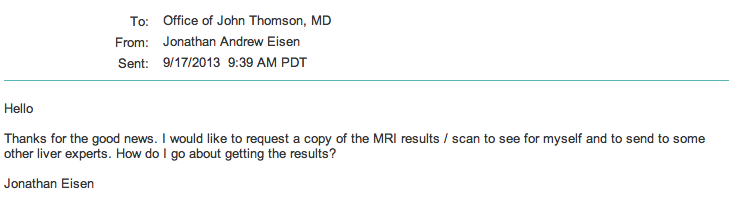
Well, I suppose it was a bit premature to be perfectly content with the message from my doctor …  I wrote to my doctor’s office asking how I go about getting a copy of the actual MRI scan so I would look at it myself and share it with some other medical professionals (and possibly even post it here).

Asking for the MRI scan

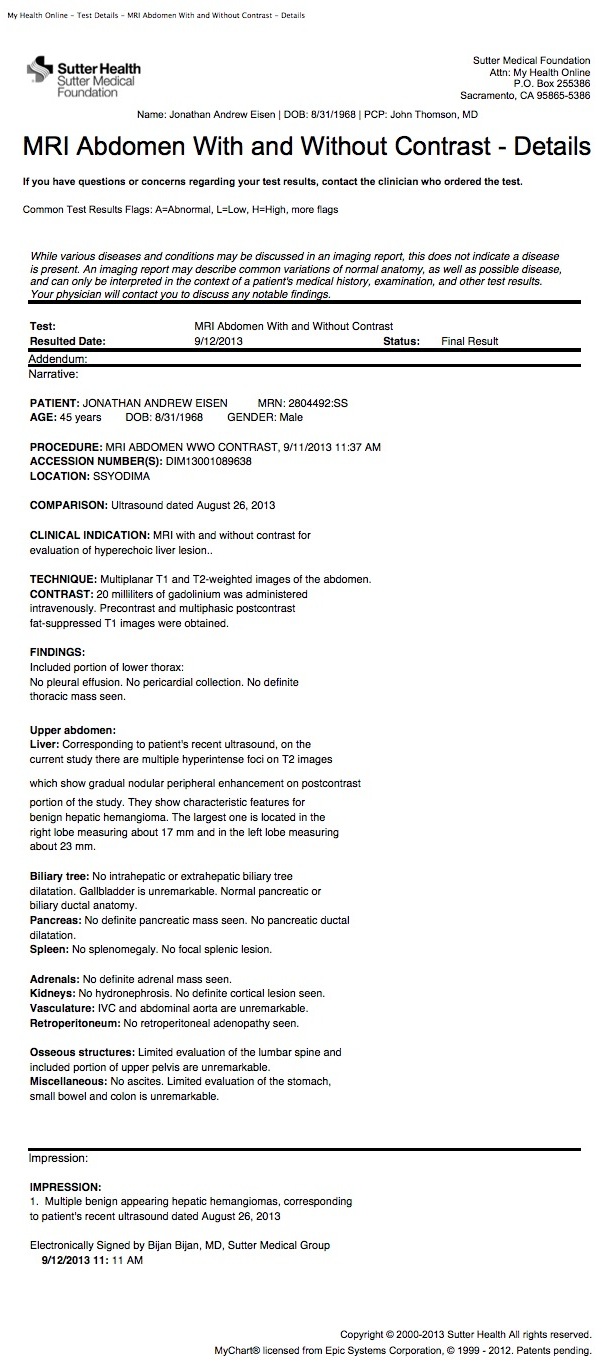
I still have not gotten the scan, but they did post the official MRI report from the radiologist.  Not quite as clean as I had imagined …

The full results

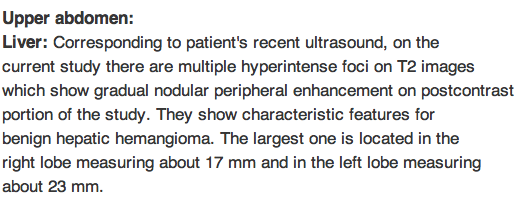
The key part is here:

The key parts

So – apparently  – the ultrasound was actually spot on.  I have multiple foci that “show characteristics of benign hepatic hemangioma”.  And they certainly aren’t tiny.  Now if these really are benign that is fine.  But now I am obliged to start digging around to see how often things that seem to be benign hepatic hemangiomas end up being something else … Uggh … it continues …

Of potential interest – Schmidt Ocean Institute – Call For Expressions of Interest

Just got this:

Dear Colleague:
We are pleased to announce that Schmidt Ocean Institute and Marine Science & Technology Foundation have opened calls for Expressions of Interest in collaborative oceanographic research and technology development. Further details and submission guidelines are available at the following links:

Schmidt Ocean Institute – Expressions of Interest in collaborative research cruises on R/V Falkor in 2016

Marine Science & Technology Foundation – Expressions of Interest in collaborative oceanographic research and development.

Please feel free to forward this information to any your interested colleagues.

Thank you.

Register for the 2013 CHAMMP Symposium at #UCDavis – keynote speaker Jeffrey Gordon

Registration for the 2013 CHAMMP Symposium, "Mucosal Health, Tending the New Terrior" to be held on Monday, September 30, 2013 on the UC Davis campus is now open!

We invite you to attend this exciting one-day symposium on the gut mucosal health and development at the interface of microbiota and immune system. The symposium will feature presentations on the recent advances and novel strategies for healing and protecting the intestine in chronic inflammatory infections and disease by leveraging "world within" microbiota and milk glycans. Dynamic interactions between pathogens and microbiota and regulation of the immune system will be discussed. This will be followed by a panel discussion to identify future strategies for advancing mucosal health at the interface of microbiota and immune system.

Registration to the symposium is required but free. Space is limited so register for this event before September 13, 2013. Lunch and light refreshments at the reception will be provided.

Please visit registration website for additional information and to register: http://conferences.ucdavis.edu/chammp

Monday, September 30, 2013

8:00 AM – 5:00 PM

Walter A. Buehler Alumni & Visitor Center, University of California Davis

Symposium Focus:

“Advancing microbiome and mucosal protection in chronic inflammatory disease and development”

Keynote Speaker: Jeffrey I. Gordon, M.D.

School of Medicine, Washington University at St. Louis

Guest Speakers:

Yasmin Belkaid, Ph.D.

Mucosal Immunology Section, National Institute of Allergy and Infectious Diseases

Frederic D. Bushman, Ph.D.

Perelman School of Medicine, University of Pennsylvania

Andreas Bäumler, Ph.D.

Department of Medical Microbiology & Immunology, University of California – Davis

Satya Dandekar, Ph.D.

Department of Medical Microbiology & Immunology, University of California -Davis

Carlito Lebrilla, Ph.D.

Department of Chemistry, University of California – Davis

David Mills, Ph.D.

Department of Viticulture and Enology, University of California – Davis

Discussion Panel Co-Moderators:

J. Bruce German, Ph.D., Department of Food Science & Technology, University of California – Davis

Jonathan Eisen, Ph.D., Department of Medical Microbiology & Immunology, University of California – Davis

RECEPTION TO FOLLOW

For more information, contact Karryn Doyle at kddoyle

2013 Announcement post.pdf

Overselling the microbiome award: VIB press release saying "Intestinal flora determines health of obese people"

Some really cool new papers are out on the human microbiome today.  But alas that is not what I am here to talk about.  I am here, once again, to complain about overselling the microbome.  There is a headline from a press release from one of the institutes involved in one of the new studies that really irks me: “Intestinal flora determines health of obese people“.  As far as I can tell from reading the paper under discussion in this PR, nothing showed that the flora “determined” the health of obese people.  Yes, the flora had really interesting correlations with health status.  But “determines health” implies that the flora were the causal component of the health of obese people.  And as far as I can tell this was not shown.  What was shown was that the microbial communities – and some metrics of those communities like richness – can help predict risk of individuals for various health related ailments.

Now, mind you, the person discussed in this PR Jeroen Raes is completely brilliant and one of my favorite people in science in many ways.  And also it is important to point out that the paper does not make these claims.  The paper says things like

Our classifications based on variation in the gut microbiome identify subsets of individuals in the general white adult population who may be at increased risk of progressing to adiposity-associated co-morbidities

Even the title:

Richness of human gut microbiome correlates with metabolic markers

So – the reviewers and the authors seemed to have been relatively cautious in the text of the paper.  And the paper is fascinating and filled with important details.  But the headline in this press release has the potential to do damage to the whole field – especially as it gets taken up by the press.  And that is a shame.  The human microbiome is clearly important.  Why oversell it with BS like this?

Thus I hereby award an “Overselling the microbiome award” to the VIB Institute for their press release.

From the VIB Home Page

UPDATE 8/29 7:30 AM.  See comments.  Author Jeroen Raes gets PR fixed …

UPDATE 8/29 9:50 AM. Some links of interest

Announcing CAFA 2: The Second Critical Assessment of Protein Function Annotations

Just received this from Iddo Friedberg:

Friends and Colleagues,

We are pleased to announce the Second Critical Assessment of protein
Function Annotation (CAFA) challenge. In CAFA 2, we would like to
evaluate the performance of protein function prediction tools/methods
(in old and new scenarios) and also expand the challenge to include
prediction of human phenotypes associated with genes and gene
products. As the last time, CAFA will be a part of the Automated
Function Prediction Special Interest Group (AFP-SIG) meeting that will
be held alongside the ISMB conference. AFP-SIG will be held as a
two-day meeting in July 2014 in Boston.

The targets and all information about the CAFA challenge are now
available at http://biofunctionprediction.org. The submission deadline
for predictions is January 15, 2014. The initial evaluation will be
done during the AFP-SIG meeting in Boston. Anyone in the world is
welcome to participate.

The mission of the Automated Function Prediction Special Interest
Group (AFP-SIG) is to bring together computational biologists who are
dealing with the important problem of gene and gene product function
prediction, to share ideas and create collaborations. We also aim to
facilitate interactions with experimental biologists and biocurators.
We hope that AFP-SIG serves an important role in stimulating research
in annotation of biological macromolecules, but also related fields.

About the CAFA experiment

The problem: There are far too many proteins for which the sequence is
known, but the function is not. The gap between what we know and what
we do not know is growing. A major challenge in the field of
bioinformatics is to predict the function of a protein from its
sequence (and all other data one can find). At the same time, how can
we judge how well these function prediction algorithms are performing
and whether we are making progress over time?

The solution: The Critical Assessment of protein Function Annotation
algorithms (CAFA) is an experiment designed to provide a large-scale
assessment of computational methods dedicated to predicting protein
function. We will evaluate methods in predicting the Gene Ontology
(GO) terms in the categories of Molecular Function, Biological
Process, and Cellular Component. In addition, predictors may use the
Human Phenotype Ontology (HPO) for the human dataset. A set of protein
sequences is provided by the organizers, and participants are expected
to submit their predictions by the submission deadline, January 15,
2014. The predictions will be evaluated during the Automated Function
Prediction (AFP) meeting, which has been approved as a Special
Interest Group (SIG) meeting, at the ISMB 2014 conference (Boston,
USA).

History: The first CAFA experiment was conducted in 2010-2011.
Twenty-three groups submitted fifty-four algorithms for assessment.
The results and most methods were published in Nature Methods and in a
special supplement in BMC Bioinformatics. CAFA 1 has brought together
a large group of computational predictors and, for the first time,
provided us with a clear picture of the state of this important field.
As with other critical assessment experiments, the aim of CAFA is
improve protein function prediction by continuously challenging groups
to develop more accurate methods.

How to participate in CAFA 2?
1. Download target proteins, available August 27, 2013
2. Submit predictions on or before January 15, 2014
3. Join us at the AFP-SIG, July 11-12, 2014 in Boston for the eighth
protein function prediction meeting, to hear the CAFA 2 results, to
present your work, and to learn about the latest research in
computational protein function prediction

More details at: http://biofunctionprediction.org

Confirmed keynote speakers:
Fiona Brinkman, Simon-Fraser University, Canada
Mark Gerstein, Yale University, USA

Looking forward to hearing from you!
The CAFA organizing Team: Predrag Radivojac, Michal Linial, Sean
Mooney and Iddo Friedberg

Contact: CAFA.2014@gmail.com

Stunningly bad news-like report on UC Davis neurosurgeons – bacteria in brain story

Well, if you are not keeping up the saga of the UC Davis neurosurgeons who injected bacteria into patients brains continues.

This week it was reported that the surgeons have (finally) stepped down from UC Davis Medical School: See the SacBee story for more detail.

Also I have been compiling information on the case here: #UCDavis neurosurgeons conducted experimental surgery w/o IRB approval.

And personally I am glad to see them go. That being said, it would be nice if news stories about the case were not too outrageous. This one from “NerdAlert” is particularly bad:

#UCDavis Department of Evolution & Ecology Faculty Search for an "Ecologist"

ECOLOGIST, UNIVERSITY OF CALIFORNIA, DAVIS — The College of Biological Sciences, University of California, Davis invites applications and nominations for a tenure-track position in the Department of Evolution and Ecology at the ASSISTANT PROFESSOR level. Candidates must have a Ph.D. (or equivalent) in the biological sciences or related fields. We seek a terrestrial or freshwater ecologist with research interests that will complement and build upon existing faculty strengths to address important ecological questions. We welcome applicants who address important ecological questions at any spatial or temporal scale.   We seek a colleague who is committed to participating in the departmental community through collaborative teaching, research, service and graduate mentoring. Letters of recommendation should specifically address this aspect of the application. The successful candidate will be expected to teach in undergraduate and graduate programs, and should be committed to mentoring and fostering diversity. Applicants should submit materials online at
which contains additional information about the position. These should include: cover letter, curriculum vitae, description of current and projected research, summary of teaching interests and experience, and three publications. Applicants should also provide the information requested for three referees (fourth referee optional). Once entered, applicants will electronically request letters from referees who will then be prompted by email with upload instructions for their letters. Closing Date: Open until filled, but all application materials, including letters of recommendation, must be received by October 15th, 2013 to assure full consideration. Administrative contact: Carla Munoz (camunoz@ucdavis.edu). Faculty contacts: Jay Stachowicz (jjstachowicz@ucdavis.edu), Sharon Strauss (systrauss@ucdavis.edu). The University of California is an Equal Opportunity/Affirmative Action Employer with a strong institutional commitment to the development of a climate that supports equality of opportunity and respect for differences.

Spammy journal Editorial Board invitation of the week – Avens Journal of Food Processing and Beverages

I get lots of semi-Spammy email invites to be involved in various new journals.  Here is one from this week.  I figure – the more I post such things, when people Google for the journal they will sometimes see my posts about how idiotic some of these journals are.  No idea how I ended up on their radar here ..


Dear Dr. Jonathan Eisen,
We are glad to invite you as an eminent editor for the Journal of Food Processing and Beverages (JFPB). Journal of Food Processing and Beverages is an international, non profit, open access, peer reviewed journal that is being recently launched by Avens Publishing Group with a commitment to serve the scientific community.

We are aware of your reputation and distinction in research in some of the fields relating to our journal and that is why you have been chosen as an Editorial Board Member of our Journal of Food Processing and Beverages.

Editorial Board benefits: 

1. Articles suggested by Editors will be provided a 50% discount.
2. We will be conducting conferences yearly; relating to happenings, advancements and breakthroughs in our Journal and editors will be playing a key role in suggesting titles, educating the young scientific community and also promoting our Journal.
3. The article’s fate i.e., both the acceptance or rejection of article is purely dependent on the Editor’s decision and the peer reviewing process will be confidential.
4. We will be providing scientific credits to all the Editorial board members based on their active participation towards our journal.

If you are interested, you can send your details such as: short biography (100 words), C.Vrecent passport size photo (to display at our website), and complete working address (Department, University / institute) for our records.

With regards,
Managing Editor
Journal of Food Processing and Beverages
Avens Publishing Group
877 W 23rd st.,
Los Angeles, CA 90007,
USA.

Disclaimer: All works published by Avens Publishing Group are under the terms of the Creative Commons Attribution License and supports the Bethesda statement on Open Access publishing.

Note: This is not a spam message, and has been sent to you because of your eminence in the field. If, however, you do not want to receive any email in future from Avens Publishing Group, then please reply with your request.