The gurus of evolution predict the future #PLOSBiology

Nice commentary / viewpoint piece in PLOS Biology last months: PLOS Biology: Evolutionary Biology for the 21st Century

Citation.Jonathan Losos, Stevan J. Arnold, Gill Bejerano, E. D. Brodie III, David Hibbett, Hopi E. Hoekstra, David P. Mindell, Antónia Monteiro, Craig Moritz, H. Allen Orr, Dmitri A. Petrov, Susanne S. Renner, Robert E. Ricklefs, Pamela S. Soltis, Thomas L. Turner (2013) Evolutionary Biology for the 21st Century. PLoS Biol 11(1): e1001466. doi:10.1371/journal.pbio.1001466

They discuss issues like Biodiversity Informatics (see Figure to the left) and evolutionary applications like evolutionary medicine, food production, sustaining biodiversity, computational algorithms, and justice.  They also discuss issues like the oncoming onslaught of specimens and the need to link up with museums who have expertise in dealing with such issues.  Anyway – it is worth a look.  Not the most visionary of pieces ever but it has some concrete suggestions and predictions that will be of use.

Worth a look (from arXiv): Robust estimation of microbial diversity in theory and in practice

I confess I do not have the time right now to delve into this in detail but this seems of interest: Robust estimation of microbial diversity in theory and in practice. From Bart Haegeman, Jerome Hamelin, John Moriarty, Peter Neal, Jonathan Dushoff and Joshua S. Weitz (full disclosure -I am friends and co-author with some of the authors here).

Abstract: Quantifying diversity is of central importance for the study of struc- ture, function and evolution of microbial communities. The estima- tion of microbial diversity has received renewed attention with the advent of large-scale metagenomic studies. Here, we consider what the diversity observed in a sample tells us about the diversity of the community being sampled. First, we argue that one cannot reliably es- timate the absolute and relative number of microbial species present in a community without making unsupported assumptions about species abundance distributions. The reason for this is that sample data do not contain information about the number of rare species in the tail of species abundance distributions. We illustrate the difficulty in compar- ing species richness estimates by applying Chao’s estimator of species richness to a set of in silico communities: they are ranked incorrectly in the presence of large numbers of rare species. Next, we extend our analysis to a general family of diversity metrics (“Hill diversities”), and construct lower and upper estimates of diversity values consistent with the sample data. The theory generalizes Chao’s estimator, which we retrieve as the lower estimate of species richness. We show that Shannon and Simpson diversity can be robustly estimated for the in silico communities. We analyze nine metagenomic data sets from a wide range of environments, and show that our findings are relevant for empirically-sampled communities. Hence, we recommend the use of Shannon and Simpson diversity rather than species richness in efforts to quantify and compare microbial diversity.

It is in press in ISME and freely available at arXiv.

Psyched: have rescued old MobileMe and other websites after Apple annoyingly cancelled them by posting to Dropbox

A few years ago I used to post many things for the Web through Apple’s Mobile Me service.  Annoyingly, Apple ended up treating this like they treat connectors and plugs for their phones and Macs.  They just decided to move their online system to iCloud and deleted all the old websites through Mobile Me.  Which left me in a lurch.  And then I forgot about it.  But I have been rediscovering how annoying this is since I had a lot of information out there on old papers and projects and now it is gone from the interwebs.  So I have ben trying to re-share all of this stuff.

One way has ben to post data from old papers to Figshare.  See for example:

But I also had all sorts of website related material that is annoyingly gone.  And yesterday I discovered at least a simple solution to this.  I can put all my old websites in my Dropbox public folder and share the link to those files with others and they work pretty well.

See for example my re-releasing of some of my April 1 and other joke websites:

 Also – I have reposted some of the my old websites

I have always been into sharing scientific information on the web since, well, the web came out.  And I am going to dig around for other old websites to post them via Dropbox.  If anyone knows an easy way to upload / convert an old website into WordPress, I suppose I could load in all the old pages into my current wordpress site, but this was a much easier temporary solution.  Still annoyed with Apple but glad Dropbox allows a simple solution.

Soliciting opinions on paper "A congruent phylogenomic signal places eukaryotes within the Archaea"

Been reading this paper which I posted about to Twitter recently: A congruent phylogenomic signal places eukaryotes within the Archaea.  It is very interesting.  Not sure what to make of it though.  So – in contrast to my normal ways of putting my ideas out there first and asking for / hoping for comment I thought – let’s mix things up.  So – I am soliciting comments from people BEFORE I write down my comments.  Any ideas / thoughts / comments would be welcome.

Full citation:

Proc Biol Sci. 2012 Dec 22;279(1749):4870-9. doi: 10.1098/rspb.2012.1795. Epub 2012 Oct 24.
A congruent phylogenomic signal places eukaryotes within the Archaea.
Williams TA, Foster PG, Nye TM, Cox CJ, Embley TM.

My new microbial art for my office: salt evaporation ponds and goethermal spring stamps

Thanks to Russell Neches in my lab I found out about the Earthscapes series stamps from the US Postal Service.  Two of the stamps feature microbial ecosystems and I ordered framed, enlarged versions of the photos for my office.

They are available at the links below:

Go microbes.

PLoSOne paper: Parallel polymorphisms for pepper population phylogenetics, from #UCDavis, not #Pepperspray

Interesting new paper from colleagues at UC Davis: PLOS ONE: Characterization of Capsicum annuum Genetic Diversity and Population Structure Based on Parallel Polymorphism Discovery with a 30K Unigene Pepper GeneChip.

Press release is here: http://www.news.ucdavis.edu/search/news_detail.lasso?id=10497

Good to see something on peppers from UC Davis not about spraying.

Interesting paper on strategy to use PCR to simultaneously characterize eukaryotic, bacterial and archaeal microbes

Interesting new paper in PLOS One: PLOS ONE: Simultaneous Amplicon Sequencing to Explore Co-Occurrence Patterns of Bacterial, Archaeal and Eukaryotic Microorganisms in Rumen Microbial Communities

Full citation:  Kittelmann S, Seedorf H, Walters WA, Clemente JC, Knight R, et al. (2013) Simultaneous Amplicon Sequencing to Explore Co-Occurrence Patterns of Bacterial, Archaeal and Eukaryotic Microorganisms in Rumen Microbial Communities. PLoS ONE 8(2): e47879. doi:10.1371/journal.pone.0047879

Basically, the paper describes the development and use of a PCR strategy to simultaneously characterize eukaryotic, bacterial and archaeal microbes from samples.

Primers used are summarized in Table 2

The strategy they employ attempt to correct for differences in amplification differences between the different amplicons which should therefore allow better normalization of relative abundance estimates.  See results in Figure 2.

Definitely worth a look.

Nice timing: Our paper on the Darwin’s Finch genome is out today on Darwin’s birthday

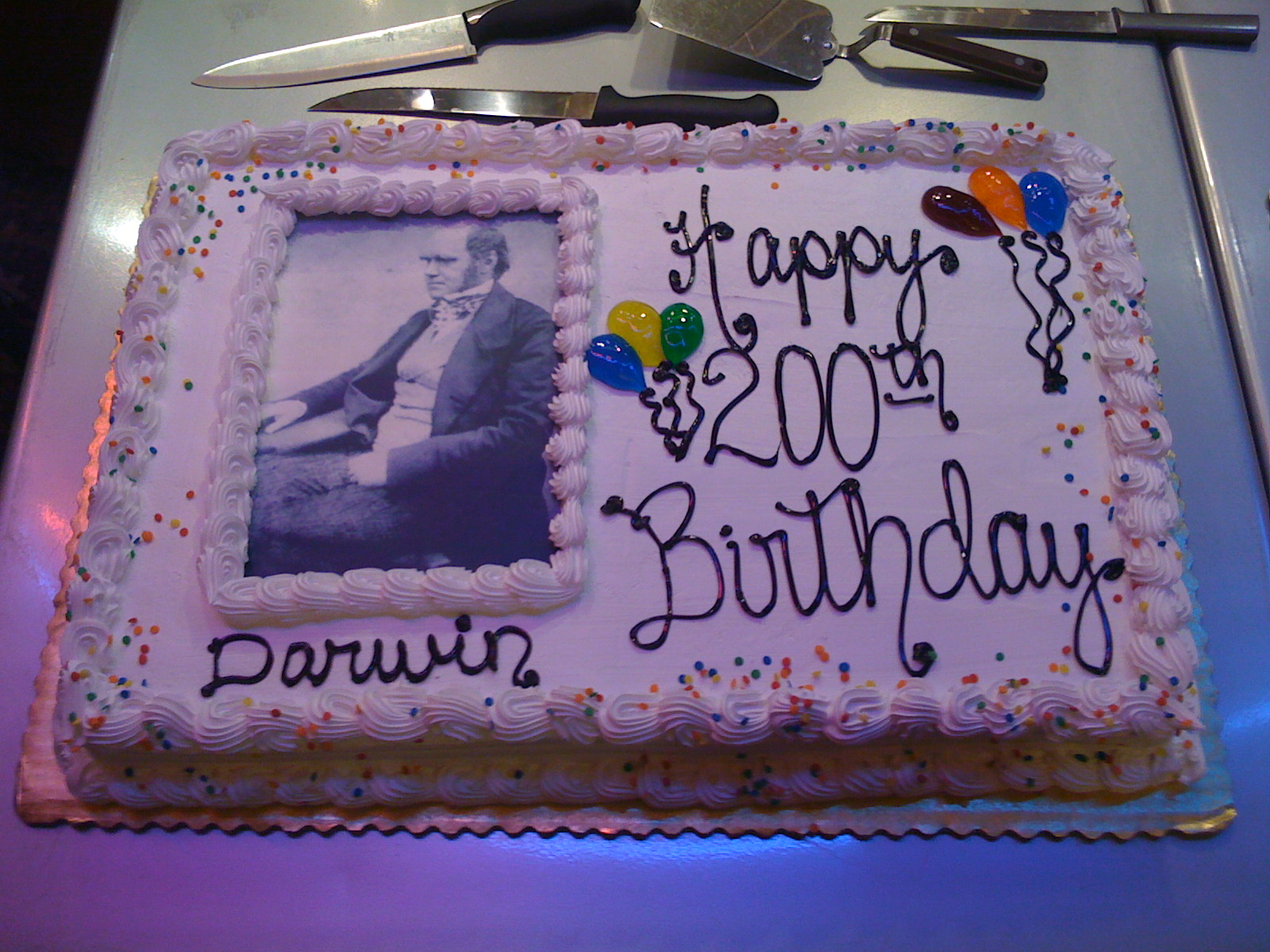
Birthday party for Darwin in 2009

Well, I assume this was on purpose from the folks at Biomed Central but not sure.  Our paper on the genome of one of Darwin’s Finches is out today in BMC Genomics: BMC Genomics | Abstract | Insights into the evolution of Darwin’s finches from comparative analysis of the Geospiza magnirostris genome sequence.

Abstract of the paper:

Background
A classical example of repeated speciation coupled with ecological diversification is the evolution of 14 closely related species of Darwin’s (Galápagos) finches (Thraupidae, Passeriformes). Their adaptive radiation in the Galápagos archipelago took place in the last 2–3 million years and some of the molecular mechanisms that led to their diversification are now being elucidated. Here we report evolutionary analyses of genome of the large ground finch, Geospiza magnirostris.
Results
13,291 protein-coding genes were predicted from a 991.0 Mb G. magnirostris genome assembly. We then defined gene orthology relationships and constructed whole genome alignments between the G. magnirostris and other vertebrate genomes. We estimate that 15% of genomic sequence is functionally constrained between G. magnirostris and zebra finch. Genic evolutionary rate comparisons indicate that similar selective pressures acted along the G. magnirostris and zebra finch lineages suggesting that historical effective population size values have been similar in both lineages. 21 otherwise highly conserved genes were identified that each show evidence for positive selection on amino acid changes in the Darwin’s finch lineage. Two of these genes (Igf2r and Pou1f1) have been implicated in beak morphology changes in Darwin’s finches. Five of 47 genes showing evidence of positive selection in early passerine evolution have cilia related functions, and may be examples of adaptively evolving reproductive proteins.
Conclusions
These results provide insights into past evolutionary processes that have shaped G. magnirostris genes and its genome, and provide the necessary foundation upon which to build population genomics resources that will shed light on more contemporaneous adaptive and non-adaptive processes that have contributed to the evolution of the Darwin’s finches.

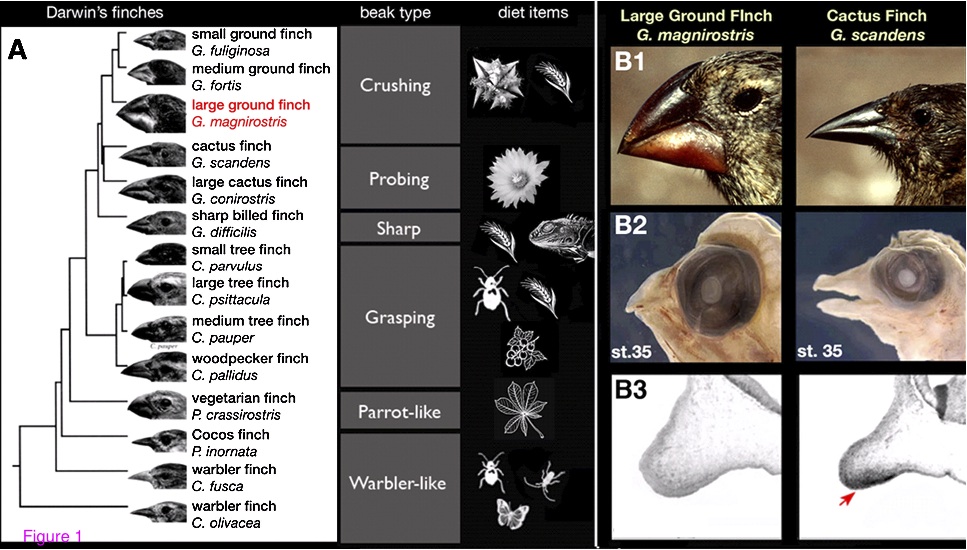
Figure 1

There is a long long long story behind this paper.  Too long for me to write up right now.  I wrote up some of the story for a Figshare posting of the genome data last year.

“Darwin’s Finches” are a model system for the study of various aspects of evolution and development.  In 2008 we commenced on a project to sequence the genomes of some of these species – inspired by the (then) upcoming celebration of the 200th anniversary of the birth of Charles Darwin (which was in February 2009).  The project started with a brief discussion at the AGBT meeting in 2008 and then via an email conversation between Jonathan Eisen and Jason Affourtit about the possibility of a collaboration involving the 454 company (which was looking for projects to highlight the power of it’s then relatively new 454 sequencing machines).  After further discussions between Jonathan Eisen, his brother Michael Eisen (who separately had become interested in Darwin’s finches) and people from 454 it was decided that this was a potentially good project for a scientific and marketing collaboration.  

In these conversations it was determined that the most likely limiting factor would be access to DNA from the finches.  This was largely an issue due to the fact that the Galapagos Islands (where the finches reside) are a National Park in Ecuador and also a World Heritage site.  Collection of samples there for any type of research is highly regulated.  Thus, Jonathan Eisen made contact with Peter and Rosemary Grant – the most prominent researchers working on the finches – and who Eisen had discussed sequencing the finch genomes in the early 2000s.  In that previous conversation it was determined that the sequencing would be too expensive to carry out without a major fundraising effort.  However, with the advent of “next generation” sequencing methods such as 454 the total costs of such a project would be much lower.   

In the conversations with the Grants, the Grants offered to ask around to see if anyone had sufficient amounts of DNA (or access to samples), which would be needed for genome library construction.  Subsequently they identified Arkhat Abzhanov from Harvard as someone who likely had samples as well as permission to do DNA-based work on them, from many of the finch species. Abzhanov offered to provide samples from three key species (large ground finch Geospiza magnirostris, large cactus finch G. conirostris and sharp-billed finch G. difficilis) and DNA was sent to Roche-454 for sequencing in July of 2008.  In August, the first “test” sequence data was provided from Geospiza magnirostris.  A plan was then made to generate additional data and Roche offered to do the sequencing at their center at a steep discount.  Funds were raised by Jonathan Eisen, Greg Wray, Monica Riley, and others to pay for the sequencing and over the next year or so, three sequencing bursts were conducted at Roche-454. “

That is a decent summary of the background.  The details on the science are in the paper.  What the background does not say is that the project languished for years as we did not have funds to support the actual analysis of the genomes and it was kind of out of my normal area of expertise.  Along the way, I did a poor job of communicating with some of the initial parties in the project (e.g., I did a really bad job of communicating with Greg Wray – who had provide some of the funds – and I will forever be trying to make things up to him).  Anyway, thankfully Arhat eventually pulled together a group of people led by Chris Ponting to help analyze the genome and Chris led the way to the paper that is out today.  Only four years after our original goal.

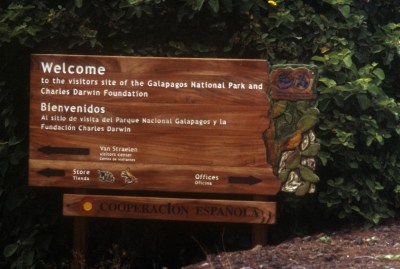
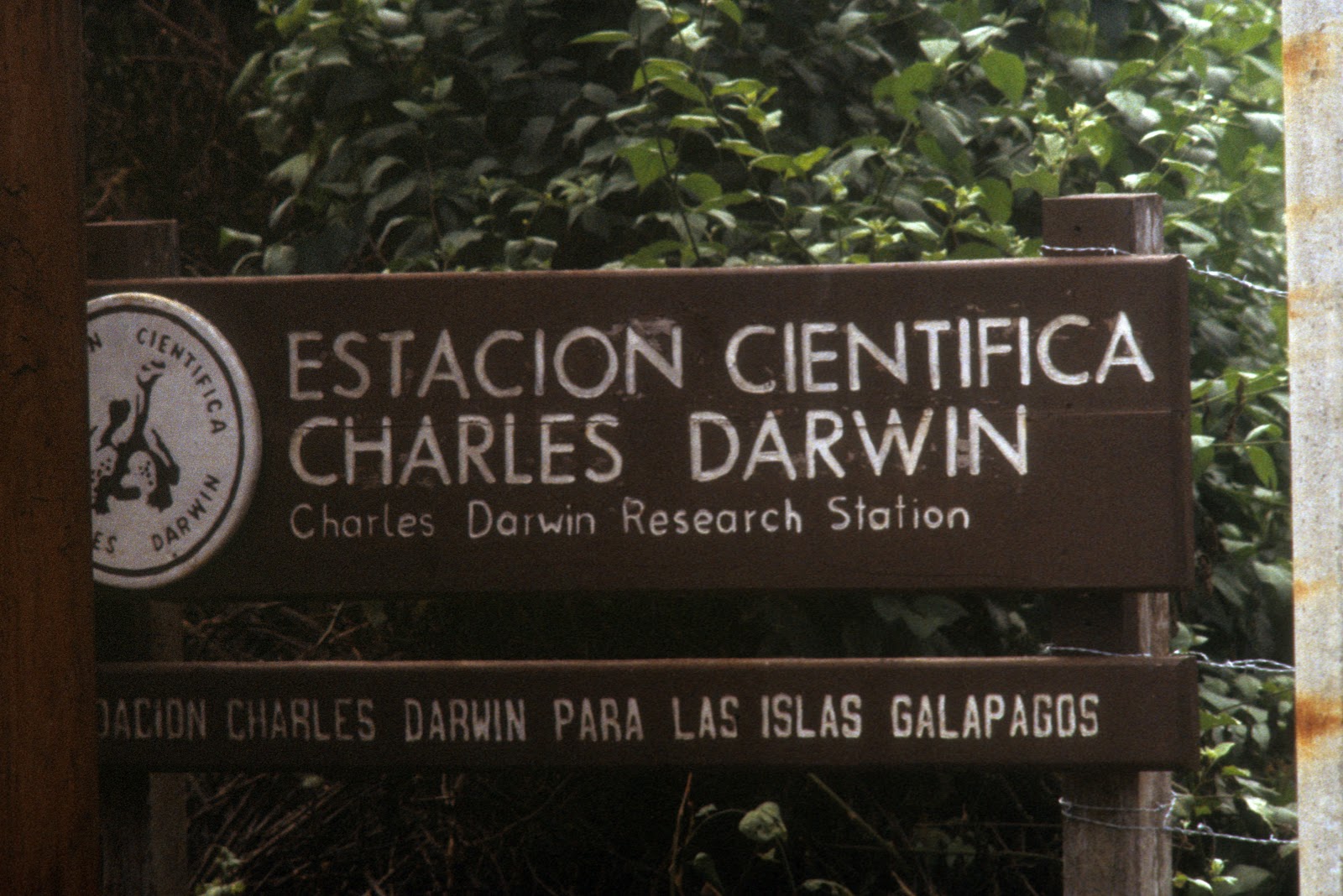
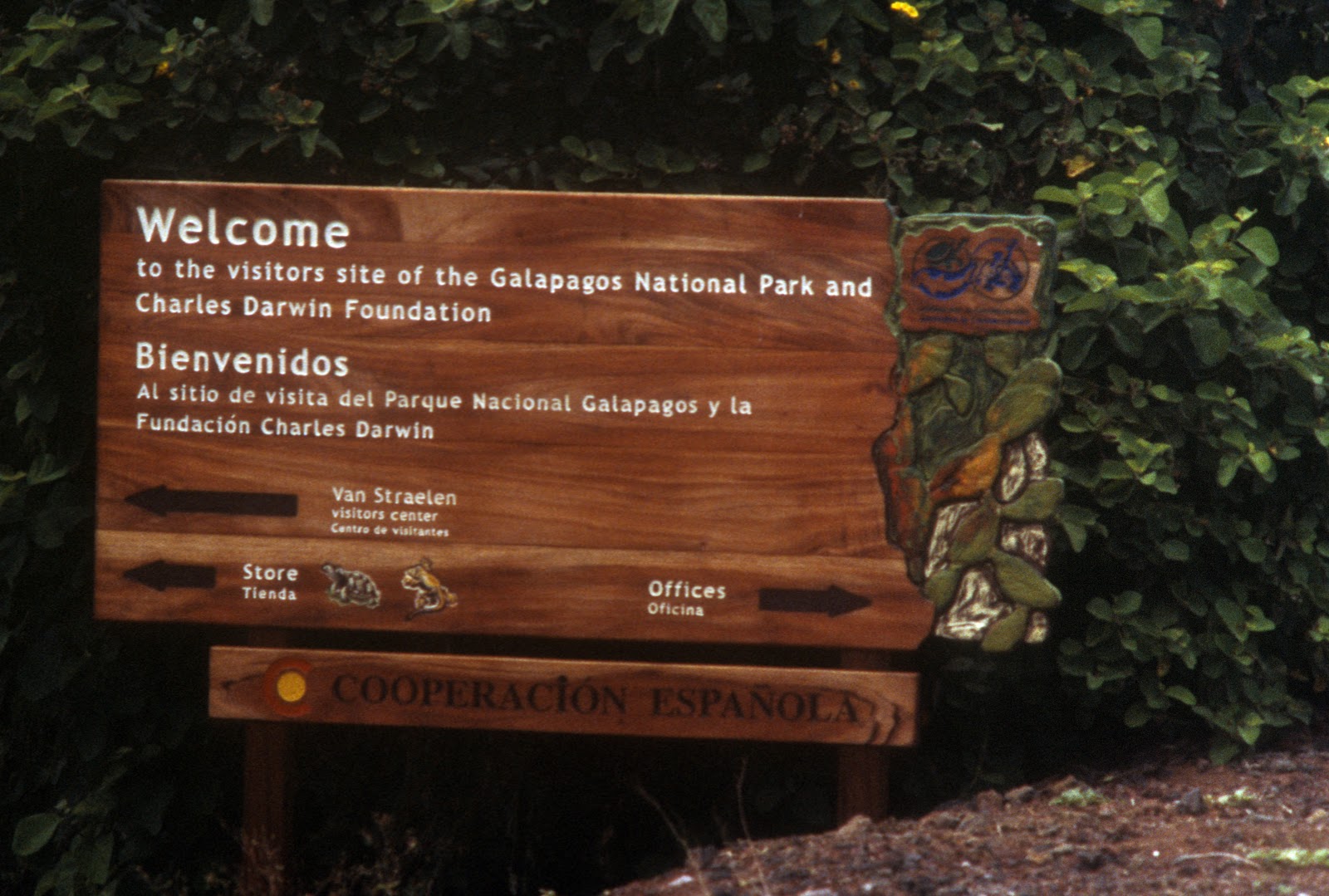
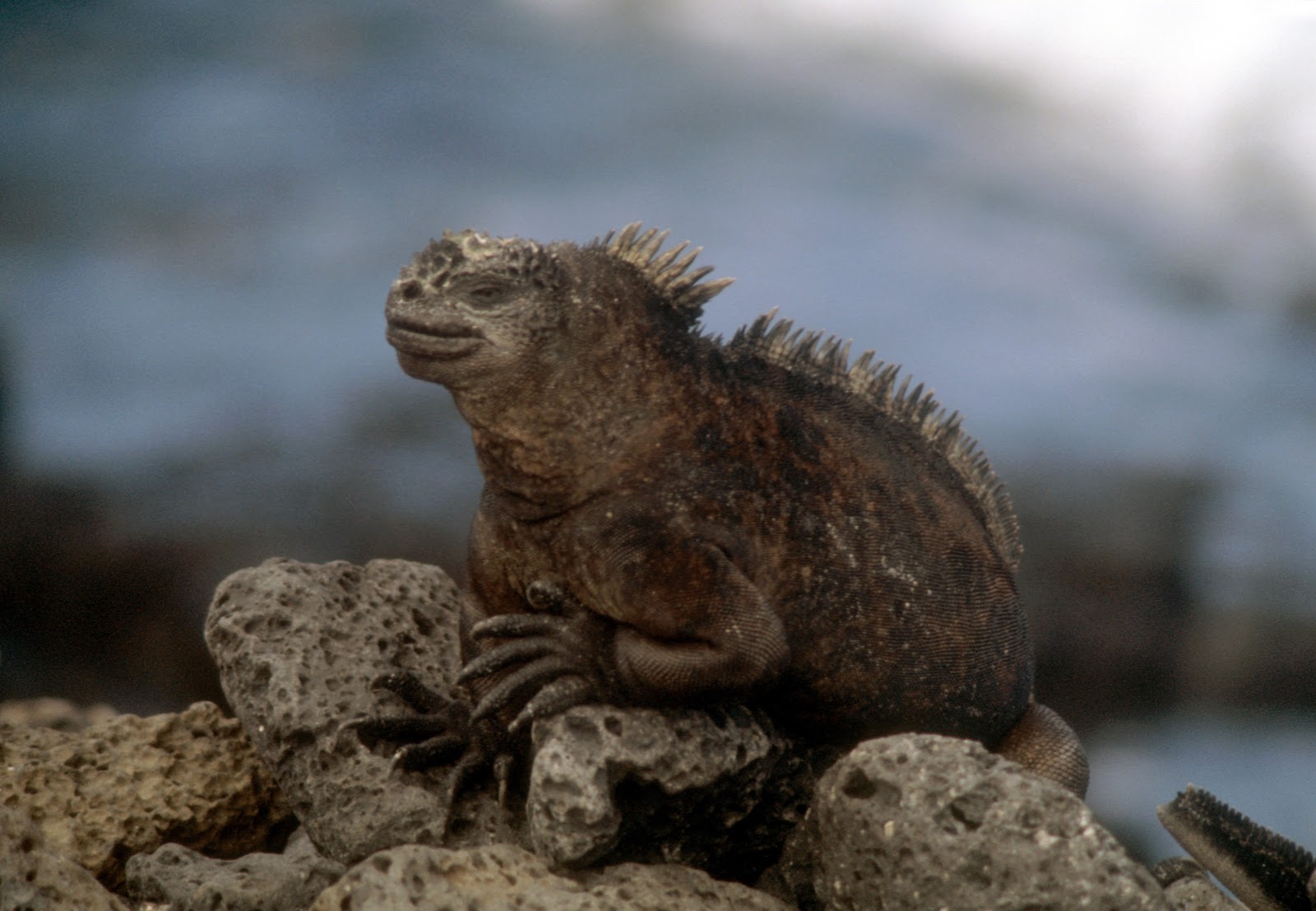
I have been a birder and an evolutionary biologist for many many many years. Thus this is kind of a cool project for me.  When I was in the Galapagos in 2002 I dreamed of doing a project like this – and even started doodling Darwin’s finches all over the place – including on some of the styrofoam cups we sent down to the bottom of the ocean on the outside of the Alvin sub as part of a deep sea research cruise I went on.  See below:

https://picasaweb.google.com/s/c/bin/slideshow.swf

Add caption

Some related posts:
From 2002

From 2002

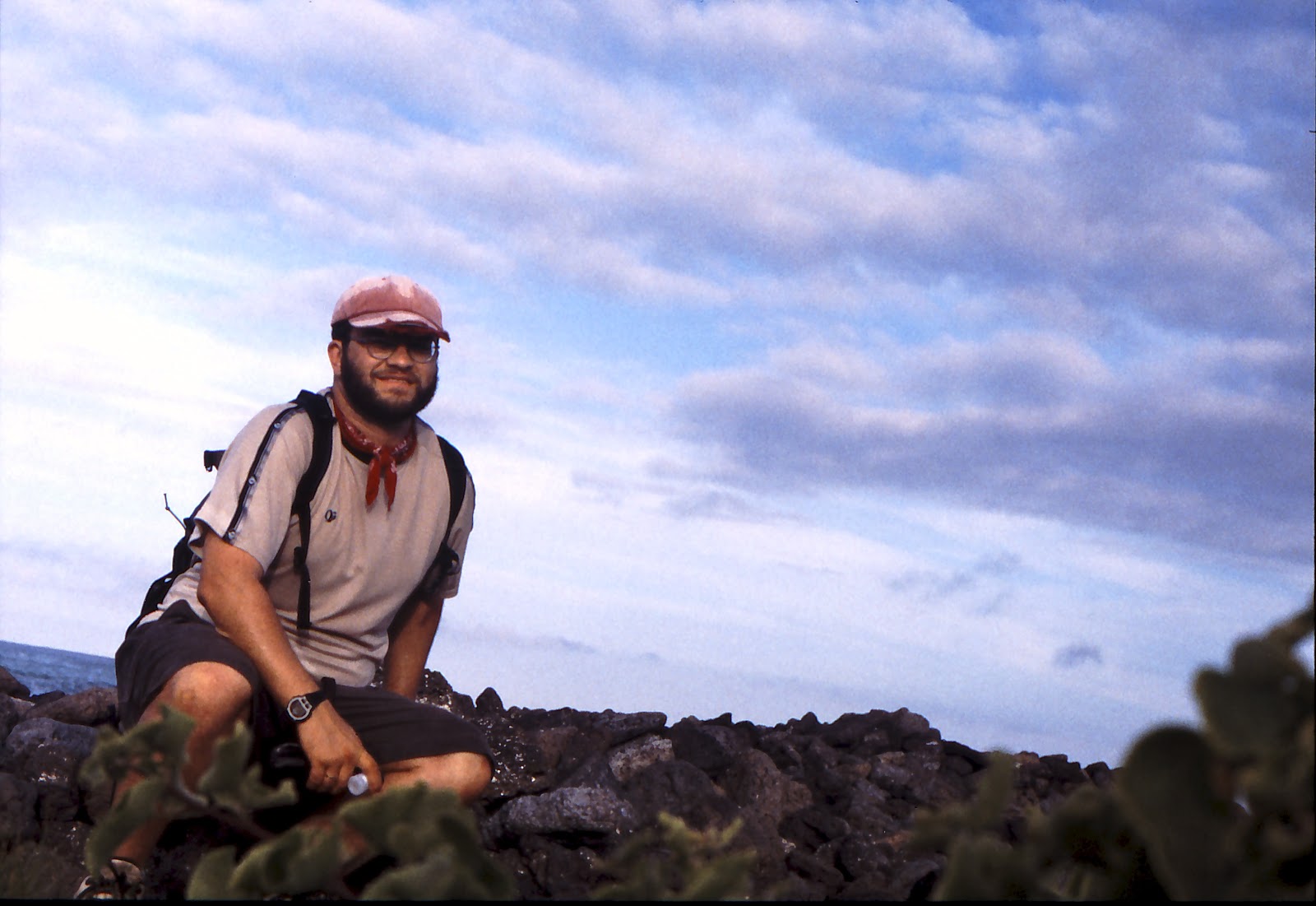
Me, in the Galapagos in 2002

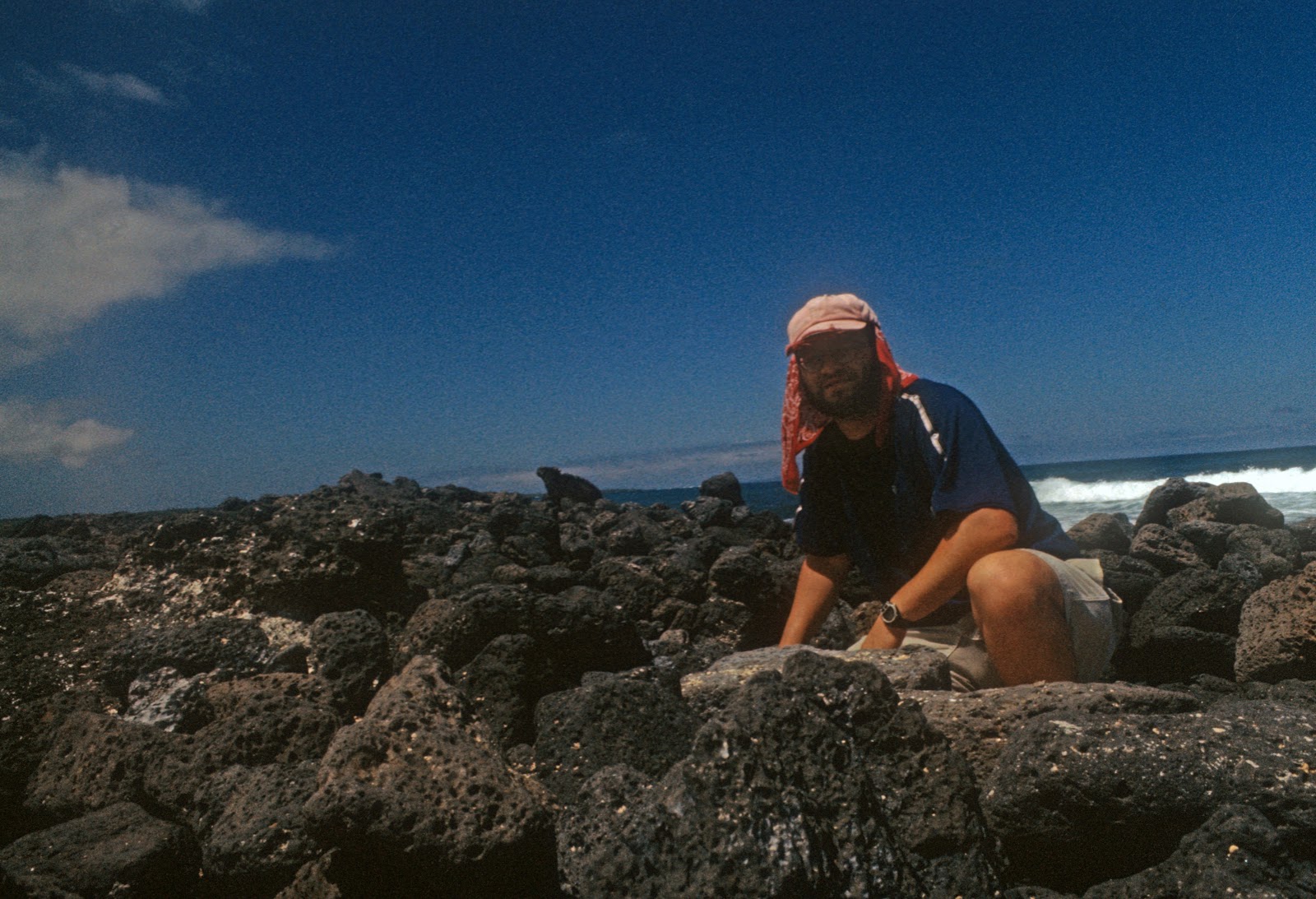
Me in the Galapagos in 2002

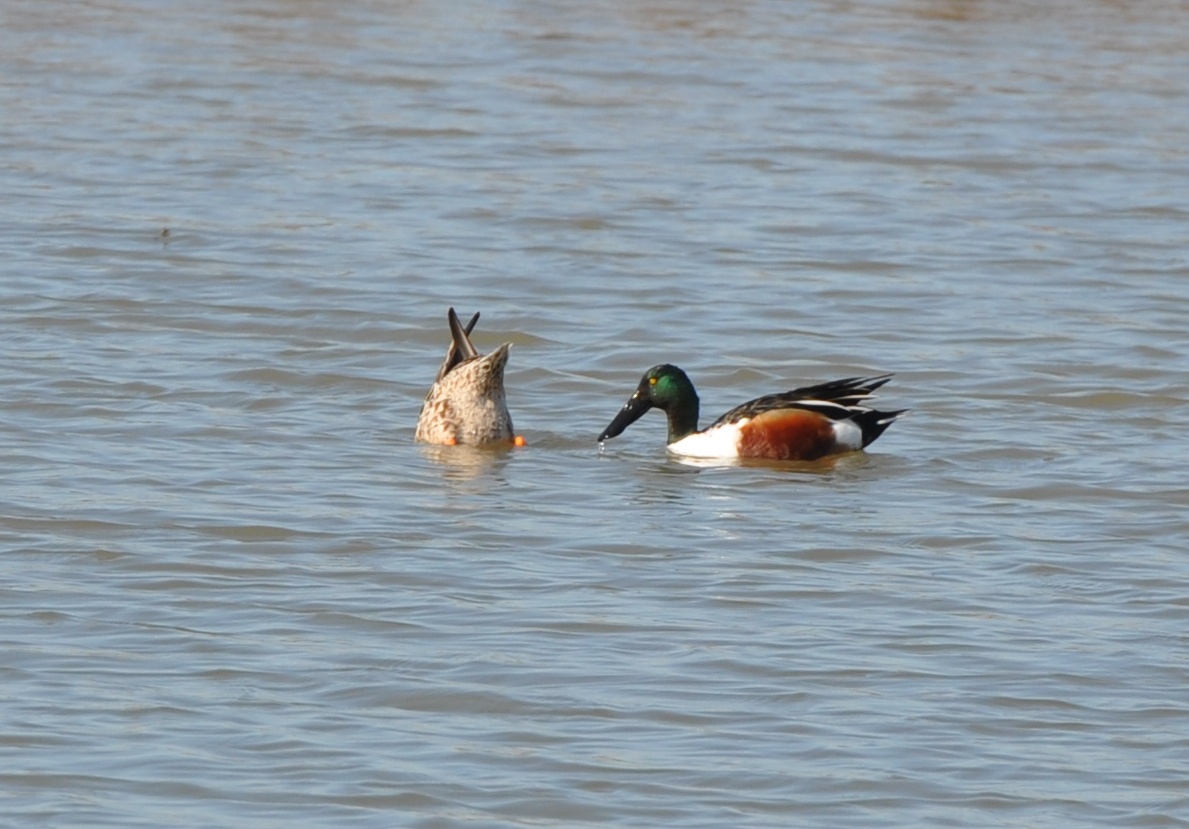
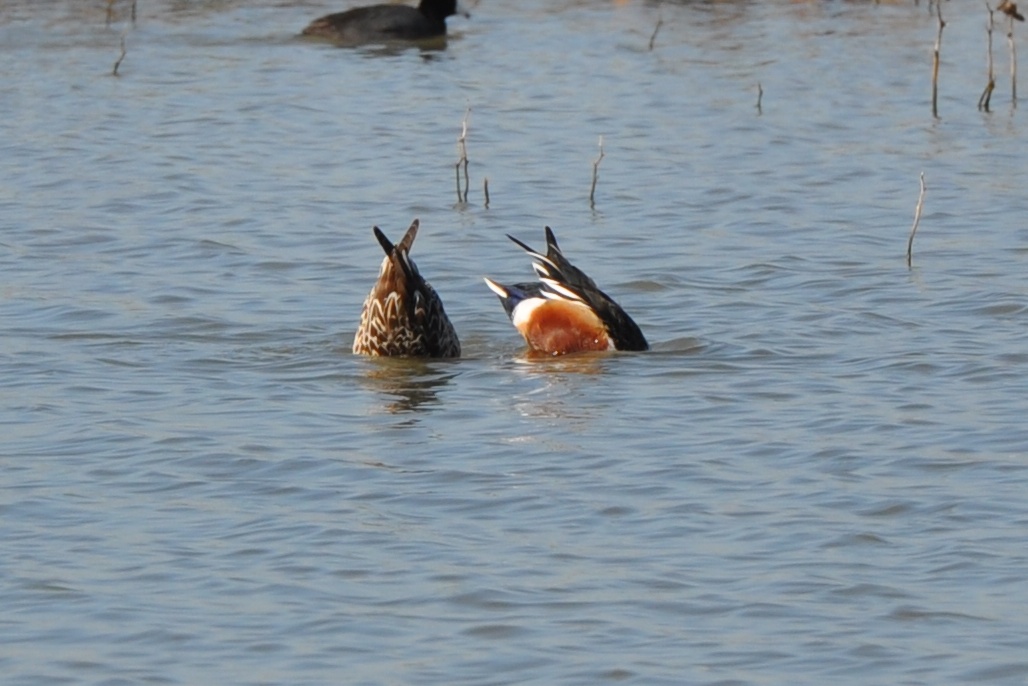
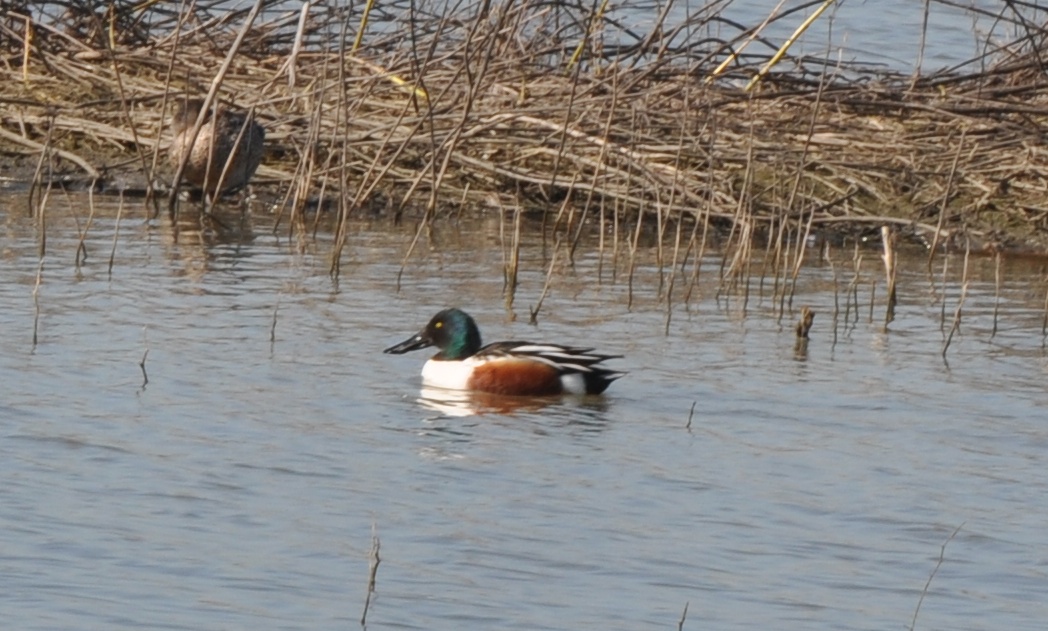
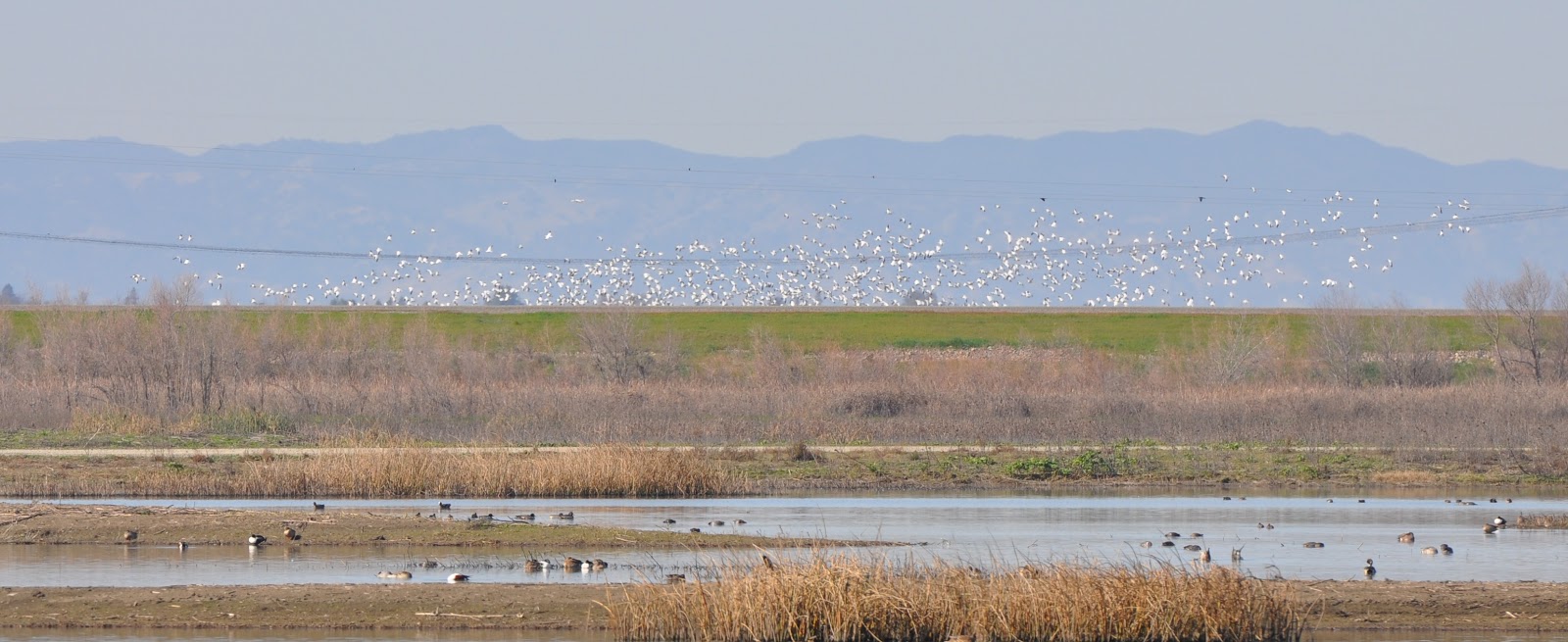
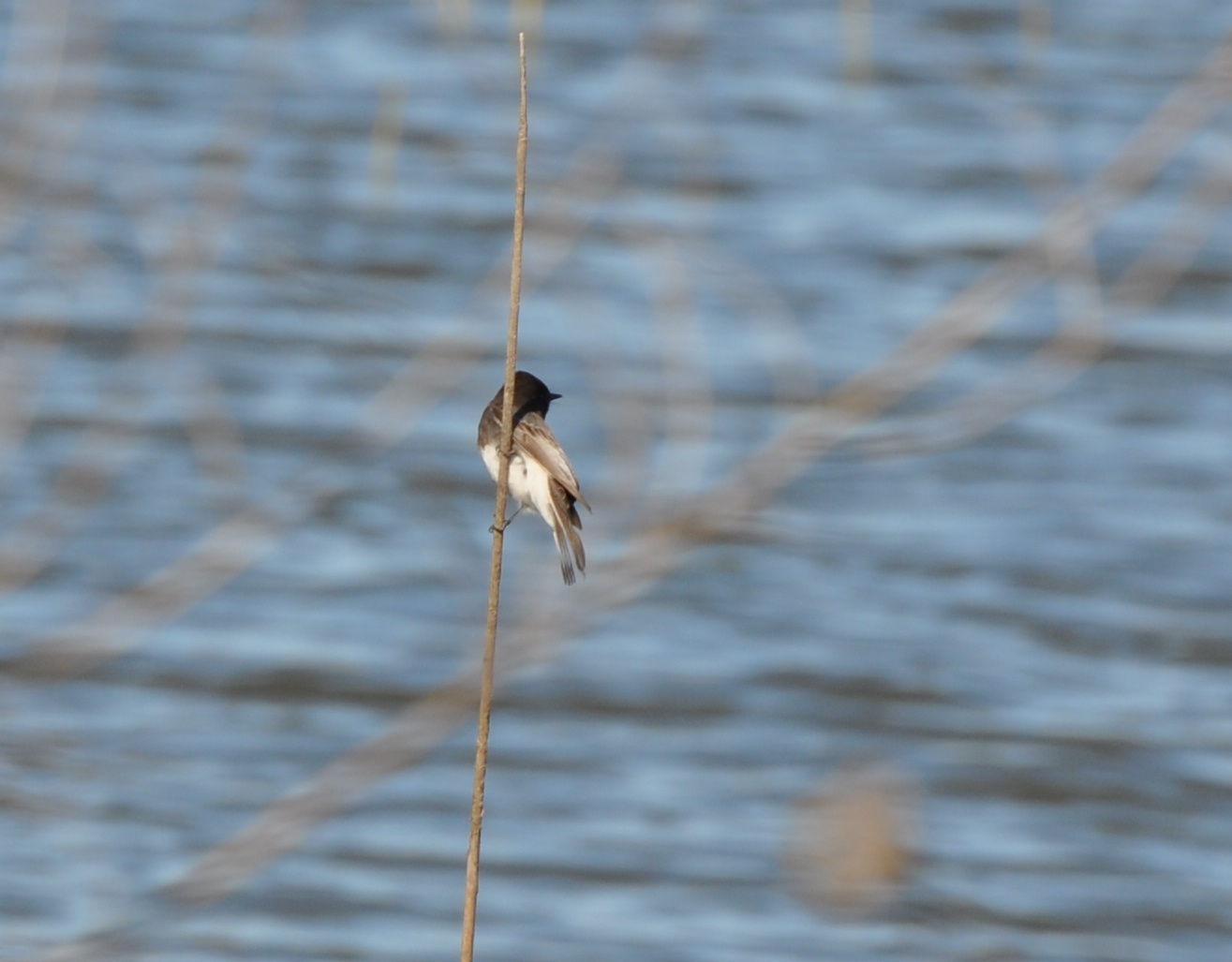
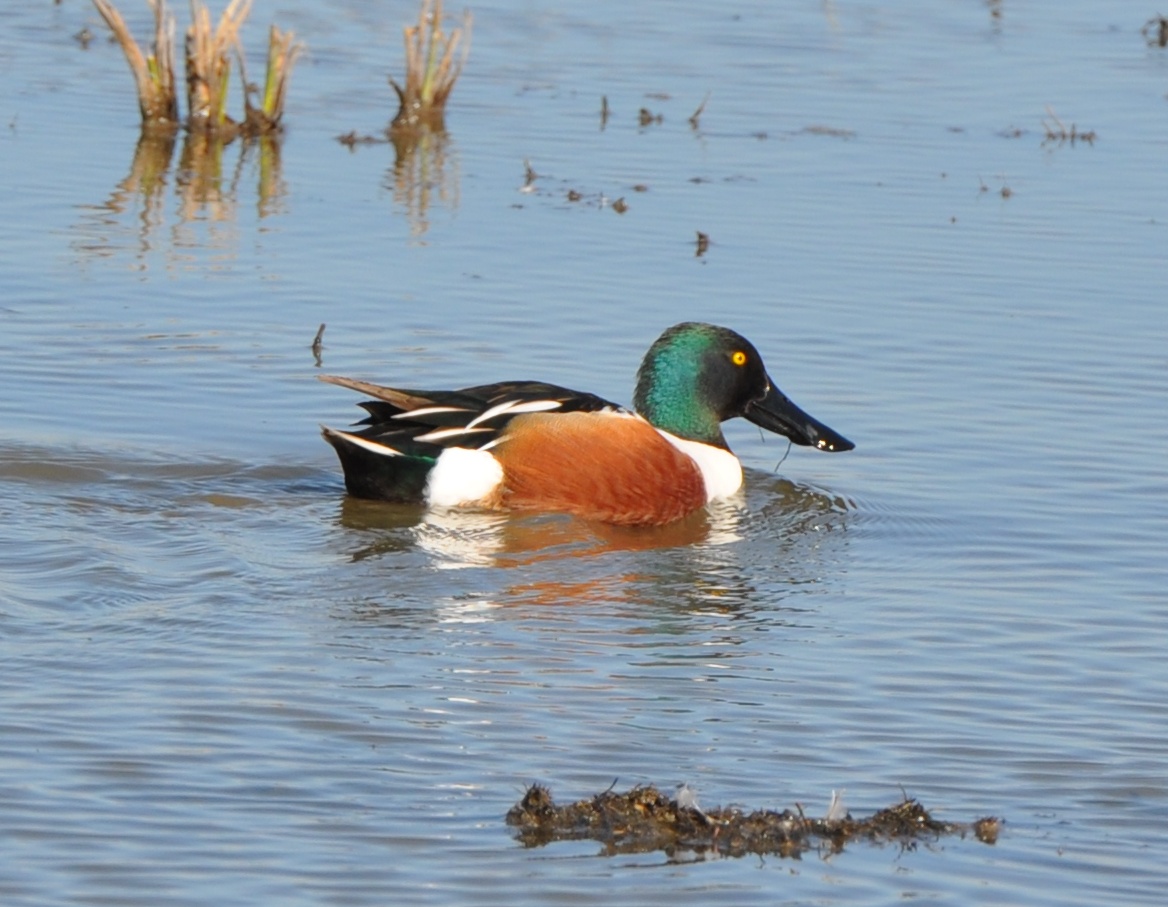
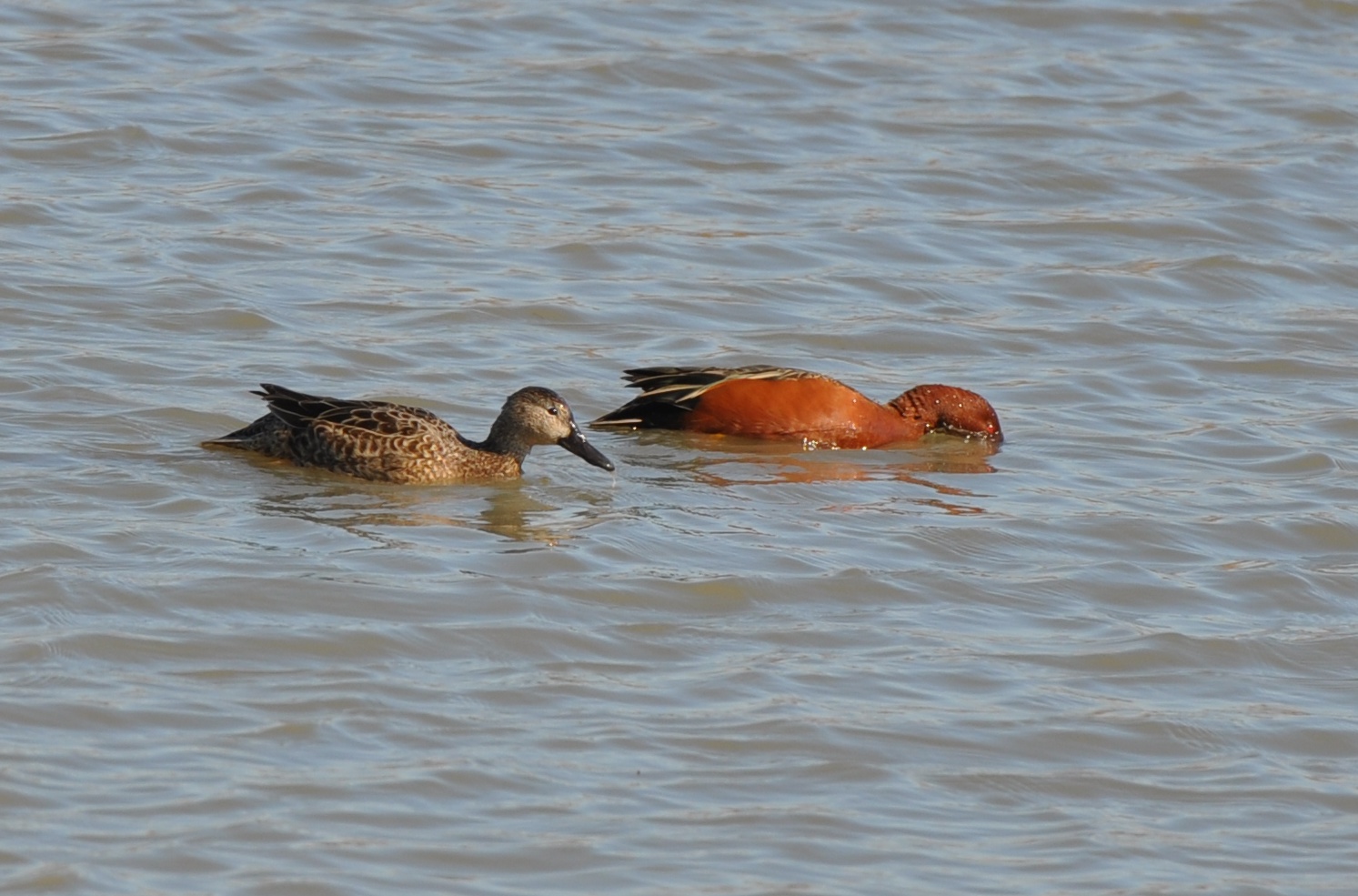
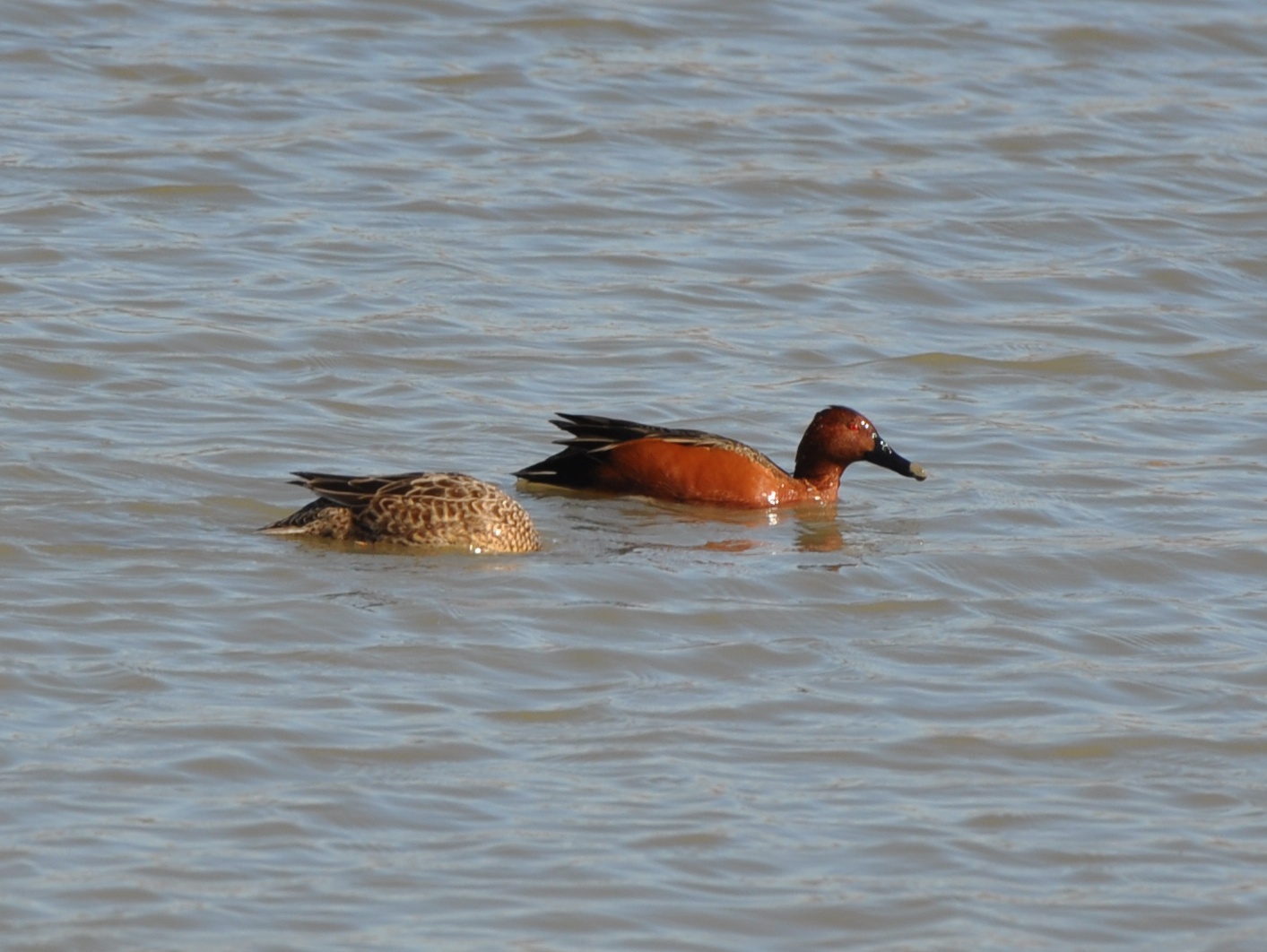
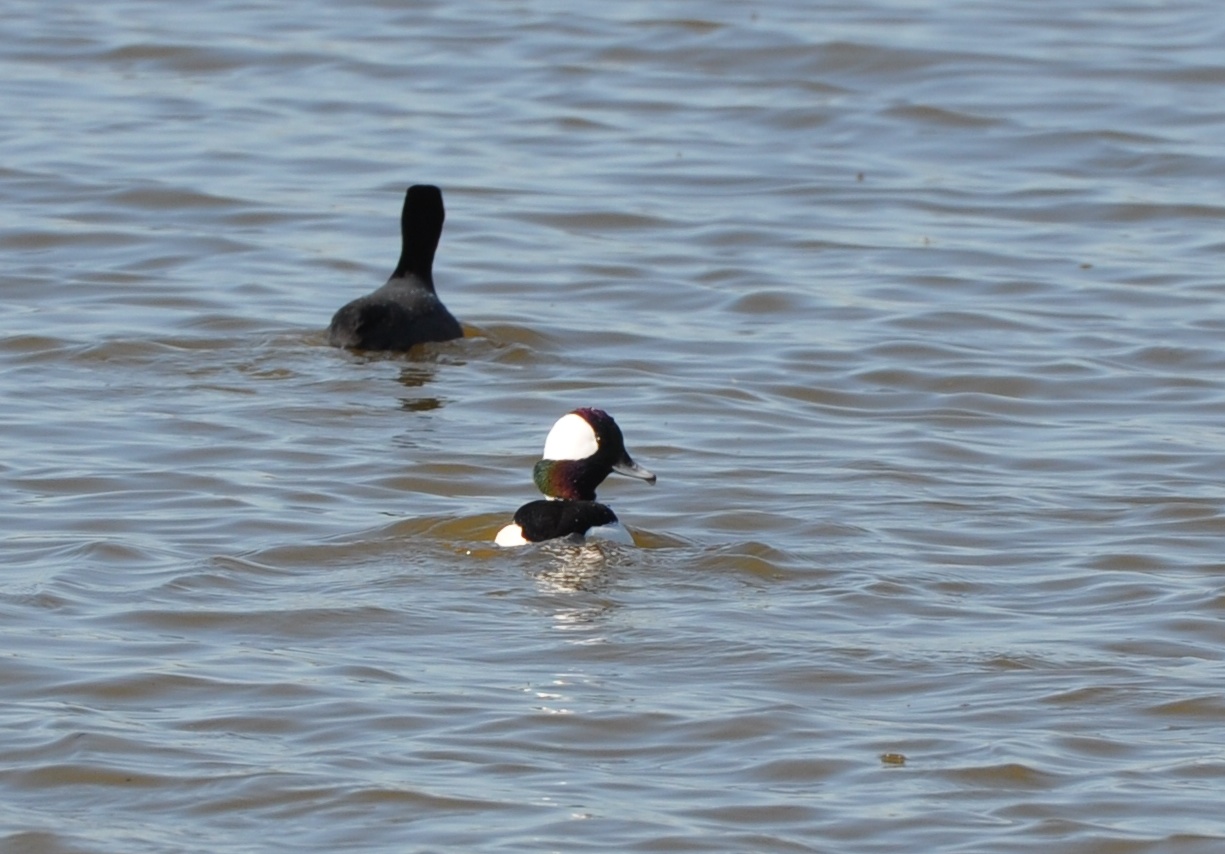
Harvard Club of Sacramento outing to Yolo Basin #Birds #Birds #MoreBirds

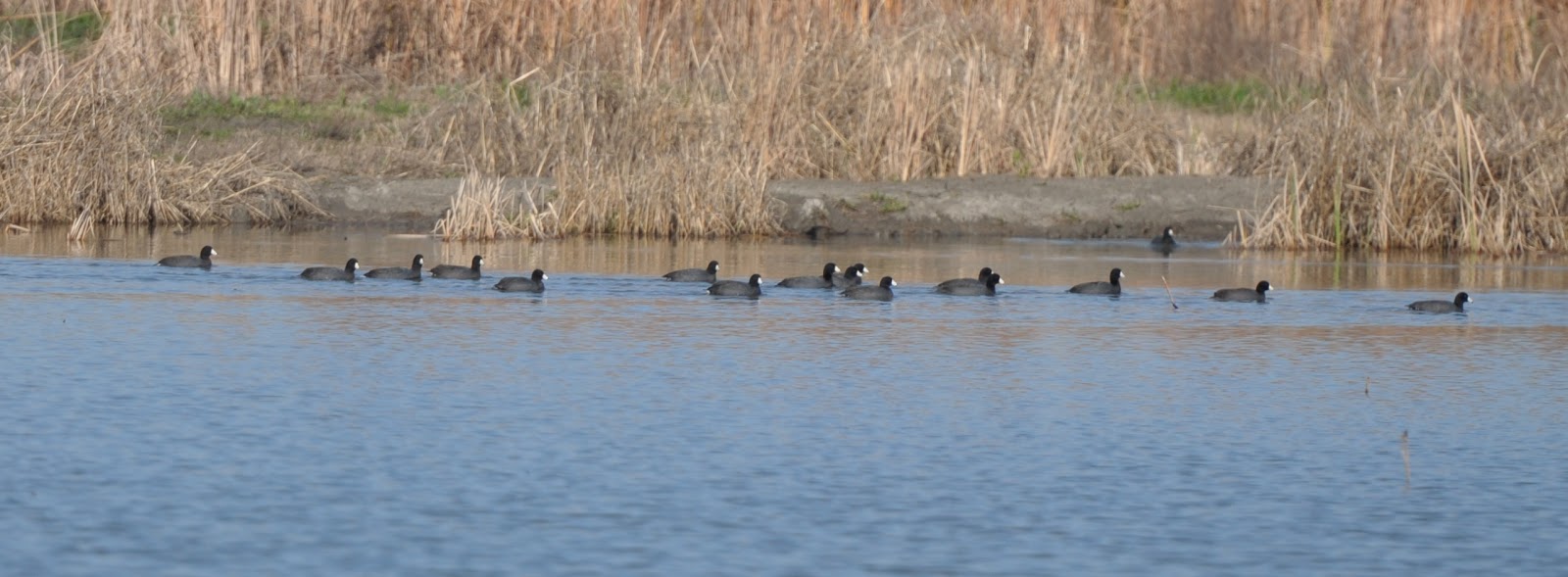
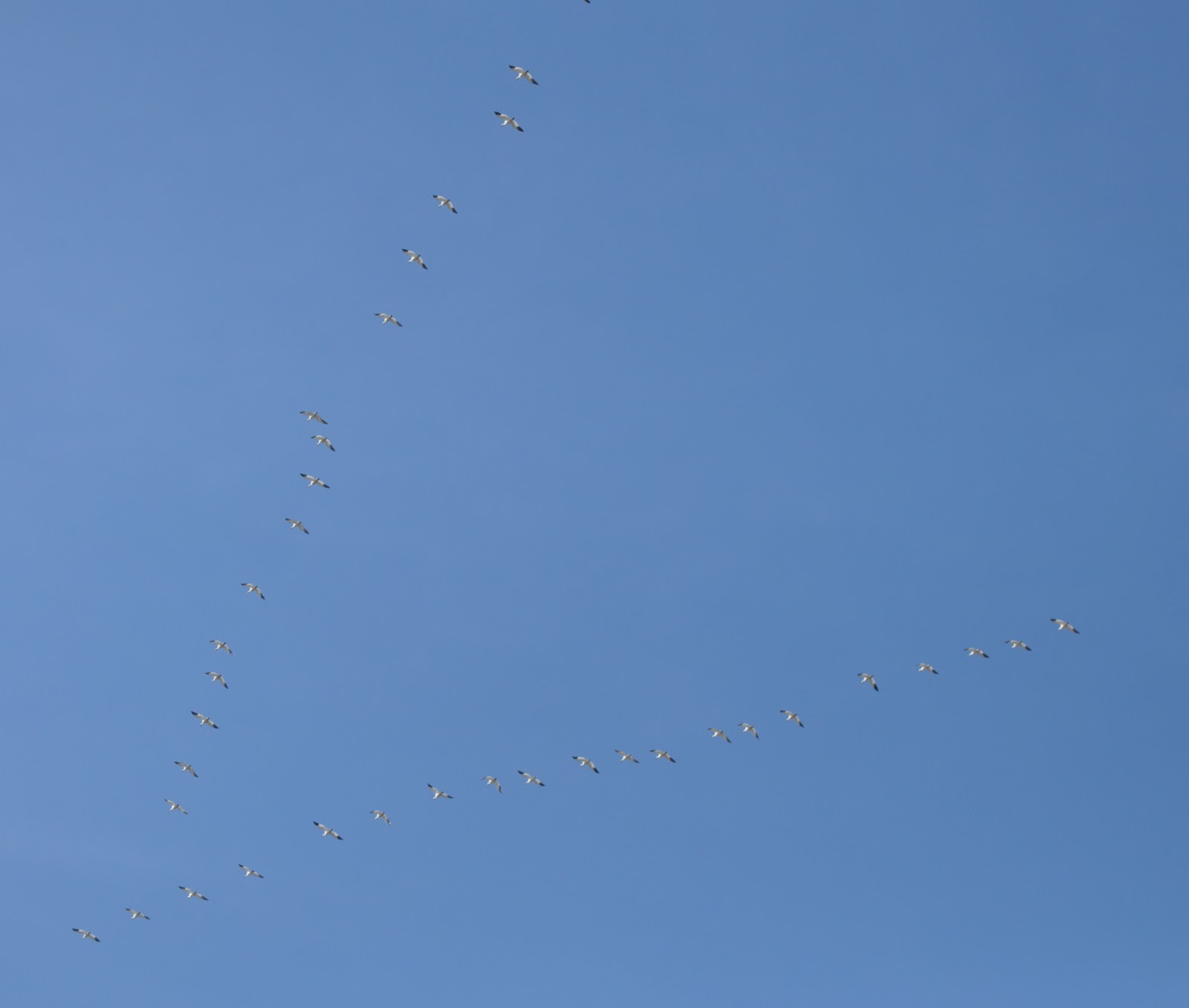
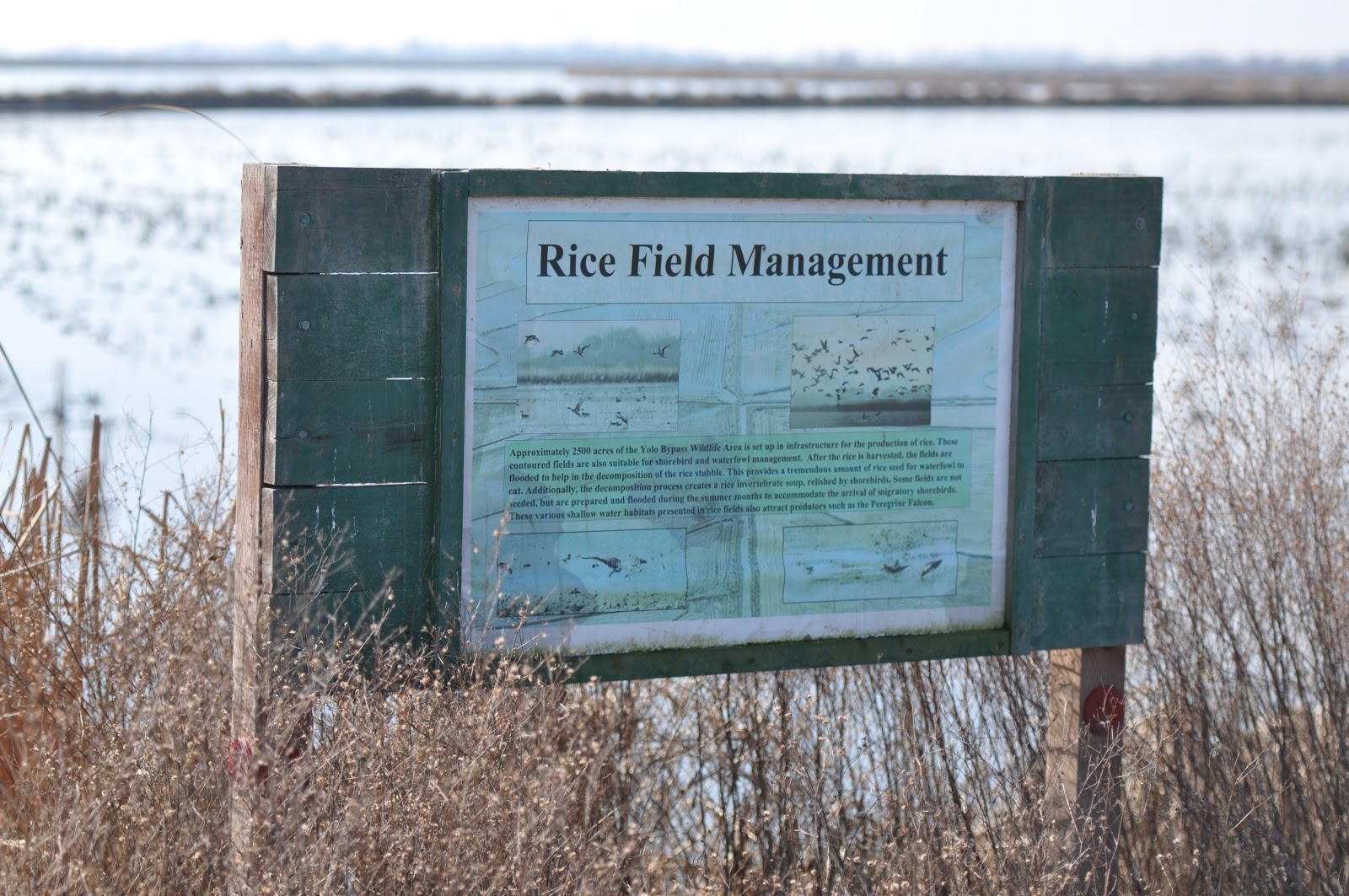
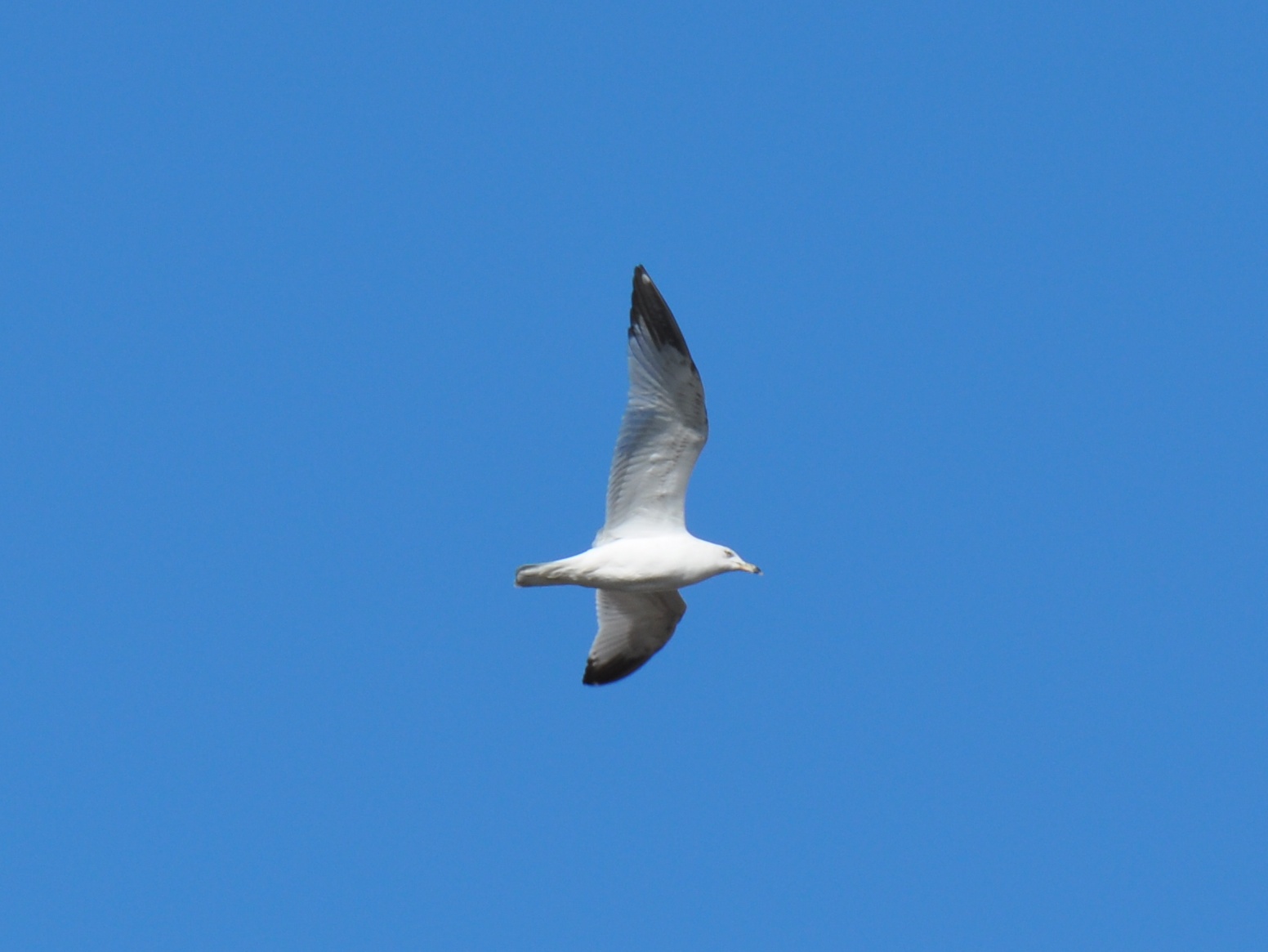
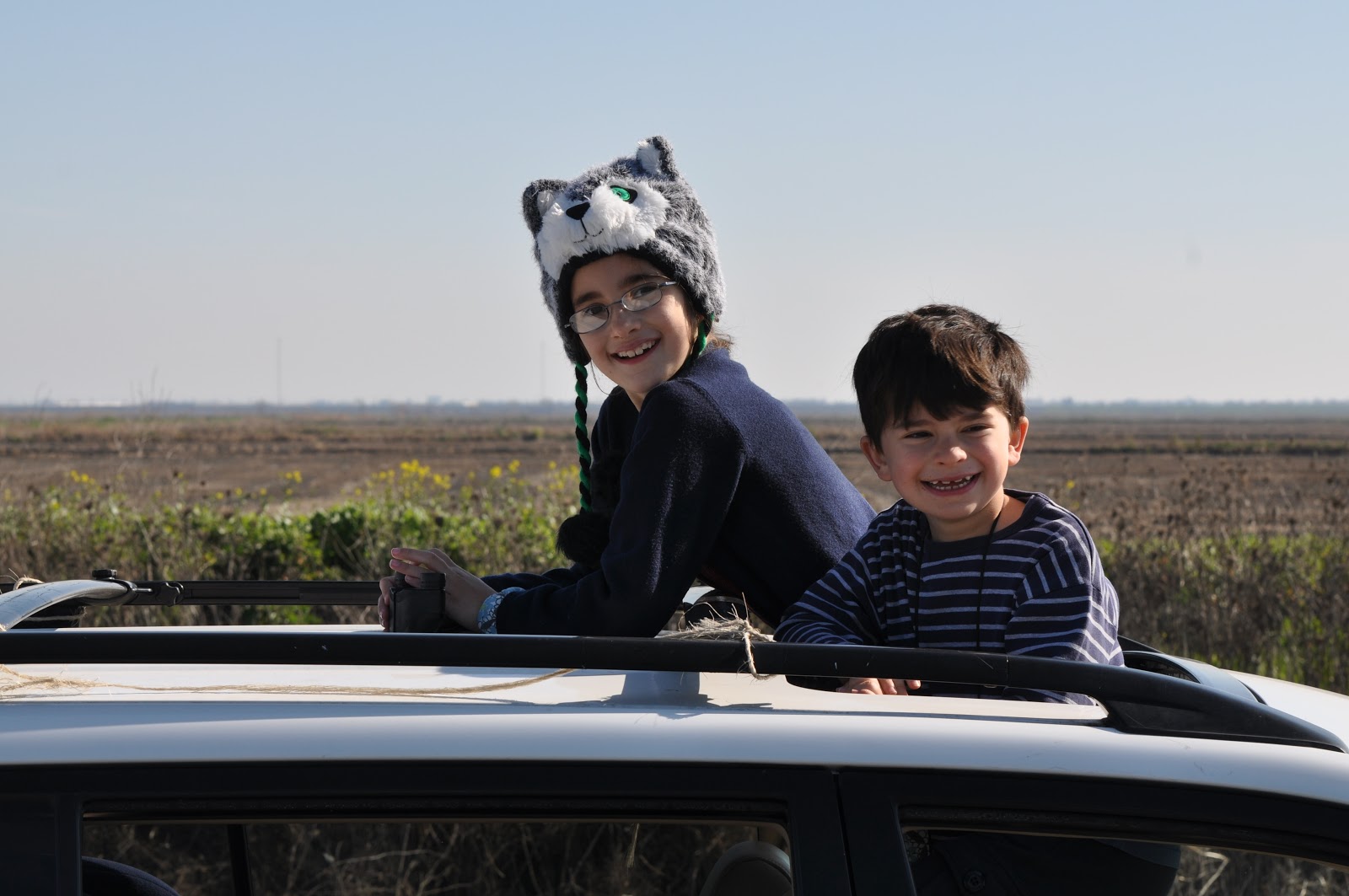
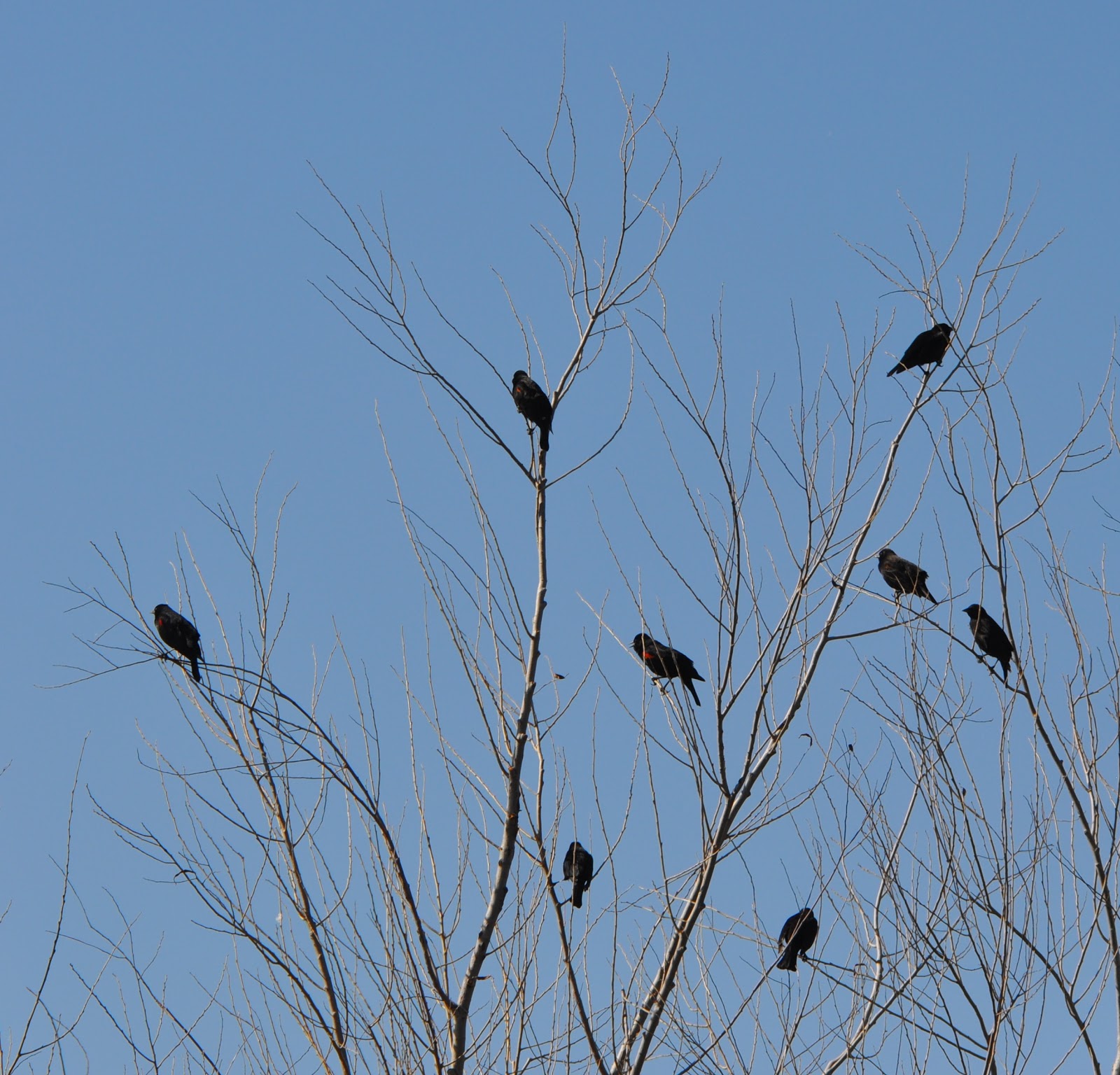
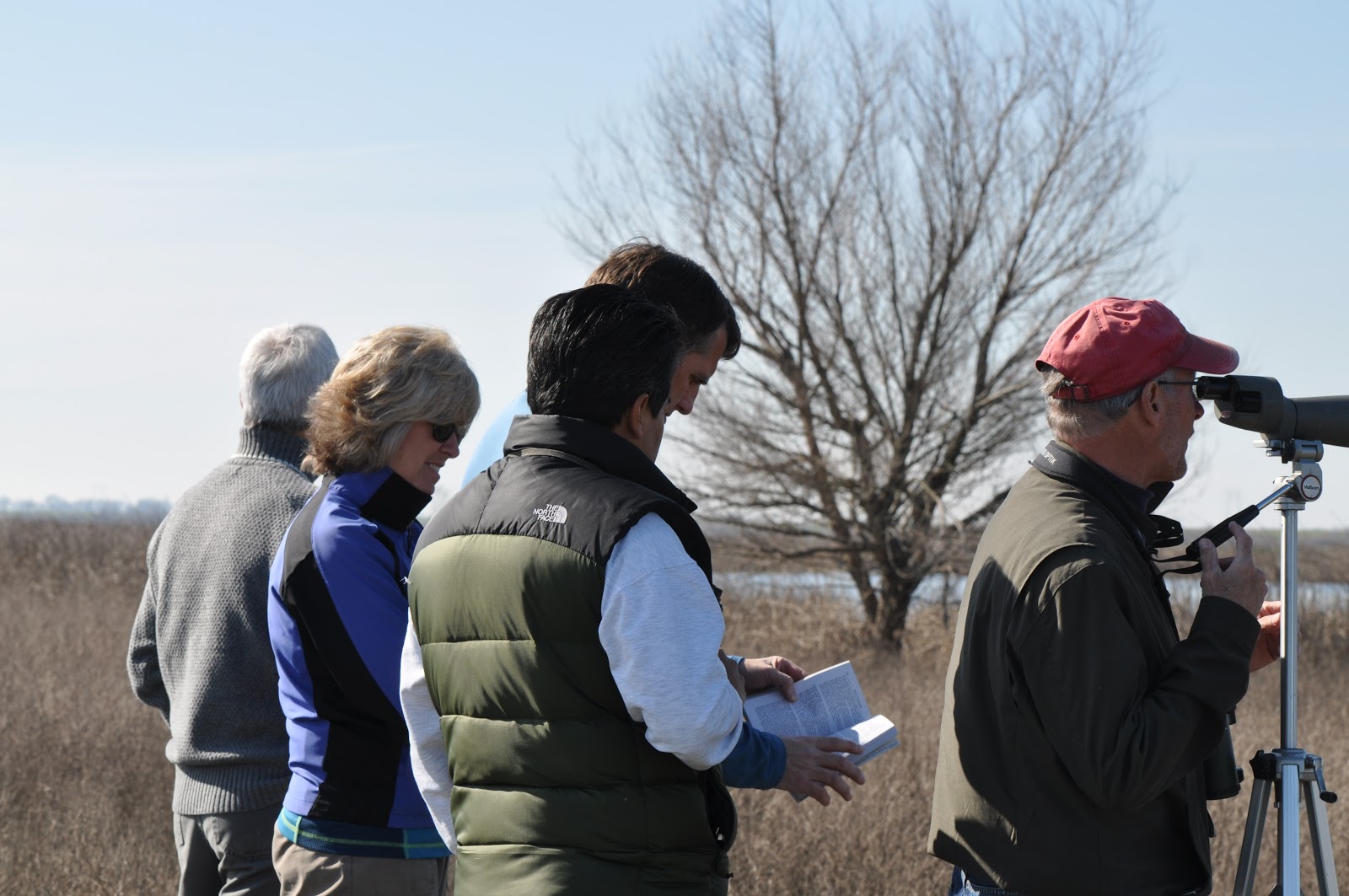
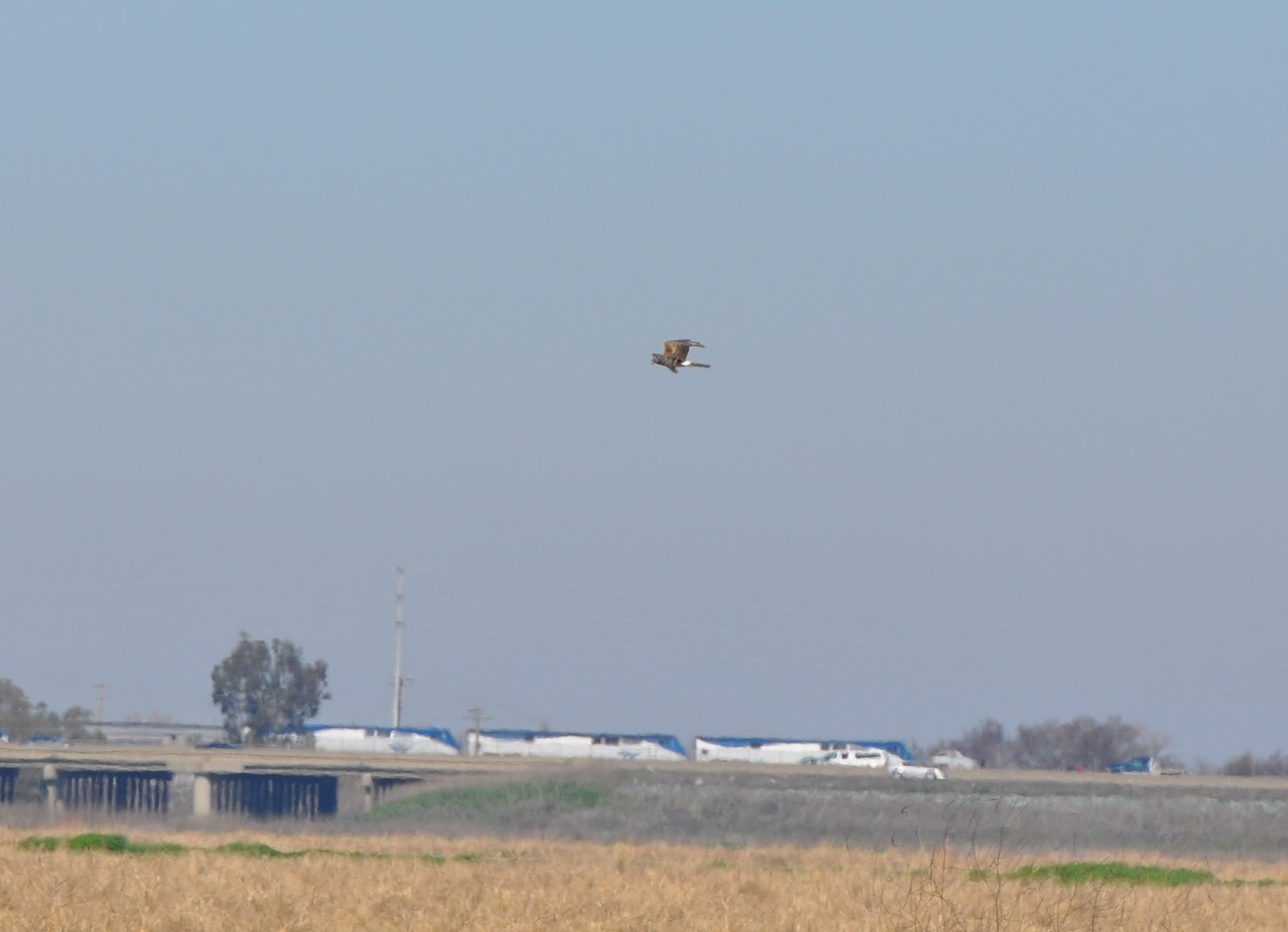
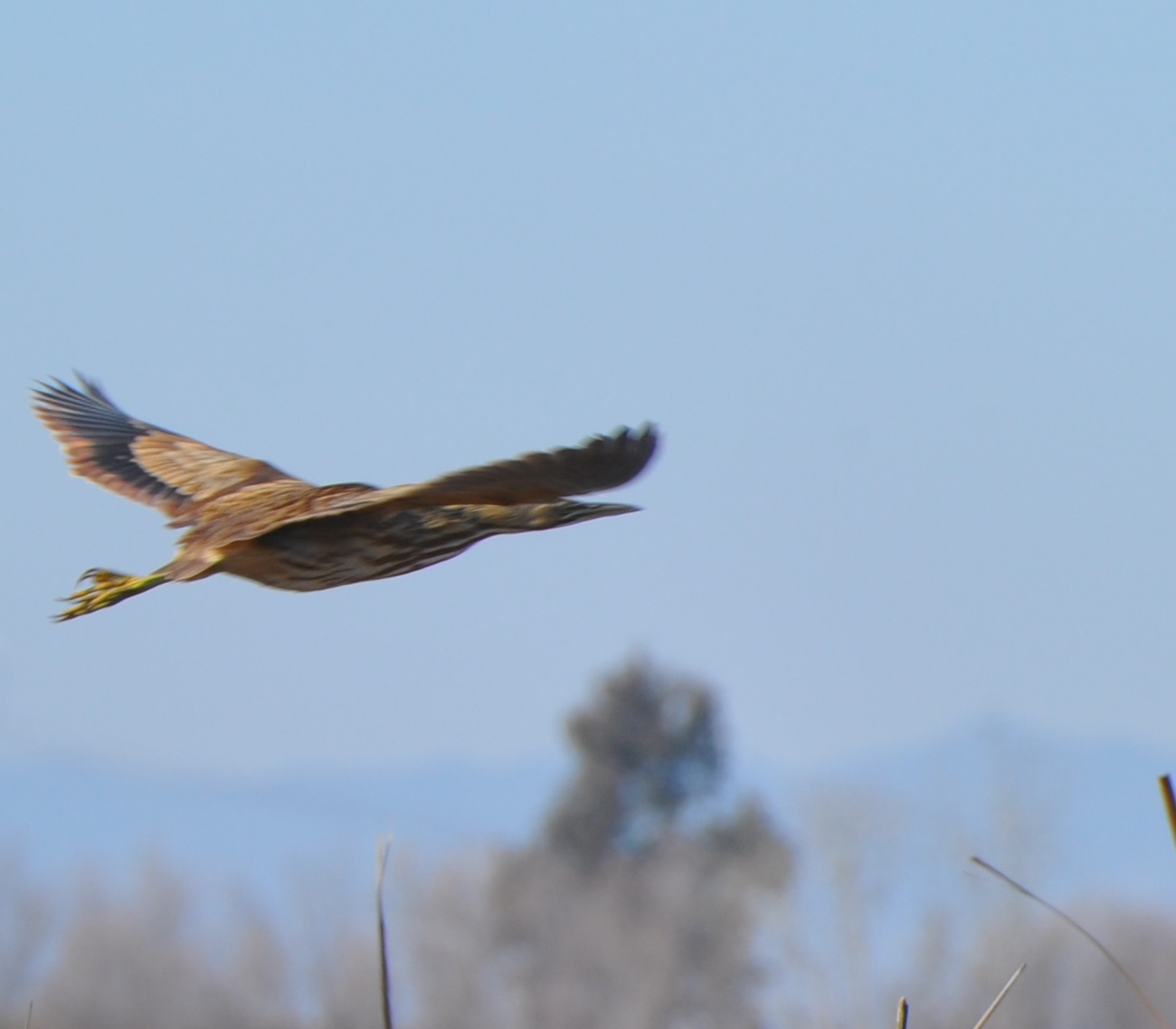
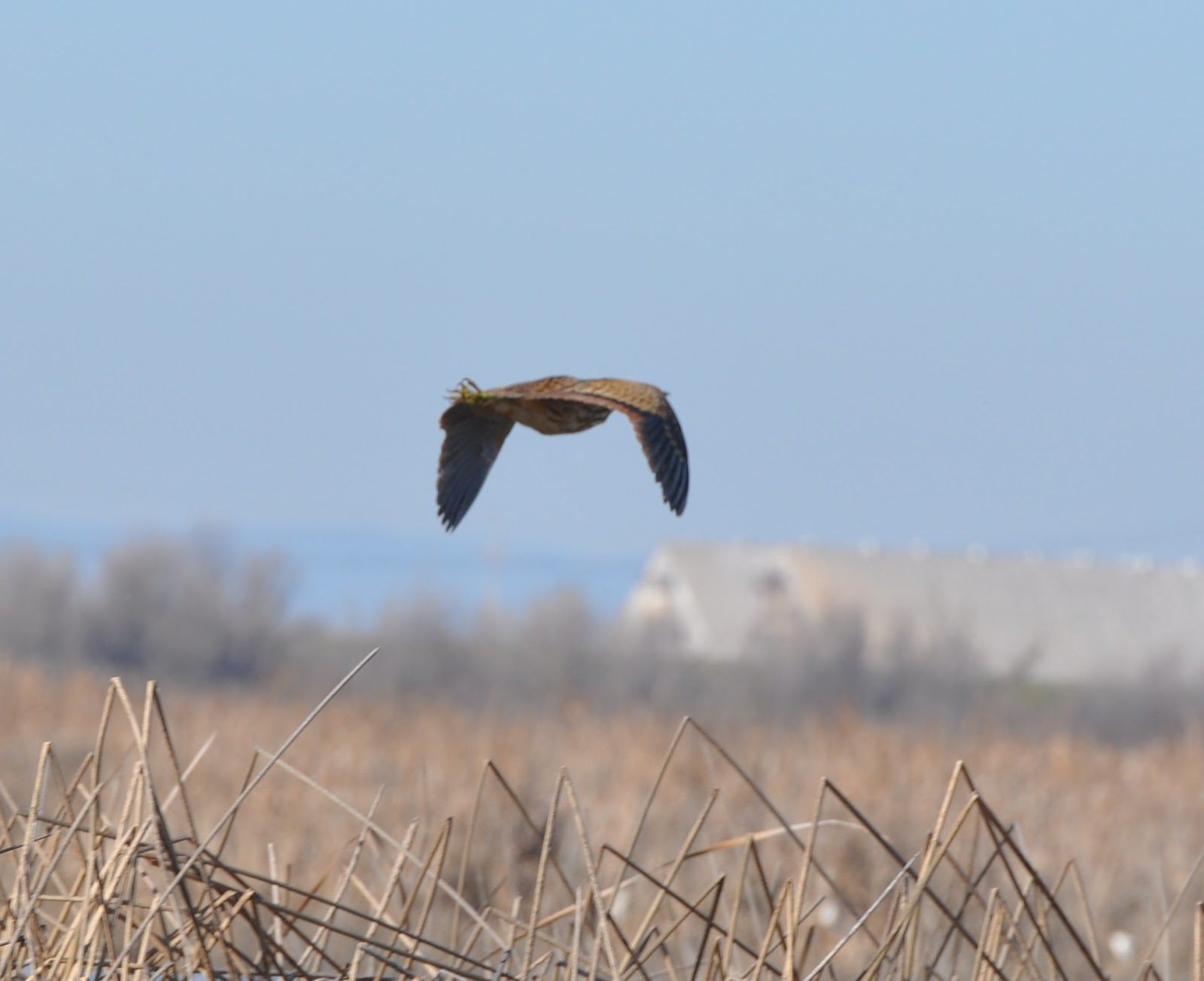
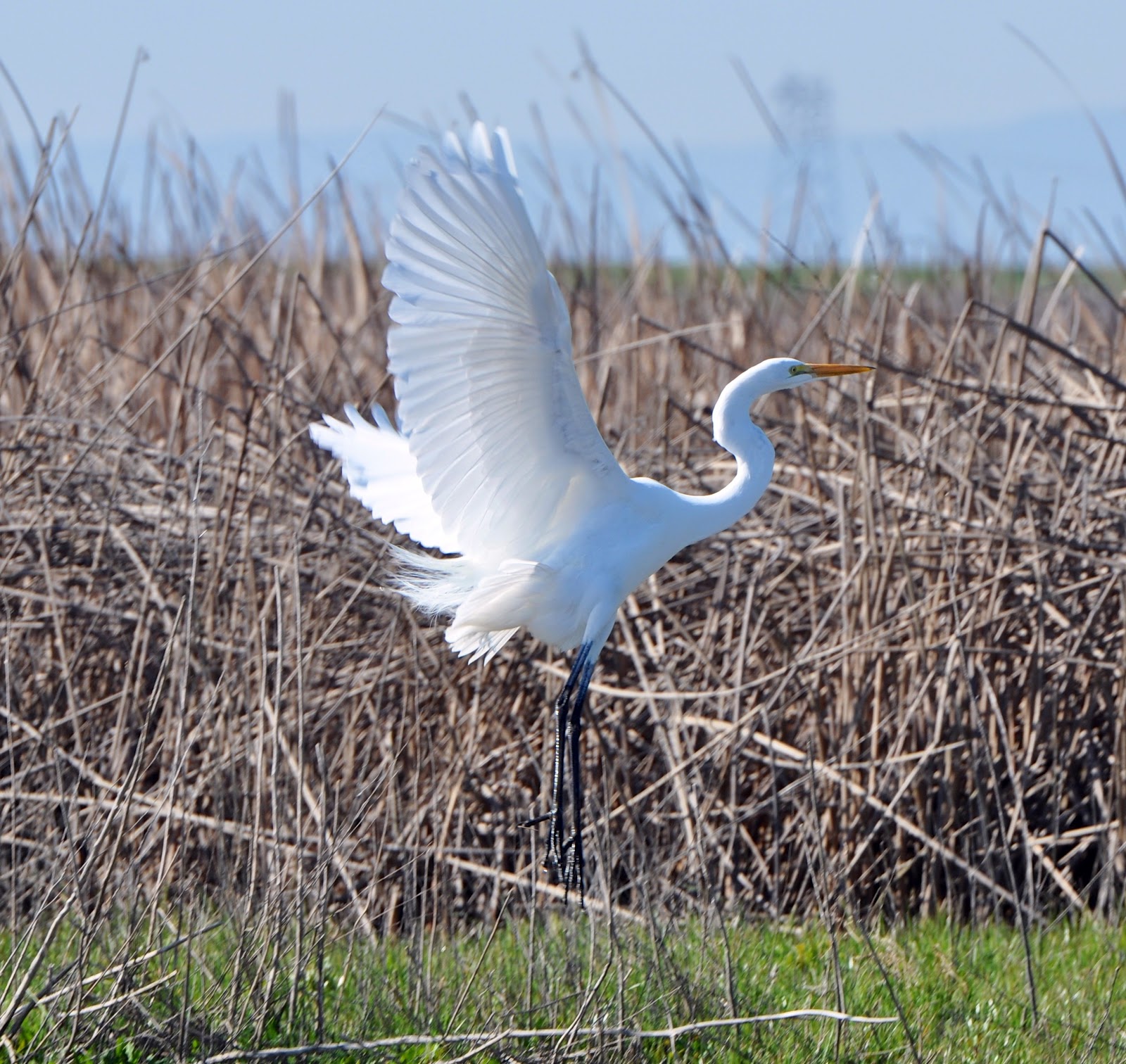
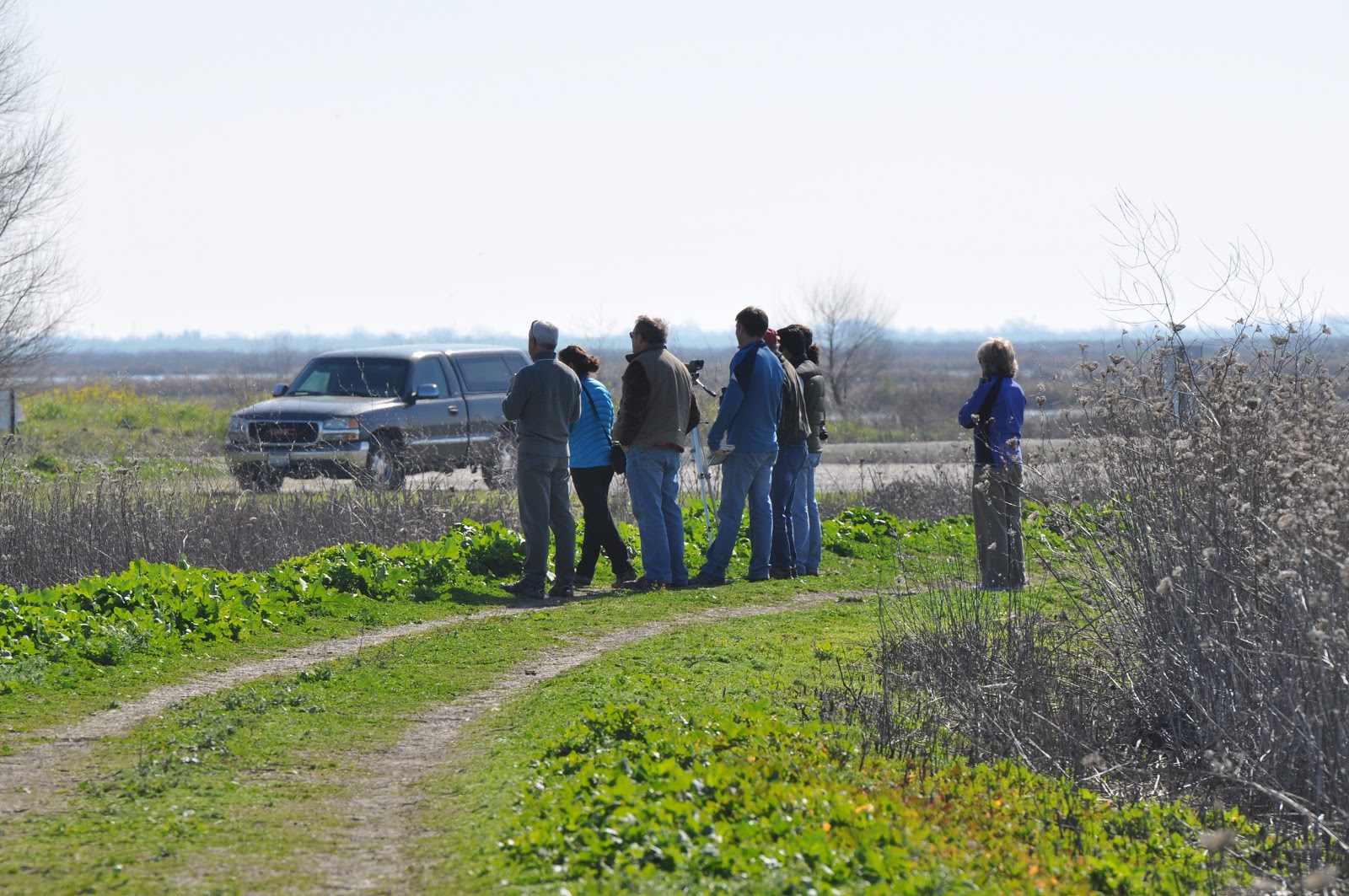
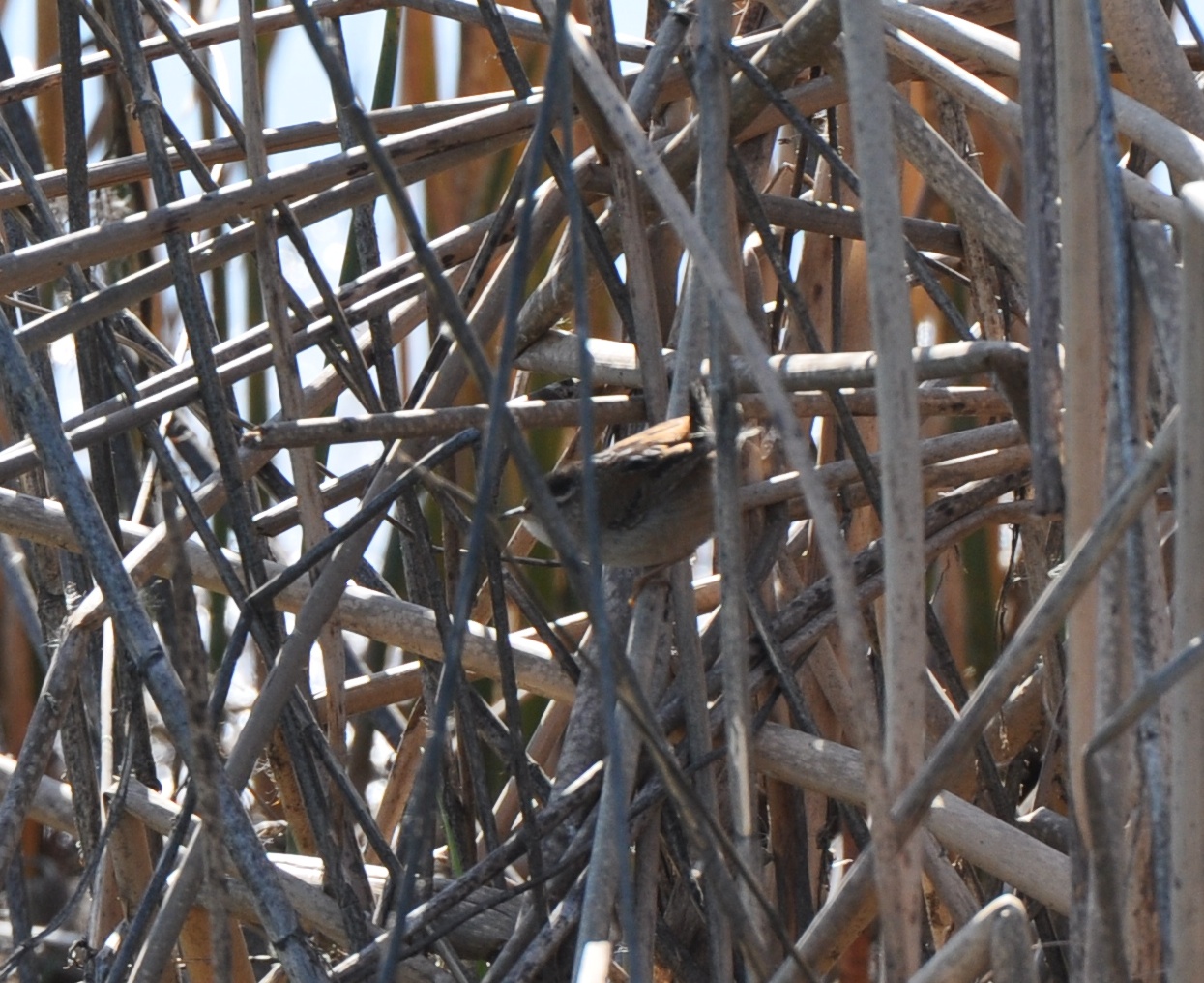
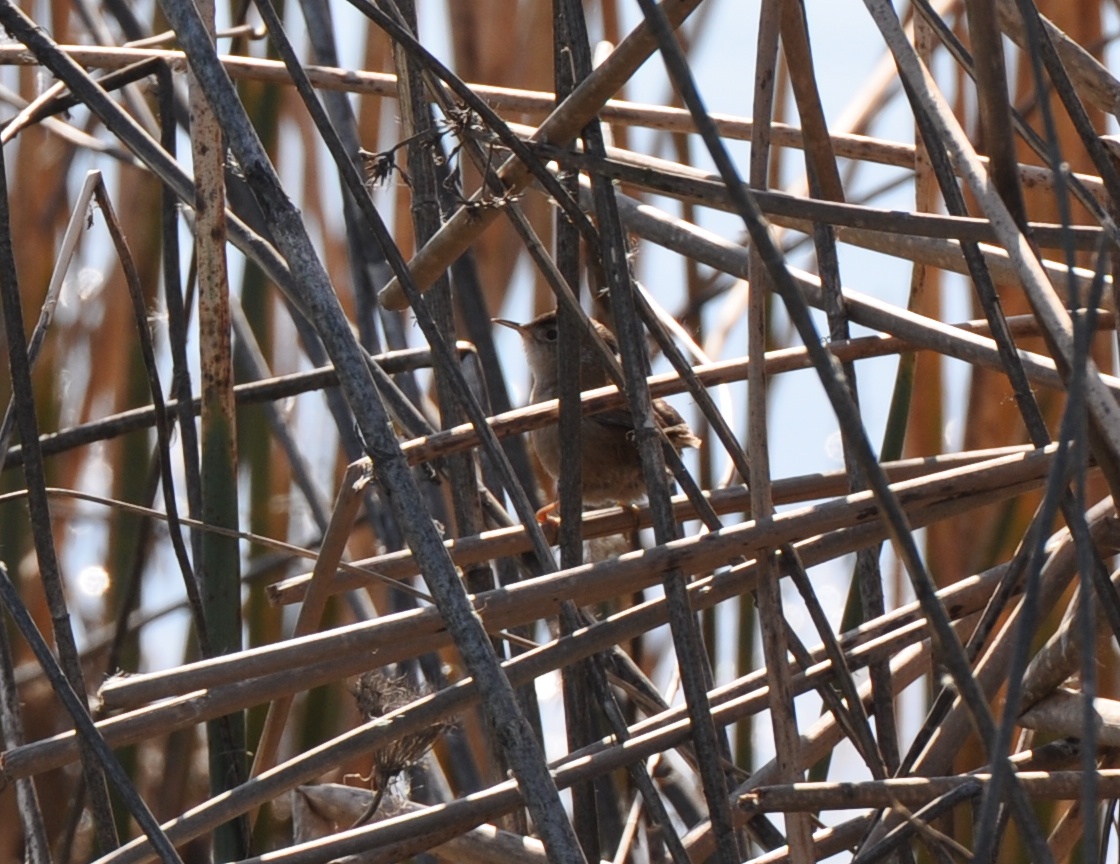
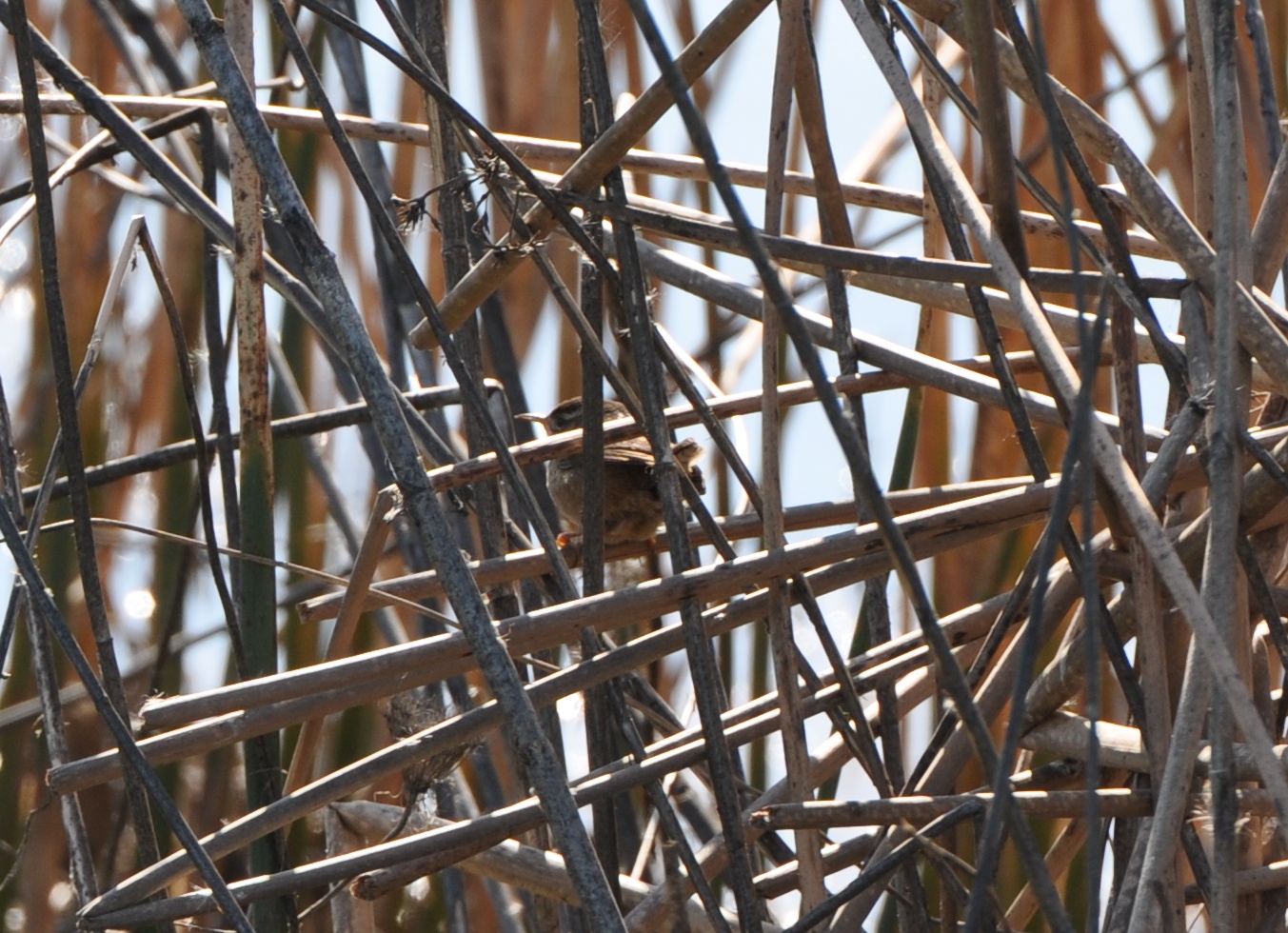
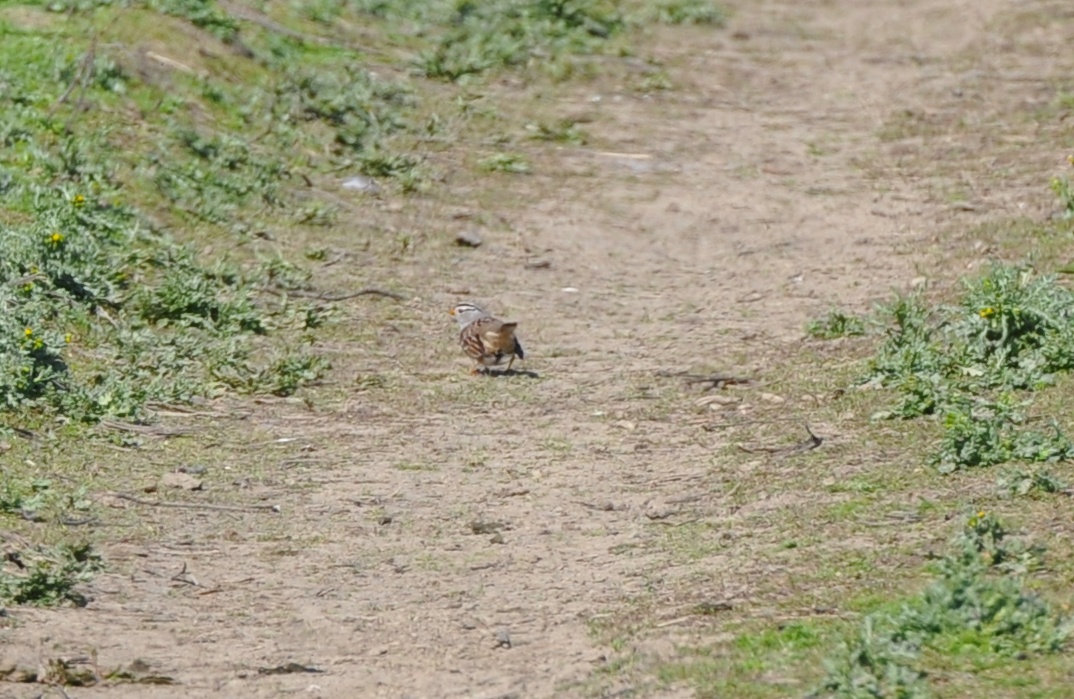
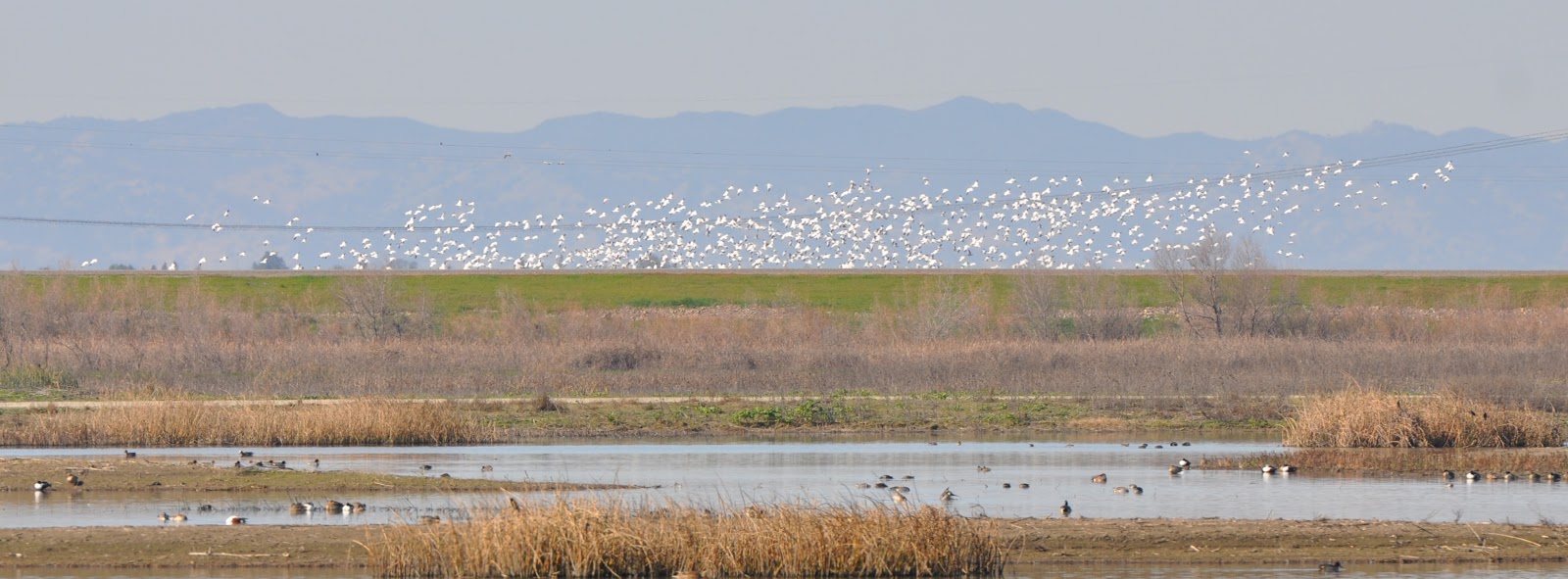
Had a good outing today with the Harvard Club of Sacramento to Yolo Basin.  Some pics and notes are below.

Coots

Geese way way up high

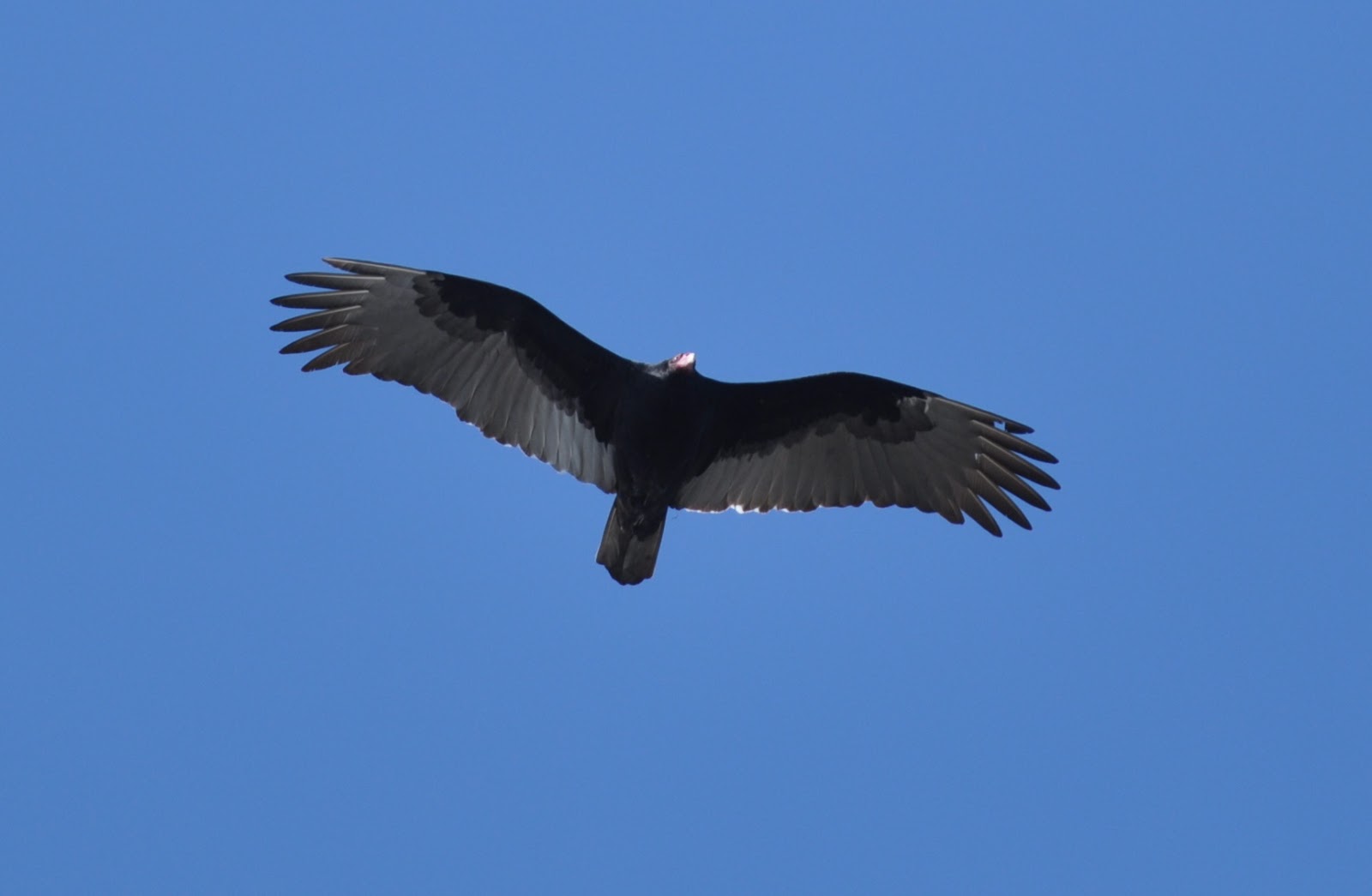
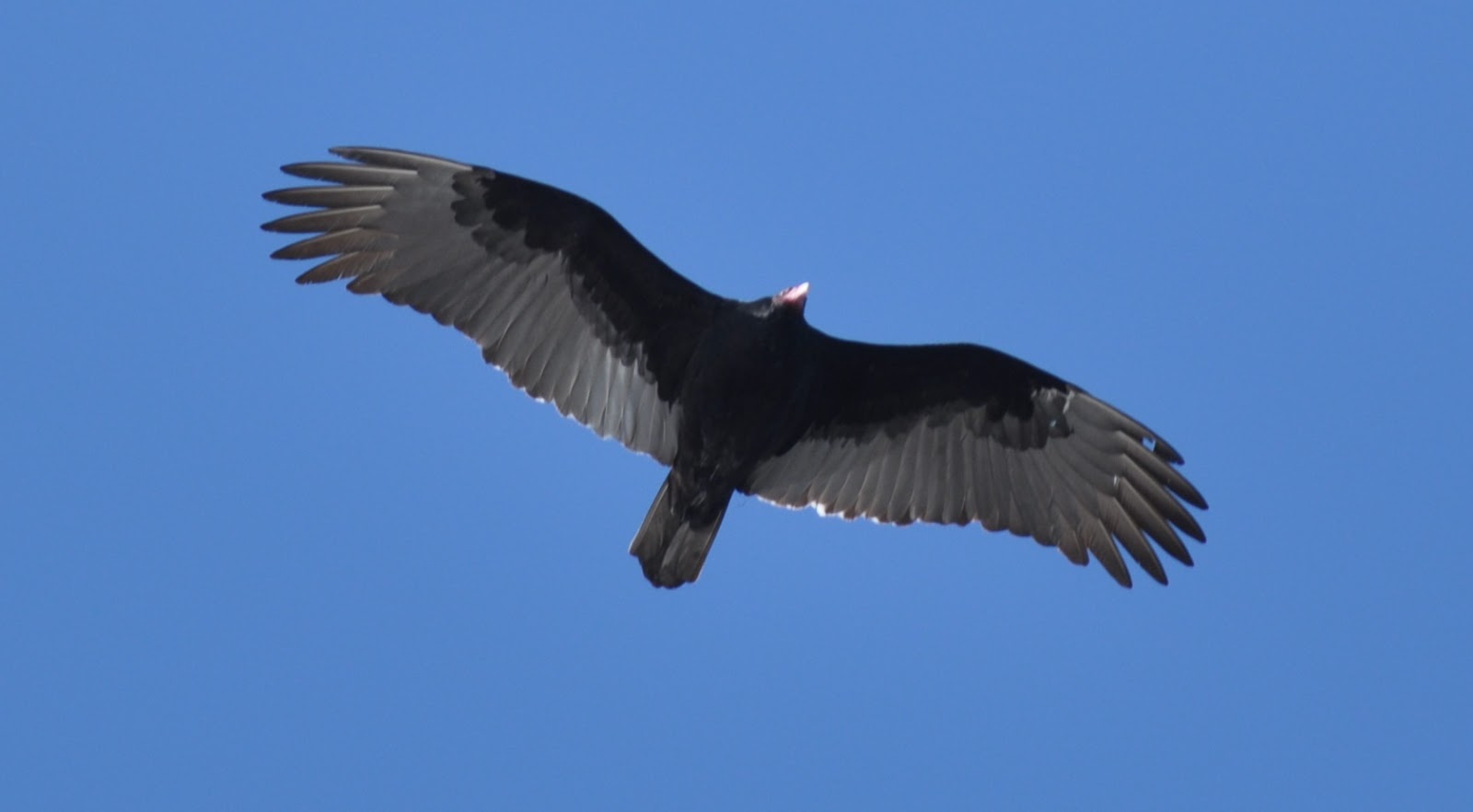
Turkey vulture

Turkey vulture

Add caption

Add caption

Add caption

Add caption

American bittern .. a bit out of focus

Bittern again

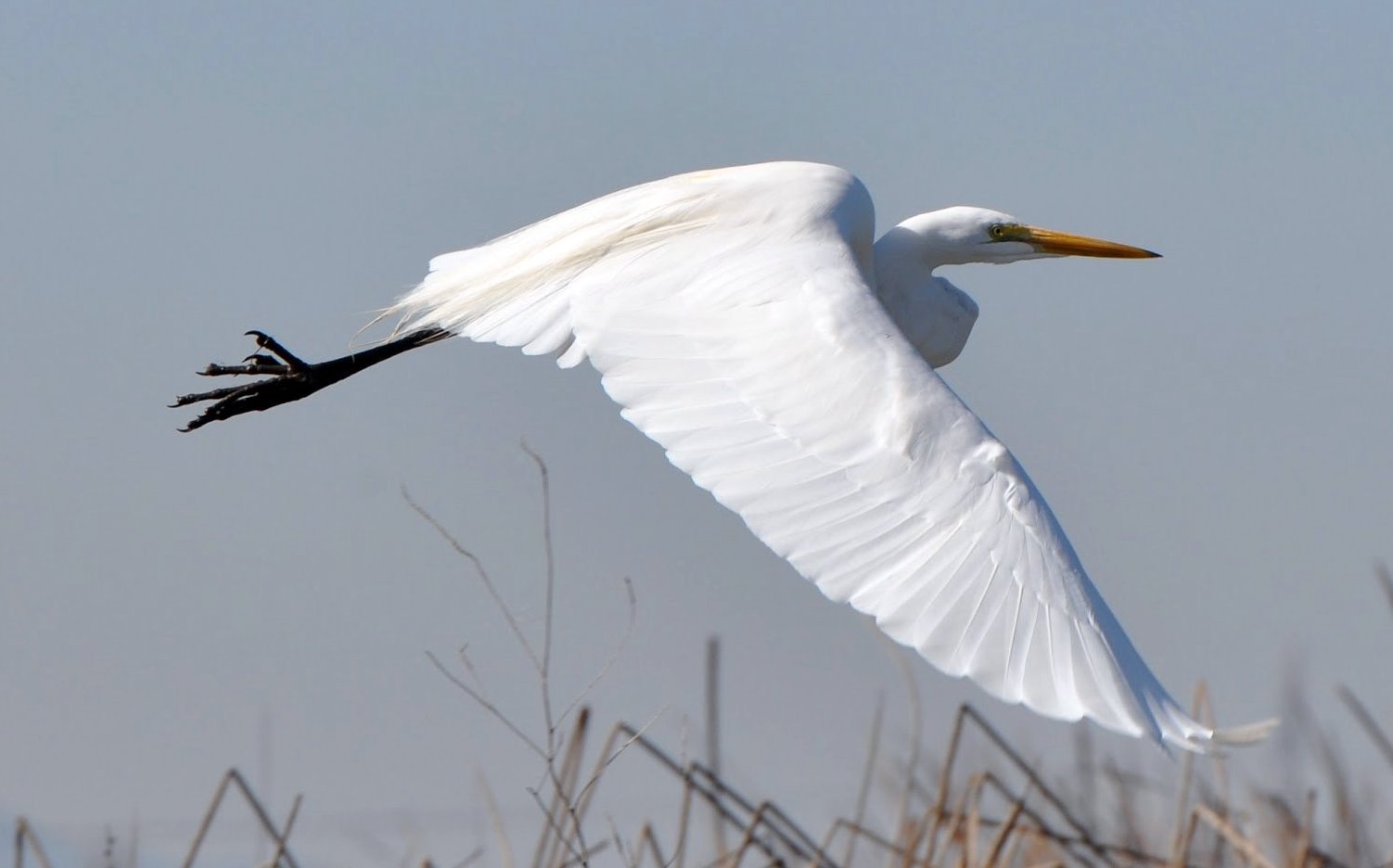
Great egret

Great egret

Black phoebe

CSIS STS co-sponsored talk (Tues, Feb 26, 4:10-6pm): John Muir: the Writer, Scientist and Public Figure

Forwarding this

Hi folks,

The program in STS is co-sponsoring a talk by Kim Stanley Robinson on the life and work of John Muir, with faculty responses from our very own Mario Biagioli, Joe Dumit and Roberta Millstein, along with Mike Ziser (English). Please see attached flyer for details about the talk and the speaker.

Title: John Muir: the Writer, Scientist and Public Figure
When: Tuesday, February 26, 2013 from 4:10-6pm
Where: Buehler Alumni & Visiters Center, Alpha Gamma Rho Hall (Room 138), UC Davis (see map)

Event Description:

In this talk, the noted local science fiction writer Kim Stanley Robinson will discuss John Muir as a writer and public figure, while sharing John Muir’s personal story. Robinson will analyze Muir’s work as a writer and how he managed to translate that career into such astonishing feats of public policy. Following the talk, several campus faculty will respond offering their perspectives on John Muir’s writing and aspects of his career. Audience participation will be invited in the concluding discussion on how we might learn from John Muir’s example to take effective environmental action in the present. The talk is co-sponsored by: the John Muir Institute of the Environment; Science & Technology Studies; and the "Environments & Societies: History, Literature, and Justice" Mellon Research Initiative. Refreshments will be served.

Speaker bio:

Californian science fiction writer and long-time Davis resident, Kim Stanley Robinson’s Mars trilogy is translated into 23 languages. He is a winner of the Hugo, Nebula, and Locus awards and was named a “Hero of the Environment” by Time magazine in 2008. He is associated with the Sequoia Parks Foundation’s Artists in the Back Country program, the Sierra Nevada Research Institute (UC Merced), and the Sierra Press.

Kim Stanley Robinson on John Muir Feb26.pdf