Interesting NSF Funding Opportunity – "Genealogy of Life"

From the web site:

SYNOPSIS
All of comparative biology depends on knowledge of the evolutionary relationships (phylogeny) of living and extinct organisms. In addition, understanding biodiversity and how it changes over time is only possible when Earth’s diversity is organized into a phylogenetic framework. The goals of the Genealogy of Life (GoLife) program are to resolve the phylogenetic history of life and to integrate this genealogical architecture with underlying organismal data. 

The ultimate vision of this program is an open access, universal Genealogy of Life that will provide the comparative framework necessary for testing questions in systematics, evolutionary biology, ecology, and other fields. A further strategic integration of this genealogy of life with data layers from genomic, phenotypic, spatial, ecological and temporal data will produce a grand synthesis of biodiversity and evolutionary sciences. The resulting knowledge infrastructure will enable synthetic research on biological dynamics throughout the history of life on Earth, within current ecosystems, and for predictive modeling of the future evolution of life 

Projects submitted to this program should emphasize increased efficiency in contributing to a complete Genealogy of Life and integration of various types of organismal data with phylogenies. 

This program also seeks to broadly train next generation, integrative phylogenetic biologists, creating the human resource infrastructure and workforce needed to tackle emerging research questions in comparative biology. Projects should train students for diverse careers by exposing them to the multidisciplinary areas of research within the proposal.

Tenure policies not keeping up with the digital revolution

Interesting article in the Chronicle for Higher Education that I was pointed to by Mackenzie Smith:

Digital Humanists: If You Want Tenure, Do Double the Work | Vitae.

The article is by Sydni Dunn – a Staff Reporter at CUE and it discusses a topic of direct relevance the upcoming conference we are hosting here: Publish or perish? The future of academic publishing and careers February 13 – 14, 2013 UC Davis.  The article focuses on some discussions that came up in association with the annual meeting of the MLA – the Modern Language Association.  The discussion was about how to assess scholars in the humanities – especially those who are heavy on the digital side of scholarship.  And the discussion is both scary (to me at least) and fascinating as scholars struggle with how to get their institutions to accept digital scholarship and assess it.

It is definitely worth a read and I note we will have extensive discussions of this general topic at our meeting …


Important new paper on impact of having women as conveners on gender ratio of speakers

There is an important new paper from Arturo Casadevall and  Jo Handelsman: mBiosphere: Scientific meetings: convening committees with at least one woman boost numbers of women speakers. It was published January 7, 2014 in the open access journal mBio. 

Their abstract

We investigated the hypothesis that the gender of conveners at scientific meetings influenced the gender distribution of invited speakers. Analysis of 460 symposia involving 1,845 speakers in two large meetings sponsored by the American Society for Microbiology revealed that having at least one woman member of the convening team correlated with a significantly higher proportion of invited female speakers and reduced the likelihood of an all-male symposium roster. Our results suggest that inclusion of more women as conveners may increase the proportion of women among invited speakers at scientific meetings. 

IMPORTANCE The proportion of women entering scientific careers has increased substantially, but women remain underrepresented in academic ranks. Participation in meetings as a speaker is a factor of great importance for academic advancement. We found that having a woman as a convener greatly increased women’s participation in symposia, suggesting that one mechanism for achieving gender balance at scientific meetings is to involve more women as conveners.

Basically they conclude that having women serve as conveners for sessions and meetings increases the chance that women will be well represented as speakers.

Much of their key findings are shown in Figure 1

From their paper:  FIG 1  Proportion of women speakers as a function of convener gender composition for the years 2011, 2012, and 2013 at the GM and ICAAC meeting. All comparisons were significant at P < 0.05 by Student’s t test

What to do about this? They have some suggestions at the end of the paper

Whatever the mechanism driving the results, practical actions are suggested by the data. The results suggest that an experiment in which at least one woman is included in every team of conveners might increase the proportional representation of women among the speakers at ASM meetings. An alternative might be to explicitly charge conveners with finding speakers who reflect the diversity of microbiologists. These strategies are worth testing. In the process, we might find that our meetings draw on a fuller arc of talent in microbiology and are enriched by increased gender balance. 

This study suggests a simple mechanism for increasing women’s participation in a critical part of a scientific life. Further research should determine whether discriminatory behaviors contribute to the outcomes and whether the outcomes contribute to the loss of women from academic science.

Some press for this article

Some other things I have written about gender ratio in meetings:

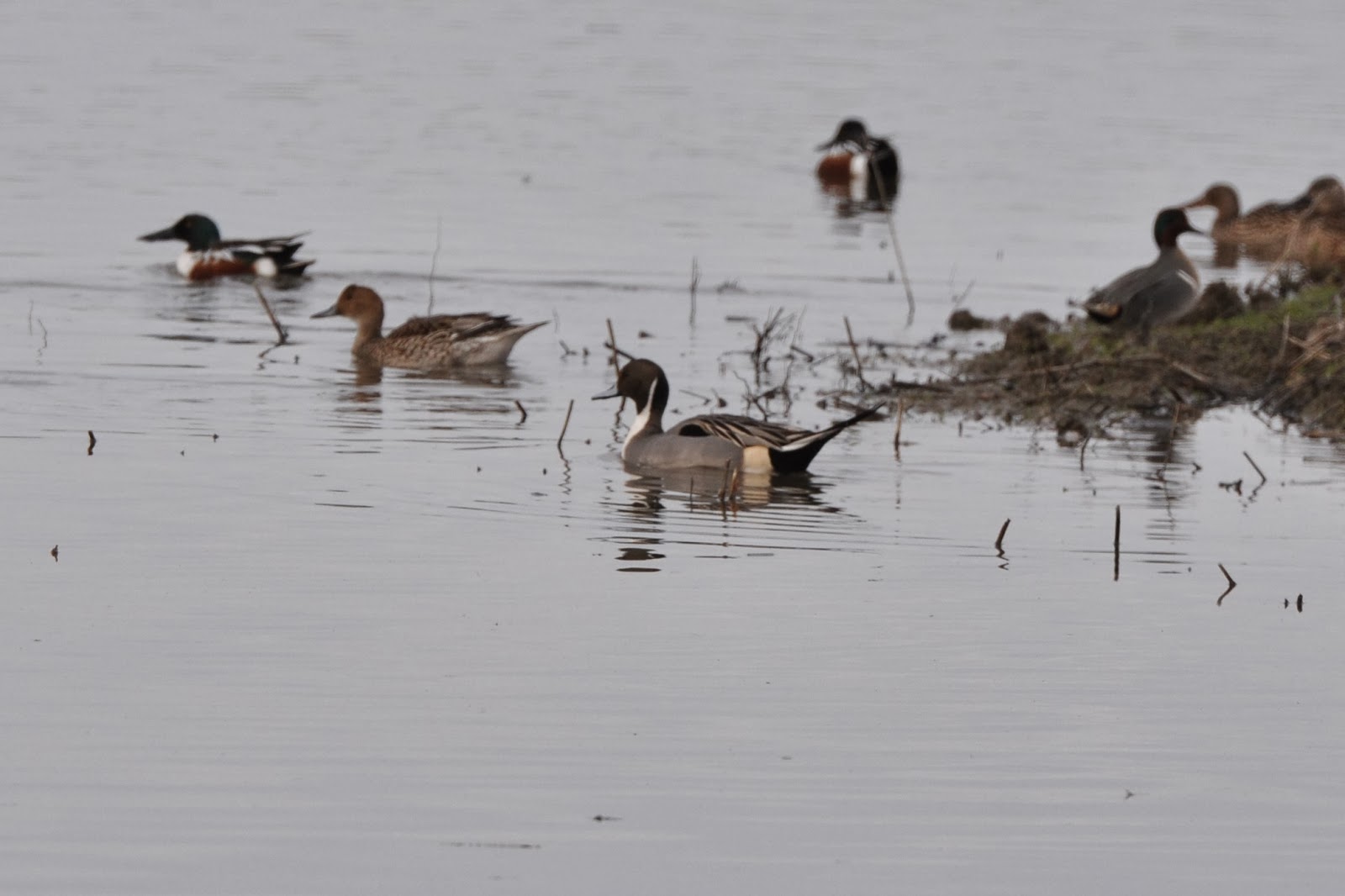
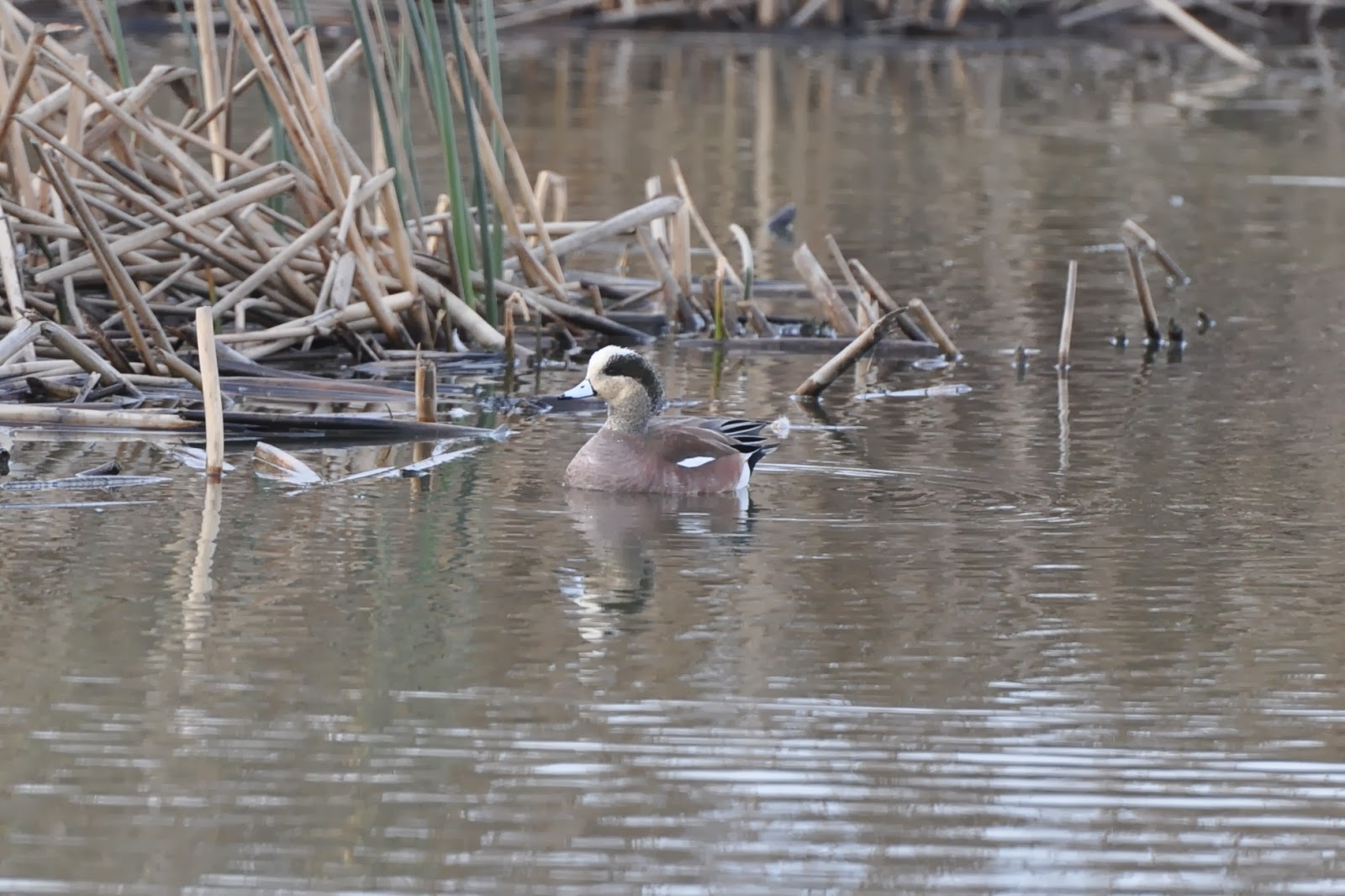
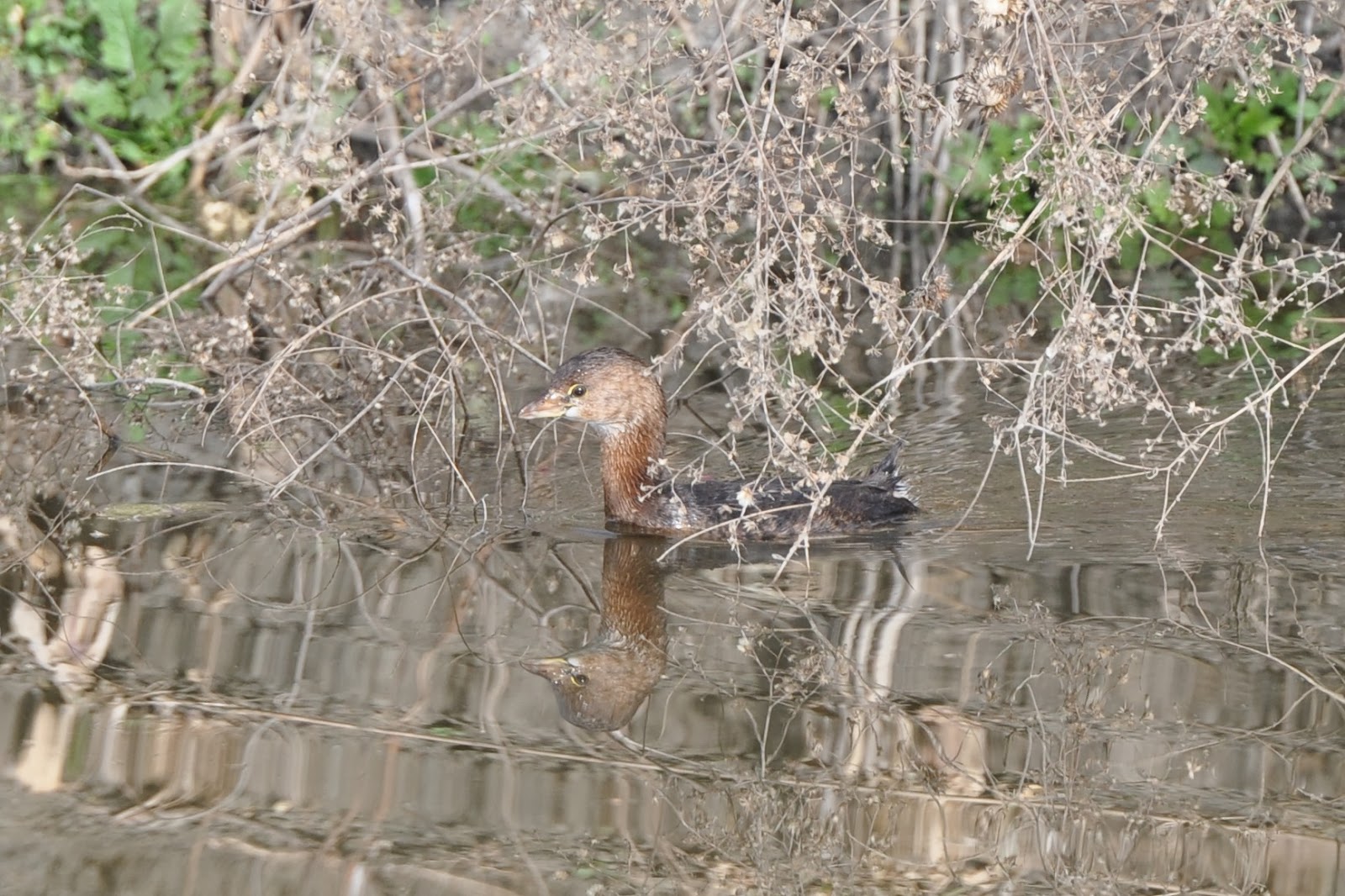
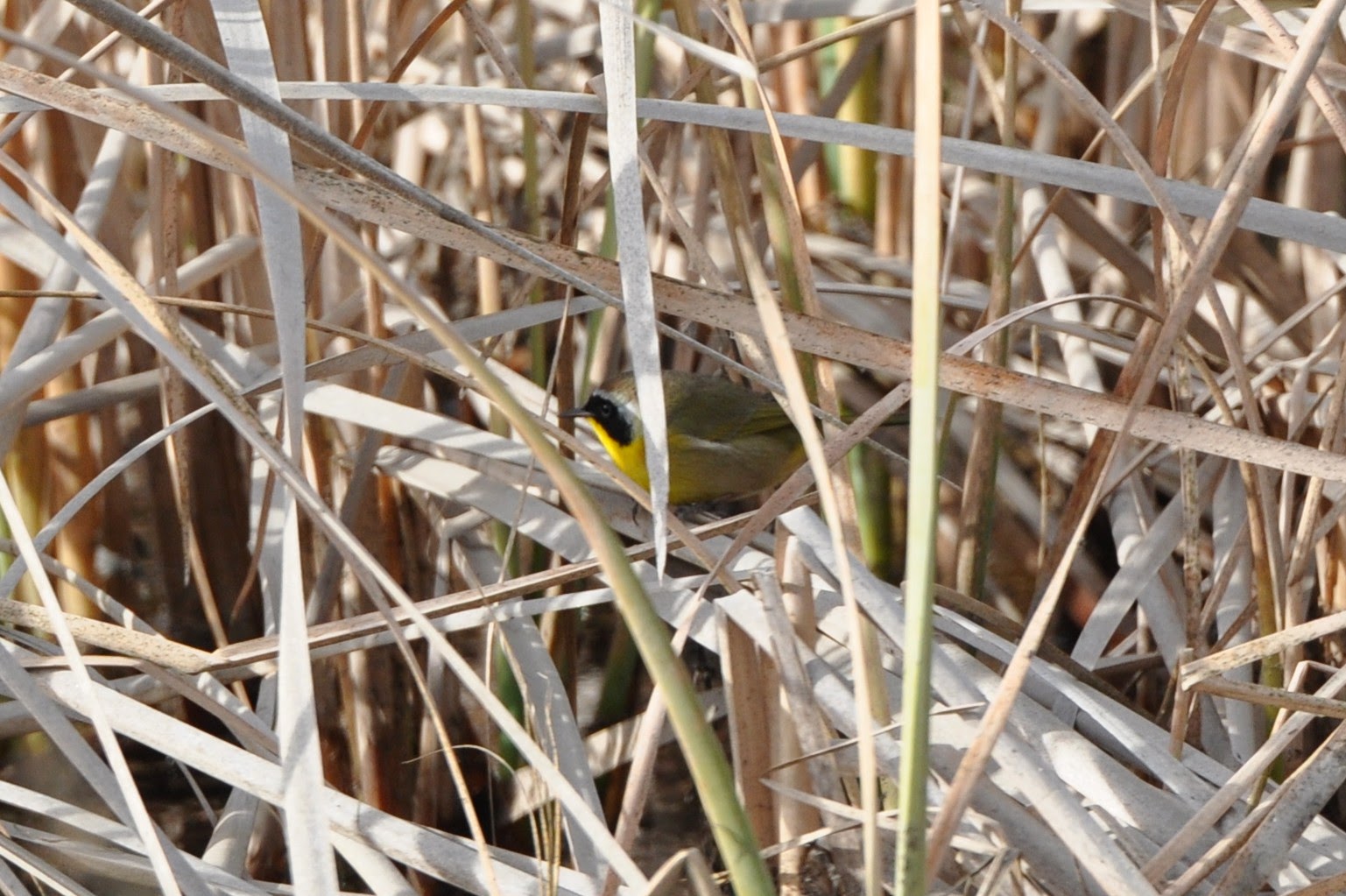
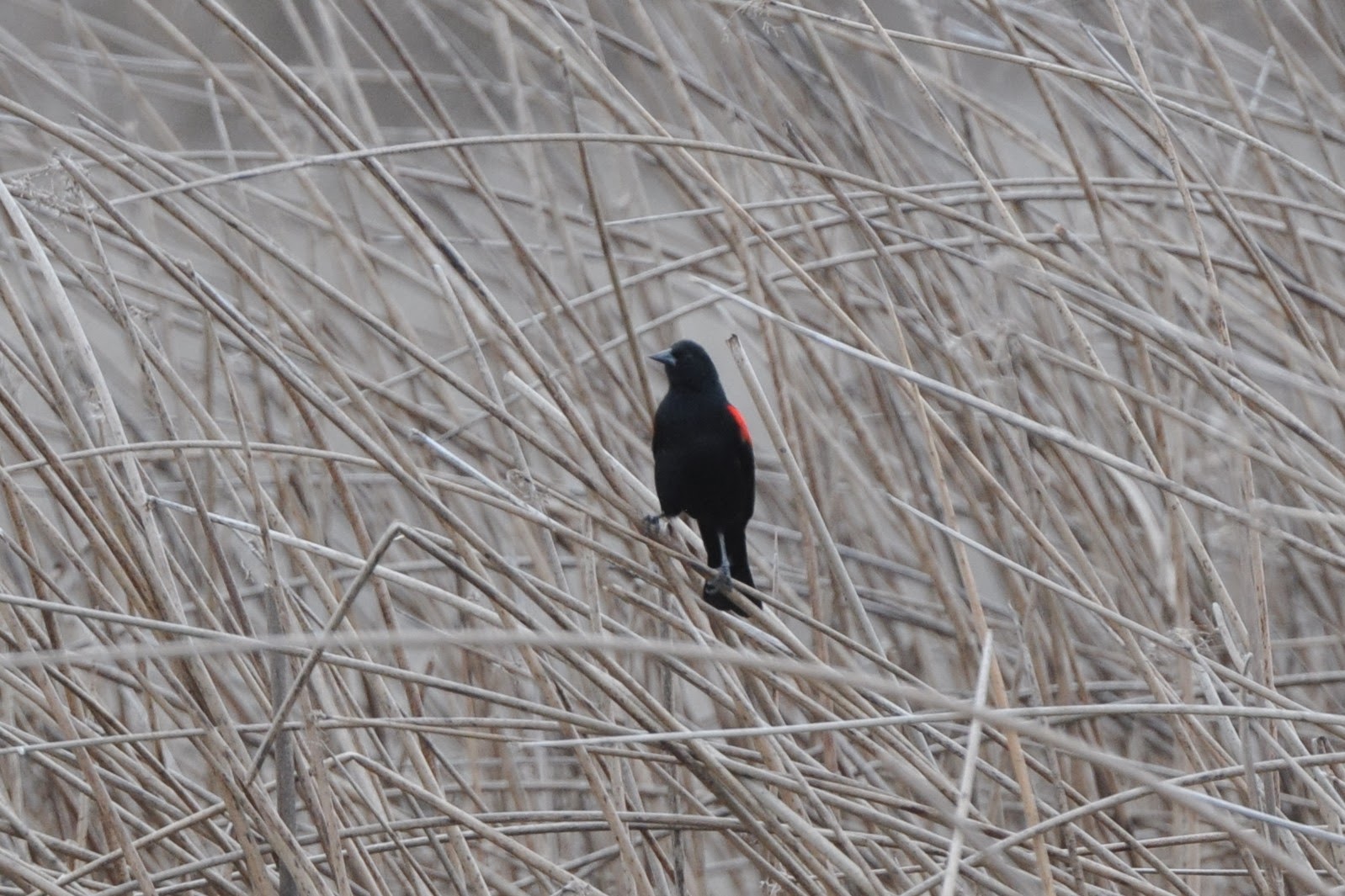
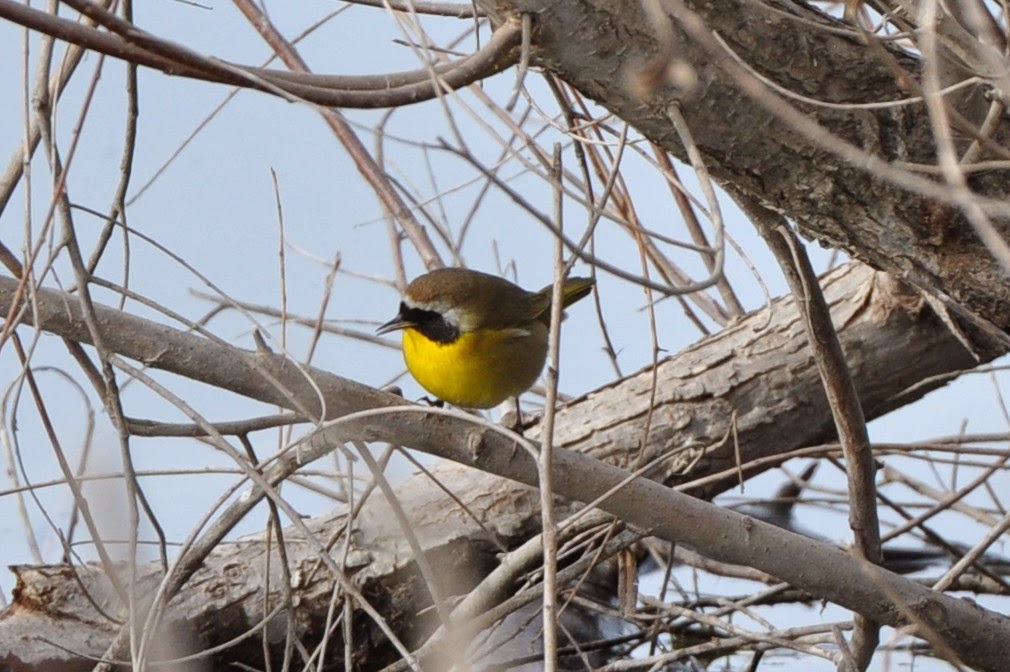
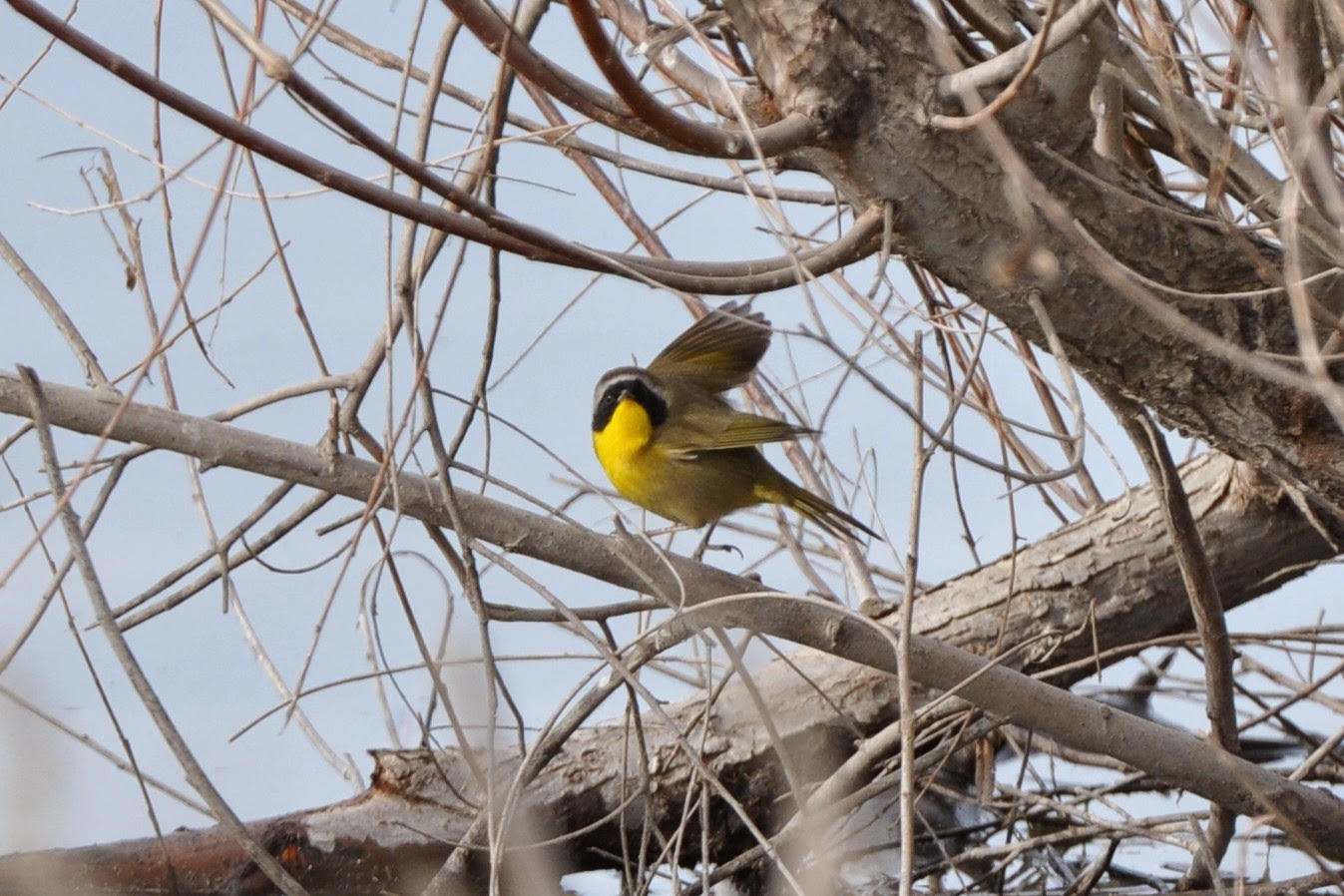
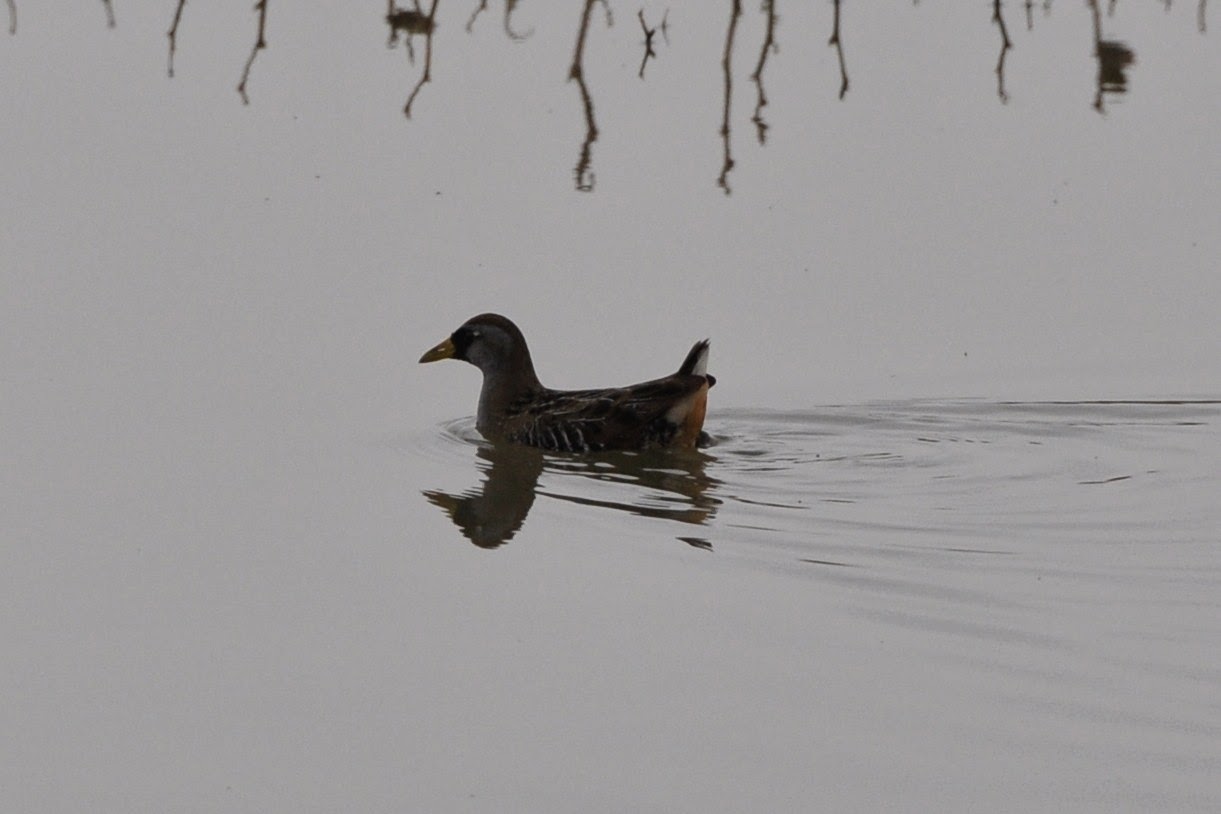
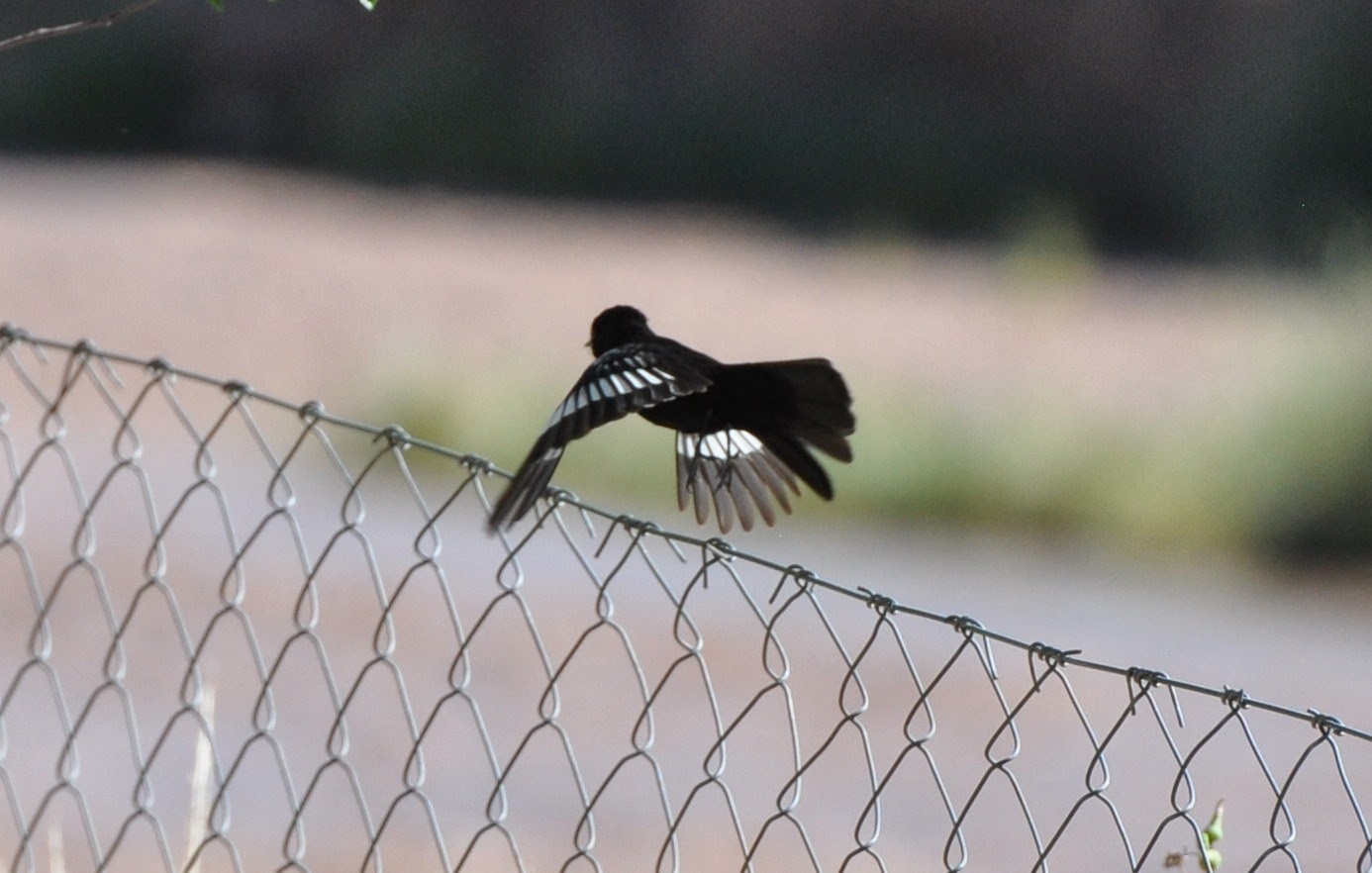
Yolo Basin 1-6 – yellowthroat, sora, and more

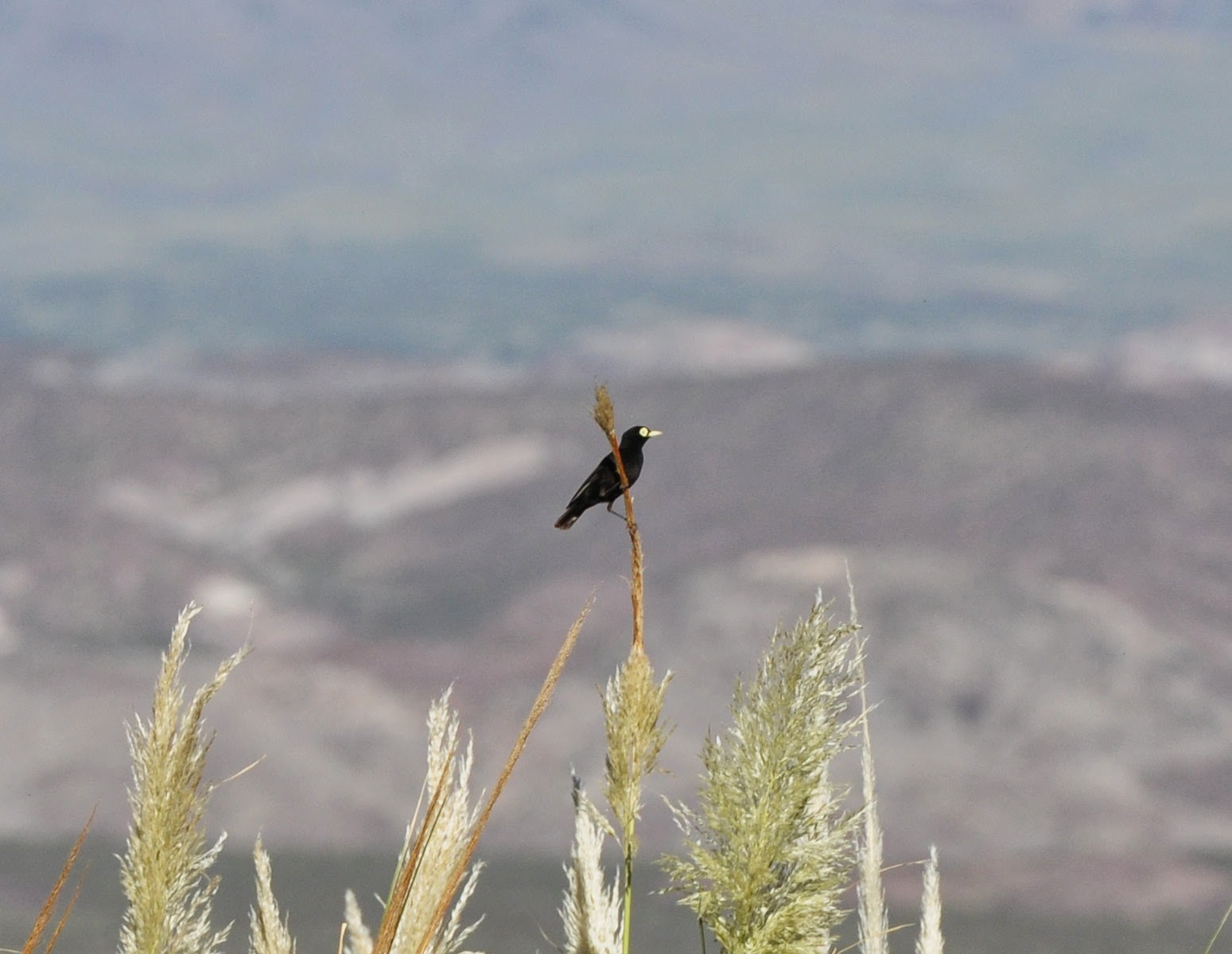
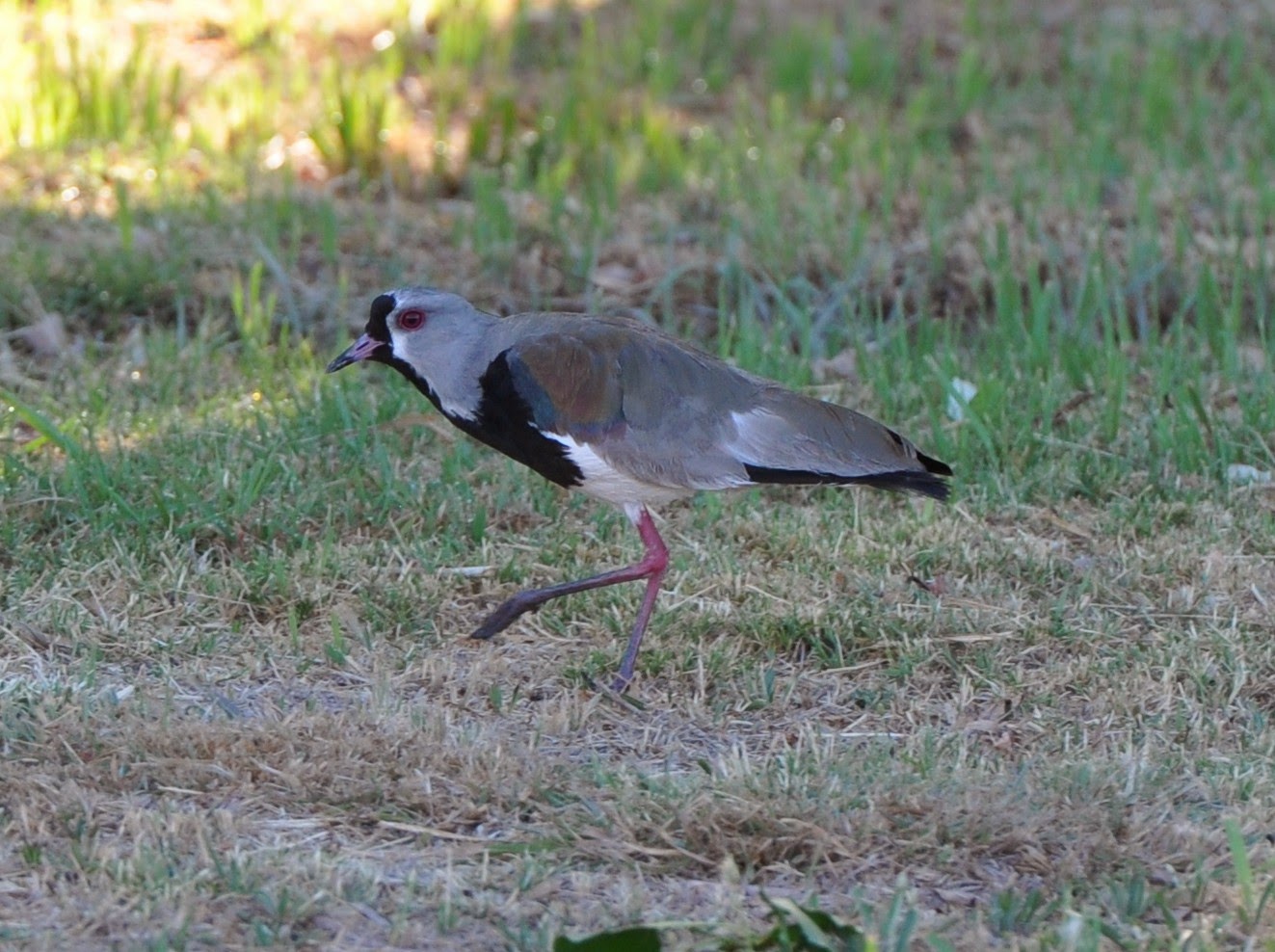
Another good day at Yolo Basin.  Here are a few pics.

New paper from Eisen lab: Genomic Encyclopedia of Type Strains, Phase I: the one thousand microbial genomes KMG-I project

A new paper of possible interest discussing one of the new phases of the GEBA Genomic Encyclopedia of Bacteria and Archaea project. Genomic Encyclopedia of Type Strains, Phase I: the one thousand microbial genomes KMG-I project | Kyrpides | Standards in Genomic Sciences.


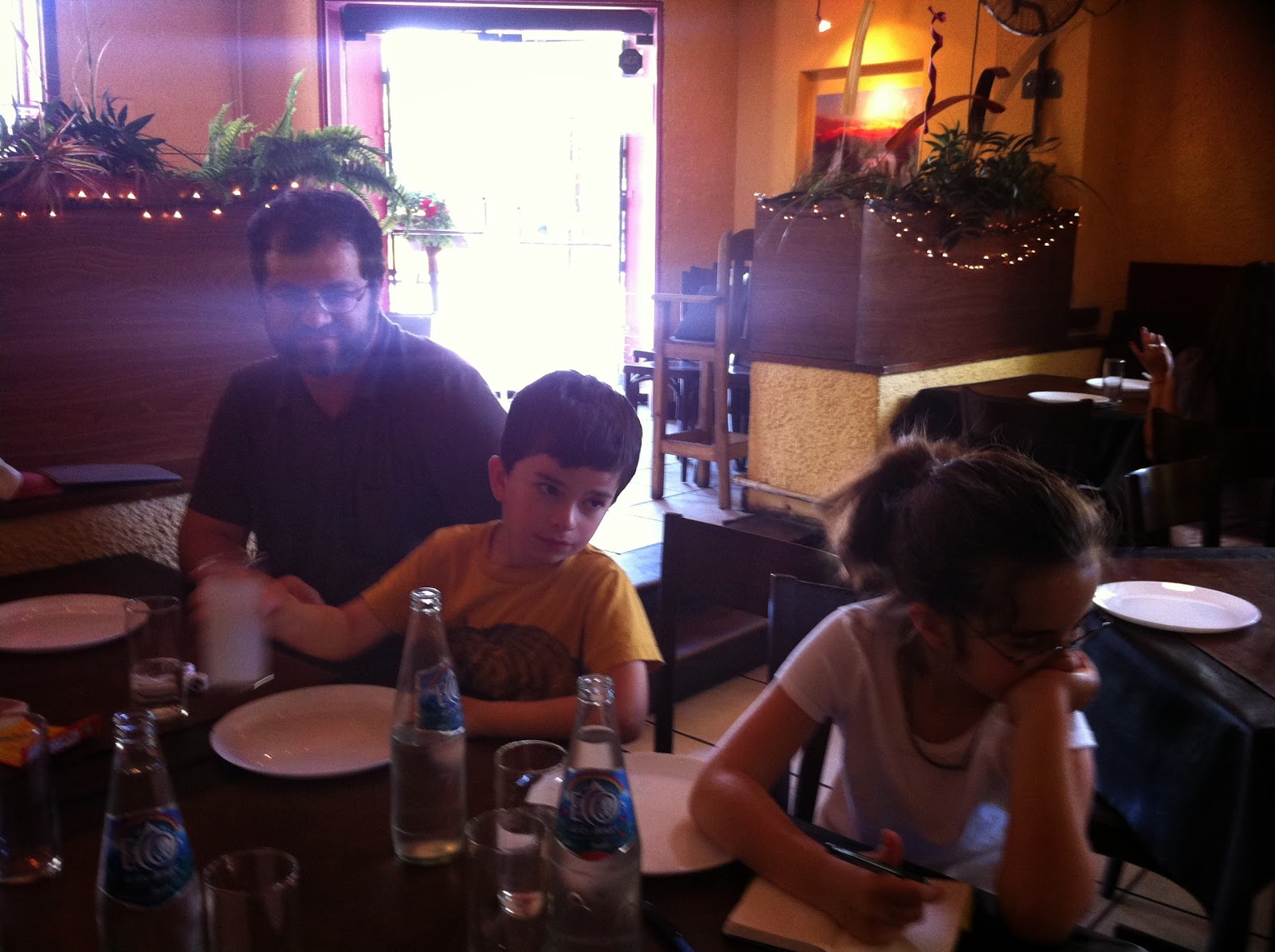
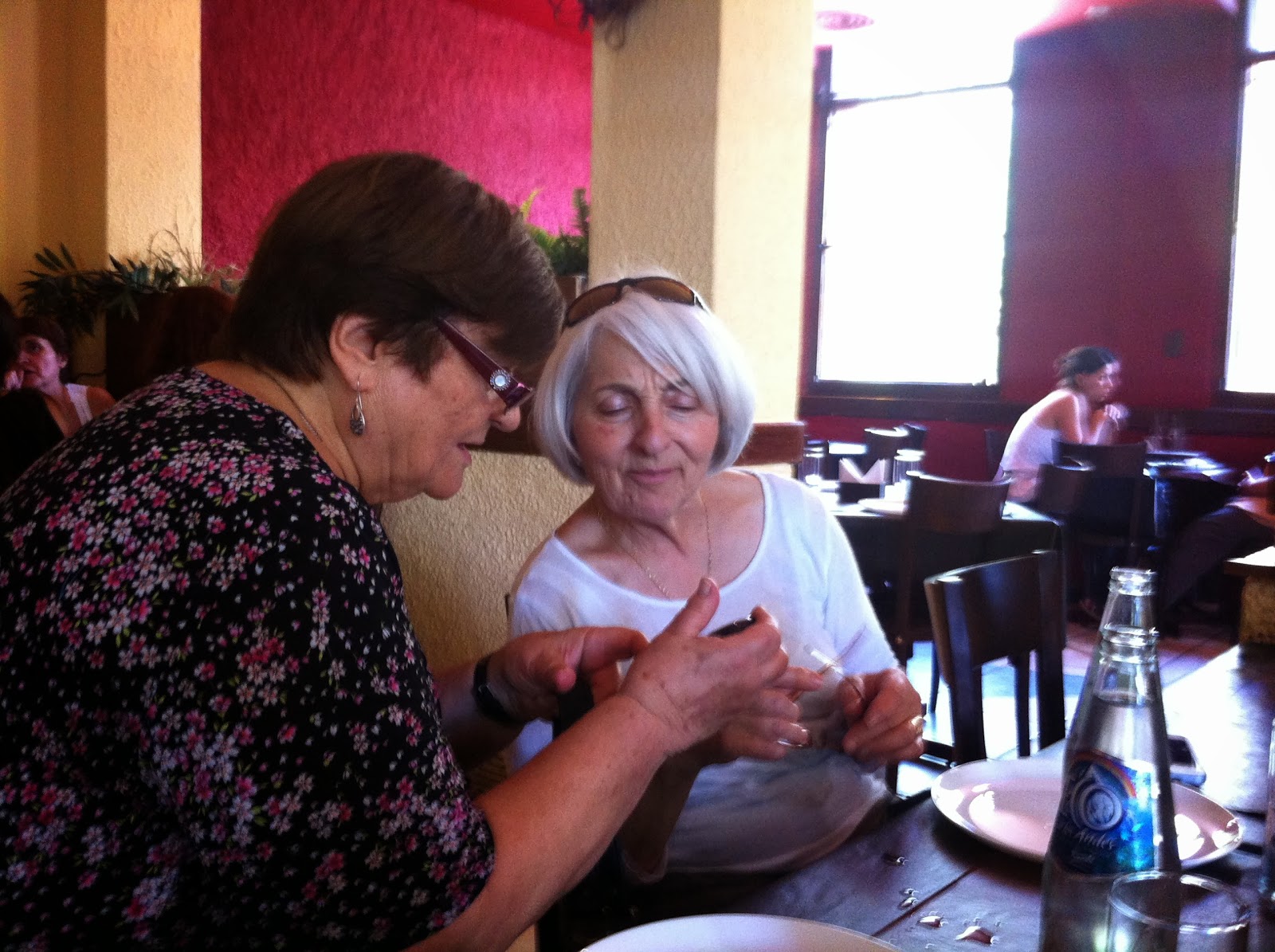
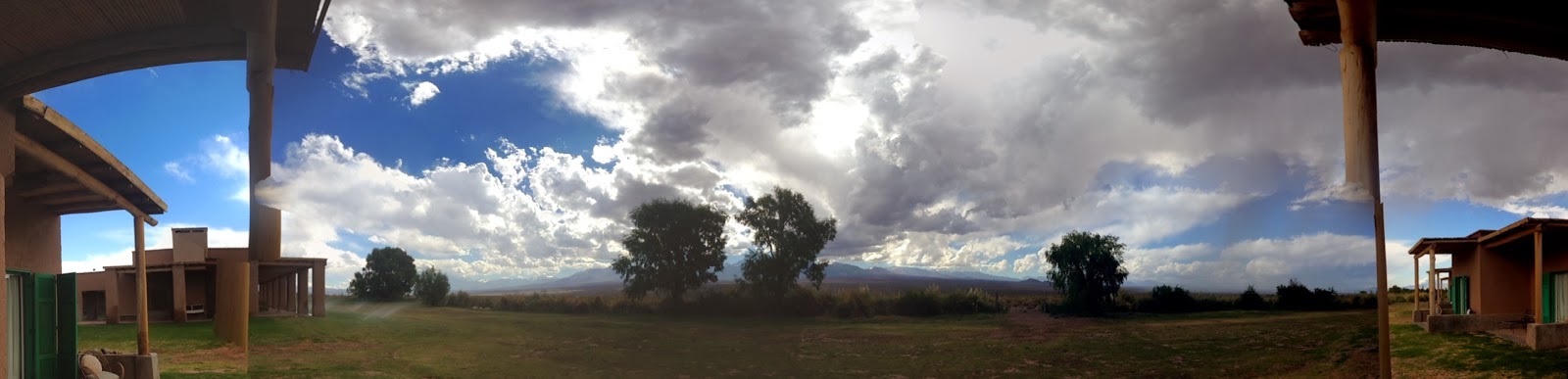
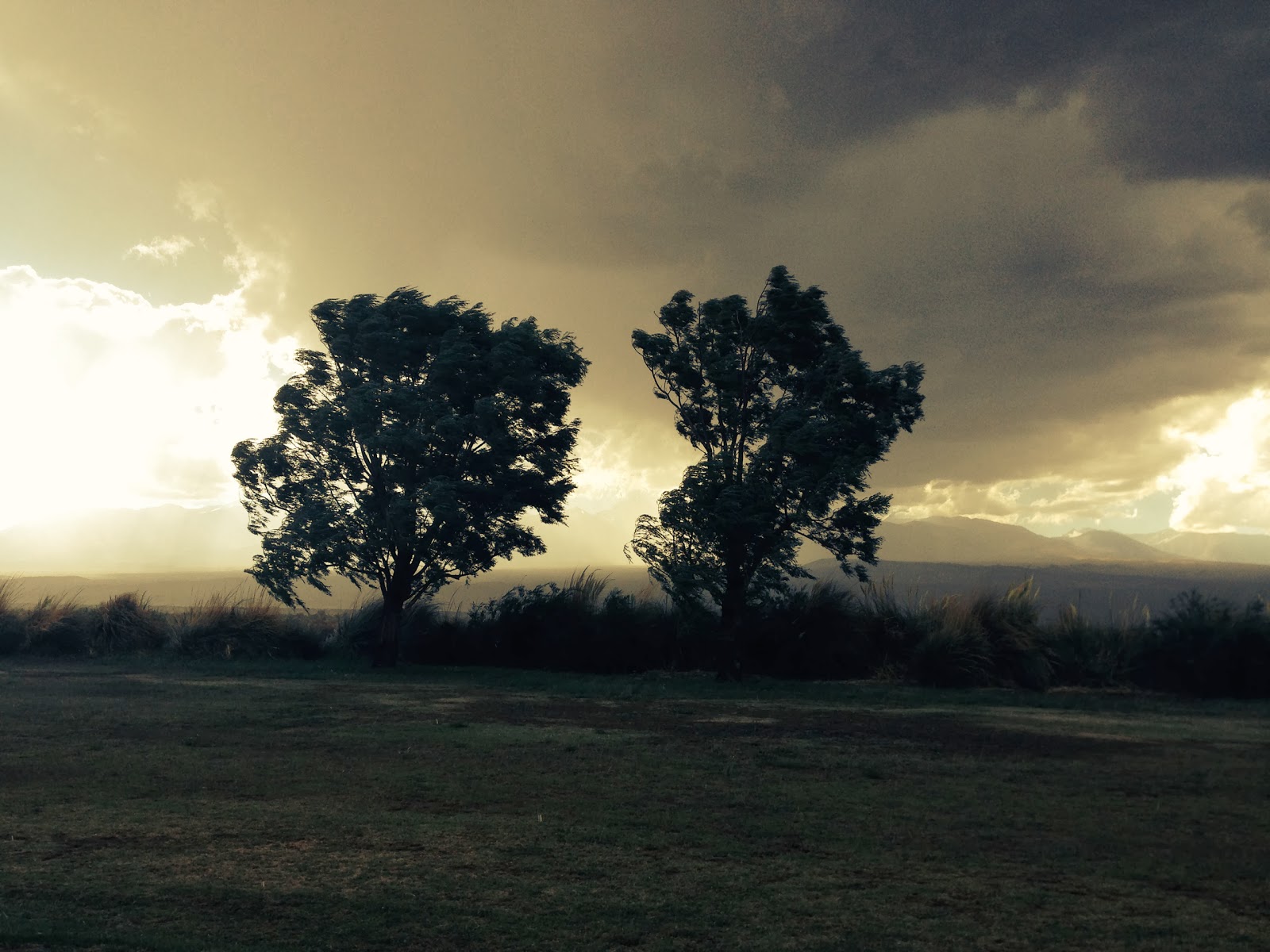
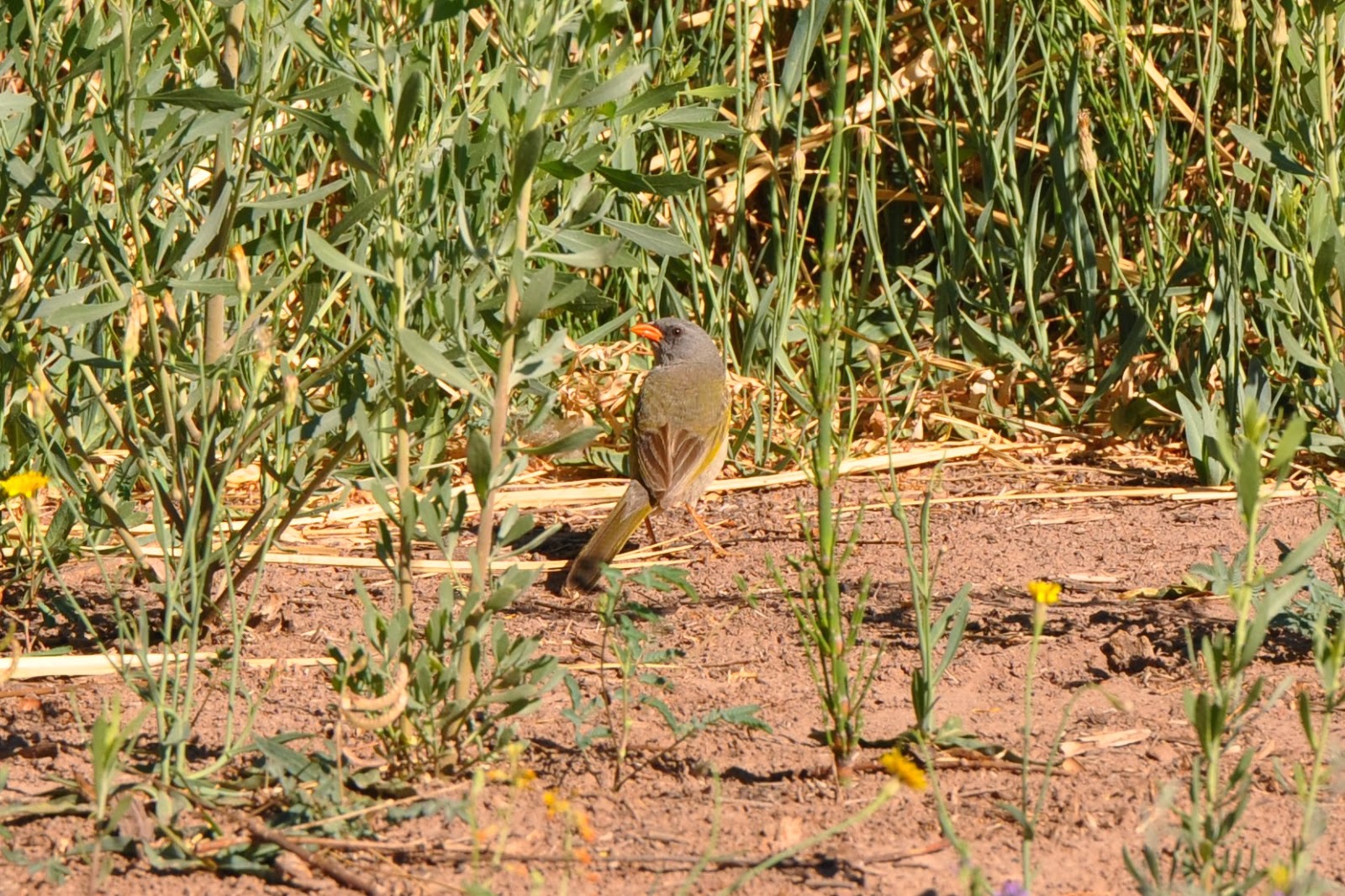
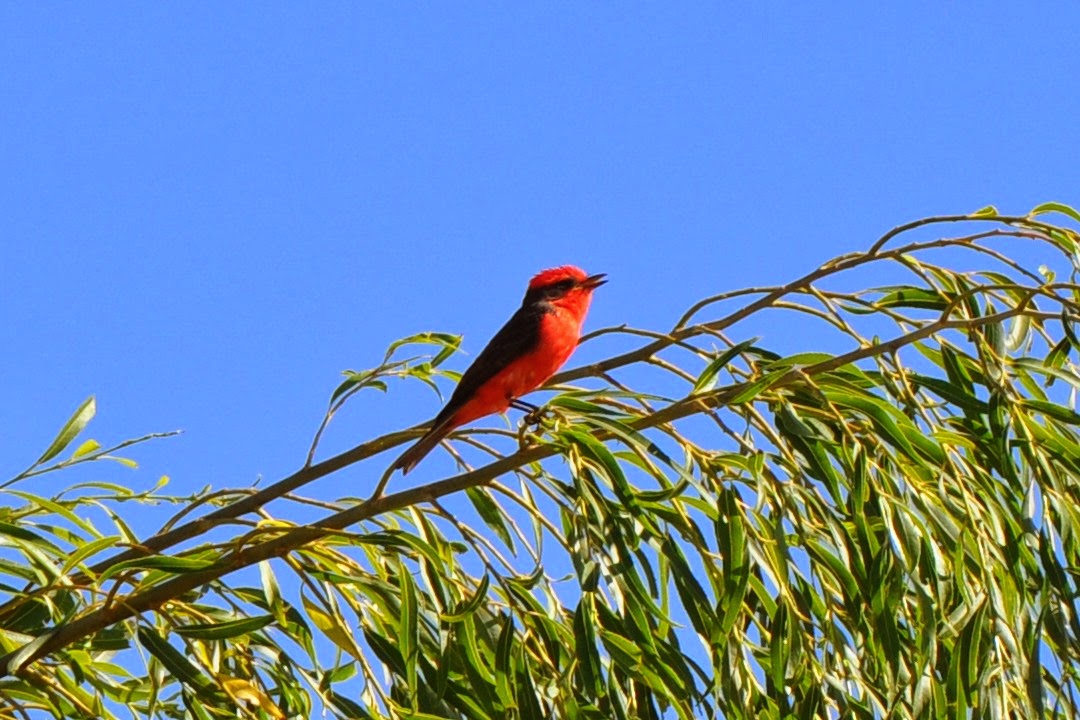
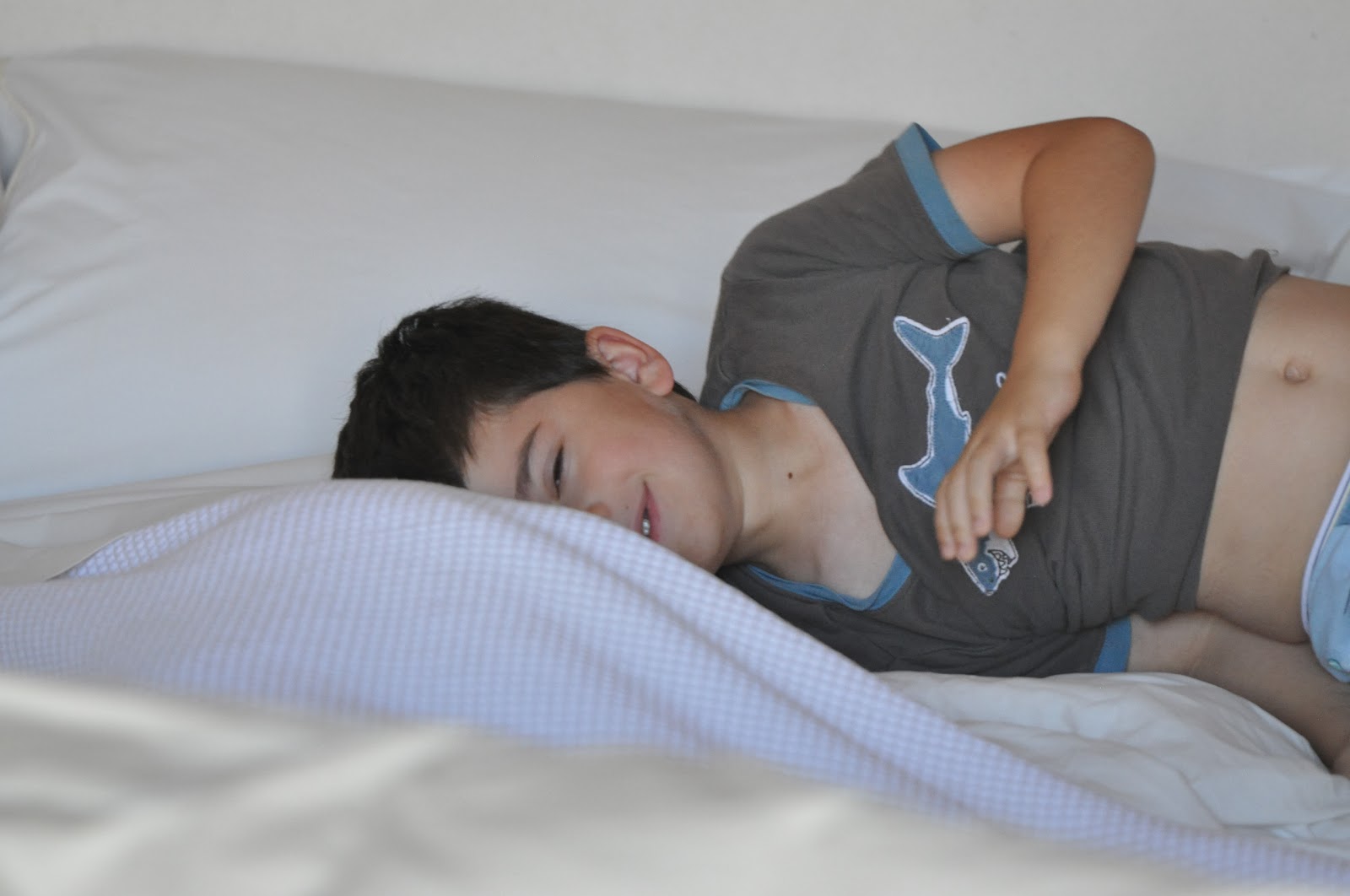
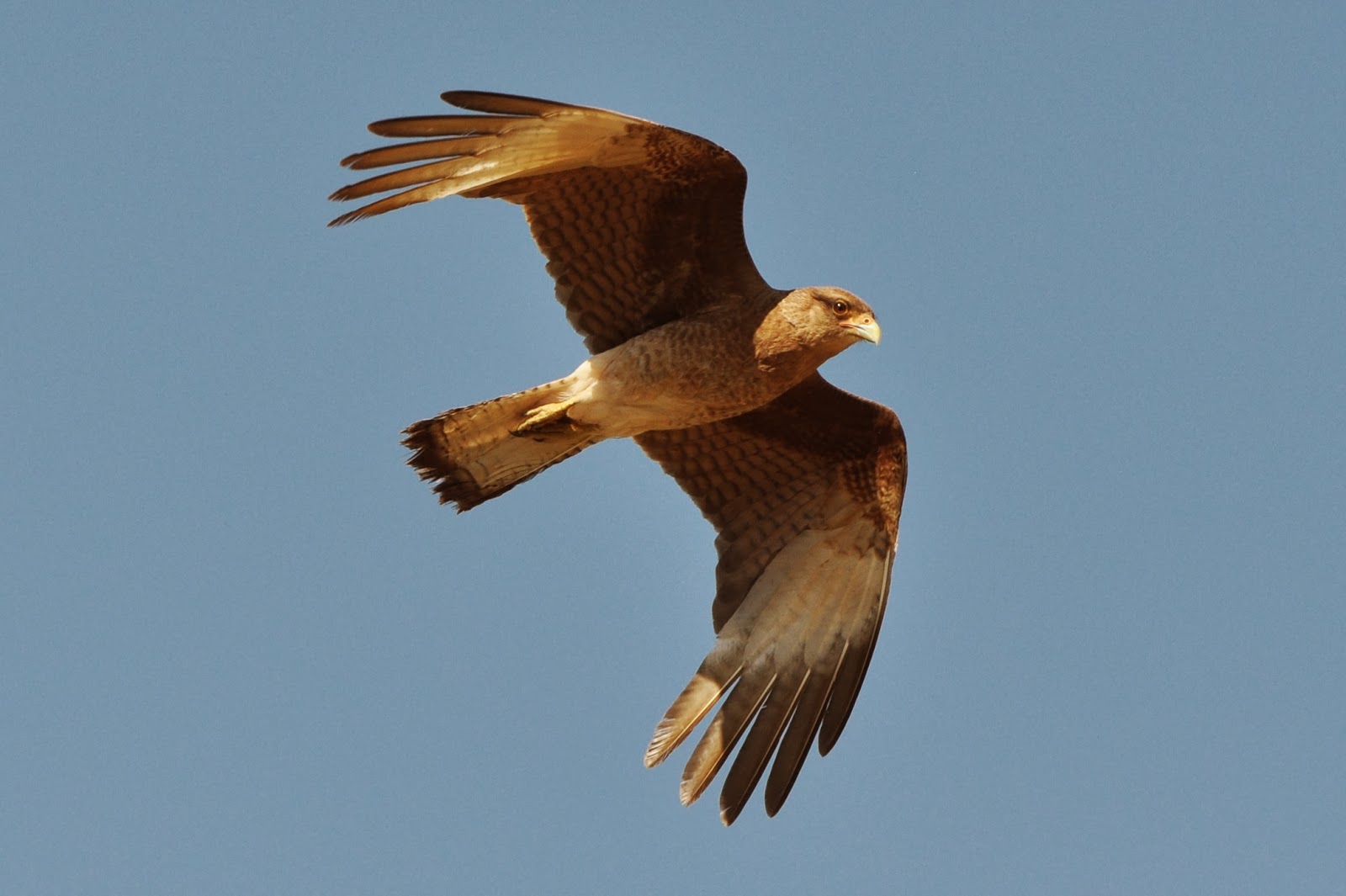
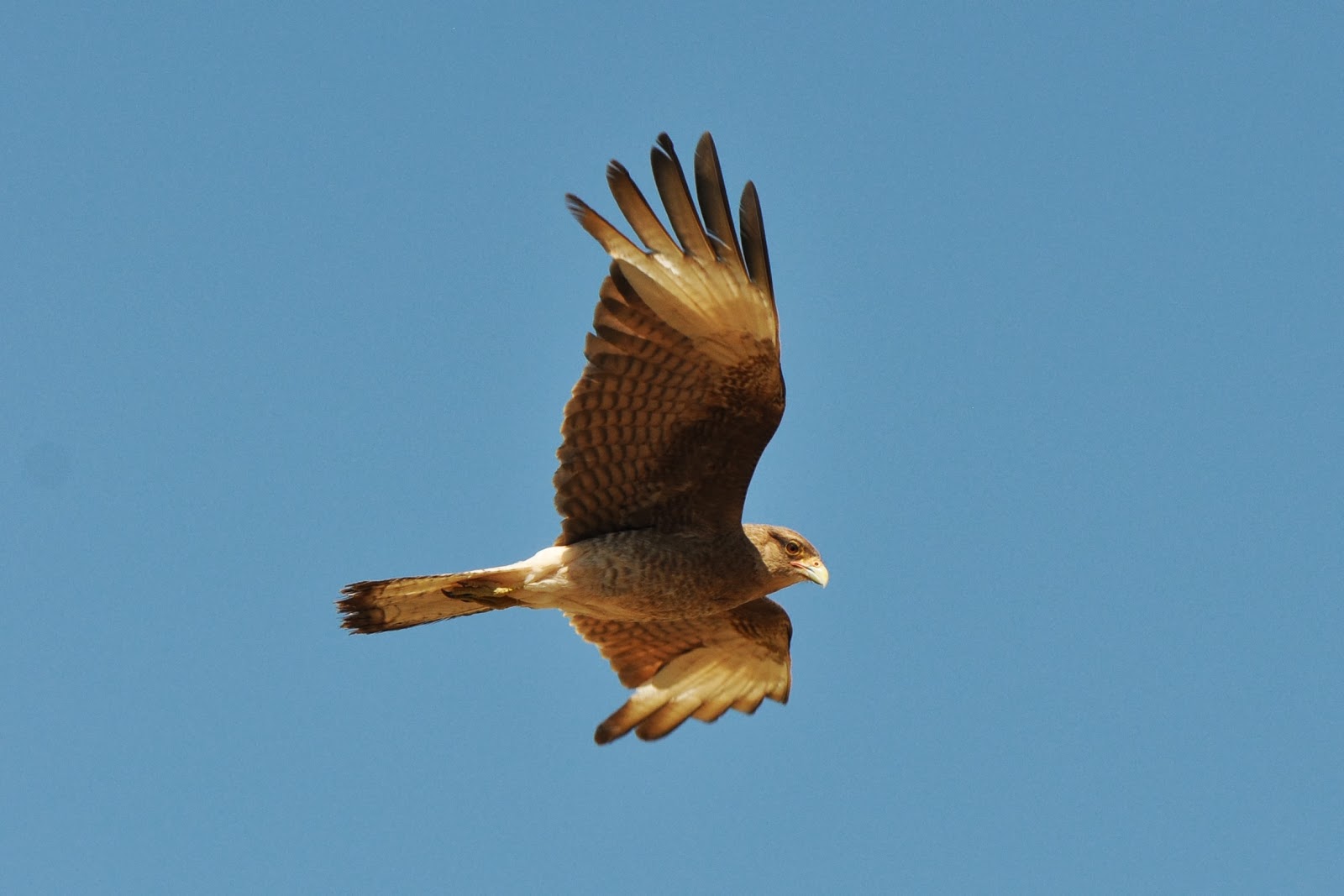
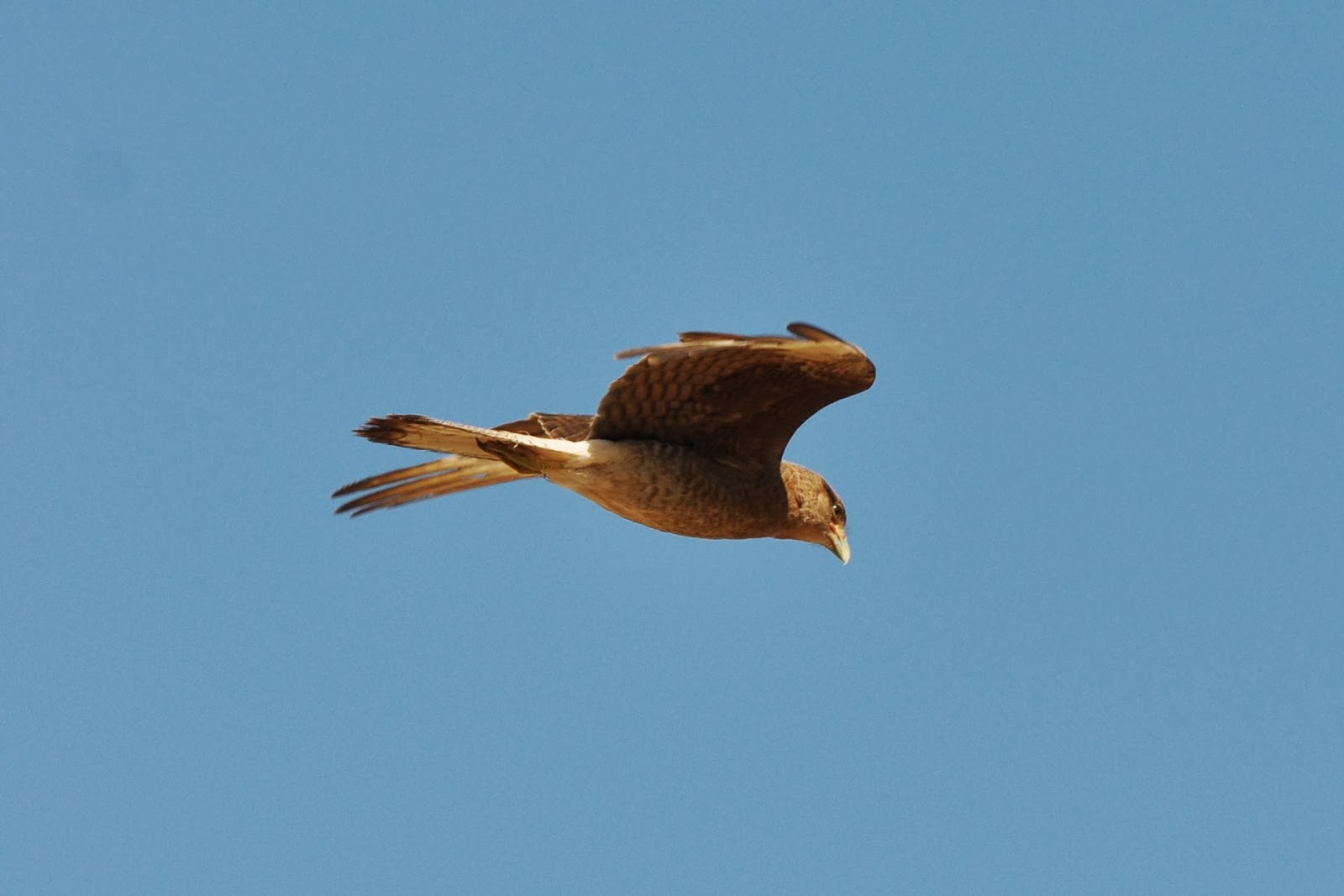
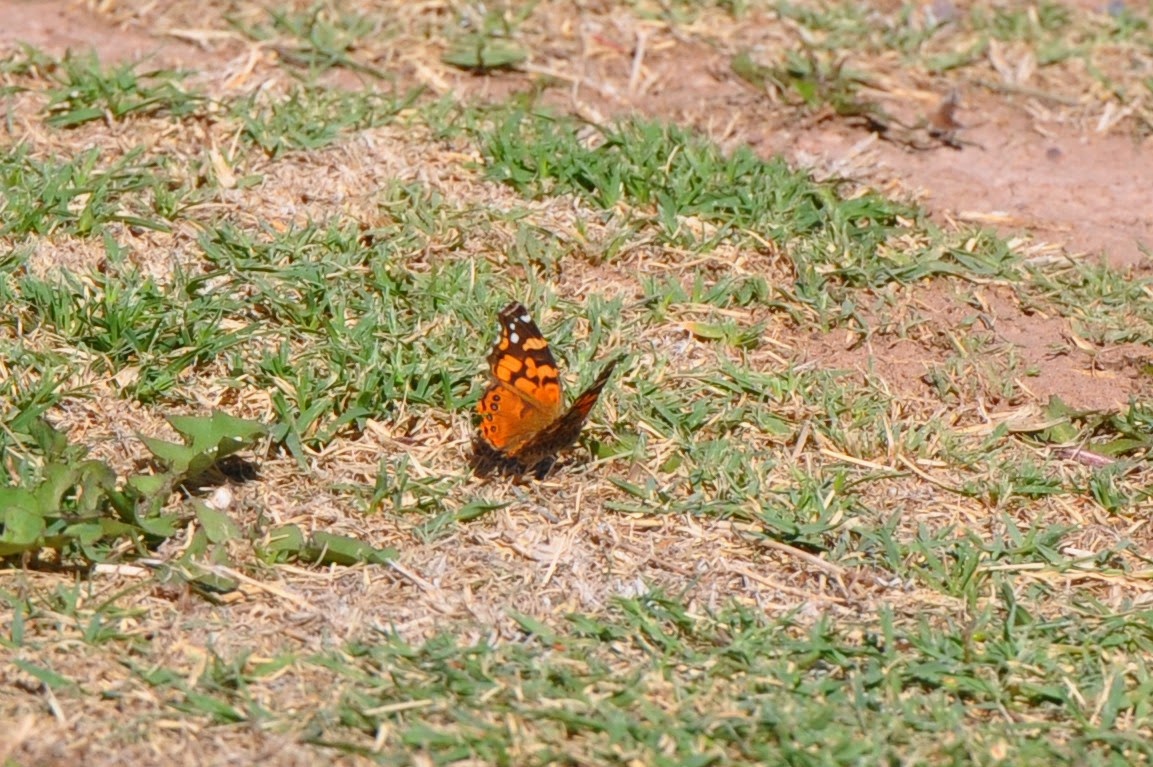
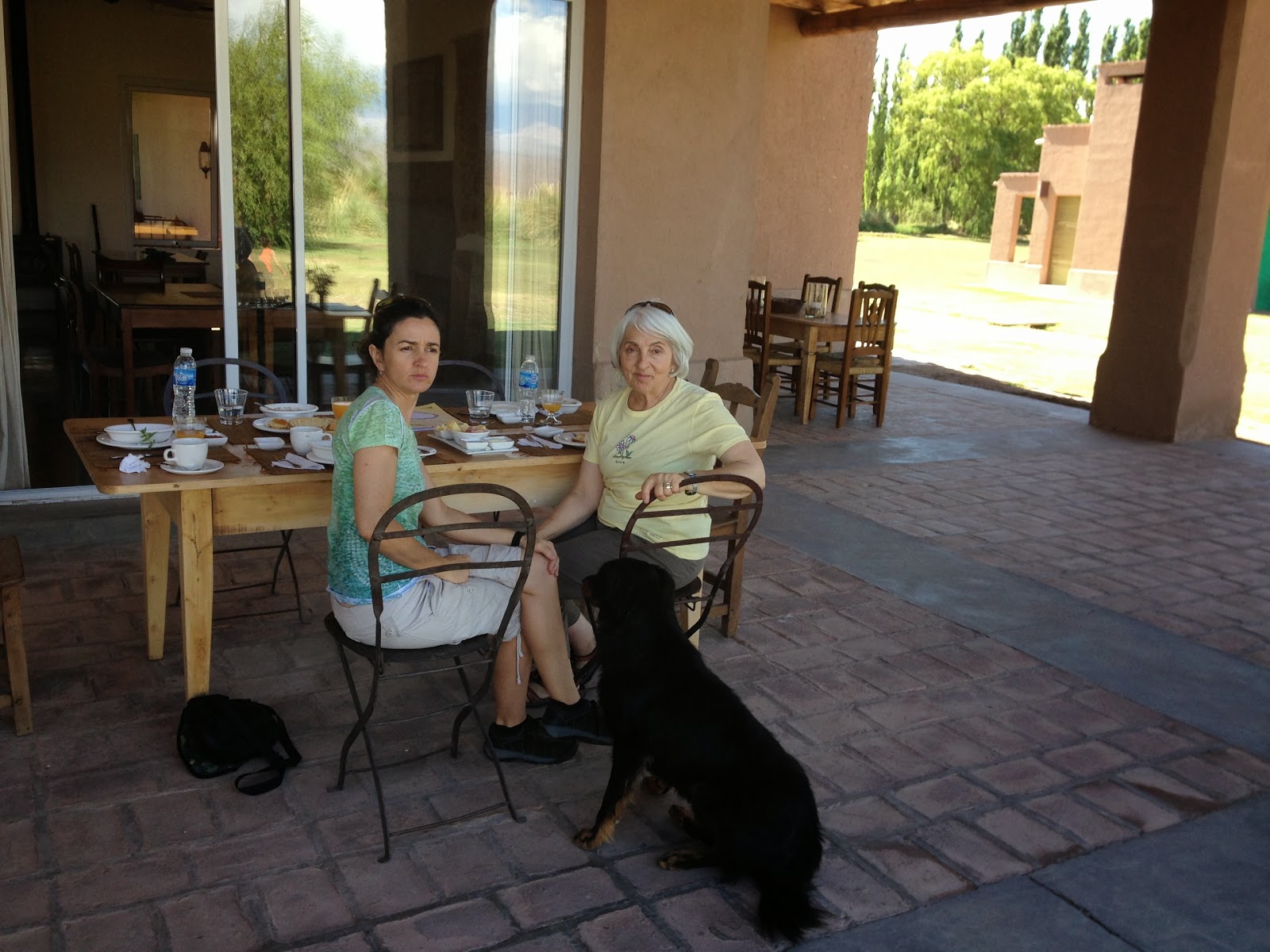
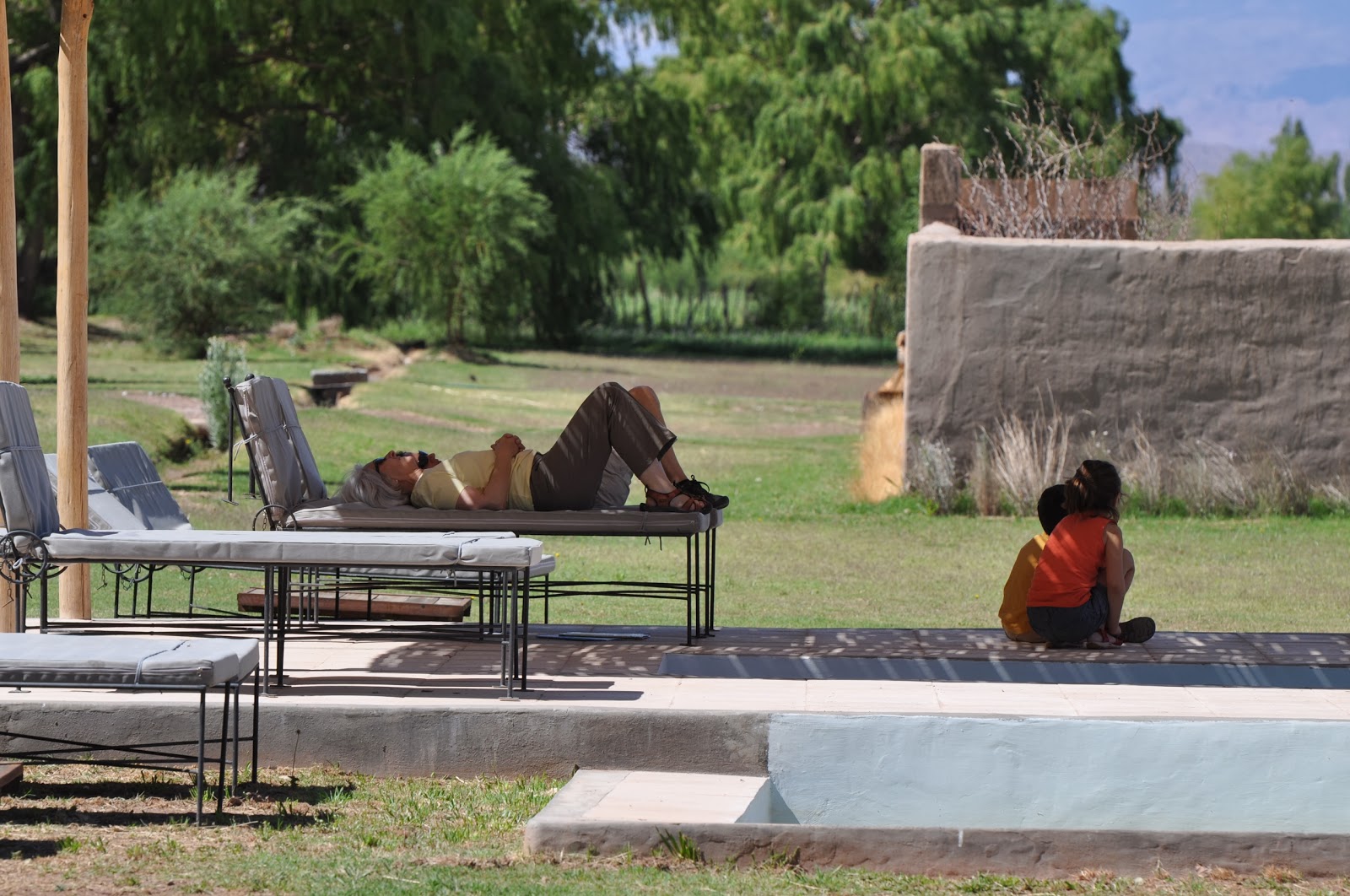
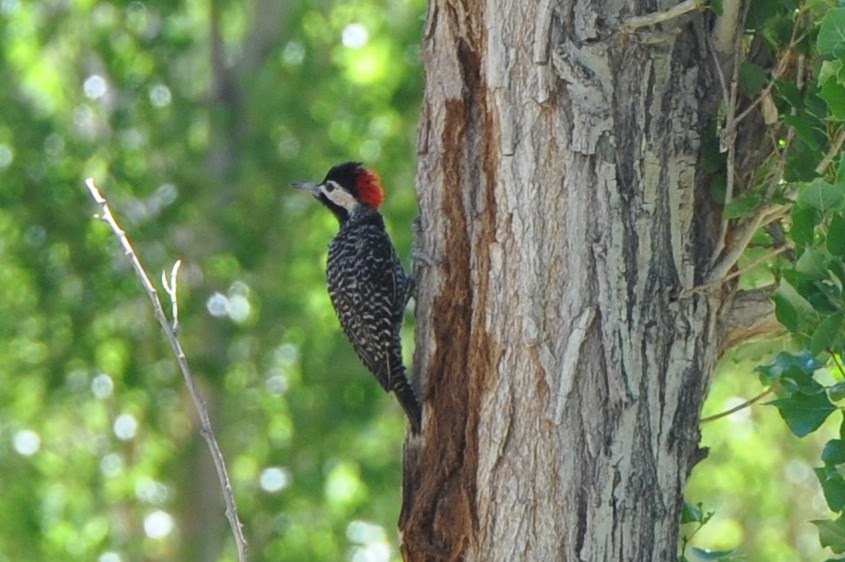
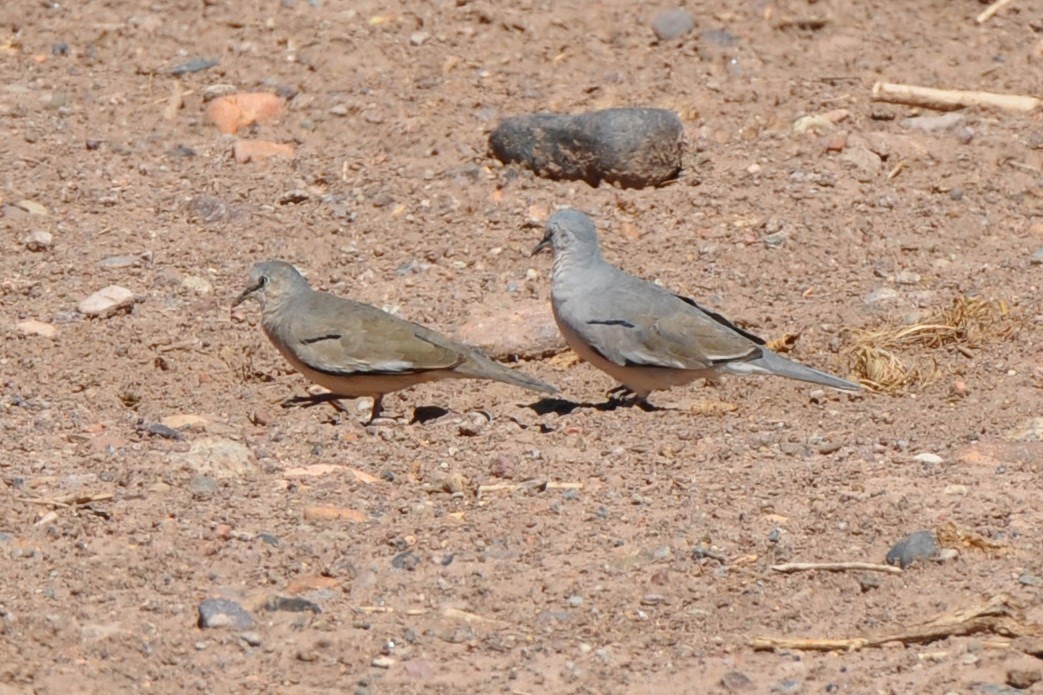
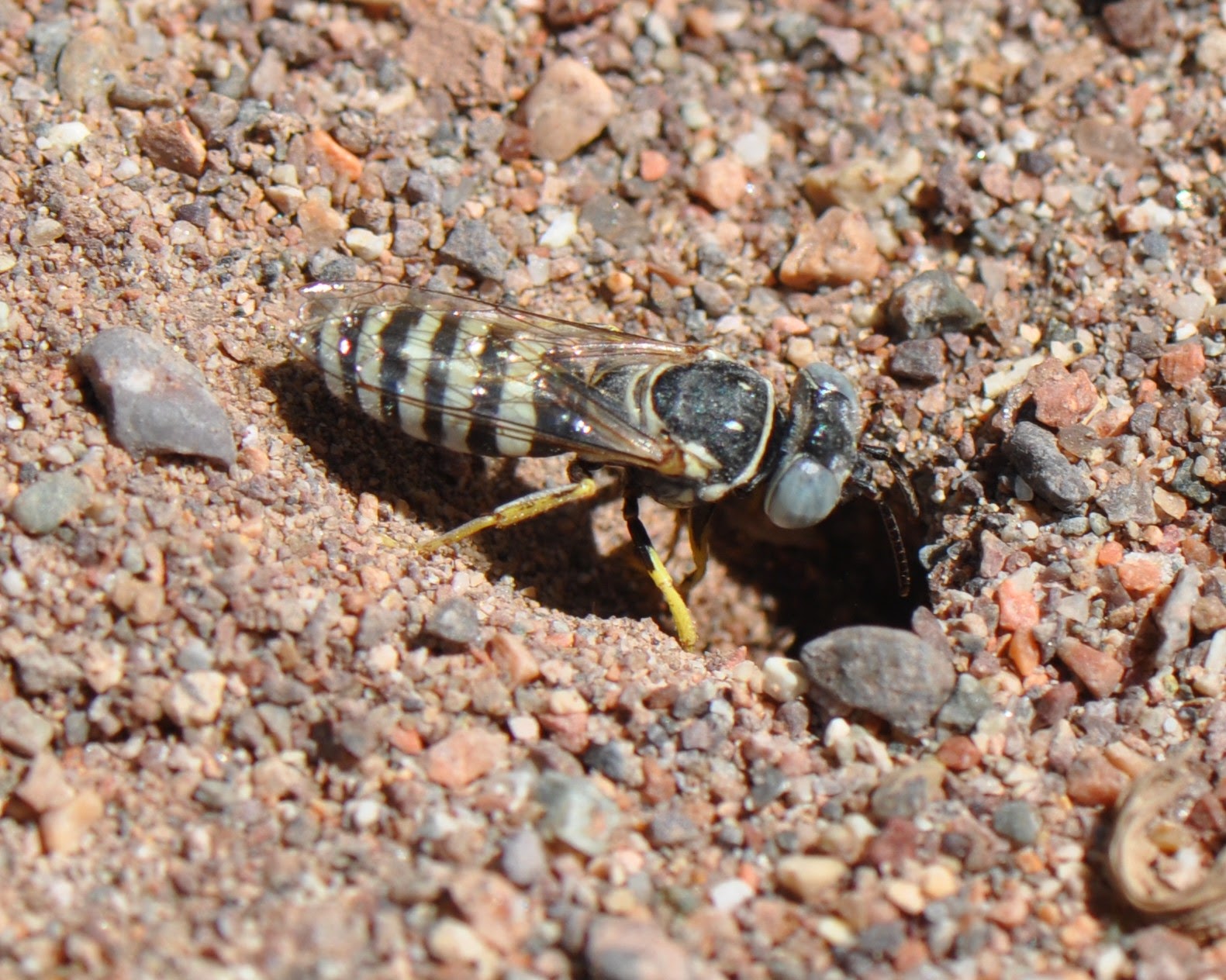
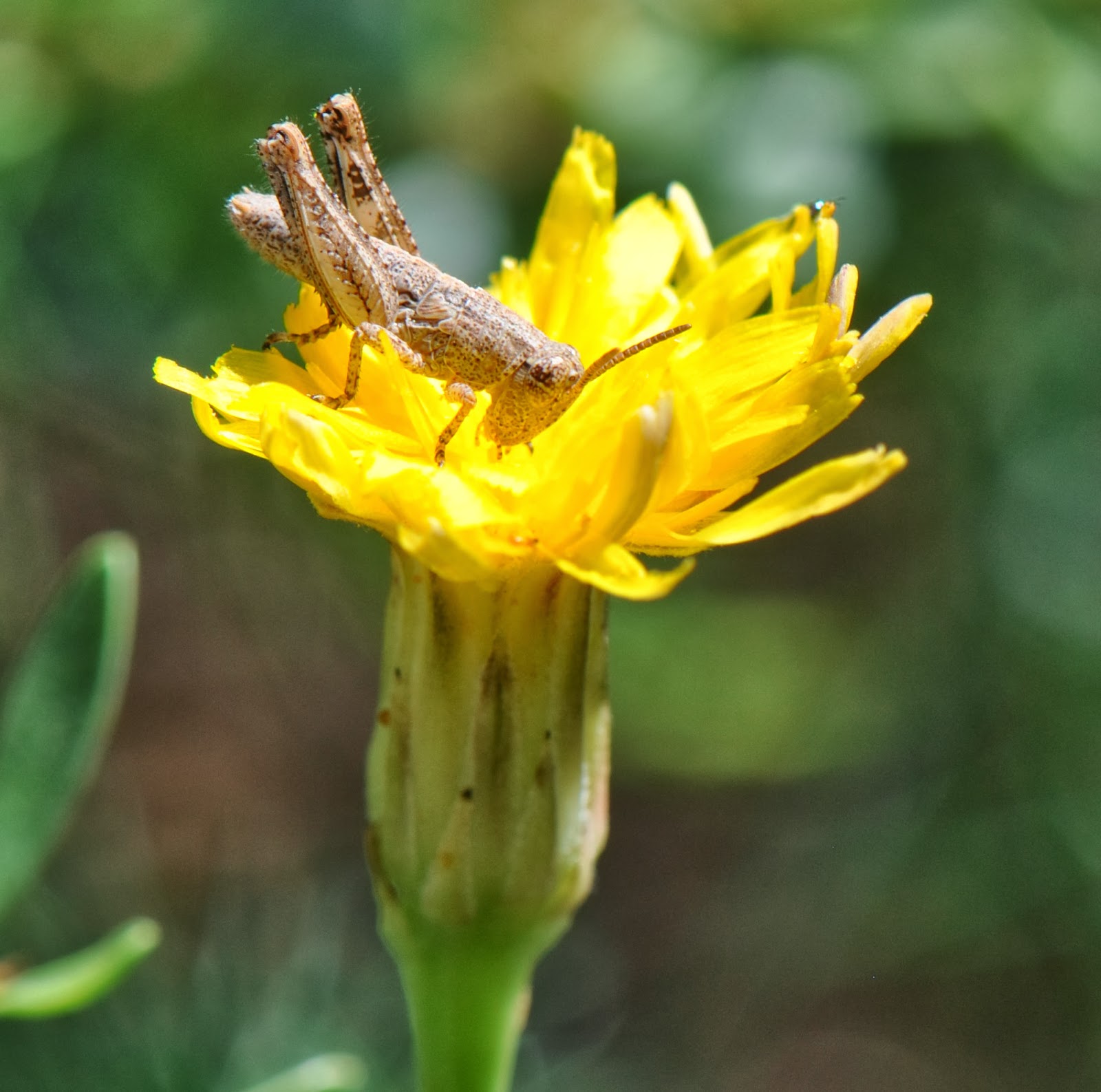
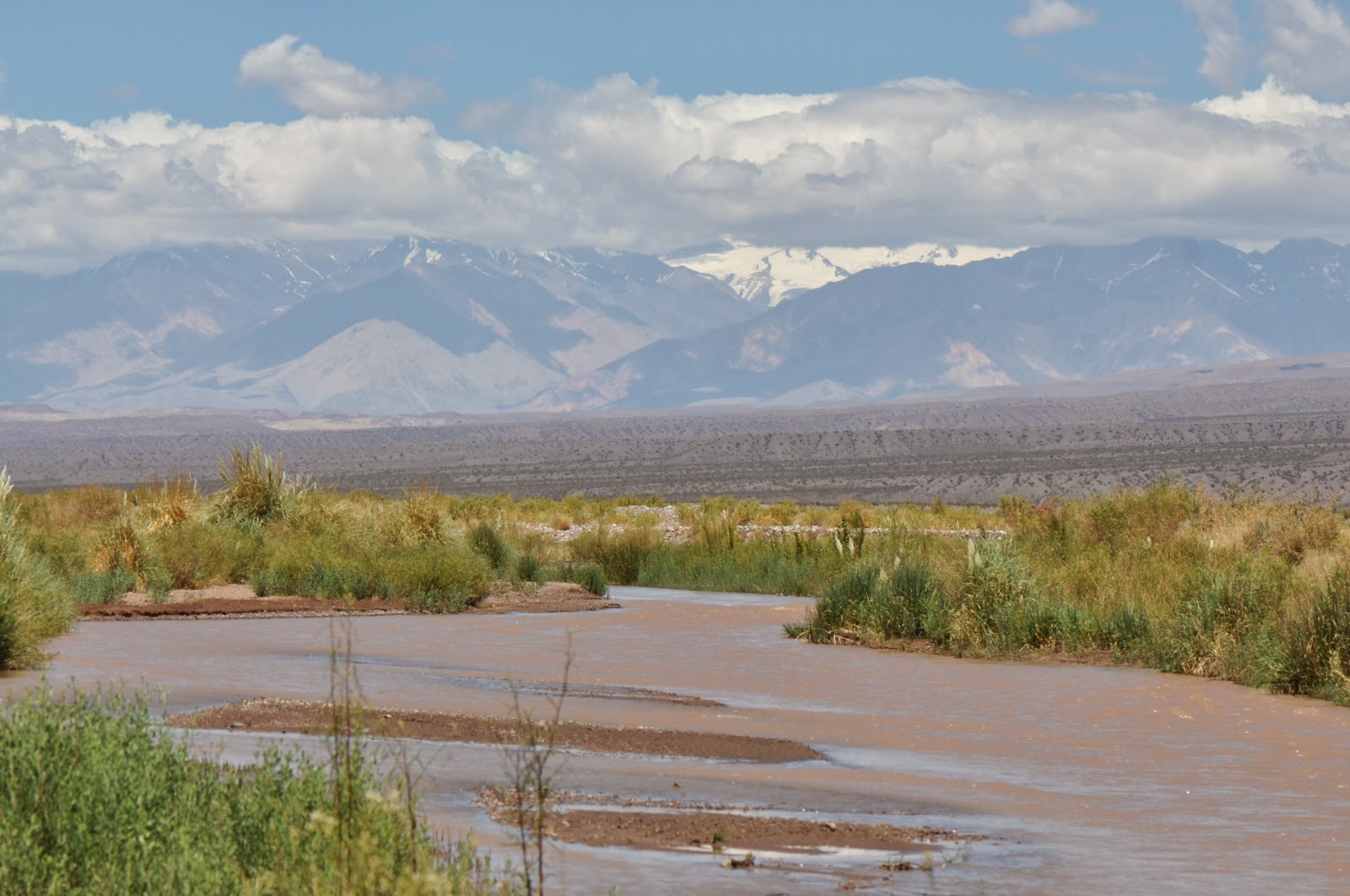
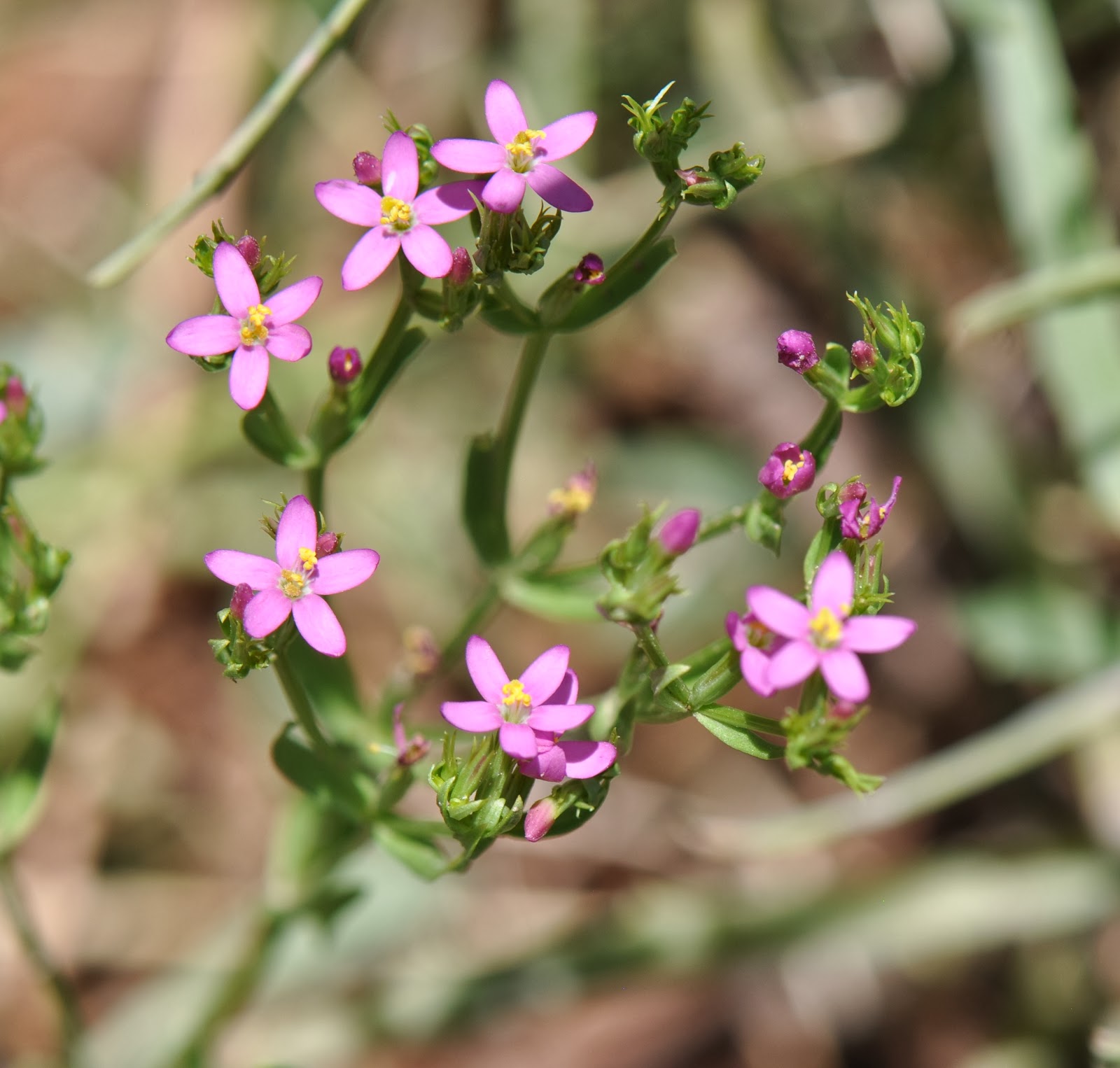
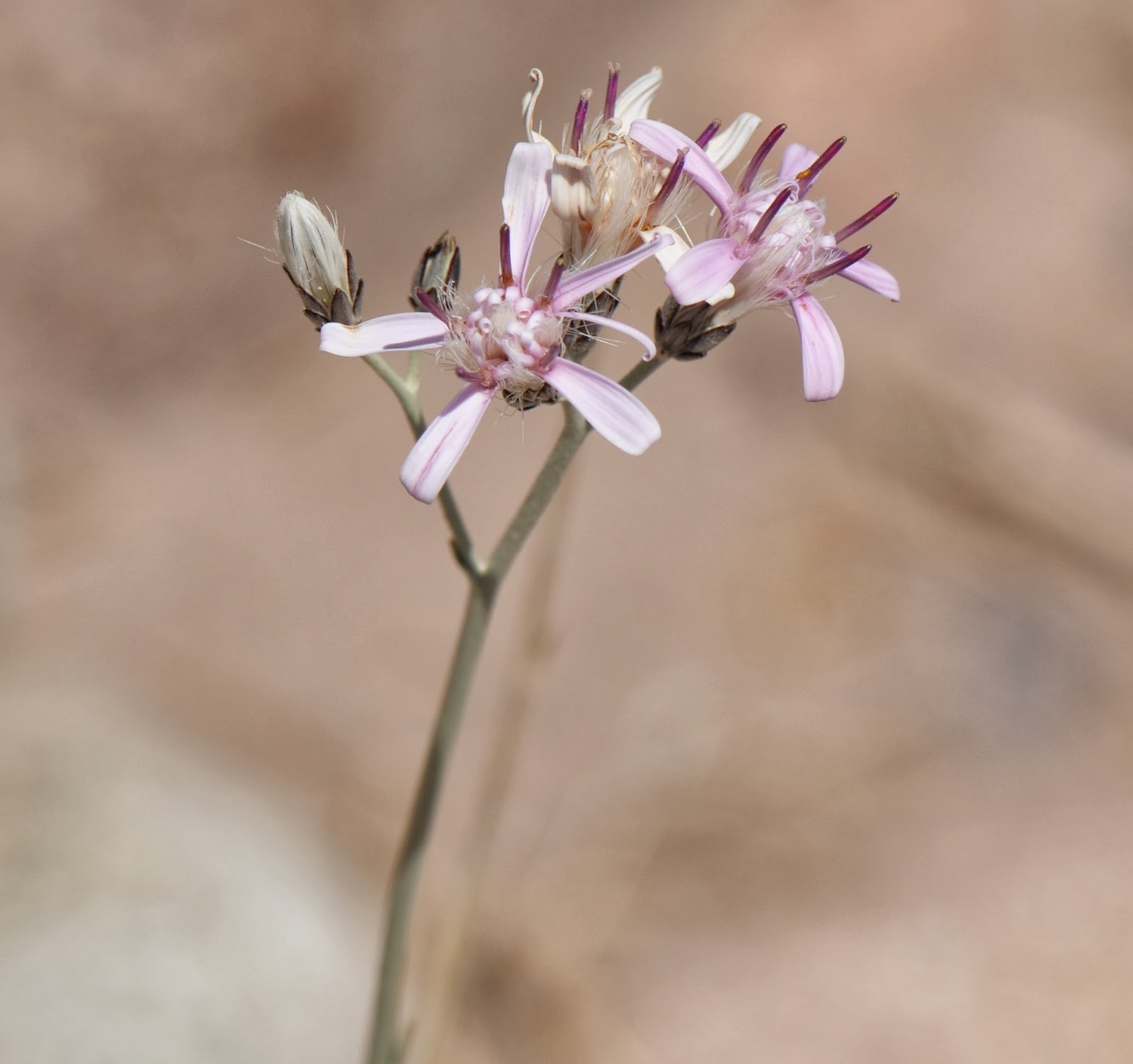
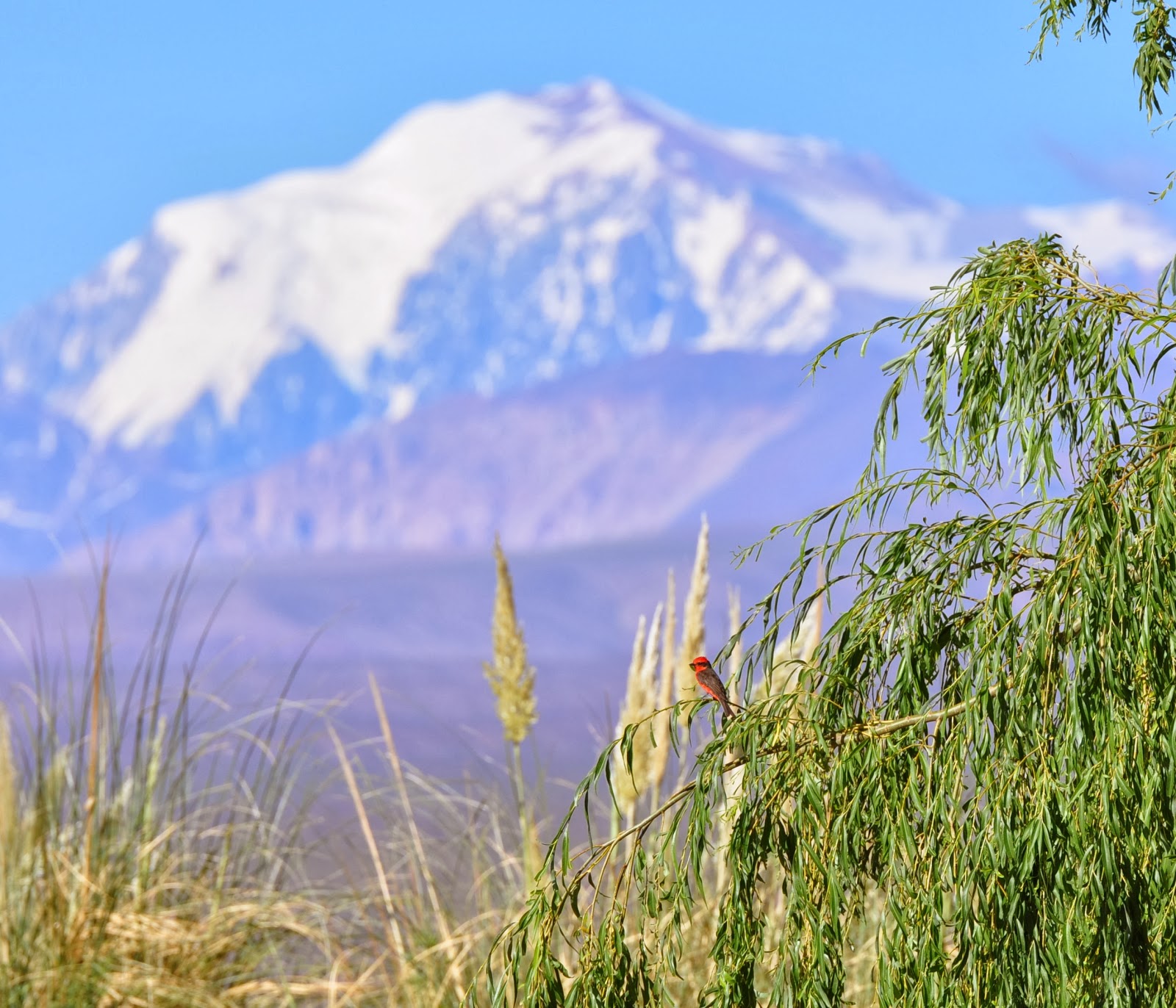
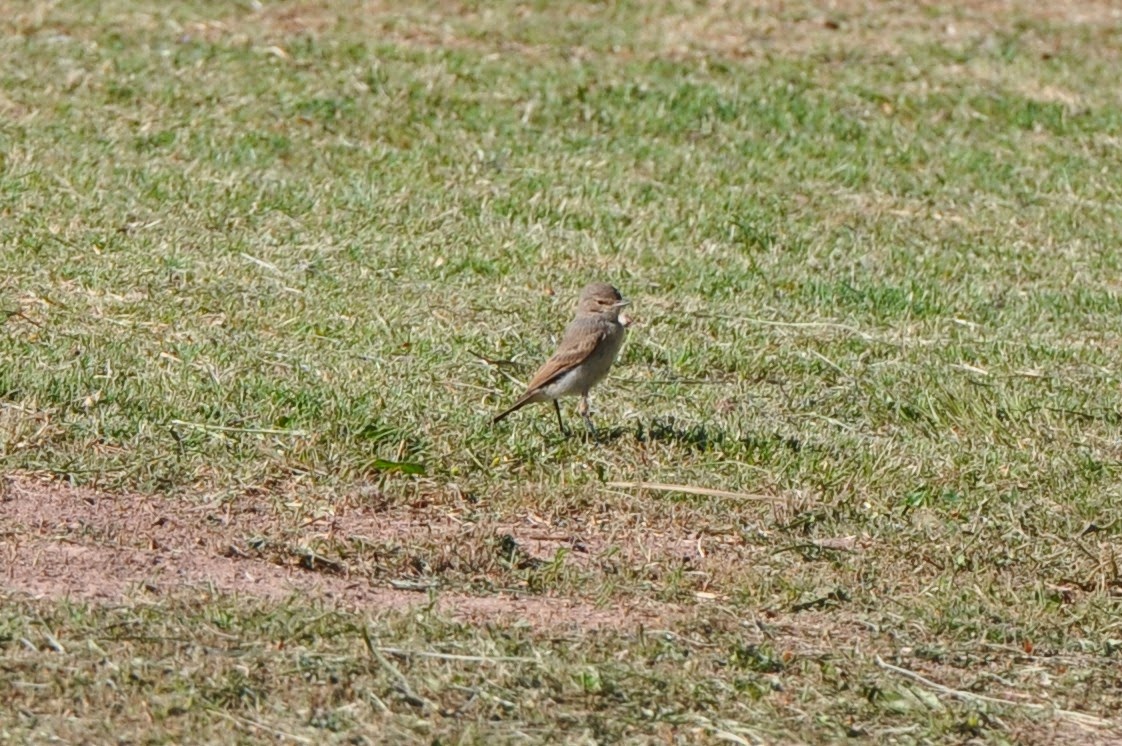
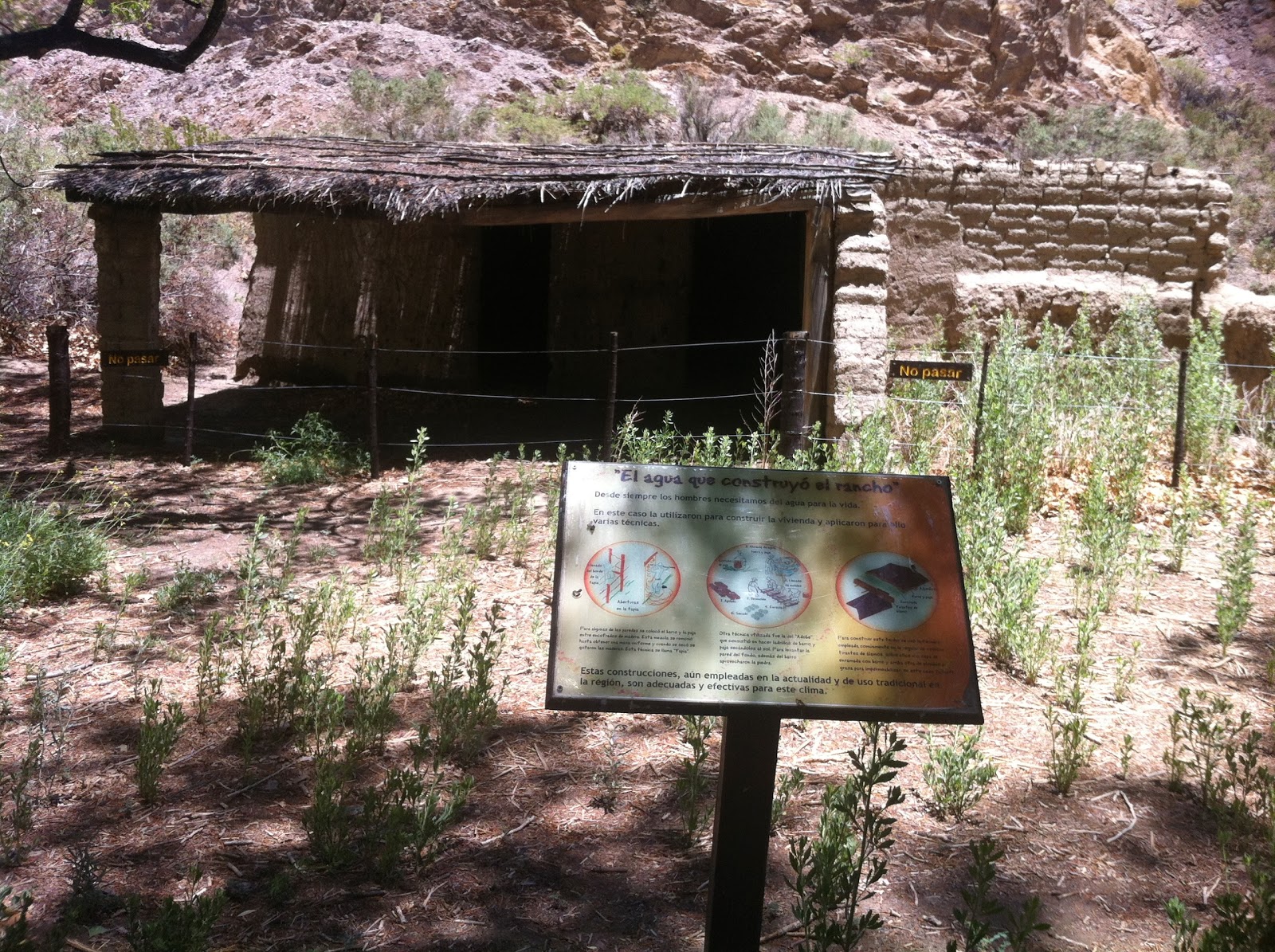
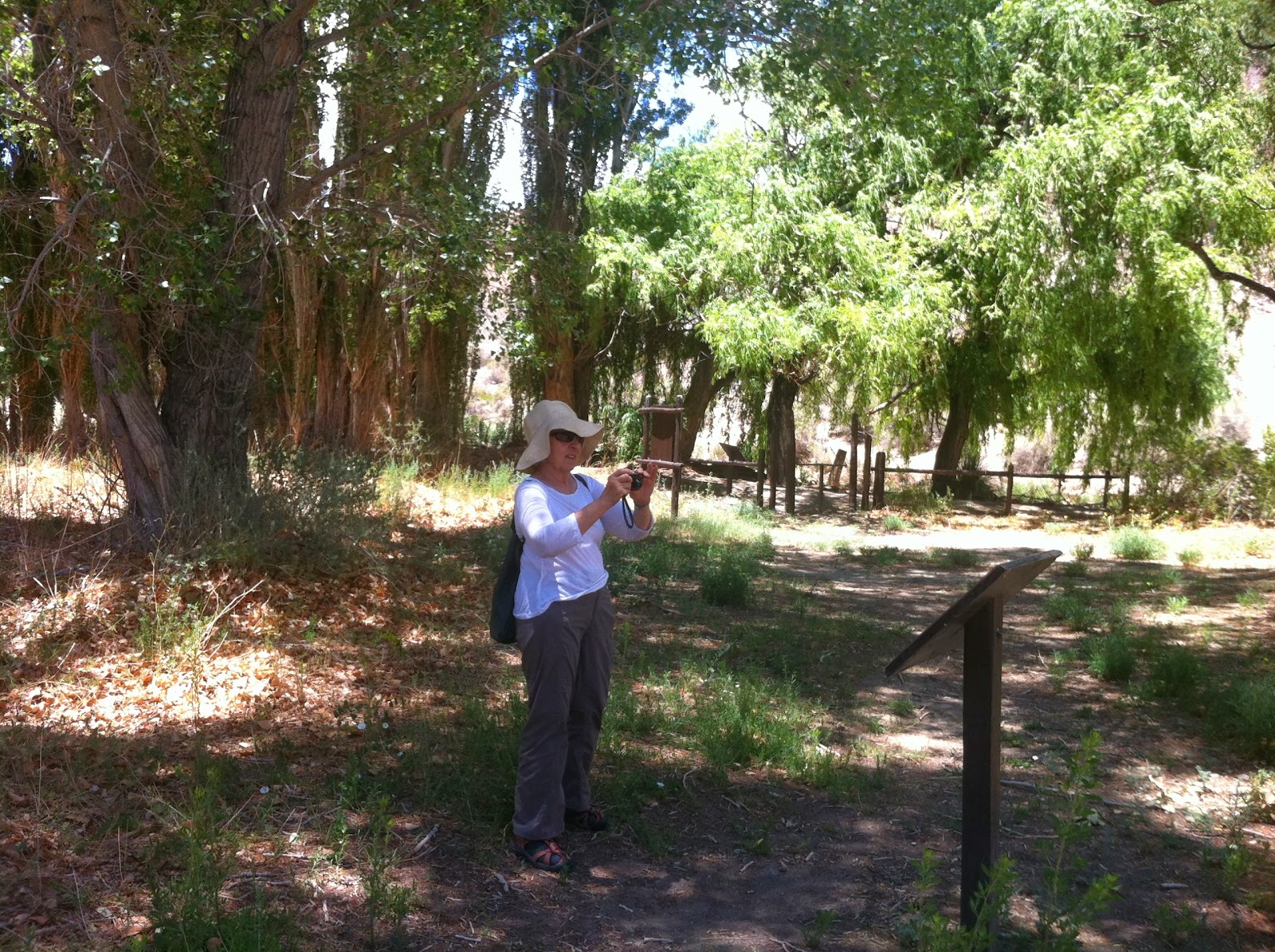
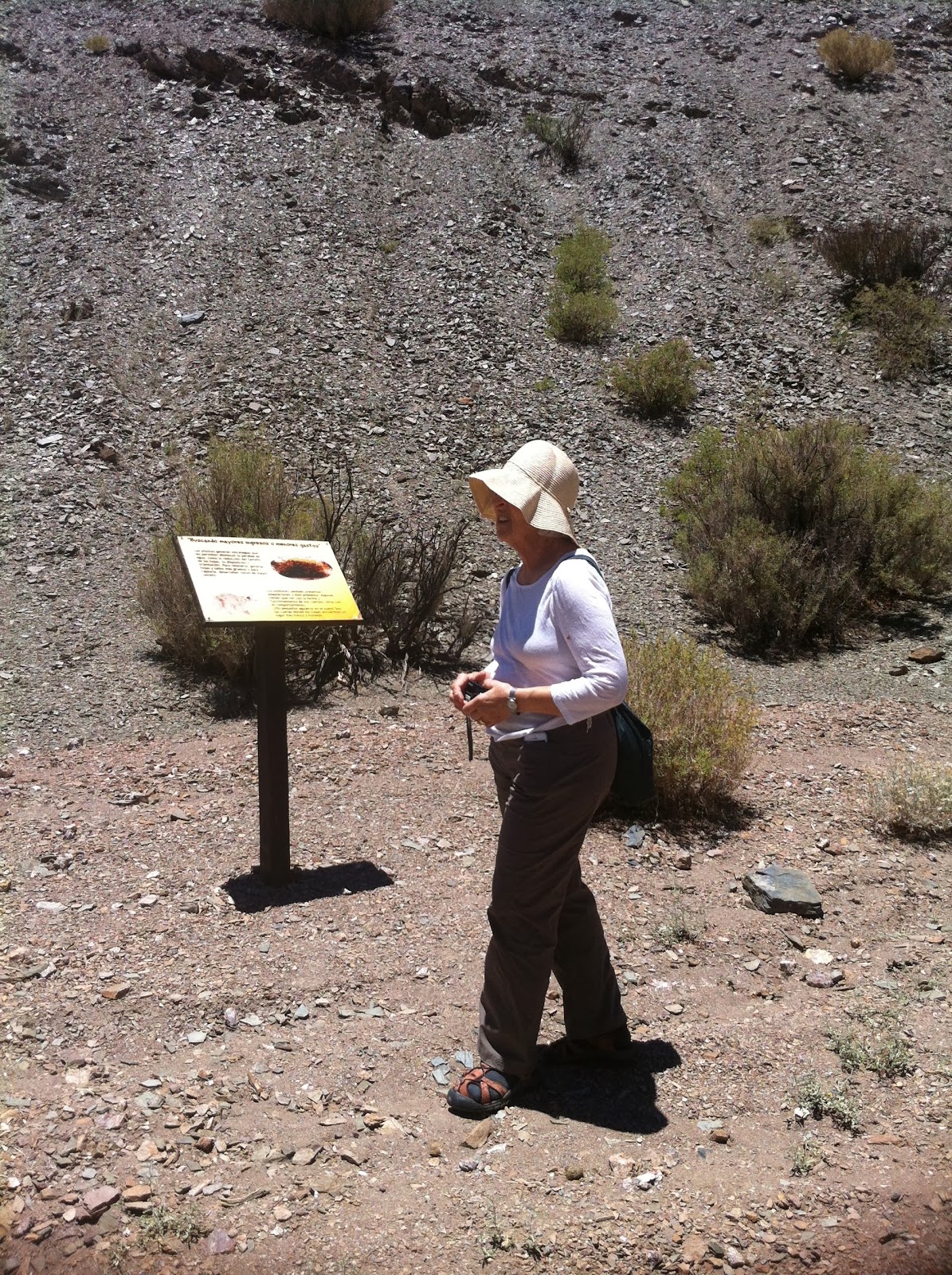
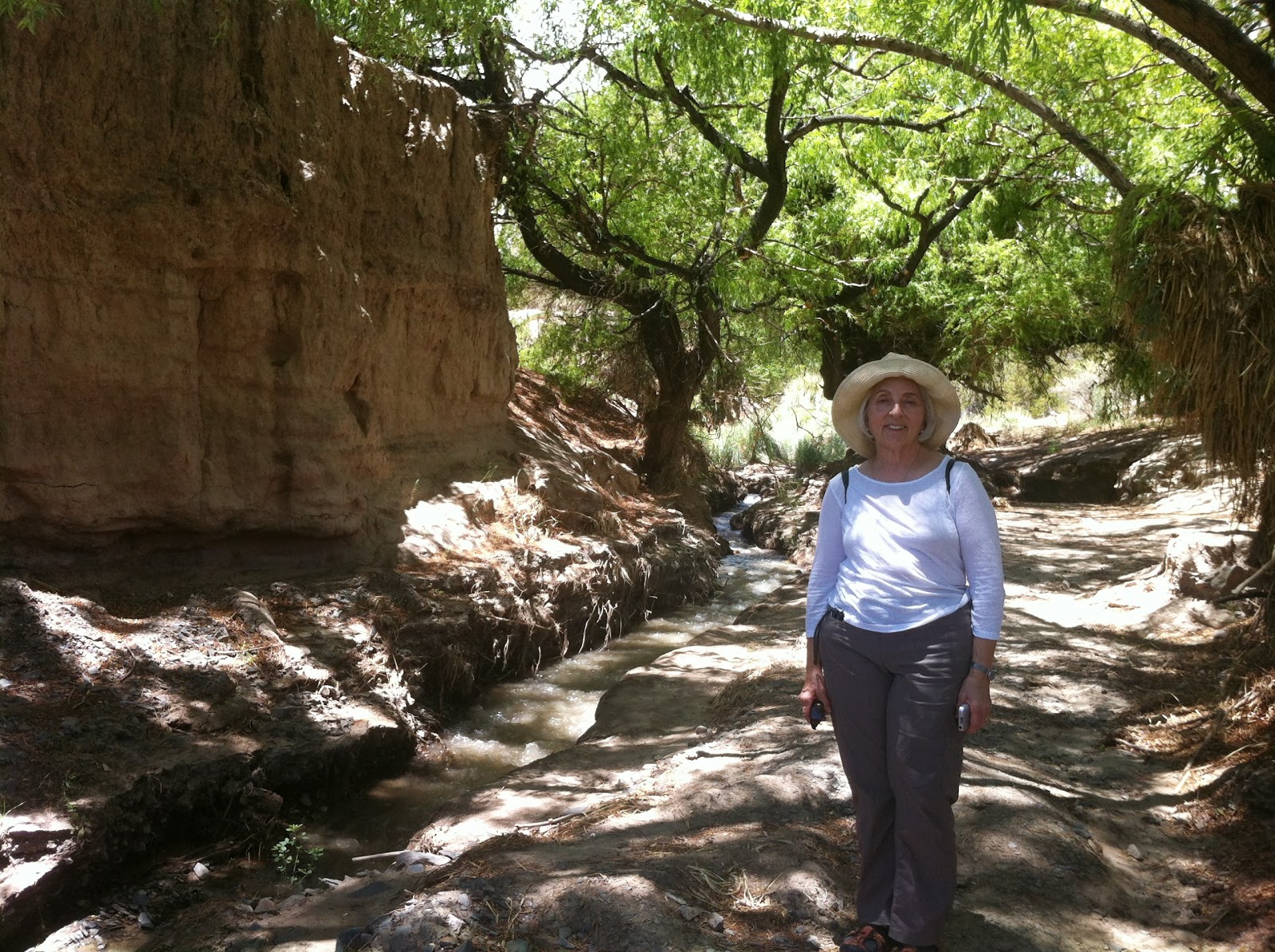
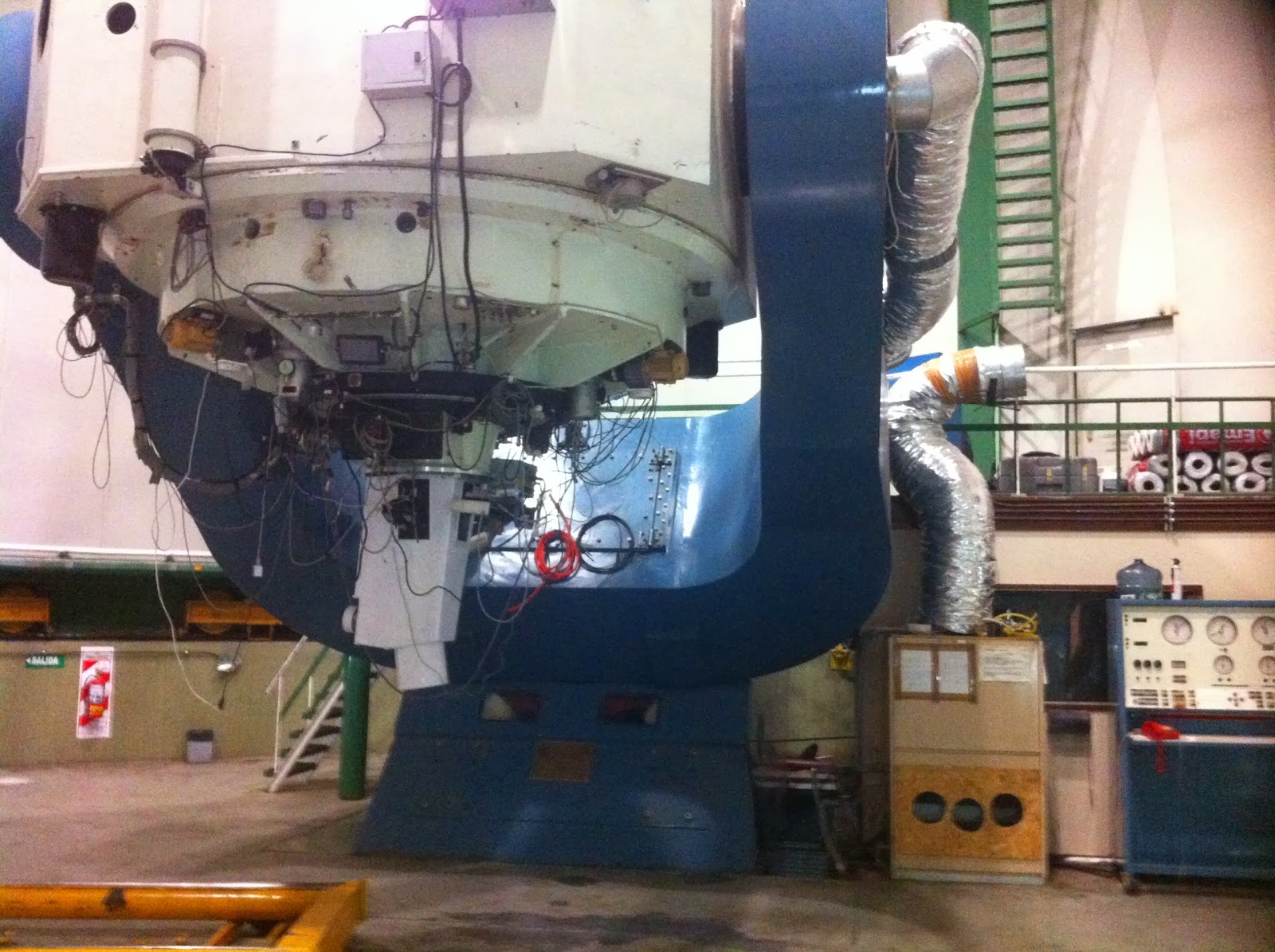
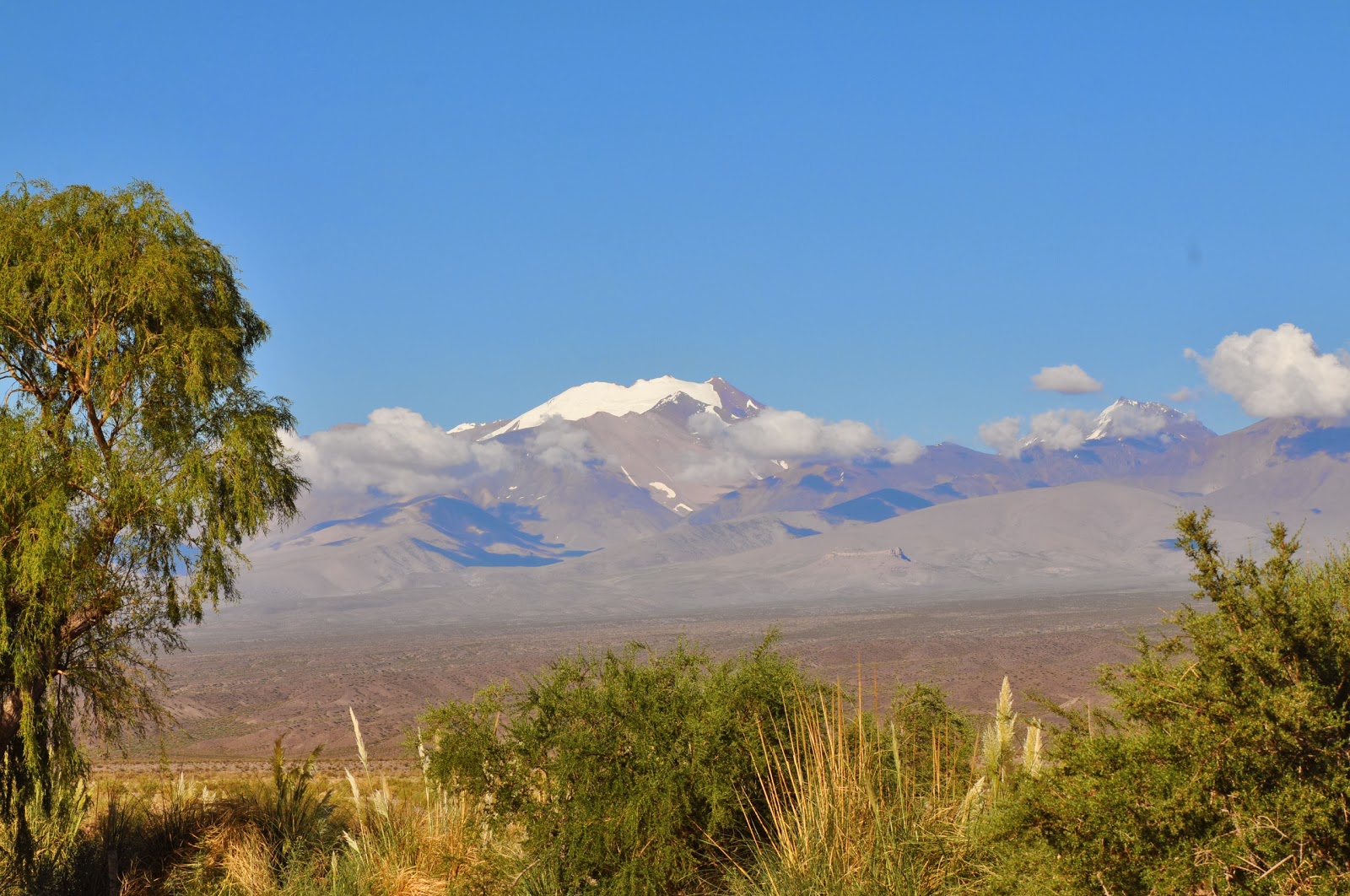
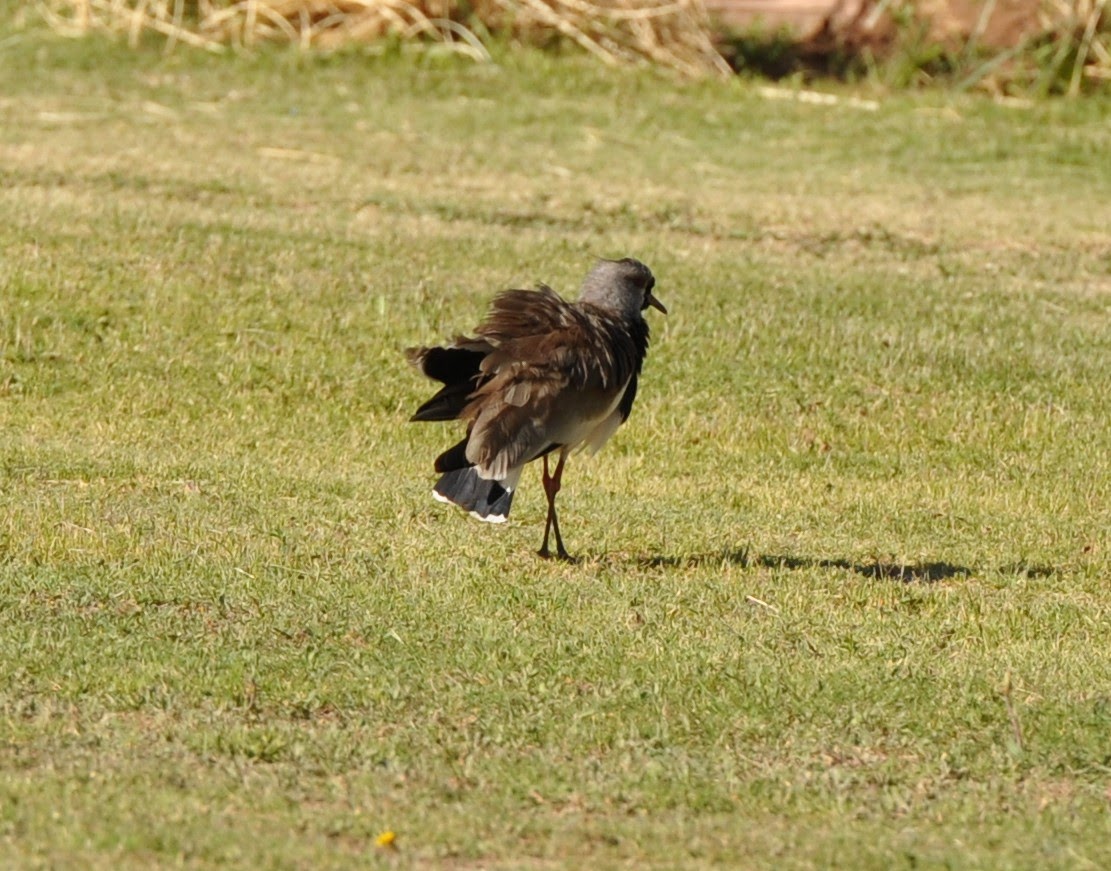
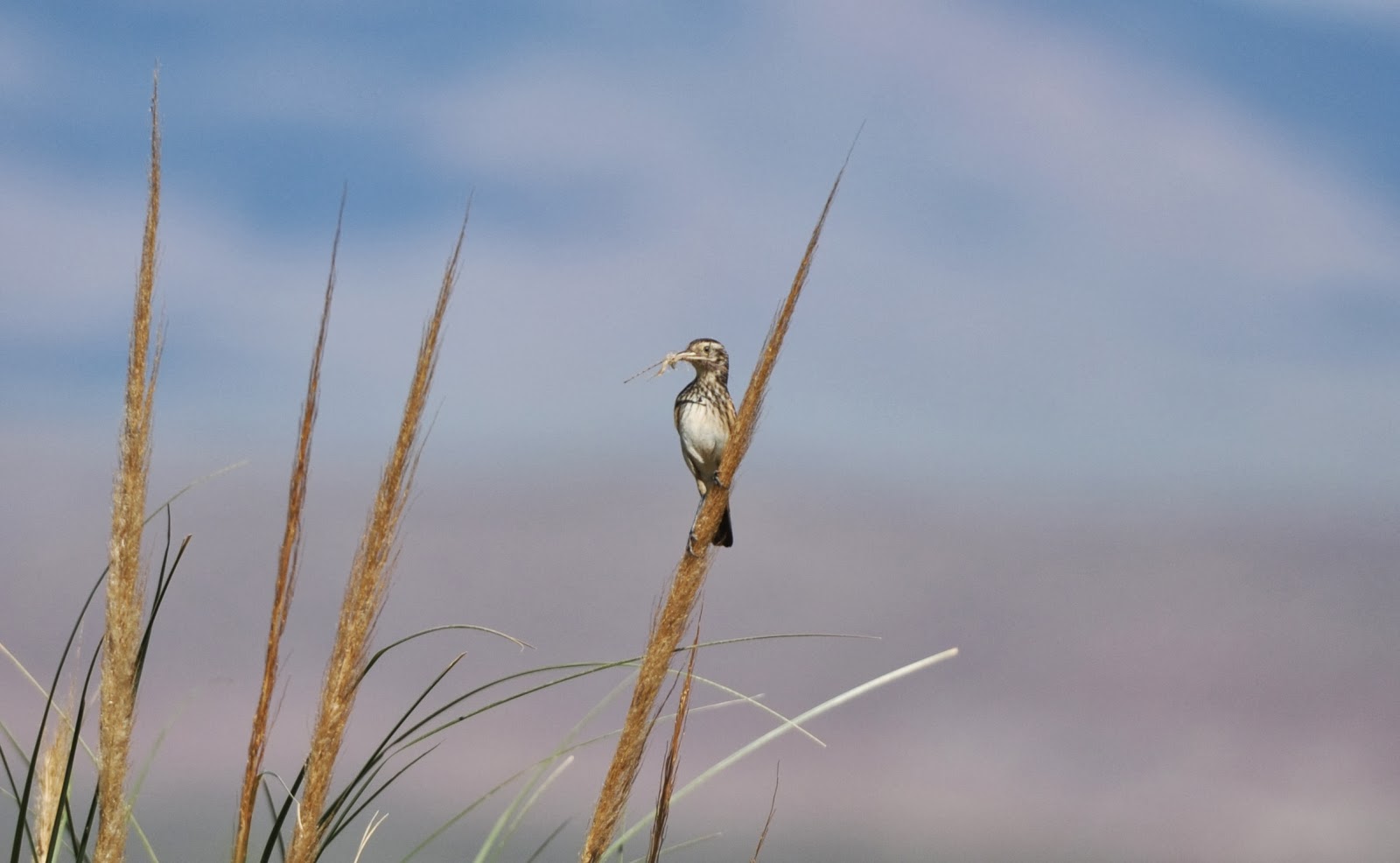
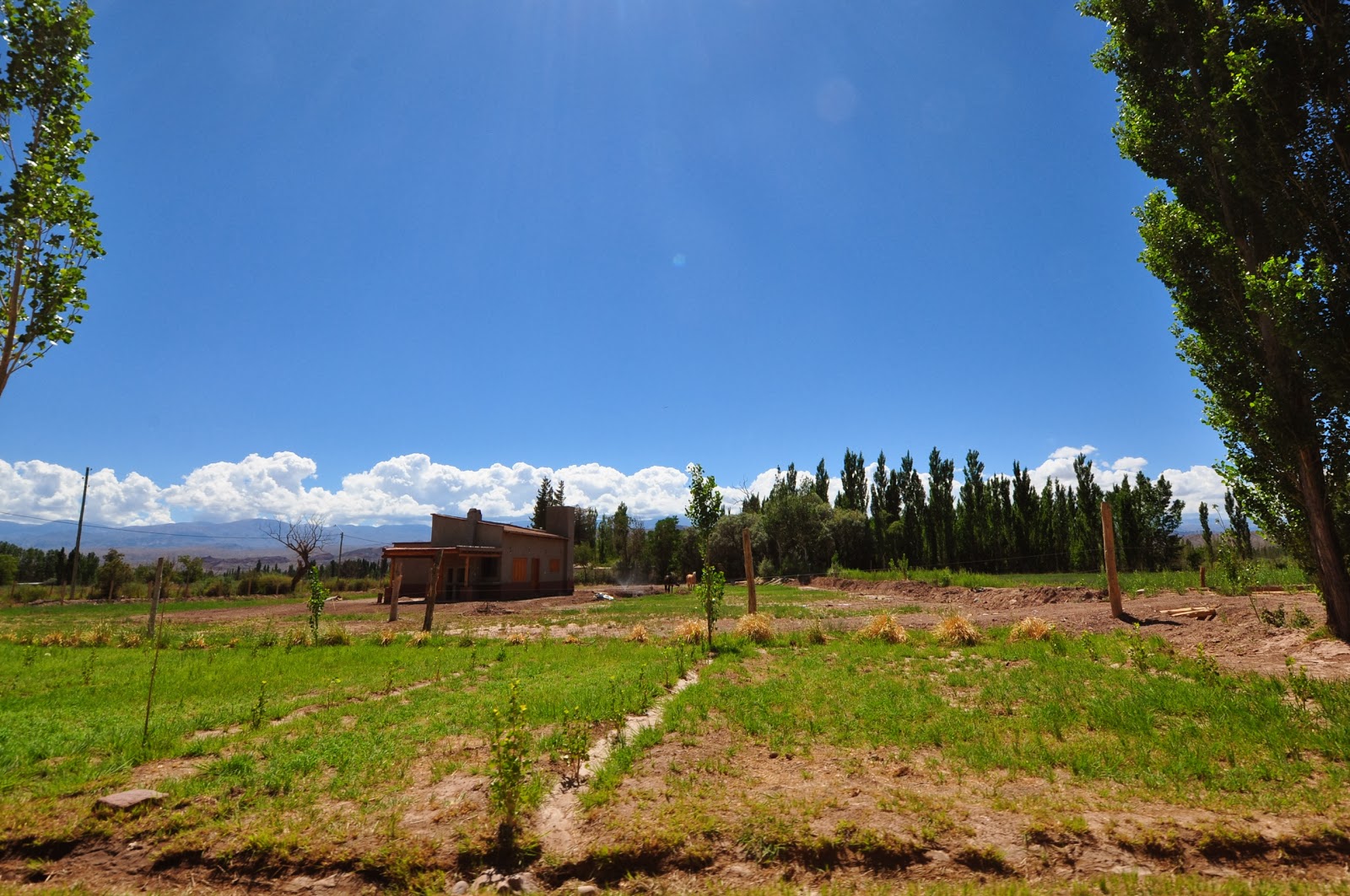
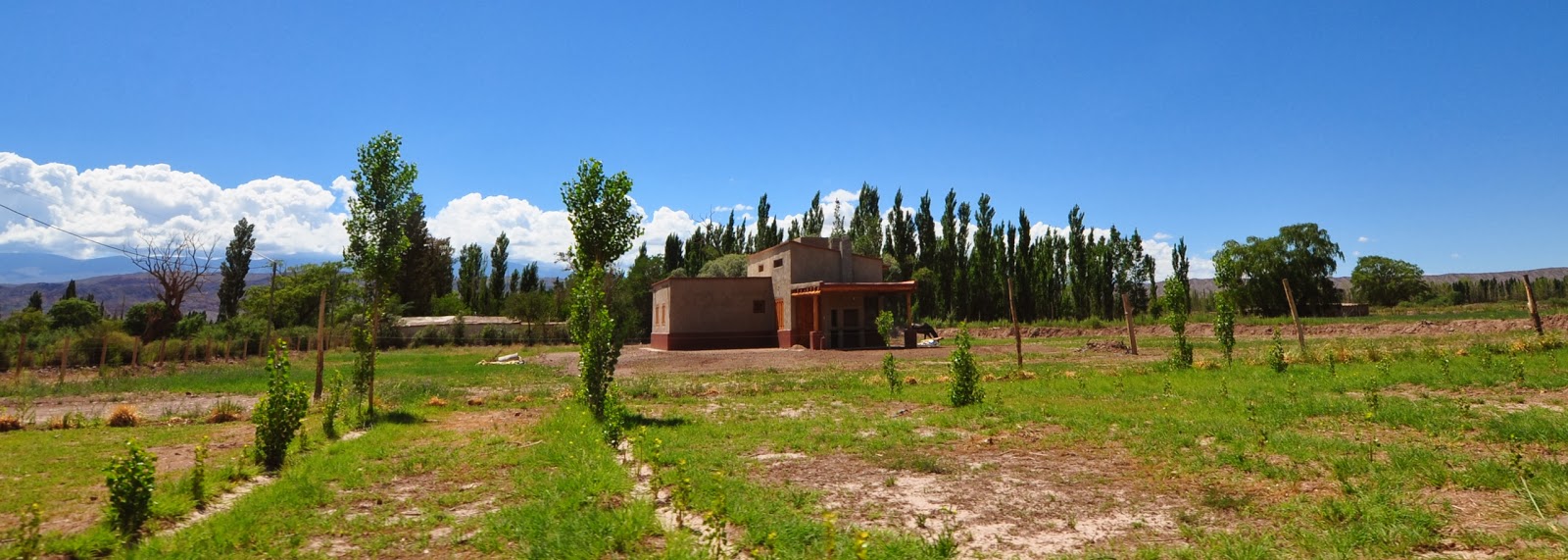
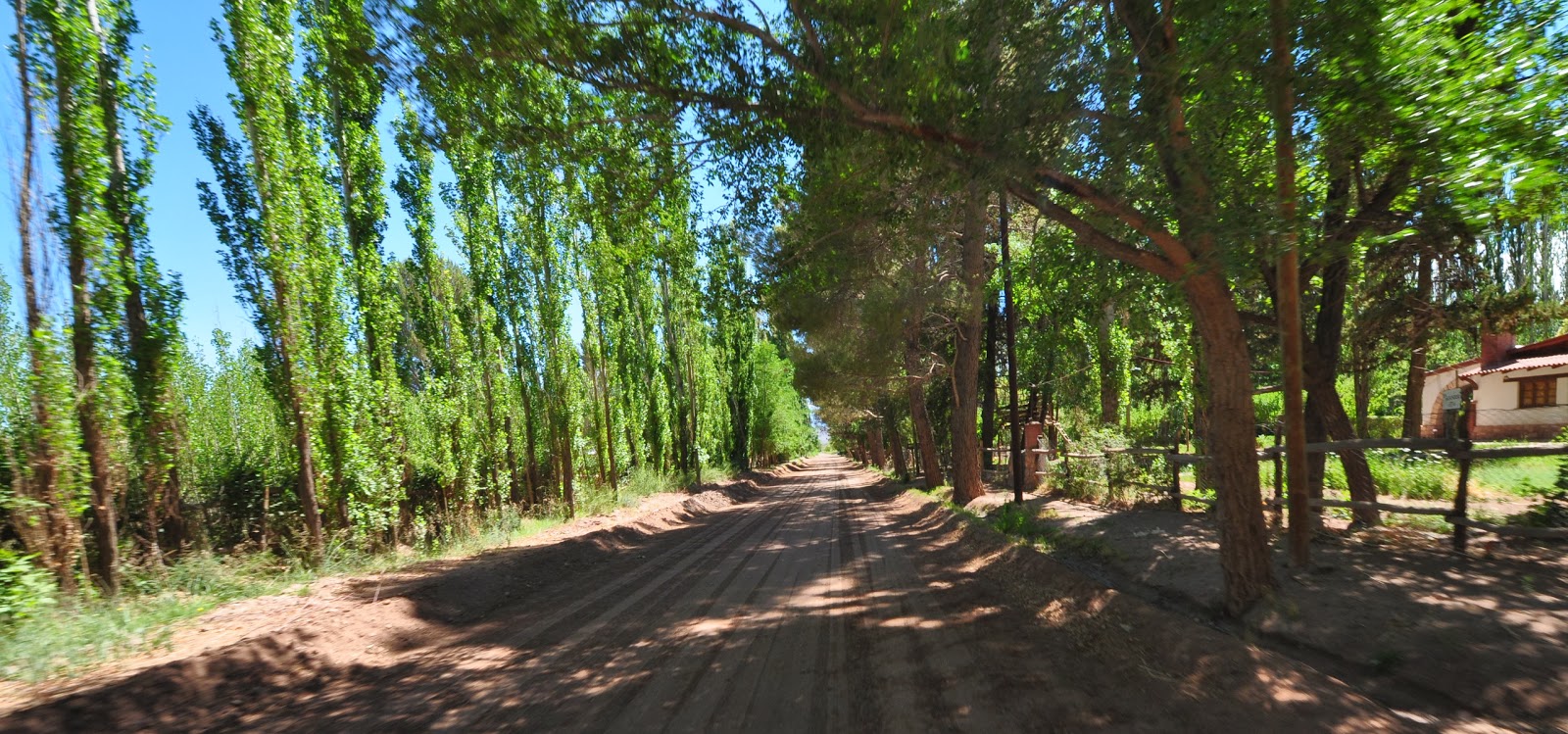
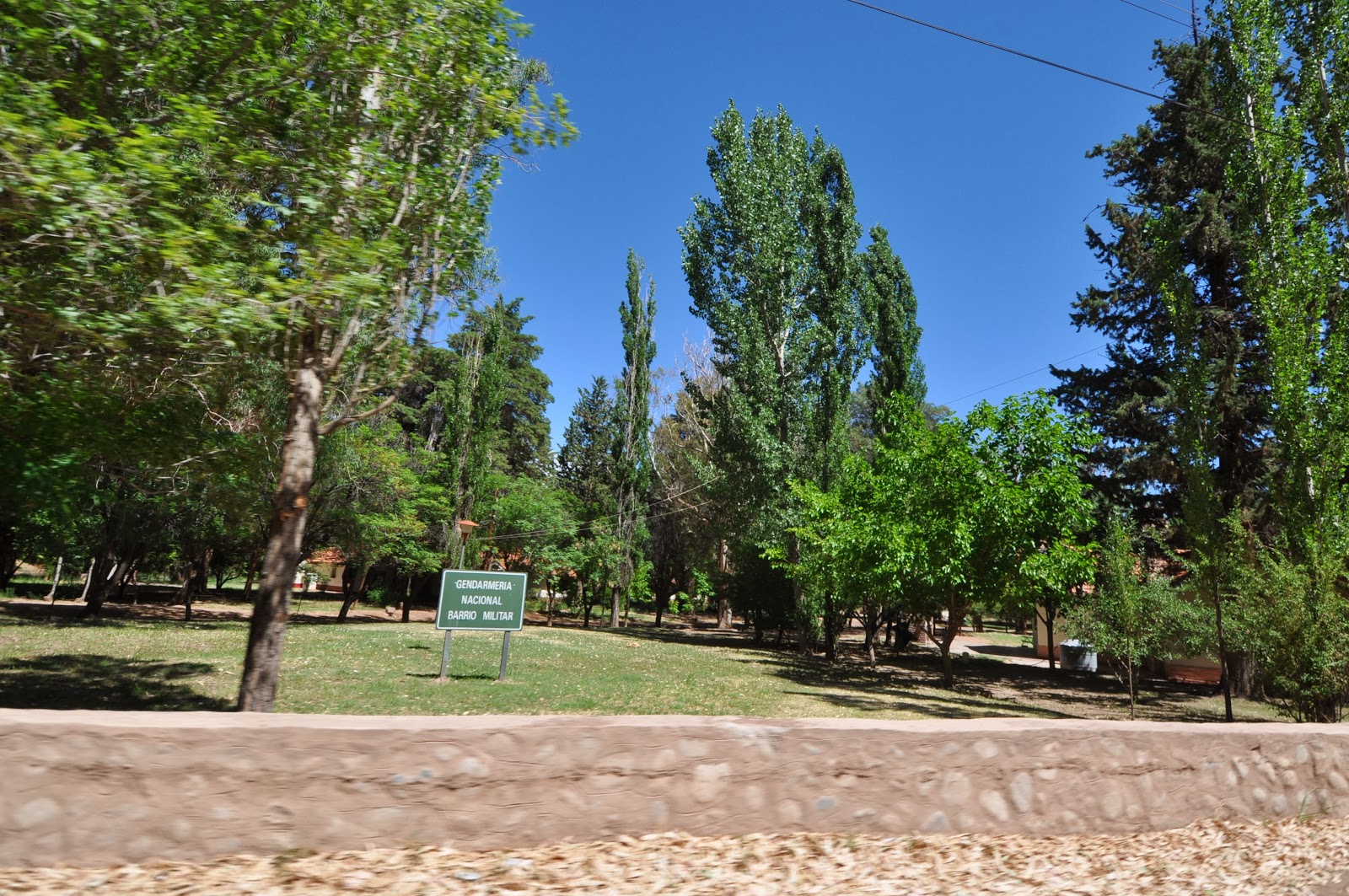
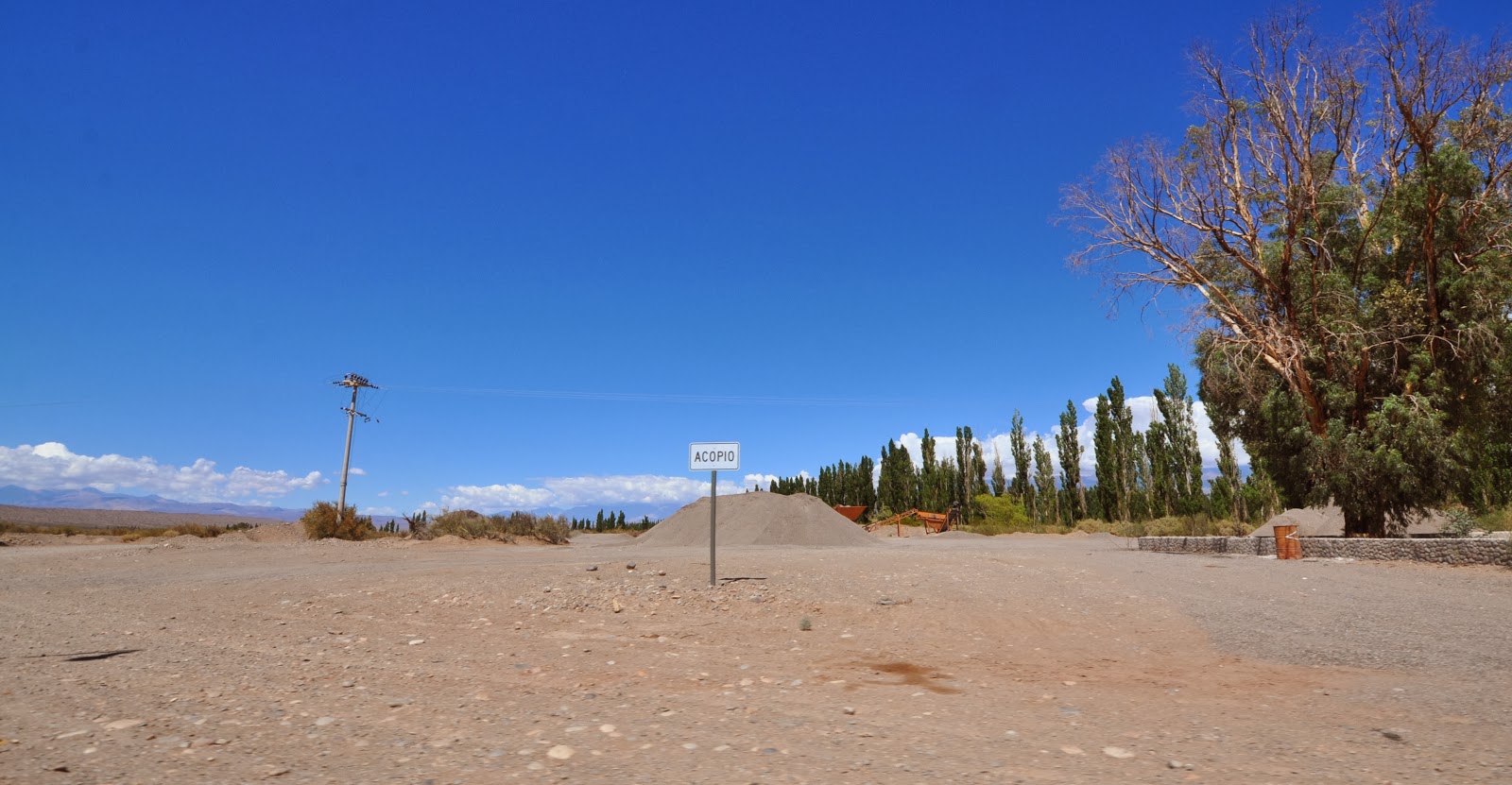
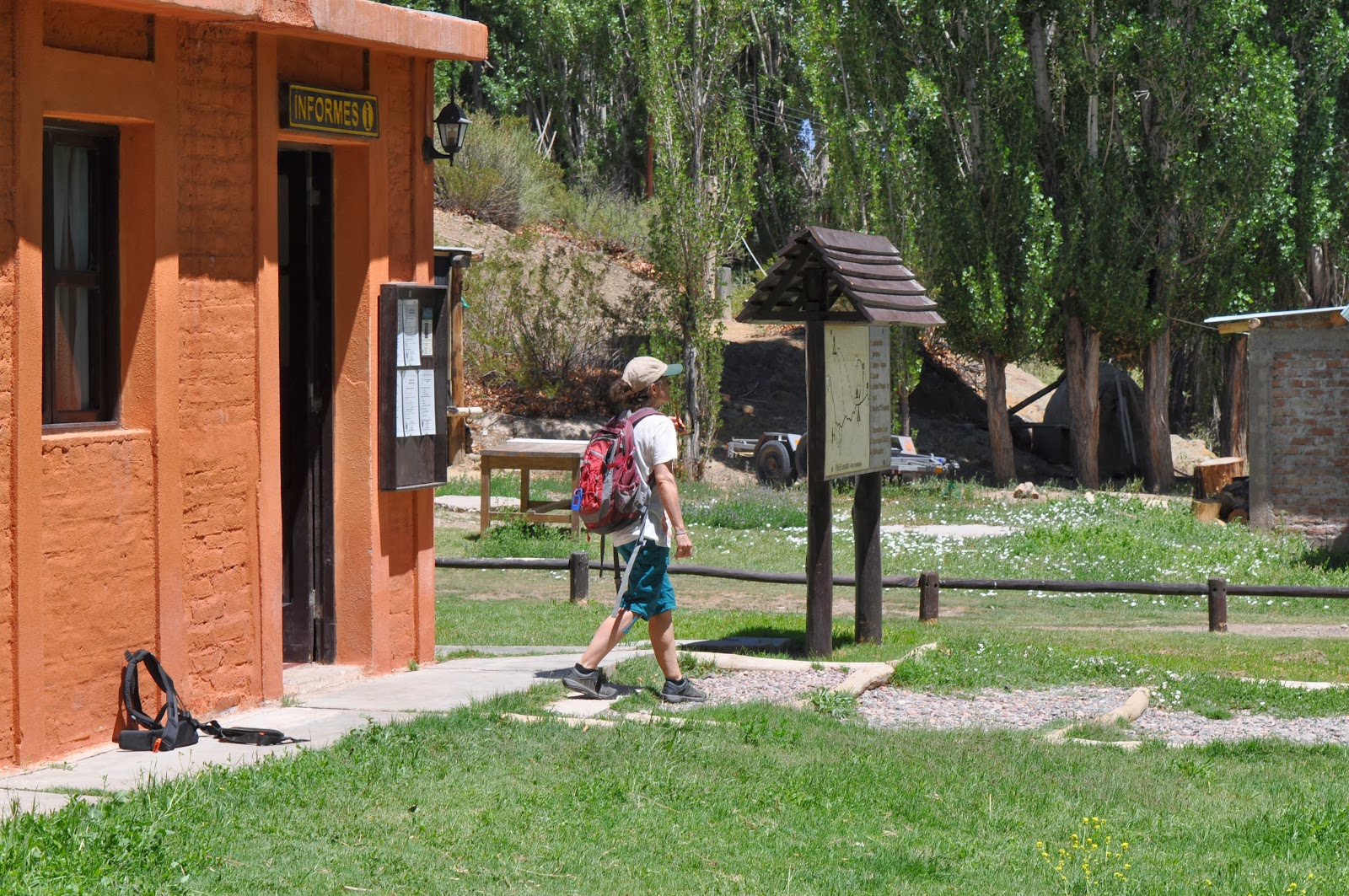
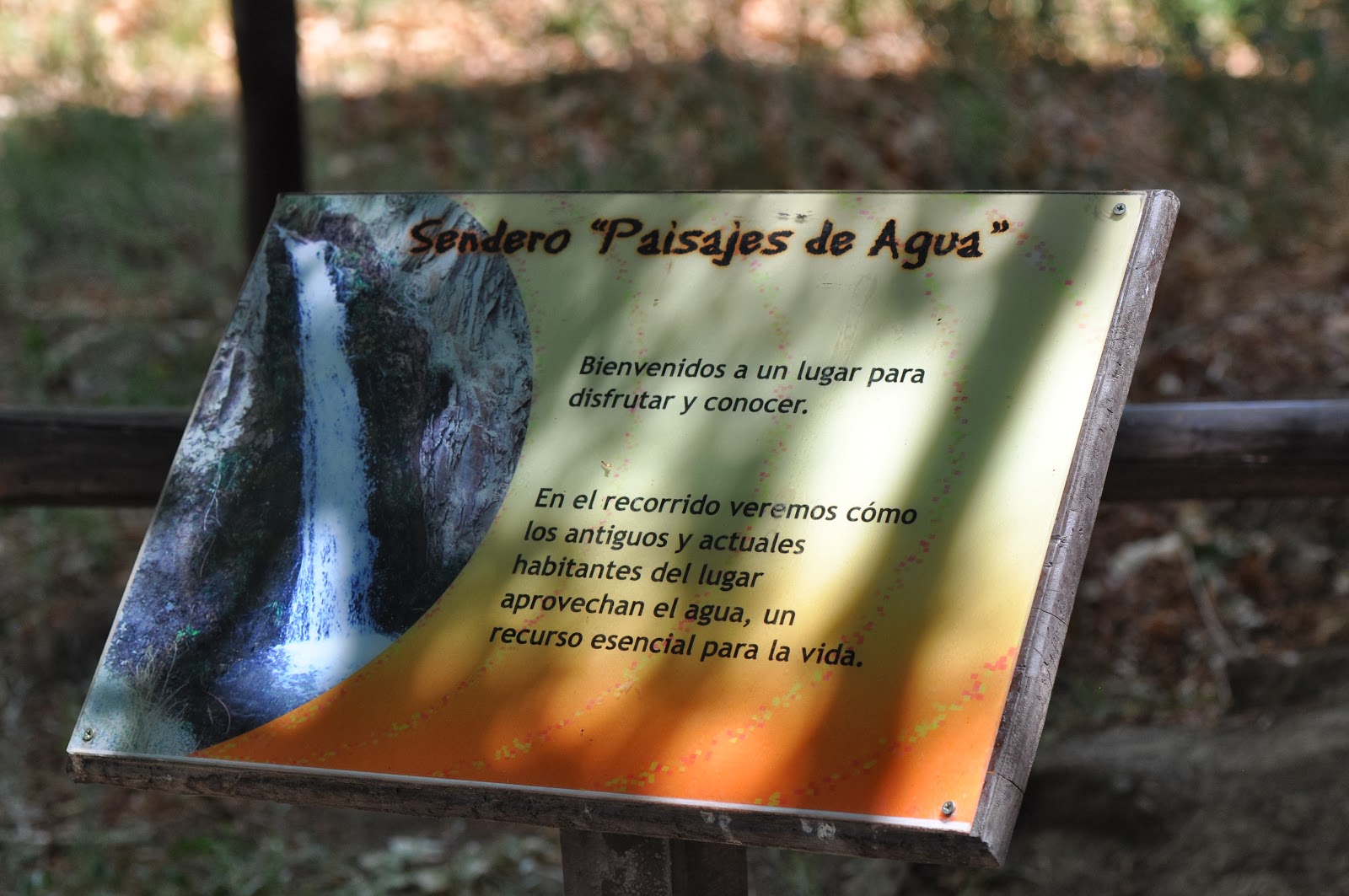
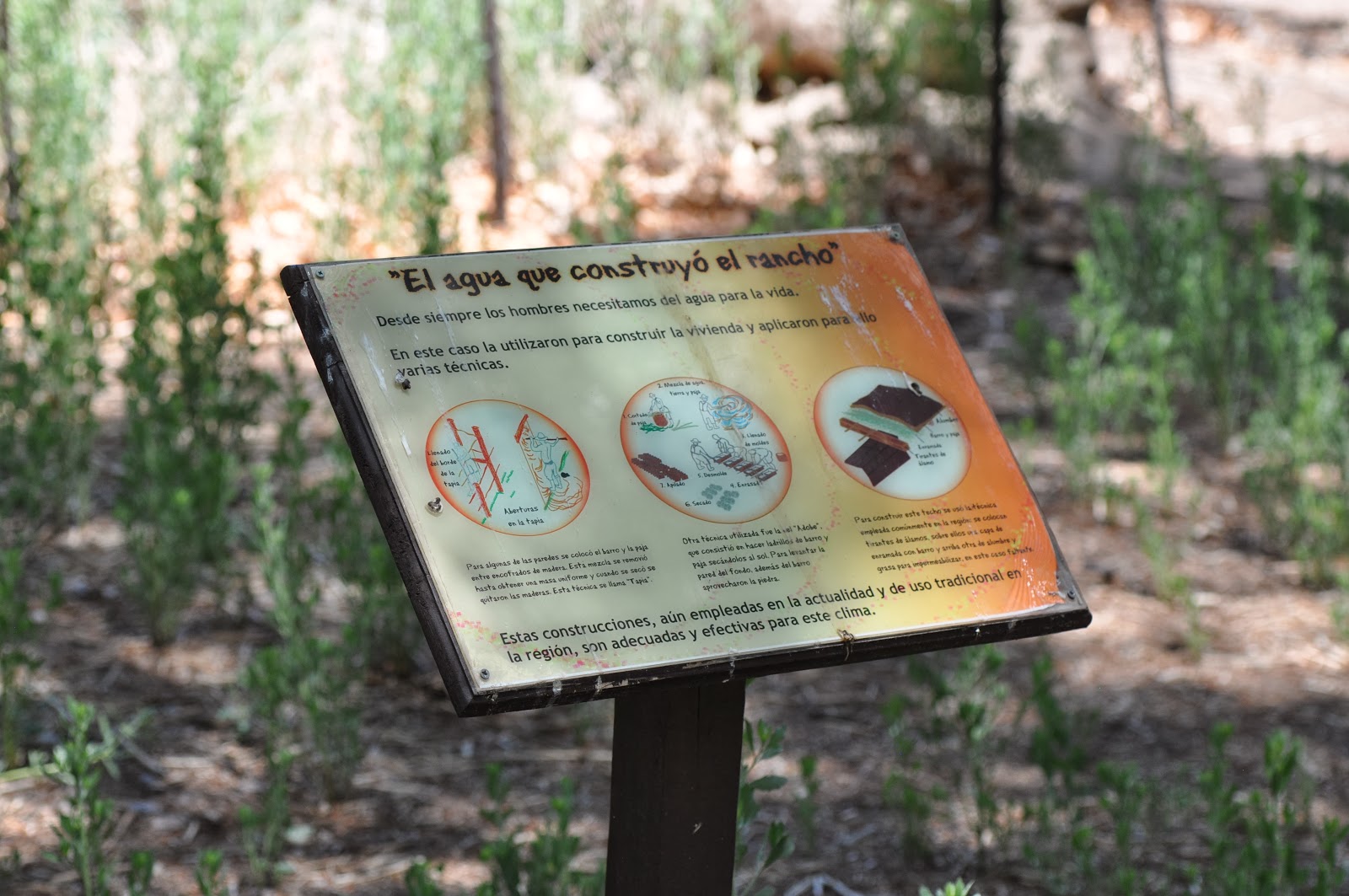
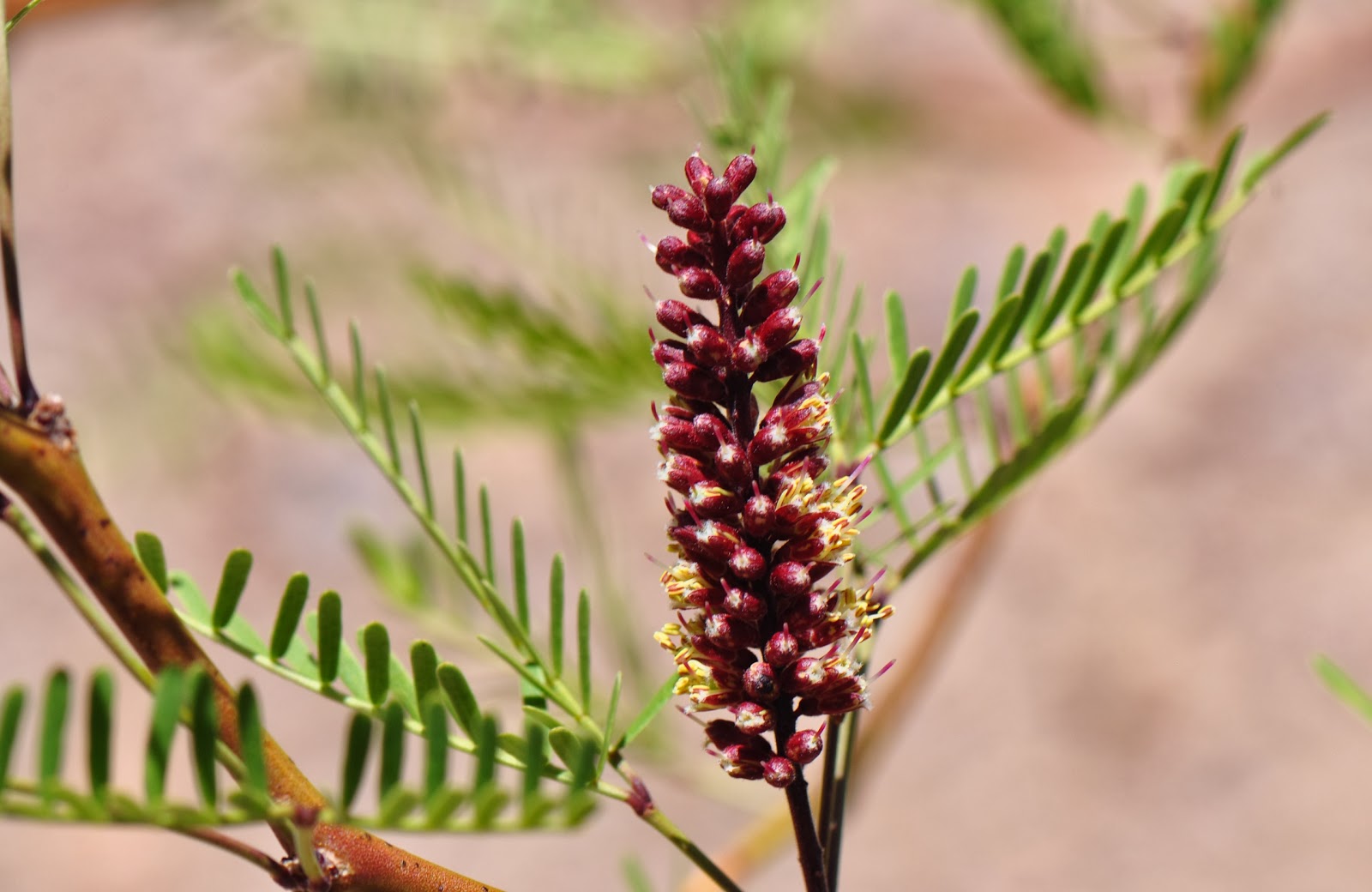
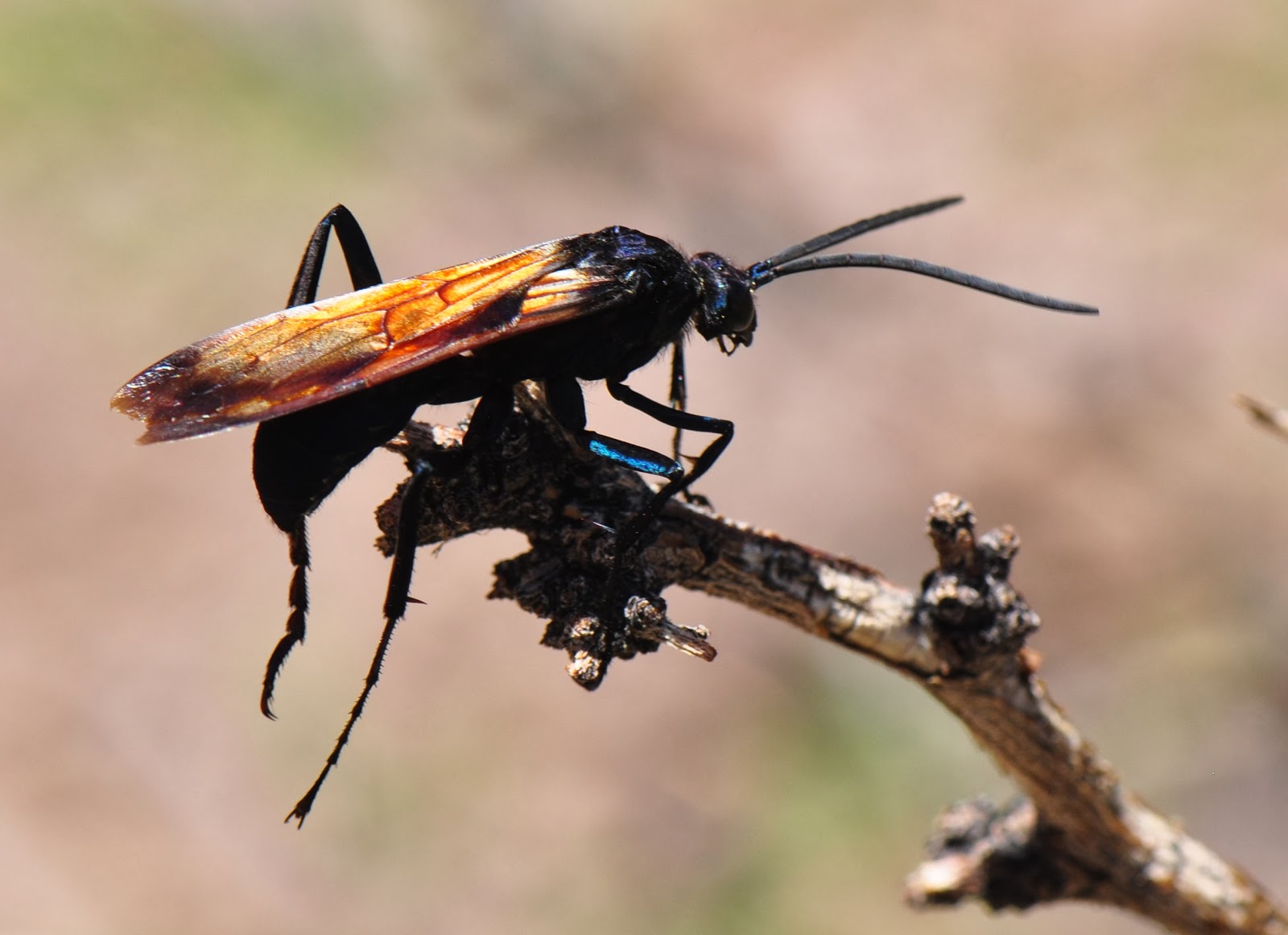
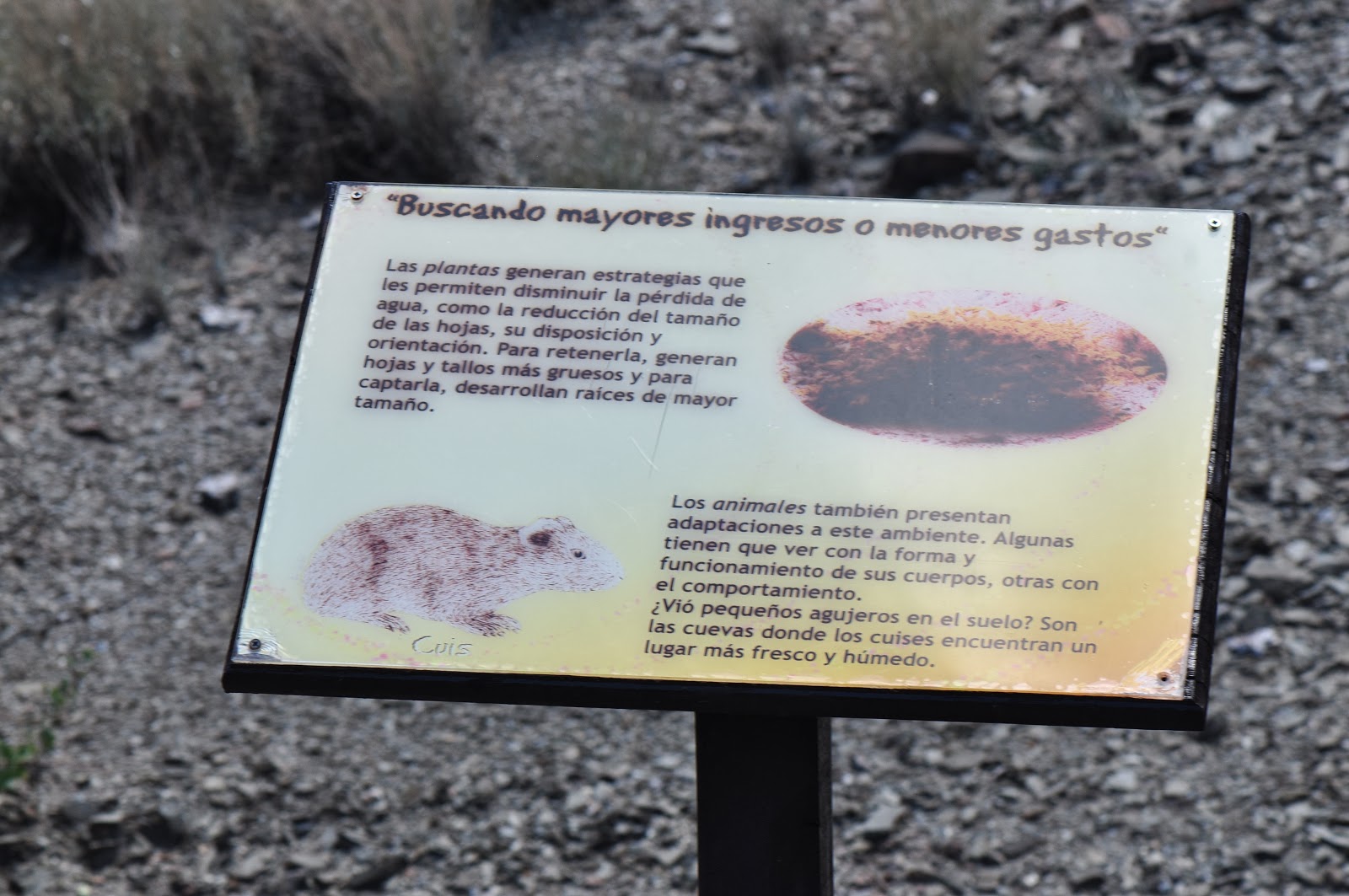
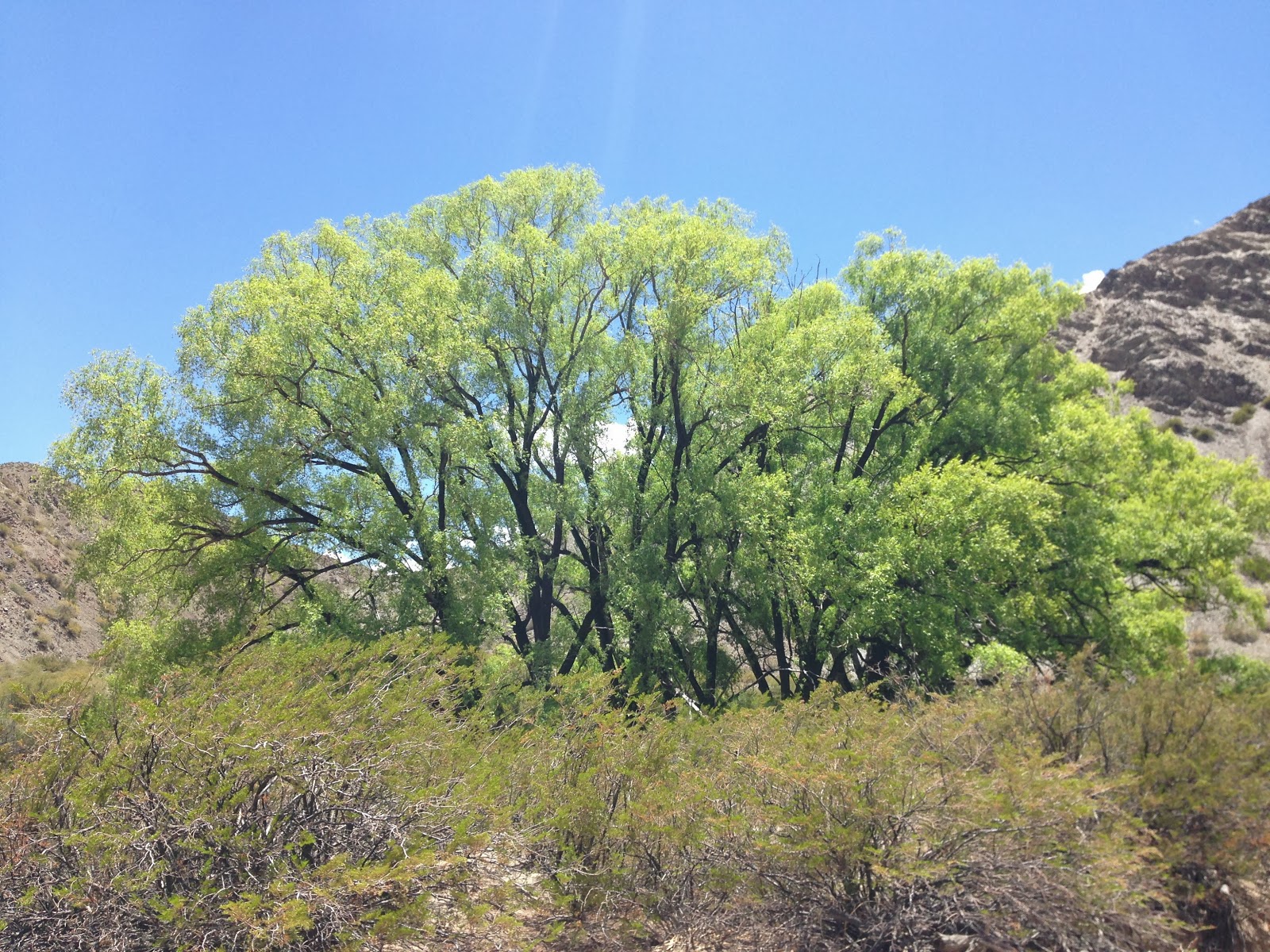
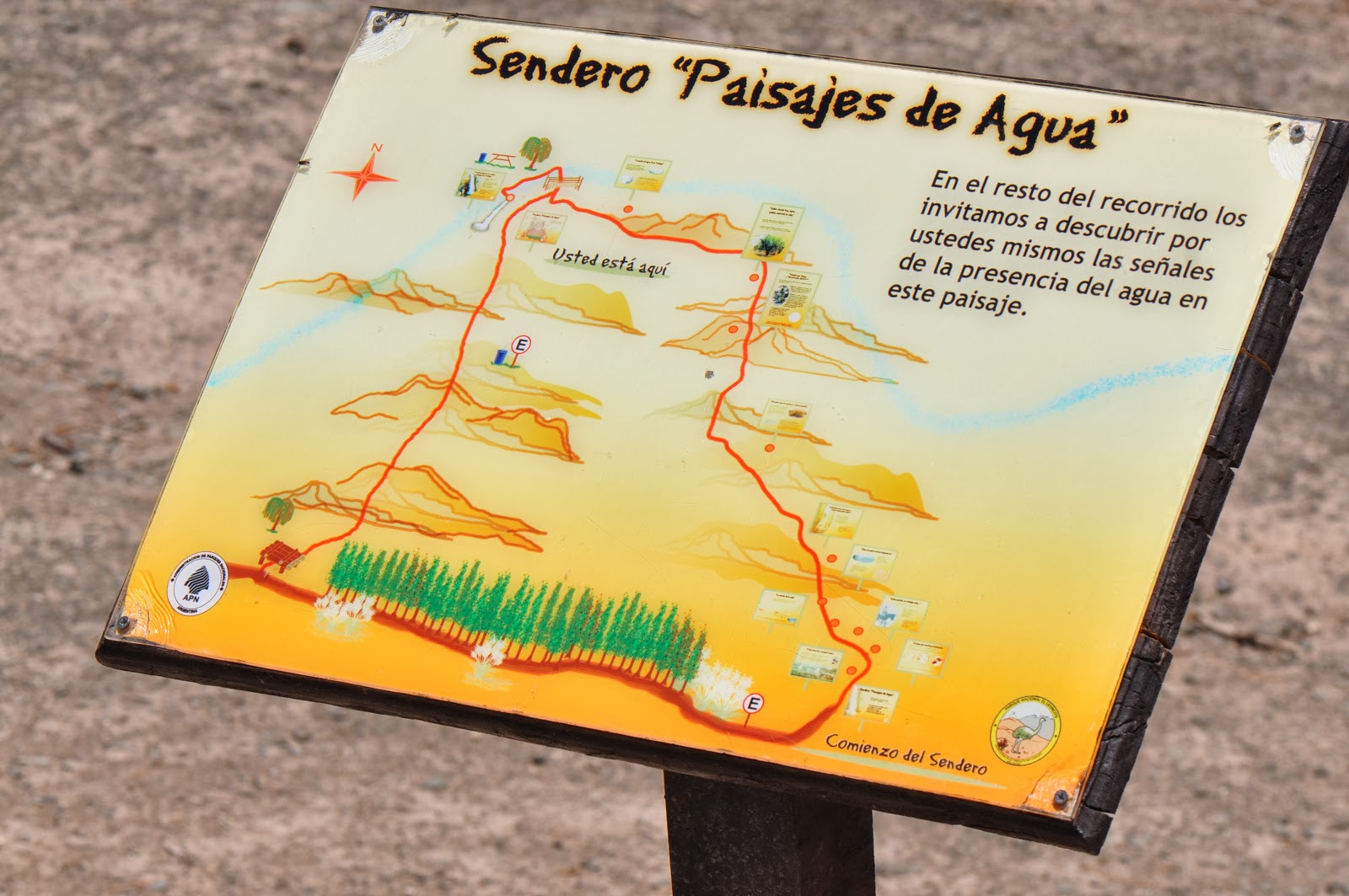
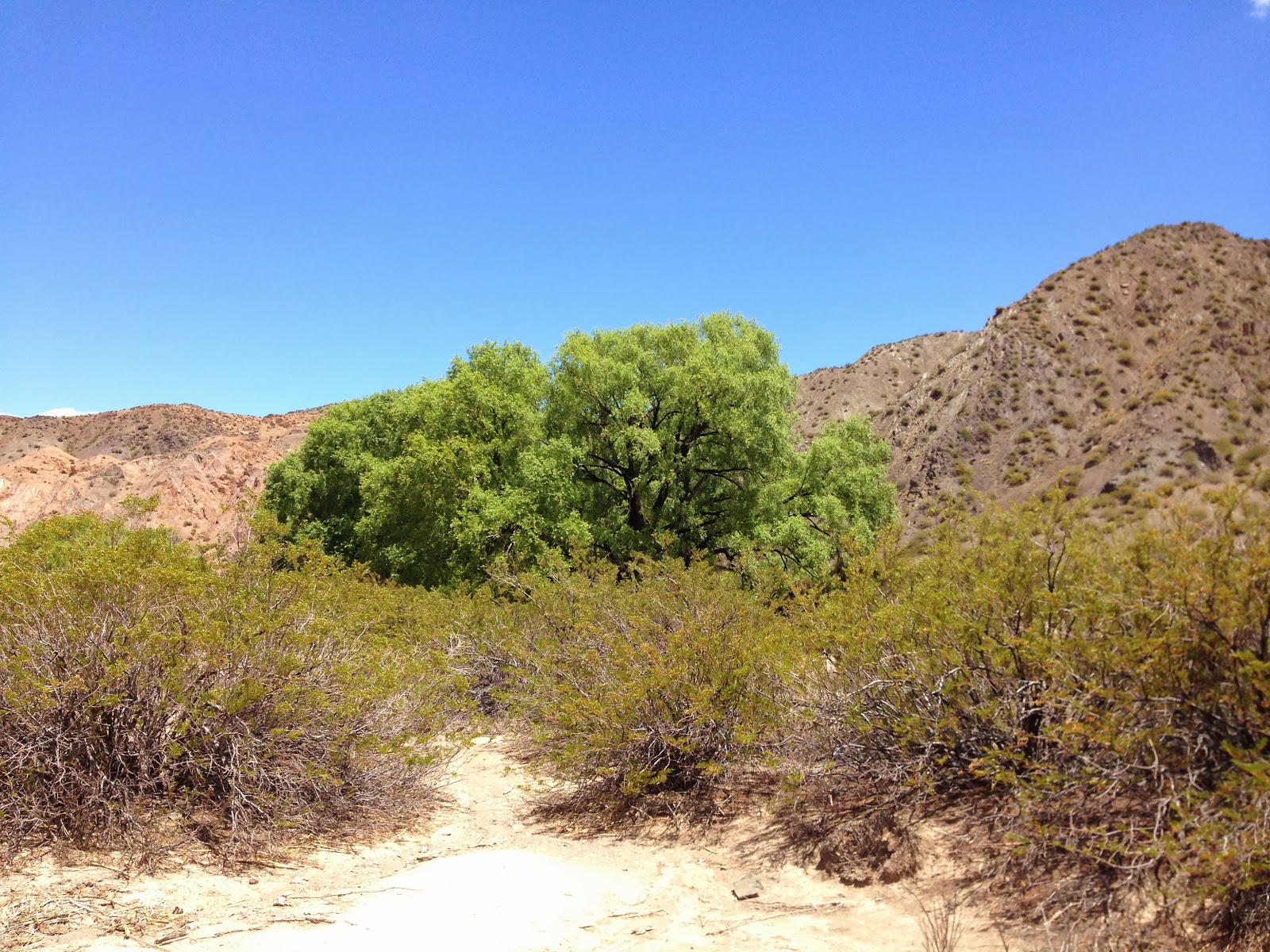
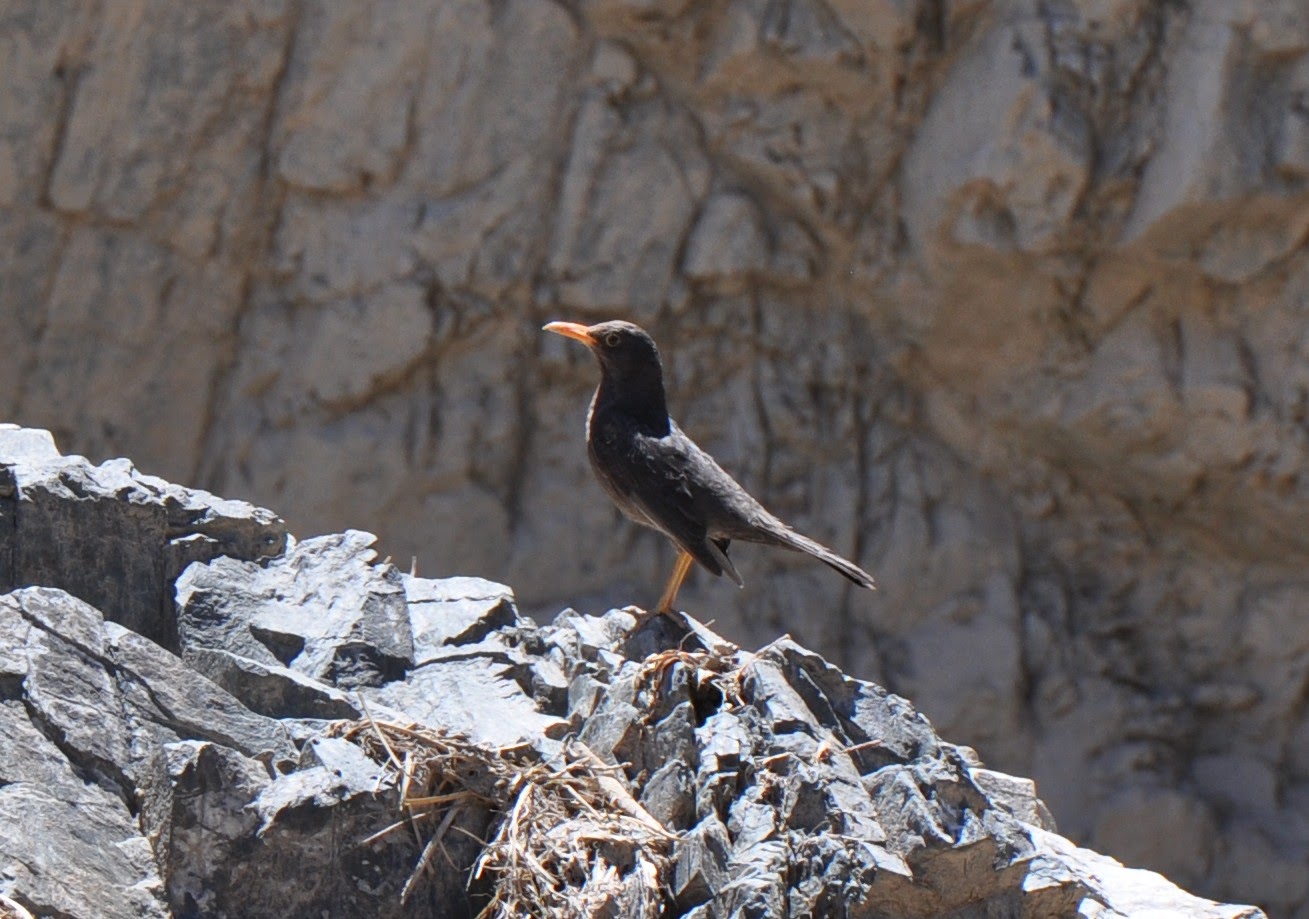
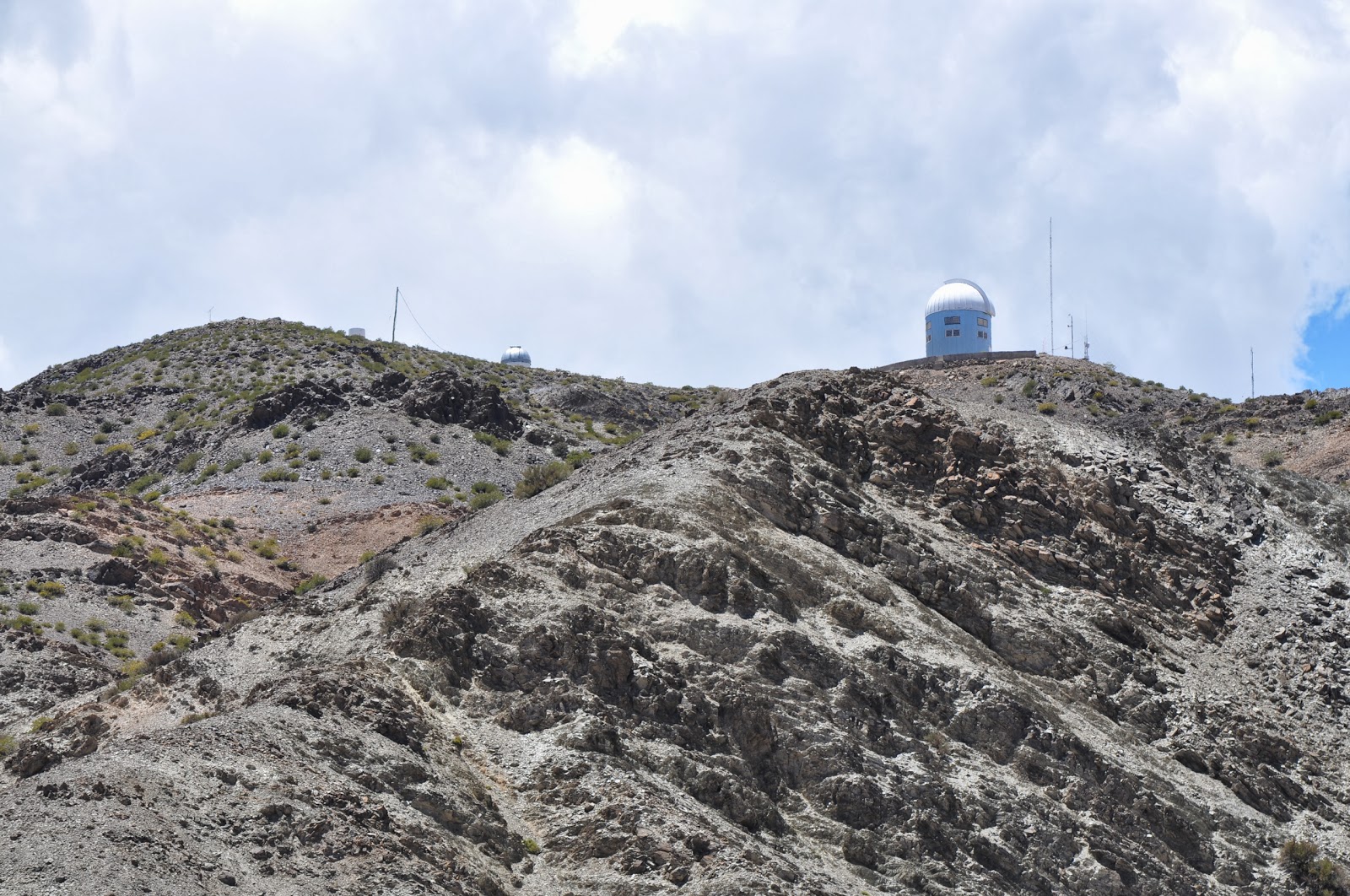
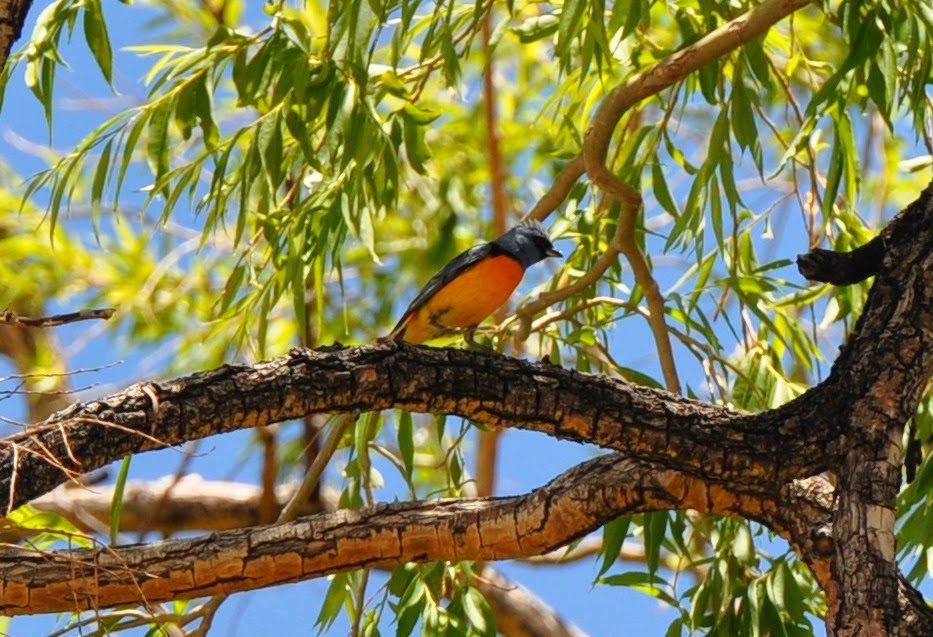
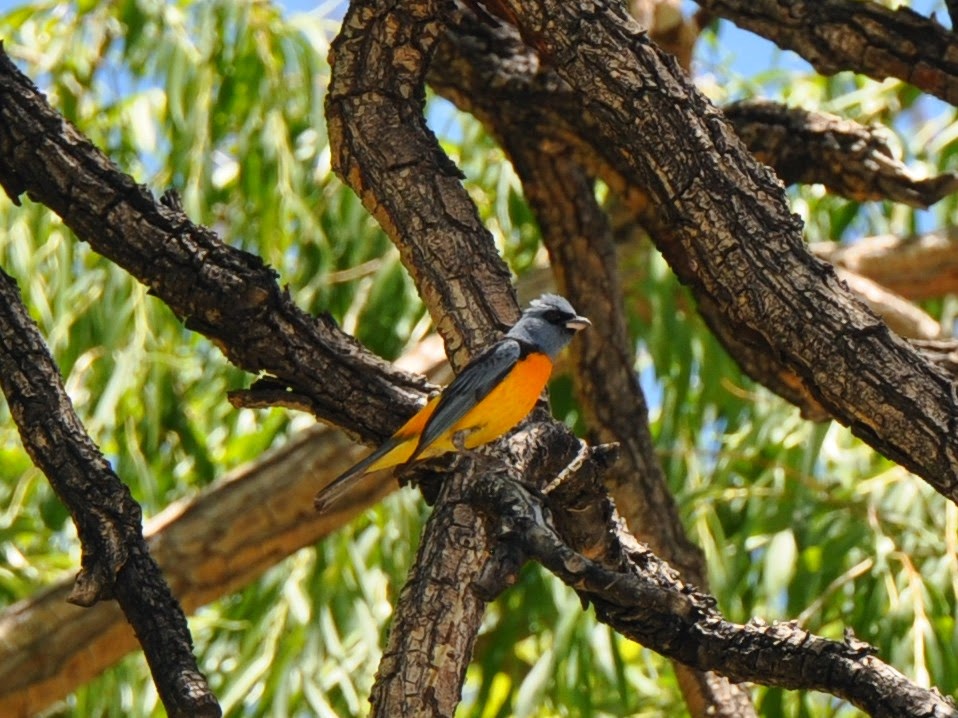
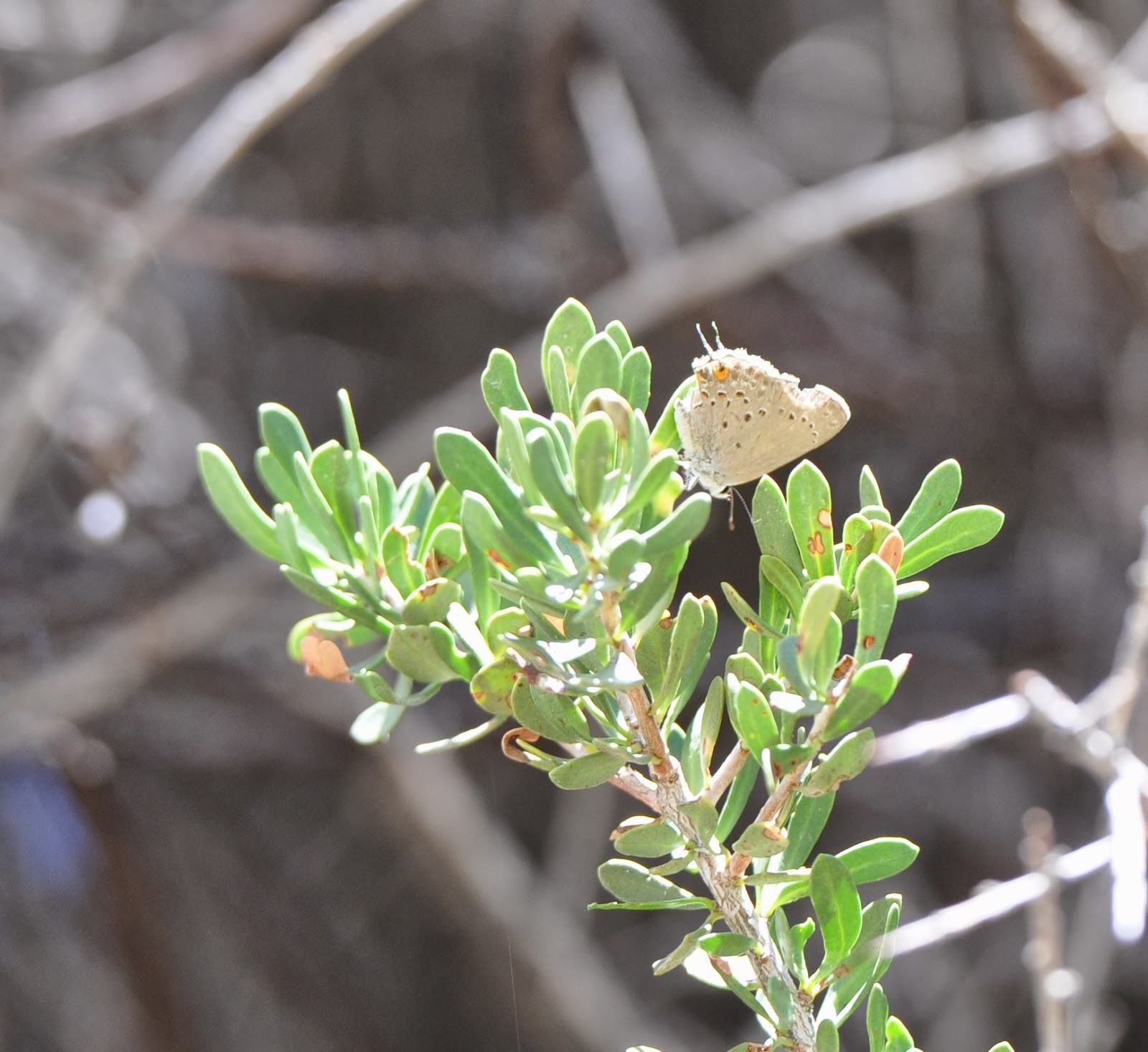
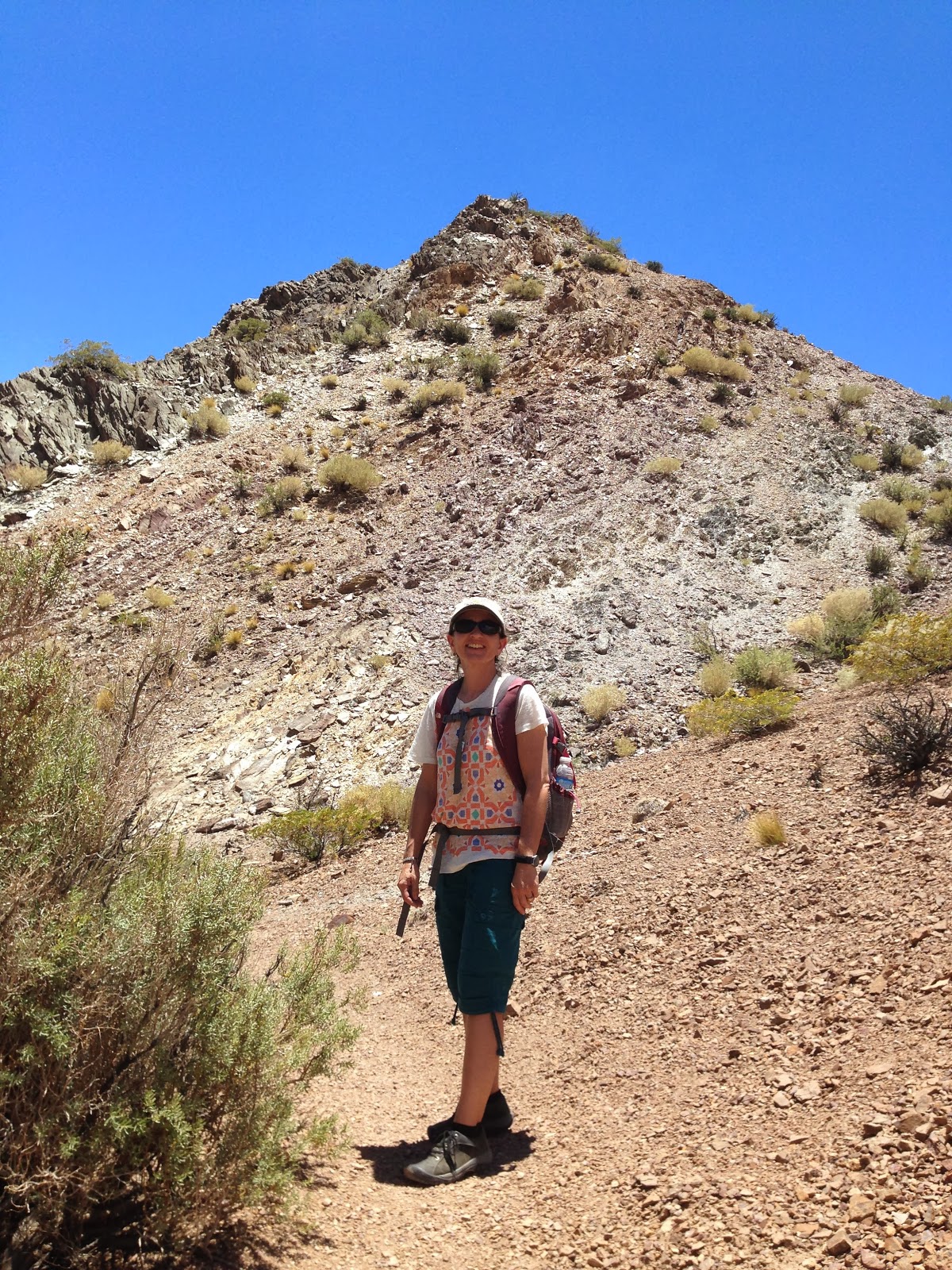
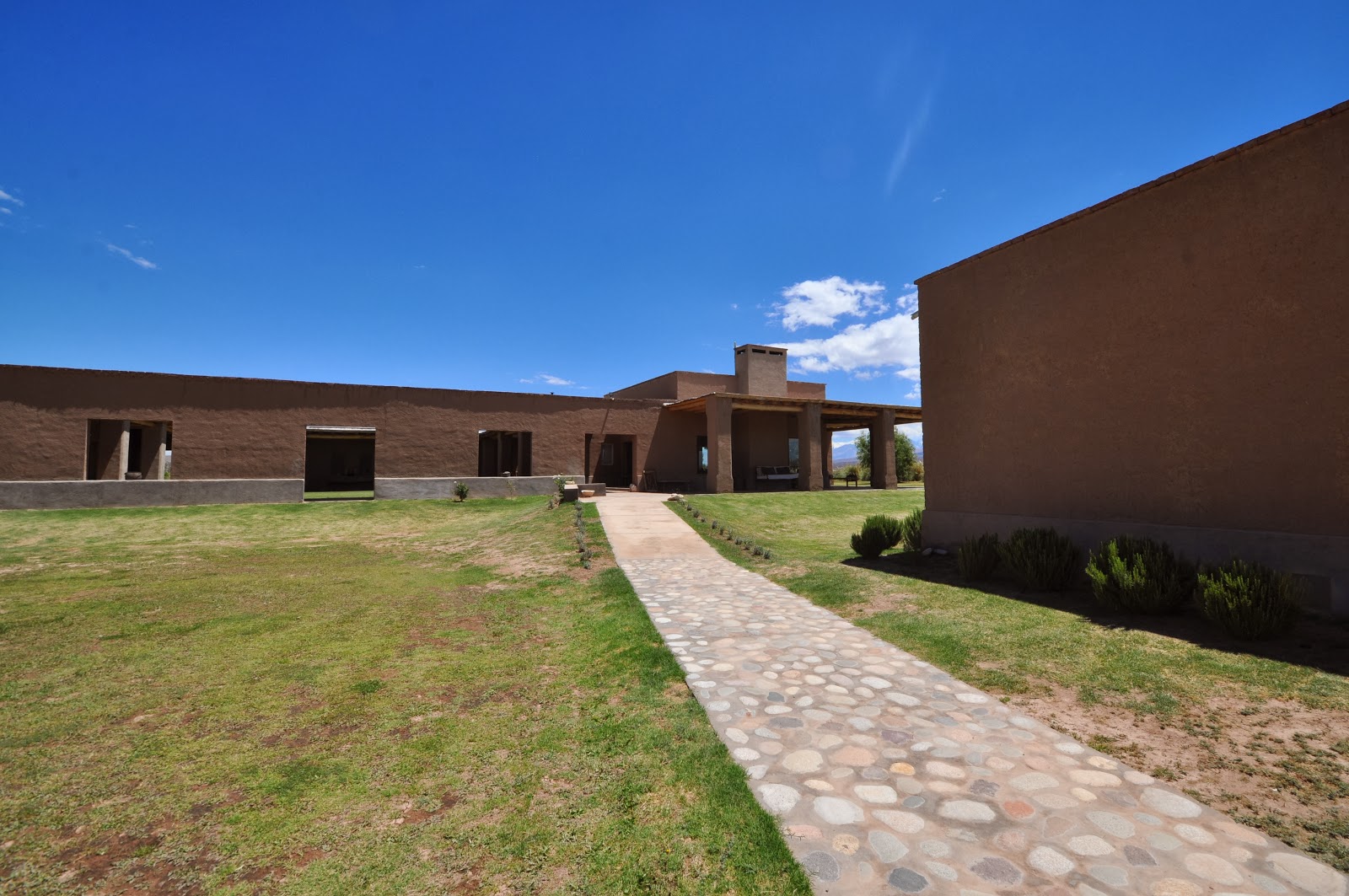
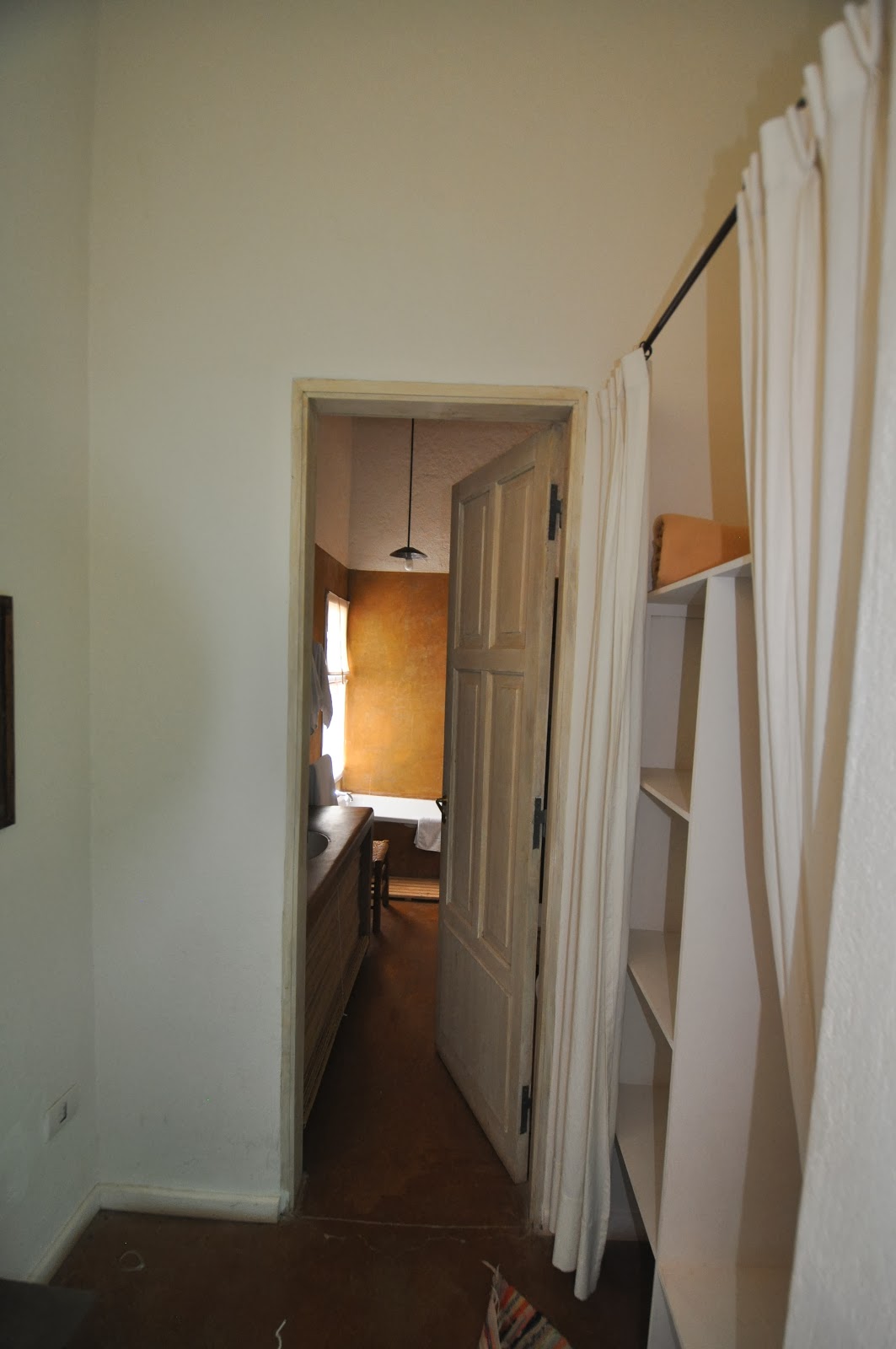
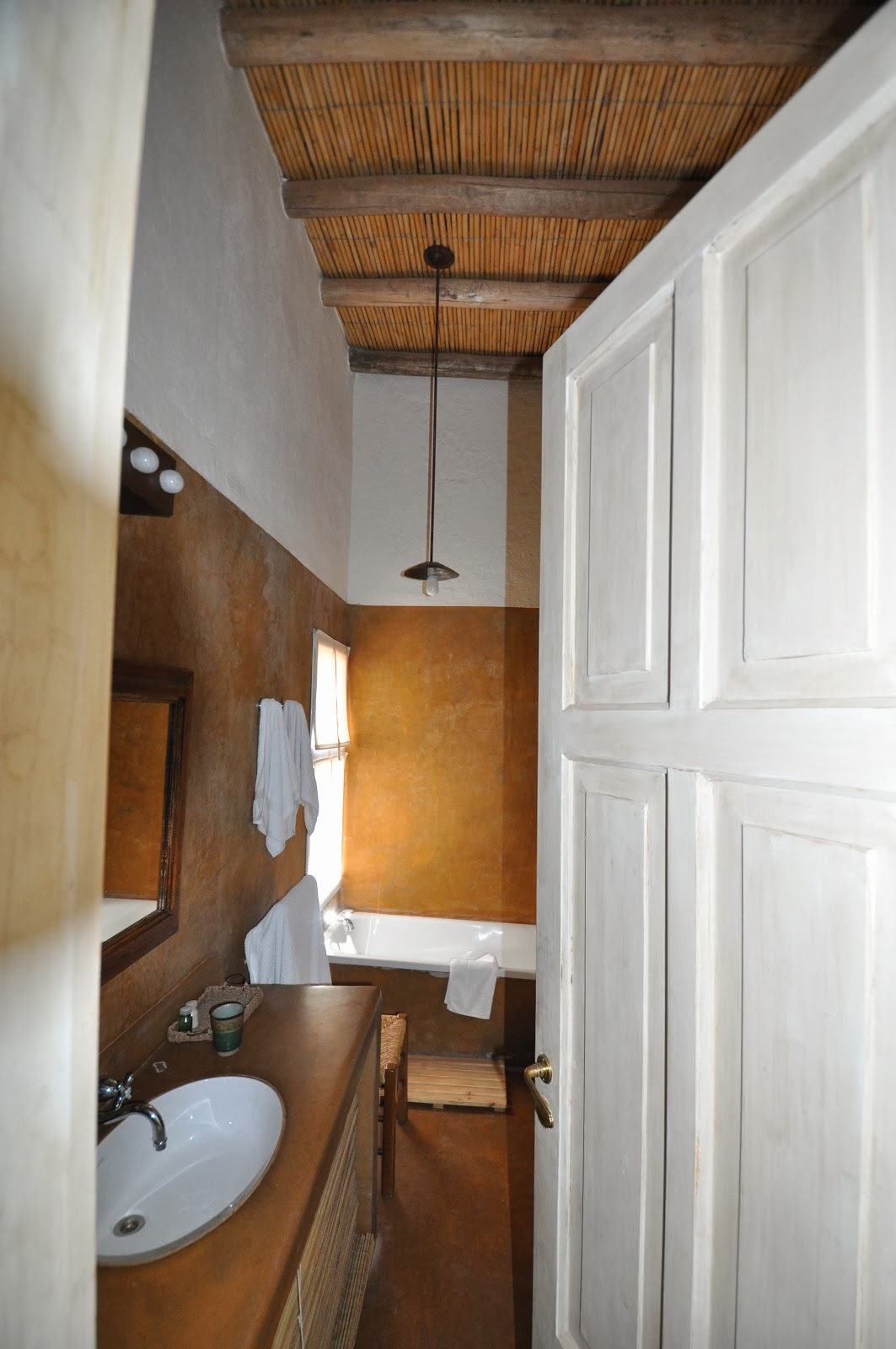
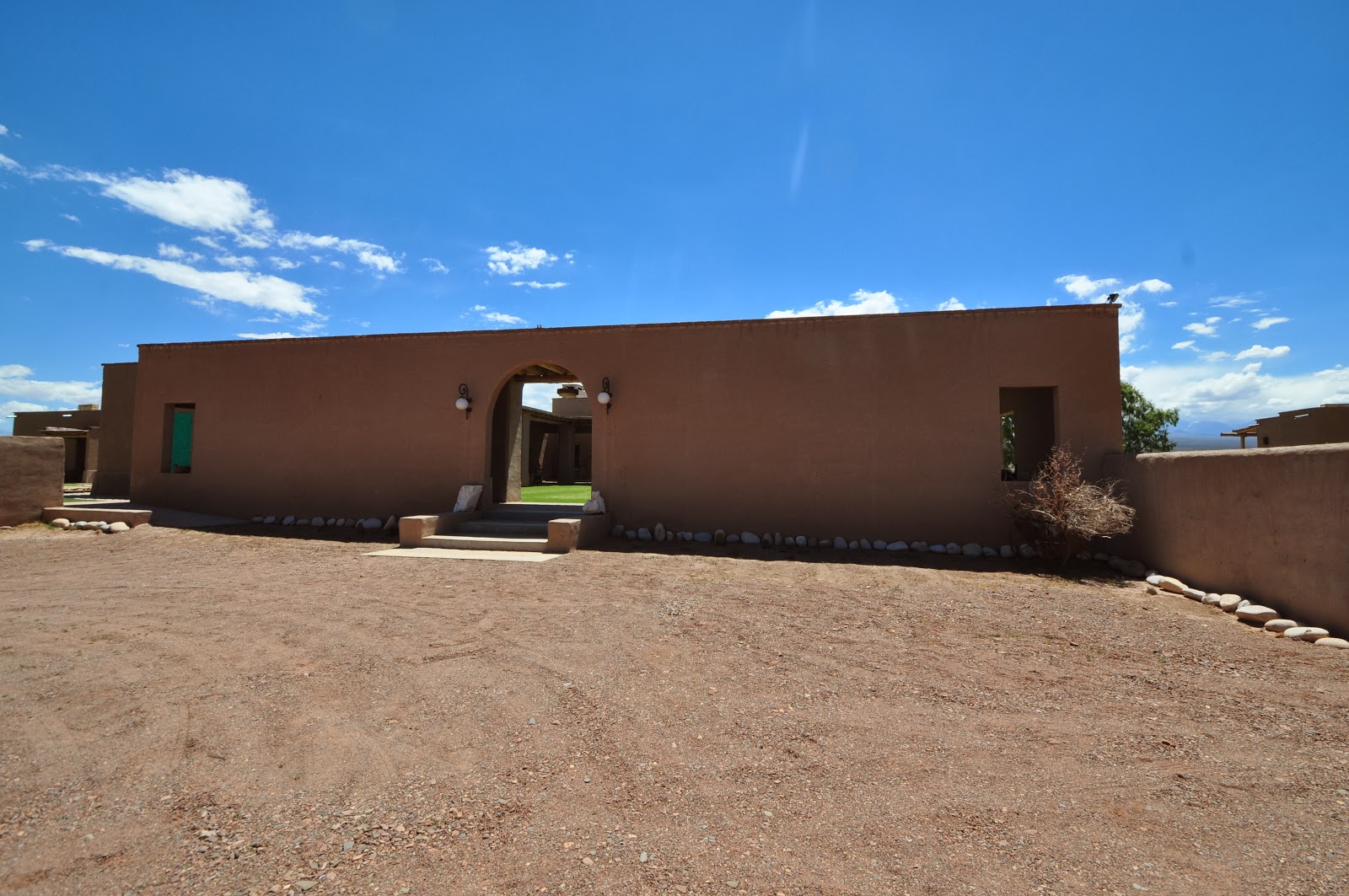
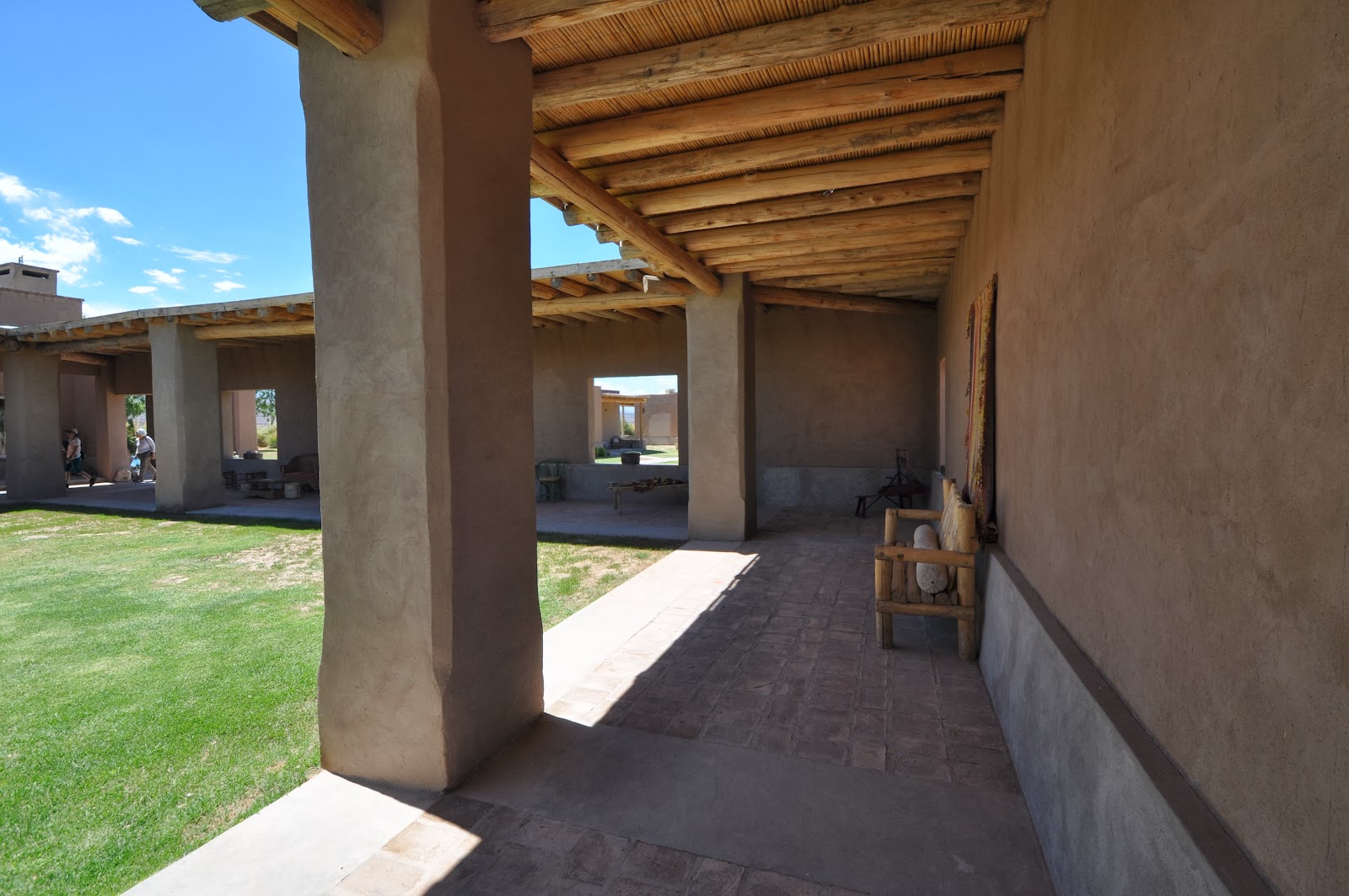
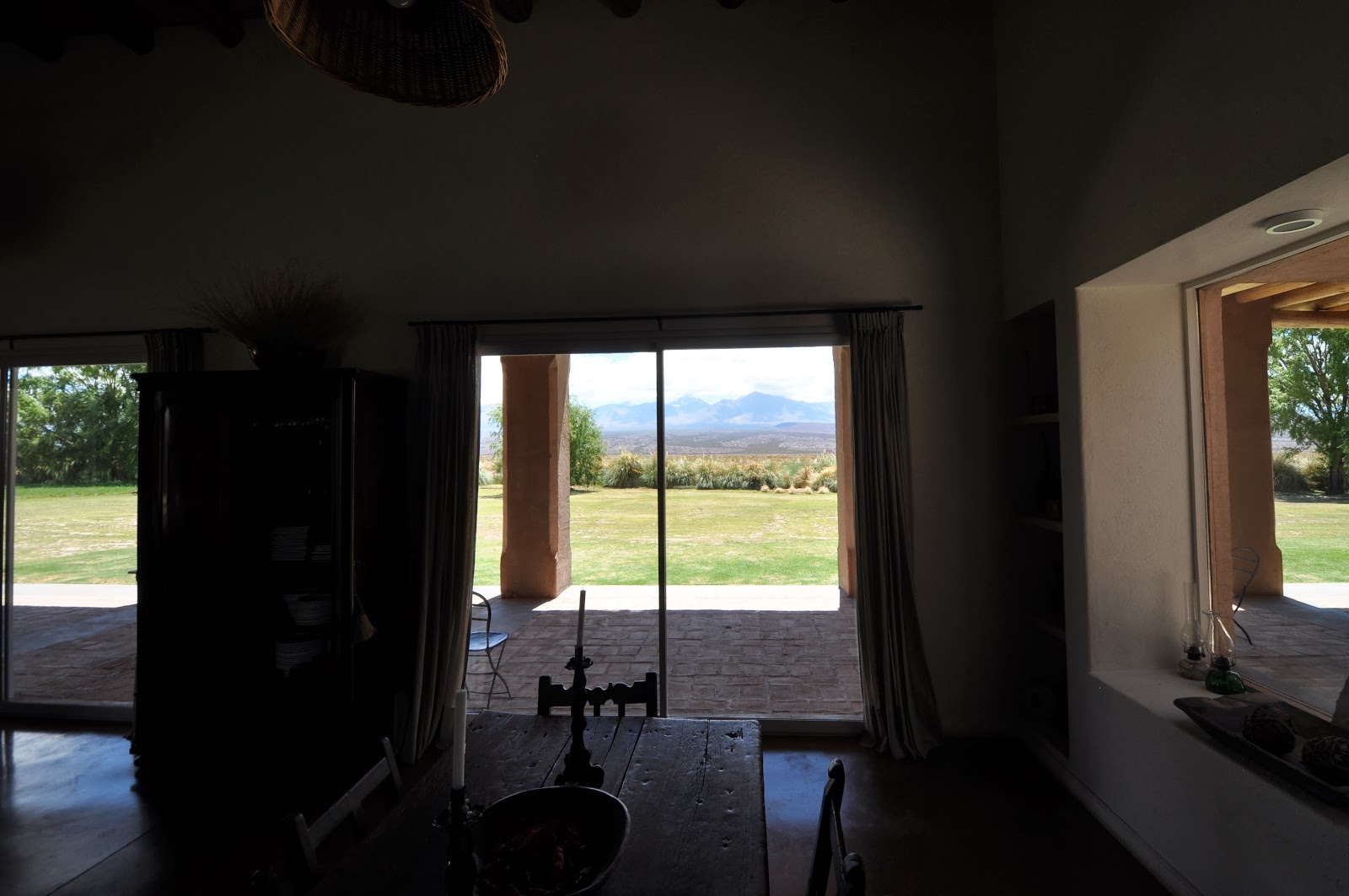
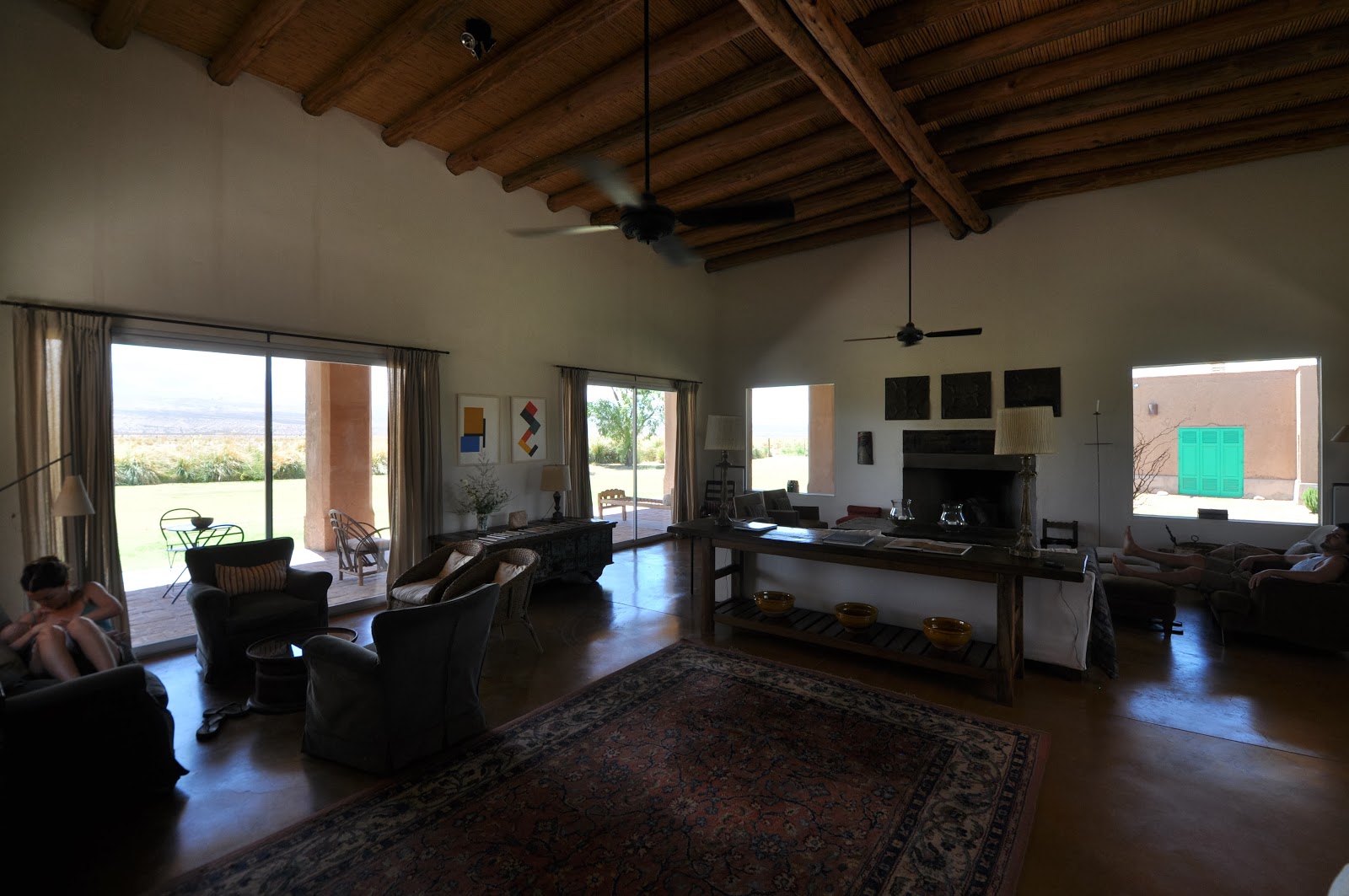
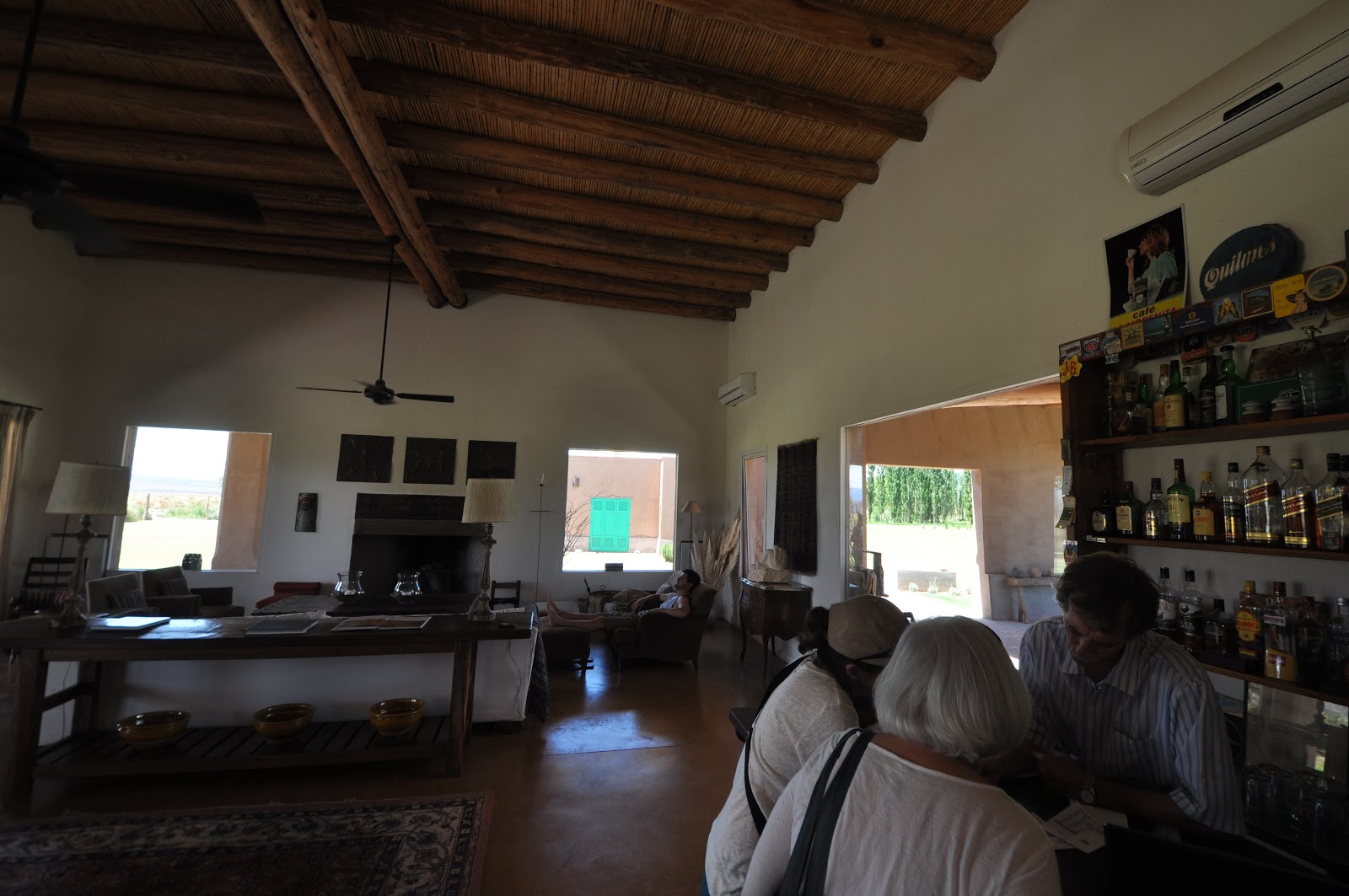
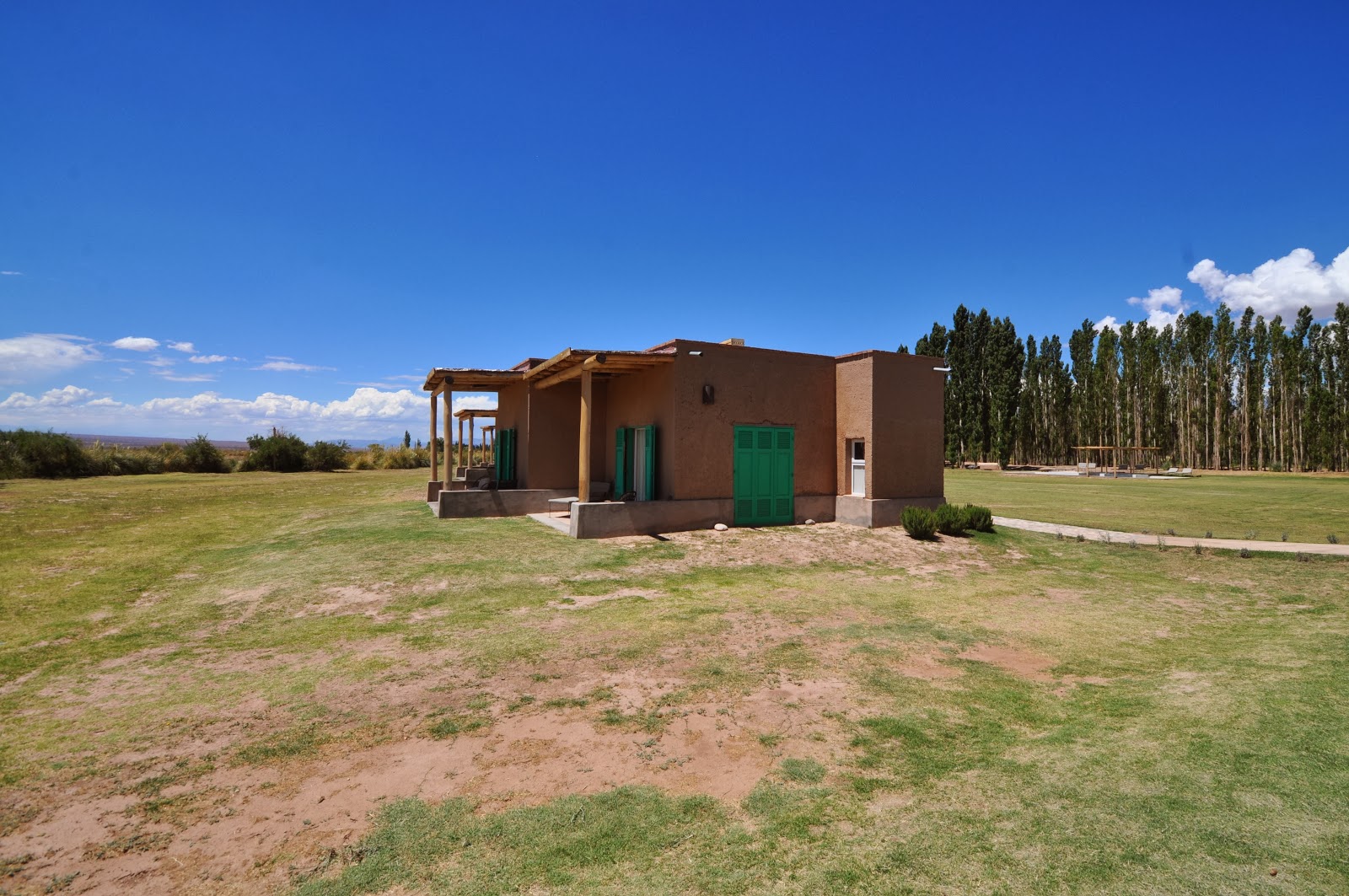
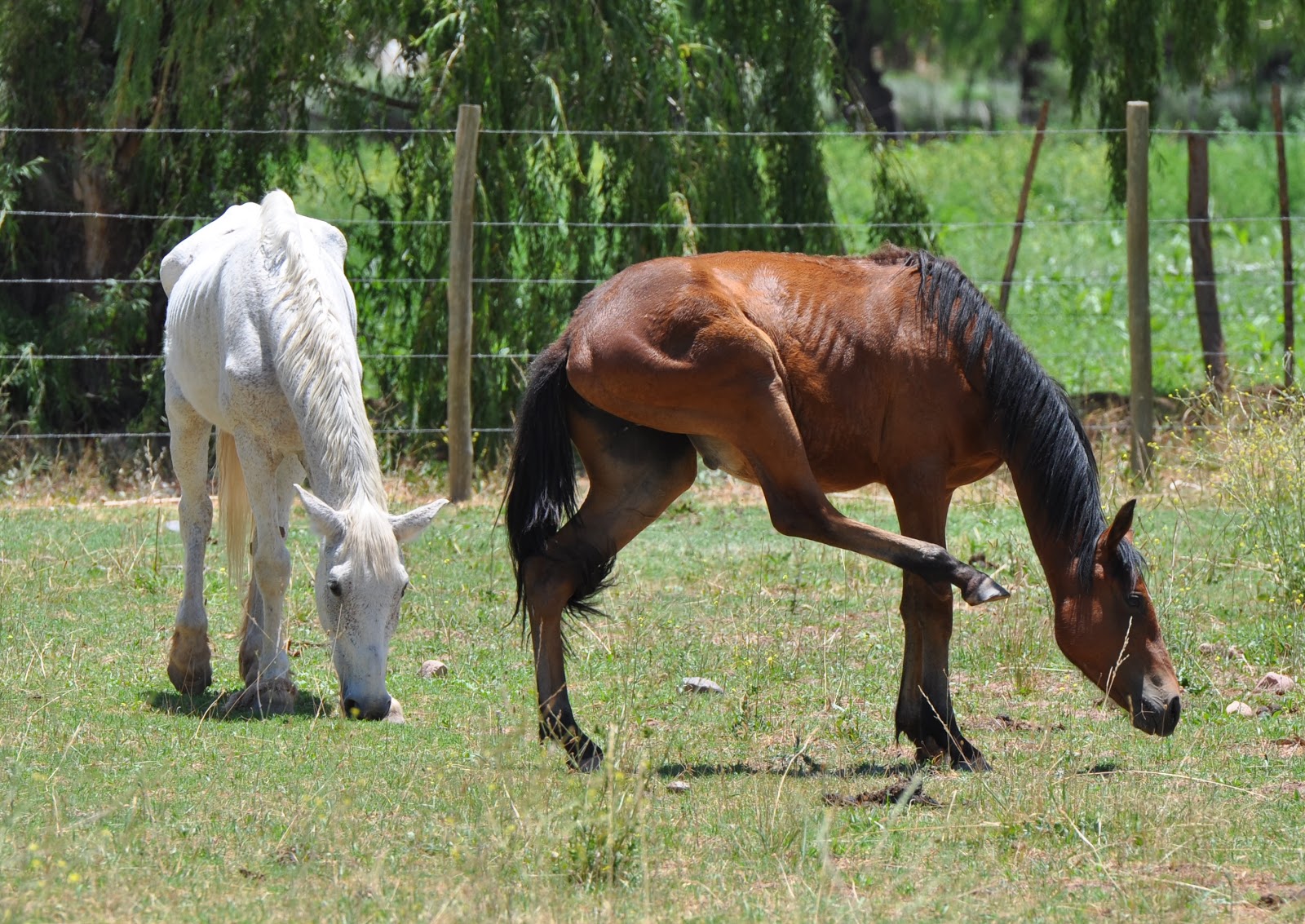
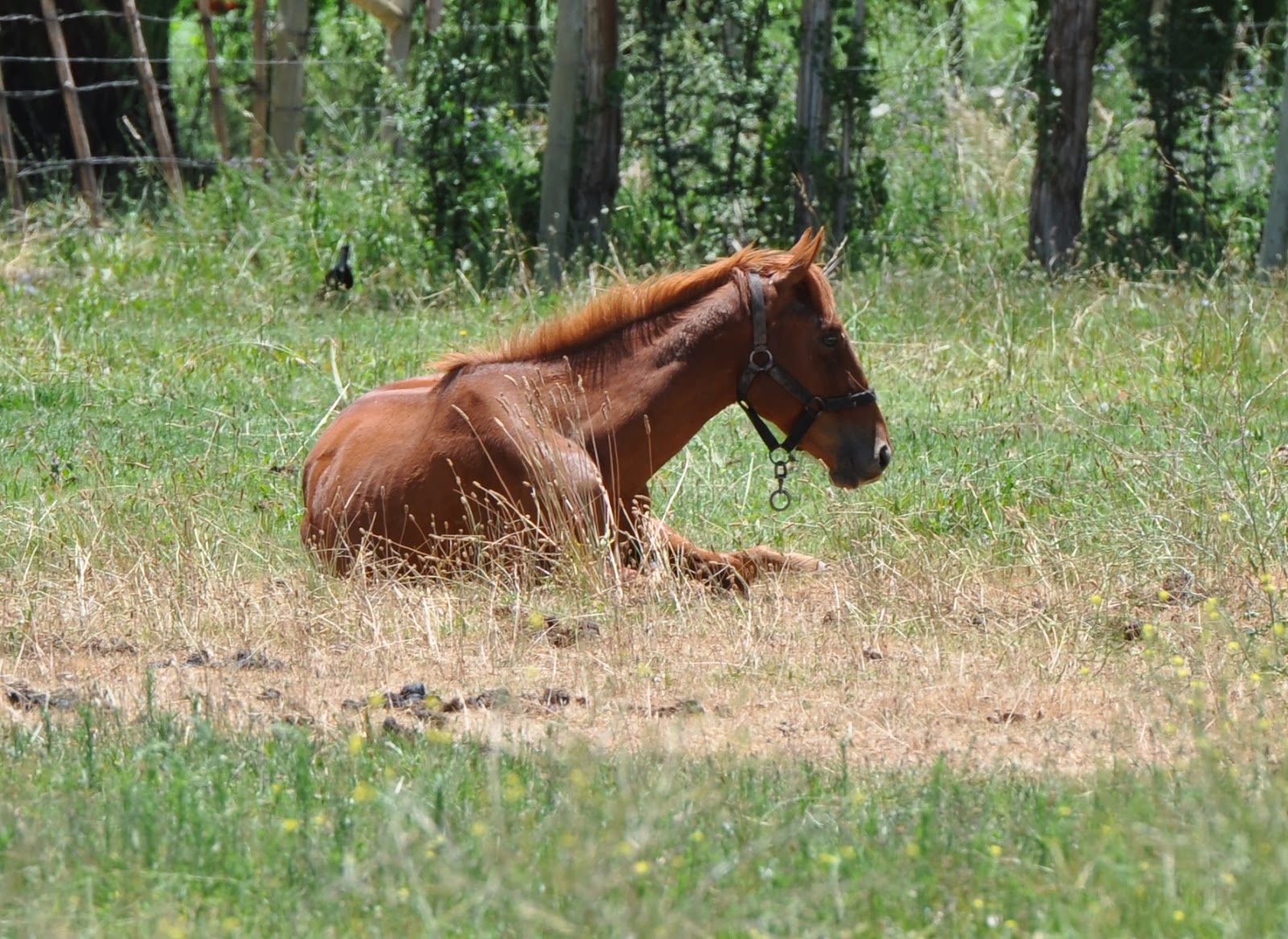
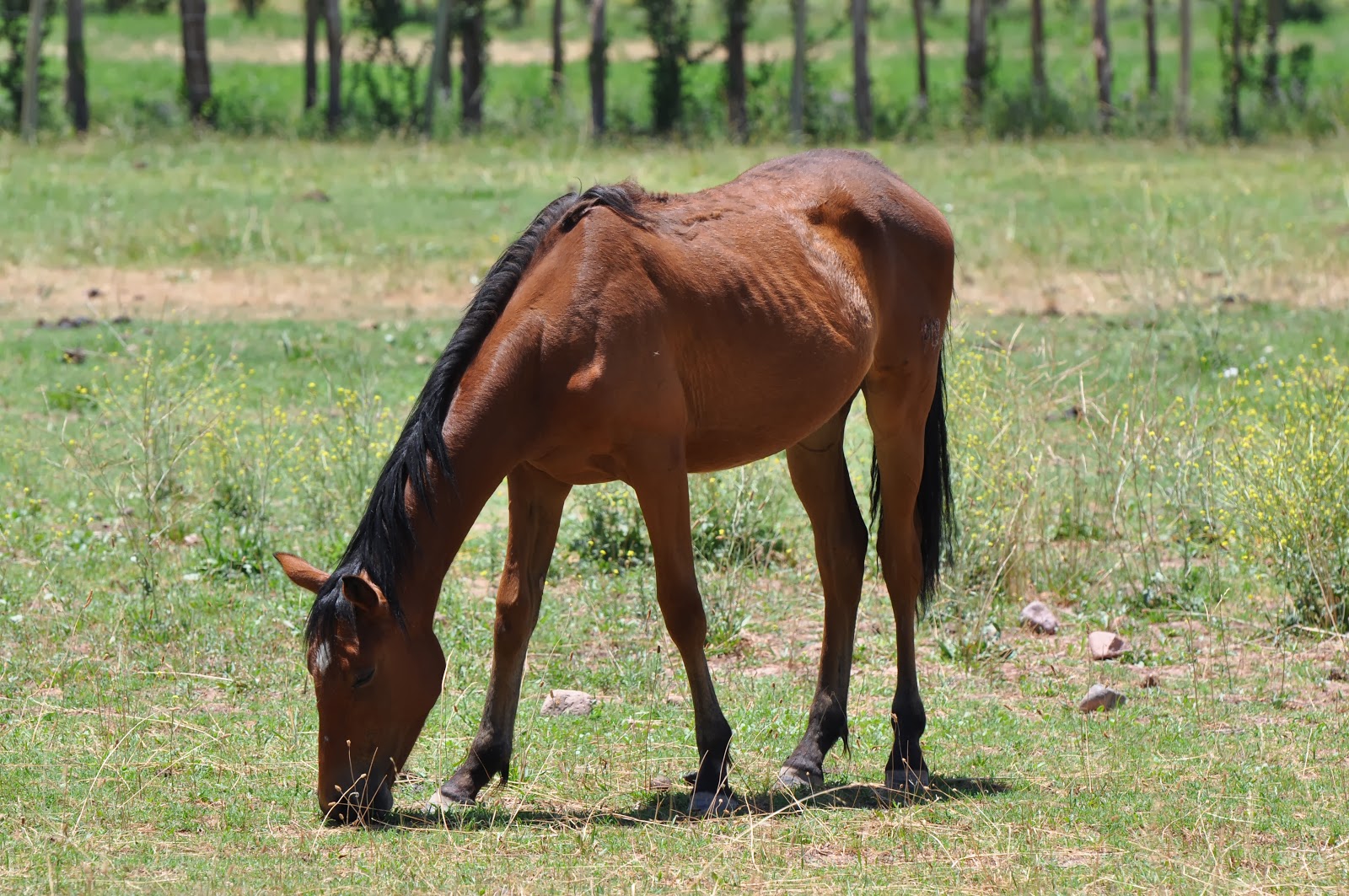
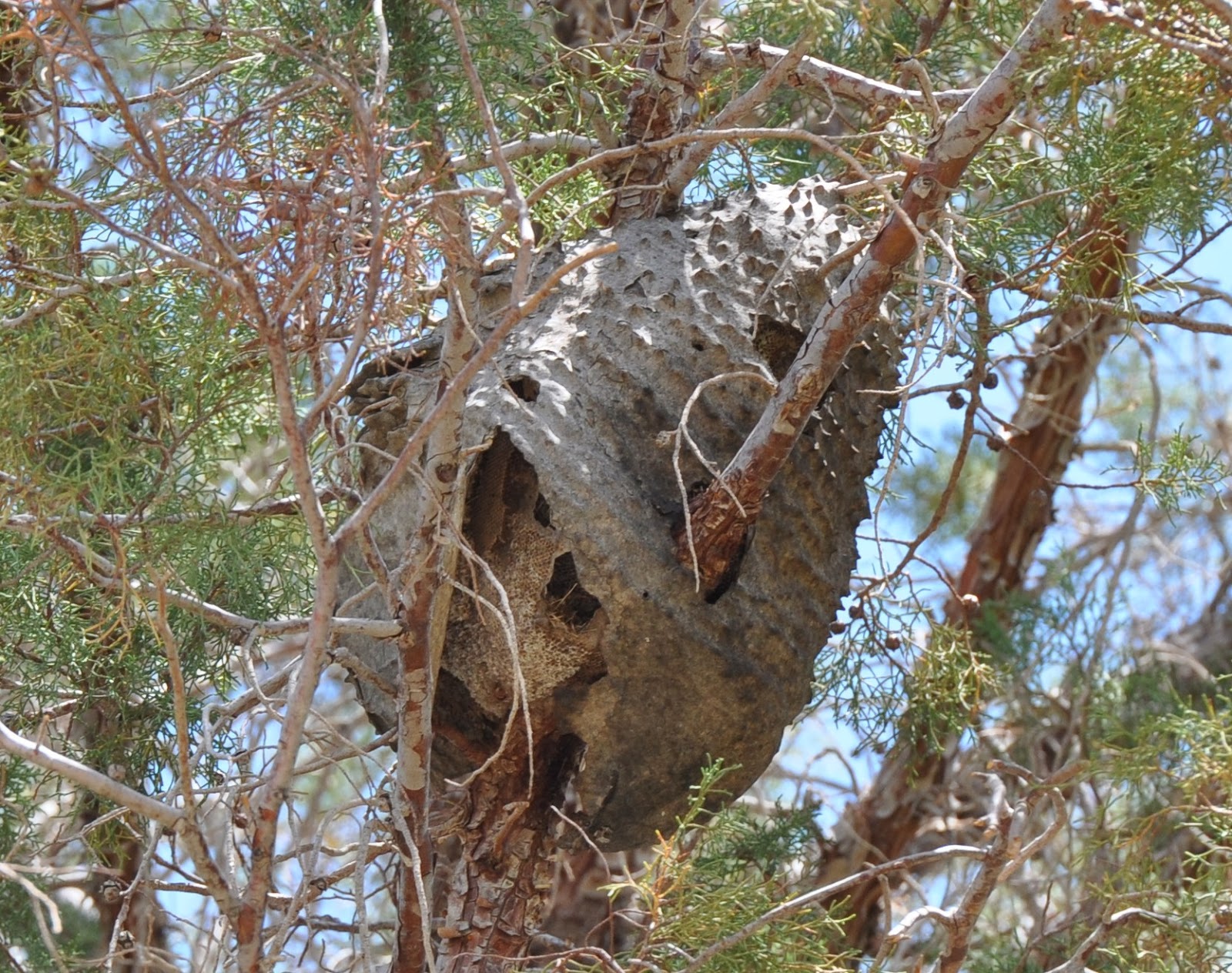
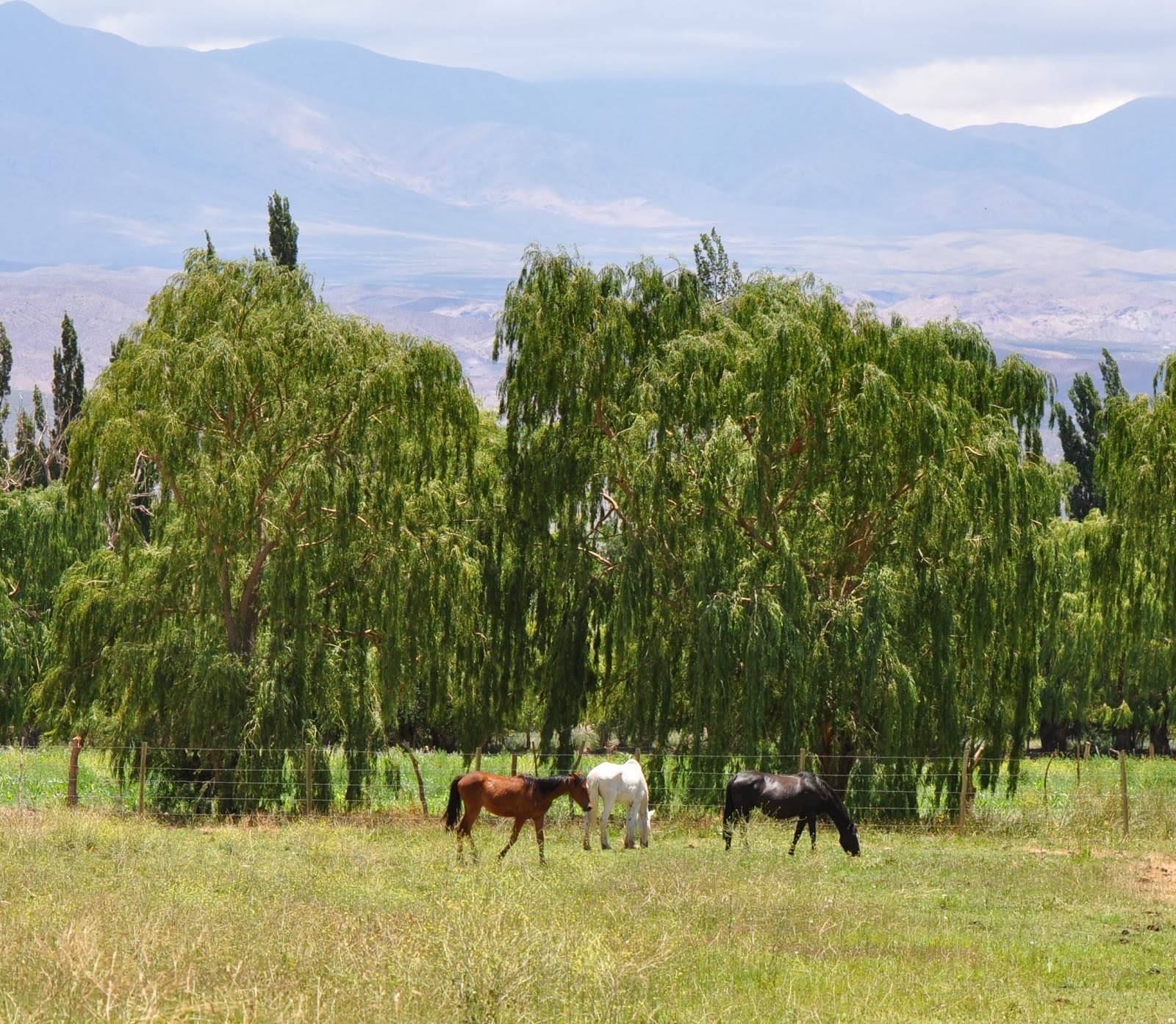
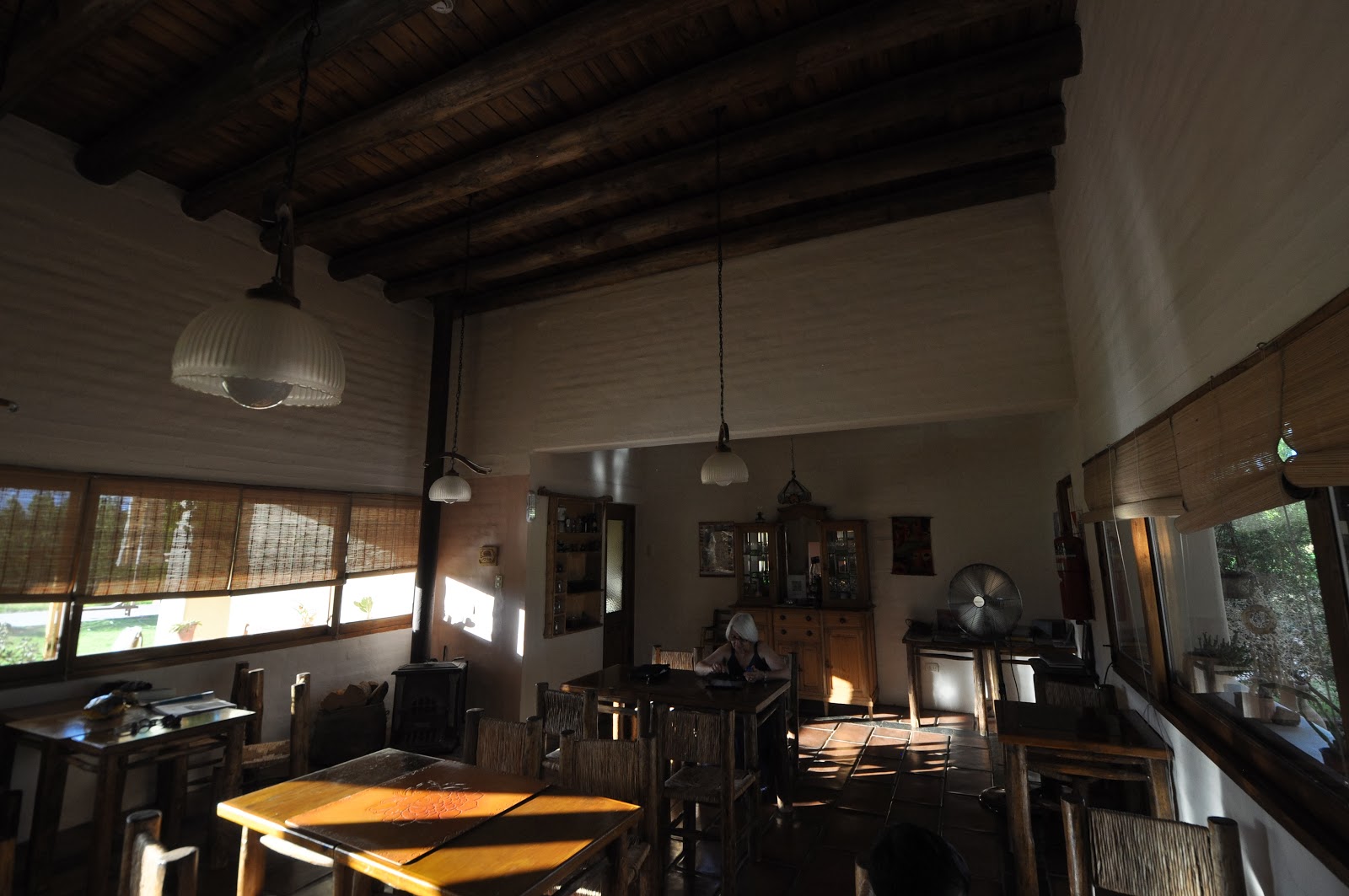
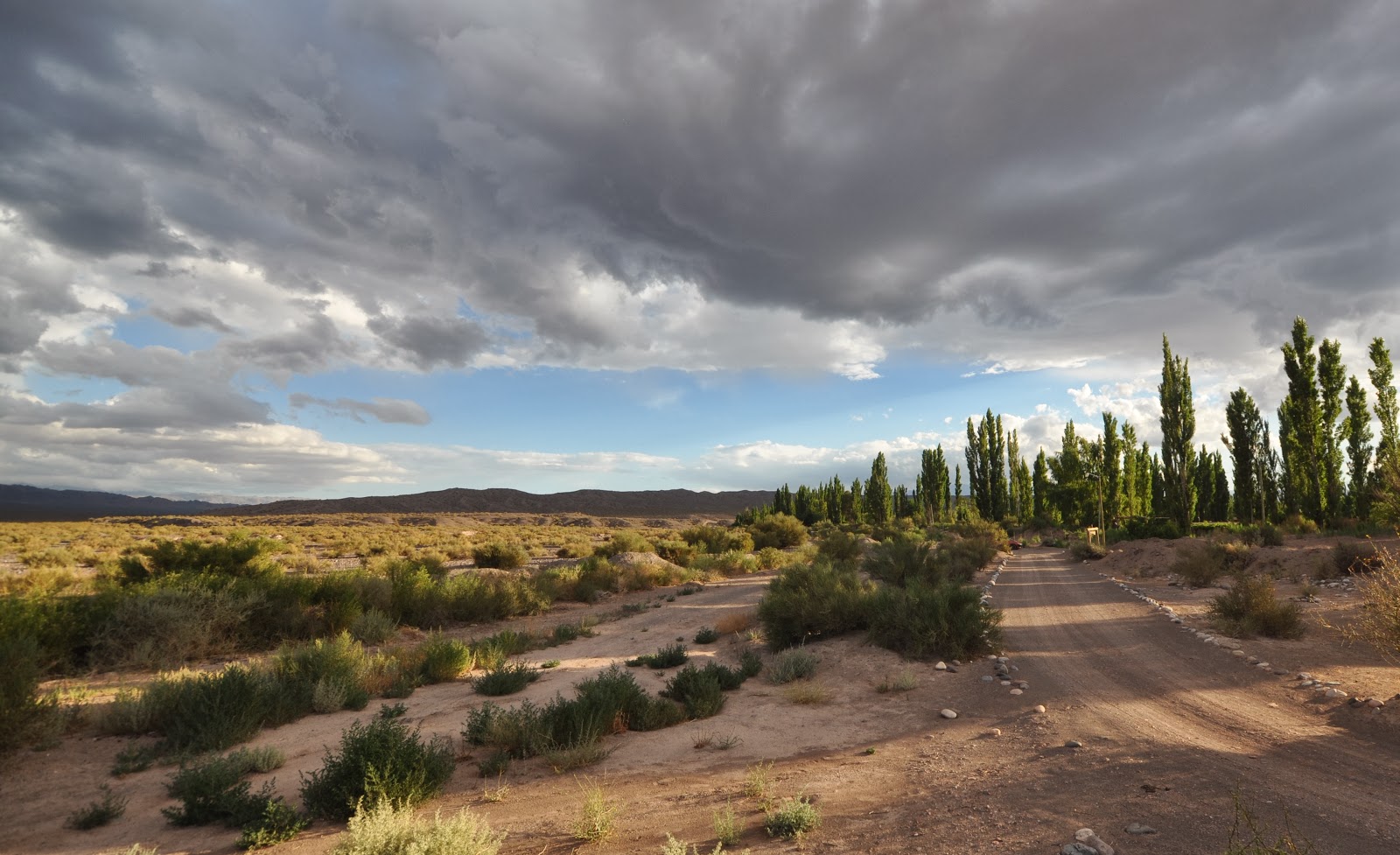
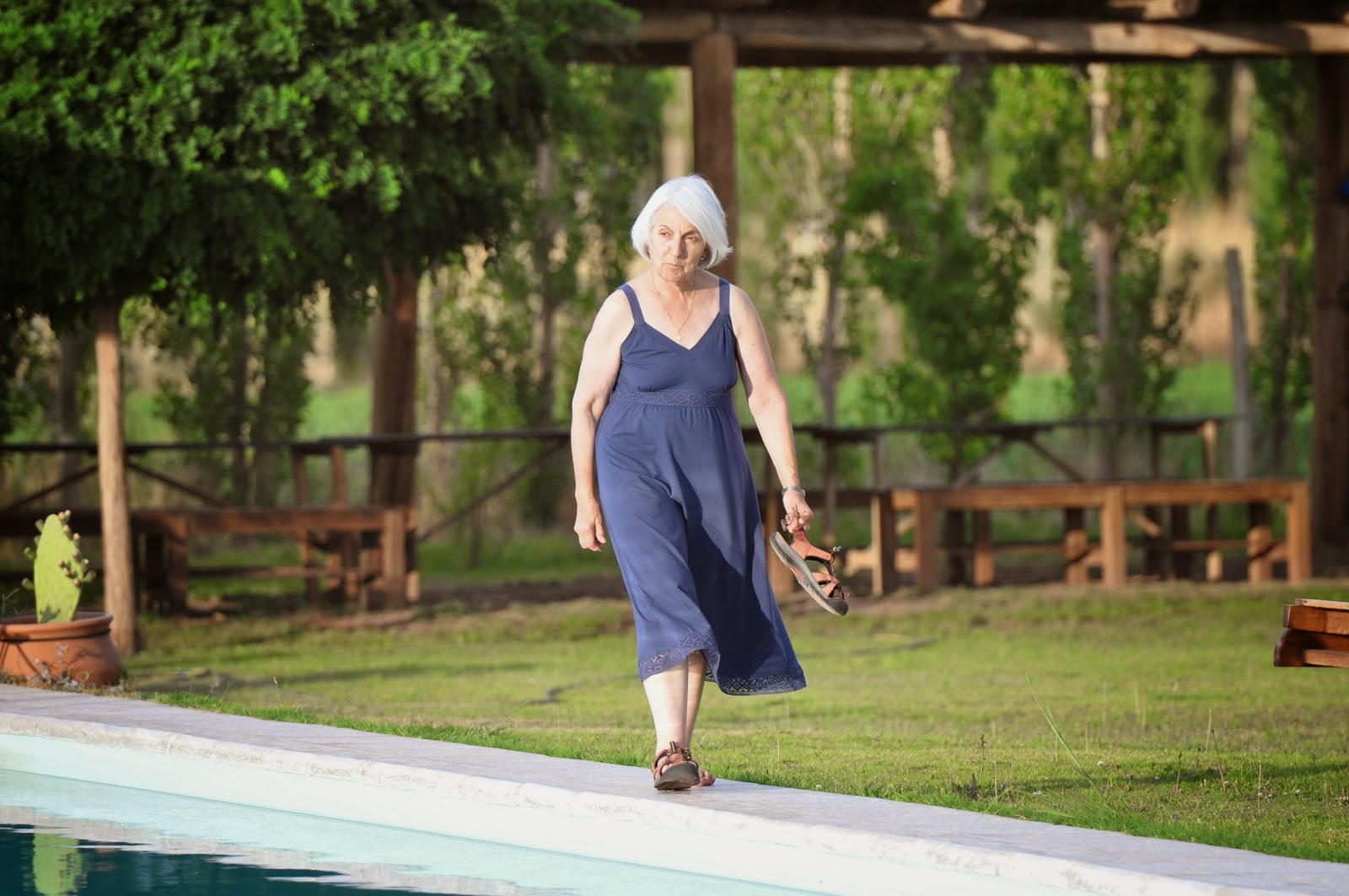
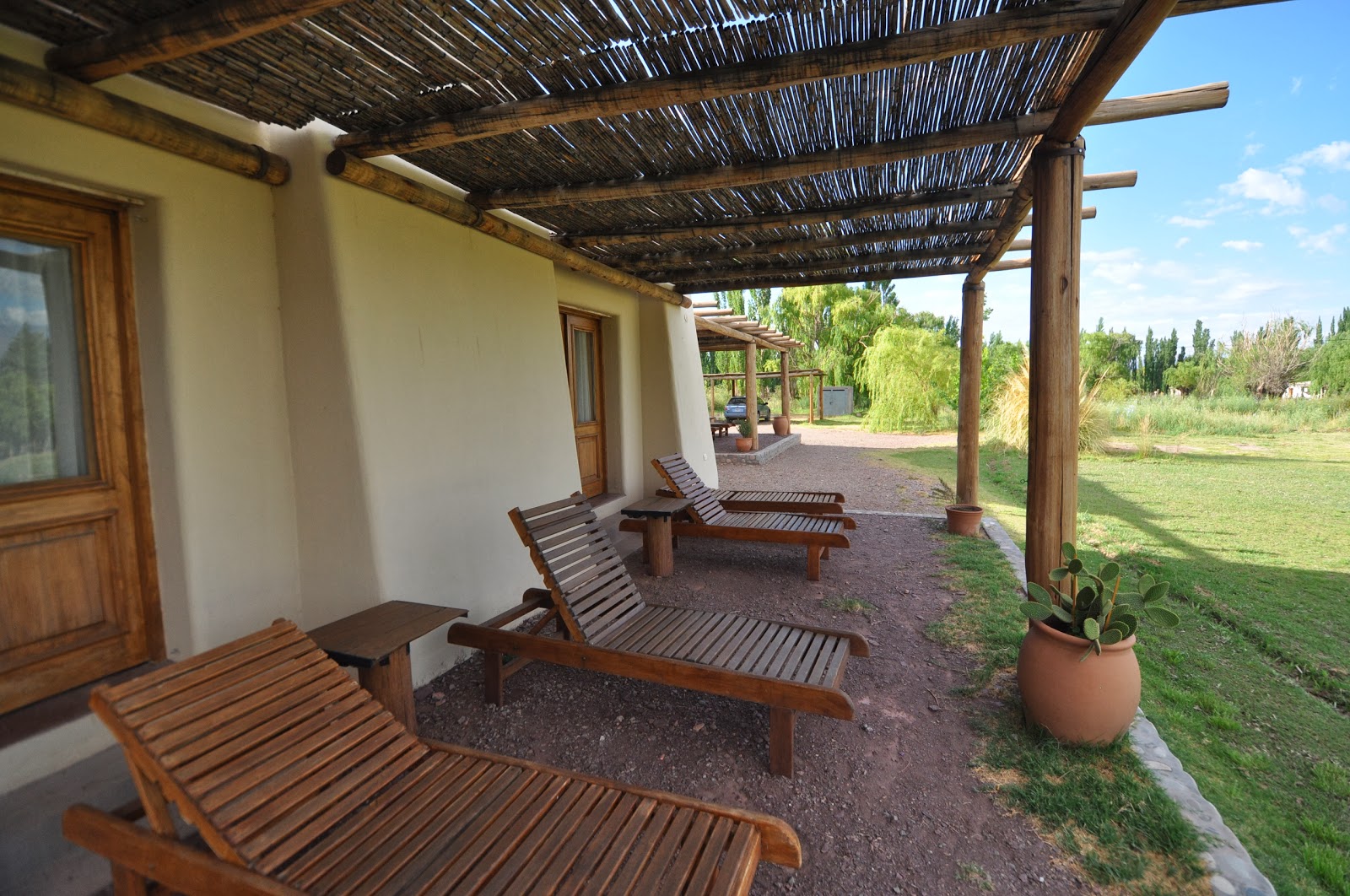
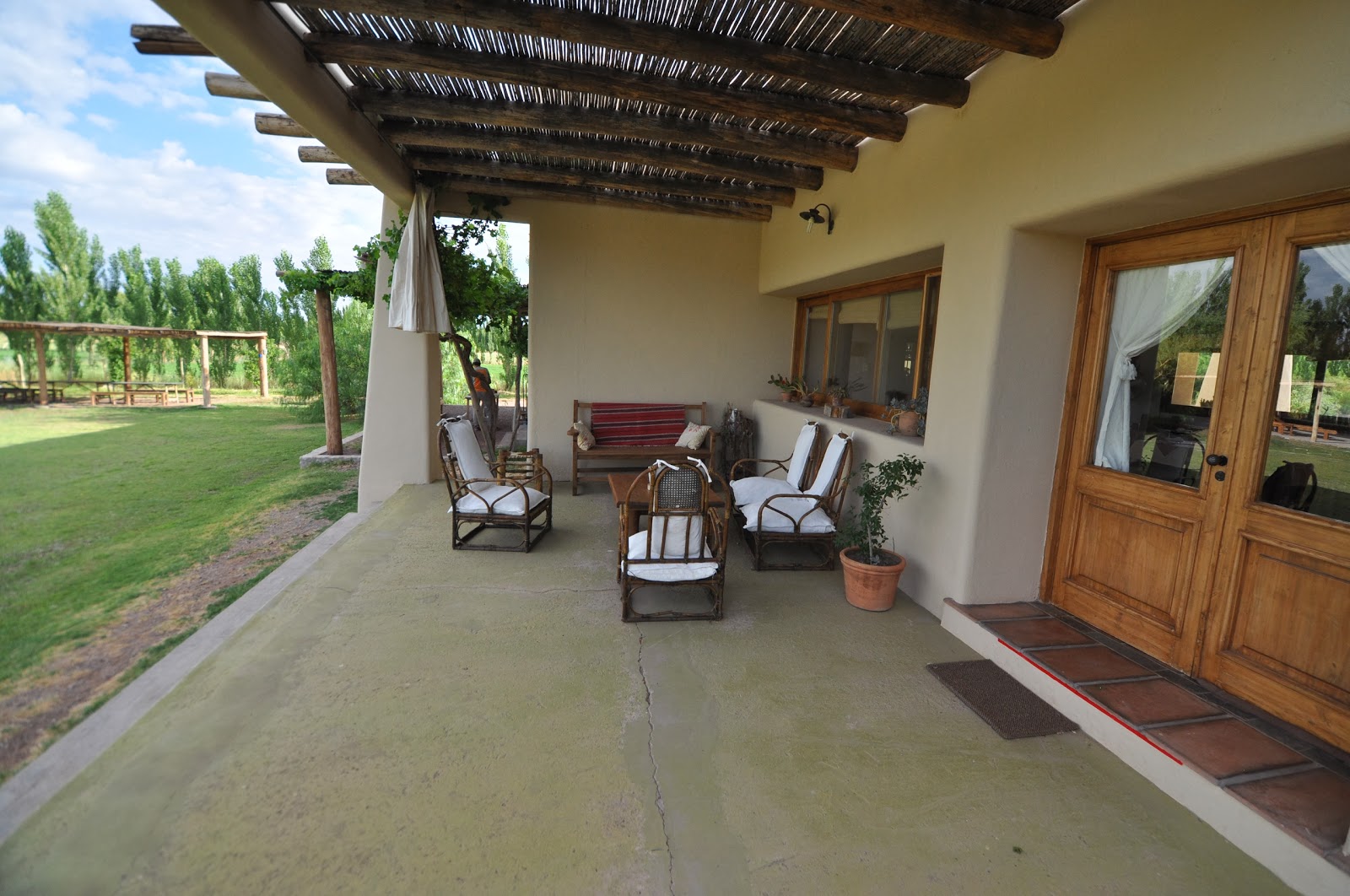
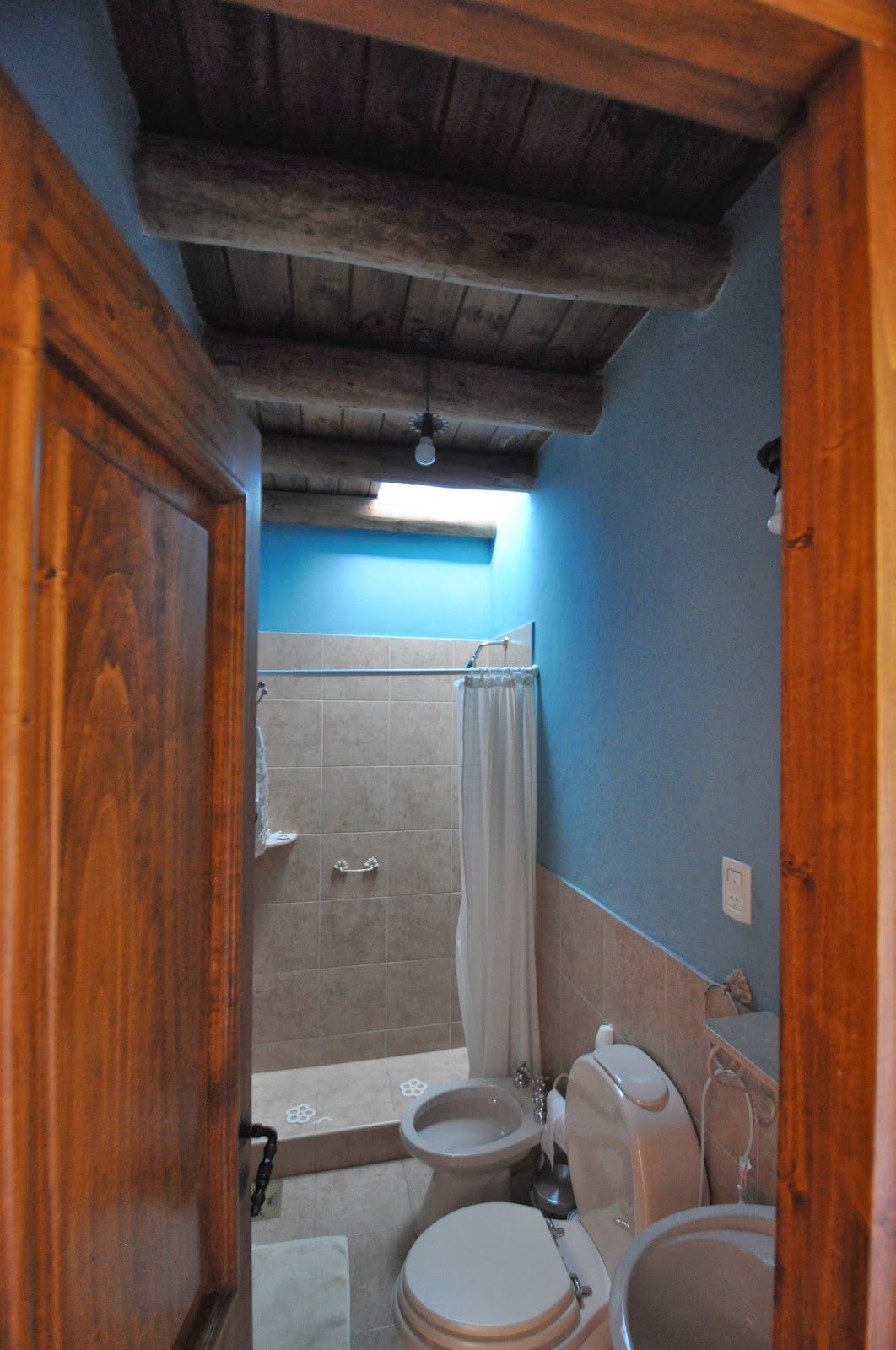
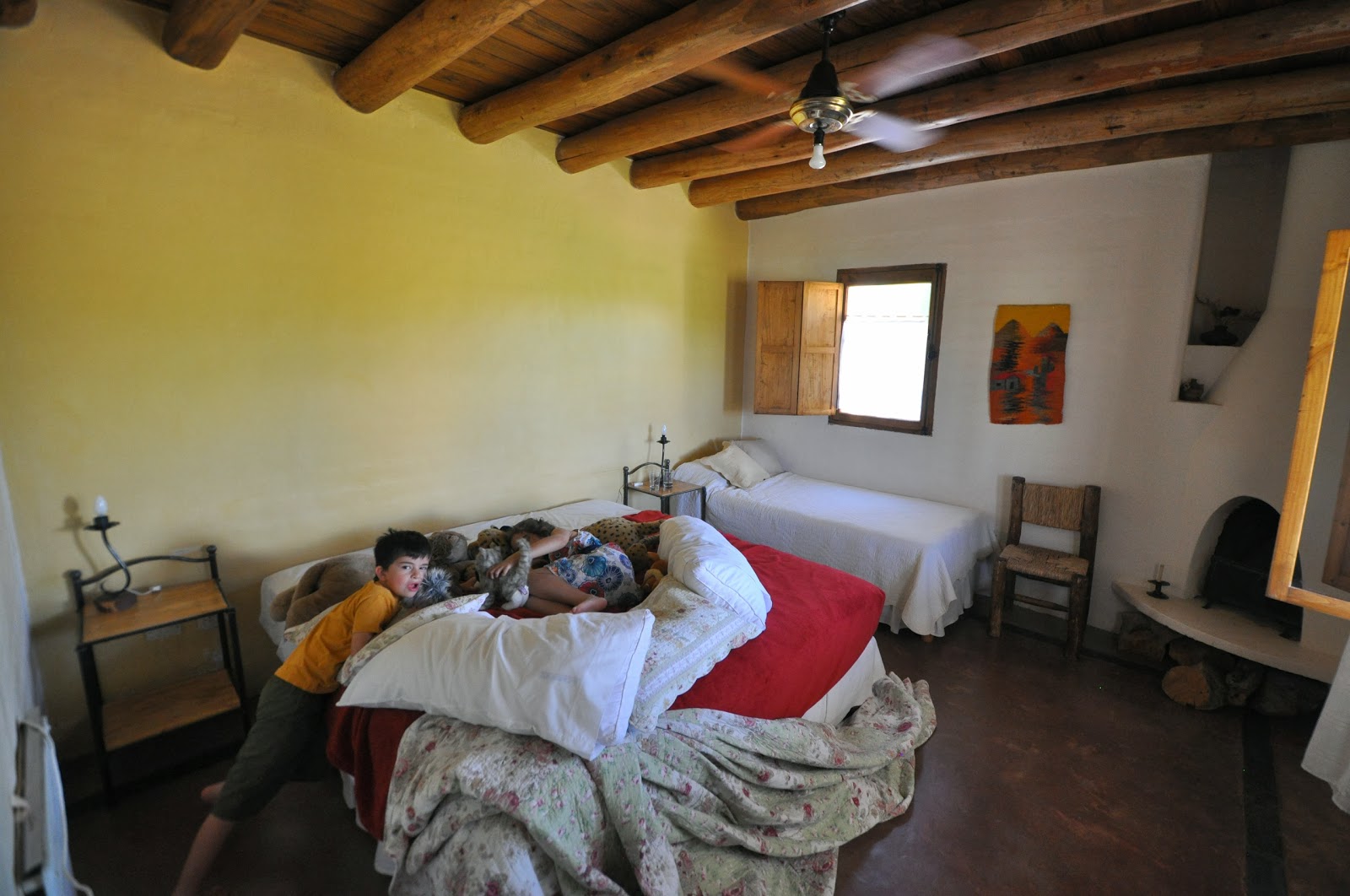
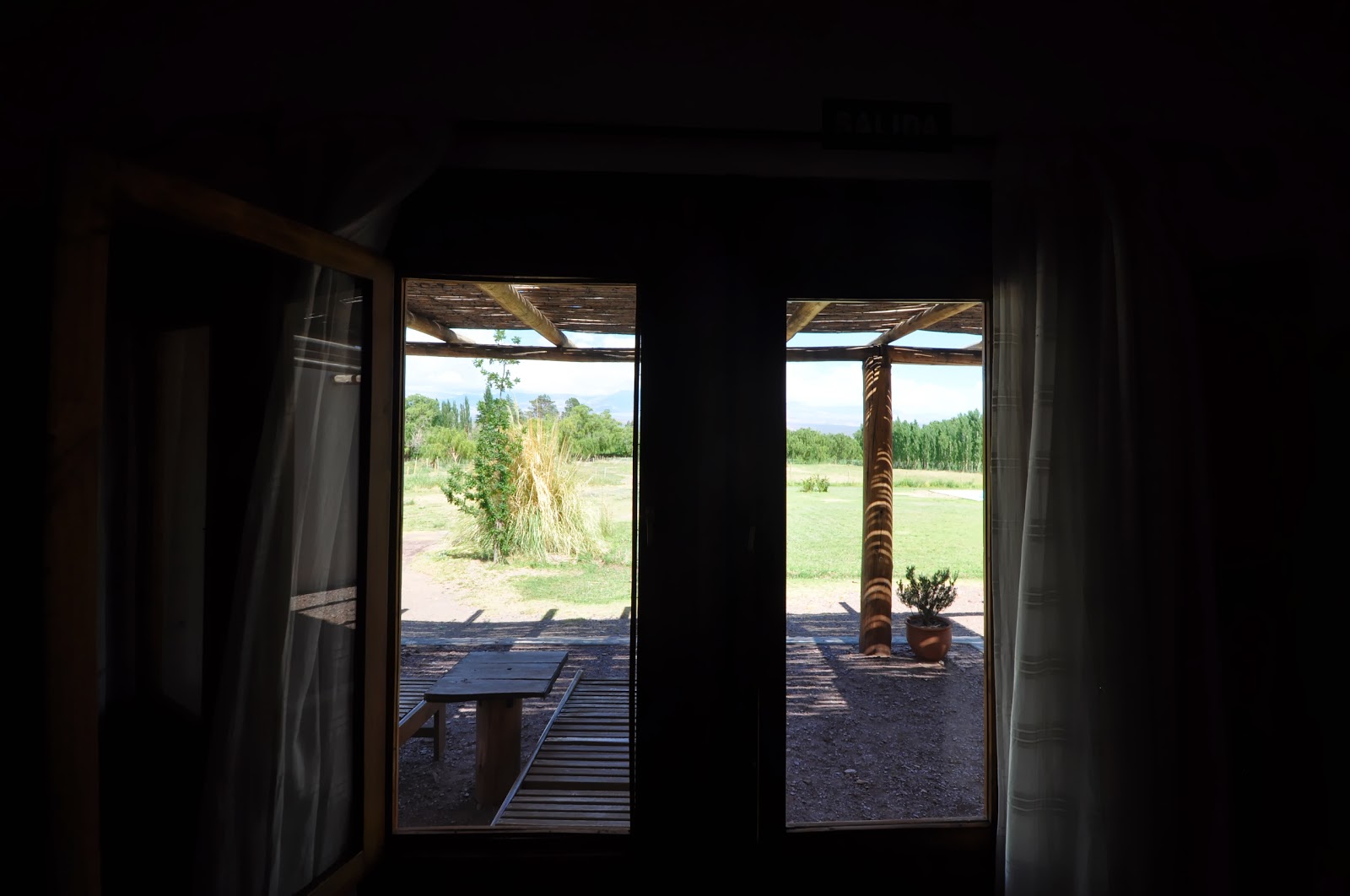
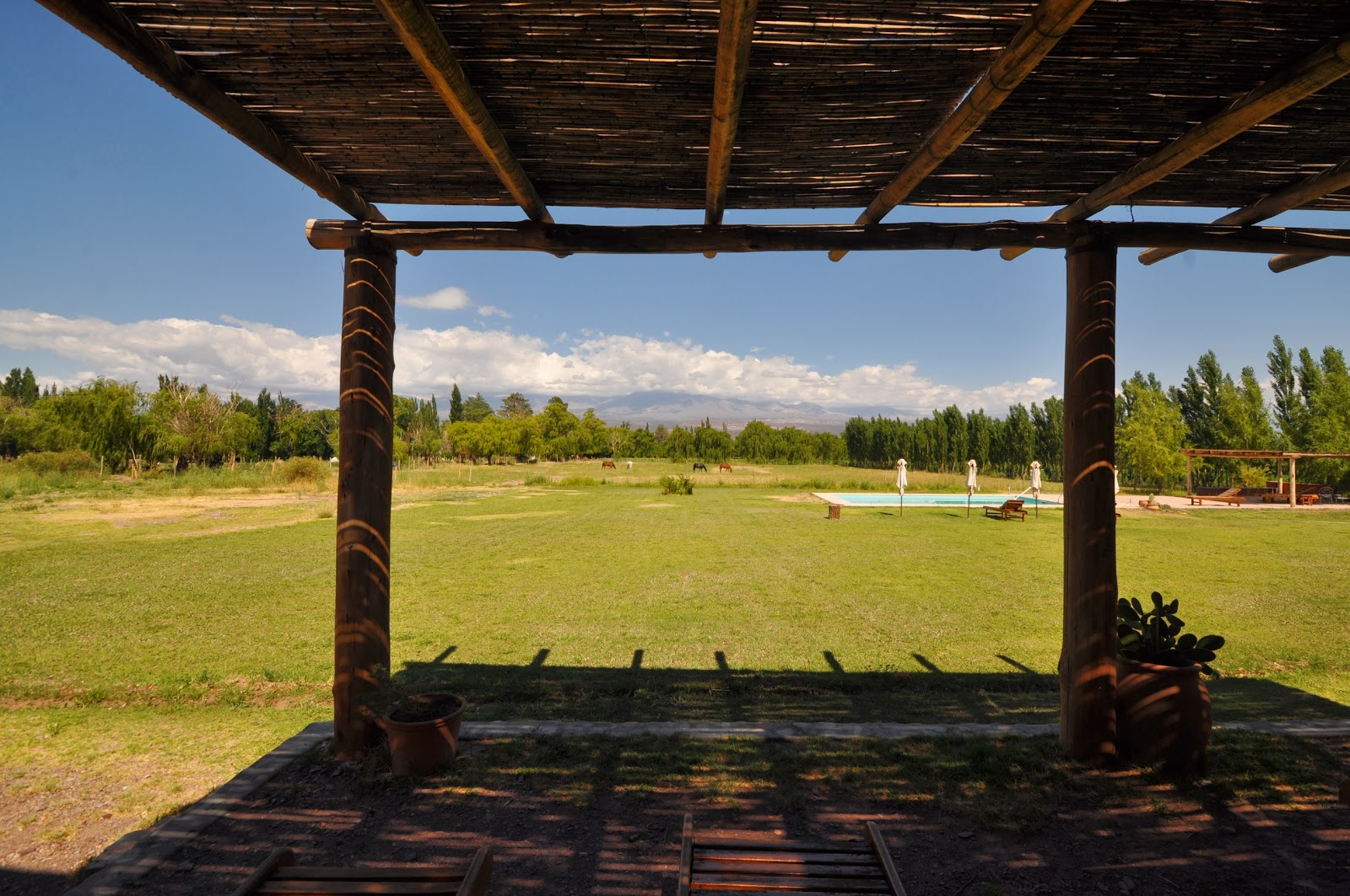
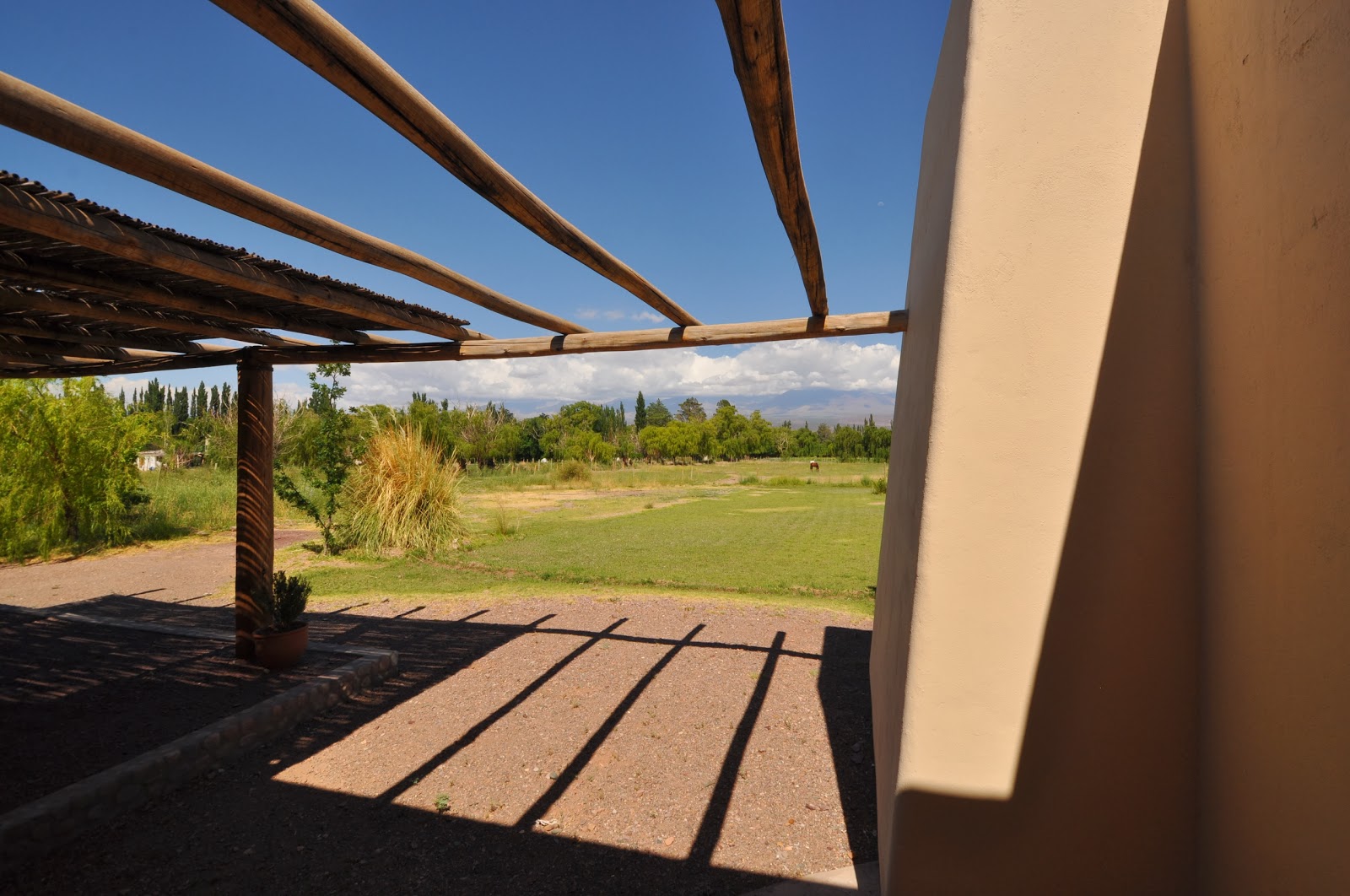
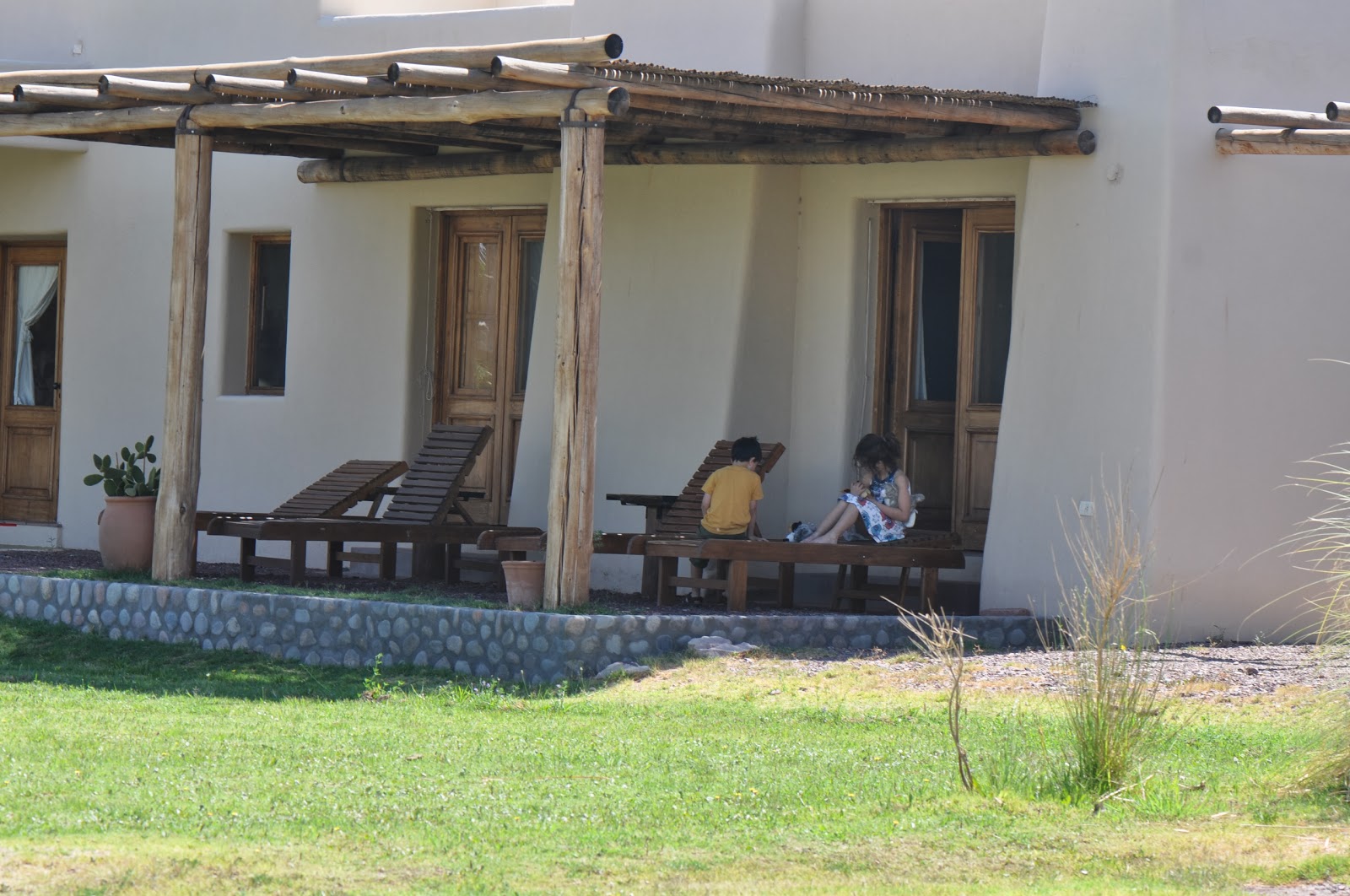
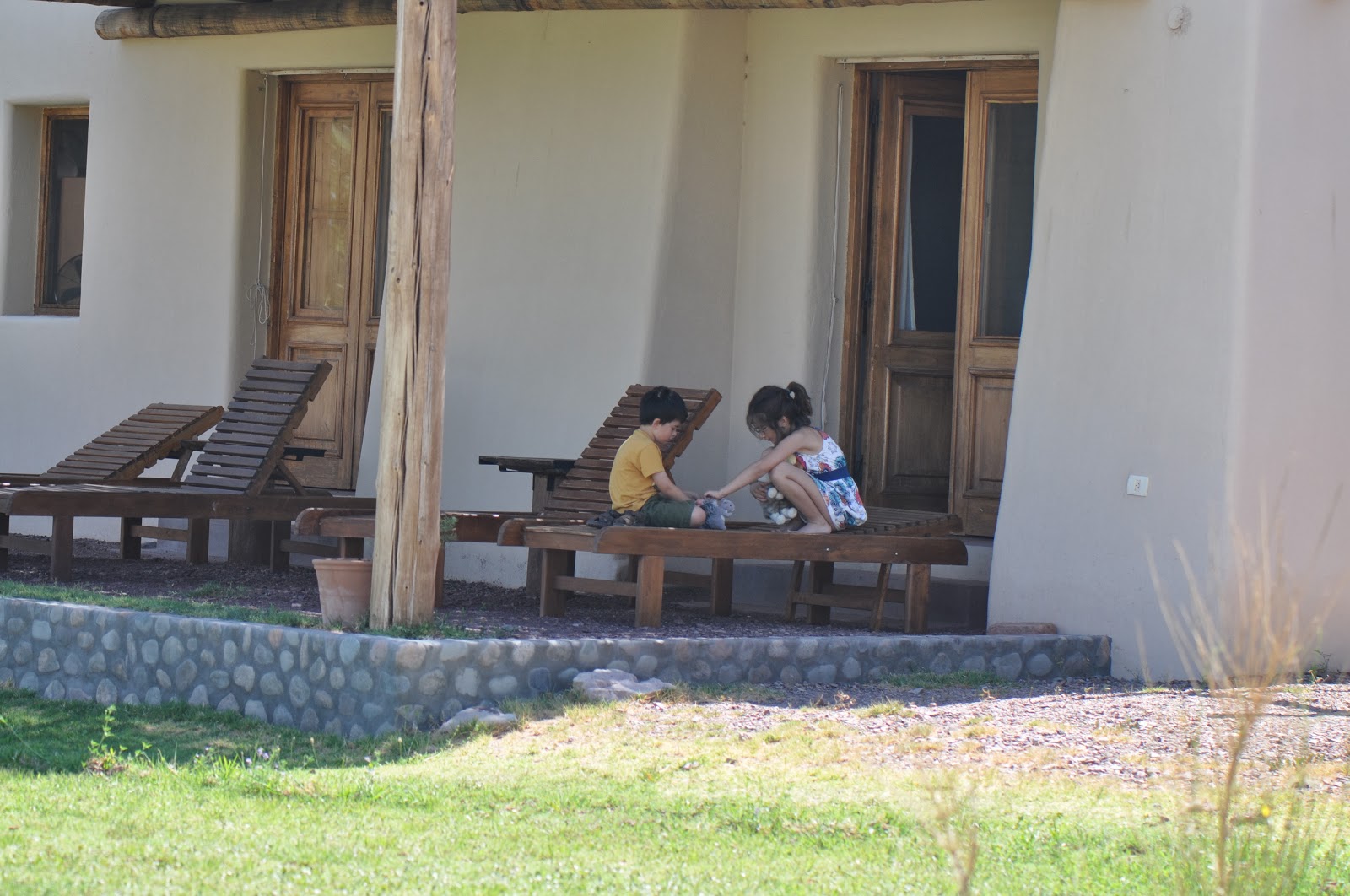
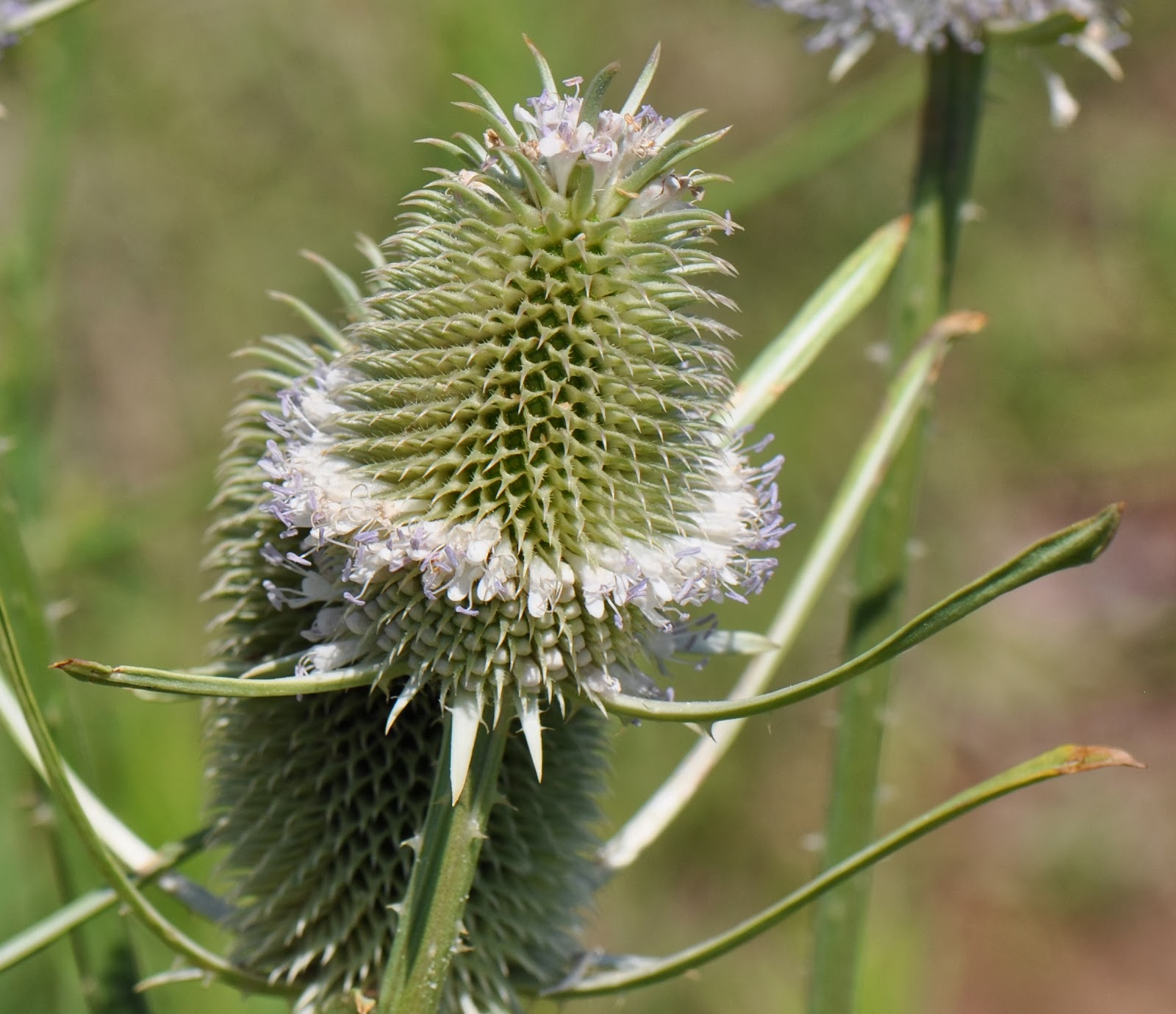
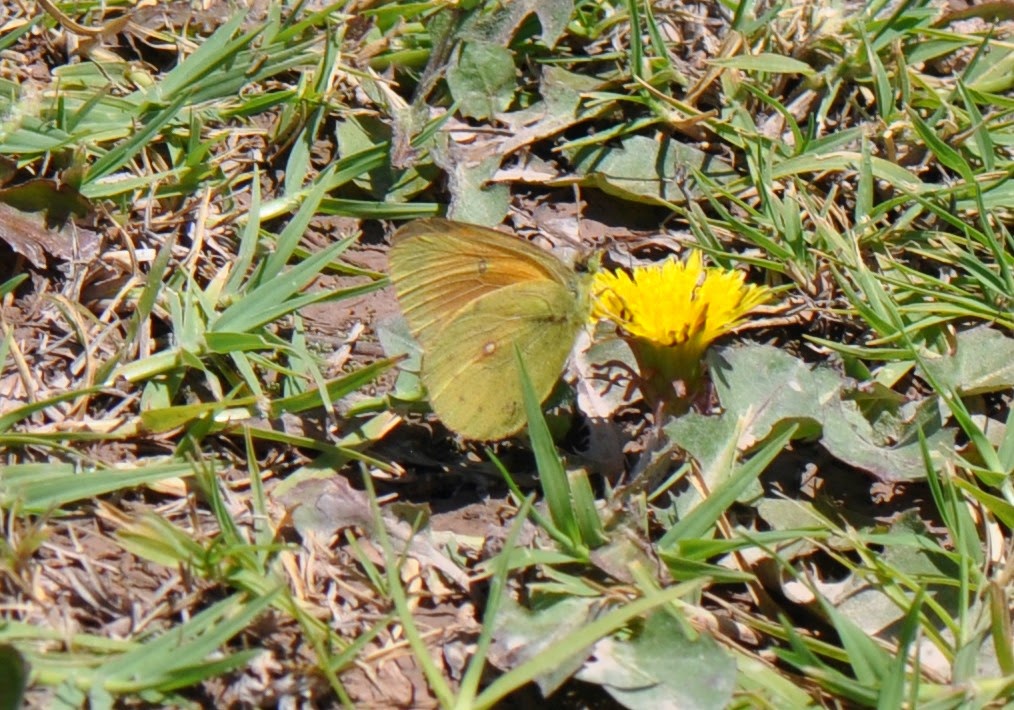
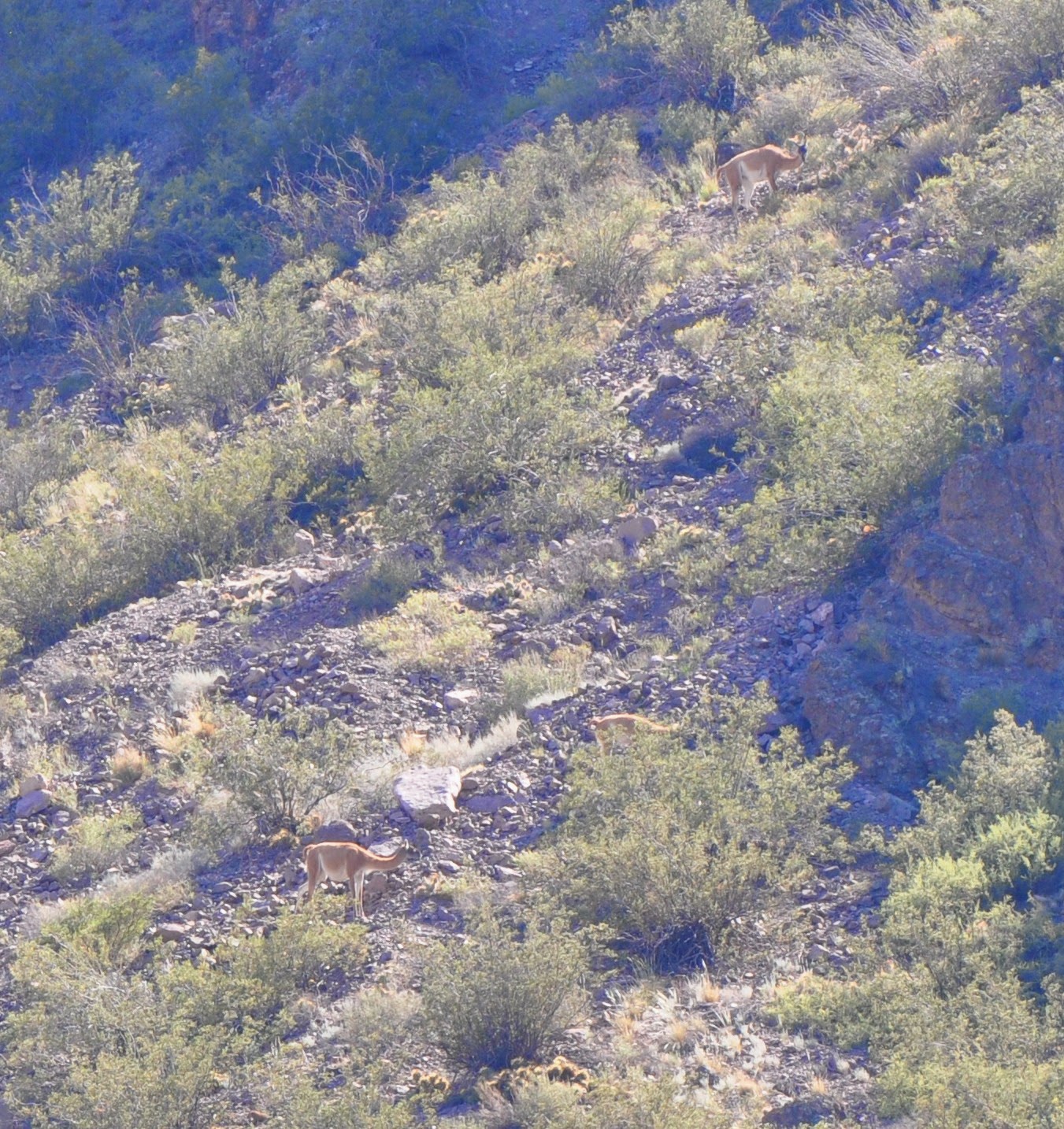
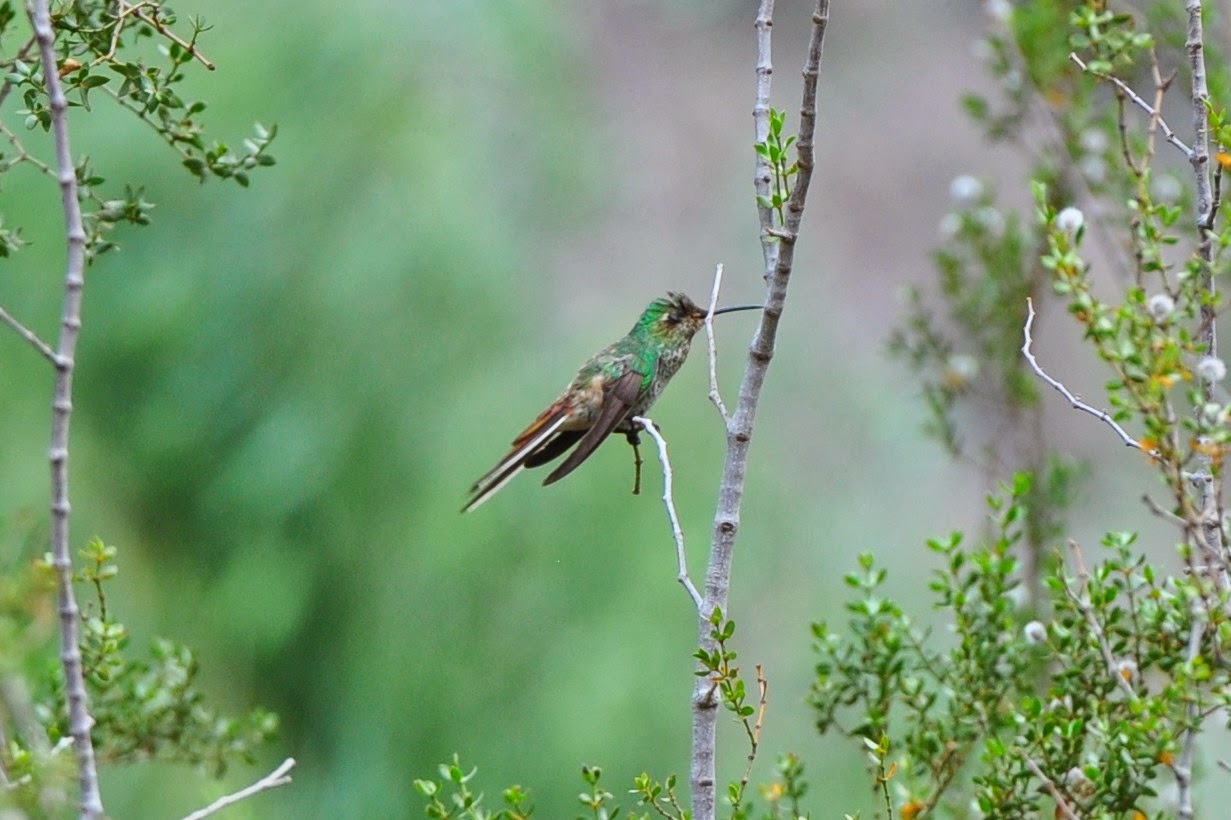
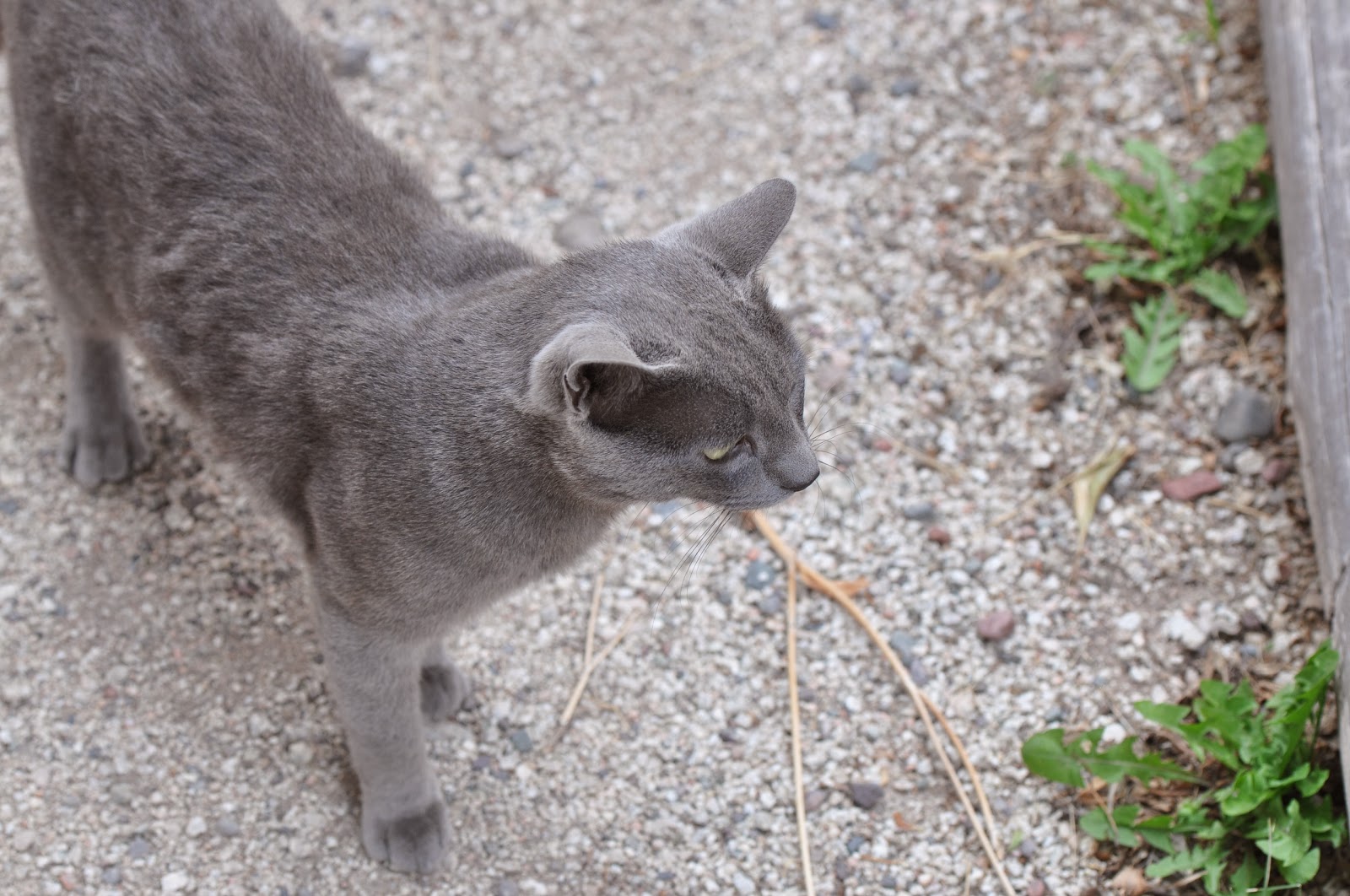
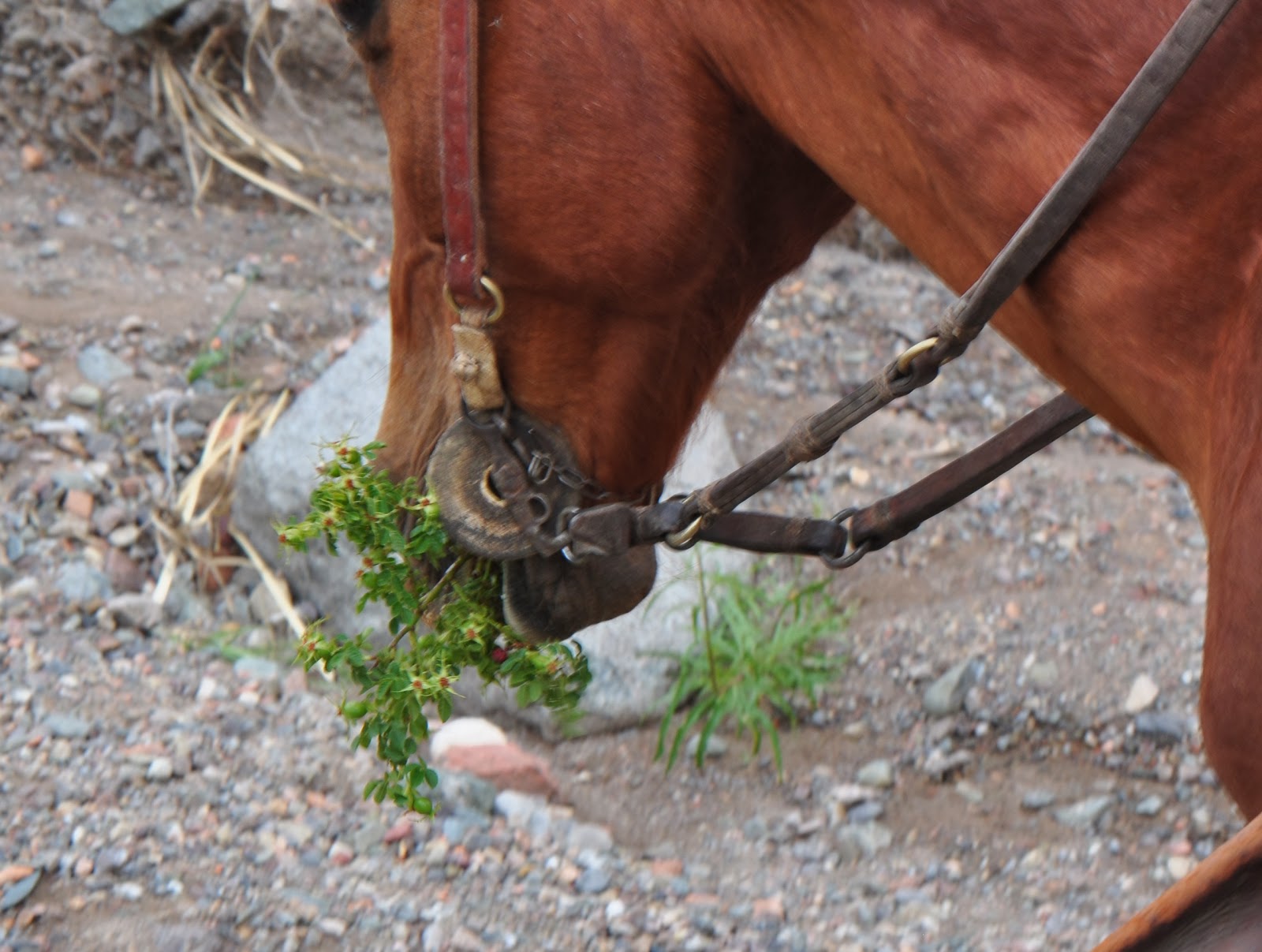
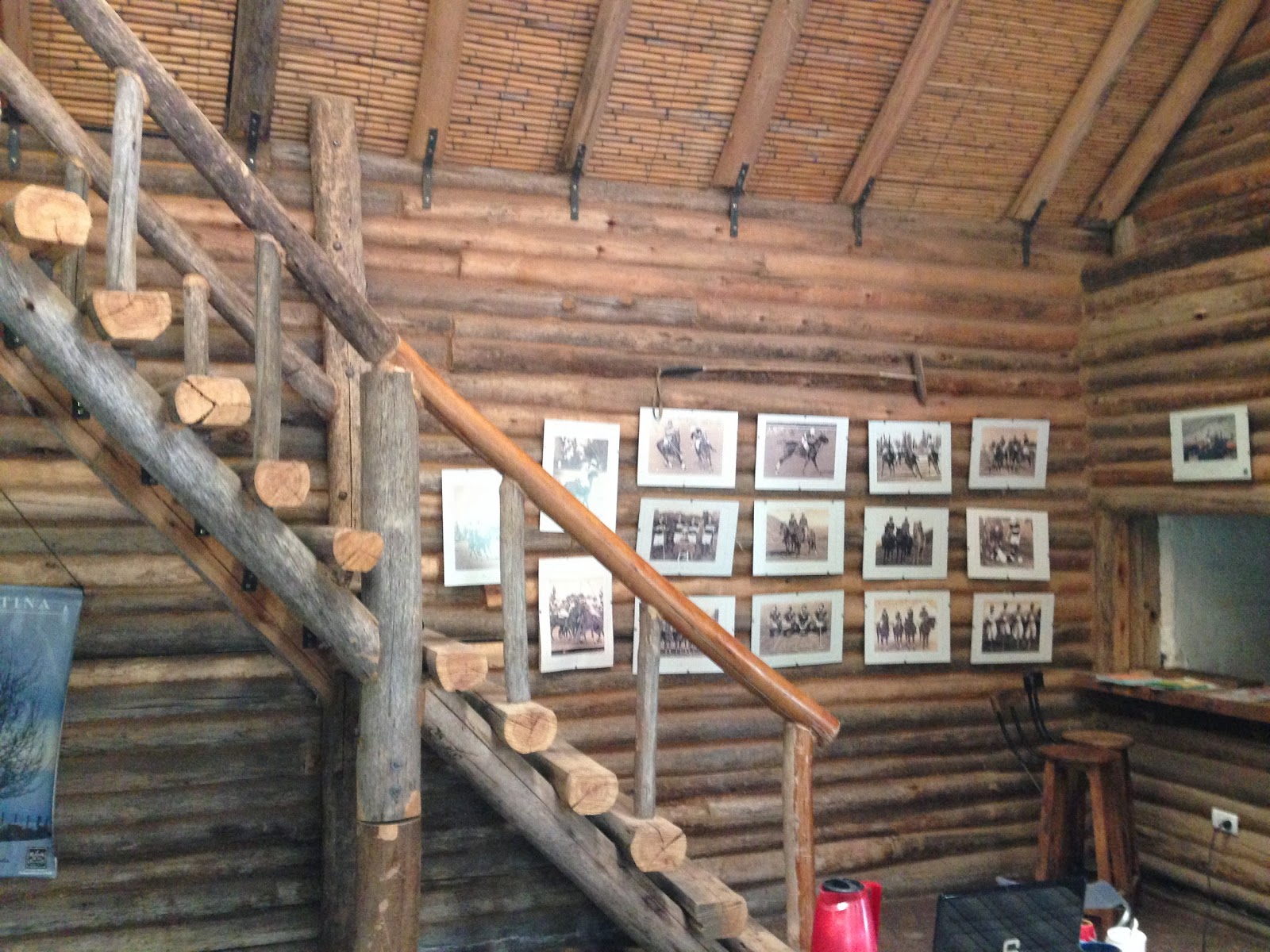
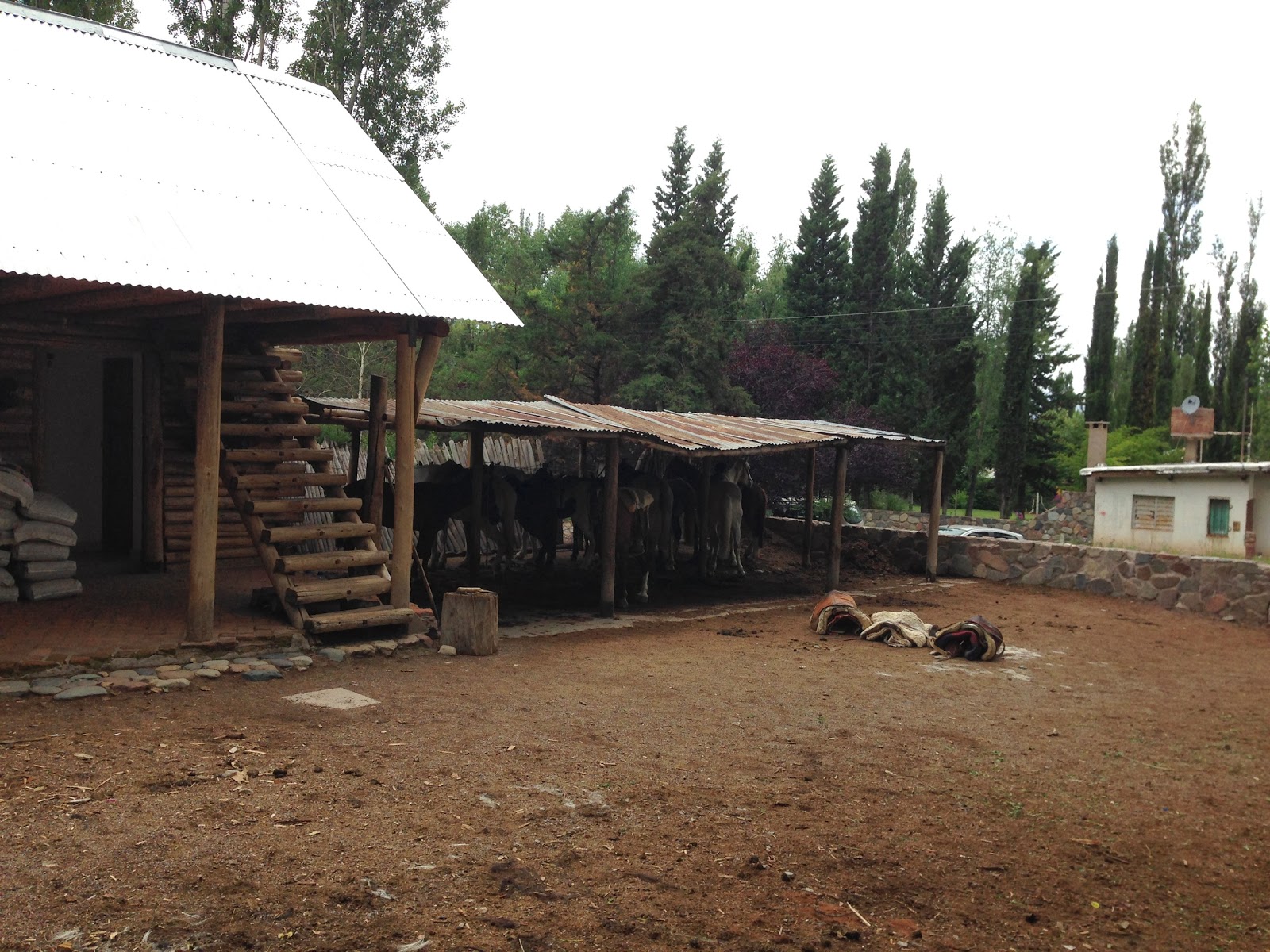
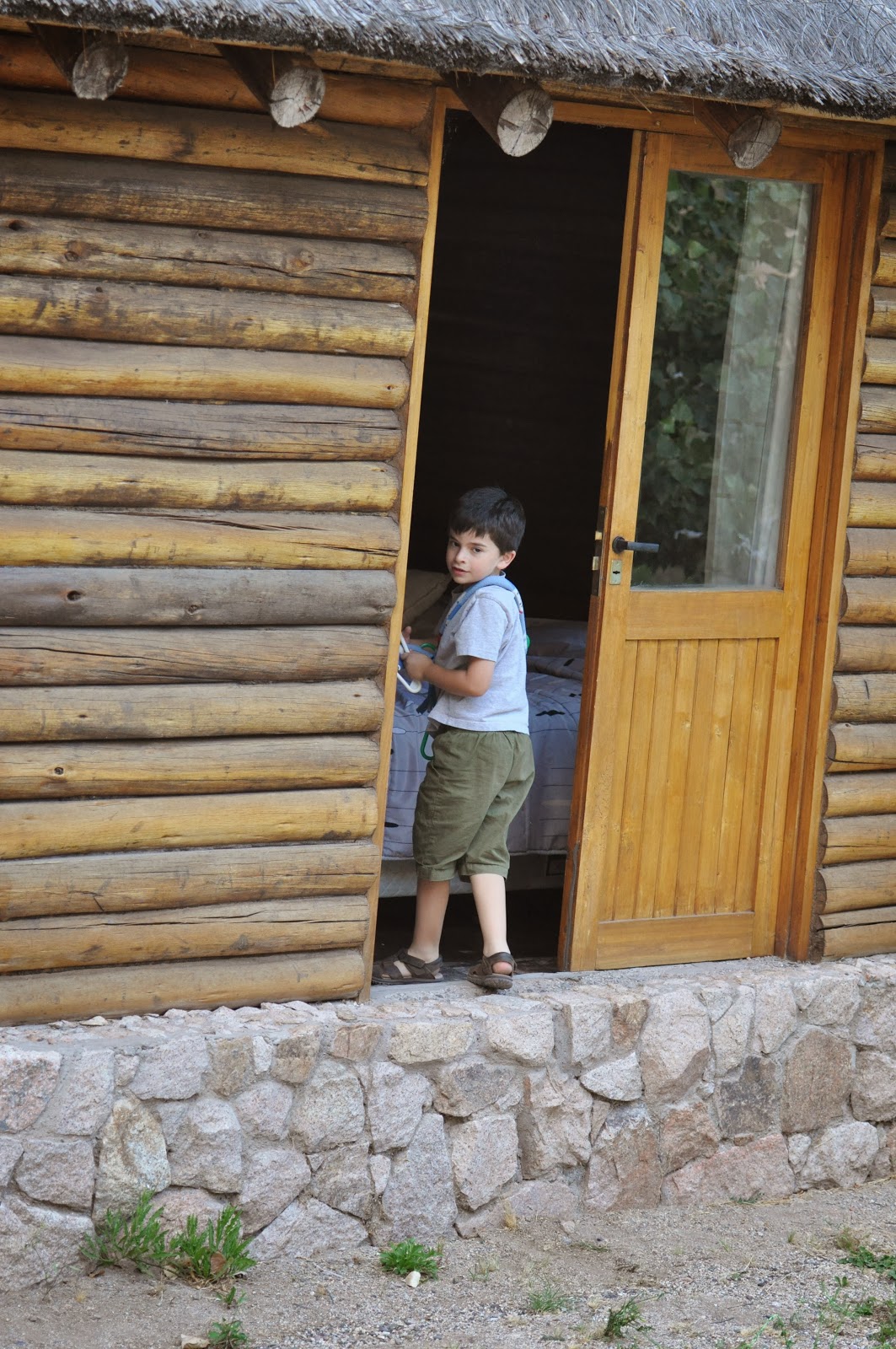
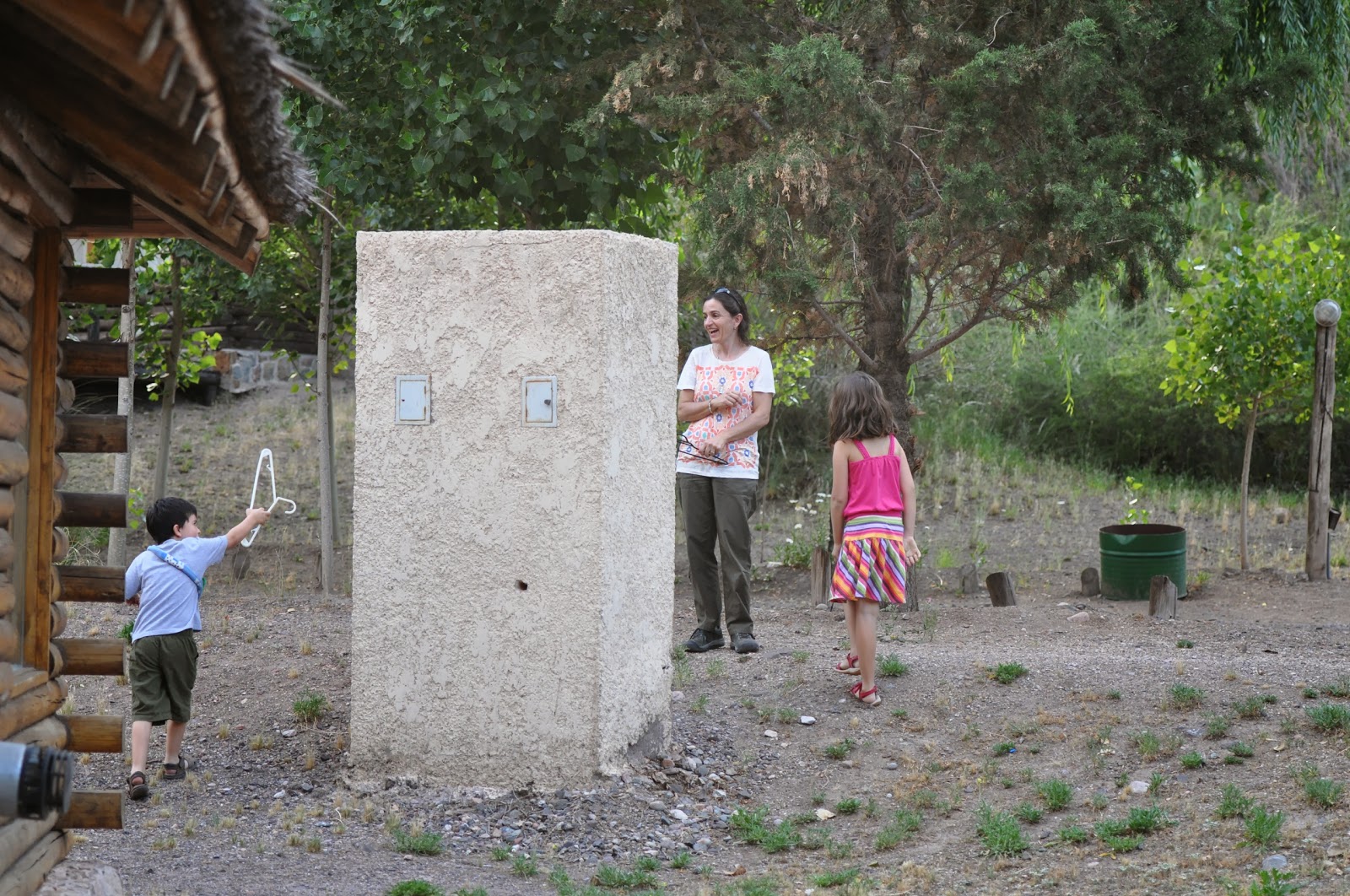
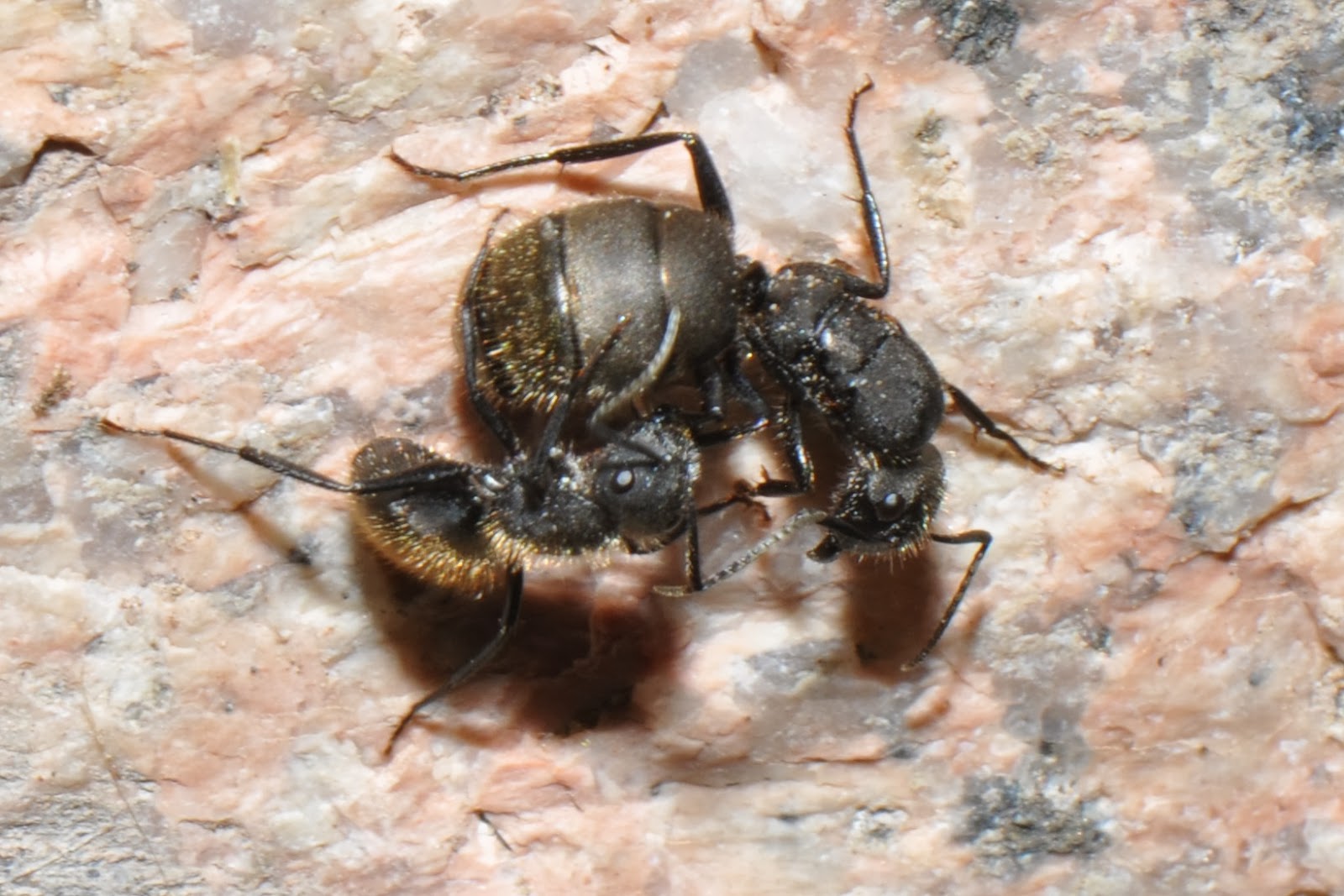
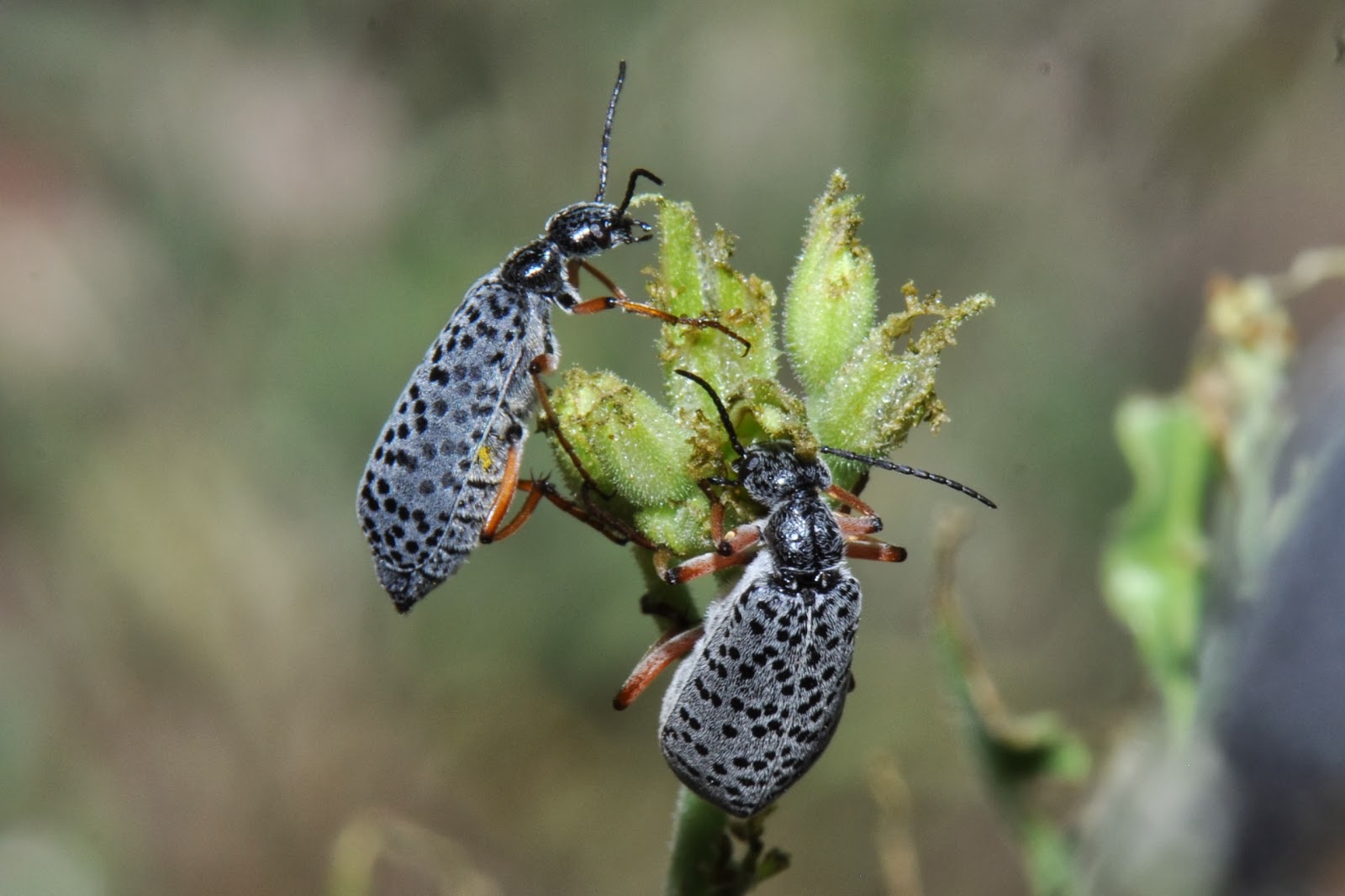
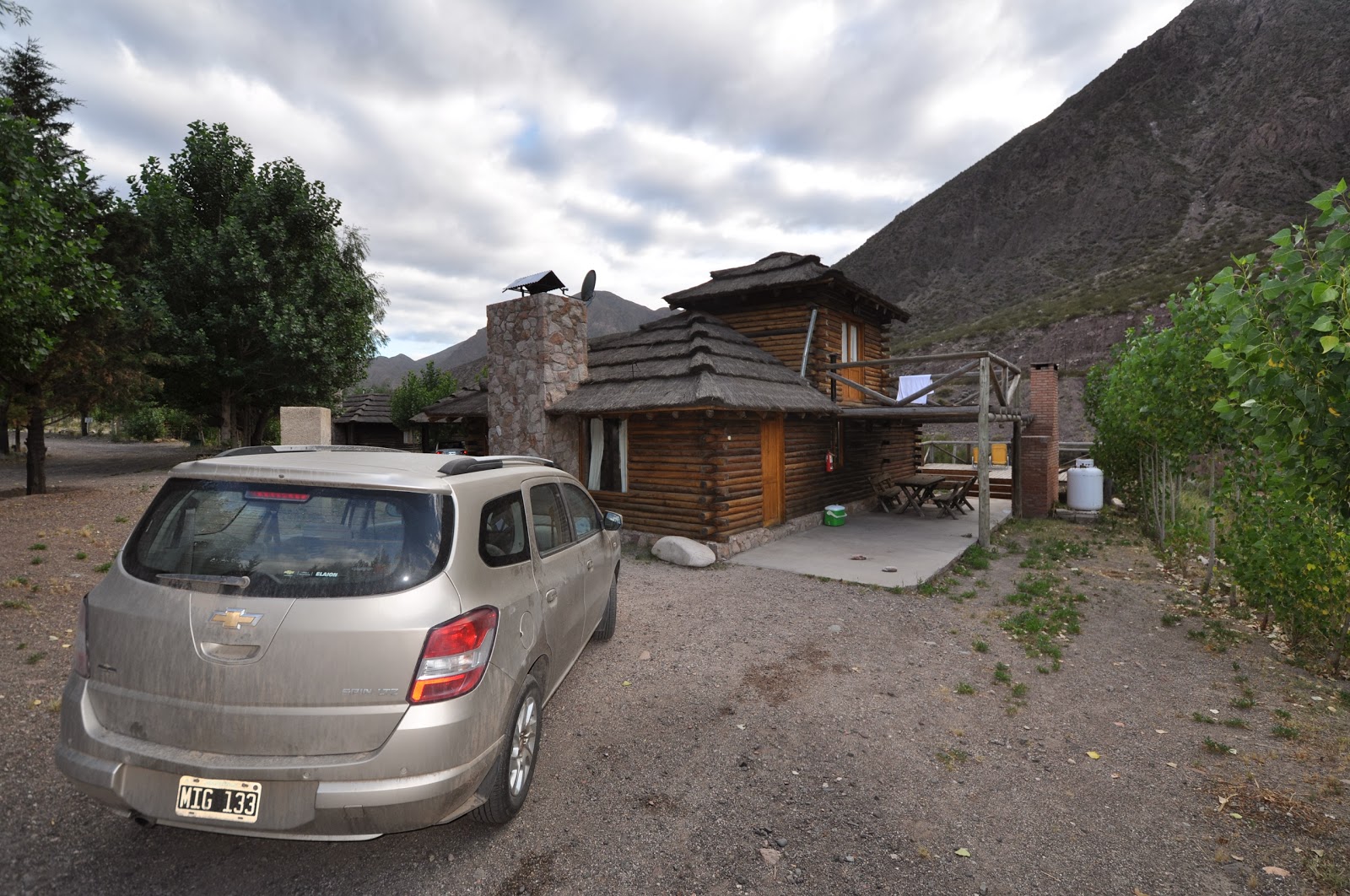
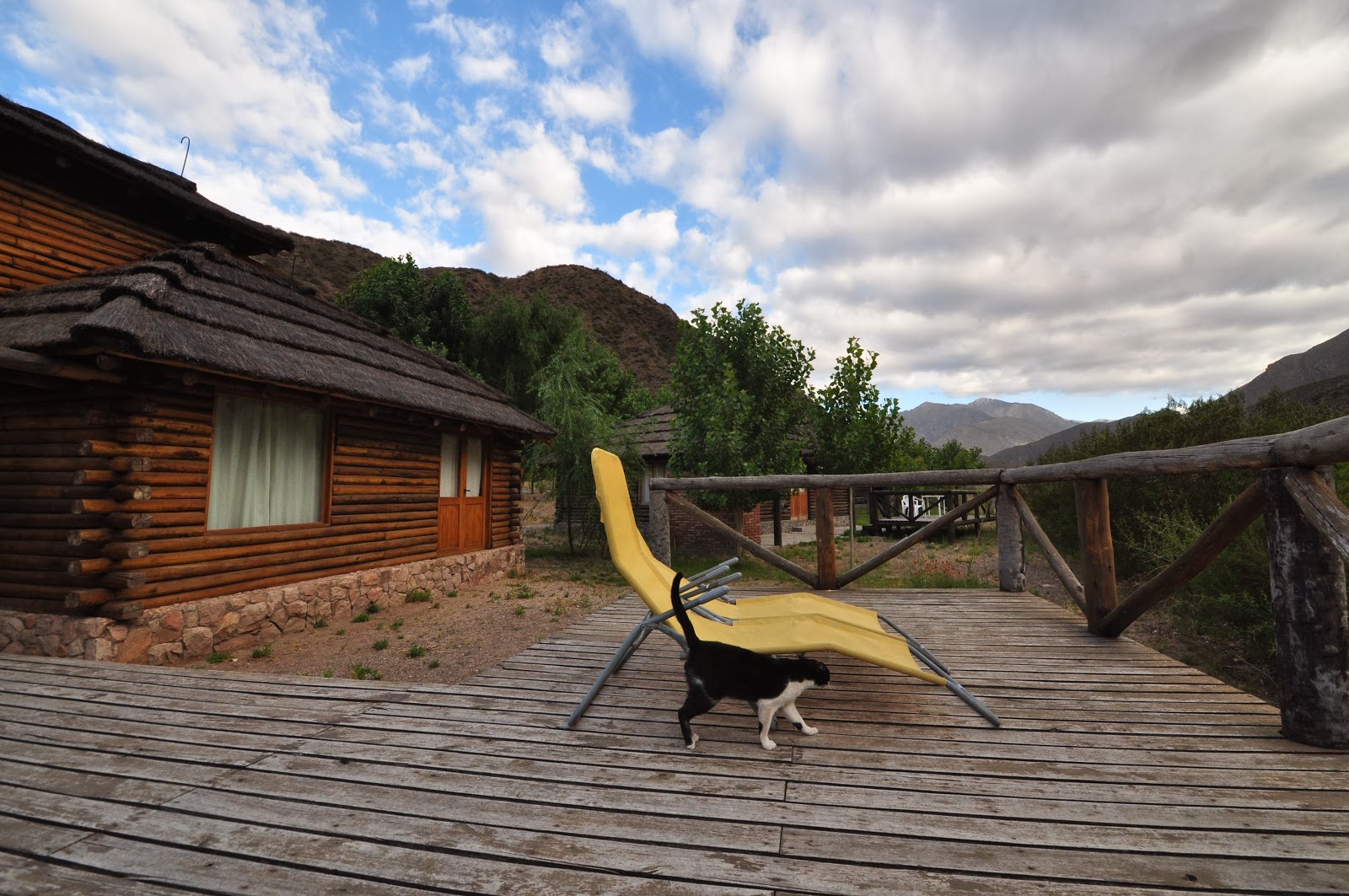
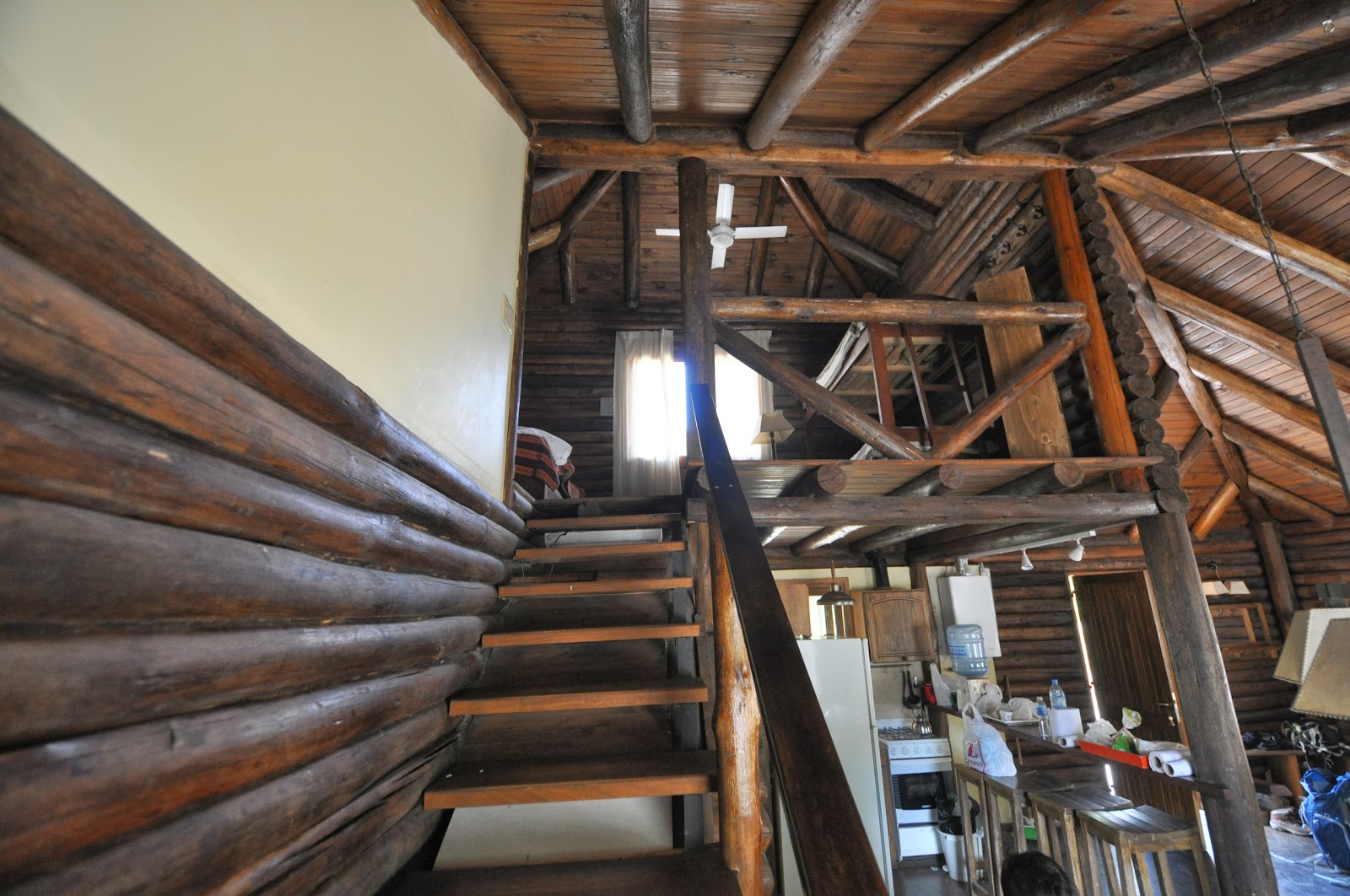
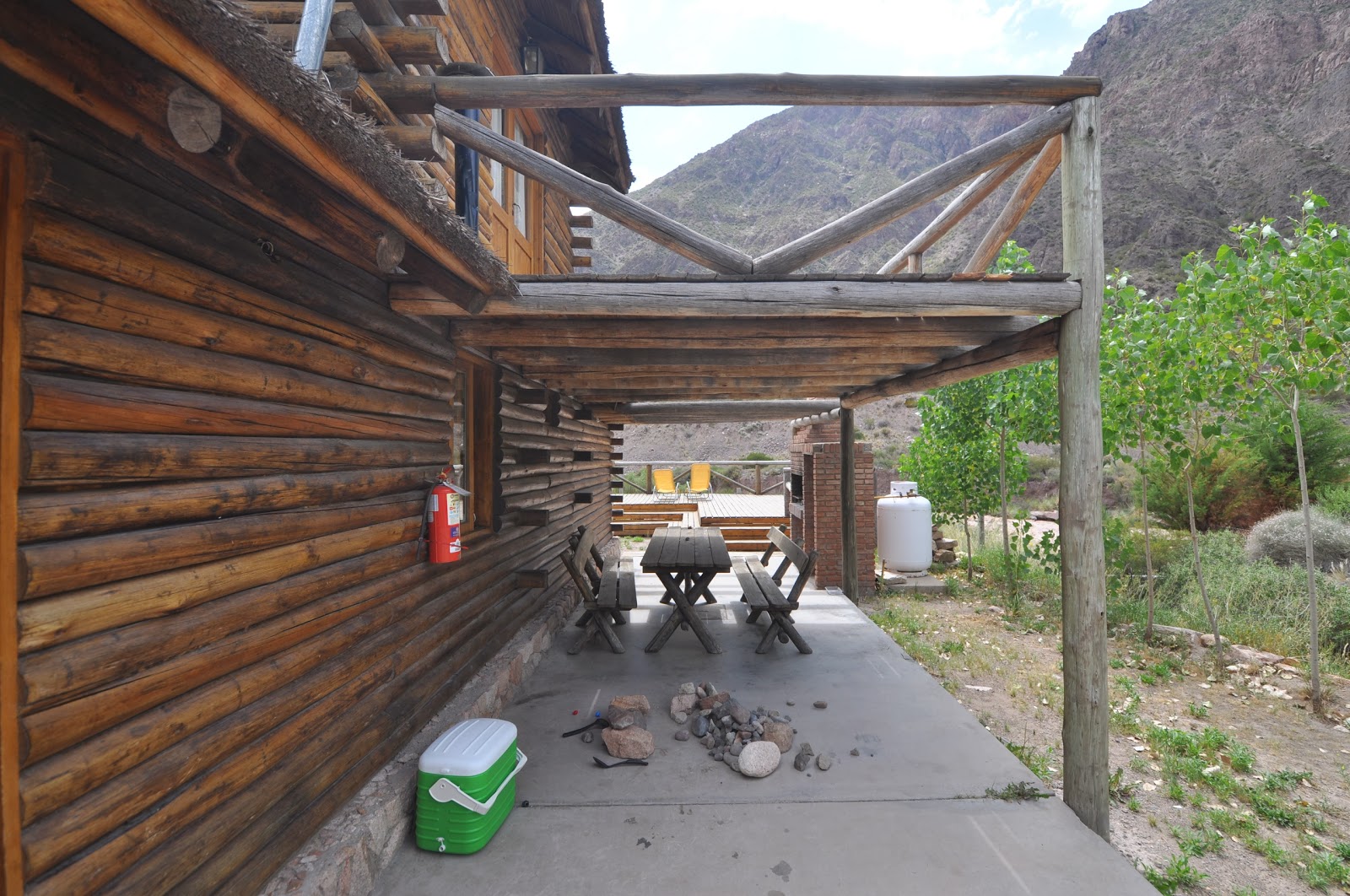
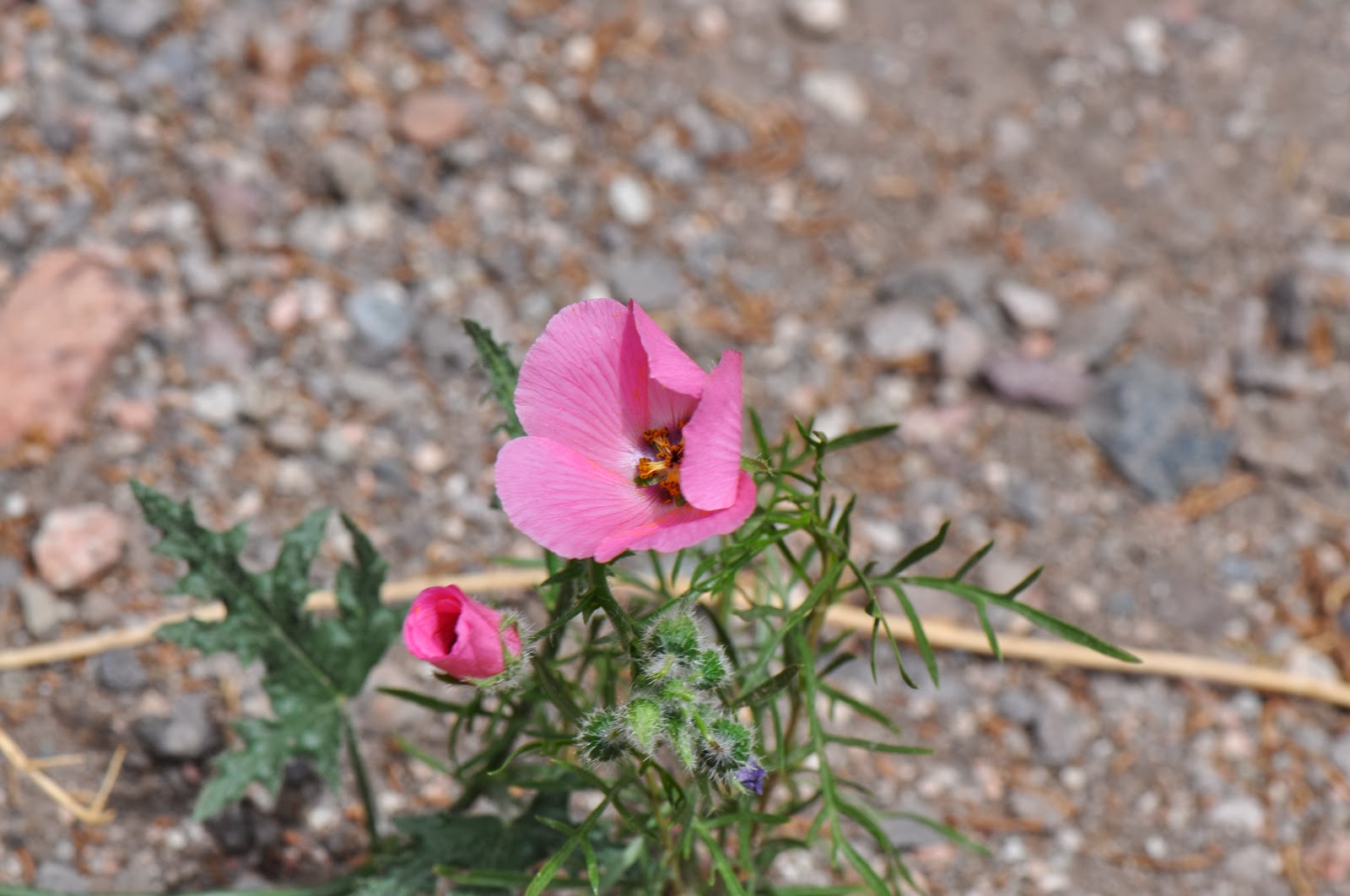
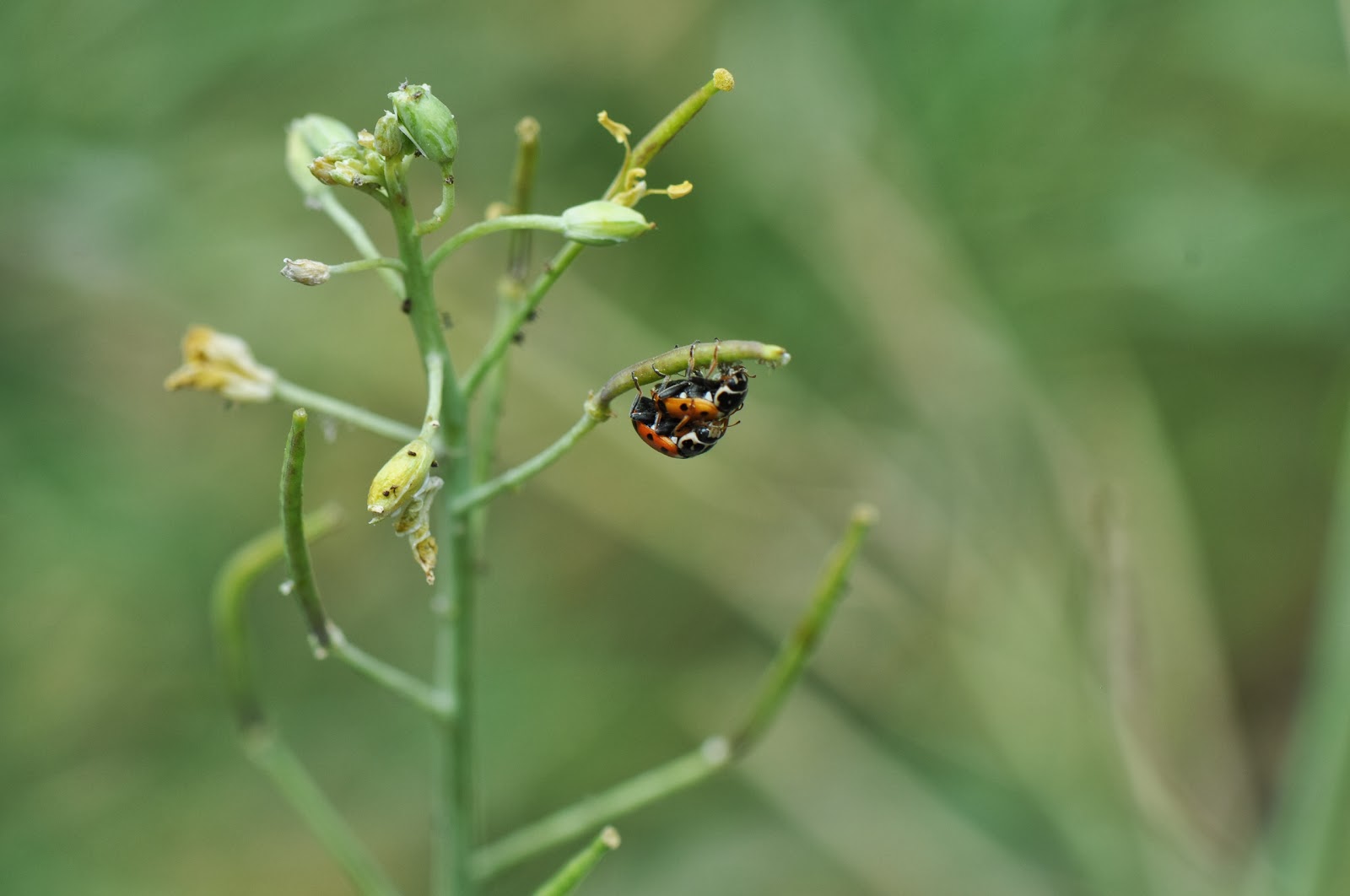
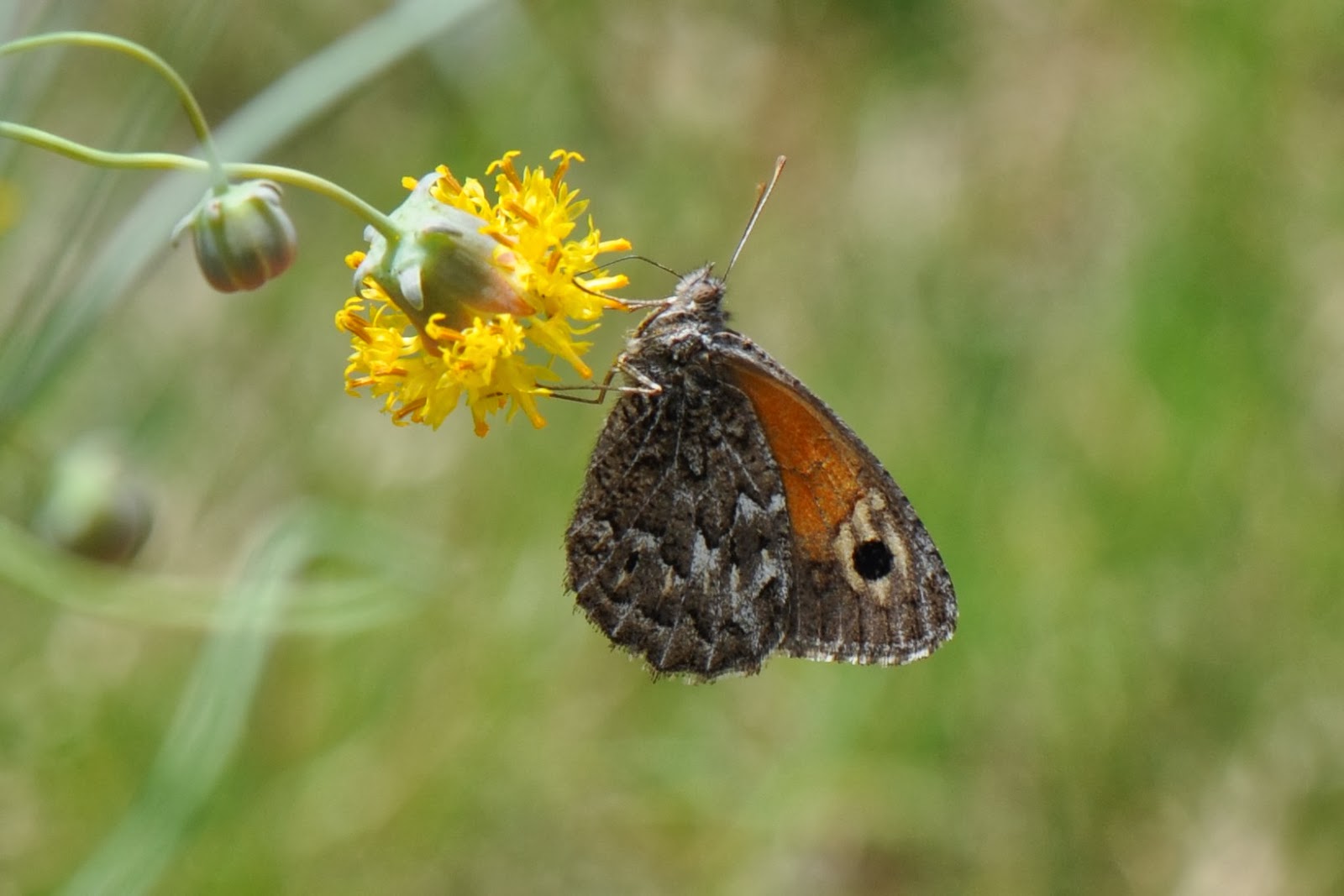
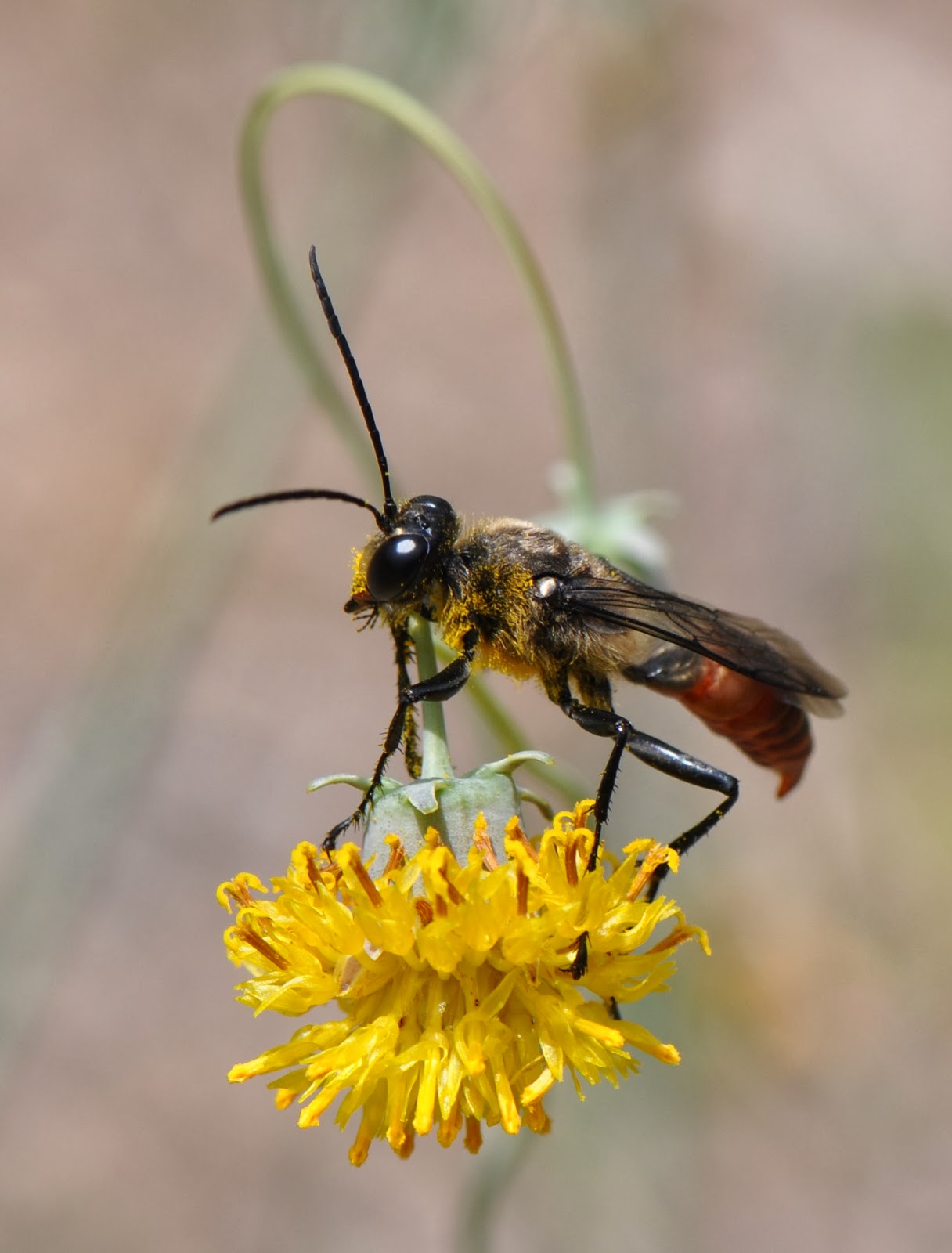
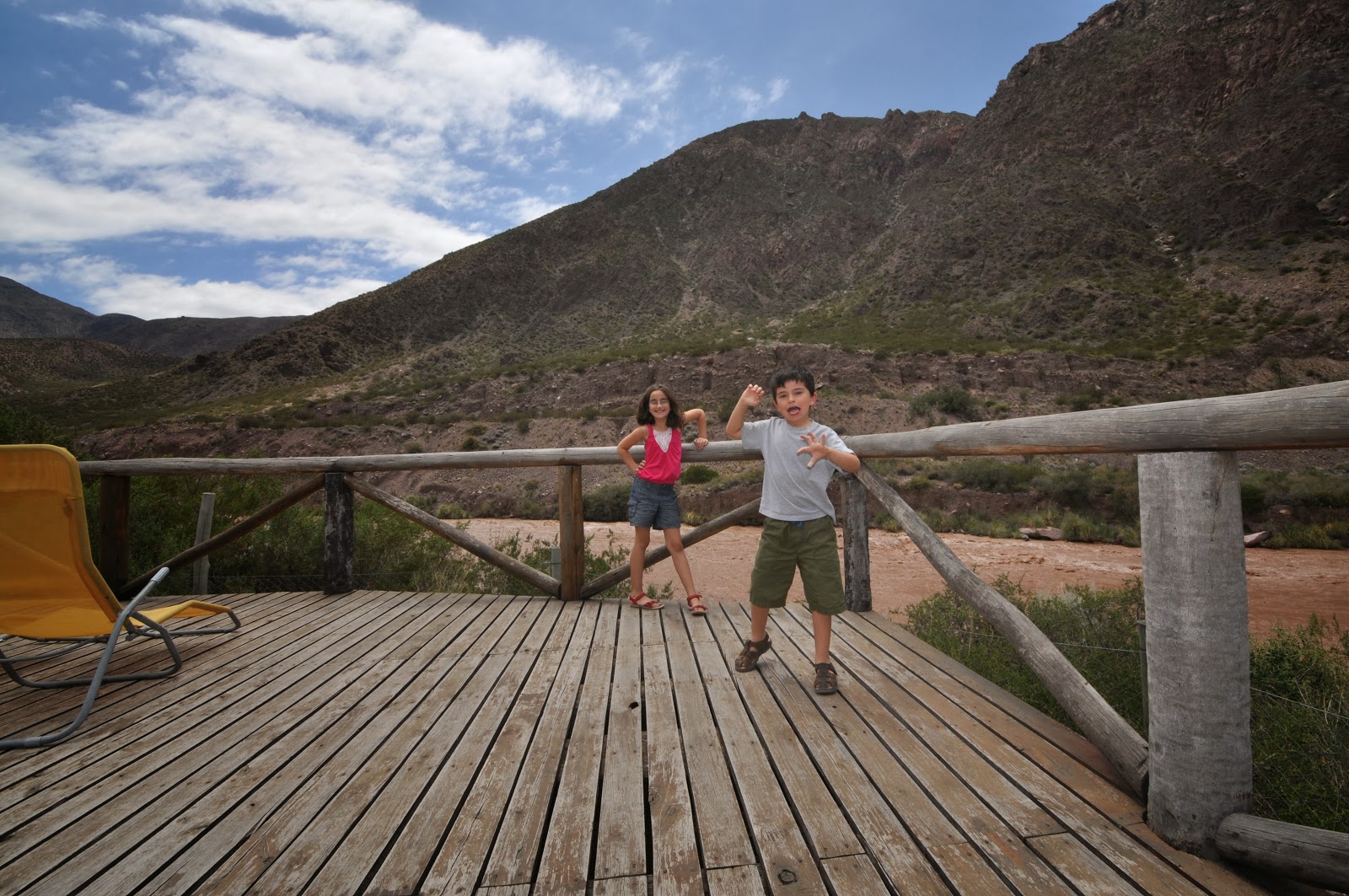
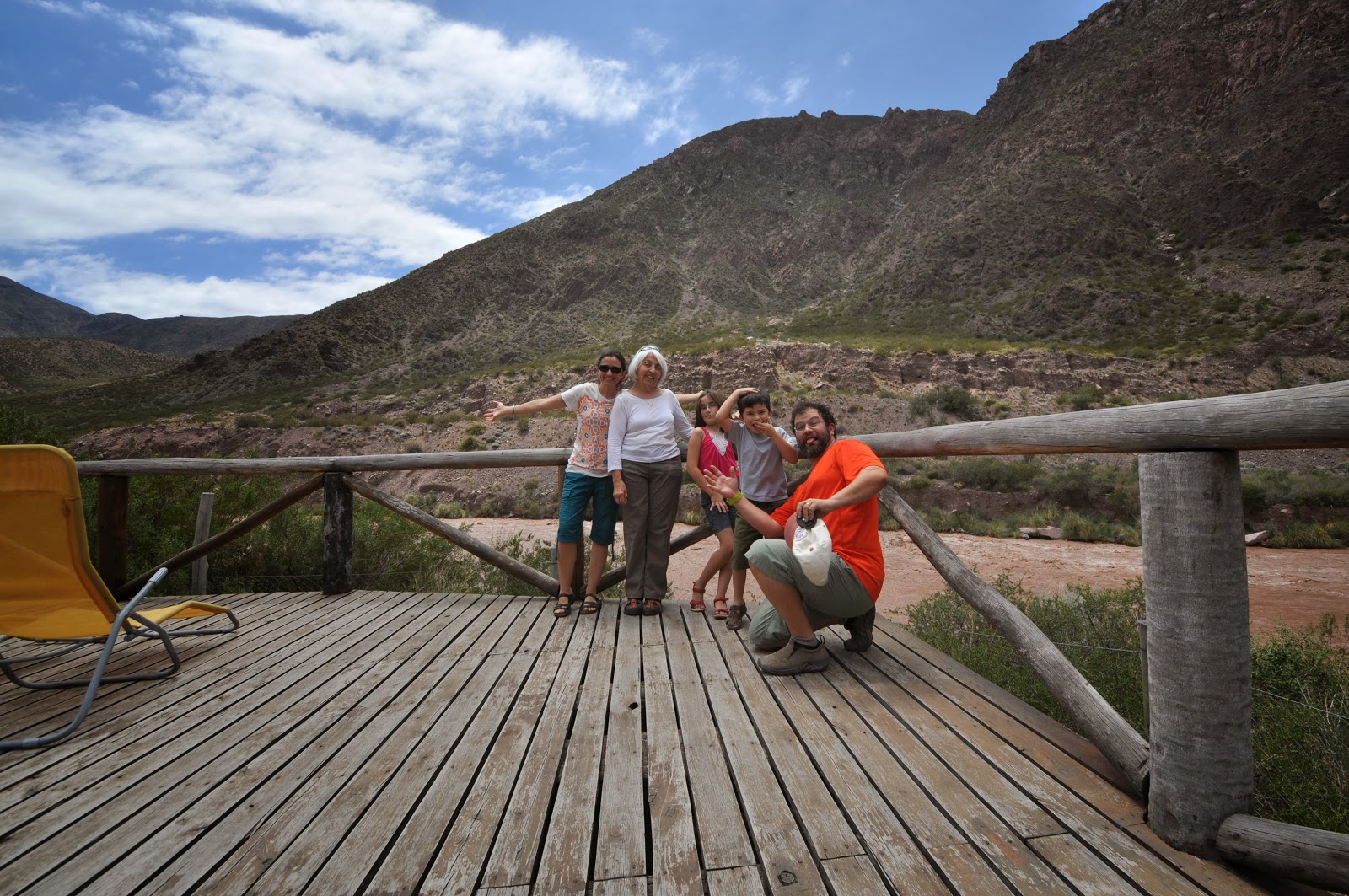
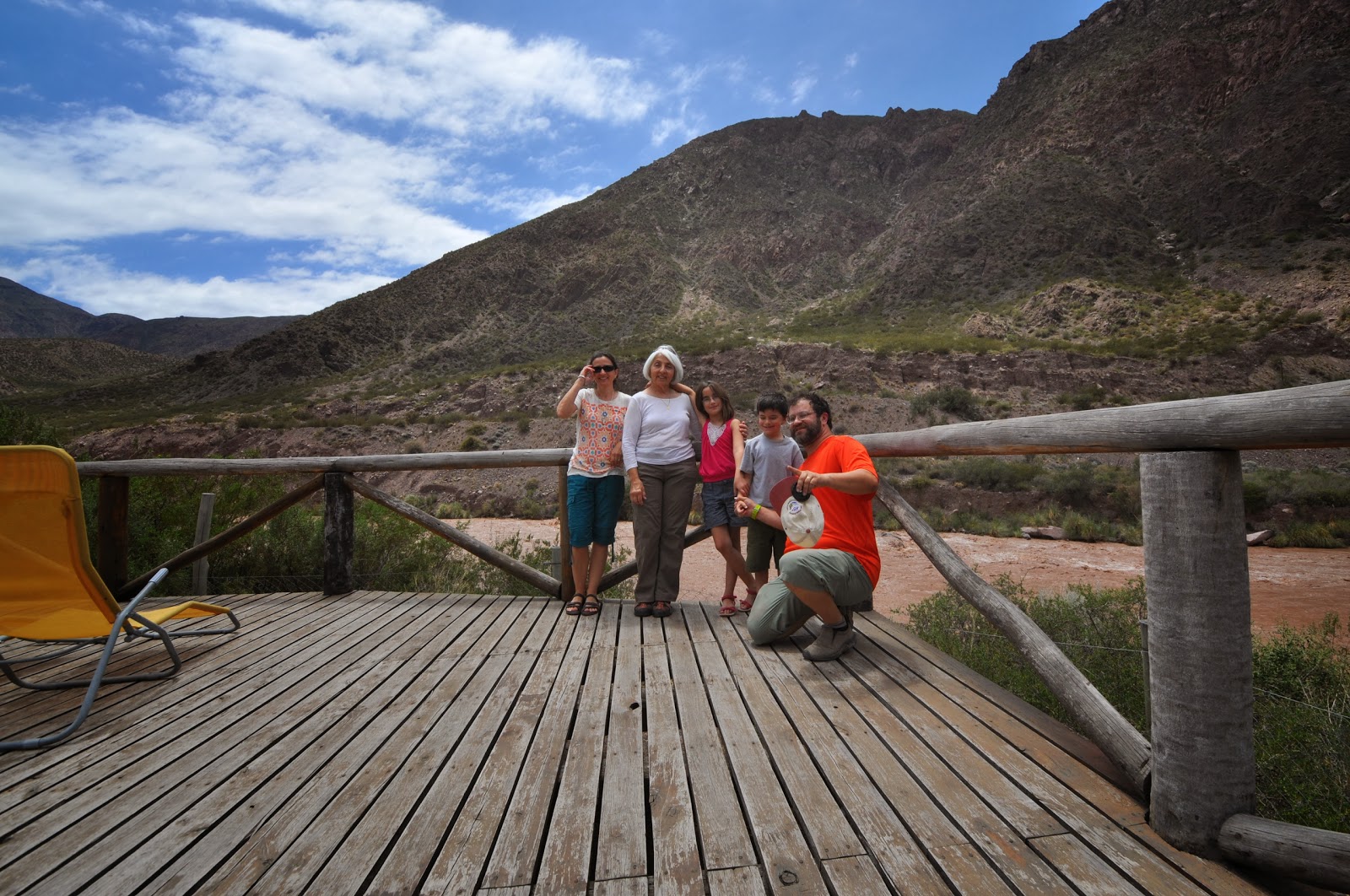
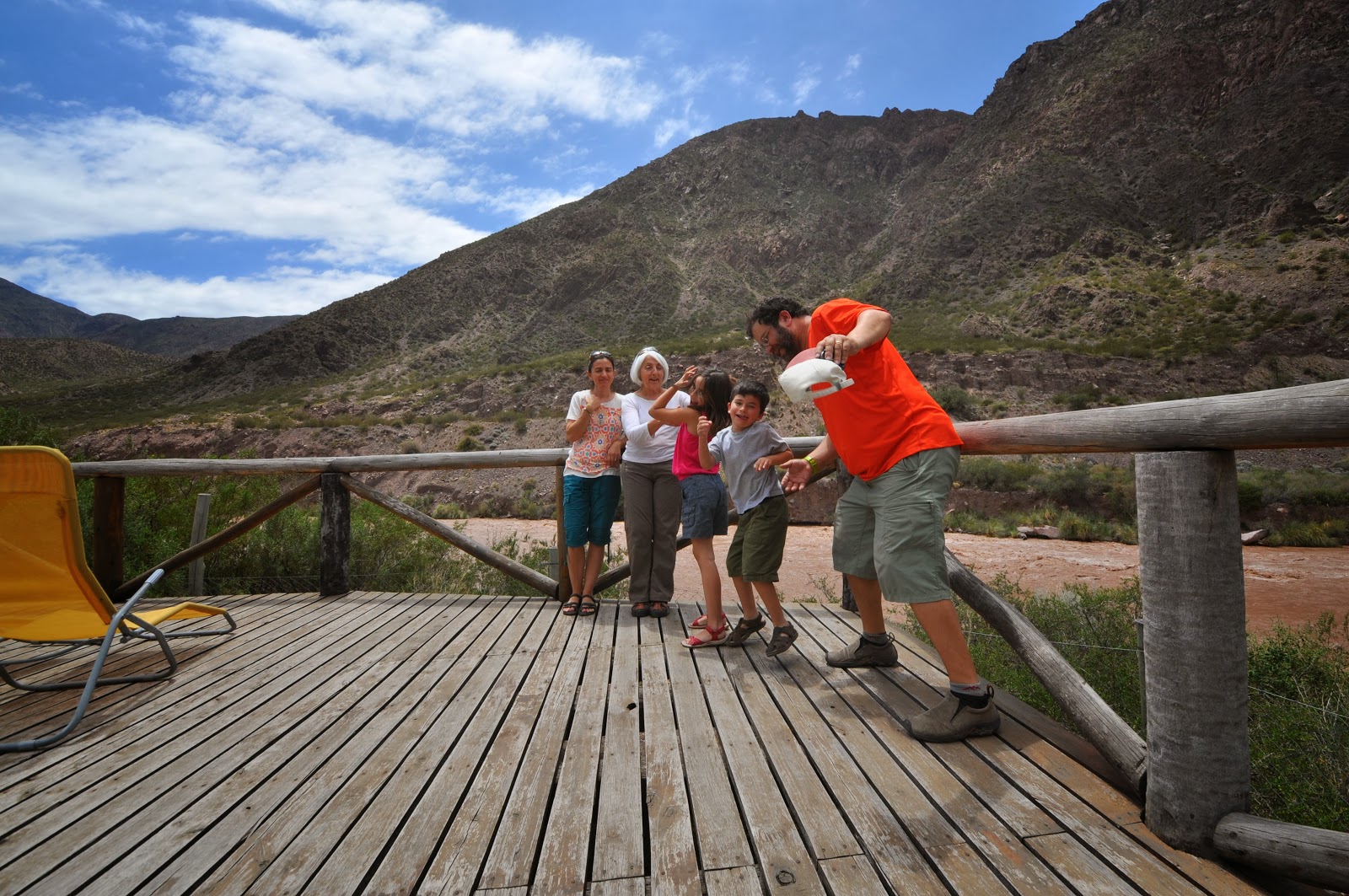
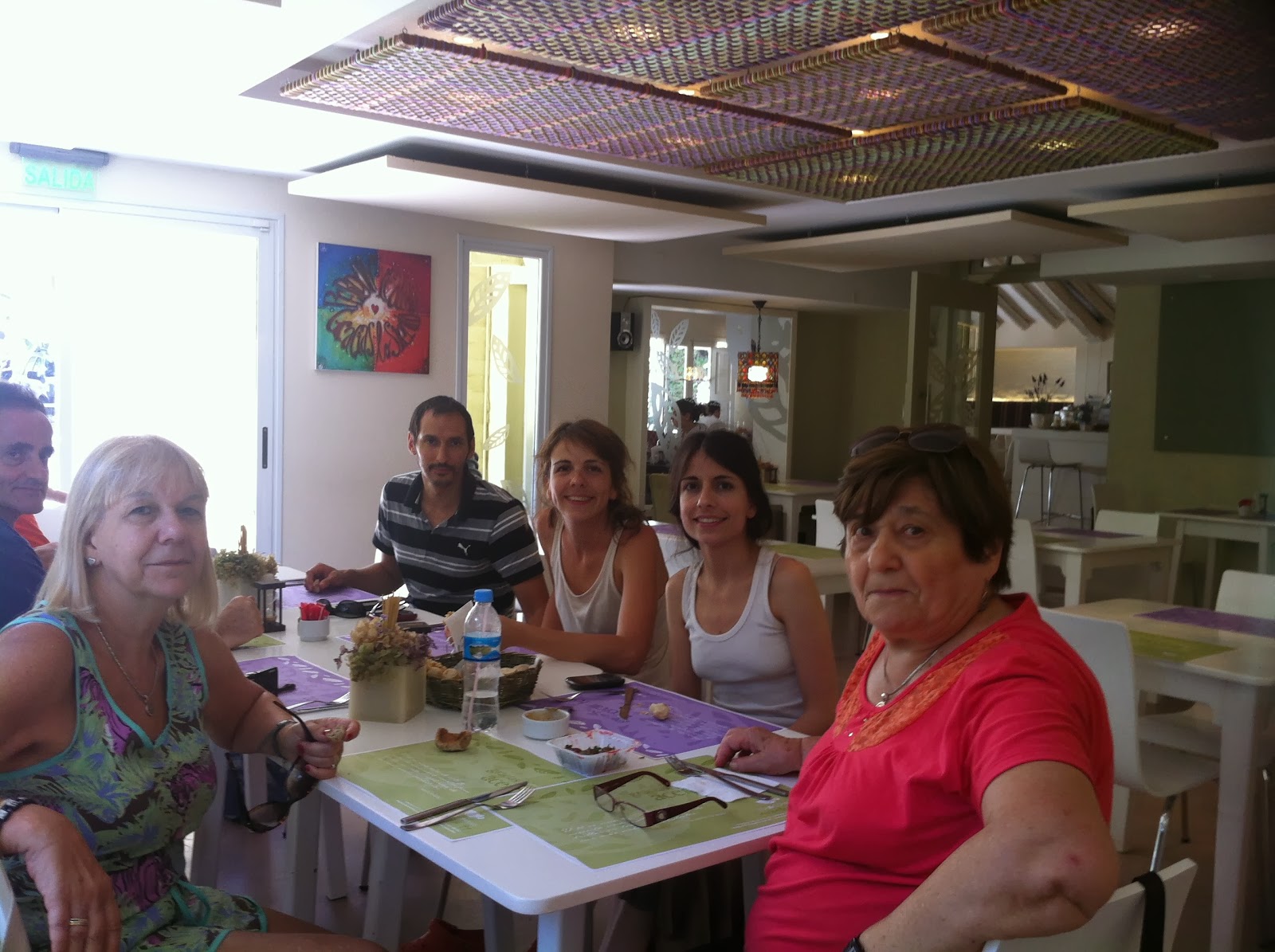
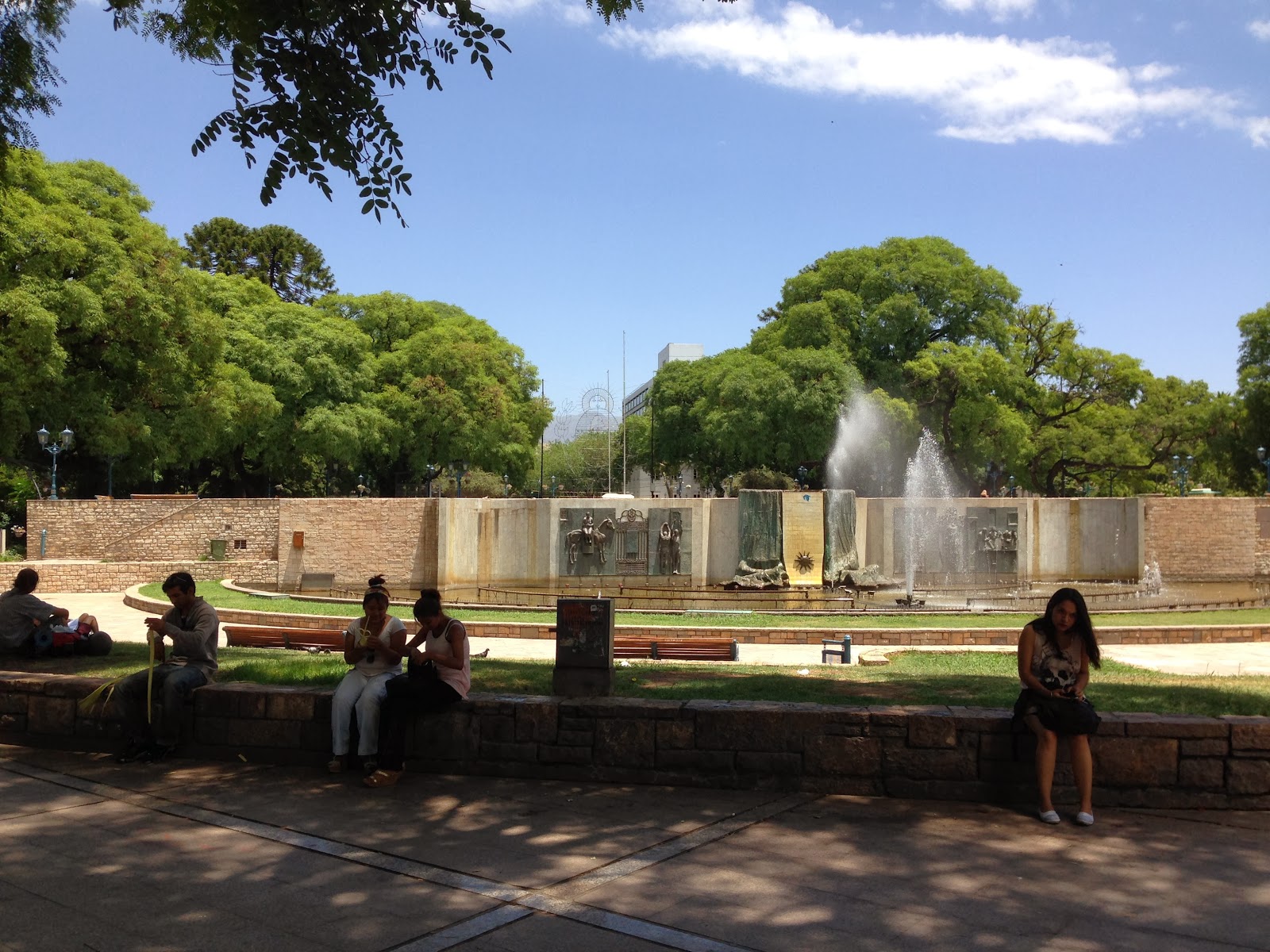
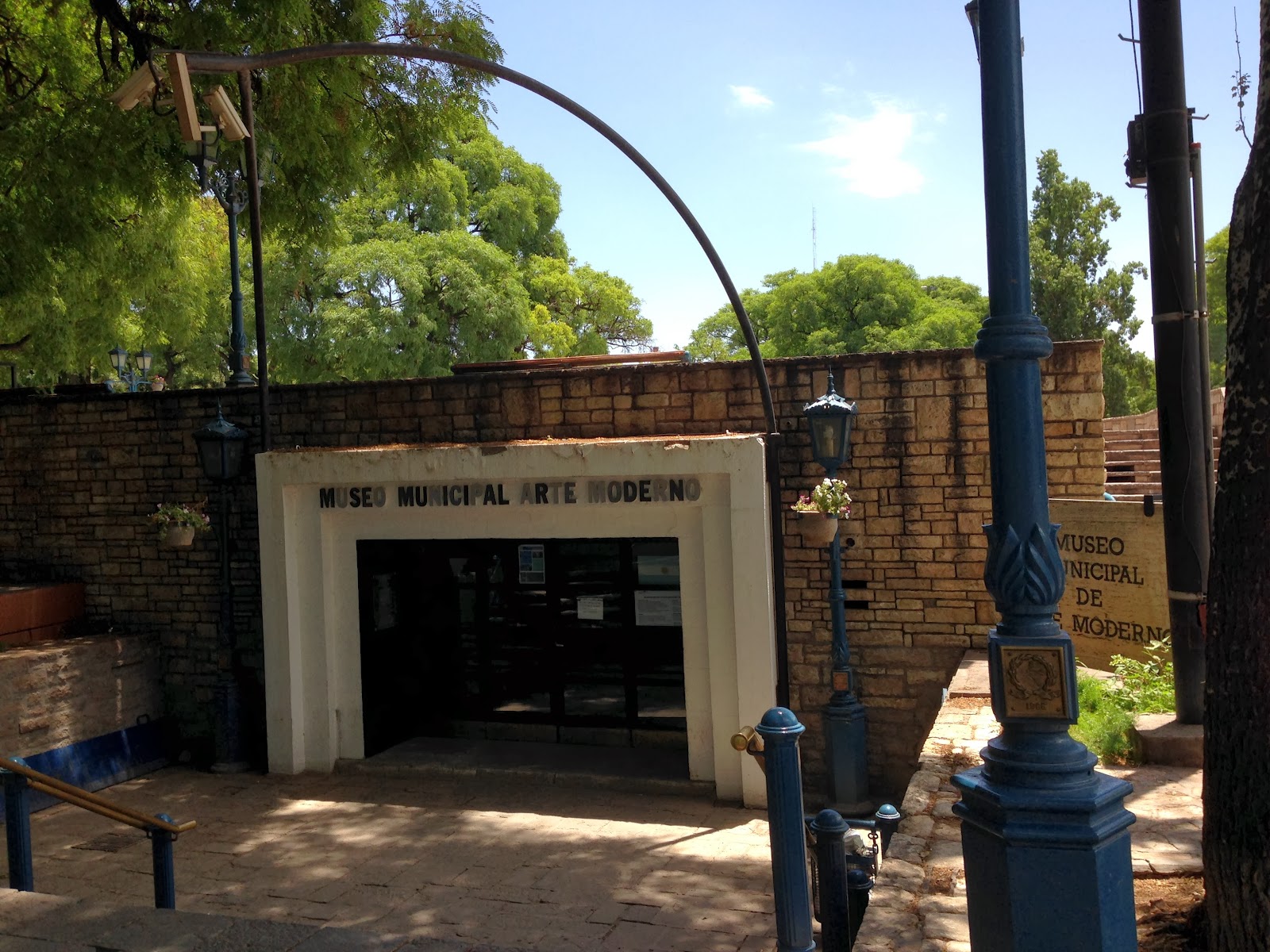
Highlights and notes from trip to Argentina 2013

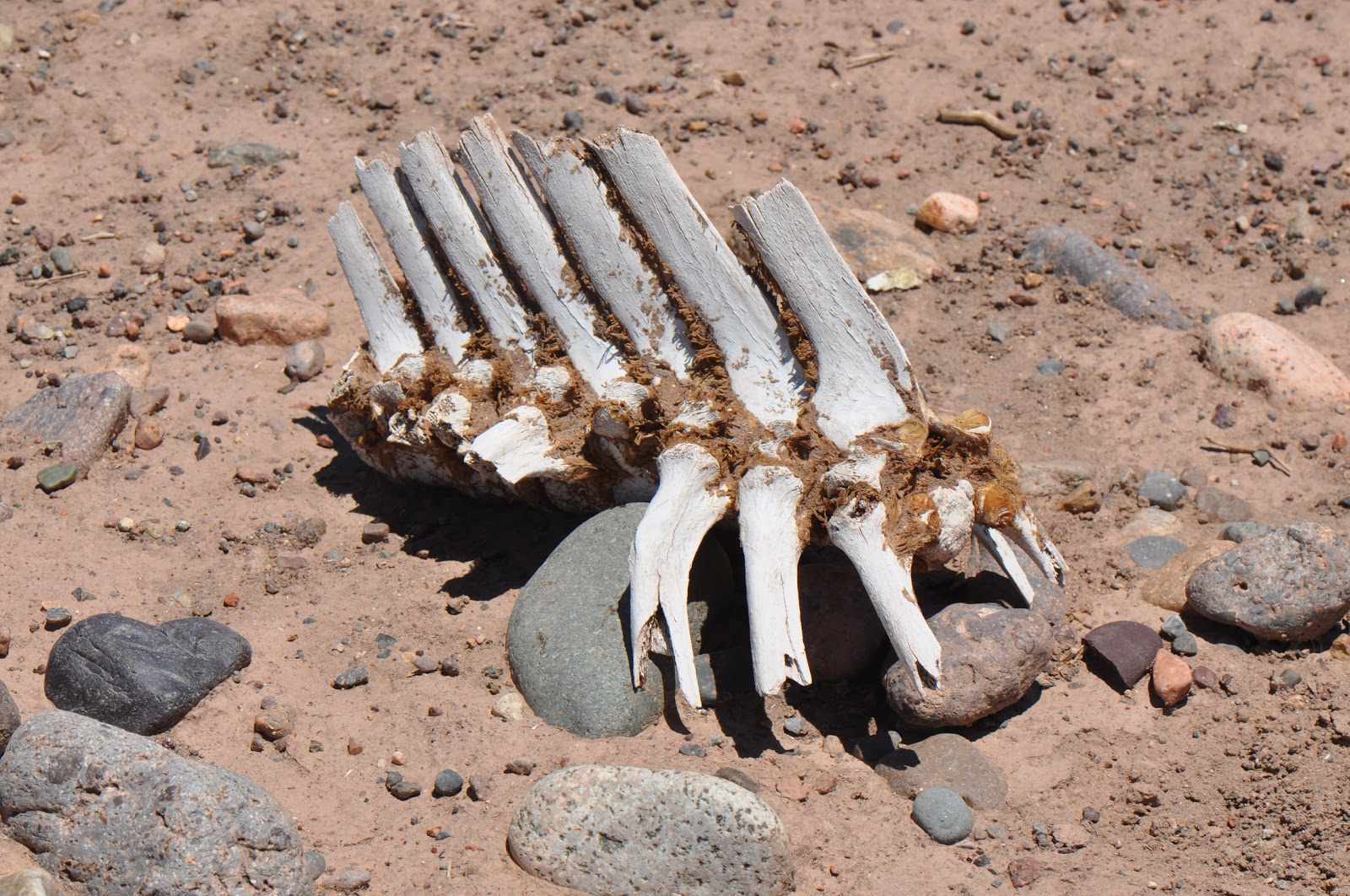
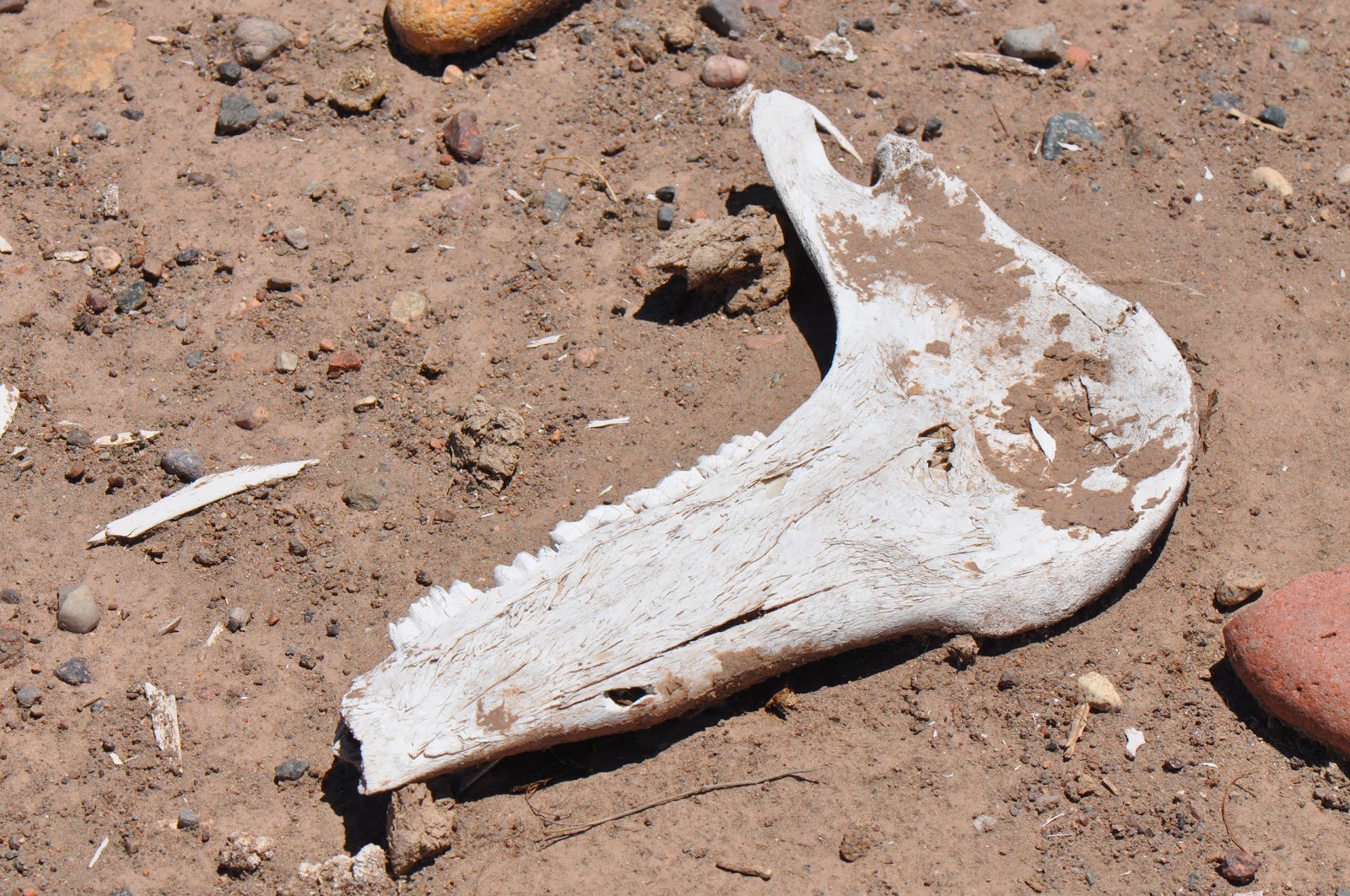
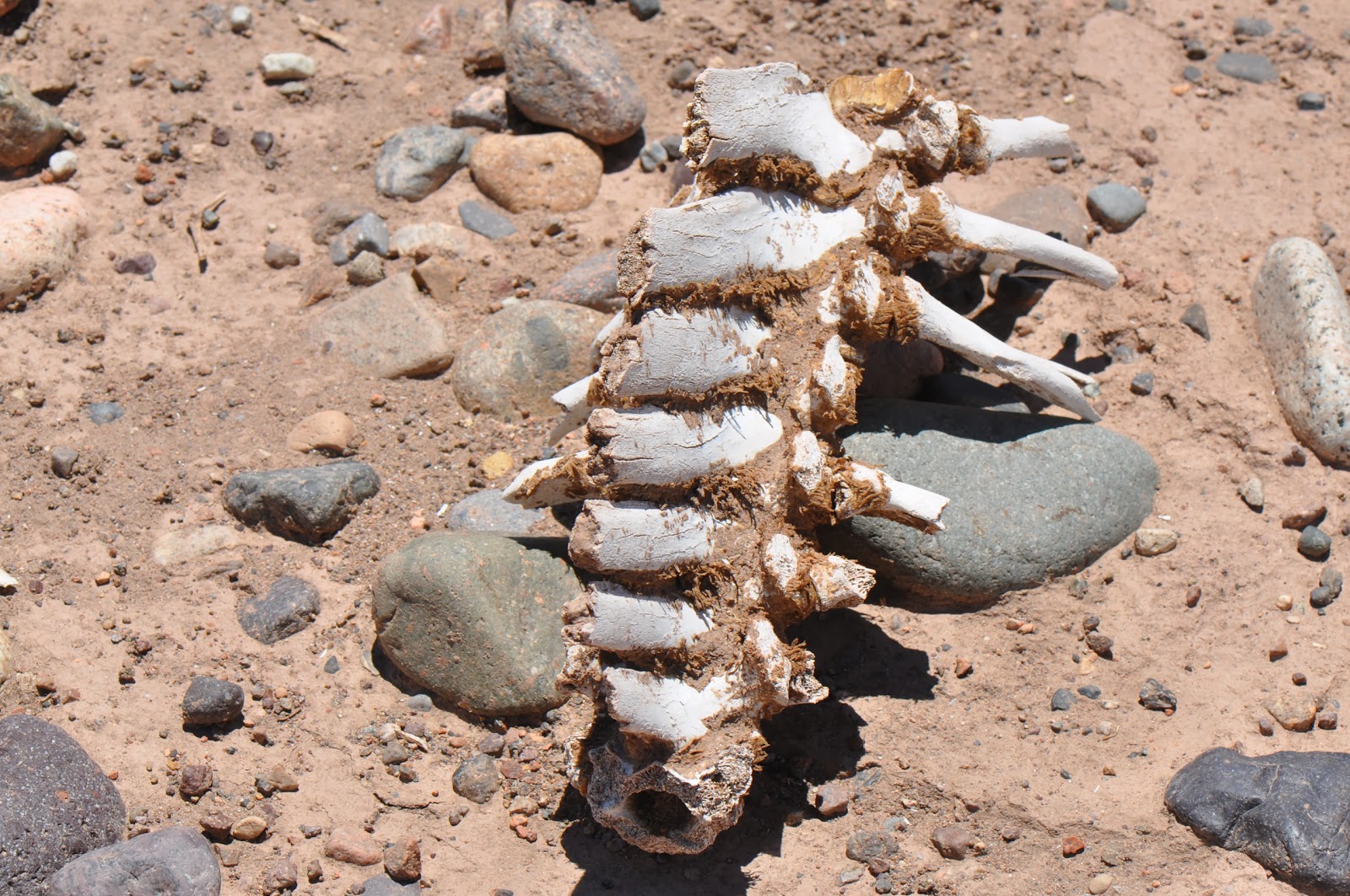
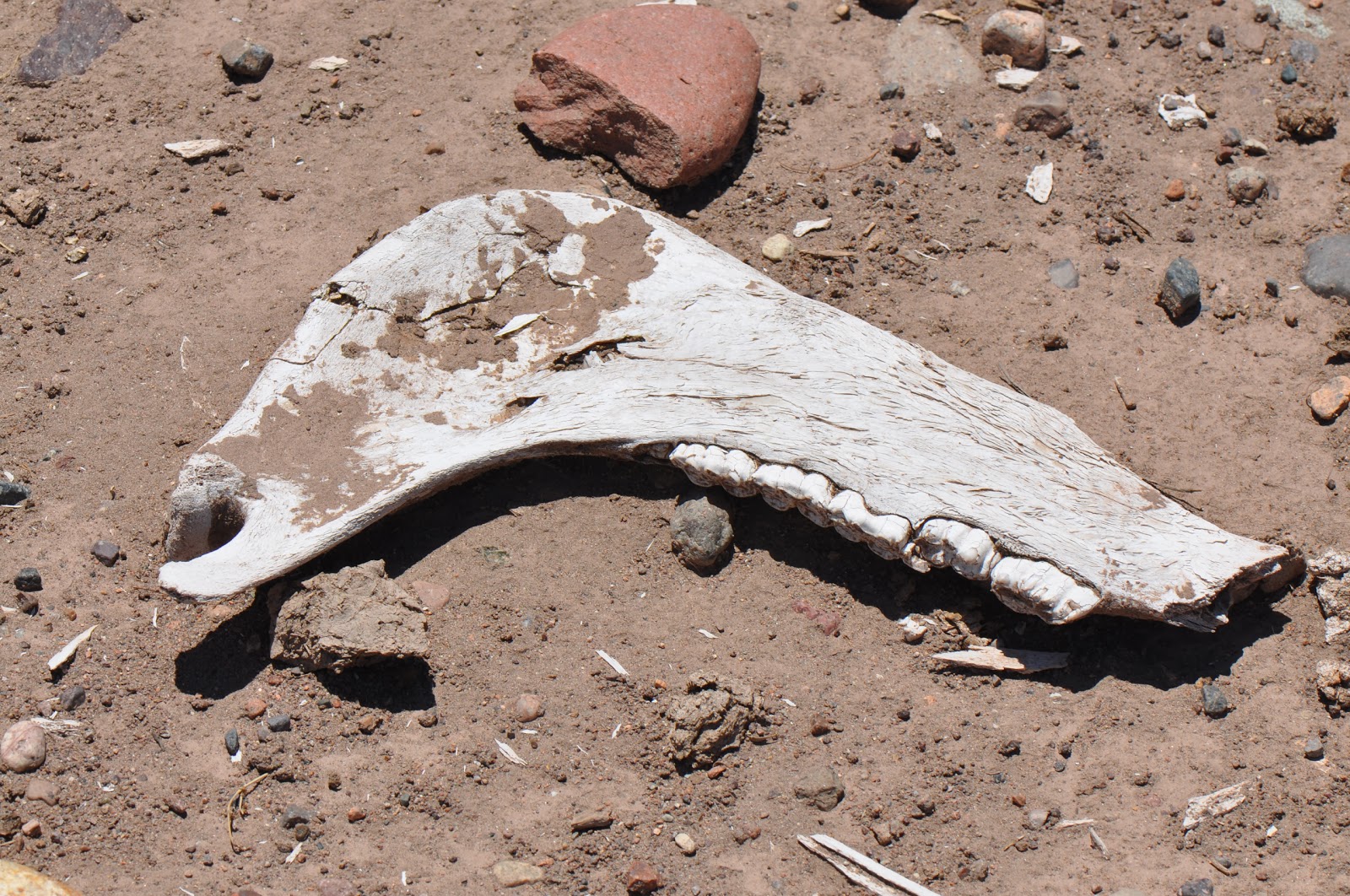
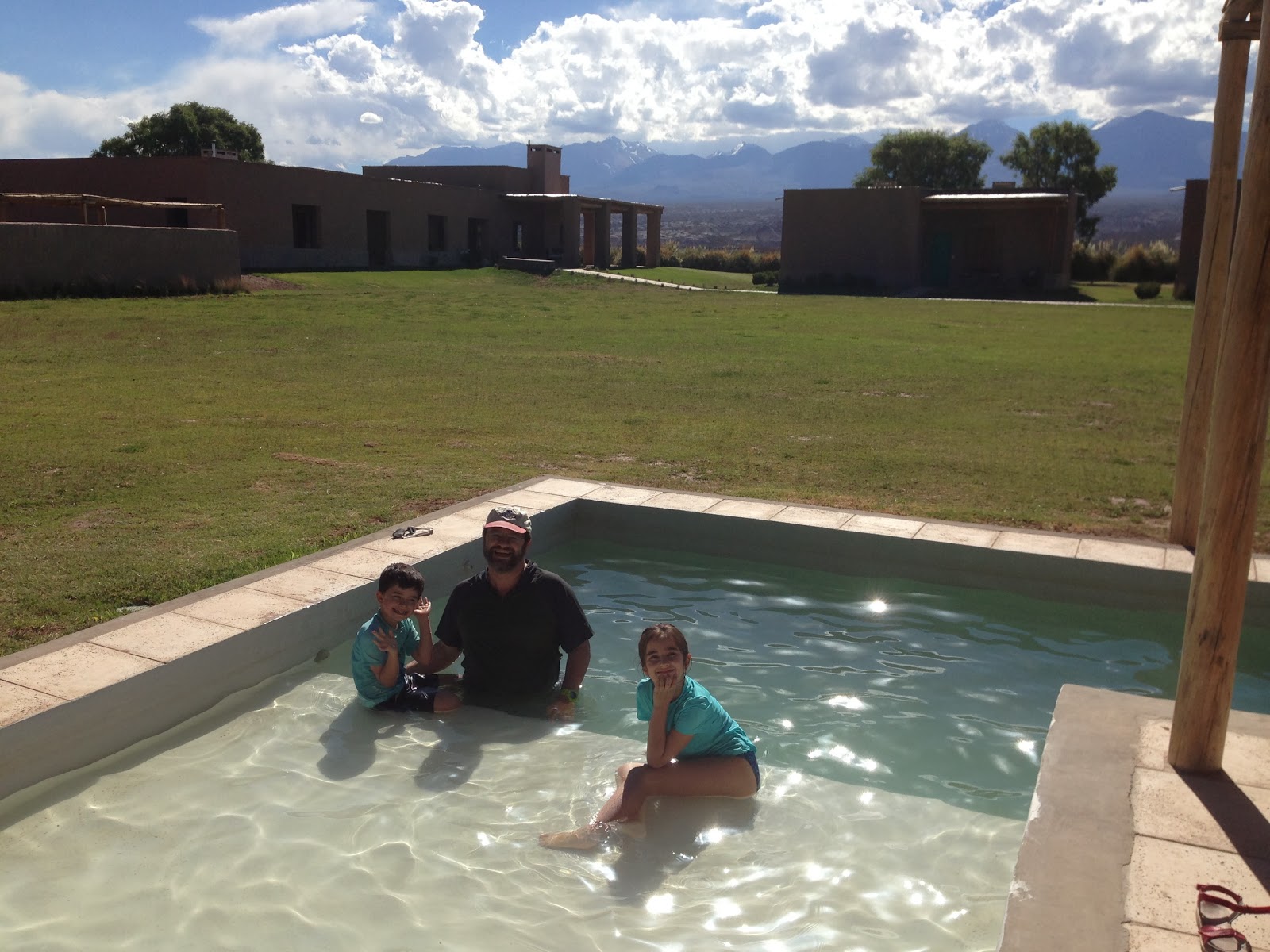
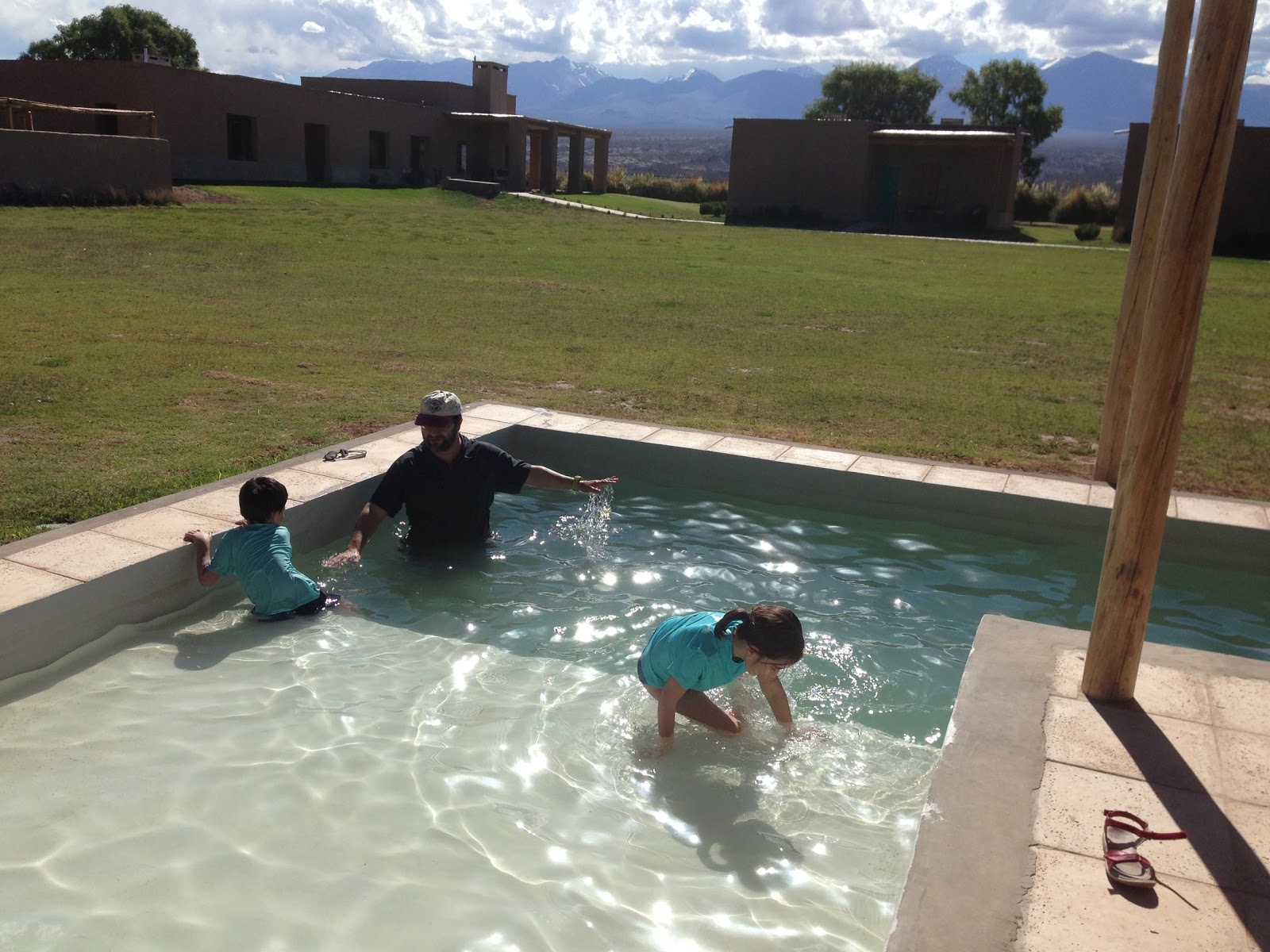
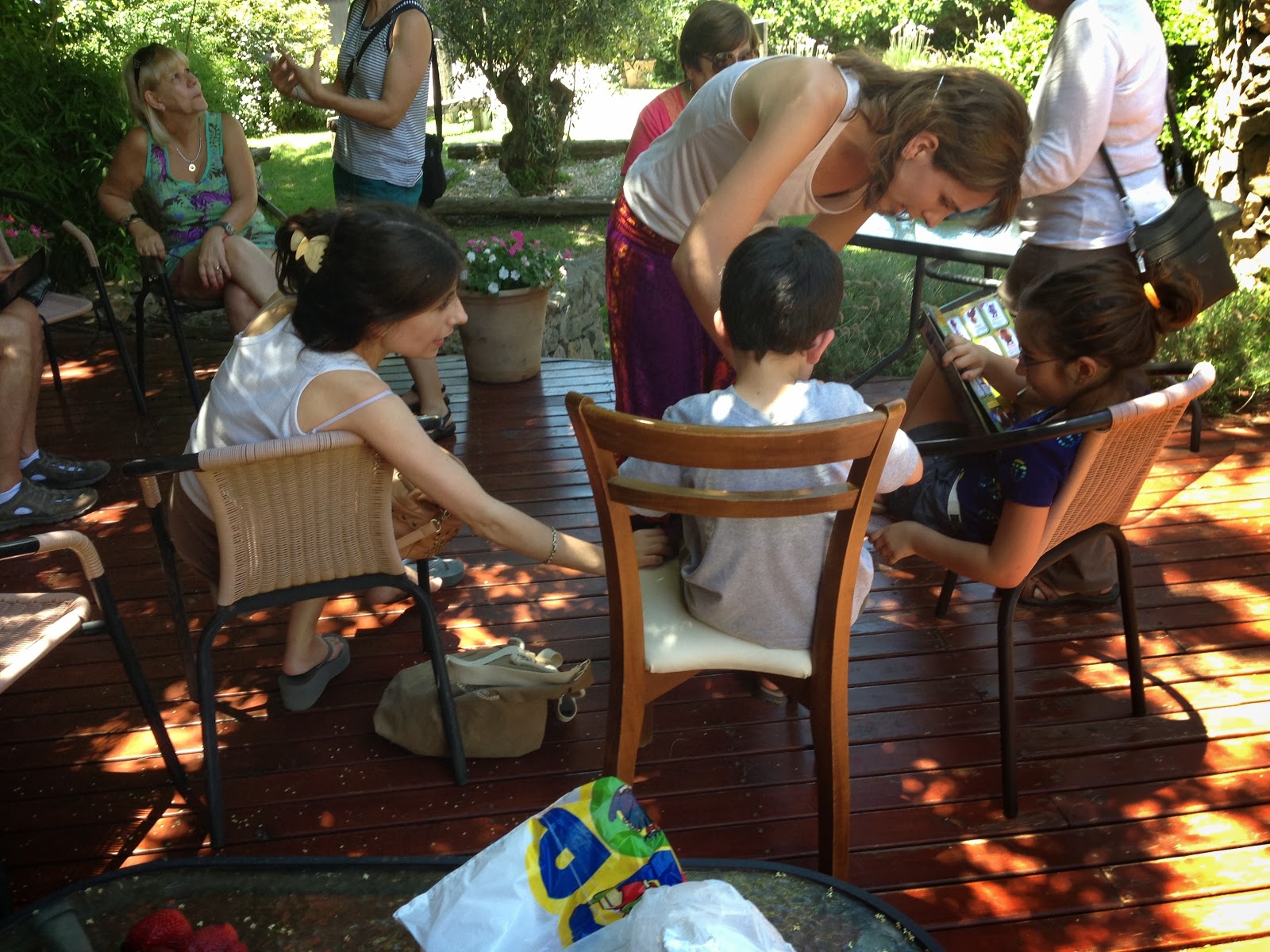
My family went on a 2 week trip to Argentina over winter break and I thought I would post some notes and pics here.

We flew from Sacramento to Mendoza, via Dallas and Santiago.  We flew on American Airlines which was mostly a complete disaster.  We booked flights in Summer and chose American Airlines because they had “extra leg room seats” for the long Dallas to Santiago flight that one could pay for.  As someone with circulatory problems that was important to me so we chose American and bought these tickets and all seemed good.

But alas it was not to be.  I got an email from American saying our flight was changed and when I called them they said that the timing of the flights was changed and that was it.  Alas they did not tell me our extra leg room seats no longer existed as they had also changed the airplane.  I did not find this out for months.

I called American and posted to Twitter and tried everything I could think of to get seats with more leg room (e.g., bulkhead seats).  And I was told by the American Airlines agent on the phone and the @americanair twitter account that American would contact me on the weekend before we left to arrange for bulkhead seats.  But alas no call.  And then on the day of our flight I got a call and by that point the agent said “sorry – bulkhead seats are not available for your whole group.”  Thanks a f$*#@ lot American.

Anyway – rather than belabor this here I have made a Storify of some of the Tweets relating to our trip including the conversations with American Airlines.  See below for more detail on this.

Anyway – overall the trip was good even with the continuing trouble with American Airlines and Lan Airlines.

 We went to five places on the trip.

  1.  Hotel Mendoza in Downtown Mendoza
  2.  Barreal #1
  3. Barreal #2
  4. Portrerillos
  5. Lares de Chacras on the outskirts of Mendoza 

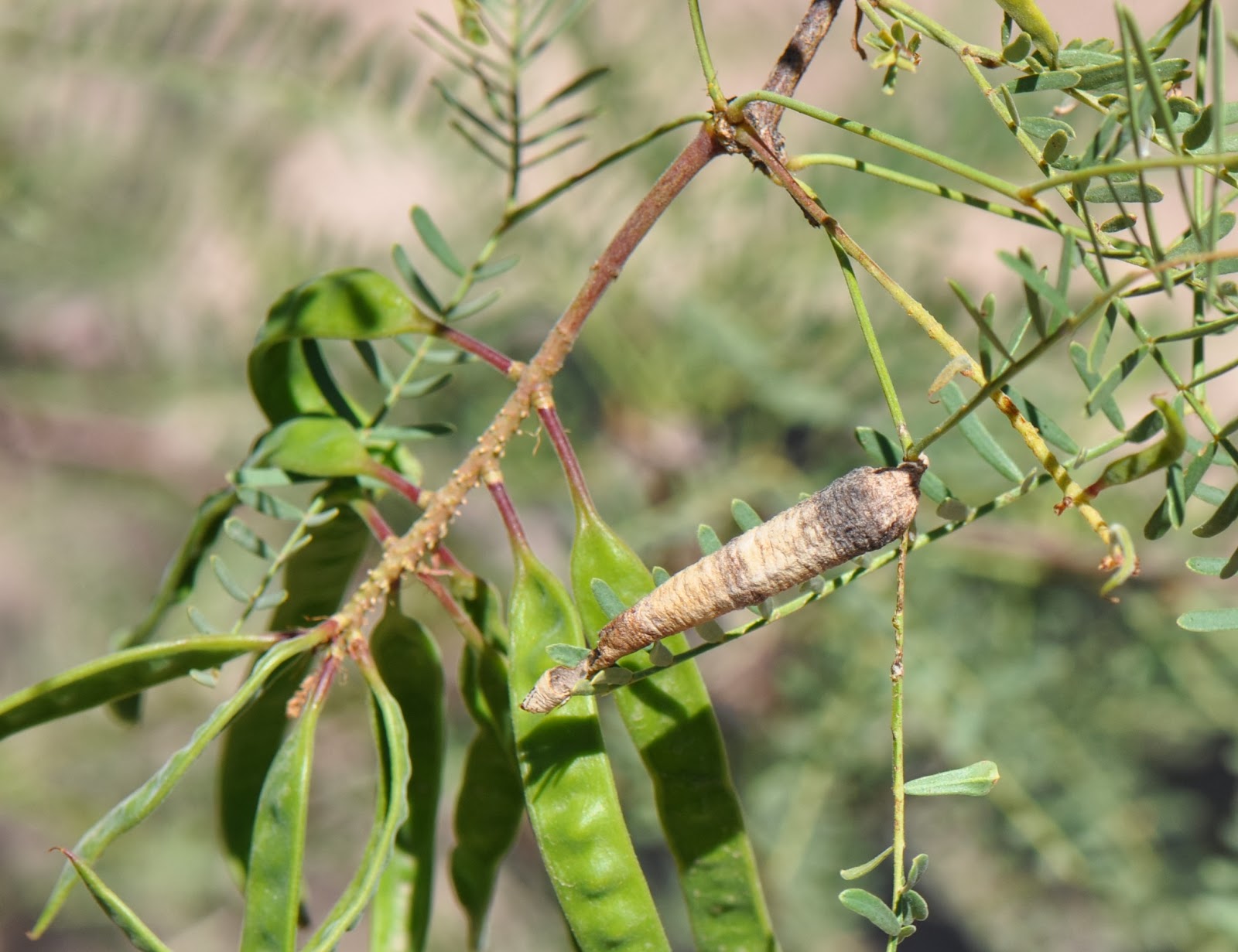
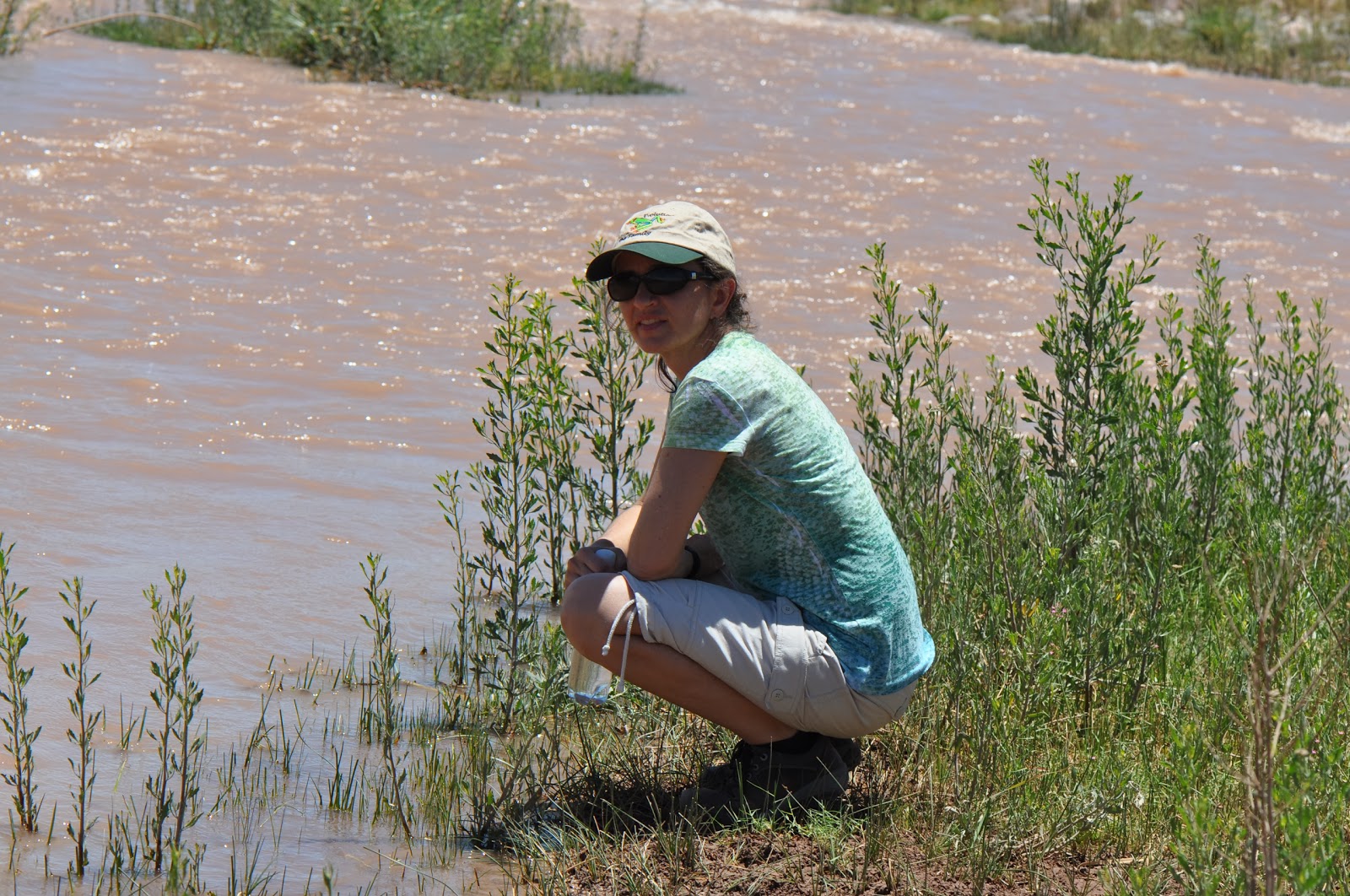
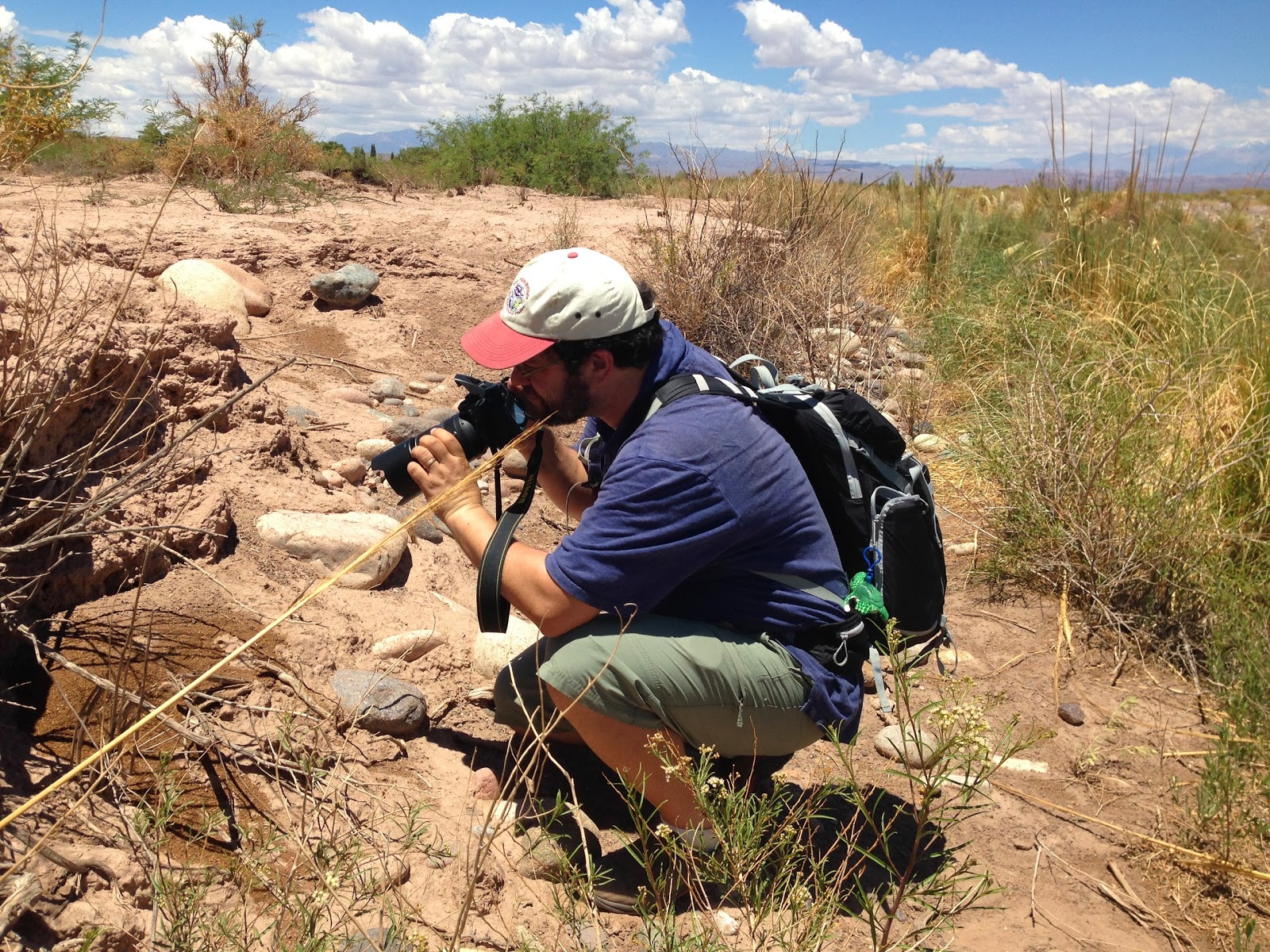
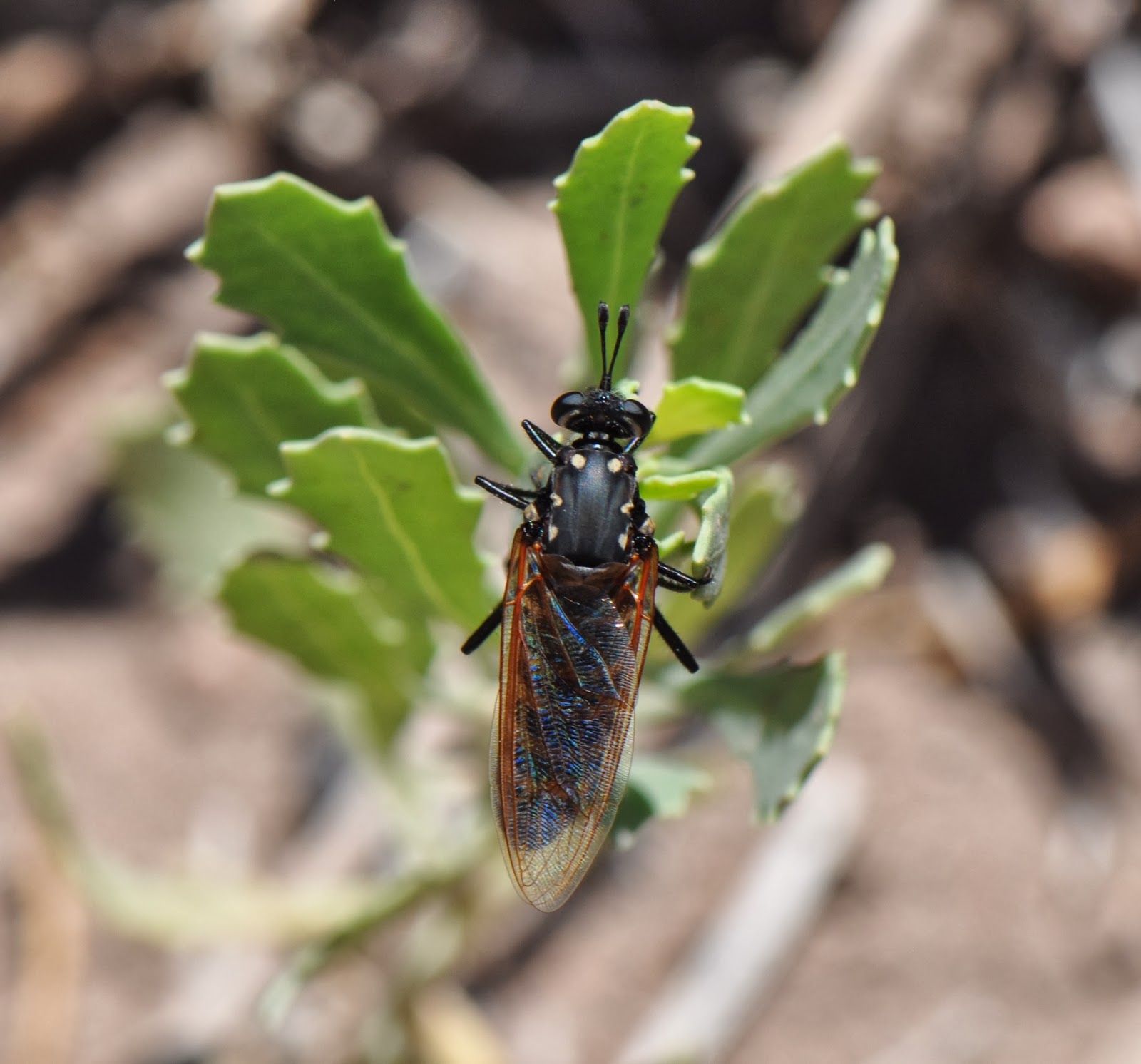
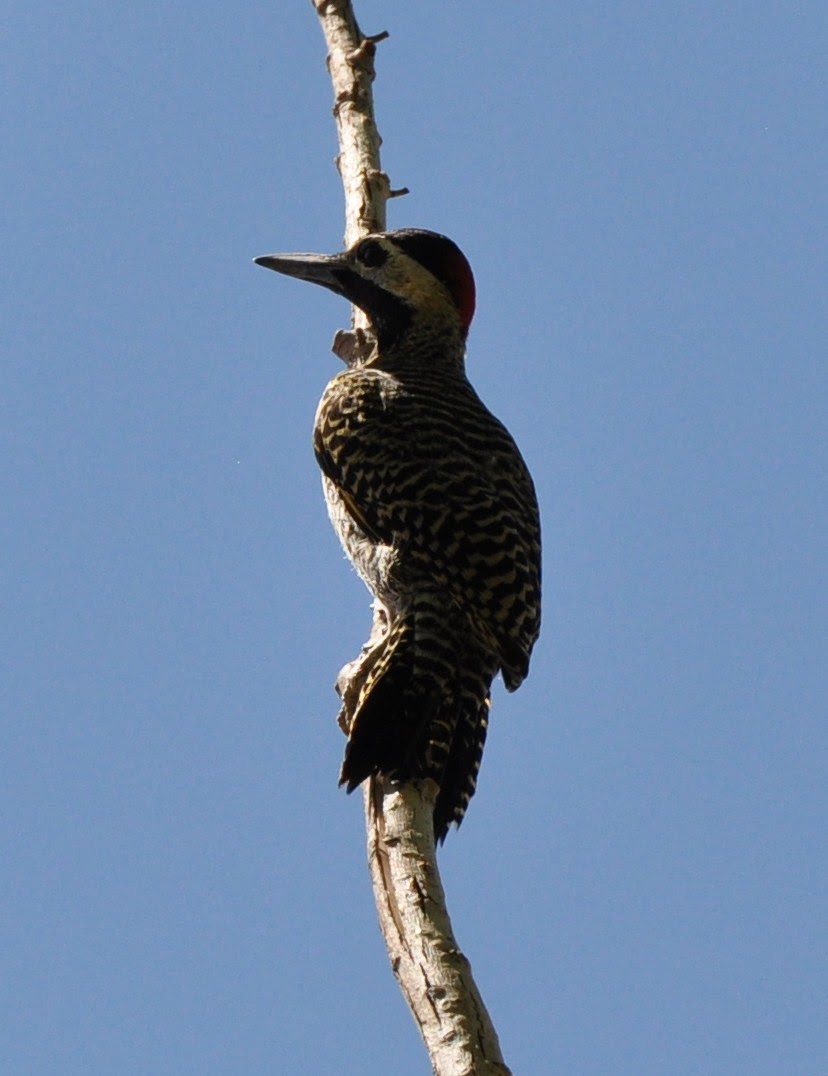
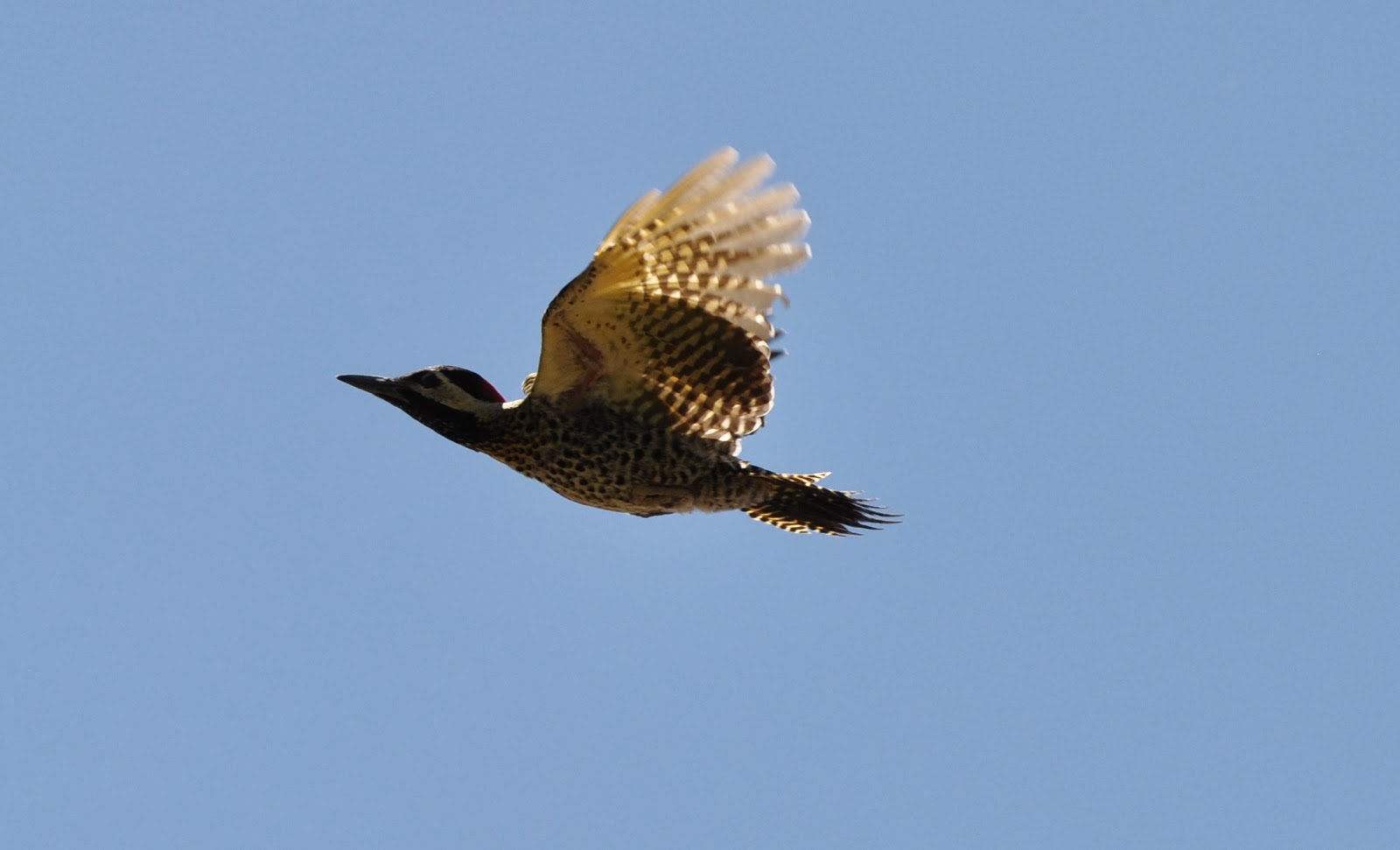
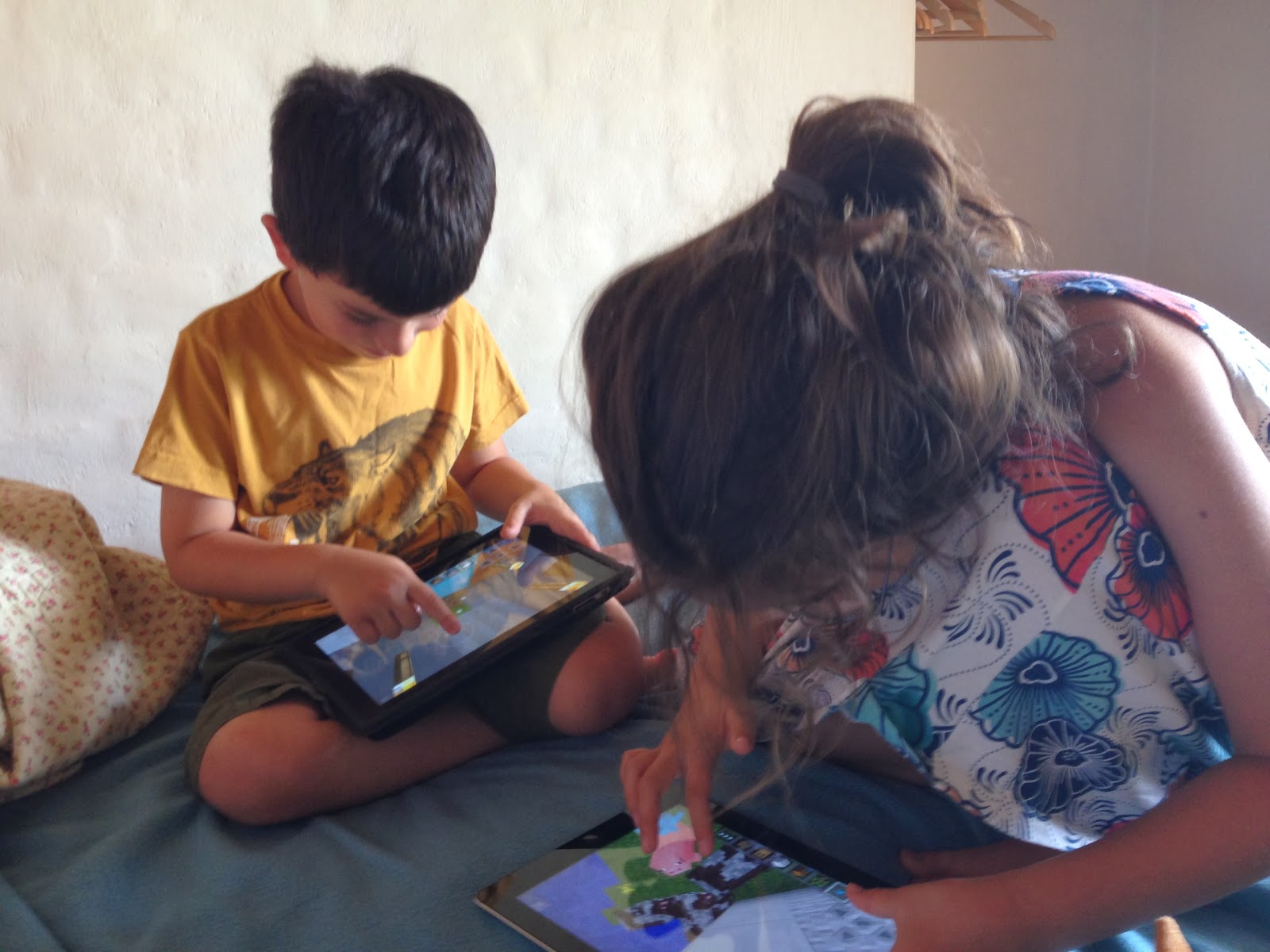
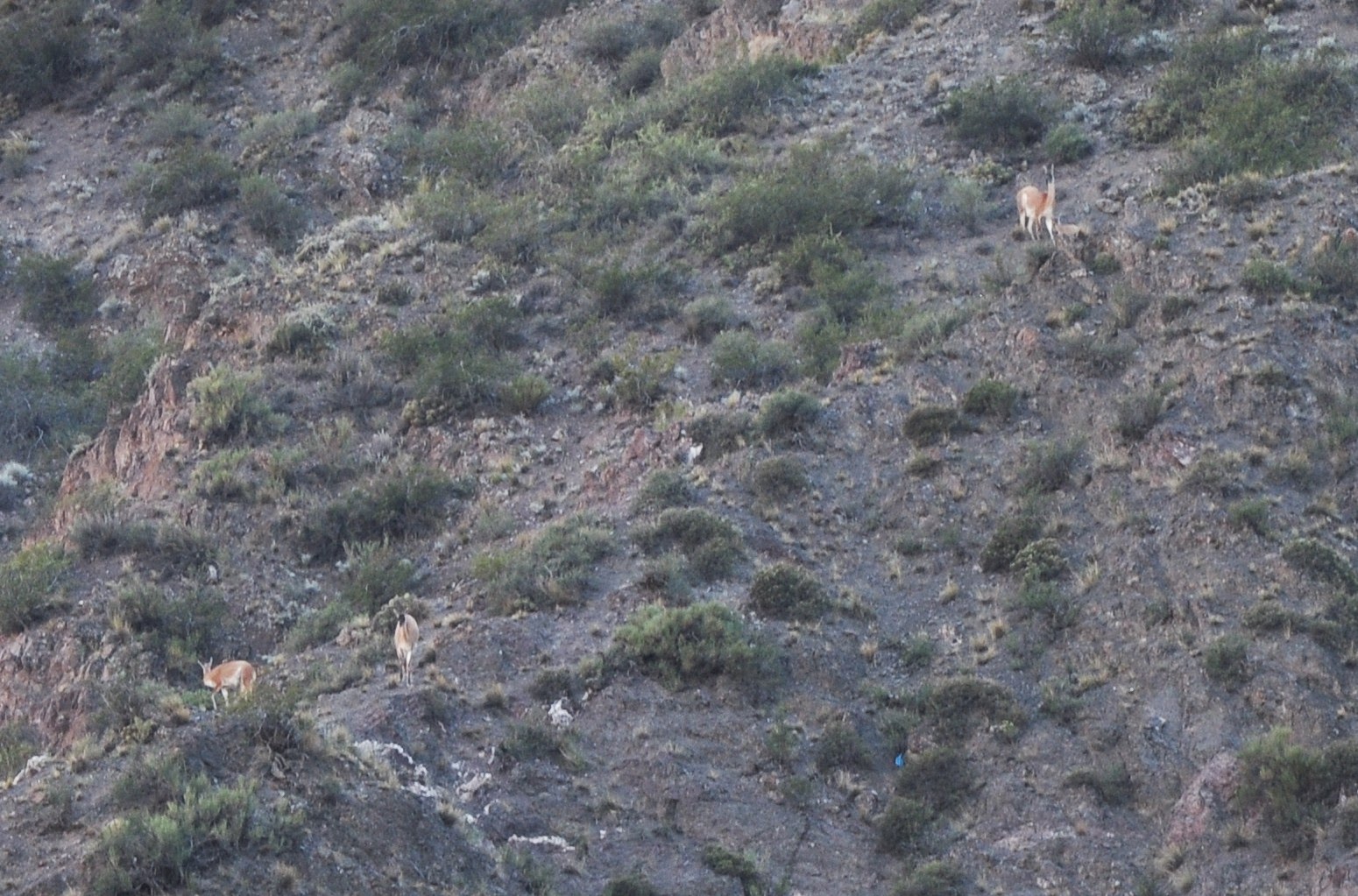
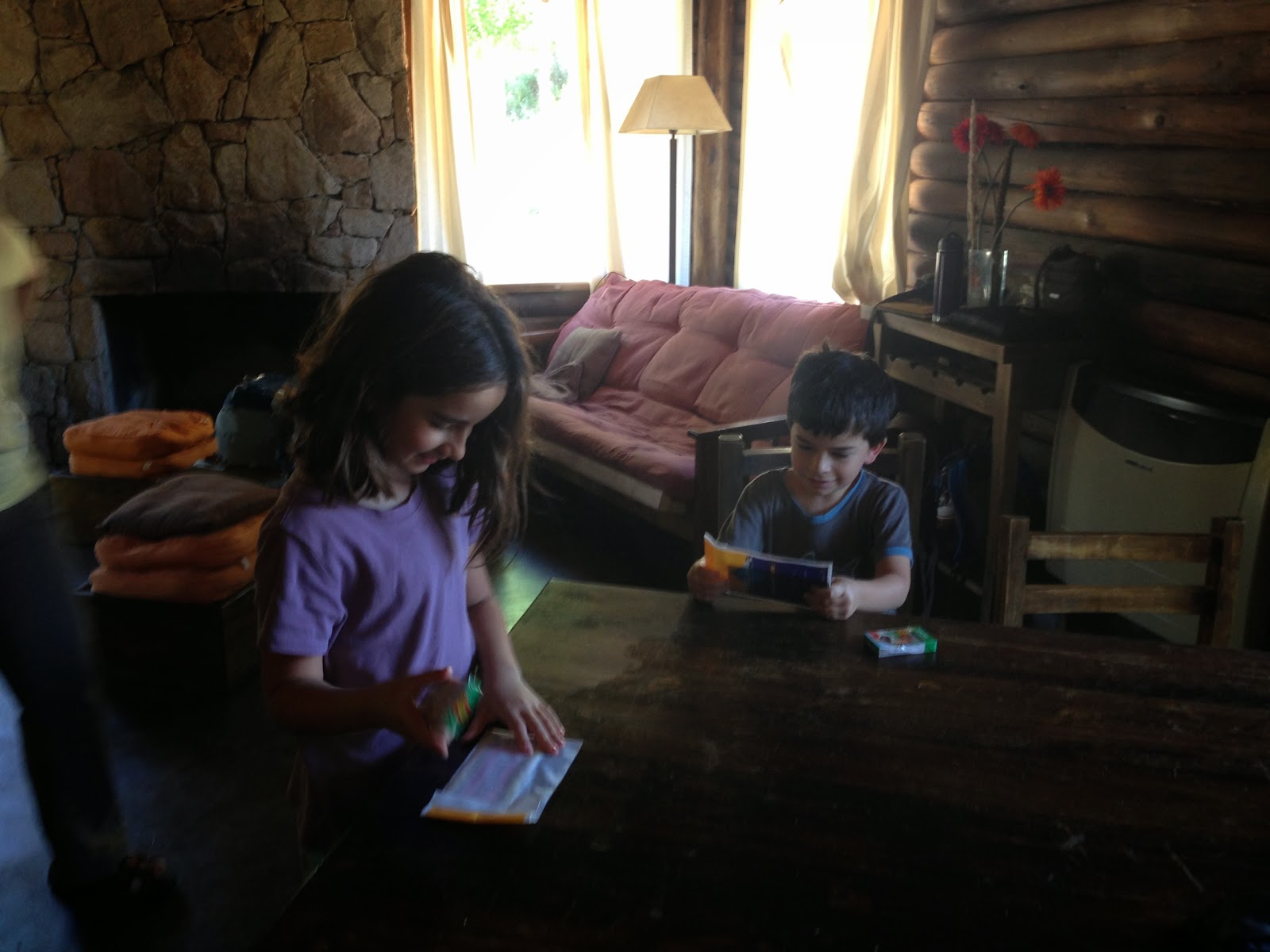
And here are some of the better pics with some notes from the trip

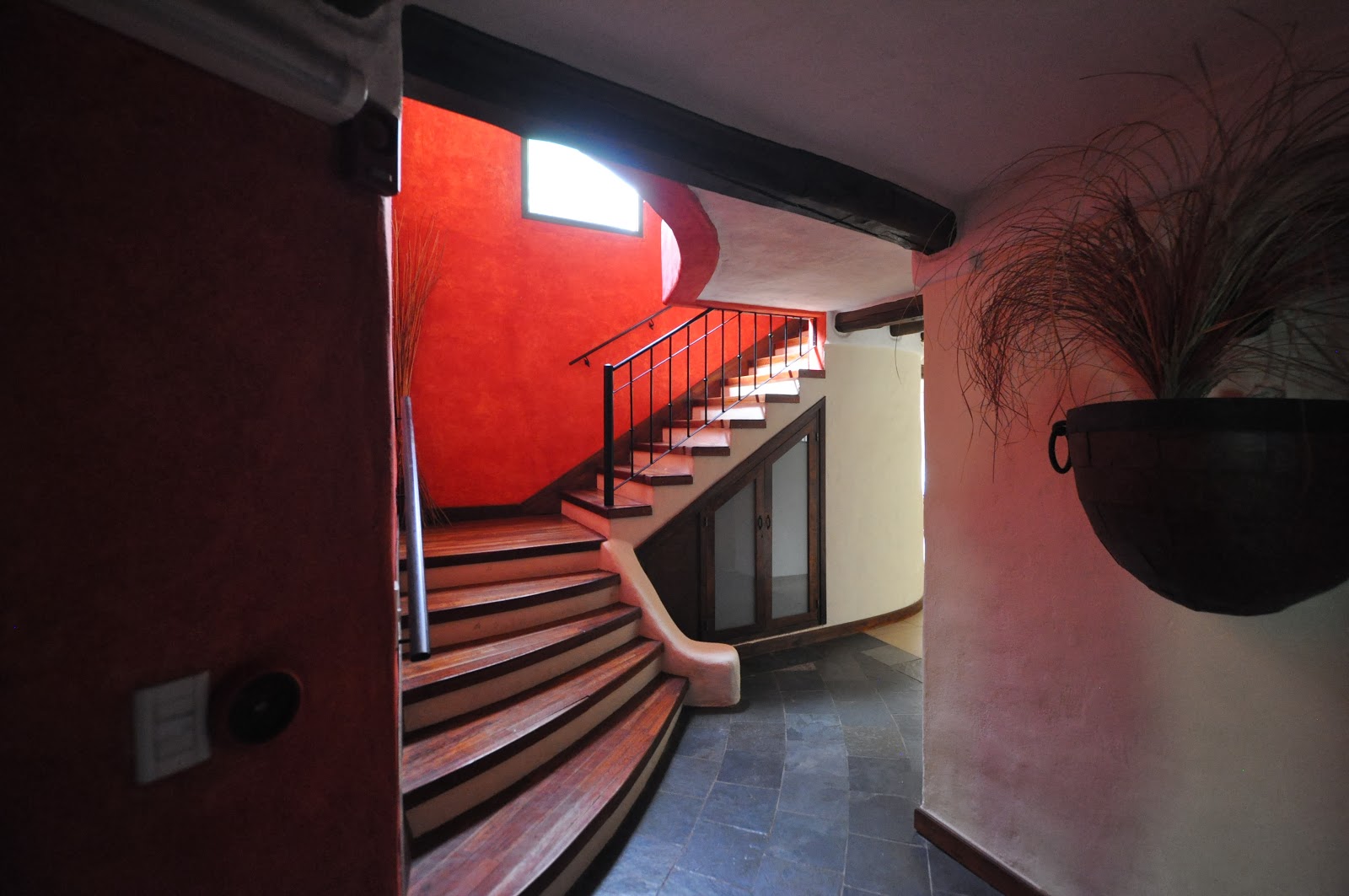
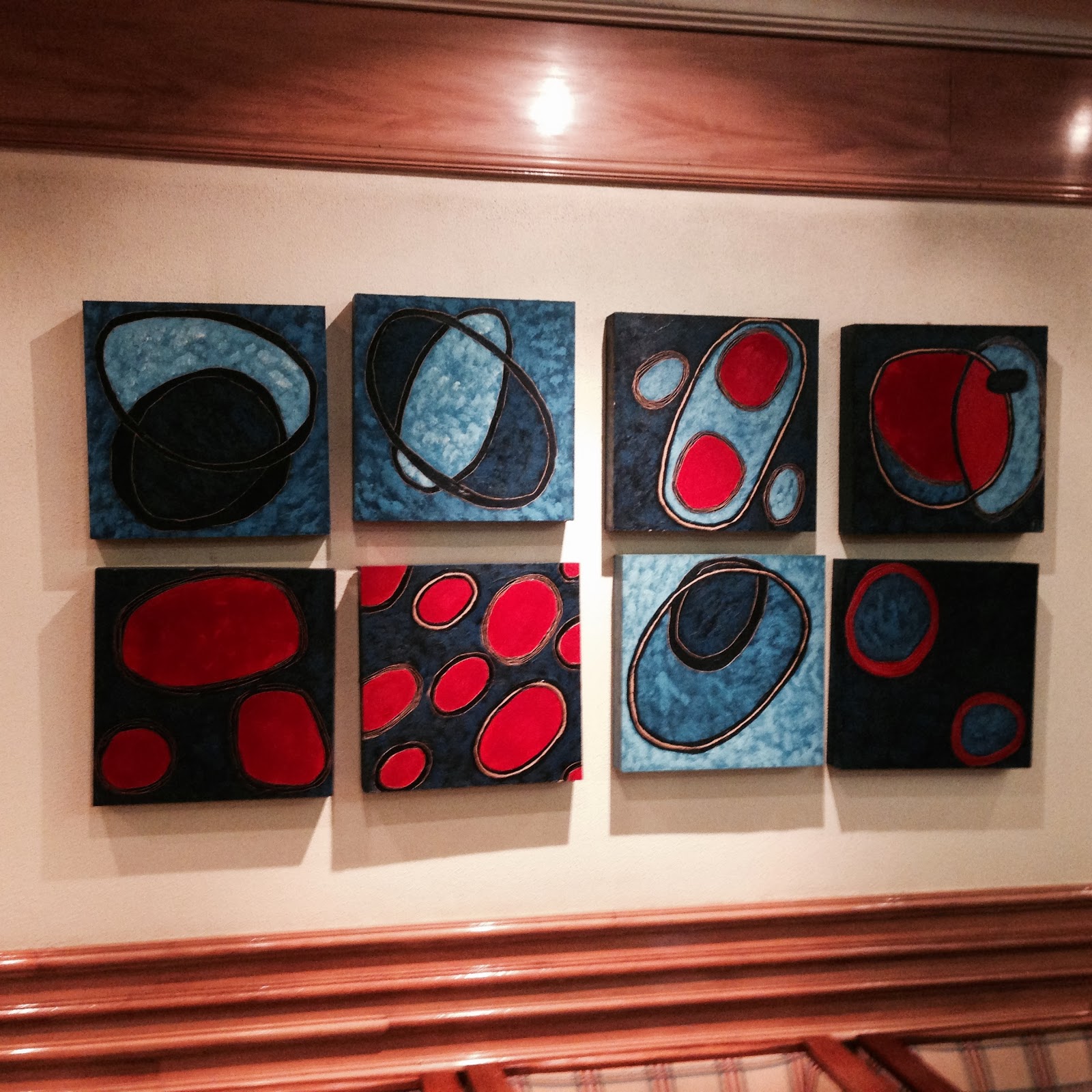
Hotel Mendoza


Barreal #1

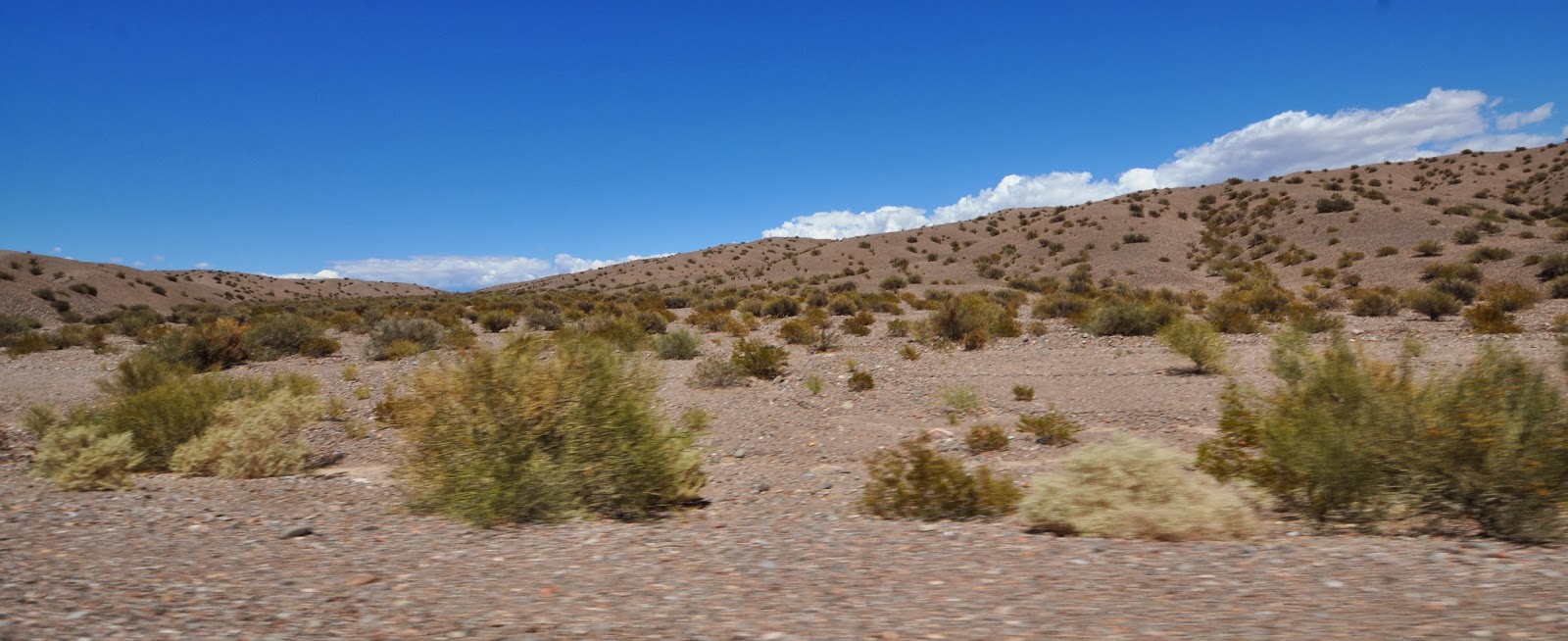
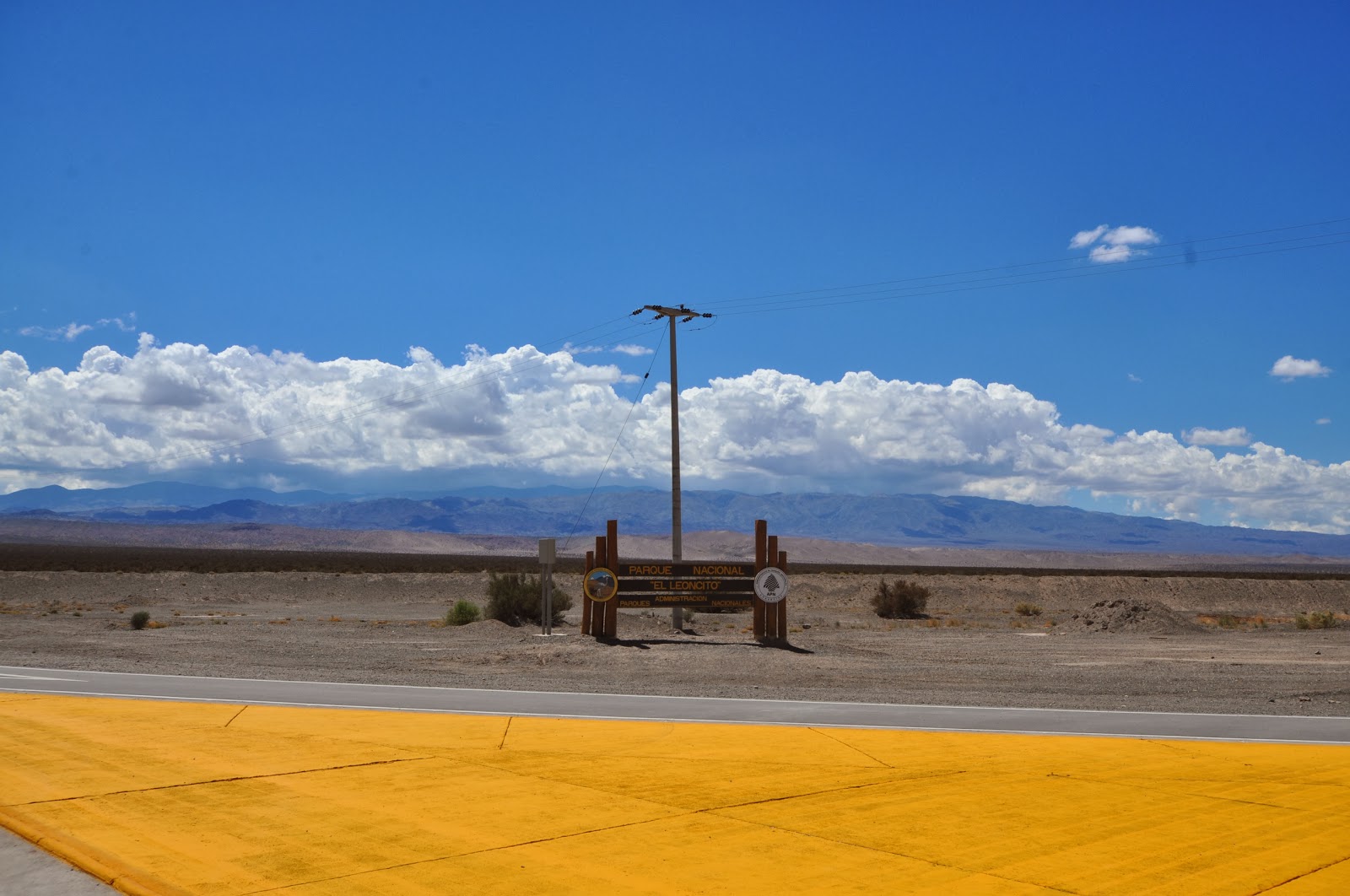
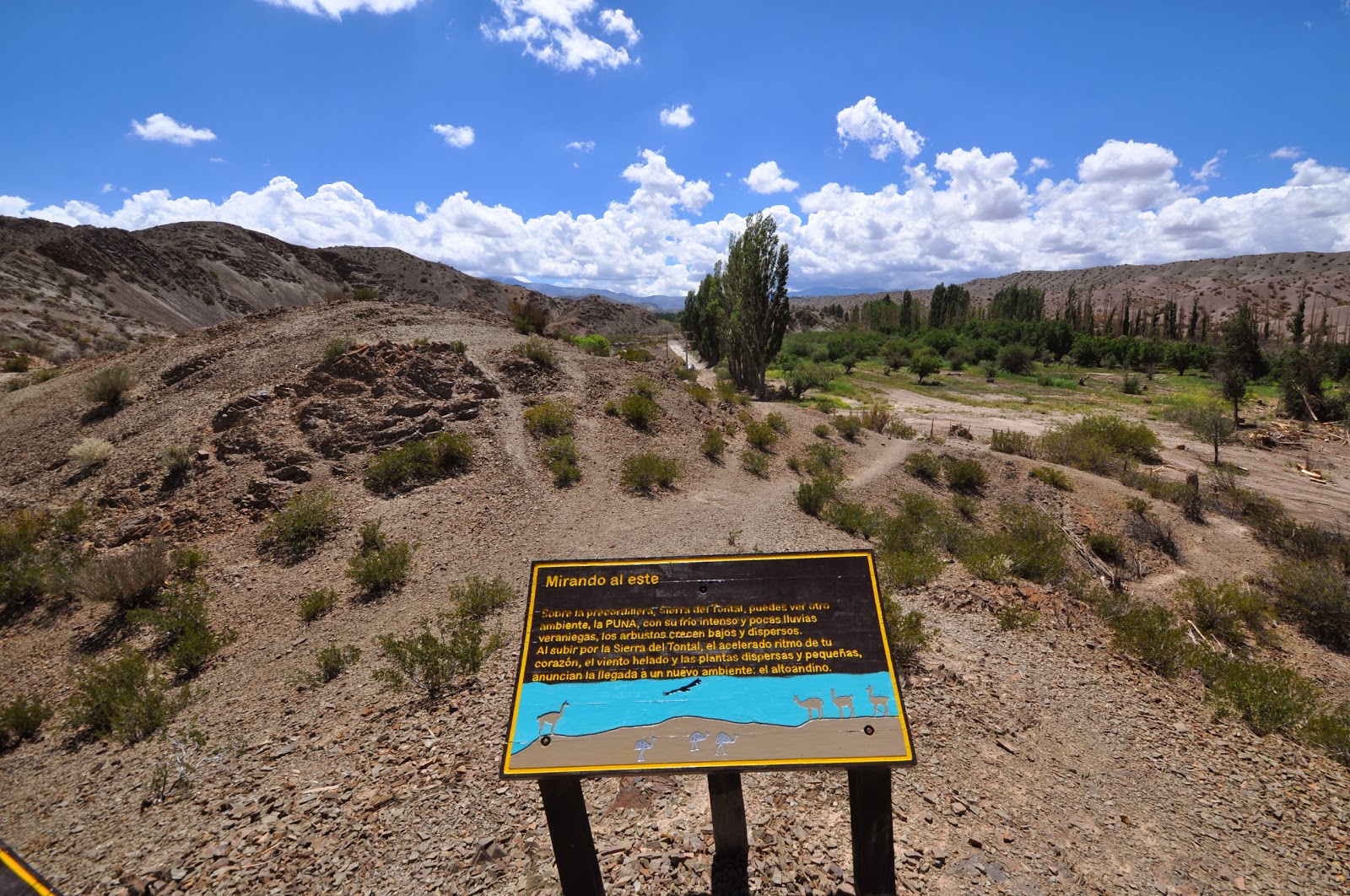
Parque Leoncito

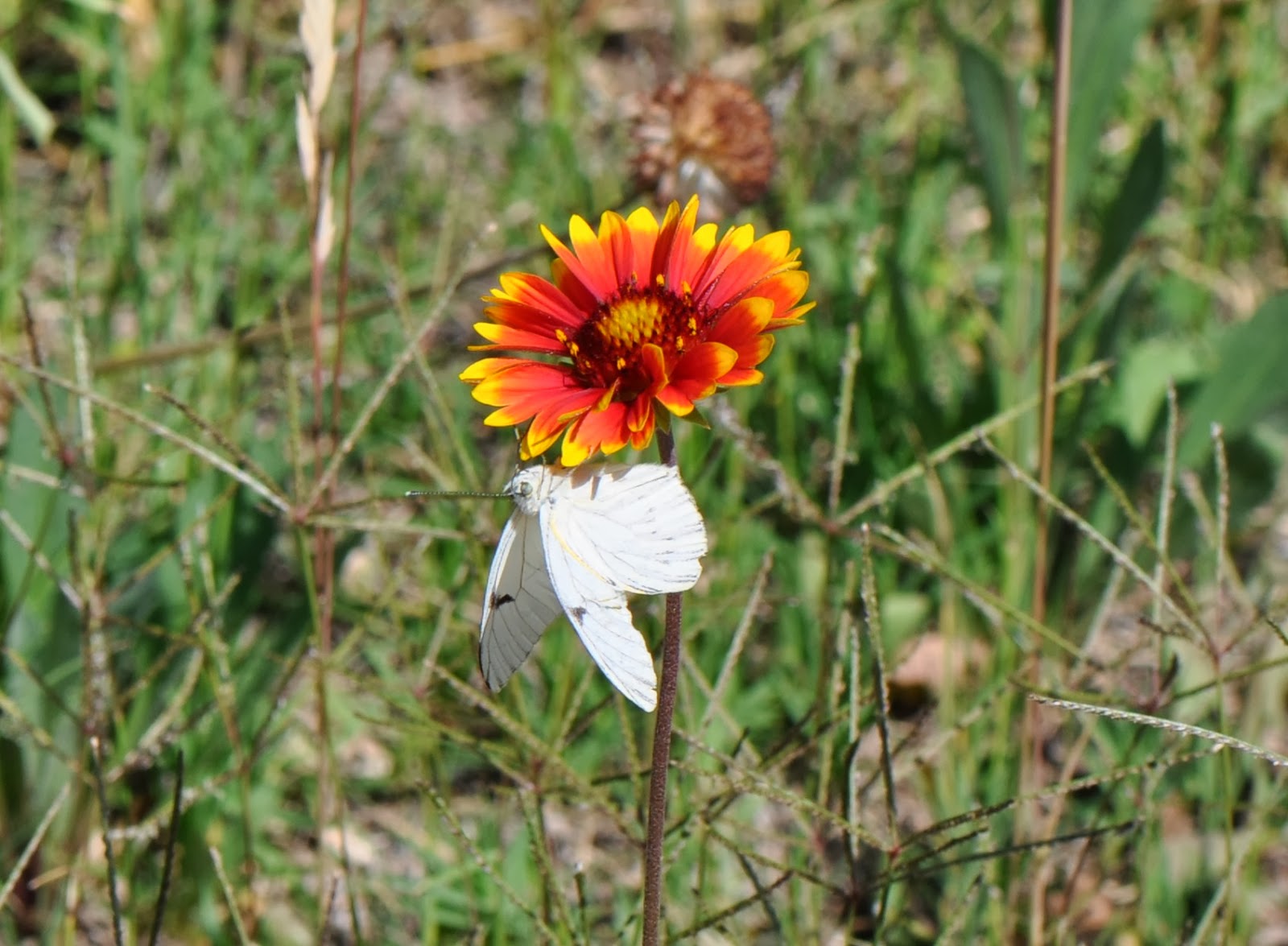
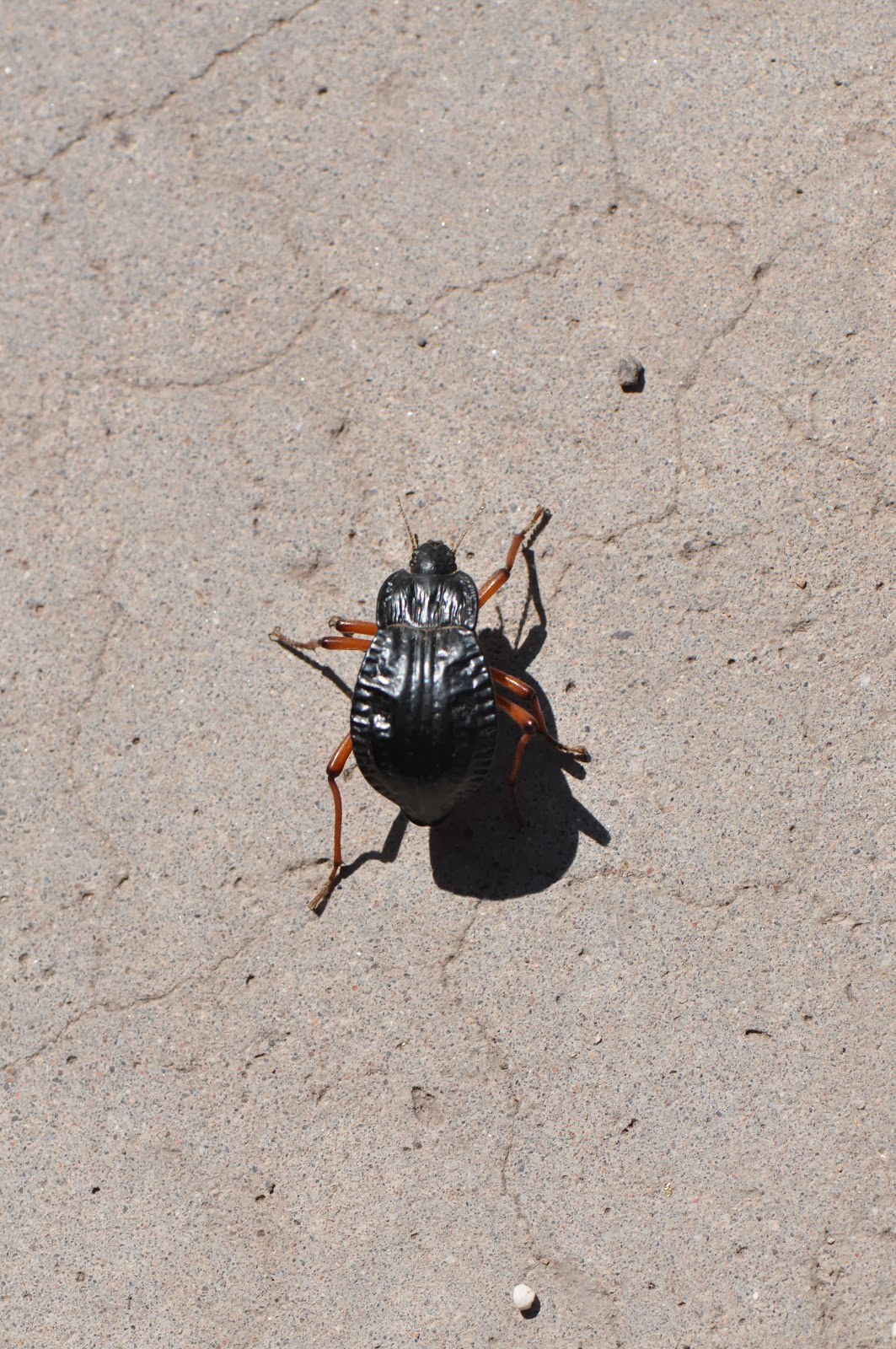
Some more around Barreal

Parque Leoncito trip JAE and MIB

More around Barreal

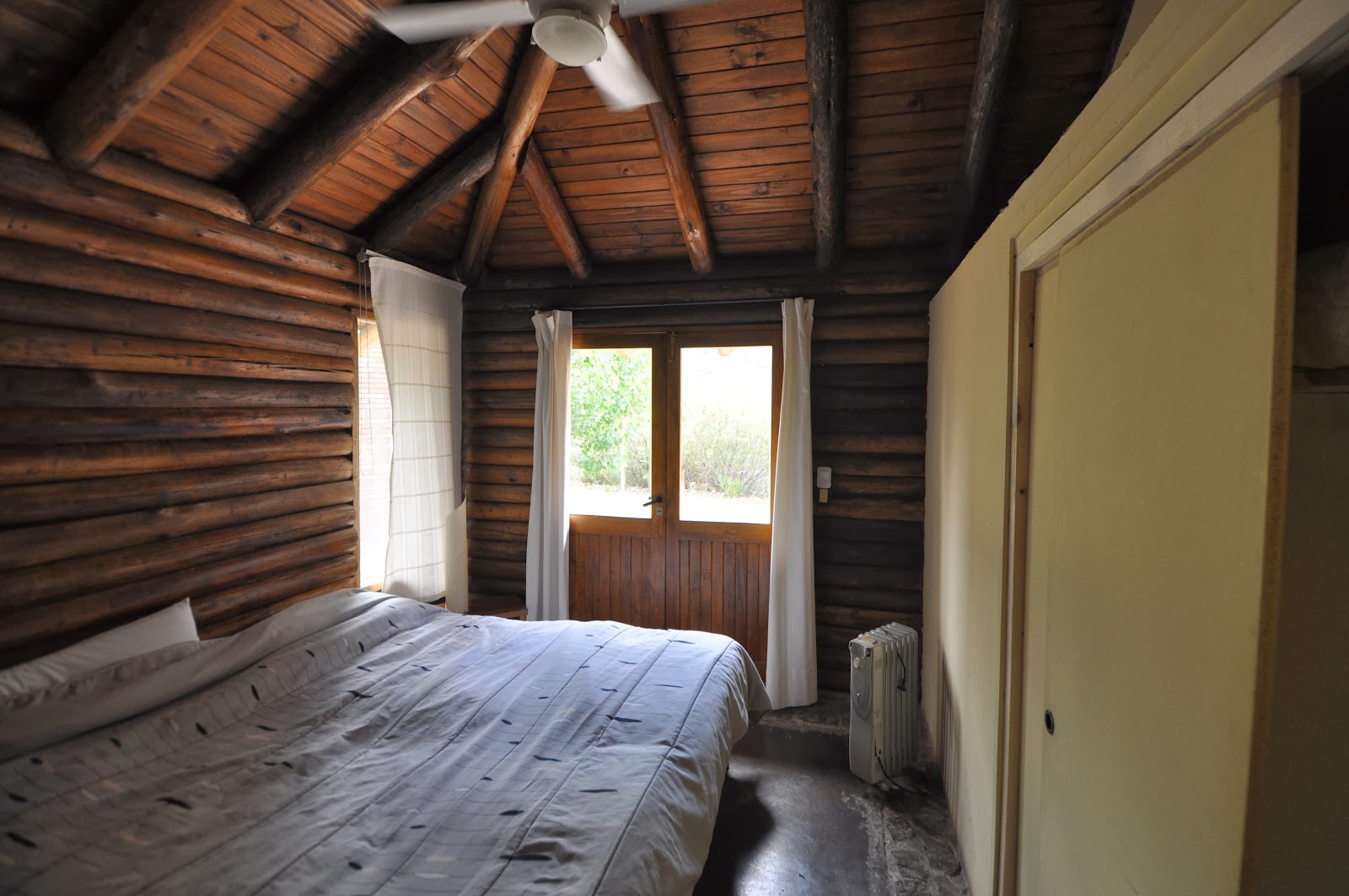
Barreal #2

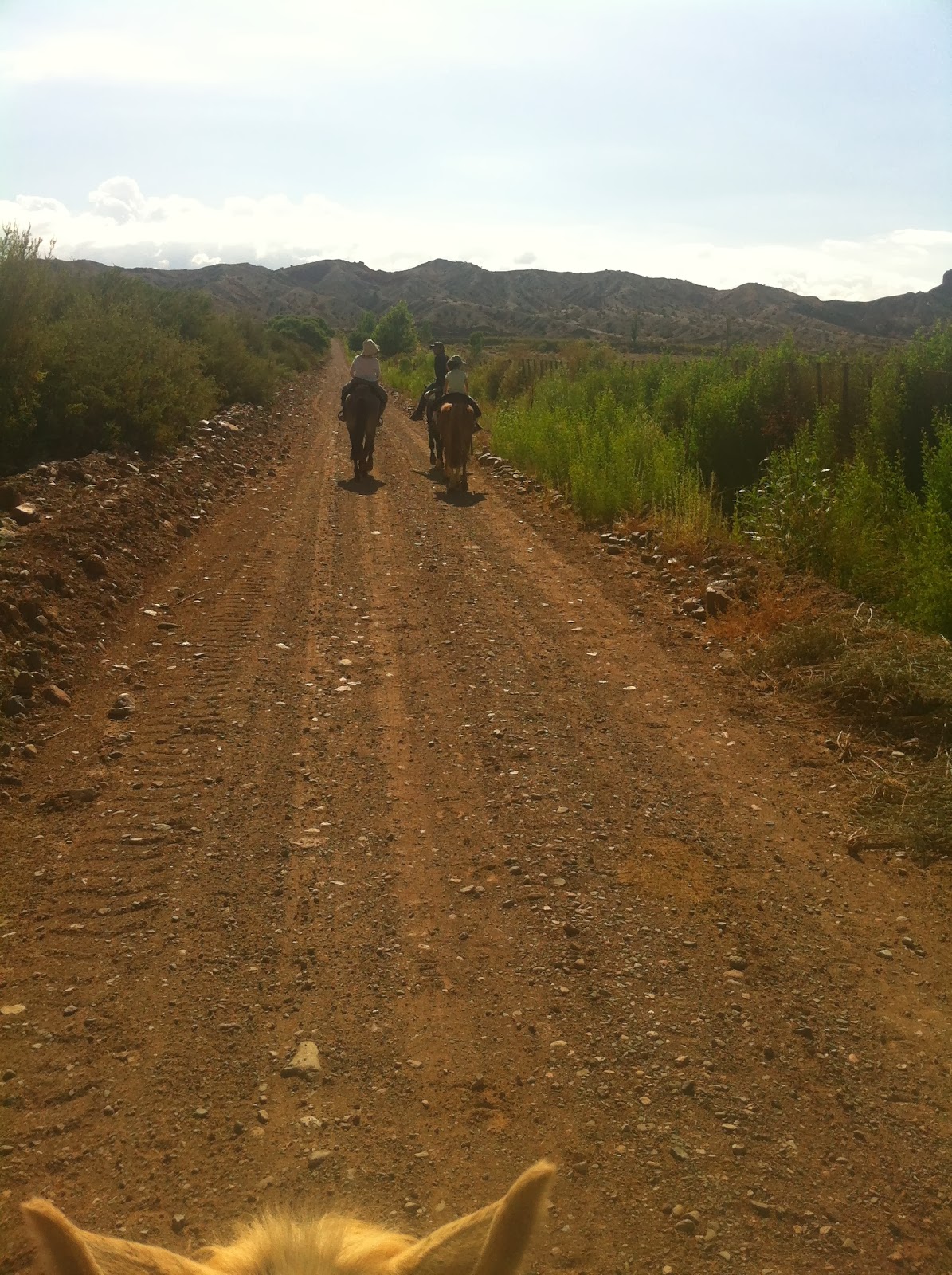
MIB, Alicia and Analia horseback riding

More around Barreal #2

Potrerillos

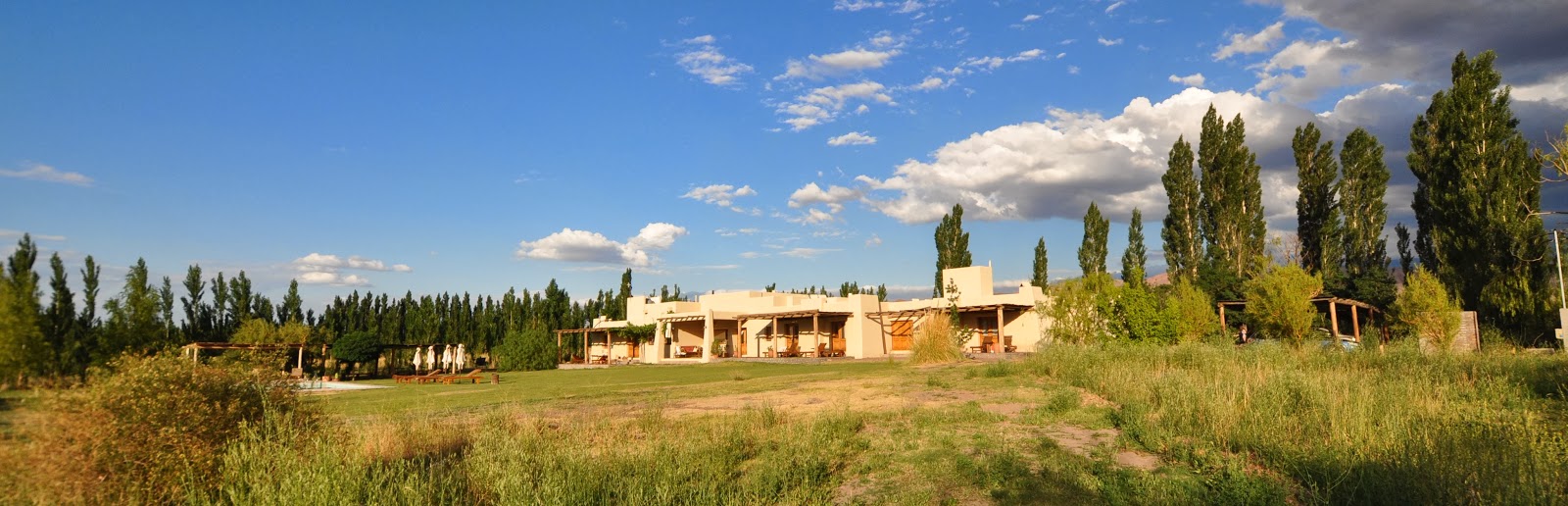
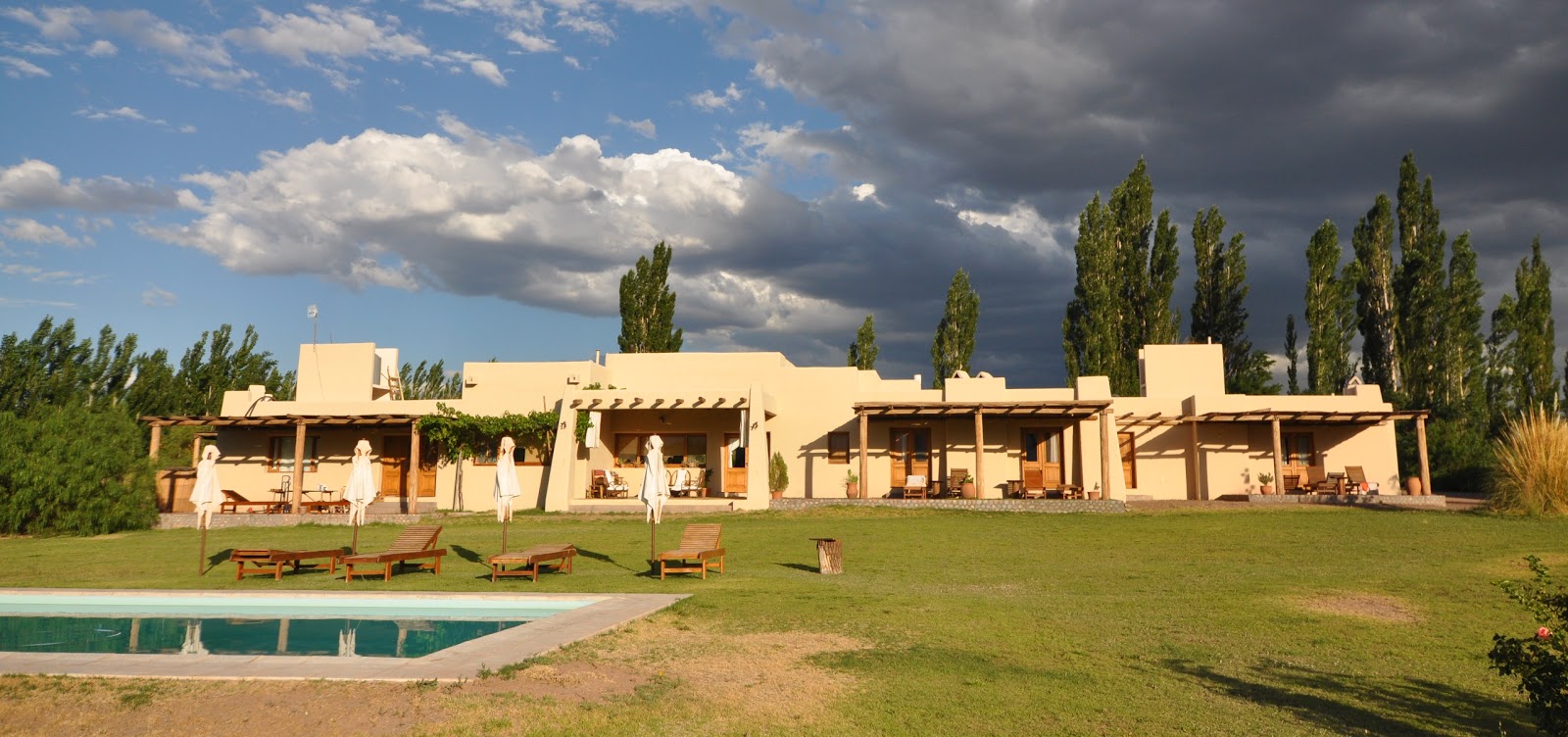
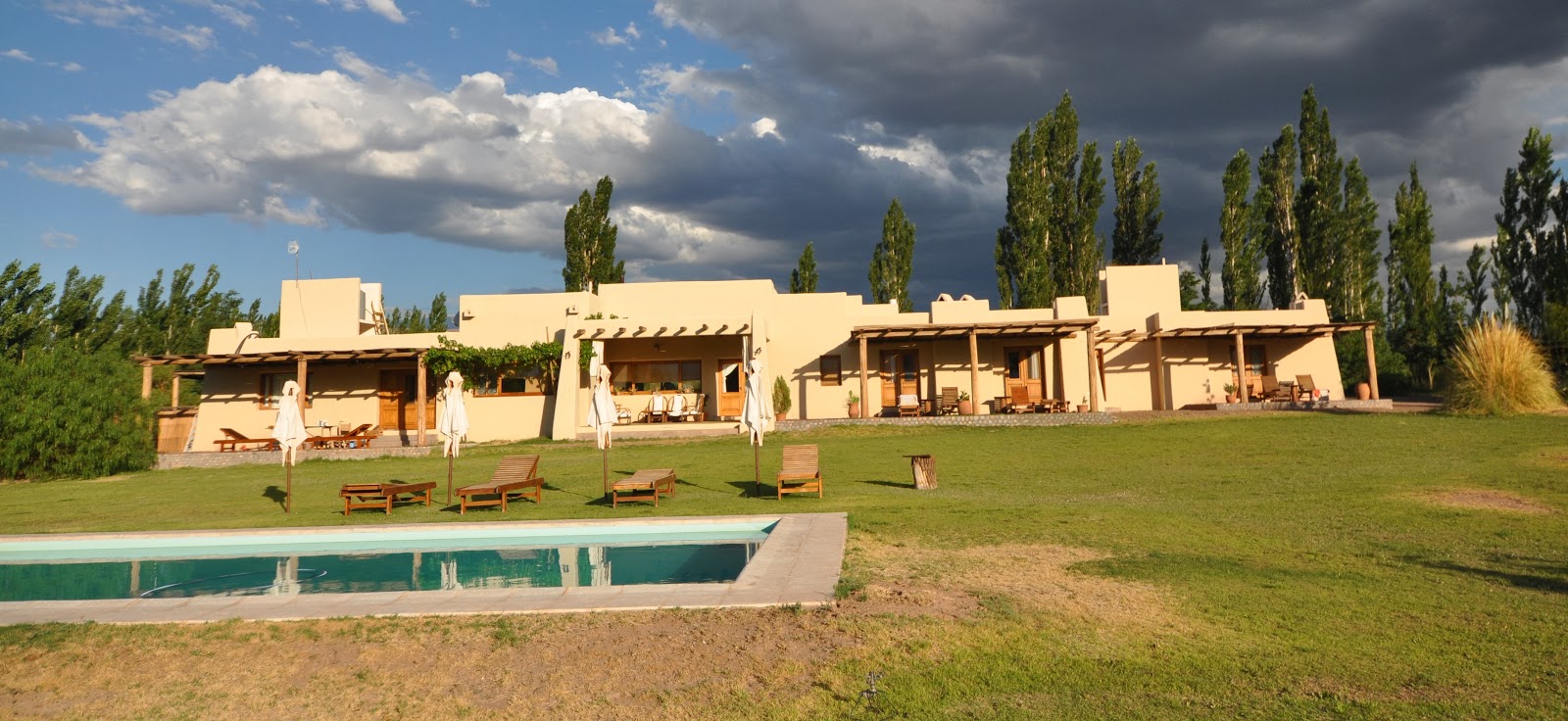
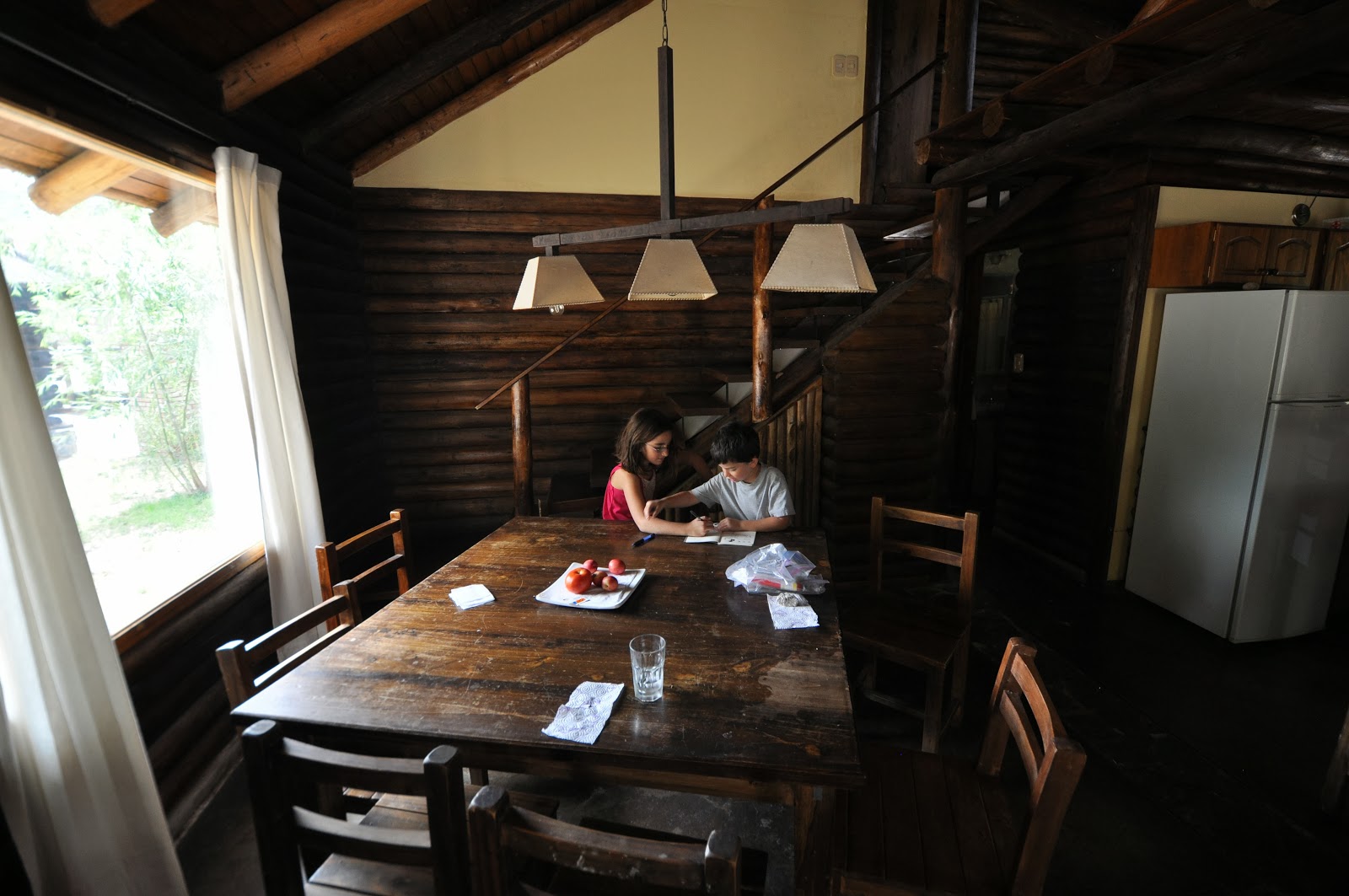
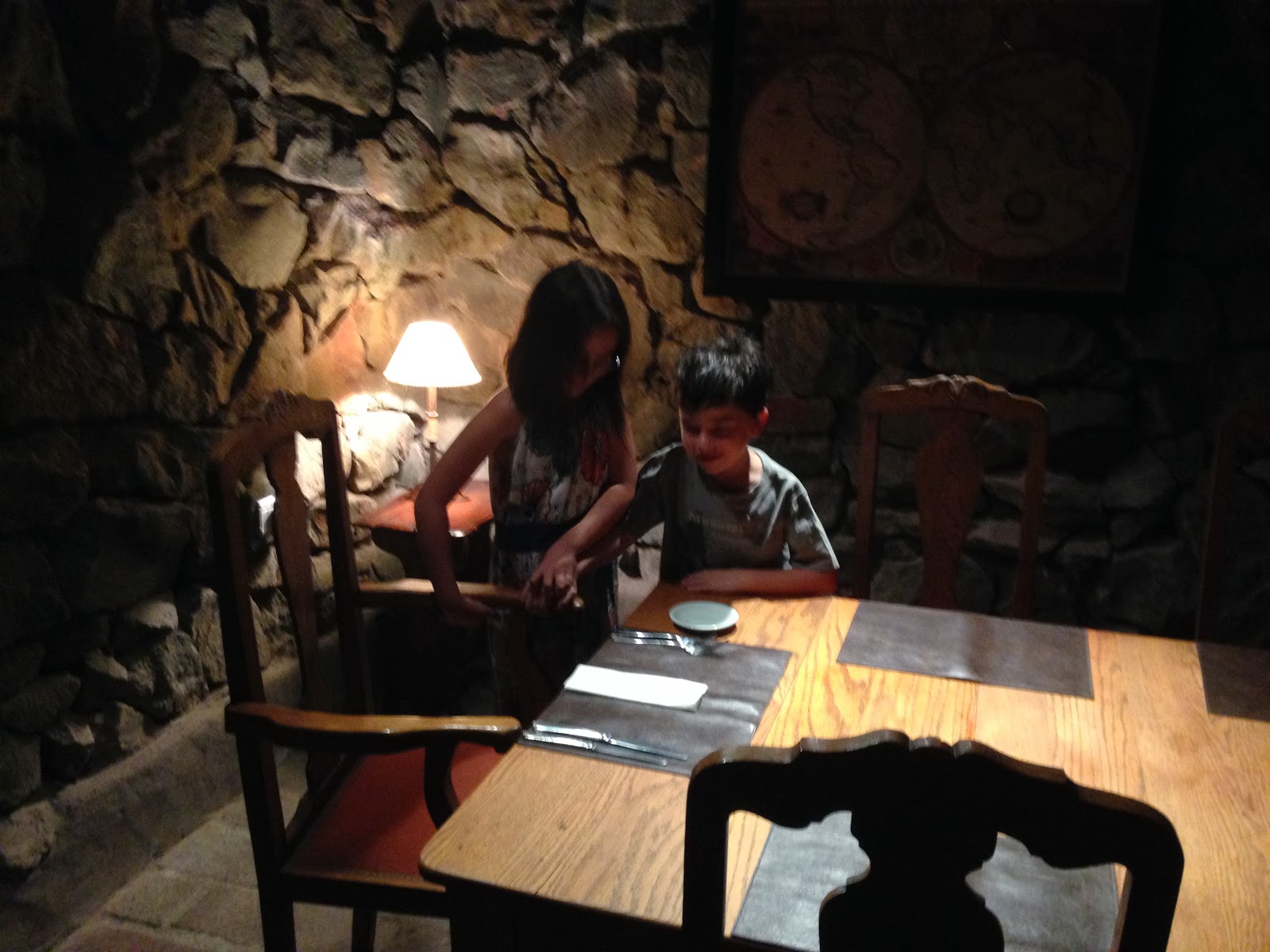
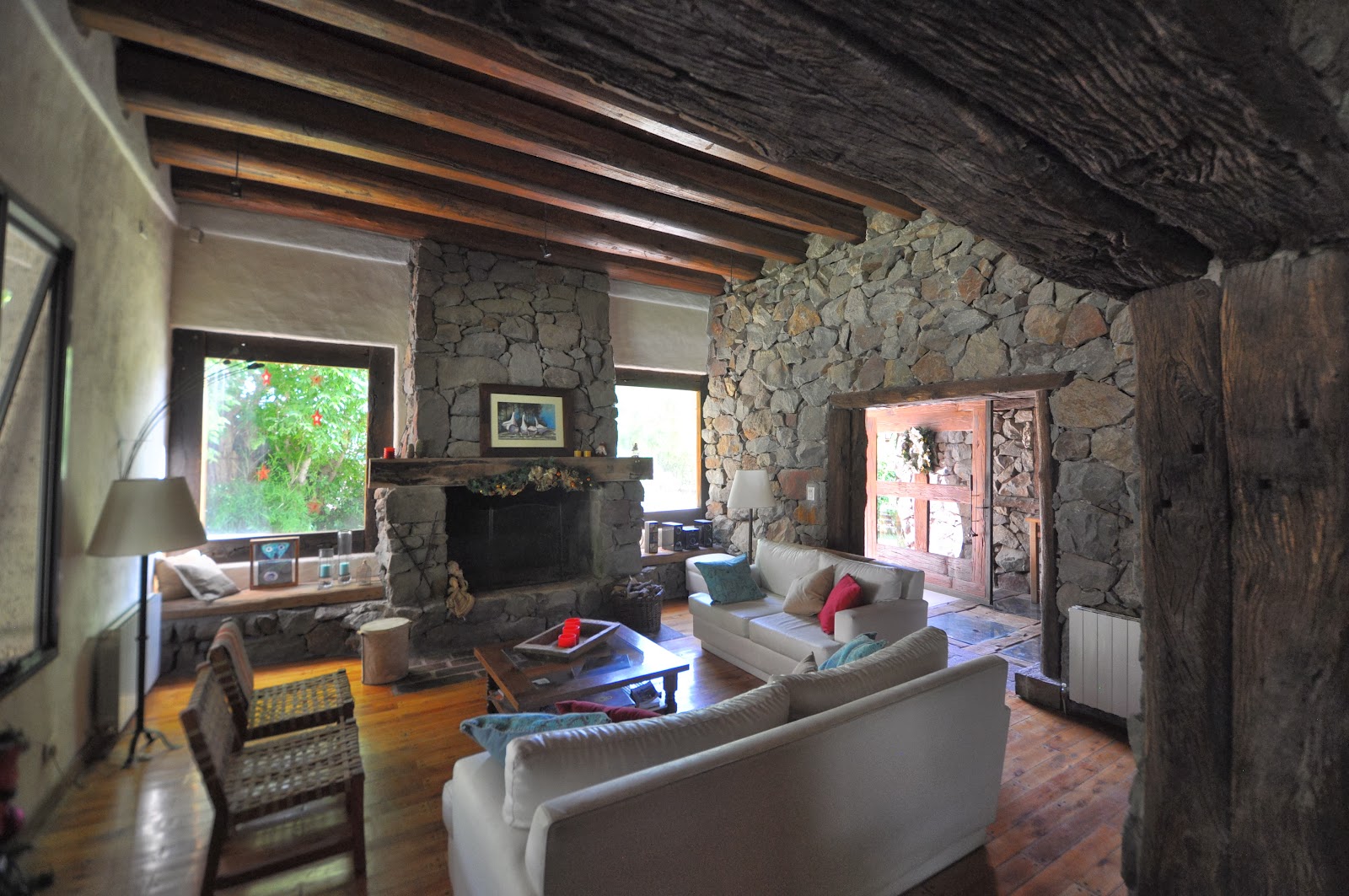
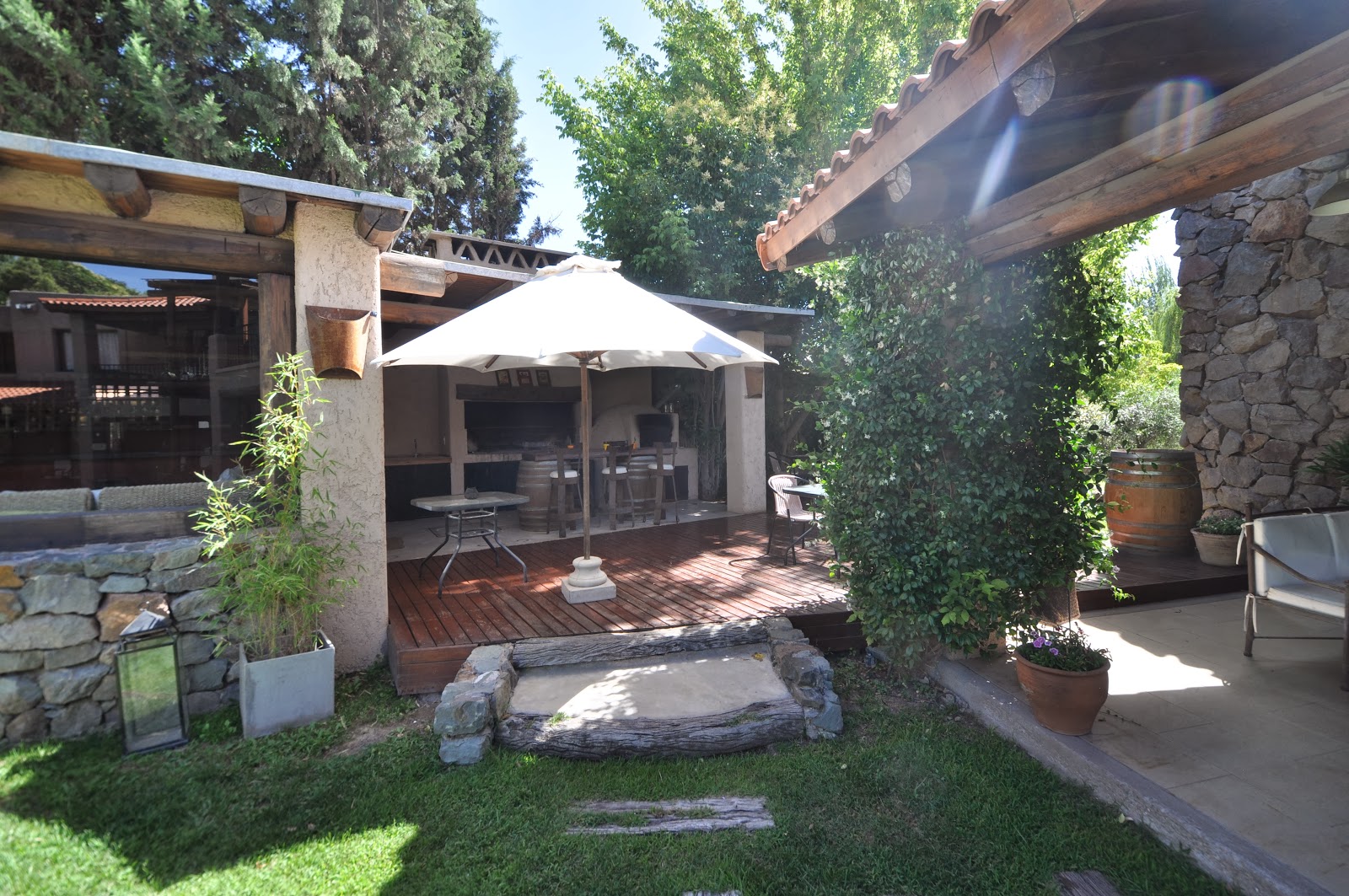
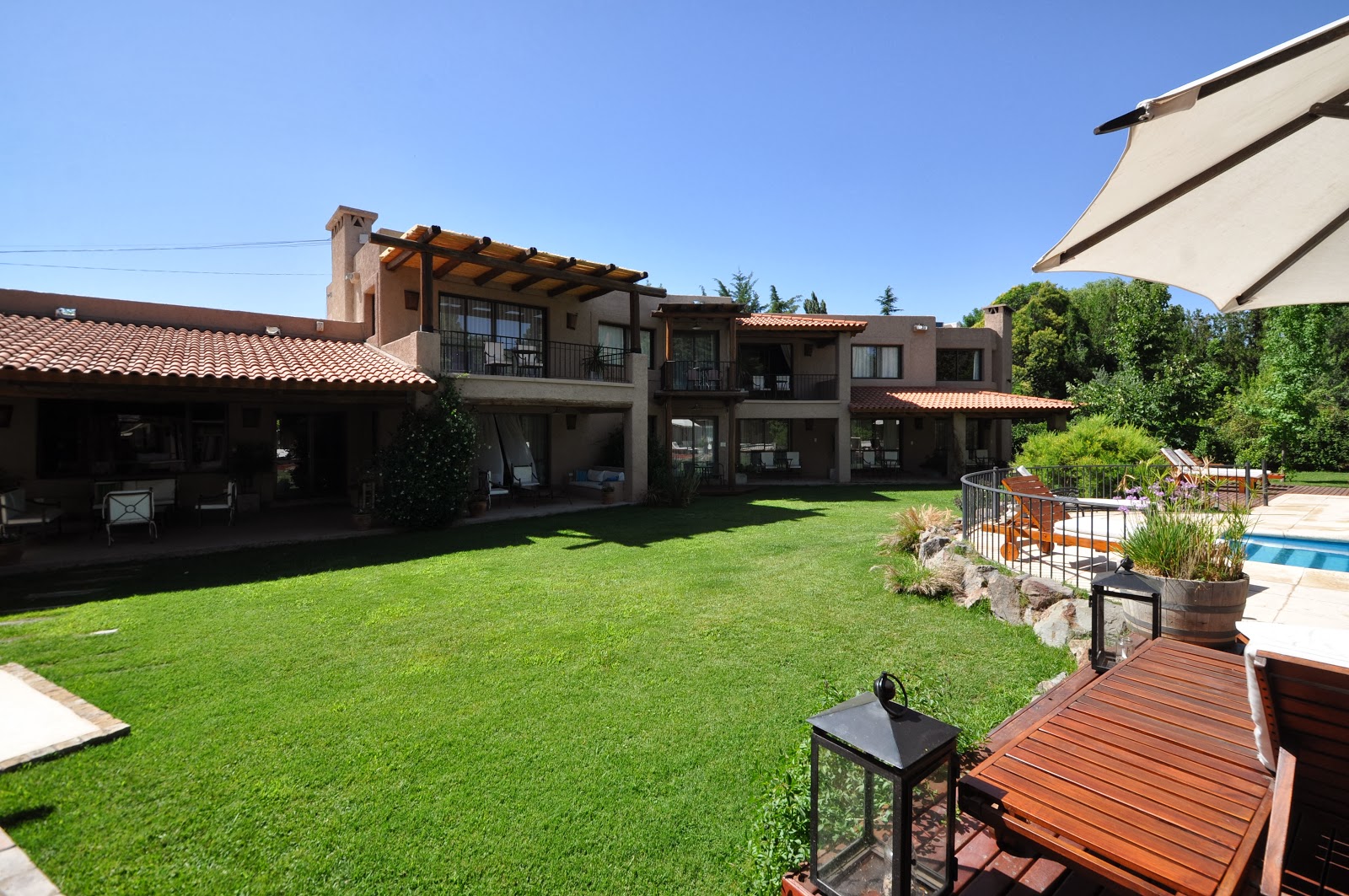
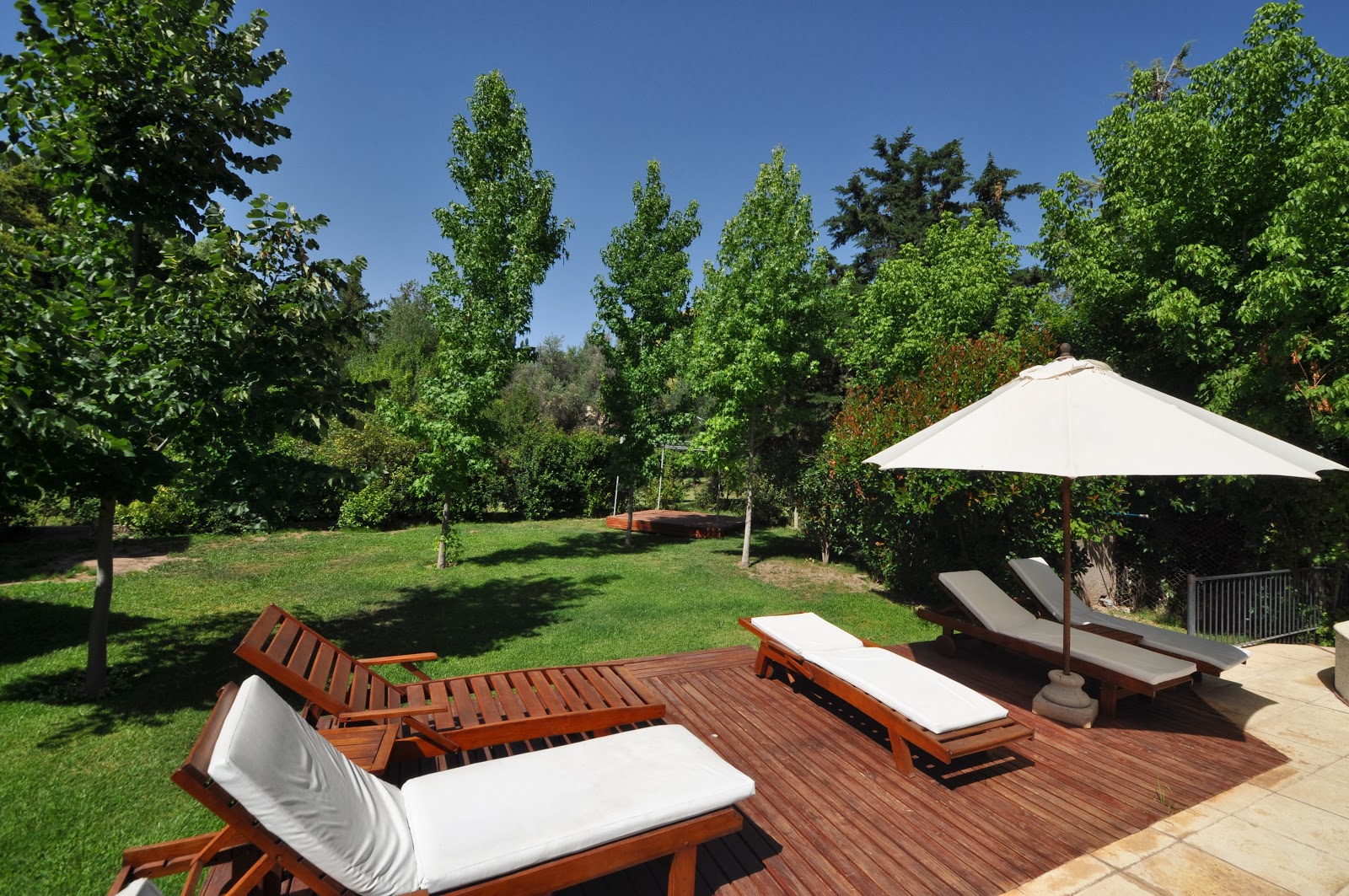
Lares de Chacras

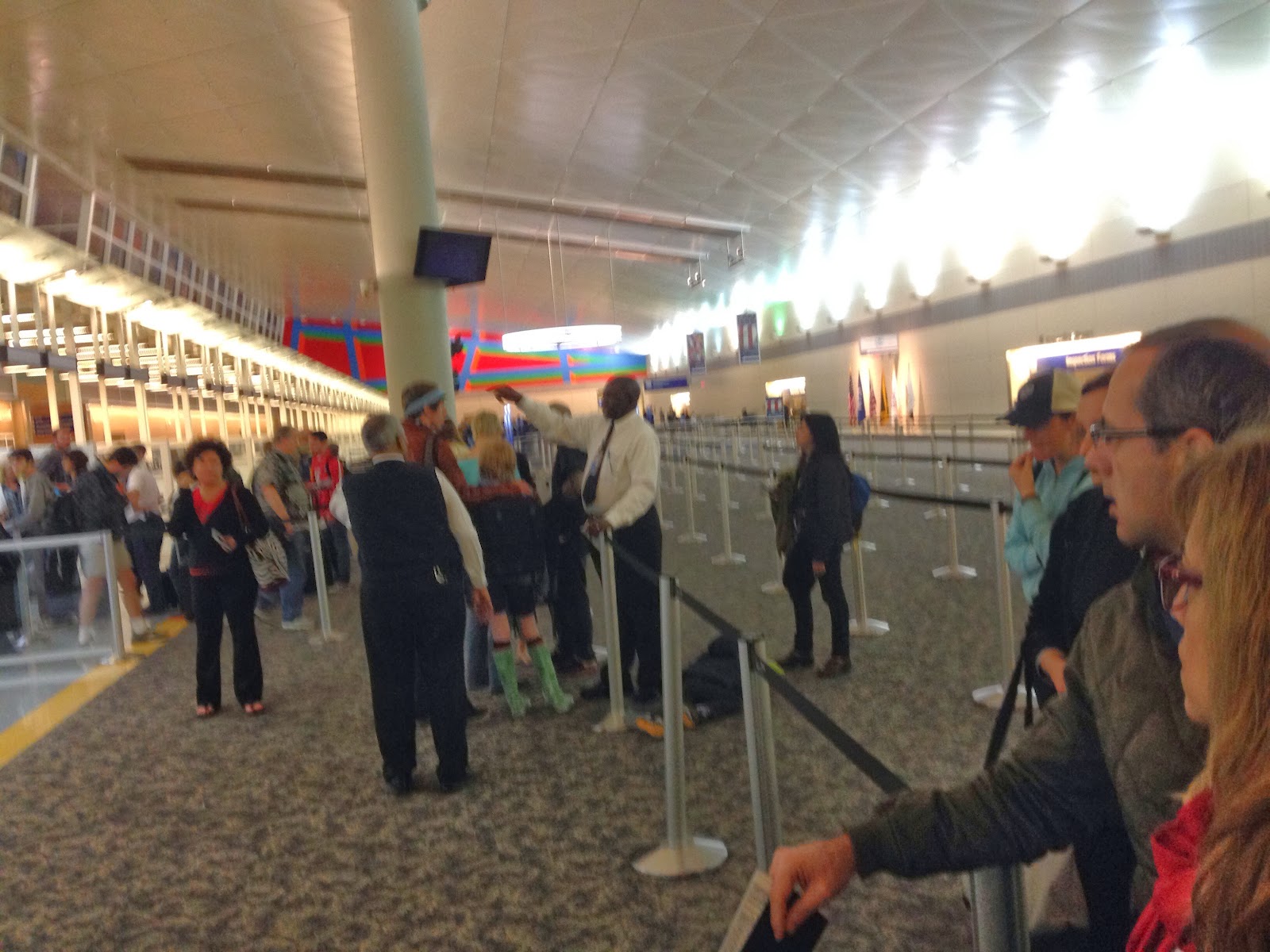
Long trip home

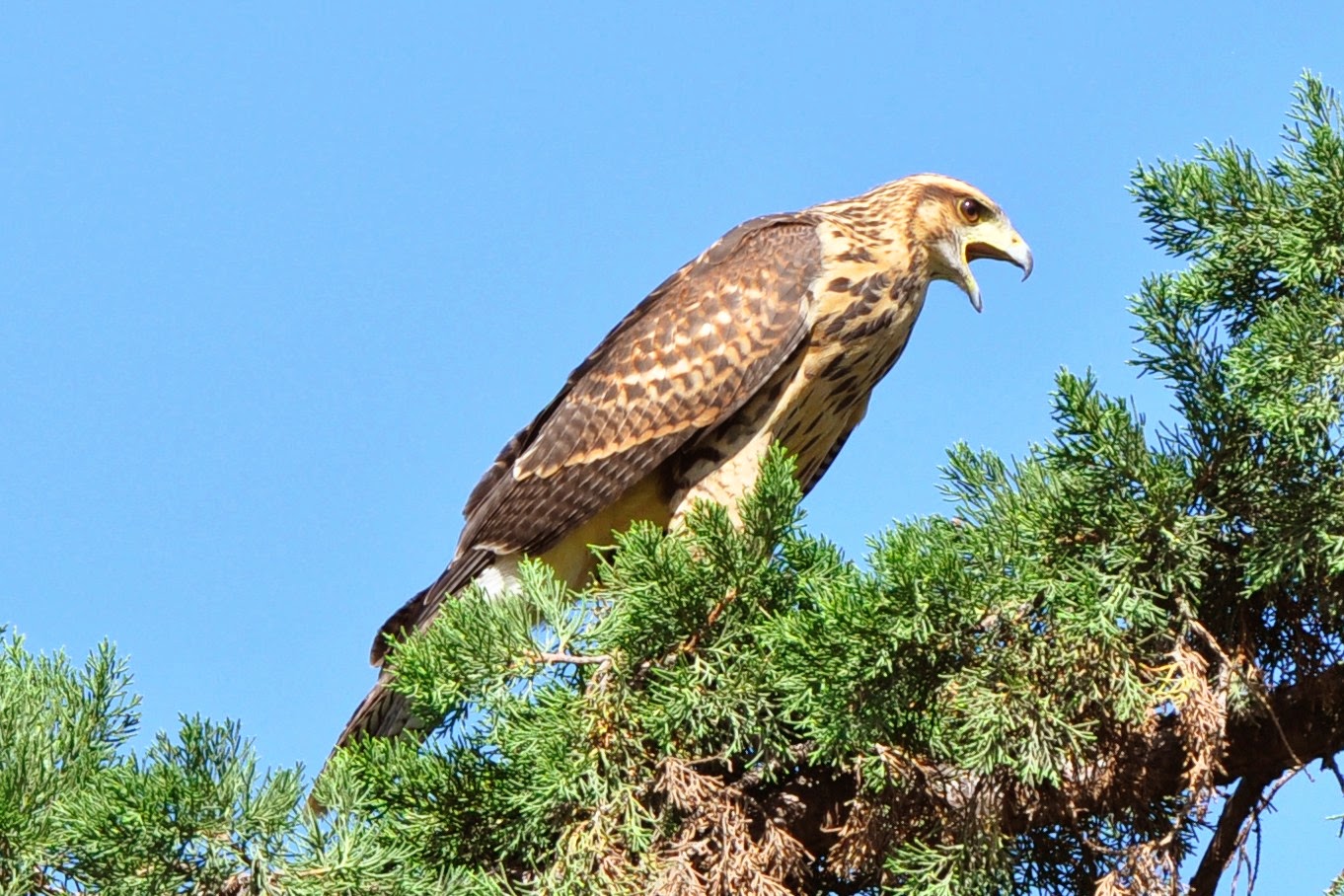
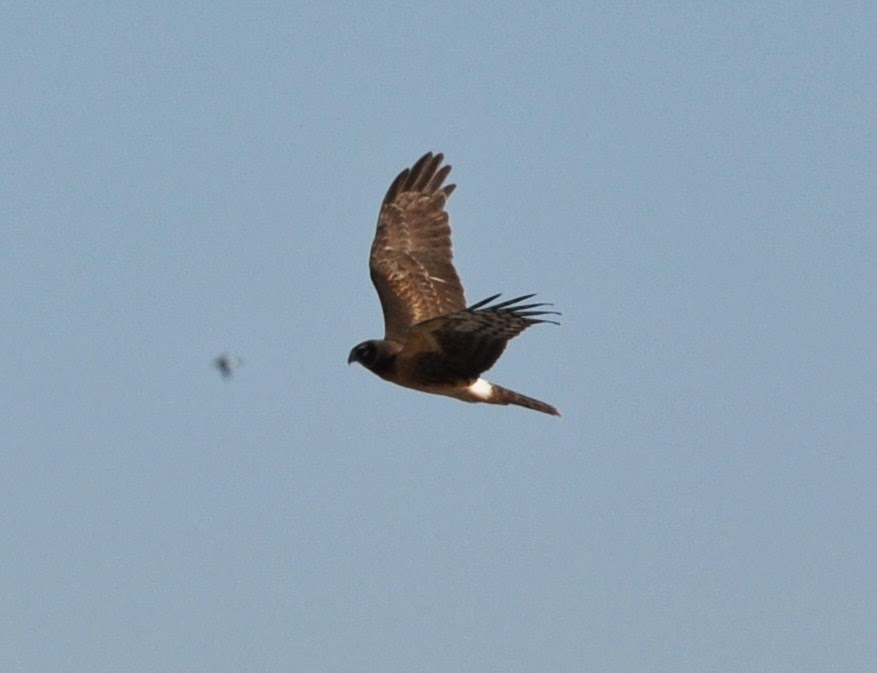
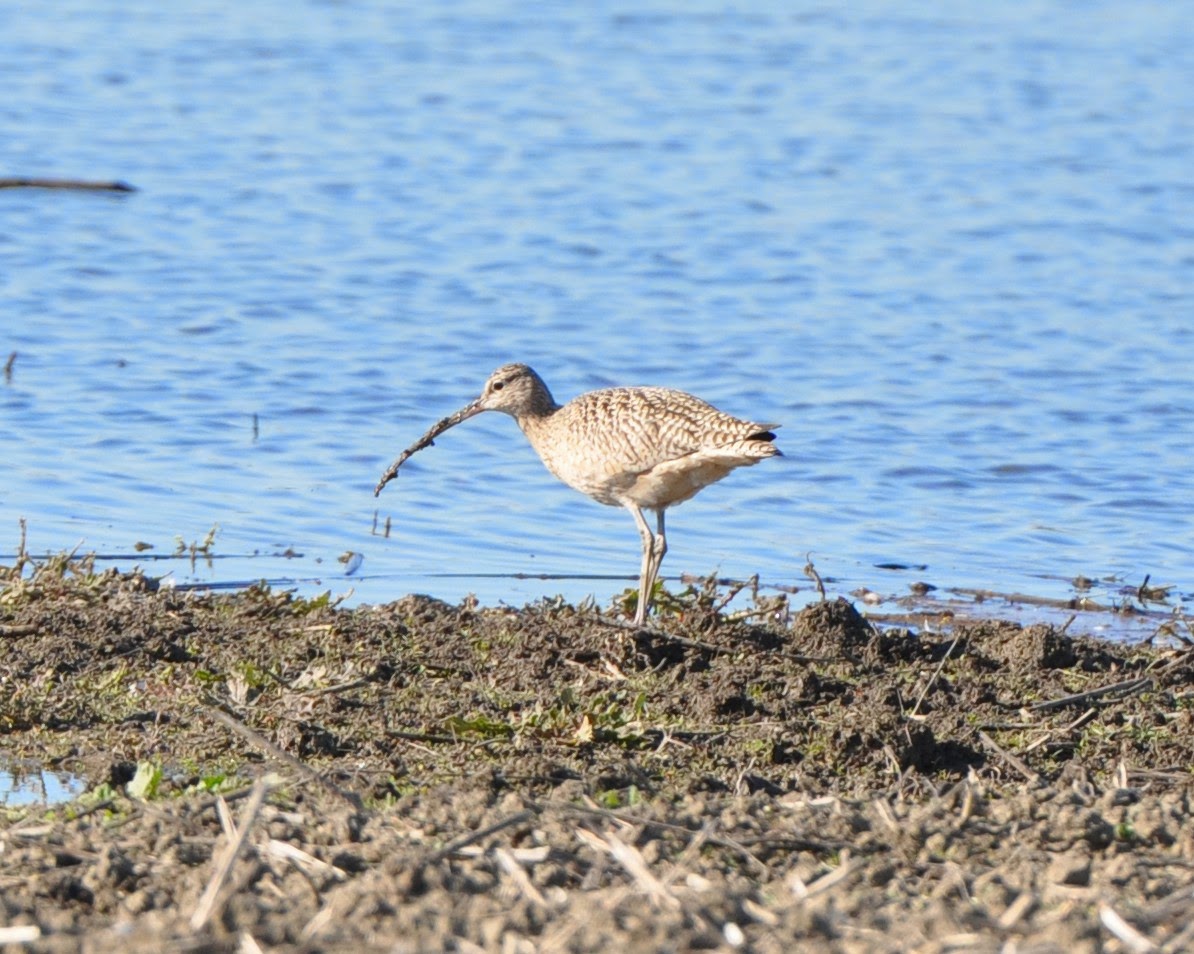
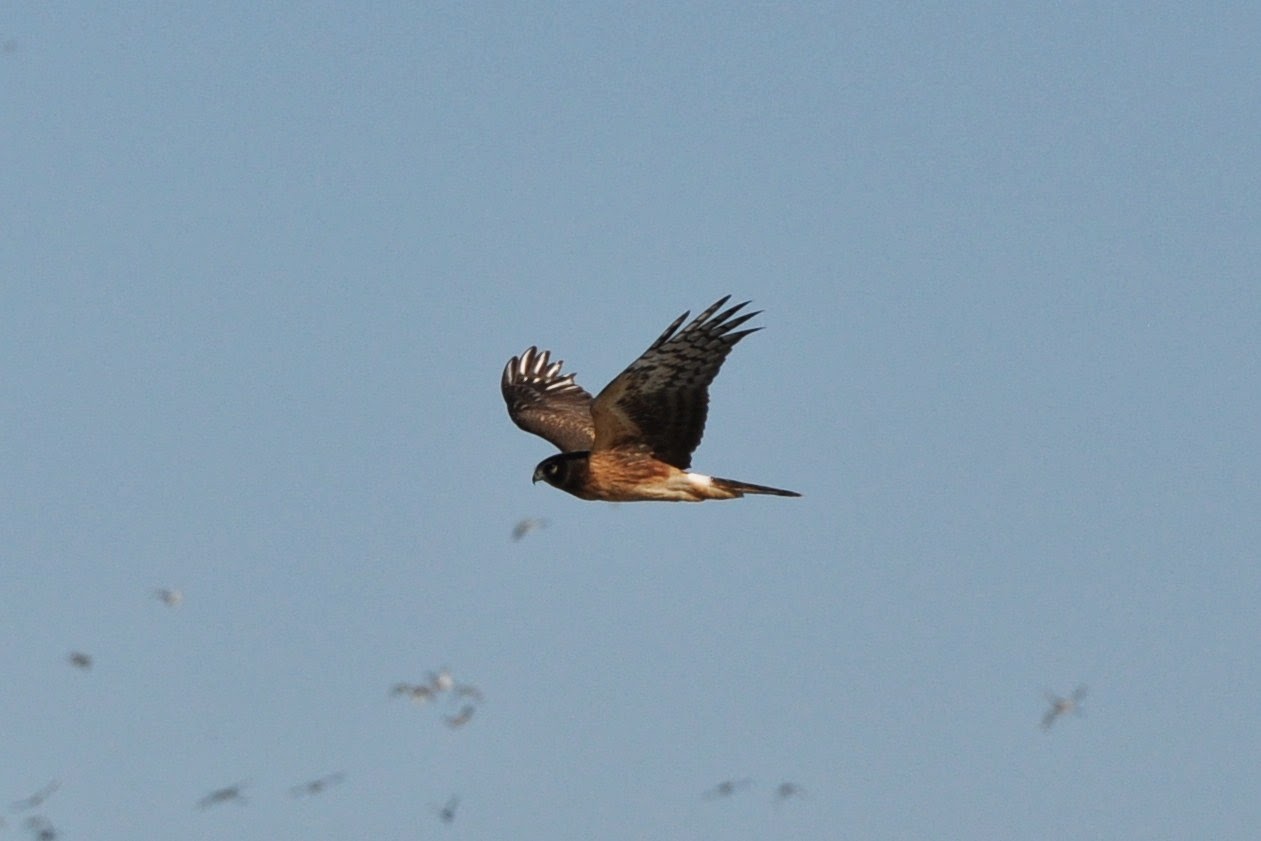
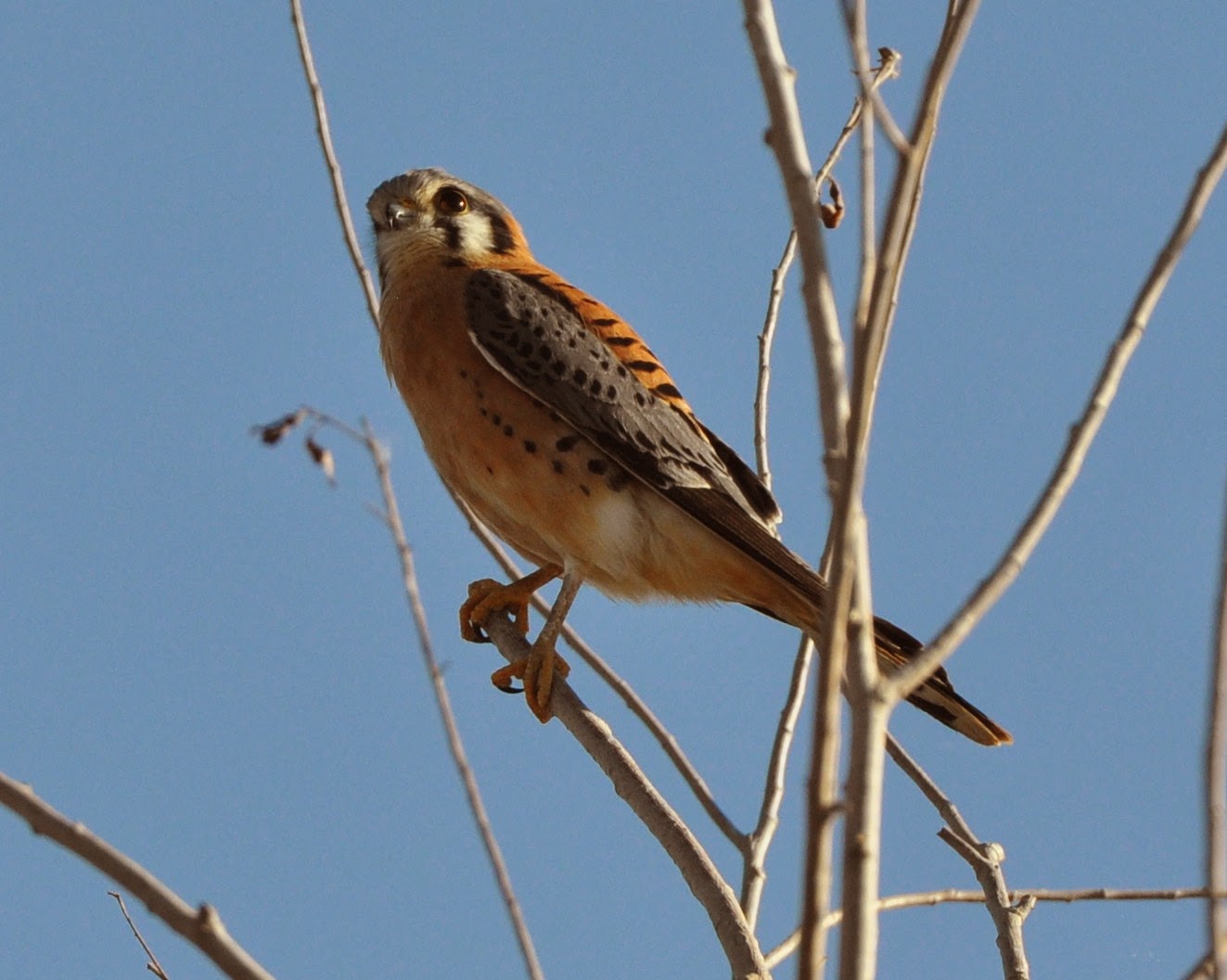
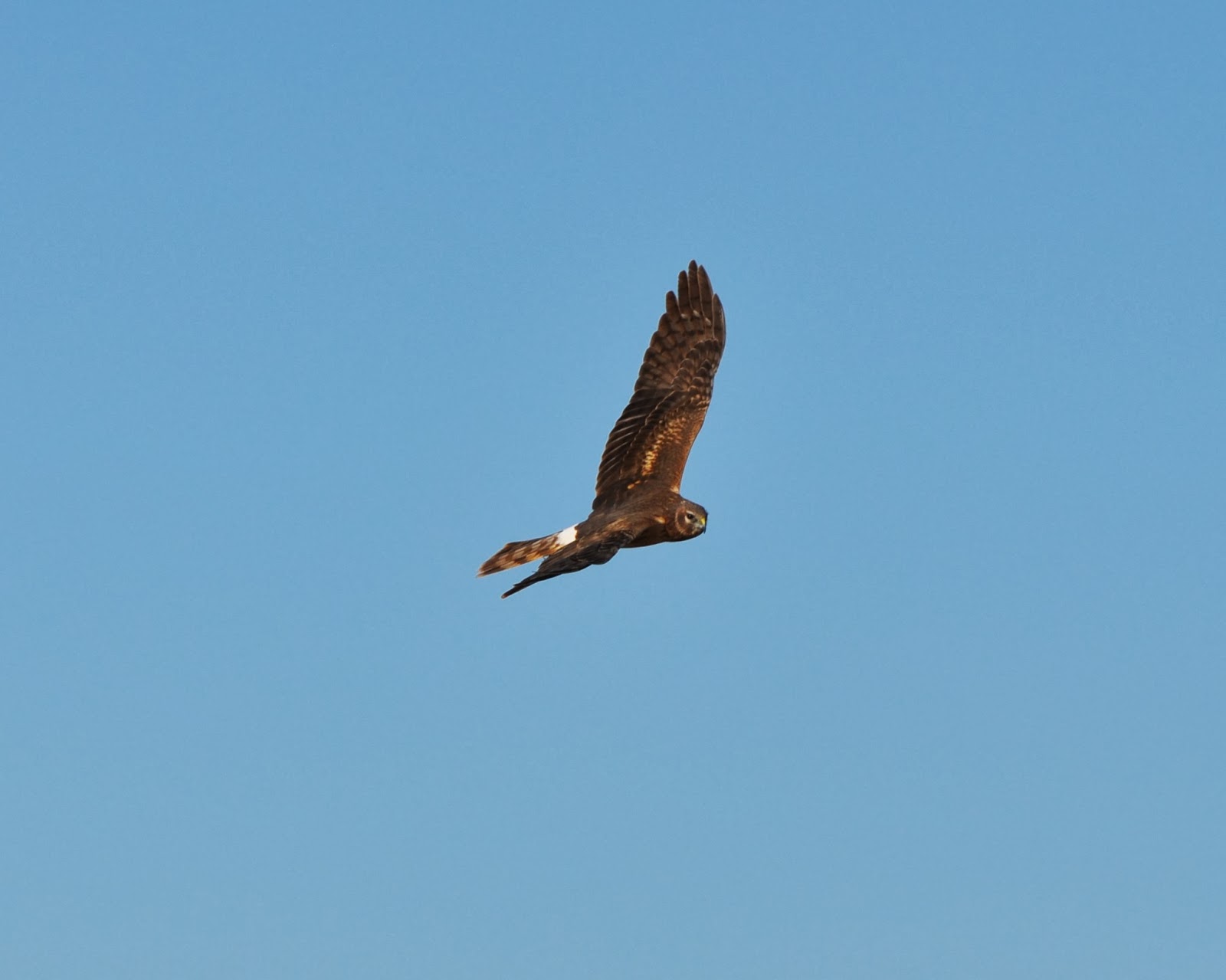
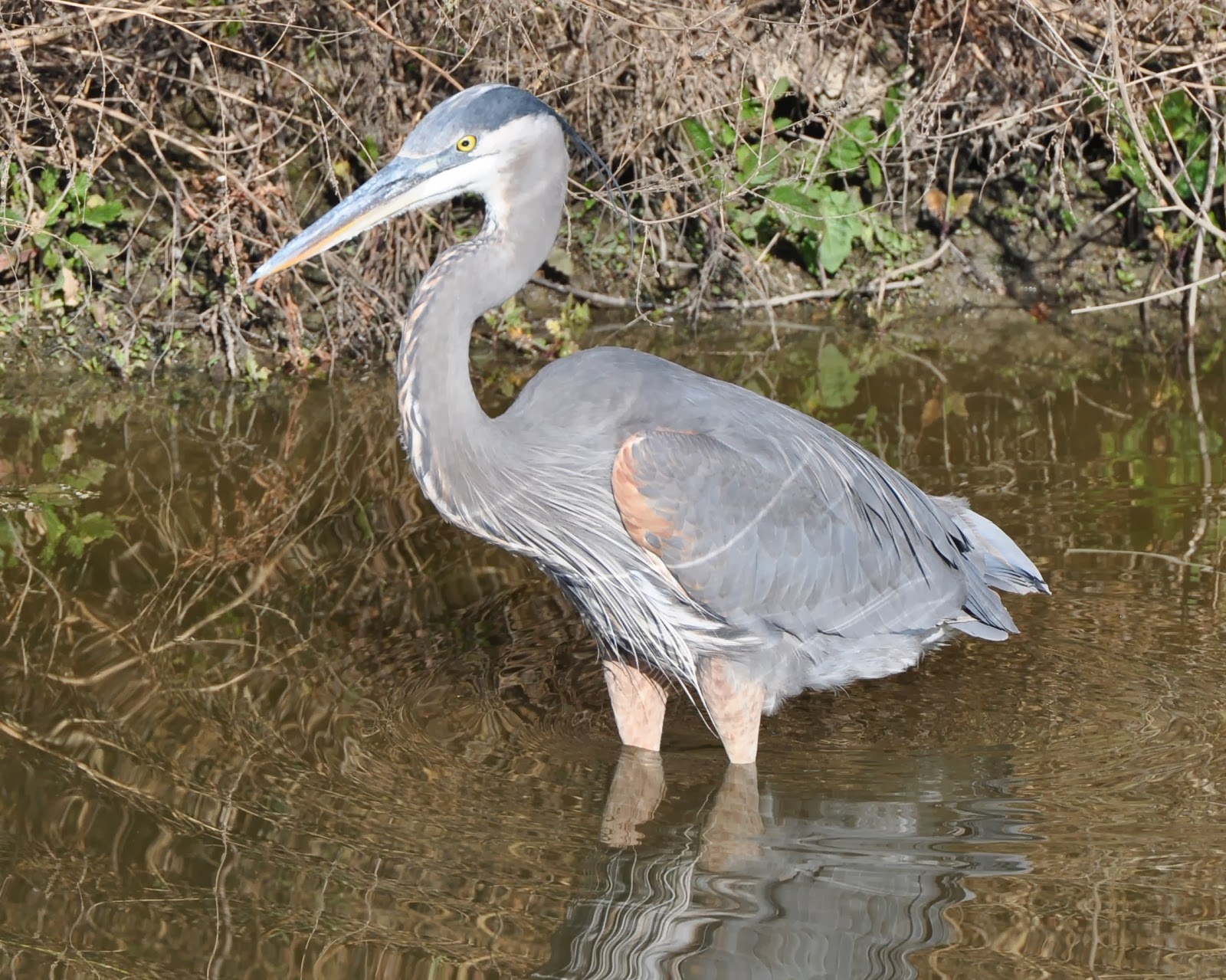
Yolo Basin Notes Jan 5, 2014

Another good outing at Yolo Basin Wetlands today.

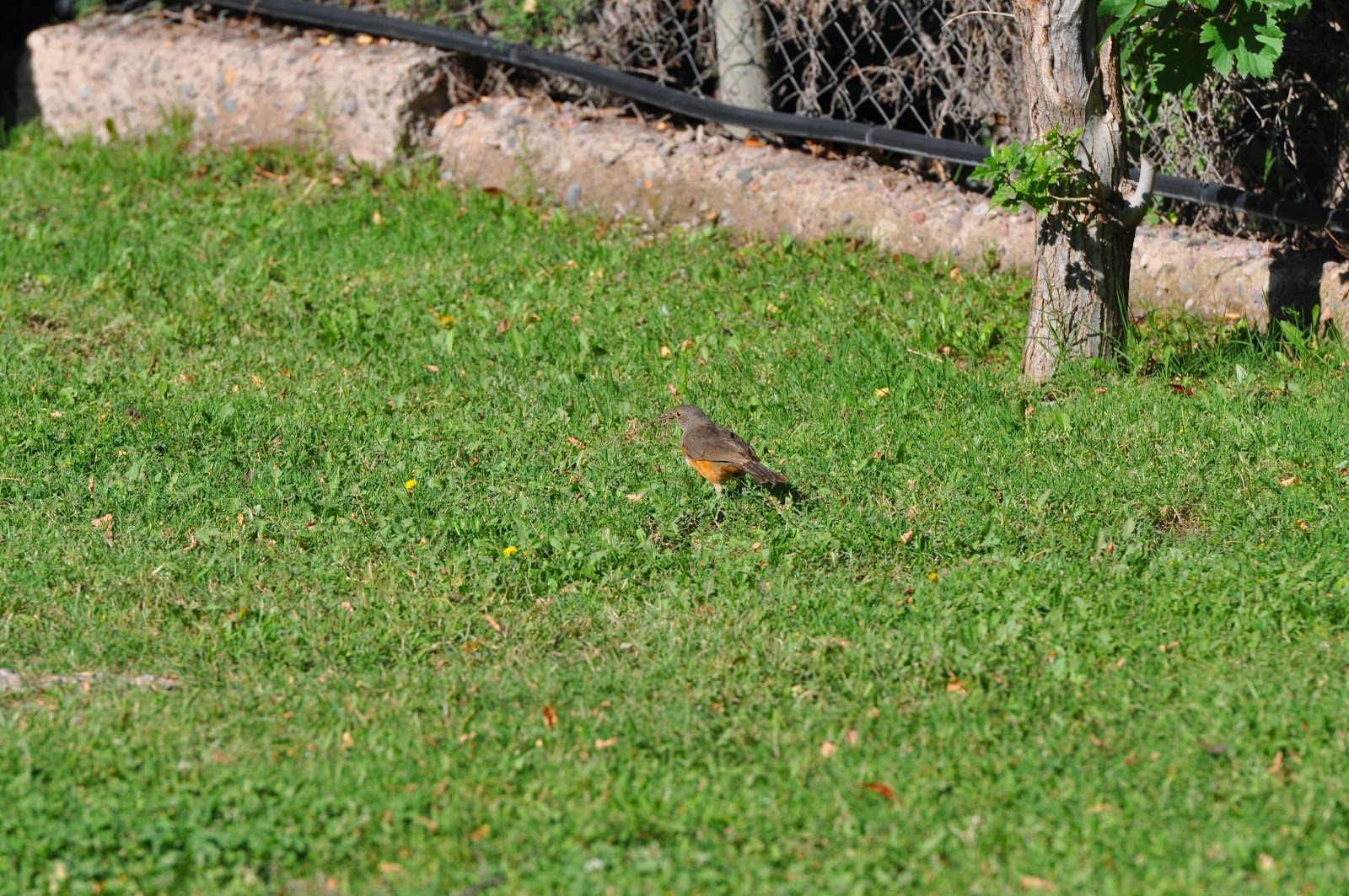
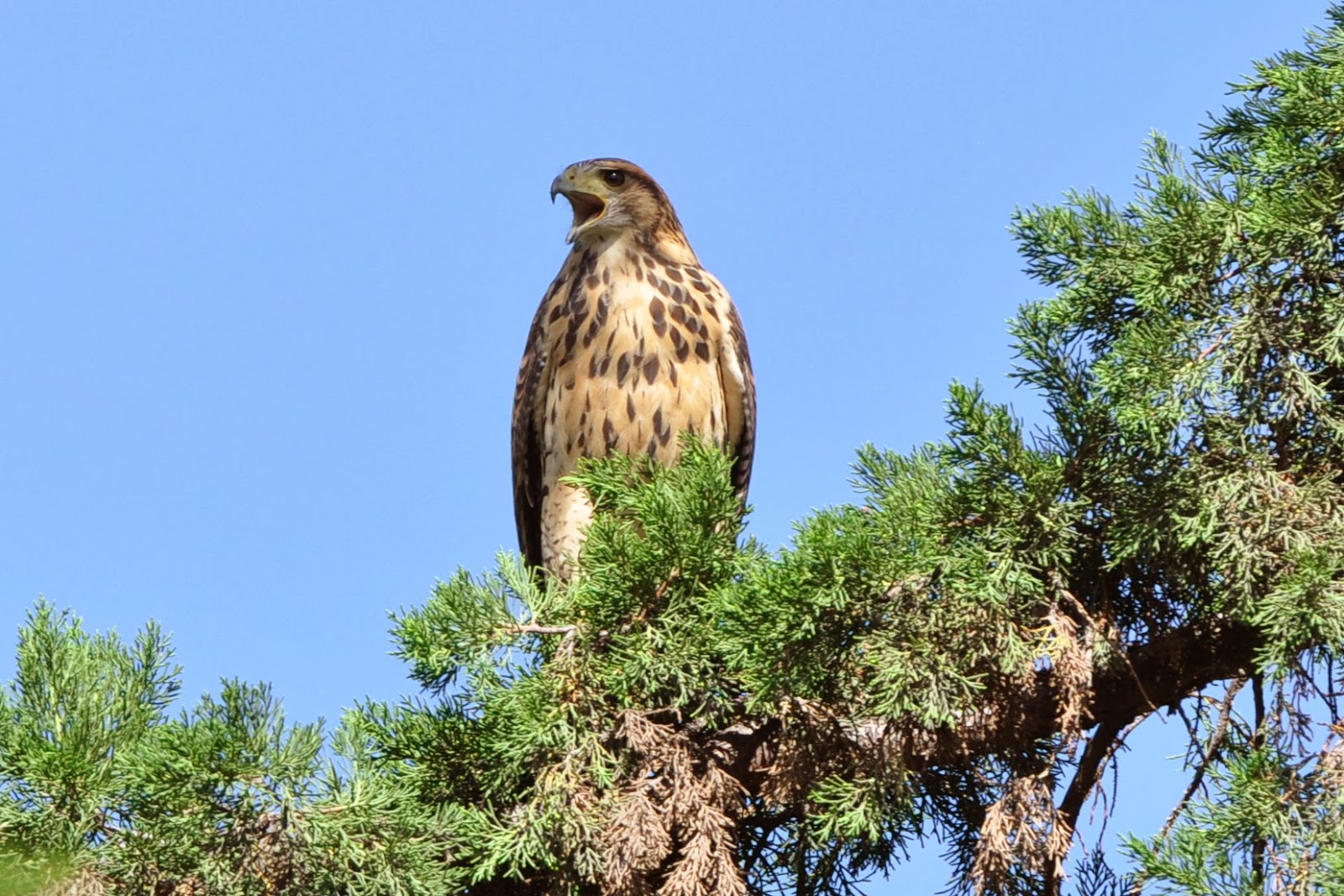
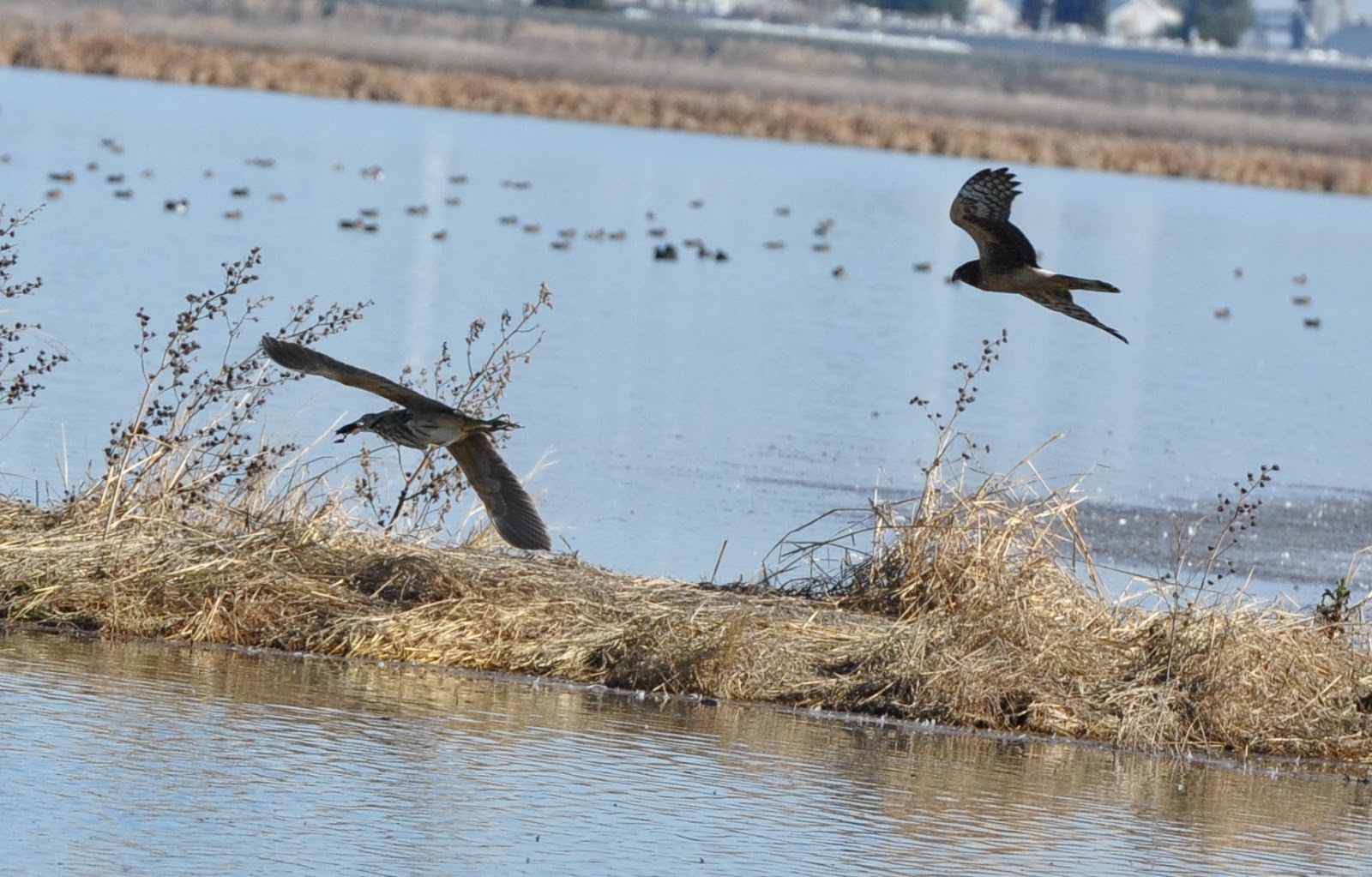
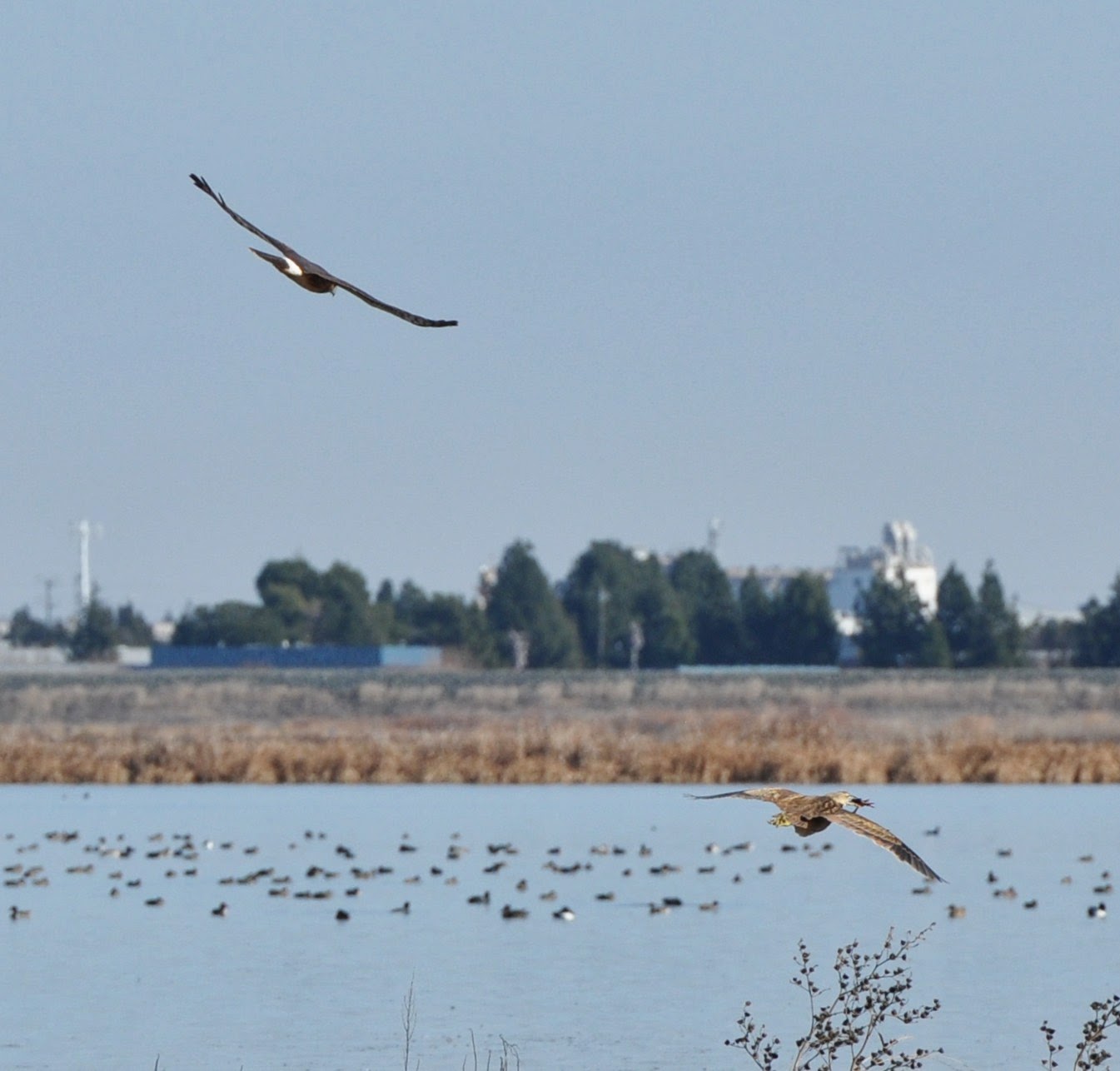
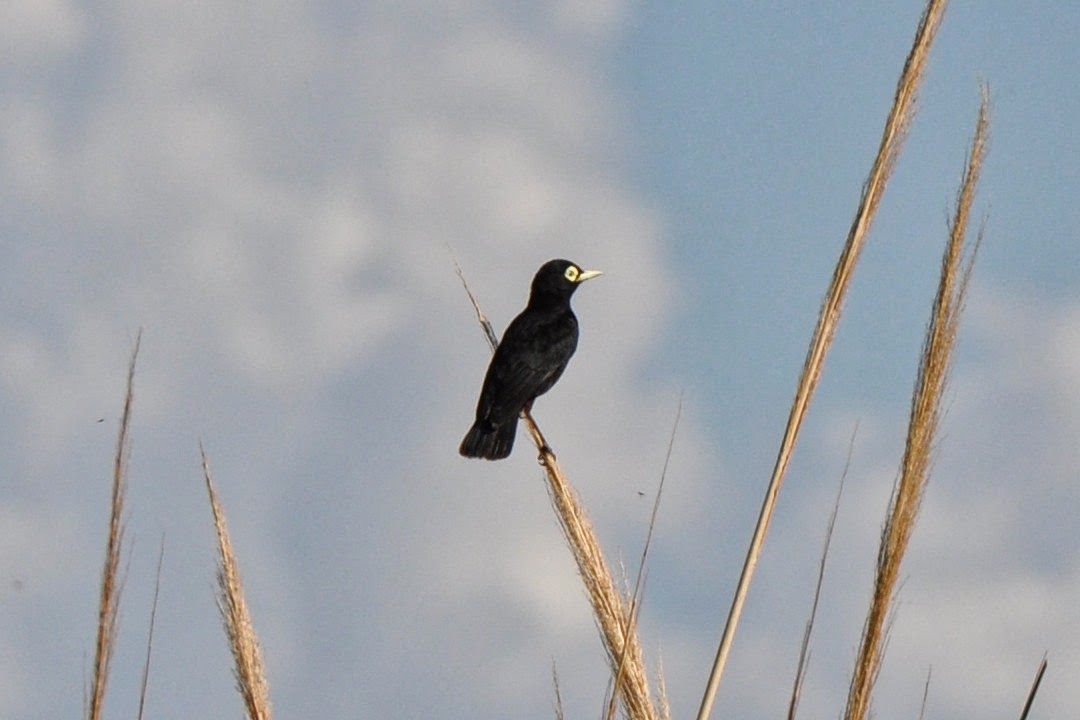
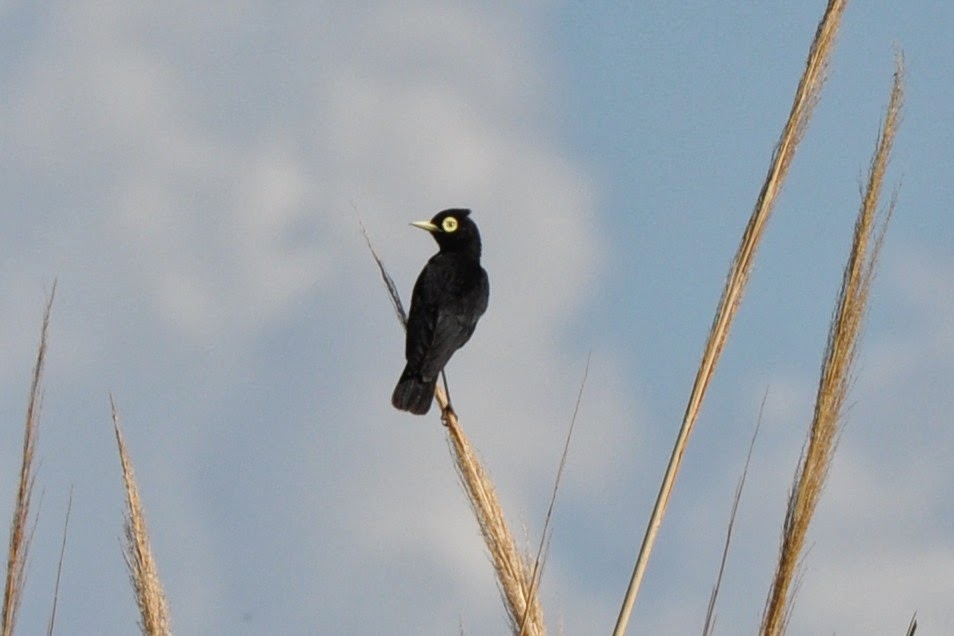
Went this AM around 11 or so.  Spent about two hours there, driving around, hiking and birdwatching.  Here are some of the pics I took while there.
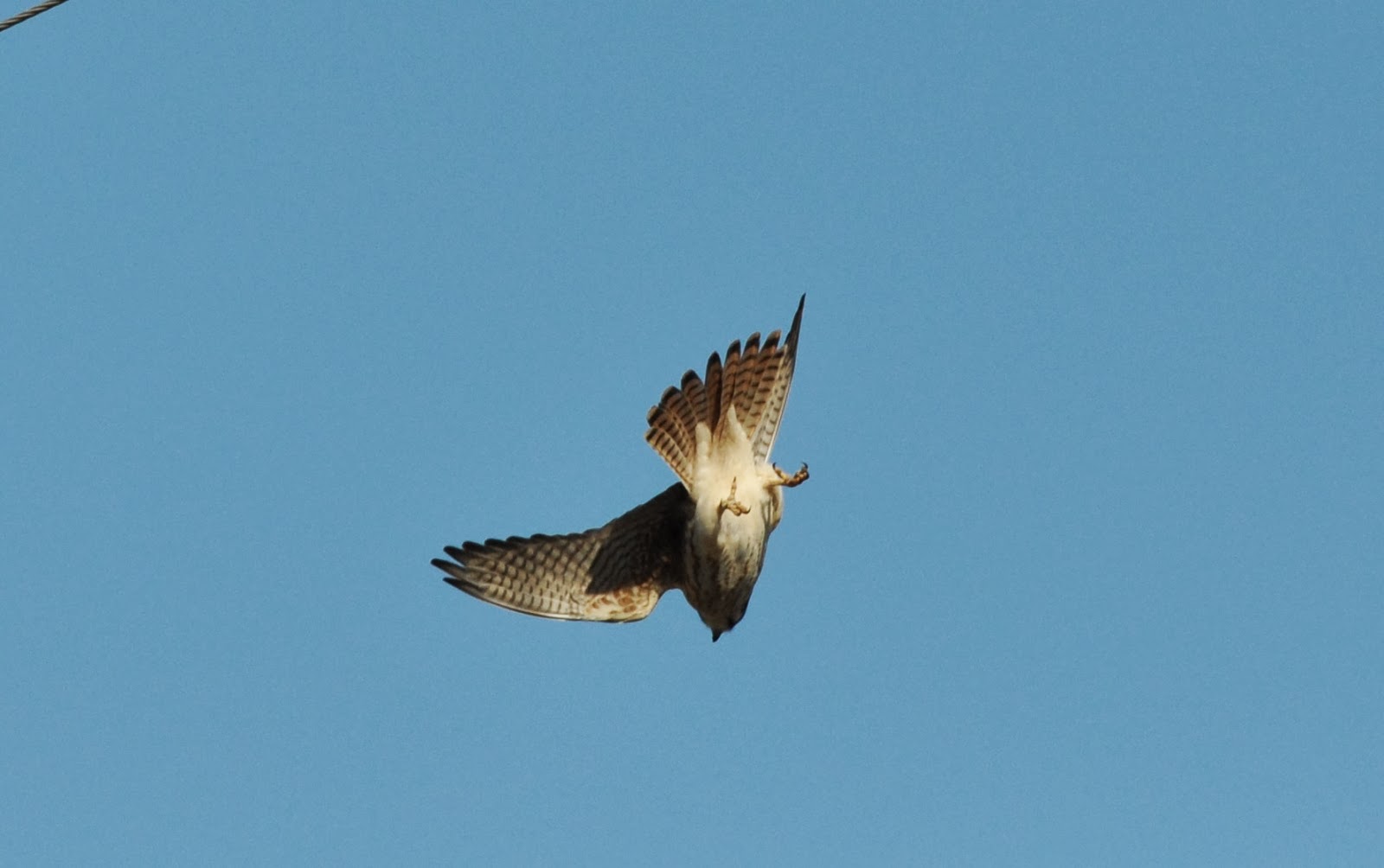
Interesting scene here – a Northern Harrier was chasing an American Bittern that had a crawfish in its mouth.

New post on ICIS blog about Google Scholar

I have a new post on the ICIS blog about Google Scholar that may be of interest: ICIS: Innovating Communication in Scholarship – Some additional details of my discussion w/ reporter John Bohannon for his Science story on Google Scholar.  The post gives some detail about the discussions I have with John Bohannon in relation to his story that ran in Science today on Google Scholar.
Speakers for Winter Q – Ecology and Evolution department seminar series at #UCDavis

EE Seminar Series Winter 2014.pdf

Reconciliation ecology seminar series at #UCDavis kicks off w/ two seminars by Michael Rosenzweig: 1/6 and 1/7

Posting this email I received:

Colleagues- on Monday & Tuesday, Michael Rosenzweig, Distinguished Professor of Ecology at the University of Arizona will be speaking:

Jan 6. 4:00 PM Seminar “Tactics for conserving diversity: global vertebrate patterns point the way” 146 Olson Hall

Jan 7. 10:00-11:30 AM Seminar “Putting flesh on the bones of reconciliation ecology: new ecosystems for Tucson AZ” in King Hall Room 1001

He is the first speaker in a series of seminars related to reconciliation ecology (attached).

Peter B Moyle
Department of Wildlife, Fish, and Conservation Biology
Center for Watershed Sciences
University of California
1 Shields Ave
Davis CA 95616

Ecosystem_Reconciliation_Speakers_Schedule_Winter_2014 pbm.doc