More fun with Mendeley plug ins for reference management #thingsIshouldhaveknownabout

OK – so I am a bit slow. I have been using Mendeley a lot recently. It has all sorts of nice “Social Networking” features for sharing reference lists and publications. I have for example used it as part of my push to free up papers by my father: Freeing my father’s publications part 5: near completion of PDF collection at Mendeley (h/t @David_Dobbs). And I have created some groups on Mendeley for sharing publications relating to various topics in which I am interested including: Microbial Forensics, Microbiology of the Built Environment and Phylogenetic and related analyses of metagenomic data. I have experimented with other online reference management systems like CiteULike, Connotea, Zotero, etc and each have some nice features. I have even written up some more detail on how to use citeulike for one project: Introducing citeulike group on microbiology of the built environment ….

 But it is the more elaborate social networking features that drew me to Mendeley and why I am using it more than the other online system.  And I have focused for example on getting all my personal publication in there to share them with others. And I confess I did not pay attention to many of the other features.

Yesterday however I discovered that Mendeley has plug-ins for generating bibliographies in various word processing programs: Reference Manager | Mendeley. Obviously I probably should have known this. But I have been using EndNote forever and had not experimented with anything new in a while. But I tried out the Mendeley Plugin for MS Word and it is OK. Not perfect. Still needs some work. But it is another factor in why I will likely shift even more to using Mendeley over other system. Still will play with the other ones out there … so if people have comments or suggestions please post.

Plus see below for an example of some of the Mendeley embed widgets one can make

http://www.mendeley.com/profiles/jonathan-eisen/widget/7207/2627036690/e619ef77f9cdf2ab2139da5ecf1c19e9a25e6be7/

http://www.mendeley.com/groups/1147121/_/widget/29/3/

http://www.mendeley.com/groups/844031/_/widget/31/3/

What is in a name? A case study of genomic epidemiology w/ Bacillus cereus and Bacillus anthracis

ResearchBlogging.org There is a very interesting new paper that just came online in the Archives of Pathology: Rapidly Progressive, Fatal, Inhalation Anthrax-Like Infection in a Human: Case Report, Pathogen Genome Sequencing, Pathology, and Coordinated Response

I was alerted to the paper by Eileen Choffnes of the National Academy of Sciences Institute of Medicine Forum on Microbial Threats (which I am a member of).  In the paper, James Musser, Angela Wright and colleagues, the authors discuss the use of genome sequencing in the characterization of a fatal infection with a bacterium that appeared to be a species of Bacillus.  Their summary is below and pretty much sums it up:

Context.—Ten years ago a bioterrorism event involving Bacillus anthracis spores captured the nation’s interest, stimulated extensive new research on this pathogen, and heightened concern about illegitimate release of infectious agents. Sporadic reports have described rare, fulminant, and sometimes fatal cases of pneumonia in humans and nonhuman primates caused by strains of Bacillus cereus, a species closely related to Bacillus anthracis.

Objectives.—To describe and investigate a case of rapidly progressive, fatal, anthrax-like pneumonia and the overwhelming infection caused by a Bacillus species of uncertain provenance in a patient residing in rural Texas.

Design.—We characterized the genome of the causative strain within days of its recovery from antemortem cul- tures using next-generation sequencing and performed immunohistochemistry on tissues obtained at autopsy with antibodies directed against virulence proteins of B. anthracis and B. cereus.

Results.—We discovered that the infection was caused by a previously unknown strain of B. cereus that was closely related to, but genetically distinct from, B. anthracis. The strain contains a plasmid similar to pXO1, a genetic element encoding anthrax toxin and other known virulence factors. Immunohistochemistry demonstrated that several homologs of B. anthracis virulence proteins were made in infected tissues, likely contributing to the patient’s death.

Conclusions.—Rapid genome sequence analysis permit- ted us to genetically define this strain, rule out the like- lihood of bioterrorism, and contribute effectively to the institutional response to this event. Our experience strongly reinforced the critical value of deploying a well- integrated, anatomic, clinical, and genomic strategy to respond rapidly to a potential emerging, infectious threat to public health.

The part in which I am interested, not surprisingly, is the genomic-evolution part.  This is of interest since Bacillus anthracis is in a way a subspecies of a larger clade of bacterial types that includes Bacillus cereus and Bacillus thuringensis.  These two generally do not cause fatal disease in humans, though I believe there are prior cases (see for example, Anthrax, but not Bacillus anthracis?).  Also, I note, B. thuringensis is also known as Bt and is used extensively in agriculture to kill pests.  Anyway, though Bt abd Bc are known to occasionally cause humans trouble, without a doubt, if you say you have found a case of Bacillus anthracis in people, some serious freaking out will occur at some level.  People will want to know things – like is this a natural occurrence or a purposeful attack?  And in the end, there is a lot associated with the name since of course “anthrax” scares people.

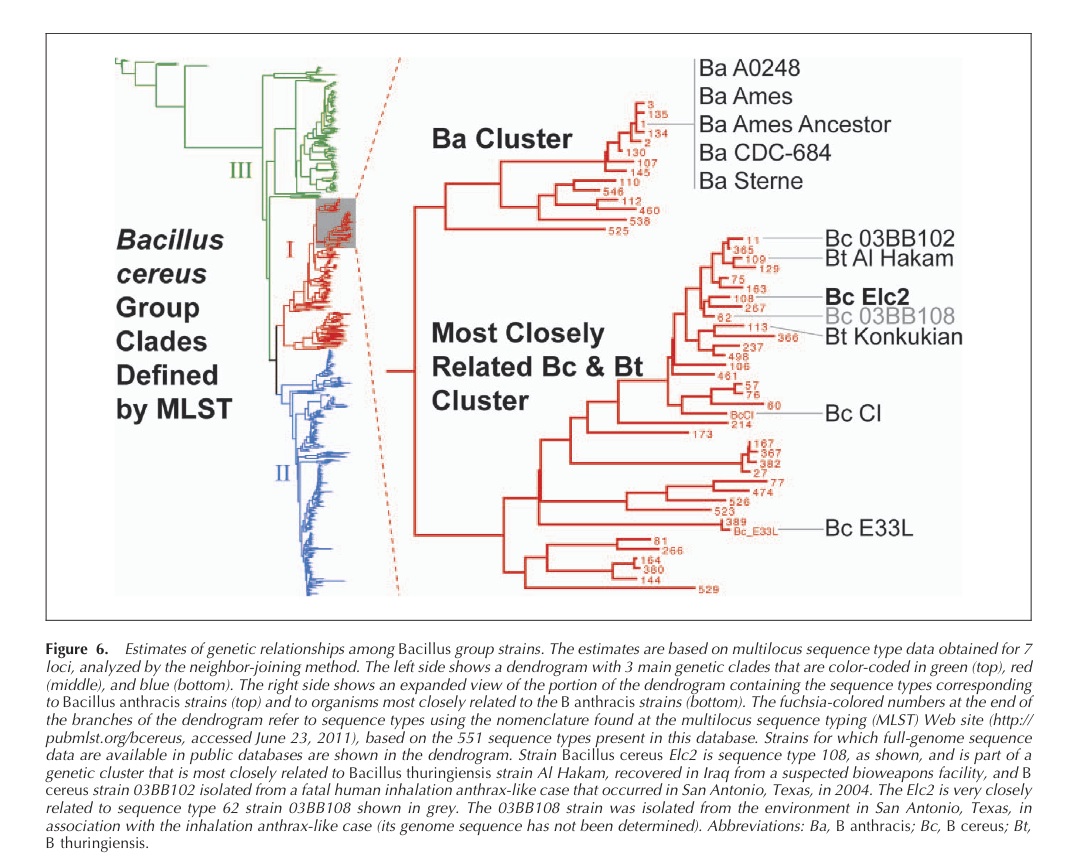
So the authors here basically sequenced the genome of this isolate and then did some detailed phylogenomic analysis to place it in the Bacillus cereus/thuringensis/anthracis group.  See below:

And it turns out, this strain is not in the anthrax portion of the tree.  It is in the Bacillus cereus part.  The key thing here is that this strain is clearly, phylogenetically, in the Bacillus cereus/thuringensis part of this clade.  Not so sure if the genomics was necessary here.  I think some detailed MLST and/or phylogenetics of other variable markers might have done the same trick.  But still, the resolution one gets from the phylogenomics is pretty good.  This is of course nothing really new.  There have been some nice genomic epidemiological studies done in the last year or two such as in the German E. coli and in some other cases (see for example, Prospective Genomic Characterization of the German Enterohemorrhagic Escherichia coli O104:H4 Outbreak by Rapid Next Generation Sequencing Technology and Origins of the E. coli Strain Causing an Outbreak of Hemolytic-Uremic Syndrome in Germany and The 2011 Shiga toxin-producing Escherichia coli O104:H4 German outbreak: a lesson in genomic plasticity and Open-Source Genomic Analysis of Shiga-Toxin-Producing E. coli O104:H4 and Pathogens: Genes and Genomes).
Though this is not per se new, this paper focuses a bit more on the pathology part of the story and even ends by linking to a new paper from one of the authors on how this type of work changes how we should conceive of pathology training: 

One of us recently proposed the inception of a third, training track in pathology termed genomic pathology, designed to complement the traditional anatomic and clinical pathology tracks. As the introgression of genome- scale analyses proceeds rapidly and inexorably into con- temporary patient care and pathology practice, the career opportunities for this new type of trainee will increase considerably, and new patient-care niches will be created. We believe cases such as this highlight the need for, and potential utility of, a cadre of pathologists trained and facile in genomic pathology.

The paper on Genomic Pathology (thank goodness they did not invent a new omics word) can be found here.  There is no doubt we are in a new era.  Genomic sequencing is certainly going to be used in more and more cases like this and we definitely need to change the training paradigm if we want more people to use and understand it.
Some other reading worth checking out:
Some videos of interest

Reference:
Wright AM, Beres SB, Consamus EN, Long SW, Flores AR, Barrios R, Richter GS, Oh SY, Garufi G, Maier H, Drews AL, Stockbauer KE, Cernoch P, Schneewind O, Olsen RJ, & Musser JM (2011). Rapidly Progressive, Fatal, Inhalation Anthraxlike Infection in a Human: Case Report, Pathogen Genome Sequencing, Pathology, and Coordinated Response. Archives of pathology & laboratory medicine PMID: 21827220

Finally updated my blog template after, oh, five years

Well, after breaking the html behind my blog template many times with all sorts of hacked code for widgets and trackers and other things.  I have decided to clean up my act.  And just revert to a standardized Blogger template for now.  If some things are missing, maybe I will revert.  The colors I am going to play with – not sure if I want something new or to go back to the old ones.  But for now, there will be a bit of a new look here.

Hydrogen as a fuel? No this is not about cars, this is about animals and their symbionts in the deep sea

ResearchBlogging.org As many of you know, I generally avoid writing about non open access publications here.  But occasionally I make exceptions.  And I am making one today.  There is a wicked cool paper out in Nature today.  Entitled “Hydrogen is an energy source for hydrothermal vent symbioses” comes from Nicole Dubilier, Jillian Petersen and others.  It is about my favorite ecosystem(s) on the planet – hydrothermal vents.  I became interested in these vents in 1989 when I met Colleen Cavanaugh who at the time was a Junior Fellow at Harvard.  She told me about her work on bacteria that live inside tubeworms, clams and other creatures in the deep sea that are key to the lives of these animals.  The bacteria are chemosynthetic (i.e., they use the energy of chemicals to drive carbon fixation).  The animals have either no digestive systems or very degenerate ones and the bacteria function much like chloroplasts do for plants.  The bacteria basically make everything for their hosts while the hosts collect energy (chemicals in this case) and oxygen and CO2 for the microbes.

After hearing Colleen tell me about her work on these symbioses and how at the time nobody knew much about the symbionts, I joined her new lab at Harvard (she was just appointed as a junior professor) and worked in her lab in my Senior year and after graduating (and ended up publishing my first paper on symbionts of a clam Solemya velum).  I have been captivated by symbioses ever since.  So much so that many years later I worked with Colleen, Irene Netwon, Tanya Woyke, Dongying Wu and others to sequence and analyze the first genome of any of the chemosynthetic symbiotic bacteria.

Anyway – enough about me.  Prior to this new work, all of the symbioses in the deep sea had been found to involve either H2S (or related S compounds) or methane as energy sources.  What is completely fascinating about the new work is that they show here that H2 can also serve as an energy source for chemosynthetic symbioses.  From the abstract:

The discovery of deep-sea hydrothermal vents in 1977 revolutionized our understanding of the energy sources that fuel primary productivity on Earth. Hydrothermal vent ecosystems are dominated by animals that live in symbiosis with chemosynthetic bacteria. So far, only two energy sources have been shown to power chemosynthetic symbioses: reduced sulphur compounds and methane. Using metagenome sequencing, single-gene fluorescence in situ hybridization, immunohistochemistry, shipboard incubations and in situ mass spectrometry, we show here that the symbionts of the hydrothermal vent mussel Bathymodiolus from the Mid-Atlantic Ridge use hydrogen to power primary production. In addition, we show that the symbionts of Bathymodiolus mussels from Pacific vents have hupL, the key gene for hydrogen oxidation. Furthermore, the symbionts of other vent animals such as the tubeworm Riftia pachyptila and the shrimp Rimicaris exoculata also have hupL. We propose that the ability to use hydrogen as an energy source is widespread in hydrothermal vent symbioses, particularly at sites where hydrogen is abundant.

I am personally hoping that the authors post PDFs of the paper somewhere for everyone to read.  I will post a link if they do.

I note – there is also a very accessible News and Views written about this paper.  The News and Views is written by Victoria Orphan and Tori Hoehler and is entitled “Hydrogen for dinner.”  I particularly like the last paragraph:

Petersen and colleagues’ work exemplifies the technology-driven revolution that is occur- ring in the biological sciences. The continuous development of ever more powerful and spe- cific molecular tools allows taxonomic identity and gene content to be linked to metabolic potential and activity, and to be visualized in context. As these techniques converge with new instrumentation that allows the in situ characterization of physicochemical parameters — even in environments as remote and extreme as hydrothermal vents — biologists are freed from their reliance on model organisms in artificial surroundings. Now, more than ever, our understanding of biology can be placed in the correct environmental and ecological context, enabling the discovery of previously unknown activities that support life. 

Petersen JM, Zielinski FU, Pape T, Seifert R, Moraru C, Amann R, Hourdez S, Girguis PR, Wankel SD, Barbe V, Pelletier E, Fink D, Borowski C, Bach W, & Dubilier N (2011). Hydrogen is an energy source for hydrothermal vent symbioses. Nature, 476 (7359), 176-80 PMID: 21833083

Yet another scammy spammy email from the Beverly Hills Times

I get these types of emails from the “Beverly Hills Times Magazine” every once in a while.  They seem spammy or scammy in some way and I thought, rather than suffer alone, maybe I should share.  So here goes:

Dear Professor,
The Beverly Hills Times Magazine is considering running an article on experiments proposed at MIT and a few hypotheses. We are seeking background information on the topics related to these experiments and hypotheses. We are asking for your assistance because your extensive expertise has been brought to the attention of the Beverly Hills Times Magazine. The article deals with neuroscience, biophysics, theoretical physics, philosophy, religious studies, ethics, and particle physics.
As background information on the Beverly Hills Times Magazine, my name is Stephen Takowsky, and I am the publisher of Beverly Hills Times Magazine. The Beverly Hills Times is a free magazine that goes to the residences and businesses in Beverly Hills, California. We have several prestigious contributors including: Ralph Nader, Ron Paul, and Dennis Kucinich. We maintain close contacts with other media, and our articles have been featured on several media platforms.
For more information on our magazine, you can view our website at bhtmag.com, or you can Google us by searching for Beverly Hills Times.
Your assistance would be greatly appreciated. Our main goal at this point is to determine whether there is any established scientific evidence that tends either to support or invalidate the hypotheses. We would also consider publishing one of your own articles as trade for your contribution. We are interested in opinions from multiple fields of expertise. If you do not have time please feel free to forward this to a colleague or students that may be interested in providing feedback.
Please let us know. We would greatly appreciate your feedback. If you have any questions, please feel free to contact me.
Here is the url to the hypotheses and experiments: (OfGrandeur.com)
If you are interested, we would appreciate having your comments by September 1, 2011.
Thank you for your time.
Stephen Takowsky
Publisher, Beverly Hills Times Magazine
bhtmag.com
Publisher@bhtmag.com

Others have written about how this seems to be a scam in some way:

If anyone knows more detail out there about this “magazine” please post them.  

Fun with Google Books – Old Books on Bacteria

After discovering a copy of this great 100 year old book on “Bacteria in relation to Country Life” on Google Books I decided to snoop around for other old books on bacteria: Microbiology of the Built Environment – as of ~ 100 years ago: Bacteria in relation to country life

The Bacteria by Antoine Magnin in 1880

Lectures on bacteria – Page 1 – by Anton Bary 1887
If you expand the search to “microbes” you get some other interesting ones
I am sure there are many others that are fascinating there. It is always interesting to me to see what people were thinking about in terms of microbes in the past. And Google Books is one heck of a convenient way to do this.

Rare, not rare, rare, not rare (and this is not about burgers, it’s about ocean bacteria)

Nice little press release/story for bacteria and ecology lovers out there: ‘Rare’ bacteria in the ocean ain’t necessarily so, researchers report. This is about work by some colleague of mine including in particular Barbara Campbell at the University of Delaware. I worked with her on a genome project a few years ago (of a bacteria found on the surfaces of some deep sea worms – see Adaptations to submarine hydrothermal environments exemplified ….). Alas, the new paper, in PNAS is not Open Access but the story covers it reasonably well.

Some relevant links:

Notes from a trip to Woods Hole, MA to teach #genomics at the MBL Microbial Diversity Course

Here are some notes from my recent trip to Woods Hole, MA where I went to give a talk for the Marine Biological Lab “Microbial Diversity Course”.

Day 1:  Thursday

My trip started quite poorly.  I wrote a whole post on the first day so if you want more detail go here: A squatter’s journey to the Marine Biological Lab (MBL).  I posted (of course) to twitter along the way.  Here are some of my posts:

  • Heading to Woods Hole/MBL-giving talk for symposium for the Microbial Diversity Class  
  • Anyone out there recommend best way to get from Logon to Woods Hole after 10:30 PM (no Peter Pan bus) w/o renting car? 
  • Thank you Delta for out early arrival in MSP- not so many thanks for sitting on runway for 20 minutes ad more waiting for gate
  • Yhgtbfkm – we finally got to a gate at MSP and the gate agents keep missing our door with jetway
  •  maybe I’ll see you as I head to my connection
    • Had a long twitter conversation with her about the fact that both of our flights were becoming disasters
  • Plane was very late bit now in a nice Prius from Green Shuttles on way to Woods Hole  
  • UGGGH – arrived Woods Hole/MBL; got dorm room key at 1am; woman in room not very happy; finally got other hot crummy dorm room; Ahh MBL

Day 2: Friday: Hanging out at MBL

Woke up at the Swope Dorms and, thanks to the lovely reception I got from the Housing Staff (see A squatter’s journey to the Marine Biological Lab (MBL) again for more detail) I was not very happy.  I went in to town to get a latte and something to eat and then made it over to the Microbial Diversity Course to hear a few talks and see some of the folks there.  Then I went back to my dorm room, packed up my stuff and abandoned Swope and went to the Sleepy Hollow Motor Inn just up the road, a bit out of town.  I had already called and they held a room for me (I tried the one place actually in town but they were full).  So I checked in, dumped my stuff and then walked back in to town.  I eventually ended up going to dinner with some of the course TAs and other personnel.

Here are some tweets from the day

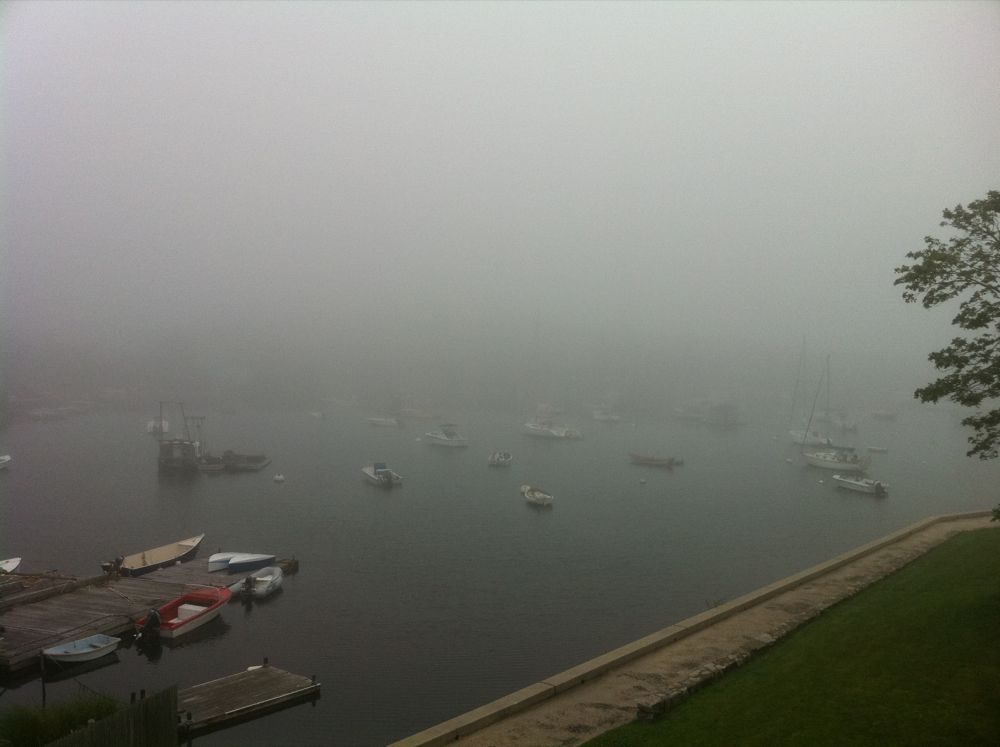
Alas, was quite a bit tired from the horrible trip and bad housing experience so did not tweet much the whole day.  Here are some pics from the day:
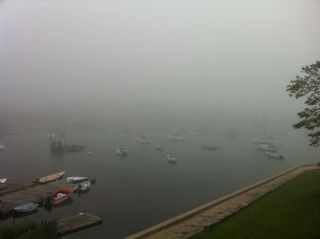
View from my second room at Swope
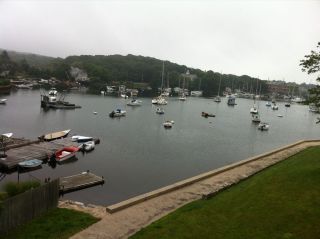
View from my room of Eel Pond
View from my room – nice view – but room was unbearably
hot even on a cool day.
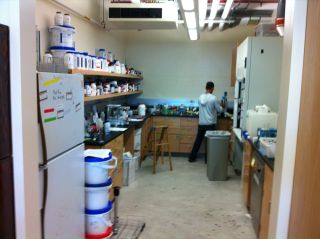
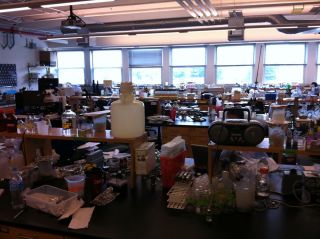
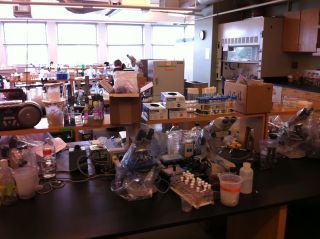
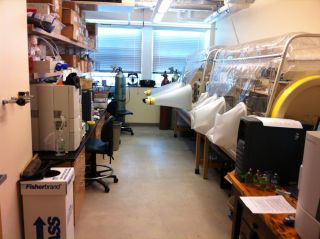
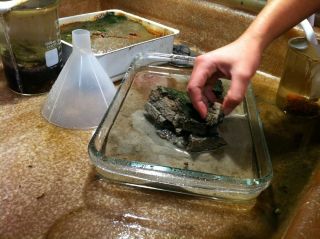
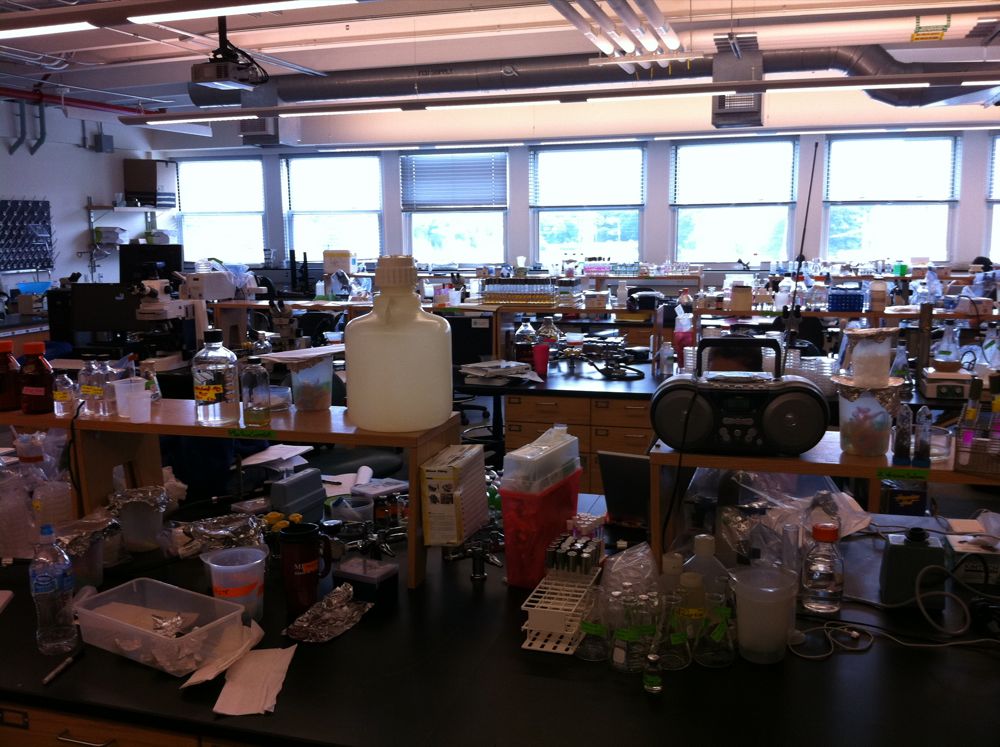
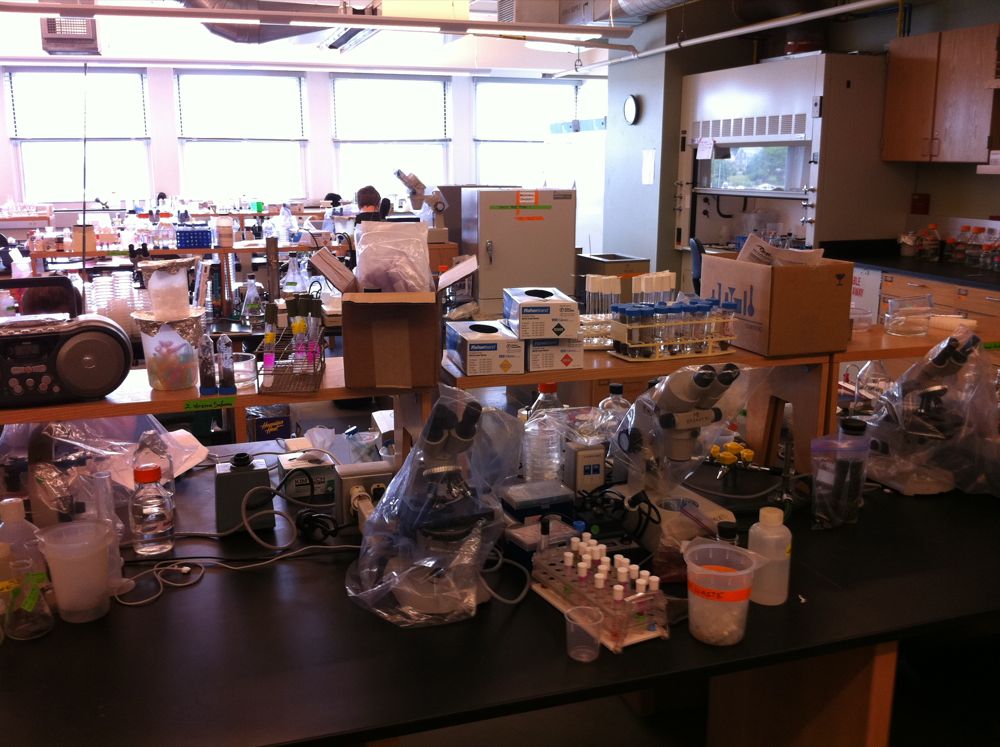
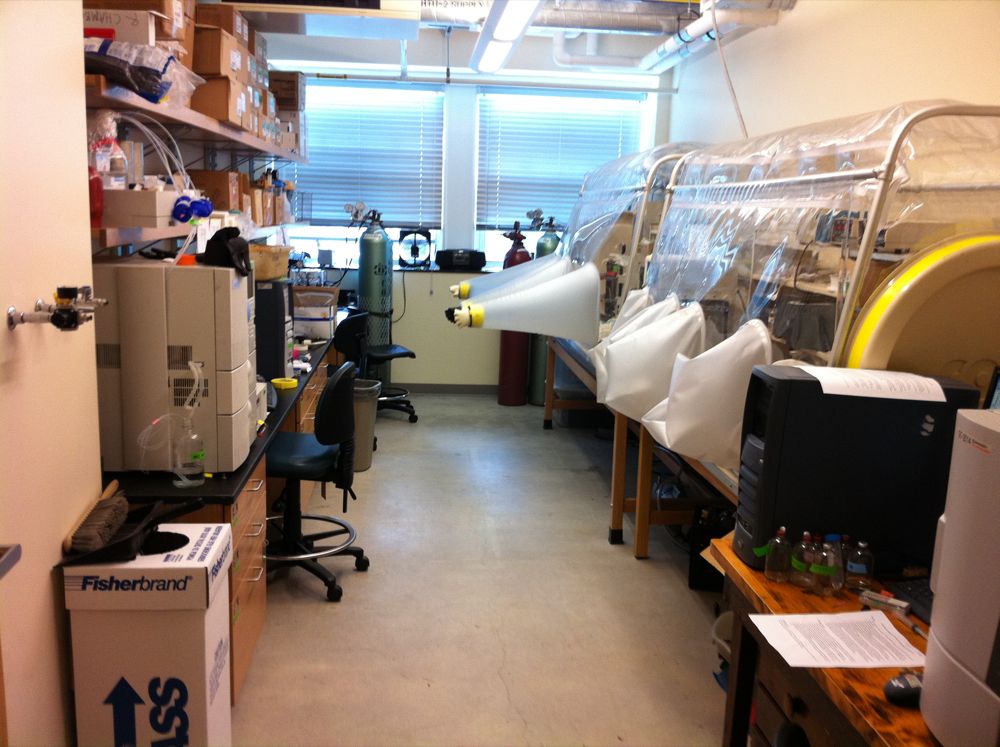
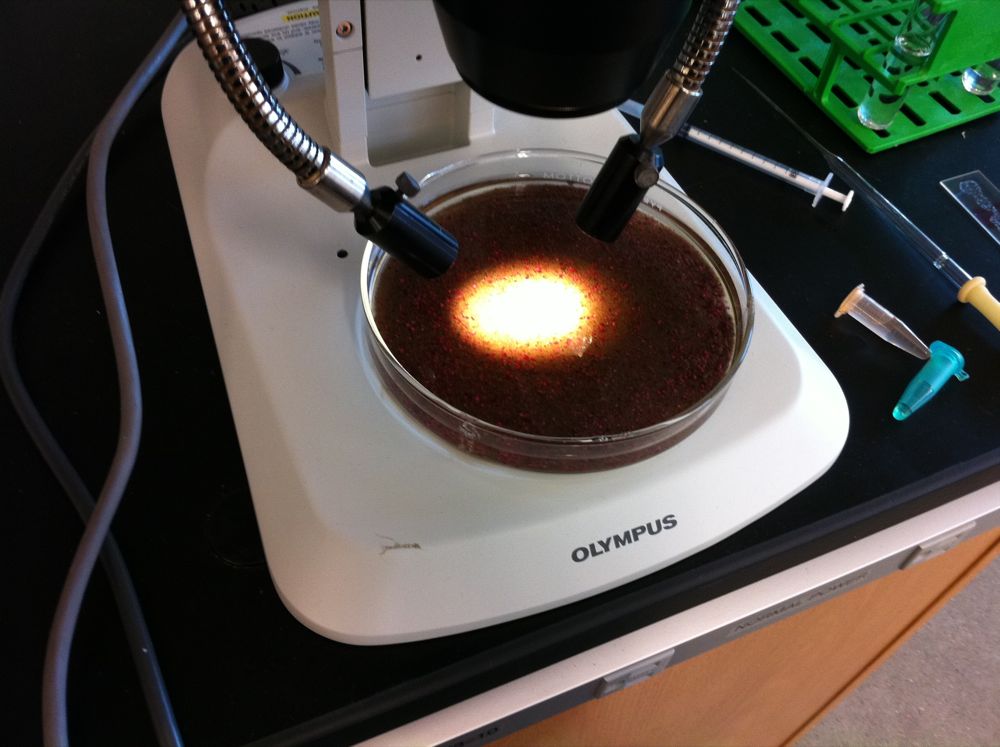
Microbial Diversity course lab

Microbial Diversity course lab

Microbial Diversity course lab

Microbial Diversity course lab
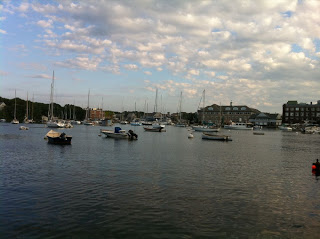
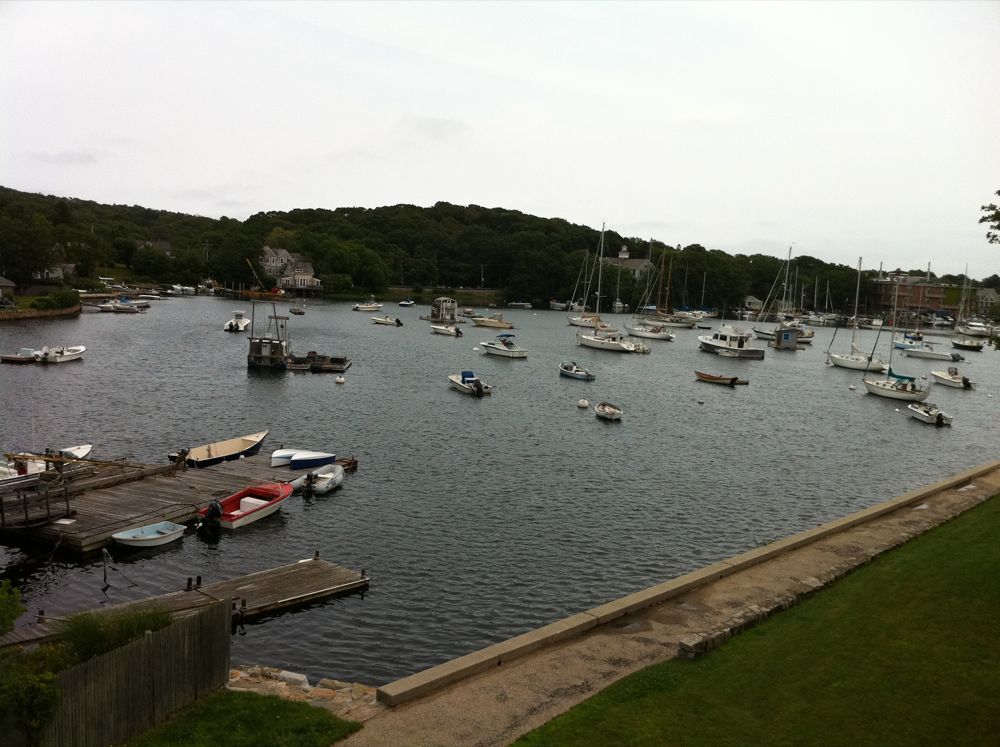
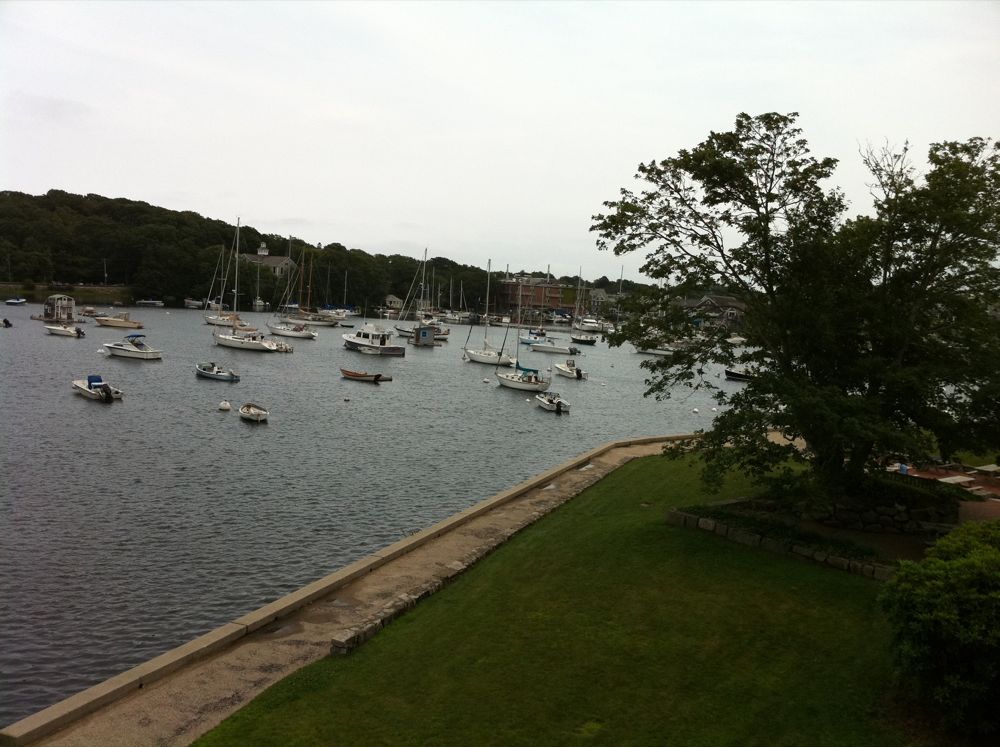
Eel Pond again
Eel Pond again
The Kidd
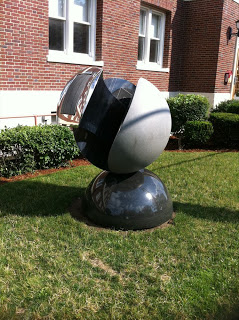
Art around MBL

Art around MBL
Art around MBL
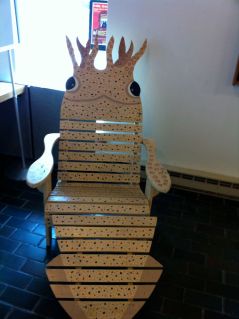
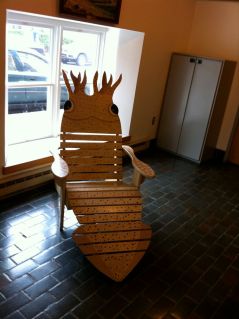
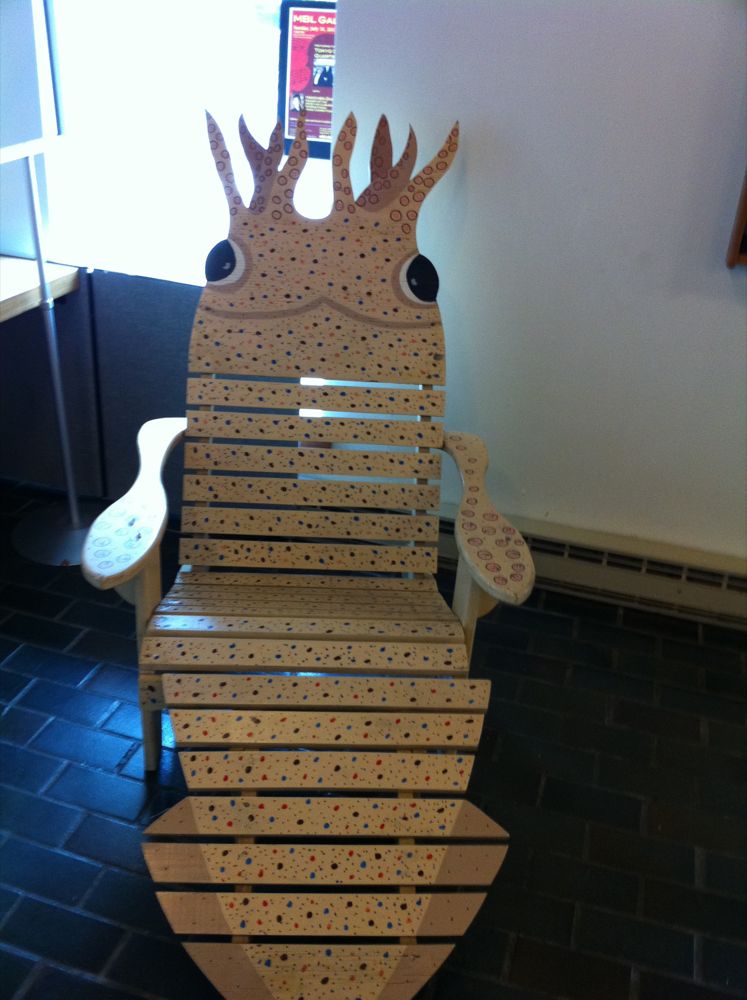
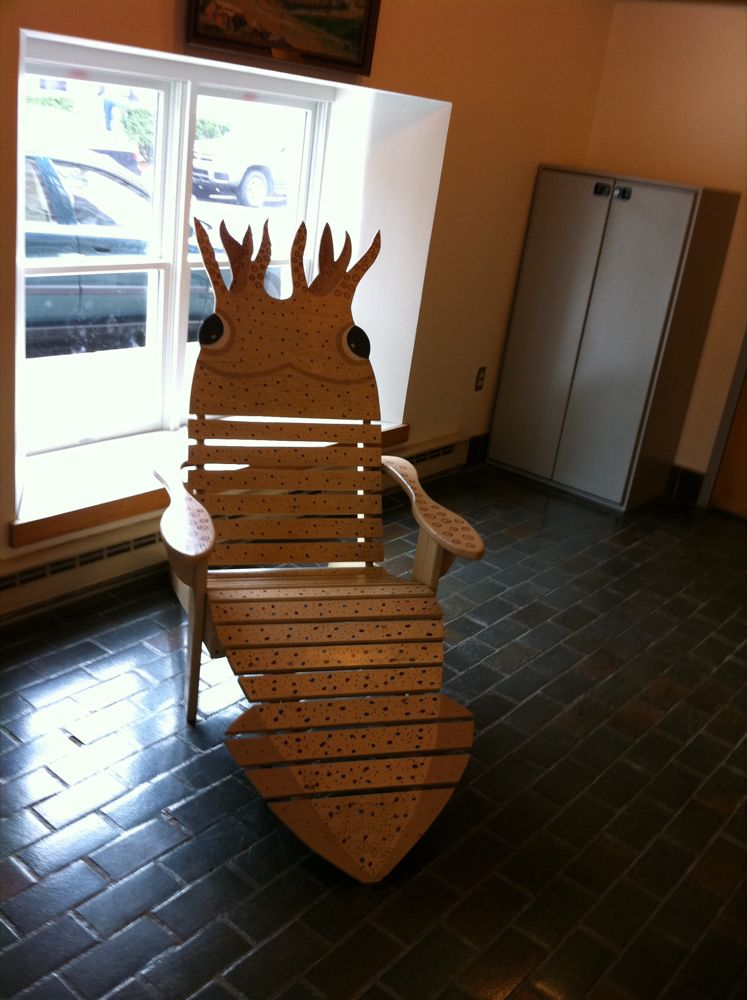
Fun chairs in the Candle House
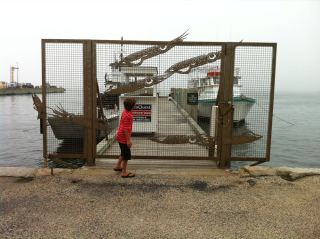
Squid on a fence
Squid on a fence
More eel pond
Magical berries
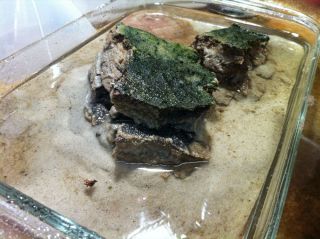
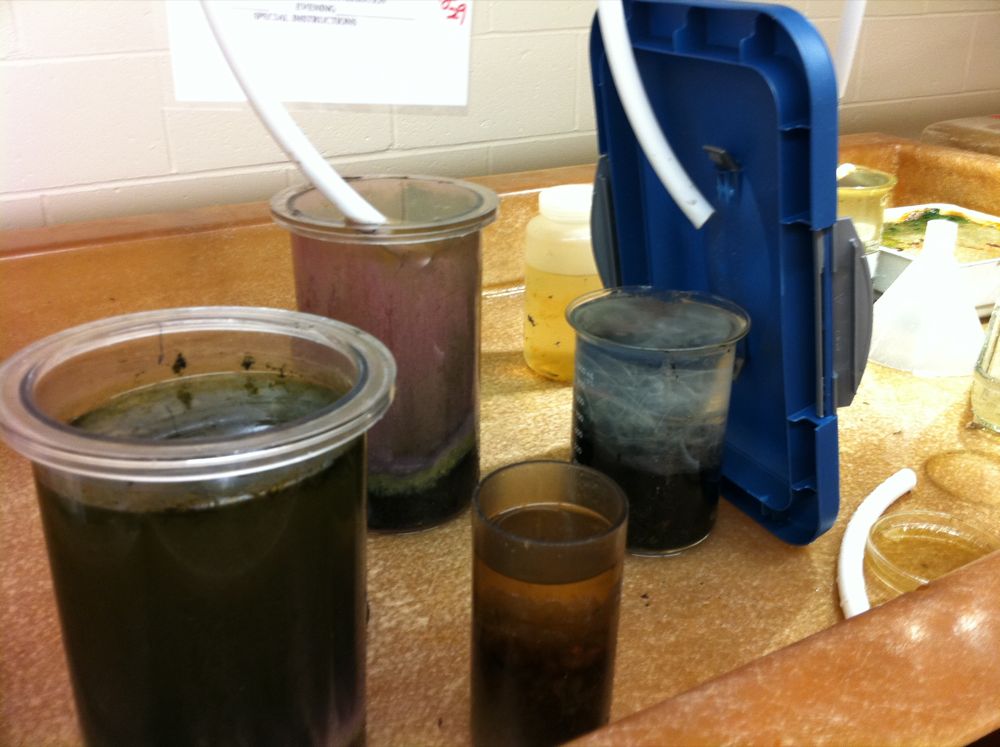
Microbial mat

Microbial mat
Magical berries
Magical berries
Magical berries

Microbial mat 
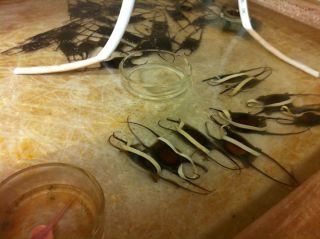
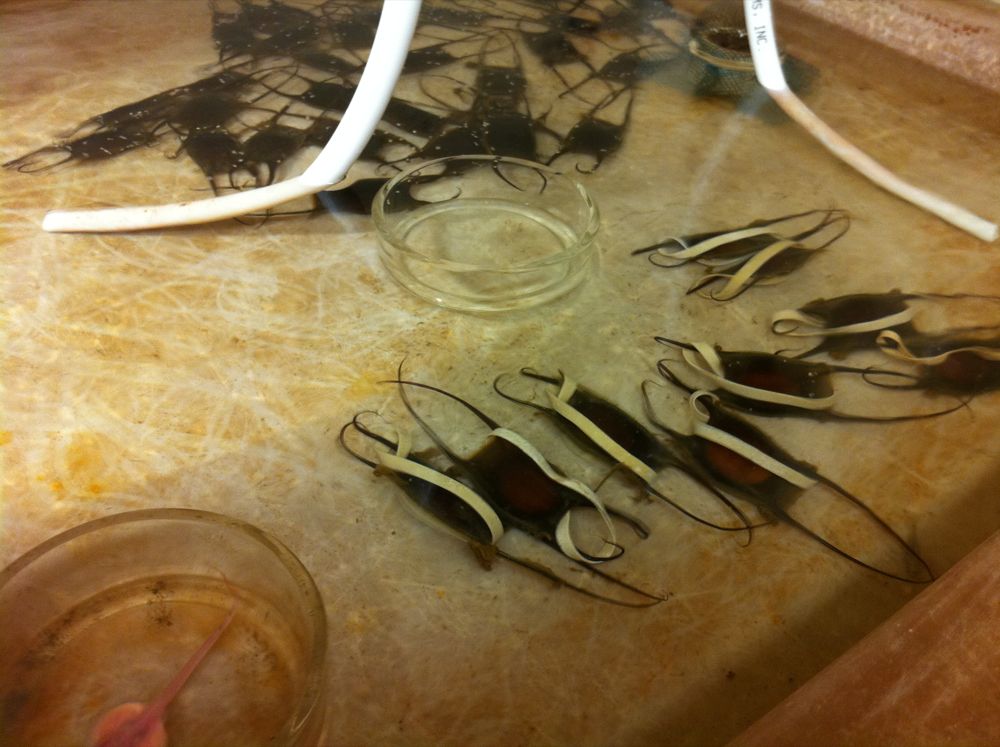
Skate babies

Day 3: Symposium

Saturday was the day for the genomics symposium I had come for.  The symposium was hosted by the Microbial Diversity Course and was focused on microbial genomics.  There were four speakers – me, Howard Ochman, Nancy Moran and Eugene Koonin.  I thought the symposium went quite well — each speaker did a good job of not both complimenting and complementing the other speakers.   I hope the students liked it.

I spent many hours the night before and in the AM working on my talk, trying to fine tune it for the audience.  I grabbed a latte in the morning at a nice Woods Hole place, and eventually walked on over towards the lab.
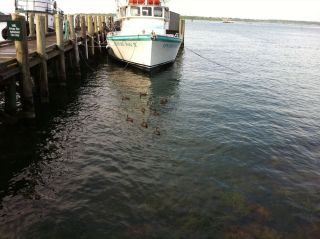
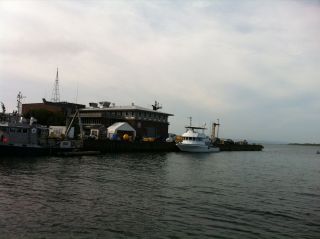
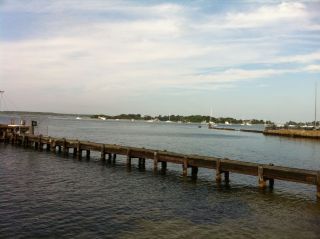
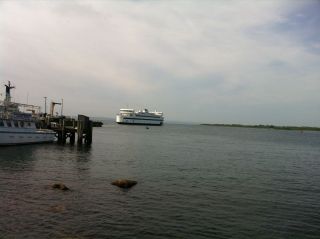
I headed over to Swope and fortunately found a person from the course who told me where the talks were.  I gabbed some breakfast in the dining hall and then went to the room next door where the Symposium was going to be held.  I set up my laptop and alas noticed I had forgotten my Apple remote.  So I did a App store search to see if my iPhone could serve as a remote for Keynote and it can (for 99 cents).  So I downloaded the App and got it working and was ready to go.
I got a nice introduction from Dan Buckley, one of the Course organizers and then gave my talk.  I think I went a bit fast in parts but people seemed to like it.  I got some good questions and then it was time for a break.  Anyway – here are my slides, which I posted on Slideshare: Eisen Talk for MBL Microbial Diversity Course
View more presentations from Jonathan Eisen Then Howard Ochman gave a talk.  Here are some tweets from his talk:

  • Done with my talk at MBL for the Microbial Diversity course Symposium on Microbial Genomics – now listening to Howard Ochman
  • Howard Ochman discussing how genes in a bacterial genome w/ atypical composition are considered likely to have entered by lateral transfer
  • Ochman referencing classic paper by Sueoka “ON THE GENETIC BASIS OF VARIATION & HETEROGENEITY OF DNA BASE COMPOSITION” 
  • Ochman showing time course of the plot of genome size vs. # of genes for bacteria – all looked good 1kb=1 gene until M. leprae genome
  • Ochman quotes “Less than half of the genome contains functional genes but pseudogenes …. abound” 
  • Ochman: Why aren’t there lots of pseudogenes in most bacterial genomes? B/c there is a mutation bias towards deletions
  • Ochman referencing “Bacterial genome size reduction by experimental evolution”  re: deletion bias
  • Ochman making genetic drift personal: sometimes you pull out just the blue M&Ms, which of course you really don’t like 
  • Ochman referencing “The consequences of genetic drift for bacterial genome complexity” 
  • Ochman: an increase in genetic drift from reduced effective population size can lead to increase in Ka/Ks
  • Ochman discussing how effect of drift on bacterial genome size is opposite trend predicted in Lynch and Conery 2003

Then there was a little break for Lunch.  After lunch I had an entertaining conversation with Howard Ochman about various topics.  And then we were back to talks.

Nancy Moran.  Here are my tweets:

  • Listening to talk by Nancy Moran about tiny bacterial genomes – she is discussing her work w/ now retired  prof. Paul Baumann 
  • Moran – discussing work of Allison Hansen in her lab on bacterial gene expression in bacteria containing cells in aphid gut
  • Moran discussing incredible diversity of insect symbionts that help hosts obtain nutrients from nutrient poor diets 
  • Moran discussing the Tremblaya genome which has recently shown up in Genbank 
    • : @phylogenomics Tremblaya is awesome. John McCutchoen is the man – hope this is published soon.
    • : @phylogenomics 58% GC in an insect symbiont – simply weird. McCutcheon talked about this at SGM Insect Symbiosis in Harrogate, UK in April.
    •  yes, high GC but it is related to organisms with even higher GC

Then Eugene Koonin. Here are my tweets from his talk:

  • Now listening to the one and only Eugene Koonin discussing evolution of archaea/bacteria at MBL Microbial Diversity course 
  • I note my start in genome evolution really came from reading papers by Koonin on helicases
  • Koonin showing figures from one of my favorite papers of his: … the emerging dynamic view of the prokaryotic world 
  • Koonin: Archaeal genomes are even more gene dense than bacterial genomes
  • Koonin: the majority of genes in bacterial and Archaeal genomes are part of conserved families
  • Koonin: most gene families show patchy phyletic patterns across bacterial and Archaeal genomes
  • Note – Koonin has more than 500 papers listed in Pubmed
  • Koonin : most of the universal genes in bacteria and archaea are involved in translation
  • Koonin describes “bureaucratic ceiling” to genome size b/c of exponential incr. in regulators vs. genome size – can’t get too big
    •  @phylogenomics Limit on “genome size”. He means gene number (which does correlate in bact/arch but not euk)
    •  Sorry .. He is only discussing bacteria and archaea … So here it does correlated w/ genome size
    •  indeed .. He was using gene number as his key feature
  • Koonin describing 1998 Aravind et al paper on Aquifex which was 1st report of massive gene transfer between bacteria / archaea
  • Side story: when Thermotoga genome paper came out (I was buried as middle author) Koonin called me, POd that we had not refd Aquifex paper
    •  yes but this was a bit of a big deal … Press coverage … Nature paper, etc etc …
    •  The funny part was . He was POd at me even though I was buried in the middle b/c he said I should know better …
  • I must say Koonin is giving a damn excellent talk on bacteria and Archaeal evolution
  • Koonin discussions how there is a central tree-like structure in the “forest of life” of trees of conserved genes
  • Koonin discussions this: Comparison of phylogenetic trees and search for a … 
  • Koonin: there is a strong signal of vertical evolution even among much lateral gene transfer, b/c transfer is mostly random
  • ATGC: a DB of orthologous genes from closely related prokaryotic genomes & a research platform for microevolution
  • Koonin: “There is such a thing as a prokaryote” (gives many reasons)
  • Koonin discussing my favorite topic these days: CRISPR-CAS system
  • Koonin discussing his paper on early finding of crispr elements
  • Prediction: A Nobel in the near future will go for work on CRISPR/CAS system of adaptive immunity in bacteria / archaea
  • Koonin discussing the journal he helped start called Biology Direct which is both  and has open review
  • Koonin has a new Book: The Logic of Chance: The Nature and Origin of Biological Evolution: ProQuest Tech Books

After Koonin was done, everyone dispersed.  I wandered around and took some pics:
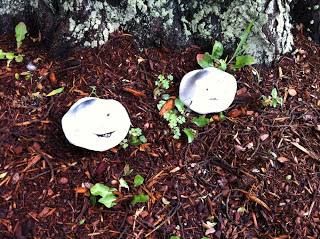
Magical mushrooms
Sloan Urinal (inside joke about http://microbe.net
????

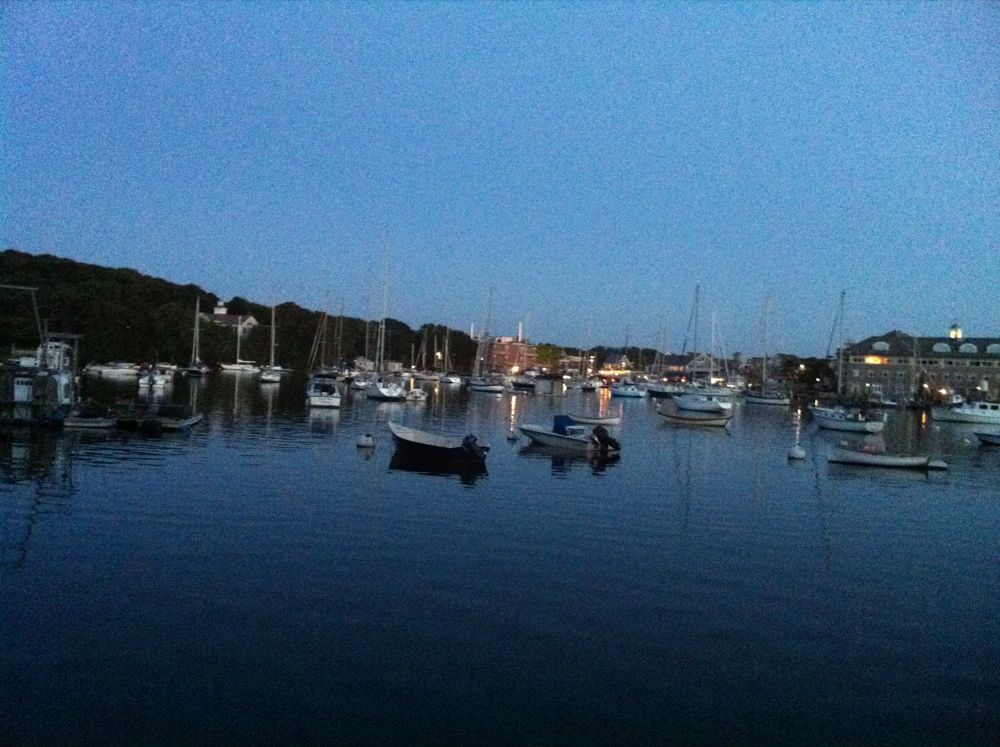
I went back to my motel room for a little bit and then headed down to Eel Pond for a Course BBQ.
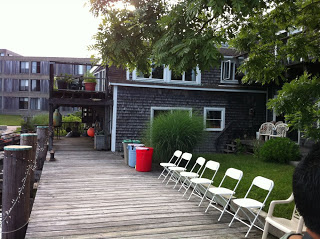
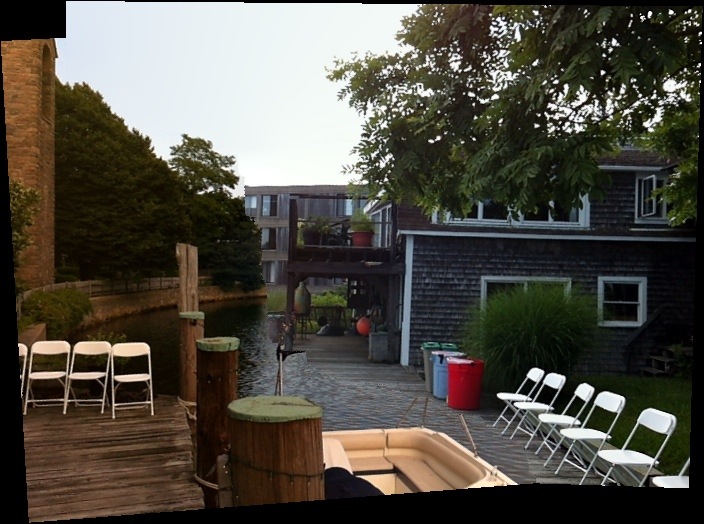
Deck for party
Deck for party

Photosynth stiched together pic
Eel pond

Party
Party
Party

I then headed in to town where my friend Nipam Patel was having a party for the Embryology Course he was teaching.  And I hung out as his house for a bit and then went back to my room.

Day 4: Home

Got up late.  Checked out.  Wandered into town with my suitcase.  Took some pics.
And after some internal debate, decided to switch my flight to return that day rather than go visit relatives in Boston (sorry Diana, Hal — just wanted to get home).  So I took the Bonanza Bus to Logan – discovered that Karl Stetter was also going on the bus to Logan.  I tried to watch the US-Brasil women’s soccer game on my iPad using the wireless they have on the bus but it was choppy.  So I just followed updates on the game – and even that was exciting.

Here are my tweets from the day:

Fun with a scanner – 1998 press release from Wellcome Trust re: Celera

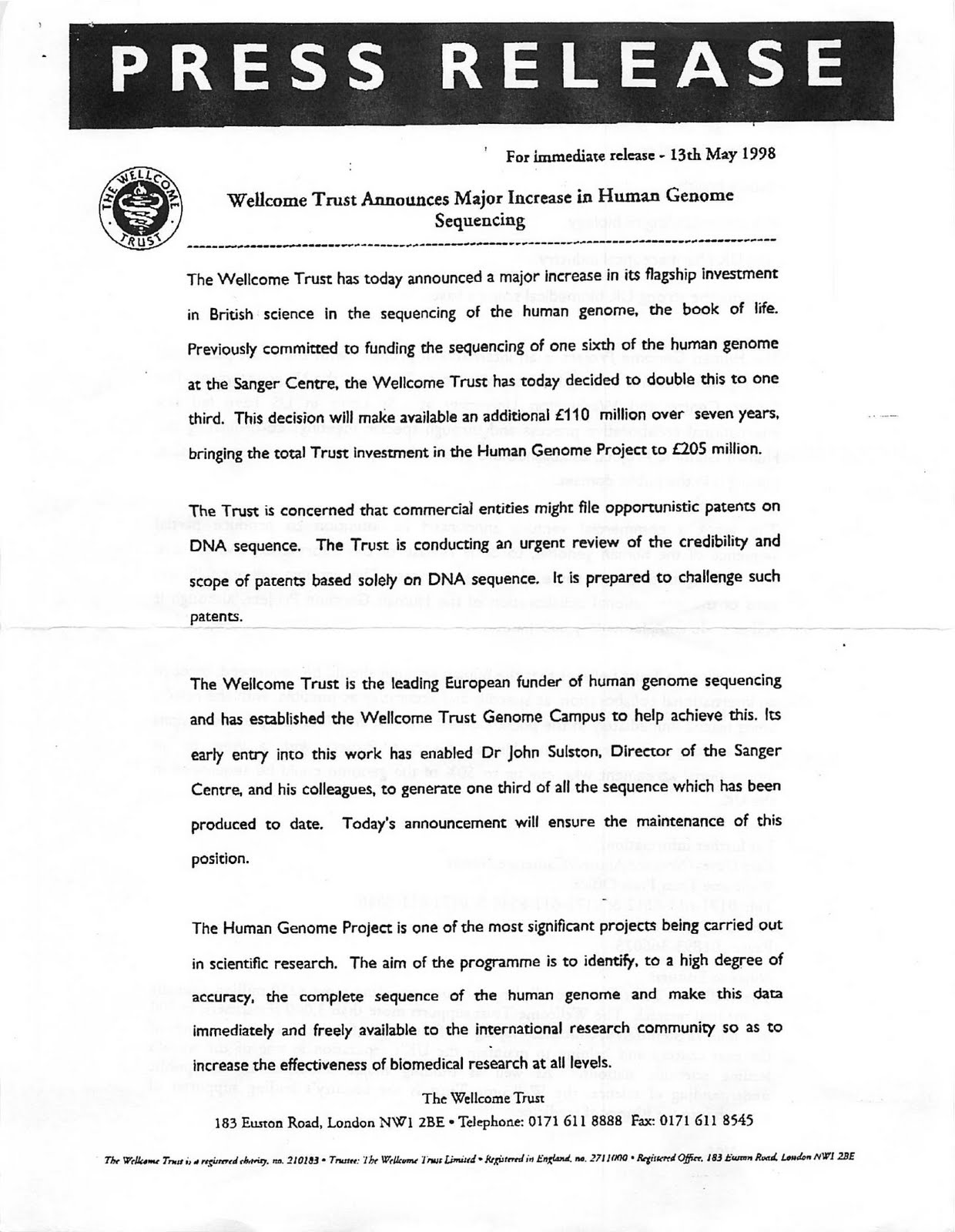
Just found this in an old folder on a different topic.  It is a press release from the Wellcome Trust that was handed out at the Cold Spring Harbor Genomes Meeting in 1998 in response to the announcement from Venter et al. that they were starting a company to sequence the human genome.

Ahh … Pubmed Central. I love you. In many ways. But alas, not today. #openaccess

Been having some challenges with Pubmed Central recently.  What is Pubmed Central?  If you don’t know, and you have anything to do with the life sciences in any way, you should learn.  A good place to learn is on their info page here.   Here is the summary:

PubMed Central (PMC) is a free archive of biomedical and life sciences journal literature at the U.S. National Institutes of Health’s National Library of Medicine (NIH/NLM). In keeping with NLM’s legislative mandate to collect and preserve the biomedical literature, PMC serves as a digital counterpart to NLM’s extensive print journal collection. Launched in February 2000, PMC was developed and is managed by NLM’s National Center for Biotechnology Information (NCBI).

It is a fantastic resource.  Alas, there is one major limitation.  Mostly it is an archive of papers submitted by publishers.  Some publishers do not submit their material there.  Fortunately, there is now a way around this.  Author’s can submit their own papers to PMC.  However, there is some caveats to this — there are severe restrictions on what one can submit.  In the past I was aware of one of these caveats – the work in the manuscript has to have been at least partially supported by NIH funds (well, there is a way to submit if supported by the Wellcome Trust to).  To submit NIH supported work, you have to use the NIH manuscript submission system.  Why they won’t take papers supported by other funding agencies I do not know.  Imagine if Genbank only took sequences inferred with NIH funds?  Imagine if libraries only took books supported by rich Europeans.  I am sure Pubmed does this because other agencies don’t pay for the archive but still — I think this is shortsighted.

And today I discovered a new caveat.  A few days ago I used the NIH manuscript submission form to submit author versions of a few of my past papers supported by NIH funds.  And one of them was rejected today because

Your submission to the NIHMS system cannot be processed because the NIH Public Access Policy does not apply to this material. The NIH Public Access Policy does not apply to book chapters, editorials, letters, or conference proceedings. As such, we are sorry that we cannot process your submission.

And though my paper was not one of these things, it is marked in such a way that it seems to be an editorial.  And thus apparently they won’t take it.  I find this a bit surprising since PMC is actually filled with things like editorials including ones by me like PLoS Biology 2.0 and Genomics of Emerging Infectious Disease: A PLoS Collection and meeting reports like Meeting Report: The Terabase Metagenomics Workshop and the Vision of an Earth Microbiome Project. 
and letters (none of mine but I found many of others including even responses to letters to the editor). I have run this through my brain over and over and I cannot figure out why (or in fact how) they would exclude these types of materials.   I am going to ask around and see if anyone knows more detail about this but I am not convinced there will be a simple explanation.  Most likely it will have something to do with trying to cover “research” but not opinion.  But in my opinion, research and opinion are not always distinct.

Anyway – I am a bit annoyed by all of this because really, all I want to do is find these best way to share all of my past publications and this seemed like a useful addition to posting them on my website and/or in Mendeley as well as in UC sponsored archives.  And it would be great to have all my papers in PMC.  I note – the vast vast majority of my recent work is in PMC because I basically only publish in Open Access journals that deposit their material there.  But a lot of my old work is not in PMC.  And that is too bad.  Someone, somewhere might find it useful …