A semi quick one here. I am writing this in part because it is really a lot of fun to be at UC Davis with all the excellent evolution and ecology stuff going on here. Some links for those who might be interested in learning more about Evolutionary studies at UC Davis include:
There is more but that is a good start. Anyway a recent press release from Davis caught my eye in part because I know the people involved and also in part because I was unaware of the details of what they have been working on. The press release is titled “Explosive Evolution in Pupfish” and discusses some interesting research by a PhD student Chris Martin and his advisor, my colleague Peter Wainwright. The work was published in Evolution and is entitled: “TROPHIC NOVELTY IS LINKED TO EXCEPTIONAL RATES OF MORPHOLOGICAL DIVERSIFICATION IN TWO ADAPTIVE RADIATIONS OF CYPRINODON PUPFISH” (DOI: 10.1111/j.1558-5646.2011.01294.x). Alas it is not OpenAccess, but the paper is available on their lab web site here.
The work is a bit out of my arena, and I suppose I could critique the press release a bit, but I won’t right now. As a side note, I should mention I really love pupfish so that also caught my eye, and I have occasionally tried to convince Chris to look at the microbes in pupfish.
Anyway, rather than bore people with my thoughts, I thought it might be nice to post some comments I got from Chris about the paper. I got these is a series of emails and though they are a bit out of context, I am just going to post them here:
Note that the press release is a bit confusing: there are other scale-eating fishes (has evolved at least 14 times independently), but this is the only scale-eating pupfish (and only scale-eater among all 1500 atherinomorphs).
#2: Pupfish are indeed named after puppy dogs for their playful swimming behavior!
#3: I think the most exciting thing about this system is that it presents the opportunity to study the origins of ecological novelty in a very recent radiation (possibly as young as 8,000 years if we go by geographic dates of the lakes). This study leaves many outstanding questions that I hope to address in my future research.
For example, why does exceptional adaptive radiation occur on these two islands and nowhere else in the Caribbean? Is this due to lack of sampling, is there something unique about these two environments, or is there something unique about the founding populations in these two cases? Both lakes are large, isolated, productive environments with only 1 or 2 other competing fish species and this is surely part of the story. But, there are many other large lakes in the Caribbean, often with very similar fish communities. Further, note that the other competing fish species have not diversified at all: is this due to their time of arrival or is there something special about pupfishes? I’m currently planning to do broader sampling of pupfish populations and lake environments across the Caribbean to address these questions.
Second, what factors actually drive such dramatic rates of morphological diversification? I have just returned from a trip to San Salvador Island where I setup four field enclosures and added juvenile pupfish to estimate a fitness landscape for jaw morphology in this environment. Juveniles were F2 hybrids of the three species raised in the lab here at Davis in order to sample from the full spectrum of phenotypic variation. I will be returning in July to collect this experiment and I do hope my enclosures and some fish survive! This study should provide an estimate of the strength of selection on existing phenotypes as well as potentially unfit intermediate phenotypes.
Finally, why have different sets of resource specialists evolved in very similar environments? In particular, why has a specialized scale-eater failed to evolve in Mexico – there are obviously scales to feed on and the fish densities appear comparable. Scale-eating has evolved independently many times, but why don’t all fish communities contain scale-eating specialists?
Anyway, going to try to write more about Evolutionary studies at UC Davis in the future. I am always amazed at how much interesting work there is here.
Xalts is a free, open source, picture exchange mode of communication that adds speech to visual language samples. Picture exchange (PECS) uses images to facilitate communication for individuals with expressive language deficits. Xalts is appropriate for those on the autistic spectrum and useful for learning a foreign language or dubbing film. Visual language samples can be comprised of any icons, symbols, photos, text or video. Xalts will associate the sample with whatever spoken definition you assign and then add it to our library. Users can store their vocabularies on a free web based account or download it to a personal device. Best of all you can share your vocabulary with others no matter what device they are using. Xalts’ open structure invites everyone to create, contribute and share. In short, we want to eliminate costs and wildly expand the PECS dictionary. We come at this project as parents, family members and friends of children with disabilities and our objective is to assure that these children have access to free and powerful tools for communication. There are more than 500,000 children in the United States who could benefit from this application, and globally there may be as many 25 million.
Please consider donating or publicizing in some way. I note, this project is partly run by a very good friend Saul Jacobson. He is completely committed to seeing this happen and has a great developer involved. They just need a bit of money to get going.
But I note, that meeting was so, well, last year. This year, the meeting is focusing on metagenomics, barcoding and biodiversity as well as data integration (see the meeting website for more information: iEvoBio: Home). From the website:
In 2011 iEvoBio will have a a special focus session on metagenomics, barcoding, and biodiversity and the challenges that these new approaches raise for evolutionary informaticians. We now have over 6000 genomes and vast quantities of metagenomic sequences in the public domain, primarily from bacteria and archaea from many habitats. Various short sequences (e.g. barcodes) for quick identification of eukaryotes are emerging. The availability of this sequence data and ever-cheaper methods for producing it offer exciting opportunities for understanding molecular evolution and biodiversity. However, the data are growing faster than the infrastructure to support it. Thus there are informatics challenges for visualizing, analyzing, interpreting, and managing the data and the results from it. Moreover, the eukaryotic and microbial informatics communities have independent histories and approaches so synergy is not easy.
These challenges typify the intersection of fields that are the scope of iEvoBio. Speakers in this special session of iEvoBio will present their work and participate in a panel discussion. We will have 3 or 4 invited speakers at this session, including Neil Davies (Moorea Biocode project),Linda Amarral-Zettler (Marine Biological Laboratory Woods Hole), Holly Bik (Hubbard Center for Genome Studies, University of New Hampshire), and David Schindel (Barcode of Life, and Smithsonian Institution). After the talks, there will be an open panel discussion with all the speakers, including key note speaker Dawn Field (Center for Ecology and Hydrology at Oxford). We encourage you to attend this special session and participate in what we think will be a remarkably fruitful meeting.
Sounds pretty snazzy to me. Plus, on top of all that, the meeting is very committed to Open Science:
iEvoBio and its sponsors are dedicated to promoting the practice andphilosophy of Open Source software development and reuse within the research community. For this reason, if a submitted talk concerns a specific software system for use by the research community, that software must be licensed with a recognized Open Source License, and be available for download, including source code, by a tar/zip file accessed through ftp/http or through a widely used version control system like cvs, Subversion, git, Bazaar, or Mercurial.
From an email I received:
More details about the program and guidelines for contributing content are available at http://ievobio.org. You can also find continuous updates on the conference’s Twitter feed at http://twitter.com/iEvoBio.
iEvoBio is sponsored by the US National Evolutionary Synthesis Center (NESCent) in partnership with the Society for the Study of Ecolution (SSE) and the Society of Systematic Biologists (SSB). Additional support has been provided by the Encyclopedia of Life (EOL).
The iEvoBio 2011 Organizing Committee: Rob Guralnick (University of Colorado at Boulder) (Co-chair) Cynthia Parr (Encyclopedia of Life) (Co-chair) Dawn Field (UK National Environmental Research Center) Mark Holder (University of Kansas) Hilmar Lapp (NESCent) Rod Page (University of Glasgow)
Overall, it seems like this would be a good place to learn about the uses of high throughput sequencing in ecological and evolutionary studies.
The Earth Microbiome Project (EMP) is “a systematic attempt to characterize the global microbial taxonomic and functional diversity”. A little more detail is provided on the project website:
The Earth Microbiome Project is a proposed massively multidisciplinary effort to analyze microbial communities across the globe. The general premise is to examine microbial communities from their own perspective. Hence we propose to characterize the Earth by environmental parameter space into different biomes and then explore these using samples currently available from researchers across the globe. We will analyze 200,000 samples from these communities using metagenomics, metatranscriptomics and amplicon sequencing to produce a global Gene Atlas describing protein space, environmental metabolic models for each biome, approximately 500,000 reconstructed microbial genomes, a global metabolic model, and a data-analysis portal for visualization of all information.
This project is certainly incredibly ambitious. But hey, why not aim high? The project is being coordinated by Jack Gilbert, Folker Meyer, and Rick Stevens from Argonne National Lab and the University of Chicago as well as Janet Jansson from Lawrence Berkeley National Lab and Rob Knight from U. Colorado Boulder.
I note I am not unbiased here as I am one of the members of the EMP Steering Committee (others on the Committee include Jed Fuhrman, Janet Jansson, and Rob Knight).
If you want to learn a bit more about the origins of the project, read this paper which is a report from a meeting where the idea came together as well as a follow up paper.
Anyway, the reason I am writing this post is that the EMP is looking for collaborators and participants. In particular we are hoping to line up lots of large sample collections that could be included in future analyses. Currently a pilot project is being done on ~10,000 samples. These will be characterized in a variety of ways including collection of metadata and also generation of sequence information for DNA from the samples (including both rDNA and metagenomic sequencing). But the EMP wants more – much more. So the EMP is recruiting anyone who either currently has, or could possibly collect, large collections of samples for microbial characterization along with rich contextual data about the samples. The contextual data would ideally include as much information about the physical, chemical and biological parameters found at the time of sampling as possible. These parameters include, but are not limited to, nutrient concentrations, temperature, salinity, porosity, moisture content, time of day, latitude and longitude, depth below surface, elevation, pH, etc.
What types of samples are wanted? Well, right now, just about anything could be useful. Examples of things that could be useful include soil samples from a transect along the equator, filtered water from all lakes in Minnesota, deep sea sediment cores, filtered air from giant dust storms, microbial mats from hypersaline ponds, and so on. The goal of the project is to develop and use massively high throughput methods to extract DNA and then generate sequence data from millions of samples. There is of course a fund raising component and work is underway to secure funds to characterize the first collections. Some corporations and institutes have already promised some support (e.g., Eppendorf and MoBio – see here).
I note that the plans for the project are to be completely open in terms of data release. Data that is generated will be released with no restrictions on use to everyone and anyone interested in utilizing it.
So if you have or might be able to collect some interesting samples and are interesting in participating in this open science initiative please contact submissions@earthmicrobiome.orgto start this process rolling. We have already collated 55,000 from 30 PIs across the globe and this number is growing rapidly.
Be part of a revolution – open access data analysis to help define the microbial world which supports life on this planet. Plus, its better than working alone.
Note there is an upcoming meeting focusing on the EMP. The meeting is in Shenzen June 13-15th. This is a good place to have the meeting as the Beijing Genome Institute is a key partner in the EMP.
A final note this project is a key step in my dream – to have a field guide to the microbes. It will not be all that is needed but it will be a good component.
I just got home from a day in the East Bay with family and read with great interest the above the fold story in the New York Times about NASA Astronauts looking for something else to do these days: With Flights Winding Down, NASA Astronauts Seek New Opportunities. While I for one wish we would keep sending people into space (well, that is, if they want to go), I think if space trips are cut back for some time there is something that the astronauts could do in the meantime which would be really really valuable. They could work to explore more of Earth, especially the oceans. Having just come back from a trip to USC’s Wrigley Marine Ctr on Catalina Island where I met Chris Welsh and Loretta Whitesides, who are involved in the Virgin Oceanic deep-sea exploration project, I find it surprising that the New York Times article did not mention at all the need for more people to explore the depths of the oceans. Sure, it may not be quite as glamorous as space travel, but it is both difficult and very interesting. I do not personally think that space exploration and ocean exploration are mutually exclusive – we need to do both. But if there is a lull in space exploration for some time and people are looking for something to do – I would suggest they look down. Deep down. And while I am at it – I think the government should greatly expand deep sea exploration programs so we can learn as much about the oceans as we know about space.
I note this is a general post about the trip – I will post more about the individual science topics including C-DEBI and Virgin Oceanic later.
As is usual, I did not fully commit to going to the workshop immediately and I dragged out committing for a very long time (driving Bill I am crazy I am sure). But eventually I accepted and then kept flip-flopping on exactly when I would go, but eventually settled on dates too.
What is C-DEBI:
When Bill first invited me to this workshop, I had no clue what this C-DEBI project was. And Bill must have assumed I knew because he did not provide any detail about what C-DEBI was. So of course, that is what that Google thing is for. And what I found was quite intriguing:
Welcome to the Center for Dark Energy Biosphere Investigations (C-DEBI), a National Science Foundation (NSF)-funded Science and Technology Center on the deep biosphere. Our mission is to explore life beneath the seafloor and make transformative discoveries that advance science, benefit society, and inspire people of all ages and origins. We are a multi-institutional distributed center establishing the intellectual, educational, technological, cyber-infrastructural and collaborative framework needed for transformative experimental and exploratory research on the subseafloor biosphere.
This certainly intrigued me. And the fact that the workshop was going to be at the George and MaryLou Boone Center for Science and Environmental Leadership (which is part of the USC Marine Station on Catalina Island) also appealed – I had visited the Marine Station on Catalina Island in the summer of 2009 for a week and it was very very very nice.
So I kind of had to say yes. Rough I know – being forced to go to a meeting on Catalina Island because my kids had gotten a great submersible tour.
Heading to Catalina Island
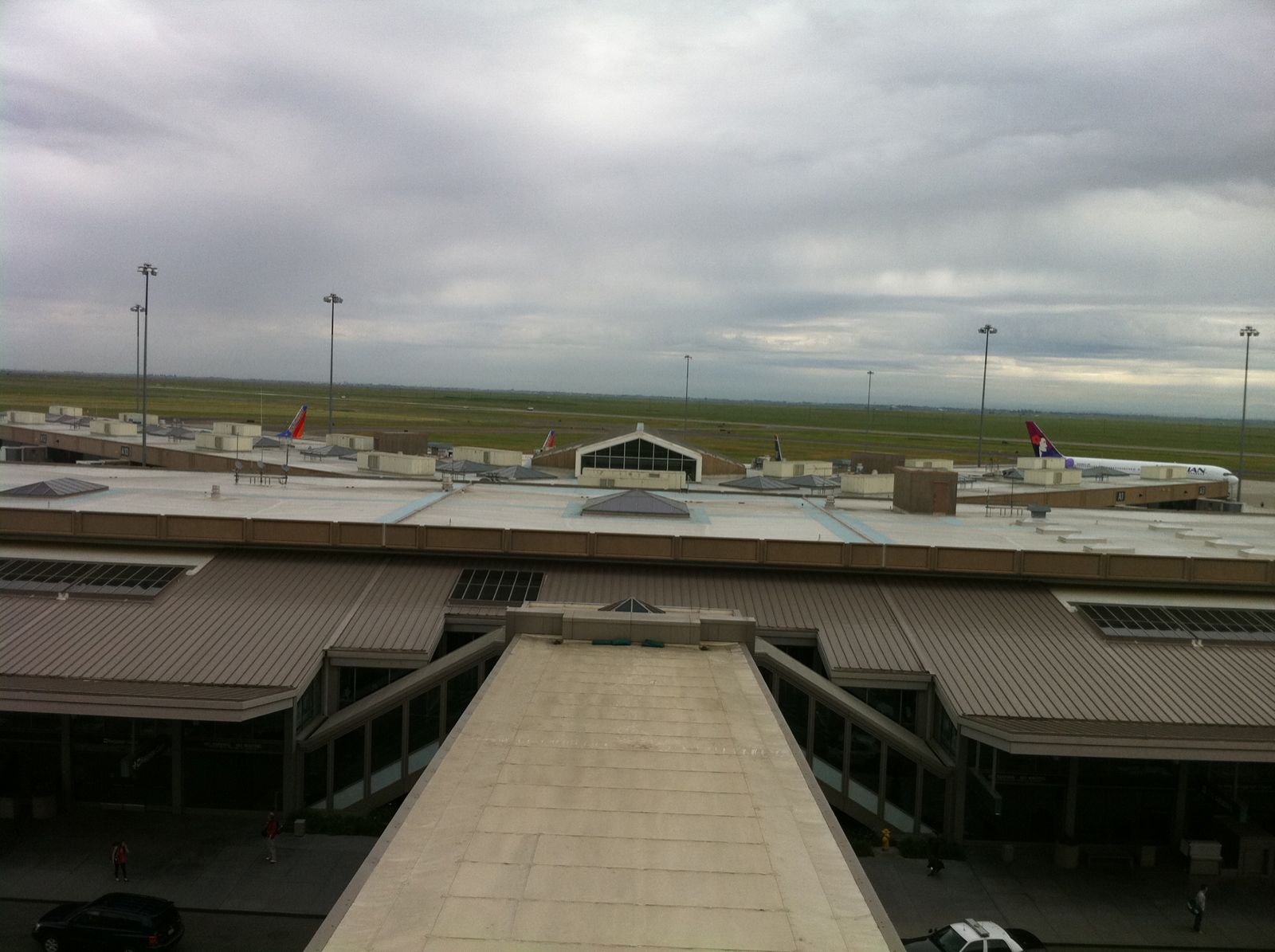
So I finally got my act together and headed down to LAX from Sacramento.
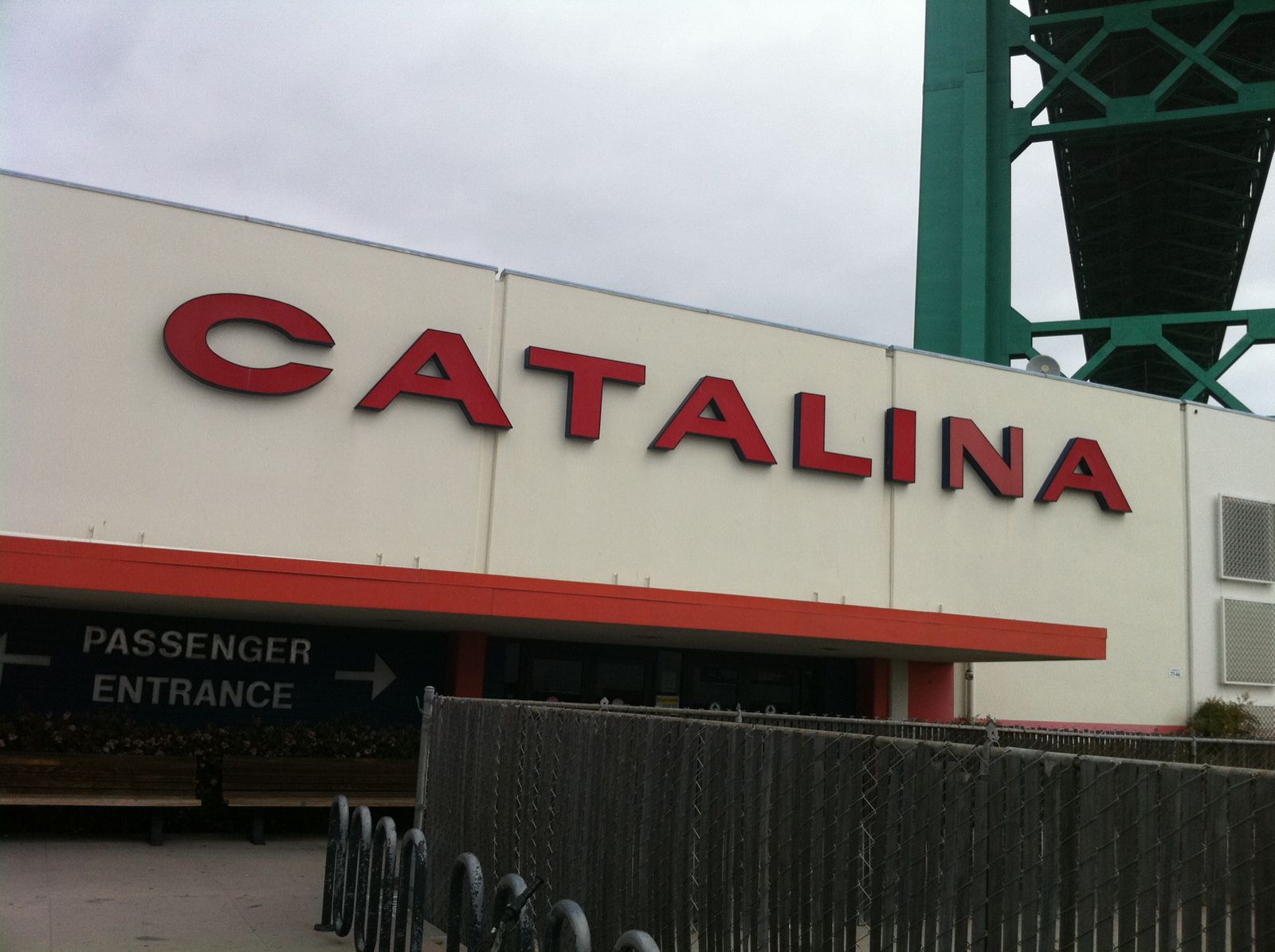
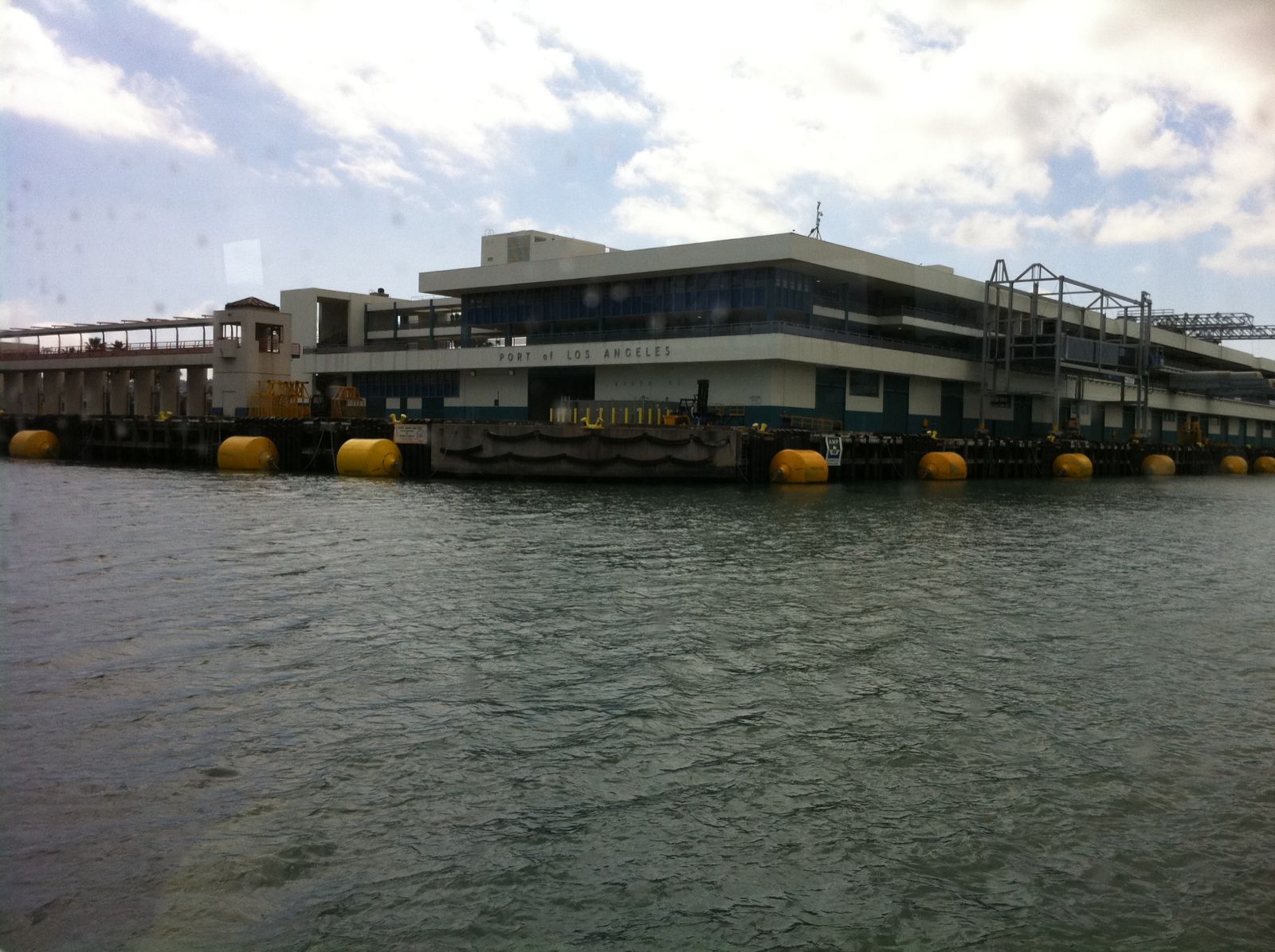
I arrived in LAX and got a cab to the Catalina Island Ferry terminal. I picked up my ticket and alas, the deli there was closed and there was nowhere to get lunch. I wandered around a bit and took some pictures.
As a bit of a side story, a PhD student in my lab Russell Neches was visiting his mom in the LA area and he and his mom dropped by for a few minutes. Then Katrina and her daughter were dropped off by her husband Eric Webb (who does some interesting marine microbiology research himself).
After saying goodbyes, we boarded the ferry and headed out. Katrina and I were both pleased (and surprised) to hear the announcement that we were going to Two Harbors first, rather than Avalon, so we would get there much earlier.
We headed out into San Pedro harbor, slowly, and I and everyone else took pics as we went by some of the sights.
It is always amazing to me to see the giant container ships and the massive size of San Pedro Harbor.
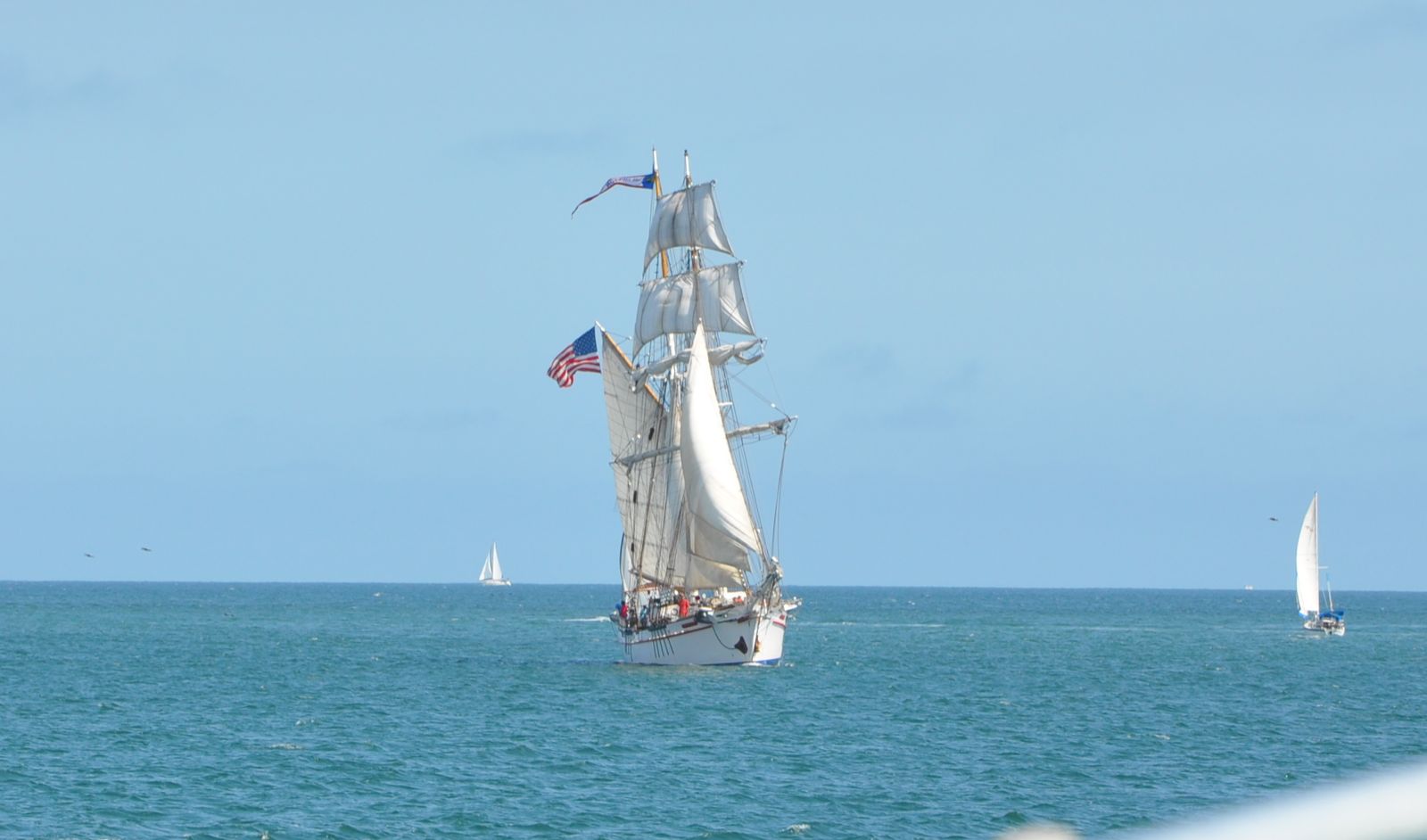
The pirate ship was a bit weird, but I guess it must be some sort of tour thing.
Then we got out into the more “open” water. The seas were pretty small – but the ferry goes quite fast so it was bouncing up and down a little bit. Unlike on my last trip, when we say a few blue whales from the ferry, we did not see much animal life in the water.
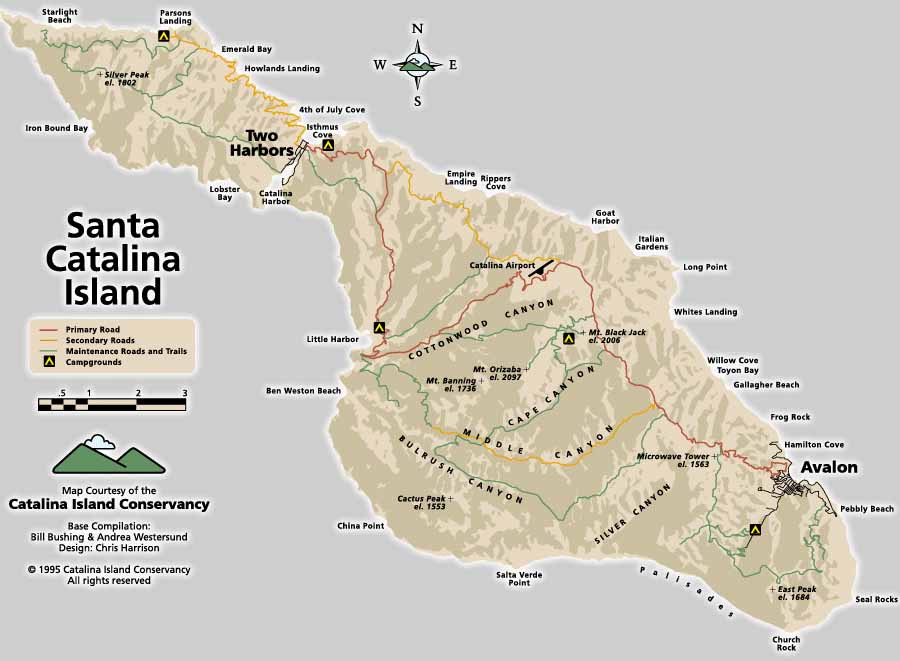
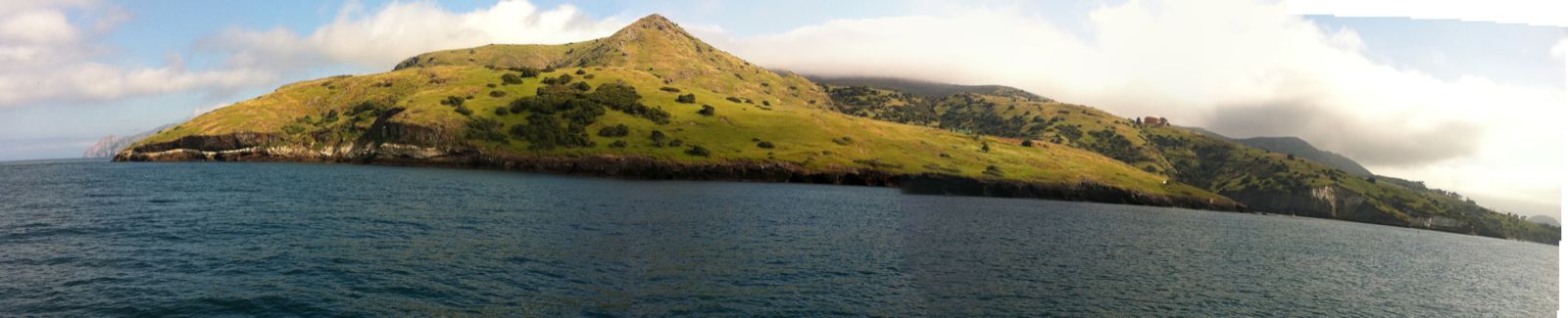
We got the Catalina Island pretty quickly. And it was looking gorgeous – much greener than the last time I was there. And we passed by the Marine Station – and headed to the dock (see the panoramic pictures I made using Adobe Photoshop’s stitching function):
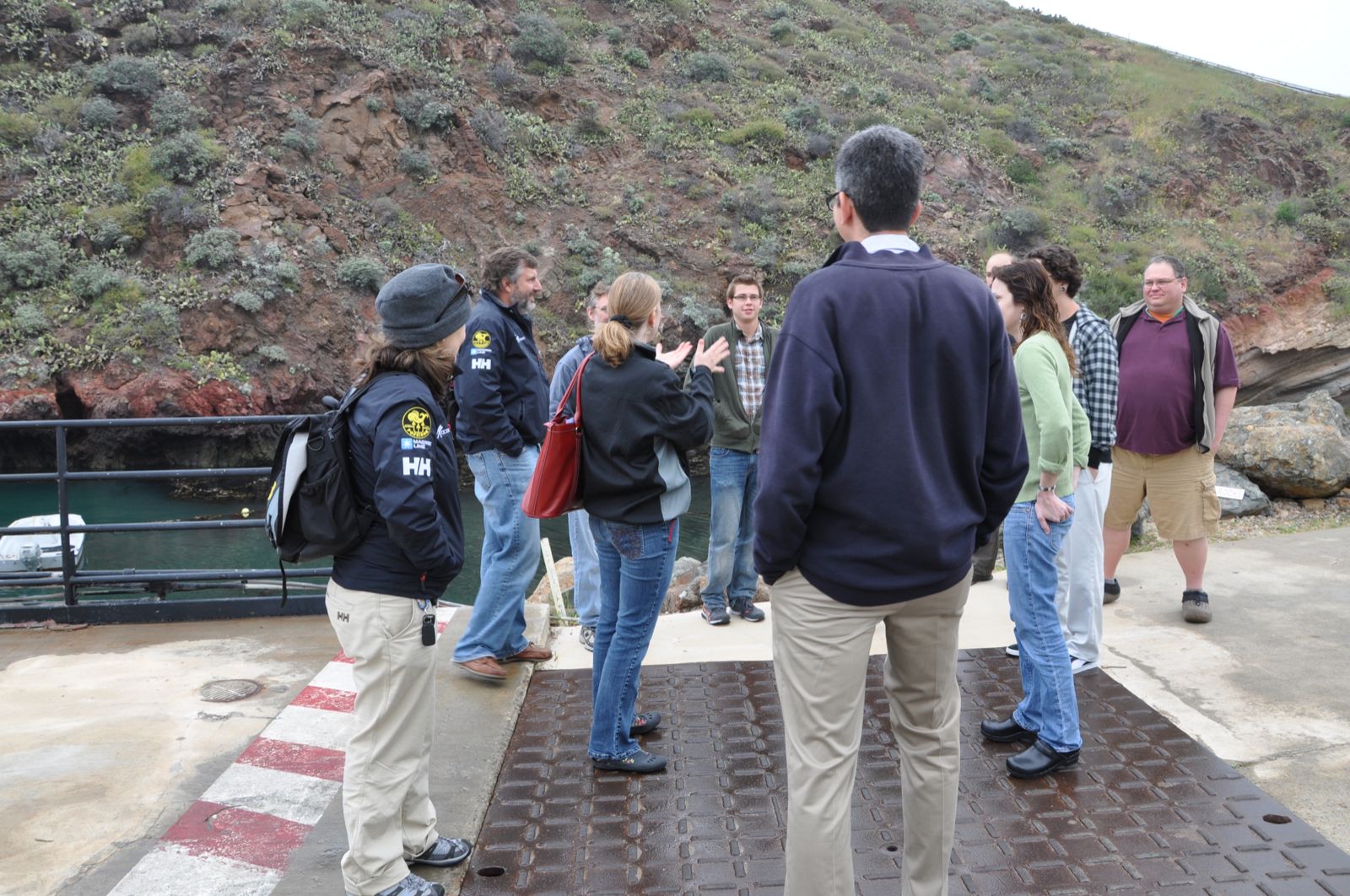
Some of the C-DEBI personnel picked us up in town and we headed up/down the dirt road in the USC Van to the marine station. We got there and I found out I was in the same townhouse/apartment I had stayed in in 2009. Nice. After dumping my stuff there was a reception in the Boone Center. I got to meet the rest of the people there for the meeting – it was a small collection of folks. We had some wine and cheese and other goodies, enjoyed the view of the lab and the water and then headed over to the dining hall for dinner.
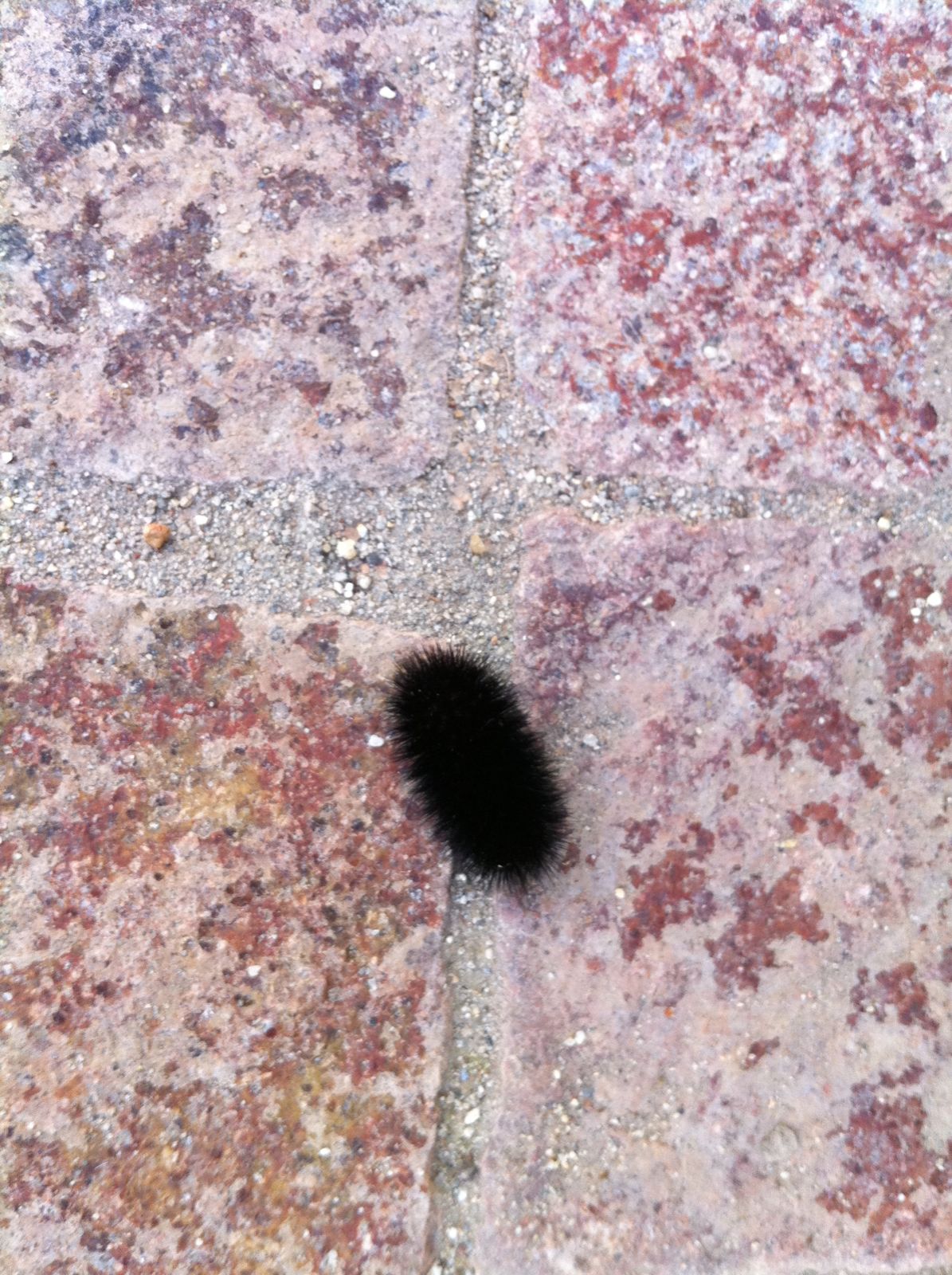
After dinner we went back to the Boone Center and spent the night telling stories and getting to know each other and the Woolly Bear caterpillars wandering around everywhere.
Katrina Edwards and wooly bear
Katrina Edwards
I went to sleep and got up semi-early the next AM. I made myself some coffee and headed to breakfast. Then down to the lab for a full day of meetings and discussion. But first I took a look around and took a few pictures:
This was when I finally got a better introduction to the whole point of the meeting. The point of the meeting was that Bill Nelson was tasked with organizing a “theme” for the C-DEBI project on evolution. In essence, our meeting was to discuss what interesting evolution-related questions could be asked/answered as part of the C-DEBI project.
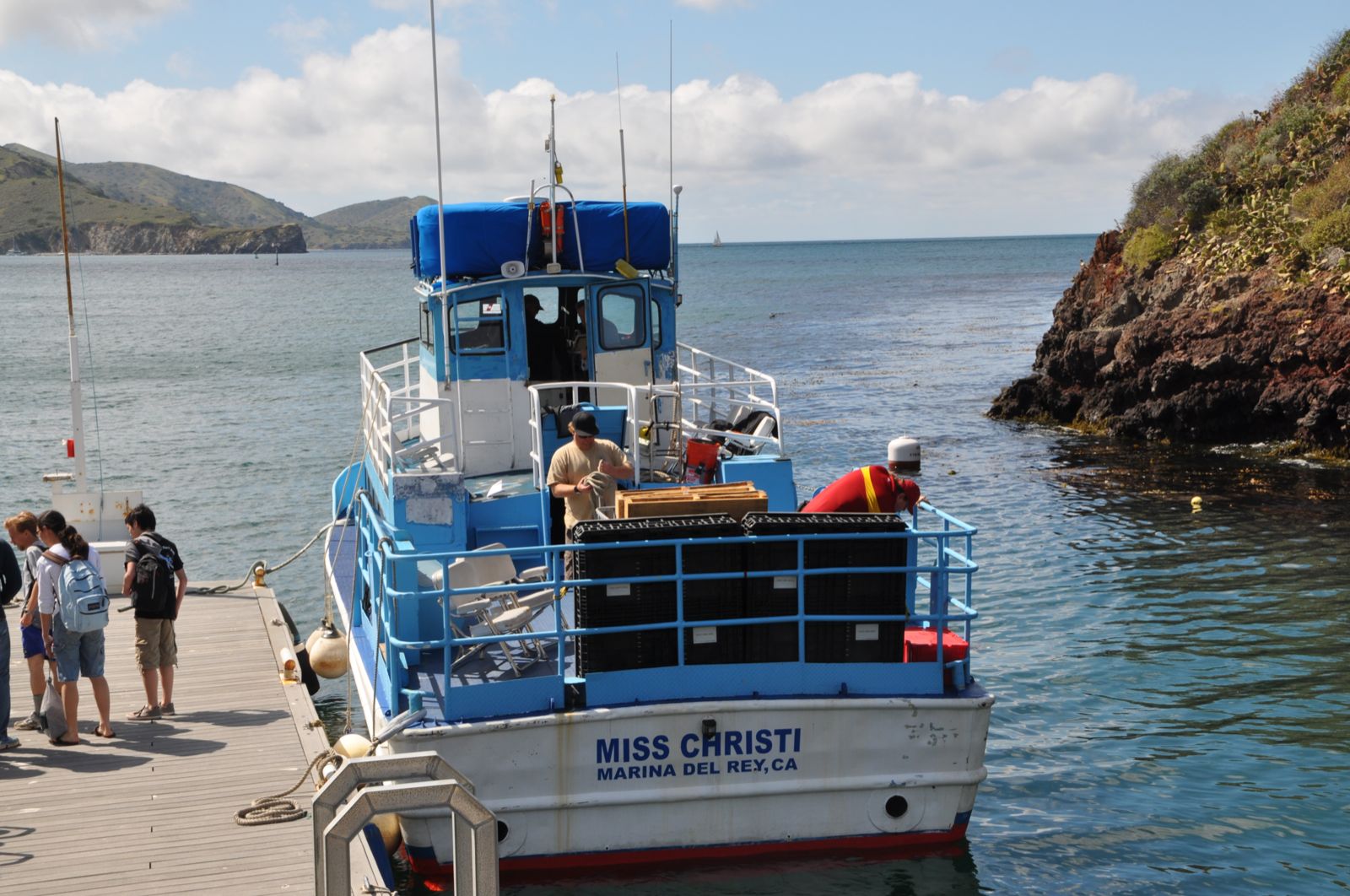
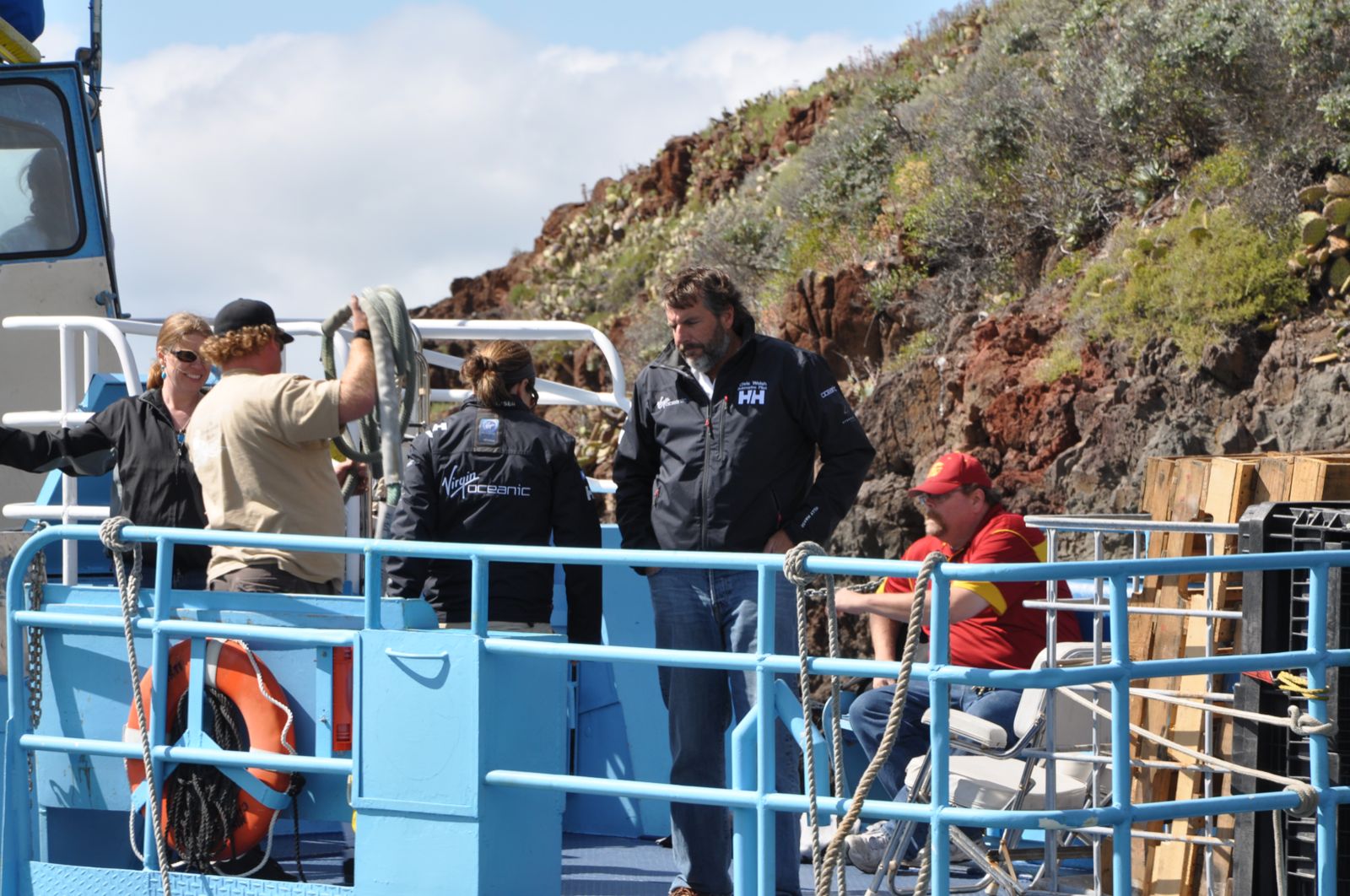
Basically, just as the meeting started we all headed down to the dock to welcome the arrival of some other folks from the mainland. The new arrivals were Ann Close and two members of the Virgin Oceanic Project – Chris Welsh and Loretta Whitesides. This project was announced very recently and is a project to explore the five deepest sites in each major ocean in a one person submersible. The pilot of the submersible will be Chris Welsh. The project is being supported in part by Sir Richard Branson and thus the “Virgin” connection. The sub is being designed by Graham Hawkes a well known ROV designer. More on this in a bit. I note I had written about this in my blog a few days ago –— not knowing I would soon be meeting some of the people involved.
We then headed back to the meeting room (the library) and got going. We did mini introductions. At the suggestion of Chris Welsh, everyone in addition to saying who they were also said who their hero was. Among the people listed were relatives of participants, Charles Lindberg, Yoda, Charles Darwin, superheroes, and oceanographers. We then got a more detailed introduction to the C-DEBI project and also got a very brief introduction to the Virgin Oceanic Deep-Five project (more on this below).
We then had a mini coffee break and I somehow handed over digital SLR my camera to Katrina’s daughter. She then took it and generated quite a collection of good pictures of the people at the meeting.
Jonathan Eisen
Bill Nelson
Katrina Edwards
Loretta Whitesides
Jennifer Biddle
Jason Sylvan
Craig Moyer
Billy Brazelton
Chris Welsh
Ben Tully
John Heidelberg
We then had some additional discussions about evolution and the C-DEBI project. I learned, for example, about a group of bacteria I alas had not heard of before – the Zeta proteobacteria (see Moyer’s PLoS One paper on them here). This is a group that is particularly abundant in some C-DEBI related sites. In particular they seem to do well in iron-oxidizing microbial mat communities. Moyer presented some interesting data on biogeography of this group of bacteria. I also learned some new things from the others at the meeting. And then we broke for lunch up the hill in the dining hall.
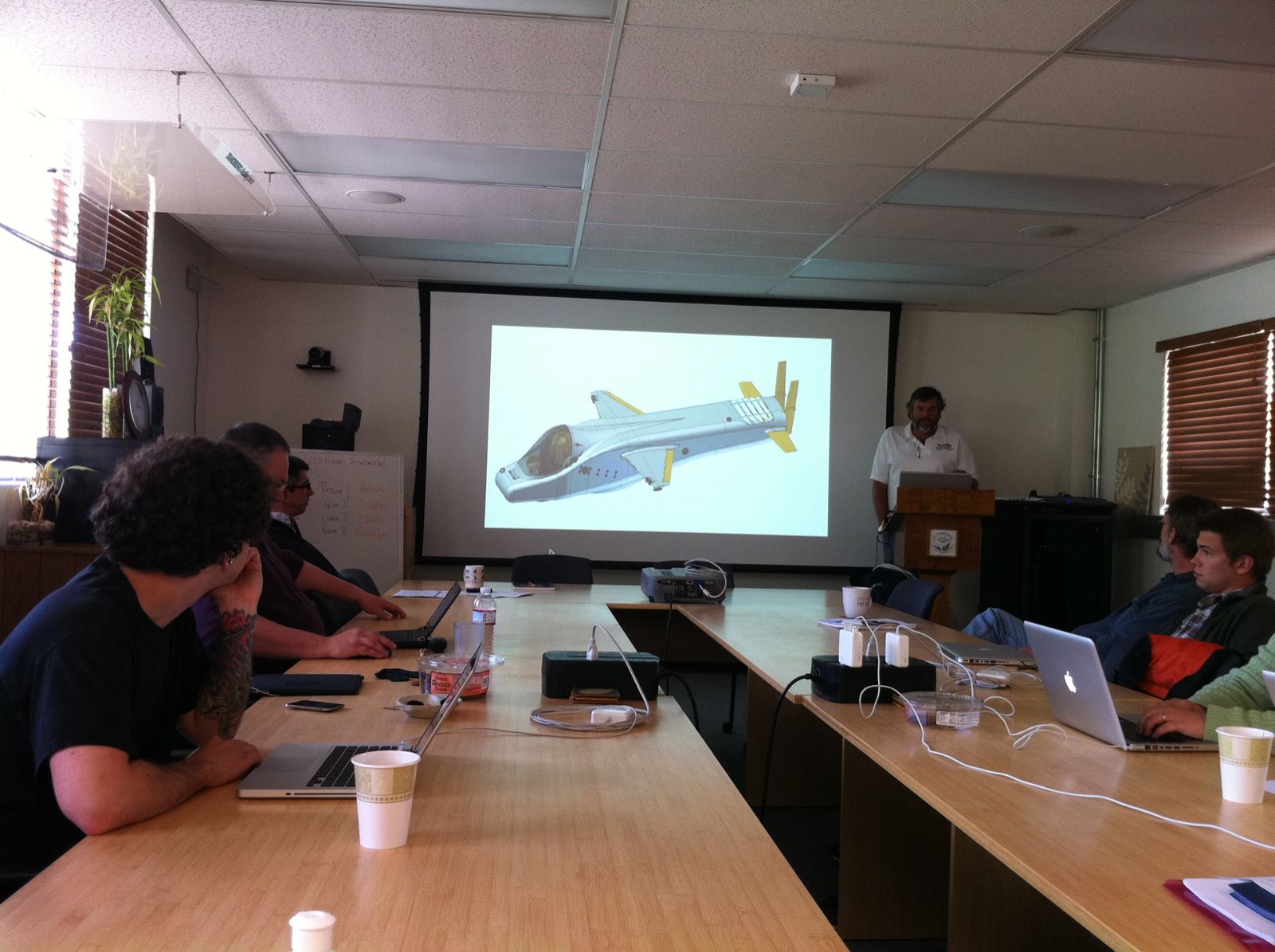
After lunch we hear much more detail on the Virgin Oceanic project. It is completely fascinating, though a bit scary. The plan is for Chris Welsh to pilot the submersible down into the deepest sites on each of the five main oceans. Right now the submersible is still being finished. We also learned about the sailboat that will be the mother ship for the submersible. The boat seems quite fast and has some nice features but it will also be a bit tight on space. I note Welsh mentioned they are still looking for crew for the boat so if you are interested …
Their plan is to do some testing in a few months in various places and to then do the deep dives. What was most interesting to me about the project is that the people involved really seem to be committed to doing interesting science. Loretta Whitesides has a science background and seemed to have an excellent grasp of many of the scientific issues being discussed. Welsh also seems to have a deep interest in the science. The group also has some good people lined up that they are working with and are still looking for other ideas and collaborators to participate in the science. It reminded me of some of the stories I have heard about the great explorer’s doing science along the course of their voyages.
Then back for some more meeting and discussion. During the course of the day I learned about an enormous number of cruises and surveys and plans for drilling in various sites and how the C-DEBI folks study microbes beneath the sea floor. I also learned that they have a lot of education and outreach activities and are looking for more. I also learned that if you want to keep up to date on C-DEBI related activities and if you want to participate in some of their projects, they are very open. A good way to keep up to date is to join their mailing list. One can also learn a great deal by browsing their web site and some of the publications listed there. Anyway – I am going to do a whole post just on C-DEBI later — focusing here on the big picture parts of my trip.
After the discussions we went back to Boone House for another reception and then dinner. After dinner we hung out in the Boone House again. And then went to sleep (though there were rumors of some weird sightings in and around the housing complex that night.
The next morning I got up a bit late and missed breakfast but I grabbed some cereal from the dining hall, made some coffee and headed down the hill again. We had some discussions in the AM about the future plans for evolutionary studies associated with the C-DEBI project and then headed back up the hill for lunch. There was a little bit of time before lunch so I wandered around the hills and took a few pictures.
Then we had our last group lunch and many of the folks headed down to the USC boat to get back to the mainland.
I spend the next few hours doing a bit of work and also went to the beach to collect some shells for my kids. You see, I did not have to get on the USC boat because I had snagged a ride on a helicopter back to the mainland.
The helicopter eventually arrived and Katrina gave me a ride down to the water in her golf cart (she had recently injured her leg and had a hard time walking around).
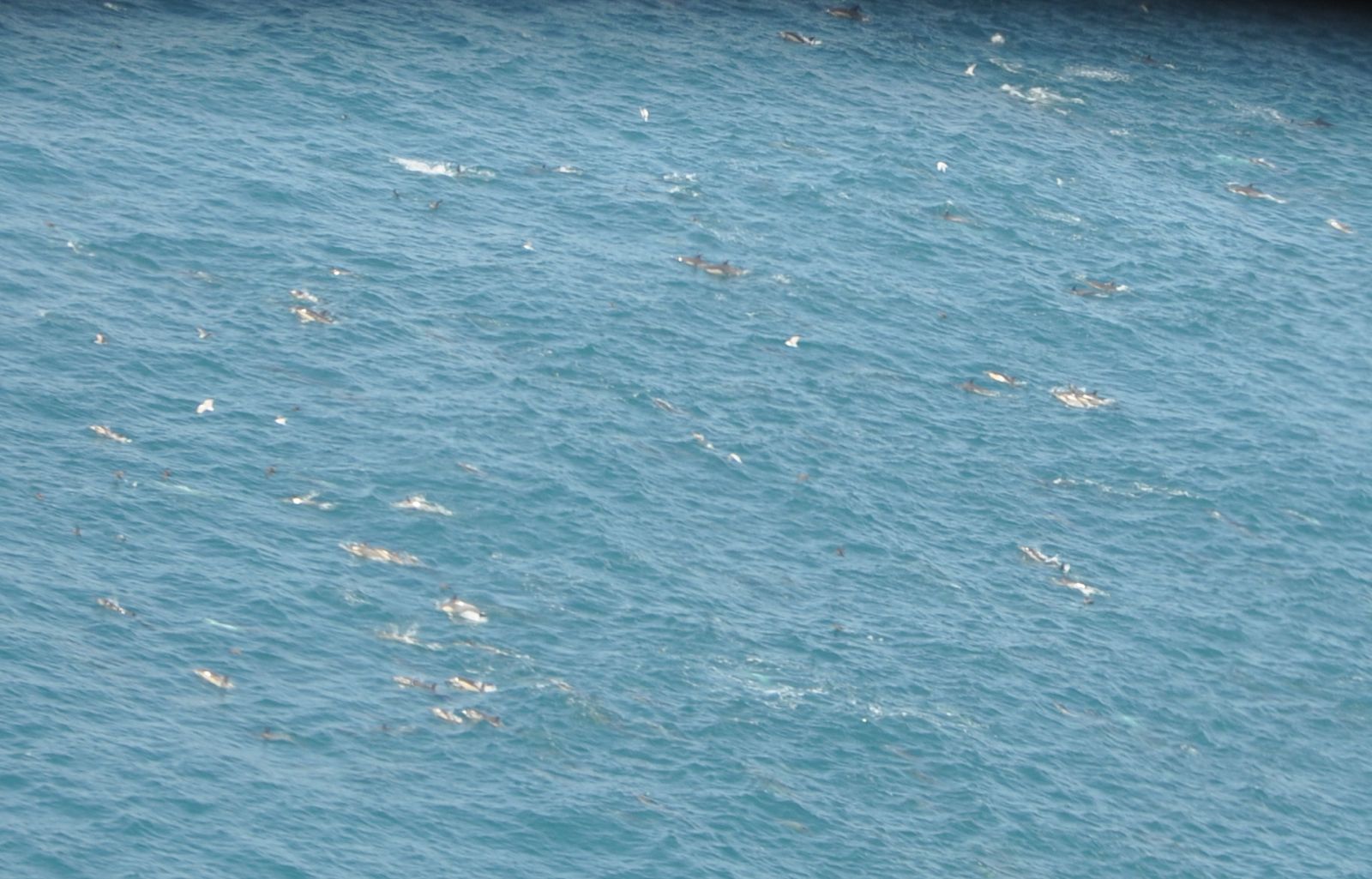
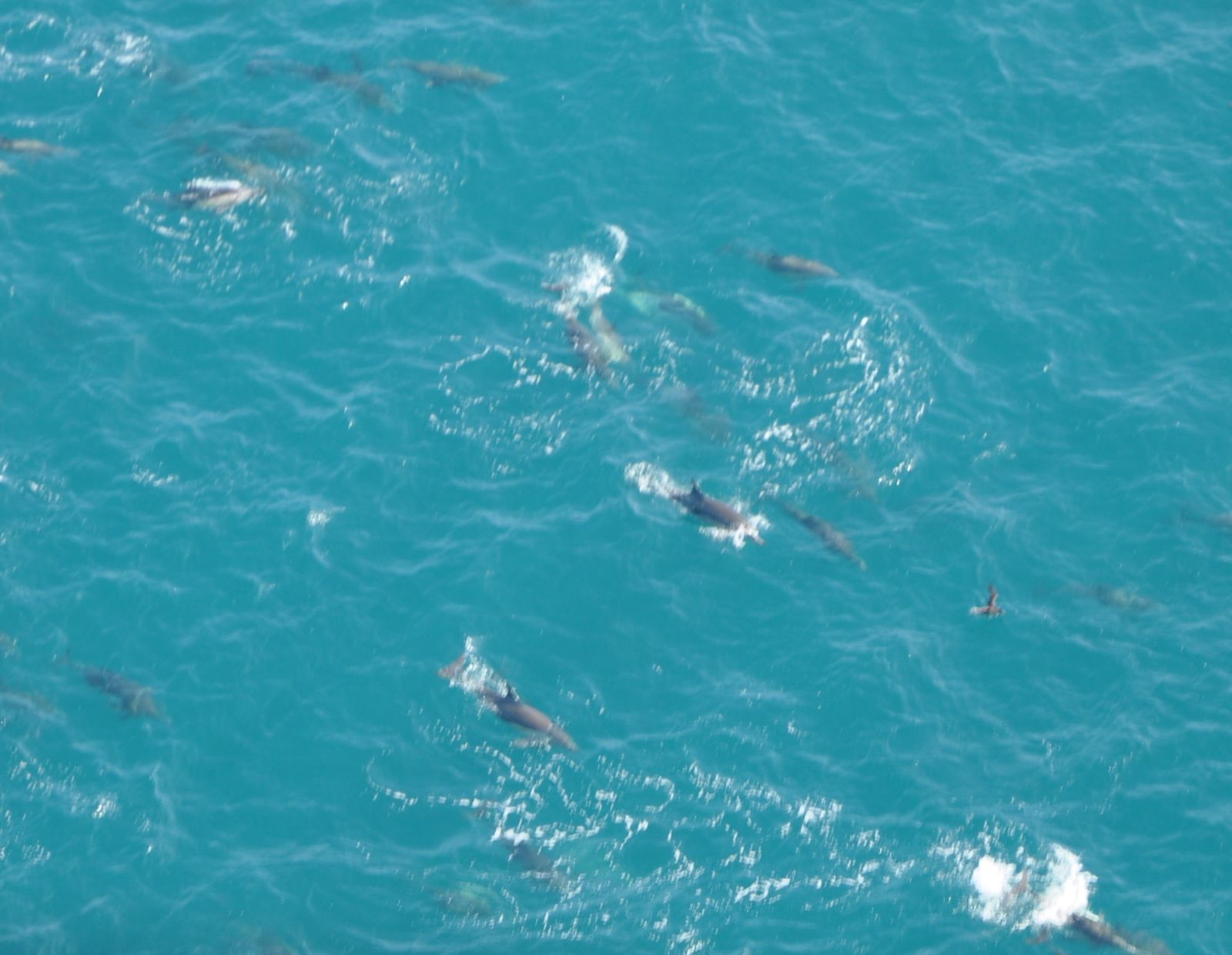
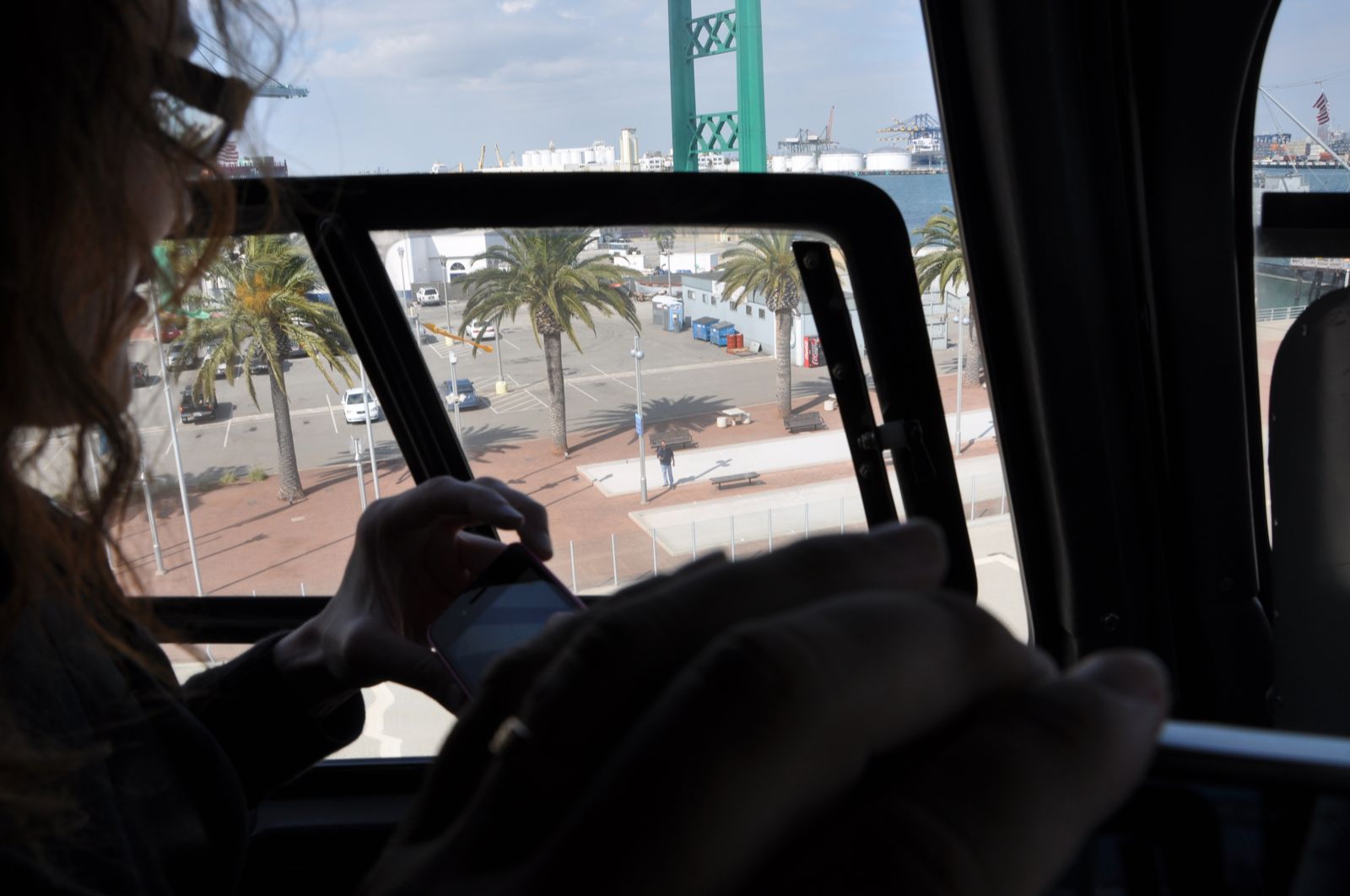
And we got in the chopper and were off. Katrina’s daughter and John and Karla Heidelberg’s son enjoyed the ride quite a bit. It was my first helicopter ride too – and it was quite fun. The best part the pilot saw and then flew over a massive pod of dolphins.
And then we headed on into San Pedro (which freaked me out a bit as they had said we were going to Long Beach and I had to catch a plane).
John Heidelberg however had figured this out and met us there. The chopper took off, Katrina and her daughter went to wait for her husband, and John gave me a ride to the airport and I got there in time for my flight home.
I was reading a paper recently which had an awkward acknowledgements sections and I thought it might be fun to make a collection of papers with unusual such sections. So I am putting out a call here – do people know any good examples of strange or funny or exceptionally long or otherwise interesting acknowledgement sections from papers? Please post them here or on twitter/friendfeed and I will eventually post a list
OK I realize I am not objective here since this is from my brother, Michael Eisen, but his post about a book on Drosophila that is for sale for > $23 million is fascinating. See Amazon’s $23,698,655.93 book about flies.
Figure 1 – Predicted secondary structures of trans-spliced and permuted precursor tRNAs
(a) Mature tRNAAsp(GUC) in A. pernix and T. aggregans are formed by joining the 5′ half and the 3′ half at position 37/38 after splicing at the bulge-helix-bulge (BHB) motif. (b) The 5′ half and the 3′ half of trans-spliced tRNALys(CUU) in S. hellenicus and S. marinus join at position 30/31, same as the previously identified split tRNALys(CUU) in N. equitans [5]. (c) Circularized permuted tRNAiMet(CAU) and tRNATyr(GUA) in T. pendens have the 3′ half located upstream of the 5′ half separated by intervening sequences represented in green. The two fragments join at position 59/60, same as the T-Ψ-C loop permuted tRNAs in the red alga C. merolae [9]. Pre-tRNAAla(UGC) in C. merolae is shown for comparison. 5′ half of tRNA transcripts are represented in blue, the 3′ halves in orange. Black arrows indicate positions of splicing. Anticodons are boxed in light blue.
I was woefully unaware of some of the tRNA shenanigans going on in microbes until reading this paper: Genome Biology | Abstract | Discovery of permuted and recently split transfer RNAs in Archaea from Patricia Chan, Aaron Cozen and Todd Lowe. Life is pretty weird and wacky sometimes, even in components of cells that are considered “core” parts of the machinery of life. Go figure. It is worth a read …
Just a quick one here. The New York Times had an editorial Sunday on hospital acquired infections: Hospitals Shouldn’t Make You Sicker. I couldn’t agree more. The Times discussed some recent studies published in the New England Journal of Medicine as well as plans by the Obama Administration to fund some work in this area. It would be good I note if some of the funding focused not on infections per se but on the microbial ecology of hospitals, which we know very little about. Focusing just on hand washing and transmission of nasty pathogens is not enough.