Not sure what to make of this new "Datasets.Com" effort from Hindawi

Just got this email and I thought I would share.  Not sure what to make of this effort.  I do support the sharing of data sets but I am think we probably do not need a whole new cadre of data journals to handle this data.

But there is a spread of what some have called “Predatory” open access publishers (see http://metadata.posterous.com/83235355 for example).  Hindawi, who is behind this, seems to have a mix of good and predatory tendencies and this seems like it may fit into the more predatory categorization.  And I just thought it would be good to bring this a bit more into the open to discuss it.

Dear Dr. Eisen,

My name is Safa Tahoon and I am a Journal Developer for the Hindawi Publishing Corporation. We are in the process of launching a new peer-reviewed, open access journal titled Dataset Papers in Genetics, which will publish Dataset Papers in all areas of genetics research, and I am writing to invite you to join the Editorial Board of this new journal.

Dataset Papers in Genetics is part of a new journal platform that Hindawi is developing called Datasets International (http://www.datasets.com). The main objective of Datasets International is to help researchers in all academic disciplines archive, document, and distribute the datasets produced in their research to the entire academic community. In addition to publishing a series of journals devoted to the dissemination of Dataset Papers, Datasets International hosts the underlying data behind these Dataset Papers and makes it accessible to all researchers worldwide.

The journal will be run using a collaborative editorial model which is designed to provide a fast peer review process for all submitted manuscripts. The journal will be edited by a distributed Editorial Board, and it aims for an average review time of 4 weeks from submission until a final decision has been reached.

Manuscripts that are submitted to the journal will be sent to a number of Editorial Board Members (typically each manuscript will be sent to at least 5 Editors), who will have two weeks to provide either a recommendation for the publication of the manuscript, along with a written commentary detailing any improvements that the authors should make to their manuscript, or a written critique of why the manuscript should not be published.

After the two-week period has elapsed, if the majority of the editorial evaluations recommend the manuscript be rejected, the manuscript will be rejected. If all the editorial evaluations that are received recommend that the manuscript be accepted for publication, the manuscript will be accepted. Otherwise, the editorial evaluations will be anonymously communicated to all of the Editors who participated in the peer review process. Each Editor will be given an additional week to review the feedback of the other Editors and to either confirm or revise their earlier editorial recommendations. If the majority of the editorial evaluations that are received by the end of this second round of review recommend the manuscript be accepted for publication, the manuscript will be accepted. Otherwise, the manuscript will be rejected. If the manuscript is accepted for publication, the names of the Editors who recommended the publication of the manuscript will be published alongside the ma!
nuscript. More information on the journal is available on the following web pages:

http://www.datasets.com/ (Datasets International Home Page)
http://www.datasets.com/journals/genetics/ (Journal Home Page)
http://www.datasets.com/journals/genetics/workflow/ (Editorial Workflow)
http://www.datasets.com/journals/genetics/editors/ (Editorial Board)

The journal will be published using an open access model, which allows disseminating scholarly articles by removing the access barriers imposed by the subscription model, in order to make the full-text of all published articles freely available for any interested reader. In this model the publication costs of an article are covered in the form of Article Processing Charges, which are publication fees paid from the research budget of accepted authors. In this model authors retain the copyright of their work, and we make every possible effort to ensure that the full-text of every published article is both visible and accessible to all potential readers.

Manuscripts that are submitted by the members of the Editorial Board of Dataset Papers in Genetics to the journal will automatically receive a 50% reduction in their Article Processing Charges.

Please do visit the web pages above and let me know if you have any questions or comments. We hope you will accept to join the Editorial Board of the journal and I will be looking forward to hearing from you soon.

Best regards,

Safa Tahoon

——————————
Safa Tahoon
Journal Developer
Hindawi Publishing Corporation
http://www.hindawi.com/
——————————

Interesting upcoming conference Exploring Human Host-Microbiome Interactions in Health and Disease

Interesting upcoming conference:

Exploring Human Host-Microbiome Interactions in Health and Disease.

8-10 May 2012 Wellcome Trust Conference Centre
Wellcome Trust Genome Campus
Hinxton, Cambridge, UK

See WT Scientific conferences for more detail.

A day of field guides at #UCDavis and @Wired

Well, how perfect is this.  Today Wired ran a follow up “Birds, Poop and Roadkill: A field guide to Field Guides” to an article that came out last week about my drive for a full field guide to the microbes.  Last weeks article was “Book of Germs: The Quest for a Field Guide to Microbes.”  It is by Daniela Hernandez and was a follow up on my talk at AAAS on “A Field Guide to the Microbes” which you can see on YouTube here.  I wrote a blog post with more detail on my obsession with field guides and microbes here.

While Daniela was writing the article I told her about how I collected field guides.  And I sent her a link to a private album I had made of me and my field guides which I am now making public:

https://picasaweb.google.com/s/c/bin/slideshow.swf

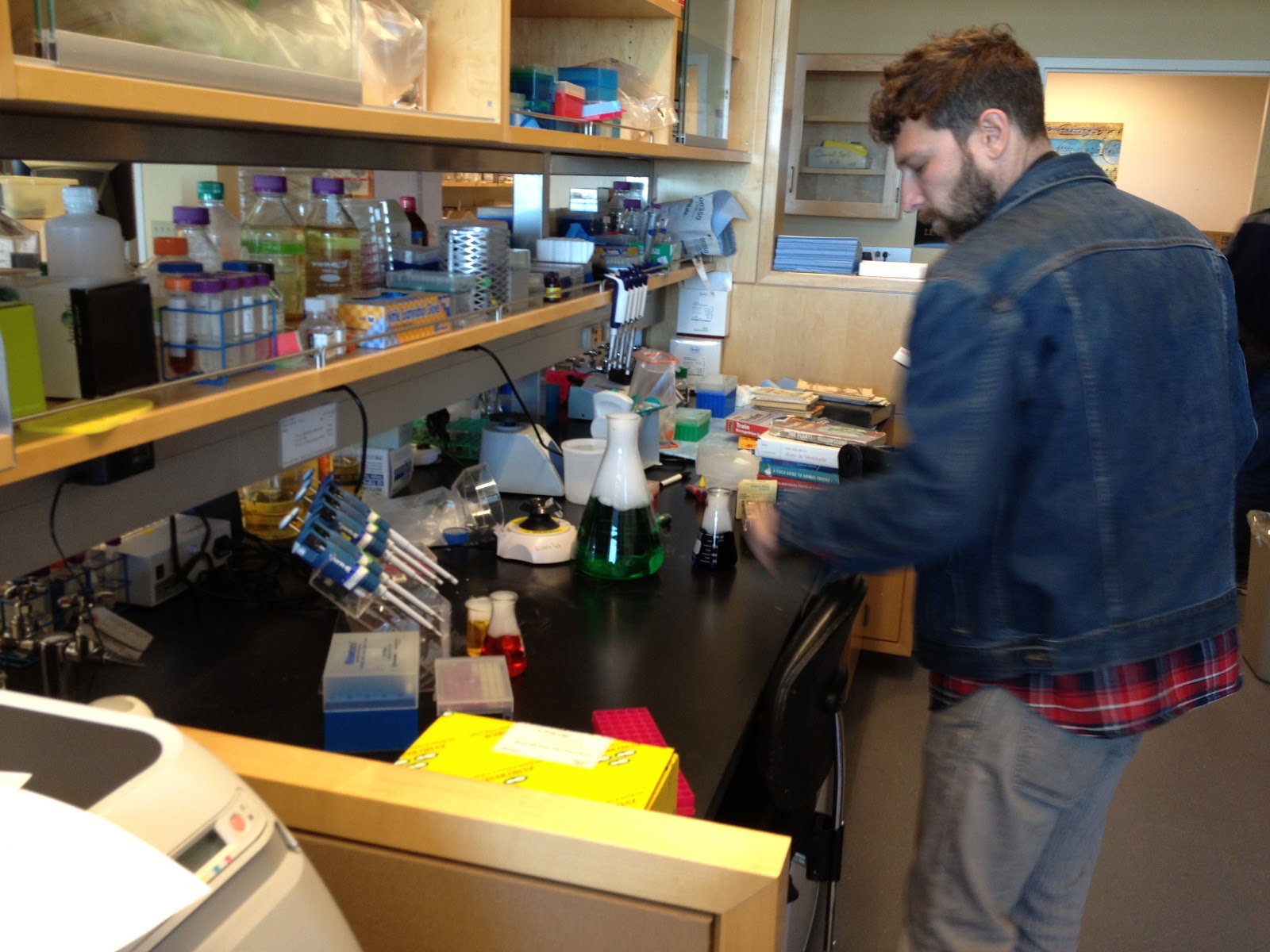
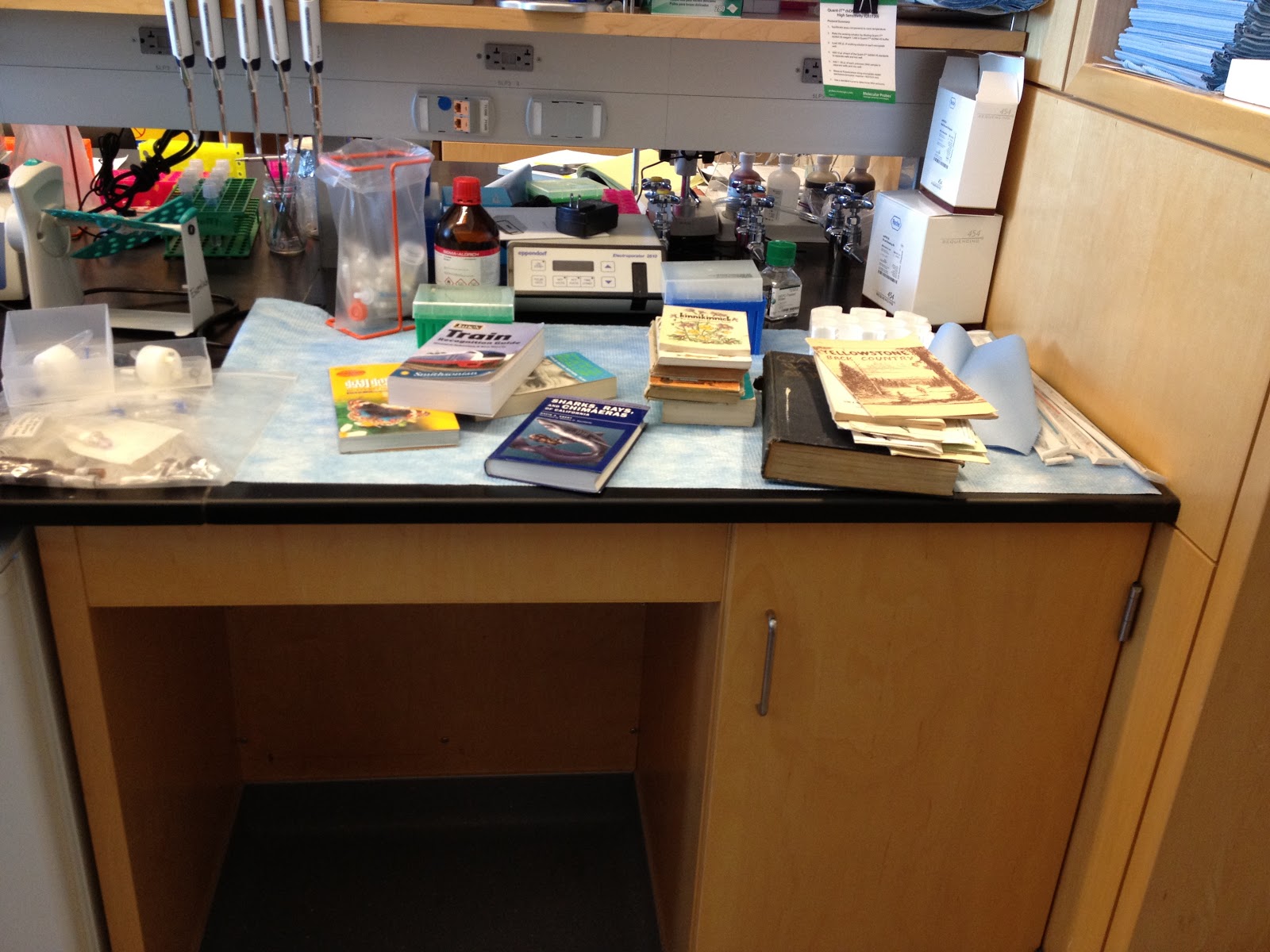
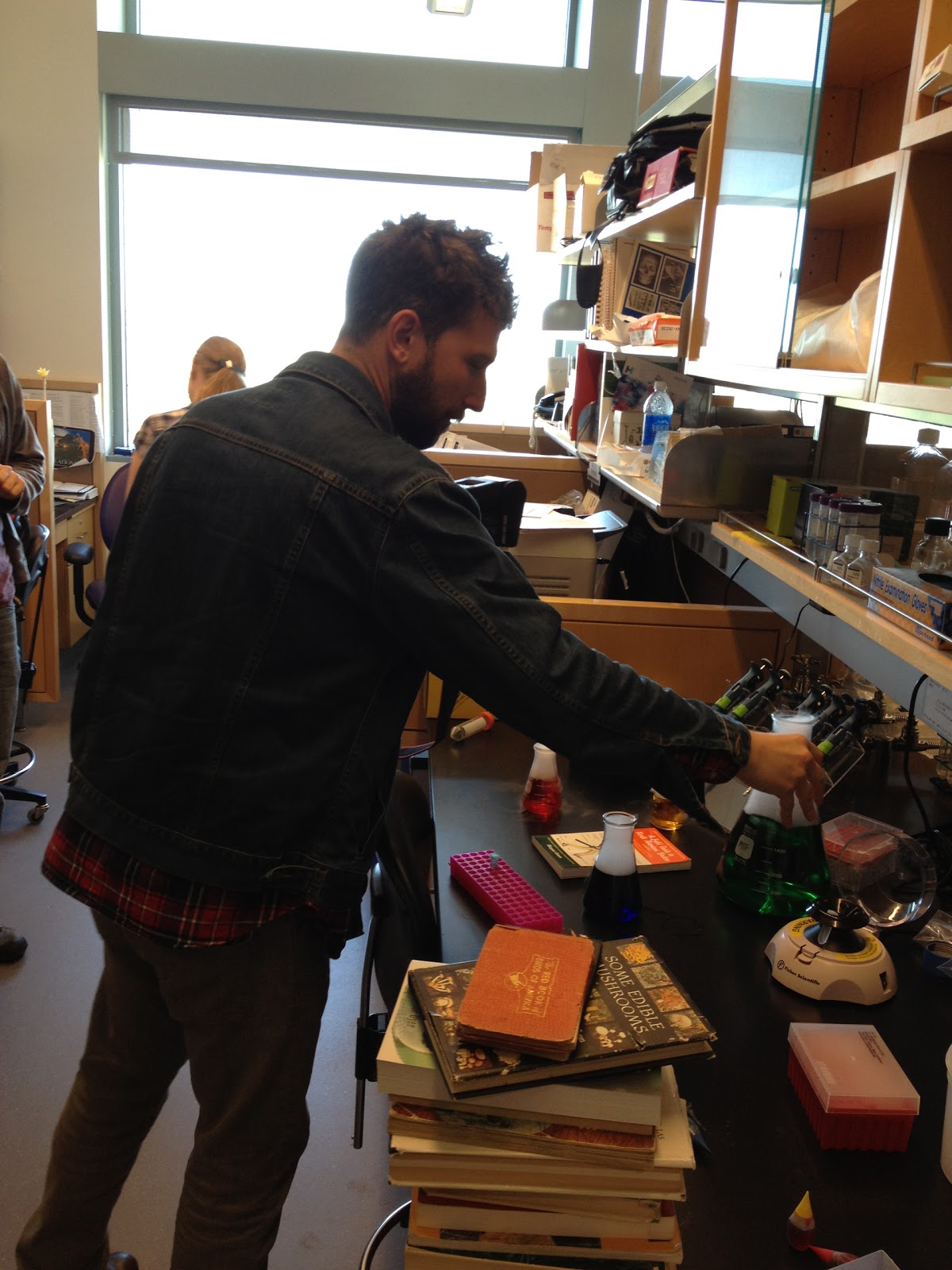
For the follow up Daniela and a photographer from Wired Jon Snyder came to my office and lab and took some pictures of me and my field guides (with assistance from Russell Neches in my lab to help set up some of the “scenes).

Here are some pics from their visit.

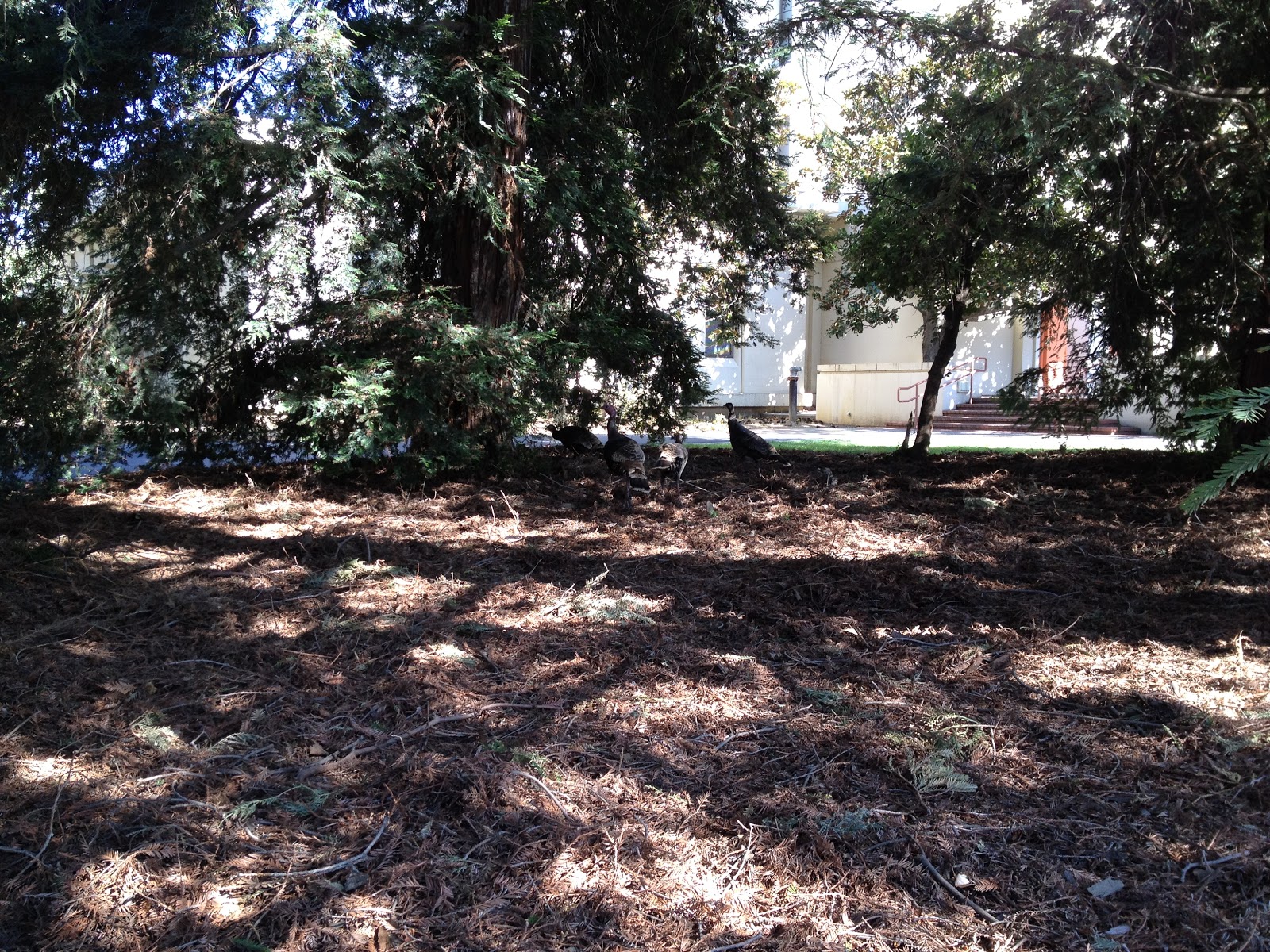
And now today, the Wired article came out and and amazing coincidence happened.  I was taking a walk around campus with Misha Angrist who is giving a talk at UC Davis today.  And on the walk first we saw a collection of turkeys wandering around campus:

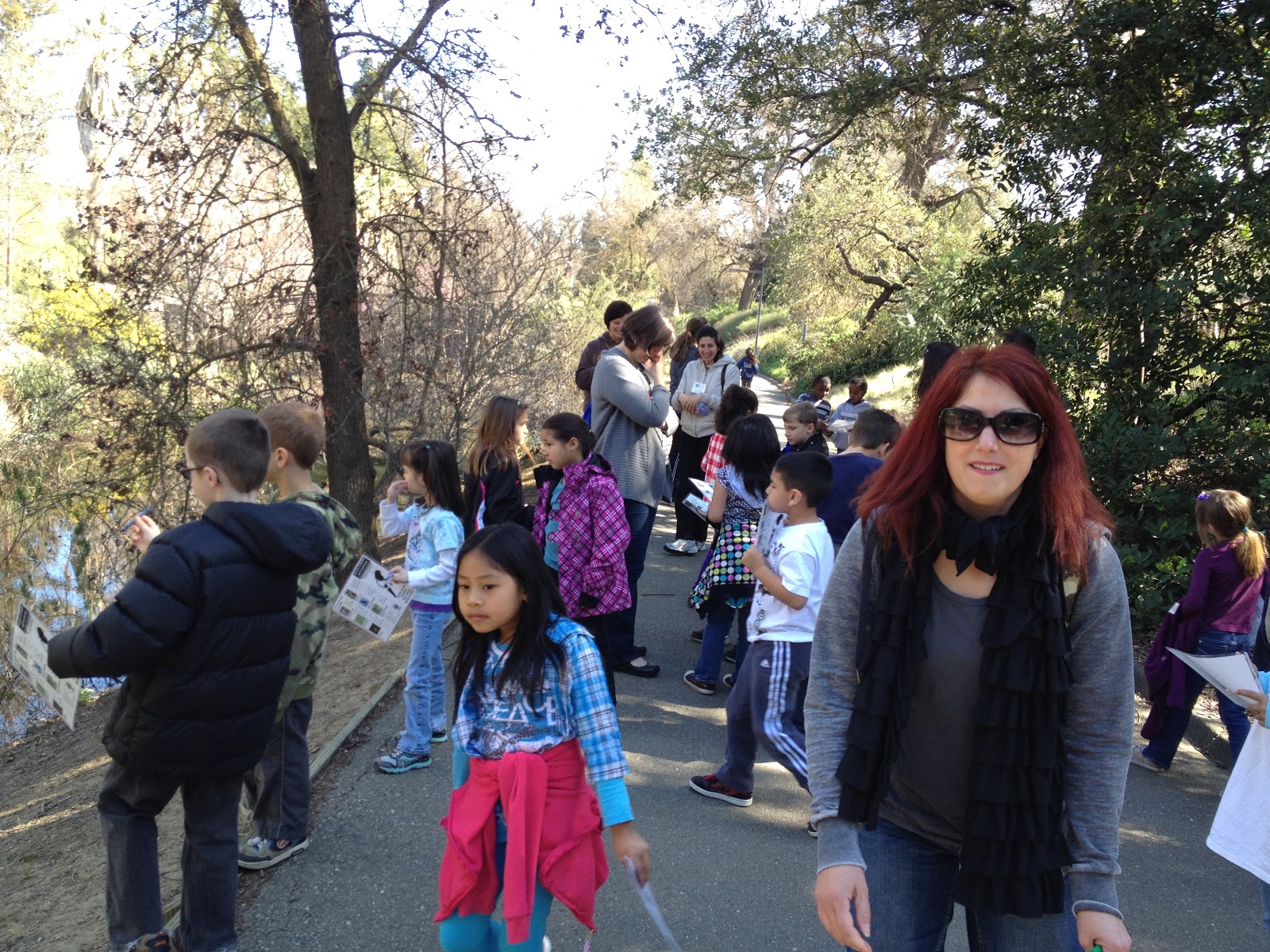
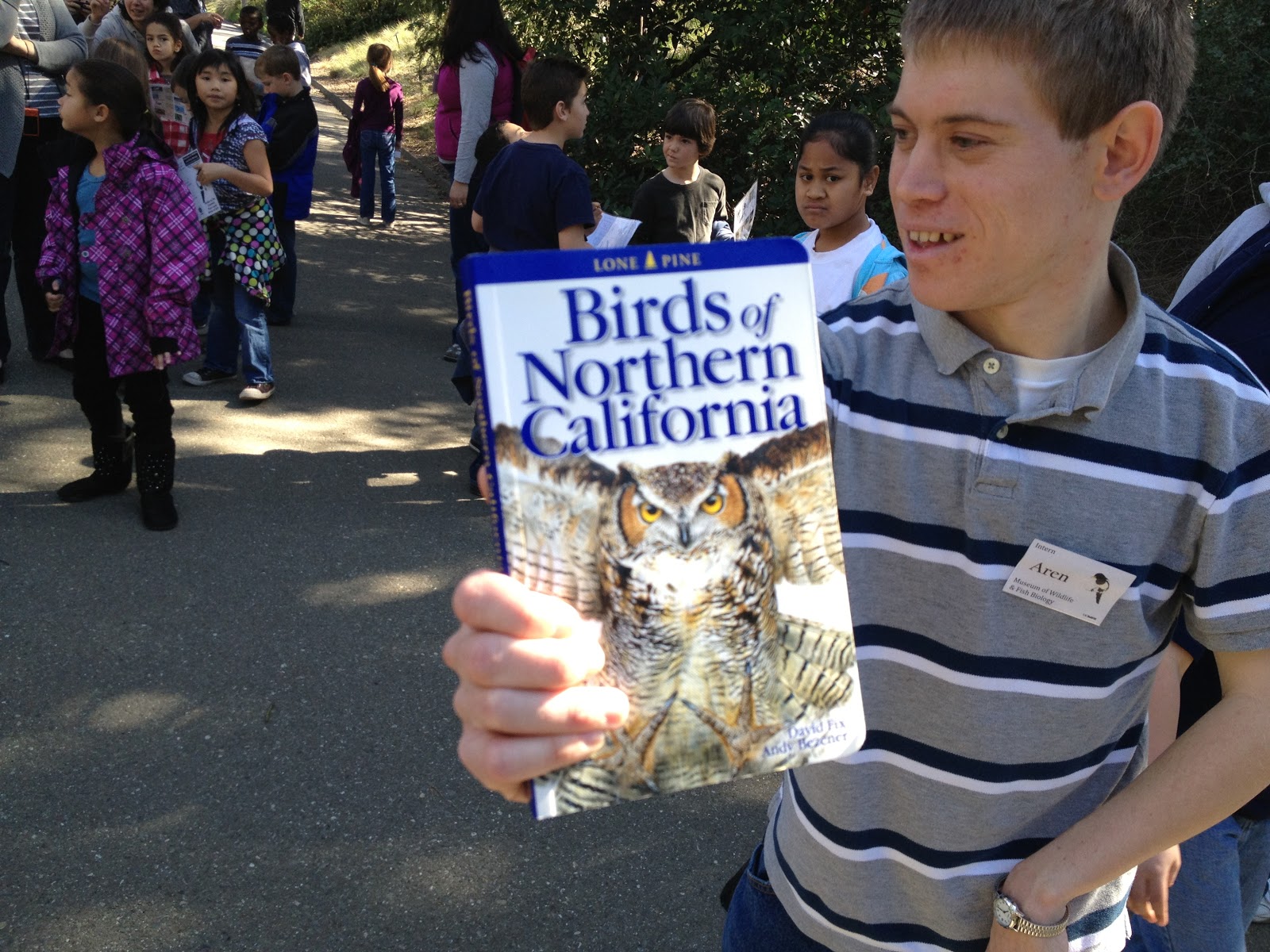
So my birding sense was turned up.  And then we walked across to the UC Davis Arboretum along Putah Creek and bumped into a “birding tour” of the Arboretum.  In six years here I have never seen one of these.  There were some teachers and kids carrying around field guides looking for particular species of birds.

And I note – one even had a field guide I do not have – the “Birds of Northern California” which I will be getting very very soon.  I think today will only serve to boost my obsession with field guides, but that is OK by me.

I note – I love the Wired photo spread of my field guides and my lab.  I particularly am happy that they includes some of the funnier field guides out there like “Flattened Fauna.” And I am glad they got in Betsy Dyer’s Field Guide to Bacteria because it is one of my favorite field guides of all time.  Thanks to Russell Neches for helping out with it and Daniela Hernandez and Jon Snyder for their work.

Yes, Virginia, Cell Phones Have Bacteria on Them … And this means????

A new report is out with a discussion of microbes on cell phones: Study: Cellphones can be more germ-infested than toilet handle | News – Home. Not sure what was done in the study but regardless it seems to be focused on culture based work. And as is usually, the finding of some microbes related to ones known to cause disease leads to the inevitable conclusion that we must kill everything on the phones.
It seems to me that we need a bit more detail on what microbes are found on cell phones before bringing out the cleaners and the irradiation and such.

Playing w/ Google Scholar’s "Citations" system – some nice features but in need of a little fine tuning

Been playing around with Google Scholar‘s Citations system that allows anyone to create a mini page with their publications.  Here is a link to mine: Jonathan Eisen.  I recommend that everyone out there who has any publications create a Scholar Citations page for themselves. Instructions can be found here.

I quite like the simplicity yet informativeness of the Scholar Citations front page:

Yet there are many other things I wish were there.  For example, I really wish the “Institution” part was an active link and led to other people at UC Davis.  Alas, not so.  So I had to use the search function to pull out other people from UC Davis (searching for UC Davis in the search for Authors in the box in the upper right from my home page).

The list comes out in order of numbers of citations, which is good and bad.  Here are some of the top people from the list:

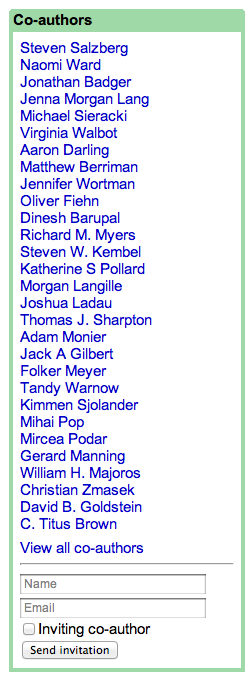
I also like the “Co-authors” function:
And the page where I can see lovely pictures of some of my co-authors all together
But this function still leaves a bit to be desired.  For example, finding other Co-Authors with Scholar pages is very hard for me since, well, I have hundreds and hundreds of Co-authors.  And though there is a function where Google Scholar makes suggestions for who to search for

It would be nice if it had a way to display the whole list not just their top suggestions.  But there is no way to see the next page and the only way to see other suggestions is to delete some of them.  I know – not everyone will have this issue but at least some other genomics focused folks probably will/do.
Anyway – it is worth playing around with – a good addition to the relatively simplistic Google Scholar search tools.
UPDATE 7 PM 3/4/2012
I figured out a way to find co-authors of papers of mine on Google Scholar Citations.  If I search for the paper title and restrict the search to the site I can find them.  For example searching for:
This pulls out all the people in Scholar Citations who are authors on the paper … 
Then alas I have to retype their name into the Author Search box and I get to add them as coauthors …

Genome Center Network Focus Group – Reminder

The Genome Center

Network Focus

Group Presents

Dana Pe`er

Assistant Professor, Department of Biology

Columbia University

"On the road to personalized therapy, a systems approach“

Abstract: Systematic characterization of cancer genomes has revealed a staggering complexity of aberrations among individuals, such that the functional importance and physiological impact of most tumor genetic alterations remains poorly defined. A major challenge involves the development of analysis methods to integrate the flood of genome-wide data on tumors towards patient-specific tumor network models. We will elaborate on two computational approaches: (1) Integration of genetic and genomic data to identify genetic determinants of cancer and model how these alter the regulatory network, as well as drug response. (2) Single cell models of cancer signaling based on mass cytometry, a novel technology that can accurately measure more than forty signaling molecules simultaneously single cells. We will demonstrate the utility of these applications of these approaches across a broad range of different cancers.

Monday, March 5, 2012

10:00 a.m., 1005 GBSF Auditorium

Dana Peer.pdf

Full list of 2012 American Academy of Microbiology Fellows Announced

Just got this email and well, I thought I would share.  I would share even if I was not on the list since, well, I love microbes and microbiology.  Note the list is also available on the AAM Web site here.


The American Academy of Microbiology is honored to welcome these new Fellows, elected in recognition of their records of scientific achievement and original contributions that have advanced microbiology:
  • James B. Anderson, Ph.D., University of Toronto, Mississauga, ON, Canada
  • Dan I. Andersson, Ph.D., Uppsala University, Sweden
  • Raul Andino, Ph.D., University of California, San Francisco
  • Brenda J. Andrews, Ph.D., University of Toronto, BC, Canada
  • Charles Barlowe, Ph.D., Dartmouth Medical School, Hanover, NH
  • Joel B. Baseman, Ph.D., University of Texas Health Science Center, San Antonio
  • Ruth L. Berkelman, M.D., Emory University, Atlanta, GA
  • Robert E. Blankenship, Ph.D., Washington University, St. Louis
  • James B. Bliska, Ph.D., Stony Brook University, NY
  • Kerry S. Bloom, Ph.D., University of North Carolina, Chapel Hill
  • Jef D. Boeke, Ph.D., D. Sc., Johns Hopkins School of Medicine, Baltimore, MD
  • Charles M. Boone, Ph.D., University of Toronto, BC, Canada
  • Stephen Buratowski, Ph.D., Harvard Medical School, Boston, MA
  • George Church, Ph.D., Harvard Medical School, Boston, MA
  • Daniel G. Colley, Ph.D., University of Georgia, Athens
  • Patricia A. Conrad, Ph.D., D.V.M., University of California, Davis
  • Ross E. Dalbey, Ph.D., Ohio State University, Columbus
  • Roger J. Davis, Ph.D., Howard Hughes Medical Institute and University of Massachusetts Medical School, Worester
  • Piet A.J. de Boer, Ph.D., Case Western Reserve University School of Medicine, Cleveland, OH
  • Mark R. Denison, M.D., Vanderbilt University Medical Center, Nashville, TN
  • Shou-Wei Ding, Ph.D., University of California, Riverside
  • Jonathan Eisen, Ph.D., University of California, Davis
  • Luis Enjuanes, Ph.D., National Center of Biotechnology-Spanish National Research Council (CNB-CSIC), Campus Universidad Autonoma, Madrid, Spain
  • Tom Fenchel, Ph.D., D. Sc., University of Copenhagen, Denmark
  • Robert L. Garcea, M.D., University of Colorado, Boulder
  • Reid Gilmore, Ph.D., University of Massachusetts Medical School, Worcester
  • Douglas T. Golenbock, M.D., University of Massachusetts Medical School, Worcester
  • Robert M. Goodman, Ph.D., School of Environmental and Biological Sciences, Rutgers University, New Brunswick, NJ
  • Daniel E. Gottschling, Ph.D., Fred Hutchinson Cancer Research Center, Seattle, WA
  • Glenda Gray, M.B. B.Ch., F.C. Paeds., Perinatal HIV Research Unit, Baragwanath Academic Hospital, Soweto and University of the Witwatersrand, Johannesburg, South Africa
  • F. Ulrich Hartl, M.D., Dr. Med., Dr. Med. Habil, Max Planck Institute of Biochemistry, Martinsried, Germany
  • Regine Hengge, Ph.D., Freie Universität Berlin, Germany
  • John E. Heuser, M.D., Washington University, St. Louis and Kyoto University, Japan
  • Wolf-Dietrich Heyer, Ph.D., University of California, Davis
  • Edward A. Hoover, D.V.M., Ph.D., Colorado State University, Fort Collins
  • Barbara J. Howlett, Ph.D., The University of Melbourne, Australia
  • Philip Hugenholtz, Ph.D., University of Queensland, St. Lucia, Australia
  • James M. Hughes, M.D., Emory University School of Medicine, Atlanta, GA
  • Eric Hunter, Ph.D., Emory University, Atlanta, GA
  • Regine Kahmann, Ph.D., Max Planck Institute for Terrestrial Microbiology, Marburg, Germany
  • Albert Z. Kapikian, M.D., NIAID, NIH, Bethesda, MD
  • Patrick Keeling, Ph.D., University of British Columbia, Vancouver, Canada
  • Karla Kirkegaard, Ph.D., Stanford University, CA
  • Eugene V. Koonin, Ph.D., NCBI, NLM, NIH, Bethesda, MD
  • Thomas M. Kristie, Ph.D., National Institutes of Health, Bethesda, MD
  • Nirbhay Kumar, Ph.D., Tulane University, New Orleans, LA
  • Ching Kung, Ph.D., University of Wisconsin, Madison
  • Jean-Paul Latge, Ph.D., Institut Pasteur, Paris, France
  • Jeffrey G. Lawrence, Ph.D., University of Pittsburgh, PA
  • Jared R. Leadbetter, Ph.D., California Institute of Technology, Pasadena, CA
  • Maxine L. Linial, Ph.D., Fred Hutchinson Cancer Research Center, Seattle, WA
  • Alison McBride, Ph.D., NIH, Bethesda, MD
  • Xiang-Jin Meng, M.D., Ph.D, Virginia Polytechnic Institute and State University, Blacksburg, VA
  • Hiroaki Mitsuya, M.D., Ph.D., National Cancer Institute, NIH, Bethesda, MD
  • Edward Mocarski, Jr., Ph.D., Stanford University School of Medicine, CA
  • Jens Nielsen, Ph.D., Dr. Technology, Chalmers University of Technology, Gothenburg, Sweden
  • Victor Nizet, M.D., University of California, San Diego
  • Paul A. Offit, M.D., Children’s Hospital of Philadelphia, PA
  • Joseph S. Pagano, M.D., University of North Carolina, Chapel Hill
  • Julian Parkhill, Ph.D., The Sanger Institute, Cambridge, United Kingdom
  • Robin Patel, M.D., Mayo Clinic, Rochester, MN
  • John T. Patton, Ph.D., NIAID, NIH, Bethesda, MD
  • Martin Polz, Ph.D., Massachusetts Institute of Technology, Cambridge
  • Markus Ribbe, Ph.D., University of California, Irvine
  • Naomi Rosenberg, Ph.D., Tufts University, Boston, MA
  • Eric J. Rubin, M.D., Ph.D., Harvard School of Public Health, Boston, MA
  • Peter Sarnow, Ph.D., Stanford University School of Medicine, CA
  • Christa M. Schleper, Ph.D., University of Vienna, Austria
  • Olaf Schneewind, M.D., Ph.D., University of Chicago, IL
  • David M. Serwadda, M.B.ChB., M. Med., M.P.H., Makerere University School of Public Health, Kampala, Uganda
  • Eric J. Snijder, Ph.D., Leiden University Medical Center, Netherlands
  • Roger E. Summons, Ph.D., Massachusetts Institute of Technology, Cambridge
  • Michele S. Swanson, Ph.D., University of Michigan Medical School, Ann Arbor, MI
  • Rudolf K. Thauer, Dr. rer. nat., Max Planck Institute for Terrestrial Microbiology, Marburg, Germany
  • Kenneth L. Tyler, M.D., University of Colorado School of Medicine, Denver
  • Rytas Vilgalys, Ph.D., Duke University, Durham, NC
  • Peter R. Williamson, M.D., Ph.D., NIAID, NIH, Bethesda, MD
  • Thomas A. Wynn, Ph.D., NIAID, Bethesda, MD
  • X. Sunney Xie, Ph.D., Harvard University, Cambridge, MA
  • Arturo Zychlinsky, Ph.D., Max Planck Institute for Infection Biology, Berlin, Germany
We hope that you will join us in welcoming the new Fellows at the Fellows Luncheon and Meeting at the General Meeting in San Francisco on June 19th. 
Sincerely yours,
Bonnie L. Bassler, Ph.D. 
Chair, Board of Governors 
American Academy of Microbiology

My obsession with a Field Guide for Microbes

Recently I gave a talk at the AAAS Meeting in Vancouver on my dream of having “A Field Guide to the Microbes”.  The talk was part of a session on the “Earth Microbiome Project” organized by Jack Gilbert and others.

You can see a slideshow with audio of my talk below:

It seems that my talk has sparked a lot of interest as I have been interviewed by various people and publications about this concept.

For example, Holly Menninger recently interviewed me for a blog post for the “Your Wild Life” blog:
Is a Field Guide for Microbes in Our Future? Q & A with Microbiologist Jonathan Eisen.

And today a wonderfully illustrated piece came out at Wired.Com by Daniela Hernandez titled “Book of Germs: A Quest for a Field Guide to Microbes.”

If you are interested in some more background on what I have been thinking about a Field Guide to the Microbes here are some previous things I have written or said or commented on relating to this topic:

And if you want to check out some “Field Guide” like books on the topic of microbes I am posting some recommendations on an Amazon Page. My favorite is “A Field Guide to Bacteria” by Betsey Dyer.  

Task force investigating #UCDavis Pepper Spray Incident report to be released 3/6

Just got an email from UC Communications

“Former California Supreme Court Associate Justice Cruz Reynoso, chair of the task force investigating the pepper-spray incident on November 18, 2011, said today the task force is working toward public release of findings and recommendations on Tuesday, March 6, at a time and location on the UC Davis campus to be determined. 


Additional information will be provided as soon as it is available.”

Nice #openaccess review on the ecology of chemosynthetic symbioses from @chicaScientific & Guus Roeselers

Figure 1 from 10.1007/s00253-011-3819-9. Sediment cross section 
exposing the characteristic Y-shaped burrow dug by S. velum. 
Positioning itself at the triple junction of the Y, the bivalve alternates
 between actively pumping oxygenated water from the upper arms of
 the burrow through the mantle cavity and across the gills and 
accessing reduced sulfur compounds diffusing up from the anoxic 
zones below and pumped through a ventral incurrent opening in the 
mantle. Scale bar equals 2.5 cm

For those who do not know, I got my first taste of microbiology research when I was an undergrad at Harvard and I did my senior/honors research project in the lab of Colleen Cavanaugh. Colleen studied (and in fact still studies) symbioses between invertebrates and chemosynthetic bacteria. The bacteria basically allow these invertebrates to function like plants in many ways. Some of these invertebrates (like the giant tube worms in hydrothermal vents) have lost their mouths and digestive systems and basically live by bringing in high energy chemicals for their symbionts which then make sugars, vitamins, amino acids and other goodies for the host.
Anyway – I am still very interested in these symbioses and have published a few papers on the topic here and there. All that lead in is to simply point everyone out there to a nice new Open Access review paper by Guus Roeselers and Irene Newton: On the evolutionary ecology of symbioses between chemosynthetic bacteria and bivalves. When I first saw the reference in the “Applied Microbiology and Biotechnology” journal I was worried I would not have access to it, but I clicked on the link and discovered it was published using Springer’s version of Open Access. Yippee.  The article is worth a look.

ResearchBlogging.org Roeselers, G., & Newton, I. (2012). On the evolutionary ecology of symbioses between chemosynthetic bacteria and bivalves Applied Microbiology and Biotechnology, 94 (1), 1-10 DOI: 10.1007/s00253-011-3819-9