Eisen Lab Blog

Everything You Wanted to Know about the Lake Arrowhead Microbial Genomes meeting #LAMG14

The Lake Arrowhead Microbial Genomes meeting, which happens every other year, is starting tonight.  I love this meeting.  No bias here since I am now a co-organizer.  But I really love this meeting.  I am posting here some background information about the meeting for those interested.  We will be live tweeting the meeting using the hashtag #LAMG14.  This years program is here.

Posts of mine about previous meetings

Blog posts by others

Programs and notes from past meetings

Meeting Web Sites

I have uploaded slides from my previous presentations at the meeting


    Fun read of the day: On whimsy, jokes, and beauty: can scientific writing be enjoyed?

    This is such a fun paper: On whimsy, jokes, and beauty: can scientific writing be enjoyed? by Stephen Heard in Ideas in Ecology and Evolution 7: 64–72, 2014  I found out about it in an email from Heard, who sent it to me because he had earlier commented on a blog post I had written: The best writing in science papers part 1: Vladimir Nabokov in Notes on Neotropical Plebejinae (Lycaenidae, Lepidoptera).

    Anyway – enough about me – what about this paper?  It has so many nuggets of interest I am not sure which to highlight so I will just go through some of it.  Oh – and it is published with a Creative Commons Attribution license (yay).

    Abstract: While scientists are often exhorted to write better, it isn’t entirely obvious what “better” means. It’s uncontroversial that good scientific writing is clear, with the reader’s understanding as effortless as possible. Unsettled, and largely undiscussed, is the question of whether our goal of clarity precludes us from making our writing enjoyable by incorporating touches of whimsy, humanity, humour, and beauty. I offer examples of scientific writing that offers pleasure, drawing from ecology and evolution and from other natural sciences, and I argue that enjoyable writing can help recruit readers to a paper and retain them as they read. I document resistance to this idea in the scientific community, and consider the objections (well grounded and not) that may lie behind this resistance. I close by recommending that we include touches of whimsy and beauty in our own writing, and also that we work to encourage such touches in the writing of others.

    OK – the title would have drawn me in anyway but the abstract definitely had me.

    If scientific writers aren’t sure how to write better, it isn’t for lack of advice. Dozens of guidebooks discuss form, style, and goals in scientific writing (e.g., Montgomery 2003, Davis 2005, Day and Gastel 2006, Katz 2006, Matthews and Matthews 2007, Rogers 2007, Harmon and Gross 2010, Hofmann 2010, Pechenik 2010, Greene 2013, Heard unpubl.).

    OK – I am going to have to look at some of these.

    Heard documents a bit of a spat between Sprat and Boyle from the 1660s regarding scientific writing.  I especially like the Boyle quote:

    To affect needless rhetorical ornaments in setting down an experiment…were little less improper than…to paint the eyeglasses of a telescope…in which even the most delightful colours cannot so much please the eye as they would hinder the sight…And yet I approve not that dull and insipid way of writing, which is practiced by many…for though a philosopher need not be solicitous that his style should delight his reader with his floridness, yet I think he may very well be allowed to take a care that it disgust not his reader by its flatness…Though it were foolish to colour…the glasses of telescopes, yet to gild…the tubes of them may render them most acceptable to the users (Boyle 1661:11-12, spelling and punctuation modern- ized).

    Heard then goes through some different aspects of good scientific writing

    • Sightings (1): Playfulness in the scientific literature
    • Sightings (2): Beauty

    Also – he then doscusses pushback against the “notion that whimsy, jokes, and beauty can have a place in our scientific literature.” which I have also seen in many contexts.

    He ends with suggestions and I quote the whole section with some highlights:

    If you write papers that are crystal clear and thus effortless to read, you’ll have achieved the primary goal of scientific writing and your work will be among the best of our literature. But if you want to reach for even more, if you agree with me that we can also offer our readers some pleasure in reading, what can you do? To begin, you can try to write with small touches of whimsy, humanity, humour, and beauty—without, of course, compromising clarity; and even knowing that sometimes, reviewers will make you take them out. I am not suggesting writing in which art shares the stage equally with content (as can be true in the lay literature). Rather, the goal that’s within our reach is clear, functional writing punctuated with occasional nuggets of playfulness or glints of beauty—to extend Boyle’s metaphor, not a telescope of solid gold but one lightly gilded. 

    You can also work to encourage pleasure in what your colleagues write, in two complementary ways. First, when you review manuscripts, you can suppress the reflex telling you to question any touches of whimsy, humour, or beauty that you find; you can even (gently) suggest some be put in. Second, you can announce your admiration of writing that has given you pleasure. Announce your admiration to the writers who crafted the passage, to editors who might be considering its fate, and to students or colleagues who might read it. If we choose to, we can change our culture to deliver, and value, pleasure along with function in our writing.

    This is a must read paper.  And I really wish more people would endorse the idea that scientific writing can include more than just science.  Of course, there are many who already endorse this notion but for those who do not – give it a try.

    Cornell University-MBG job posting

    Posting this:

    Dear Dr. Eisen,

    We are writing to enlist your assistance in identifying talented candidates for a tenure-track Assistant or Associate Professor position in the Department of Molecular Biology and Genetics at Cornell University in Ithaca, NY. We are seeking to fill this position with a creative individual in the area of Computational Genomics.

    Our hope is that this individual will interact synergistically with existing department strengths as well as those in other departments at Cornell including Biological Statistics and Computational Biology (BSCB). We envision that the ideal candidate will develop innovative computational genomics methods to solve novel problems in genome biology. An advertisement, which is attached, will appear in the September 19, 2014 issue of Science and more information is available at http://mbg.cornell.edu/jobs

    This is a very exciting time at Cornell as the University has specifically targeted computational biology for expansion, and is making a concerted investment in interdisciplinary studies that bridge existing strengths in the University.

    The Department of Molecular Biology and Genetics (www.mbg.cornell.edu ) includes a highly interactive faculty with research programs in genetics, molecular biology, comparative and population genomics, cell biology, developmental biology, biochemistry and structural biology. Excellent students are attracted to graduate programs in Biochemistry, Molecular and Cell Biology (BMCB), Genetics, Genomics and Development (GG&D), Computational Biology (CB), and Biophysics.

    Please bring this great opportunity to the attention of outstanding junior scientists in your department. It would help us enormously if you could post the attached advertisement. If you have any questions, please do not hesitate to contact me at barbash.

    Sincerely yours,

    Daniel Barbash, Ph.D.

    Associate Professor

    Chair, Computational Genomics Search Committee

    Computational Genomics Ad September 2014.pdf

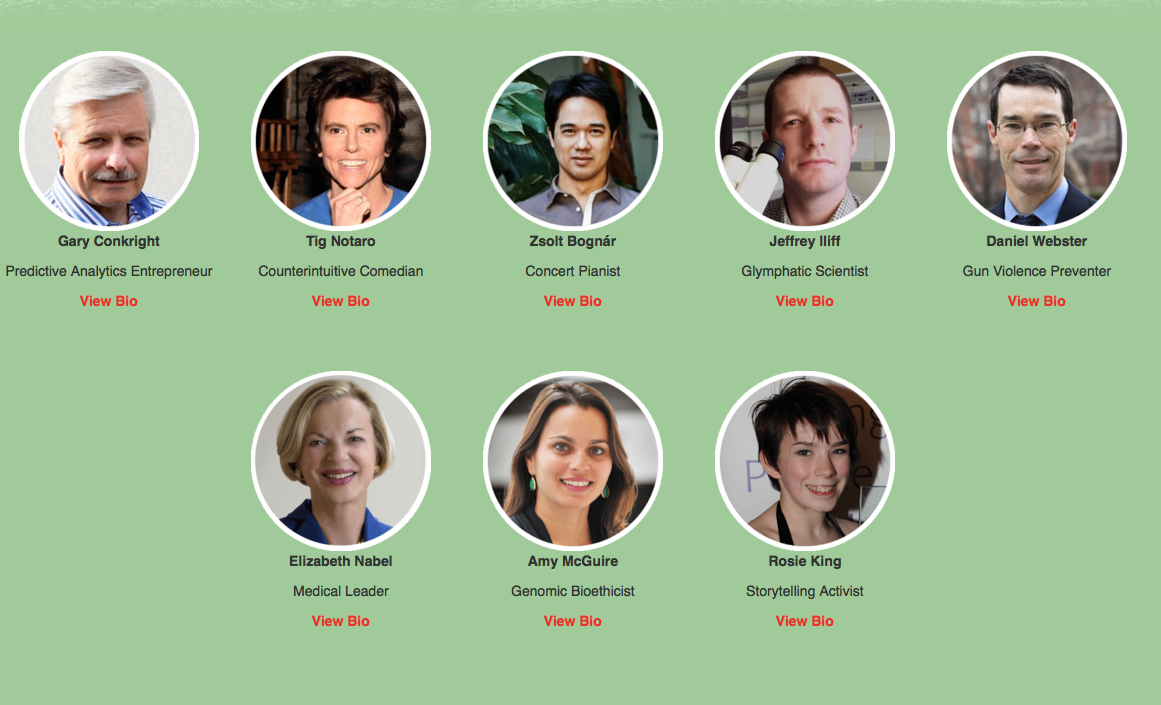
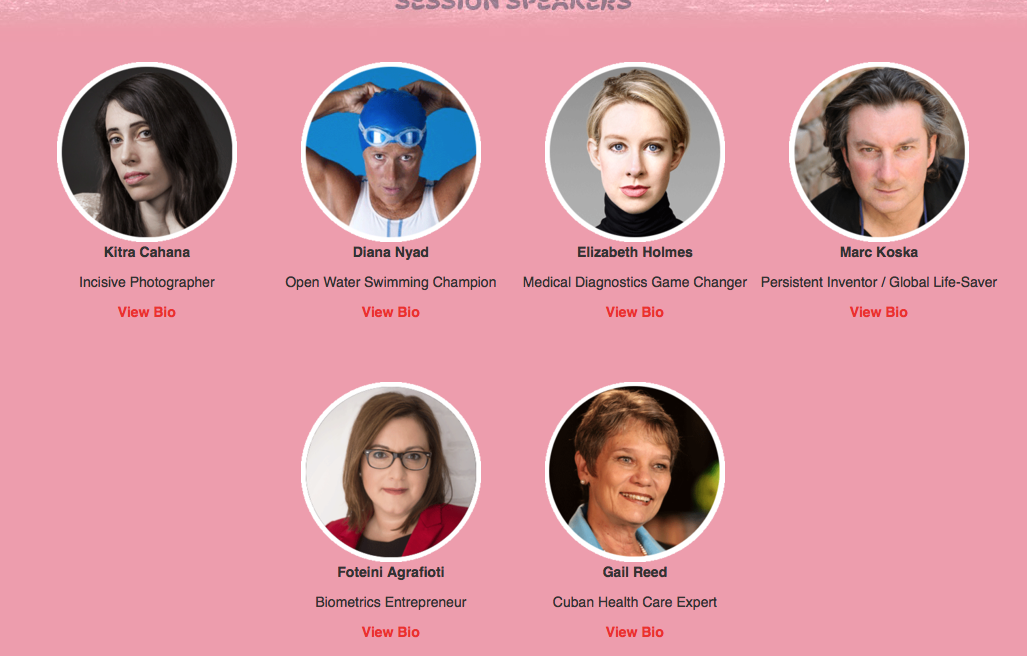
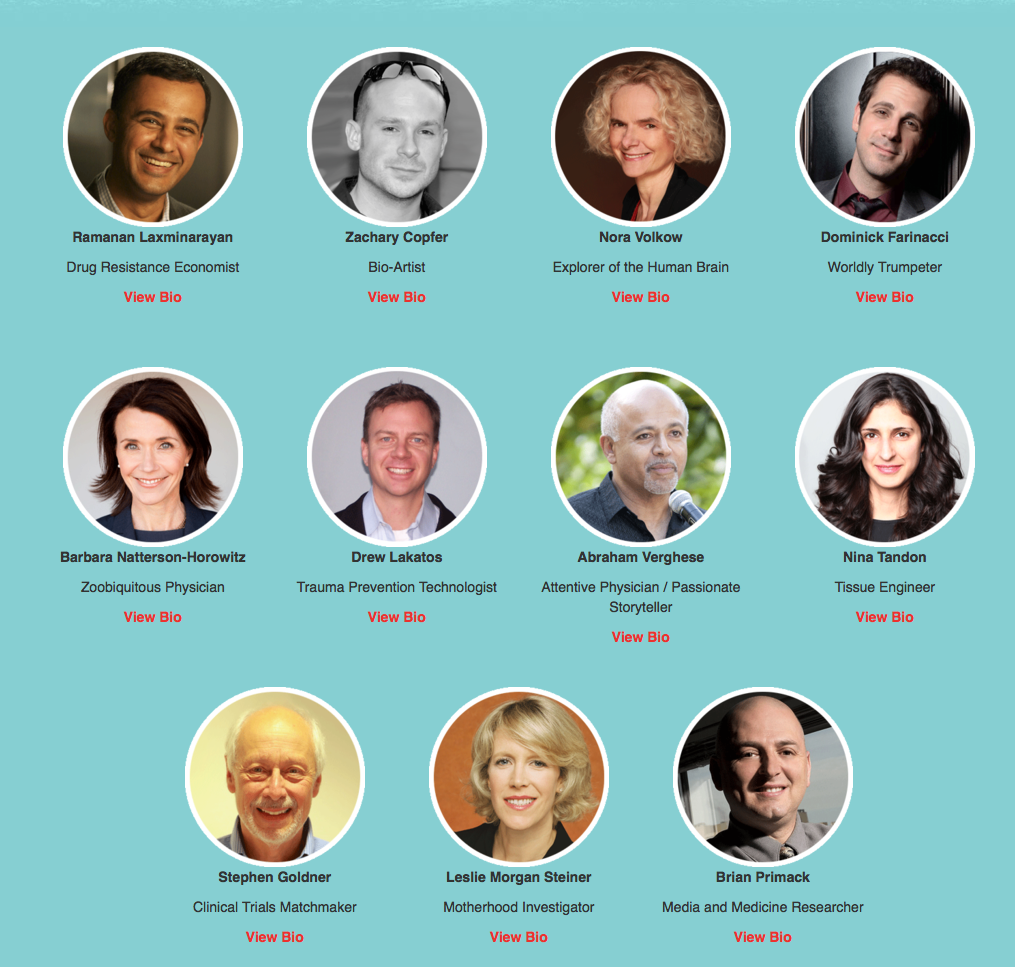
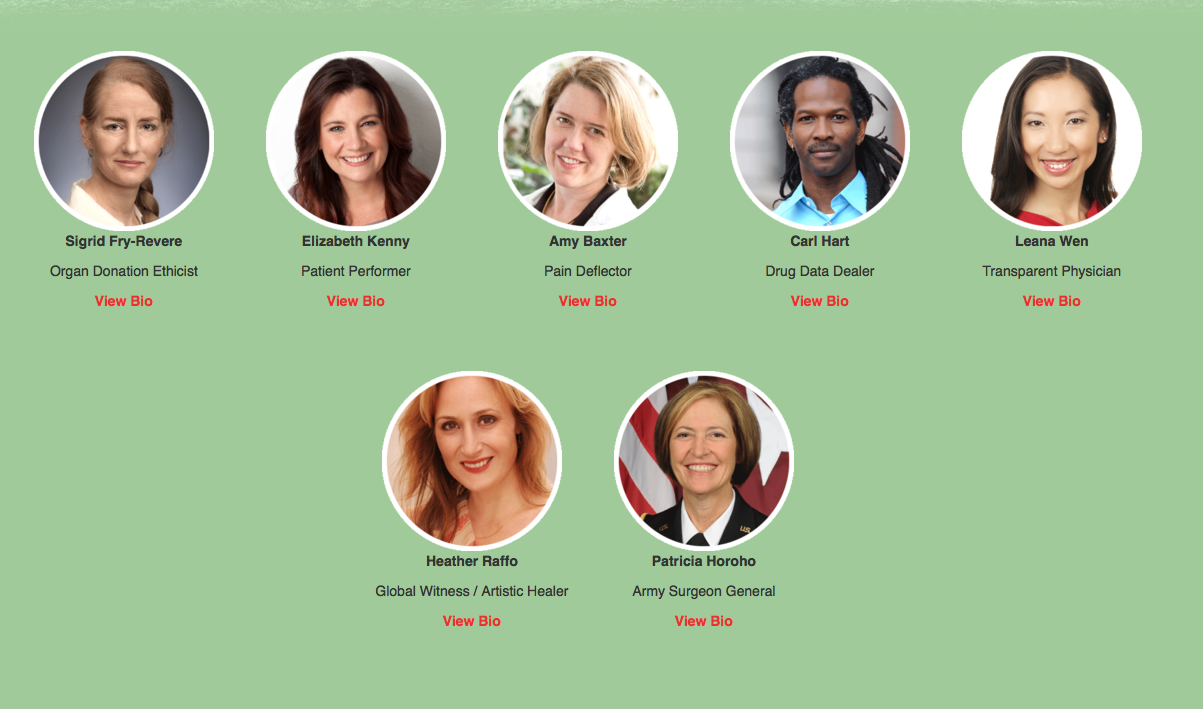
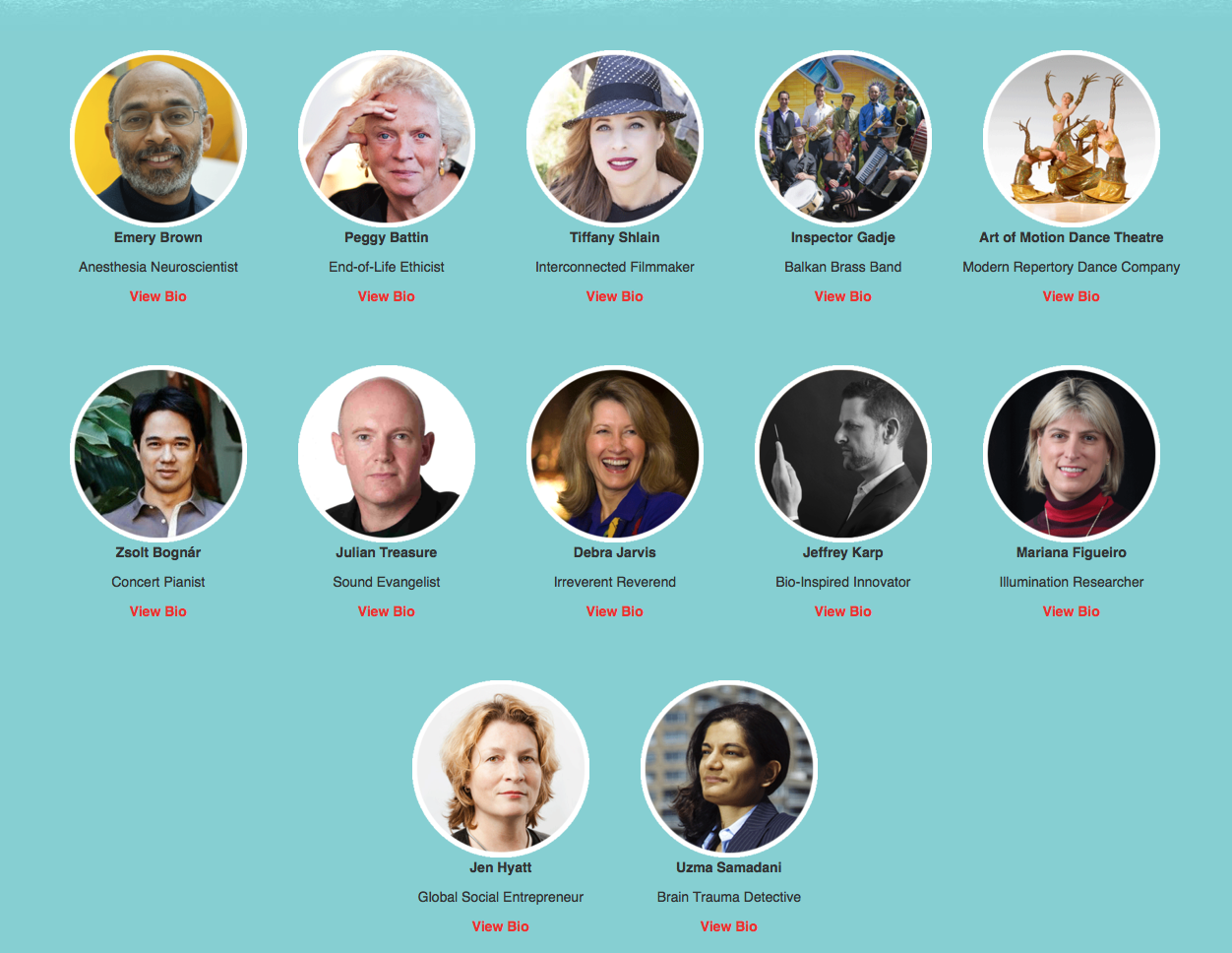
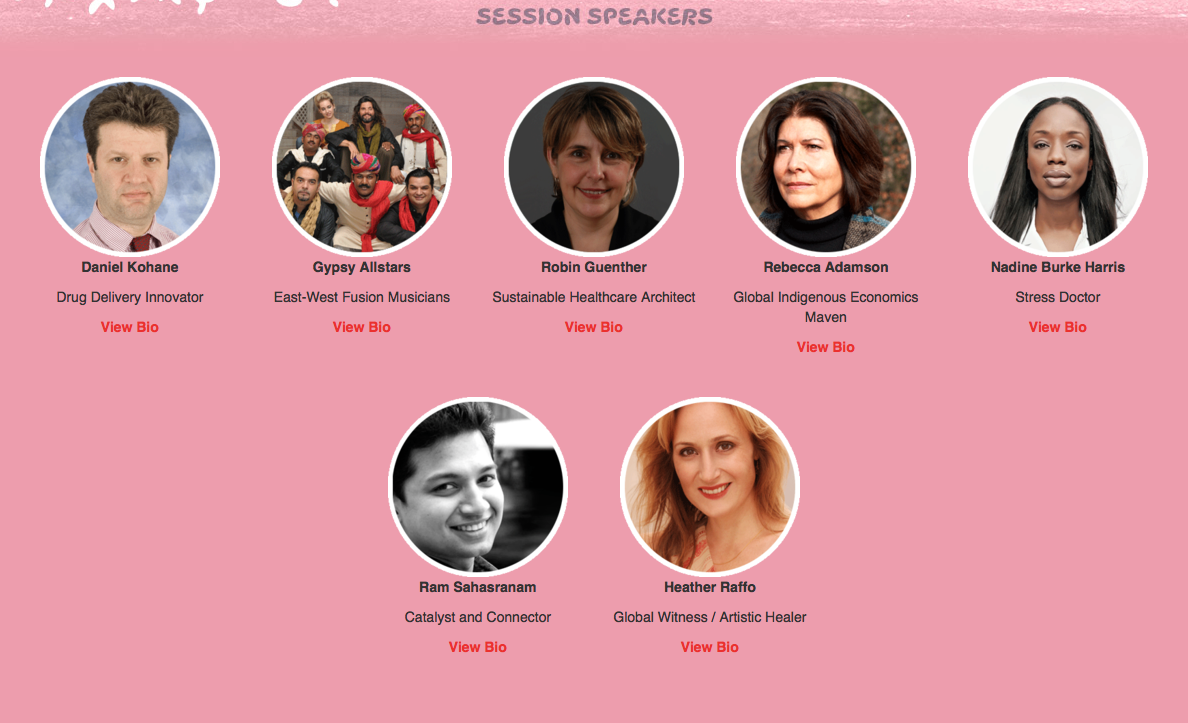
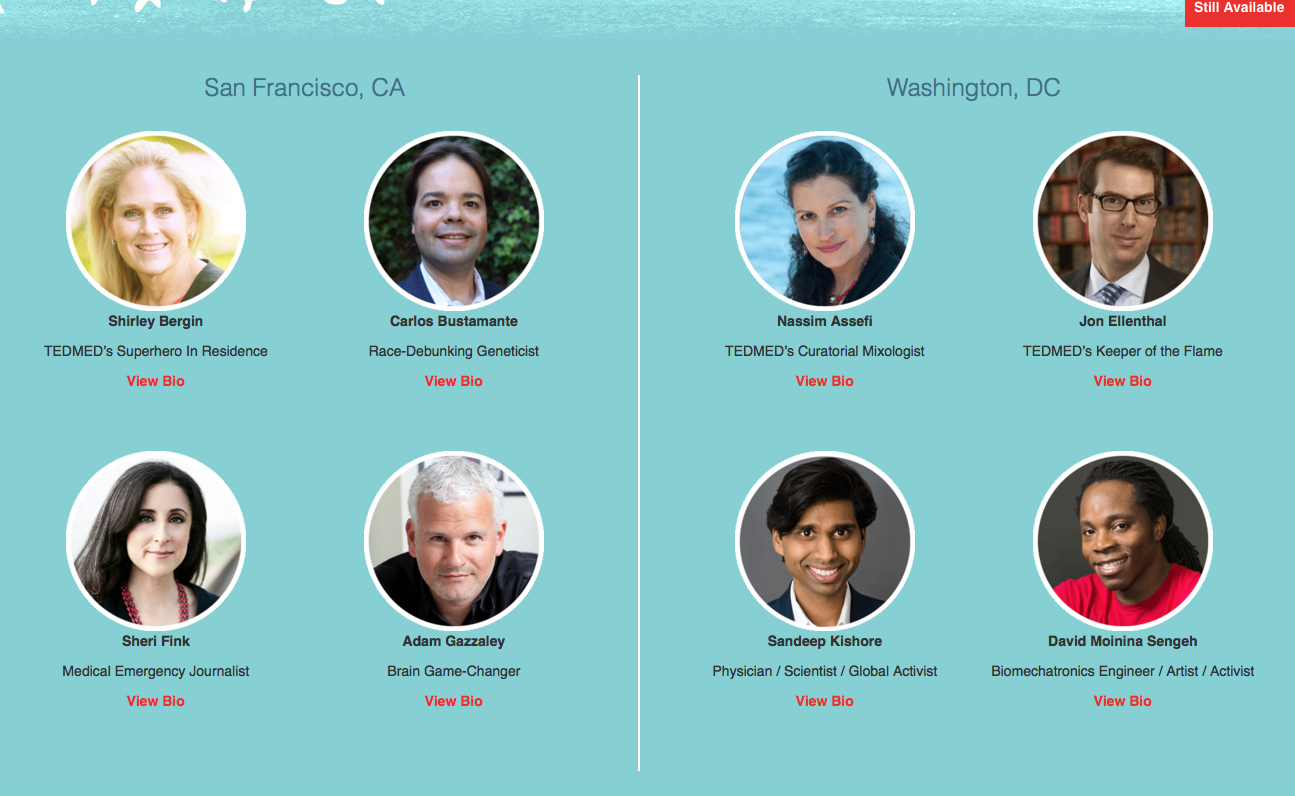
    Kudos to Tedmed for the gender ratio of speakers for this year’s event

    Well done Tedmed.

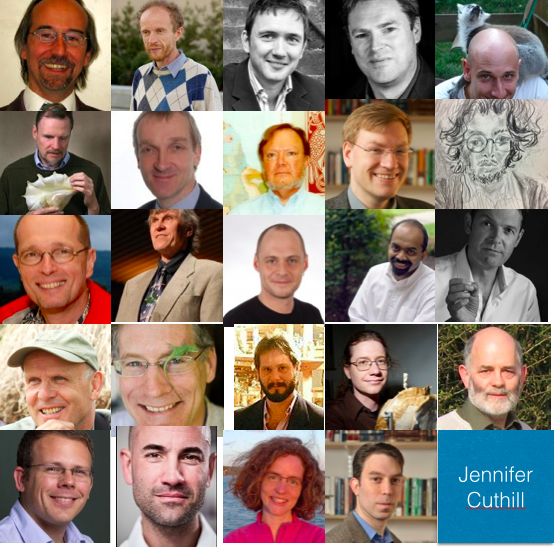
    Here are the speaker pages below.  Notice anything?

    The gender ratio of speakers is actually well balanced.  Well done Tedmed.  Well done.

    International Symposium on Subsurface Microbiology – where men tell us about deep things

    Just saw this Tweet:

    //platform.twitter.com/widgets.js This refers to this meeting: Call for Abstracts for 2014 Ninth International Symposium on Subsurface Microbiology, Pacific Grove California

    The plenary speakers for this meeting are all men

    • Peter Girguis
    • Terry Hazen
    • Rainer Meckenstock
    • Lars Nielsen
    • Aaron Packman
    • Karsten Pedersen
    • Timothy Scheibe
    • Jack Schijven

    The last meeting was in 2011 and it was not much better – with one female keynote speaker.

    • Andreas Kappler
    • Karsten Pedersen
    • Christian Griebler
    • Ian Head
    • Frank Löffler
    • Babara Sherwood-Lollar
    • Bo Barker Jørgensen
    • Ken Takai
    • Kai-Uwe Hinrichs
    • Tori Hoehler

    Apparently, only men can talk about deep things.  Fun times.

    Grant opportunities from the Bill & Melinda Gates Foundation

    Received this email:

    Dear Colleagues,

    The Bill & Melinda Gates Foundation is now inviting applications to Grand Challenges Explorations, which has awarded over 1070 grants in over 58 countries to date.

    Grand Challenges Explorations seeks innovative global health and development solutions. Applicants can be at any experience level; in any discipline; and from any organization, including universities, government laboratories, research institutions, non-profit organizations as well as for-profit companies.

    Two-page proposals are being accepted online from September 4, 2014 until November 12, 2014 on the following topics:

    – Surveillance Tools, Diagnostics and an Artificial Diet to Support New Approaches to Vector Control.
    – New Approaches for Addressing Outdoor/Residual Malaria Transmission
    – New Ways to Reduce Pneumonia Fatalities through Timely, Effective Treatment of Children
    – Enable Universal Acceptance of Mobile Money Payments to Create an Economic Ecosystem that Will Help Lift the Poorest Out of Poverty
    – Explore New Ways to Measure Brain Development and Gestational Age
    – New Ways of Working Together: Integrating Community-Based Interventions

    Initial grants will be US $100,000 each, and projects showing promise will have the opportunity to receive additional funding of up to US $1 million. Full descriptions of the new topics and application instructions are available at: www.grandchallenges.org/explorations.

    We look forward to receiving innovative ideas from around the world and from all disciplines. If you have a great idea, please apply. If you know someone who may have a great idea, please forward this message.

    Please also note our Global Health Innovation Group on LinkedIn. Developed in collaboration with Grand Challenges Canada, this group offers a platform to connect and communicate with innovators from around the world. Anyone with a LinkedIn account can join and make use of this forum.

    Thank you for your commitment to solving the world’s greatest health and development challenges.

    The Grand Challenges Team

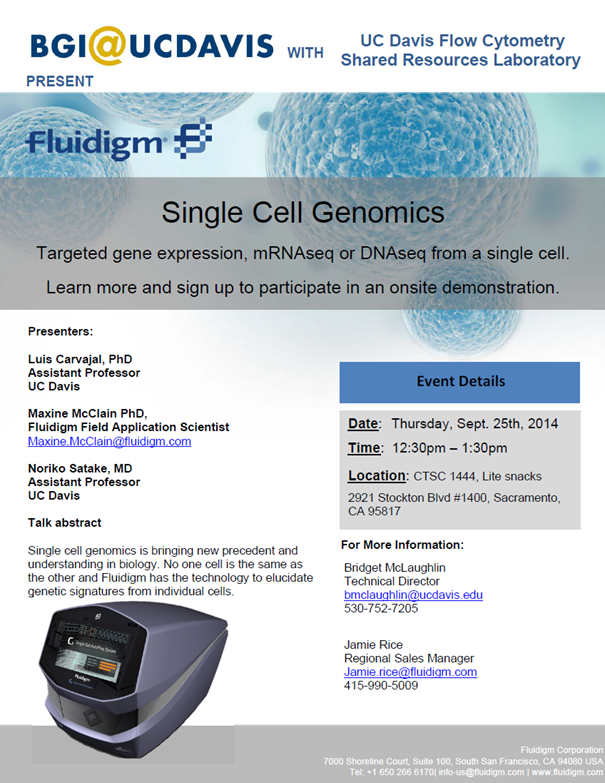
    Single cell genomics at #UCDavis …

    z

    UCDMCroadshow2014-BGImod.pdf

    Story behind the paper: Bonnie Baxter on "A tale of salt and gender" #STEMWomen #Halophiles

    After posting A tale of salt and gender: participation of women in halophile research I sent the post to Bonnie Baxter, one of the authors of the article I discussed and I asked if she would be interested in writing a guest post about the “Story Behind the Paper” (for which I have a whole series).  I am so so pleased that she said yes.  I have followed Bonnie’s work for many years but this is her first guest post here.  I hope there will be more.  She is a wonderful and brilliant scientist and educator.


    Guest Post by Bonnie Baxter
    Salty Sisters: The Women of Halophiles

    Bonnie Baxter and Nina Gunde-Cimerman at the north arm of Great Salt Lake (2008)
    I was drawn to the western US, the extreme landscapes, and ended up at the only liberal arts college in Utah. I had wanted a career doing science with undergraduates, and I set about exploring the microbiota of Great Salt Lake. Since few had studied this incredible spot, I quickly became the go-to person for studies on the lake, and these collaborations and grant projects eventually evolved into an organization I direct called Great Salt Lake Institute. We are dedicated to research, scholarship and education efforts on Great Salt Lake.
    There had been no microbiology done on Great Salt Lake since 1979. This is why there was much excitement concerning our emerging data, and in 2004, I was invited to speak at the triennial International Halophiles conference in Slovenia. Halophiles are microbes that thrive at high-salt, and the people who study them maintain an interesting balance of field-work and lab work. I had been to large meeting on DNA repair, DNA replication, nucleases and the like, but I had never met a group who were centered on a theme that connected them around the planet. 
    From my first Halophiles meeting (I’ve since attended 2007 in Colchester UK, 2010 in Beijing and 2013 at University of Connecticut), I felt an unusual level of support from the elders of this group. And I noticed that, unlike the NASA meetings or biochemistry meetings I attended, there seemed to be a nice balance of men and women. There were a group of folks who had participated for a long time, without a membership organization, and these people maintained the notion of mentoring in the field. It is this spirit that drew all of us younger folk to participate. 
    At each of the International Halophiles conferences, there is typically a history talk that brings forth work from past scientists from the field. After an evening in Beijing, I lamented to Aharon Oren, who studies microorganisms of the Dead Sea, that I found his history talk very engaging, but he seemed to overlook the contributions of women. So he challenged me to give the next history talk in Connecticut. By the next morning, at our shared 6 am breakfast, Aaron gave me a list of 20 or so women he thought has contributed great things to the halophile field. I had been given a challenge, and I accepted. I invited an accomplice to the project, Nina Gunde-Cimerman, from University of Ljubljana, Slovenia, and we began our research.
    Bonnie Baxter says “My daughter thought it was more appropriate if we dressed this way for the talk.  But this is not the way female scientists do their work…”
    Given my connection to Great Salt Lake, I’ve been asked to give an unusual number of keynote addresses and special talks (for a professor at a liberal arts college). I have often been the only female speaker at a meeting, or the only woman on a national committee. Since graduate school, I have held an interest in exploring why there are underrepresented groups in science. Why is retention in STEM fields different for men and women? Why are women underrepresented as physics or mathematics professors in the US, but hardly at all in Russia or Italy? This is what drove me to undergraduate science, fixing these problems and better understanding them. 
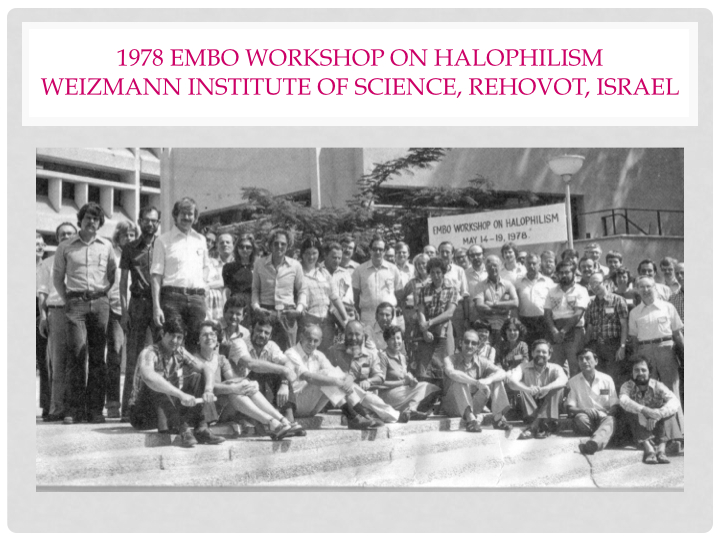
    In the summer of 2013, Nina and I gave the opening talk at the International Halophiles conference at UConn, entitled “Salty Sisters: The Women of Halophiles.” The talk included our analysis of the participation of women in these conferences since 1978. 
    After reading many studies of women underrepresented as speakers, we were shocked that our numbers were very different. It appeared that the halophile organizers had done an excellent job of gender inclusion, relatively speaking. Following the talk, and for weeks afterward, many scientists (male and female) approached us, telling us their experiences as women in the field or discussing how important this topic was.
    Nina Nina Gunde-Cimerman and Bonnie Baxter
    We were thus inspired to publish a manuscript from the lessons we learned. As we looked at recent comparative studies, we learned more, in particular, the gender bias involved in speaker or author invitation. Please see the manuscript introduction for this important overview. Several publications pointed at the underrepresentation of women in invited speakers or authors for invited reviews. In problem-solving mode, Casadevall and Handelsman (2014) demonstrated that the inclusion of women on the organizing committee is critical to a balanced speaker docket.  
    Bonnie, Aharon and Nina, Beijing 2010
    What we learned as we analyzed the conference participation in our field, is that we were doing quite well in gender balance of invited speakers, 36% of the speakers were women since 1978! And indeed, women had been included in many of the organizing committees. We saw a 10-16% increase in female speakers when this was the case. We also came to understand that there was a small group of scientists who were committed to holding this conference with no organizational funding. This led to cooperation, collaboration, avid mentorship and strong friendships. This was a group that welcomed women, young scientists and peoples of all nations. I daresay that this is not always the situation in a particular field as the “village elders” may work by competition, not cooperation. These halophile elders, for example, worked to get external funding at each meeting to bring graduate students and post-docs to the conferences with little cost. 
    Recent studies on gender bias in science are focused on numbers we can measure and methods to resolve the problem. Jon Eisen has been a strong proponent for what is becoming a national movement to require organizing committees to have written policies that include gender equity.  Scientists, male and female, should request this document and refuse to participate if it is not produced. 
    The co-authors and I were so pleased to report a positive example in a sea of negative ones. I hope that this groupsof salty scientists can inspire others to build communities of inclusion as we learn from each other in exploring the natural world.

    Paperwork, paper pushing policies push people past pressure points

    So I am going to make this simple here.  Paperwork at UC Davis is driving me batty these days.  One thing in particular does not make much sense to me. When I or anyone who works in my lab go on trips associated with work, we have to collect all the receipts for the trip and then these need to be submitted in an intemized way for reimbursement.  With a lot of people going on a lot of trips, this amounts to a lot of work for us, for my administrative assistant, for the UC Davis Genome Center administration, and for the UC administration.  At other places I have worked, and in other situations, people can get reimbursed using a per diem calculation.  Such calculations save an absurd amount of work for people even if they come with some “risks” such as people getting reimbursed for more than they actually spent.  Personally, I would take a 50% per diem to save everyone the trouble associated with all the reciepts and submitting them and checking them and such.

    So – the reason I am writing is to ask – what happens at other institutions?  Does everyone have to submit all the receipts?  Or does anyone out there do per diems?


    Embedding some responses on Google Plus:
    https://apis.google.com/js/plusone.js

    https://apis.google.com/js/plusone.js

    Sept 15-16, NCBI Discovery workshops at #UCDavis – Entrez, Blast, Genomes, more

    Event: NCBI Discovery Workshops, four 2.5-hour hands-on training sessions emphasizing NCBI resources such as BLAST and Nucleotide.

    Presented by NCBI staff at UC Davis on Monday, September 15 & Tuesday, September 16, 2014 at 2205 Haring Hall

    Session 1: Navigating NCBI Molecular Data Through the Integrated Entrez System. 9 am – 11:30 am, 9/15
    Session 2: NCBI Genomes, Assemblies and Annotation Products: Microbes to Human. 1 pm – 3:30 pm, 9/15
    Session 3: Advanced NCBI BLAST. 9 am – 11:30 am, 9/16
    Session 4: Gene Expression Resources at NCBI. 1 pm – 3:30 pm, 9/16

    For more information or to register:
    http://blogs.lib.ucdavis.edu/hsl/2014/08/09/ncbi-2014/