
This is a fascinating read: In Science, It Matters That Women Come Last | FiveThirtyEight. By Emma Pierson, who works at 23 and me. It has all sorts of references of use and details on authorship position in scientific publications and how gender and author position are correlated. Definitely worth a read.
Eisen Lab Blog

Antibiotic resistance infocomic
I posted an original “infocomic” about antibiotic resistance over at my group blog – Nothing In Biology Makes Sense! It lays out the basics of why we should all be more than a little worried about over-use of antibiotics!

Share this:

A.P. Giannini Foundation 2015 Postdoctoral Research Fellowship Program
Posting this that I recevied via email:
Dear Dr. Eisen:
The A.P. Giannini Foundation invites physician-scientists and junior researchers with 6-36 months of postdoctoral research experience to apply to the 2015 Postdoctoral Research Fellowship Program. The Fellowship Program supports innovative research in the basic sciences and applied fields and trains fellows to become established
investigators. The research should advance the translation of biomedical science into treatments, preventions and cures for human diseases.
Since 1951, the A.P. Giannini Foundation has awarded over 750 fellowships to postdoctoral biomedical researchers sponsored by California’s eight accredited medical schools. The Foundation awards new fellowships each year on a competitive, peer-review basis and will fund the fellowship for a maximum of three years based on satisfactory performance.
ELIGIBILITY AND QUALIFICATIONS
§ Candidates are eligible to apply if they have conducted
postdoctoral research for no less than 6 months and no greater than 36 months in the laboratory of their sponsor/mentor at the time of this year’s application deadline, November 3, 2014. The starting date of postdoctoral studies should be well documented and easily verifiable. Applicants with tenure-track research positions or faculty
appointments will not be considered.
§ Candidates must be United States citizens or permanent alien residents. They need to hold or complete an MD; MD/PhD; PhD or equivalent degree before they activate the fellowship.
§ Candidates must perform their research training under the sponsorship of an accredited California medical school and the mentorship of a principal investigator at the sponsoring medical school. They must arrange for their training before applying to the 2015 Fellowship Program. The mentor may supervise a maximum of two A.P. Giannini Foundation fellows in any one year.
FELLOWSHIP STIPENDS
The current fellowship stipend is $46,000 in Year 1, $48,000 in Year 2 and $50,000 in Year 3. Stipend payments are sent directly to the sponsoring medical school and can be used only for salary support of the fellow. No deductions are allowed for benefits, departmental or institutional overhead. The Foundation will announce the 2015 fellowship stipends by December 15, 2014.
Candidates may be eligible to receive additional salary support from their sponsoring institution but cannot hold another full fellowship or a federally funded career development award. Other income will not preclude favorable consideration; however, candidates must state the source and amount of other income they expect to receive in their application.
APPLICATION PROCEDURES
Candidates must use the 2015 Application Form to apply to the 2015 Postdoctoral Research Fellowship Program. The 2015 application form is available at http://www.apgianninifoundation.org. Completed applications for the 2015 Fellowship Program are due no later than Monday, November 3, 2014.
Share this:
Job ad: Director of Charles Darwin research Station in Galapagos
Well, this could be an interesting job .. (below is an email I just got forwarded).
FROM CDF
We are seeking a new Science Coordinator to oversee and coordinate the scientific program of Charles Darwin Research Station (CDRS), and to direct other CDRS functions.
Please find attached the Terms of Reference. The application deadline is September 15th.
This is an exciting opportunity to play a key role in the biggest and oldest scientific institution on the Galapagos Islands.
The applicants can find more information about the Charles Darwin Foundation http://www.darwinfoundation.org in our website.
It would be appreciated if you shared this with your colleagues.
Science-Coordinator-CDF 2014.pdf
Share this:
Who are the contaminants in your sequencing project? (crosspost from #microBEnet)
This was originally posted on microBEnet: Who are the contaminants in your sequencing project?
Well, been having many discussions recently about PCR amplification happening from “negative” controls where no sample DNA was added. Such amplification is alas pretty common – due to contamination occurring in some other material added to the PCR reaction. Obviously it would be best to eliminate all DNA contamination of all reagents and all PCRs. But if that does not happen, it is possible to try to detect contamination after it has happened. Below I post some papers related to post-sequencing detection of contamination:
- Common Contaminants in Next-Generation Sequencing That Hinder Discovery of Low-Abundance Microbes.
- Abundant Human DNA Contamination Identified in Non-Primate Genome Databases
- Fast identification and removal of sequence contamination from genomic and metagenomic datasets
- Mycoplasma contamination in the 1000 Genomes Project
- ContEst: estimating cross-contamination of human samples …
- DeconSeq @ SourceForge.net
- AlienTrimmer: A tool to quickly and accurately trim off …
- Kraken
- Blobology: exploring raw genome data for contaminants, symbionts, and parasites using taxon-annotated GC-coverage plots
Any other suggestions or comments would be welcome. UPDATE 10:30 AM 7/25 – Was reminded on Twitter of a new, critically relevant publication on this issue: Reagent contamination can critically impact sequence-based microbiome analyses
@pathogenomenick @gregcaporaso crap – can’t believe I left that off — Jonathan Eisen (@phylogenomics) July 25, 2014
//platform.twitter.com/widgets.js
Share this:
Bat tour at Yolo Basin Wetlands
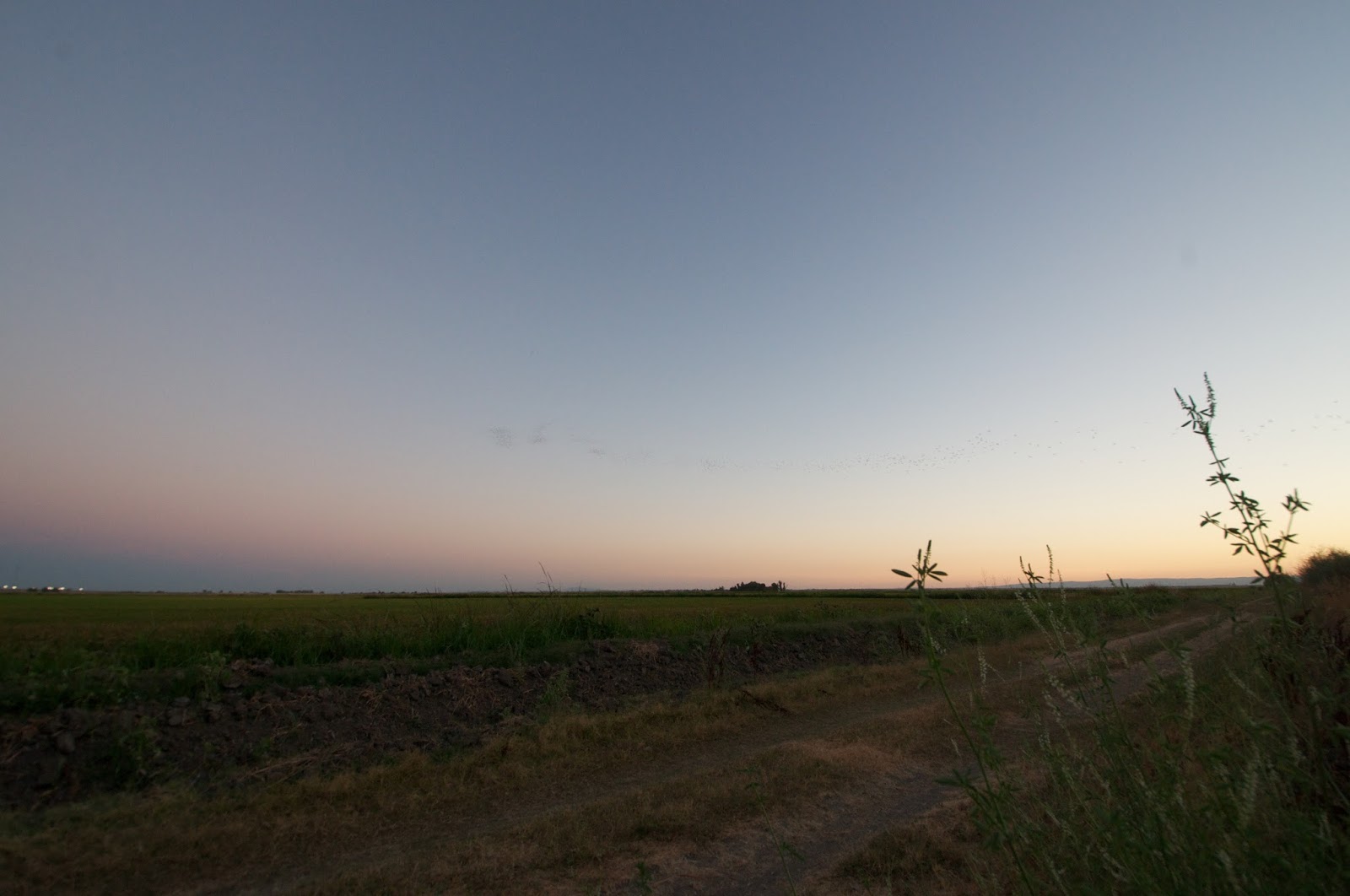
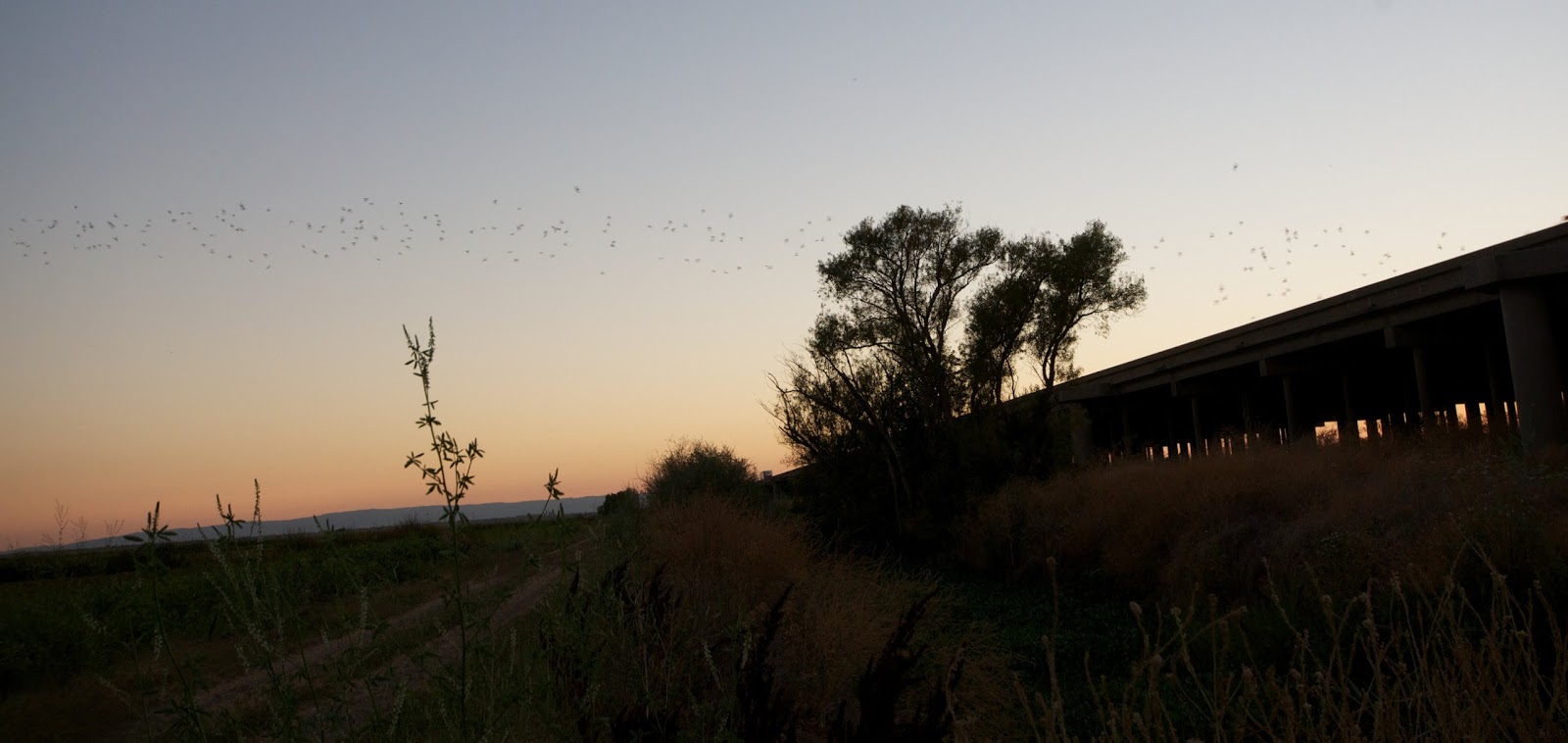
Did our second evening bat tour at the local Yolo Basin Wetlands last night. It was very nice. They start off with a lecture and bat introduction at the Visitor Center and then a convoy heading out to the wetlands and drove way way into the back (the side near Sacramento) to just next to the causeway. Then we waited until sunset and out came the bats. Thousands and thousands of them. It was cool. Here are some videos and pics. And also some responses to my Tweets about it.






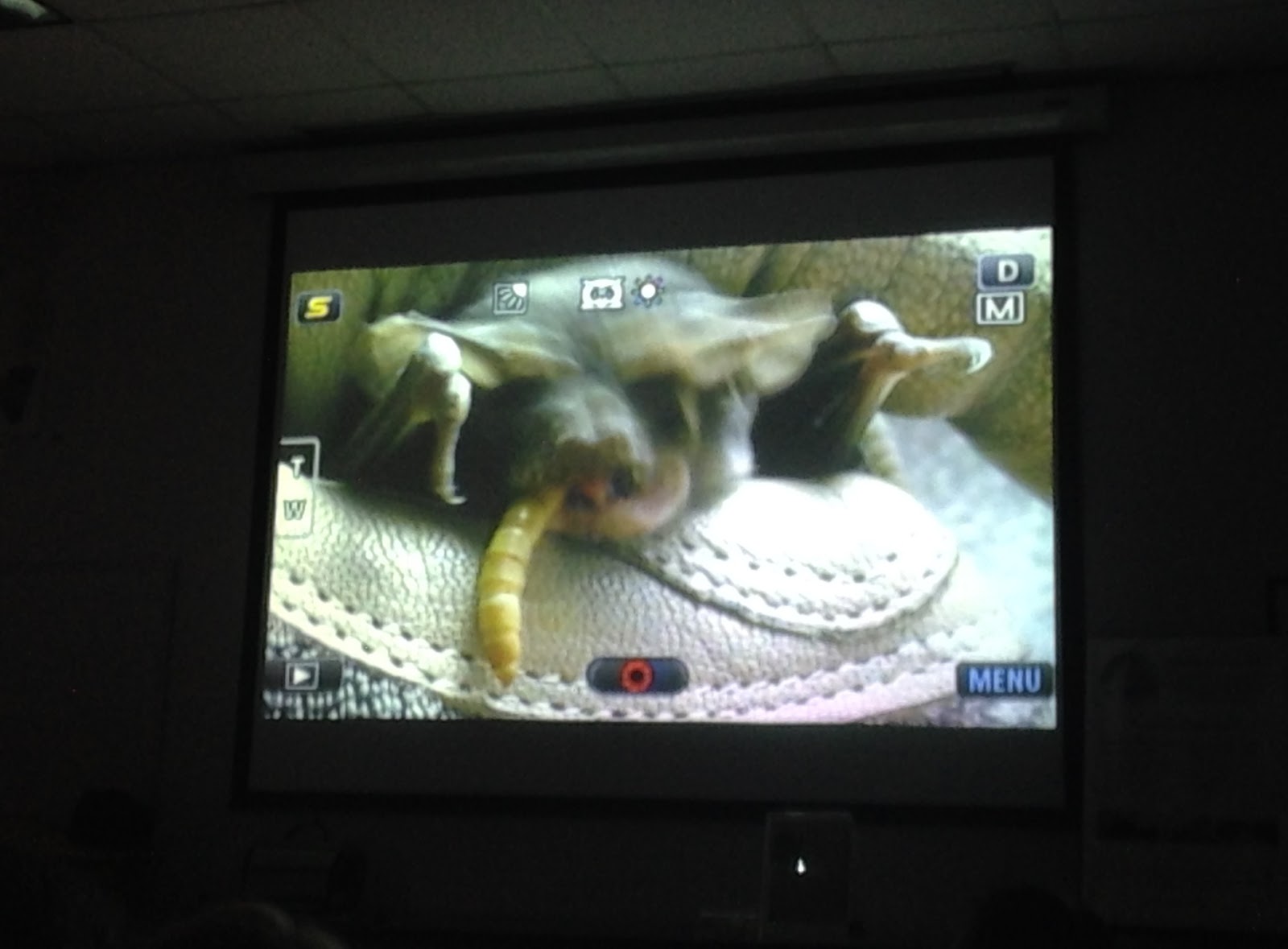
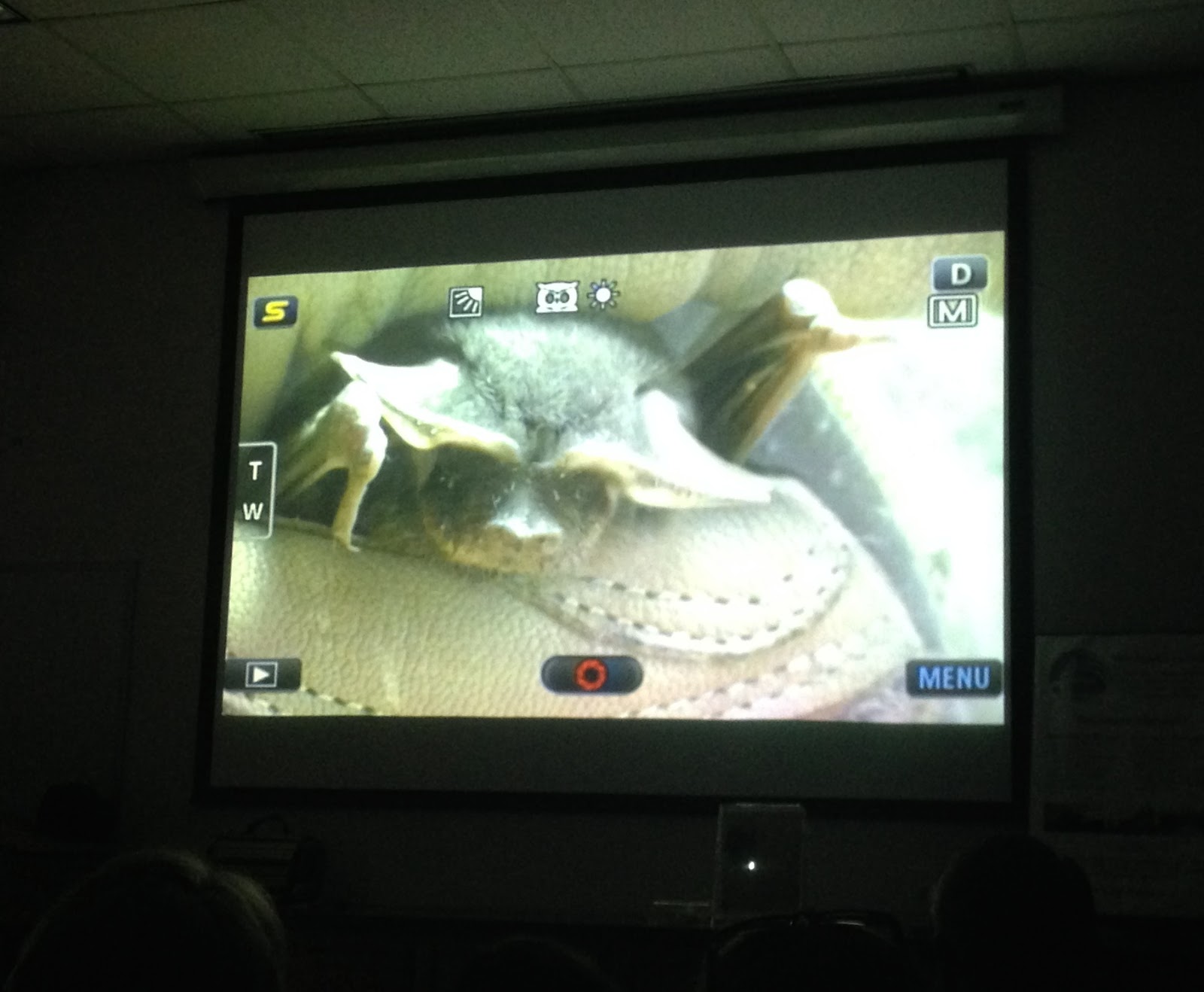



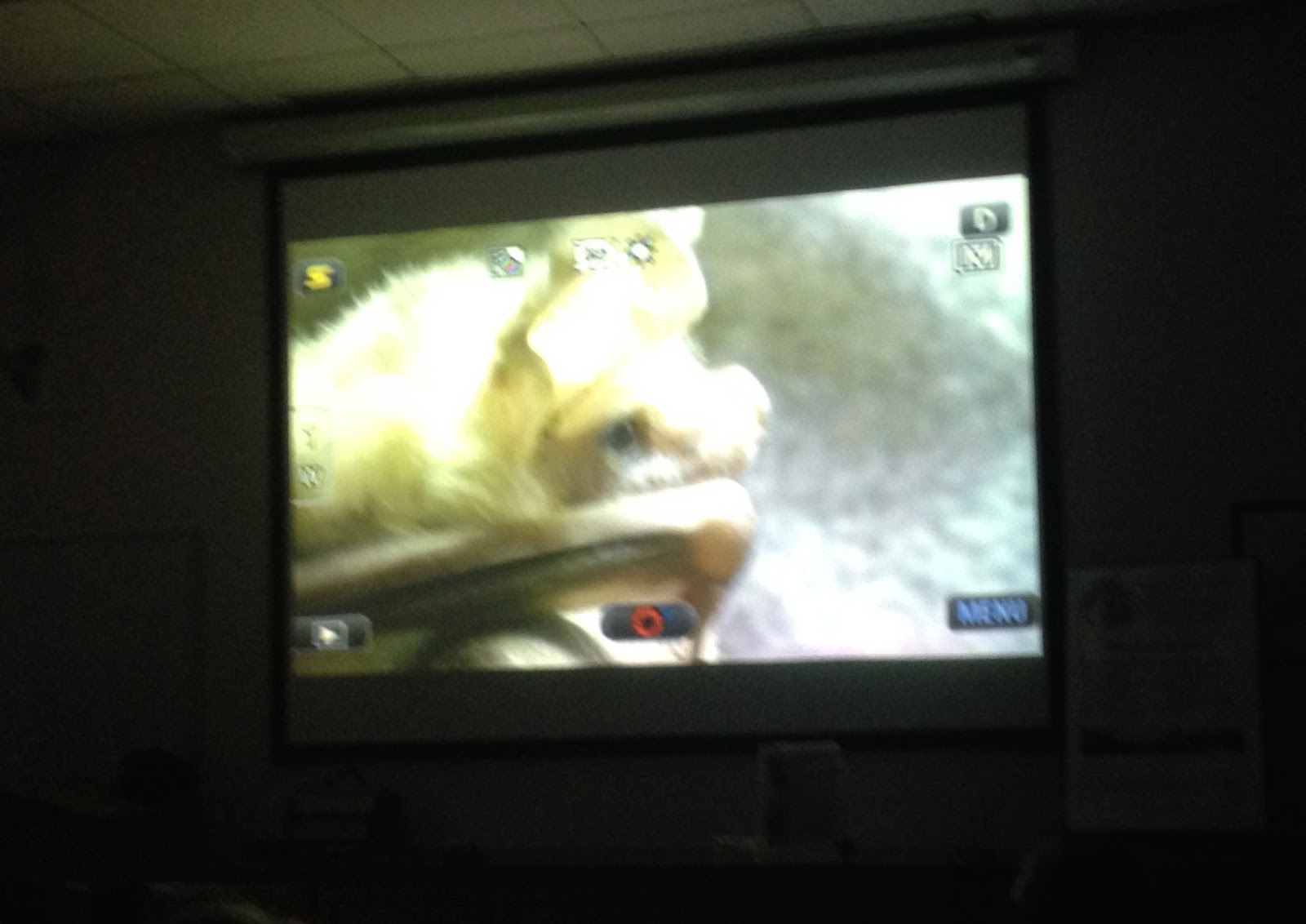



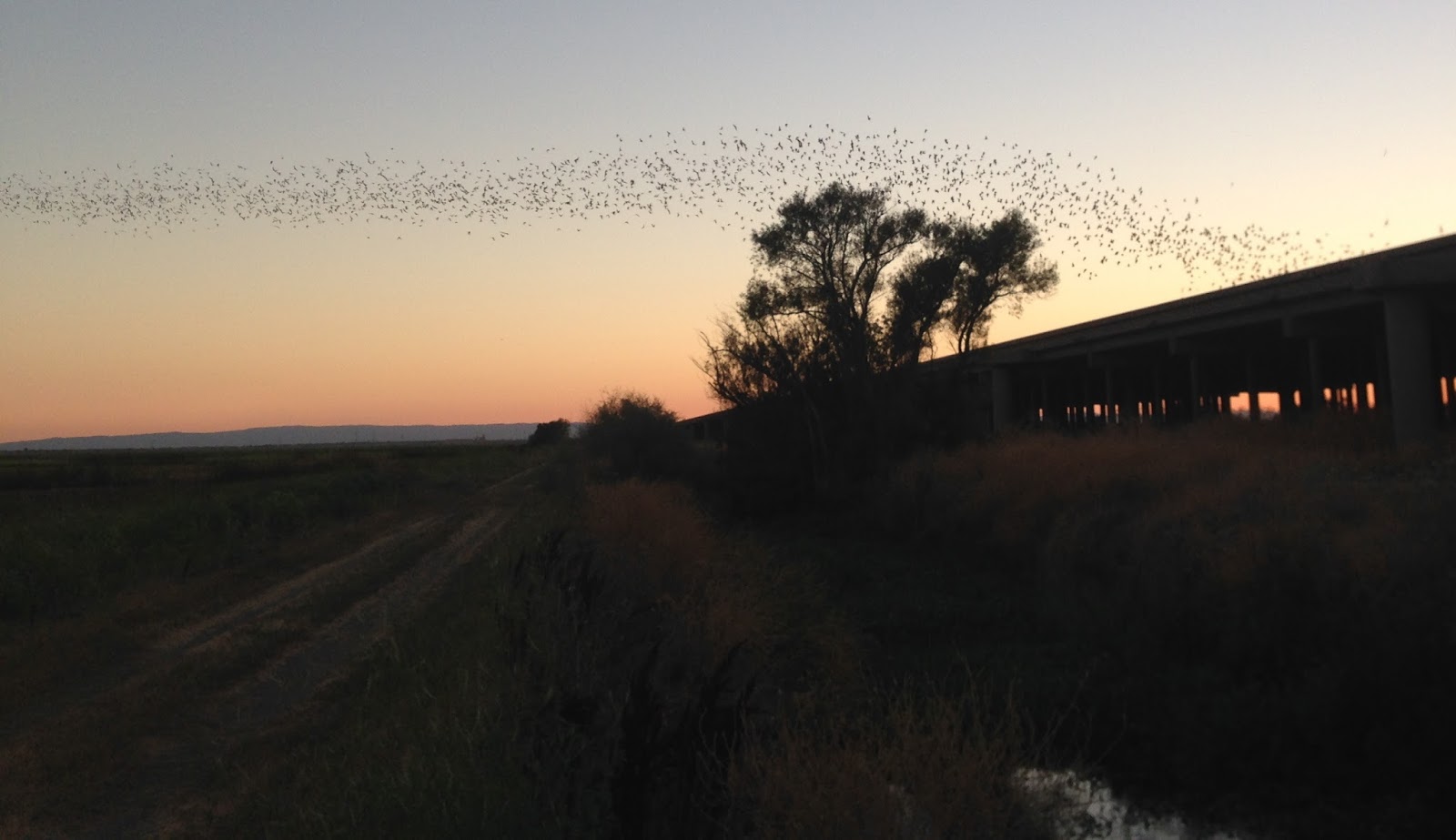

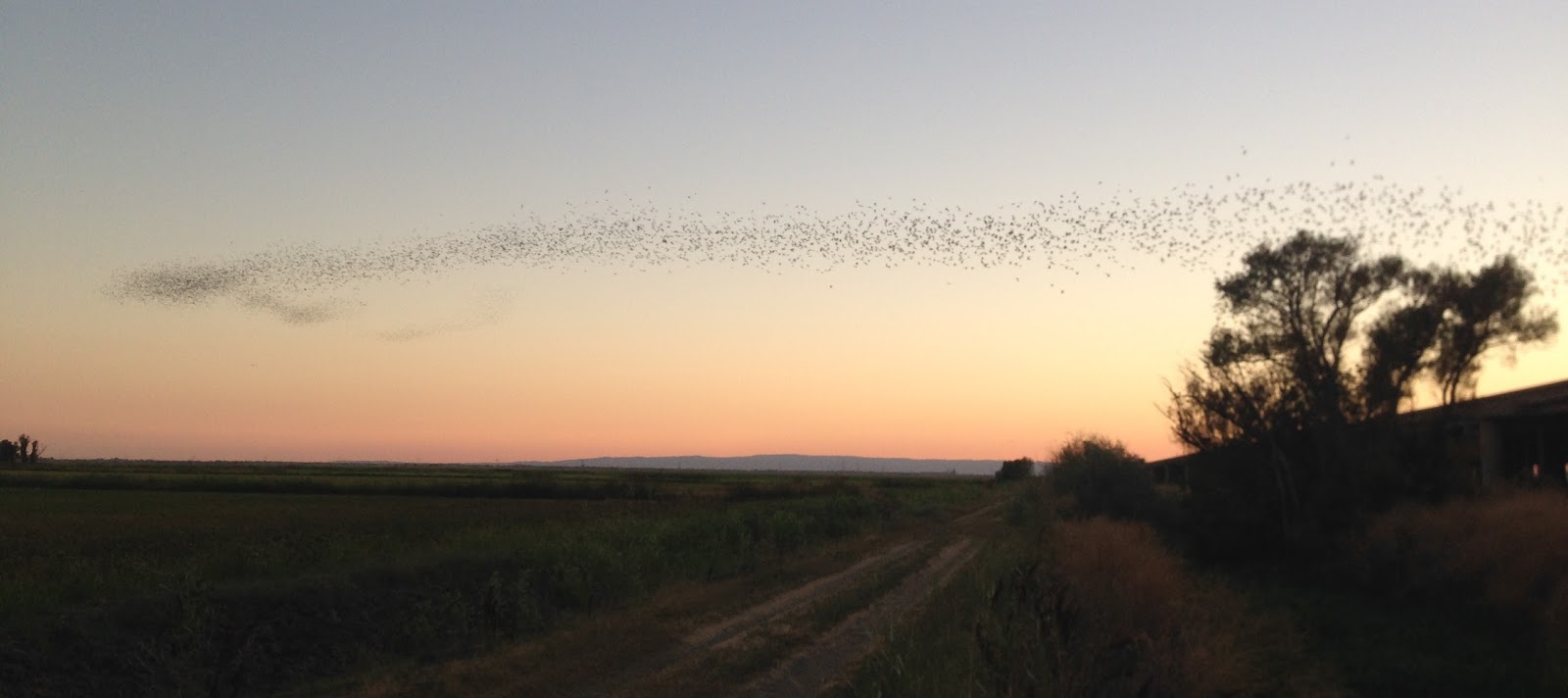


10 grams worth of mosquito eating mammalian cuteness pic.twitter.com/Bo90MJc82W
— Jonathan Eisen (@phylogenomics) July 26, 2014
//platform.twitter.com/widgets.js
Share this:

At #At #UCDavis 7/28: Rachel Dutton “Cheese Rinds as Model Microbial Communities” cc: @racheljdutton
Rachel Dutton
Harvard University
“Cheese rinds as model microbial communities”
July 28, 2014 12:00 PM
Sensory Theater RMI
UC Davis
Dutton.Flier.pdf
Share this:
How do journals like this even exist? Lovely spam! Wonderful spam!
Just got this email. I consider this almost unquestionable proof that this is a spam open access journal (e.g., I don’t do any work in this field ..)
Dear Dr. Jonathan A. Eisen,
Greetings from the Journal of Immunology and Immunotherapeutics!!!
At the outset, it’s your eminence & reputation in the quality of research field for which you have been invited to become Editorial Board member for our Journal. We are aware of your reputation for quality of research and trustworthiness in the field of “Immunology and Immunotherapeutics” and that is why you are being requested to be an Editorial Board Member of our journal entitled “Journal of Immunology and Immunotherapeutics”.
Please go through the URL for Journal home page: http://imprintsonline.org/journal-of-immunology-and-immunotherapeutics/
IMPRINTS Online Publishing uses online review and editorial tracking systems of Editorial Manager® / IMPRINTS Group for quality review process. All works published by IMPRINTS Publishing Group are under the terms of the Creative Commons Attribution License. This permits anyone to copy, distribute, transmit and adapt the work provided the original work and source is appropriately cited. IMPRINTS Publishing Group supports the Bethesda statement on Open Access publishing.
We may again assure you of international quality and standards of our articles published in our journals, using state-of-the-art prominent reviewers and editorial board. We also assure you of our best co-operation always.
If you are interested, you are requested to send a recent passport size photo (to display at our website) and your C.V, Biography (150 words), Research Interests for our records.
We look forward to a close and lasting scientific relationship for the benefit of scientific community.
With best regards,
Stephen H
Managing EditorImmunology and Immunotherapeutics
Share this:
Turning down an endowed lectureship because their gender ratio is too skewed towards males #WomenInSTEM
Just got this invitation. I have edited it to remove some of the identifying factors since I think the specific details do not matter.
Dear Dr. Eisen:
I am writing to invite you to present a lecture in the endowed XXXX Lecture Series at XXXX Univsersity. The XXXX Lecture is a platform to allow leaders in the areas of XXXX to communicate research advances to a general audience. Recent speakers include XXXX and XXXX and XXXX. For your talk, we were hoping you could discuss advances in understanding human microbiomes and their significance to health. I think this is an enormously important area that the general public is still largely unaware of, and also an area with incredible promise that will see exponential progress going forward. I know this is relatively short notice, but we are hoping that the lecture would be sometime in October or November of 2014.
The lectureship includes an honorarium of $2,000 in addition to covering your travel, lodging, and meal expenses. Because XXXX we generally hold duplicate lectures XXXX on consecutive evenings (typical Tues-Wed or Wed-Thurs). Speakers generally arrive early in the afternoon of the day of the first lecture, and depart after the second lecture the following day. Between the two lectures there will be a dinner and meetings with research or medical groups and an outreach activity in which, if you are willing, you would XXXX.
We would be honored to have you speak in the XXXX series and hope you will be able to fit us into your busy schedule.
Sincerely,
XXXX
Well, wow. That would be really nice. I do not think I have ever given a named lecture before. Then I made one fateful decision – I decided to look up who had spoken at the lecture series previously. And, well, it was not what I wanted to see. And another lecture series from the same institute had the same problem. Bad gender ratio of speakers. So, after some thought and a brief discussion with a post doc in my lab Sarah Hird whose opinions I trust on such issues. I wrote this to the people who invited me:
XXX
Thank you so much for the invitation and the respect it shows to me that I would be considered for this. However, when I looked into past lectures in this series I saw something that was disappointing. From the site XXXX where past lectures are listed I see that the ratio of male to female speakers is 14:3. I note – the XXXX lecture series – also from XXXX – also has a skewed ratio (11:2). As someone who is working actively on multiple issues relating to gender bias in science, I find this very disappointing. I realize there are many issues that contribute to who comes to give a talk in a meeting or seminar series or such. But I simply cannot personally contribute to a series which has such an imbalance and I would suggest that you consider whether anything in your process is biased in some way.
Sincerely,
Jonathan Eisen
UPDATE 7/22/2014
The person who invited me responded to my email. Here is what this person wrote:
The person who invited me responded to my email. Here is what this person wrote:
Jonathan:
Thanks for response and your concern. I noted this uneven representation also when I took over the series a couple years ago and have worked (not as successfully as I would have liked) to get more balance. For example, in trying to book the XXXX lecture this year I have been turned down by XXXX, but did manage to book XXXX. For the XXXX lecture series, a related but separate series aimed at professional rather than the lay public audiences that I also run, I was turned down by XXXX, but I’ve booked XXXX. You have been the sole male invite to either series this year. But I will agree that in previous years the ratio has not been as good as I would like. In part this is because it seems even harder to book top female speakers than males speakers – presumably because they are in such demand and are always asked to be representative on a million committees etc, but in past XXXX I did bring in XXXX and XXXX. For the XXXX lecture I brought in XXXX last year. So numbers are getting better, and this year the ratio will be at least 2:1 (max) in favor of females.
But you point is well taken, and perhaps I can even things out a little with your help. Although I think microbiomes are an incredibly important and under appreciated area, this is not my area of research, so I don’t know the players. If you can recommend female researchers in this area who are dynamic speakers that would be able to give a very publicly accessible talks (TED talk level) on the topic, and ideally are also doing great research too, I would be happy to invite them.
Best,
XXXX
So then I wrote back
Ruth Ley at Cornell is great – works on evolution of microbiomes and
has done some fantastic stuff in humans and plants. See
https://micro.cornell.edu/people/ruth-ley. And gives very good talks.
Katie Pollard at UCSF is completely brilliant and awesome and gives
amazing talks
http://www.docpollard.com. She works on many things including microbiomes
Jessica Green http://pages.uoregon.edu/green/ at Oregon does not work
on human microbimes per se but does work on microbiomes in buildings
and connects that to human microbiomes. She is also a TED fellow and
has given two great TED talks and is one of the best speakers I know.
Julie Segre at NHGRI is great too. Hard core medical microbiome work:
http://www.genome.gov/Staff/Segre/.
UPDATE 2: Storify of responses
//storify.com/phylogenomics/giving-up-endowed-lectureship-due-to-gender-ratio/embed?border=false//storify.com/phylogenomics/giving-up-endowed-lectureship-due-to-gender-ratio.js?border=false[View the story “Giving Up Endowed Lectureship Due To Gender Ratio of Speakers ” on Storify]
UPDATE 3: Some links writing about this
- PZ Myers at Pharyngula: Commitment
- Feminist Philosophers: A great model from STEM
- Vous n’invitez pas assez de femmes, ce sera sans moi
- A scientist sets an example for the church
For related posts by me see my collection on Diversity in STEM. Some key posts of possible interest include:
- What to do when you realize the meeting you are speaking at is a YAMMM (yet another mostly male meeting)?
- Another Mostly Male Meeting from UCSD- should be called “Food and Fuel for the 19th Century”
- Kudos to the DOE-JGI for organizing a genomics meeting w/ a good gender ratio – no kudos to BGI – yet again.
- YAMMGM – yet another mostly male genomics meeting (series): Plant Genomic Congresses by Global Engage
- Q-Bio conference in Hawaii, bring your surfboard & your Y chromosome b/c they don’t take a XX
- A scientific study of gender bias in scientific conferences: new #PLoS One paper from #UCDavis
- Diversity (of speakers, participants) at meetings: do something about it
- A conference where the speakers are all women?
Other diversity related posts
- Not protesting this commencement address: Nancy Hopkins at BU on Gender Bias in STEM
- is Sexxing up your scientific journal OK? The Journal of Proteomics seems to think so
- STEM Women: How Men Can Help, w/ Professor Jonathan Eisen (hey, that’s me)
- Crosspost from PLOS Biologue: Working to increase diversity of PLOS Biology Academic Editors and Advisory Board members
Share this:
Call for Proposals for using the Advanced Imaging Center at Janelia Farm
Got this in an email from the Gordon and Betty Moore Foundation:
In June of 2014 the Howard Hughes Medical Institute and the Gordon and Betty Moore Foundation announced the establishment of an Advanced Imaging Center at Janelia Farm that will make leading-edge imaging technologies more widely available to the scientific community.
Visualizing and understanding complex biological processes demands the integrated efforts of biologists and physicists. The mission of the Advanced Imaging Center (AIC) is to make cutting-edge imaging technologies developed at Janelia widely accessible, and at no cost, to scientists before the instruments are commercially available.
Operating strategically at the interface of engineering and biological applications, the AIC is positioned to drastically reduce the time between instrument development and widespread use in the increasingly technology-intensive field of biology. The AIC will expand the number and diversity of biologists who have access to the unique, state-of-the-art optical imaging microscopes developed at Janelia years before they become commercially available.
We encourage applications from scientists who are addressing significant scientific questions that require measurements of cellular/molecular behavior at spatial and/or temporal resolutions that would only be possible for them through access to the AIC.
The instruments currently available in the AIC:
· Lattice Light Sheet Microscope
· Interferometric Photoactivation and Localization Microscope (iPALM)
· Single Molecule Total Internal Reflection Fluorescence Microscope (sm-TIRF)
· Aberration-Corrected Multifocus Microscope (acMFM)
· Live Cell Multicolor Structured Illumination Microscope (SIM)
Proposals to use the AIC will be evaluated through a two-tier peer review process. A Call-for-Proposals will be announced several times a year. The Janelia Visitor Program will cover the cost of lodging for the visiting scientist, experiments, technical support from our applications scientists, and scope time for researchers whose proposals are accepted. The deadline for applications is August 15, 2014. Application material can be found here. Further inquiries can be directed to aic@janelia.hhmi.org
The AIC is generously sponsored by Gordon and Betty Moore Foundation and Howard Hughes Medical Institute at Janelia.


