Eisen Lab Blog

“An Evening with the World’s Leading Marine Microbiologists” in San Jose

Just got this and am sharing:

Dear Dr. Eisen,

The Tech museum in San Jose wanted to invite you to a very special event of ours that might be of your interest. On July 30th, 16 exceptional marine microbiologists from all over the country will gather in The Tech for an evening of conversation with our local community.

The Tech would love for you to join us! I attached a more detailed description of the event below. Please don’t hesitate to contact me if you have any questions or concerns. And we would also highly appreciate if you could forward this email to any of your colleagues and students who might be interested in coming.

Thank you so much and look froward to hearing back from you!

Best Regards,

Haven Yang

The Tech Museum of Innovation

201 S. Market St., San Jose, CA 95113 | thetech.org

Exclusive Engagement!
An Evening with the World’s Leading Marine Microbiologists
A Creative Collisions Initiative
Wednesday, July 30, 2014
5:45 p.m.
The Tech Museum of Innovation’s Lower Level
General admission $25 in advance/$35 at the door
Members $15/$25
Students and Seniors $10/$15
Food & Beverage available for sale at event
Buy Tickets

“The oxygen in every second breath we take is produced by microbes in our oceans—they are thought to produce about 50 percent of the oxygen in the earth’s atmosphere. Yet, we know surprisingly little about these tiny organisms.”

—The Gordon and Betty Moore Foundation’s Marine Microbiology Initiative

The Tech welcomes 16 world-renowned scientists for an evening of discussion and discovery.

Please join us to learn more about our diverse ocean ecosystems through robust conversation with some of the most innovative minds of our time, and to connect with bio-focused community groups and individuals. Listen to Professor Kay Bidle of Rutgers University explore “The Invisible World of Marine Microbes: How Earth’s Smallest Living Things Have the Biggest Impact on How Our Ocean Works.”

Mingle with the 16 Investigators of the Gordon and Betty Moore Foundation’s Marine Microbiology Initiative:

Schedule
5:45—6:45 p.m. Mingling over food, drinks and exhibits
6:45—7:30 p.m. Kay Bidle: “The Invisible World of Marine Microbes: How Earth’s Smallest Living Things Have the Biggest Impact on How Our Ocean Works,” followed by 15-minute Q&A
7:30—10 p.m. More mingling over food and drinks

Click here to learn more about the event.

National Research Council Fellowship opportunities to work at Federal Labs

Forwarding this announcement which might be of interest:

We are asking your assistance in forwarding this message to inform students and faculty in your department of these outstanding fellowship opportunities. More detailed information and an online application can be found at http://www.nationalacademies.org/rap.

The National Research Council of the National Academies sponsors a number of awards for graduate, postdoctoral and senior researchers at participating federal laboratories and affiliated institutions. These awards include generous stipends ranging from $45,000 – $80,000 per year for recent Ph.D. recipients, and higher for additional
experience. Graduate entry level stipends begin at $30,000. These awards provide the opportunity for recipients to do independent research in some of the best-equipped and staffed laboratories in the U.S. Research opportunities are open to U.S. citizens, permanent residents, and for some of the laboratories, foreign nationals.

Detailed program information, including online applications, instructions on how to apply, and a list of participating
laboratories, are available on the NRC Research Associateship Programs Web site (see link above).

Questions should be directed to the NRC at 202-334-2760 (phone) or rap@nas.edu.

There are four annual review cycles.

Review Cycle: August; Opens June 1; Closes August 1

Review Cycle: November; Opens September 1; Closes November 1

Review Cycle: February; Opens December 1; Closes February 1

Review Cycle: May; Opens March 1; Closes May 1

Applicants should contact prospective Adviser(s) at the lab(s) prior to the application deadline to discuss their research interests and funding opportunities.

Thank you for your assistance.

Sincerely yours,

H. Ray Gamble

Director of the Fellowship Programs

National Research Council

The National Academies

500 5th Street NW, Keck 568

Washington, DC 20001

Readers’ wildlife photos

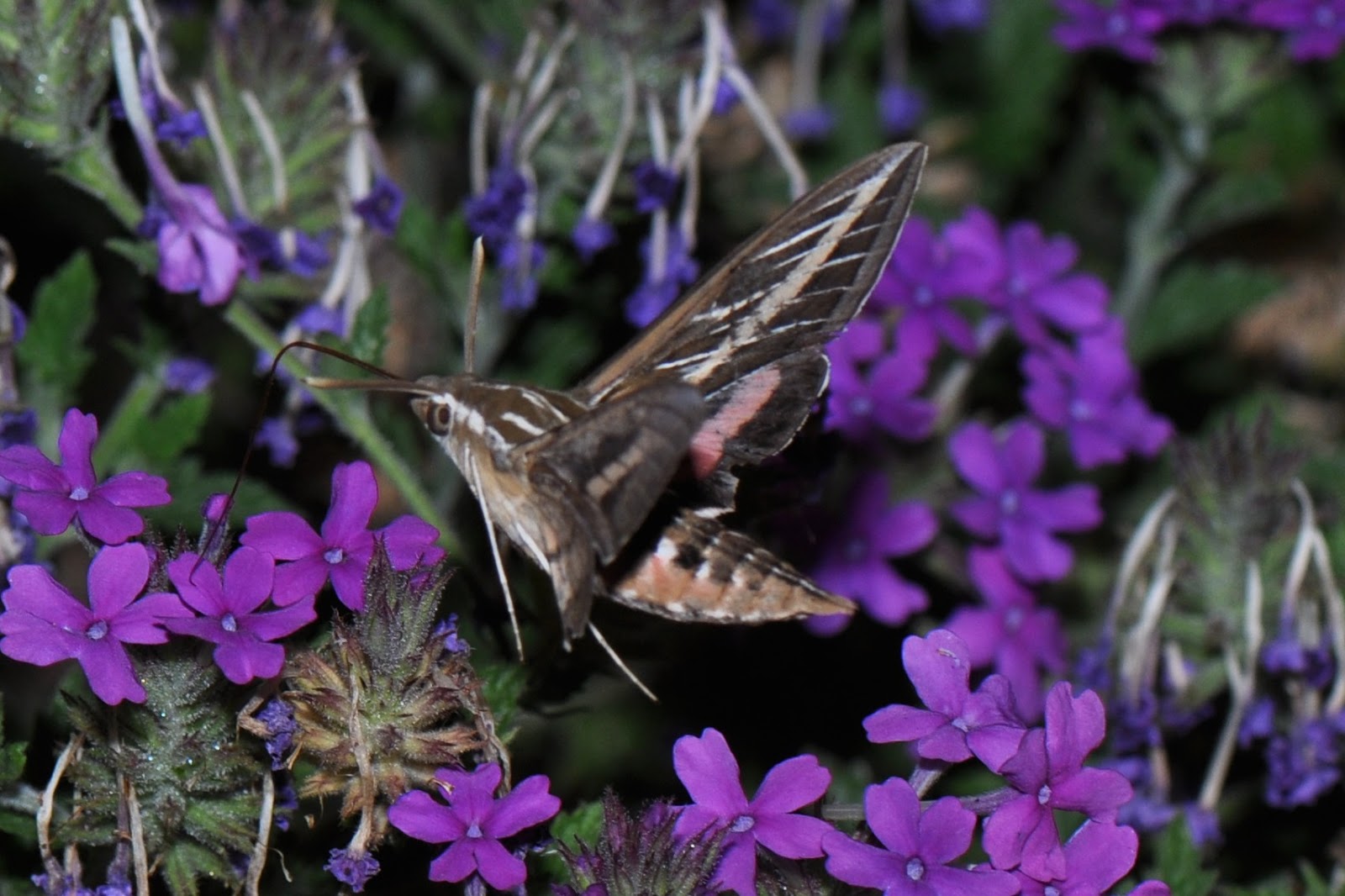
My hawk moth photos get posted on Why Evolution is True. See the post here.

whyevolutionistrue's avatarWhy Evolution Is True

by Matthew Cobb

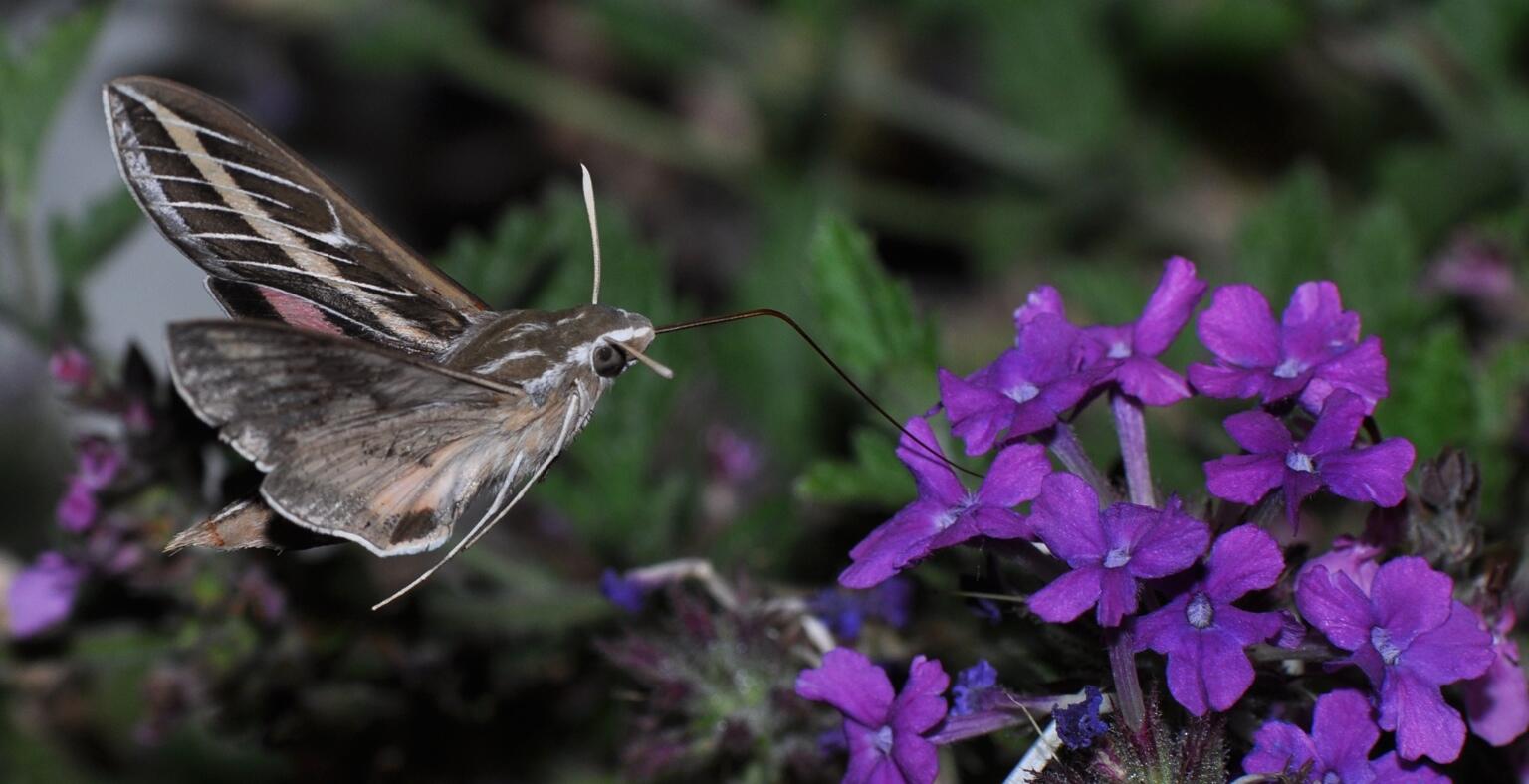
Jonathan Eisen (aka @phylogenomics) tw**ted this lovely photo of a hawk moth feeding in his yard yesterday

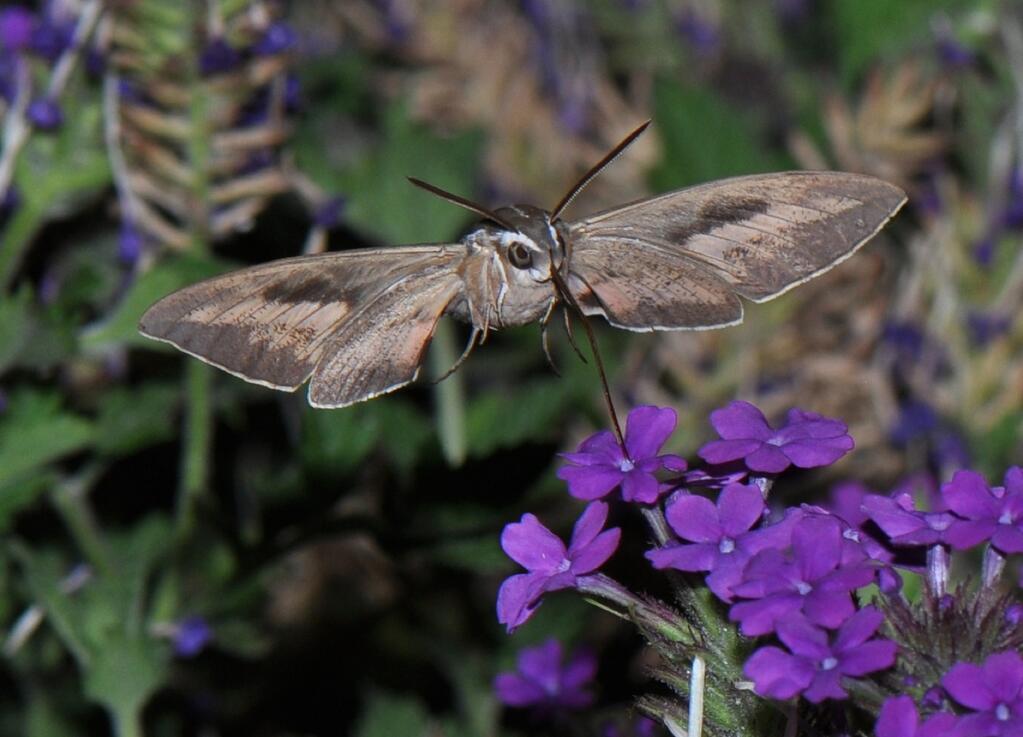
He followed it up with this:

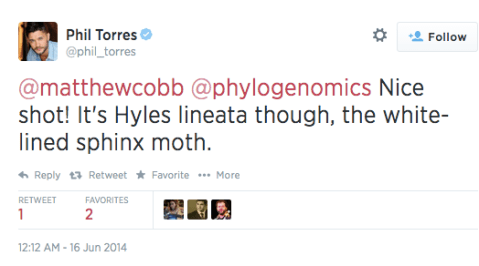
Jonathan tentatively ID’d the beast as Agrius cingulatus, but when I asked him if I could post the photos here (he said yes), Phil Torres chipped in:

Screen shot 2014-06-17 at 6.28.48 AM

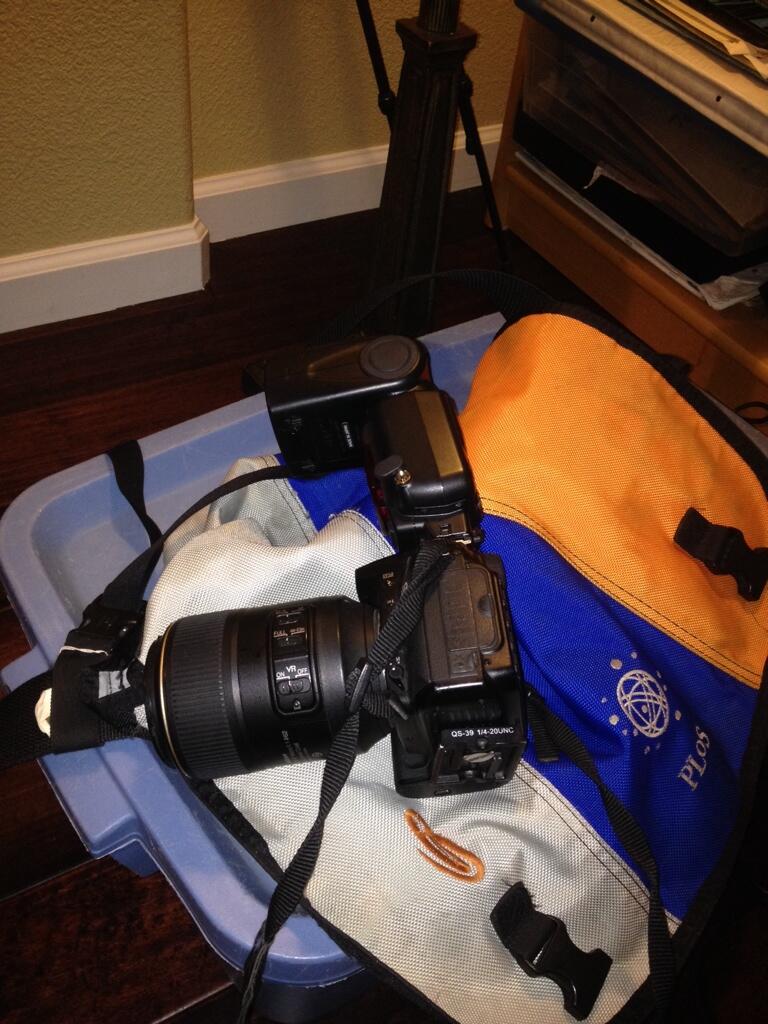
Someone asked him if it was taken on an iPhone – here’s the answer (note the PLoS [Public Library of Science] tote bag – Jonathan is one of the leading advocates of Open Access publication). He has a Nikon D90 w/ 105mm Nikkor Micro lens…

Embedded image permalink

Now I know what I should have asked for for Father’s Day….

View original post

Hawk moths in my yard in #DavisCA

(Originally posted on my DavisCalifornia blog but I am consolidating blogs now so moved it here).

Just a few pics I got tonight … finally learning how to use my flash.

Photos taken with a Nikon D90 camera, Speedlight SB-910 flash and a Nikkor AF-S 105 mm Micro lens.

Hawk moths in my yard in #DavisCA

Just a few pics I got tonight … finally learning how to use my flash.

Photos taken with a Nikon D90 camera, Speedlight SB-910 flash and a Nikkor AF-S 105 mm Micro lens.

Launching a new venture with a debate on peer review

Testing out the WordPress Reblogging System – not sure how it works or how well it works. But this article about Cofactor certainly worth reblogging …

sharmanedit's avatarsharmanedit

The big day has arrived: this evening about 60 people will gather in Kings Cross, London, to launch my new company, Cofactor. Hopefully lots more will follow along online using the hashtag #PeerRevFactors, because this will not just be a launch, it will also be an evening of short talks and discussion about peer review. The theme is ‘What difference will changes in peer review make to authors and journals?’ and we have four great speakers:

I will also give a brief introduction to Cofactor and to the theme, and after the talks the audience of science, publishing and communications people will join in to discuss what they’ve…

View original post 749 more words

Please make it stop – overselling the microbiome award for rugby, exercise, microbiome stories

Update added 11/2/14 – for all my posts on Overselling the Microbiome go here. 

Well, I think today’s lesson is, many people, including many scientists and science reporters, just do not get that there is a difference between correlation and causation.  I know – this is like beating a dead horse since many write about this issue.  But it just needs to be called out every time until it stops.  And today’s fun comes from stories and the original research articles about how exercise supposedly alters the gut microbiome.

I was pointed to this just a few minutes ago on Twitter:

//platform.twitter.com/widgets.js
In this Tweet Bernat Olle points to a “news” story in Medpage Today: Exercise Boosts Gut Microbiome Diversity by Kristina Fiore.   Well, so of course I started digging around.  And, not surprisingly, the study that this is based on shows absolutely no causal connection between exercise and the gut microbiome.  The study is in the journal “Gut”: Exercise and associated dietary extremes impact on gut microbial diversity.  And here is what they did:

  • They selected subjects – 40 “elite” rugby players.
  • They identified healthy male “controls” with similar age and size and from similar place. 
  • Then they collected faecal and blood samples from participants and did surveys about their nutrition and clinical data.
  • Among many measurements, they did 16S sequencing from the fecal samples
  • Then they did some bioinformatics and found differences between the rugby players and the controls in many features including microbiomes.
And amazingly, from this they report, in their abstract

The results provide evidence for a beneficial impact of exercise on gut microbiota diversity but also indicate that the relationship is complex and is related to accompanying dietary extremes.

The key part of this to me is 

The results provide evidence for a beneficial impact of exercise on gut microbiota diversity

For which they have no support.  They do not in any way show that exercise has ANY affect on the microbiota.  They show it is correlated to the microbiota.

And sadly there is a commentary on the article in the same issue of Gut that makes the same mistake.  Georgina Hold in The gut microbiota, dietary extremes and exercise writes:

The article is the first report that exercise increases gut microbiota richness/diversity and highlights that exercise is another important factor in the complex relationship among the host, host immunity and the microbiota.

No.  They did not show exercise increased gut microbiota diversity.  How can the difference between correlation and causation be missed in these articles?  Are these not even reviewed?  Sure – this is consistent with exercise affecting microbiomes but it is also consistent with rugby players having different diets and other behaviors.  There is a big difference between showing cause and effect and showing correlation.  For not distinguishing between correlation and causation regarding the rugby player microbiomes I am giving all involved here an “Overselling the Microbiome Award“.

Here is a microbiome theory I will leave you with.  I hypothesize that these papers, and all the other ones that oversell the microbiome, themselves cause major changes in the microbiome of many people.  Evidence for this?  Well, none yet.  But I have a correlation.  The correlation is, after reading these papers,  I feel sick to my stomach.  That must be proof right?


UPDATE 6/11/14

Author of the Medscape Medpage today article Kristina Fiore says she will update the article to more accurately reflect the science. See some of the thread below

//platform.twitter.com/widgets.js

//platform.twitter.com/widgets.js

//platform.twitter.com/widgets.js


UPDATE 2: 6/11/14.

The press release from Gut associated with this paper contains many inaccurate statements.

Examples include:

  • Title: Exercise boosts diversity of gut bacteria
  • Text: Exercise boosts the diversity of the bacteria found in the gut, indicates the first study of its kind published online in the journal Gut.
Somewhat surprised that such mistakes would come from the journal itself.


UPDATE 3: 6/12/14.

Kritina Fiore has fixed the Medpage article.  Nice.


UPDATE 4: 6/12/14.

Science Magazine gets the causation vs. correlation issue wrong in their little news piece about this.  Yuck.

//platform.twitter.com/widgets.js


UPDATE 5: 6/12.

Alexandra Sifferlin has a good article about this at Time

//platform.twitter.com/widgets.js

//platform.twitter.com/widgets.js


UPDATE 6.

More accurate coverage by Claire O’Connell in the Irish Times Generally a good article here: Rugby players show good guts


UPDATE 7.

Popular Science messes it up too


UPDATE 8.

Keeping track of some of the Tweets about this on Storfy.


UPDATE 9 6/13/14.

NPR News Falls for the Hype

//platform.twitter.com/widgets.js


UPDATE 10: 6/13/14.

Just found another inaccurate claim in the original paper


UPDATE 11: 6/13/14

Oh FFS. Now I have found some articles reporting not only that exercise affects gut microbial diversity but that this is why exercise reduces obesity. See Exercise lowers obesity risk by stimulating diverse gut bacteria in the NVO News, for example.


Quote from the story:

A latest research suggests that exercise actually lowers obesity risk by stimulating diverse gut bacteria


UPDATE 12: 6/13/14

Fox News did better with the science (at least in their headline) than many other News Agencies (and much better than NPR).  They report “Exercise may lead to healthier gut bacteria“.

Just that word “May” makes me happy.  I know.  Low bar.  But I will take what I can get.

UPDATE 13: 6/13/14

Genome Web also is reporting on the story and on the “overselling” that was done.

UPDATE 13: 6/18/14

And now the New York Times joins the fray: Exercise and the ‘Good’ Bugs in Our Gut where Gretchen Reynolds writes:

The findings suggest that, in addition to its other health benefits, frequent exercise may influence our weight and overall health by altering the kinds of organisms that live inside of us.

No – the findings do not suggest that.  The findings are consistent with that theory but they are consistent with many many many other theories.  FFS this is maddening.  And the article ends with a quote from one of the authors:

But even in advance of those findings, he said, it seems likely that any amount of exercise should make your gut more welcoming to the bacteria that you want residing there.

I note – I found out about this article via Twitter

//platform.twitter.com/widgets.js

Discussion of new pathogen discovery papers

Interesting discussion yesterday with authors of new pathogen discovery papers. I will try to write more about this later but am heading out the door so this Storify will have to do for now.

New paper from Holly Ganz: Interactions between Bacillus anthracis and Plants May Promote Anthrax Transmission

Holly Ganz is first author on a new paper from her work she did before joining the lab:

PLOS Neglected Tropical Diseases: Interactions between Bacillus anthracis and Plants May Promote Anthrax Transmission.

Congrats to PhD Student Cassie Ettinger

Cassie Ettinger, a PhD student in my lab in the IGGGG (Integrated Genetics and Genomics Greduate Group) presented a poster on our seagrass microbiome work at the IGGGGGGGGG annual meeting on Monday. And she won the “People’s Choice” award for the poster. Good job.