Quick post here. This paper came out a few months ago but it was not freely available so I did not write about it (it is in PNAS but was not published with the PNAS Open Option — not my choice – lead author did not choose that option and I was not really in the loop when that choice was made).
Author: Jonathan Eisen
New paper from some in the Eisen lab: phylogeny driven sequencing of cyanobacteria
Quick post here. This paper came out a few months ago but it was not freely available so I did not write about it (it is in PNAS but was not published with the PNAS Open Option — not my choice – lead author did not choose that option and I was not really in the loop when that choice was made).
Improving the coverage of the cyanobacterial phylum using diversity-driven genome sequencing. [Proc Natl Acad Sci U S A. 2013] – PubMed – NCBI.
Anyway – it is now in Pubmed Central and at least freely available so I felt OK posting about it now. It is in a way a follow up to the “A phylogeny driven genomic encyclopedia of bacteria and archaea” paper (AKA GEBA) from 2009 with this paper a zooming in on the cyanobacteria.
Postdoctoral researcher opportunity at #UCDavis John Muir Institute of the Environment
Postdoctoral Opportunity
The UC Davis John Muir Institute (JMIE) invites applications for two postdoctoral positions in the area of integrating climate change into natural resource decision making. Postdoctoral scholars will contribute to one or more of the following on-going research projects:
1. Estimate, characterize, and communicate climate change risk to natural resources in the southwestern United States using a structured decision-making approach.
2. Monitoring for adverse biological impacts as a consequence of the California forest carbon sequestration program.
3. Estimating the vulnerability of southwestern forested communities to climate change and fire.
4. Assessing state laws regarding movement of species and how these laws relate to climate change adaptation through managed relocation of species.
We seek postdoctoral scholars to work closely with our research team as well as natural resource management agencies. Each project is linked to specific resource management agencies. Valued skills include climate change vulnerability assessment, structured decision making, natural resource law, natural resource economics, quantitative social surveys, geographic information systems and modeling.
We will consider candidates who have recently completed their PhD, or will have completed it by the start date for this position. Postdoctoral appointments are for two years, subject to review after the first year. The start date may be as early as September 1, 2013, but must be before December 2013. Postdoctoral positions have an annual salary of approximately $40,000 plus full benefits.
Interested candidates should submit a cover letter, CV, short (1-2 page) description of how the candidate envisions integrating into the aforementioned research areas. This package should be submitted as a single PDF file. Candidates are also encouraged to submit pdf copies of two publications. All materials should be addressed to Mark Schwartz and emailed to:jmie. Please arrange to have three letters of recommendation, including one from the candidates Ph.D. advisor, sent under separate emails to jmie. Consideration of candidates will begin August 20. Interested candidates who would like more information may also indicate in an email to mwschwartz The University of California is an affirmative action/equal opportunity employer with a strong institutional commitment to the development of a climate that supports equality of opportunity and respect for differences.
Dangerous overcrowdng at the Aquarium by the Bay in San Francisco
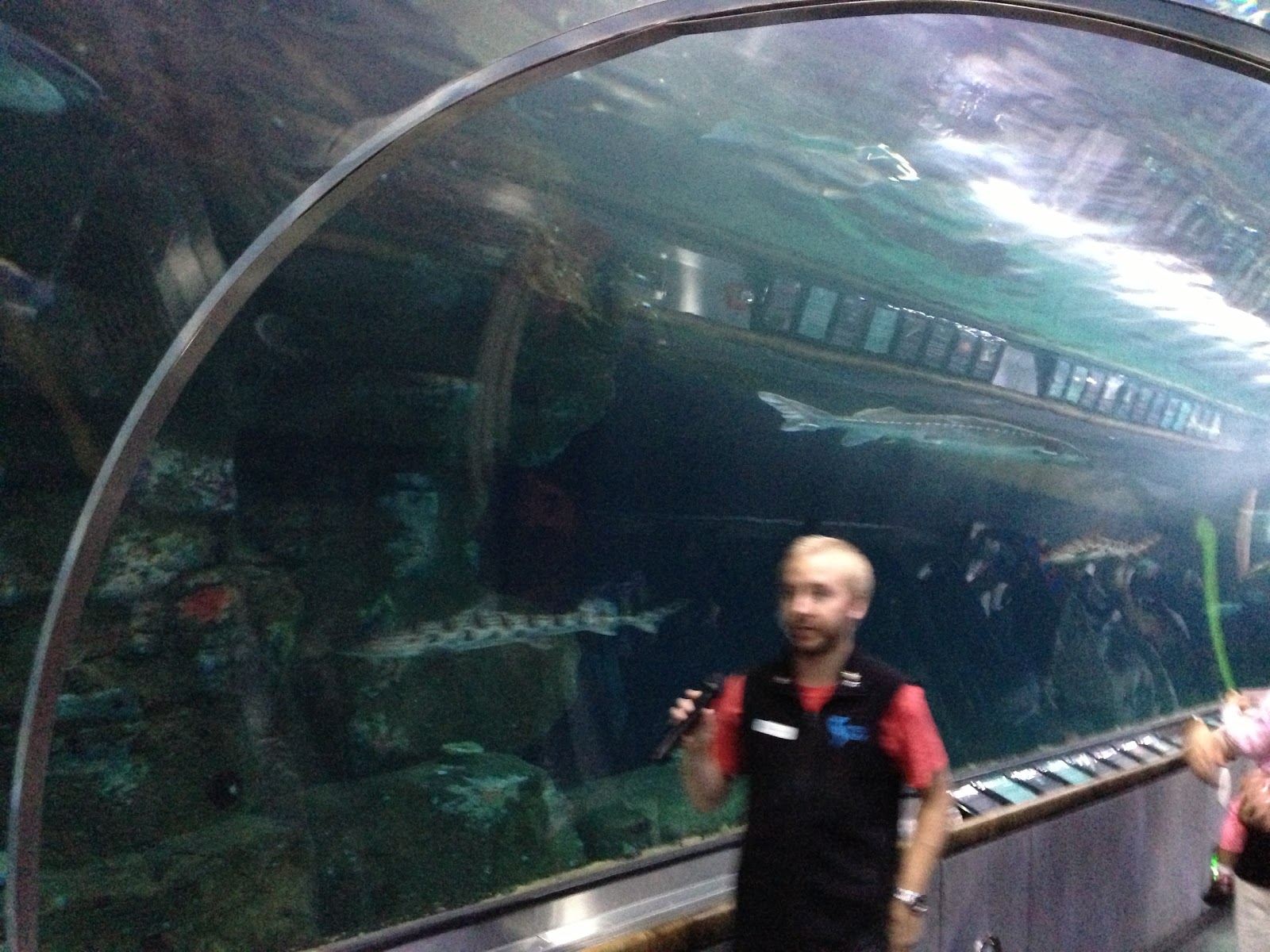
Bad bad bad experience at the Aquarium by the Bay on 7/7/13.
We went into the tunnel area (where you are in essence inside the big tank). And they announced they were having a shark feeding. We (11 of us including four kids) waited in the tunnel where they told us to.
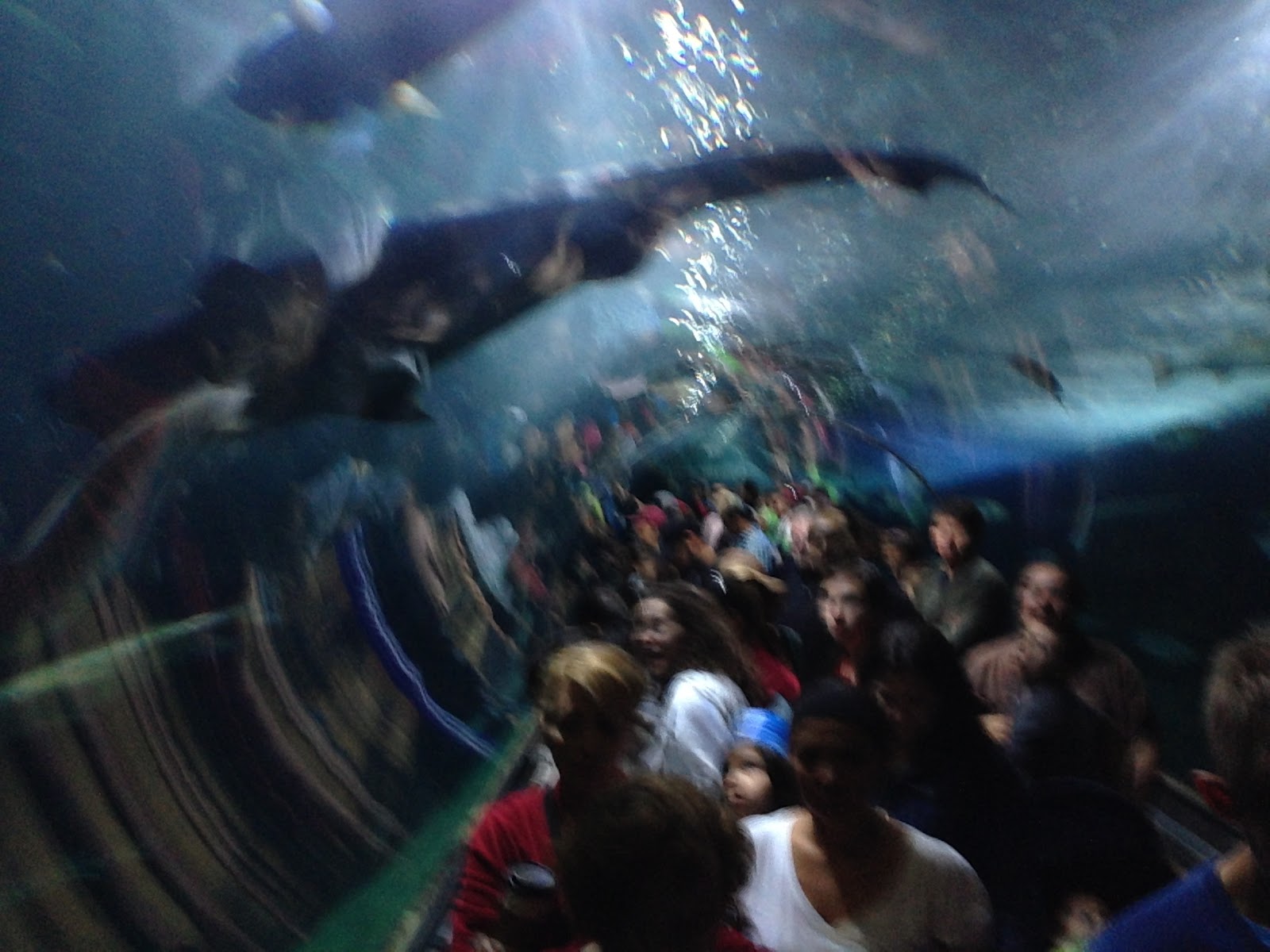
The tunnel has a moving walkway in it on one side of the floor that slowly moves people through the area. On the other side of the floor there is solid ground. At the end of the walkway is a waiting area for the elevator. As the show started they turned on the walkway and people started moving past us. The walkway was wall to wall people.
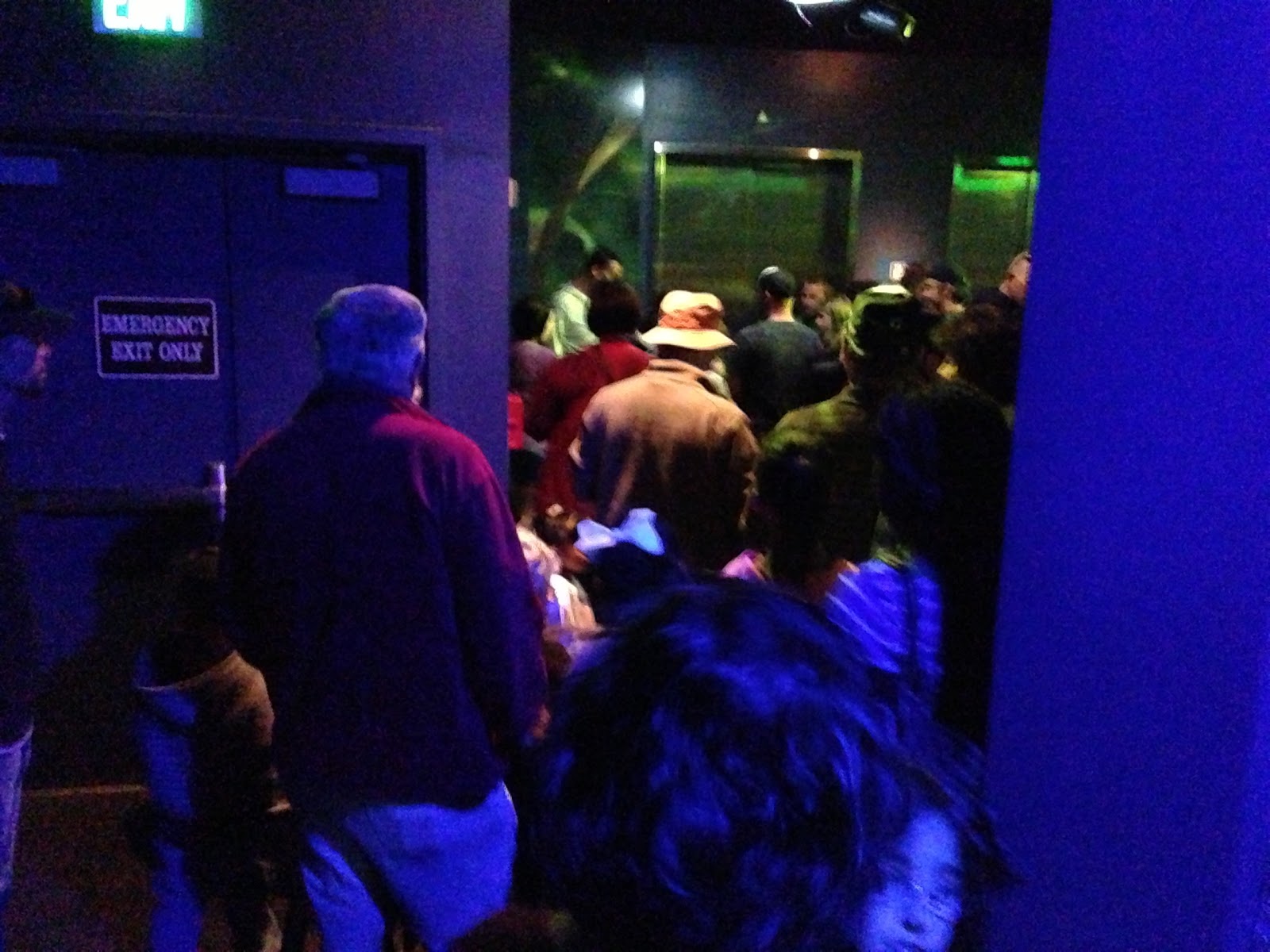
As they turned on the walkway, the elevator could not keep up with the crowd pouring in off the walkway and it started to get very crowded there. We decided to try and get out because it felt unsafe in the tunnel. We squeezed onto the moving walkway (my wife first, with my two kids and then me).
As we got near the elevators people were screaming for the staff to turn off the walkway as people started to get crushed. The staff refused. My sister turned off the emergency switch.
Eventually – after some ten minutes – we got out on the elevator. My kids were completely freaked out as were most of the other people there. This place should probably be shut down.
Lies, damn lies, and press releases – trouble with recent PR about autism and microbiomes
Uggh. Just saw a bunch of stories about autism and the microbiome. Many of the comments in the news stories I read seemed, well, not so good. So I decided to sniff around. Seems that many of the comments and stories are based on a new PLOS One paper and the comments and press release from the group behind the paper.
Here is the press release I found: Clues about autism may come from the gut. From Arizona State University. So I read it. But I had a hard time getting past paragraph 2:
In new research appearing in the journal PLOS ONE, a team led by Rosa Krajmalnik-Brown, a researcher at Arizona State University’s Biodesign Institute, present the first comprehensive bacterial analysis focusing on commensal or beneficial bacteria in children with autism spectrum disorder (ASD).
This did not sound true and sounded a bit overblown as I could have sworn I had seen other “comprehensive” studies of the microbiome in children with ASD. So first I decided to look at the paper. And – thanks a lot – there was no link in the PR or the stories I had seen. So I had to go to PLOS One and do a little searching and I found it:
Reduced Incidence of Prevotella and Other Fermenters in Intestinal Microflora of Autistic Children
Kang D-W, Park JG, Ilhan ZE, Wallstrom G, LaBaer J, et al. (2013) Reduced Incidence of Prevotella and Other Fermenters in Intestinal Microflora of Autistic Children. PLoS ONE 8(7): e68322. doi:10.1371/journal.pone.0068322
So – first I asked – did they make the same claim in the paper or was this just in the PR? Usually such things are just in the PR but amazingly they have this claim in the paper too, with lines like:
“previous studies describing the relationship between autism and gut microbes have either mostly focused on the emergence of harmful bacteria or mainly paid attention to already-known beneficial bacteria”
So I decided to then look at Pubmed and Google Scholar for other papers on autism and the microbiome. Here are some that I found:
- Pyrosequencing study of fecal microflora of autistic and control children from 2010.
- The Gut Microbiome: A New Frontier in Autism Research
- Molecular Characterisation of Gastrointestinal Microbiota of Children With Autism (With and Without Gastrointestinal Dysfunction) and Their Neurotypical Siblings
- Gastrointestinal microbiology in autistic spectrum disorder: a review
- Faecal microbiota of individuals with autism spectrum disorder
- Gastrointestinal flora and gastrointestinal status in children with autism–comparisons to typical children and correlation with autism severity
- Analysis of Small Intestinal Microbiome in Children with Autism
- A microbial association with autism
- Impaired carbohydrate digestion and transport and mucosal dysbiosis in the intestines of children with autism and gastrointestinal disturbances.
The work also offers hope for new prevention and treatment methods for ASD itself, which has been on a mysterious and rapid ascent around the world.
Their new study is the first to approach autism from a different angle, by examining the possible role of so-called commensal or beneficial bacteria.
- “The authors stress that bacterial richness and diversity are essential for maintaining a robust and adaptable bacterial community capable of fighting off environmental challenges.”. Hmm. What is the difference between richness and diversity? And what is the evidence that they are essential for such functions?
- “The species is a common component in normal children exhibiting more diverse and robust microbial communities.” Again – what makes that robust?
- Michael Polan’s recent New York Times Magazine story on the microbiome points to the fact that he is proud that his gut microbiome is rich in Prevotella regarding it as a possible sign of a healthy non-Western diet. Really? They brought Michael Pollan (with a mis-spelling that might be on purpose so that Pollan does not see this) into their PR? Uggh
#PLOS Hub for Biodiversity – soon to be retired
Just got the email below.
Dear Subscriber,
We are writing to you as someone who is a registered user on PLOS Hubs: Biodiversity to let you know that we will shortly be retiring it.
Thousands of Biodiversity articles, including research from all fields plus associated magazine content, have now been published across the PLOS journals. With this healthy level of ongoing activity, the community has outgrown the original need for the Hub, which was created to give greater visibility to their previously widely dispersed content.
Rest assured that we are developing more powerful tools for our journals to help those working in this community rapidly find and filter Open Access content, and continue to seek novel ways to re-organize and present it for discussion.
If you have any specific questions please email our user services team.
Best wishes
The PLOS Publications and Products Team
From io9: Even more microbial art "Bacterial communities swarm into gorgeous works of art"
Another quick post. There is an article in io9 about art from Eshel Ben-Jacob and his beloved Paenibacillus: Bacterial communities swarm into gorgeous works of art. Some pretty cool images there of these organisms grown on plates and then artistically enhanced.
Definitely worth a look.
Must read of the week: For Better Science Meetings, Invite an Artist The Finch and Pea
![]() |
| Art by @artologica in my living room |
This is just such a good idea: For Better Science Meetings, Invite an Artist | The Finch and Pea. Michelle Banks, also known as artologica, writing at The Finch and the Pea, goes through a detailed argument, with examples, of why one should invite artists to science meetings.
I have been inspired by Michele at many meetings. And I have been inspired by her art with a science theme (see for example the posts listed below).
- My new microbe art corner w/ three works by @artologica
- Microbial & Evolution art by @artologica has whole new meaning now that I met her at @scio12
- Oh frabjous day! Callooh! Callay!’ I chortled in my joy – I have received my Tree of Life art from @artologica
- So psyched. Got my new artwork from @artologica …. Even better than I imagined from web pics).
I have written a bit here and there about the mixing of science and art. See for example
- The human microbiome never looked so good
- Cool bacterial art makes gizmodo #MicrobialArt
- Microbial art for the holidays from the J. Craig Venter Institute
- Headline says it all “Opera singer grows algae on her face by feeding it w/ her breath & then the audience eats it”
- This is both crazy and completely brilliant: The Microbial Academy Of Sciences
- Art Meets Science at the Keck Center in DC
- Yes I like mixing science and art – but “DNA2Art” seems a bit, well, non artsy #visualiztion≠art
- More pics of hand painted poster from #synbio5
- More art & science – hand painted poster at Synthetic Biology #synbio5 – by Karmella Haynes
- Absolutely spectacular – glass microbes
- Nice Darwin Art at #UCDavis Evolution/Ecology Dept.
- More Airport Dinosaurs – Denver This Time
- Tree of Life Art
- Art-Science Fusion and Darwin’s Face at Davis
- Germophobia: wanna get people in the mood for “Contagion” movie about killer virus – grow harmless microbes in public #microbialart
- Another week – another microbial art project
- Fun science art example: Jennifer Welsh on Zachary Copfer glowing microbe drawings
- Preparation Y: Michelle Ellsworth – Performance art mixing dance, genomics, evolution, humor, sex #brilliant
- Microbes, art, science all rolled into one – yum
But if you read one thing about science and art – read Michele’s new post. Or, even better, start inviting artists to any science conference you have any role in.
Annual Notification: How to File Whistleblower Reports (#UCDavis)
Seemed worth wide distribution:
At #UCDavis June 24: Mini-symposium on cancer genetics and admixture mapping-
MINI-SYMPOSIUM ON
CANCER GENETICS AND ADMIXTURE MAPPING
SPONSORED BY UC DAVIS HUMAN GENETICS AND GENOMICS
FOCUS GROUP AND THE CHIBCHA CONSORTIUM
Date: June 24, 2013
Location: GBSF 1005