Category: Misc.
One old, one new – a few phylogeny papers worth checking out
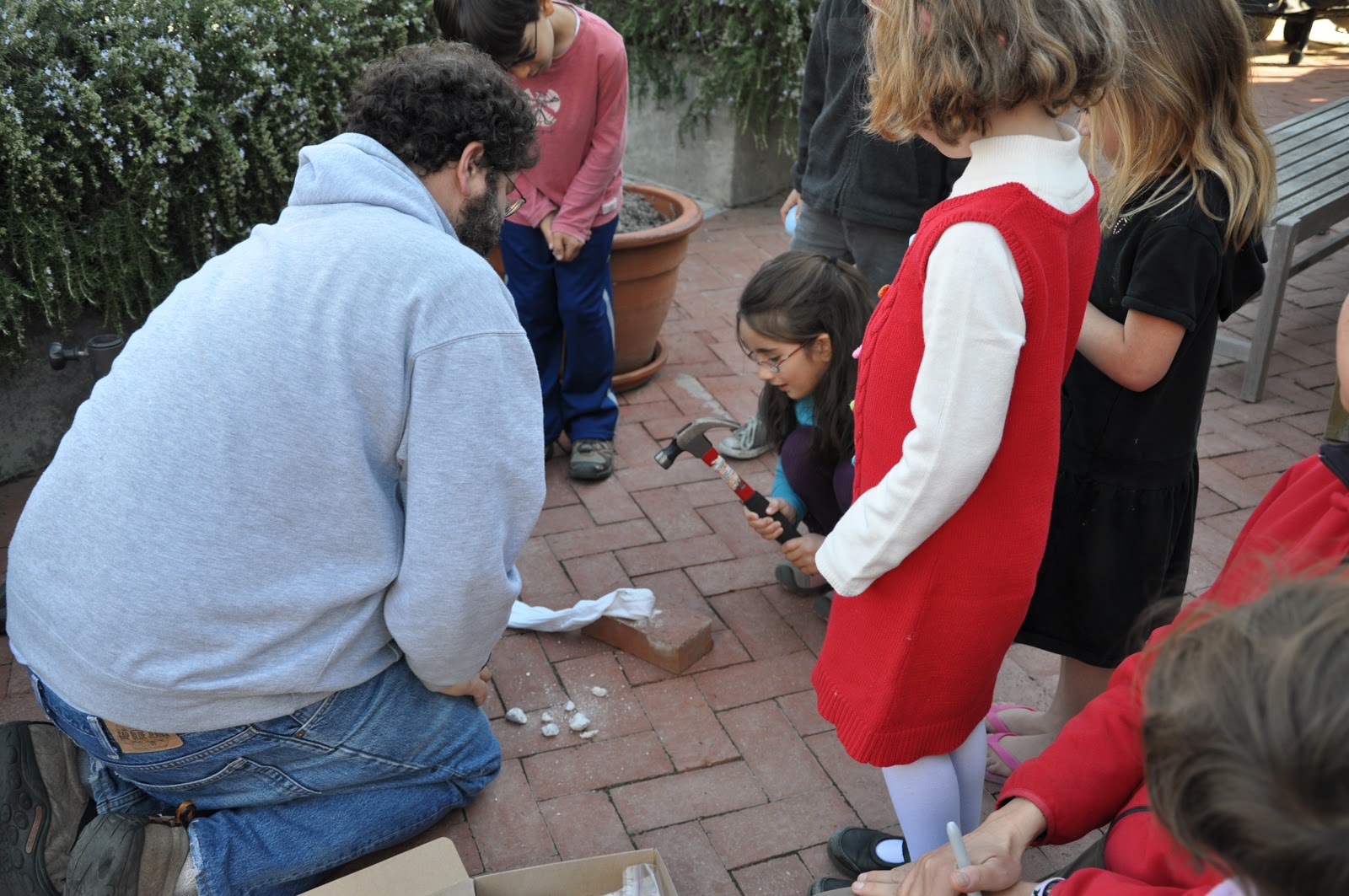
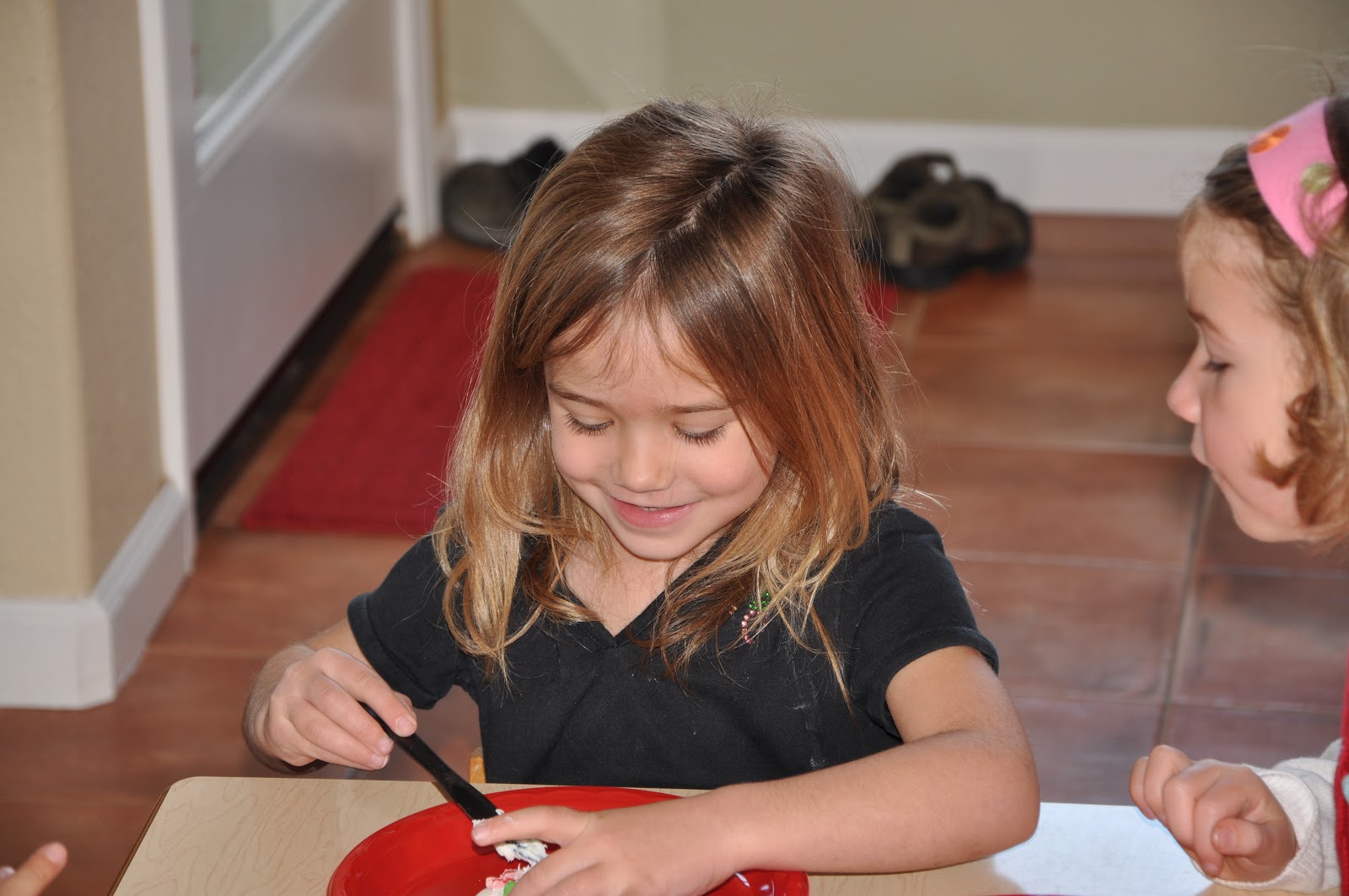
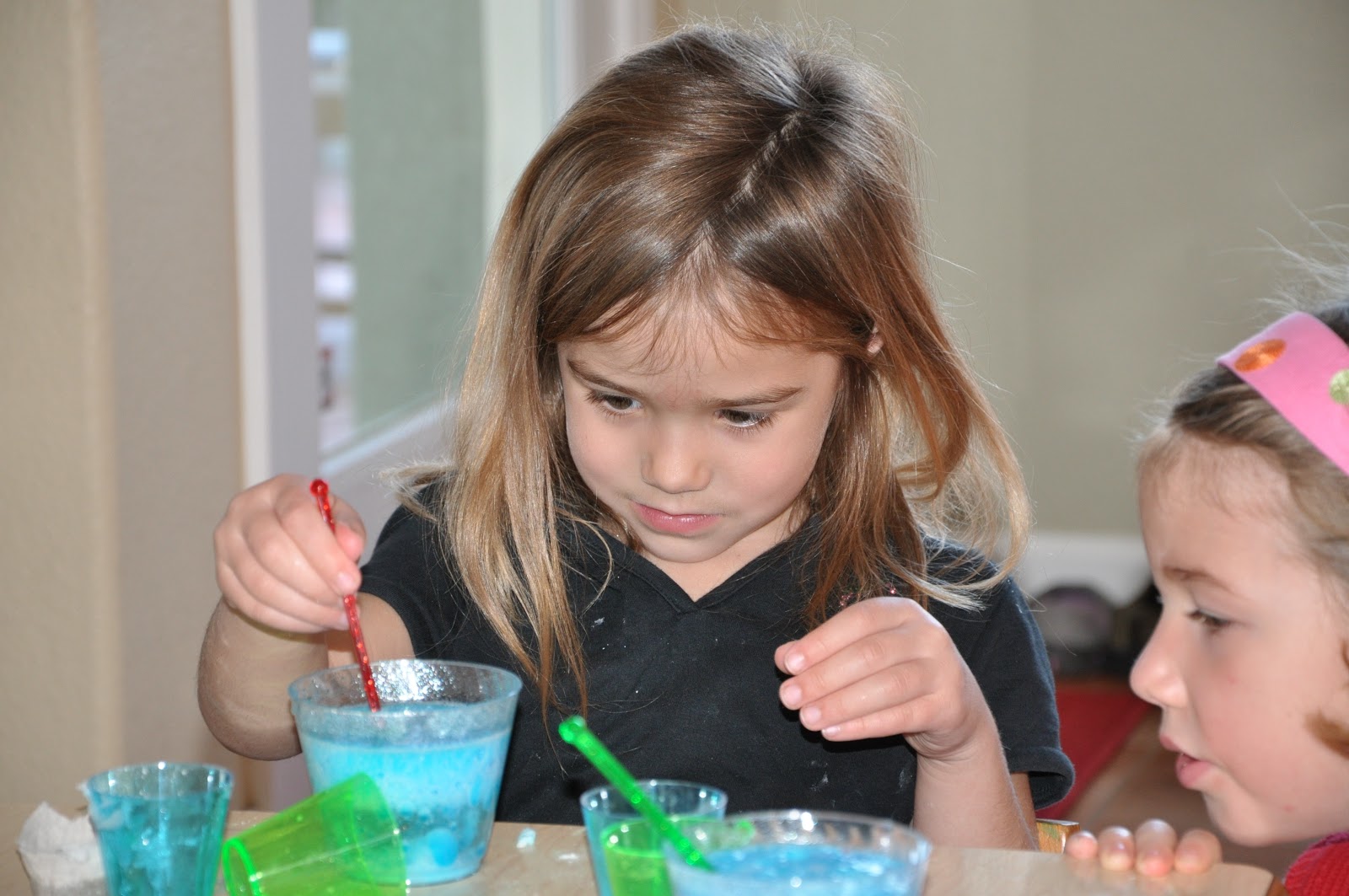
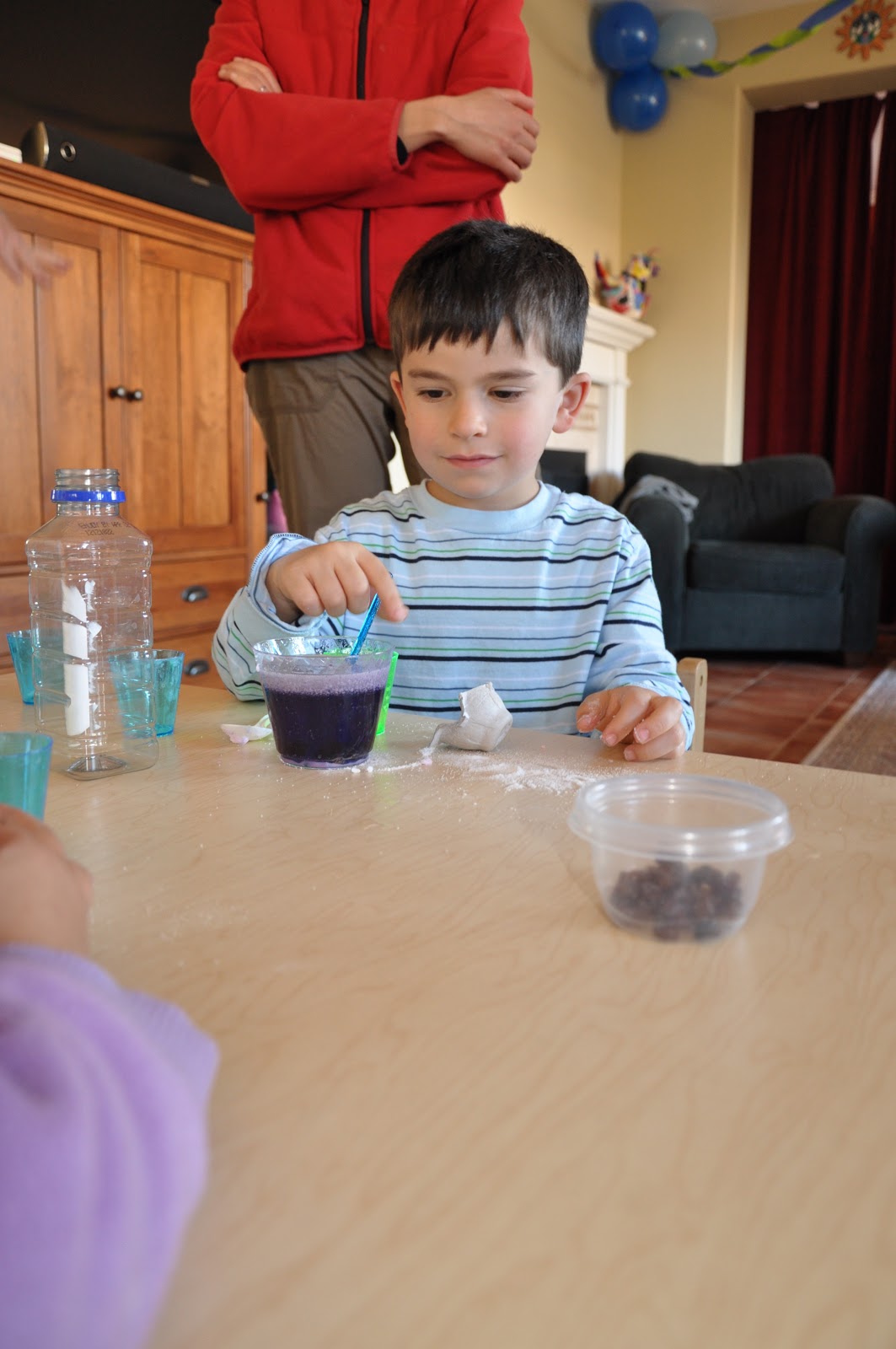
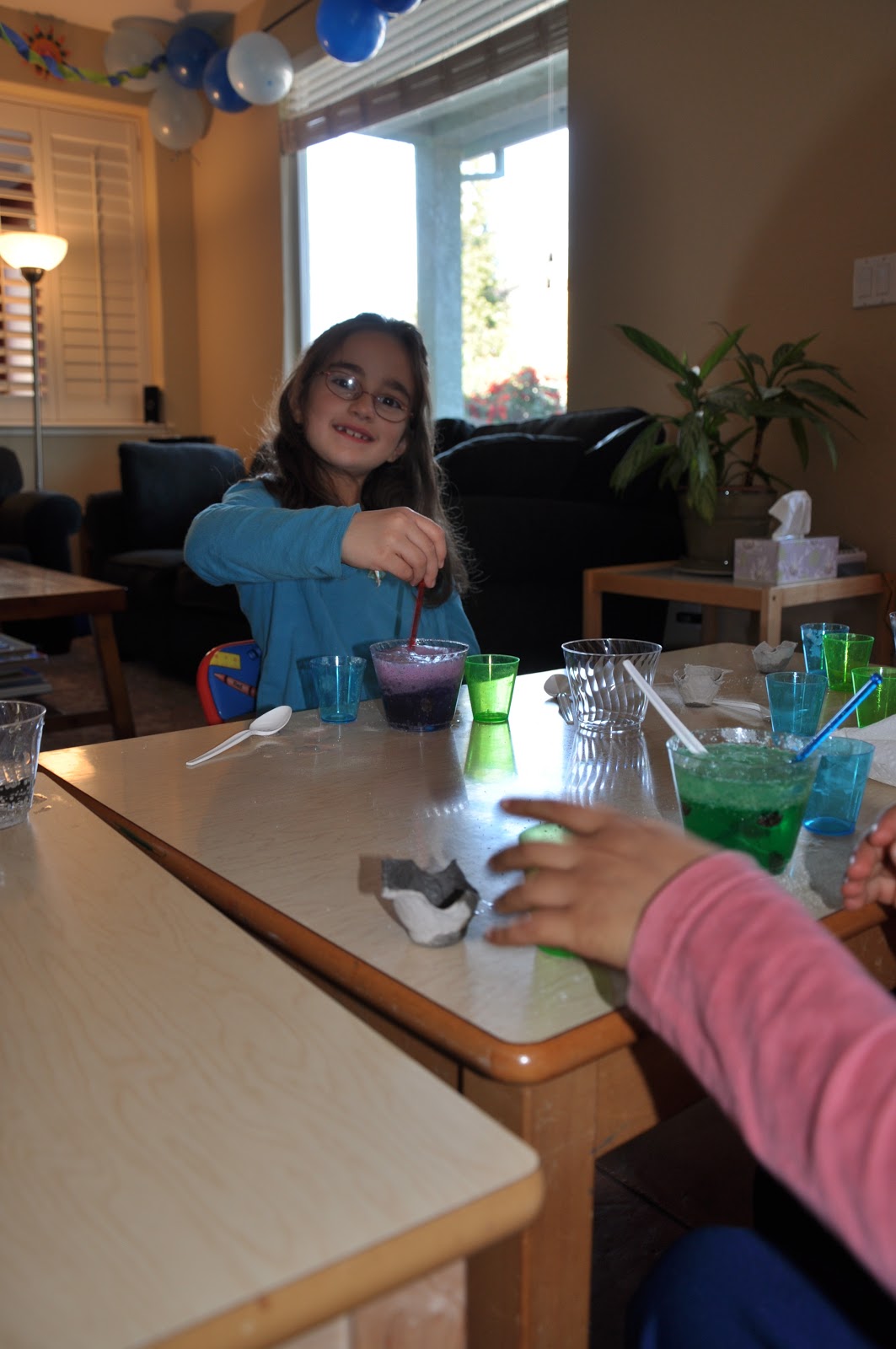
A science birthday party for a five year old
Notes on #UCDavis Citizen Microbiology Meeting #UCDCitSci
We had a meeting at UC Davis on “Citizen Microbiology” from 1/23-1/24. It was a small meeting funded via my microBEnet project which itself is supported by a grant from the Alfred P. Sloan Fundation. The meeting was held at UC Davis – participants stayed at the new Hyatt on campus. We met in the new Conference Center. Participants at the meeting were me, David Coil (post doc in my lab), Paula Olsiewski (from the Sloan Foundation), Holly Bik (post doc in my lab), Darlene Cavalier (founder of ScienceForCitizens.Net), Dan Smith from Argonne National Lab, Denneal Jamison from UC Davis, Holly Menninger from NC State, Noah Feirer from CU Boulder, Josh Neufeld from Waterloo, Jason Bobe from The Personal Genome Project, Tom Bruns form UC Berkeley, Madhu Katti from Fresno State, Chris House from Penn. State, and Patrik D’haeseleer (from Lawrence Livermore National Lab).
Below is a “Storification” I made of the tweets and links from the meeting.
http://storify.com/phylogenomics/uc-davis-citizen-microbiology-meeting-ucdcitsci.js[<a href=”http://storify.com/phylogenomics/uc-davis-citizen-microbiology-meeting-ucdcitsci” target=”_blank”>View the story “UC Davis Citizen Microbiology meeting #UCDCitSci” on Storify</a>]
A conference where the speakers are all women?
So – I was working on organizing a conference – a part of a series – and I was frustrated that prior conferences in the series had only or mostly male speakers. So I suggested for the new conference in the series we have only female speakers. Still working on pulling that off but probably won’t quite happen. So then I posted to twitter and Google+ the idea – and asked a question about it. I made a “storification” of this which you can see below the fold:
http://storify.com/phylogenomics/a-conference-where-the-speakers-are-all-women.js[<a href=”http://storify.com/phylogenomics/a-conference-where-the-speakers-are-all-women” target=”_blank”>View the story “A conference where the speakers are all women?” on Storify</a>]
Crossposting from microBEnet: architecture and microbes
Crossposting this from microBEnet: “Architectural design influences the diversity and structure of the built environment microbiome” – paper by the BioBE Center group | Microbiology of the Built Environment Network (post by David Coil).
We’ve posted in the past (here, here, here, and here) about some of the interesting work taking place at the BioBE Center regarding microbial community structure in health-care facilities. Today a paper on this topic came out in the ISME Journal.
This paper is certainly worth a read for anyone interested in the microbiology of the built environment. In particular they show that microbial community structure depends largely on the type of ventilation present in a room. Furthermore, they show that the microbial community present in a mechanically vented room has lower diversity than rooms with open windows or the outside air… and that lower diversity is comprised largely of human-associated microbes.
Here’s the abstract:
Buildings are complex ecosystems that house trillions of microorganisms interacting with each other, with humans and with their environment. Understanding the ecological and evolutionary processes that determine the diversity and composition of the built environment microbiome—the community of microorganisms that live indoors—is important for understanding the relationship between building design, biodiversity and human health. In this study, we used high-throughput sequencing of the bacterial 16S rRNA gene to quantify relationships between building attributes and airborne bacterial communities at a health-care facility. We quantified airborne bacterial community structure and environmental conditions in patient rooms exposed to mechanical or window ventilation and in outdoor air. The phylogenetic diversity of airborne bacterial communities was lower indoors than outdoors, and mechanically ventilated rooms contained less diverse microbial communities than did window-ventilated rooms. Bacterial communities in indoor environments contained many taxa that are absent or rare outdoors, including taxa closely related to potential human pathogens. Building attributes, specifically the source of ventilation air, airflow rates, relative humidity and temperature, were correlated with the diversity and composition of indoor bacterial communities. The relative abundance of bacteria closely related to human pathogens was higher indoors than outdoors, and higher in rooms with lower airflow rates and lower relative humidity. The observed relationship between building design and airborne bacterial diversity suggests that we can manage indoor environments, altering through building design and operation the community of microbial species that potentially colonize the human microbiome during our time indoors.
Letter from Justice Cruz Reynoso to President Yudof regarding pepper spray investigation at #UCDavis
Just got this in email and thought it would be good to share
Support good science writing – pay for it
A quick one here since I think there is not much complication to this issue. As many know – I am a big big advocate of “open access” to the scientific literature. I think if the taxpayers / government pay for research (and pays for salaries/indirect costs/etc that go into publishing) then the results of that research (data, papers, software) should be available freely and openly. I think it is also better if ANY scientific writing could be freely and openly available (e.g., research paid by private funds).
However, this does not mean that one should not pay for writing about science. I think we as a society need to support good science writing and reporting. I subscribe to the New York Times – party partly for access to the science writing (not all of which I like but some of which is phenomenal). I subscribe to Wired. I donate (occasionally) to blogs. I subscribe to Scientific American. I buy good science books (sometimes many copies and then give them out – like I did with Rebecca Skloot’s HeLa book which).
So I call on people out there – whether you support Open Access to government funded work or not – pay for some good science writing. Buy a book. Subscribe to a magazine. Donate to a blog. Do something to support those who enrich our lives. Science writers need to earn a living after all …