Just say no (to prokaryotes) – a lesson in Google Drive autocorrect

So – I saw this tweet yesterday

//platform.twitter.com/widgets.js And since the author of the tweet is giving a talk at UC Davis tomorrow I decided to help him out.

From Norm Pace talk at UC Davis 2/24/2011

Notes from talk by Stephen J. O’Brien at #UCDavis

Stephen O’ Brien talked at UC Davis a few days ago. I met with him in the afternoon before his talk. It was one of the more interesting discussions I have had in a long time. He has done some very interesting and important work (e.g., comparative genomics, HIV, feline evolution) though most of what we talked about was not work per se (e.g., we talked a lot about baseball and big cats since my kids are obsessed with big cats).

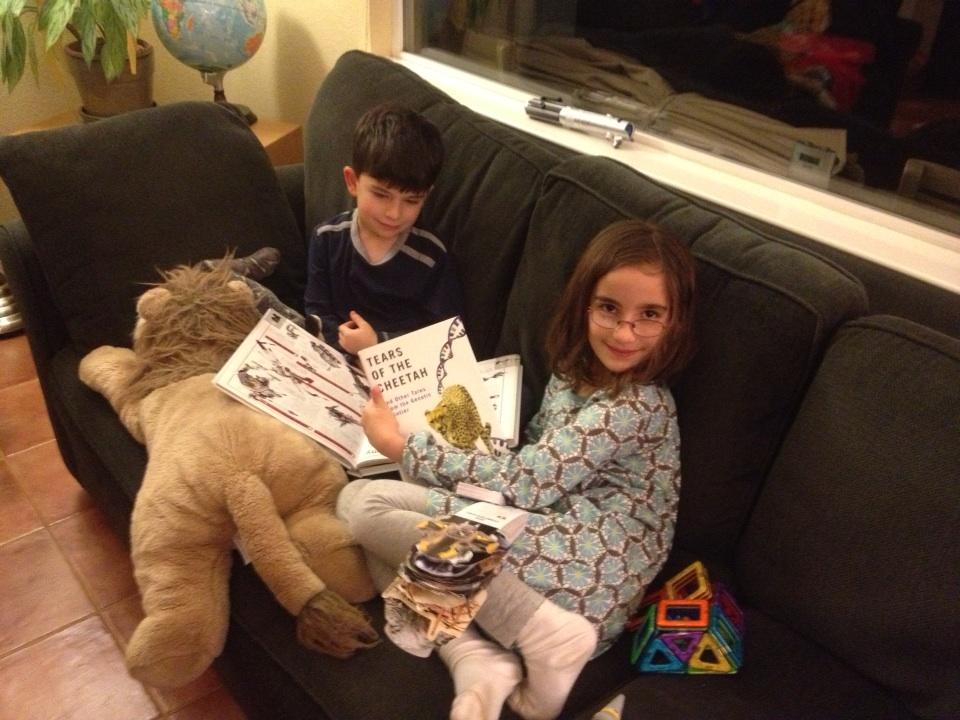
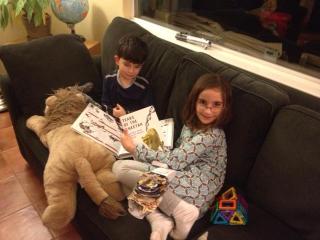
Anyway, below is a “Storification” of tweets from his talk. Best part – he signed a copy of his Tears of the Cheetah: The Genetic Secrets of Our Animal Ancestors book with a dedication to my kids.
//storify.com/phylogenomics/steven-j-o-brien-talk-at-ucdavis-on-ccr5-hiv-aids.js?template=slideshow[View the story “Steven J. O’ Brien talk at #UCDavis on CCR5/HIV/AIDS” on Storify]

Steven J. O’ Brien talk at #UCDavis on CCR5/HIV/AIDS

Storified by Jonathan Eisen· Mon, Jan 07 2013 20:12:09

Today at #UCDavis Stephen O Brien on “Three Decades of Genomics and AIDS” http://pic.twitter.com/dQG4tBsoJonathan Eisen
Can’t wait for talk at 4 PM today at #UCDavis Genome Ctr by Stephen O’Brien on “Three Decades of Genomics and AIDS” http://pic.twitter.com/dQG4tBsoJonathan Eisen
@phylogenomics Wow! Interesting topic. Wish I was attending.Setor Amuzu
As an evolutionary biologist am jealous of name of Obrien’s “Theodosius Dobzhansky Center for Genome Bioinformatics” http://shar.es/4vIBYJonathan Eisen
@phylogenomics any podcasts available?Cuquis R
SJ Obrien – head of new Dobzhansky Inst – intro by Harris Lewin, discussing how Dobzhansky finished his career here at #UCDavis:Jonathan Eisen
Lewin point out that Steven O Brien has been called the Indiana Jones of Genomes (e.g.., http://www.genomenewsnetwork.org/articles/2004/03/19/tears.php ) #ucdavisJonathan Eisen
Lewin: Steven O’ Brien is also one of the coordinators of the genome 10K project http://genome10k.soe.ucsc.edu/participants #UCDavisJonathan Eisen
Steven O Brien launching into his talk at #ucdavis http://pic.twitter.com/RTadoUJmJonathan Eisen
O’Brien at #UCDavis: Giving props to T. Dobzhansky and his pioneering work on population geneticsJonathan Eisen
O’Brien at #UCDavis: discussing how population genetics help lead to many whole fields/areas incl. conservation genetics, DNA forensics, etcJonathan Eisen
Stephen J. O’Brien: is on Plagues and people Contagion Genomics & Beyond. 3 areas: Gene Discovery, Conservation Genetics, DNA forensicsDawei Lin
O’Brien at #UCDavis: began work on AIDS epidemic partly as model for way to connect human genetics and infectious diseaseJonathan Eisen
O’Brien at #UCDavis: close to 30 million people have died of AIDS and close to 30 million more are infected w/ HIV & disease still spreadingJonathan Eisen
@Curosik don’t think soJonathan Eisen
O’Brien at #UCDavis: heterogeneity in progression in HIV led him to try to use advances in human genetics to look for AIDS restrictive genesJonathan Eisen
SJO: Oct. 1996 AIDS quilt is a symbol of the pandemic disease with 40K Tabard Emblems on that day at the Capitol Hill.Dawei Lin
O’Brien at #UCDavis: early in AIDS epidemic got access to samples from different groups of people to test role of human genes in progressionJonathan Eisen
O’Brien at #UCDavis: looked for genetic variation in AIDS resistance, progression rate, outcomes, response to HAART therapyJonathan Eisen
O’Brien at #UCDavis: in 1996 5 groups discovered that CCR5 (a G coupled seven transmembrane receptor) was target of HIV for cell entryJonathan Eisen
O’Brien at #UCDavis: looked for CCR5 mutations in cohorts of patients w/ HIV & found that homozygous mutations were protectiveJonathan Eisen
SJO: CCR5 is the binding target for HIV. People with CCR5 delta with a 32 peptide deletions do not have HIV infections.Dawei Lin
O’Brien at #UCDavis: those people heterozygous for CCR5 deletions showed slower progression of HIV infectionJonathan Eisen
@phylogenomics would love to see the stats methods on thatLewis Lab
@Lewis_Lab seems to be relatively old data …Jonathan Eisen
Obrien at #UCDavis: many scientists occasionally like to do more than publish in a good journal, some would like to translate to bedsideJonathan Eisen
SJO: People study genes about infectious diseases should not stop at publishing on a good journal, should bring it to the bedside.Dawei Lin
Obrien at #UCDavis: re: delta32 mutation in CCR5 and modifies Dobzhansky “nothing in medicine makes sense except in light of evolution”Jonathan Eisen
Obrien at #UCDavis: discussing how frequency of CCR5 delta32 mutation has increased rapidly over time; suggest this is due to ++ selectionJonathan Eisen
@phylogenomics I’m not seeing any open access/open data reports.Lewis Lab
Obrien at #UCDavis: 20 mutations in CCR5 have been found outside of delta32 mutation; 18/20 are amino acid changing; suggests ++ selectionJonathan Eisen
SJO: 1/5 people now is CCR5 delta 32 carriers. There are 22 variants. 18 of them changes peptides.Dawei Lin
Obrien at #UCDavis: Suggests something influenced CCR5 mutations prior to AIDS epidemic (admits much of his theories on this controversial)Jonathan Eisen
OBrien at #UCDavis now reading from Tears of the Cheetah http://www.amazon.com/Tears-Cheetah-Genetic-Secrets-Ancestors/dp/0312339003 his book on genetics / genomicsJonathan Eisen
O’Brien at #UCDavis: suggests that bubonic plague may have influenced CCCR5 mutation frequencies over timeJonathan Eisen
O’Brien at #UCDavis: discussing plague epidemic in 1665 and 1666 (reading from his book)Jonathan Eisen
@phylogenomics that got me the statistical test I was looking for–thanks. I don’t find the article very intuitive, thoughLewis Lab
O’Brien at #UCDavis: discussing their estimates of the age of the CCR5 delta 32 mutations by looking at the size of the linkage groupJonathan Eisen
O’Brien at #UCDavis: estimates of the date of the origin of the spread of the CCR5 delta 32 mutation is correlated w/ plague epidemicJonathan Eisen
O’Brien at #UCDavis: many many waves of plague epidemics over time (though he notes many other possible epidemics also at same general time)Jonathan Eisen
@phylogenomics thanks. This is a good case study for the stats class.Lewis Lab
@phylogenomics O’Brien suggests that bubonic plague may have influenced CCCR5 mutation frequencies” No doubt a 1-2 insC mutation.Donald Atkinson
SJO: Conspiracy theories of black death cause CCR5 mutation hike, which mostly found in Caucasians.Dawei Lin
O’Brien at #UCDavis: refs a 2004 Nature study of mice w/ CCR5 delta 32 homozygous mutation; -/- have 90+% reduction in Y.pestis uptakeJonathan Eisen
O’Brien at #UCDavis: after 9/11 & anthrax attack collaborated w/ people to look at smallpox infection in CCR5 delta 32 mutant cellJonathan Eisen
“The O’Brien at #UCDavis” stream of tweets by @phylogenomics is fascinating. Must-read for biology folks.Rob Quarles
@phylogenomics What is his book? I show the PBS vid he was in few years ago to my molec epi class each year to discuss CCR5/plague/HIVTara C. Smith
O’Brien at #UCDavis: many other viruses have been screened for whether they make use of CCR5Jonathan Eisen
@phylogenomics thanks for tweets re O’Brien lecture. Say hi to Steve for me!Kathy Belov
Obrien at #UCDavis: delta 32 mutations in CCR5 may lead to higher risk to West Nile virus …Jonathan Eisen
SJO: people with homozygous CCR5 delta mutations are susceptible to West Nile virus, not HIV.Dawei Lin
Obrien at #UCDavis: looking back to 1996 b/c this is when HAART therapy for HIV was startedJonathan Eisen
Obrien at #UCDavis: showing slide from Tony Fauci of FDA Approved antiretroviral drugs; now many new drugs going after CCR5 interactionJonathan Eisen
@phylogenomics cool! I will order it.. Thanks for the link!Cuquis R
@phylogenomics thanks!Tara C. Smith
Obrien at #UCDavis: discussing “The Berlin Patient” (see http://articles.latimes.com/2012/jul/27/news/la-heb-hiv-cure-aids-meeting-20120727); had AML; prognosis bad; bone marrow tplant from CCR5delta32Jonathan Eisen
OBrien at #UCDavis: 2008 Gero Hitter – the doctor for “The Berlin Patient” shows up at AIDS conference; news finally comes out in WSJ 2008Jonathan Eisen
Obrien at #UCDavis: here is the WSJ news story about The Berlin Patient http://online.wsj.com/article/SB122602394113507555.htmlJonathan Eisen
Obrien at #UCDavis: says the story of the Berlin patient is an anecdote; emphasizes it is one patient; need more information / data / casesJonathan Eisen
Obrien at #UCDavis: refs SciAm article http://www.scientificamerican.com/article.cfm?id=blocking-hivs-attack where gene therapy for HIV patients reported; he’s skeptical about peer reviewJonathan Eisen
Obrien at #UCDavis: some researchers have been looking at how CCR5 might influence Graft Versus Host Disease (see http://www.nejm.org/doi/full/10.1056/NEJMc1209665)Jonathan Eisen
Obrien at #UCDavis refs new Nature paper showing CCR5 is a receptor for MRSA leukotoxin (see http://www.sciencedaily.com/releases/2012/12/121214191518.htm)Jonathan Eisen
@KathyBelov will do …Jonathan Eisen
SJO: Patients with bone marrow transplants with CCR5 negative genotypes remain HIV free without drug treatments. A potential breakthrough.Dawei Lin
Obrien at #UCDavis giving props to George W. Bush for PEPFAR program http://www.pepfar.gov http://www.avert.org/pepfar.htmJonathan Eisen
Obrien at #UCDavis: OBrien ends his talk by thanking the patients who have provided samples cc: @rebeccasklootJonathan Eisen
Question at Obrien talk at #UCDavis: is CCR5 delta 32 the only restriction mutation? Obrien says yes but not yet translated to bedsideJonathan Eisen
Comment at talk by Obrien at #UCDavis: primate center at UCDavis played a major role in work on HIVJonathan Eisen
Comment at Obrien talk at #UCDavis: says to students in crowd that you have heard a talk about thinking which most people don’t do anymoreJonathan Eisen
@phylogenomics Nice. He definitely saw importance of donor appreciation/respect differently than most in the early days.Rebecca Skloot
@phylogenomics I wanna know what happened to his amazing frozen zoo at NCI! Hope he took it w/him; he worried re who would take care of itRebecca Skloot
@RebeccaSkloot he did not discuss this …Jonathan Eisen
Love @phylogenomics tweets on O’Brien’s talk at #UCDavis. Everything he said on CCR5/HIV/Berlin pt is right up my alley.Nathalia Holt
My kids are very happy w/ autographed copy of “Tears of the Cheetah” Steven O Brien gave me after his talk at #ucdavis http://pic.twitter.com/SCEh5AXkJonathan Eisen
As follow up to post about “Tears of a cheetah” – my kids are a bit obsessed w/ big cats … http://pic.twitter.com/M82V4fiHJonathan Eisen
@phylogenomics How do the cats get along with all the microbes?Cindy Manson
@CynthiaManson1 extremely well http://pic.twitter.com/joOoehUWJonathan Eisen

#Badomics word of the day, week and month: the morphome

Well, I have been avoiding the badomics meme for a little bit but cannot help getting back into it for this one.  From this paper: BMC Biology | Full text | The songbird syrinx morphome: a three-dimensional, high-resolution, interactive morphological map of the zebra finch vocal organ.  Yes, that is right – rolls right off the tongue – the songbird syrinx morphome.

The key sentence assigning guilt for this

“Here we present an annotated high-resolution three-dimensional (3D) morphological dataset, which we have dubbed a morphome,”

Note – I love the move for more high throughput, digital morphological data.  It rocks.  It will make for some interesting science.  It however, does not deserve it’s own ome word.

For more on this meme see All my writings on badomics words.

H/T David Coil …

A title and figures say it all: An In-Depth Analysis of a Piece of Shit (note – a bit gross)

I had heard about this paper a few weeks ago and was just reminded about it by a friend. To understand this paper all you really need are the title and Figure 1 and 2 which are below. Enjoy.

An In-Depth Analysis of a Piece of Shit: Distribution of Schistosoma mansoni and Hookworm Eggs in Human Stool.

Figure 1. Instruction form on how to collect whole-stool samples for the study

Figure 2. Processing of stool samples according to consistency including whole-stool homogenization.  Sausage-shaped-but-soft samples were processed like in (A) without taking samples from the center.

Seminar, #UCDavis, 1/10, Lizzie Wolkovich “Community assembly & disassembly under global change”

DEPARTMENT OF EVOLUTION AND ECOLOGY

RECRUITMENT SEMINAR

ECOLOGIST

Dr. Elizabeth Wolkovich

Biodiversity Research Centre Fellow

Department of Zoology

University of British Columbia, Vancouver

"Community assembly and disassembly under global change"

Thursday, January 10th, 2013

1:10pm

1022 Life Sciences Building

Wolkovich Seminar Flyer.doc

Reading in detail Carl Woese’s 1998 "Manifesto on Microbial Genomics" for the first time …

I am a bit stunned by this paper from Carl Woese in 1998 which I was aware of but have not read in detail until now: ScienceDirect.com – Current Biology – A manifesto for microbial genomics

I re-discovered it because I am making a compilation of papers by Woese in relation to the tribute page I have set up.  And the title (a manifesto about microbial genomics) combined with the date (1998 – early in the genome sequencing era) struck me as something worth looking at.  Plus I knew others (e.g., Phil Hugenholtz, Nikos Kyrpides, …) had mentioned this paper to me so I figured – hey – how about actually reading it in detail.  And fortunately it is freely available at the Current Biology web site (not sure why that is actually).  Anyway – what I found in the paper is basically an argument for much of my career from 1998-2008.

Some choice lines in here but the crux is as follows

The first order of business in microbial genomics should be a phylogenetically representative genomic screen of the microbial world. In other words, all the major microbial taxa and their subdivisions — which are the major source of biological diversity on Earth — should be represented by several genome sequences. There are now more than 30 recognized major eubacterial taxa — each the phylogenetic equivalent of a eukaryotic kingdom — and at least half that number in the (far less well characterized) Archaea; not to mention the yet-to-be-discovered kingdoms among the unicellular eukaryotes.

This basically lays out the Tree of Life project I co-ran at TIGR and the Genomic Encyclopedia of Bacteria and Archaea project I co-ran / run at the DOE JGI.

The ending is perfect

This is not the place to go into the specifies of which microbial genomes would be most useful. I would suggest, however, that a phylogenetic tree hang on the wall of every laboratory in which microbial genomes are being sequenced — for inspiration.

Somehow I had missed the crux of this paper until now.  I think it is worth reading by everyone out there working on microbes and/or their genomes.

Oh – and here is the compilation of Woese’s papers I am making in Mendeley.

http://www.mendeley.com/groups/2940711/papers-by-carl-woese/widget/21/3/

Science for Kids: Explorit in #DavisCA

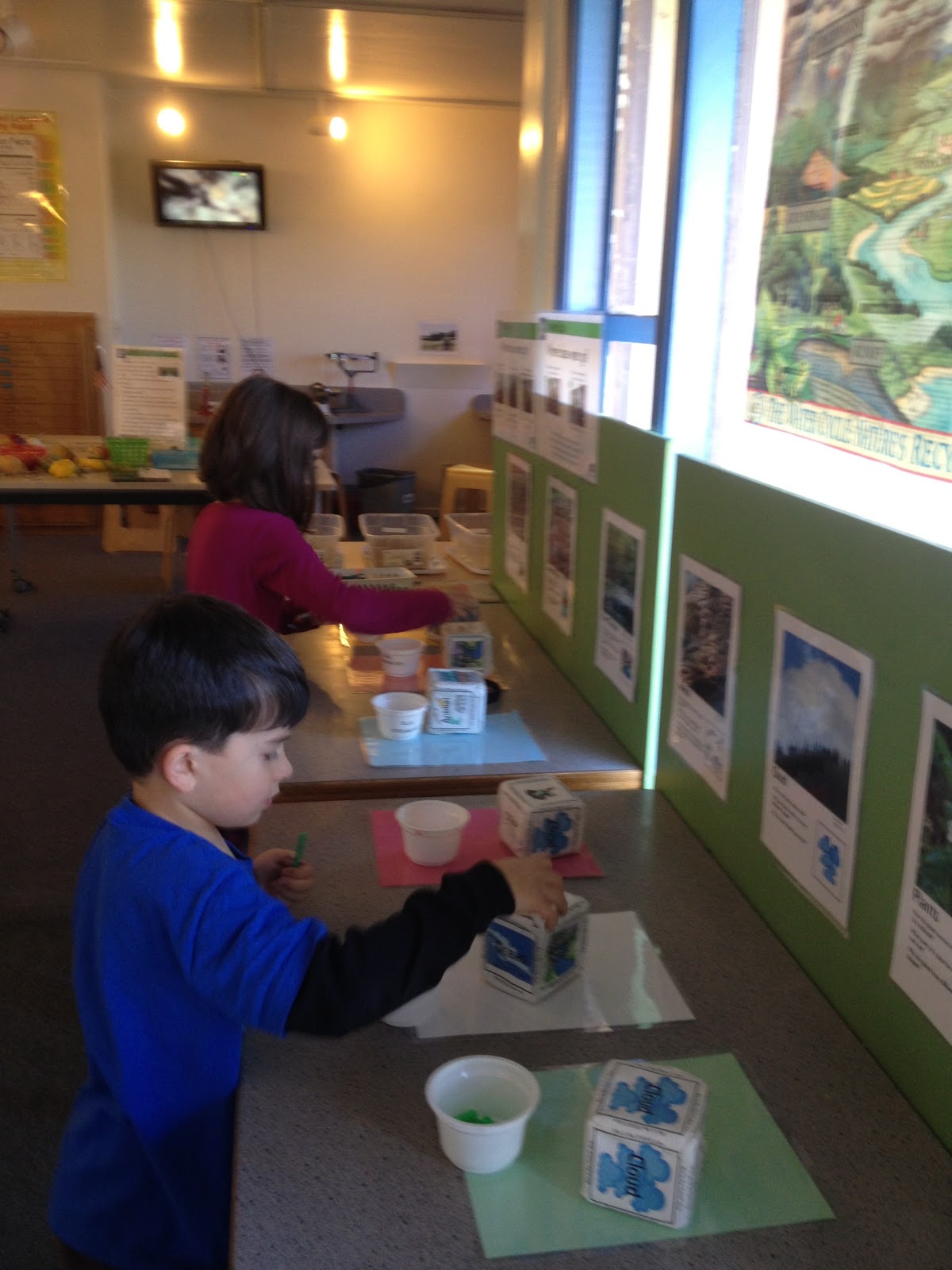
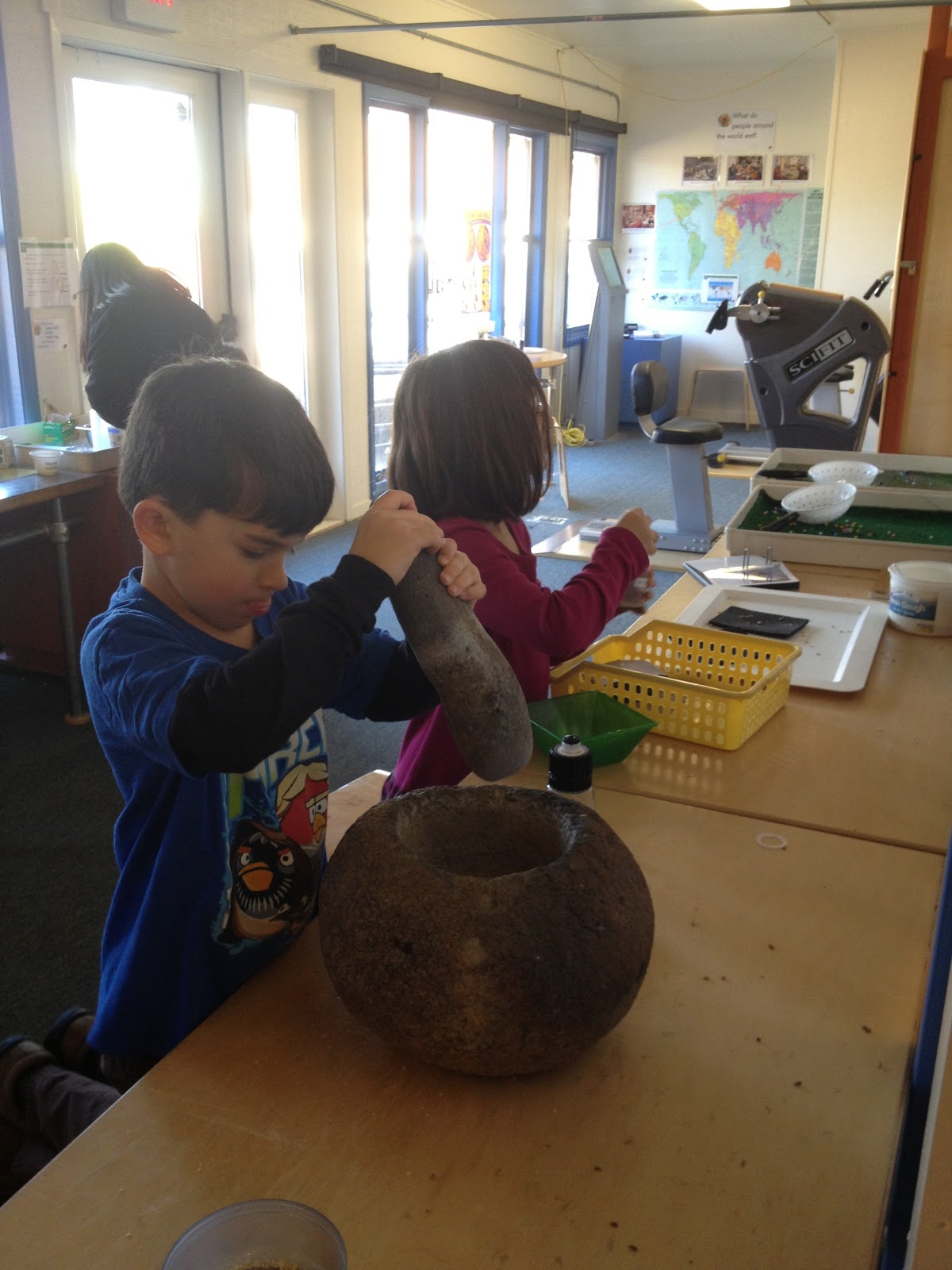
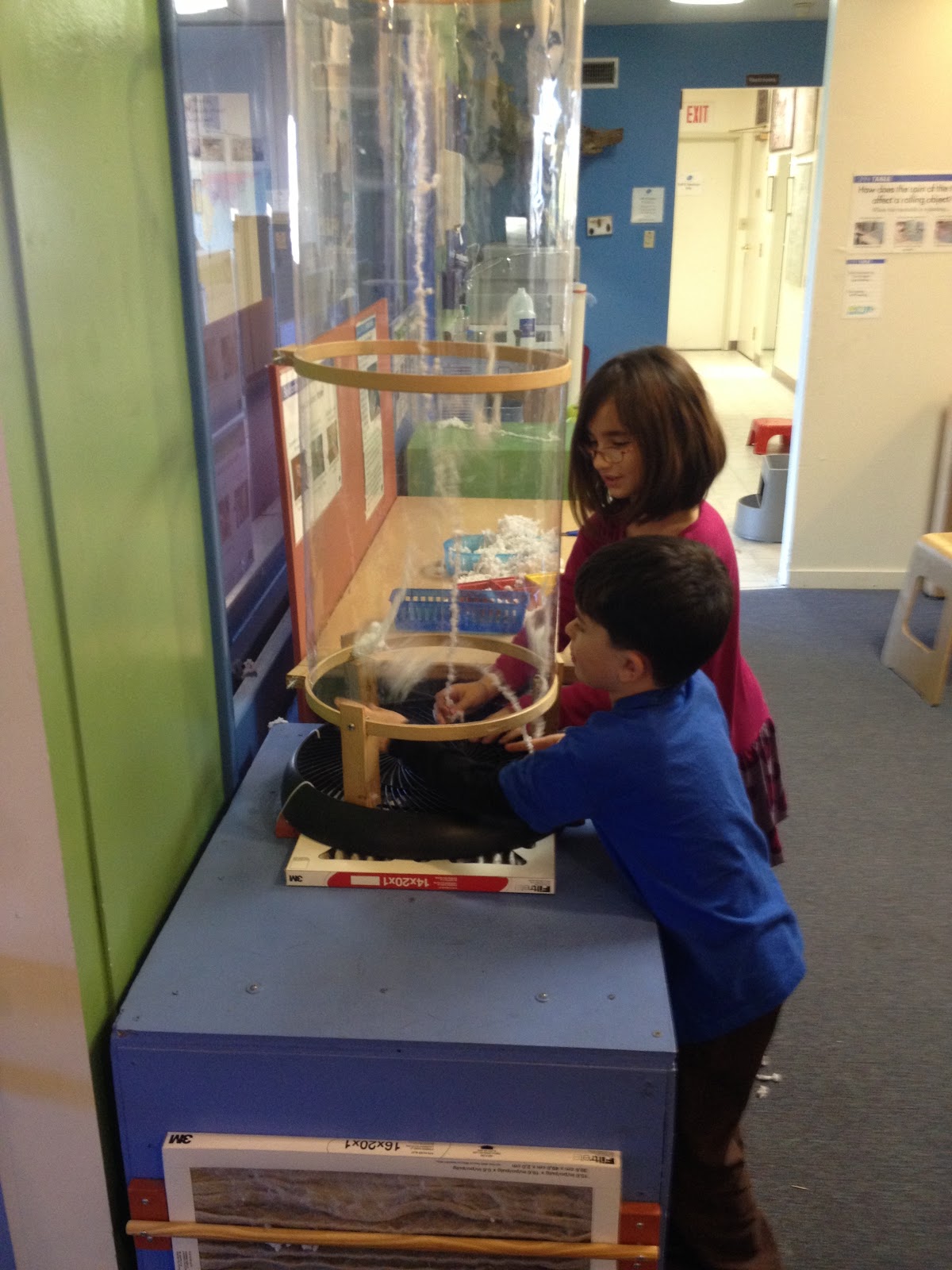
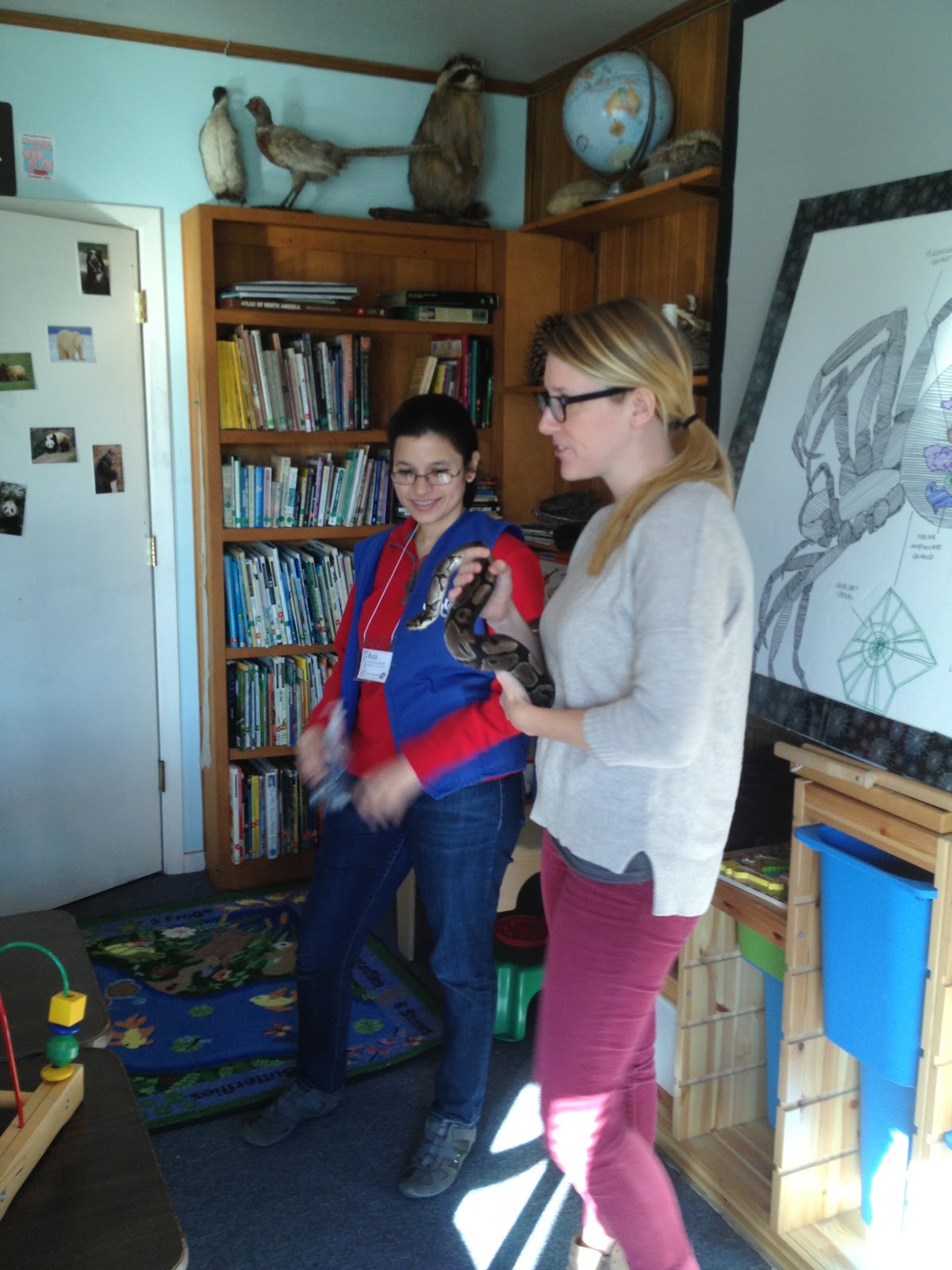
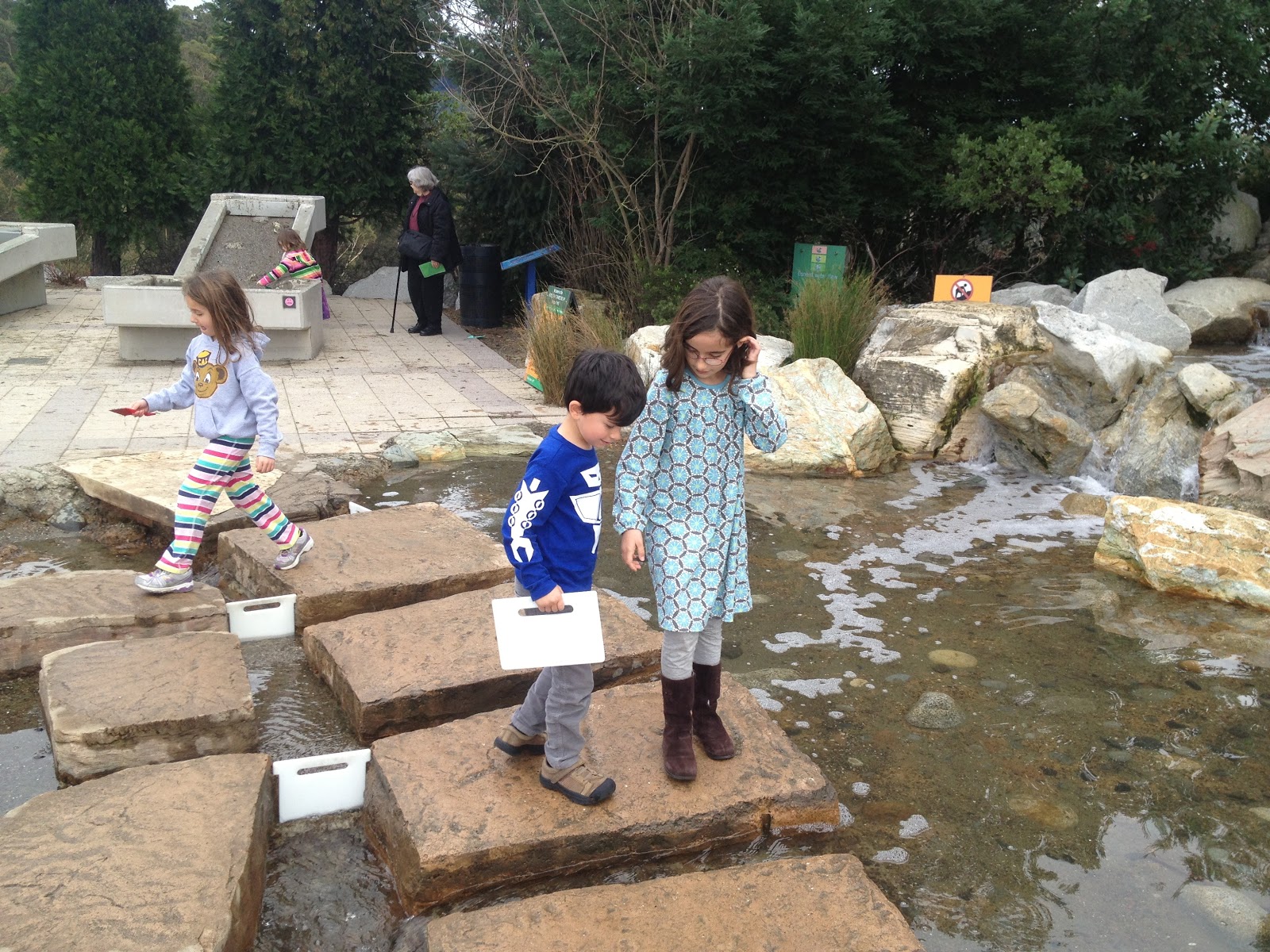
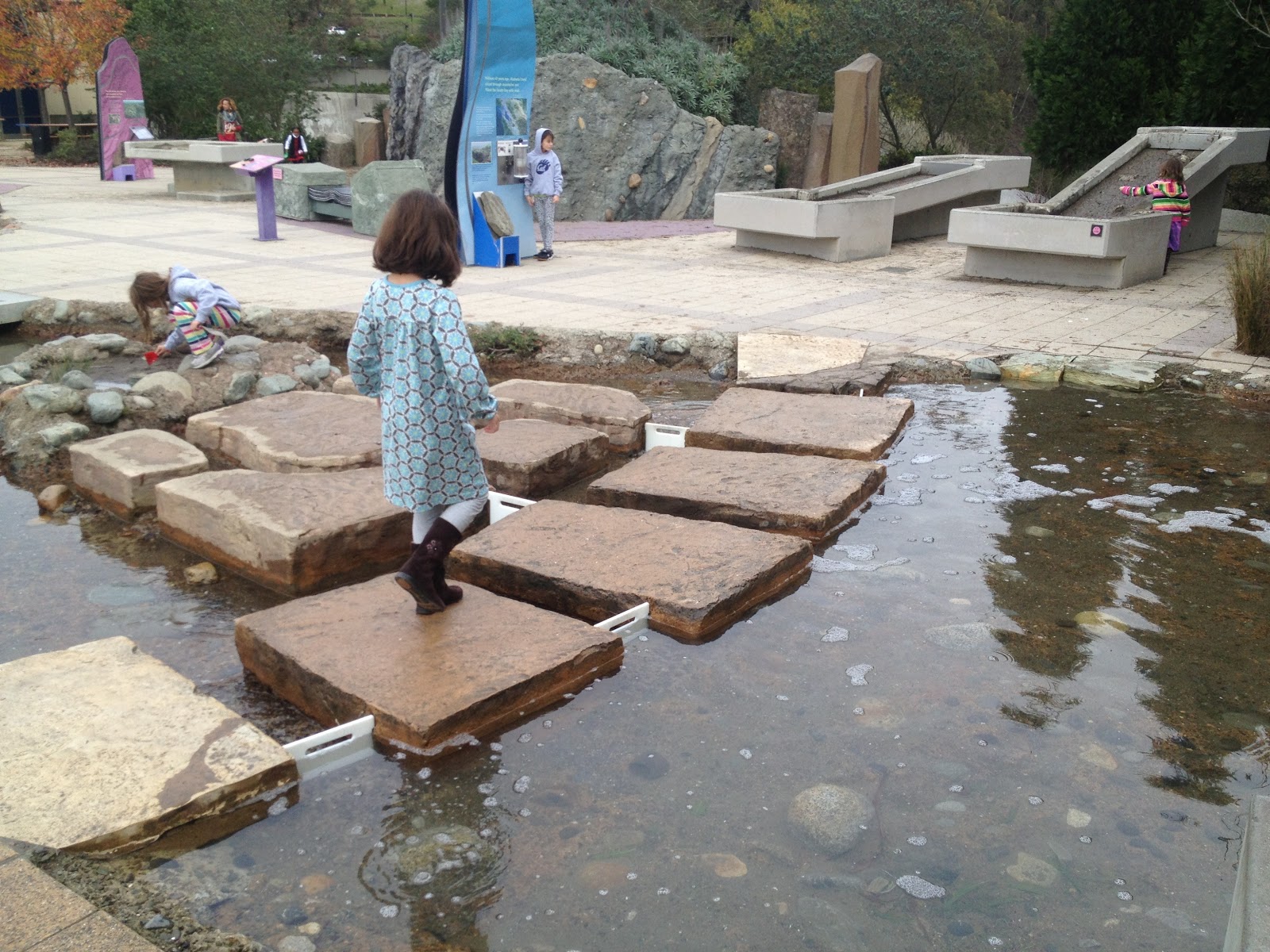
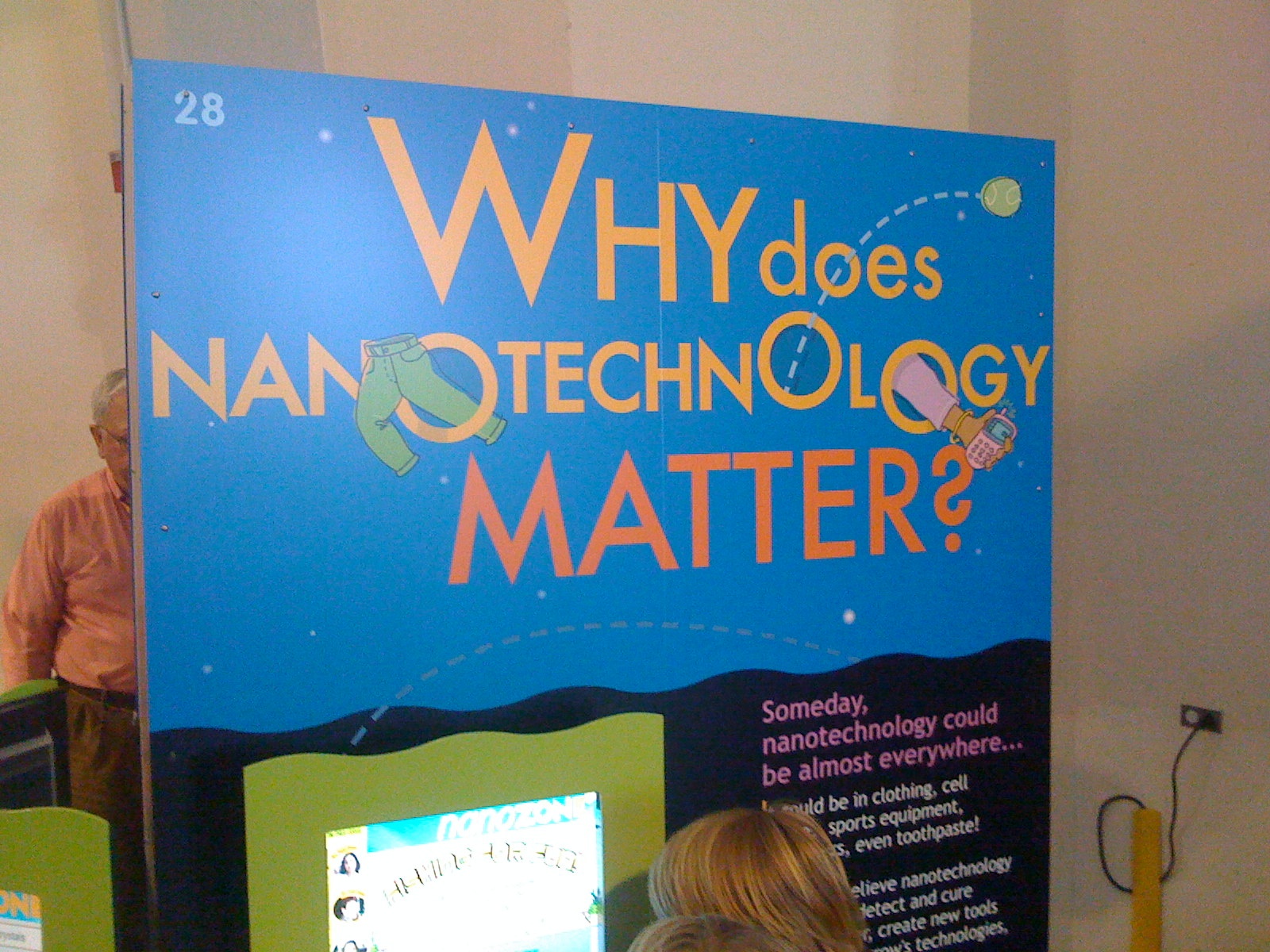
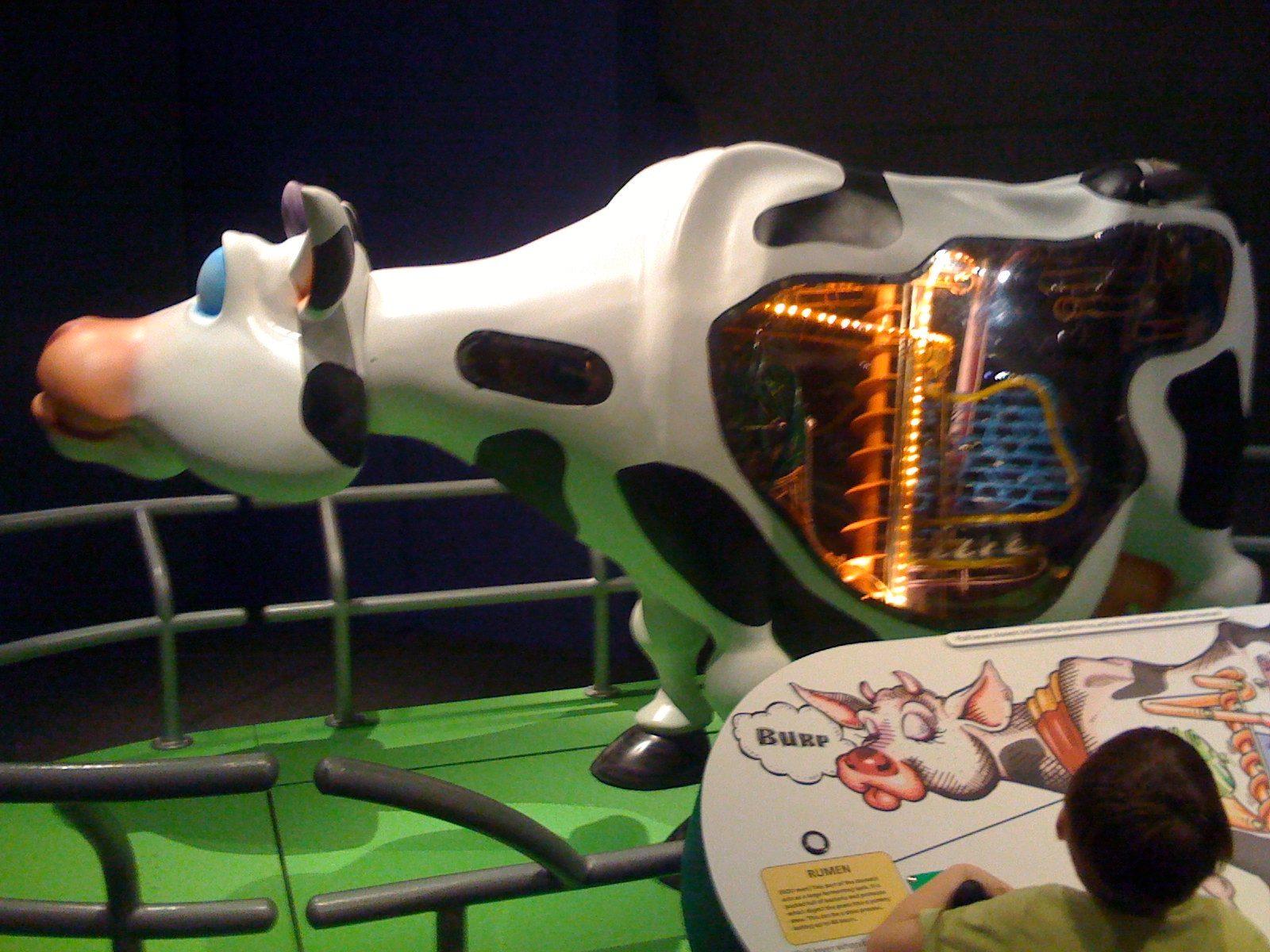
Had a great time yesterday with my kids at the Explorit museum in Davis, CA. Some pics and vids are below

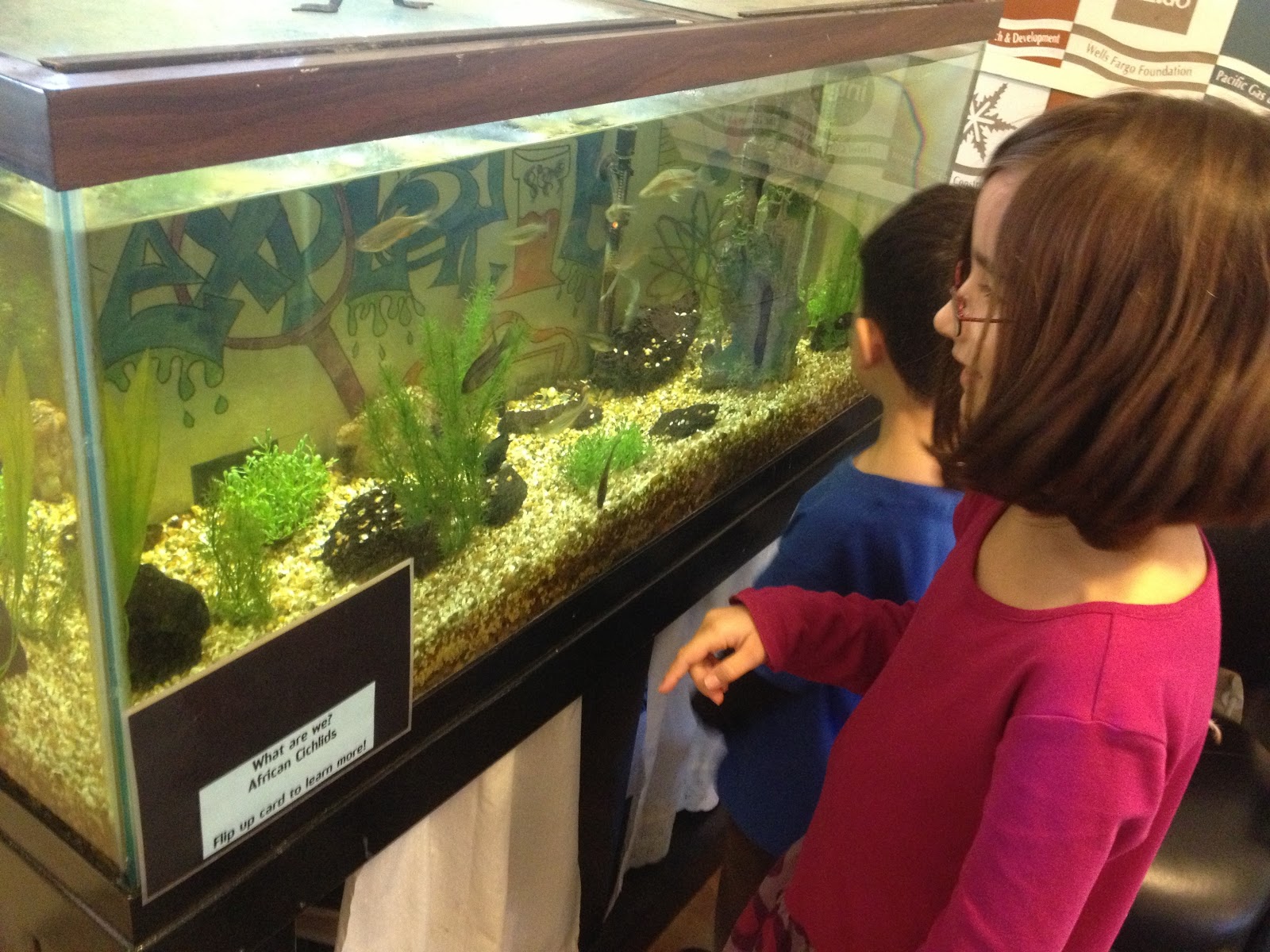
Cichlids at entrance

Really nice dissecting scope / viewing scope with video monitor:

Dissecting scope

Lots of good displays on agriculture which is a good think in and around the Central Valley

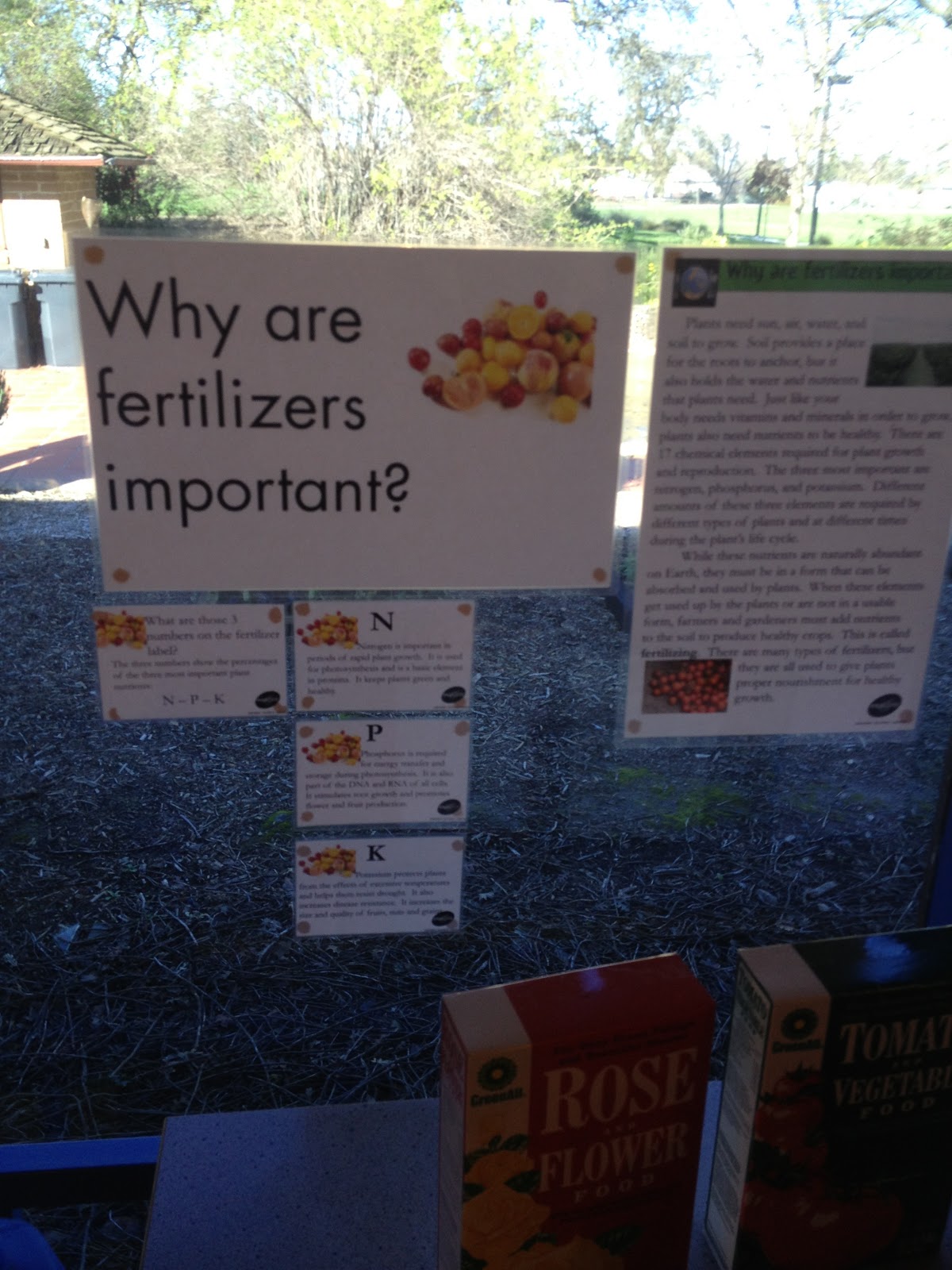
Why are fertilizers important?

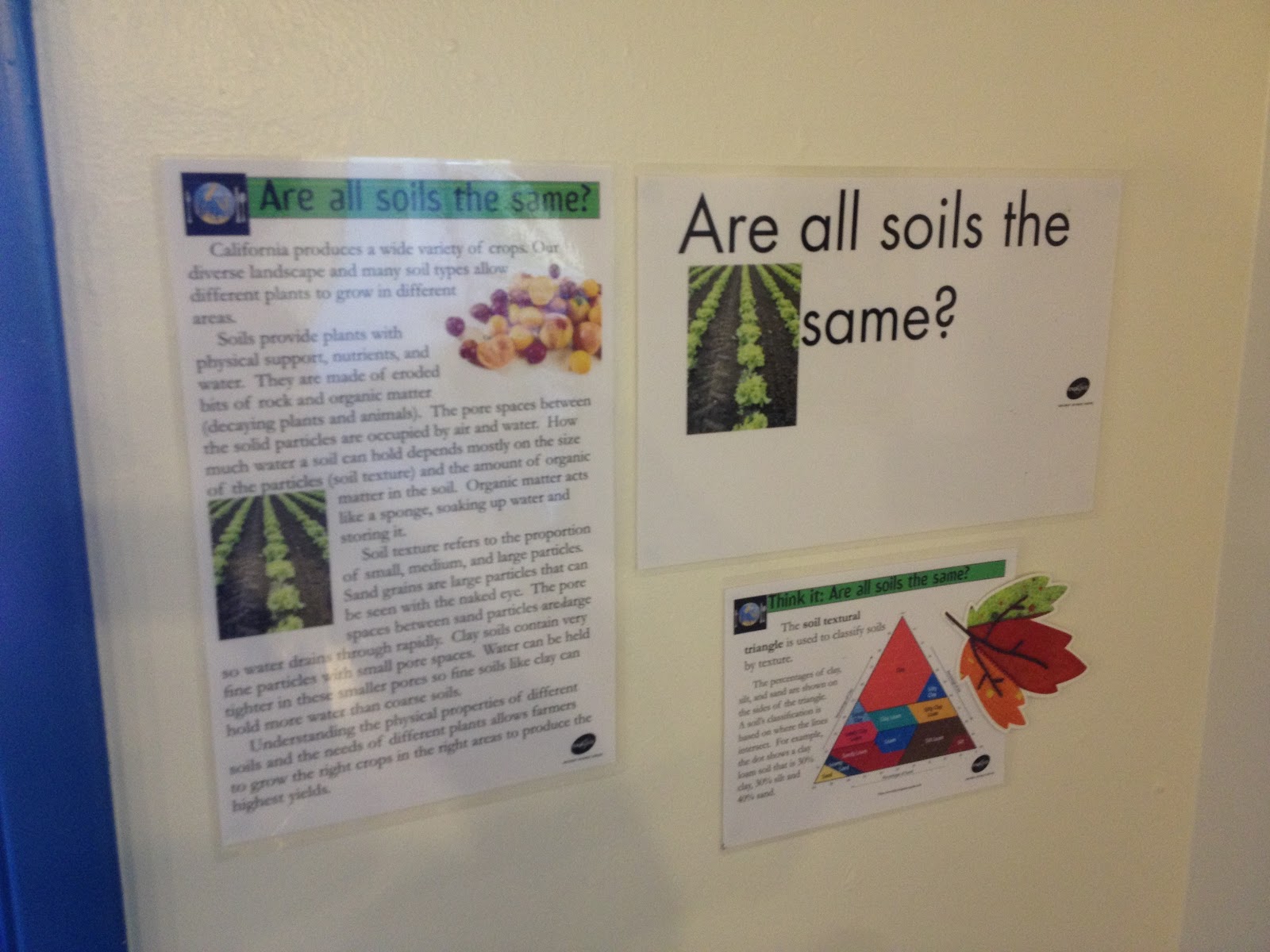
Are all soils the same?

Agricultural space

More activities

Really nice activity making a bracelet that reflected where water goes in the environment.

Awesome game on water flow

Really helpful staff

Sifting seeds in water or not water

Snake …

Checking out the python

Bugs:

Giant cave cockroaches

Grind your own grain:

Add grain

Add grain

Floating ball

Best activity: make your own floating spider …

How spiders float 

//www.youtube.com/get_player

Ball python time

Ball python

Ball python

Spider display

Science for Kids: Lawrence Hall of Science in Berkeley, CA

Had a relatively nice trip to the Lawrence Hall of Science in the Berkeley hills last week with my kids.  The new math exhibit was less than ideal (complicated instructions for many things, not exceptionally friendly to my five year old) but the rest was pretty nice.

I am going to try to post more and more about science for kids in the future.  I was inspired a bit by getting some press coverage for being a geeky dad recently (e.g., see The Sexiest Geek Dads in the Galaxy – Io9 the New York Times had a bit about what science toys scientists used as kids and somehow I was included: These Were a Few of Their Favorite Things).

Anyway – here are some pics from the Lawrence Hall of Science.  It is worth a visit if you are anywhere near Berkeley and want something to do with your kids that is sciency.  We particularly enjoyed the simple star / constellation show at the planetarium.

We had a bit more fun in 2009 when we went.  Not sure why it was more fun but the math exhibit was not there so maybe that was it.  Some pics from 2009 are below

UCDavis Ecology & Evolution Seminar Jan 10th: Noah Fierer

:Noah Fierer from the University of Colorado Boulder
"Exploring terra incognita: the biogeography of soil microorganisms", will be on Thursday, January 10 at 4:10pm in 1003 Giedt Hall.

A few of his publications include:

  • Fierer, N., C.M. McCain, P. Meir, M. Zimmermann, J.M. Rapp, M.R. Silman, R. Knight. 2011. Microbial elevational diversity does not follow the biogeographical trends of plants and animals. Ecology. 92: 797-804.
  • Fierer, N., J.W. Leff, B.J. Adams, U.N. Nielsen, S.T. Bates, C.L. Lauber, S. Owens, J.A. Gilbert, D.A. Wall, J.G. Caporaso. in press. Cross-biome metagenomic analyses of soil microbial communities and their functional attributes. PNAS (available online)
  • Fierer, N., S. Ferrenberg, G.E. Flores, A. Gonzalez, J. Kueneman, T. Legg, R.C. Lynch, D. McDonald, J.R. Mihaljevic, S.P. O’Neill, M.E. Rhodes, S. Song, W.A. Walters. 2012. From animalcules to an ecosystem: application of ecological concepts to the human microbiome. Annual Review of Ecology, Evolution, and Systematics. 43:137-155.
  • Hulcr, J., J.B. Henley, N.R. Rountree, N. Fierer, A. Lucky, M.D. Lowman, A.M. Latimer, R.R. Dunn. 2012. A jungle in there: bacteria in belly buttons are highly diverse, but predictable. PLoS One. 7(11): e47712.
  • Craine, J.M., N. Fierer, K. McLauchlan, A. Elmore. in press. Reduction of the temperature sensitivity of soil organic matter decomposition with sustained temperature increase. Biogeochemistry (available online)
  • Fierer, N., C.L. Lauber, N. Zhou, D. McDonald, E.K. Costello, R. Knight. 2010. Forensic identification using skin bacterial communities. PNAS 107: 6477-6481.

More about his research is here.

RIP Carl Woese: Collecting posts / notes / other information about my main science hero here

My tribute to Carl Woese 12/30/12

Sadly, Carl Woese has passed away.  I am collecting some links and posts about him here in his memory.  He was without a doubt the person who most influenced my career as a scientist.

News stories about Woese’s passing

Some of my posts about Woese

Woese Tree of Life pumpkin (by J. Eisen)

Storification of Tweets and other posts about his passing //storify.com/phylogenomics/rip-carl-woese.js?template=slideshow[View the story “RIP Carl Woese” on Storify]

Other posts worth reading about Woese’s passing

Some videos with Woese 


Miscellaneous

My graduate student Russell Neches used a laser to etch a picture of Carl Woese on a piece of toast.

http://www.mendeley.com/groups/2940711/papers-by-carl-woese/widget/21/3/