Having lots of fun with my @Olloclip macro lens for my iPhone

First "Guardians of microbial diversity" award to Rob Dunn #microbiology #GMDs

For this I am awarding him the first of what will be many “Guardians of Microbial Diversity” awards here (we can just call these the GMDs). Not only will he get an award – I am going to send him a GMD gift from the various GMD doodads I am putting together.
Congratulations Rob.  Now off to design some more diverse GMD doodads. 

Dear #AAAS, I am NOT embargoing my own talk & I plan to record it and post afterwards #embargowatch

Just got another email from AAAS regarding their big meeting in February in Vancouver where I am scheduled to talk:

—————————————-
This request for materials is from the AAAS media relations team and is separate from any you may receive from your symposium organizer or the AAAS Annual Meeting office.
—————————————-
Dear AAAS Annual Meeting Participant:


Thanks to all of you who uploaded materials to the AAAS Virtual Newsroom by Jan. 16. For those of you who have not submitted materials or want to submit additional materials, you may do so right up through the meeting. The materials will be available online to reporters, although we can no longer guarantee that we’ll be able to copy new
submissions at our expense for placement in the on-site library of speaker materials. We will try to include materials received in the next several days in our copy order, however.


You also can make printed copies (10-15 copies) yourself and ship them to Vancouver so that we can place them in the on-site papers library for reporters. Ideally, press materials should be on-site prior to your presentation. Please see below for appended mailing instructions.


Speakers and organizers can submit materials by going to:
http://www.eurekalert.org/aaasnewsroom/mcm/speakers


Your individual username and password for the site:


Please provide the following:


— A one-paragraph biographical sketch (not a C.V.)


— A short lay-language summary of your talk, beyond the abstract.


— The text of your talk, if available, or a related (ideally recent) technical paper, either as a Word file or a PDF. PowerPoint presentations are acceptable, but a full text will better serve reporters’ needs.


— Any additional supporting materials, including multimedia files such as JPEG or TIFF photos in high resolution (300 dpi) and/or digitized video clips.


IMPORTANT: Please note that all AAAS meeting presentations are strictly embargoed and your speaker materials should not be released publicly until the time of your presentation.


If you upload your materials by 16 January, we will copy them at our expense for placement in the on-site library of speaker materials, available only to newsroom registrants.


Please notify your institution’s press office of your AAAS Annual Meeting presentation as soon as possible. Your press office can help you submit speaker materials to us and can begin to generate media interest.
….

The thing is – I did not agree to “Embargo” my talk and as I wrote about before, I do not even know what that means.  I figured, in the interest of being “open” about my feelings about this, I should write to AAAS to let them know I was not going to embargo my own talk, and I plan to record my talk and post it afterwards:

To whom it may concern


I am scheduled to speak at the AAAS meeting and I am writing this in regard to the email attached below.  I do not support the notion of an Embargo for my talk and I am unwilling to participate in the embargo. I plan to post information about my talk to the web and to my blog and am writing to specifically let you know I fundamentally do not support the embargo nor did I agree to it when I agreed to give a talk at AAAS.


I also plan to record my own talk and to post the recording and the slides to various websites.  I am not sure if AAAS has a policy about that but wanted to let you know of my plans in the interest of not having any surprises.


Sincerely


Jonathan Eisen

Will report back if I get a reply … and maybe I can get Ivan Oransky to help make sense out of what a talk embargo means.

One old, one new – a few phylogeny papers worth checking out

Just a quick one here. A few days ago in my lab we were discussing some challenges with doing phylogenetic diversity (PD) measurements in very very large phylogenetic trees. PD is a measure of total branch length in a phylogenetic tree for a group of taxa … and we use it for many purposes.
For many of our applications we have been using an algorithm described by Mike Steele “Phylogenetic diversity and the Greedy Algorithm“. But alas, is is not keeping up with the massive tree sets we are dealing with. Fortunately Aaron Darling in my lab found a alternative paper with a perfect sounding title for us: Phylogenetic Diversity within Seconds from Minh, Klaere, and von Haeseler. This seems like it will do the trick. I note – Kudos to Systematic Biology for making some older papers freely available. Not sure of their general policies on this but good to see.
Anyway – back to the grind …

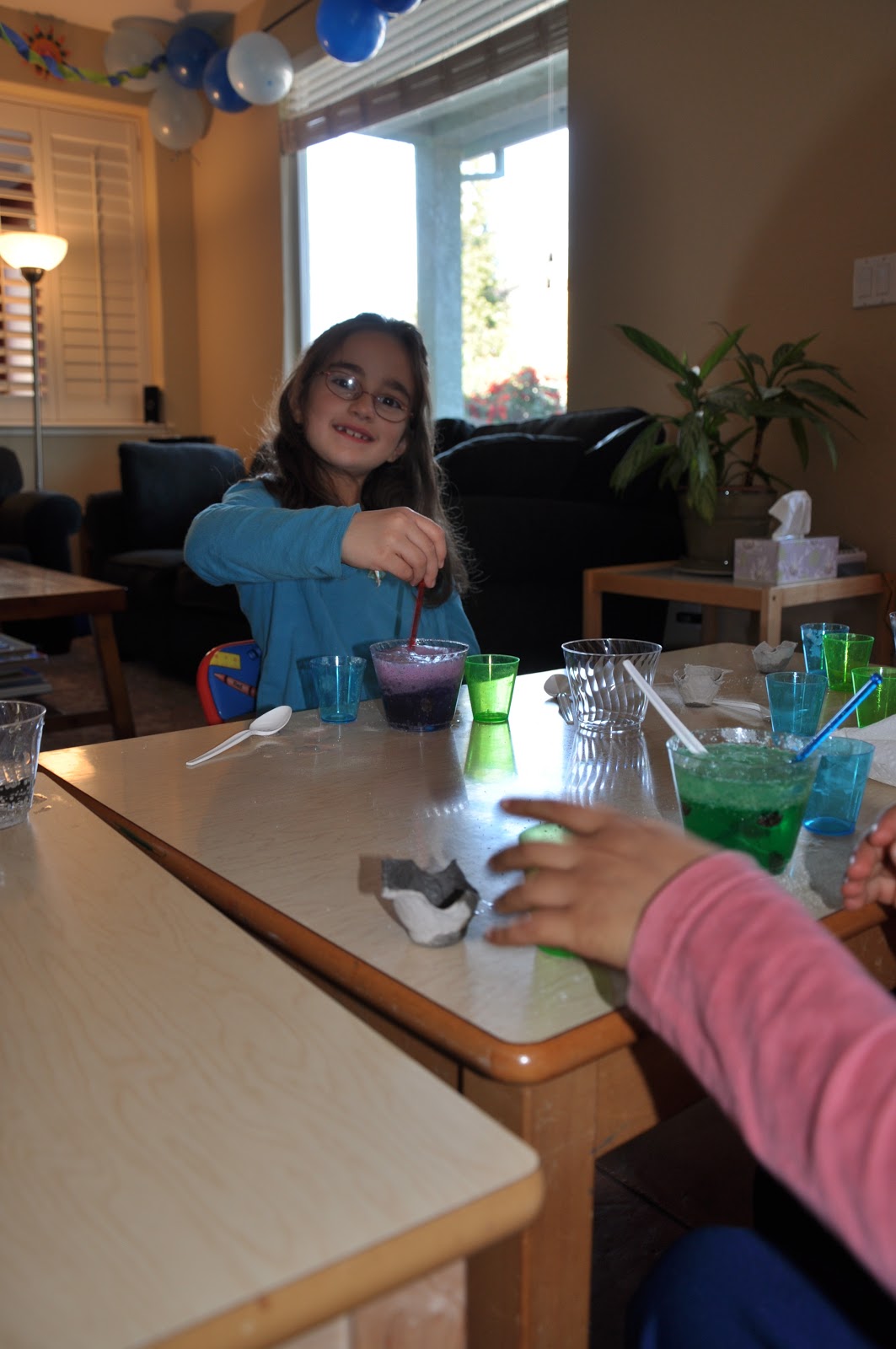
A science birthday party for a five year old

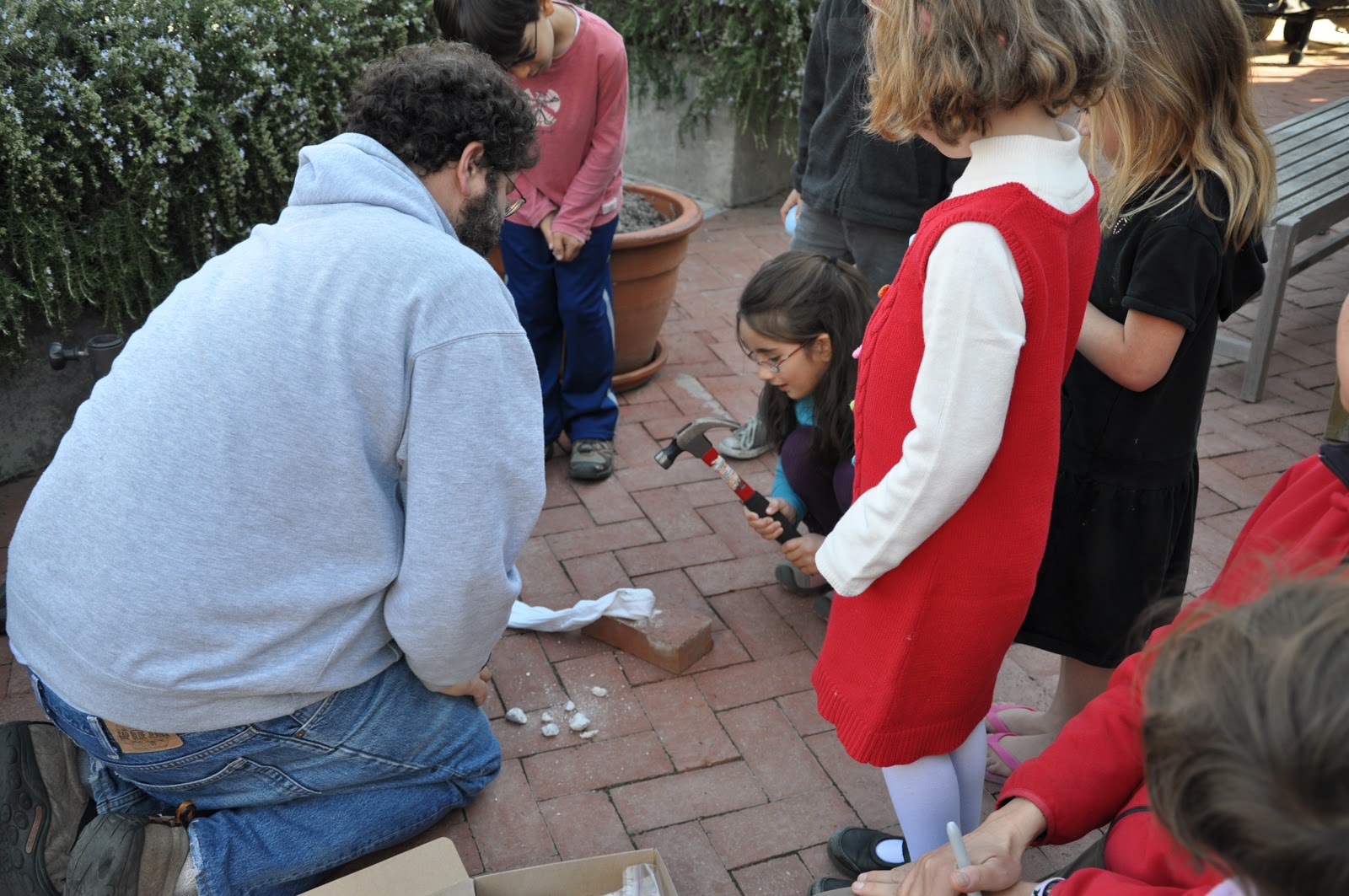
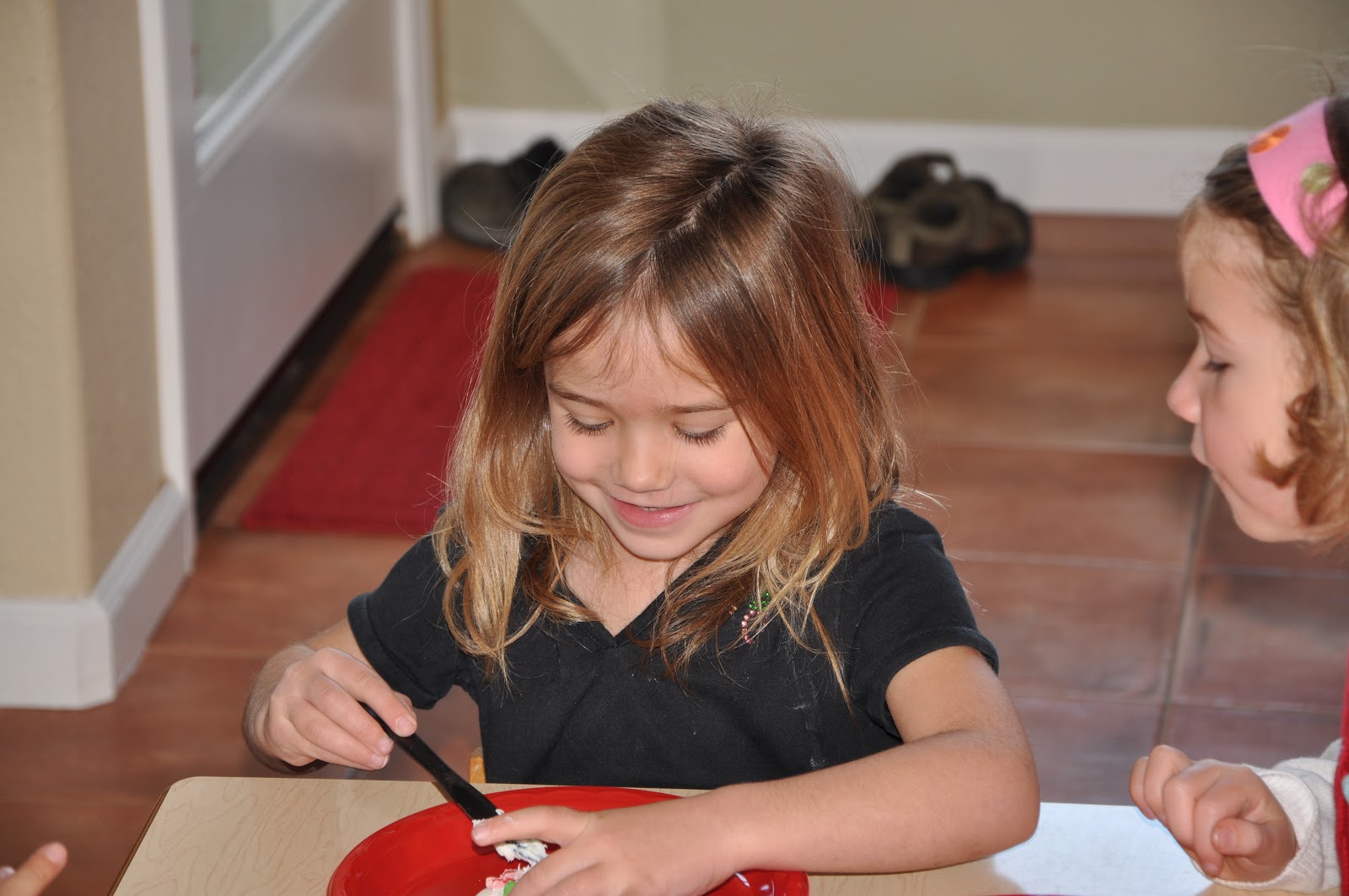
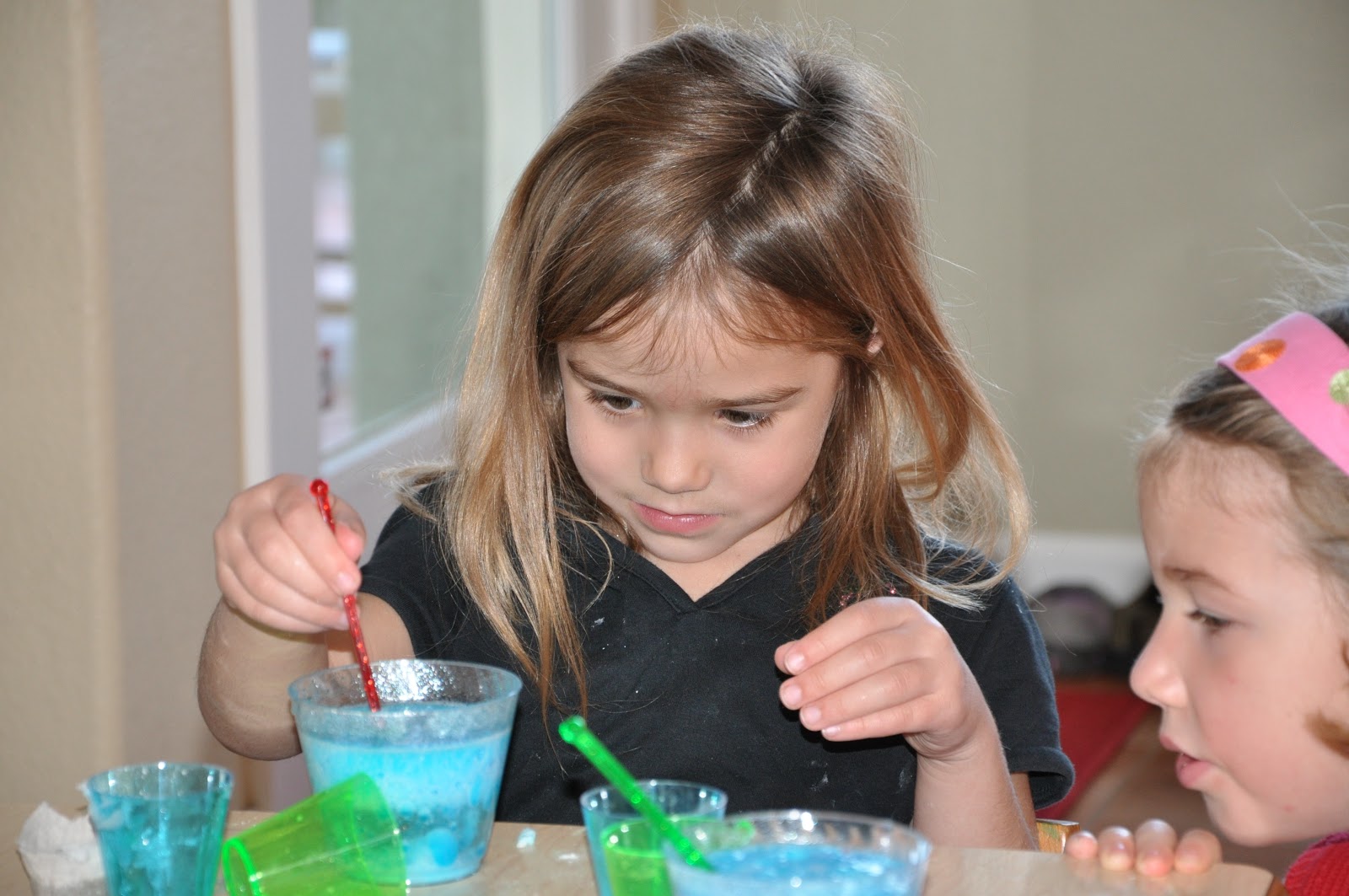
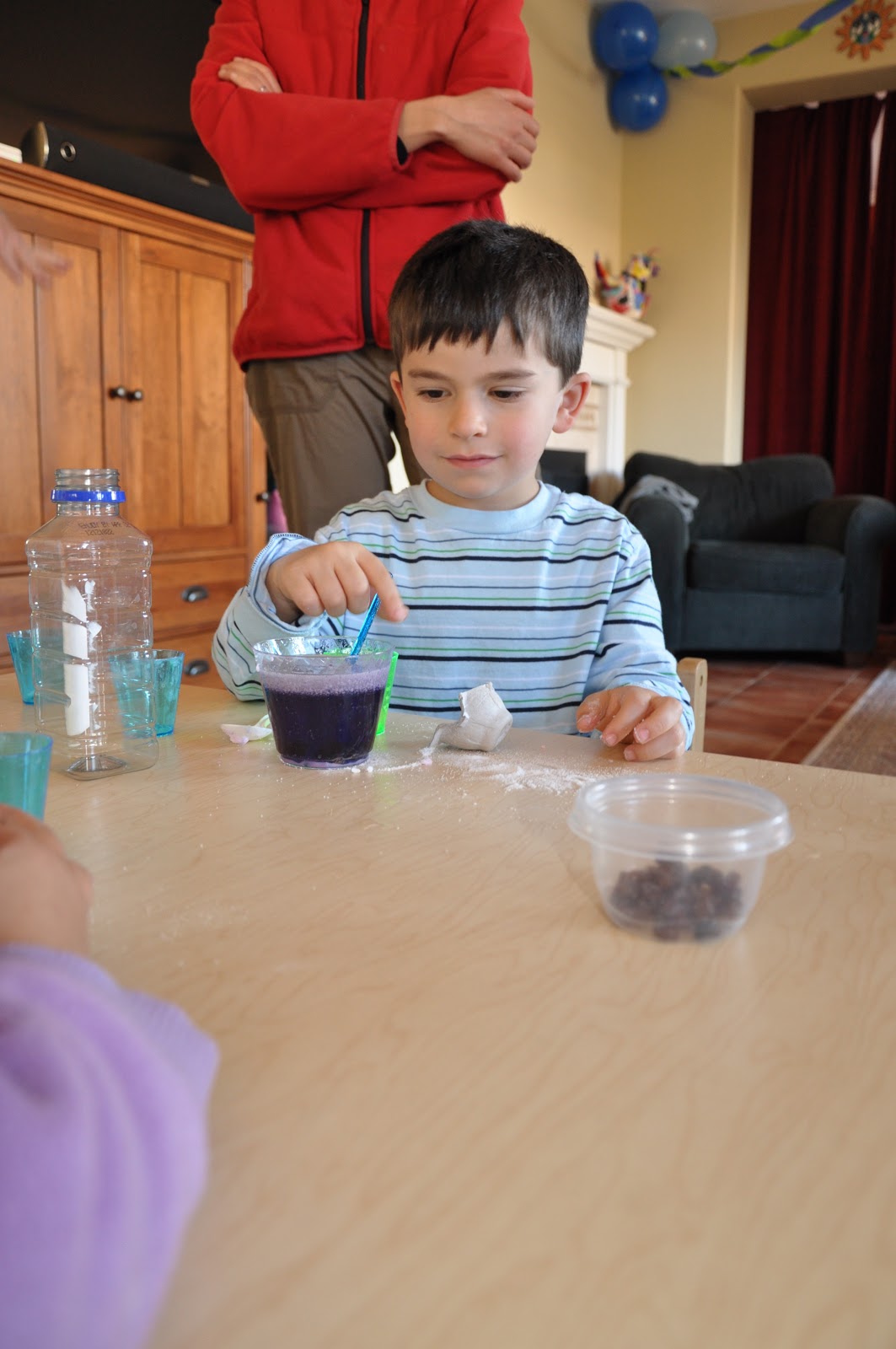
Some pics from my son’s fifth birthday party – chemistry & geology focused (we may sample microbes later …).  For the geology part we cracked open geodes.  For the chemistry part, we played with citric acid, baking soda, some dyes, and other things …

Experimenting with Blogger’s "Dynamic Views" format and a way to use with without changing my front page

A while ago Blogger announced “Dynamic Views” for Blogger blogs (Dynamic Views: seven new ways to share your blog with the world). Some of these seem pretty near but I kind of like the non dynamic format for my blog and I am reluctant to jump into the new dynamic world.

Then I discovered a trick.  Dynamic views are there and you do not have to switch over the front page for people to still play with with views.

To get to the dynamic views for this blog go to one of these links:

Seems like this may work for most blogger blogs too.  Not sure whether this is on purpose by Blogger and/or whether they have written about it or not but I like that it is there to play with.  If people have any opinions about the Dynamic Views let me know.  I note – one you go to the dynamic views you can switch between the different views using the drop down menu on the left.

Notes on #UCDavis Citizen Microbiology Meeting #UCDCitSci

We had a meeting at UC Davis on “Citizen Microbiology” from 1/23-1/24. It was a small meeting funded via my microBEnet project which itself is supported by a grant from the Alfred P. Sloan Fundation. The meeting was held at UC Davis – participants stayed at the new Hyatt on campus. We met in the new Conference Center. Participants at the meeting were me, David Coil (post doc in my lab), Paula Olsiewski (from the Sloan Foundation), Holly Bik (post doc in my lab), Darlene Cavalier (founder of ScienceForCitizens.Net), Dan Smith from Argonne National Lab, Denneal Jamison from UC Davis, Holly Menninger from NC State, Noah Feirer from CU Boulder, Josh Neufeld from Waterloo, Jason Bobe from The Personal Genome Project, Tom Bruns form UC Berkeley, Madhu Katti from Fresno State, Chris House from Penn. State, and Patrik D’haeseleer (from Lawrence Livermore National Lab).
Below is a “Storification” I made of the tweets and links from the meeting.

http://storify.com/phylogenomics/uc-davis-citizen-microbiology-meeting-ucdcitsci.js[<a href=”http://storify.com/phylogenomics/uc-davis-citizen-microbiology-meeting-ucdcitsci” target=”_blank”>View the story “UC Davis Citizen Microbiology meeting #UCDCitSci” on Storify</a>]

A conference where the speakers are all women?

So – I was working on organizing a conference – a part of a series – and I was frustrated that prior conferences in the series had only or mostly male speakers. So I suggested for the new conference in the series we have only female speakers. Still working on pulling that off but probably won’t quite happen. So then I posted to twitter and Google+ the idea – and asked a question about it. I made a “storification” of this which you can see below the fold:


http://storify.com/phylogenomics/a-conference-where-the-speakers-are-all-women.js[<a href=”http://storify.com/phylogenomics/a-conference-where-the-speakers-are-all-women” target=”_blank”>View the story “A conference where the speakers are all women?” on Storify</a>]

Crossposting from microBEnet: architecture and microbes

Crossposting this from microBEnet: “Architectural design influences the diversity and structure of the built environment microbiome” – paper by the BioBE Center group | Microbiology of the Built Environment Network (post by David Coil).

We’ve posted in the past (here, here, here, and here) about some of the interesting work taking place at the BioBE Center regarding microbial community structure in health-care facilities. Today a paper on this topic came out in the ISME Journal.

This paper is certainly worth a read for anyone interested in the microbiology of the built environment. In particular they show that microbial community structure depends largely on the type of ventilation present in a room. Furthermore, they show that the microbial community present in a mechanically vented room has lower diversity than rooms with open windows or the outside air… and that lower diversity is comprised largely of human-associated microbes.

Here’s the abstract:

Buildings are complex ecosystems that house trillions of microorganisms interacting with each other, with humans and with their environment. Understanding the ecological and evolutionary processes that determine the diversity and composition of the built environment microbiome—the community of microorganisms that live indoors—is important for understanding the relationship between building design, biodiversity and human health. In this study, we used high-throughput sequencing of the bacterial 16S rRNA gene to quantify relationships between building attributes and airborne bacterial communities at a health-care facility. We quantified airborne bacterial community structure and environmental conditions in patient rooms exposed to mechanical or window ventilation and in outdoor air. The phylogenetic diversity of airborne bacterial communities was lower indoors than outdoors, and mechanically ventilated rooms contained less diverse microbial communities than did window-ventilated rooms. Bacterial communities in indoor environments contained many taxa that are absent or rare outdoors, including taxa closely related to potential human pathogens. Building attributes, specifically the source of ventilation air, airflow rates, relative humidity and temperature, were correlated with the diversity and composition of indoor bacterial communities. The relative abundance of bacteria closely related to human pathogens was higher indoors than outdoors, and higher in rooms with lower airflow rates and lower relative humidity. The observed relationship between building design and airborne bacterial diversity suggests that we can manage indoor environments, altering through building design and operation the community of microbial species that potentially colonize the human microbiome during our time indoors.

Letter from Justice Cruz Reynoso to President Yudof regarding pepper spray investigation at #UCDavis

Just got this in email and thought it would be good to share

The text reads:

In an effort to keep you apprised of any developments stemming from the UCD November 18 Task Force, I am writing to inform you of changes to the original timeline that was established. These changes stem primarily from our negotiations with the Federated University Police Officer’s Association (FUPOA) for access to non subject officers. As such, I am targeting February 21, 2012 for the release of the report of the Task Force. It is my expectation that this meeting be held publicly on the Davis campus.
As you have charged, the timing of the release of the Task Force report is dependent on the fact- finding report from Kroll. The Task Force feels it is imperative to have the most complete view possible of the events that took place last November. This includes interviews from subject and non subject officers as well as students and faculty. While Kroll has conducted several interviews with students and faculty, as of the beginning of last week, Kroll had not had access to subject and non subject officers. Through several rounds of negotiation the General Counsel’s office has made an agreement with FUPOA for access to non subject officers. Interviews with non subject officers are taking place this week.
While the timeline for the release of the report has been delayed for a few weeks, I am very pleased that an agreement was reached for access to non subject officers as this is a critical component in understanding not only the frame of mind, but a complete understanding of the events that took place, including the view of police officers.
Sincerely, Cruz Reynoso